20 Planes That Were Designed to Be Revolutionary but Never Took Off
Throughout aviation history, countless aircraft have been designed with revolutionary concepts that promised to transform flight forever. These ambitious projects often consumed millions of dollars and years of development, only to be abandoned before entering full production.
Engineering challenges, economic realities, and shifting military priorities frequently grounded these innovations before they could prove their worth. Here is a list of 20 revolutionary aircraft that, despite their groundbreaking designs and promising potential, never truly took off in the aviation world.
Boeing 2707
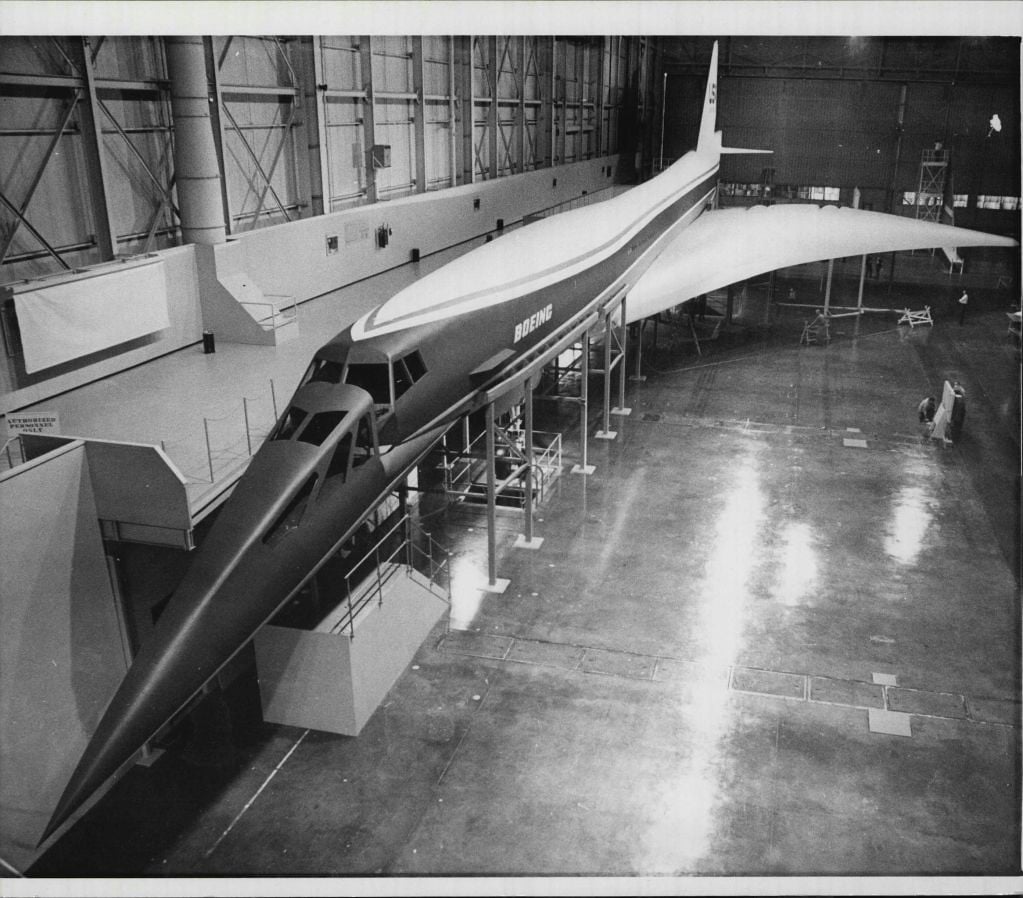
America’s answer to the Concorde aimed to fly 300 passengers at Mach 3 but was canceled after billions in development costs. The 2707’s ambitious titanium construction and variable-sweep wings proved too technically challenging for 1970s engineering capabilities.
Congress pulled funding after realizing the sonic boom would prevent overland flights, limiting the aircraft’s commercial viability.
Avro Canada CF-105 Arrow

This Canadian interceptor was decades ahead of its time when abruptly canceled in 1959, with all prototypes and plans destroyed. The Arrow could reach speeds of 1,200 mph and altitudes of 50,000 feet when most fighters struggled to break the sound barrier.
Its cancellation remains one of aviation’s greatest controversies and a source of national disappointment in Canada.
McDonnell Douglas A-12 Avenger II
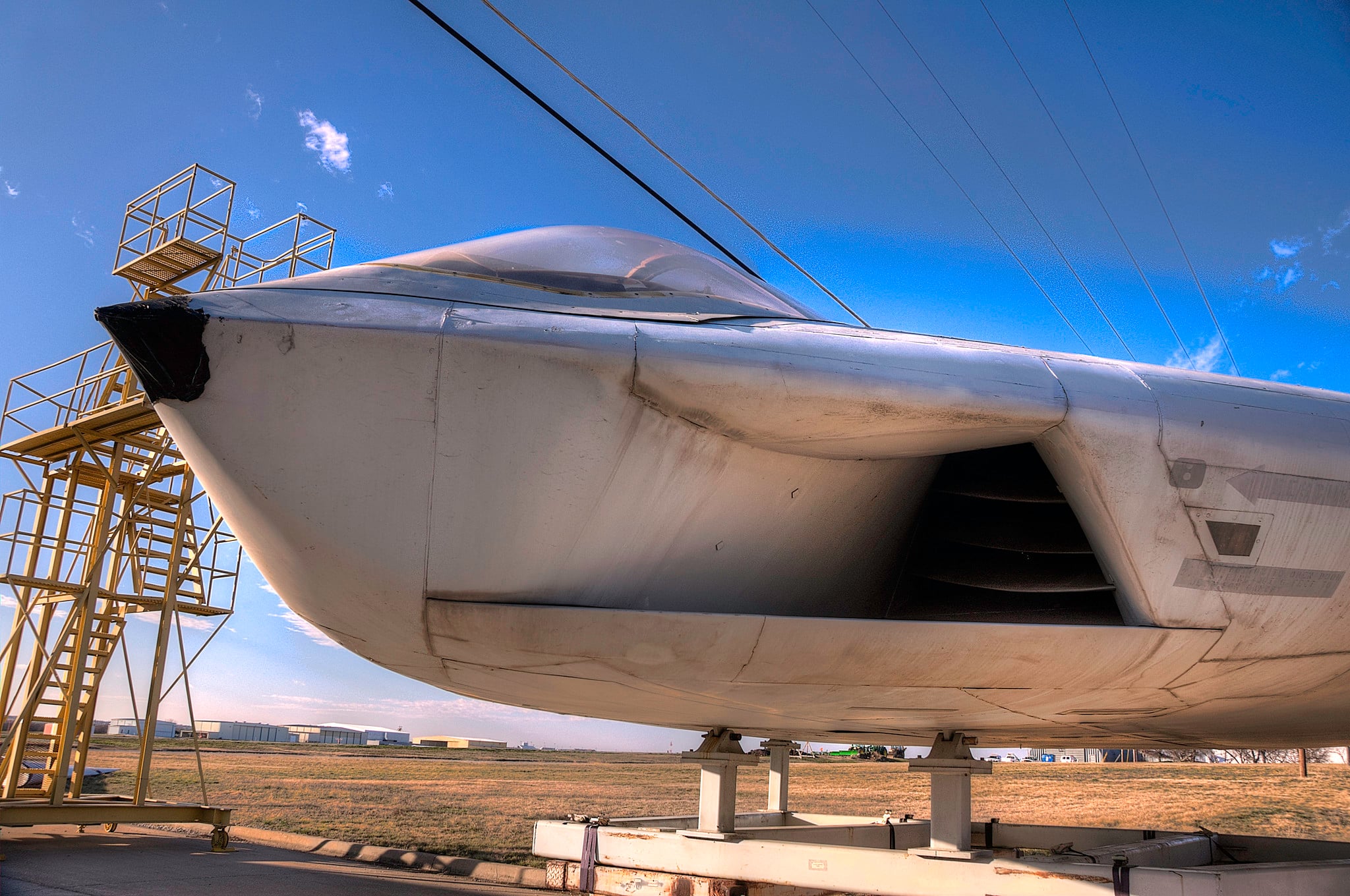
The Navy’s stealth bomber, nicknamed the ‘Flying Dorito’ for its triangular shape, consumed $5 billion before cancellation. Intended to replace the A-6 Intruder, the Avenger’s ambitious stealth technology and complex radar-evading shape created insurmountable technical challenges.
Defense Secretary Dick Cheney personally terminated the program in 1991 when costs ballooned to nearly twice the original estimates.
Lockheed CL-400 Suntan
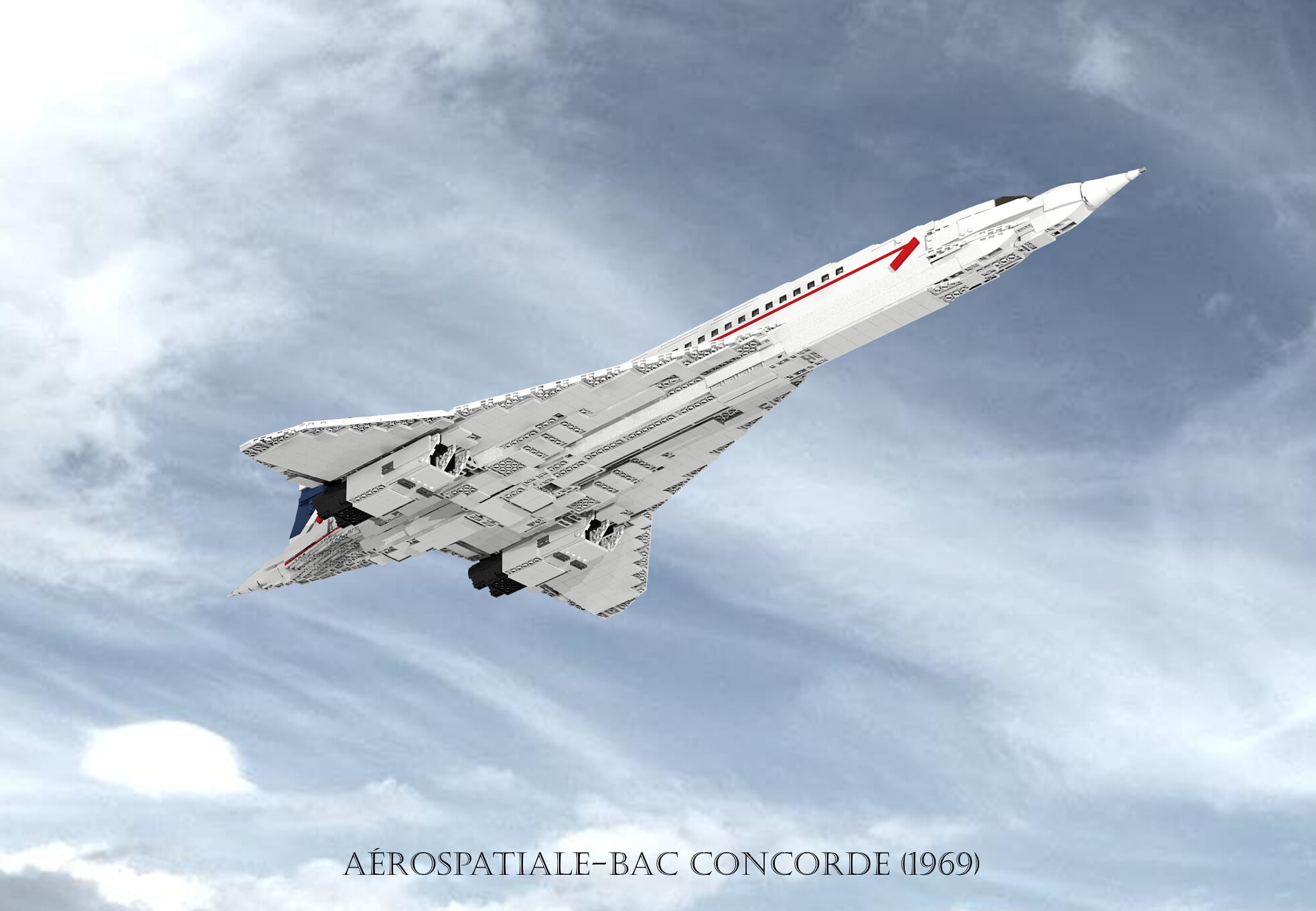
This hydrogen-powered spy plane was designed to fly at Mach 2.5 at 100,000 feet but never progressed beyond initial development. Using liquid hydrogen as fuel allowed for extreme altitude performance but created enormous practical challenges in fuel storage and handling.
The project was abandoned in favor of the more conventional but still revolutionary U-2 spy plane.
Convair Model 49
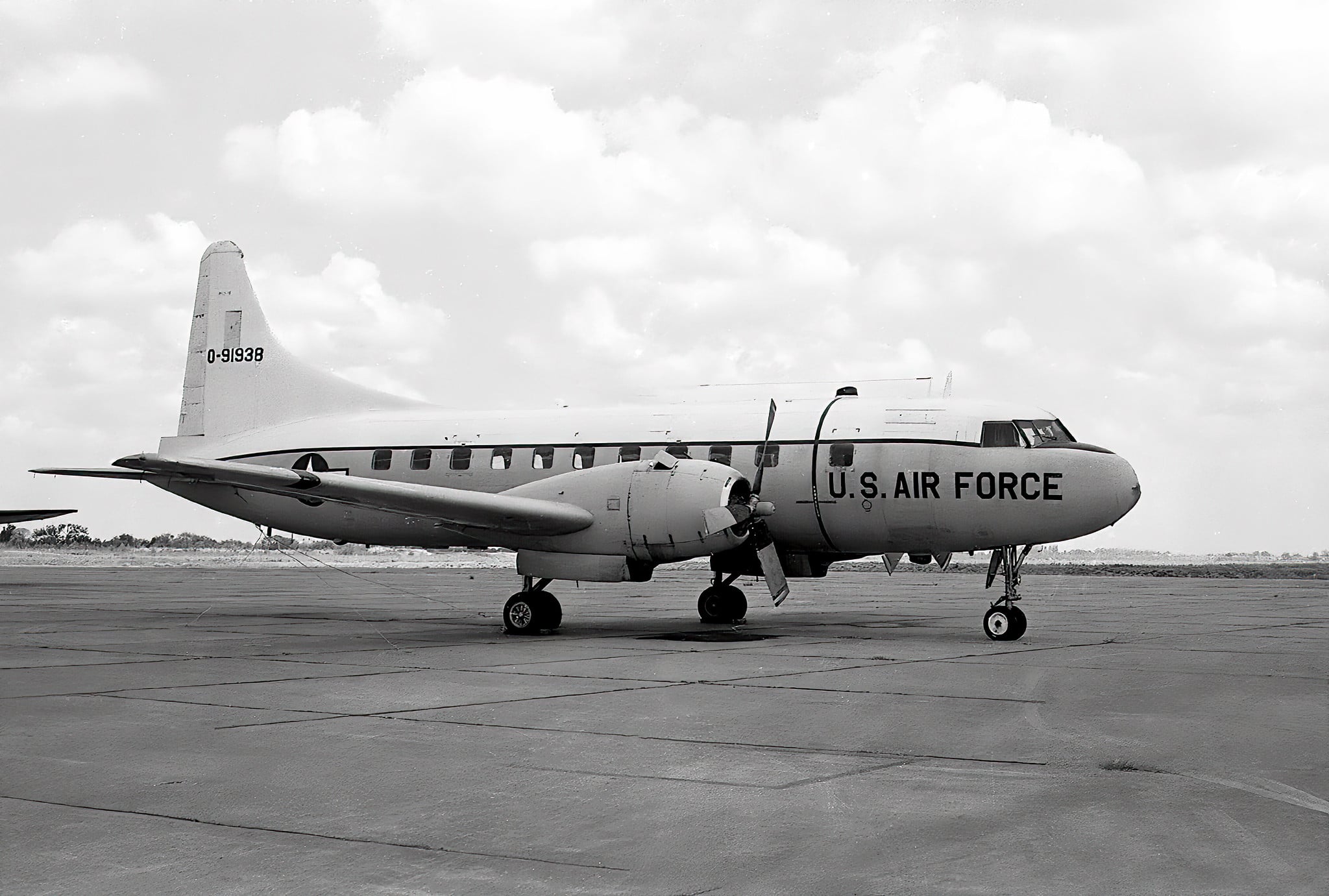
The massive nuclear-powered bomber would have delivered devastating payloads with unlimited range but was scrapped over radiation concerns. Engineers never solved the problem of adequately shielding the crew from the reactor’s radiation without making the aircraft too heavy to fly.
The concept remains a fascinating example of Cold War thinking when nuclear power seemed the answer to everything.
Lockheed Martin X-33 VentureStar
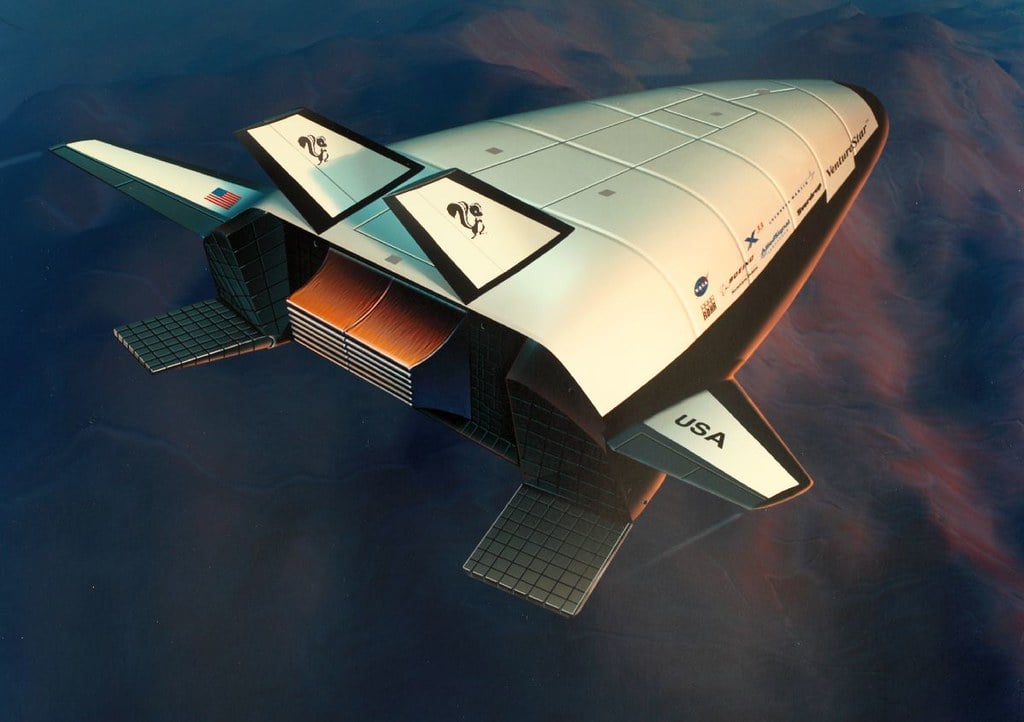
NASA’s single-stage-to-orbit spaceplane was canceled after $1.2 billion had been spent developing its revolutionary aerospike engines. The X-33 was meant to reduce space launch costs by 90% through its reusable design and innovative lifting body shape.
Failures in the composite fuel tanks ultimately doomed this ambitious replacement for the Space Shuttle program.
Sukhoi T-4
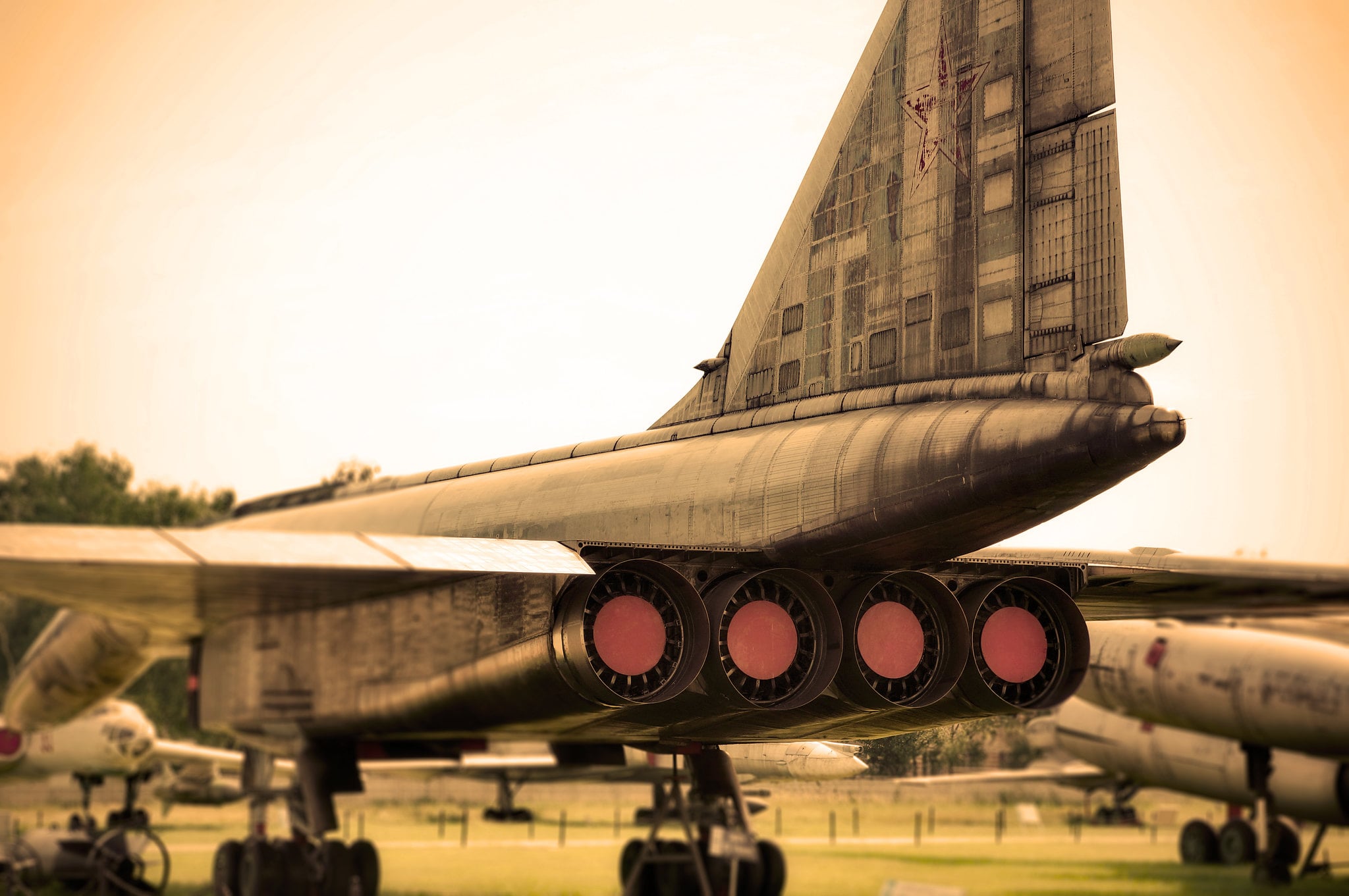
The Soviet answer to the SR-71 Blackbird featured a drooping nose and titanium construction, but only one was completed. Designed to reach Mach 3 at altitudes above 70,000 feet, the T-4 pushed the boundaries of 1970s Soviet aerospace engineering.
Budget constraints and changing military requirements left this titanium wonder relegated to museum display rather than operational service.
Boeing Sonic Cruiser
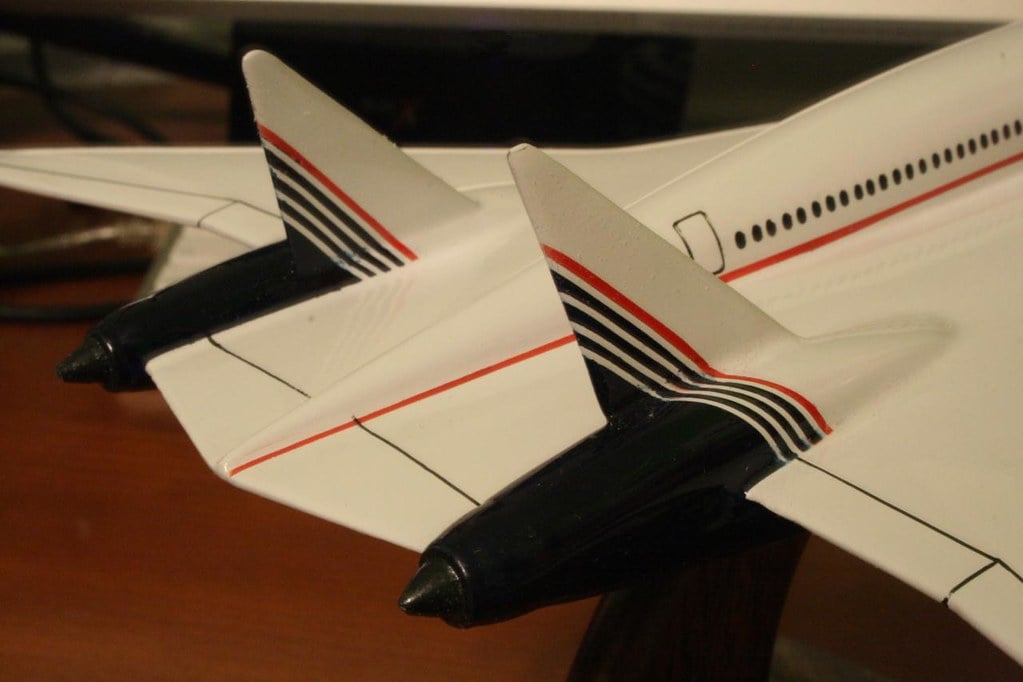
This near-supersonic airliner promised 15-20% faster flights than conventional jets but was abandoned after 9/11 changed market priorities. The distinctive delta wing and forward canard design would have cruised at Mach 0.98, just below the fuel-hungry supersonic range.
Airlines ultimately preferred efficiency over speed, leading Boeing to develop the more conventional 787 Dreamliner instead.
Northrop XP-79
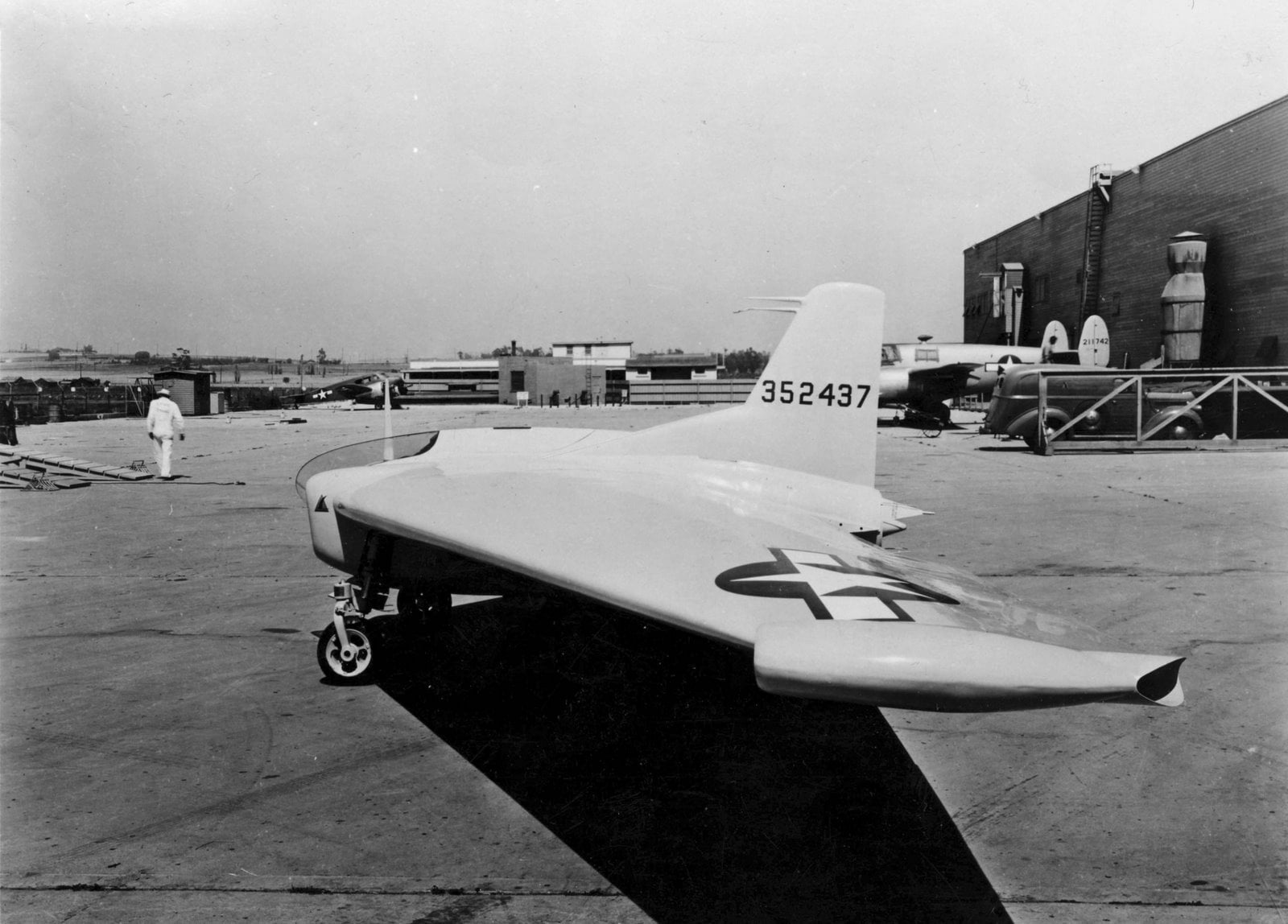
This flying-wing fighter was designed to ram enemy bombers with reinforced wings but crashed on its first flight. Built from magnesium alloys with the pilot lying prone in a tiny cockpit, the XP-79 embodied outside-the-box thinking in aircraft design.
The sole prototype disintegrated in 1945, killing test pilot Harry Crosby and ending the program immediately.
Hughes H-4 Hercules
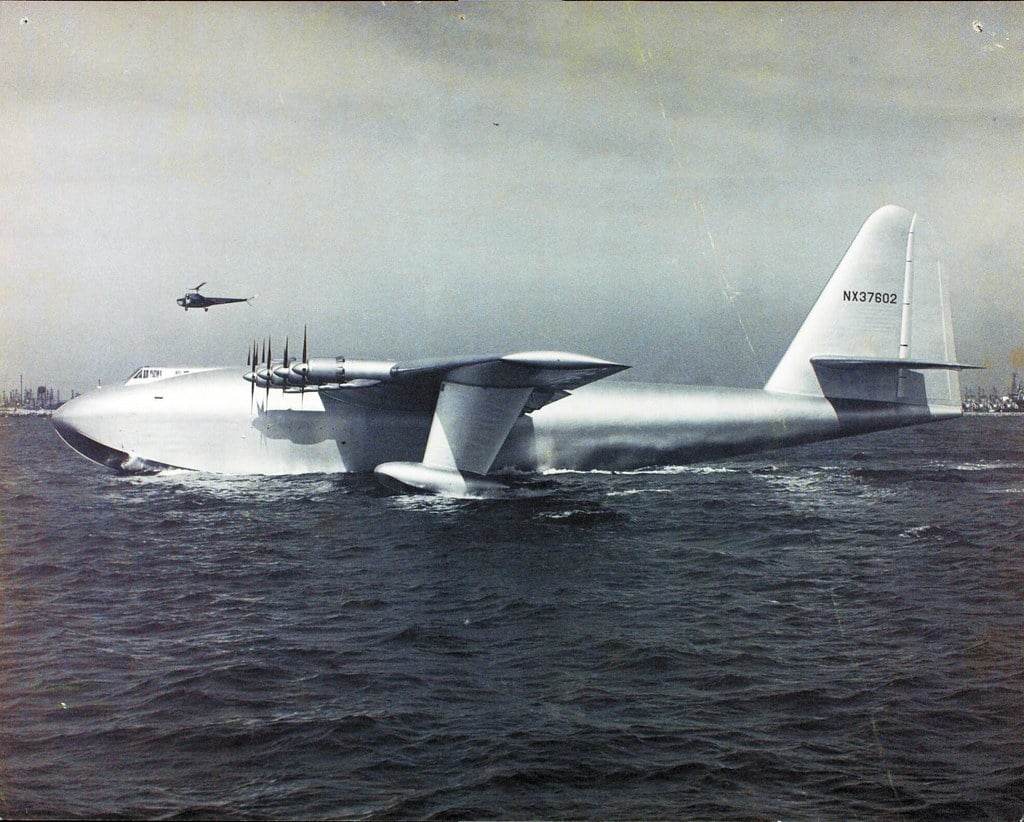
The famous ‘Spruce Goose’ flying boat had the largest wingspan of any aircraft until 2019 but flew only once for less than a minute. Constructed primarily of birch wood due to wartime metal shortages, this massive transport plane was designed to carry troops across the Atlantic.
Despite flying successfully in 1947, the end of World War II eliminated the military need for the aircraft.
Dassault Mirage 4000
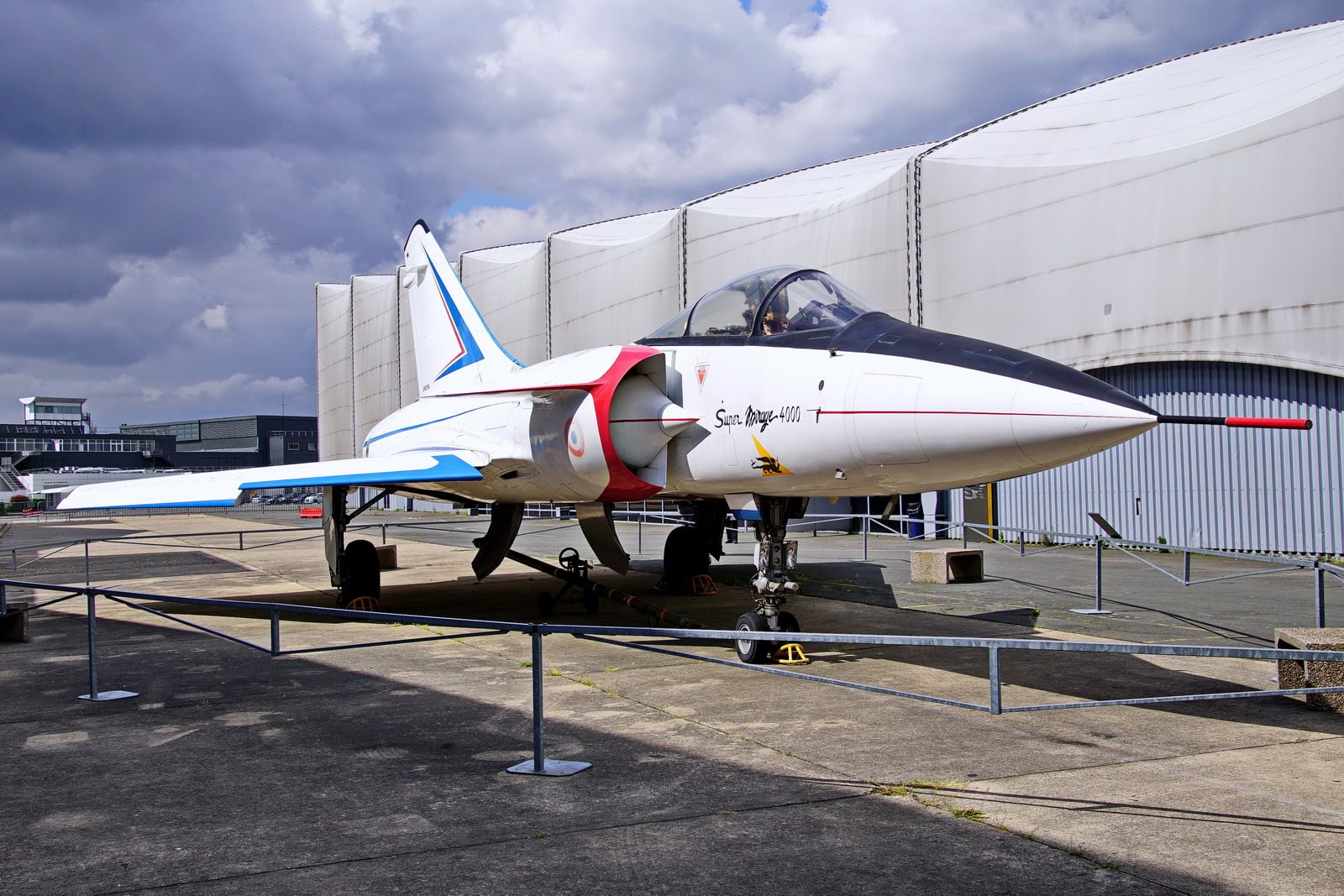
This twin-engine fighter was fully functional and flyable but never found a customer despite its exceptional performance. Essentially a scaled-up version of the successful Mirage 2000, this French delta-wing design offered twice the range and payload capability.
Saudi Arabia initially showed interest but ultimately purchased F-15s instead, leaving the single prototype as a museum piece.
Tupolev Tu-144
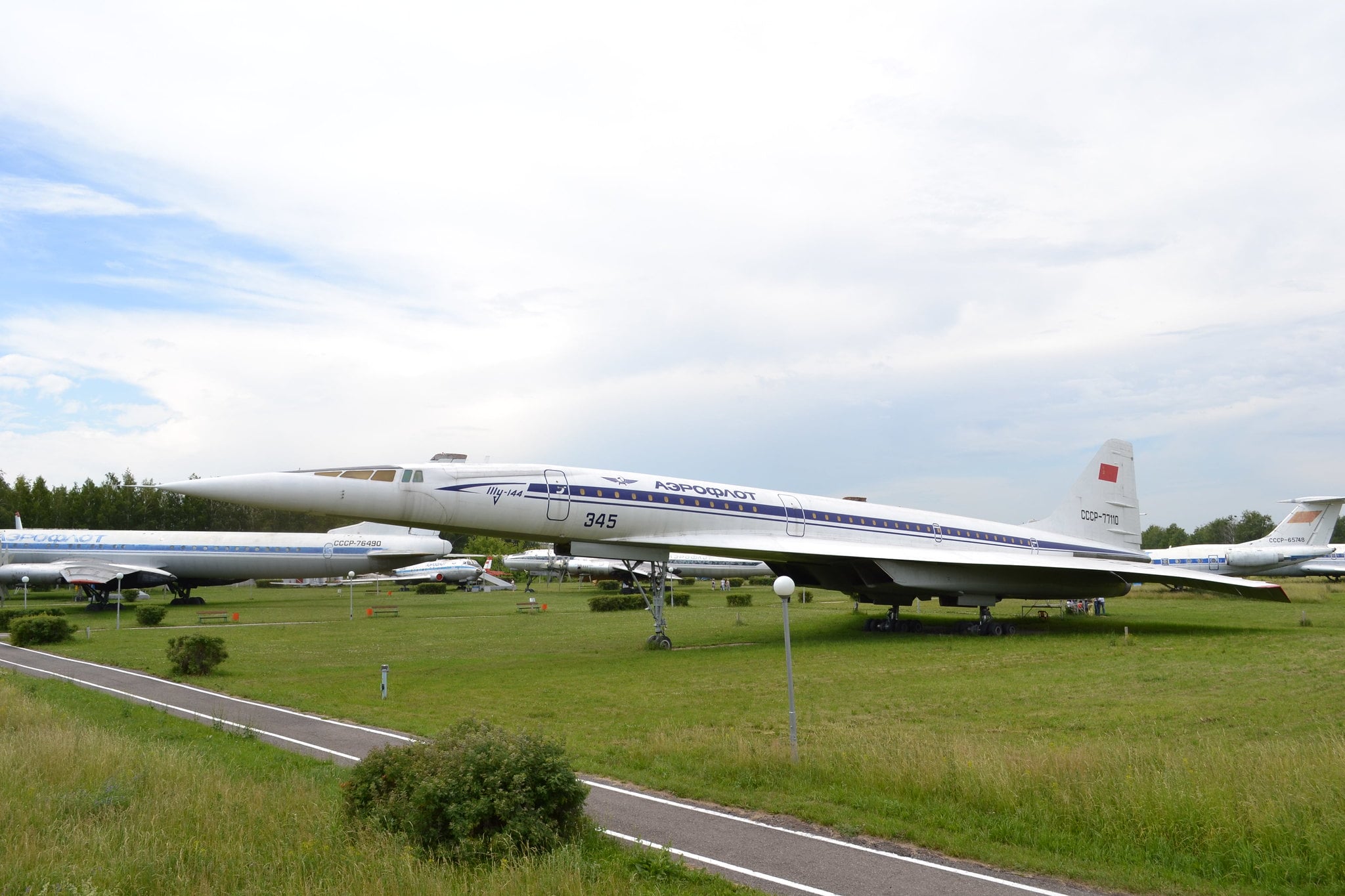
The Soviet supersonic airliner flew before Concorde but was plagued by technical problems and a catastrophic crash at the Paris Air Show. Nicknamed ‘Concordski’ in the West, the Tu-144 struggled with reliability issues and excessive noise levels throughout its brief operational history.
Regular passenger service lasted only seven months before the project was relegated to cargo transport and eventually abandoned.
Bartini Beriev VVA-14

This extraordinary vertical takeoff amphibious aircraft was designed to hunt submarines but became stranded after its designer’s death. The bizarre-looking craft used ground effect principles to skim just above the ocean surface, combining the efficiency of an ekranoplan with traditional flight capabilities.
Only two prototypes were built before funding disappeared, leaving one partially dismantled example in an outdoor Russian museum.
Martin P6M SeaMaster
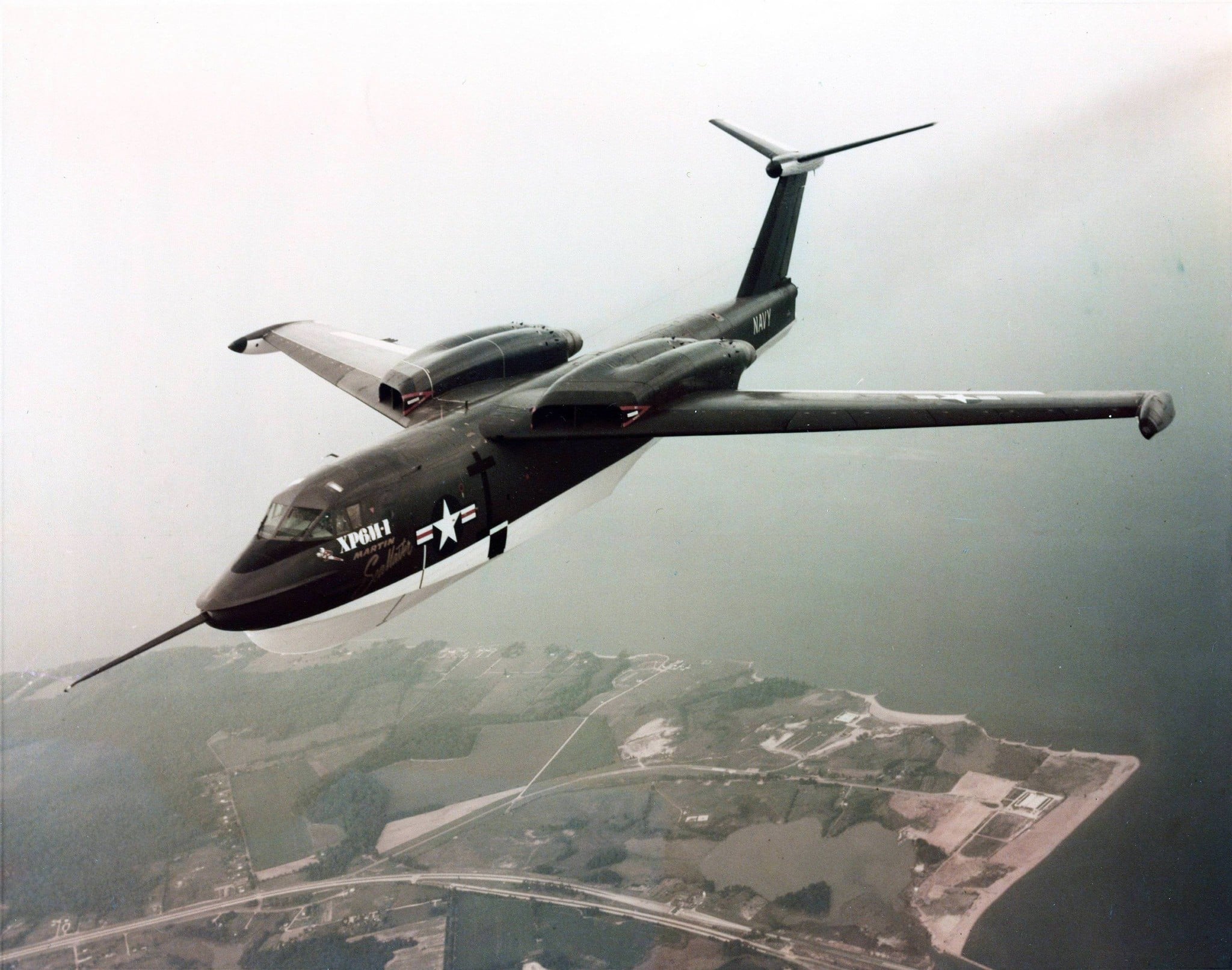
This jet-powered flying boat bomber would have launched nuclear strikes from any coastline but was canceled just before production. The Navy envisioned these massive aircraft operating from remote locations without the need for vulnerable airbases or aircraft carriers.
Budget cuts and the rise of submarine-launched ballistic missiles rendered the concept obsolete despite successful testing.
Republic XF-103
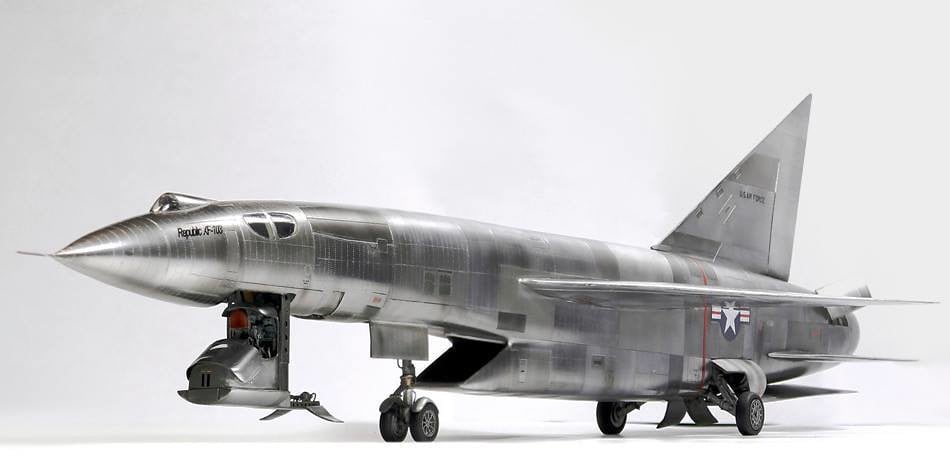
This Mach 3 interceptor featured a revolutionary Wright J67 engine but never progressed beyond wooden mockups. Designed to reach 80,000 feet in just minutes to counter Soviet bombers, the aircraft incorporated titanium construction and a complex cooling system.
Technical challenges with the engine and changing defense priorities doomed this futuristic fighter before metal was cut.
McDonnell Douglas X-45
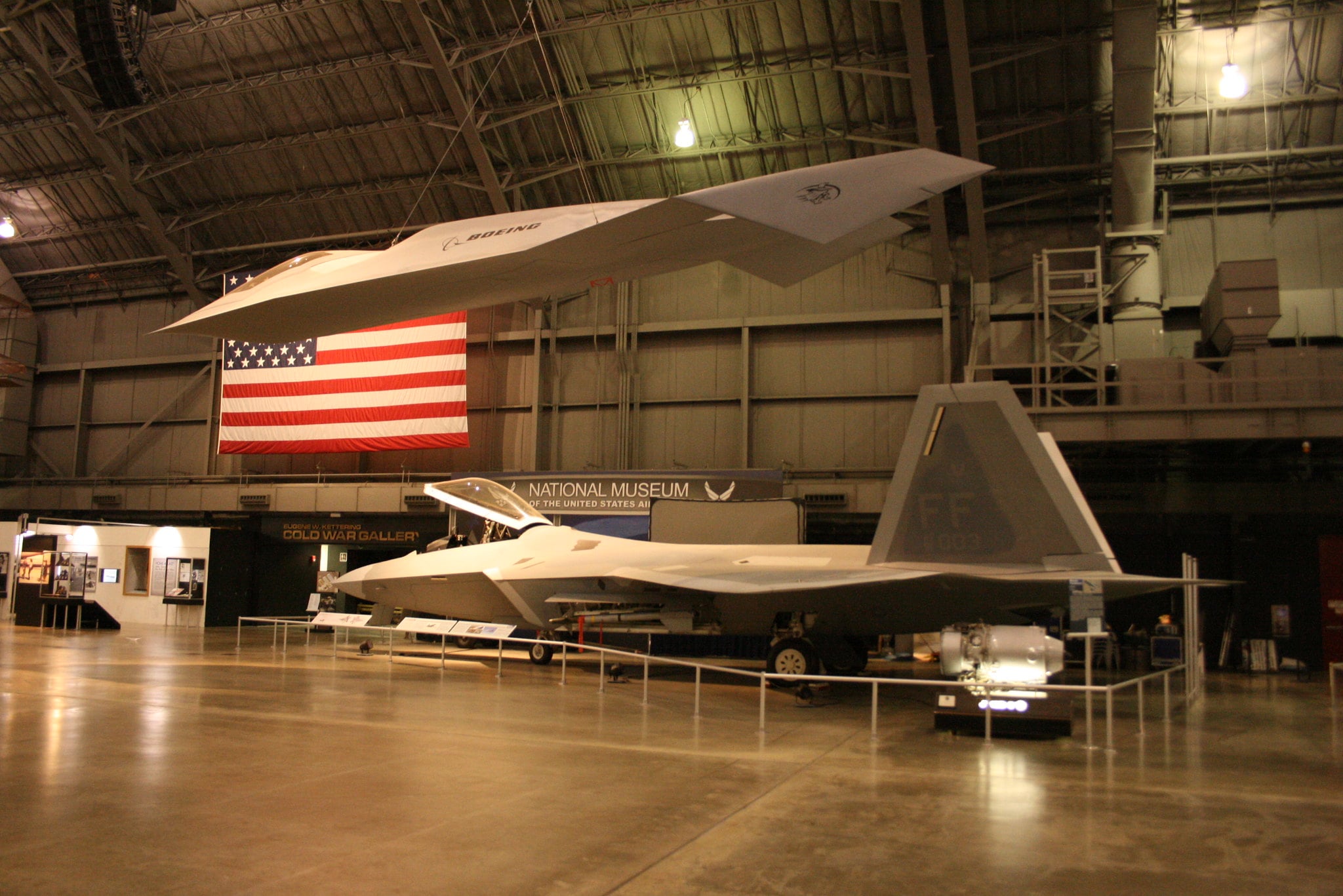
This unmanned combat air vehicle completed successful test flights but lost funding to competing drone programs. The X-45 demonstrated autonomous operation, including target identification and attack coordination between multiple aircraft.
Despite promising results, the Pentagon shifted priorities to the Navy-oriented X-47 program, leaving these revolutionary drones without a mission.
Bristol Brabazon
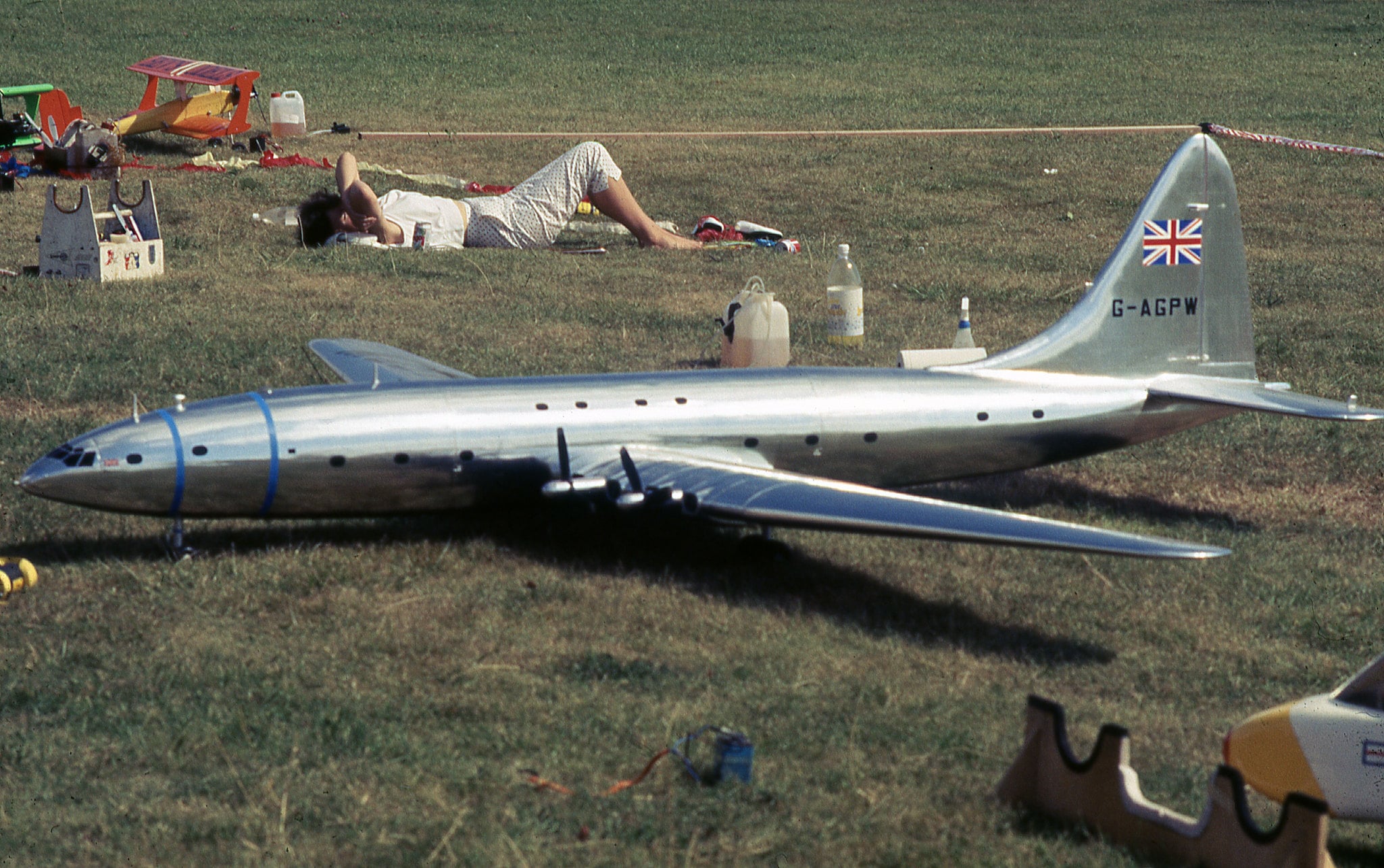
This massive British passenger plane featured luxurious accommodations, including dining rooms but was obsolete before completion. With eight engines buried in enormous wings, the Brabazon could carry just 100 passengers in cruise ship-like comfort across the Atlantic.
The single prototype flew successfully but represented pre-war thinking in a jet-powered post-war world.
Rockwell XFV-12
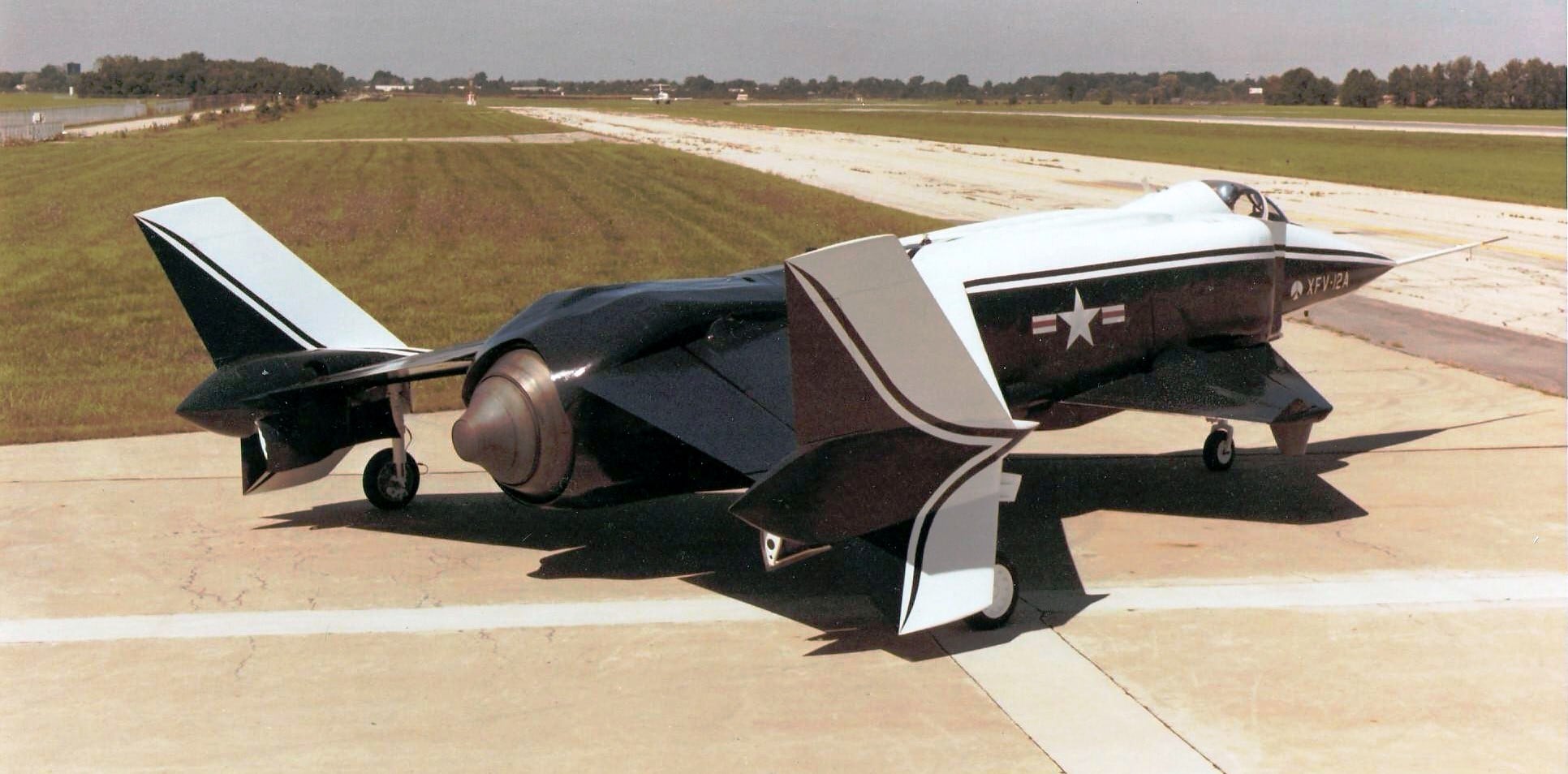
This supersonic vertical takeoff fighter used an ingenious wing ejector system that worked on paper but failed in practice. Navy engineers calculated the thrust augmentation technology would provide sufficient lift, but actual testing revealed it produced only about half the necessary force.
The program was abandoned after spending $150 million, leaving an incomplete prototype gathering dust.
Convair F2Y Sea Dart
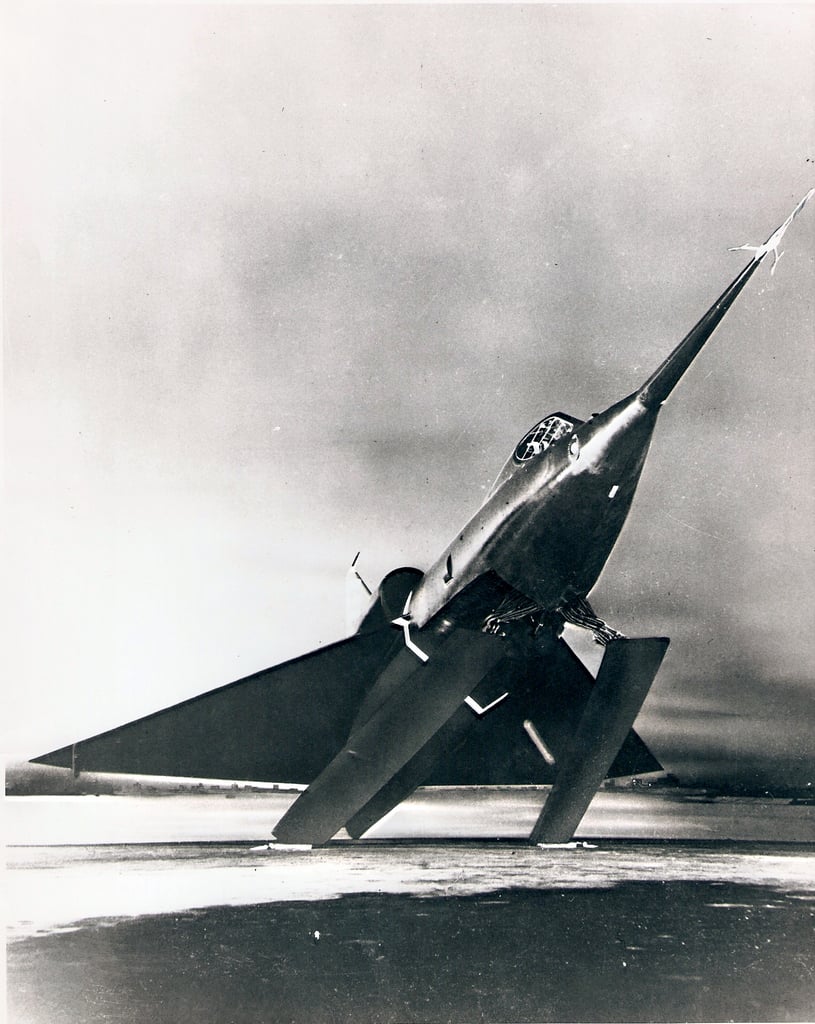
This water-based jet fighter used hydroskis instead of traditional landing gear but suffered a fatal crash during testing. The Sea Dart could take off and land on water, eliminating the need for aircraft carriers during naval operations.
Only five were built before the concept was abandoned as carrier technology improved and rendered the seaplane fighter unnecessary.
Lockheed YF-12
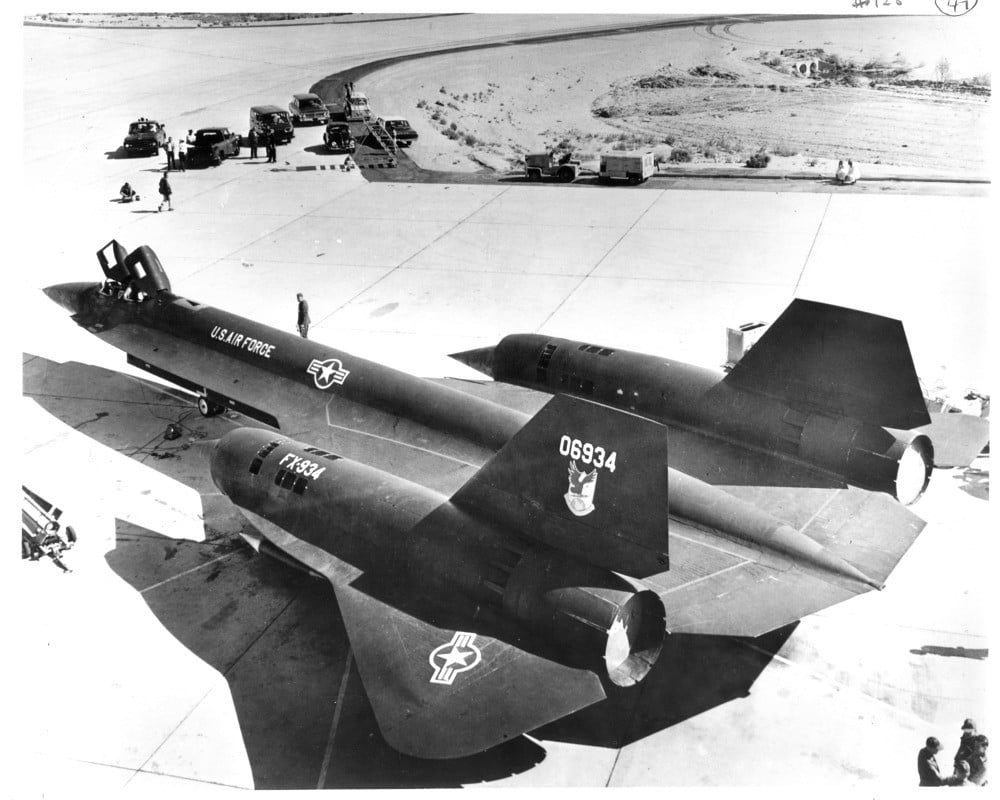
The interceptor variant of the SR-71 Blackbird could launch missiles at Mach 3 but fell victim to defense budget cuts. Three of these remarkable aircraft were built and tested successfully, setting several speed records that still stand today.
The Air Force ultimately decided strategic bombers could be better countered by ground-based missiles, ending the most formidable interceptor ever flown.
Wings of Change
The stories behind these unrealized aircraft remind us that innovation often comes with significant risk and uncertain rewards. For every successful design that changes aviation, dozens of ambitious projects fall short despite brilliance and determination.
These aeronautical might-have-beens continue to influence modern aircraft design, with their revolutionary ideas finding new expression in today’s cutting-edge planes. Their legacy lives on not in the skies but in the lessons they taught engineers about the delicate balance between ambition and practicality.
More from Go2Tutors!

- The Romanov Crown Jewels and Their Tragic Fate
- 13 Historical Mysteries That Science Still Can’t Solve
- Famous Hoaxes That Fooled the World for Years
- 15 Child Stars with Tragic Adult Lives
- 16 Famous Jewelry Pieces in History
Like Go2Tutors’s content? Follow us on MSN.



