Snack Cakes That Peaked in the ’80s and Never Recovered
There’s a particular kind of sadness that lives inside a gas station snack aisle — the kind you feel when you spot a product that used to mean something. Snack cakes were a whole cultural category in the 1980s.
They showed up in lunch boxes, on after-school television, in vending machines the size of refrigerators. Kids had opinions about them the way adults have opinions about coffee.
And then, slowly or suddenly depending on the brand, something shifted — the market changed, the recipes changed, the magic curdled — and a lot of these things never found their way back to the top. Some still exist in diminished form.
Some are gone entirely. All of them carry the faint, slightly melancholy smell of a decade that took snack cakes extremely seriously.
Hostess Ding Dongs
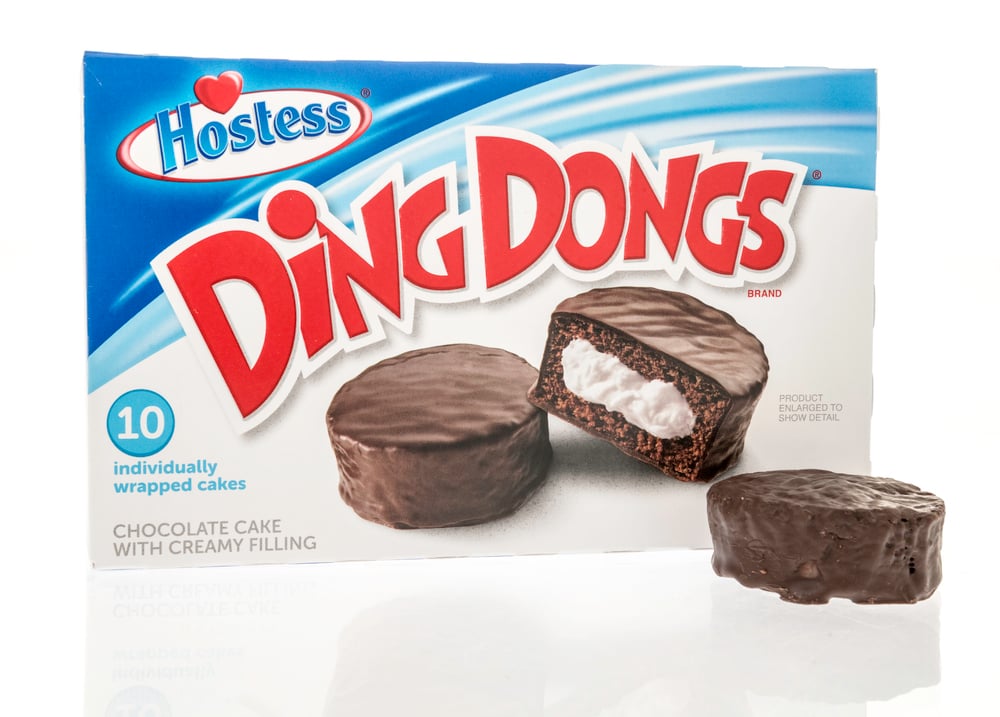
Ding Dongs never disappeared, but what they became is a quieter version of what they were. The chocolate coating used to have a genuine snap to it — waxy in the best possible way, the kind that left a faint film on your fingertips that no one complained about.
Hostess’s 2012 bankruptcy reshuffled the formula and the ownership, and while the product came back, it came back softer, a little less committed to its former self.
Drake’s Devil Dogs
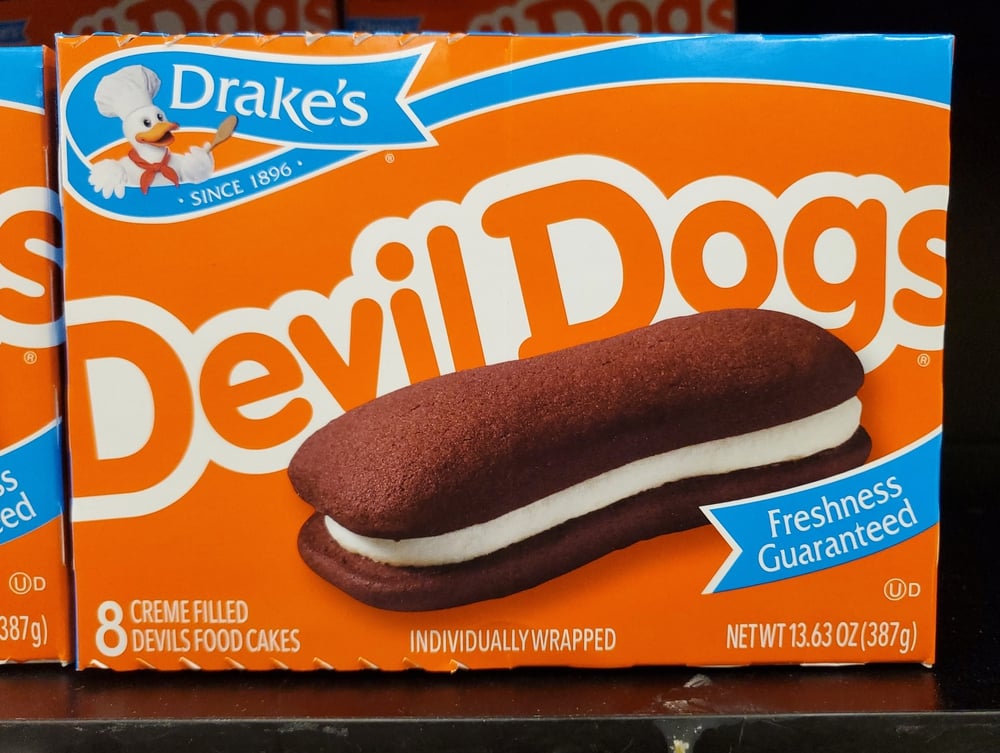
Devil Dogs are a regional ghost — technically still sold in the Northeast, but indifferent to the national relevance they once flirted with. The cake was always the draw: two oblong devil’s food pieces sandwiching a dense cream filling, engineered to survive a school lunch bag without becoming a structural catastrophe.
And yet, outside of New Jersey and a few stubborn pockets of New England, they’ve faded into the kind of product people only remember when someone brings them up first.
Little Debbie Star Crunches
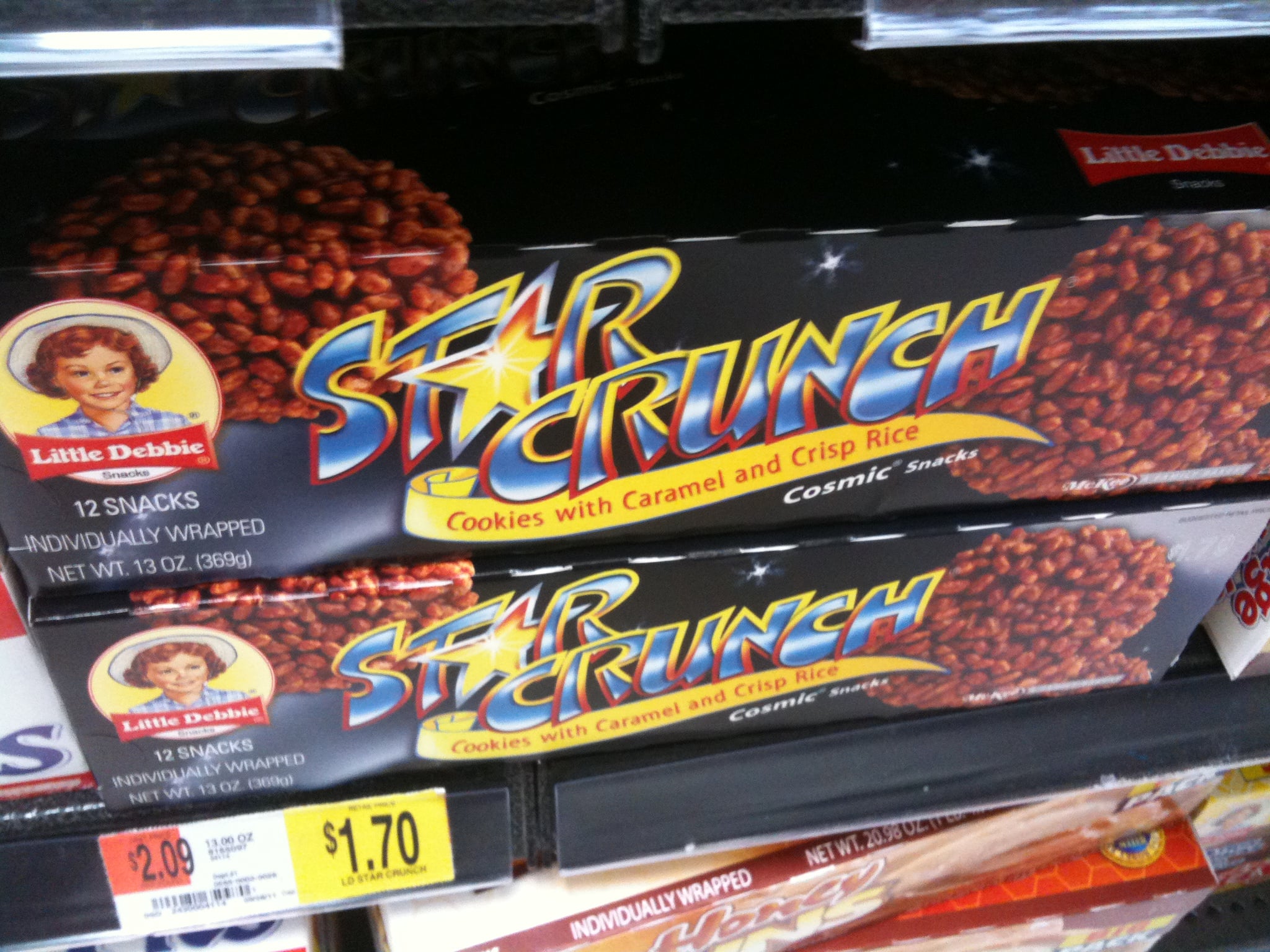
Star Crunches were what snack cakes looked like when they stopped apologizing for being made of mostly sugar and corn syrup. Flat, caramel-colored, rice crispy in texture, coated in a chocolate-adjacent shell — they asked very little of you and delivered exactly that, which at the time felt like a reasonable transaction.
They still exist, technically, though the cultural moment they belonged to — when after-school snacks were a genuine category of American ambition — has not followed them into the present.
Hostess Suzy Q’s
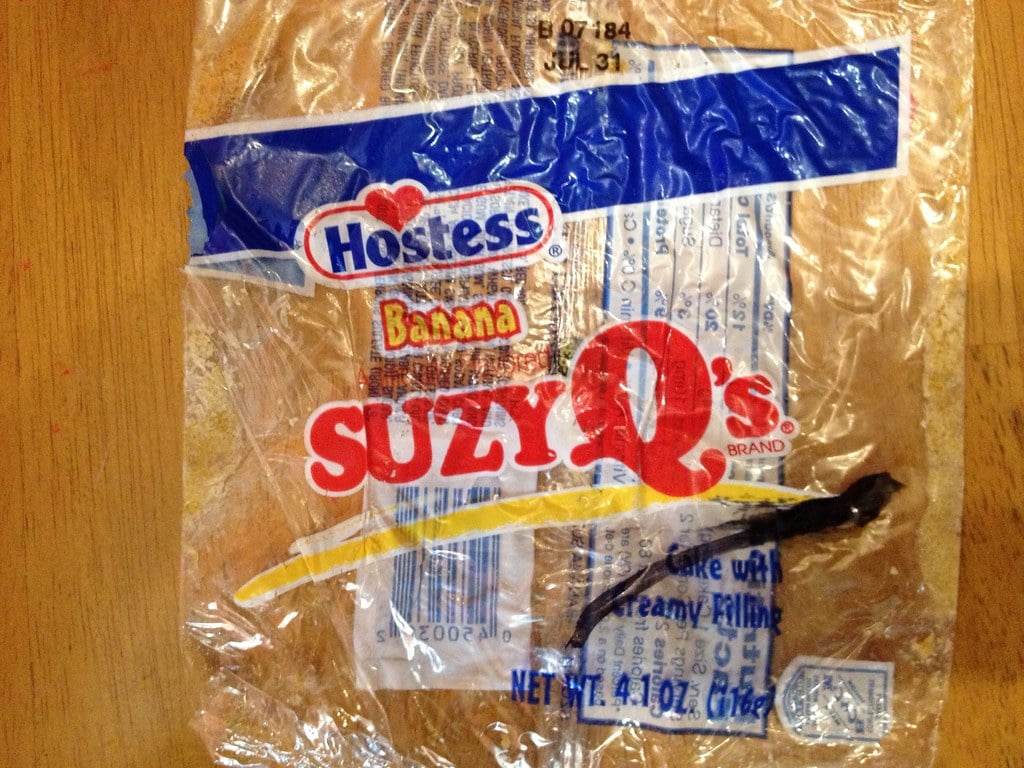
Suzy Q’s had a particular architecture that no other snack cake quite replicated: two long slabs of dark chocolate cake with a thick cream filling running through the middle, wide enough that biting into one felt slightly aggressive. They vanished during Hostess’s bankruptcy and returned in 2013, but the relaunch felt more like an obligation than a comeback — the product exists, the enthusiasm does not.
To be fair, bringing back a snack cake is like trying to restage a specific summer afternoon: the ingredients are all there, but the feeling refuses to cooperate.
Dolly Madison Zingers
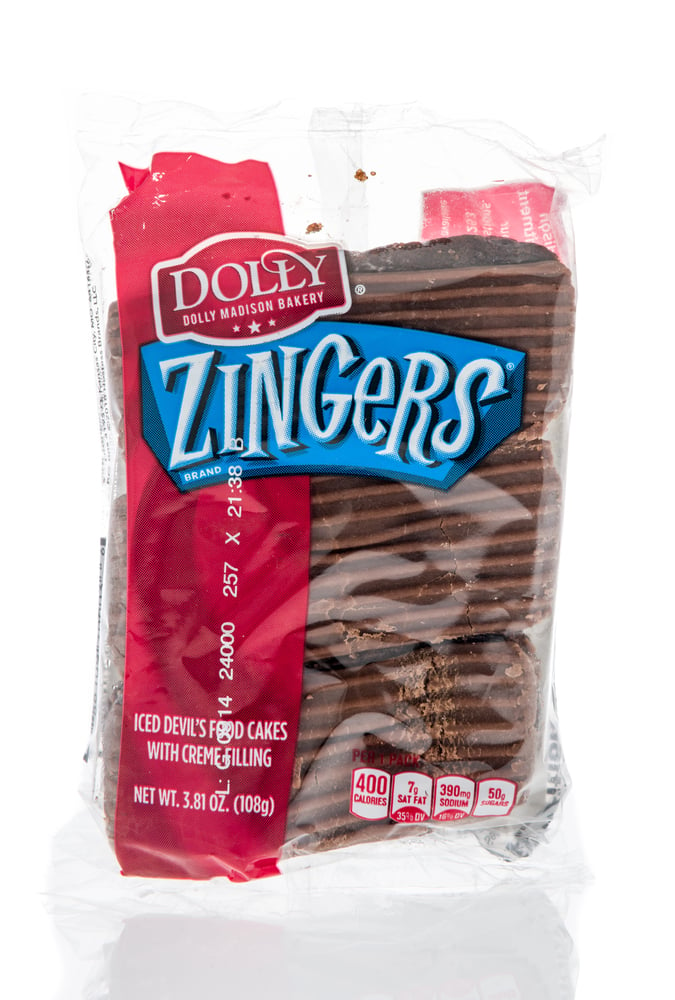
Zingers were, for a brief and specific window, as culturally embedded as Charlie Brown. The raspberry and vanilla varieties accumulated genuine fans — kids who could describe the precise texture difference between the Zinger coating and a standard Twinkie with the confidence of a food critic.
The brand got absorbed into Hostess’s portfolio and the Zingers followed, but the days of appearing alongside Snoopy in primetime television were decisively over.
Hostess Chocodiles
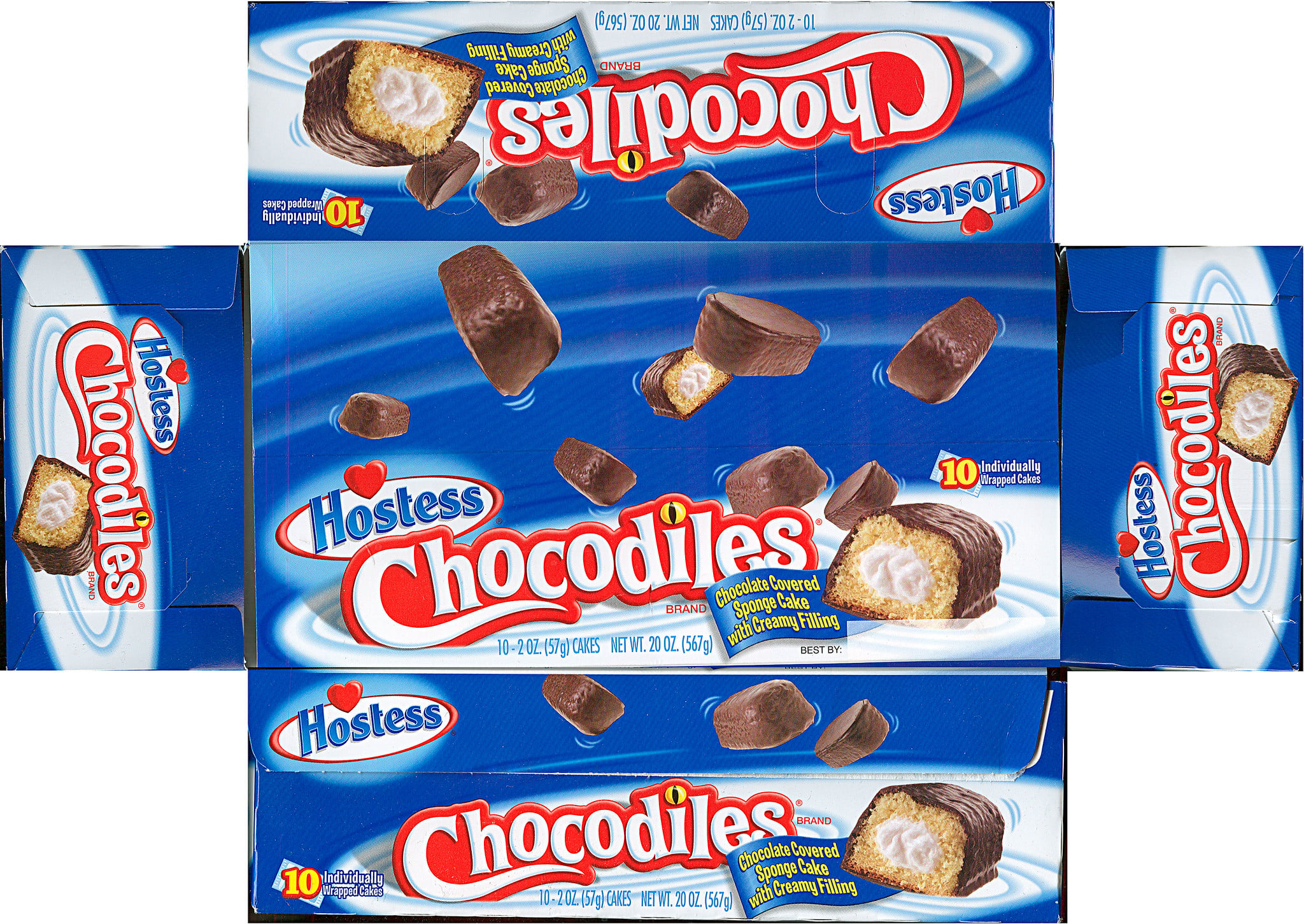
Chocodiles were a Twinkie dipped in chocolate — which sounds like a modification too obvious to bother with, and turns out to be exactly right. They were sold primarily on the West Coast during the ’80s, built a following disproportionate to their distribution, and then got discontined during the Hostess collapse with no clean resolution.
The relaunch eventually happened, but in a limited, specialty-store capacity that felt less like a comeback and more like a rumor confirmed.
Little Debbie Marshmallow Pies
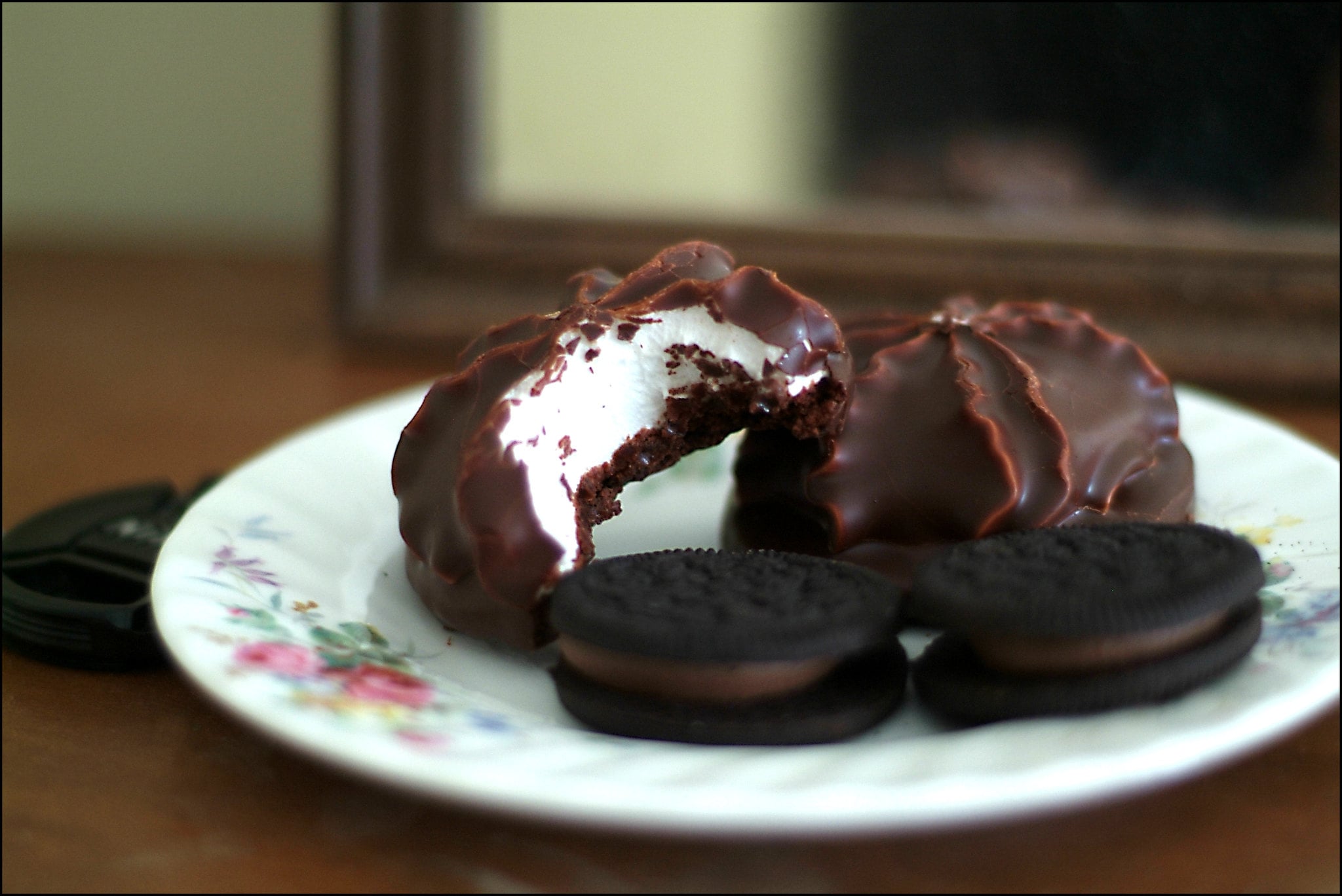
Marshmallow Pies was soft in a way that suggested structural compromise — a thin chocolate shell, a marshmallow interior that had committed entirely to being marshmallow, and a cake base that existed mainly to give your fingers something to hold onto. They peaked in an era when “marshmallow” was considered a flavor rather than a texture, which says something about the ambitions of 1980s snack food.
That era is gone, and the Marshmallow Pie, while still available, is no longer the product it was when the competition was thinner and the standards were lower.
Hostess Ho Hos
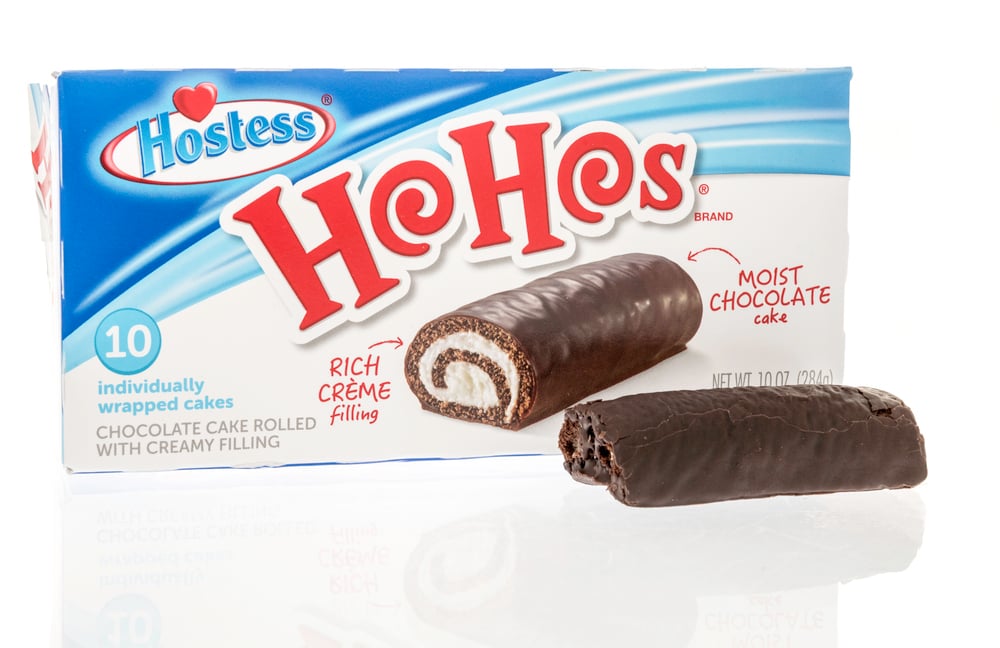
Ho Hos are one of those products that survived so completely intact that they managed to become invisible. The chocolate rolled cake, cream-filled, wrapped in a faint wax — it’s all still there, unchanged in most measurable ways, and yet the Ho Ho occupies a kind of cultural middle distance: present but not discussed, available but not anticipated.
Like a song that got so much airplay in one decade that the next generation can’t hear it without mild indifference.
Hostess Fruit Pies
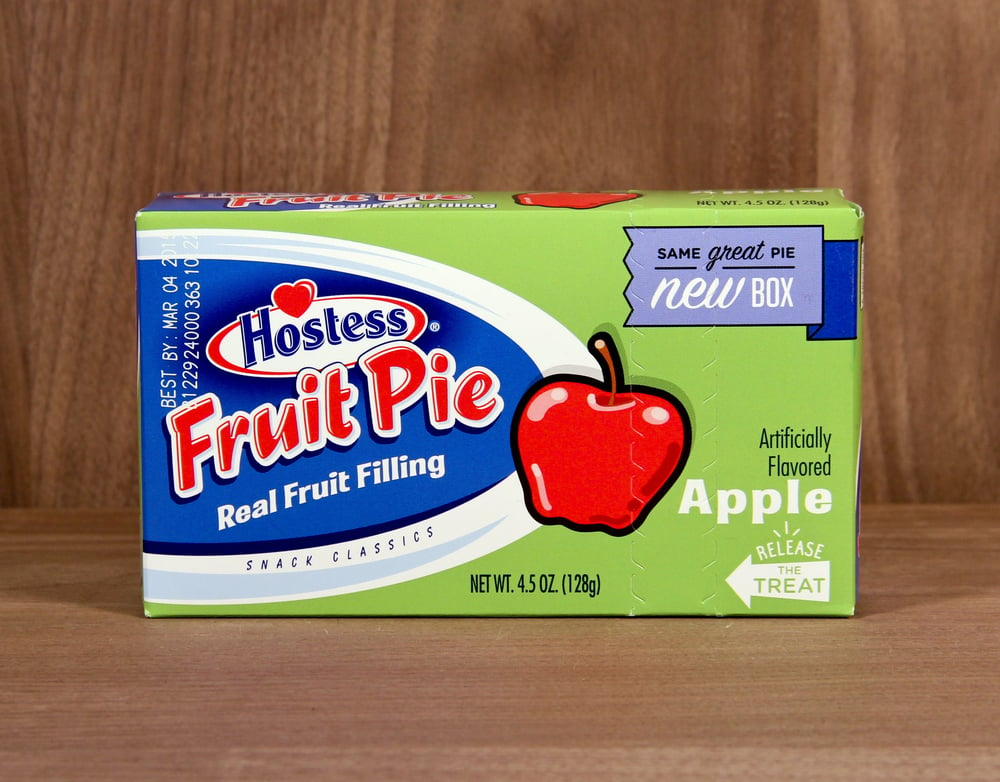
Hostess Fruit Pies , especially the cherry and apple varieties, were ubiquitous in the ’80s in a way that’s hard to reconstruct — they were in vending machines, corner stores, gas stations, hospital cafeterias, anywhere a human might feel the vague, low-level need for something sweet and portable. The fried version, with its crackling pastry shell and aggressively sweet filling, was the superior model, and it’s the version that’s mostly gone.
What remains is a baked product that fulfills the same general function and none of the same specific joy.
Little Debbie Swiss Rolls
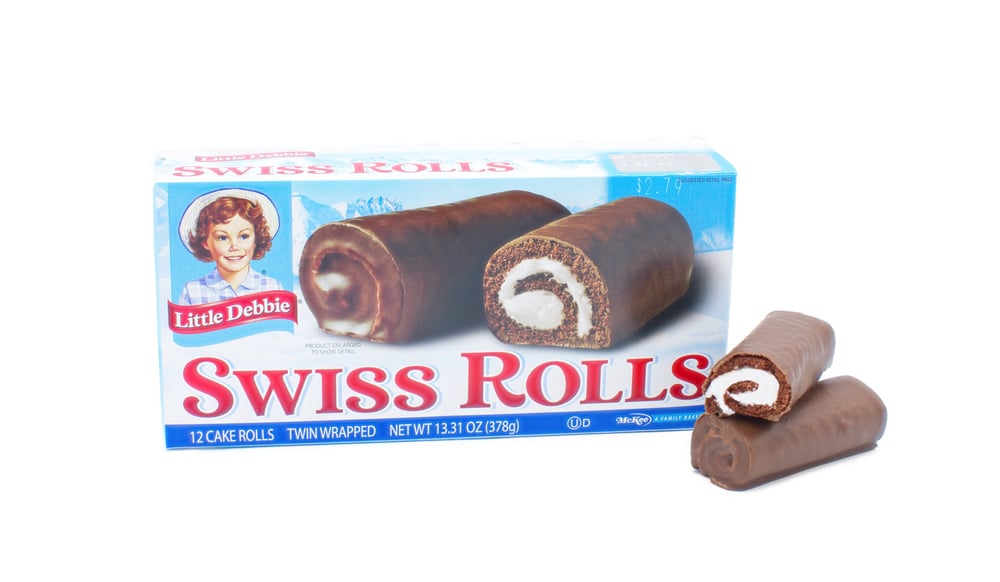
Swiss Rolls never left and never evolved, which is either a point of pride or a missed opportunity depending on how you feel about snack cake innovation. What they represent now is less a product and more a fixed point — something stable in a category that has churned through trends — but that stability reads differently at the bottom of a decade-long sales decline than it does at the top.
The ’80s were when Swiss Rolls felt exciting, which tells you everything you need to know about both Swiss Rolls and the ’80s.
Tastykake Kandykakes
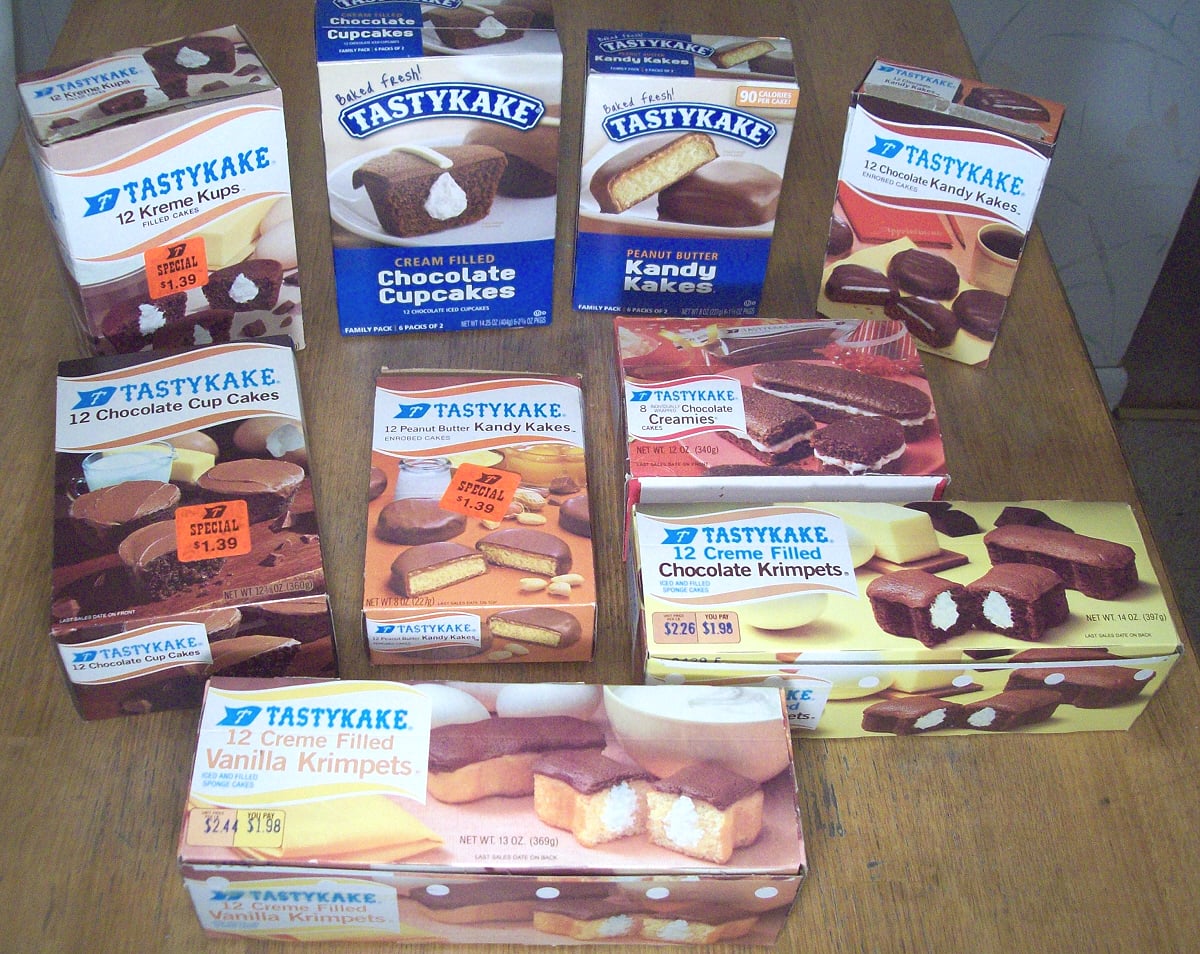
Kandykakes — peanut butter patties coated in a chocolate shell, small enough to eat in two bites — were the kind of snack that people who grew up in the Philadelphia area remember with a devotion bordering on territorial. Outside that region, they might as well have never existed, which is the particular tragedy of a great regional product: the people who know it, know it fiercely, and everyone else is simply indifferent.
Their 1980s peak coincided with Tastykake’s broadest distribution push, and when that push retreated, the Kandykake retreated with it.
Hostess Snoballs
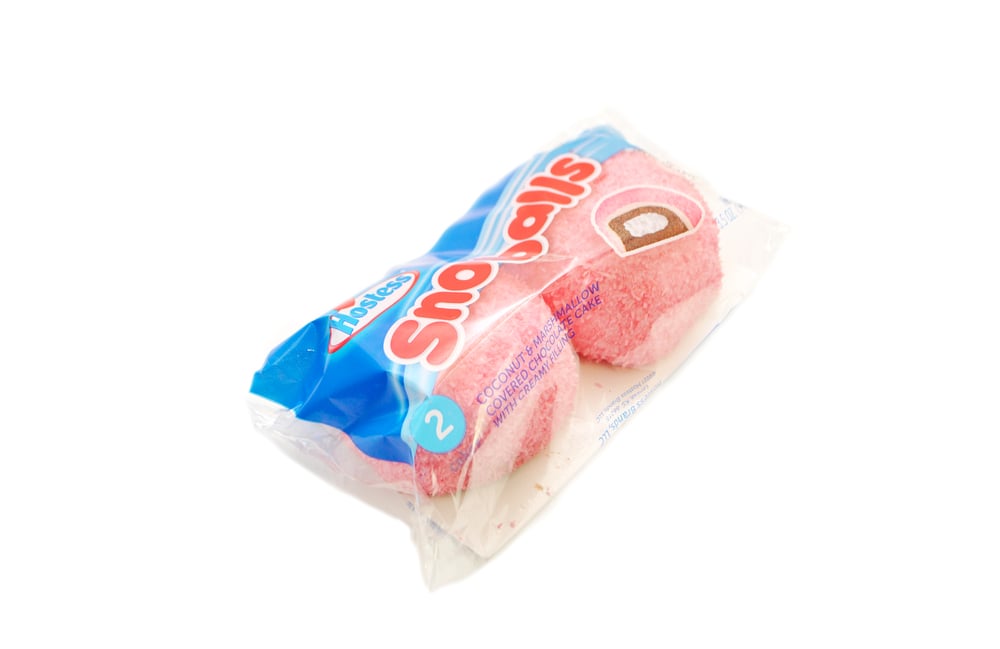
Snoballs are the most visually distinctive snack cake ever produced — pink coconut coating over a chocolate cake with a cream filling, shaped like a small hemisphere, looking like something that belongs on a novelty gift table rather than a lunch box. They were genuinely popular in the ’80s, the pink ones especially, and they still exist, but they’ve drifted from “popular snack” to “conversation piece,” which is the kind of category shift that sounds complimentary until you think about it.
Conversation pieces don’t move units.
Dolly Madison Chocolate Snack Cakes
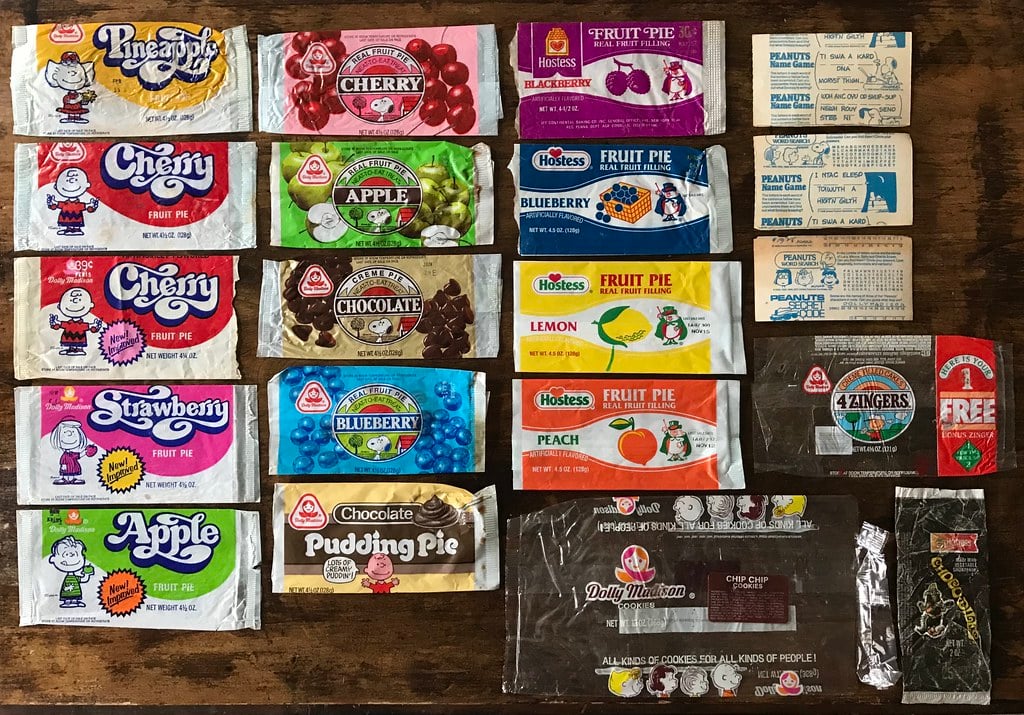
Dolly Madison Chocolate Snack Cakes ‘s broader chocolate line — beyond Zingers, across the full range of layered and cream-filled varieties that once occupied their own shelf space in grocery stores — belonged entirely to the 1980s in a way that feels almost designed. The brand floated on the Peanuts sponsorship, the distribution, and an era when name recognition alone could carry a snack food category.
When Hostess absorbed the brand and the Peanuts deal ended, most of that lineup quietly stopped being its own thing and became a footnote inside a larger corporate history.
When Nostalgia Isn’t Enough
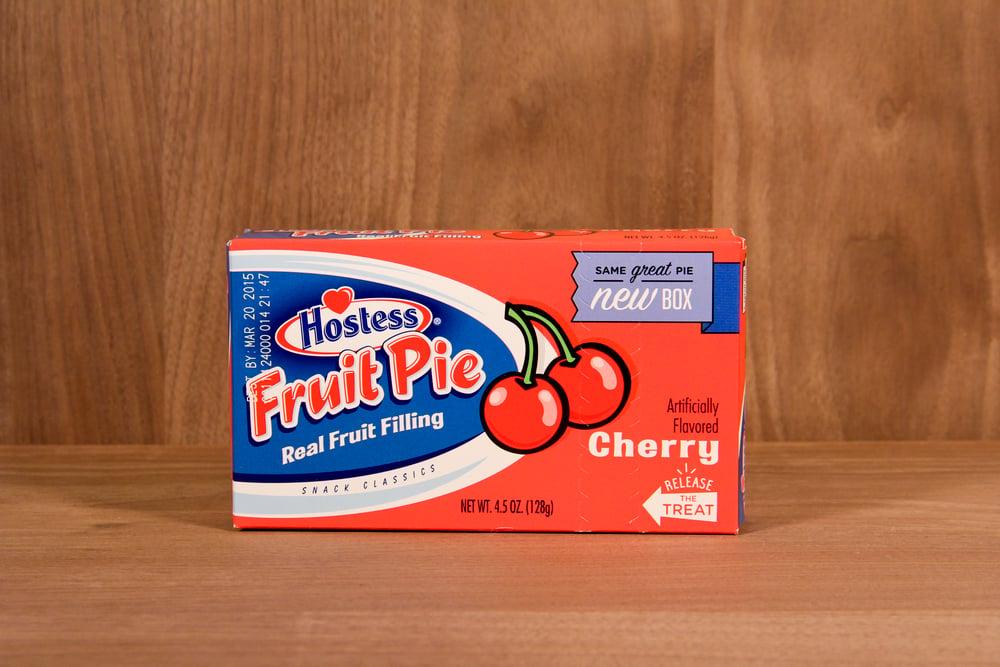
There’s a version of the snack cake story where everything comes back eventually — where enough years pass, enough people remember, and the demand rebuilds itself. But most of these products don’t need a comeback as much as they need the specific conditions that made them matter the first time: a TV landscape with three channels, a school lunch culture that had no nutritional standards worth mentioning, and a general agreement that cream filling inside a cellophane wrapper was an entirely legitimate form of happiness.
Those conditions aren’t returning. What’s left is the cake itself — occasionally still good, occasionally still there, and carrying the particular weight of something that was briefly, genuinely beloved, and has been quietly declining ever since.
More from Go2Tutors!

- The Romanov Crown Jewels and Their Tragic Fate
- 13 Historical Mysteries That Science Still Can’t Solve
- Famous Hoaxes That Fooled the World for Years
- 15 Child Stars with Tragic Adult Lives
- 16 Famous Jewelry Pieces in History
Like Go2Tutors’s content? Follow us on MSN.



