25 Propaganda Posters That Reveal What Governments Really Feared
There’s something uniquely honest about propaganda posters — which is ironic, given that honesty was rarely the point. Governments commission them in moments of pressure, and pressure has a way of making the subtext visible.
The enemy is always drawn too large, too menacing, too close. The citizen is always depicted as either a hero or a victim, never something messier in between.
What makes these posters so fascinating, decades or centuries after their printing, is not the message they were trying to send but the anxiety they couldn’t quite hide. Fear is a terrible editor.
It leaves fingerprints all over the work.
Uncle Sam Wants You

The 1917 James Montgomery Flagg poster is one of the most replicated images in American history, and that repetition has made it easy to forget how nakedly desperate it was. The U.S. government needed soldiers — badly — and Flagg’s pointing figure was essentially a printed shout into a civilian population that wasn’t showing up fast enough.
So the fear wasn’t about the enemy; it was about empty recruitment quotas and a public not yet convinced the war was theirs to fight.
Loose Lips Sink Ships
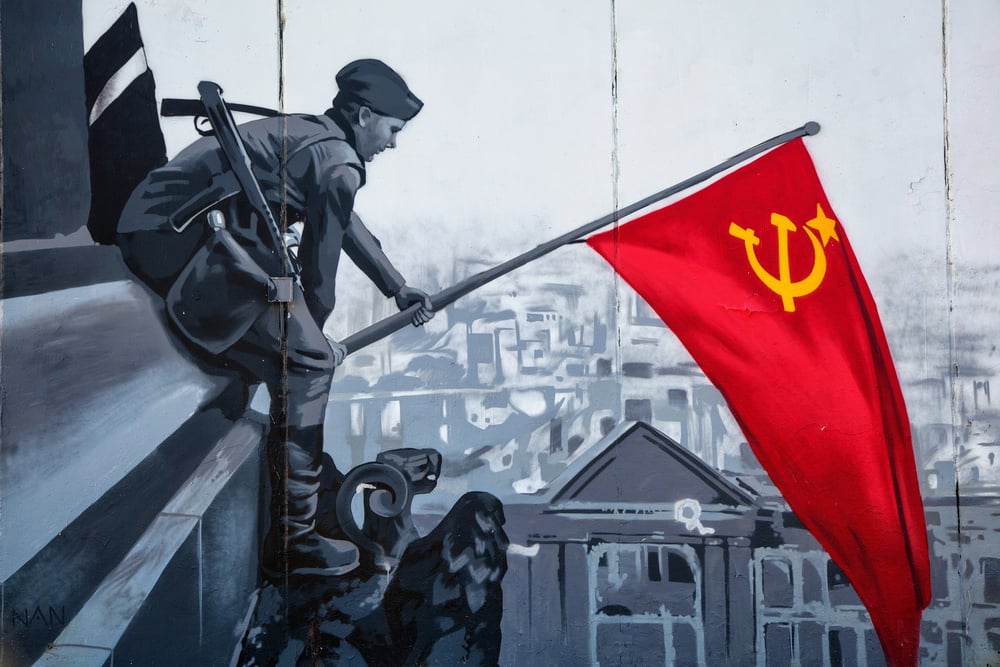
This one cuts straight to the core of what wartime governments fear most: their own people talking. The Office of War Information rolled out variations of this campaign throughout World War II because casual conversation was treated as a genuine security threat — a soldier mentioning a ship’s departure to the wrong person at the wrong diner could, in theory, cost lives.
The poster is almost paranoid in its logic, and that paranoia is exactly the point.
Rosie the Riveter
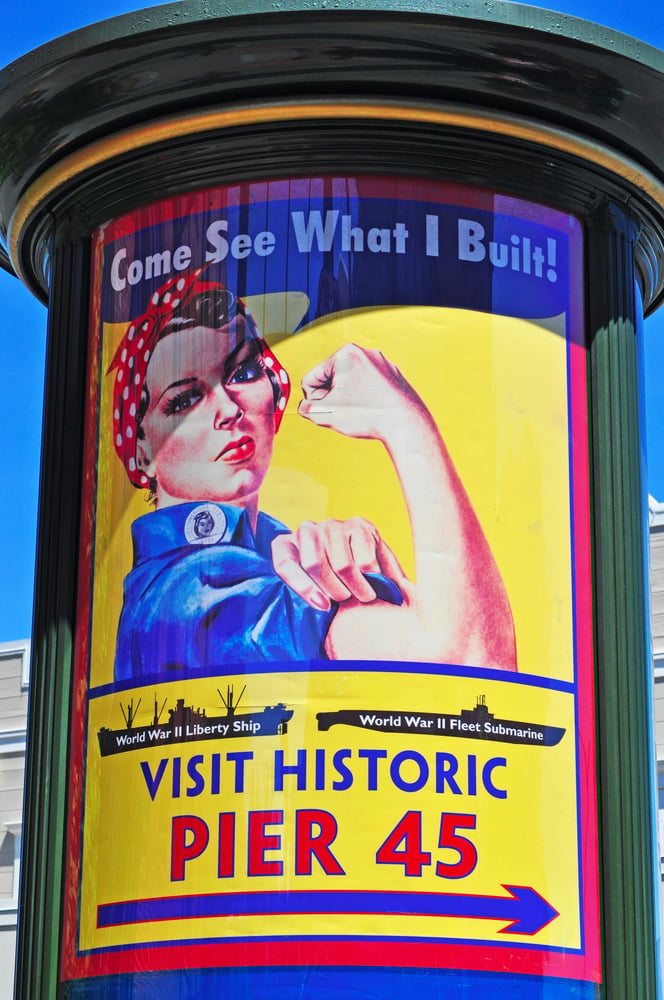
Rosie — J. Howard Miller’s 1943 “We Can Do It!” poster — gets framed as feminist celebration now, but its original purpose was industrial recruitment, and that distinction matters. The government needed women in factories because the men were gone, and the poster was less about affirming female capability than about managing a labor shortage that threatened production targets.
And yet something genuine slipped through the calculation: a government forced by necessity to tell women they were capable inadvertently said something it couldn’t easily take back.
The Kaiser’s Claws
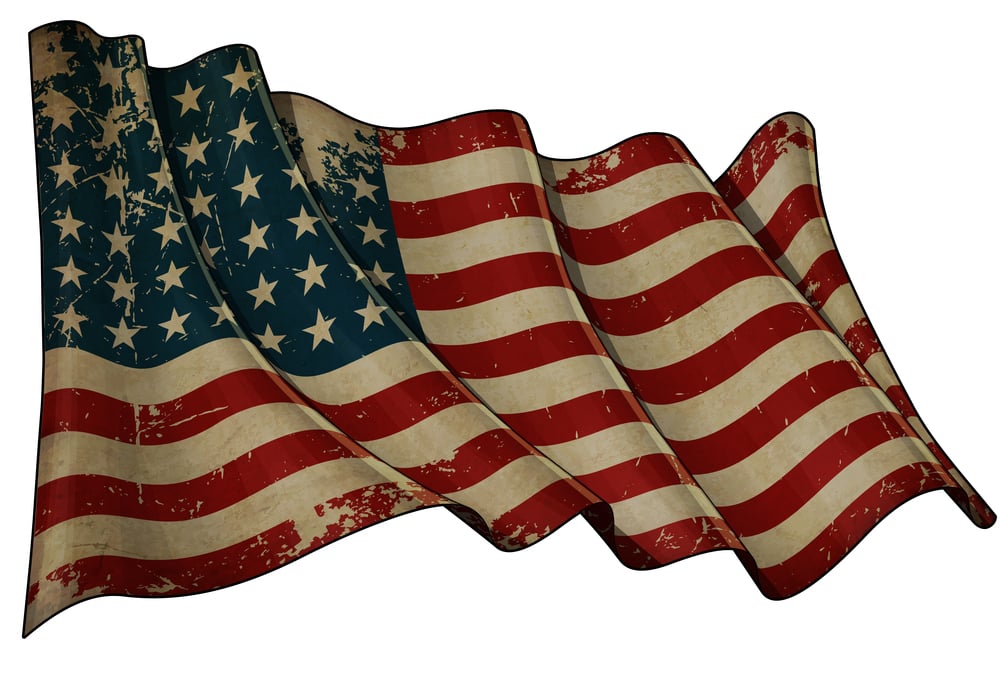
American WWI-era posters depicting German Kaiser Wilhelm II as a grotesque, claw-handed monster reaching toward American soil reveal something specific about the fear behind them — not fear of losing the war exactly, but fear that Americans wouldn’t see the war as necessary. The monster imagery was doing psychological work: making an abstract European conflict feel like a physical threat to the American body.
Go figure, it worked.
Dig for Victory
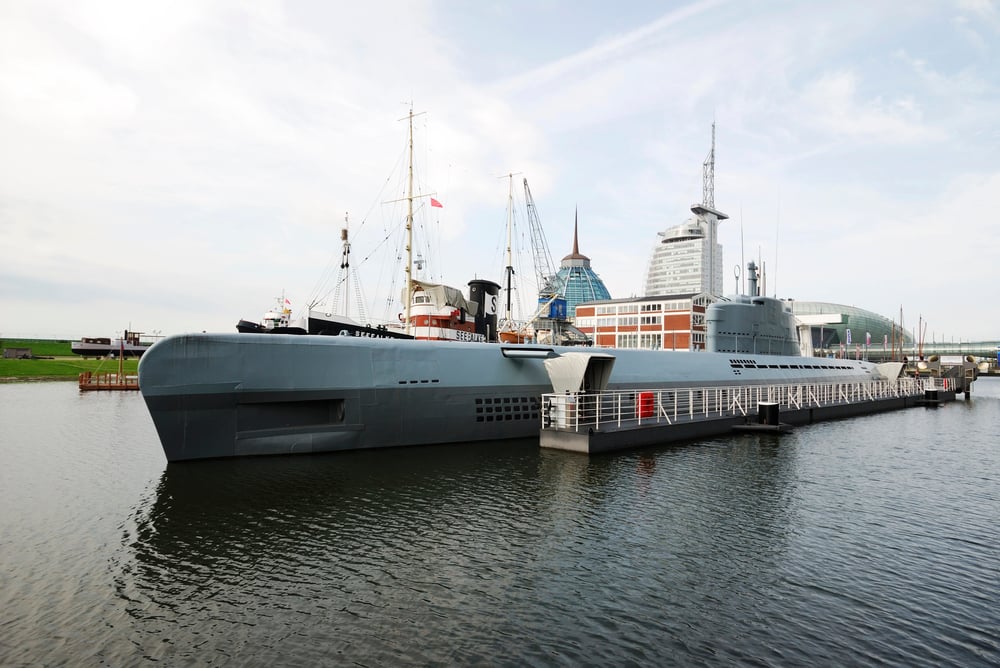
Britain’s “Dig for Victory” campaign from 1939 onward was straightforward in its ask — grow your own food — but its urgency exposed a government quietly terrified about supply lines. German U-boats were devastating Atlantic shipping, and the British Isles couldn’t feed themselves from domestic production alone.
The poster turned a logistical nightmare into a patriotic hobby.
The German Degenerate Art Campaign
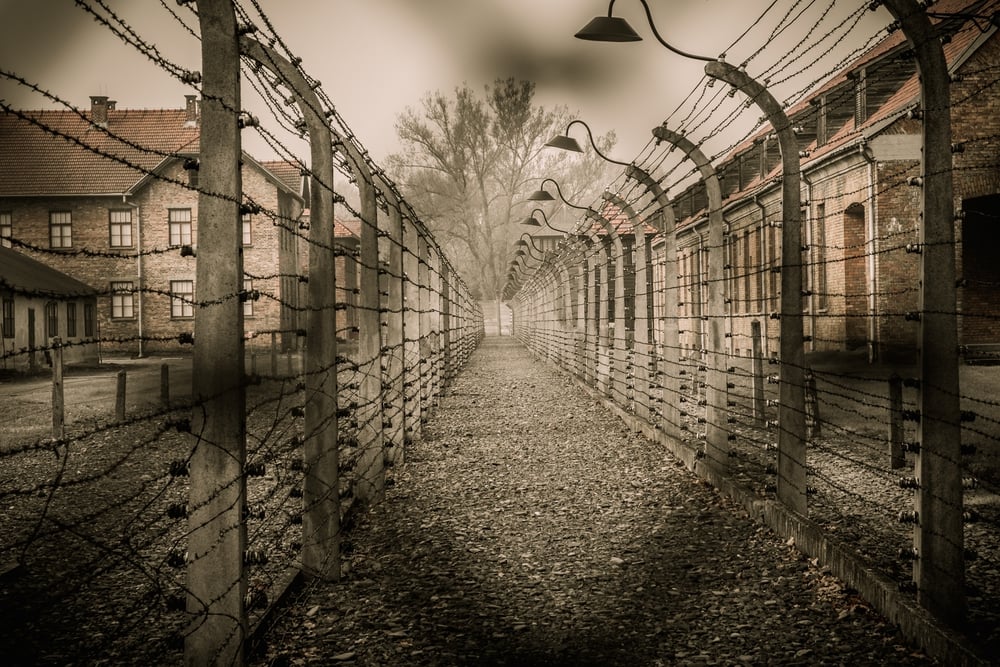
When Nazi Germany mounted its “Entartete Kunst” (Degenerate Art) exhibition in 1937, the accompanying posters and pamphlets were themselves a form of propaganda — labeling modernist and abstract art as a Jewish-Bolshevist conspiracy against German culture. What the campaign revealed, almost accidentally, is how threatened the regime felt by art it couldn’t control.
Turns out, a government that feels secure doesn’t need to put paintings on trial.
Keep Calm and Carry On

This one has been so thoroughly commercialized — on mugs, tote bags, throw pillows — that its original weight has largely evaporated, but in 1939 it was printed as a contingency poster for a scenario the British government was actively war-gaming: mass civilian panic following aerial bombardment of London. The poster was never widely distributed at the time because the government ultimately feared that displaying it openly would itself cause panic.
Which is a peculiar kind of paradox: a fear so large they couldn’t even show the warning.
Buy War Bonds
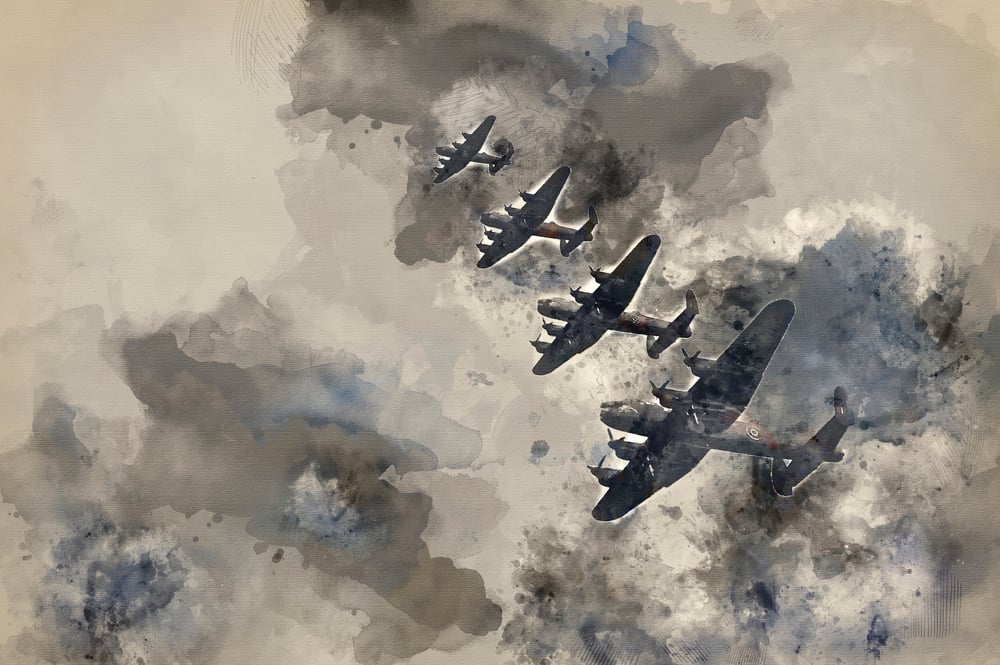
American war bond posters — dozens of variations across both World Wars — dressed financial obligation in patriotic imagery so effectively that the underlying message got lost: the government needed money, urgently, and it needed ordinary citizens to provide it. The imagery of soldiers, flags, and weeping mothers was doing the heavy lifting that straightforward financial appeals couldn’t.
What the posters were afraid of, at bottom, was a public that would look at a bond drive and say “not my problem.”
The Yellow Peril Posters
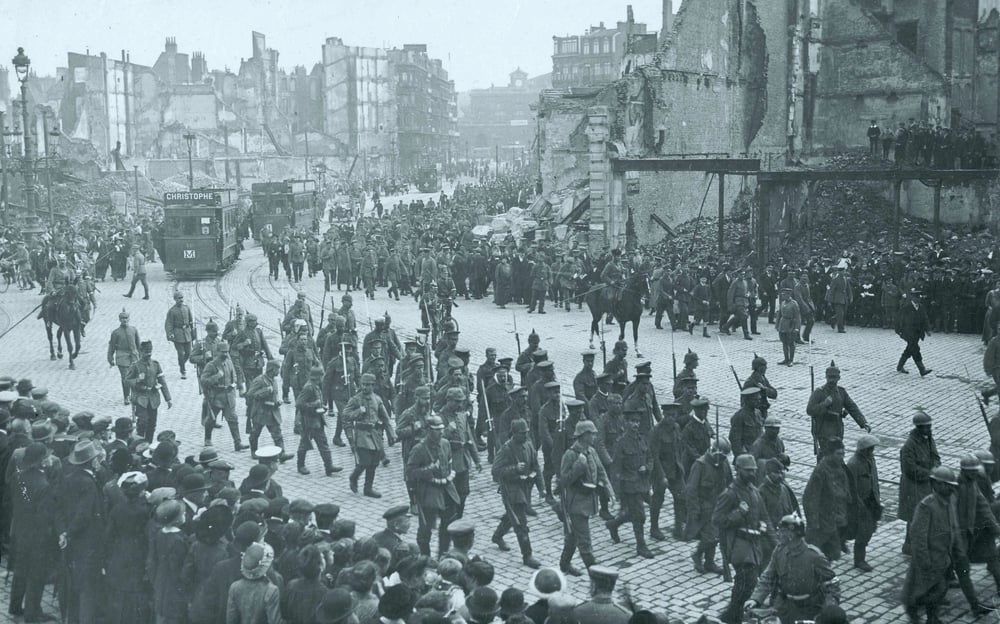
U.S. and British WWI and WWII propaganda depicting Asian enemies — particularly Japanese forces after Pearl Harbor — as faceless, subhuman threats reveals a fear that goes beyond the battlefield. The dehumanization was extreme and deliberate: posters showed Japanese soldiers as rats, insects, and snakes rather than human combatants.
A government that needs to strip an enemy of humanity is usually a government afraid that, if left fully human, the enemy might be harder to fight, or harder to hate.
Workers of the World, Unite
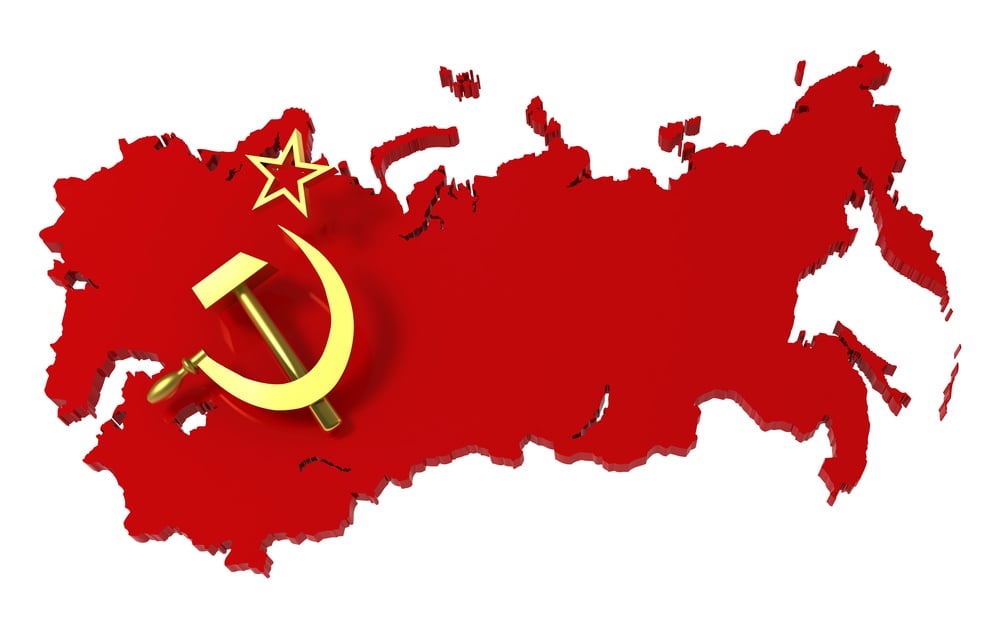
Soviet agitprop posters from the 1920s — the bold geometric Constructivist work of artists like Alexander Rodchenko — were marketing a social order that hadn’t fully arrived yet. The heroic workers, the gleaming factories, the upward-pointing fists: all of it was aspirational fiction papering over an economy that was, in practice, struggling badly.
The posters were less a celebration of communism than a plea for it — which means the government’s real fear was that the people building the revolution might notice it wasn’t working.
Careless Talk Costs Lives
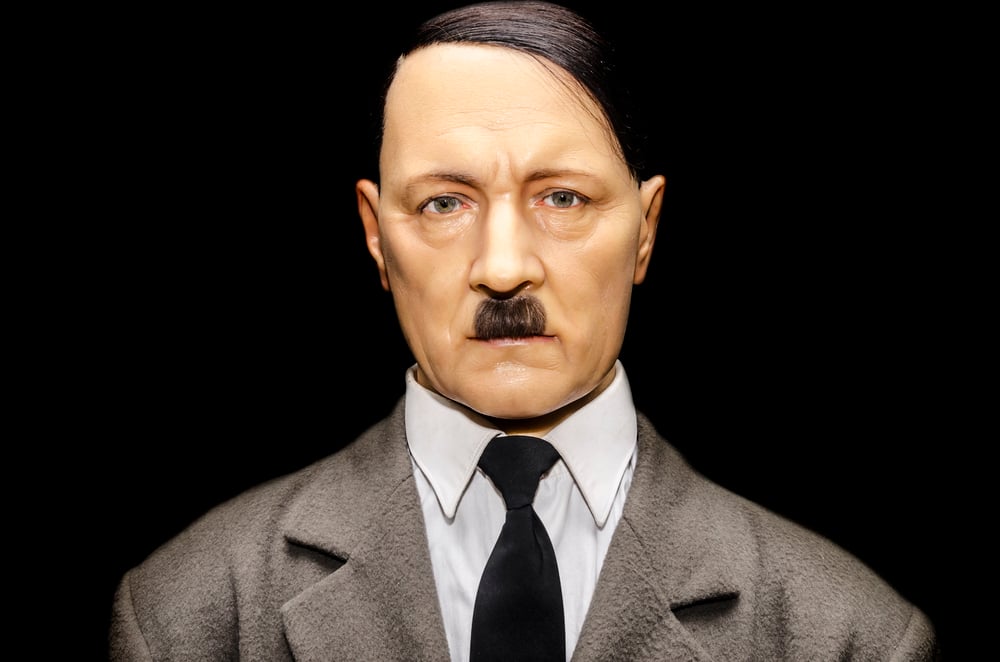
Britain ran a parallel campaign to America’s “Loose Lips” posters, and the Fougasse-illustrated versions — showing Hitler eavesdropping on train conversations — had a particular domestic paranoia baked in. The implied message wasn’t just “the enemy is listening” but “your neighbor might be a spy.”
That second message, whether intended or not, restructured civilian social trust during the war years in ways that outlasted the conflict itself.
Smash the Hun

American WWI posters used the word “Hun” — a slur for German soldiers — alongside imagery of violence so graphic it would be considered extreme even by modern standards. These weren’t cautious government communications; they were products of genuine institutional fury directed at a public the government wasn’t sure would sustain its outrage long enough.
The over-the-top violence in the imagery is a kind of emotional overcorrection — the visual equivalent of someone raising their voice because they’re not sure they’re being believed.
The Venereal Disease Posters

Military-focused posters warning soldiers away from “loose women” and the diseases they supposedly carried reveal one of the most specific anxieties any wartime government can have: that its own fighting force will disable itself. The U.S. military lost staggering numbers of combat-available days to venereal disease in both World Wars, and the poster campaigns — which blamed women almost exclusively — were as much about preserving military readiness as they were about morality.
Your Country Needs You
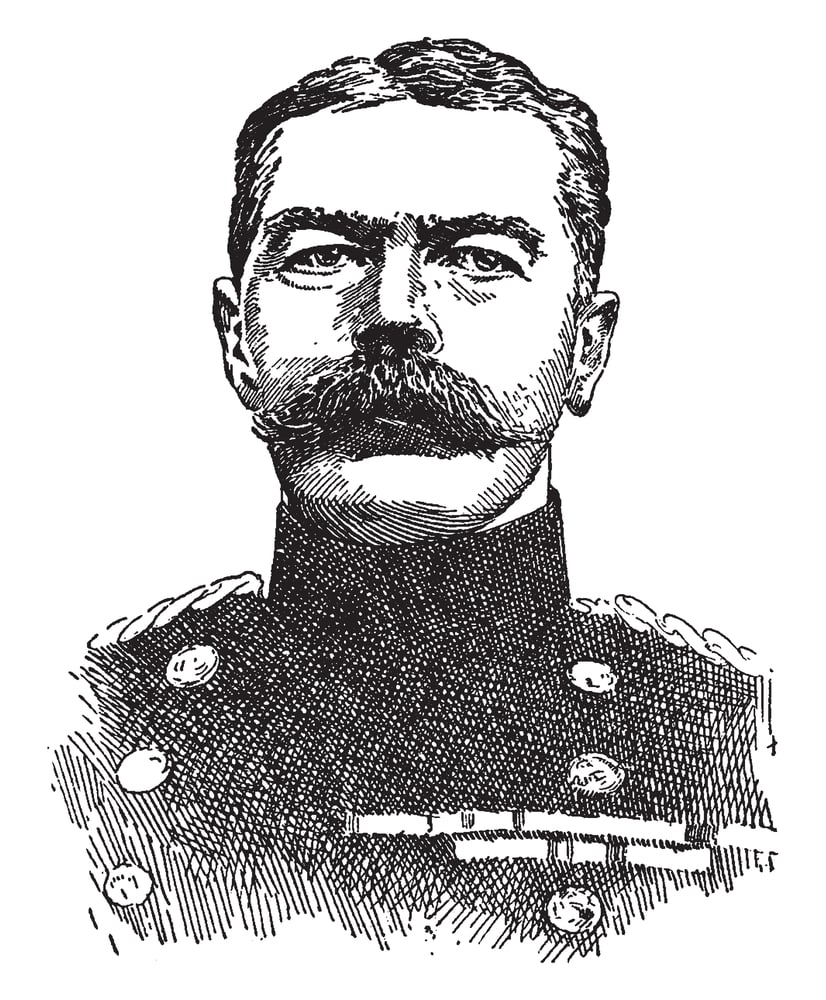
Lord Kitchener’s famous 1914 British recruitment poster — the one with the severe mustache and the pointing finger that Flagg later adapted for Uncle Sam — was produced because voluntary enlistment wasn’t keeping pace with the rate at which men were dying on the Western Front. It’s one of history’s more uncomfortable images: a powerful man demanding sacrifice from people who had no vote in the decision to go to war.
The fear it exposes is brutally simple — not enough bodies.
Daddy, What Did YOU Do in the Great War?
This 1915 British poster, showing a soldier’s child asking her uniformed father what he did in the war, is a masterclass in guilt-delivery. The government was afraid that social pressure alone wasn’t generating enough volunteers, so it outsourced the emotional work to the imagined judgment of future children.
It’s manipulative in a way that feels almost too obvious now, and yet contemporary reports suggest it was deeply effective.
The Communist Menace Posters
Cold War-era American posters depicting communism as a creeping red tide or a strangling vine overtaking the globe — particularly those produced through the late 1940s and 1950s — tell you more about American institutional anxiety than about Soviet capabilities. The imagery was almost always geographic: maps getting swallowed, continents going red, dominoes falling.
A government confident in its own system doesn’t typically need to illustrate the alternative as a natural disaster.
Stamp Out the Axis
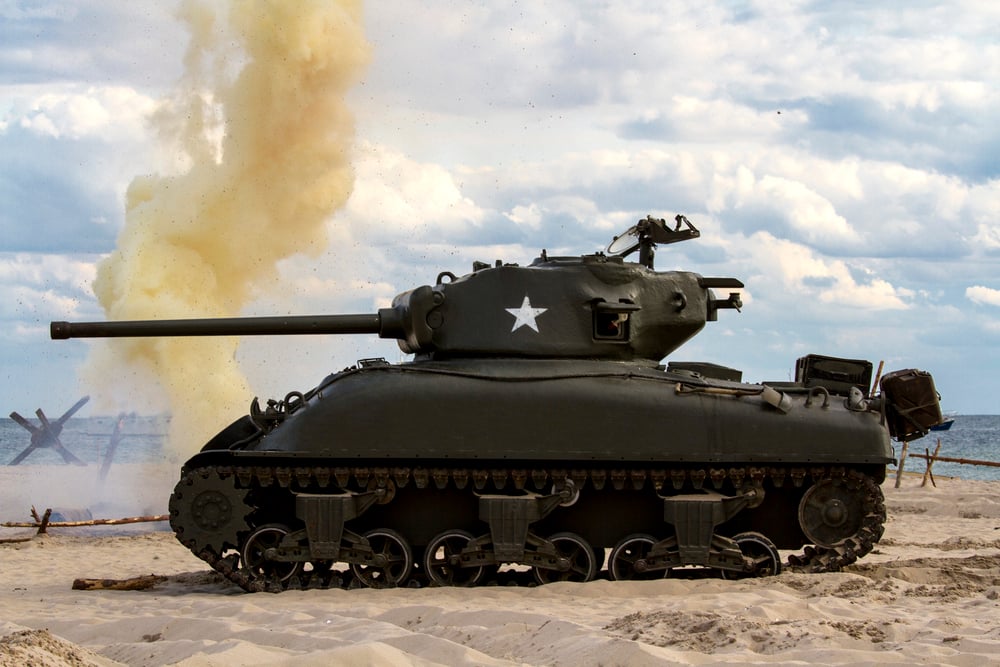
WWII American home-front posters linking ordinary consumer choices — conserving fuel, recycling metal, buying less — to the defeat of the Axis powers were doing something slightly strange: they were trying to make civilians feel causally connected to a war effort they couldn’t directly participate in. The fear behind them wasn’t enemy capability — it was civilian disengagement, the possibility that people too far from the front lines would simply stop caring.
Anti-Semitic Nazi Posters
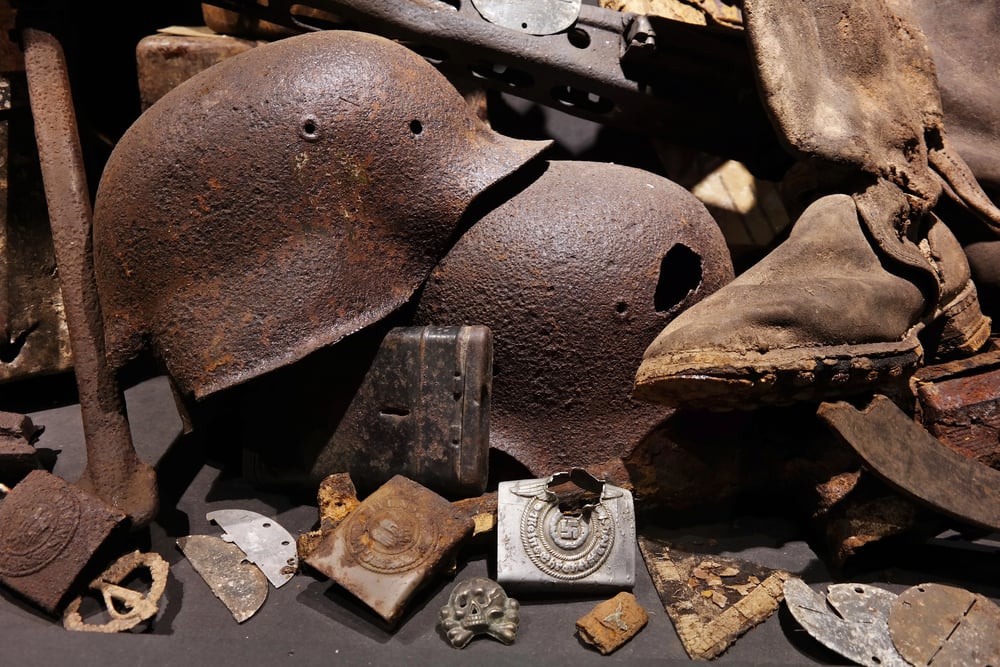
The sheer volume of Nazi propaganda targeting Jewish people — in posters, films, and print media — documents not a confident ideology but a paranoid one. Historians have noted that the obsessive repetition of anti-Semitic imagery in Nazi propaganda suggests a regime perpetually afraid that the hatred it was trying to institutionalize wasn’t self-sustaining.
And that’s exactly right: you don’t need a constant propaganda campaign to maintain beliefs people already hold instinctively, you only need one when you’re trying to manufacture something that isn’t naturally there.
Food Will Win the War
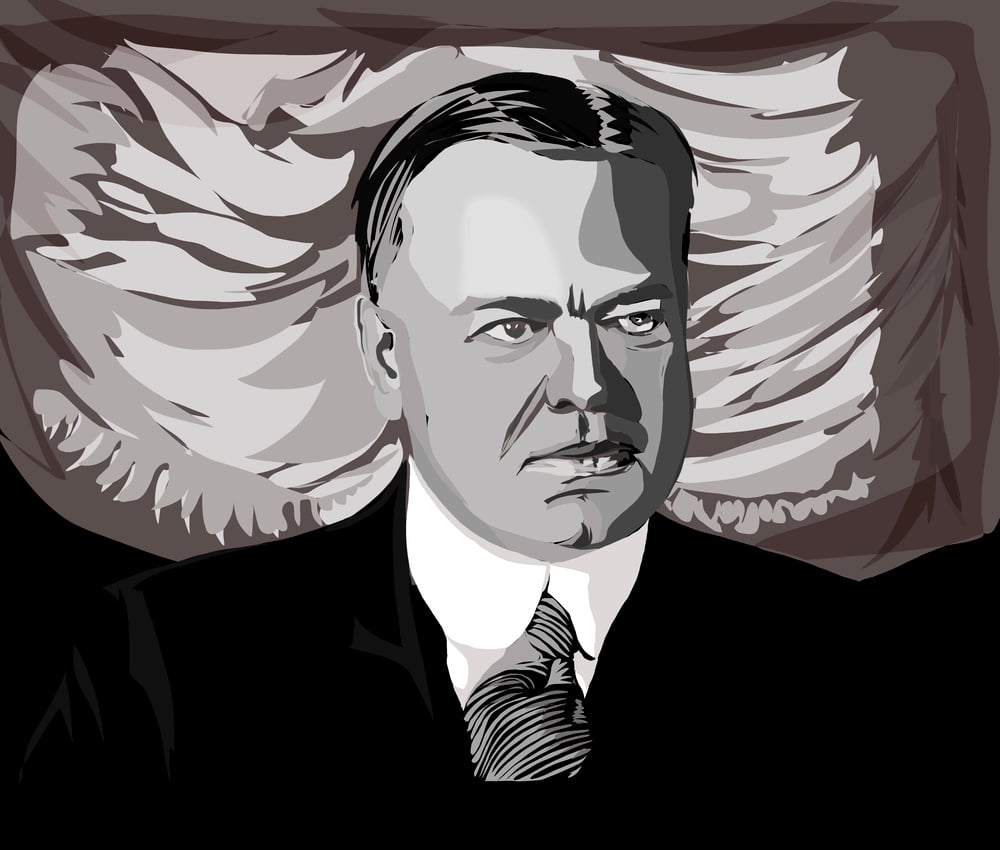
Herbert Hoover’s Food Administration posters from WWI, urging Americans to observe “wheatless Mondays” and “meatless Tuesdays,” reveal that the U.S. government in 1917 was genuinely uncertain whether voluntary conservation could work at scale. The posters were an experiment in persuasion over legislation — Washington chose messaging over mandates and then held its breath.
As it happens, the campaign worked well enough to avoid rationing, which is a fact that surprised even the people running it.
China’s Cultural Revolution Posters
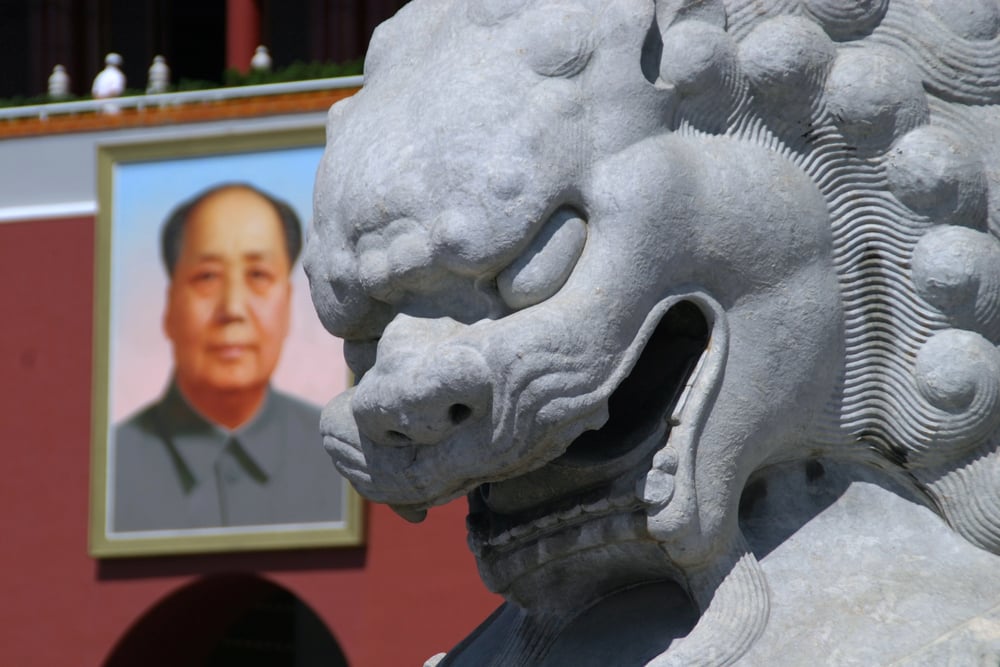
Posters from China’s Cultural Revolution (1966–1976) depicted Mao Zedong in quasi-divine light while condemning intellectuals, teachers, and “rightists” as enemies of the people. What they document, in retrospect, is a regime mortally afraid of educated dissent — a government so threatened by literacy and independent thought that it chose to make thinking itself suspect.
The imagery is relentlessly cheerful, which somehow makes the underlying terror of it more visible, not less.
The Reefer Madness Campaign

American anti-marijuana posters from the 1930s — part of Harry Anslinger’s Federal Bureau of Narcotics campaign — depicted the drug as the cause of murder, madness, and the dissolution of the American family. The exaggeration was almost cartoonish, and that exaggeration is revealing: the government wasn’t afraid of a substance so much as it was afraid of losing control over specific populations it associated with that substance.
The posters were fear wearing the costume of public health.
Britain’s Wartime Evacuation Posters
British government posters encouraging parents to send their children out of London during the Blitz reveal an anxiety that went beyond bombs. The government feared mass civilian casualties in the capital specifically, and the posters had to do delicate emotional work — convincing parents to hand their children to strangers on trains headed for rural England, framing separation as love rather than abandonment.
The language is almost unbearably gentle, which tells you something about how hard a sell it actually was.
The Iron Curtain Anti-West Posters

Soviet propaganda posters from the Cold War era depicting American capitalism as a skeleton in a top hat or a vulture circling the globe were aimed primarily at domestic audiences — and that targeting is everything. Stalin’s government wasn’t trying to convert Americans; it was trying to prevent Soviet citizens from finding American consumer culture appealing.
The fear was internal: the possibility that ordinary people behind the Iron Curtain might look at the West and prefer it.
Intern the Enemy Aliens

American posters and notices associated with the internment of Japanese Americans after Pearl Harbor — framed as military necessity, displayed in public spaces — reveal one of the most specific fears in any democracy: that the presence of a minority population becomes a security problem during wartime simply because of their heritage. These weren’t military communications; they were permission structures, designed to make the public feel that an extraordinary violation of civil rights was a sensible precaution.
Uncle Sam’s Long Arm
Late 19th and early 20th-century American expansionist posters — showing Uncle Sam striding across Central America or the Pacific with a paternal hand extended toward smaller nations — dressed imperialism in the language of protection and civilizing duty. What they couldn’t quite conceal is the specific economic anxiety underneath: American business interests in sugar, bananas, and shipping routes needed political cover.
The posters weren’t about ideology — they were about making the public comfortable with something that would have been plainly uncomfortable without the costume.
The Paper Always Tells the Truth
Every one of these posters was printed with the same quiet assumption: that the audience would believe it. Governments commissioned them not because they were confident but because they were afraid — of losing wars, losing workers, losing loyalty, losing control.
The propaganda poster is, at its core, an admission of vulnerability dressed in the loudest possible colors. What makes them worth studying now isn’t the lies they told but the truths they couldn’t suppress — the fears that bled through the ink, the anxieties that lived in every pointing finger and every clenched fist.
You can read a poster for its message, or you can read it for what the government was afraid you wouldn’t do without one. The second reading is almost always the more honest.
More from Go2Tutors!

- The Romanov Crown Jewels and Their Tragic Fate
- 13 Historical Mysteries That Science Still Can’t Solve
- Famous Hoaxes That Fooled the World for Years
- 15 Child Stars with Tragic Adult Lives
- 16 Famous Jewelry Pieces in History
Like Go2Tutors’s content? Follow us on MSN.



