Summer Festivals From the ’70s That No Longer Exist
There’s something about the 1970s that made people want to gather in fields. Maybe it was the tail end of the counterculture’s energy, or the particular combination of FM radio, cheap beer, and nowhere important to be — but the decade produced a remarkable number of outdoor music festivals that felt less like events and more like temporary civilizations.
Most of them are gone now. Some burned out spectacularly; others just quietly stopped happening.
What they left behind is a specific kind of nostalgia: not for the music exactly, but for the version of American summer that made them possible.
Ozark Music Festival
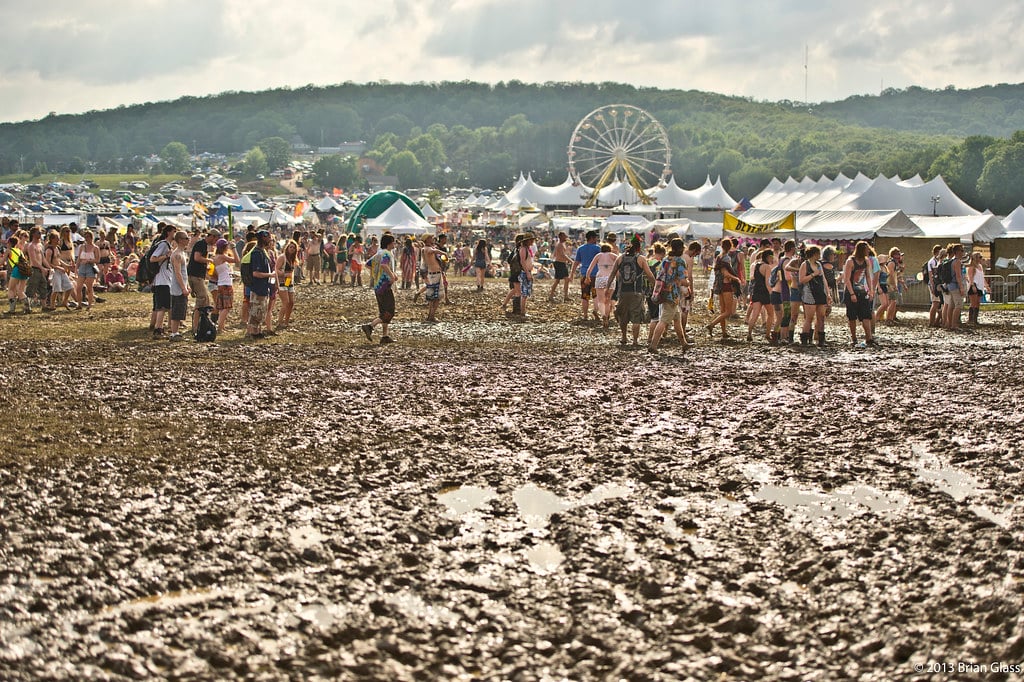
The Ozark Music Festival happened once, in July 1974, at the Missouri State Fairgrounds in Sedalia — and once was apparently enough. An estimated 150,000 people showed up for a lineup that included the Marshall Tucker Band, Little Feat, and the Eagles, but the logistics collapsed almost immediately under the weight of the crowd.
It became better known for its chaos than its concerts, with reports of overwhelmed medical crews and infrastructure that simply wasn’t built for what arrived. To be fair, very few things in Sedalia, Missouri in 1974 were.
Watkins Glen Summer Jam
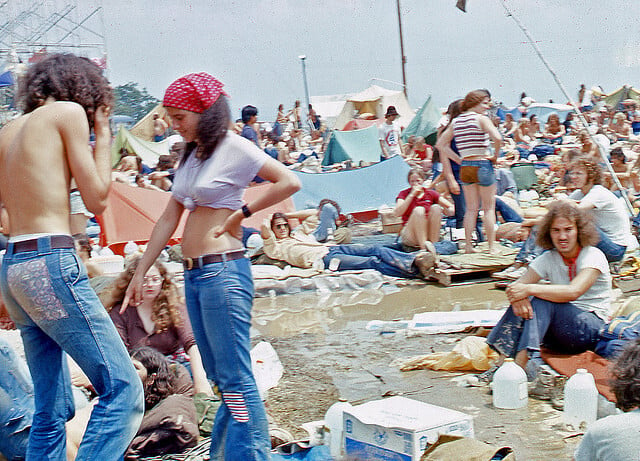
Watkins Glen, in July 1973, pulled somewhere between 600,000 and 700,000 people to a racetrack in upstate New York — which is a number that still seems implausible when you say it out loud. The Allman Brothers Band, the Grateful Dead, and The Band played a single day of music to what remains one of the largest concert audiences in American history, and yet almost no one talks about it the way they talk about Woodstock.
So it sits there in the record books, stubbornly overshadowed by an event that happened four years earlier and drew a third of the crowd.
Cal Jam
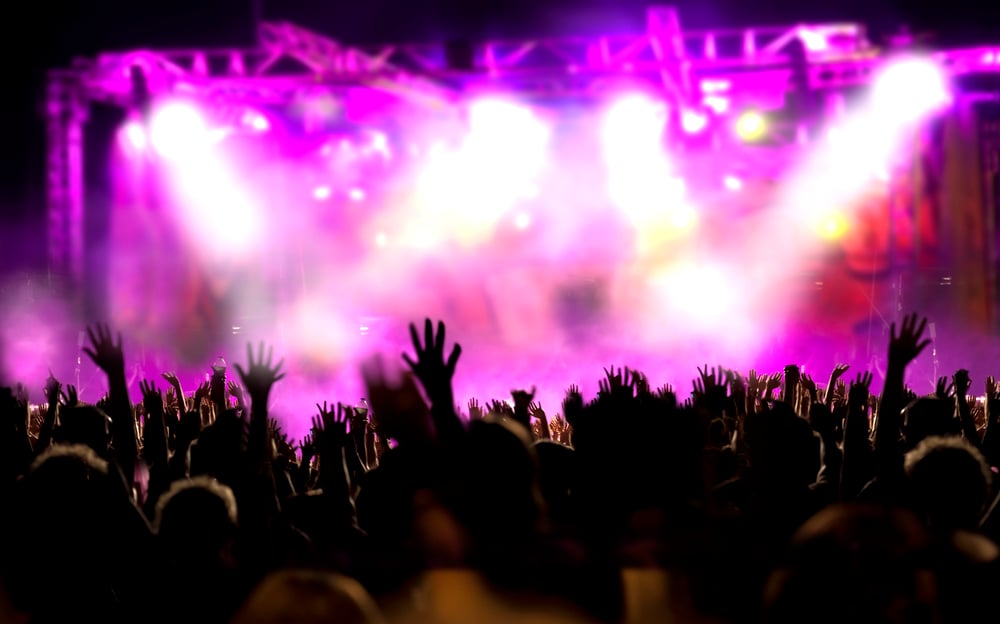
Cal Jam — the California Jam — landed on April 6, 1974, at the Ontario Motor Speedway, and brought roughly 200,000 people together for a lineup heavy with hard rock: Deep Purple, Black Sabbath, Emerson Lake & Palmer, Earth Wind & Fire. It felt less like a hippie gathering and more like a festival that had accepted the ’70s were different from the ’60s, and dressed accordingly.
A second Cal Jam happened in 1978, but the original remains the one people remember. Turns out staging a concert in a racetrack while Deep Purple destroys their equipment onstage tends to make an impression.
Schaefer Music Festival
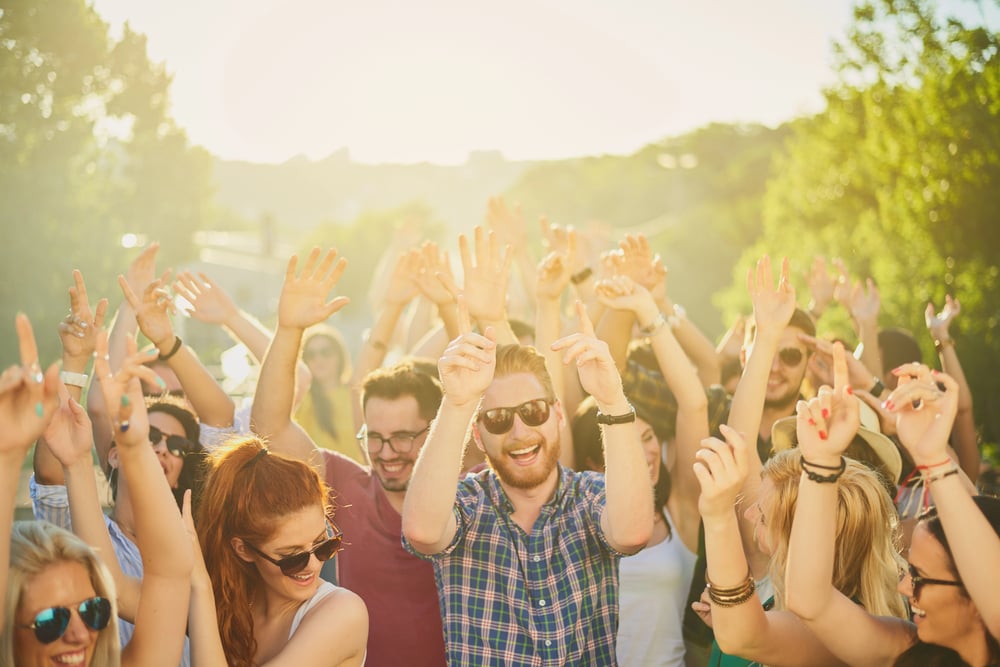
The Schaefer Music Festival ran through most of the decade in Central Park — a sponsored, ticketed series of summer concerts that brought an unlikely range of artists through New York City’s Wollman Rink venue. Joni Mitchell played there.
B.B. King played there. So did Bruce Springsteen, early enough in his career that the ticket prices still looked reasonable.
It was the kind of festival that a city runs when it still believes in public space as something worth using — and New York in the ’70s, teetering financially, needed that belief more than most.
Atlanta International Pop Festival
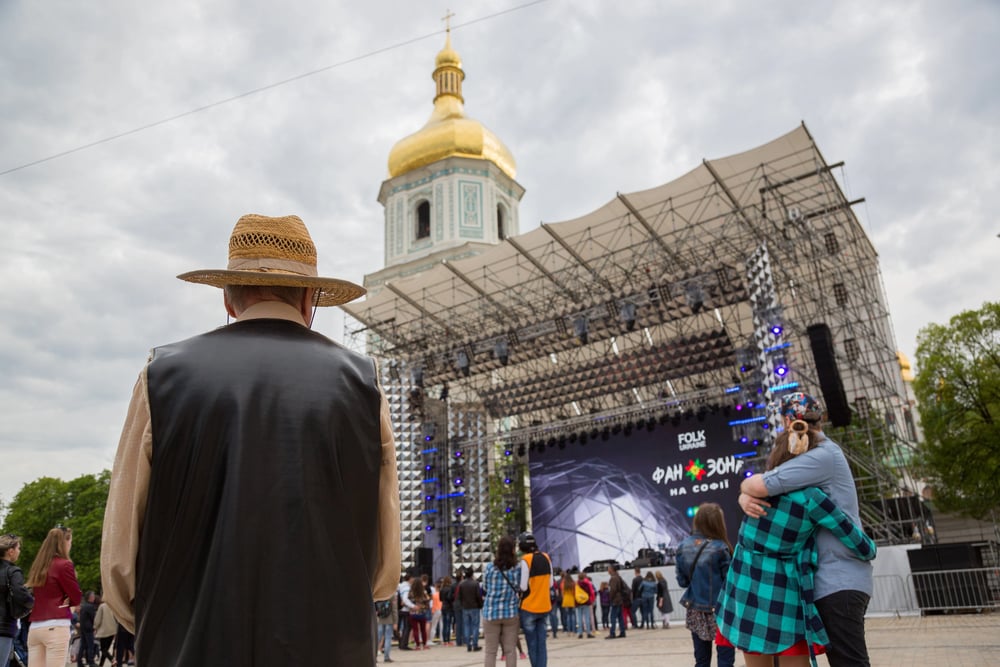
The Atlanta International Pop Festival actually ran twice — in 1969 and 1970 — but it was the 1970 edition, held over the Fourth of July weekend at Byron Motor Speedway, that became one of the defining rock events of the era. Jimi Hendrix, Jethro Tull, and B.B. King all performed; the crowd hit somewhere around 400,000.
The festival dissolved afterward without ever becoming an annual institution, which is its own kind of tragedy — a gathering that big, with a lineup that strong, should have been the start of something rather than the end of it.
New Orleans Jazz & Heritage Festival (Original Format)
Jazz Fest still exists, technically, but the version that launched in 1970 — held in Congo Square with a few hundred attendees, no corporate sponsors, and a completely different relationship to scale — bears almost no resemblance to the 100,000-person-per-day event it eventually became. The original felt like something the city invented for itself rather than for visitors, a distinction that matters more than it sounds.
What replaced it is admirable in its own way. But that intimate, slightly improvised early format is gone in the way that handwritten menus are gone from restaurants that used to have them.
Erie Canal Soda Pop Festival
The Erie Canal Soda Pop Festival was held in 1972 in rural Indiana — specifically in a field outside Dunkirk — and drew somewhere around 200,000 people with almost none of the infrastructure required to manage them. The name, billing itself as alcohol-free, didn’t exactly hold.
It ran for three days and featured Humble Pie, Bo Diddley, and a production setup that the local authorities were visibly unprepared for. It didn’t repeat, which is the part of the story that surprises no one who’s read the rest of it.
Summer Jam at Watkins Glen (Legacy)
The gravitational pull of Watkins Glen as a concert site didn’t end in 1973 — there were follow-up events throughout the ’70s that tried to recapture whatever had gathered there that first time. None of them did.
There’s a particular sadness in watching a place get used to recreate a moment rather than make a new one, like returning to a restaurant because you once had a perfect meal there, ordering the same dish, and finding that the kitchen has changed. The racetrack kept hosting things.
The thing that made the first one matter didn’t come back.
Celebration of Life Festival
The Celebration of Life Festival, held in McCrea, Louisiana in June 1971, had ambitions that outstripped nearly everything except the heat. Billed as the next Woodstock, it drew an estimated 100,000 people to the banks of the Atchafalaya River with a lineup that included Chuck Berry and Humble Pie, then proceeded to collapse under a combination of poor planning, inadequate water supply, and temperatures that turned the site into something closer to an endurance event than a concert.
The promoters ran out of money mid-festival. The crowd stayed anyway, which says something about either the music or the era’s tolerance for discomfort.
Denver Pop Festival
The Denver Pop Festival arrived in 1969 but its shadow stretched well into the early ’70s, partly because of what happened there. Held at Mile High Stadium, it featured Creedence Clearwater Revival, Iron Butterfly, and a young Jimi Hendrix in one of his final American festival appearances.
What people remember more than the music is the confrontation outside: police used tear gas on the crowd, some of which drifted into the stadium and onto the performers. It was the festival that made Denver rethink large outdoor events for years, which is one way to leave a mark.
Texas International Pop Festival
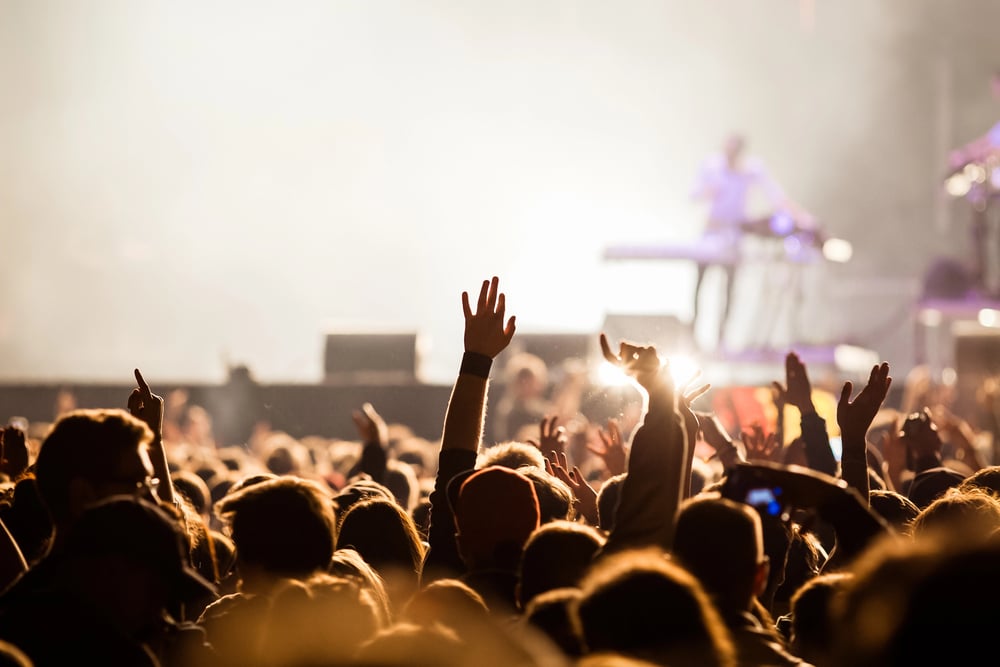
The Texas International Pop Festival ran for three days over Labor Day weekend 1969, at the Dallas International Motor Speedway in Lewisville — and if the location sounds incongruous for a festival drawing Led Zeppelin, Janis Joplin, and Santana, that was sort of the point. Texas wanted its Woodstock, and for one weekend it had something close to it, with 120,000 people spread across a racetrack in September heat.
It didn’t return the following year. The state’s relationship with large outdoor rock gatherings turned complicated in ways that took years to unspool.
Sky River Rock Festival
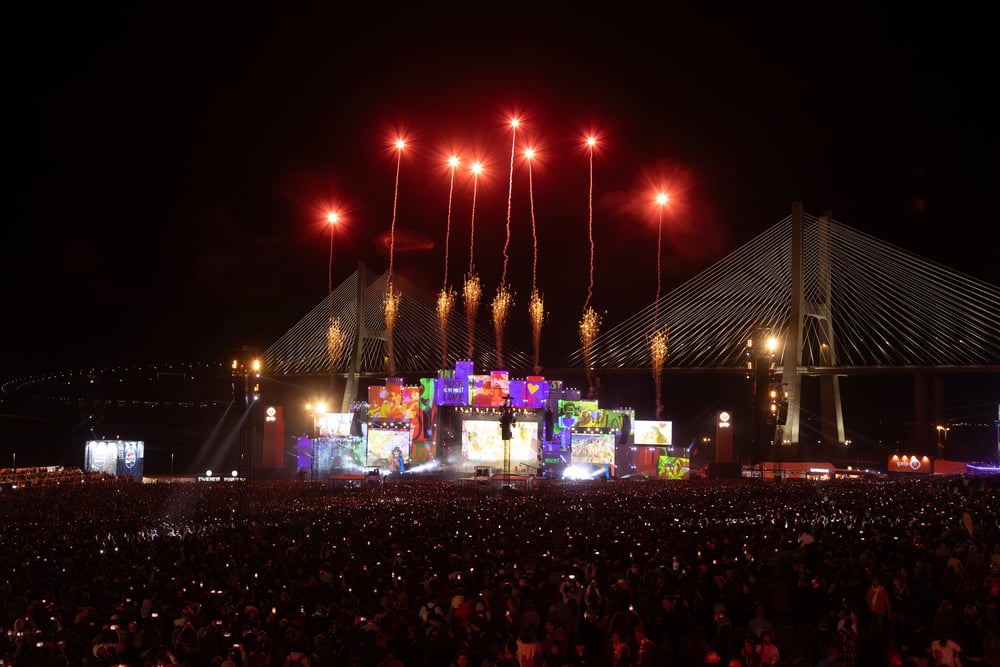
The Sky River Rock Festival predates the ’70s by a year — it started in 1968 in Washington State — but it kept returning through the early part of the next decade with the same loosely organized, deliberately countercultural energy it started with. It was never enormous in the way that the motor speedway festivals were enormous; it ran closer to 20,000 people, held in fields in rural Washington, with a lineup that valued sincerity over spectacle.
And then it quietly stopped, the way things do when the energy that animated them disperses rather than collapses.
Powder Ridge Rock Festival
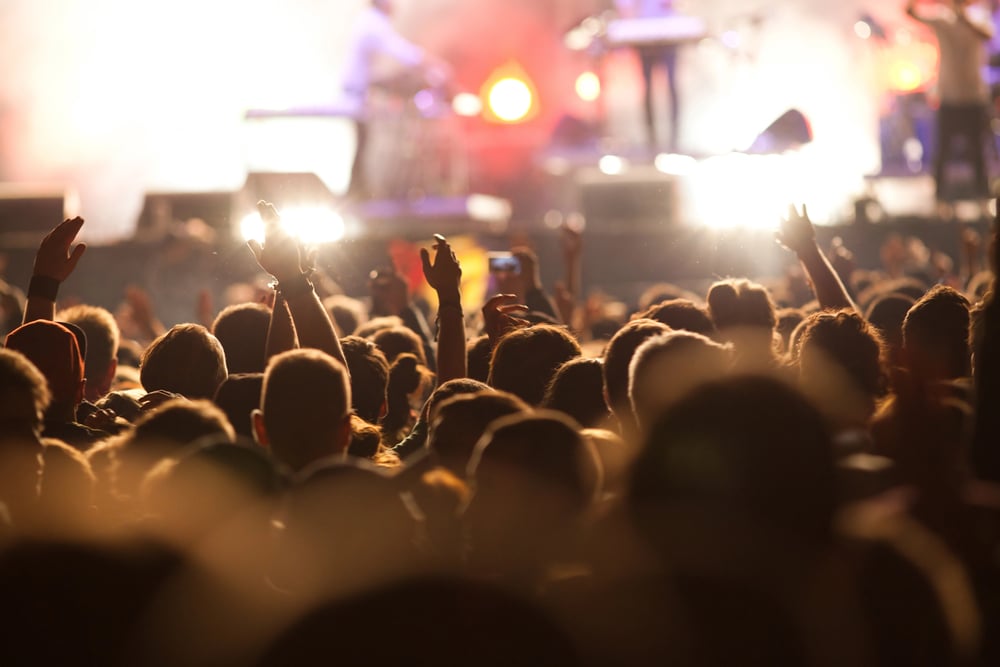
Powder Ridge is remembered less as a festival than as a festival that never happened — the 1970 Connecticut event was legally enjoined at the last minute, but 30,000 people showed up anyway because word didn’t travel fast in 1970. What followed was several days of people gathered at a ski resort in Middlefield with almost no performers, no sanitation infrastructure, and a very particular kind of collective bewilderment.
It became a case study in what happens when the expectation of an event proves more powerful than the event’s cancellation. The mountain didn’t care either way.
Palm Beach International Music and Arts Festival
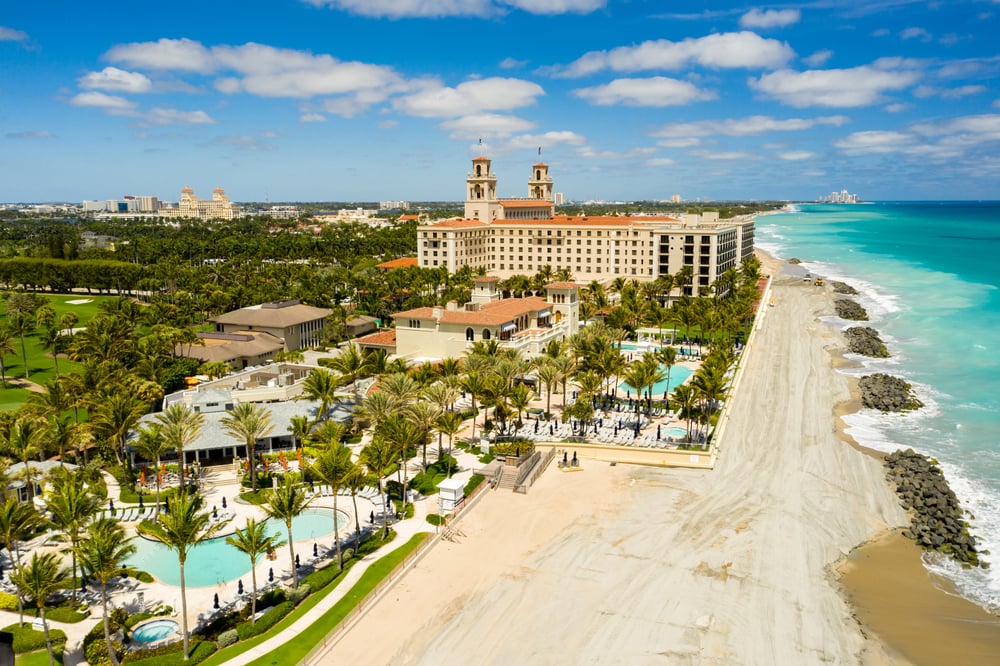
The Palm Beach International Music and Arts Festival ran in November 1969 at the Palm Beach International Raceway, with a lineup that included the Rolling Stones, Janis Joplin, and Jefferson Airplane — and yet it has somehow drifted to the edges of the festival history most people know. Around 40,000 people attended, a modest number by the era’s standards, but the performances were considered strong enough that recordings circulated for years afterward.
It didn’t become annual. Florida in November is a perfectly reasonable place for a music festival, which maybe explains why nobody felt a particular urgency to build on it.
Seattle Pop Festival
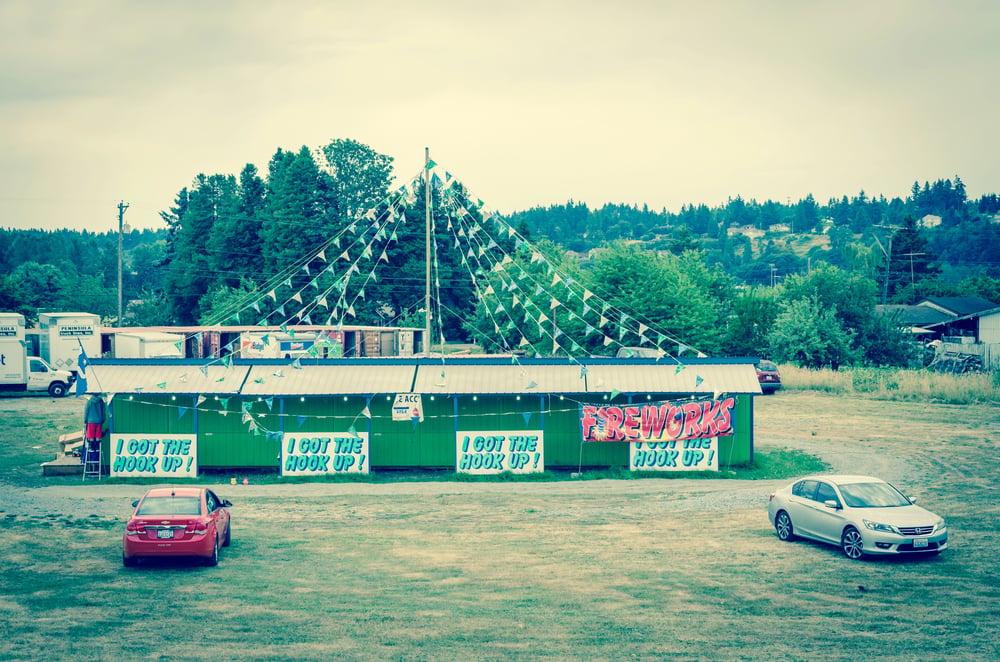
The Seattle Pop Festival, held at Gold Creek Park in Woodinville over three days in July 1969, brought together Chuck Berry, the Doors, Led Zeppelin, and Santana in a lineup that would cost an absurd sum to assemble today. It happened once, drew around 70,000 people, and then the Pacific Northwest returned to its normal relationship with large outdoor gatherings: ambivalent.
The Doors’ performance there is still discussed among people who collect that kind of thing. Led Zeppelin played the next night.
Bull Island Festival
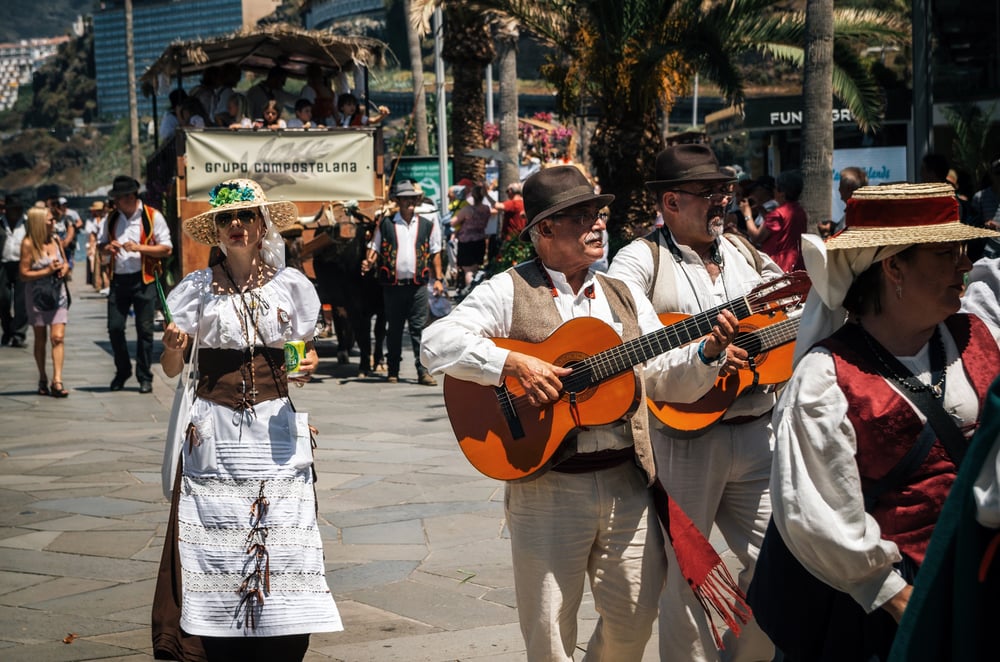
The Bull Island Festival — sometimes called the Bucolic Island Festival or the US Festival precursor in certain accounts, though that’s a stretch — refers to several smaller Carolina coastal events in the early-to-mid ’70s that used the isolation of barrier island geography as both a feature and an excuse for whatever happened there. They were regional, informal, and deliberately off the map in a way that made documentation sparse.
That sparseness is now part of what makes them interesting: festivals small enough that the people who attended them feel like the sole keepers of something real.
Wheatland Music Festival (Early Years)

The Wheatland Music Festival launched in 1974 in rural Michigan, focused on folk and traditional music in a way that set it deliberately apart from the rock-driven mega-festivals happening elsewhere that decade. The early years had a handmade quality to them — smaller stages, communal camping, a clear preference for craft over volume.
The festival technically still exists in some form today, but the original ’70s version, operating before it institutionalized, had an earnestness that later editions worked hard to preserve and inevitably couldn’t quite replicate. Earnestness rarely survives its own success intact.
When the Field Goes Quiet
What these festivals shared wasn’t just music or mud or impressive headcounts. They shared a particular belief — rarely stated, somehow universally understood — that showing up in a field with strangers was itself a meaningful act.
The logistics were often a disaster. The water ran out.
The performers started late. And people stayed, because the alternative was going home to the regular world, which felt like a much worse option at the time.
The ’70s eventually ended, and the fields went back to being fields. But for a few summers, they were something else entirely — and the people who stood in them have never quite stopped knowing it.
More from Go2Tutors!

- The Romanov Crown Jewels and Their Tragic Fate
- 13 Historical Mysteries That Science Still Can’t Solve
- Famous Hoaxes That Fooled the World for Years
- 15 Child Stars with Tragic Adult Lives
- 16 Famous Jewelry Pieces in History
Like Go2Tutors’s content? Follow us on MSN.