Towns built inside a giant meteor crater
Imagine building your entire life in what amounts to a cosmic scar on Earth’s surface. While most of us will never experience anything close to a meteorite impact, some communities have unknowingly made their homes in the remnants of ancient cosmic collisions. These towns and cities rest within impact craters that formed millions of years ago, creating unique landscapes that tell stories of Earth’s violent encounters with space rocks.
From medieval German towns built with diamond-studded stones to Kentucky settlements nestled in Appalachian crater bowls, these communities represent some of the most fascinating examples of humans adapting to landscapes shaped by extraterrestrial forces. Here are several remarkable towns that were built inside giant meteor craters.
Nördlingen, Germany

This medieval Bavarian town sits perfectly within the Nördlinger Ries crater, a 25-kilometer-wide depression created 15 million years ago when a meteorite struck at an estimated 70,000 kilometers per hour. The impact left the area riddled with an estimated 72,000 tons of micro-diamonds, all less than 0.2 millimeters across. What makes Nördlingen truly special is that the townspeople unknowingly built their entire settlement using stones embedded with millions of these tiny diamonds.
The Church of St. George, the tallest structure in town, is constructed entirely of suevite—a coarse-grained rock containing crystal, glass, and diamond—and contains approximately 5,000 carats of diamond. The buildings literally sparkle in sunlight, though the largest gemstones can only be observed under a microscope.
Middlesboro, Kentucky
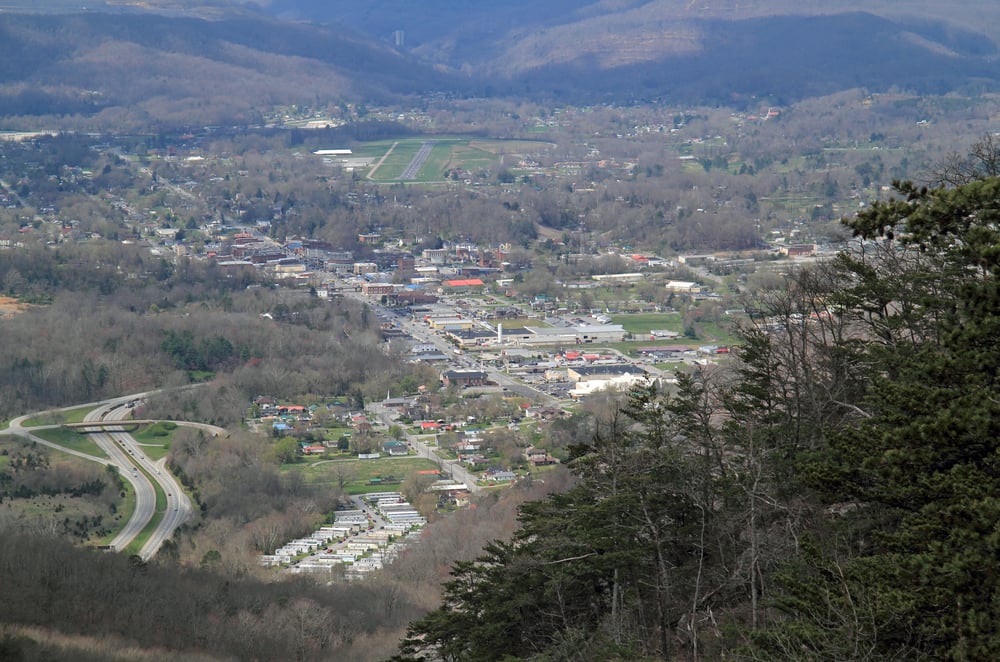
Middlesboro holds the distinction of being the only known US city built within a meteorite crater, occupying much of a 3-mile-wide impact structure estimated to be less than 300 million years old. The crater sits in the Appalachian Mountains between the Cumberland Mountains and Pine Mountain, creating the distinctive round valley that made the Cumberland Gap passage possible for early settlers.
The town was established in 1886 to exploit iron and coal deposits, although founder Alexander A. Arthur apparently had no idea about the crater’s extraterrestrial origin. Middlesboro is the only place in the world where coal is mined inside an impact crater, requiring special mining techniques due to the complicated strata.
Wetumpka, Alabama

About 83 million years ago, a cosmic object estimated at 1,250 feet in diameter struck what is now Elmore County, creating the Wetumpka impact crater. The city of Wetumpka developed along the northwestern rim of this 5-mile-wide crater, with downtown sitting directly on the impact structure’s edge.
The impact was roughly 175,000 times more powerful than the nuclear bomb dropped on Hiroshima, creating a massive earthquake, tsunami, and atmospheric blast wave that devastated the area when it was covered by a shallow sea. Today, the eroded crater rim forms the distinctive hills rising 300 feet above the surrounding river plains.
The Science Behind Crater Towns
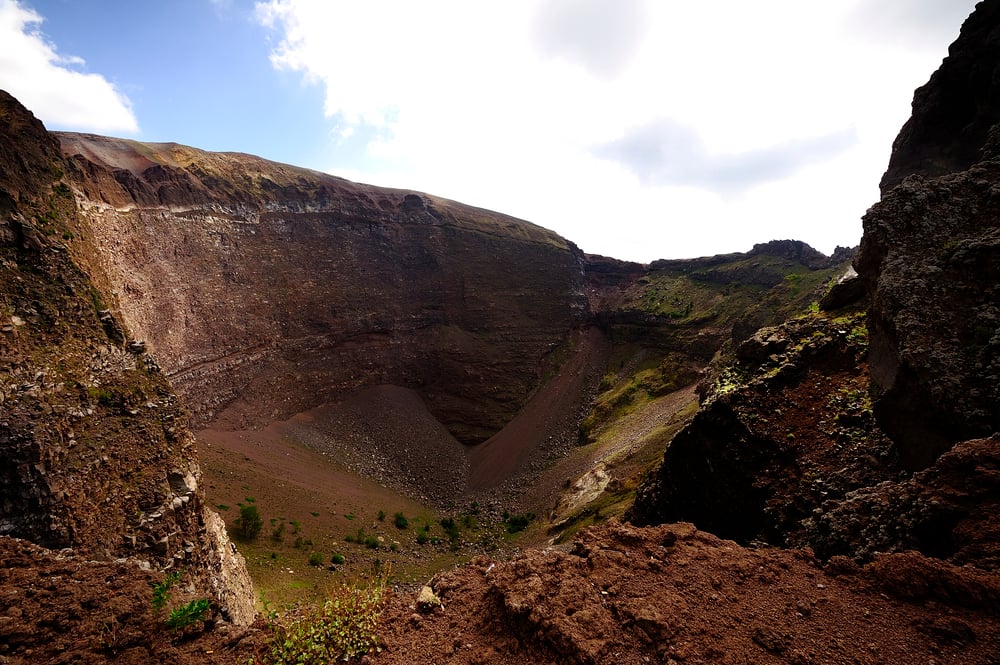
Impact craters are identified through specific geological markers including shatter cones and shocked quartz—rock formations that occur only during meteorite impacts. These features help scientists distinguish true impact craters from volcanic formations or other geological structures. Many crater settlements went unrecognized for decades or centuries until modern geological surveys revealed their cosmic origins.
The formation process creates unique topographical features that often attract human settlement. Craters can form bowl-shaped depressions that provide natural protection from winds and create favorable microclimates for agriculture. The fractured bedrock can also expose valuable mineral deposits or create natural water collection areas.
Hidden Crater Communities
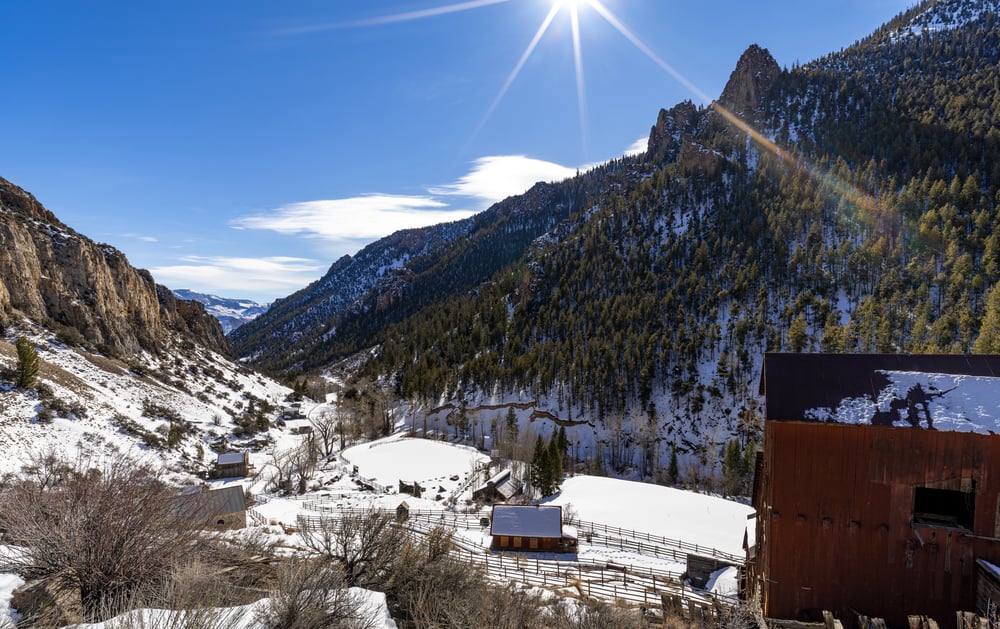
Many other settlements exist near or within impact structures, though they may not be as obviously situated as Nördlingen or Middlesboro. The Beaverhead crater in Montana and Idaho spans 37 miles in width, with the city of Challis, Idaho, sitting at its center. This 600-million-year-old impact structure wasn’t discovered until the 1990s when scientists identified shocked quartz and shatter cones in the area.
The delayed recognition of these impact sites reflects how erosion, vegetation, and geological processes can mask crater features over millions of years. What appears as natural hills, valleys, or circular lakes may actually be the remnants of ancient cosmic collisions.
Tourism and Scientific Value

These crater communities have become unique tourist destinations, offering visitors the chance to literally walk on ground zero of ancient cosmic impacts. NASA even used the Ries crater around Nördlingen for Apollo astronaut training in the 1970s, helping them familiarize themselves with impact crater geology before their moon missions.
The city of Wetumpka sponsors annual lectures and public tours celebrating their crater heritage. Museums and visitor centers in these locations help educate the public about impact geology and the role of meteorites in shaping Earth’s landscape.
Living with Cosmic History

— Photo by Cad_wizard
What’s remarkable about these communities is how normal life continues within these extraordinary geological settings. Residents go about their daily routines—shopping, working, raising families—all while living within the scars of events that released more energy than nuclear weapons. The impacts that created their home landscapes occurred so long ago that the craters have become seamlessly integrated into local geography and culture.
These towns represent a fascinating intersection of cosmic violence and human adaptation, where ancient catastrophes have become the foundation for thriving modern communities. Whether they’re mining coal from fractured crater bedrock or building churches with diamond-studded stones, these settlements prove that even the most dramatic cosmic events eventually become just another part of the landscape we call home.
More from Go2Tutors!

- The Romanov Crown Jewels and Their Tragic Fate
- 13 Historical Mysteries That Science Still Can’t Solve
- Famous Hoaxes That Fooled the World for Years
- 15 Child Stars with Tragic Adult Lives
- 16 Famous Jewelry Pieces in History
Like Go2Tutors’s content? Follow us on MSN.