27 Newspaper Comic Strips That Defined the Sunday Morning Routine
There was a ritual to it. Before the coffee finished brewing, before anyone said a word to anyone else, the newspaper got divided — and the comics section went first.
Adults claimed it was for the kids, but nobody was fooling anybody. The funnies were for everyone, and everyone knew it.
Some of those strips were brilliant. Some were comforting in a way that had nothing to do with being brilliant.
And a handful of them became so embedded in Sunday mornings that pulling them out would’ve felt like removing a load-bearing wall from the house. These are the strips that did that — the ones that earned their place at the table.
Peanuts
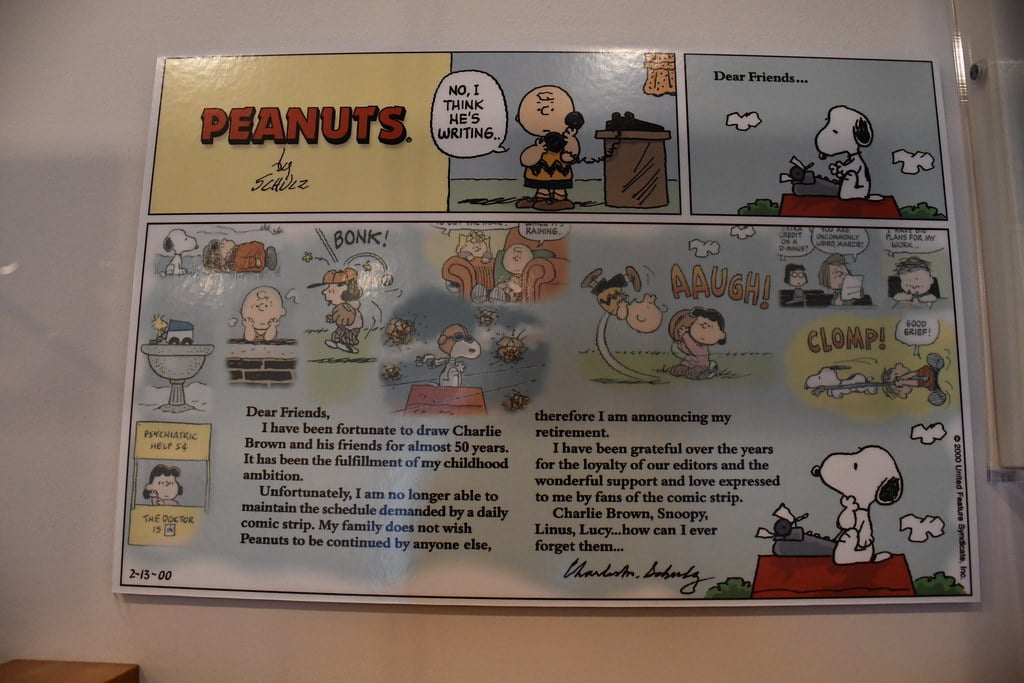
Charlie Brown never wins. That’s the whole premise, and it never got old — which is saying something for a strip that ran from 1950 to 2000.
Charles Schulz built something quietly devastating inside the Sunday funnies: a world where children carried the full weight of adult melancholy and nobody thought that was strange.
Calvin and Hobbes
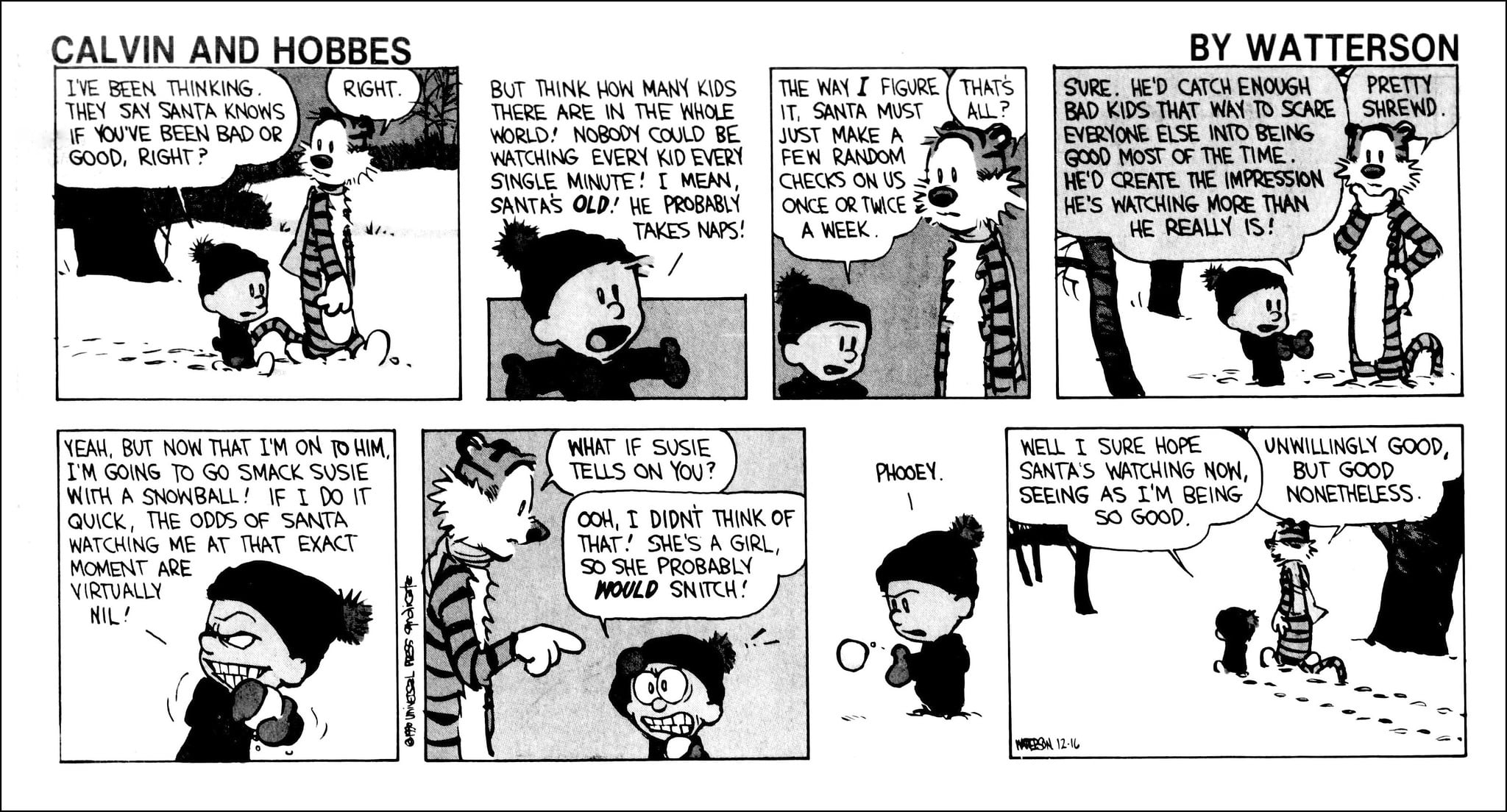
Bill Watterson quit at the top. That decision, as maddening as it felt in 1995, is exactly what kept Calvin and Hobbes from becoming something lesser — a strip about a boy and his tiger that never once condescended to either of them.
The Sunday pages, which Watterson famously fought to keep large and full-color, remain some of the most visually ambitious work ever printed on newsprint.
Garfield
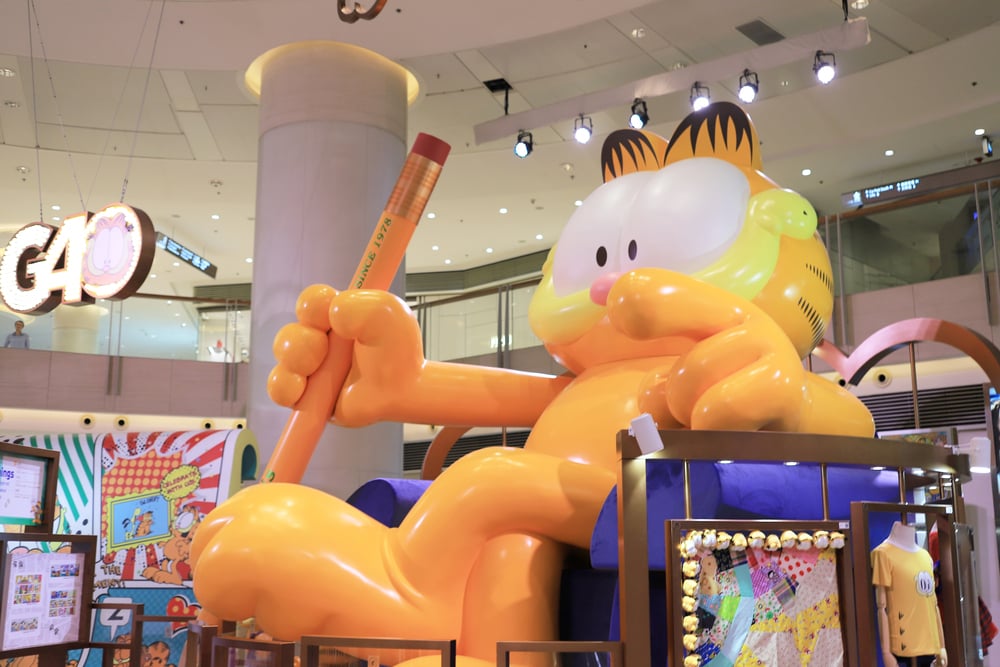
Garfield is aggressively mediocre and has been for decades, which turns out to be a feature, not a flaw. Jim Davis designed the strip to be widely appealing, not artistically adventurous, and the honesty of that intention is almost refreshing.
A fat cat who hates Mondays — you didn’t need to think about it, and Sunday morning didn’t always ask you to.
Doonesbury
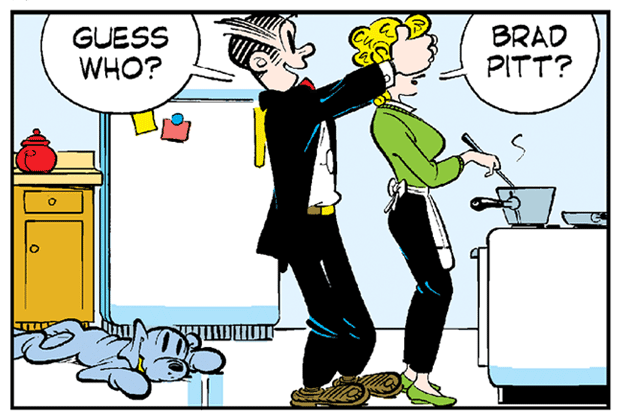
Garry Trudeau turned the comics page into an op-ed column before anyone agreed that was allowed. Doonesbury got pulled from the funnies section entirely at some papers, relocated to the editorial page, which is the highest compliment a comic strip can receive.
It debuted in 1970 and never stopped having opinions.
The Far Side

Gary Larson drew cows standing upright in kitchens, and somehow that felt more truthful about human nature than most writing being published at the time. Each panel was a single joke, complete and sealed, the way a good short story closes a door at the end.
And then Larson walked away in 1995, which made people want the strip even more.
Bloom County

Bloom County returned in 2015 after a 26-year absence, which is either proof of its endurance or proof that Berkeley Breathed couldn’t stay away — probably both. The strip’s original run through the 1980s won a Pulitzer Prize, introduced Opus the Penguin to a generation of readers, and managed to be genuinely funny while also being genuinely furious about American politics.
Beetle Bailey
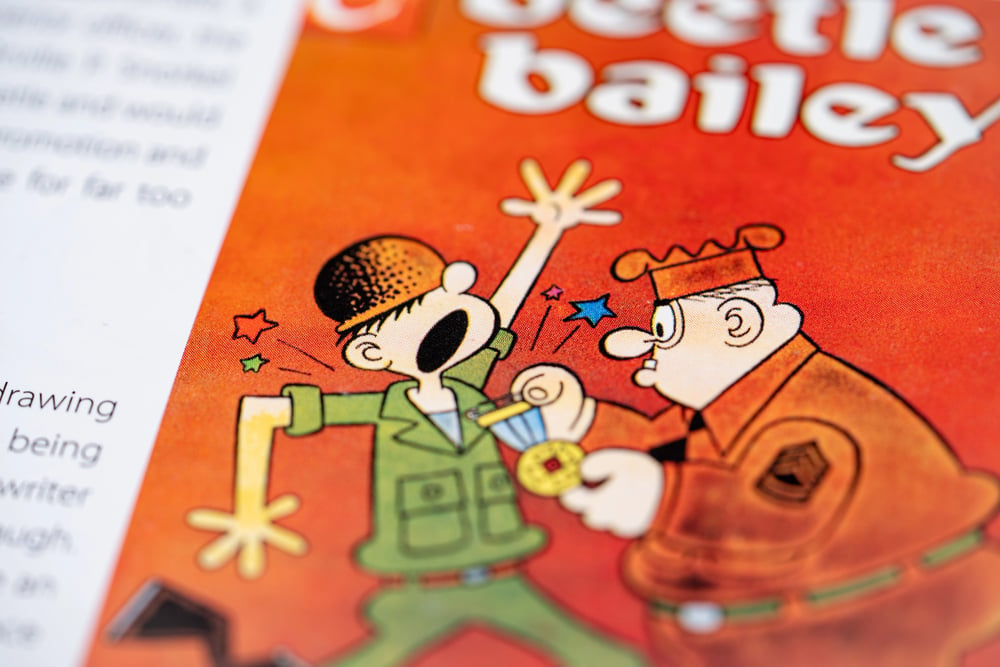
Mort Walker’s strip about Army life launched in 1950 and has been running ever since, which makes it one of the longest-running comics in American newspaper history. Beetle Bailey is not subtle.
It does not ask much of you. It is, in the very best sense of the phrase, exactly what it looks like — and on a Sunday morning when you haven’t finished your coffee yet, that’s the whole point.
Blondie
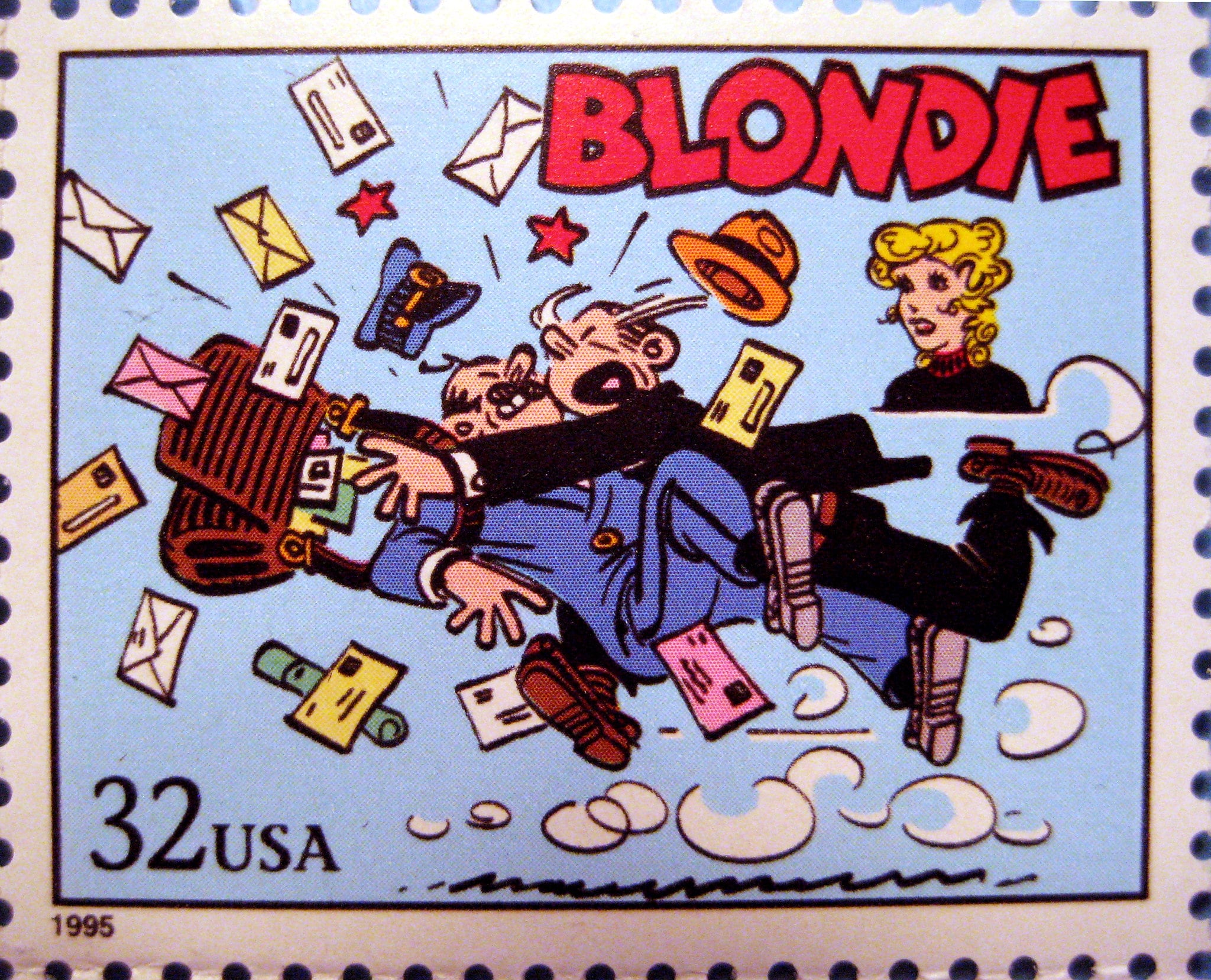
Blondie has been running since 1930, which means it outlasted the Great Depression, World War II, the moon landing, and the invention of the internet. What started as a flapper comedy about a carefree socialite became a domestic strip about sandwiches and suburban marriage, and that pivot — which happened when Blondie married Dagwood — turned out to be the decision that made it permanent.
Dagwood’s sandwiches became their own cultural shorthand.
Li’l Abner
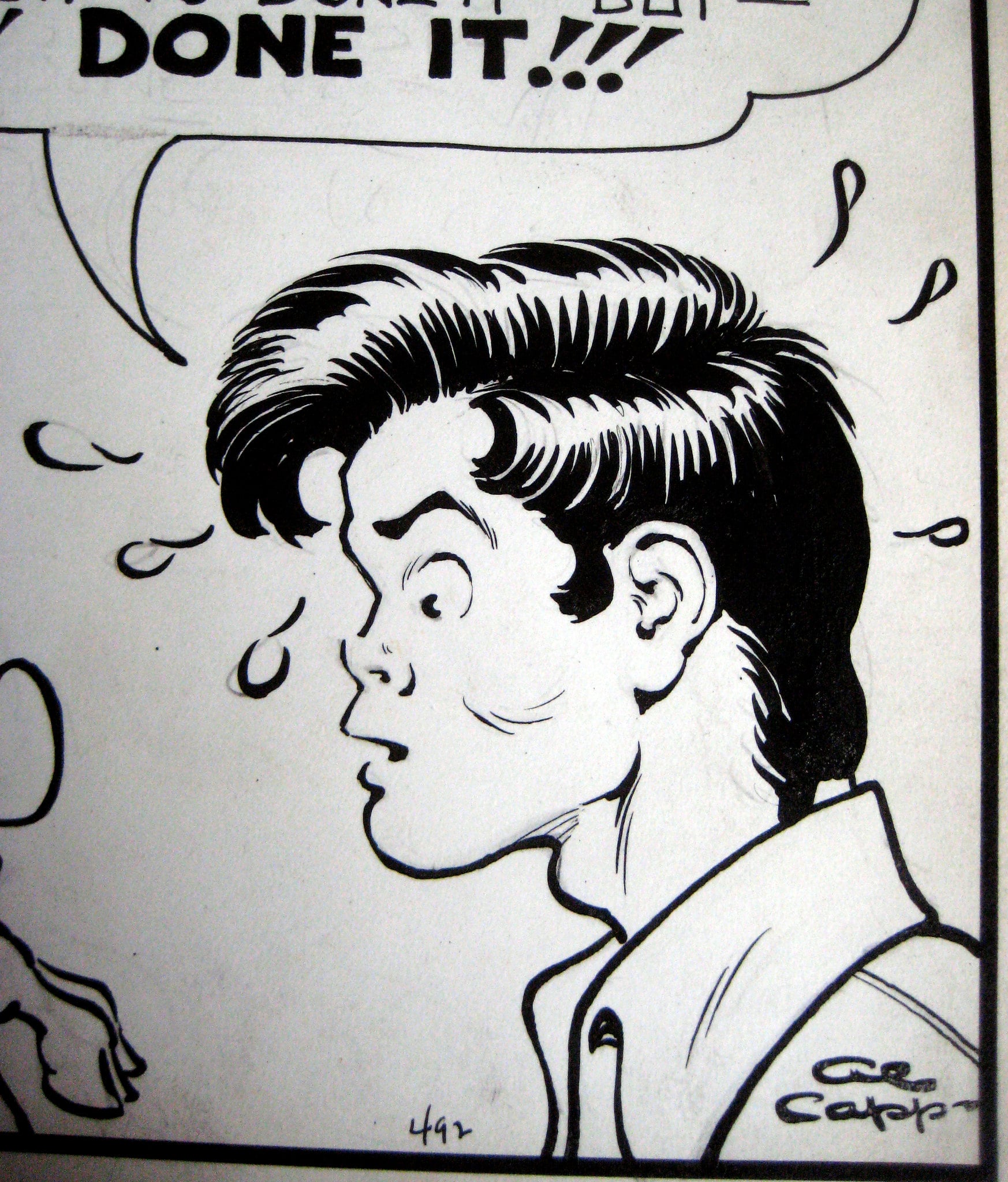
Al Capp’s strip about the fictional Dogpatch, Kentucky ran from 1934 to 1977, and within that run Capp invented Sadie Hawkins Day, which became a real-world tradition before most readers noticed they’d been handed a cultural institution by a satirist. Li’l Abner was sharper than it looked — politically corrosive, occasionally cruel, but never dull.
The Phantom
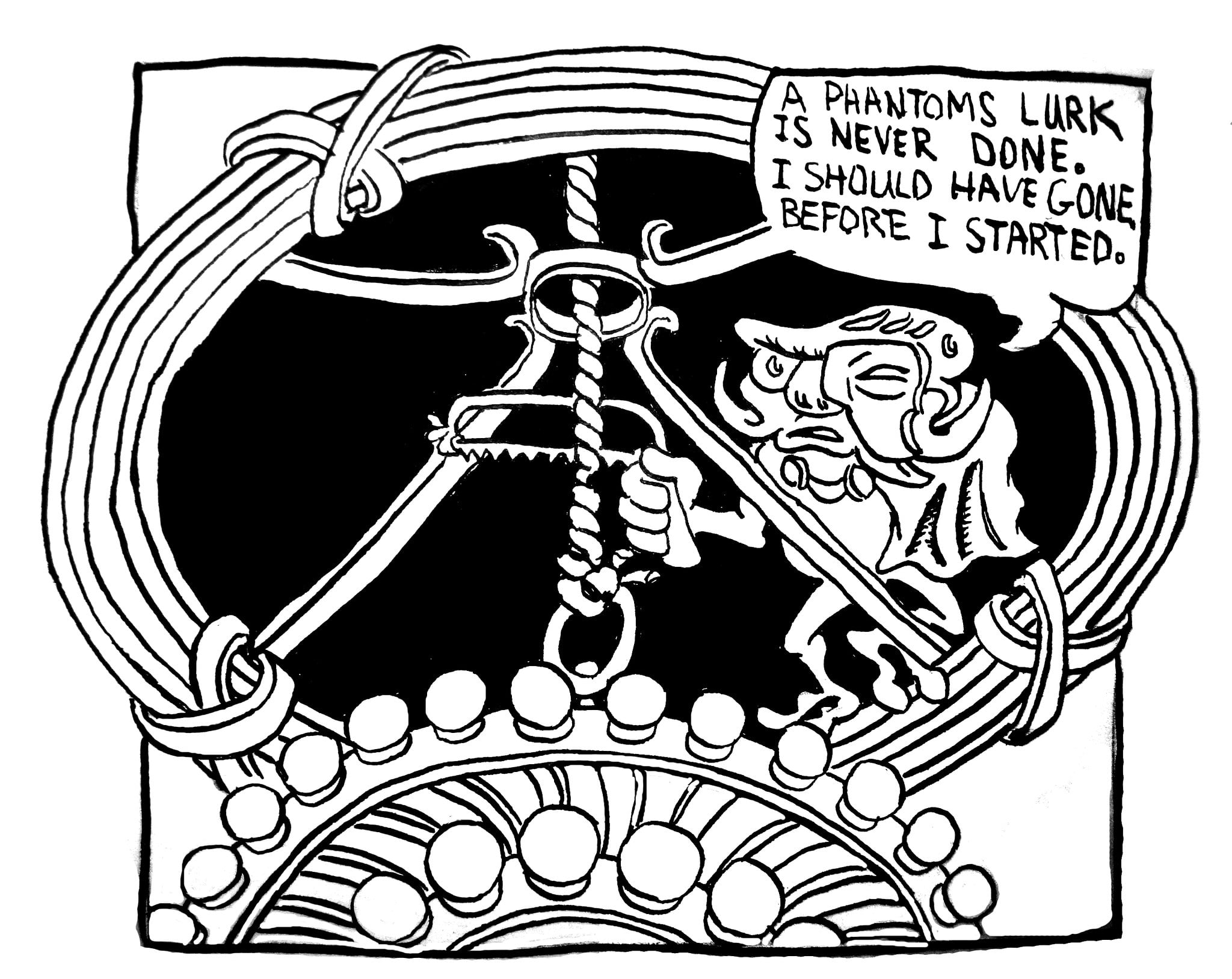
The Phantom, which debuted in 1936, holds a legitimate claim as the first costumed superhero in comics — predating Superman by two years. Lee Falk built an entire mythology around a figure known as “The Ghost Who Walks,” a phantom who was actually a generational legacy passed from father to son across centuries.
Sunday pages gave that mythology room to breathe.
D. Tracy
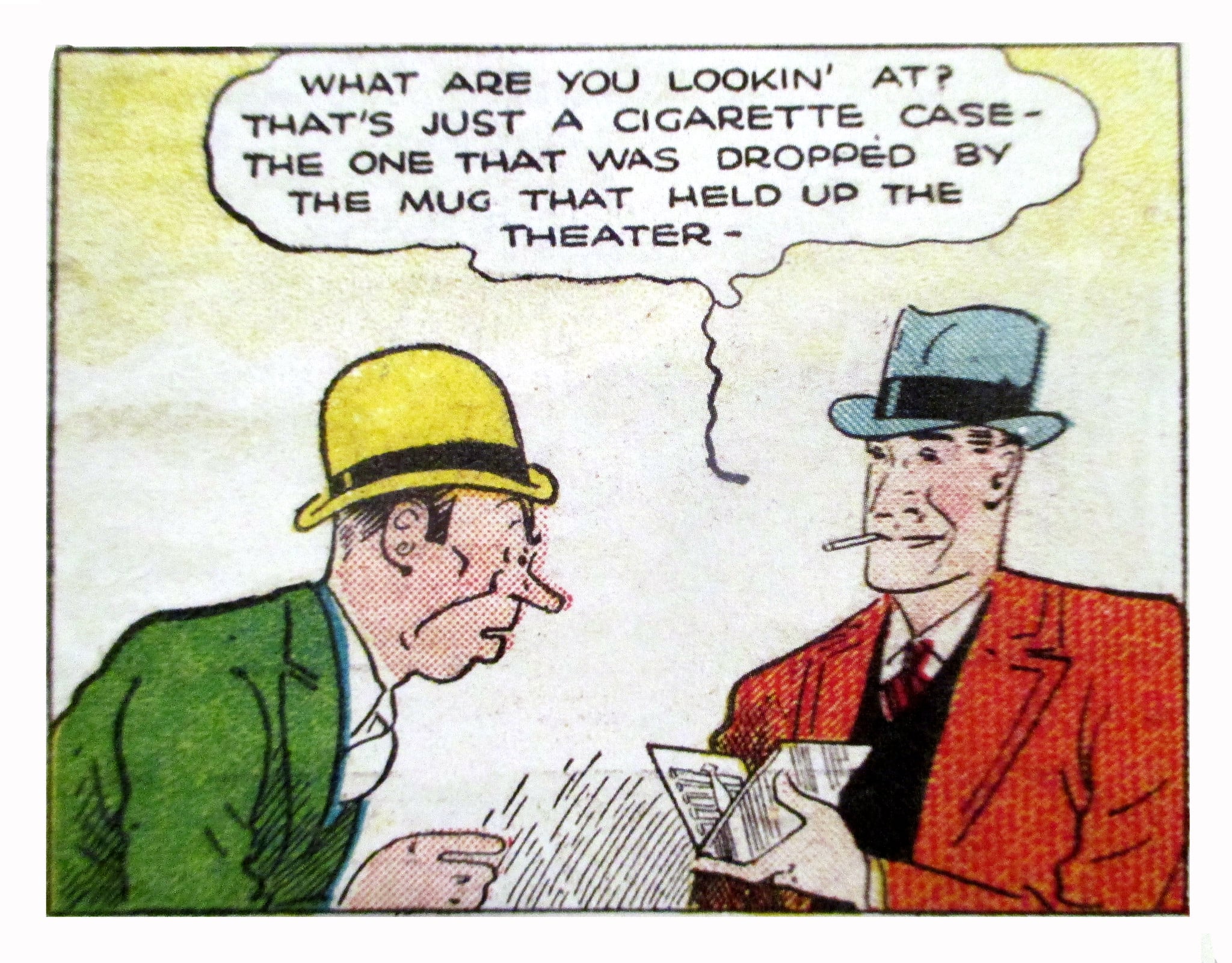
Chester Gould’s D. Tracy is a strip that looks like a police procedural and reads like a fever dream, populated with villains whose physical deformities matched their moral corruption in ways that were, to put it charitably, extremely of their era. What held up was the visual invention — Gould drew violence and crime with an angular ferocity that felt genuinely dangerous on the Sunday page.
The two-way wrist radio Tracy wore in 1946 predicted technology by about fifty years.
Prince Valiant
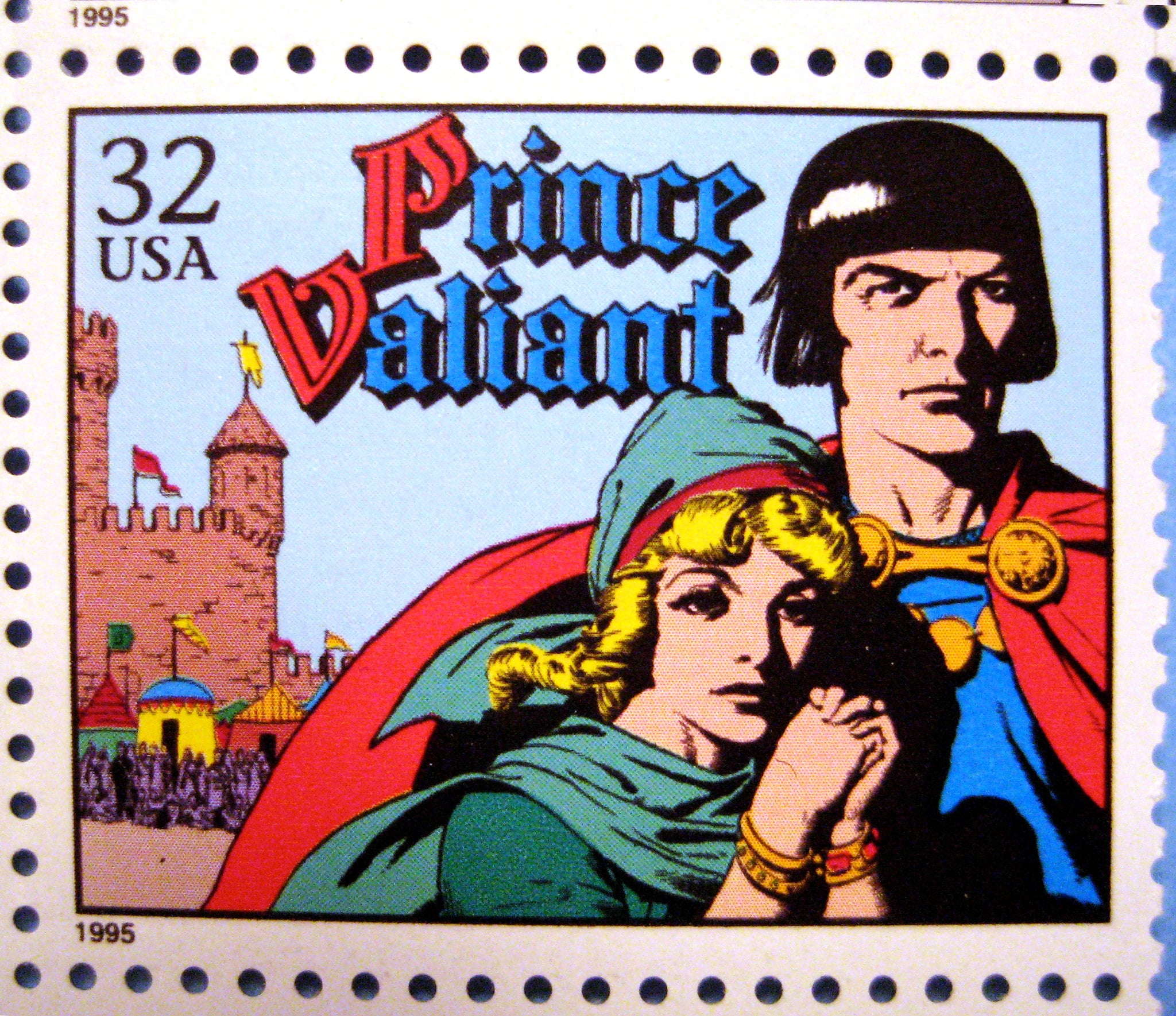
Hal Foster’s Prince Valiant asked something rare of the Sunday reader: patience. There were no punchlines, no recurring gags — just a sprawling Arthurian adventure story told in painted panels so detailed they looked like illustration work extracted from an illuminated manuscript.
Foster drew the strip from 1937 to 1971, and the Sunday pages during that run were legitimately something to look at.
Krazy Kat
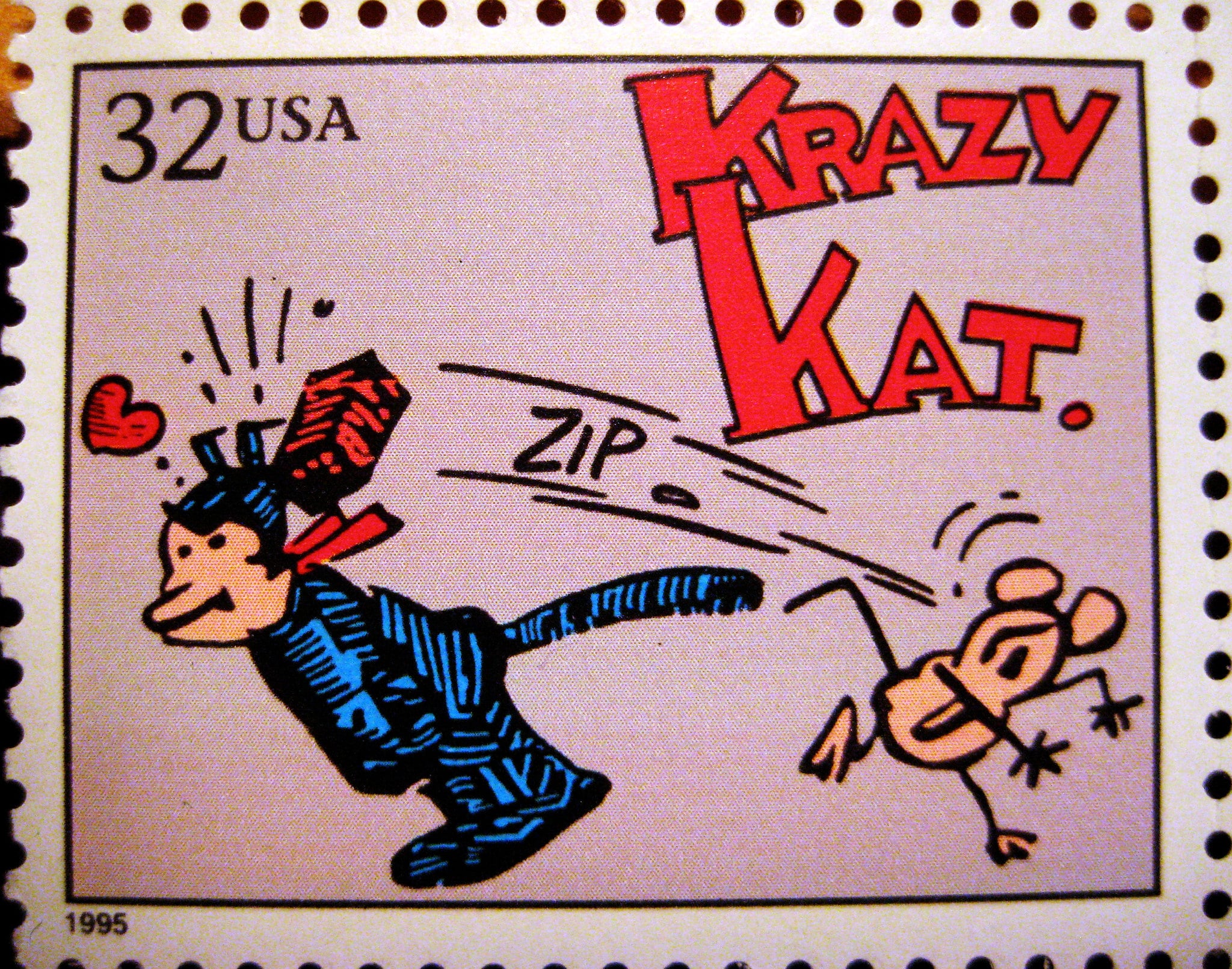
Krazy Kat ran from 1913 to 1944, and almost nobody read it while it was alive — George Hearst kept it in print because his father William Randolph Hearst loved it, which is one of the stranger footnotes in comics history. The strip, about a cat who loves a mouse who throws bricks at the cat’s head, was immediately recognized as a masterpiece by artists and intellectuals while the general public remained largely indifferent.
It doesn’t matter: Krazy Kat is the ancestor of almost everything that followed.
Pogo
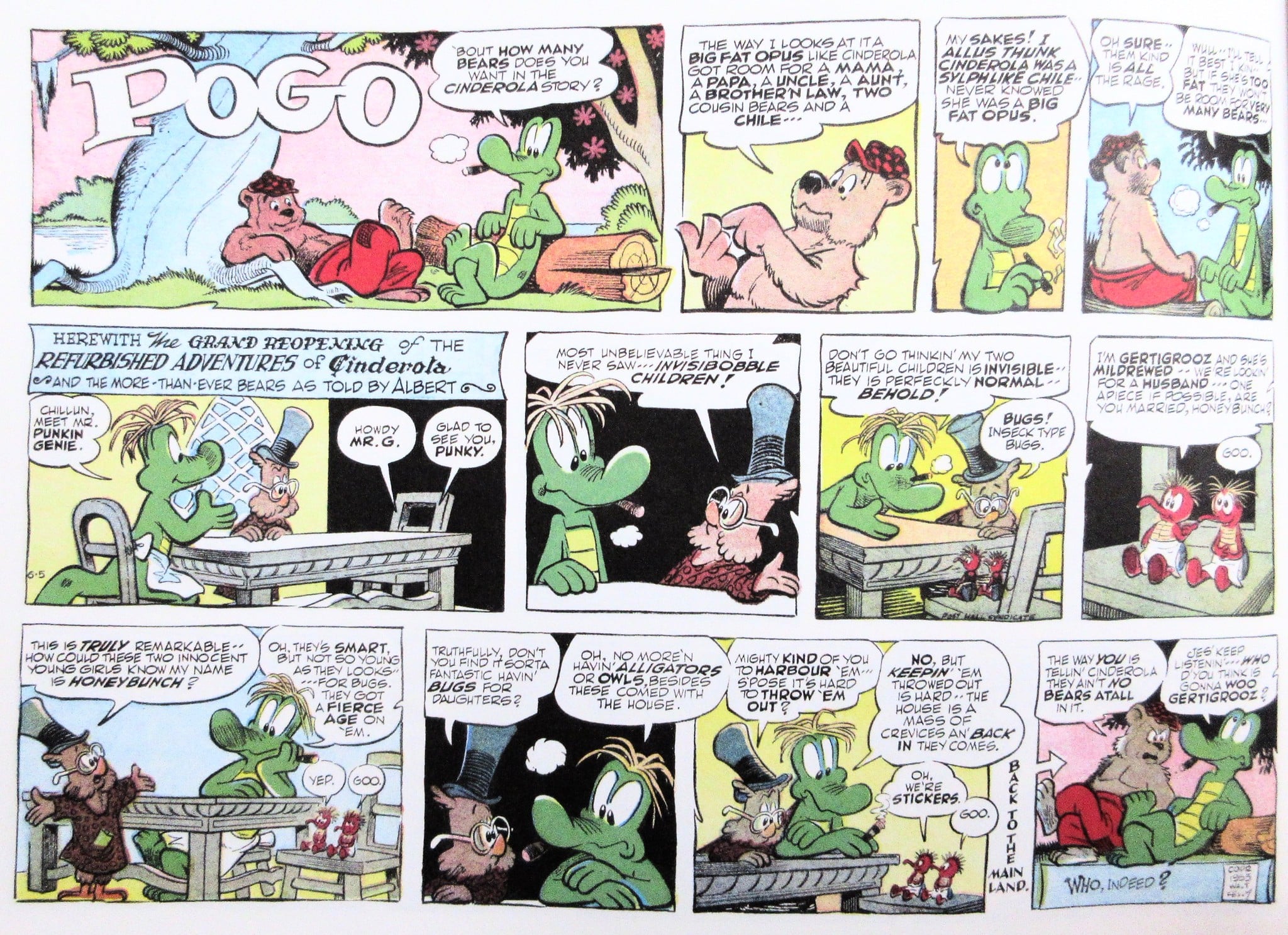
Walt Kelly’s Pogo gave American satire one of its most durable lines: “We have met the enemy and he is us.” That sentence, which appeared during an Earth Day promotion in 1971, came from a strip that had been skewering American politics since 1948 inside the unlikely wrapper of a swamp-dwelling possum and his friends.
Kelly drew Senator Joseph McCarthy as a wildcat named Simple J. Malarkey — and did it while the hearings were still happening.
Flash Gordon
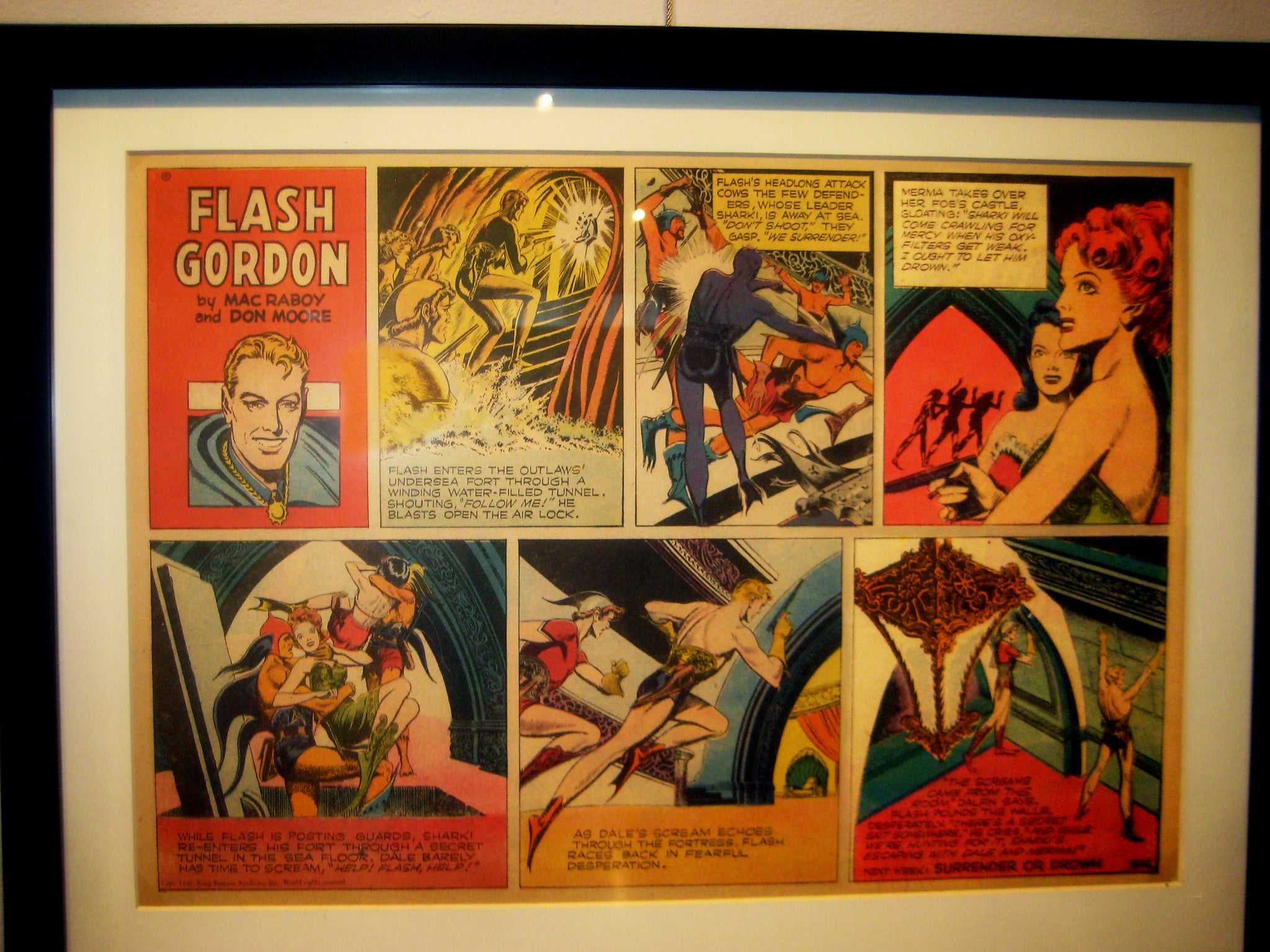
Alex Raymond launched Flash Gordon in 1934 as a direct response to Buck Rogers, and what he created was arguably more beautiful than anything that had appeared on the Sunday comics page before it. Raymond’s draftsmanship was operatic — muscular figures, alien landscapes, compositions that treated the newspaper page like a canvas.
The strip ran long enough after Raymond left to become something lesser, but the early years were genuinely stunning.
Buck Rogers
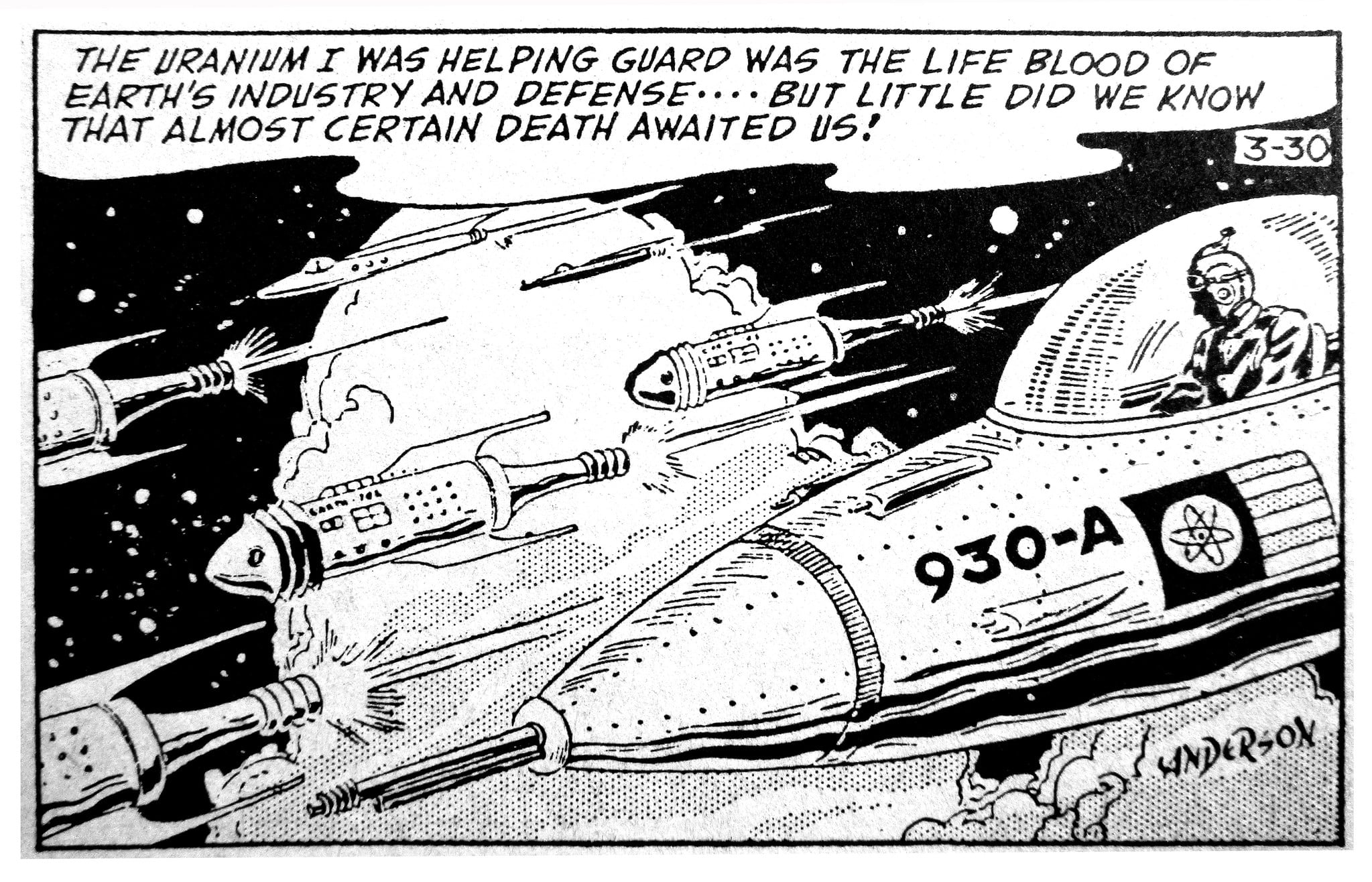
Buck Rogers debuted in 1928 and introduced the American public to the idea that science fiction could live on the comics page. The concept — a man from the 20th century awakens in the 25th — was simple enough to work in two colors on newsprint and ambitious enough to feel like something genuinely new.
It invented the vocabulary of space adventure before space adventure had a vocabulary.
Brenda Starr

Dale Messick pitched Brenda Starr, Reporter in 1940 and was initially rejected because she was a woman trying to sell a strip with a female lead. She submitted her work under the ambiguous name “Dalia,” got the meeting, and then showed up.
The Chicago Tribune Syndicate published the strip anyway, and Brenda Starr ran until 2011. Turns out people were interested in a glamorous, red-haired reporter navigating a career on her own terms — go figure.
Apartment 3-G

Apartment 3-G ran from 1961 to 2015, following three young women sharing an apartment in New York City, and for most of its run it was one of the more thoughtfully written soap opera strips in syndication. It took women’s working lives seriously before that was an obvious editorial choice, and it built a readership that stuck around for five decades on that basis alone.
Mary Worth

Mary Worth is the comic strip equivalent of a neighbor who means well and will not stop talking. She started life as a Depression-era character named Apple Mary, became Mary Worth by the 1940s, and has been dispensing unsolicited advice to people in crisis ever since — all of it rendered in panels so earnest they’ve generated their own layer of devoted, irony-adjacent readership online.
Funky Winkerbean

Tom Batiuk launched Funky Winkerbean in 1972 as a standard high school gag strip, then gradually steered it into territory that genuinely startled readers: teen pregnancy, addiction, cancer, the slow erosion of hope. It became one of the few strips willing to let its characters actually age and suffer, which is either brave or relentlessly grim depending on what you brought to the Sunday page.
Hagar the Horrible

Dik Browne’s Hagar the Horrible debuted in 1973 and immediately became one of the most widely syndicated strips in the world — at its peak, appearing in over 1,900 newspapers. The premise is a Viking who goes pillaging but mostly just wants to get home for dinner, which as a description of the working American male circa 1973 was precise enough to land in about thirty languages.
The jokes are not complicated. Neither were the Sundays that needed them.
The Born Loser

Art Sansom started The Born Loser in 1965, and the strip — centered on the perpetually put-upon Brutus P. Thornapple — has been appearing in papers ever since, now drawn by Sansom’s son Chip. It is not a strip that asks to be remembered as important.
But Brutus Thornapple showing up every Sunday, losing quietly and continuing anyway, has a kind of stubborn dignity to it that’s easy to underestimate.
Cathy

Cathy Guisewite’s Cathy ran from 1976 to 2010, and the strip’s obsessive focus on food guilt, workplace anxiety, and the psychic cost of shopping made it either painfully relatable or painfully grating depending on your tolerance for watching someone suffer visibly over a chocolate bar. What it actually was: one of the first mainstream strips to center a working woman’s interior life without domesticating or resolving it.
For Better or For Worse

Lynn Johnston’s For Better or For Worse ran in real time — the characters aged alongside the readers, the kids grew up, the parents grew older, and the strip chronicled the Patterson family’s life in Milborough, Ontario as something that actually moved forward. In 1993, the strip handled the coming out of a teenage character named Lawrence in a way that got it dropped from dozens of papers and earned it a loyalty from readers that lasted well past its 2008 end date.
Ziggy

Tom Wilson’s Ziggy is a round, featureless little man who asks the universe why nothing is going his way, and the universe responds with further evidence. The strip launched in 1971 and the central joke never changed — but the reason it lasted is that the strip never once punched at Ziggy, never made his misfortune a character flaw.
He is simply small and the world is simply large, and somehow that turned out to be enough.
Marmaduke

Marmaduke is a Great Dane who does not understand that he is enormous, and that is the strip. Brad Anderson launched it in 1954, and it has appeared in nearly 600 newspapers at its peak reach.
The dog destroys furniture, knocks over children, sits on things not designed to support a Great Dane — and every panel ends the same way it started, with the world slightly worse for Marmaduke’s good intentions. It is comfort food in comic form.
Dennis the Menace

Hank Ketcham’s Dennis the Menace launched on March 12, 1951, and it launched simultaneously with a British strip of the same name by David Law — an unplanned coincidence that comics historians still find quietly remarkable. The American Dennis terrorized his neighbor Mr. Wilson with cheerful, oblivious aggression; the British Dennis was genuinely feral.
Two countries, same name, completely different ideas about what a boy could get away with on a Sunday morning.
When the Ink Dried

The Sunday comics section has largely vanished — not all at once, but section by section, paper by paper, as print circulation thinned and the broadsheet shrank to something that no longer had room for full-color Sundays drawn at scale. What’s gone with it is harder to name than just a format: it’s that specific unhurried quality of reading something designed to be read slowly, on paper, with no notification waiting to interrupt it.
These strips weren’t all masterpieces. Some of them were just company.
But company, on a quiet Sunday morning, is nothing to dismiss lightly.
More from Go2Tutors!

- The Romanov Crown Jewels and Their Tragic Fate
- 13 Historical Mysteries That Science Still Can’t Solve
- Famous Hoaxes That Fooled the World for Years
- 15 Child Stars with Tragic Adult Lives
- 16 Famous Jewelry Pieces in History
Like Go2Tutors’s content? Follow us on MSN.