The Real Reason Chain Restaurants All Taste the Same Now
There’s a specific kind of disappointment that hits when you’re sitting in a chain restaurant booth somewhere in Ohio, eating a burger that tastes exactly like the one you had last month in Phoenix. It’s not that the food is bad, exactly — it’s more that it’s aggressively, deliberately nothing.
No edge. No surprise.
No sense that anyone cared whether you noticed. If you’ve ever wondered why that keeps happening, why the food at chains feels less like cooking and more like a very confident algorithm, the answer is more layered than you’d expect — and more interesting.
Centralized Production

Food that arrives at a chain restaurant is rarely made there. It’s manufactured at a centralized facility, portioned, frozen or chilled, then shipped to hundreds of locations where someone reheats it according to a laminated instruction sheet.
Go figure — a kitchen that doesn’t really cook still gets called a kitchen.
Flavor Standardization
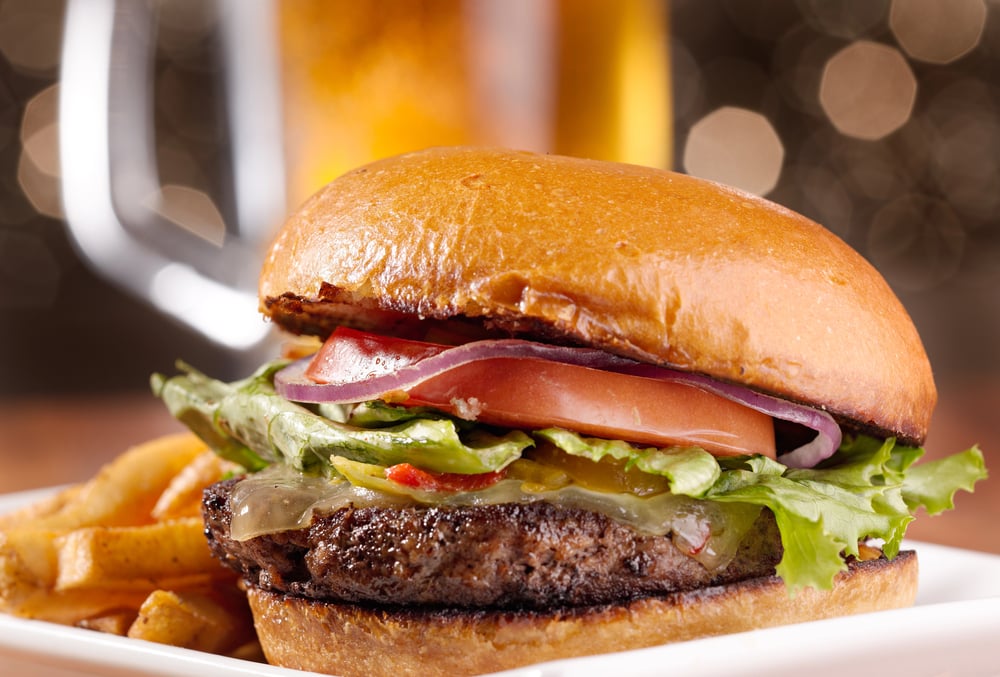
The goal of standardization isn’t great food — it’s identical food, which is a completely different target. A flavor profile gets locked in at the corporate level, tested against broad consumer panels designed to offend nobody, and then locked behind a contractual wall that no regional manager can touch.
The result tastes the way a focus group sounds: smooth, inoffensive, and somehow exhausting.
Ingredient Sourcing
There’s something almost geological about the way chain restaurants source ingredients — layers of distributors, brokers, and contracted suppliers stacked so deep that the actual origin of a tomato becomes genuinely unknowable. Most major chains use a small handful of massive distribution companies (Sysco and US Foods together supply a significant portion of the American food service industry), meaning a dish at two technically unrelated chains can share not just the same sauce, but the same sauce from the same factory on the same Tuesday.
Salt, Fat, and Sugar Calibration
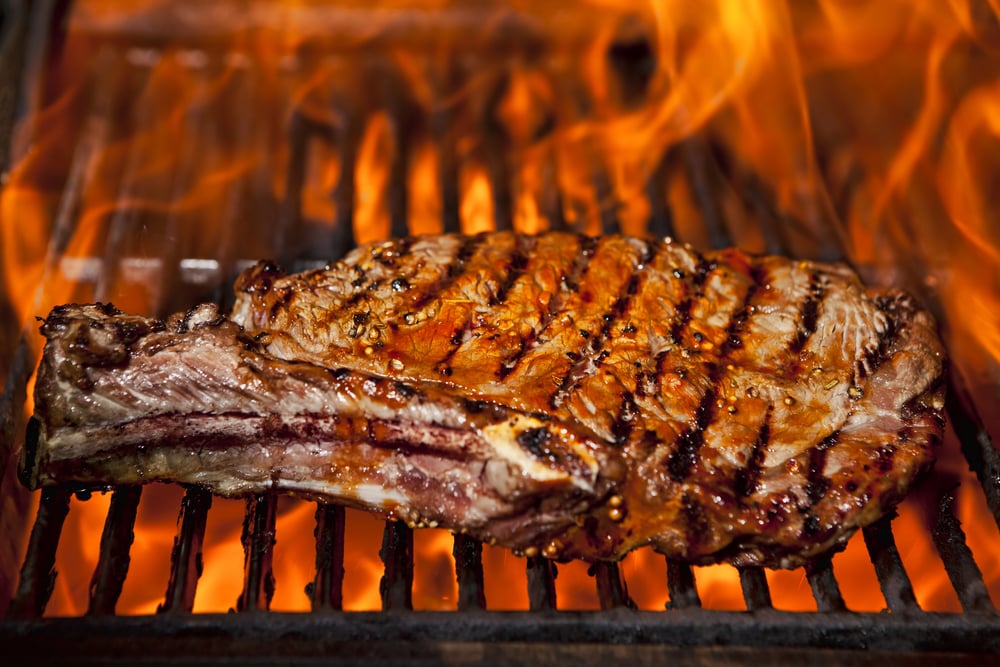
Chain menus are engineered, not written. Nutritional scientists and food technologists spend considerable time calibrating salt, fat, and sugar ratios to hit what’s sometimes called the “bliss point” — the precise combination that keeps a person eating past the point of hunger without triggering the brain’s satiety alarm.
It’s effective. It’s also why you can eat an enormous amount of chain food and still feel like something is missing.
The Role of Umami Additives

Monosodium glutamate, yeast extract, and hydrolyzed proteins are the unsung workhorses of the chain kitchen — they create the impression of depth without requiring depth. A broth that simmered for eight hours and one that was assembled from powders in forty-five minutes can taste surprisingly similar when enough glutamates are involved.
This isn’t deception exactly, but it’s not craft either.
Menu Engineering Psychology
A chain menu is a document designed to make you spend a specific amount of money on a specific set of items. The placement of high-margin dishes, the use of anchor pricing, the strategic removal of dollar signs — these are deliberate choices made by consultants who study eye movement patterns across printed pages.
What you order feels like your choice. It’s mostly not.
The Commodity Beef Problem
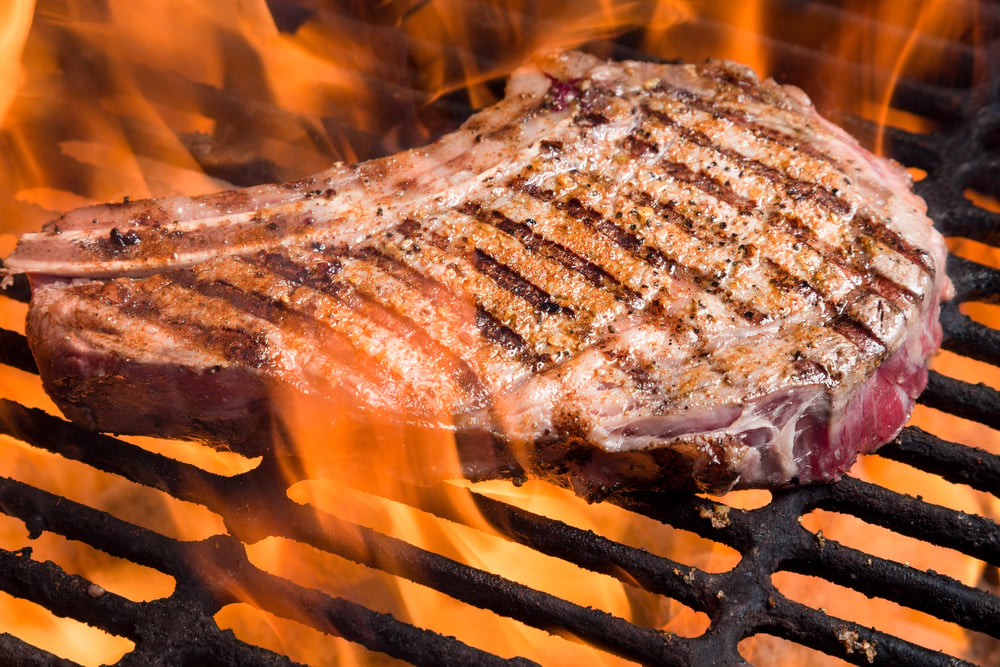
The beef in most fast-casual and fast-food chains comes from large commodity suppliers who blend trim from dozens — sometimes hundreds — of individual cattle into a single batch. Flavor in beef comes largely from the animal’s diet, age, and breed, and blending erases all of that: what remains is a reliable, consistent, characterless protein.
It’s the food equivalent of mixing every color of paint together and being surprised you got beige.
Corporate Recipe Lock-In
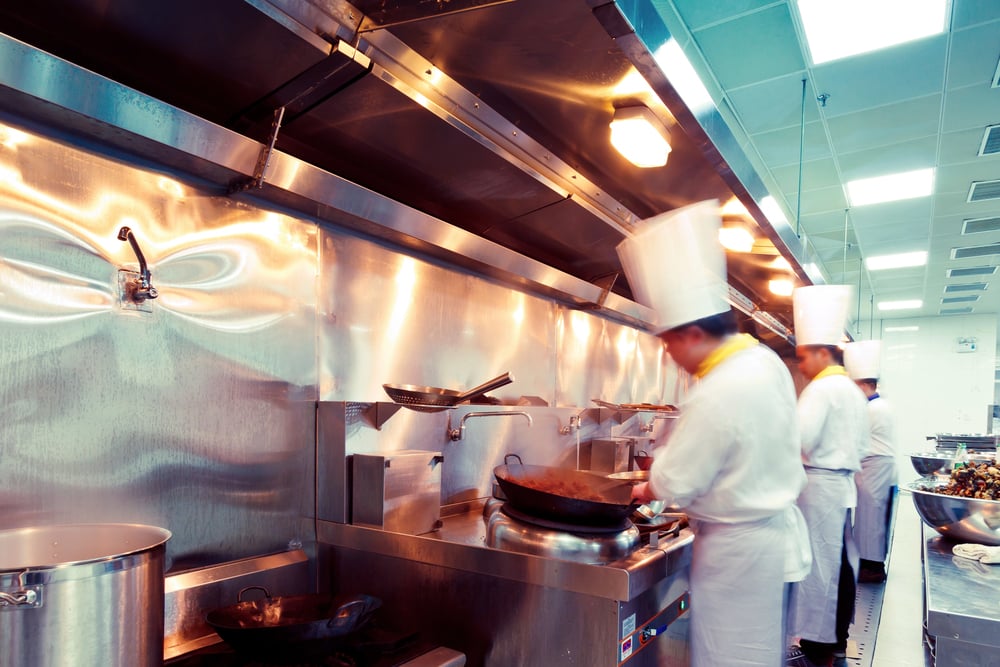
Once a recipe is finalized at the corporate level, it enters a kind of legal and logistical amber — chefs at the restaurant level have no authority to adjust it, improve it, or respond to a better ingredient that came in that week. A cook who spent years developing a palate walks into a chain kitchen and spends their shift pressing buttons on a combi oven.
And yet the company still puts the word “chef” on the menu.
Franchisee Constraints
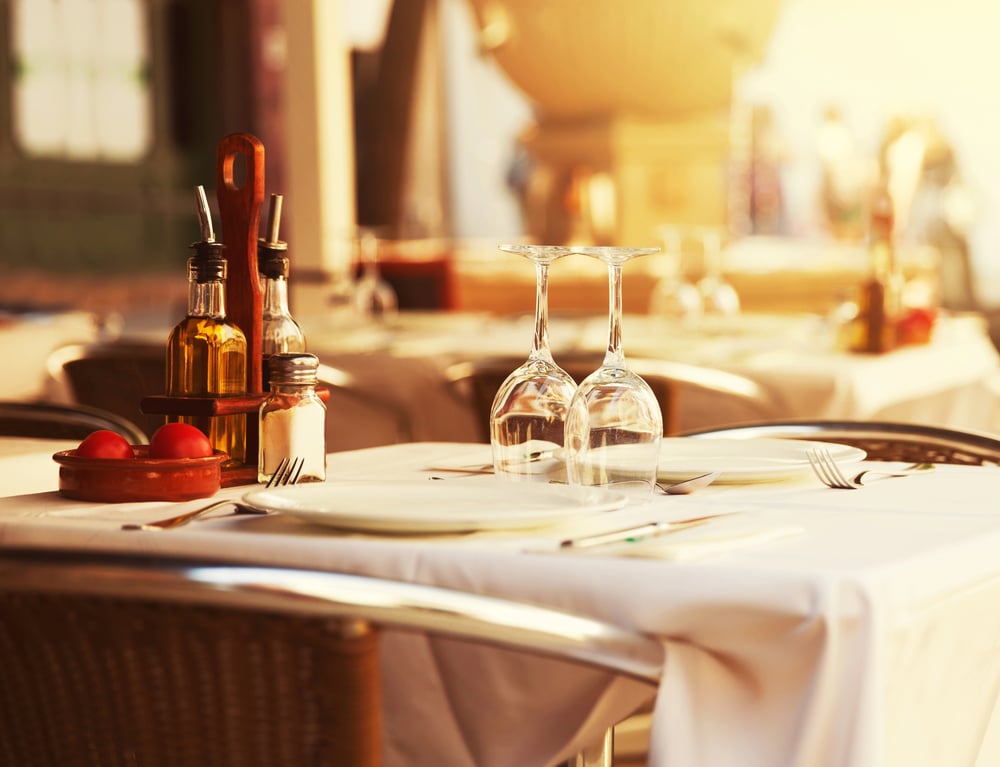
Franchisees don’t own their recipes, their suppliers, or their processes — they own the right to operate within a system someone else built. This arrangement exists to protect consistency across thousands of locations, but it also means that a franchisee who grew up cooking and genuinely wants to do something interesting with the food has no legal avenue to do so.
The contract is the ceiling.
Training Designed for Turnover

The restaurant industry has one of the highest turnover rates of any sector — and chain training systems are built with that reality baked in. Skills that take years to develop get replaced with procedures that take hours to memorize: timers instead of judgment, portion scales instead of instinct, laminated guides instead of taste.
So what you’re eating at a chain is, in part, a dish specifically designed to survive the departure of everyone who knows how to cook.
The Frozen Logistics Chain
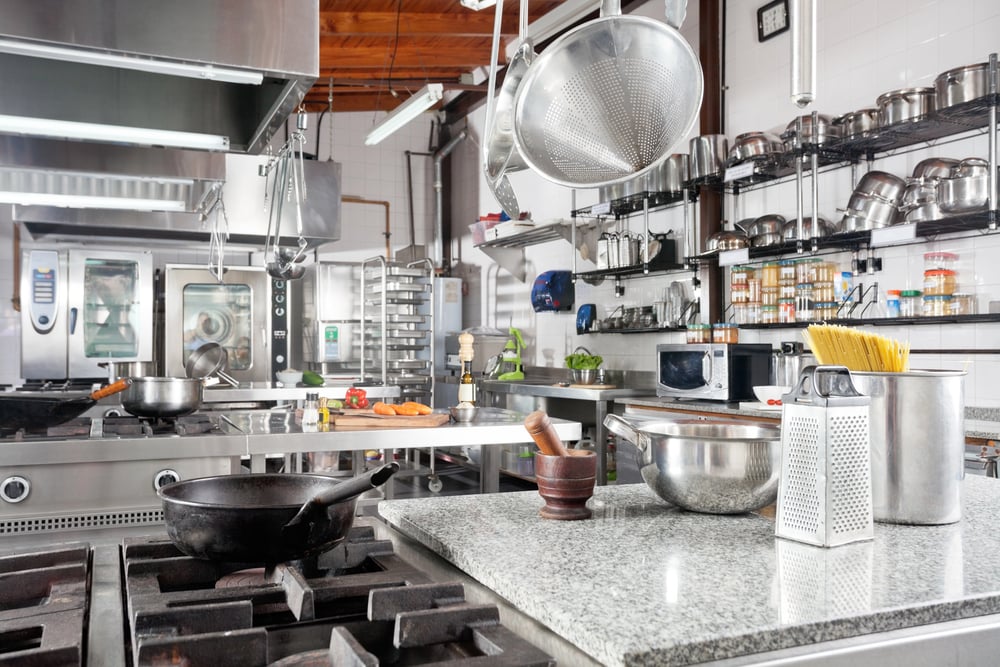
Cold chain logistics — the system that keeps food frozen from manufacturer to restaurant — is a masterpiece of infrastructure and a graveyard of texture. Freezing and thawing fundamentally alters the cellular structure of most proteins and vegetables, breaking down the walls that hold moisture and creating the soft, slightly uniform texture that’s become the signature of chain food.
The infrastructure is impressive. The food it produces is not.
Competitive Menu Copying
When one chain introduces a successful item, the rest follow within months — and they often source it from the same supplier. The spicy chicken sandwich that defined 2019 wasn’t a singular innovation; it was a format that a dozen chains rushed to replicate using the same distributors, same breading specs, and same sauce architects.
The result is a food landscape where novelty is mostly cosmetic.
Sodium as a Preservation Tool
High sodium levels in chain food aren’t just a flavor choice — they’re a shelf-life strategy. Salt inhibits bacterial growth, extends the usable window of prepared foods, and allows centralized kitchens to send product on multi-day journeys without spoilage.
The side effect is that everything tastes slightly, persistently salty in a way that’s hard to place — not sharp like a seasoned dish, but flat and pervasive, like the food is trying to remind you it traveled to get there.
Consumer Taste Drift
Decades of eating standardized chain food has gradually recalibrated what millions of people expect food to taste like — and chains know this, track it, and respond to it by staying right in the middle of wherever that expectation has drifted. It’s a closed loop: chains shape expectations, expectations validate chains, chains use consumer data to confirm the formula.
The flavor that results isn’t satisfying so much as familiar, and familiarity turns out to be a surprisingly powerful substitute for good.
What Actually Survived
There are still chain restaurants — Waffle House is the most honest example — where something real persists: a cook who’s been on the same grill for fifteen years, a short menu that doesn’t change because it doesn’t need to, a place where the food tastes like someone made it. These places survive not because they resisted the system but because their margins never attracted the consultants.
When Identical Became the Point
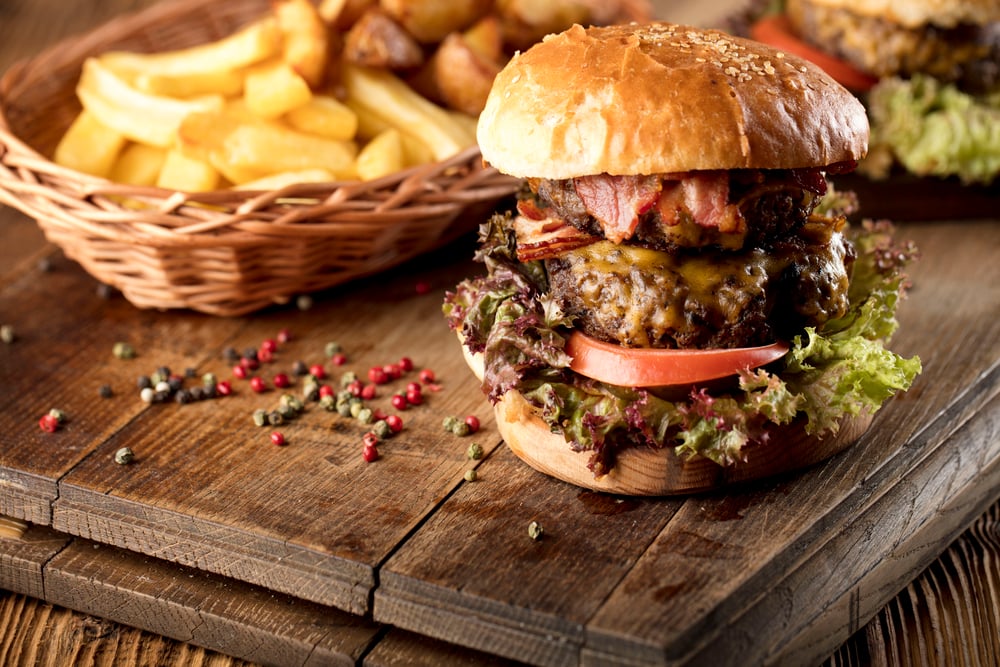
Somewhere in the late twentieth century, consistency stopped being a quality control standard and became the product itself. Travelers wanted to know exactly what they’d get before they opened the door.
Investors wanted predictability. The system built around those two desires is now nearly impossible to dismantle — because it works, technically. Just not in any way that has anything to do with food.
The Flavor You Can’t Quite Place
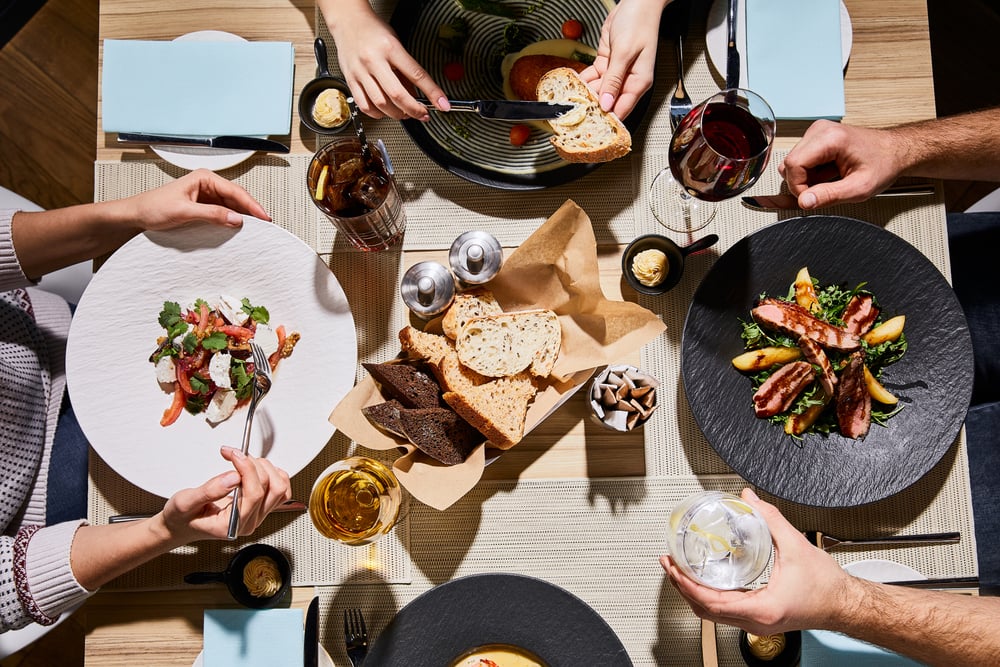
Processed flavor compounds are built to approximate familiar tastes without actually containing them — artificial smoke, laboratory butter, concentrated “roast” notes derived from heating sugars and amino acids together in a controlled environment. These aren’t inherently dishonest, but they share a particular quality: they all resolve into the same register.
Different labels, different chain names, different cities — but the same faint, accomplished, empty taste that you recognize without being able to name.
Where It Ends Up

The honest conclusion — if there is one — is that chain food tastes the same because sameness was the goal, pursued with genuine expertise and considerable resources, for decades. There’s no villain hiding somewhere in the supply chain, just a long series of rational decisions made by people who had every incentive to optimize for consistency and none to optimize for flavor.
What you taste when you eat at a chain isn’t failure. It’s success.
And that might be the strangest part of the whole thing.
More from Go2Tutors!

- The Romanov Crown Jewels and Their Tragic Fate
- 13 Historical Mysteries That Science Still Can’t Solve
- Famous Hoaxes That Fooled the World for Years
- 15 Child Stars with Tragic Adult Lives
- 16 Famous Jewelry Pieces in History
Like Go2Tutors’s content? Follow us on MSN.



