Superstitions People Still Follow Without Knowing Where They Came From
There’s something quietly fascinating about watching a perfectly rational person toss a pinch of salt over their left shoulder after spilling some, almost reflexively, without missing a beat in the conversation. Nobody told them to do it this morning.
Nobody reminded them it was a rule. It just happened — the way breathing happens, or the way you check your pocket for your phone even when you can feel it there. Superstitions live in that strange gap between knowing better and doing it anyway, and most people who follow them have only the vaguest sense of where they started.
Some of these rituals are thousands of years old. Some are rooted in very specific fears that no longer apply to modern life.
All of them are still happening, right now, in kitchens and hallways and hotel lobbies across the country.
Knocking on Wood
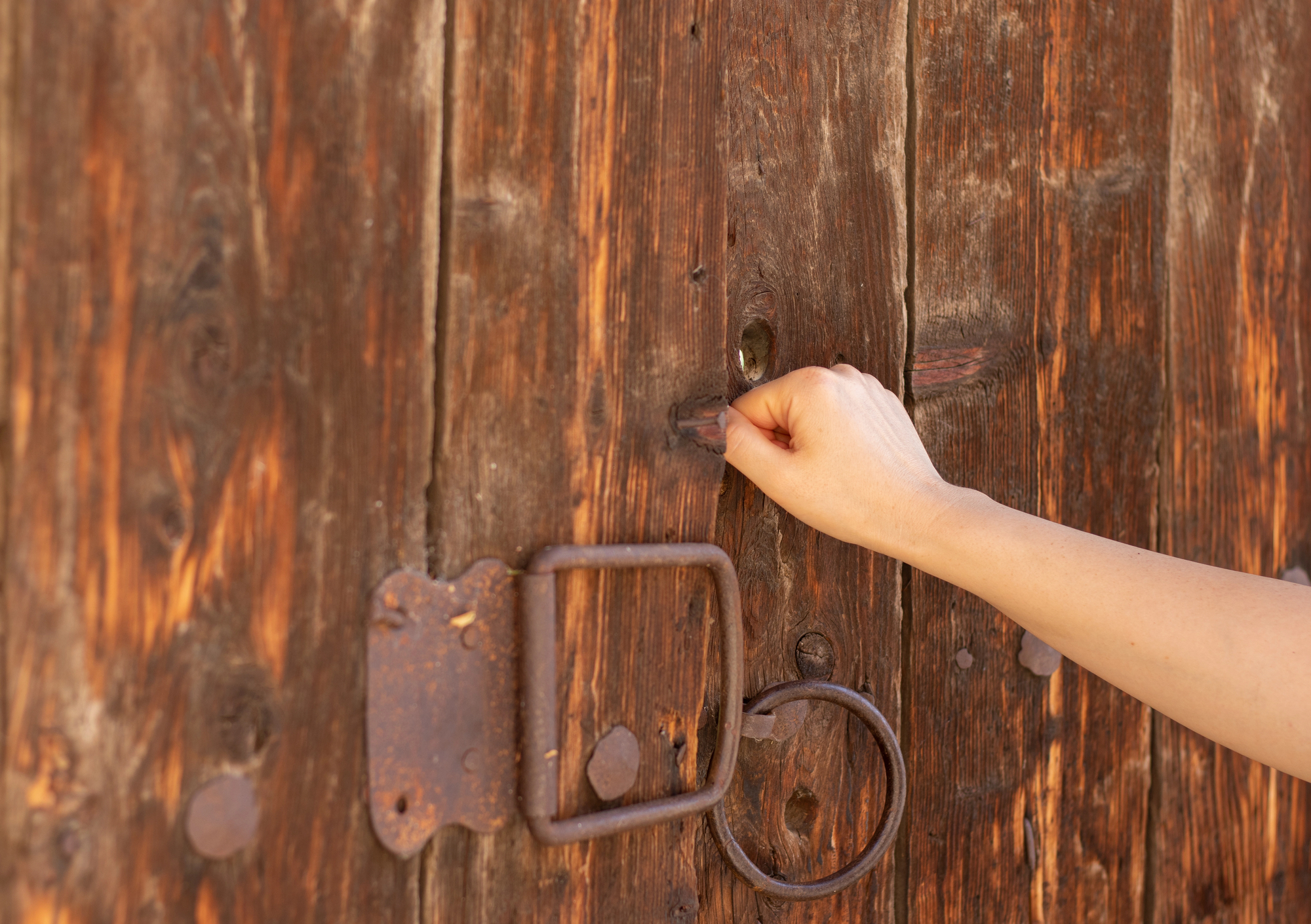
Knocking on wood is older than most countries. The belief traces back to ancient cultures — particularly in Europe — who thought trees were inhabited by spirits, and touching them was a way of either asking for protection or giving thanks.
So when someone today raps their knuckles on the conference table after saying “I haven’t been sick all year,” they’re performing a watered-down version of a pagan ritual without the faintest idea that’s what they’re doing.
Not Opening an Umbrella Indoors

This one has a surprisingly practical origin story — and “practical” is doing a lot of heavy lifting here. Spring-loaded umbrellas became common in 18th-century Britain, and the things were genuinely dangerous indoors: the mechanism could snap open with enough force to knock something over, injure a person nearby, or cause the kind of small domestic disaster that earned someone a very cold evening.
The supernatural framing (bad luck, specifically) came later, almost like a threat designed to stop people from doing something obviously inconvenient.
Avoiding the Number 13
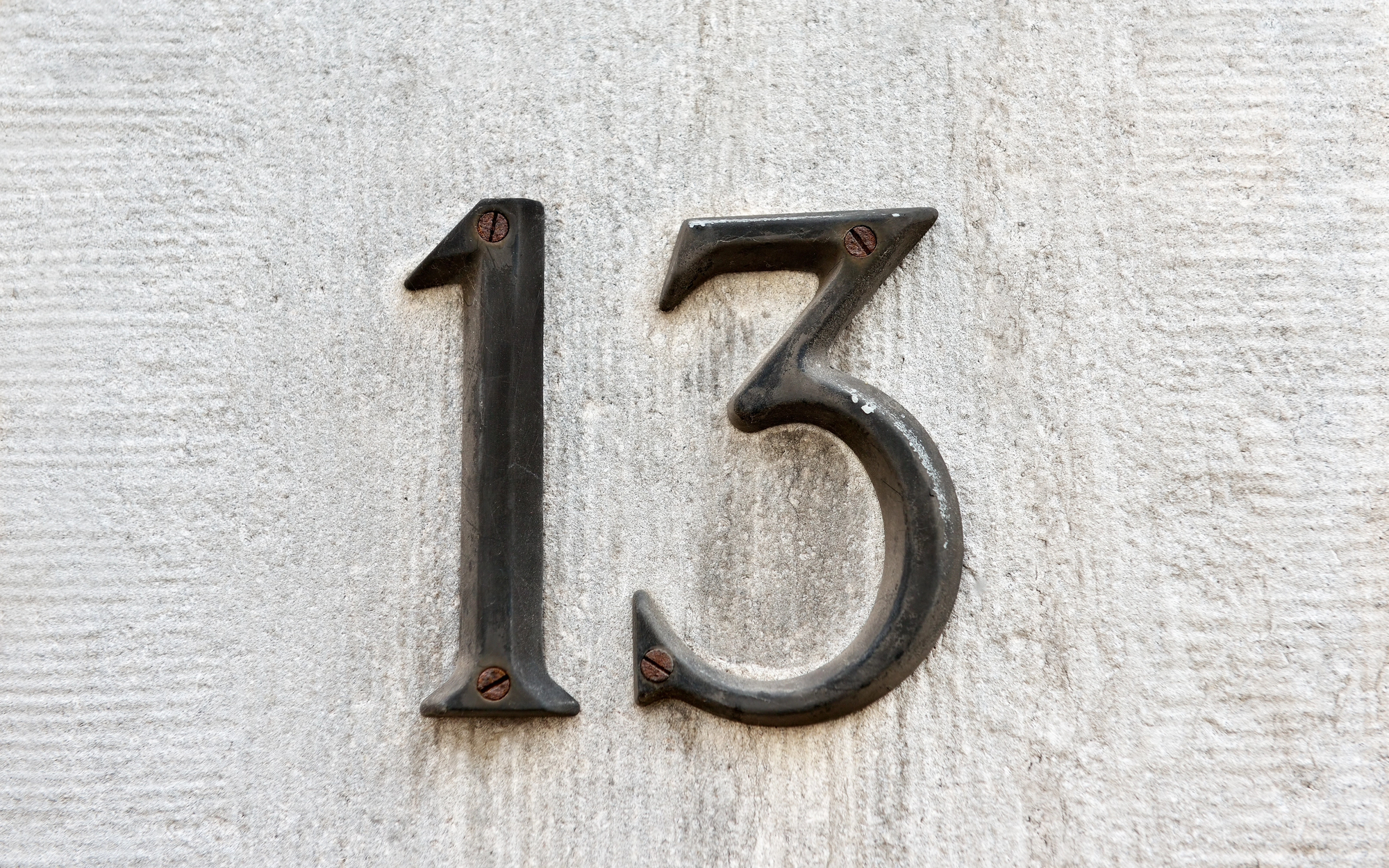
The number 13 gets blamed for a remarkable number of things. Hotels still skip the 13th floor in their elevator panels — technically the floor exists, they just label it 14 — and the fear has a name: triskaidekaphobia, which is the kind of word that feels like it should be bad luck just to pronounce.
The origin is genuinely contested, pulling from Norse mythology, the Last Supper’s guest count, and various other sources that historians argue about at length, which means the number managed to become culturally cursed without anyone agreeing on exactly how.
Breaking a Mirror Bringing Seven Years of Bad Luck
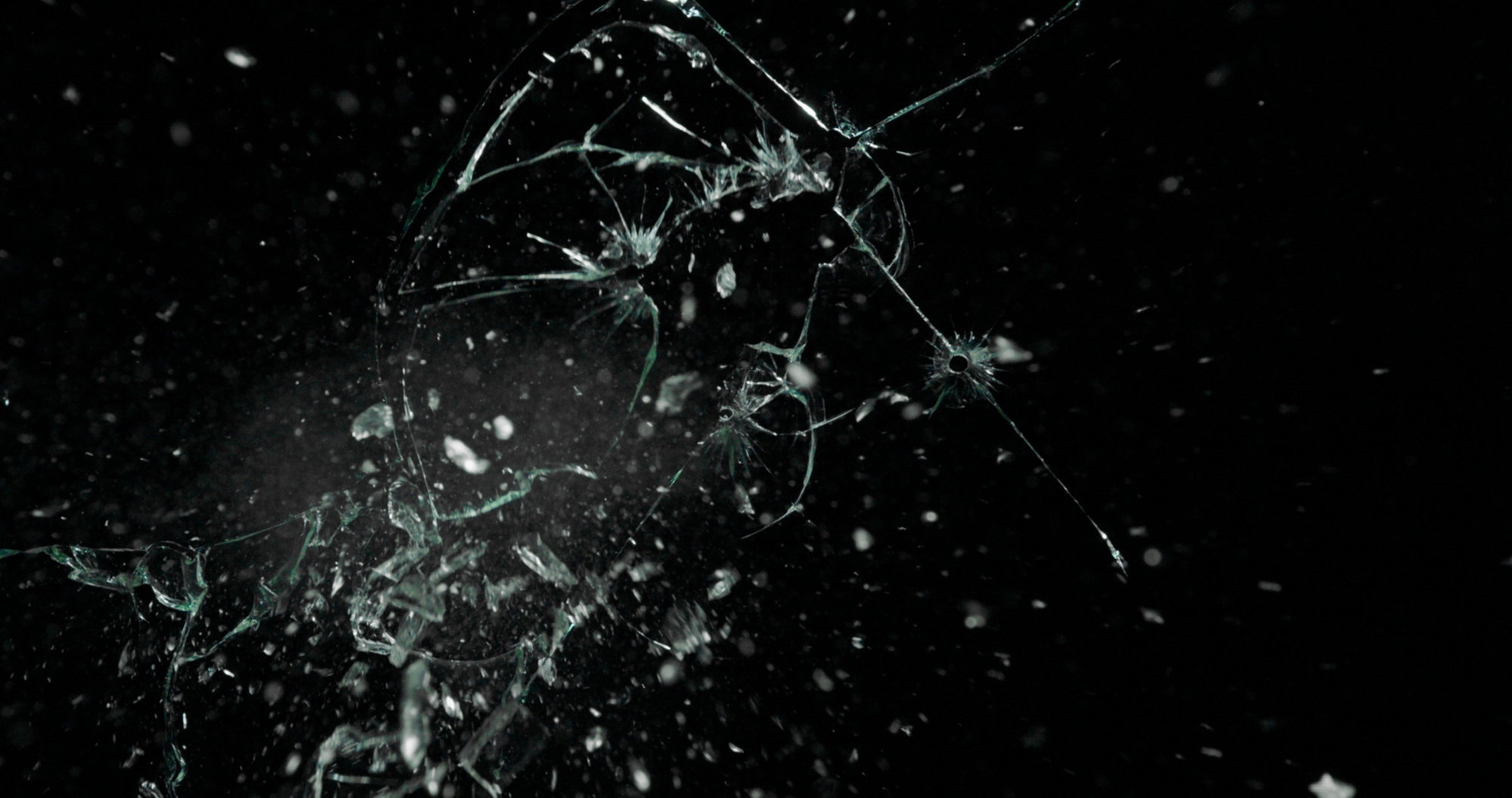
Breaking a mirror, in the ancient world, wasn’t just clumsy — it felt like violence against your own reflection, which was thought to be a fragment of your soul made visible. Romans believed the soul renewed itself on a seven-year cycle, so if the mirror broke and took the reflection with it, that renewal period became a sentence.
What’s oddly stubborn about this one is that the soul-based logic collapsed centuries ago, and yet the seven-year penalty survived completely intact, detached from its reasoning like a word that’s lost its original meaning but kept its spelling.
Not Walking Under a Ladder

Walking under a ladder is bad luck, and to be fair, it’s also just structurally inadvisable. The ladder leaning against a wall forms a triangle — and in early Christian symbolism, a triangle represented the Holy Trinity, making the space beneath one literally sacred and off-limits.
Disturbing that triangular space was considered spiritually reckless, a kind of accidental blasphemy. The physical logic (something might fall on you) has kept the superstition alive long after the theological reasoning faded.
A Black Cat Crossing Your Path
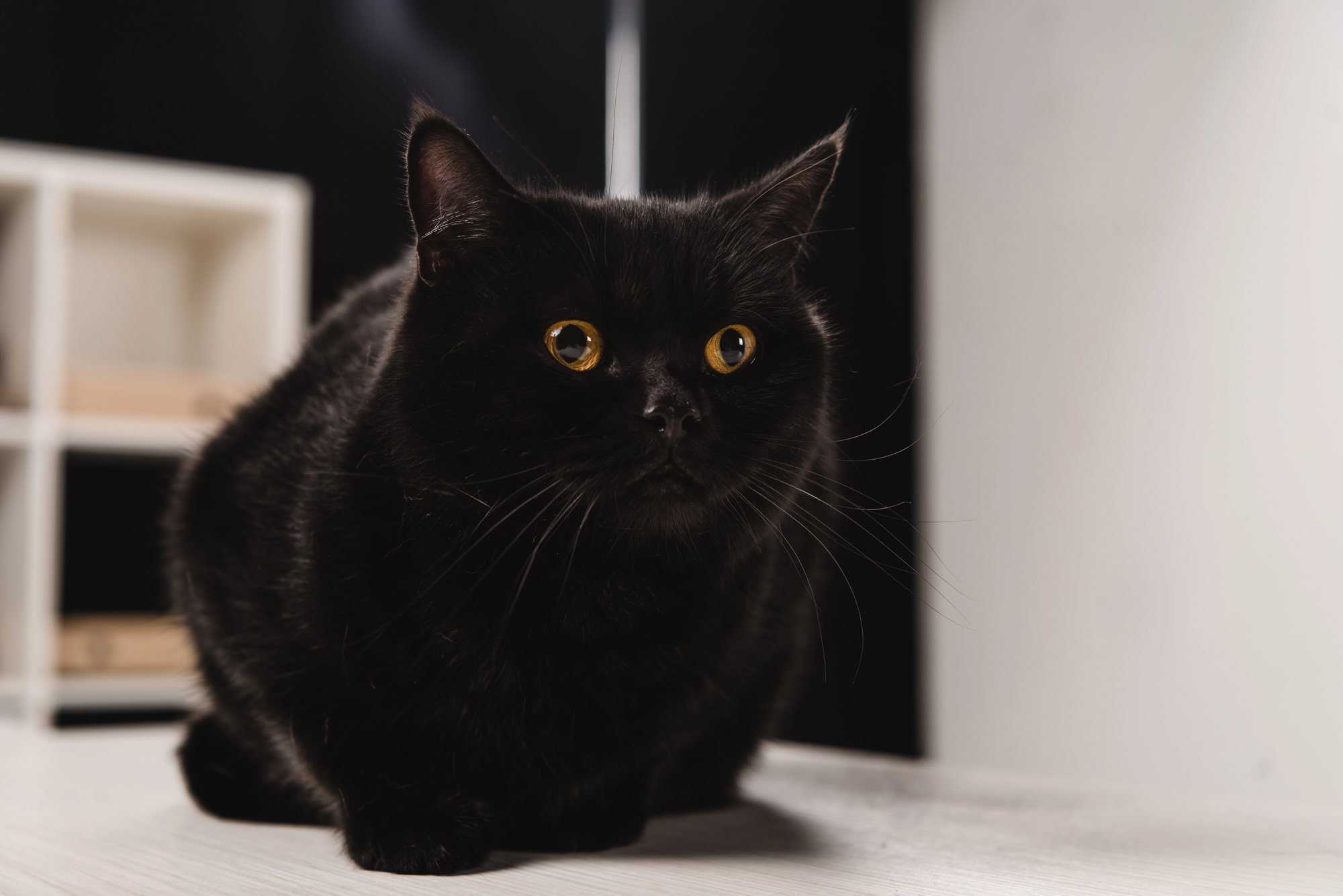
Black cats have been cycling through meaning for centuries — revered in ancient Egypt, vilified during the European witch trials, now mostly photographed for the internet. The bad-luck reading, specifically, came from the Middle Ages, when black cats were associated with witches and darkness with a fervor that was less symbolic and more genuinely terrifying to the people involved.
In parts of the UK and Japan, a black cat crossing your path is still considered good luck, which means the same animal carries opposite omens depending on which side of an ocean you’re standing on.
Saying “Bless You” After a Sneeze

Saying “bless you” after a sneeze is so automatic that skipping it feels rude, even in a room full of people who haven’t thought about it in years. The original logic: sneezing was thought to momentarily expel the soul from the body, leaving a gap that evil spirits could slip into — and the blessing was a kind of spiritual placeholder.
Pope Gregory I is often credited with formalizing it during a 6th-century plague, when sneezing was a genuine harbinger of death, which gives “bless you” a historical weight that it absolutely does not carry in the average grocery store.
Throwing a Coin Into a Fountain

There’s something almost mythological about the image: a person standing at the edge of a fountain, eyes closed, making a wish before tossing a coin into water they’ll never see again. The practice connects back to ancient European and Celtic traditions where wells and natural springs were thought to be inhabited by gods or spirits — and leaving an offering of silver or bronze was a way of petitioning them directly.
The coins in Rome’s Trevi Fountain alone add up to roughly a million dollars a year, which is an extraordinary amount of money being spent on a ritual whose origins almost nobody standing there can name.
Carrying a Rabbit’s Foot

A rabbit’s foot as a lucky charm has a long, layered history that runs through African American hoodoo traditions, European folklore, and Celtic beliefs about rabbits being connected to the spirit world. The specific detail about it needing to be the left hind foot — and sometimes only if caught under particular conditions — suggests a highly specific folk magic framework that most people who’ve bought one from a keychain rack at a gas station have never encountered.
The charm survived while the context evaporated.
Crossing Your Fingers

Crossing your fingers for luck is so ingrained that people do it behind their backs during questionable conversations, which is somehow both charming and slightly alarming. One reading traces it to early Christianity, where two people would cross index fingers to form a cross — the intersection point holding power — as a private gesture of protection or hope.
Another reading connects it to pre-Christian belief that crossing fingers trapped good spirits at the junction point. Either way, you’re now doing it alone, mostly while refreshing a browser tab.
Itchy Palms Meaning Money

An itching right palm means money is coming; an itching left palm means money is going. This one is clean, transactional, and survives with remarkable fidelity — people still pause, mid-scratch, to check which hand it is.
The origin reaches back to Saxon and Celtic traditions, where silver was used to cure skin ailments, and rubbing silver on an itch created an association between the sensation and the metal. The direction (which hand, which meaning) varies by region, which is a quiet admission that the whole system is more poetic than predictive.
Never Gifting a Knife to a Friend

Giving someone a knife as a gift is considered bad luck, bad for the friendship, or capable of “cutting” the relationship — depending on who you ask. The workaround, which many people follow without knowing why, involves the recipient paying a nominal amount (often a penny) for the knife so it technically counts as a purchase.
This transforms what might otherwise be a generous and thoughtful gift into a small commercial transaction, all to avoid bad luck that very few people can actually trace to a source.
The Evil Eye
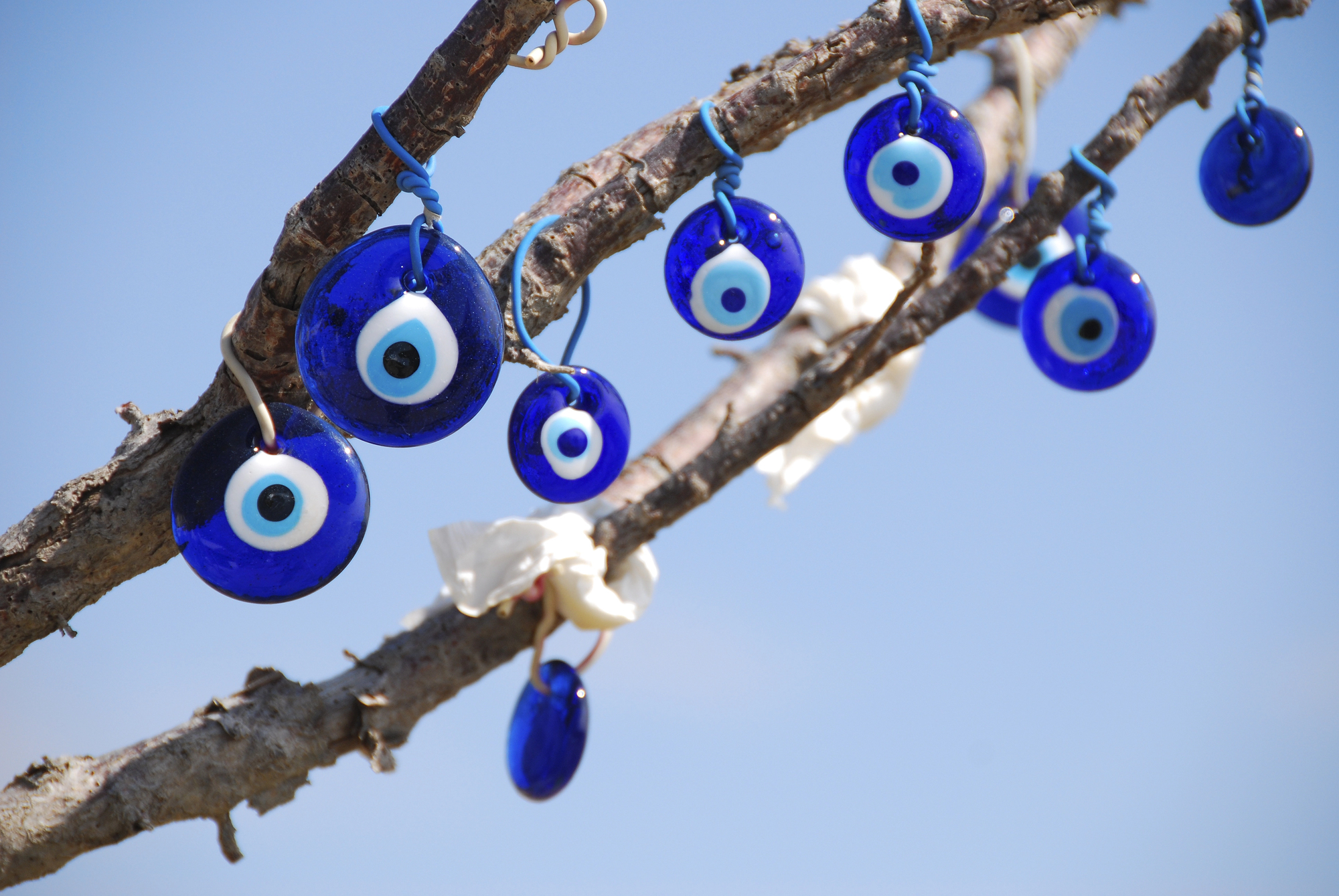
The evil eye — the belief that a malicious or envious gaze can cause harm to the person it lands on — is one of the oldest and most geographically widespread superstitions on record, appearing in ancient Greek and Roman texts and running continuously through Middle Eastern, South Asian, and Latin American cultures. The protective symbol (a blue eye, often worn as jewelry or hung above a doorway) is sold in airport gift shops across the Mediterranean, which is both a sign of how enduring the belief is and how thoroughly commerce has absorbed it.
People who wear the amulet often know it vaguely as “the evil eye thing” without knowing that the concept has been documented for over 3,000 years.
Spilling Salt

Salt was expensive — genuinely, historically expensive — in ways that are almost incomprehensible now. Roman soldiers were partly paid in salt, which is where the word “salary” comes from, and spilling it was a serious domestic loss.
The act became associated with bad luck in that practical sense first, then with darker omens (Judas Iscariot is depicted spilling salt in Leonardo da Vinci’s “The Last Supper”), and then the antidote emerged: toss a pinch over your left shoulder to blind the devil lurking there. The whole sequence is richly layered. Now it’s just a reflex.
Stepping Over Someone

In many cultures — Greek, Turkish, and broadly across Eastern Europe — stepping over a person who is lying or sitting on the ground is considered bad luck, and you have to step back over them in the opposite direction to undo it. The belief is tied to ideas about physical stature, growth, and the body’s relationship to the earth — stepping over someone was thought to stunt their growth or draw misfortune toward them.
It’s one of those superstitions that feels bodily in a way most don’t, rooted in a very old anxiety about the human form being subject to invisible harm.
Rocking an Empty Rocking Chair

An empty rocking chair that moves on its own is considered an invitation for spirits. The version that specifically warns against rocking an empty chair — that it invites evil or death into the house — is common across Appalachian and Irish American folk traditions.
The chair moving with no one in it has an obvious visual uncanniness that makes this one easy to believe without needing a theological justification, which might explain why it has survived so cleanly into the present.
Not Putting Shoes on a Table

Putting new shoes on a table is bad luck — specifically, it’s associated with death in northern English mining communities, where it was tradition to place the shoes of a recently deceased miner on a table as a form of remembrance. The association between shoes-on-table and death formed quickly and spread beyond the original context, the way a phrase can leave its source material behind and travel on its own.
Most people who flinch at shoes on a table have never heard of a mining tradition in their life.
Whistling Indoors

Whistling inside the house invites bad luck — or, depending on the culture, specifically invites poverty. In Russia, whistling indoors is said to whistle away your money.
In many maritime communities, whistling was thought to invite storms. The through-line is that whistling summons something: wind, weather, spirits, financial ruin. The indoor-specifically rule feels like a boundary between spaces, a line where the ordinary air of a home becomes something that can be disturbed.
Finding a Penny Heads-Up
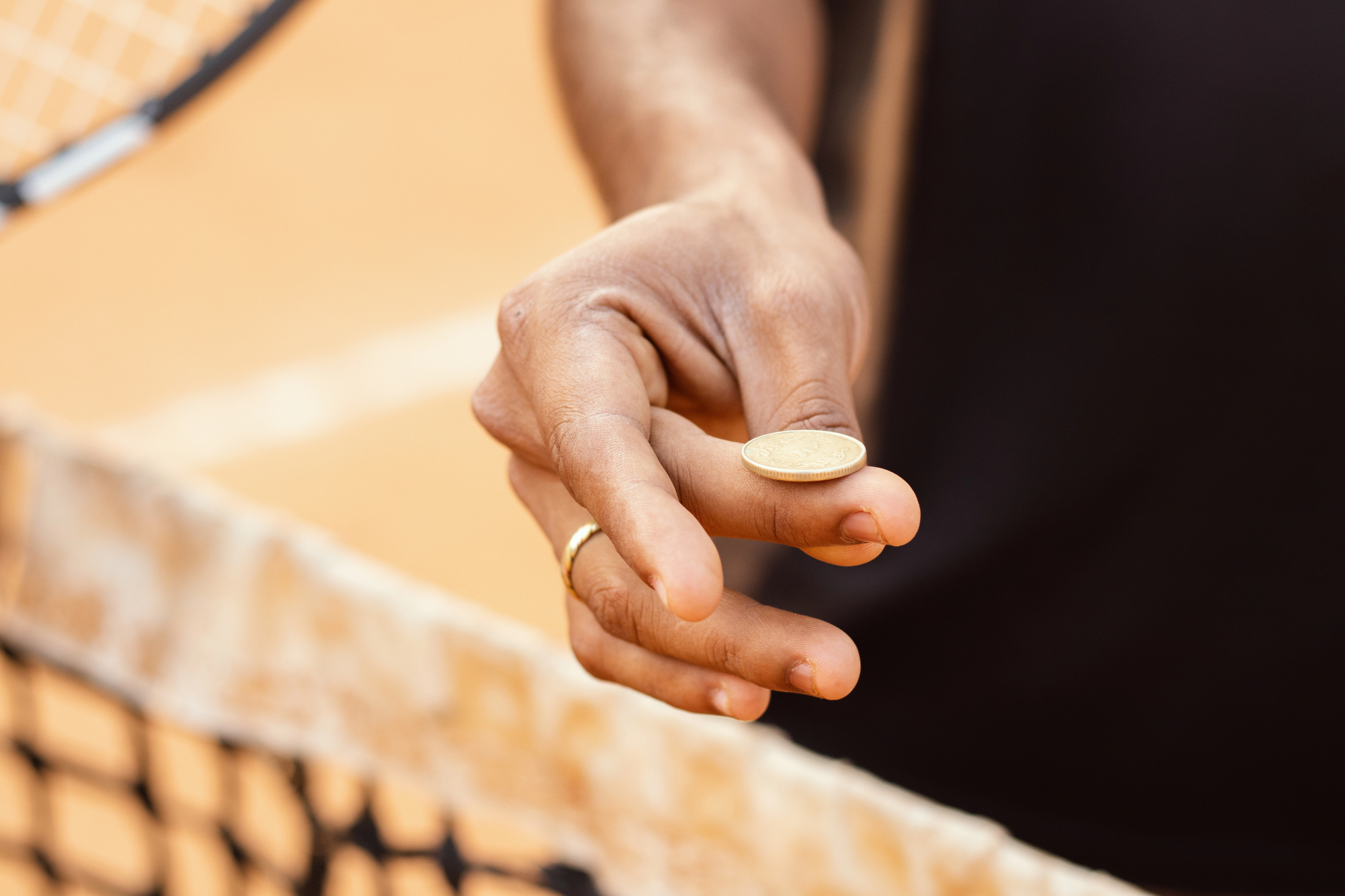
Finding a penny heads-up is lucky; tails-up, you’re supposed to leave it or turn it over for someone else. The heads-up version connects to ancient beliefs about metal being a gift from the gods, and the side facing upward indicating whether the offering was meant for you.
The practice survives now in a world where a penny is worth so little that many people don’t bother picking them up at all — and yet the rule about which way it’s facing still somehow matters to people who would never otherwise describe themselves as superstitious.
Seeing an Owl as a Bad Omen

An owl in or near your house has carried bad omens in Western and Middle Eastern traditions for centuries, partly because of the bird’s nocturnal habits and partly because of its association with the goddess of death in Greek mythology. Native American traditions carry a more complex relationship with owls, ranging from ominous to sacred depending on the specific culture.
The sound of an owl calling at night, particularly near a house, still makes a measurable number of people uncomfortable in a way they’d struggle to fully articulate.
Not Sweeping at Night

Sweeping the floor after dark is considered bad luck in several African, Asian, and Caribbean traditions — specifically, it’s thought to sweep good fortune out of the house along with the dirt. The practical origin is plausible: before electric light, sweeping at night risked sending valuables (coins, small objects) out the door along with debris.
The spiritual framing turned a reasonable household precaution into a durable rule that survives in families long after anyone remembers why it was established.
Hearing a Dog Howl as a Death Omen

Dogs howling at night as a sign that death is near is one of the oldest superstitions in recorded human history, appearing in ancient Egyptian, Greek, and Irish folklore. Dogs were thought to sense spirits and their howling indicated the presence of something invisible — specifically, the approach of death or the passage of the dead.
It’s one of those beliefs that lives in the body before it lives in the brain: a dog howling in the dark at 3 a.m. produces a very specific kind of unease that doesn’t entirely disappear just because you know the dog is probably reacting to a sound down the street.
Wedding “Something Borrowed”

The wedding tradition of wearing something old, something new, something borrowed, and something blue is Victorian in origin — the full rhyme appears in written form in the late 19th century. Each item carries a specific meaning tied to the superstitions of the era: the blue connects to fidelity and the Virgin Mary, the borrowed item should come from a happily married woman to transfer her luck.
Brides who follow this tradition today often do it because it’s tradition, not because they’ve interrogated what it actually meant to the people who made it up — which is, honestly, how most of these things work.
The Persistence of Things We Can’t Explain Away

What’s genuinely interesting about superstitions isn’t that people believe in them — it’s that belief isn’t really the right word for most of it. You don’t have to believe that spilling salt invites the devil to throw some over your shoulder anyway.
You don’t have to think the fountain spirit is listening to feel something when the coin hits the water. These rituals survive not because people are credulous but because ritual itself does something that reason doesn’t: it makes the uncertain feel briefly handled. The origin stories fade, the logic detaches, the practice remains — stubborn and strangely comforting, like a word you’ve said so many times it’s stopped meaning anything and started meaning everything.
More from Go2Tutors!

- The Romanov Crown Jewels and Their Tragic Fate
- 13 Historical Mysteries That Science Still Can’t Solve
- Famous Hoaxes That Fooled the World for Years
- 15 Child Stars with Tragic Adult Lives
- 16 Famous Jewelry Pieces in History
Like Go2Tutors’s content? Follow us on MSN.