Most valuable Pokémon cards
A single game sparked something much bigger, one card at a time. From lunchtime swaps among kids came a web of collectors stretching across continents.
Prices climbed not because everyone agreed they should, yet here some sell for more than rare paintings. Old memories draw people in – sure – but that alone doesn’t explain the shift.
Rarity matters most when the wrapper was opened decades ago under careful hands. A clean edge, sharp corners, an unbroken seal – these details build value quietly over years.
Ownership history now gets examined like museum records. Timing too: being first, last, or simply lucky changes everything.
Cards once tucked into backpack pockets are now stored in vaults. They’re not toys anymore, though they began that way.
Something worth money here does not happen by chance. At the core of costly Pokémon cards lies rarity, meaning, along with perfect condition.
A few never reached stores at all. Many lasted years in circulation yet kept crisp edges and bright designs.
These pieces show how a playful trend grew serious, turning into something collectors fiercely protect.
Peering into the past reveals some Pokémon cards fetching wild prices. What makes them stand out isn’t luck – it’s rarity meeting demand.
One card might shine due to its age, another because it slipped through production unnoticed. These aren’t just collectibles; they’ve become benchmarks.
Time and again, the same names come up when collectors talk about value. Their influence shapes how new releases are judged.
A quiet shift in ownership can ripple across auctions. Even condition plays a role – crisp corners matter more than you’d think.
Some were never meant to last, yet here they are, decades later, still commanding attention.
Pikachu Illustrator

Among all Pokémon cards, Pikachu Illustrator occupies a category of its own. Created as a prize for illustration contests held in Japan during the late 1990s, the card was never sold commercially.
Only a small number were awarded, and even fewer have survived in high-grade condition.
What elevates this card beyond rarity is symbolism. It represents recognition from the creators themselves rather than a mass-produced release.
When a high-grade copy sold for several million dollars, it confirmed what collectors already believed. This card is treated less like trading material and more like a historical trophy tied to Pokémon’s earliest creative era.
First Edition Charizard (Base Set)
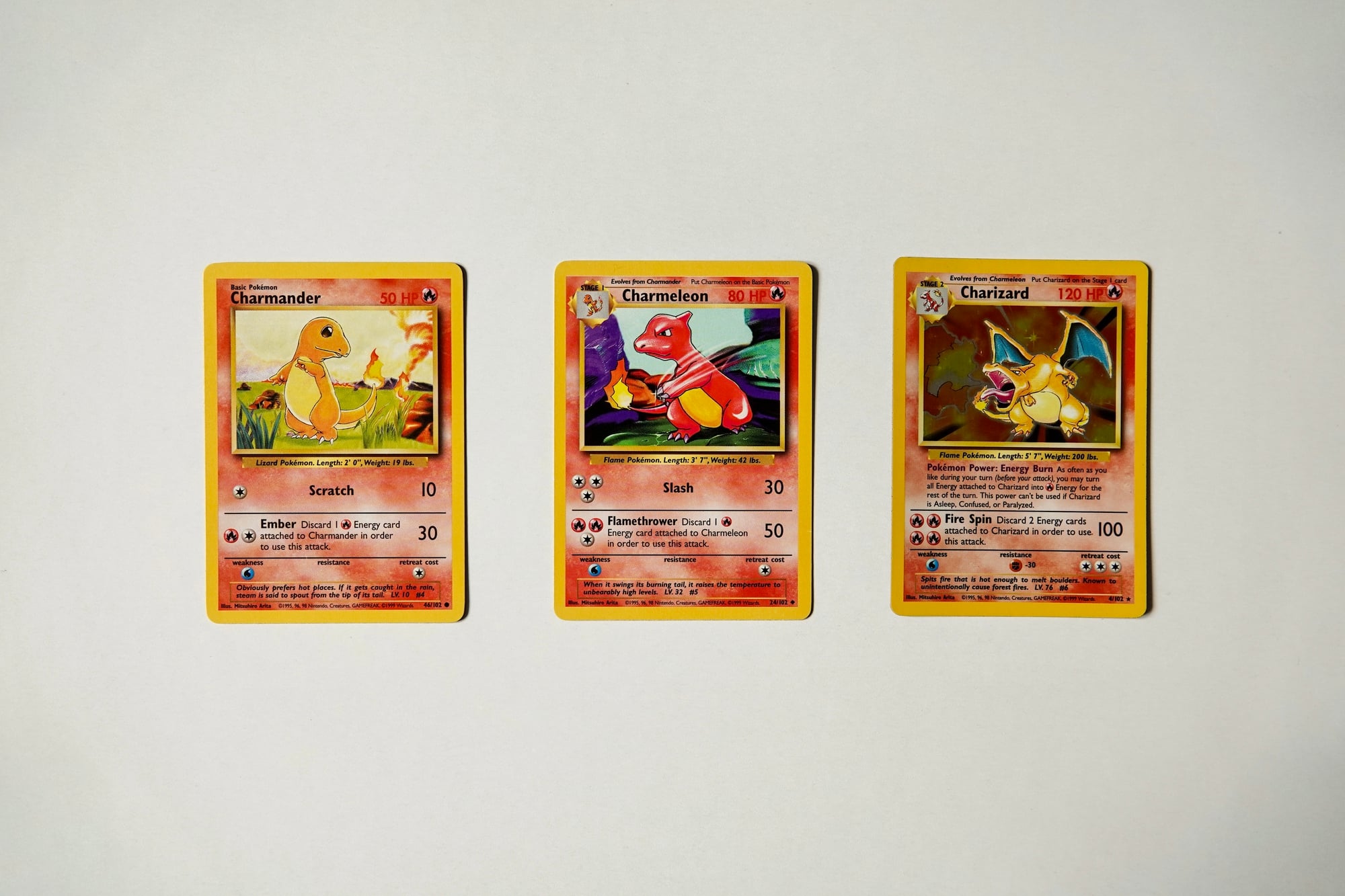
Charizard has always carried mythic status within the Pokémon universe, and the first edition version from the original base set became the centerpiece of that mythology. Printed during the franchise’s initial explosion in popularity, many of these cards were handled roughly, traded frequently, and stored poorly.
That history is exactly why pristine examples are so valuable. A first edition Charizard graded in top condition sold for well over a million dollars, driven by scarcity rather than age alone.
It represents the perfect storm of demand, nostalgia, and survival against the odds.
Trophy Pikachu Cards

Trophy Pikachu cards were awarded to top finishers in early Japanese tournaments, making them some of the earliest competitive rewards in Pokémon history. Unlike promotional cards printed in large quantities, these trophies were distributed sparingly and often personalized to specific events.
Their value comes from context as much as condition. Each card reflects a moment when competitive Pokémon was still forming its identity.
High-grade examples have sold for six and seven figures, fueled by collectors who value institutional history as much as visual appeal.
Kangaskhan Parent and Child Tournament Card

This card was awarded during a Japanese tournament centered around family participation, specifically encouraging parents and children to compete together. The concept alone makes it unusual, but its limited distribution pushed it into extreme rarity.
Over time, the card gained almost mythical status. When one sold for a price exceeding half a million dollars, it reinforced the idea that narrative matters.
Cards tied to unique stories often outperform those tied only to popularity.
No. 1 Trainer Cards
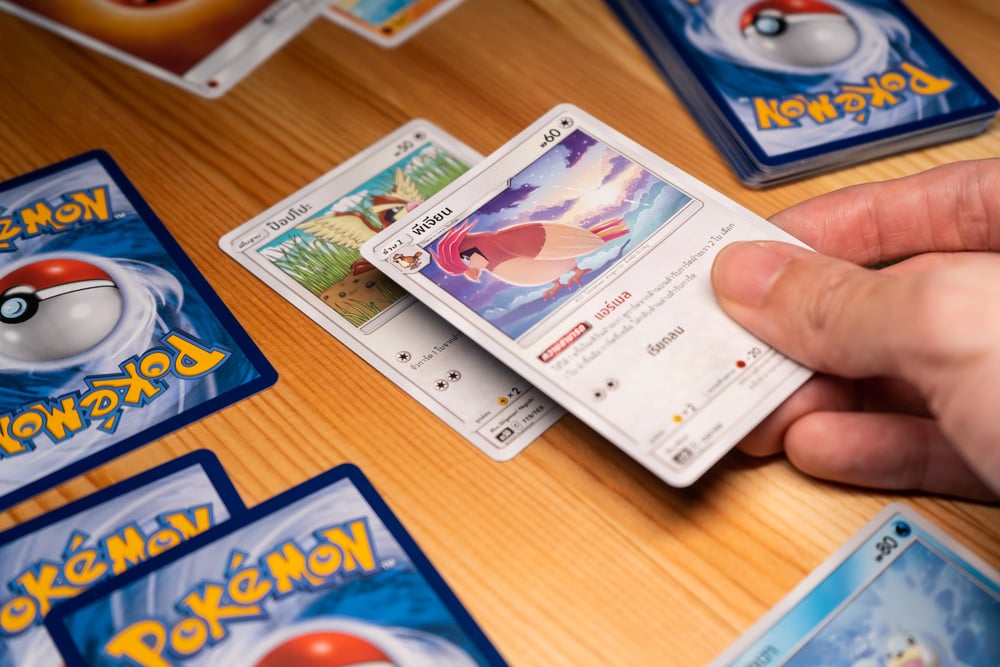
No. 1 Trainer cards were awarded to winners of regional tournaments, often personalized with event details. These were never meant to circulate, and many remained in private collections for decades.
Their value is driven by exclusivity and competitive prestige. Collectors treat them as badges of achievement rather than traditional trading cards.
High-grade versions regularly command six-figure prices, especially when linked to historically important events.
Blastoise Commissioned Presentation Card
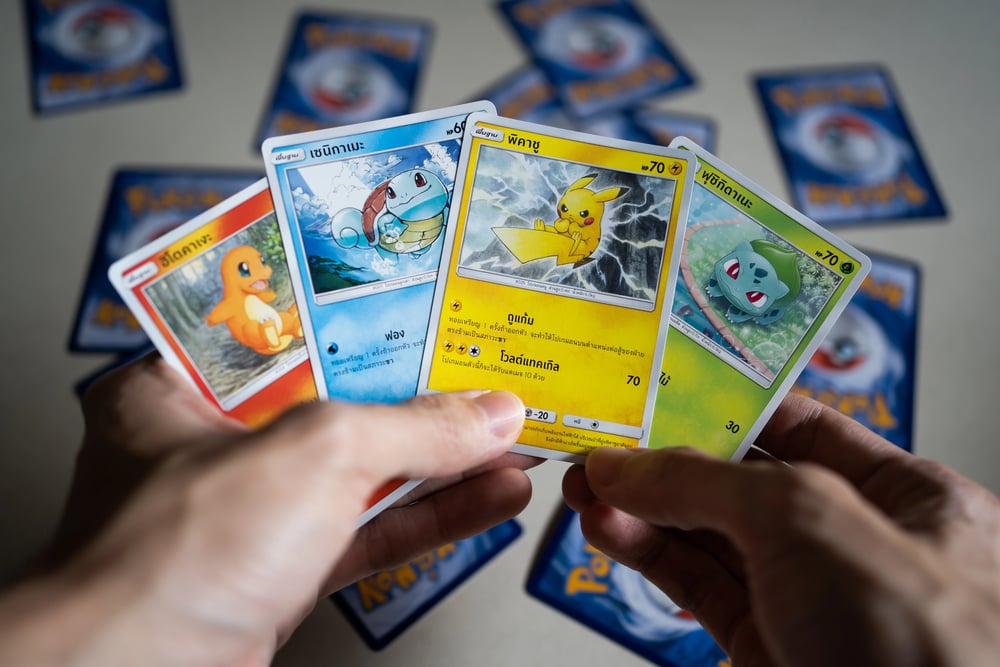
This Blastoise card was created as a presentation piece during early Pokémon development, reportedly commissioned by Wizards of the Coast. Unlike retail cards, it was never printed for distribution and exists as a prototype artifact.
Its appeal lies in what it represents. This card offers a glimpse into the franchise before it became a global powerhouse.
When it sold for a substantial six-figure sum, it confirmed the growing interest in developmental history rather than finished products.
Pokémon Snap Contest Cards
Awarded to winners of a Japanese photography contest tied to the Pokémon Snap game, these cards were custom printed with images submitted by players. Each card is unique, blending fan creativity with official recognition.
Collectors value these cards for their individuality. In a market dominated by identical prints, uniqueness carries extraordinary weight.
Some Snap cards have sold for hundreds of thousands of dollars, driven by their one-of-a-kind nature.
Pre-release Raichu

Few Pokémon cards are surrounded by as much speculation as Pre-release Raichu. For years, it was considered a rumor rather than a confirmed release.
Eventually, authenticated examples surfaced, validating long-standing collector lore.
Its value stems from mystery and rarity combined. When one sold for a six-figure amount, it highlighted how myth can become market reality once authenticity is established.
Few cards capture the imagination quite like this one.
How grading reshaped value

Professional grading transformed the Pokémon card market. Services that assess conditions created a shared language for value, allowing collectors to compare cards objectively.
A single point difference in grade can mean hundreds of thousands of dollars in price variance.
This shift also introduced discipline. Cards once considered merely old became investments when their condition was verified.
High-grade examples became status symbols, reinforcing the importance of preservation in long-term value.
Nostalgia meets investment behavior

The rise in Pokémon card prices coincided with a generation reaching financial maturity. Collectors who grew up with the cards now had the means to reclaim pieces of their childhood.
That emotional pull combined with limited supply created explosive demand.
Still, emotion alone does not sustain prices. The most valuable cards are those with clear historical relevance and verifiable scarcity.
Nostalgia opens the door, but structure keeps values climbing.
Why it still matters

What makes certain Pokémon cards special isn’t just how much they sell for. Their worth grows alongside the journey of a small game into something people around the world recognize.
Even as screens take over our free time, holding one of these keepsakes feels different. Paper, printed color, memories – these pieces carry moments that don’t fade online.
More from Go2Tutors!

- The Romanov Crown Jewels and Their Tragic Fate
- 13 Historical Mysteries That Science Still Can’t Solve
- Famous Hoaxes That Fooled the World for Years
- 15 Child Stars with Tragic Adult Lives
- 16 Famous Jewelry Pieces in History
Like Go2Tutors’s content? Follow us on MSN.



