How the U.S. Nearly Adopted a Completely Different National Anthem
Most Americans can belt out at least the first verse of “The Star-Spangled Banner” — or at least attempt the high notes before trailing off somewhere around “the rockets’ red glare.” It’s woven into the fabric of ballgames, graduations, and solemn ceremonies so completely that imagining a different song in its place feels almost disorienting.
But the anthem you know wasn’t inevitable. For much of American history, the country had no official national anthem at all, and the road to “The Star-Spangled Banner” was longer, stranger, and more contested than most people ever learn.
The Country Had No Official Anthem for 150 Years
The United States declared independence in 1776 and didn’t adopt an official national anthem until 1931. That’s not a typo.
For roughly 155 years, the most powerful democratic experiment in history just sort of winged it when it came to patriotic music.
Francis Scott Key Wrote the Lyrics During a Single Night
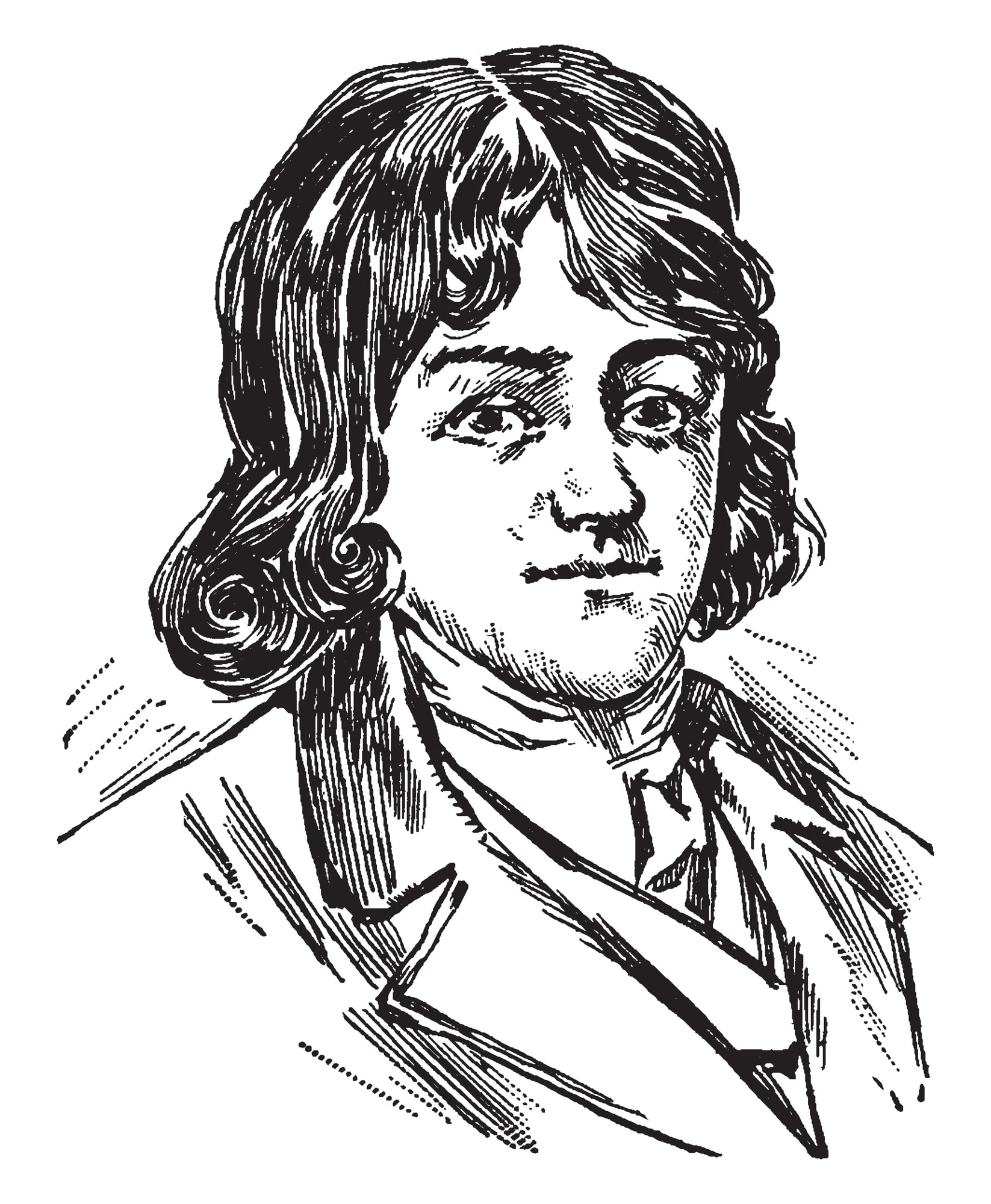
Key wrote the poem that became “The Star-Spangled Banner” on September 14, 1814, while detained aboard a British ship during the bombardment of Fort McHenry in Baltimore. He was there negotiating the release of a prisoner, not composing an anthem — the whole thing was, in the most literal sense, accidental.
The sight of the American flag still flying at dawn inspired four stanzas, only one of which most people have ever heard.
The Melody Was Borrowed from a British Drinking Song

Here’s a detail that tends to produce stunned silence at trivia nights: the tune for “The Star-Spangled Banner” came from “To Anacreon in Heaven,” a song written for a London gentlemen’s club in the 1770s. It was a notoriously difficult melody even for practiced singers — the range spans an octave and a half — and Key simply fitted his new lyrics to it.
So the song meant to stir American patriotism was, musically speaking, British.
“Hail Columbia” Was the De Facto Anthem for Decades
Before any official decision was made, “Hail Columbia” served as the country’s unofficial national song for most of the 19th century. Written in 1798 to the tune of the “President’s March,” it was performed at presidential inaugurations and treated with the reverence that would later be reserved for “The Star-Spangled Banner.”
It was the anthem that wasn’t called an anthem, functioning through sheer habit rather than law.
“My Country, ‘Tis of Thee” Had an Enormous Following
“My Country, ‘Tis of Thee” — first performed in 1831 — became arguably the most beloved patriotic song in America through the middle of the 19th century. Its melody, borrowed from the British “God Save the King,” made it familiar and singable in a way that “The Star-Spangled Banner” simply was not.
It was used at major national events, taught in schools, and treated by millions of Americans as the closest thing the country had to an official anthem.
“America the Beautiful” Almost Won the Whole Debate
Written in 1895 by Katharine Lee Bates, “America the Beautiful” collected a devoted following for decades and was regularly proposed as the anthem that should replace — or formally beat out — “The Star-Spangled Banner.” Its advocates made a reasonable case: the melody is easier to sing, the imagery is peaceful rather than militaristic, and the lyrics describe the land itself rather than a single battle.
The debate between the two songs was genuinely fierce well into the 20th century.
The Militarism Argument Was a Real Sticking Point

Critics of “The Star-Spangled Banner” didn’t whisper their objections — they argued openly that a song rooted in warfare and naval bombardment was a strange choice to represent a nation’s identity and values. The third stanza of Key’s original poem, which is almost never sung, contains language describing the death of escaped enslaved people who had joined the British side, and that stanza drew pointed criticism from abolitionists as early as the 1840s.
A song doesn’t have to be sung in full for its full history to follow it around.
The Navy and Army Adopted the Song Long Before Congress Did

The military branches didn’t wait for Congress to make up its mind. The U.S. Navy formally designated “The Star-Spangled Banner” as its official anthem in 1889, and the Army followed in 1906.
By the time Congress finally acted in 1931, the military had been treating the song as settled law for decades — which made the eventual decision feel less like a choice and more like a ratification.
John Philip Sousa Pushed Hard for a Different Anthem
John Philip Sousa — the March King, the man who wrote “Stars and Stripes Forever” — was not a quiet bystander in this debate. He publicly argued that “The Star-Spangled Banner” was too difficult to sing and poorly suited as a national anthem, and he advocated for alternatives.
Coming from the most famous American composer of martial and patriotic music, that was not a small dissent. Turns out even the man who scored the soundtrack of American parades had reservations.
Woodrow Wilson Tried to Settle It by Executive Action
In 1916, President Woodrow Wilson issued an executive order designating “The Star-Spangled Banner” as the national anthem for military and naval occasions. It wasn’t a full adoption — Congress still hadn’t acted — but it was a significant push in one direction, one that carried real institutional weight even if it lacked the force of law.
The 1931 Congressional Vote Was Not Unanimous
The bill that finally made “The Star-Spangled Banner” the official national anthem passed in 1931, but it cleared Congress over the objections of a vocal minority who still preferred alternatives. The opposition raised the singability problem, the militaristic tone problem, and the sheer awkwardness of officially enshrining a song that most crowds couldn’t finish without someone quietly mouthing nonsense syllables on the high notes.
“God Bless America” Arrived Just a Few Years Later

Irving Berlin’s “God Bless America” was written in 1918 and revised for a 1938 radio broadcast by Kate Smith — and once it hit the airwaves, it spread with the kind of velocity that makes official processes look slow and clumsy by comparison. Within a few years of its release, there were serious proposals in Congress to replace “The Star-Spangled Banner” with it.
The anthem debate, it turned out, was not actually settled by the 1931 vote.
The Singability Problem Never Really Went Away
“The Star-Spangled Banner” requires a vocal range that most untrained singers find genuinely punishing, which is why so many public performances either involve professional singers or produce memorable disasters. The note on “land of the free” — an E-flat above middle C — sits just at the edge of a comfortable range for average voices, which is a strange quality to build into a song you intend the entire population to sing together.
To be fair, the country has been managing this problem for over a century and shows no signs of solving it.
Jimi Hendrix’s 1969 Performance Cracked the Song Open
Jimi Hendrix’s version of “The Star-Spangled Banner” at Woodstock in 1969 did something that two centuries of official history had not: it made the song feel genuinely unsettled, genuinely argued-with. Using his guitar to imitate sirens, explosions, and something that sounded like grief, Hendrix didn’t disrespect the anthem so much as take its military imagery at face value and push it somewhere uncomfortable.
It remains one of the most debated three minutes in American cultural history.
Other Countries Chose Their Anthems More Deliberately
France’s “La Marseillaise” was written in 1792, adopted almost immediately, and has held its position — with brief interruptions — ever since. Germany’s national anthem has a settled, official status despite the complicated history of its earlier verses.
The U.S., by contrast, arrived at its anthem through 155 years of institutional drift, military habit, and eventual congressional reluctant agreement. It’s less a choice than an accumulation.
The Debate Still Surfaces Every Few Years

Proposals to replace “The Star-Spangled Banner” with “America the Beautiful” still appear periodically — in op-ed pages, in political speeches, in arguments that flare up reliably around major patriotic events. None have gotten close to passage, but the persistence of the conversation suggests the 1931 decision never fully closed the question.
Some arguments, apparently, don’t end just because someone called a vote.
What a Song Carries Without Announcing It
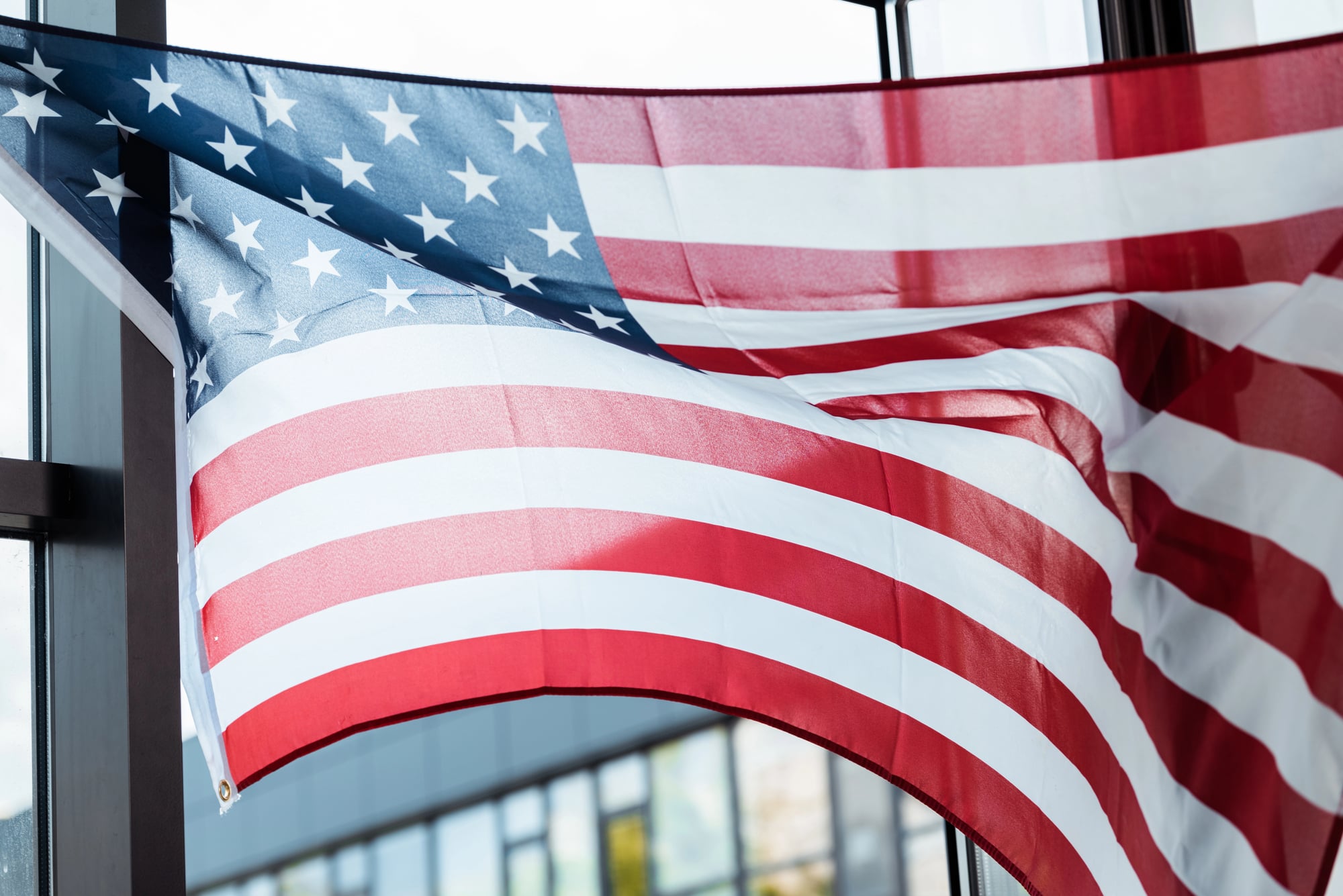
There’s something stubborn about the way a national anthem embeds itself in a country’s sense of itself — not because the lyrics are studied, but because the melody shows up at the exact moments when emotions run highest, again and again, until the song and the feeling become inseparable.
“The Star-Spangled Banner” is a difficult song about a difficult night that somehow became the sound of American identity, not through elegance or consensus, but through repetition and time and the particular way a flag looked at dawn over a harbor in Baltimore two centuries ago.
The country nearly chose something easier, something more pastoral, something anyone could sing. It chose this instead — imperfect, demanding, and stubbornly itself.
More from Go2Tutors!

- The Romanov Crown Jewels and Their Tragic Fate
- 13 Historical Mysteries That Science Still Can’t Solve
- Famous Hoaxes That Fooled the World for Years
- 15 Child Stars with Tragic Adult Lives
- 16 Famous Jewelry Pieces in History
Like Go2Tutors’s content? Follow us on MSN.