Weird Driving Laws in the US
Getting behind the wheel in America means following the rules of the road. Most of them make perfect sense—stop at red lights, don’t speed, signal before turning.
But scattered across the country, you’ll find laws that make you wonder what exactly happened to prompt someone to write them down. Some seem outdated, others oddly specific, and a few just plain bizarre.
These are real laws that still exist on the books today.
Alaska: No Dogs on the Roof
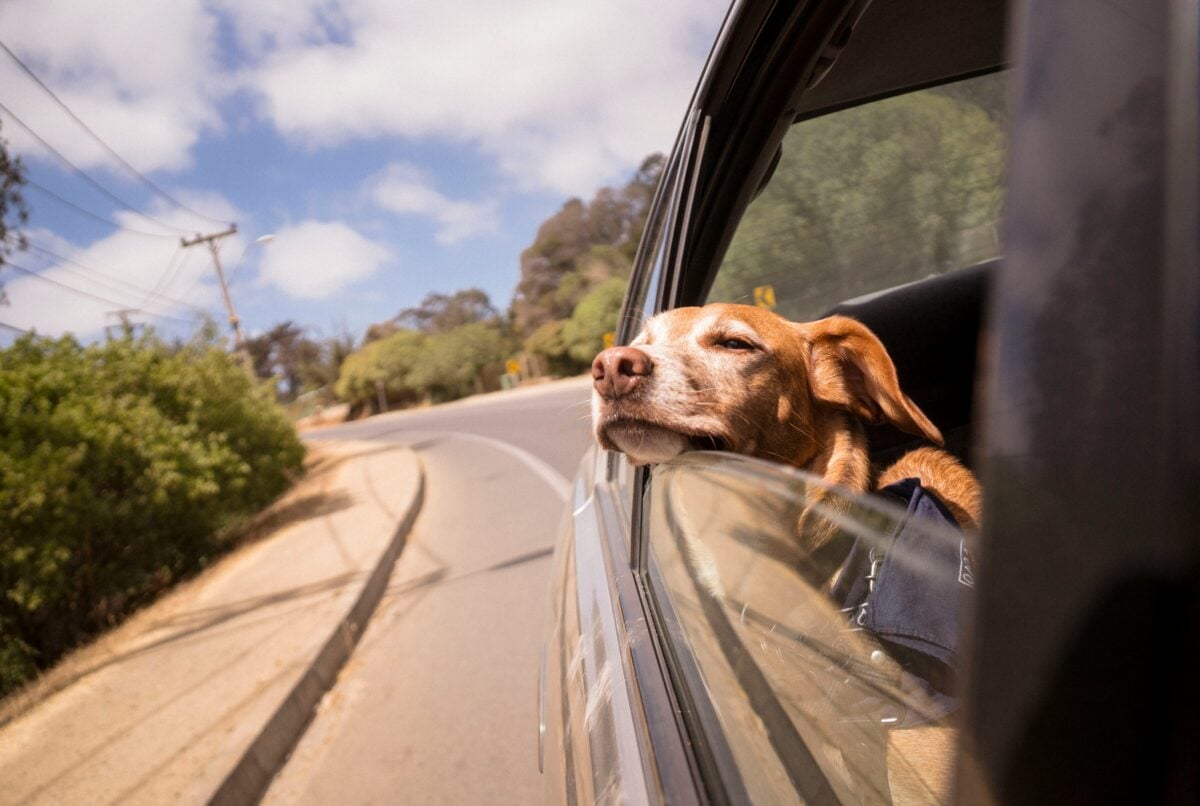
In Alaska, you can’t tie your dog to the roof of your car. This seems obvious to most people, but apparently it needed to be written into law.
The state takes this seriously enough that violators face actual fines. Whether anyone actually tried this often enough to warrant legislation remains a mystery.
Alabama: Blindfolded Drivers Stay Home
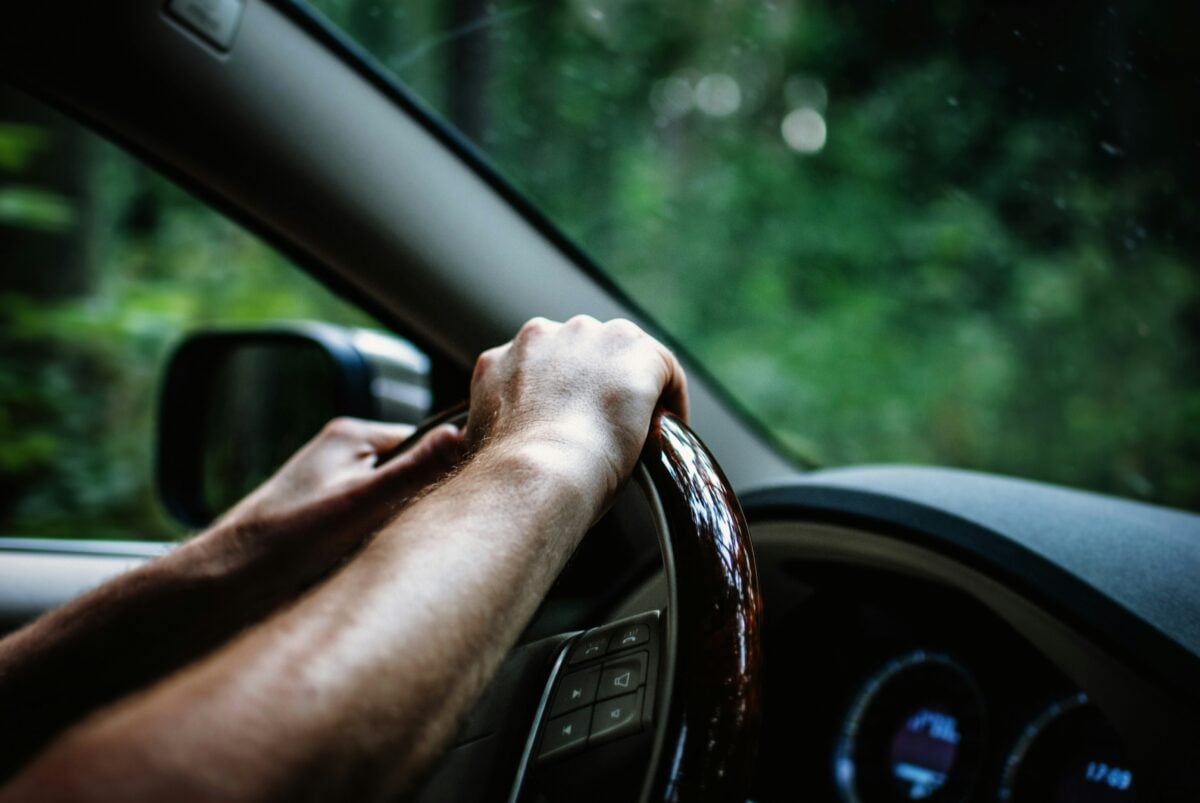
Alabama made it illegal to drive while blindfolded. You read that right.
Someone thought it necessary to specify that you need to see where you’re going when operating a vehicle. The law still stands today, even though it’s hard to imagine this being a widespread problem.
Arkansas: Honking After 9 PM

In Little Rock, Arkansas, you can’t honk your car horn after 9 PM near places that serve cold drinks or sandwiches. This oddly specific rule targets drivers who might disturb the peace outside late-night eateries.
The law distinguishes between different types of establishments in a way that feels almost random.
California: Women in Bathrobes

In California, women cannot drive while wearing a bathrobe. This law exists in some cities within the state.
No one seems to know the origin story, but the specificity suggests something memorable happened at some point. Men in bathrobes, apparently, face no such restriction.
Connecticut: Backwards Driving Ban
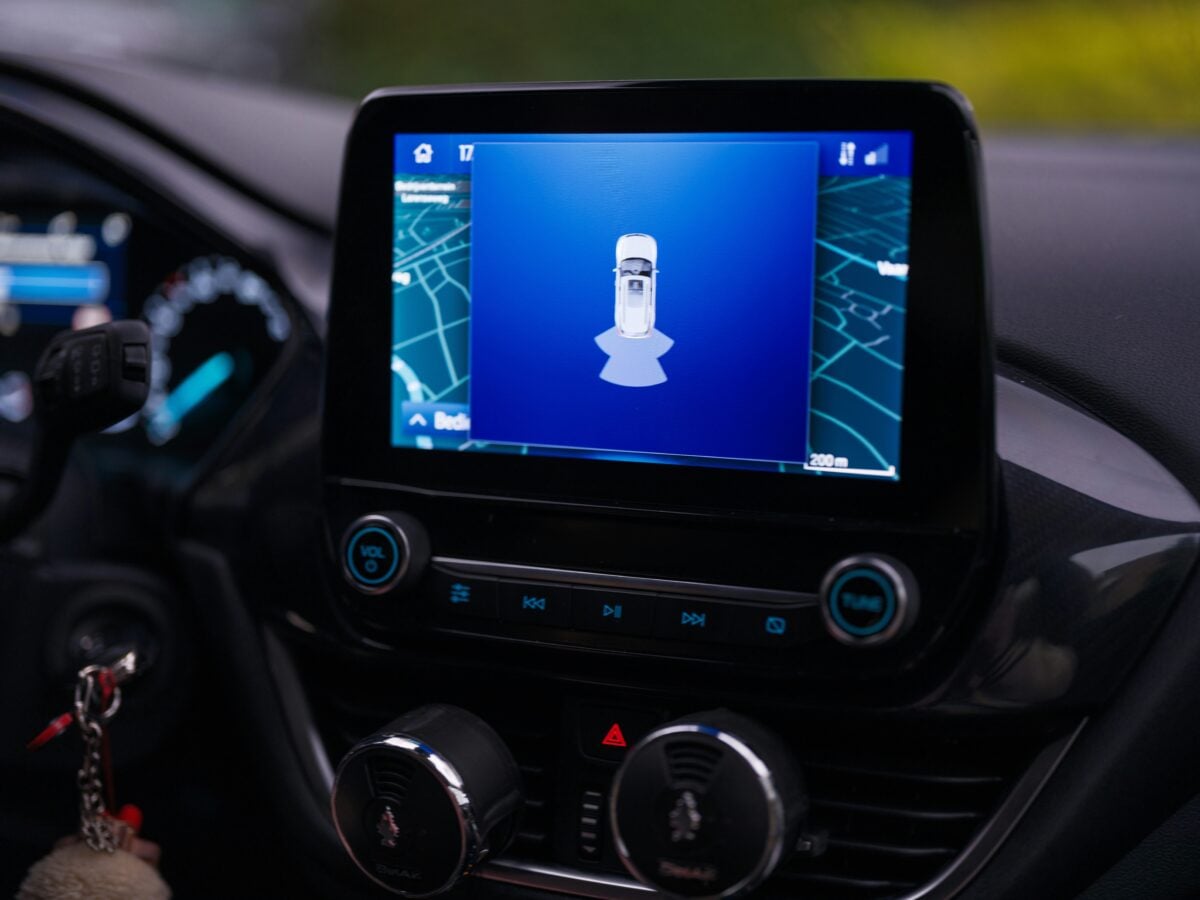
You cannot drive backwards in Connecticut after sunset. During daylight hours, backing up your car is fine.
But once the sun goes down, you better make sure you’re pointed in the right direction. The reasoning behind this time-specific rule isn’t entirely clear.
Delaware: Changing Clothes Behind the Wheel

Delaware prohibits changing clothes in your car. Not just while driving—in your parked car too.
The law covers the entire vehicle, meaning you can’t even swap shirts while sitting in a parking lot. Privacy concerns seem to outweigh practicality here.
Georgia: No Spitting from Vehicles
In Marietta, Georgia, spitting from a car or bus is illegal. This goes for passengers and drivers alike.
The law specifically mentions these vehicles, suggesting that spitting from other modes of transportation might be acceptable. The fine for this offense is real and enforceable.
Kansas: Screeching Tires

In Kansas, squealing your tires is against the law. This means you can’t peel out, do burnouts, or accelerate hard enough to make that distinctive rubber-on-pavement sound.
The state considers it reckless driving, and police can ticket you for it. Street racers and teenage drivers take note.
Massachusetts: Gorillas in the Backseat
In Massachusetts, you cannot drive with a gorilla in the backseat of your car. This law raises more questions than it answers.
Did someone actually try this? Is it okay if the gorilla sits in front?
And what about other primates? The law doesn’t specify.
Minnesota: Dirty Cars
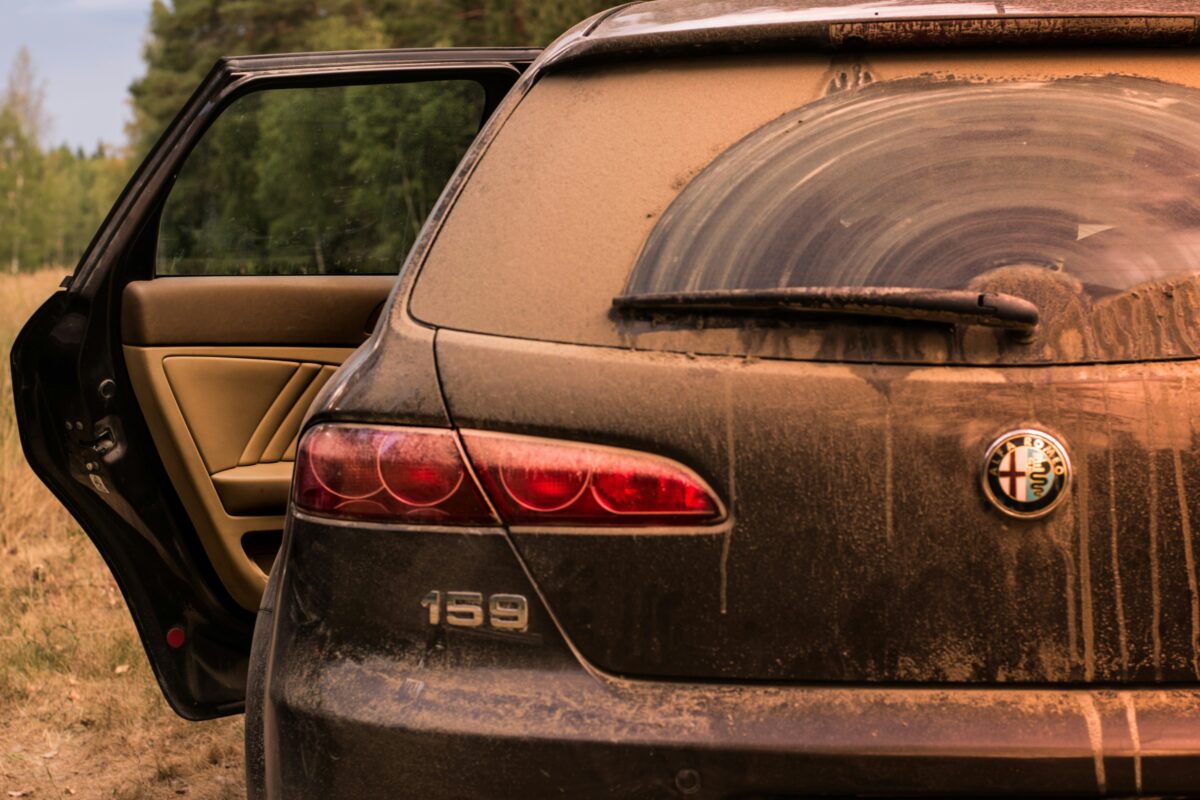
In Minnetonka, Minnesota, driving a dirty car can get you in trouble. The law states that your vehicle must be clean enough that its registration is clearly visible.
While this seems reasonable on the surface, the enforcement threshold remains vague. How dirty is too dirty?
Nevada: Camel Restrictions

In Nevada, you cannot drive a camel on the highway. This law made sense in the 1800s when the U.S. Army actually used camels in the Southwest.
But the law never got removed from the books, so technically it still applies today. Modern camel owners need to find alternative routes.
Oregon: Car Door Danger
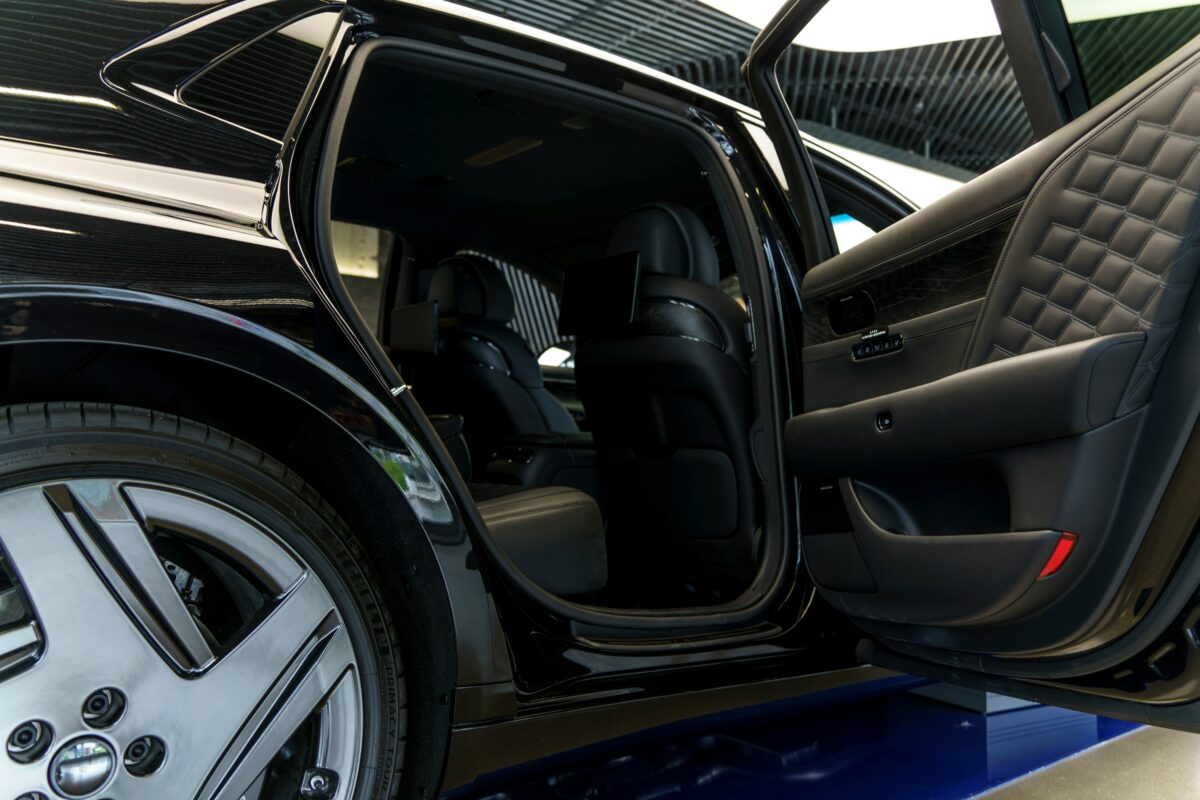
In Oregon, you cannot leave your car door open longer than necessary. The law aims to prevent doors from blocking traffic or creating hazards for cyclists and pedestrians.
But “necessary” is subjective, and enforcement seems inconsistent at best. You’ll rarely see someone ticketed for this.
Tennessee: Shooting from Your Car
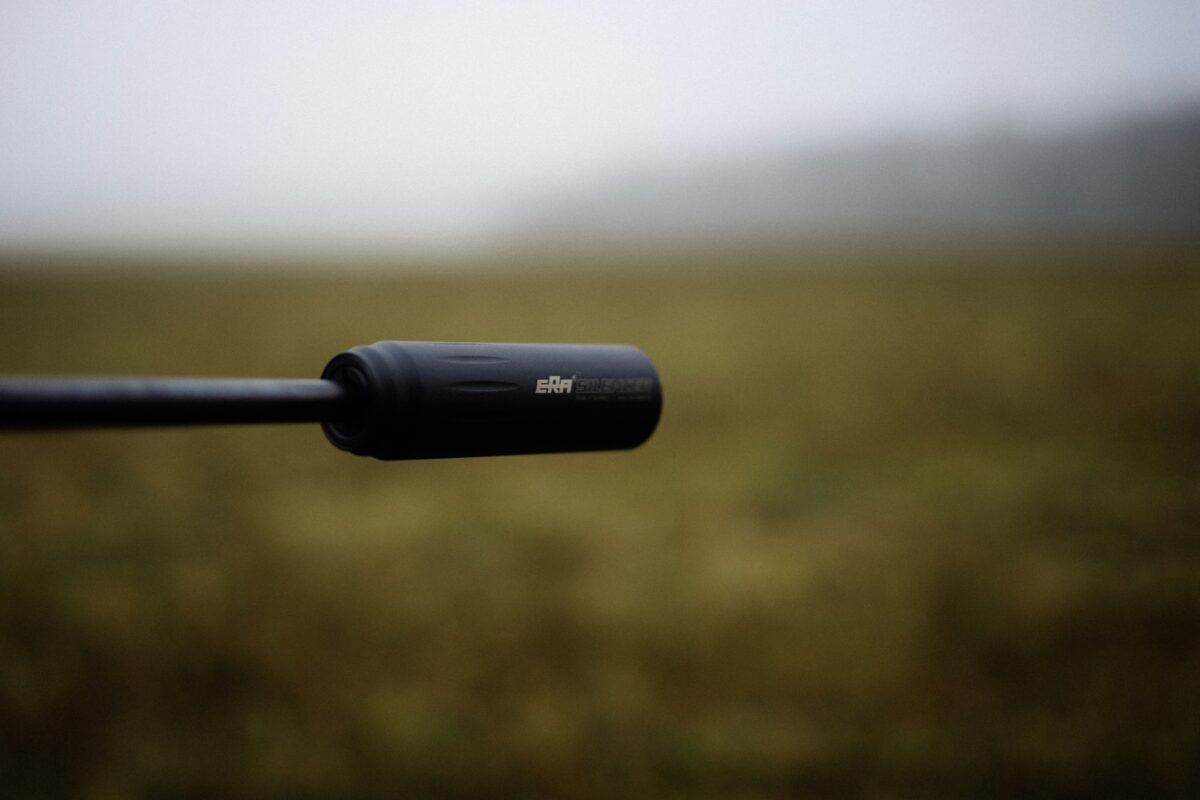
In Tennessee, you can’t shoot any game other than whales from your moving car. Setting aside the fact that Tennessee is landlocked and hundreds of miles from any ocean, this law exists.
The whale exception suggests someone had a sense of humor when writing it. Or they really wanted to be thorough.
Virginia: Radar Detectors
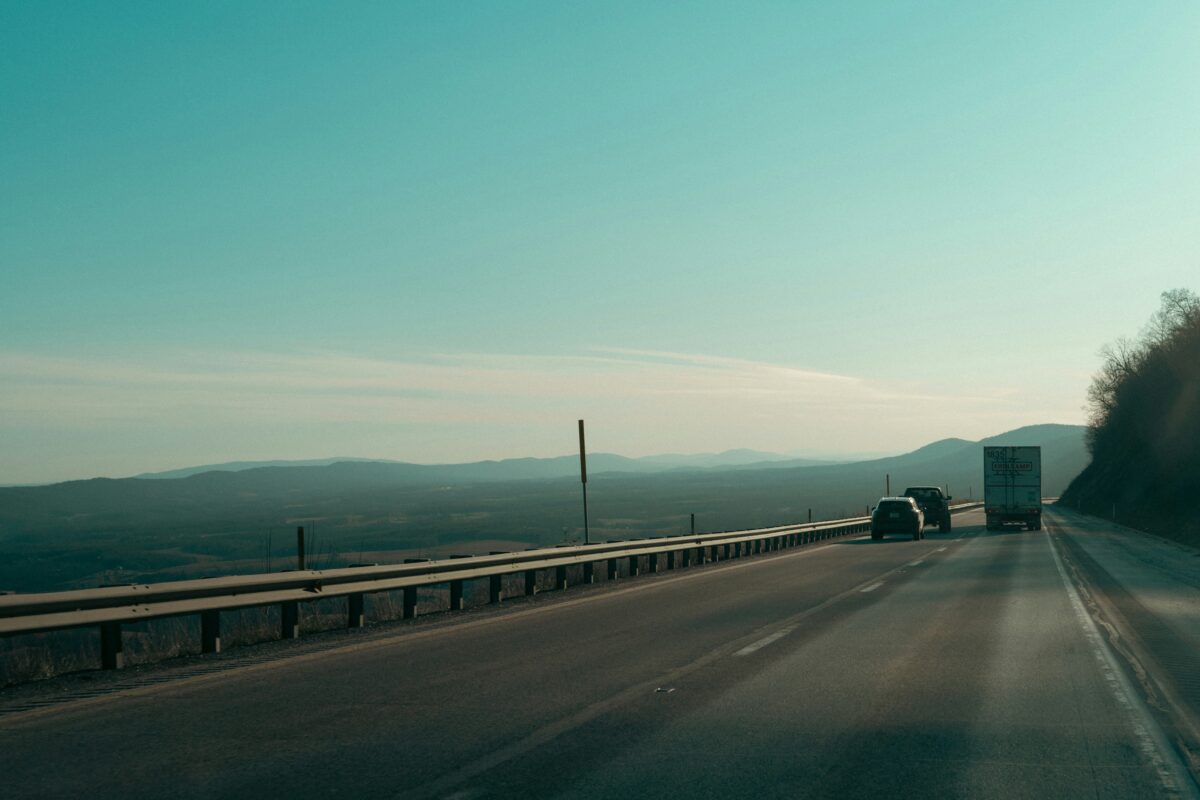
Virginia is one of only two states where radar detectors are illegal. You can’t use them or even have them in your car.
Police can spot them during traffic stops, and the fine is substantial. The state argues that drivers should simply follow the speed limit rather than rely on detection devices.
Where the Rules Get Really Strange
These laws paint a picture of American legislative history. Some responded to genuine safety concerns.
Others seem like jokes that accidentally became official. A few might have addressed real problems that no longer exist but remain on the books because no one bothered to remove them.
The variety also shows how local governments handle problems differently. What one state prohibits, another ignores completely.
This patchwork of regulations means road trips across America require more than just a map and gas money. Most of these laws go unenforced today.
Police have better things to do than watch for women in bathrobes or inspect your car for cleanliness. But they remain official, sitting in legal codes, waiting for someone to either enforce them or finally strike them from the books.
When the Past Meets the Present
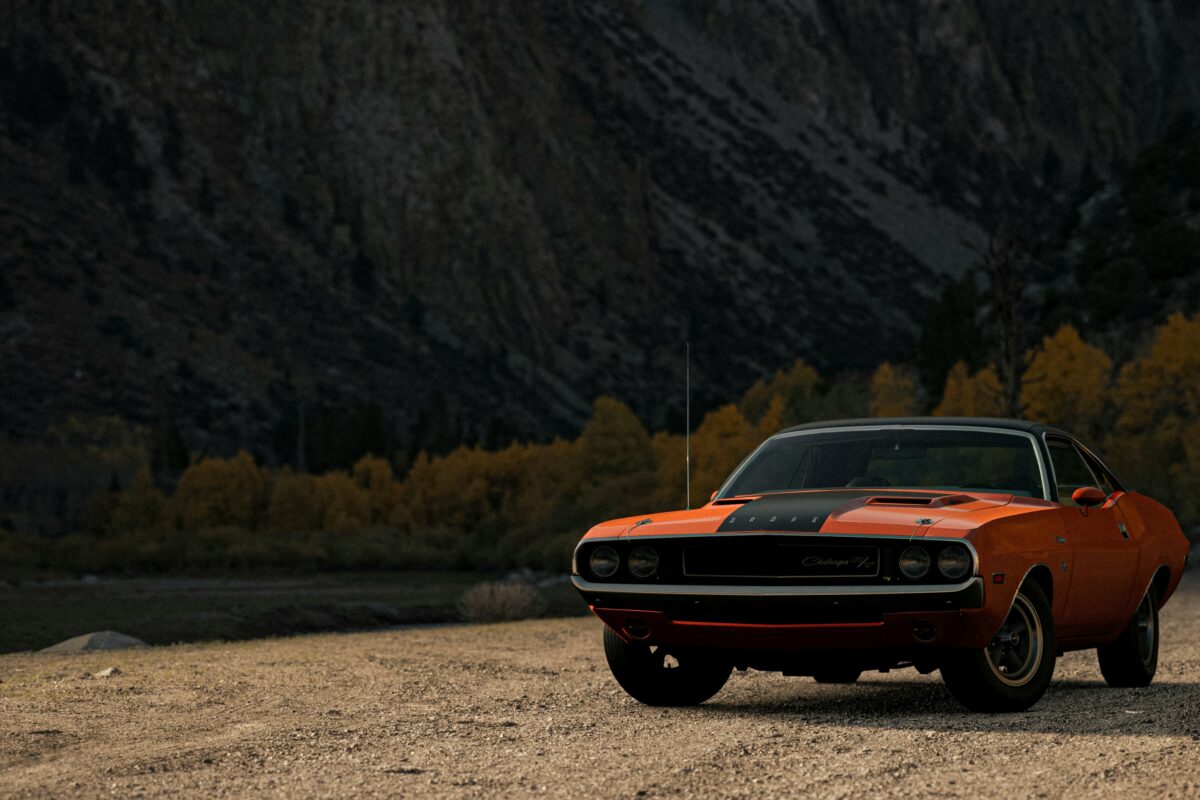
Cars came first, then rules slowly followed. Back then, early models bore little resemblance to today’s machines.
Roads? Often just dirt tracks in rough shape.
Those odd regulations started forming when officials had no idea what limits to set. Confusion shaped policy more than planning ever did.
Nowadays, certain rules tackle worries that feel oddly old-fashioned. Social standards once upheld by others have quietly faded away.
A handful come across like jokes which accidentally became law. Survival of such laws reveals quirks in how rules stick around.
Passing a new one demands time and focus. Taking one away?
Someone has to spot it, feel strongly, then push changes through red tape again. Many cause no real trouble just sitting there – so they stay, forgotten but intact.
Roads Holding On To What They’ve Seen
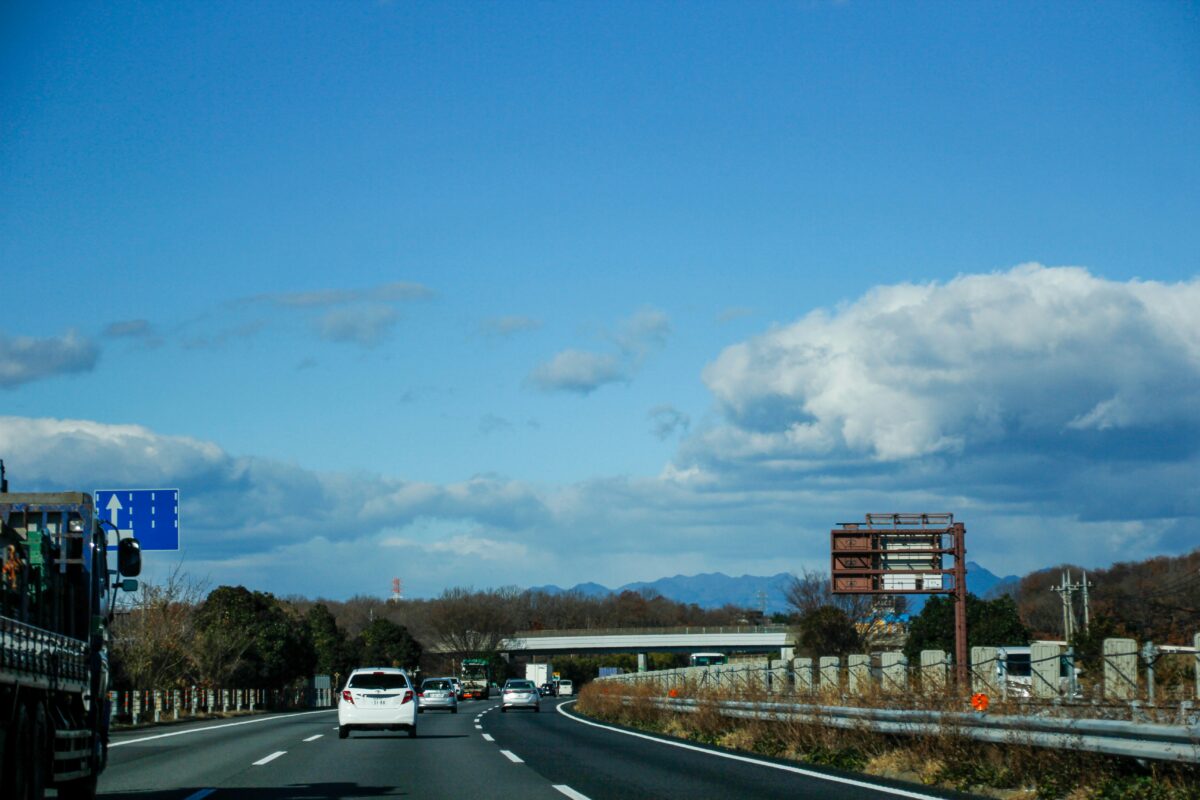
Funny ones grab news spots now and then. Outdated rules sometimes spark curiosity online.
Each law on the books stays valid until removed. Odd examples pop up everywhere across states.
Most folks ignore rules about apes in cars or late-night horn blasts by delis. Still, someone might hand out tickets if they wanted to.
Odd details like that give such laws their charm. Hidden somewhere between real enforcement and old books sits their true home.
Driving down the highway, laws older than your grandparents shape every turn. Each mile passes unseen rules buried in how Americans have driven for decades.
These odd regulations hide in plain sight, part of the journey without notice. History rides shotgun, even when you’re miles from anywhere.
One quirky statute at a time, the past stays behind the wheel.
More from Go2Tutors!

- The Romanov Crown Jewels and Their Tragic Fate
- 13 Historical Mysteries That Science Still Can’t Solve
- Famous Hoaxes That Fooled the World for Years
- 15 Child Stars with Tragic Adult Lives
- 16 Famous Jewelry Pieces in History
Like Go2Tutors’s content? Follow us on MSN.