Foods That Were Invented by Accident
Some of the best things happen when plans go sideways. A forgotten pot on the stove, a supplier’s mix-up, an angry chef trying to annoy a customer—these moments gave us foods that changed how the world eats.
The stories behind accidental inventions often sound too strange to be true, but they remind you that mistakes can turn into something remarkable.
Chocolate Chip Cookies Started as a Baking Experiment
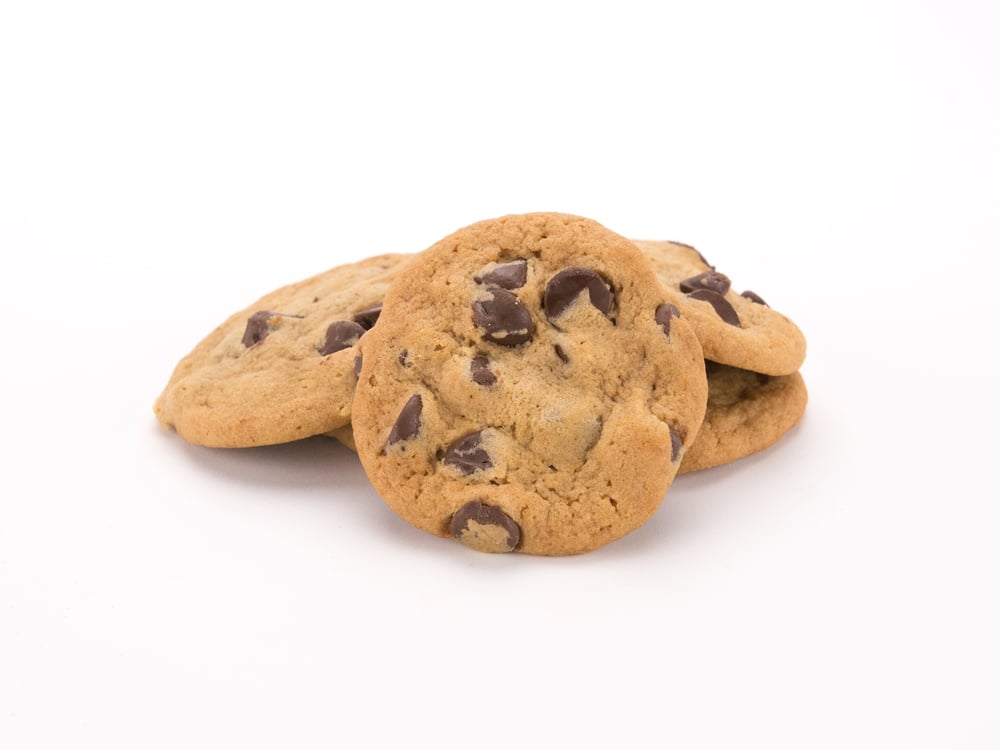
Ruth Wakefield ran the Toll House Inn in Massachusetts during the 1930s. She wanted to make chocolate cookies one day but didn’t have baker’s chocolate on hand.
So she broke up a Nestle chocolate bar and mixed the pieces into her dough, thinking they would melt and spread throughout. They didn’t melt.
The chunks held their shape and created something completely different from what she planned. Guests loved the new cookies so much that Nestle eventually bought the rights to her recipe and printed it on their chocolate chip packages.
The rest became dessert history.
Potato Chips Were Born from Spite

A chef named George Crum worked at a resort in Saratoga Springs, New York, in 1853. One customer kept sending back his fried potatoes, complaining they were too thick and soggy.
Crum got fed up. He sliced the potatoes paper-thin, fried them until they were crispy, and added extra salt.
The idea was to create something the customer would hate. Instead, the customer loved them.
Other diners wanted to try them too, and Crum’s “Saratoga Chips” became the restaurant’s signature item.
Popsicles Froze on a Cold Night

An 11-year-old boy named Frank Epperson left a cup of powdered soda mix and water on his porch in 1905. A stirring stick was still in the cup.
The temperature dropped overnight, and by morning, he had a frozen treat on a stick. He called it the “Epsicle” at first, combining his name with icicle.
Years later, he started selling them and changed the name to Popsicle after his own kids started calling them “Pop’s sicles.”
Corn Flakes Were Meant to Be Bland

John Harvey Kellogg ran a sanitarium in Michigan and believed bland food helped with digestion and prevented certain urges. He was trying to create an easily digestible bread substitute for his patients in 1894.
He and his brother Will left some cooked wheat out too long. When they tried to salvage it by rolling it flat, the wheat came out in flakes instead of dough.
They toasted the flakes and served them anyway. Patients loved the new cereal.
Will eventually added sugar to make them taste better and turned the accident into a business that still exists today.
The Original Coca-Cola Recipe Was Supposed to Be Medicine

John Pemberton created a syrup in 1886 that he marketed as a cure for headaches and exhaustion. He usually mixed it with water, but one day his assistant accidentally used carbonated water instead of regular water.
The fizzy version tasted much better. Pemberton started selling it as a refreshing drink rather than medicine.
The formula changed over the years, but that accidental carbonation helped create one of the world’s most recognized beverages.
Champagne Developed Because Bottles Kept Exploding

French winemakers in the Champagne region faced a frustrating problem in the 1600s. Their wine would start fermenting again after being bottled, creating pressure that made bottles explode in their cellars.
They tried everything to stop it. Eventually, they realized the bubbles made the wine taste different and interesting.
Instead of treating it as a defect, they learned to control the secondary fermentation. What was once considered a winemaking failure became a luxury product.
Ice Cream Cones Appeared When Plates Ran Out

The 1904 World’s Fair in St. Louis had an ice cream vendor who ran out of dishes. A waffle maker named Ernest Hamwi worked at a nearby booth.
He saw the problem and rolled one of his thin waffles into a cone shape. The ice cream fit perfectly inside.
People could eat the container along with the ice cream, and vendors didn’t have to worry about running out of dishes or cleaning them. The portable treat caught on immediately.
Peanut Butter Emerged from Health Food Experiments

Several people claim to have invented peanut butter, but the modern version started with doctors looking for protein-rich foods that elderly patients could eat without chewing. Dr. John Harvey Kellogg (yes, the same one who created corn flakes) patented a process for making peanut paste in 1895.
The early version tasted nothing like what you buy today. It was made from boiled peanuts and had a different texture.
Other inventors improved the process over the years, adding roasted peanuts and better grinding techniques. What started as hospital food became a pantry staple.
Nachos Came Together Because the Chef Couldn’t Find Anyone Else
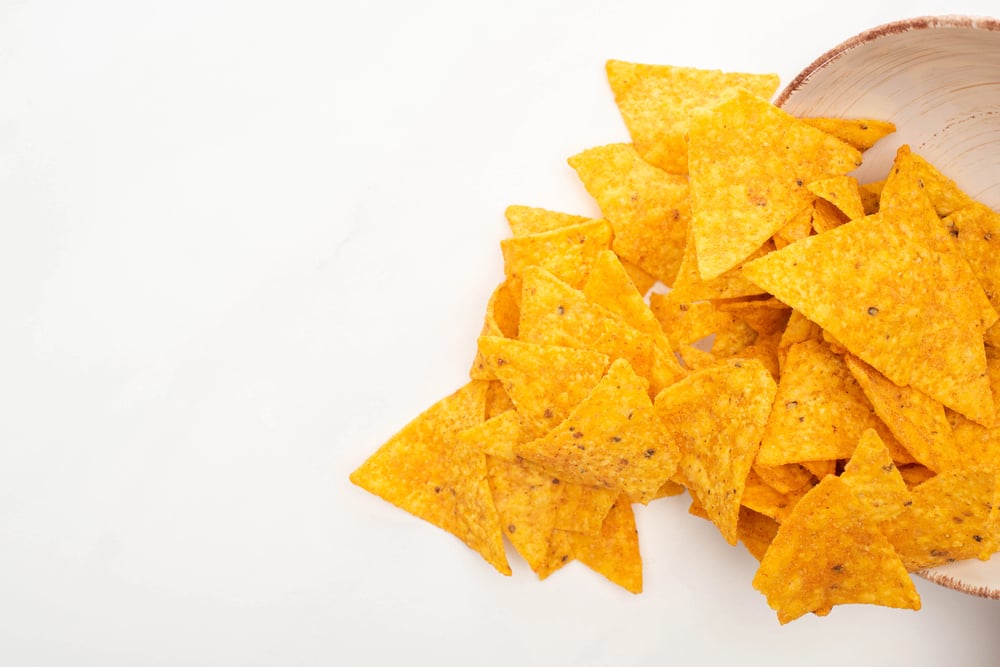
A group of military wives crossed the border from Texas to Mexico in 1943 and arrived at a restaurant after the chef had left for the day. The maître d’, Ignacio “Nacho” Anaya, didn’t want to turn them away, but he didn’t have much to work with in the kitchen.
He grabbed tortillas, cut them into triangles, fried them, added cheese, and threw on some jalapeños. The women loved his creation.
They asked what it was called, and he named it after himself. Nachos spread throughout Texas and eventually became standard menu items across America.
Beer Happened When Grain Got Wet

Nobody knows exactly when humans first made beer, but the leading theory suggests it happened by accident around 10,000 years ago. Someone storing grain probably had water get into the container.
The grain fermented naturally thanks to wild yeast in the air. When people tasted the result, they noticed it had an interesting effect.
Early civilizations in Mesopotamia and Egypt started brewing beer intentionally, but the discovery itself came from contaminated grain storage. Ancient workers even received beer as part of their wages.
Cheese Developed During a Long Journey

Legend says cheese was discovered when someone transported milk in a pouch made from an animal’s stomach. The combination of the milk, the rennet naturally present in the stomach lining, and the movement during travel caused the milk to separate into curds and whey.
When the traveler opened the pouch, solid cheese had formed. The story varies depending on who tells it, but most historians agree that cheese was discovered accidentally.
People have been making it on purpose ever since.
Worcestershire Sauce Sat Forgotten in a Basement

Two chemists in England, John Lea and William Perrins, were asked to recreate a sauce recipe from India in the 1830s. They made a batch, tasted it, and thought it was terrible.
They stored the barrels in their basement and forgot about them. Years later, they rediscovered the barrels and tasted the sauce again.
The aging process had transformed it into something completely different. The sharp, complex flavor became popular as a condiment and cooking ingredient.
The company still makes the sauce using a similar aging process.
Tofu Came from Seawater and Soy Milk

Ancient Chinese kitchen folks stumbled on tofu roughly two millennia back, but how it happened changes with each tale. Some say someone spilled soy milk into nigari – stuff pulled from sea water – by accident.
The mix turned lumpy, then hardened into something firm. Rather than toss it out, one person gave it a try – tasted okay.
Word traveled across Asia; later, it popped up far beyond. A cooking error? Now millions eat it daily for strength.
When Planning Fails, Flavor Wins

The tales of these eats? All kind of start the same way. A slip-up happened – maybe supplies ran short or plans went sideways.
Rather than bail out or toss it all, folks tried fixing things with whatever was around. A few blunders ended up flipping whole businesses upside down; some just handed us a solid bite between meals.
The next moment things mess up in your kitchen, try a bite before dumping it – sometimes surprises turn tasty.
More from Go2Tutors!

- The Romanov Crown Jewels and Their Tragic Fate
- 13 Historical Mysteries That Science Still Can’t Solve
- Famous Hoaxes That Fooled the World for Years
- 15 Child Stars with Tragic Adult Lives
- 16 Famous Jewelry Pieces in History
Like Go2Tutors’s content? Follow us on MSN.