Dictators Who Built Monuments to Themselves That Still Stand
There’s something almost darkly comic about a strongman who conquers a nation and then immediately commissions a giant statue of himself. As if the tanks weren’t enough.
As if the secret police left any room for ambiguity about who was in charge. And yet, across every continent and every era, the impulse keeps surfacing — the need to render power in stone, bronze, marble, or gold, and to make it permanent in a way that flesh stubbornly refuses to be.
Some of these monuments were torn down the moment the regime collapsed. Others, against all reasonable expectation, are still standing — tourist attractions, contested landmarks, or simply objects too massive and too strange to bother removing. Here are the men who insisted the world remember them this way.
Saparmurat Niyazov
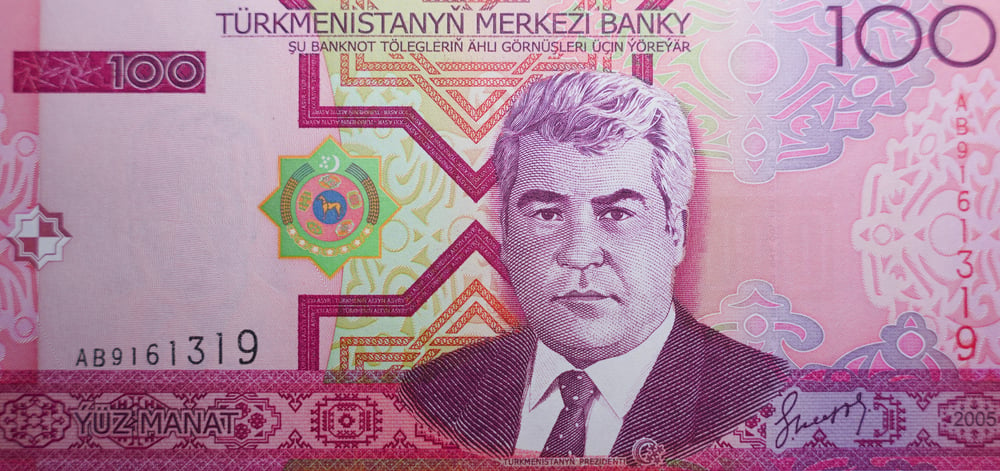
The Turkmenbashy — “Father of all Turkmens,” a title Niyazov gave himself — erected a 40-foot gold-plated statue of his own likeness in the center of Ashgabat that rotated slowly throughout the day so it always faced the sun. It stood atop a 230-foot tripod arch called the Neutrality Monument and was relocated in 2010, but it still exists, now positioned at the edge of the city.
Turns out dictators are hard to throw away.
Kim Il-sung
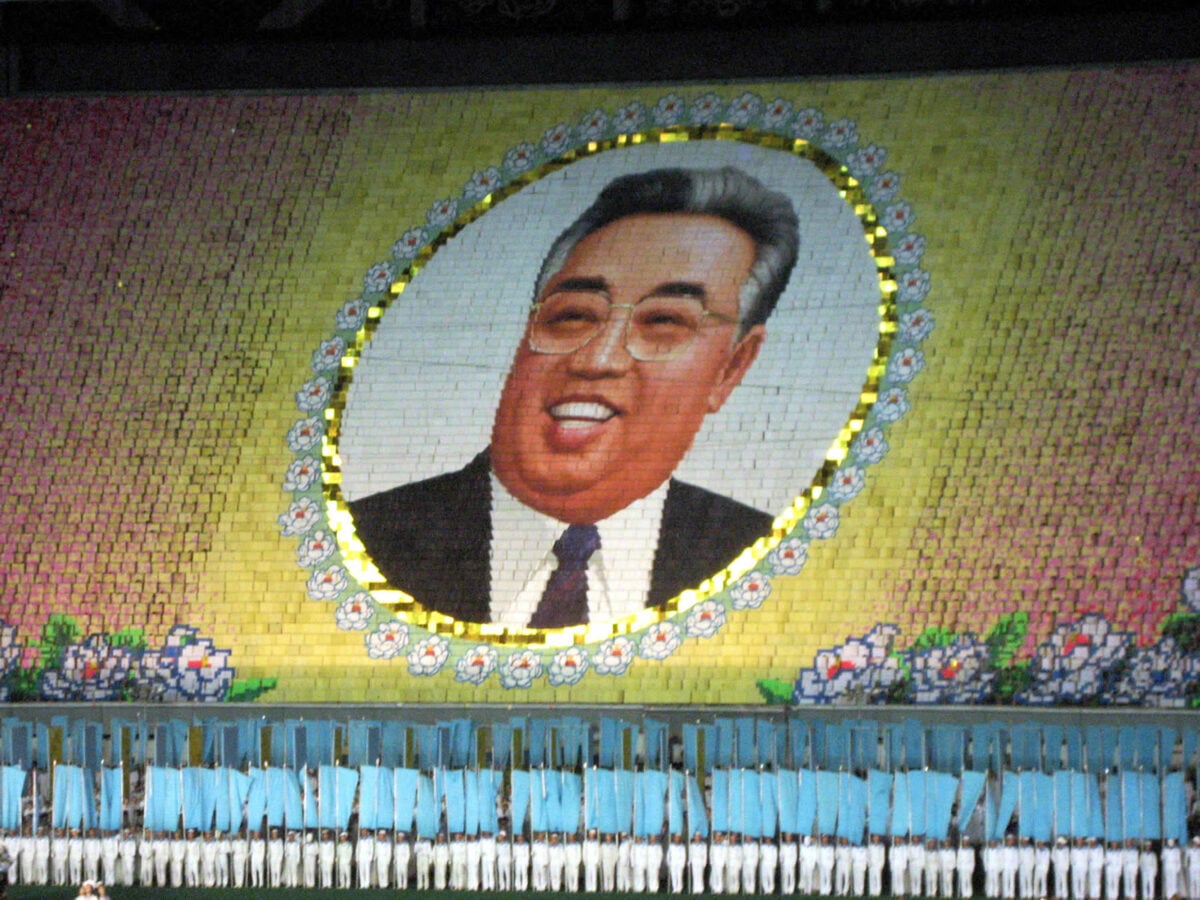
The Mansudae Grand Monument in Pyongyang features a 65-foot bronze statue of North Korea’s founding ruler, installed in 1972 on his 60th birthday. A companion statue of Kim Jong-il was added in 2012, making it a family affair carved in bronze.
Foreign visitors are still required to bow before it.
Mao Zedong
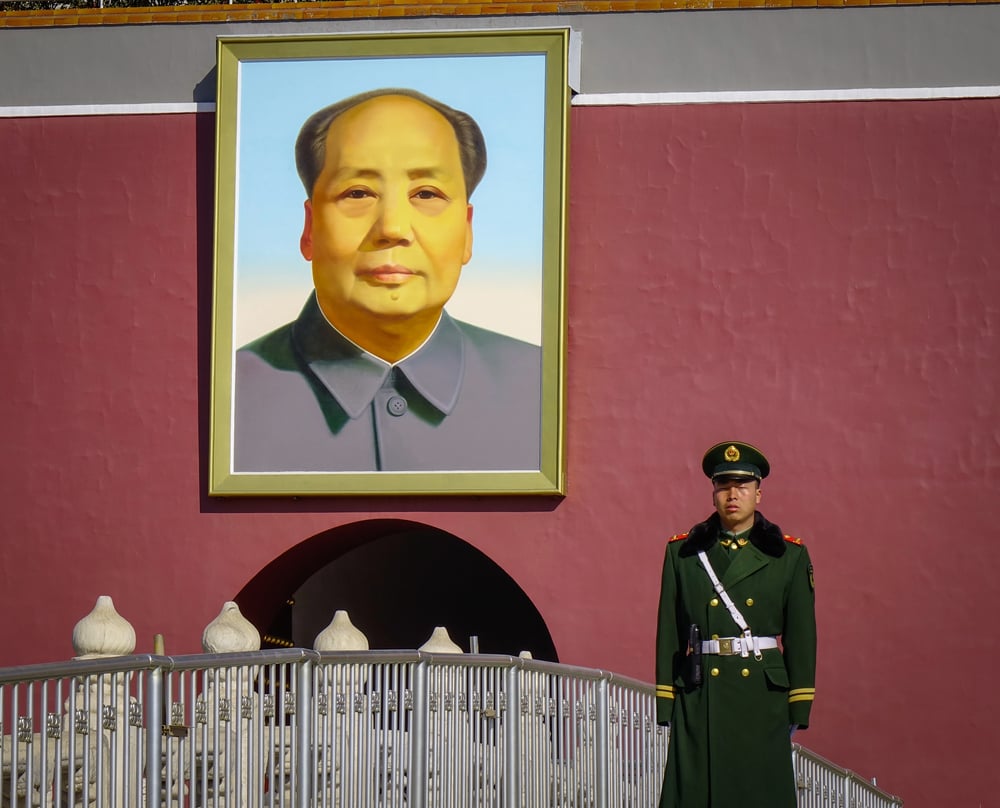
— Photo by phuongphoto
Mao’s giant portrait has hung over Tiananmen Gate in Beijing since 1949 — replaced periodically but never removed — watching over the square where, four decades after his death, one of the most photographed public spaces on earth still carries his face. The portrait is roughly 20 feet tall and has survived every political shift that followed him, which is either a testament to his legacy or to the difficulty of repainting a very large gate.
Both, probably.
Josef Stalin
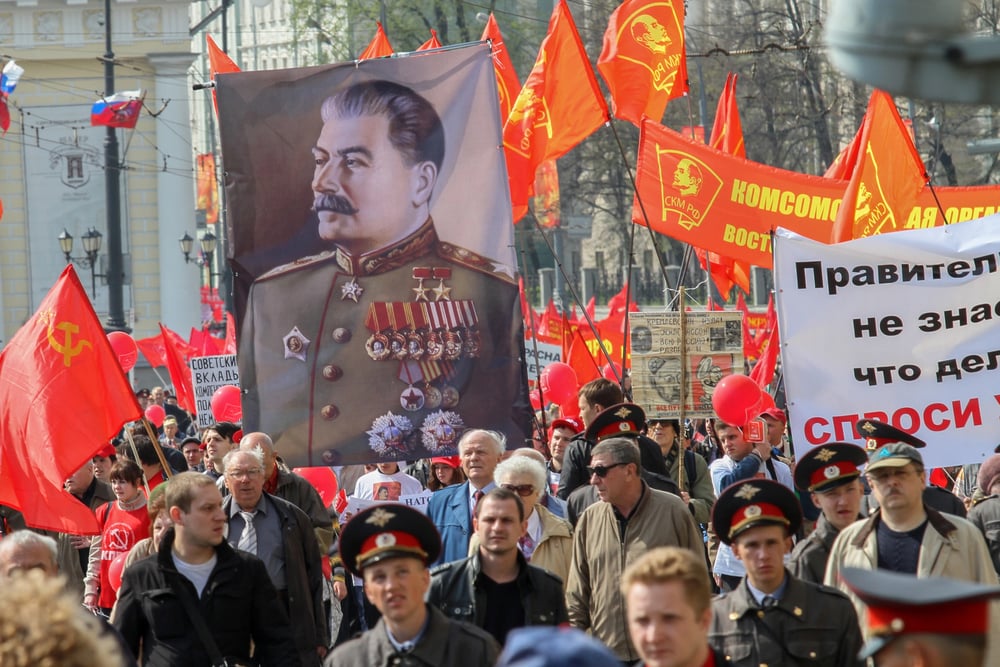
Stalin erected colossal monuments to himself across the Soviet Union and satellite states during his lifetime, and one of the more stubborn survivors is the bronze Stalin figure that remained in Gori, Georgia — his birthplace — long after de-Stalinization swept the rest of the USSR. Georgia only removed it from its city center in 2010, in the middle of the night, with no public announcement, which says everything about how complicated that decision still was.
Saddam Hussein
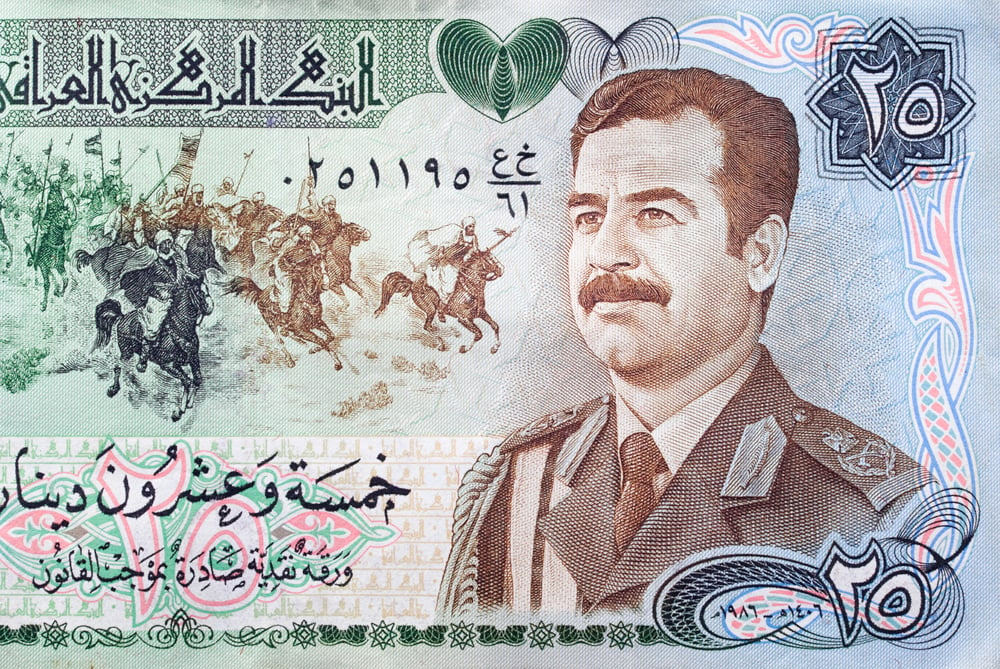
The most famous of Saddam’s self-commissioned monuments — the enormous crossed swords arch known as the Hands of Victory, built in Baghdad in 1989 to mark the supposed triumph over Iran — is still standing, and the Iraqi government has debated for years what to do with it. The arch’s designer modeled the fists gripping the swords directly from Saddam’s own hands, casting them at four times human scale.
It now hosts military parades under a different flag.
Nicolae Ceaușescu
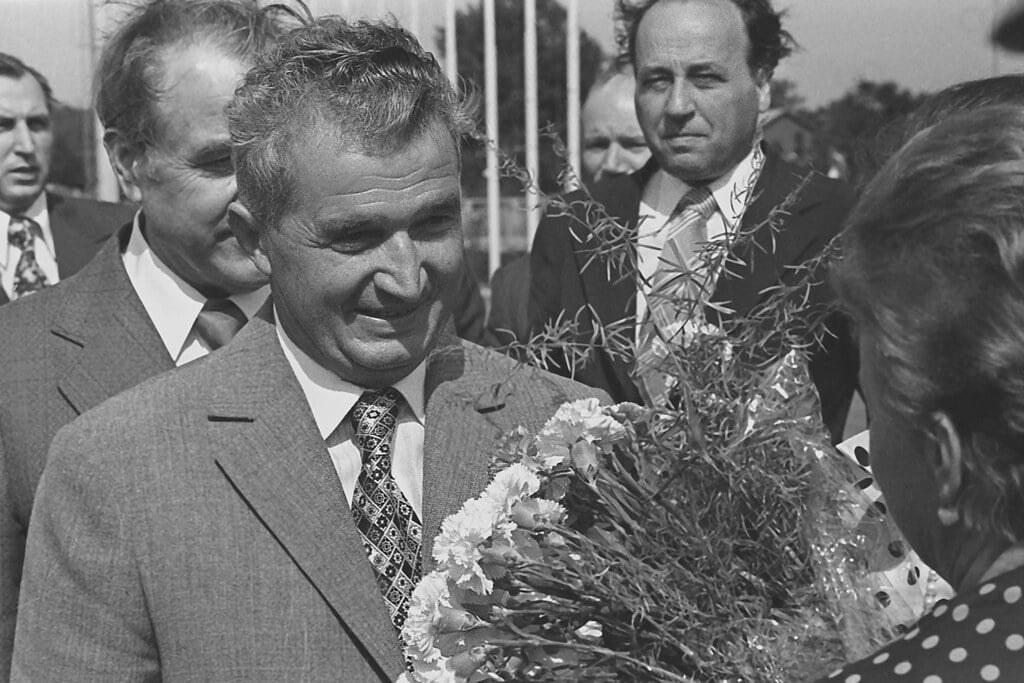
Ceaușescu’s greatest monument wasn’t a statue — it was the Palace of the Parliament in Bucharest, a building so extravagant and so vast (the second-largest administrative building in the world by floor space) that it required the demolition of an entire historic district and the labor of tens of thousands of workers to complete. The building was unfinished when Ceaușescu was executed in 1989.
Romania still uses it as its parliament building, because what else do you do with something that enormous.
Enver Hoxha
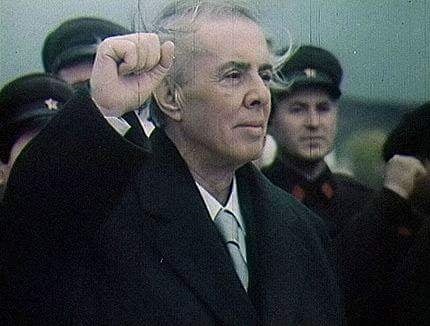
Albania under Hoxha was so rigidly isolated and so thoroughly plastered with his image that the country built roughly 700,000 concrete bunkers during his reign — one for every four citizens — and scattered them across the landscape in a kind of paranoid public art project. Most of the bunkers still dot the Albanian countryside today, repurposed as cafes, guesthouses, and art installations, which is a more cheerful afterlife than Hoxha deserved to leave behind.
Muammar Gaddafi
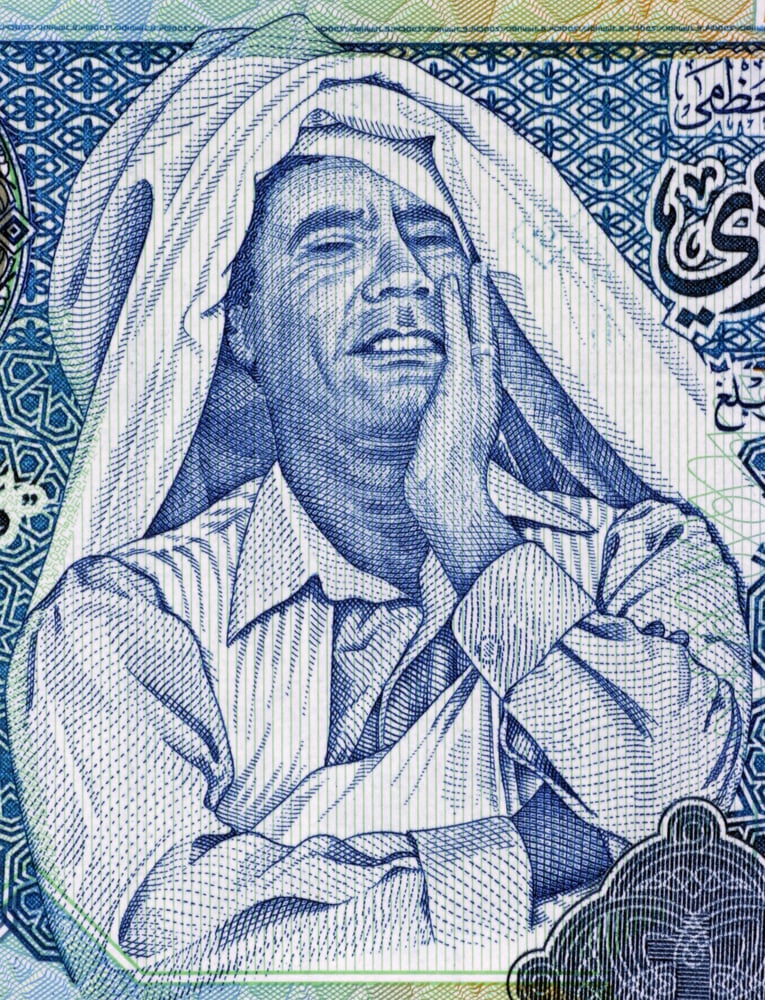
Gaddafi commissioned the Green Book Monument in Tripoli — a giant sculpture of an open hand holding a golden representation of his political manifesto, The Green Book — which still stands, battered and tagged with graffiti, in what is now a chaotic and contested city.
It’s the kind of object that’s too recognizable to ignore and too awkward to rehabilitate. So it just stands there.
Josip Broz Tito
— Photo by capa34
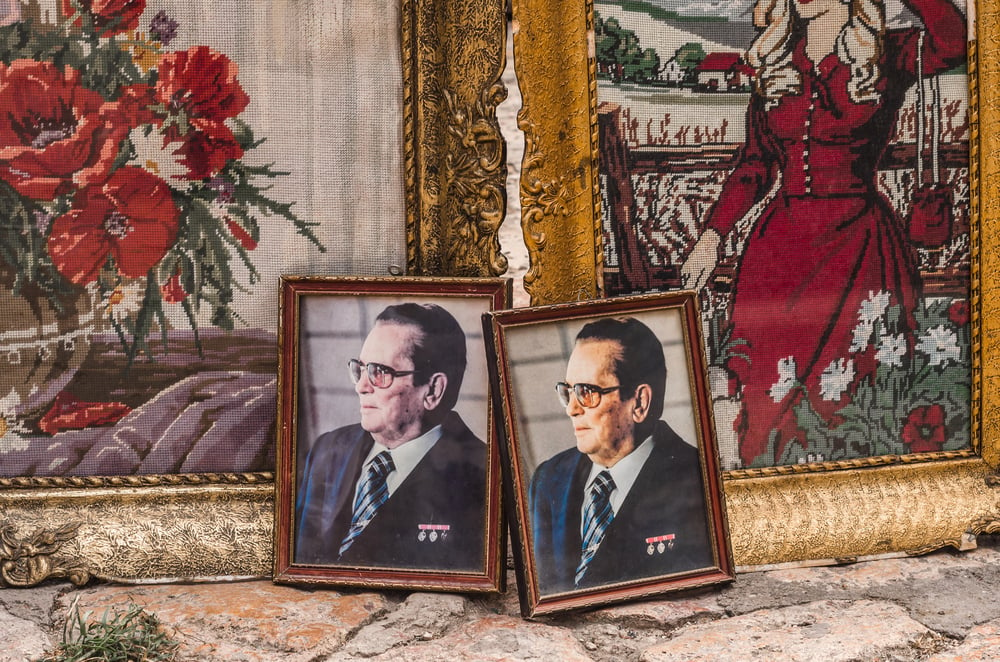
Tito was, by dictator standards, unusually good at self-mythology — and the monuments he commissioned across Yugoslavia were less personal vanity projects than exercises in national brand-building, though the line between the two was thin. His mausoleum in Belgrade, known as the House of Flowers, still draws visitors and is maintained as a museum.
To be fair, he was also genuinely popular in a way most dictators on this list were not, which is saying something.
François Duvalier
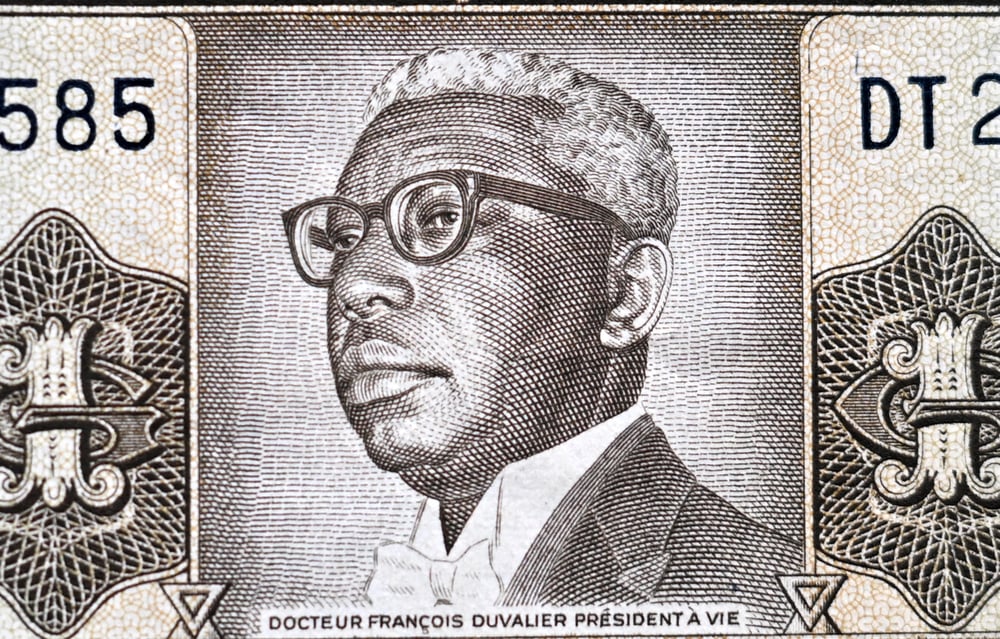
Papa Doc Duvalier’s regime in Haiti left behind a trail of propaganda imagery and monuments, but the most physically imposing remnant is the Bicentennial Monument in Port-au-Prince, associated with his era and still standing in its crumbling grandeur. Duvalier wrapped himself so thoroughly in Haitian national mythology — including deliberately mimicking the imagery of the spirit Baron Samedi — that disentangling him from the country’s iconography remains genuinely complicated.
Benito Mussolini
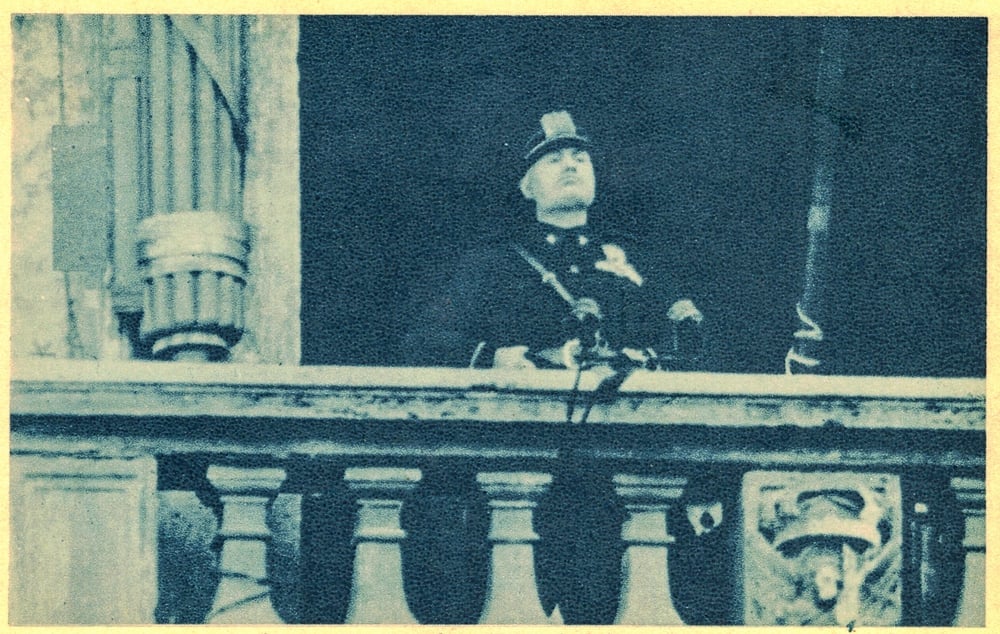
— Photo by RomanNerud
The Palazzo della Civiltà Italiana in Rome — also called the Square Colosseum — was commissioned under Mussolini for the 1942 World’s Fair, built in a stripped-down neoclassical style he believed represented the glory of Fascist Italy. The fair never happened because of the war, but the building did, and it still stands in the EUR district of Rome, now occupied by the fashion house Fendi.
It photographs beautifully, which feels like a kind of insult to everyone who opposed what it originally stood for.
Adolf Hitler
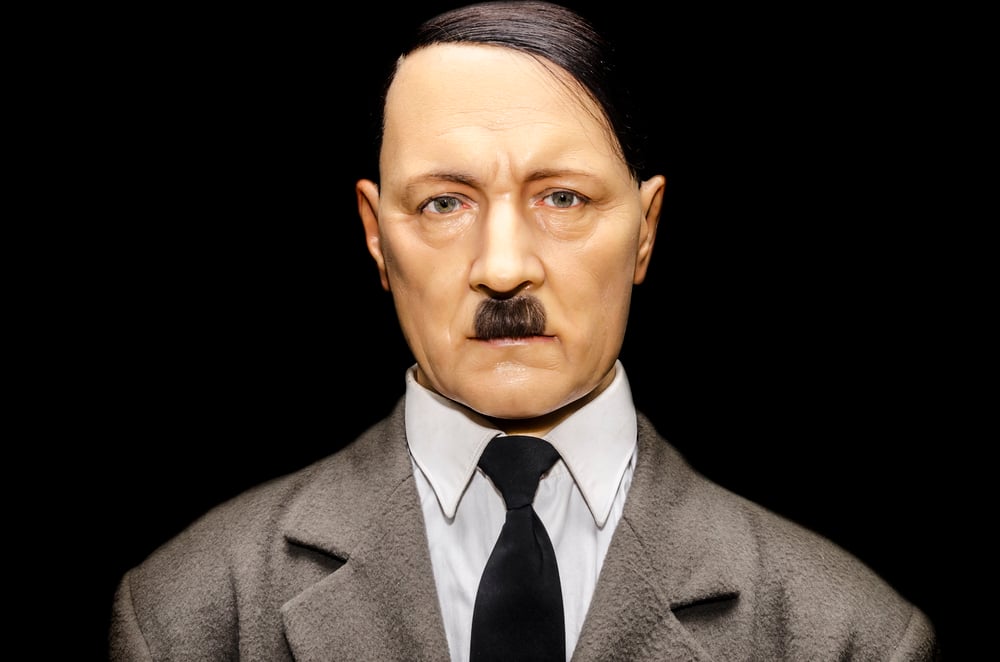
— Photo by believeinme
Albert Speer’s Reich Chancellery in Berlin was demolished after the war, but the Nazi-era Olympic Stadium — built for the 1936 Berlin Games and designed to project Aryan permanence and Teutonic grandeur across a thousand years — still stands and is still in active use as Hertha BSC’s football ground. It holds 74,000 people.
The structure is so physically imposing that it proved cheaper and more practical to renovate than to demolish.
Hastings Banda
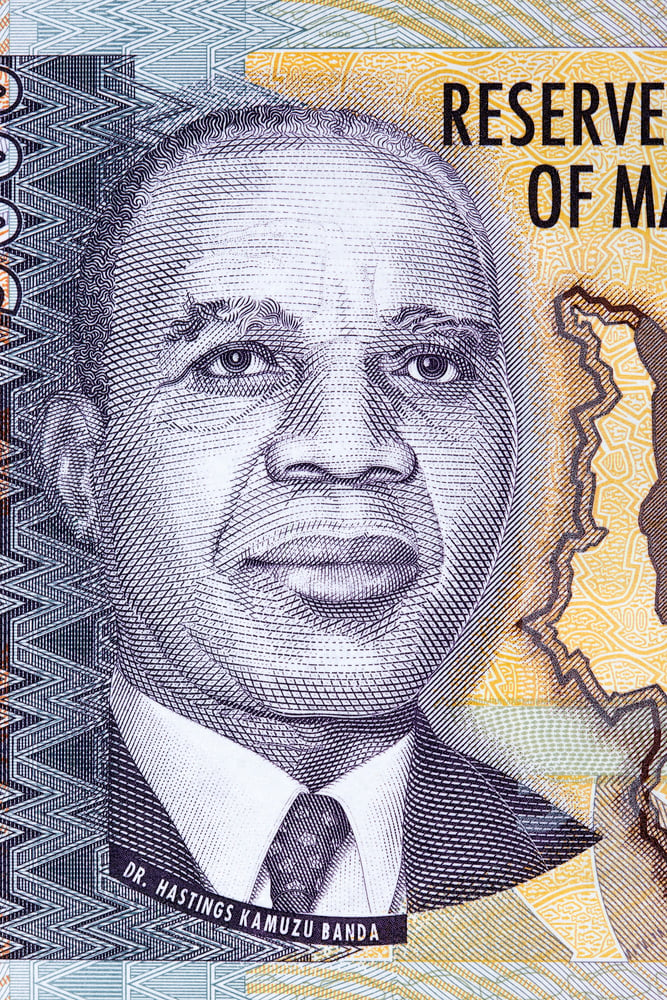
Banda ruled Malawi for three decades and commissioned a monument to himself that still stands in Lilongwe — a statue erected during his presidency, positioned at a prominent public location in the capital. His likeness in bronze remains in place, long after his rule ended, in a country that has largely moved past him without making the effort to formally erase him.
Rafael Trujillo
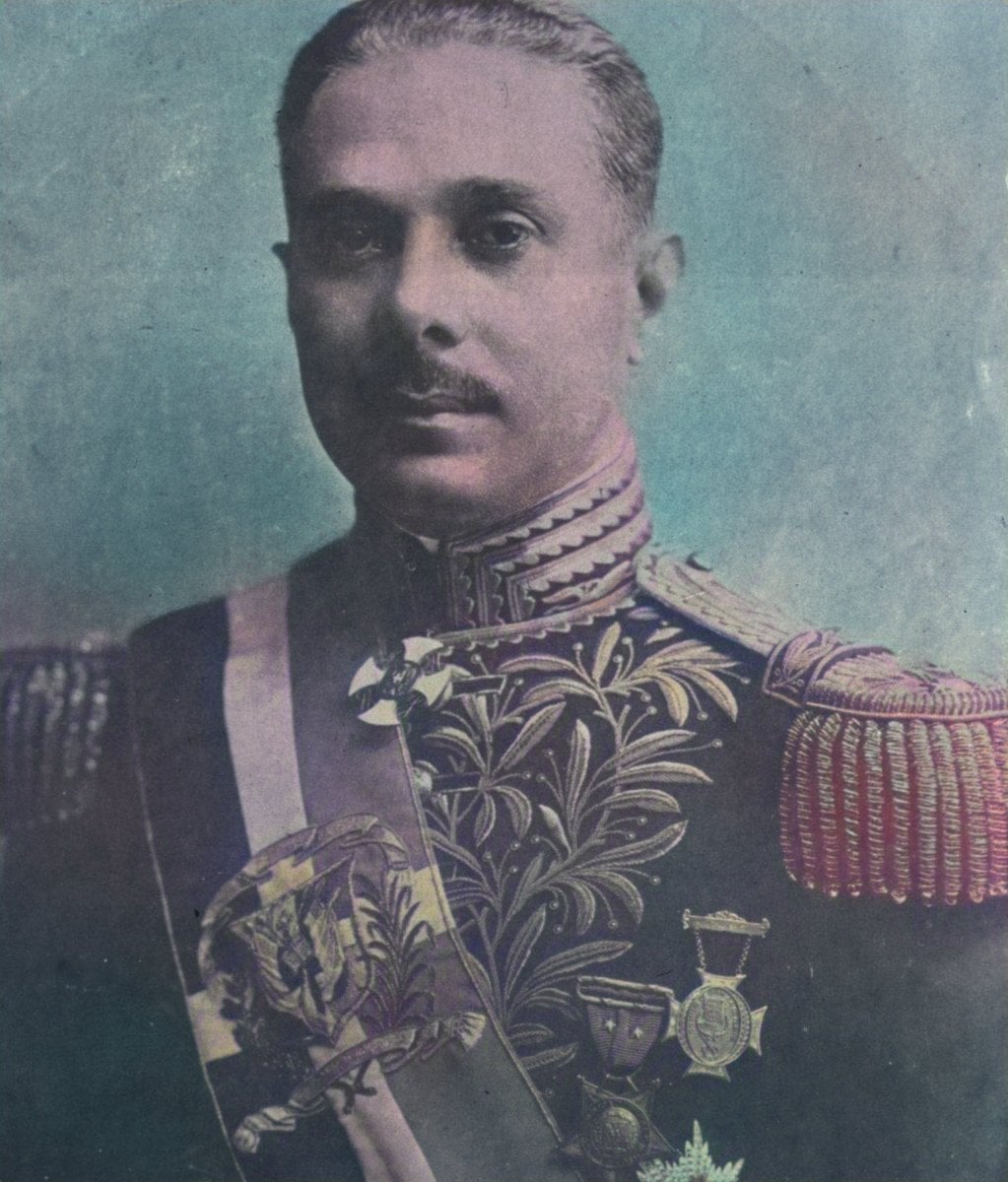
Trujillo renamed the capital of the Dominican Republic after himself — calling it Ciudad Trujillo for the duration of his 31-year reign — and built the Faro a Colón, or Columbus Lighthouse, as his pet mega-project, a gigantic cross-shaped mausoleum intended to hold the remains of Christopher Columbus and project a beam of light into the Caribbean sky. Construction took decades beyond his death, finishing in 1992, and the lighthouse still stands in Santo Domingo. It’s deeply strange and genuinely hard to look away from.
Suharto
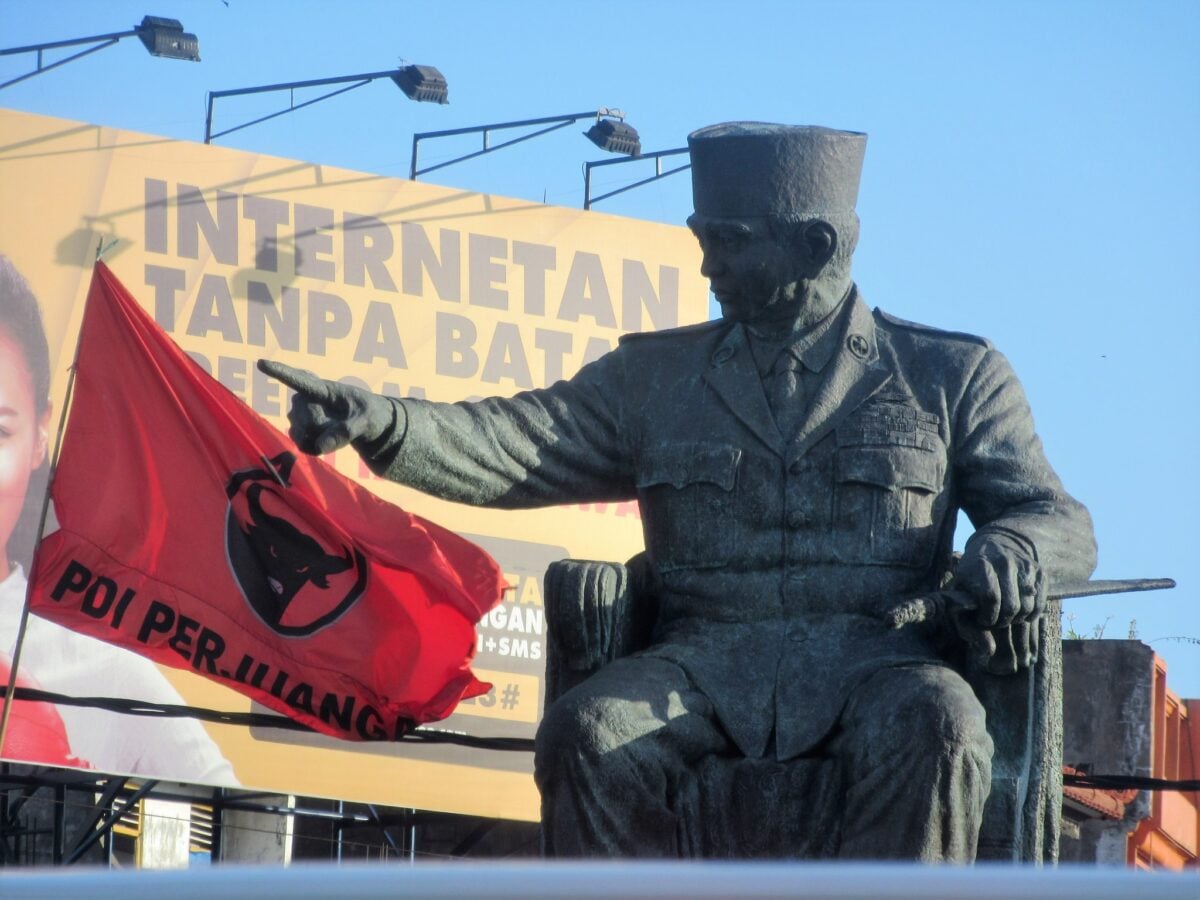
Suharto’s Indonesia built the National Monument — universally known as Monas — in Jakarta, a 433-foot obelisk topped with a flame sheathed in 77 pounds of gold, begun under Sukarno but completed and expanded under Suharto’s New Order regime as a symbol of national and regime permanence. The monument still defines the Jakarta skyline and draws thousands of visitors daily, most of whom interact with it as a national symbol rather than a relic of authoritarian rule.
The distinction has become genuinely blurry over time.
Hồ Chí Minh
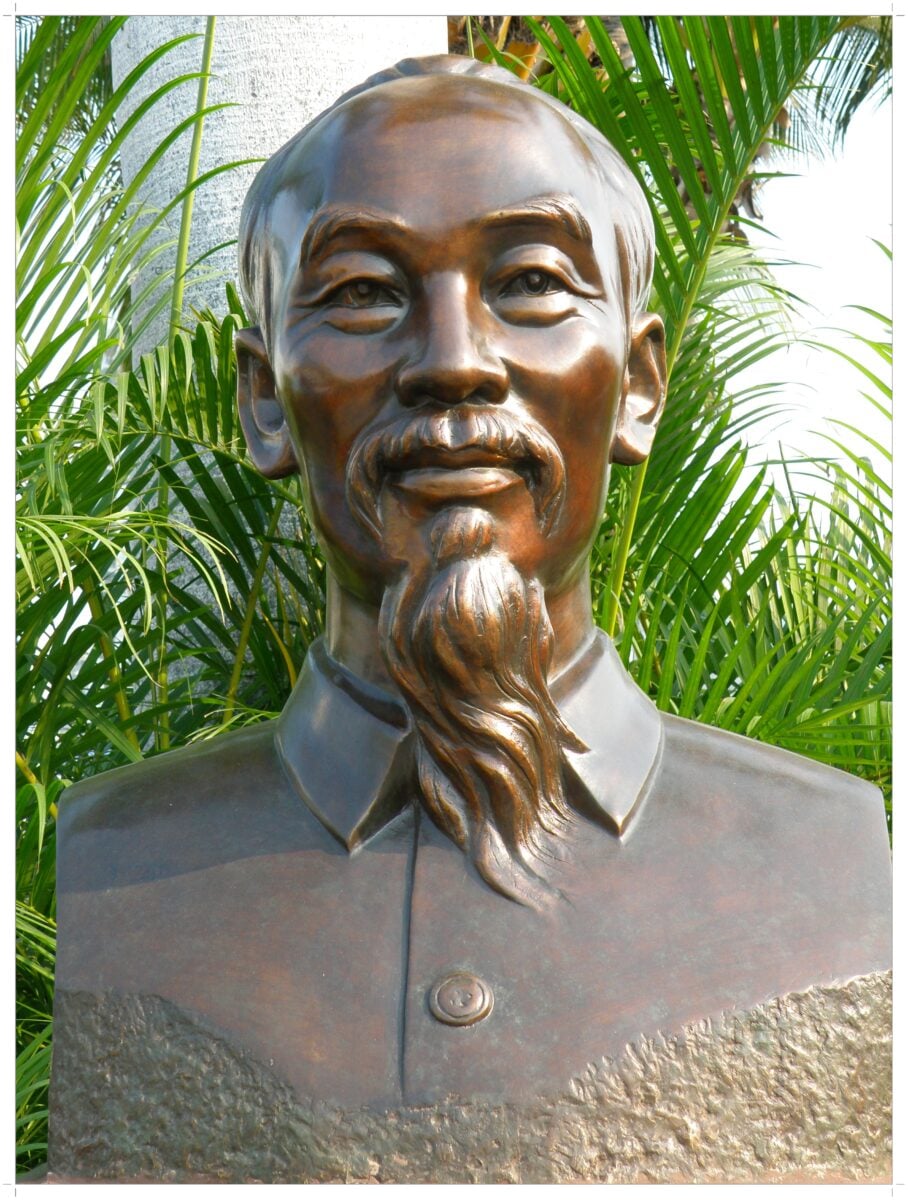
Ho Chi Minh’s embalmed body lies in a massive granite mausoleum in Hanoi’s Ba Dinh Square — modeled on Lenin’s tomb in Moscow — where long, quiet lines of Vietnamese citizens and tourists file past his preserved remains every day that it’s open. He famously requested cremation in his will.
The Vietnamese government ignored this and built one of the most visited sites in the country instead. So it goes.
Robert Mugabe
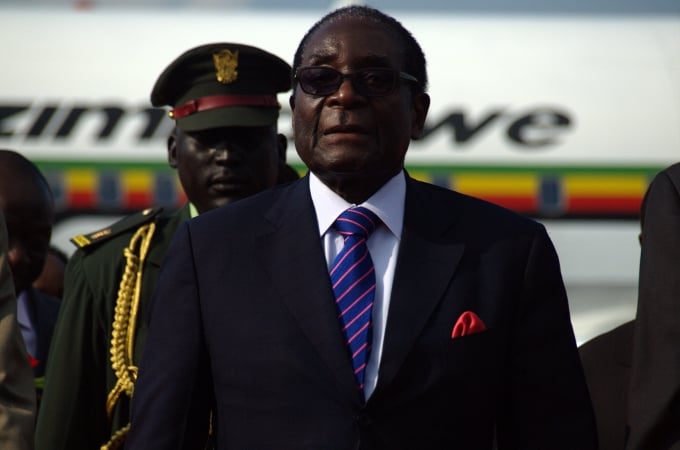
Zimbabwe’s Mugabe-era Heroes’ Acre in Harare — a hilltop monument complex featuring a large statue described as an “Unknown Soldier” but rendered in a likeness widely understood to reference Mugabe himself — still stands and is still used for official state burials. The complex was built with North Korean architects, which explains its distinctive brutalist aesthetic and the slightly eerie quality of the sculpture. It’s maintained, manicured, and guarded.
Lenin (Vladimir Ilyich Ulyanov)
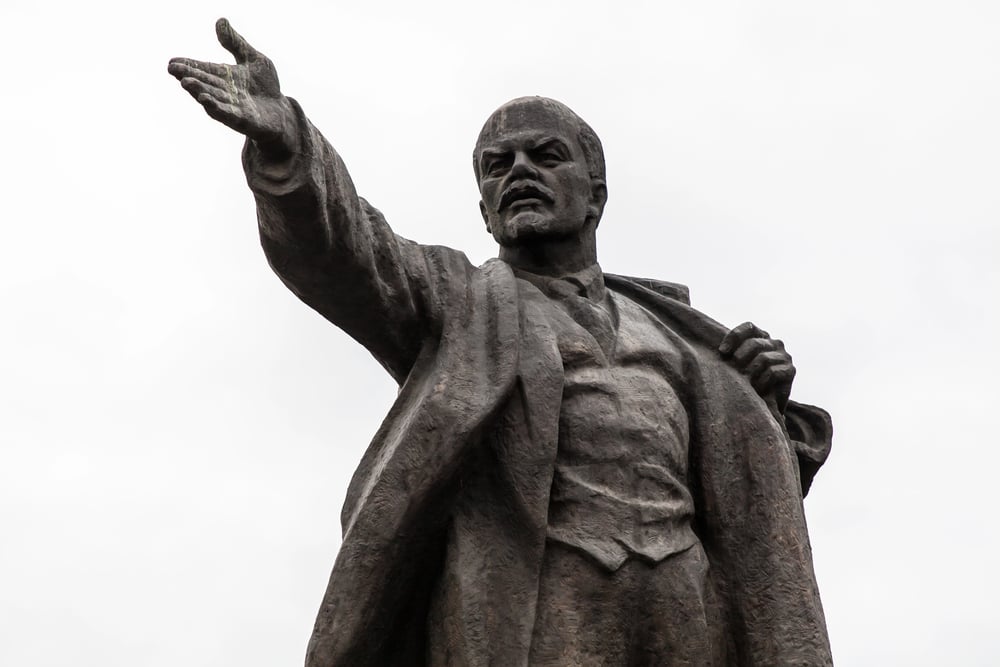
Lenin technically built monuments to the revolution rather than himself, but the Lenin statues commissioned during and after his lifetime — in numbers so vast they constitute their own category of public sculpture — are still standing across Russia, Central Asia, and parts of Eastern Europe in quantities that defy easy counting. Ukraine has removed most of its Lenin statues since 2014 under decommunization laws, but Russia’s relationship with its Lenin monuments is another matter entirely: the statues remain, the mausoleum remains, and the debate about what to do with all of it remains unresolved.
What Outlasts the Man
Stone is patient in a way that regimes are not. A statue can survive the death of the ideology that commissioned it, the collapse of the government that paid for it, and the outrage of the generation that came after — simply by being too heavy, too embedded, or too expensive to move.
What’s strange, looking at this list, isn’t that some of these monuments have been torn down. It’s how many haven’t. They get repurposed, recontextualized, quietly absorbed into daily life — until the monument that was built to declare eternal power becomes just another thing people walk past on the way to work.
That might actually be the most deflating fate. Not destruction, but irrelevance. Not toppled — just ignored.
More from Go2Tutors!

- The Romanov Crown Jewels and Their Tragic Fate
- 13 Historical Mysteries That Science Still Can’t Solve
- Famous Hoaxes That Fooled the World for Years
- 15 Child Stars with Tragic Adult Lives
- 16 Famous Jewelry Pieces in History
Like Go2Tutors’s content? Follow us on MSN.