The Real Reason Some National Anthems Were Banned in Their Own Countries
There’s something quietly extraordinary about a national anthem. Three minutes of music, sometimes less, expected to carry the entire emotional weight of a country’s identity — its wars, its grief, its pride, its arguments about what it even means to belong.
Most people learn them young and stop thinking about them. But a handful of anthems have had a stranger journey: formally banned, suppressed, or refused within the very borders they were meant to represent. Not by enemy states. By the governments of their own nations. The reasons range from political terror to postwar shame to the stubborn inconvenience of a melody that outlived the regime that made it famous.
“La Marseillaise” in France

France banned its own national anthem twice — once under Napoleon III, and again under the Vichy regime during World War II. Both bans had the same subtext: the song is a call to arms against tyranny, and tyrants, it turns out, find that uncomfortable.
The Vichy government particularly despised it because Free French forces had claimed it as their rallying cry, which made every note of it feel like an accusation.
“Advance Australia Fair” in Indigenous Communities

For decades, Aboriginal Australians refused to sing “Advance Australia Fair” — and in several formal settings, community leaders explicitly banned its performance at their events. The anthem’s original lyrics spoke of a land “for those who’ve come across the seas,” which carried a meaning that Indigenous Australians had little reason to celebrate.
The 2021 lyric change, swapping “young and free” for “one and free,” addressed part of the grievance, though opinions within Aboriginal communities remain divided.
The East German Anthem
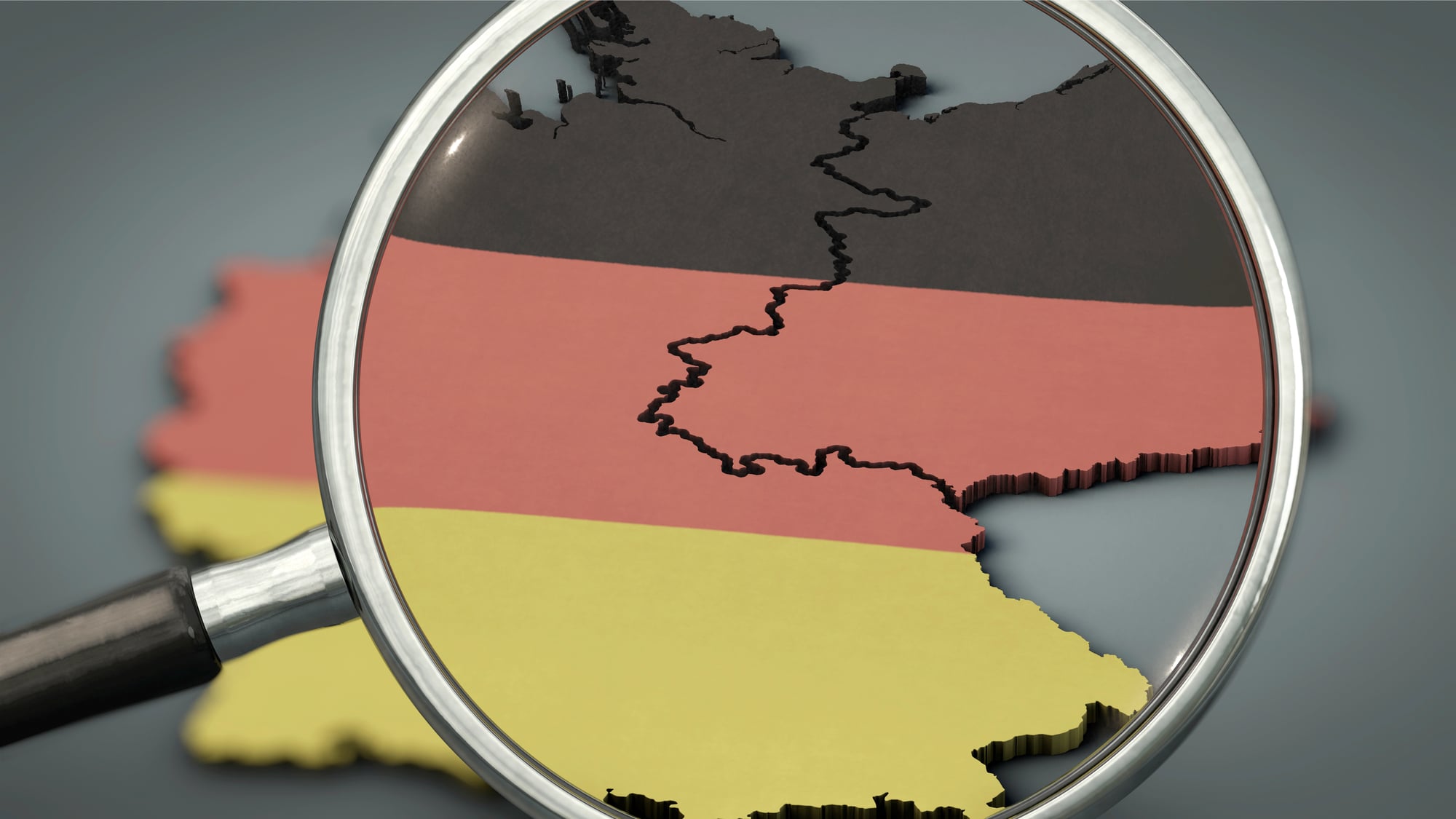
East Germany effectively banned the singing of its own national anthem — the words of it, anyway. “Auferstanden aus Ruinen” (Risen from Ruins) had been written in 1949, full of references to a unified Germany that the Communist government, by the 1970s, found politically inconvenient.
So the anthem was still played at official events, orchestras performed it, athletes stood for it at the Olympics — but no one was permitted to actually sing the lyrics aloud. A country whose national song had become officially wordless.
“God Save the King” in Ireland

Ireland didn’t compose a national anthem of its own immediately after independence, which left an awkward gap filled by the British anthem that had governed the country for centuries — an anthem many Irish citizens refused to stand for, let alone sing. After “Amhrán na bhFiann” (The Soldier’s Song) was adopted in 1926, the British anthem wasn’t just retired in Ireland; it was pointedly unwelcome, sometimes meeting organized silence or turned backs at sporting events.
To be fair, that particular rejection was less a formal ban than a cultural verdict, and those tend to stick longer.
The Habsburg Anthem in Austria
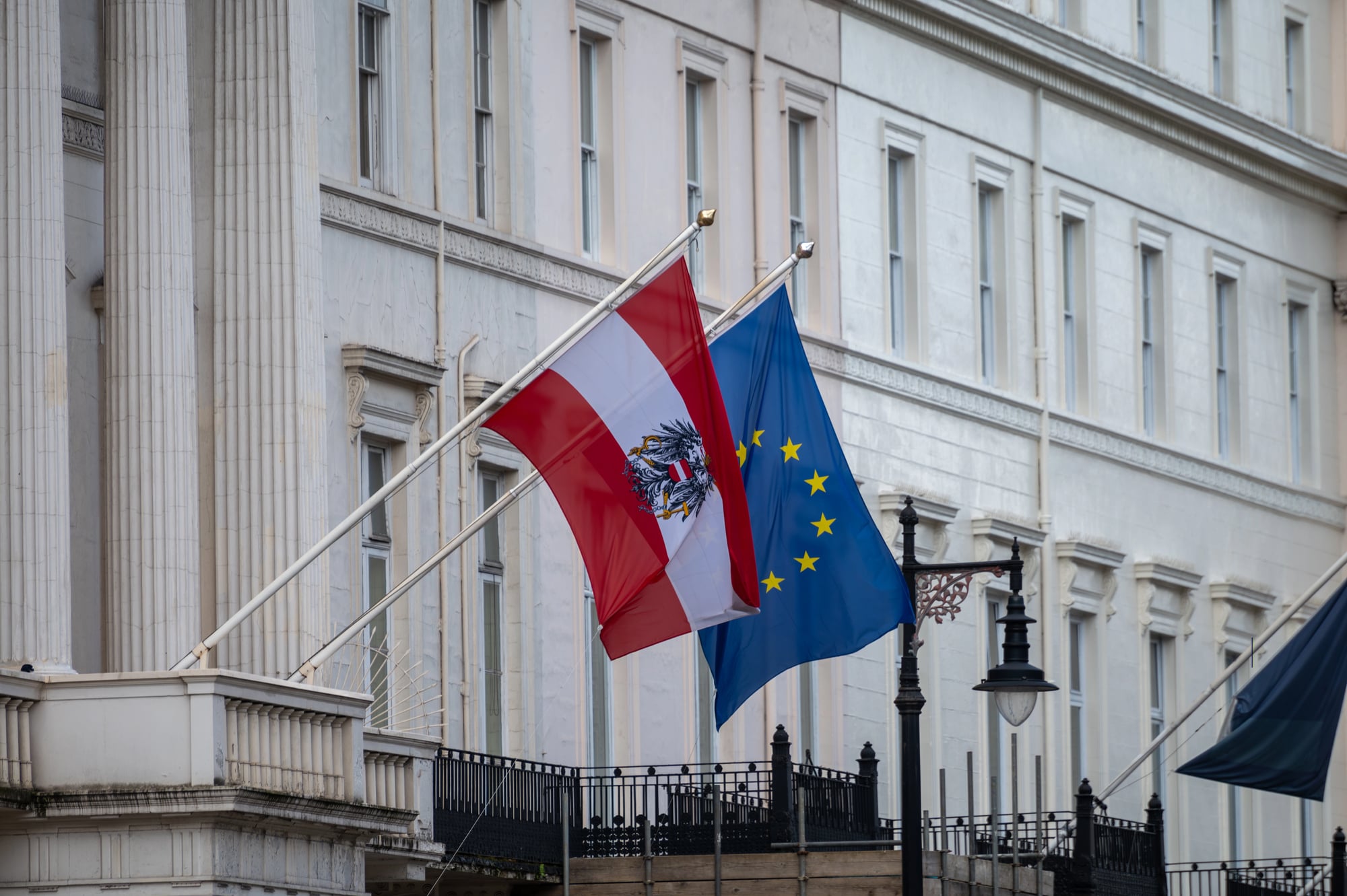
After World War I dissolved the Austro-Hungarian Empire, Austria found itself in the odd position of needing a new identity and a new song to go with it. The old imperial anthem — “Gott erhalte, Gott beschütze” — had been composed by Haydn and was genuinely beautiful, which made its political toxicity all the more inconvenient.
It was abandoned not because anyone passed a law against it exactly, but because singing a hymn to an emperor when the empire had just collapsed was the kind of thing that invited very awkward questions. Austria eventually adopted a new anthem, and Haydn’s melody crossed the border to become Germany’s national anthem instead — which created its own complications after 1945.
The German Anthem After World War II
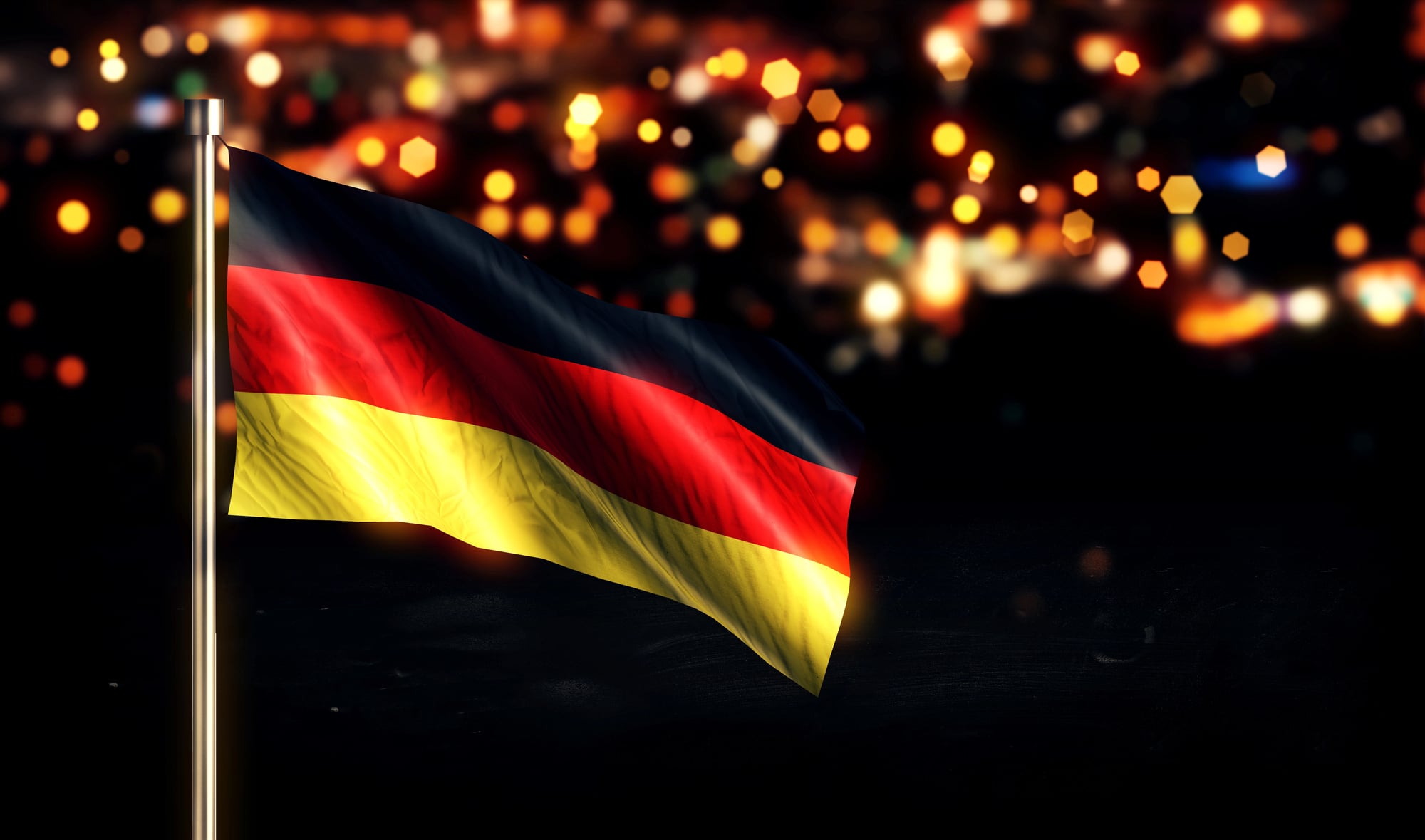
“Das Deutschlandlied” was written in 1841, but its first verse — “Deutschland, Deutschland über alles” — became so thoroughly associated with Nazi appropriation that West Germany banned the singing of that verse entirely after 1945. Only the third verse was permitted for official use.
The full anthem still existed on paper, and the melody still played, but the opening verse became a kind of unmarked grave: present in memory, absent from ceremony. Germany’s relationship with those words has never fully normalized, which is probably the right outcome.
“Nkosi Sikelel’ iAfrika” Under Apartheid

South Africa’s post-apartheid national anthem had a previous life as a banned song. “Nkosi Sikelel’ iAfrika” (God Bless Africa) was written in 1897 by Enoch Sontonga and became the anthem of the African National Congress — which meant that under apartheid, performing it was treated as an act of political sedition.
The apartheid government formally classified ANC materials as prohibited, and singing this particular hymn in public was a genuine legal risk. It survived those decades through church performances, private gatherings, and sheer stubbornness.
The Ukrainian Soviet Anthem and the Post-Soviet Replacement
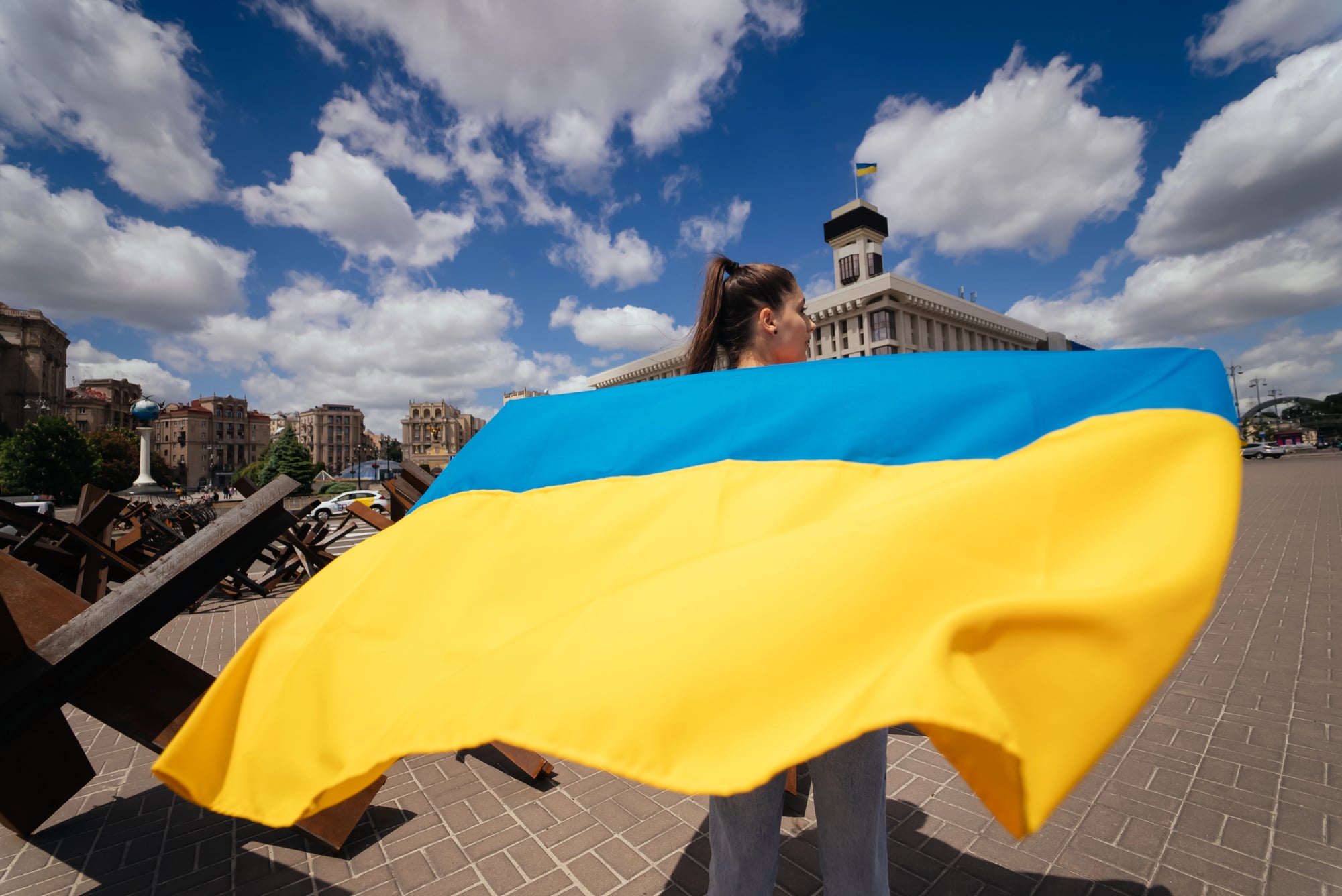
After the Soviet Union collapsed, Ukraine adopted “Shche ne vmerla Ukraina” (Ukraine Has Not Yet Perished) as its national anthem — a song that had been suppressed throughout the Soviet era because it expressed Ukrainian national identity with a directness the Soviet system found threatening. For decades, the song existed underground: passed between generations quietly, performed in diaspora communities abroad, memorized but never acknowledged officially.
The irony is that the lyrics, written in 1862, described Ukrainian resilience against extinction — and the Soviet ban spent seventy years proving the point.
“Jana Gana Mana” Under British Rule

India’s national anthem, composed by Rabindranath Tagore in 1911, was briefly controversial in a different direction — some Indian nationalists suspected it had been written to honor King George V during his visit to India that year. Tagore denied it.
But the British colonial government had its own complicated relationship with the song: it was neither banned outright nor officially embraced, just tolerated as a cultural artifact while Indian nationalist sentiment built around it. The song that became a symbol of independence existed for decades in a kind of official indifference that the British government maintained precisely because they weren’t sure what to do with it.
The Iraqi Anthem Under Saddam Hussein
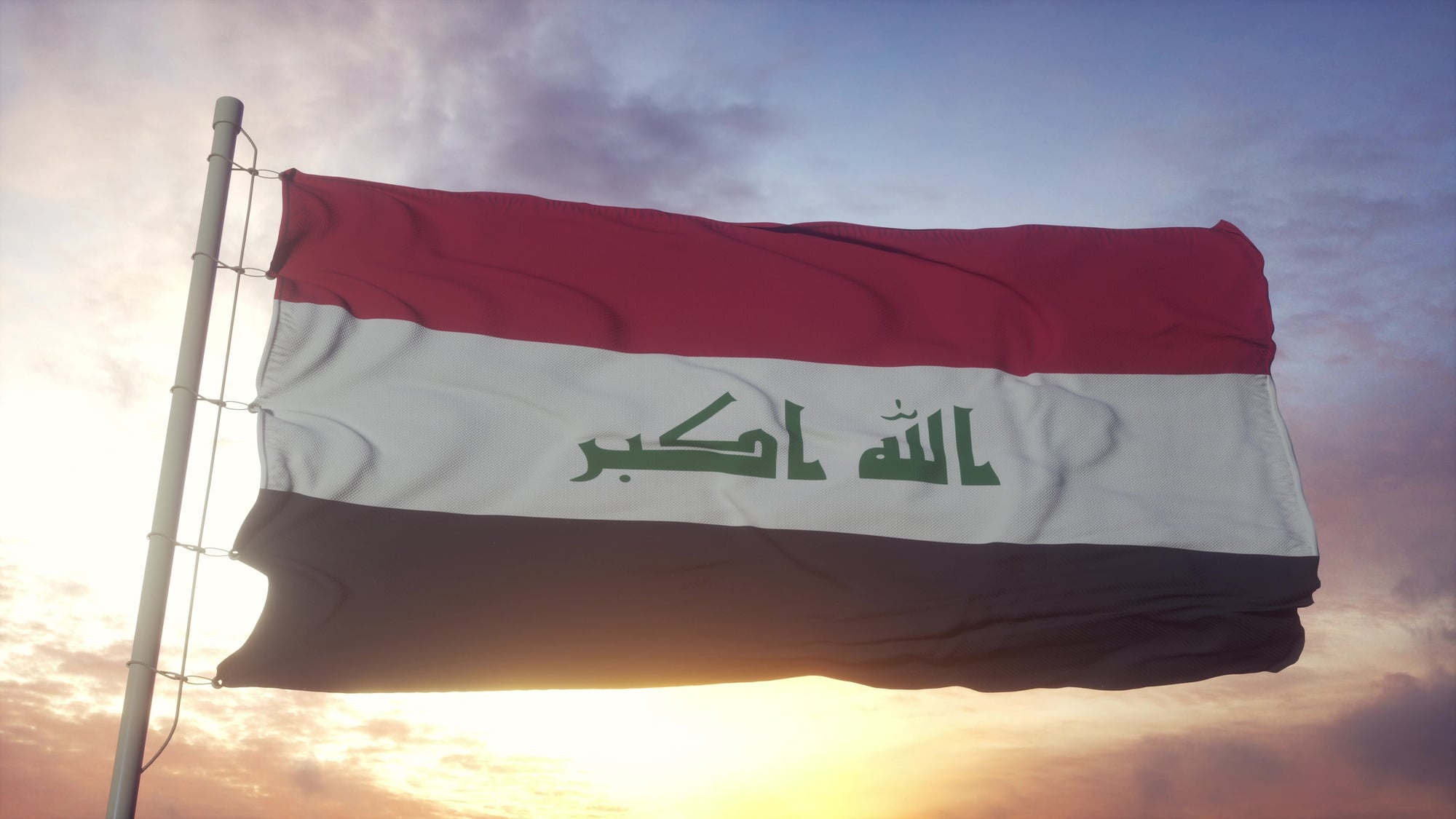
Iraq cycled through national anthems multiple times in the 20th century, with each new government suppressing the previous version as politically contaminated. Saddam Hussein’s Ba’athist government adopted “Mawtini” (My Homeland) briefly and then replaced it, while also ensuring that songs associated with earlier regimes were scrubbed from public life.
After the 2003 invasion and the collapse of his government, “Mawtini” was restored — a song that had been banned, reinstated, and banned again across multiple decades of Iraqi political upheaval. The song itself was written in 1934; the governments it outlived kept running out of reasons to last.
The Francoist Suppression of Catalan and Basque Anthems
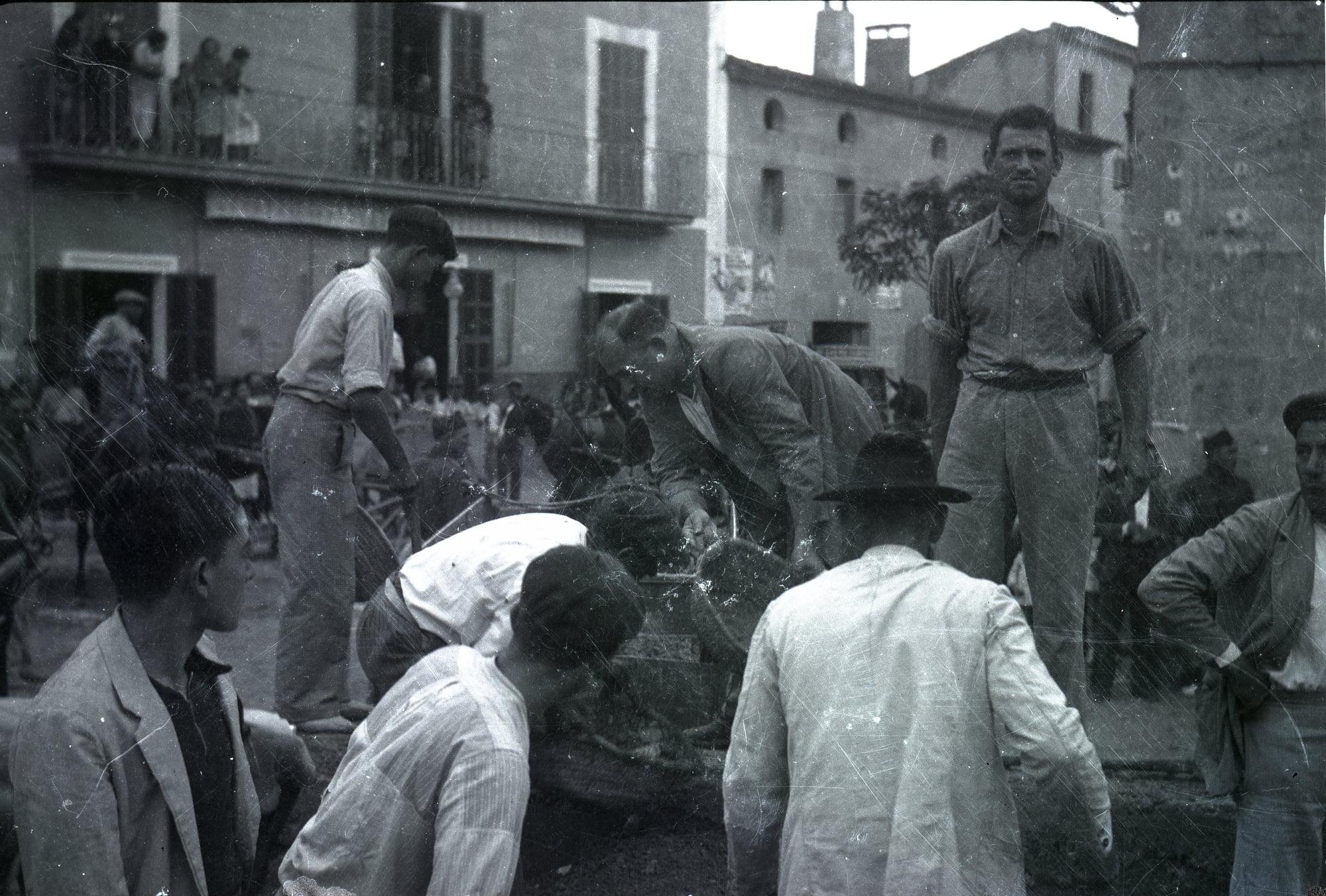
Francisco Franco’s dictatorship in Spain did not merely suppress political opposition — it suppressed language itself, and the regional anthems that carried those languages. “Els Segadors” (The Reapers), the Catalan anthem, and “Eusko Abendaren Eskubidea,” associated with Basque identity, were both banned under Franco as expressions of regional nationalism that his government considered incompatible with Spanish unity.
Performing them was illegal. So people performed them anyway, in private, in church basements, at family gatherings — the kind of stubborn cultural maintenance that dictatorships consistently underestimate.
The Soviet Anthem After Stalin’s Death
The Soviet Union’s national anthem, composed in 1944, ran into an unexpected problem when Stalin died in 1953: its lyrics were full of direct praise for Stalin by name. Nikita Khrushchev’s de-Stalinization campaign made those lyrics politically radioactive almost overnight, and the Soviet government’s solution was quietly extraordinary — they kept the melody but made the anthem officially wordless for over a decade, performed instrumentally at all state functions until new, Stalin-free lyrics were written and approved in 1977.
A superpower, standing for its anthem, not singing.
“Edelweiss” and the Austrian Misidentification
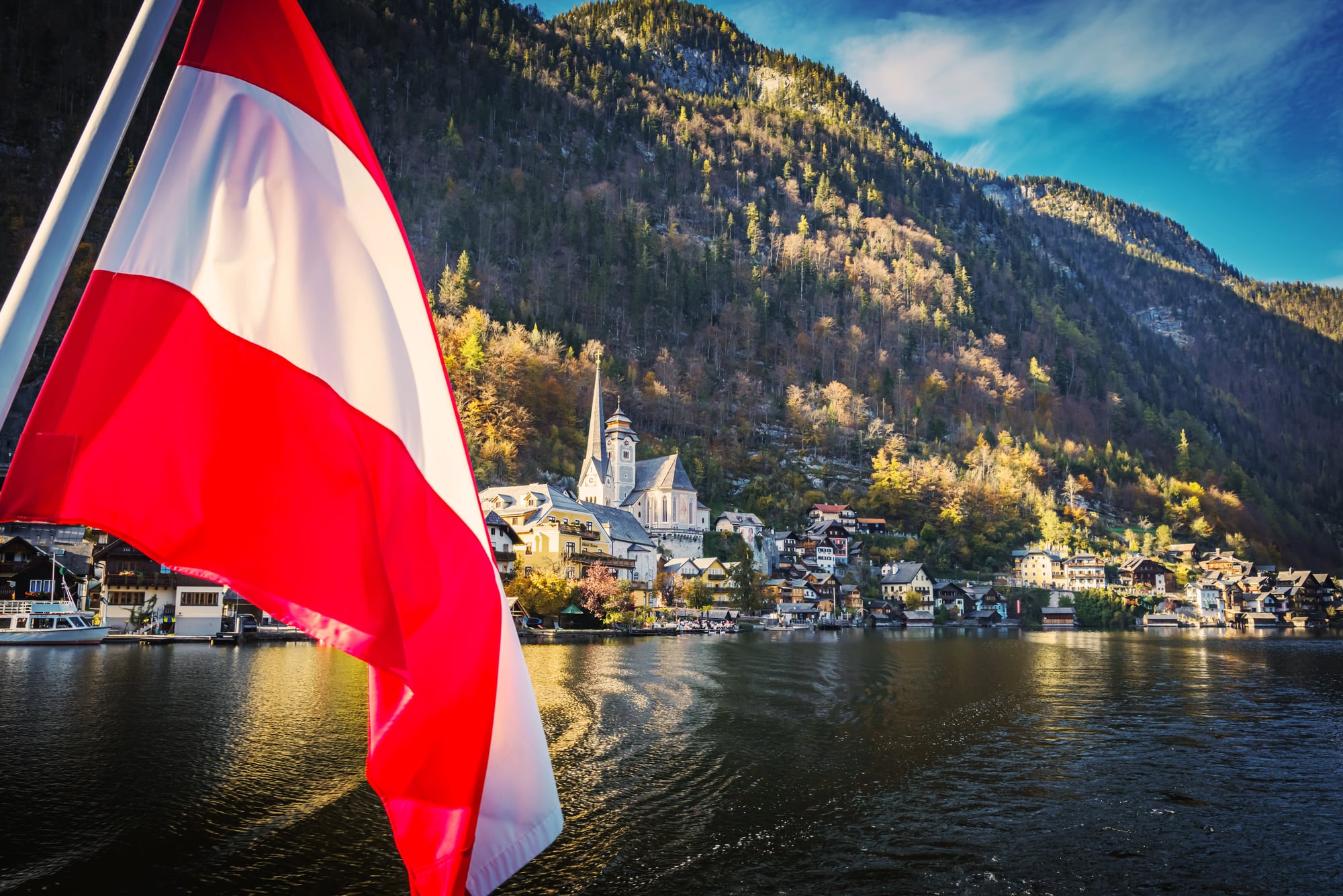
This one is worth correcting rather than celebrating: “Edelweiss” from The Sound of Music is not and never was Austria’s national anthem, but it has been mistaken for one so persistently that the confusion itself became a cultural artifact. The song was written by Rodgers and Hammerstein for a 1959 Broadway show.
Austria’s actual anthem is “Land der Berge, Land am Strome.” No ban was ever involved — just a remarkably durable misconception, and the minor irony that a song Americans associate with Austrian patriotism was written in New York.
“Flaggenlied” and the Two Germanys
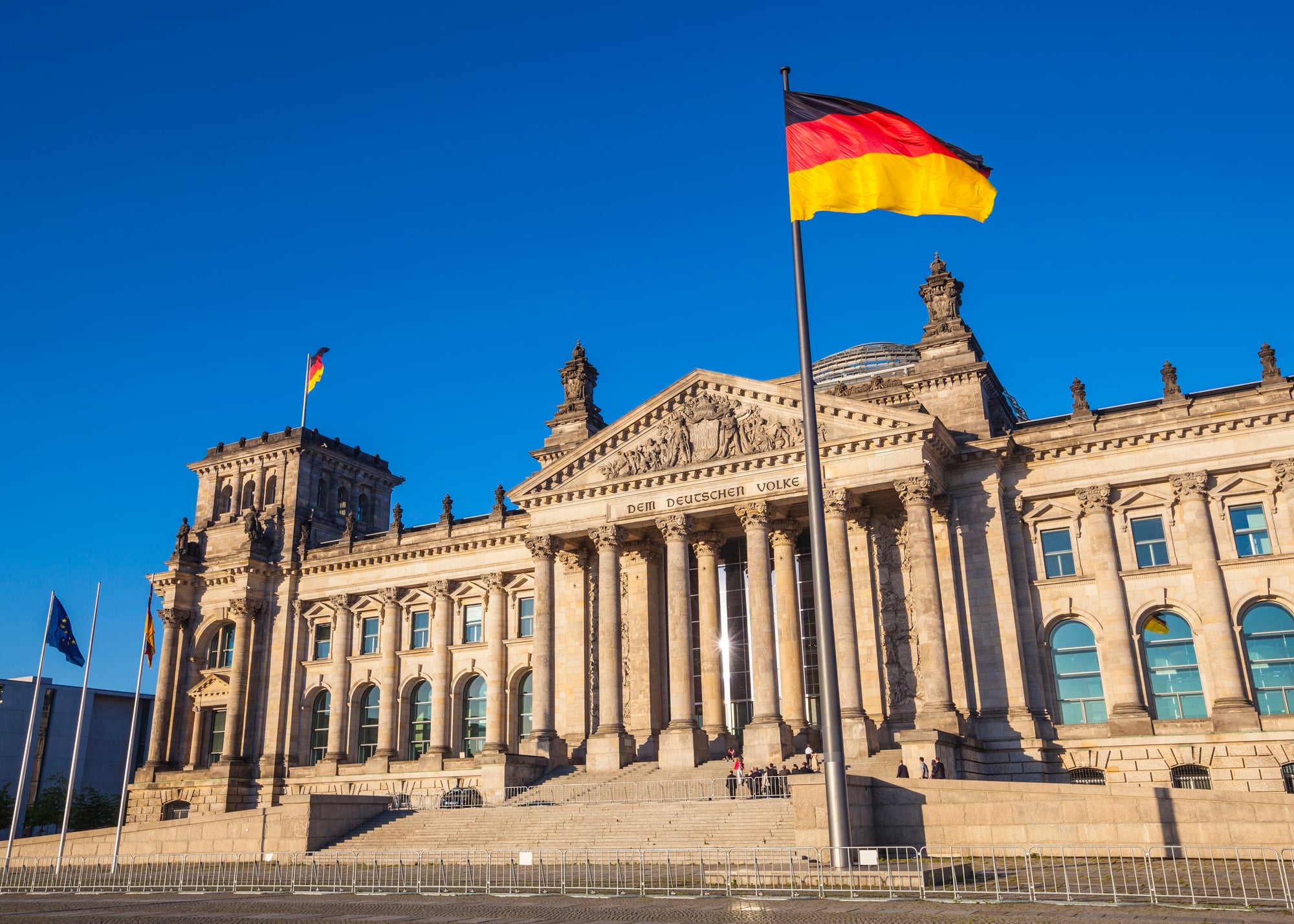
When Germany was divided after World War II, both West Germany and East Germany initially claimed “Das Deutschlandlied” as their national anthem — which created a musical standoff that lasted years. East Germany eventually abandoned it for “Auferstanden aus Ruinen,” while West Germany retained the melody with its restricted third verse.
At international sporting events, particularly the Olympics, the competing German teams occasionally fielded athletes who’d grown up with entirely different songs representing entirely different ideas of what Germany was. Reunification in 1990 didn’t end the argument so much as it made it slightly less acute.
The Rhodesian Anthem and Zimbabwe’s Inheritance
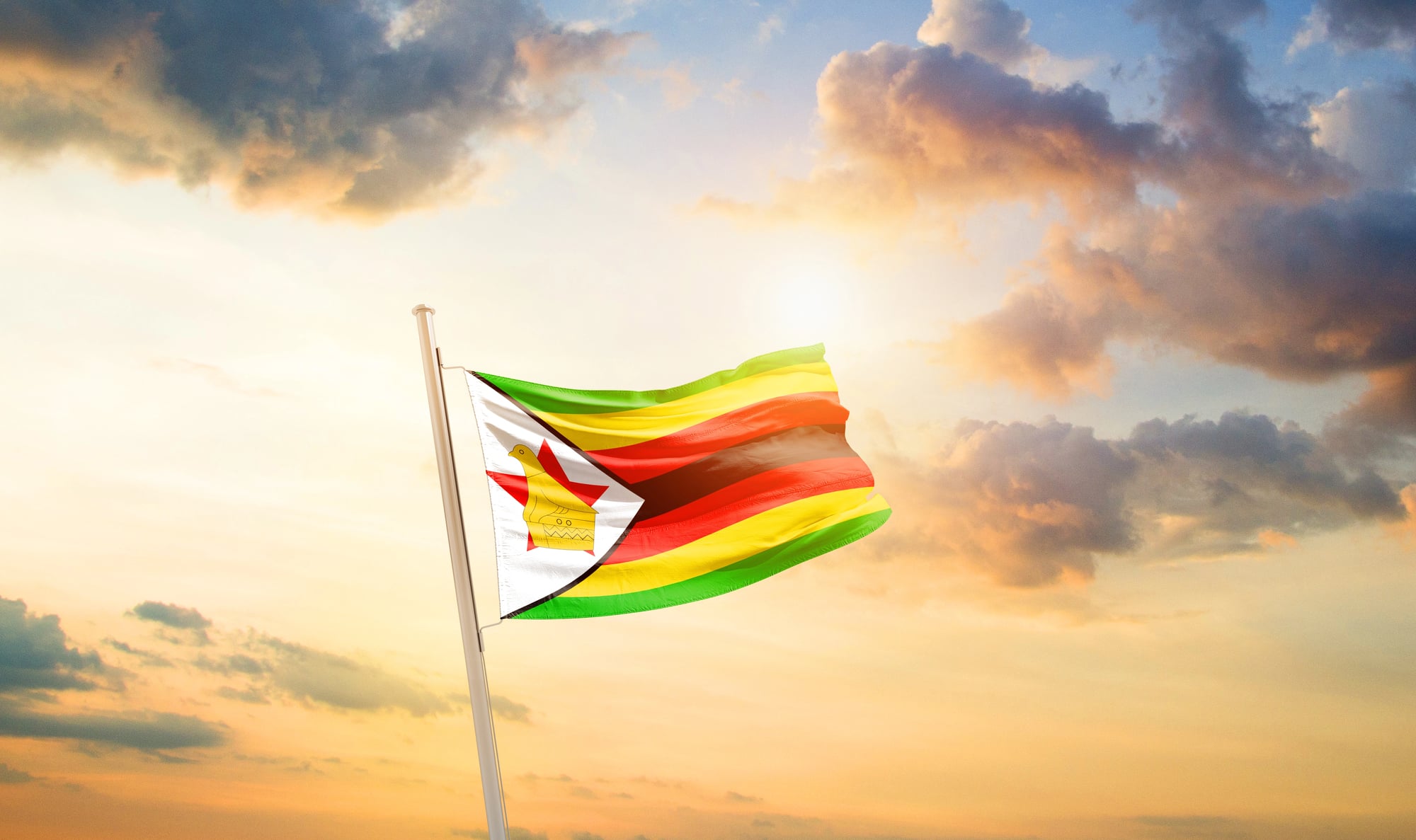
When Zimbabwe replaced Rhodesia in 1980, the new government inherited a country whose official music was entangled with white minority rule and colonial identity. The Rhodesian national anthem, “Rise O Voices of Rhodesia,” was formally discarded — not just retired but treated as evidence of a political order being deliberately dismantled.
Zimbabwe adopted “Ishe Komborera Africa,” drawn from the same tradition as South Africa’s “Nkosi Sikelel’ iAfrika.” The old anthem wasn’t just banned; it was erased with a thoroughness that communicated something the new constitution alone couldn’t quite express.
“Hatikva” Before Israeli Statehood
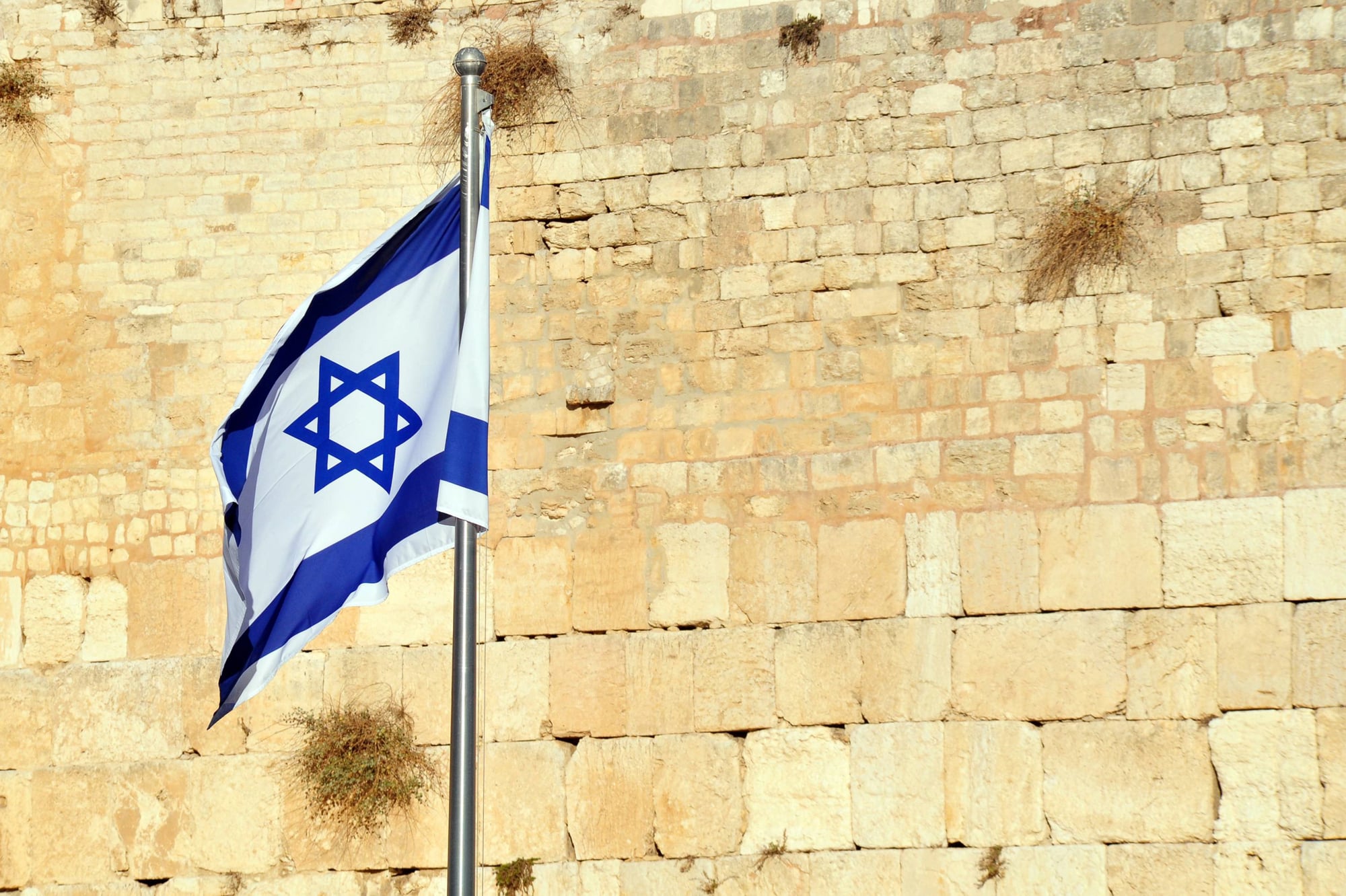
Before Israel declared independence in 1948, “Hatikva” (The Hope) served as the anthem of the Zionist movement — which meant that under British Mandatory Palestine, the song occupied a contested, often suppressed space. British authorities periodically restricted its performance at public gatherings because it was understood as a nationalist statement, and nationalist statements were inconvenient for an administration trying to manage competing claims to the same territory.
The song had been written in 1878. It waited seventy years to become an official anthem, and spent much of that time being performed precisely because someone official would have preferred it wasn’t.
When a Song Becomes Larger Than a Government

What runs through all of these stories is the same quiet pattern: the governments that tried to suppress these songs consistently misjudged how music works. You can ban the public performance of a melody, but you cannot ban the melody itself — it relocates into kitchens, into churches, into the memory of anyone who learned it as a child.
The anthems that were formally silenced often emerged from those silencing periods with more power than they’d had before, carrying the added weight of everything that had been done to stop them. A government banning its own anthem is, in a way, writing that anthem’s most important verse — the one about why the song needed to survive.
More from Go2Tutors!

- The Romanov Crown Jewels and Their Tragic Fate
- 13 Historical Mysteries That Science Still Can’t Solve
- Famous Hoaxes That Fooled the World for Years
- 15 Child Stars with Tragic Adult Lives
- 16 Famous Jewelry Pieces in History
Like Go2Tutors’s content? Follow us on MSN.