15 blast from the past comic strips
Comic strips once ruled the newspaper world like nothing else could. Families would fight over who got to read the funny pages first, and kids would beg their parents to save the Sunday comics in color. These little panels brought joy, laughter, and sometimes deep thoughts right to kitchen tables across America and beyond.
Those days feel like ancient history now, but the characters and stories from these classic strips still hold a special place in many hearts.
Peanuts
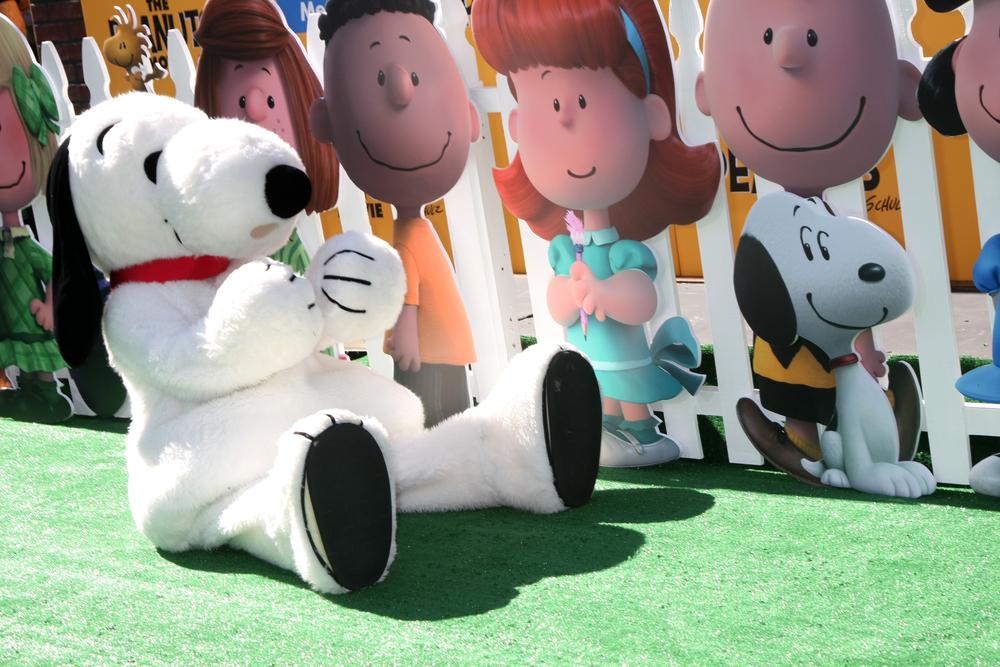
Charles Schulz created something truly special with Charlie Brown and his gang. The comic ran for almost 50 years and never got old or stale.
Snoopy became one of the most recognizable cartoon characters in the world, while Charlie Brown’s constant struggles with life made readers feel less alone in their own problems. The strip dealt with real emotions like depression, unrequited love, and failure in ways that both kids and adults could understand.
Calvin and Hobbes

Bill Watterson’s masterpiece about a boy and his stuffed tiger changed how people thought about comic strips. Calvin’s wild imagination turned everyday life into grand adventures, while his conversations with Hobbes explored deep questions about friendship, growing up, and what makes life meaningful.
Watterson refused to license the characters for toys or movies, keeping the strip pure and artistic. The comic only ran for ten years, but those years produced some of the most beautiful and thoughtful strips ever created.
Garfield

Jim Davis knew exactly what he was doing when he created a lazy, lasagna-loving cat. Garfield became a worldwide phenomenon that spawned TV shows, movies, and countless merchandise deals. The strips followed a simple formula of Garfield being sarcastic, Jon being hopeless with women, and Odie being cheerfully dumb.
People connected with Garfield’s attitude about Mondays, diets, and the general annoyances of daily life. Love it or hate it, Garfield proved that simple humor could reach millions of people.
The Far Side

Gary Larson’s single-panel comics were unlike anything else on the funny pages. His bizarre sense of humor featured talking animals, cavemen, and scientists in ridiculous situations that made readers do double-takes.
Larson had a gift for finding comedy in the strangest places, from cow thoughts to dinosaur behavior. The Far Side required readers to really look and think, rewarding them with laughs that felt earned rather than handed to them.
Doonesbury

Garry Trudeau turned the comic strip into a political battleground with Doonesbury. Newspapers sometimes moved the strip to editorial pages because it tackled controversial topics like war, politics, and social issues head-on.
Some papers refused to run certain strips entirely when they got too heated. Trudeau won a Pulitzer Prize for his work, proving that comic strips could be serious art and social commentary. The characters aged in real time over decades, dealing with marriages, careers, and changing political landscapes.
Beetle Bailey

Mort Walker’s army comedy started during World War II and kept going for over 70 years. Beetle’s lazy attitude toward military service struck a chord with readers who understood workplace frustration.
The strip poked fun at authority figures, military bureaucracy, and the absurdity of army life without being mean-spirited about it. General Halftrack, Sergeant Snorkel, and the rest of Camp Swampy became familiar faces to generations of newspaper readers.
Blondie

Chic Young created Blondie in 1930, and the strip outlived him by decades thanks to his son Dean Young taking over. The comic focused on suburban married life with Blondie and Dagwood Bumstead dealing with everyday problems that regular families faced.
Dagwood’s massive sandwiches became legendary, while Blondie’s business ventures reflected changing roles for women over the years. The strip adapted to different eras while keeping its core focus on family relationships and domestic humor.
Dennis the Menace

Hank Ketcham’s mischievous little boy captured the chaos that one energetic kid could bring to a quiet neighborhood. Dennis meant well but somehow managed to cause trouble everywhere he went, especially for his long-suffering neighbor Mr. Wilson.
The strip celebrated childhood innocence while acknowledging how exhausting kids could be for the adults around them. Dennis represented every parent’s worst fears about their own children’s potential for destruction.
Family Circus

Bil Keane’s wholesome family comedy followed the daily adventures of Billy, Dolly, Jeffy, and PJ in their suburban home. The circular panels often showed the wandering paths kids took to complete simple tasks, capturing the scattered nature of children’s attention spans.
Parents saw their own families reflected in the chaos and sweetness of the Keane household. The strip avoided edgy humor in favor of gentle observations about family life that made readers smile rather than laugh out loud.
Hagar the Horrible

Dik Browne’s Viking warrior dealt with the same problems as any modern suburban dad, just with more axes and pillaging involved. Hagar struggled with his wife Helga’s demands, his daughter Honi’s dating life, and his son Hamlet’s intellectual pursuits.
The strip found humor in the contrast between Hagar’s fierce reputation and his domestic reality. Browne created a character who was tough on the outside but completely controlled by his family at home.
Hi and Lois

This suburban family strip by Mort Walker and Dik Browne focused on the daily life of middle-class America. Hi Flagston worked in an office while Lois managed their four children and household responsibilities.
The comic dealt with typical family situations like parent-teacher conferences, teenage dating, and sibling rivalry. The strip reflected the social changes of different decades while maintaining its focus on universal family experiences that readers could relate to regardless of the era.
B.C.

Johnny Hart’s prehistoric comedy put cavemen in modern situations for laughs that worked on multiple levels. The characters used stone-age technology to deal with problems that felt completely contemporary.
Hart wasn’t afraid to include religious themes and social commentary alongside the physical comedy and wordplay. The strip’s simple art style let the jokes take center stage, while the prehistoric setting gave Hart freedom to comment on modern life from an outside perspective.
Wizard of Id

Another Johnny Hart creation, this medieval comedy featured a tiny king ruling over a kingdom full of incompetent subjects. The Wizard practiced magic with mixed results, while the Spook languished in the dungeon and Sir Rodney tried to maintain order.
Hart used the medieval setting to poke fun at politics, social issues, and human nature in general. The strip’s humor came from the contrast between royal pretensions and the reality of petty, small-town concerns.
Shoe
Jeff MacNelly’s bird-filled newsroom comedy drew from his experience as a political cartoonist. The main characters worked for a small-town newspaper while dealing with the changing media landscape and social issues.
Professor Cosmo Fishhawk served as the wise elder figure, while Shoe himself struggled with the business of running a newspaper. MacNelly’s detailed art style and sharp writing made the strip stand out from simpler comic formats.
For Better or For Worse

Lynn Johnston’s Canadian family strip followed the Pattersons through real-time aging and life changes over nearly 30 years. The characters dealt with serious issues like death, divorce, and growing up alongside lighter family comedy.
Johnston wasn’t afraid to tackle controversial topics or show her characters making mistakes and learning from them. The strip earned praise for its realistic portrayal of family dynamics and its willingness to evolve with changing times.
Comics shaped how we see the world

These strips did more than just fill newspaper space or make people chuckle over morning coffee. They became part of daily routines for millions of readers who followed these characters through decades of adventures.
Kids learned about life through Calvin’s imagination, adults found comfort in Charlie Brown’s struggles, and families bonded over shared jokes from their favorite strips. Today’s digital world moves faster and offers endless entertainment options, but those simple black and white panels somehow captured something special that modern media still struggles to match.
More from Go2Tutors!

- The Romanov Crown Jewels and Their Tragic Fate
- 13 Historical Mysteries That Science Still Can’t Solve
- Famous Hoaxes That Fooled the World for Years
- 15 Child Stars with Tragic Adult Lives
- 16 Famous Jewelry Pieces in History
Like Go2Tutors’s content? Follow us on MSN.