25 Flea Market Finds Dealers Hope You Don’t Realize Are Valuable
There’s a particular kind of confidence that settles over flea market dealers when they spot someone who doesn’t know what they’re looking at. A casual glance, a shrug, maybe a polite “$5 for that?” and suddenly a piece worth hundreds — sometimes thousands — walks out the gate for the price of a fast food lunch.
It happens every single weekend, at every flea market in the country, and the dealers are counting on it. Knowing what to look for doesn’t require a degree in antiques or years of auction experience. It just requires knowing which items have more going on beneath the surface than a dusty tabletop reveals.
Depression Glass
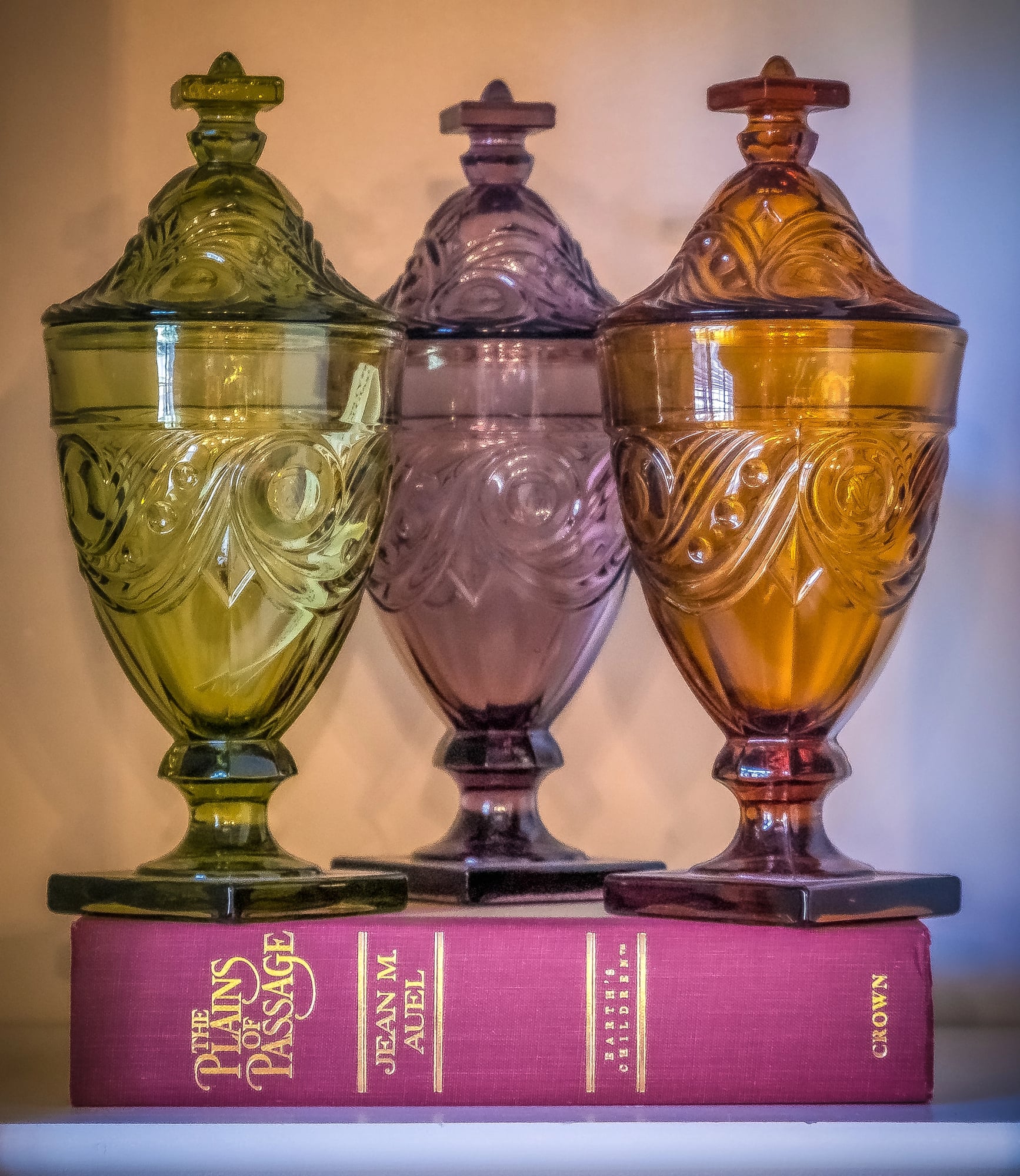
Depression glass is one of the most quietly profitable categories at any flea market, and most people walk right past it thinking it’s just old colored glassware. Produced during the 1920s through the 1940s by companies like Anchor Hocking and Jeannette Glass, certain patterns — especially in rare colors like tangerine or ultra-marine — fetch anywhere from $50 to several hundred dollars per piece.
A full set in a desirable pattern can run into the thousands.
Cast Iron Skillets
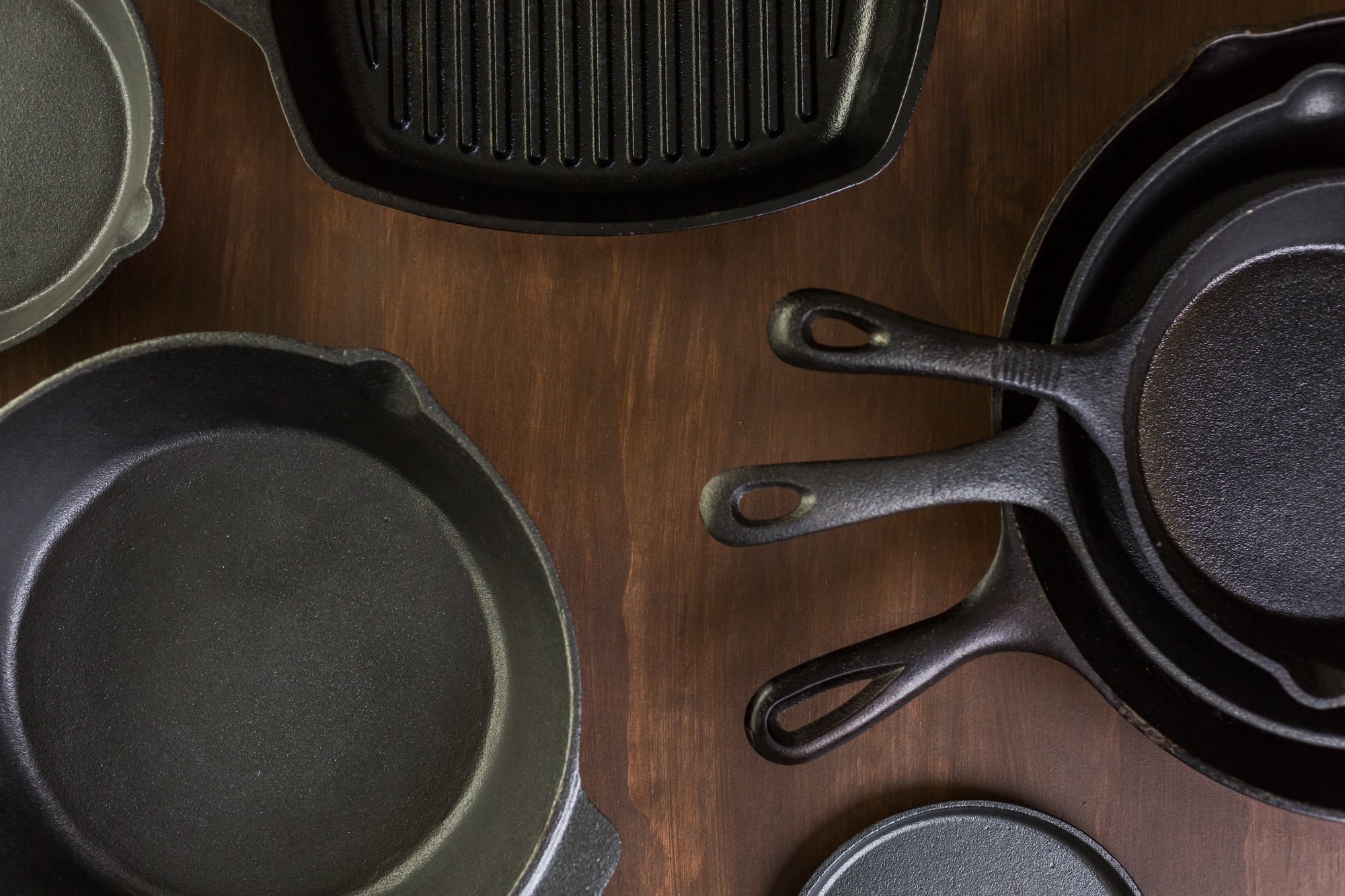
The best cast iron skillets ever made stopped being produced decades ago, and that’s not an opinion — that’s metallurgy. Griswold and Wagner skillets from the early 20th century, identifiable by their maker’s marks on the bottom, command $75 to $300 or more depending on size and condition, while a modern skillet of the same diameter sells for a fraction of that.
Dealers who know their cast iron will price these reasonably but not cheaply; the ones who don’t know will price them at $3 and smile when you hand over the cash.
Vintage Pyrex
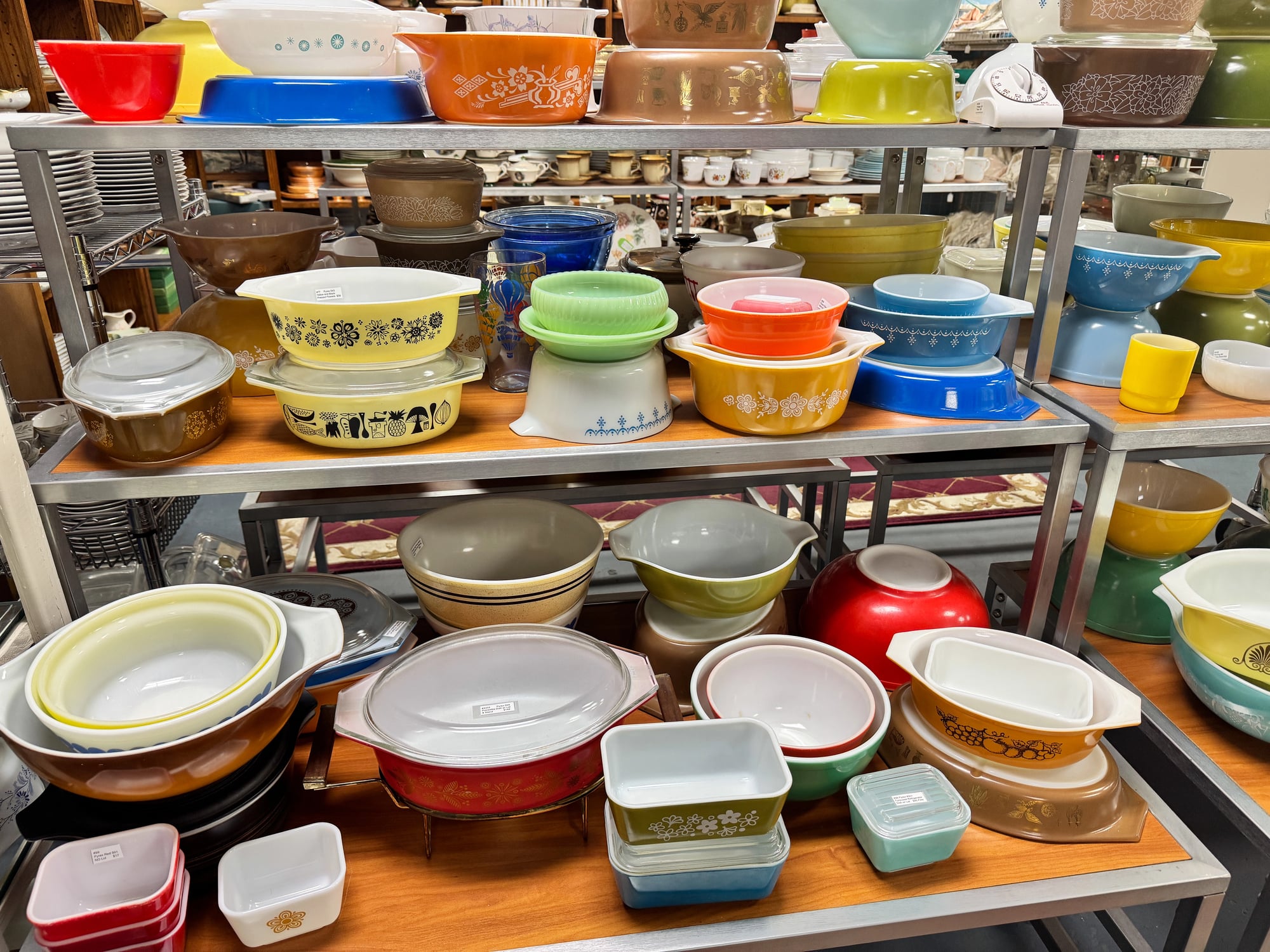
Vintage Pyrex has developed a collector following so intense it borders on devotion — the kind of quiet, stubborn loyalty that turns a casserole dish into a contested auction item. Certain patterns like Butterprint (the roosters and wheat design in turquoise and white), Lucky in Love, and the Gooseberry pattern in pink are worth well over $100 for a single piece, and a complete set in a rare colorway can exceed $1,000.
Dealers at general flea markets often lump it in with ordinary kitchen items priced at a dollar or two.
Old Fishing Lures
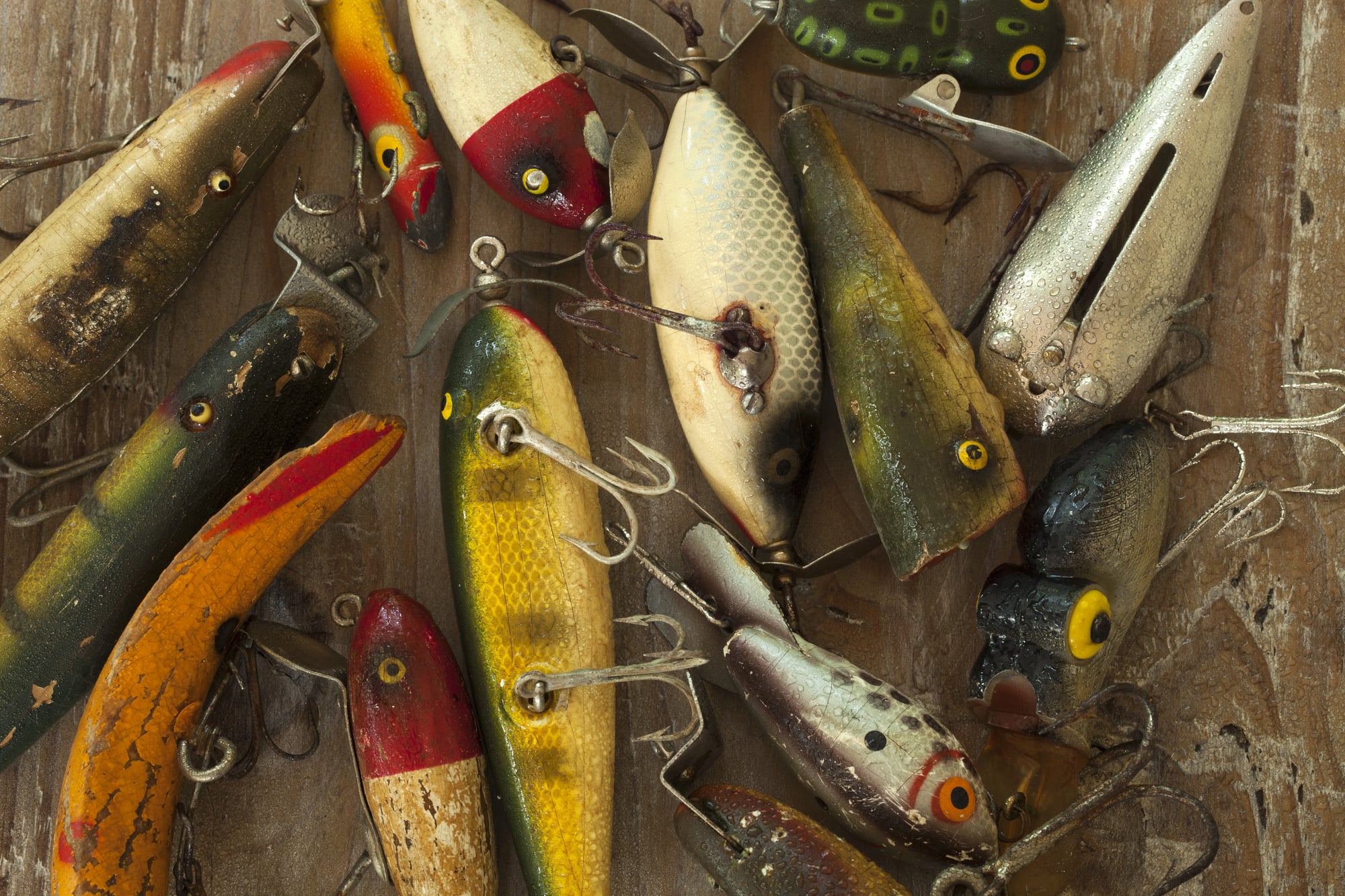
Fishing lures are one of those categories where the gap between what something looks like and what it’s worth is almost embarrassing. A vintage Creek Chub or Heddon lure in original paint with original hooks, sitting in a tackle box at a flea market, might be priced at $2 alongside modern plastic lures worth exactly $2.
Collectors pay $50, $200, even upward of $1,000 for rare early examples — so learning even a handful of the major brand names pays off fast.
Transistor Radios
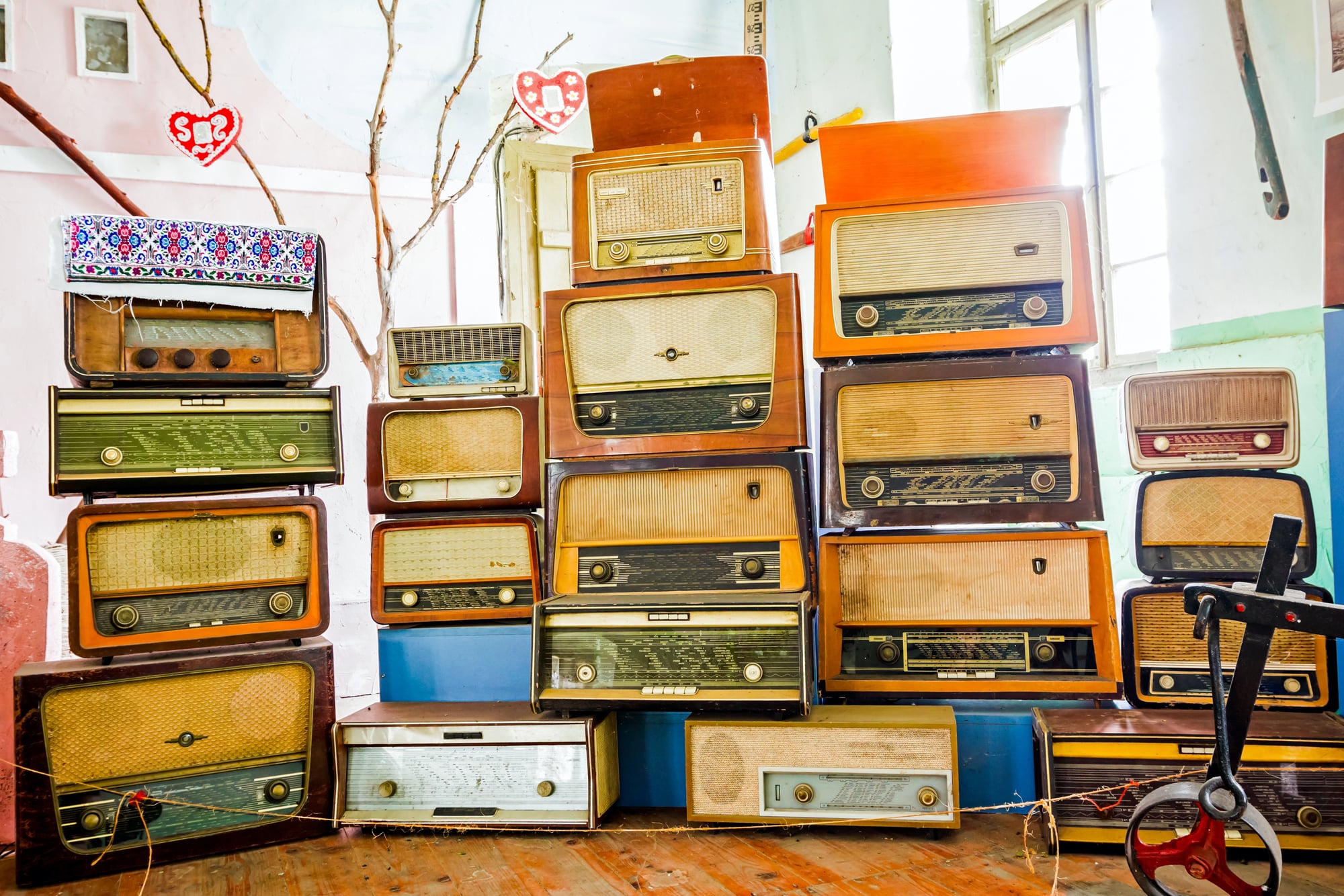
There’s something about a transistor radio from the 1950s or ’60s that holds the whole mid-century era inside it — the optimism of it, the portability, the way it made private listening feel like a small revolution. Brands like Regency (the first commercially produced transistor radio, the TR-1), Sony, and Zenith in working condition and original colors — coral, chartreuse, robin’s egg blue — can sell for $50 to $400, with rarer models pushing higher.
Most people see an old radio and assume it’s a decoration worth nothing; most dealers who know better price it that way on purpose.
Costume Jewelry Signed by Known Designers

Not all costume jewelry is created equal, and the difference is usually a single word stamped on the clasp. Pieces signed by Miriam Haskell, Schiaparelli, Weiss, or Trifari are collected seriously, with single brooches regularly selling for $50 to $300 and statement necklaces exceeding $500 at auction.
A flea market dealer who doesn’t recognize the signature will price it the same as any other rhinestone piece — which is exactly the kind of mistake worth looking for.
Military Memorabilia
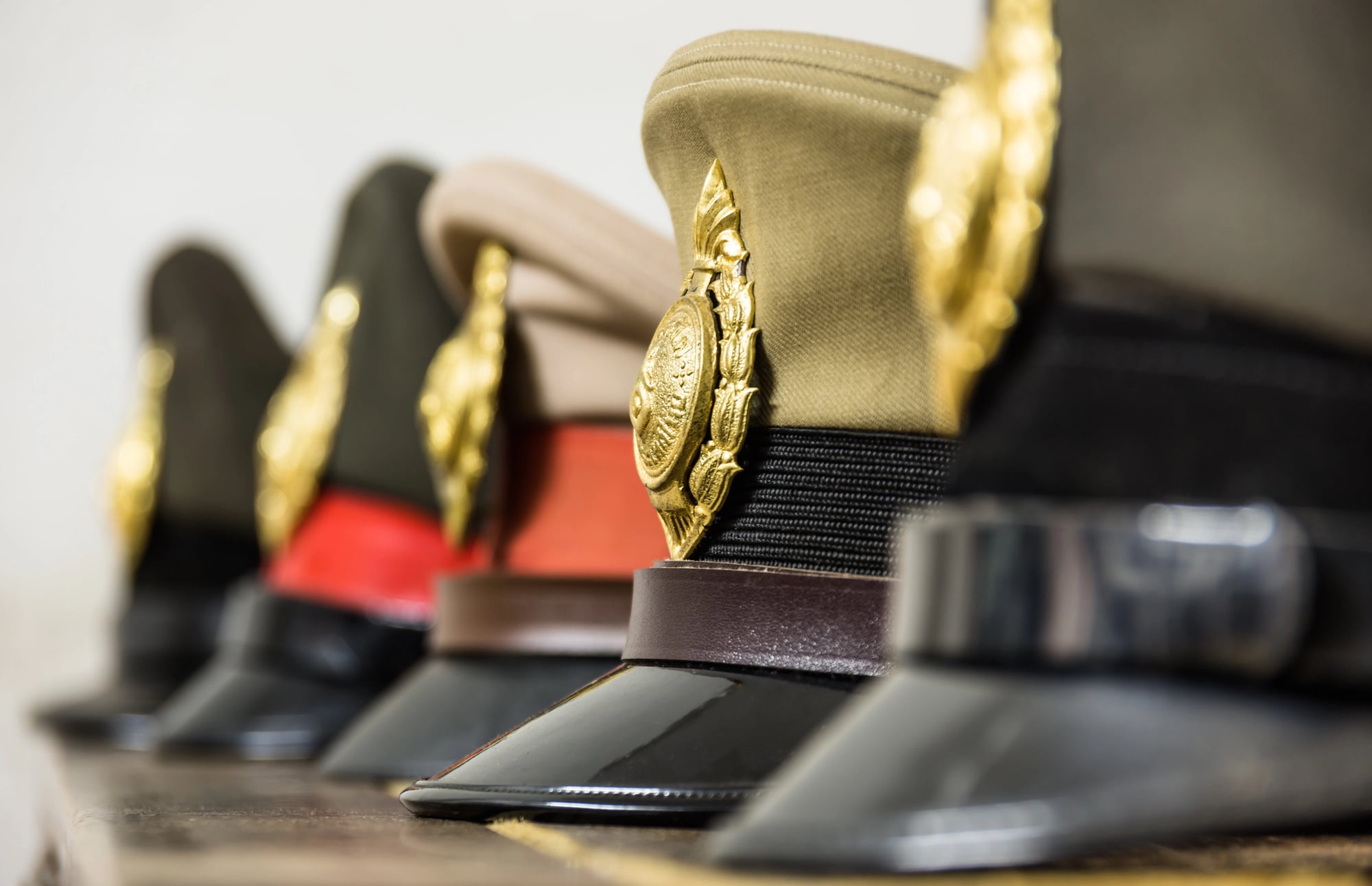
Military memorabilia is an area where condition, provenance, and specificity do almost all the pricing work — and where generalist flea market dealers often get the specificity wrong. A named discharge paper, a specific medal like a Purple Heart or Silver Star, or a World War I piece with its original box can be worth hundreds to thousands of dollars, while a reproduction or a common souvenir medal is worth almost nothing.
The difference isn’t always obvious to the untrained eye, which is exactly why it ends up on a folding table at $15.
Vintage Board Games
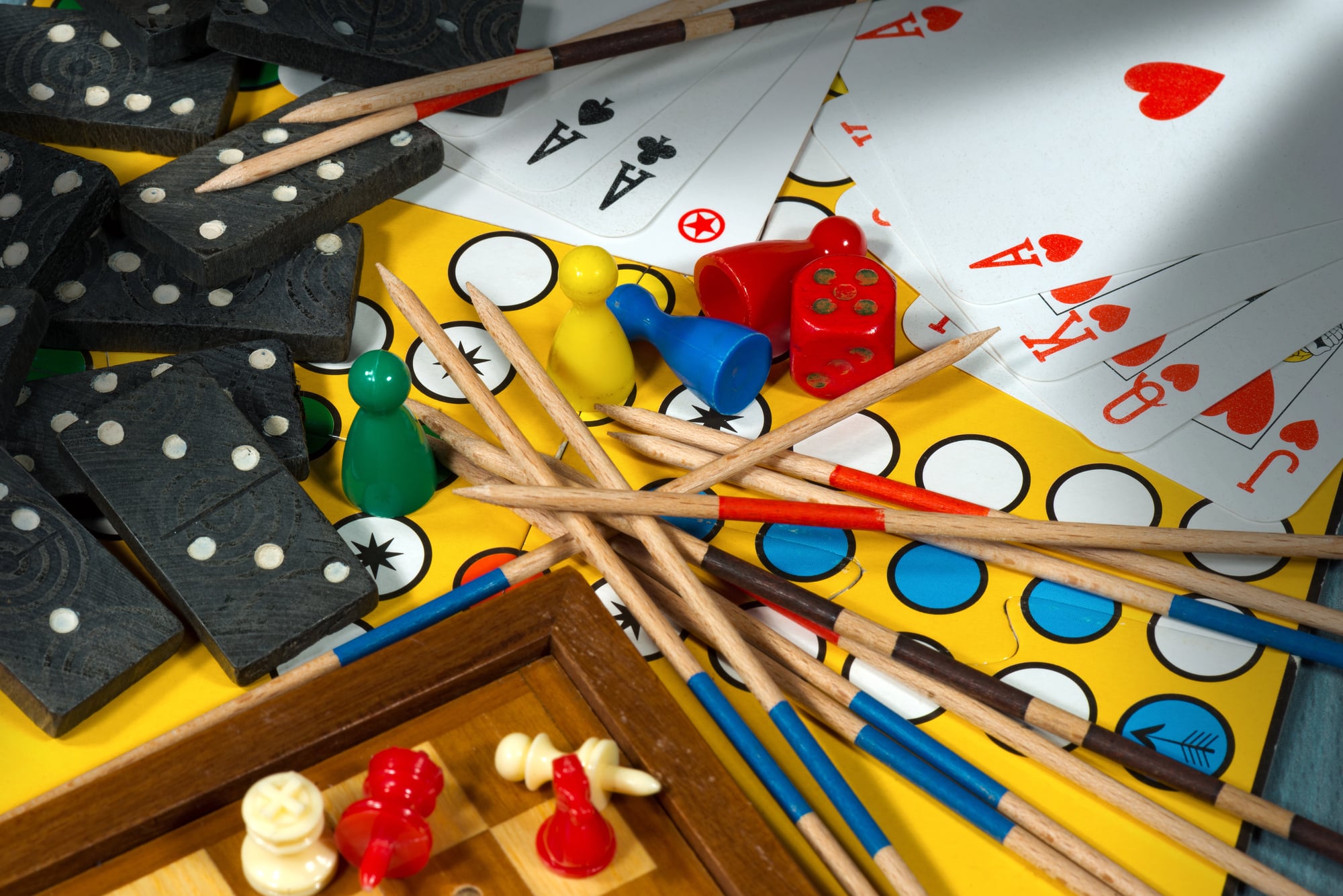
Vintage board games are a strange artifact: visually appealing enough that people buy them as decoration, specific enough that collectors buy them for the games themselves, and common enough at flea markets that dealers rarely investigate before pricing. A complete 1930s or 1940s game in its original box — especially early McLoughlin Brothers titles — can fetch $50 to several hundred dollars, and certain pre-war games in fine condition exceed that considerably.
“Complete” is the operative word; missing pieces drop the value sharply, which is why condition is everything here.
Art Pottery
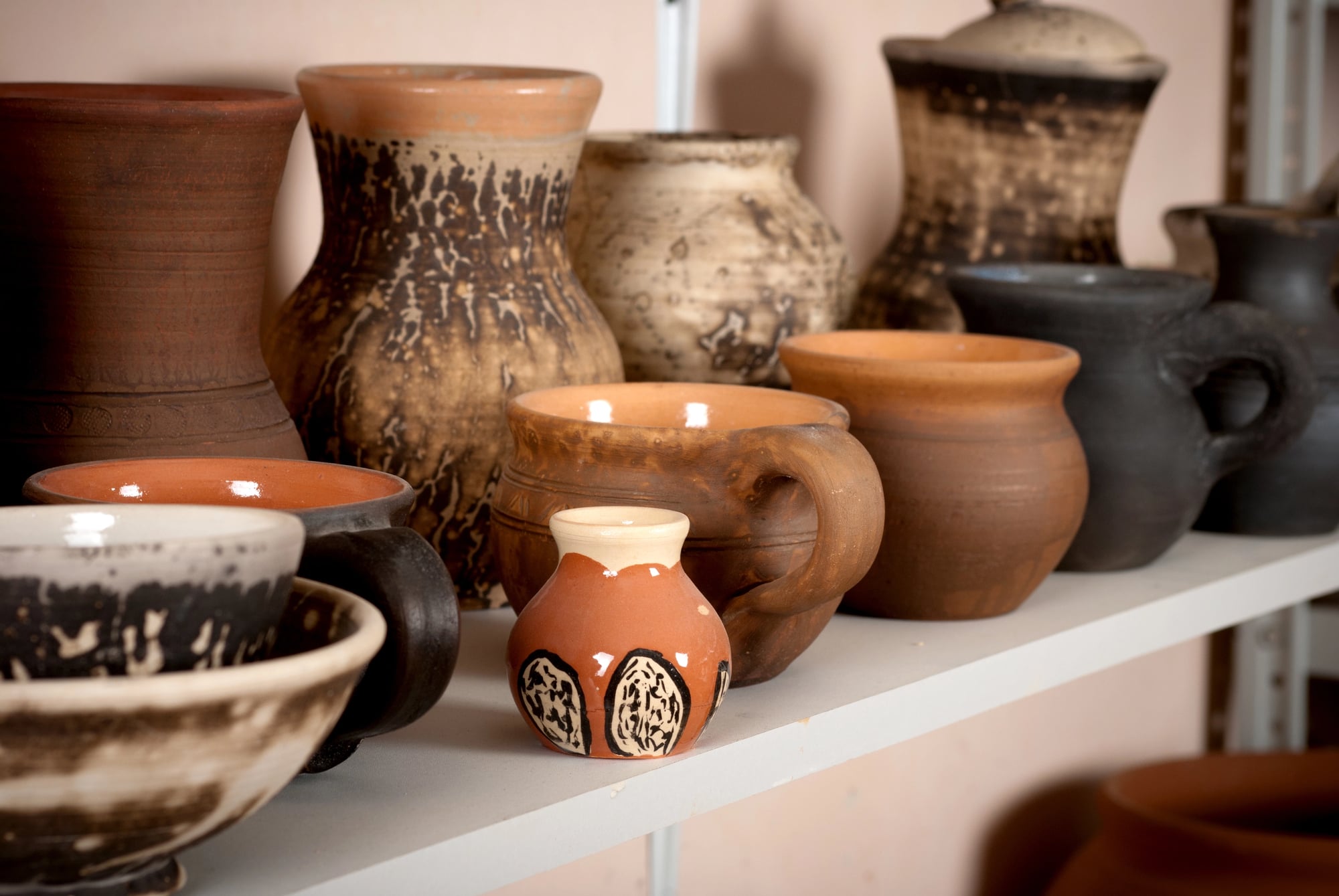
American art pottery from makers like Rookwood, Roseville, Weller, and Grueby occupies a category where even damaged pieces sell for meaningful money, and pristine examples command serious prices. A Rookwood vase with its flame mark and date cipher on the bottom might sit on a flea market table at $40 simply because the dealer didn’t recognize the mark — the same piece, at the right auction house, could bring $500 to $5,000 depending on the artist and glaze.
The marks are small. The prices are not.
Pocket Watches

The pocket watch sitting in a cig box of miscellaneous metal items is one of the flea market’s most reliable sleepers. Railroad-grade pocket watches from makers like Hamilton, Waltham, and Illinois — built to strict accuracy standards because railway schedules depended on them — are collected actively, with certain models in gold-filled cases selling for $150 to $600 or more.
What a dealer prices as “old watch, runs” might be running specifically because it was built to railroad precision standards a hundred years ago.
Native American Jewelry
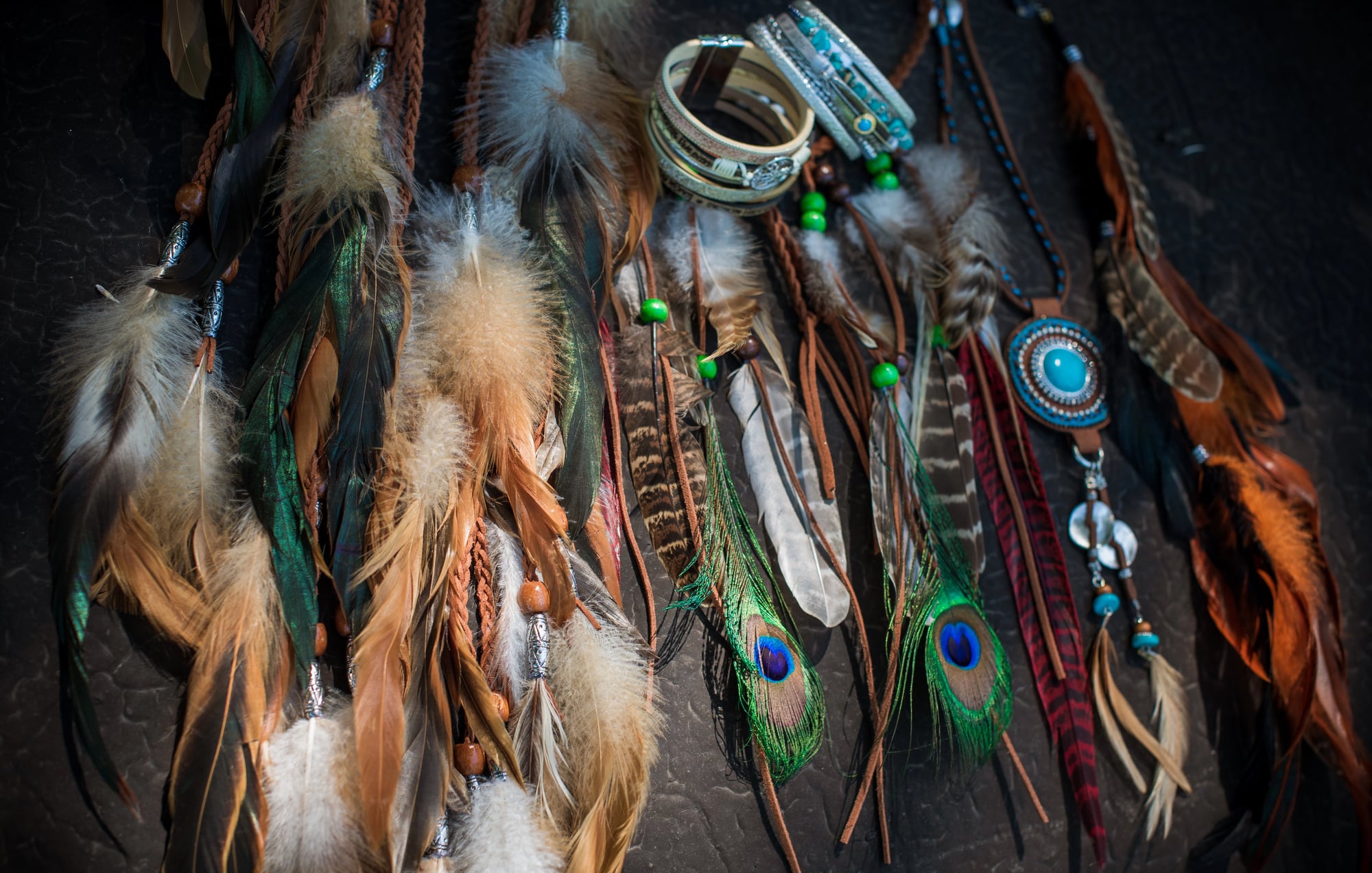
Authentic, hallmarked Native American jewelry — particularly Navajo sterling and turquoise pieces, or Zuni inlay work — is a category that rewards the buyer who knows what a hallmark looks like and the seller who doesn’t. Pieces by known artists like Charles Loloma or Preston Monongye are museum-quality collectibles that appear, occasionally, on flea market tables mixed in with imported imitations.
The difference between a $30 souvenir and a $1,500 artist-signed piece can be a stamp smaller than a thumbnail.
Vintage Maps
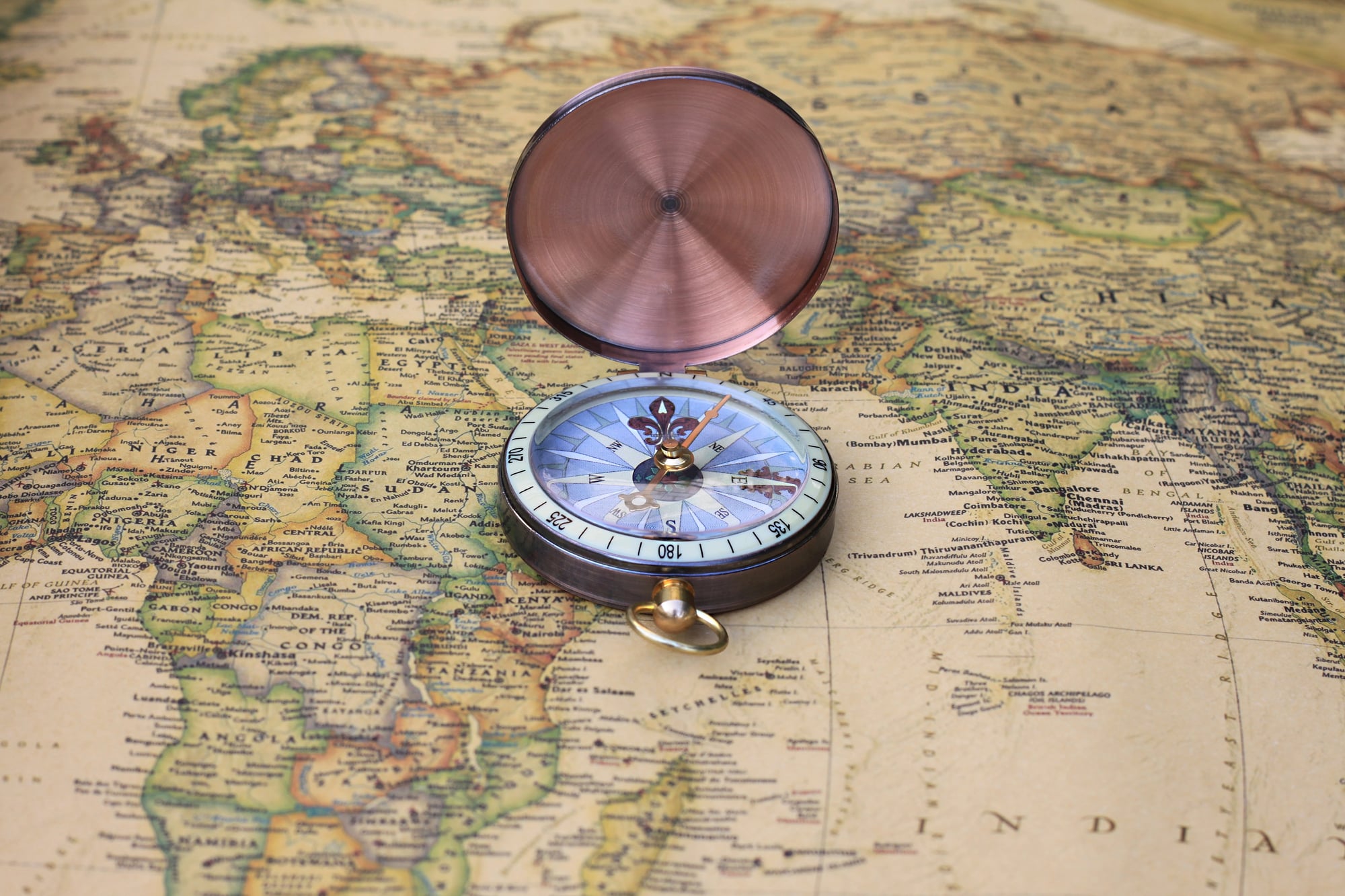
Old maps are one of those items that look exactly like what they are — paper, cartography, age — and yet the pricing gap between what they sell for at a flea market and what they sell for at a reputable antique map dealer is almost comic. An 18th-century engraved map of an American state or coastal region in good condition can sell for $200 to $2,000; a 19th-century city plan with decorative cartouches often exceeds $500.
Dealers selling them as “old paper” for $5 are essentially handing money to whoever picks them up first.
Bakelite Jewelry
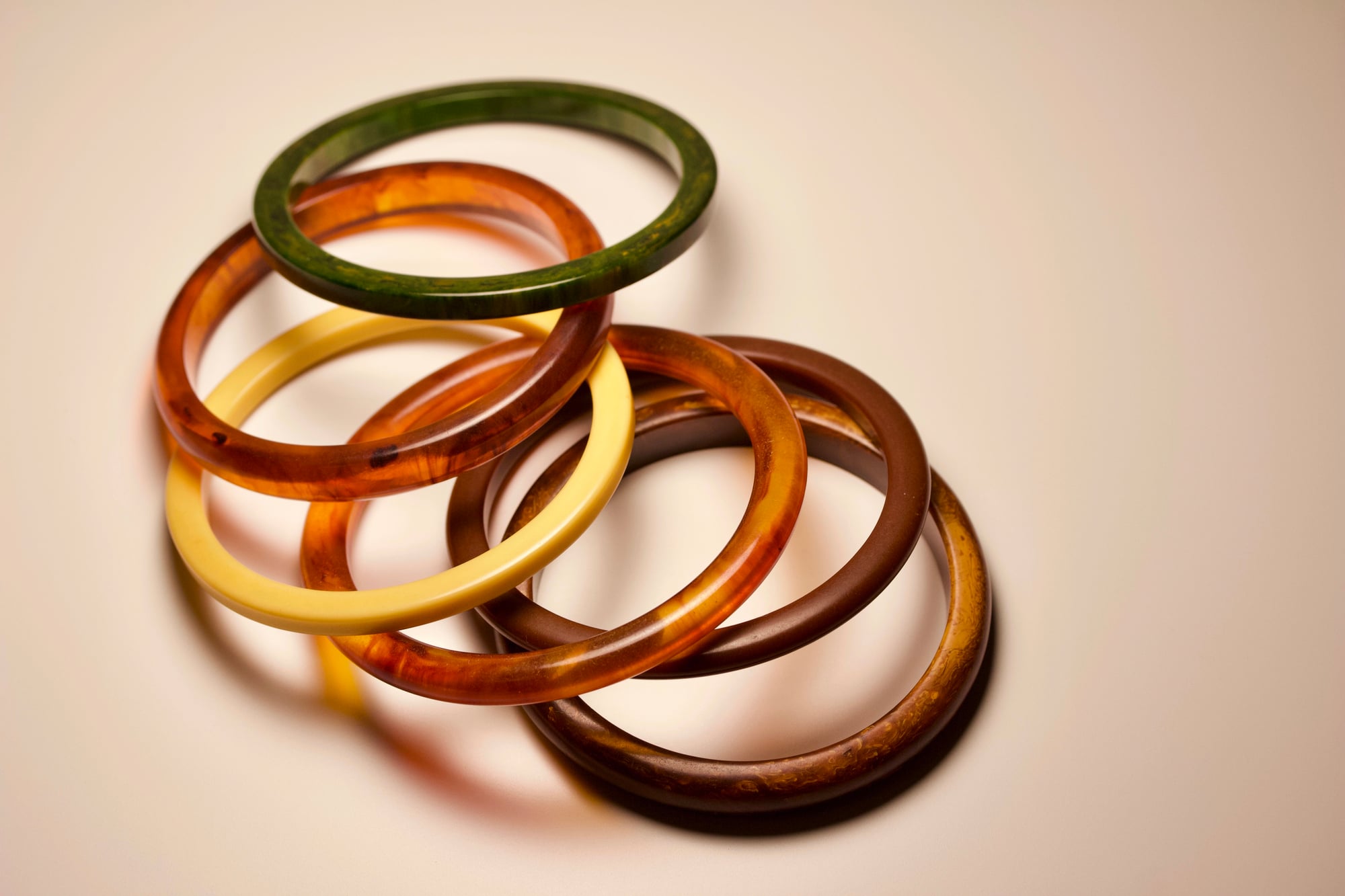
Bakelite has a test — the hot water test, the Simichrome test — and most flea market dealers aren’t running it. Early plastic jewelry made from Bakelite in vivid colors like butterscotch, deep red, and jade green was produced from the 1930s through the ’50s, and collectors prize the chunky, carved, and laminated pieces especially, with bracelets selling for $50 to $300 and rare carved figural pieces reaching higher.
The material feels different from ordinary plastic: heavier, slightly warm to the touch, and it smells faintly of formaldehyde when rubbed — which is the kind of detail that separates buyers who know from buyers who guess.
First Edition Books
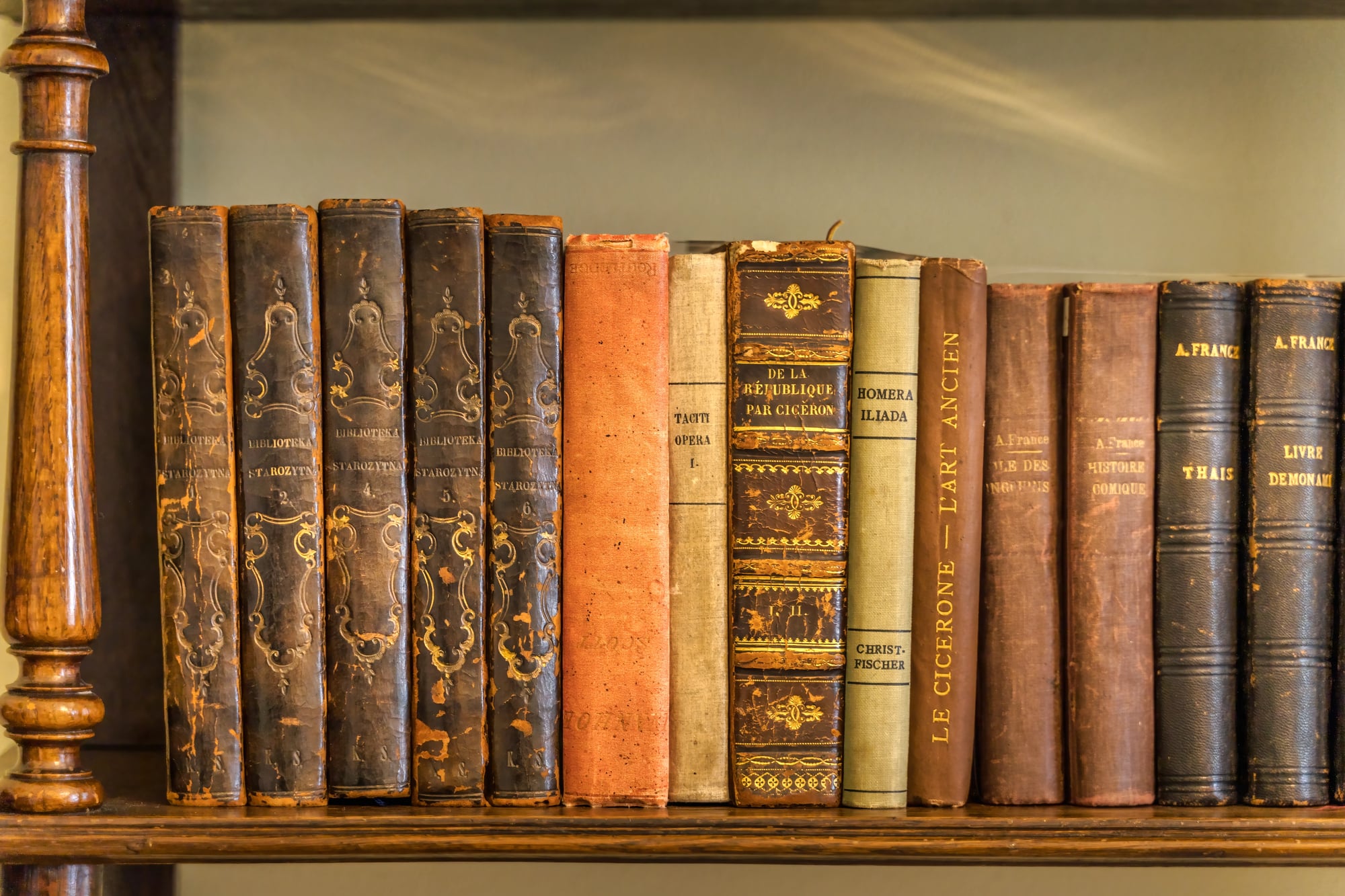
First editions are one of the trickiest flea market categories because identification requires specific knowledge — and because the payoff, when you have that knowledge, is extraordinary. A first edition of a significant 20th-century novel in its original dust jacket can be worth thousands; even lesser-known first editions from collectible authors like Elmore Leonard, Cormac McCarthy, or Raymond Carver command $100 to $500 routinely.
Most flea market sellers see a used book and price it like a used book.
Vintage Cameras
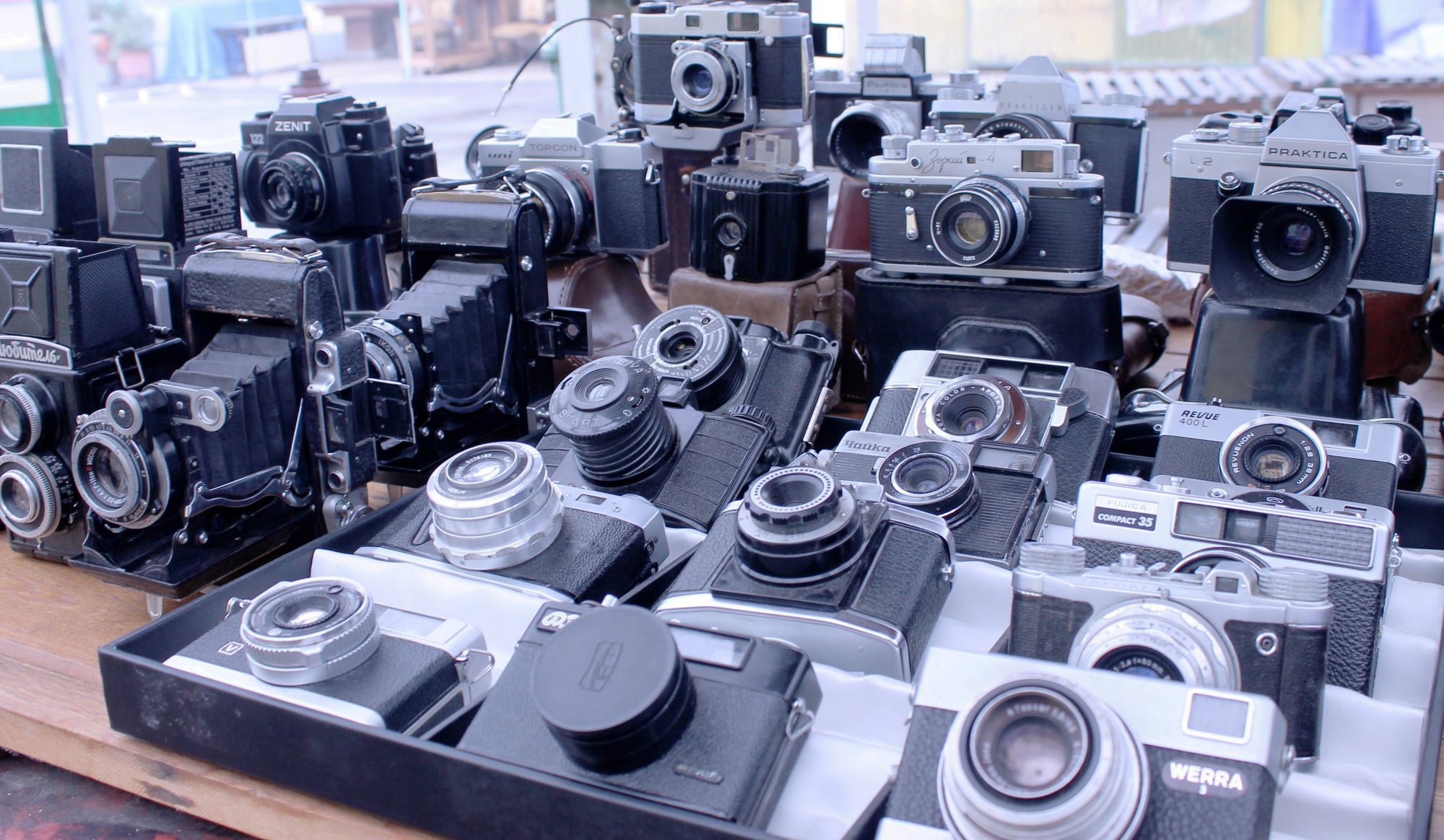
Certain vintage cameras have aged into a value that their original owners never anticipated. A Leica M3 rangefinder in working condition can sell for $700 to $1,500 or more; a Rolleiflex twin-lens reflex in clean condition commands $300 to $600; even certain Polaroid models — the SX-70 in particular — have climbed to $150 or more among film photography enthusiasts who actually use them.
Dealers who don’t know the difference between a collectible camera and a shelf decoration often don’t bother finding out.
Vintage Tin Toys

Tin toys made in Germany or Japan between the 1920s and 1960s are the kind of item that looks like a child’s toy and prices like one — until you know what’s actually in your hands. Friction-powered tin cars, wind-up robots, and lithographed character toys in original condition regularly sell for $100 to $1,000 at specialist auctions, with rarer robot toys and space-themed pieces exceeding that significantly.
Condition is brutal here: rust, missing parts, and torn lithography cut value sharply, but a clean example is worth every bit of the hunt.
Fountain Pens
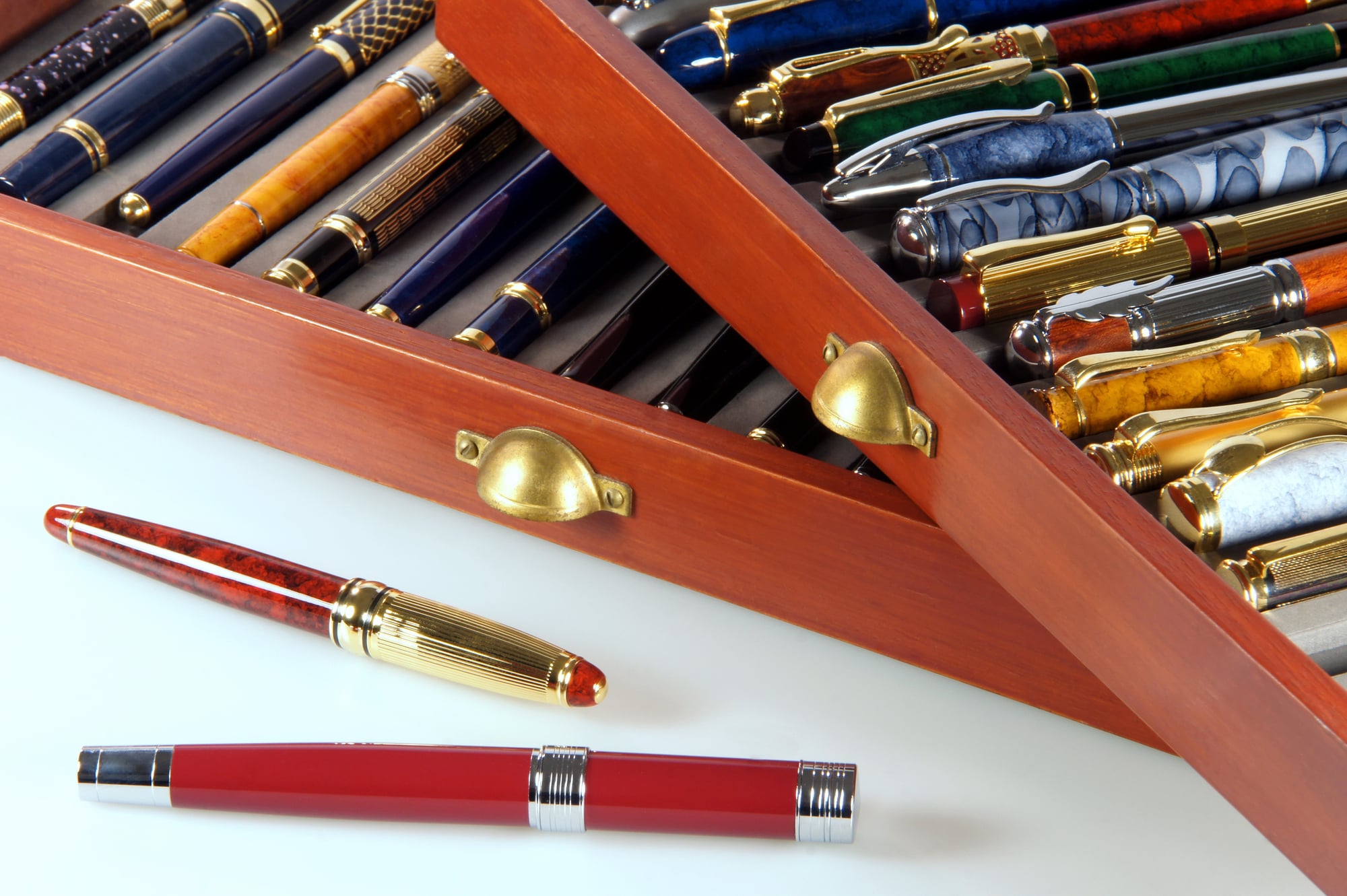
A quality vintage fountain pen is essentially a precision instrument disguised as a writing tool, and flea market tables treat them accordingly — indifferent to the difference between a drugstore pen from 1978 and a Montblanc 149 from the 1950s. Hard rubber pens from makers like Waterman, Parker, and Sheaffer in good working condition sell for $75 to $500; gold nib pens in fine shape with original boxes push considerably higher.
So the pile of old pens in a shoebox deserves a slower look than most buyers give it.
American Folk Art
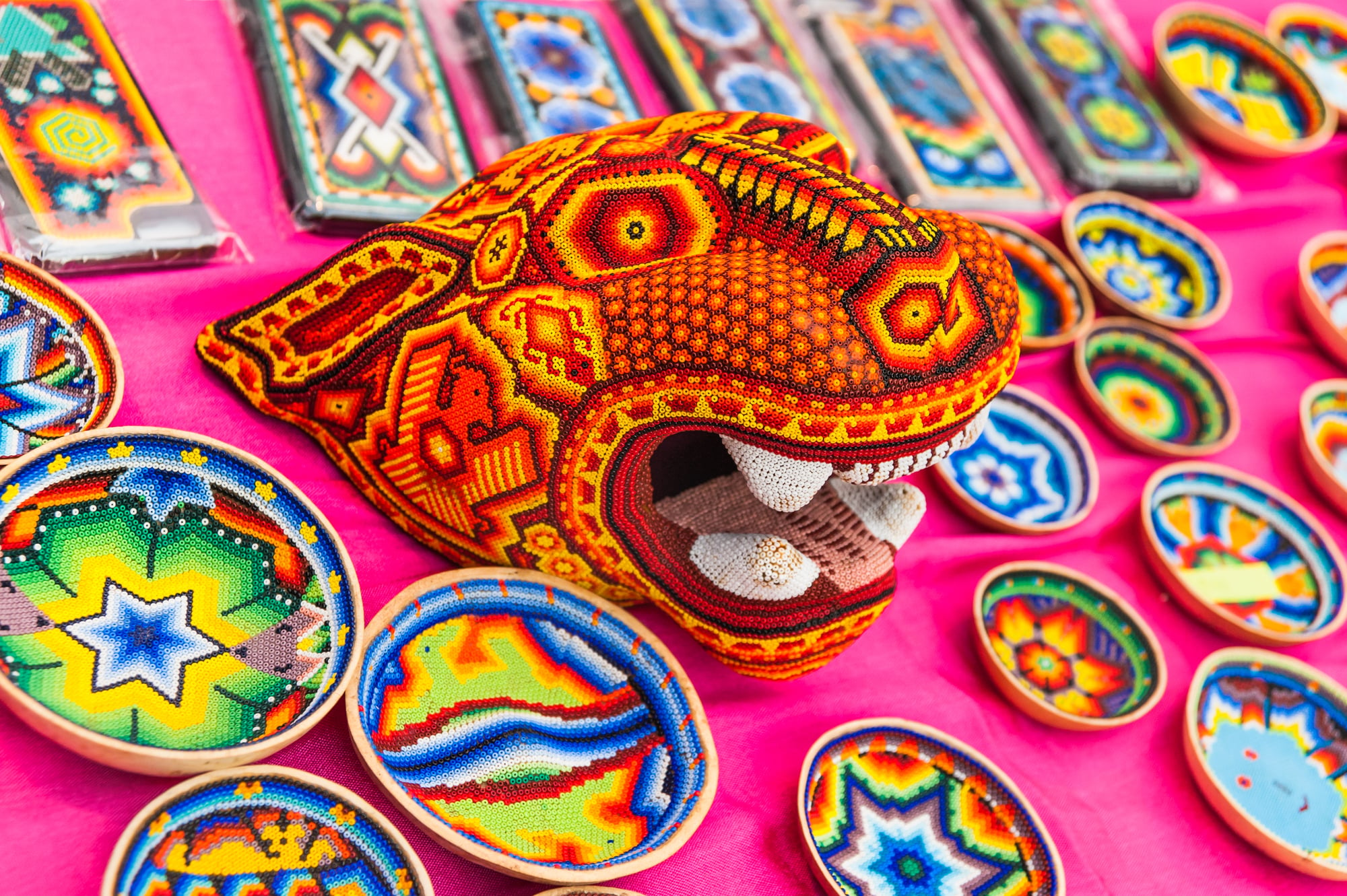
American folk art — painted wooden figures, weather vanes, hooked rugs, carved decoys — occupies a space in the art market that has grown dramatically since the 1970s, when collectors and museums began taking it seriously as a genuinely American art form. A carved and painted duck decoy by a known maker like Elmer Crowell or Ira Hudson can sell for tens of thousands of dollars at auction; even unsigned but well-executed examples bring $500 to $5,000 depending on form and condition.
A flea market price of $40 for a carved decoy is the kind of mistake that keeps serious collectors coming back every Sunday.
Vintage Concert and Movie Posters
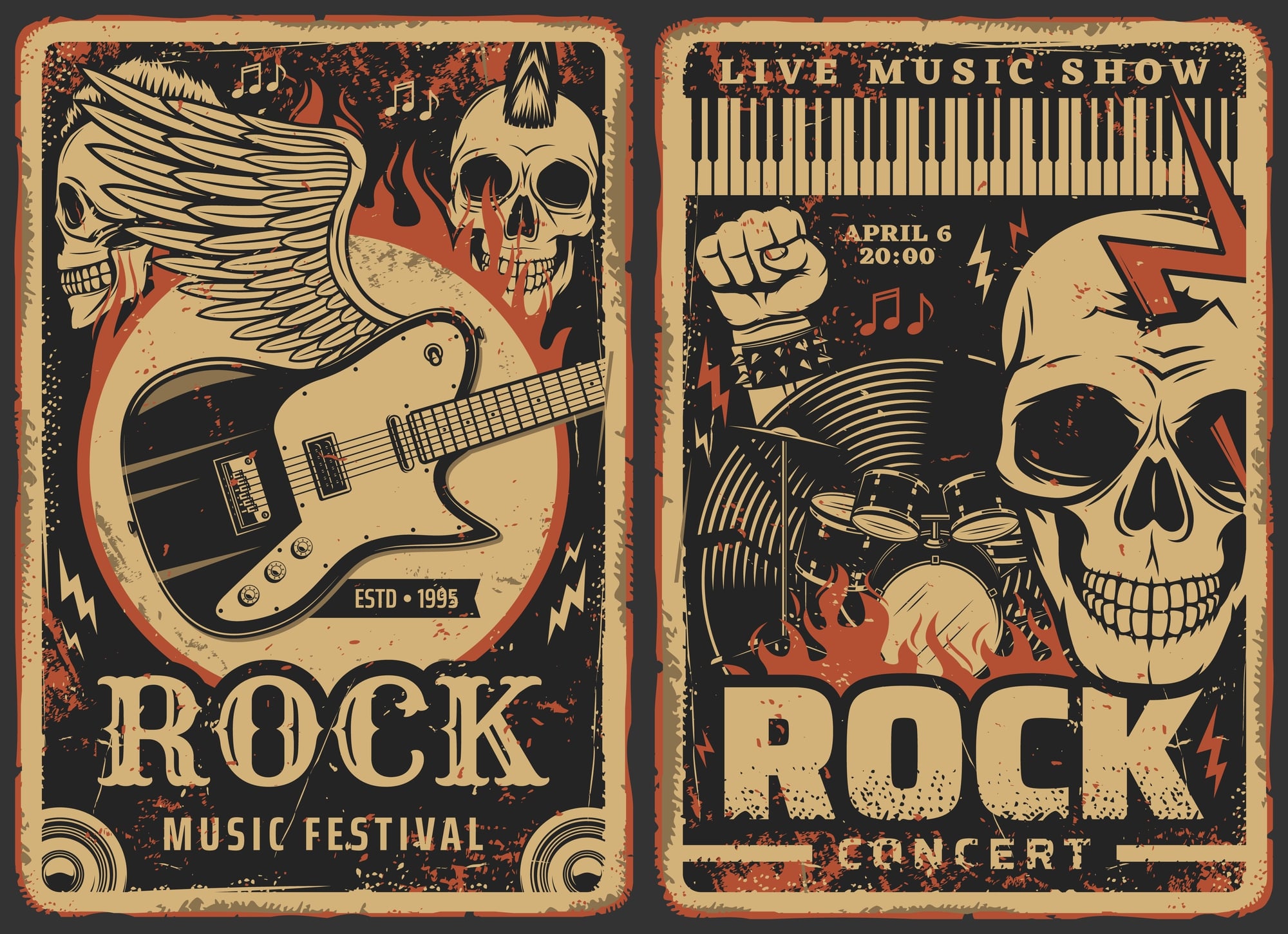
Original concert posters from the late 1960s — particularly Fillmore and Avalon Ballroom posters from the San Francisco psychedelic era — are not decorative nostalgia items. They’re documented collectibles tracked by auction houses, with first-printing Fillmore posters by artists like Victor Moscoso and Wes Wilson selling for $300 to $3,000 depending on the event and condition.
And original one-sheet movie posters from the 1930s through the ’60s are an entirely separate category of desirability, with rare horror and science fiction posters fetching jaw-dropping prices at the right auction.
Silver Flatware
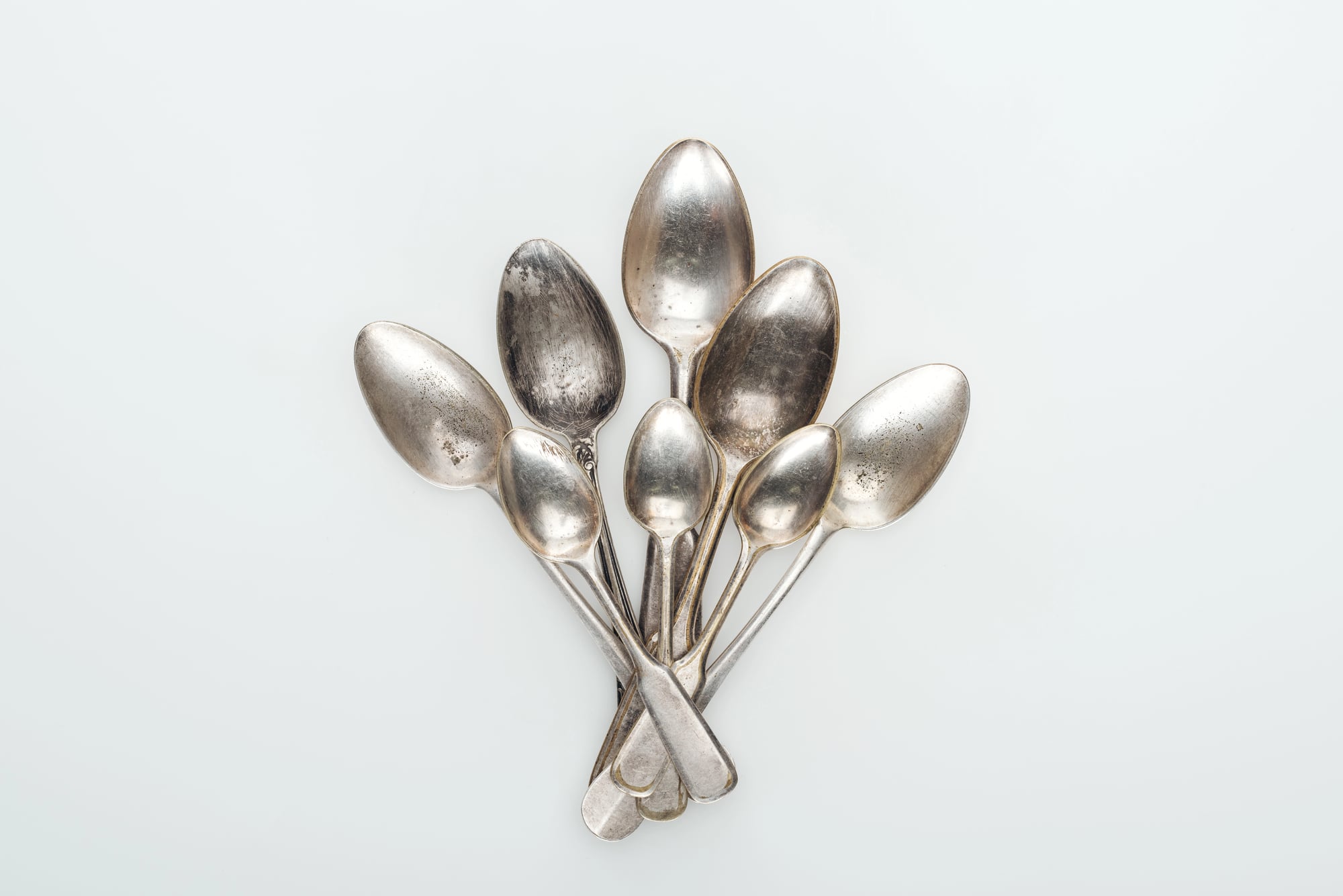
Sterling silver flatware — and the emphasis is on sterling, not silverplate — is priced at flea markets as though silver spot prices don’t exist. A complete sterling set in a popular pattern like Gorham’s Chantilly or Reed & Barton’s Francis I has both melt value and collector value, and a full service for eight can be worth $800 to $3,000 depending on weight and pattern.
The hallmark to look for is “925” or “sterling” stamped on the back; “silverplate” is something else entirely, worth considerably less.
Vintage Denim

A pair of Levi’s 501 jeans with a capital E on the red tab — the so-called “Big E” jeans produced before 1971 — is not a flea market find worth $8. Big E 501s in wearable condition sell for $200 to $800, and exceptional examples with visible selvedge, original buttons, and a paper patch have sold for well over $1,000 in the vintage denim market that has grown aggressively over the past decade.
Most sellers either don’t know or don’t look closely enough at the tab.
Vintage Sewing Patterns
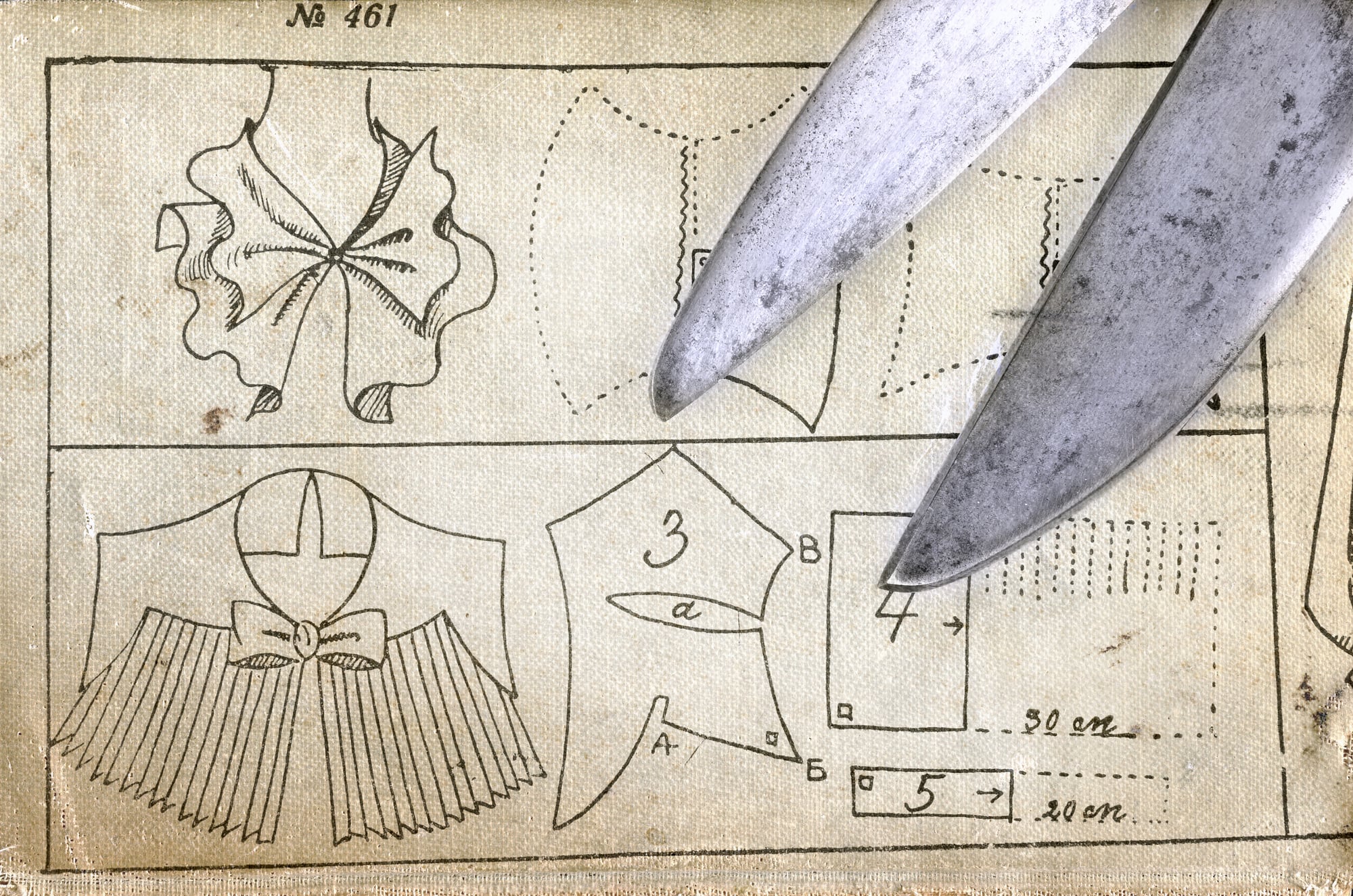
Unused vintage sewing patterns from the 1940s through the 1970s — still in their original envelopes, uncut, with all pieces present — have a collector market that most people find genuinely surprising. Vogue Paris Original patterns from the 1950s and ’60s regularly sell for $40 to $150 each; certain Butterick and McCall’s patterns featuring notable designers or unusually graphic covers push higher.
A bundle of old sewing patterns at a flea market for a dollar apiece is one of the better deals hiding in plain sight.
Vintage Postcards
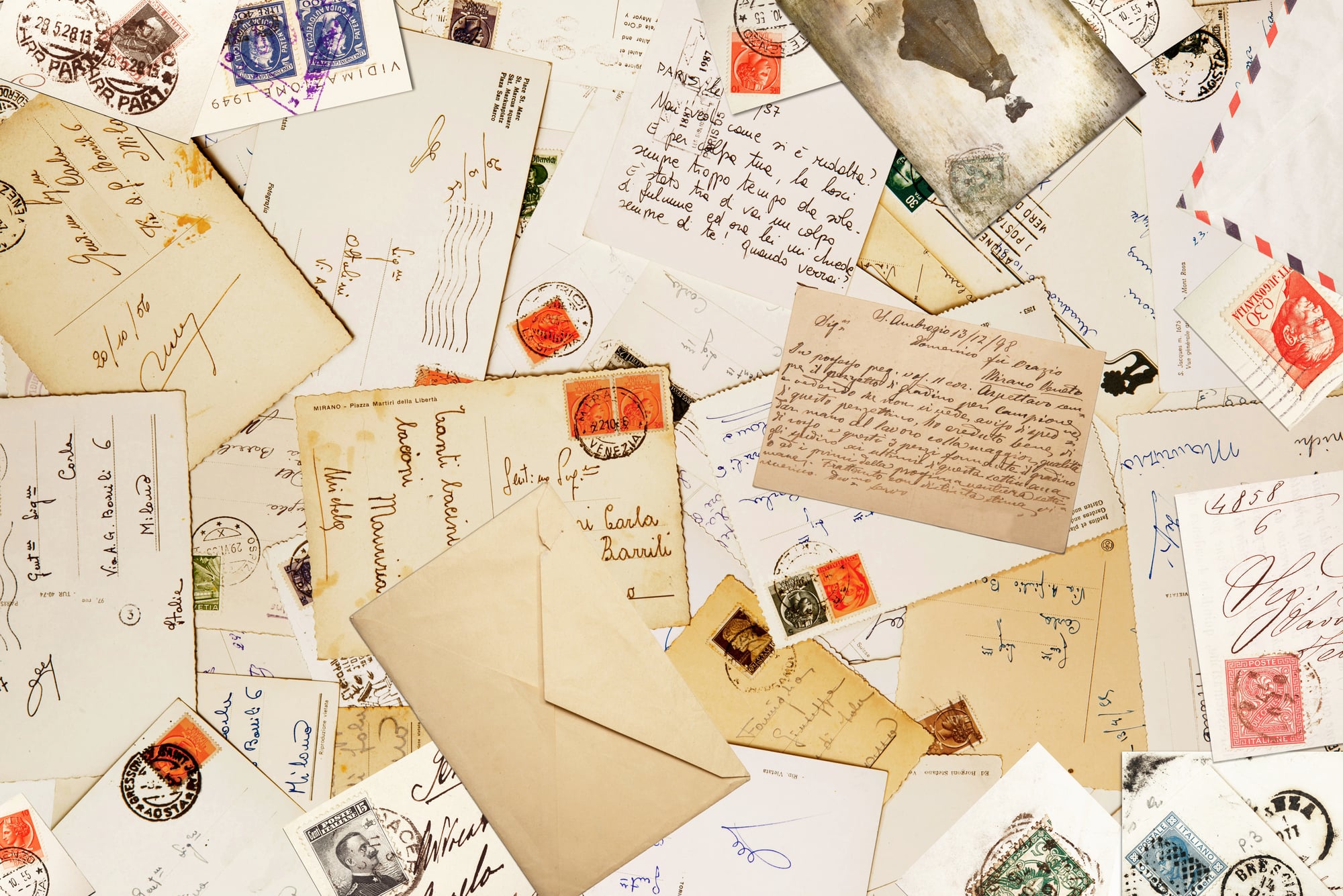
Postcard collecting — deltiology, if you want the technical term — is a serious hobby with a dedicated market, and certain categories of vintage postcards command prices that would stagger anyone who bought them for sentimental reasons. Real photo postcards (RPPCs) showing occupational scenes, disasters, early aviation, or unusual vernacular photography sell for $20 to $200 each; holiday postcards by known publishers like Raphael Tuck and John Winsch in exceptional condition push higher.
A shoebox of old postcards priced at 25 cents each is worth sitting down with.
Typewriters
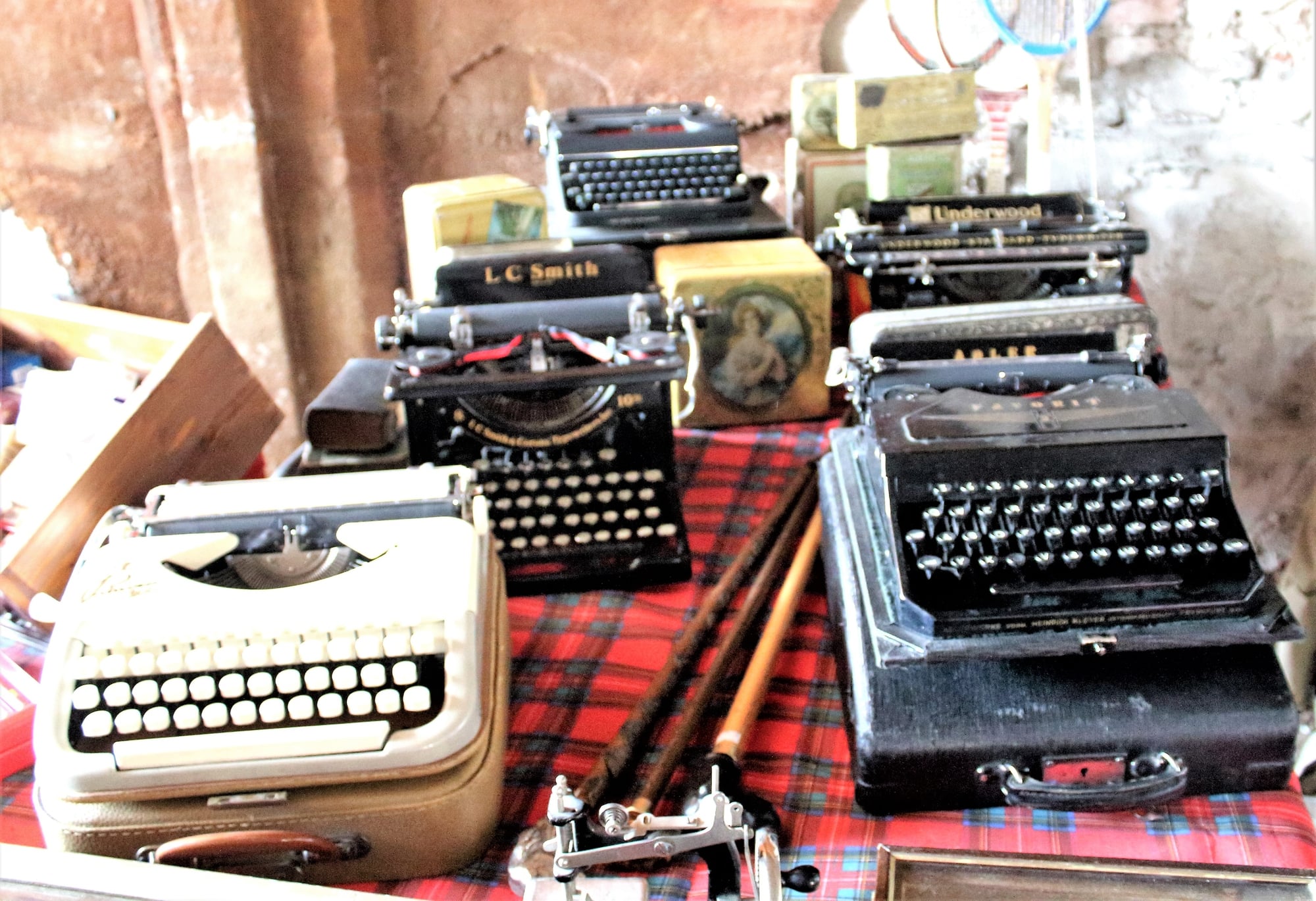
A vintage typewriter is the kind of object that sits at the exact intersection of nostalgia, design appreciation, and mechanical fascination — which means its market has expanded far beyond the collectors who always loved them. A Royal Quiet De Luxe or Hermes 3000 in working condition sells for $150 to $400; rarer pre-war portables by Olivetti or Underwood in original cases push higher; and the chunky, colorful mid-century models in turquoise or red have become genuine design objects that sell on aesthetics alone.
Dealers who price them at $25 because “who uses a typewriter” are doing the math wrong.
Vintage Wine and Spirits
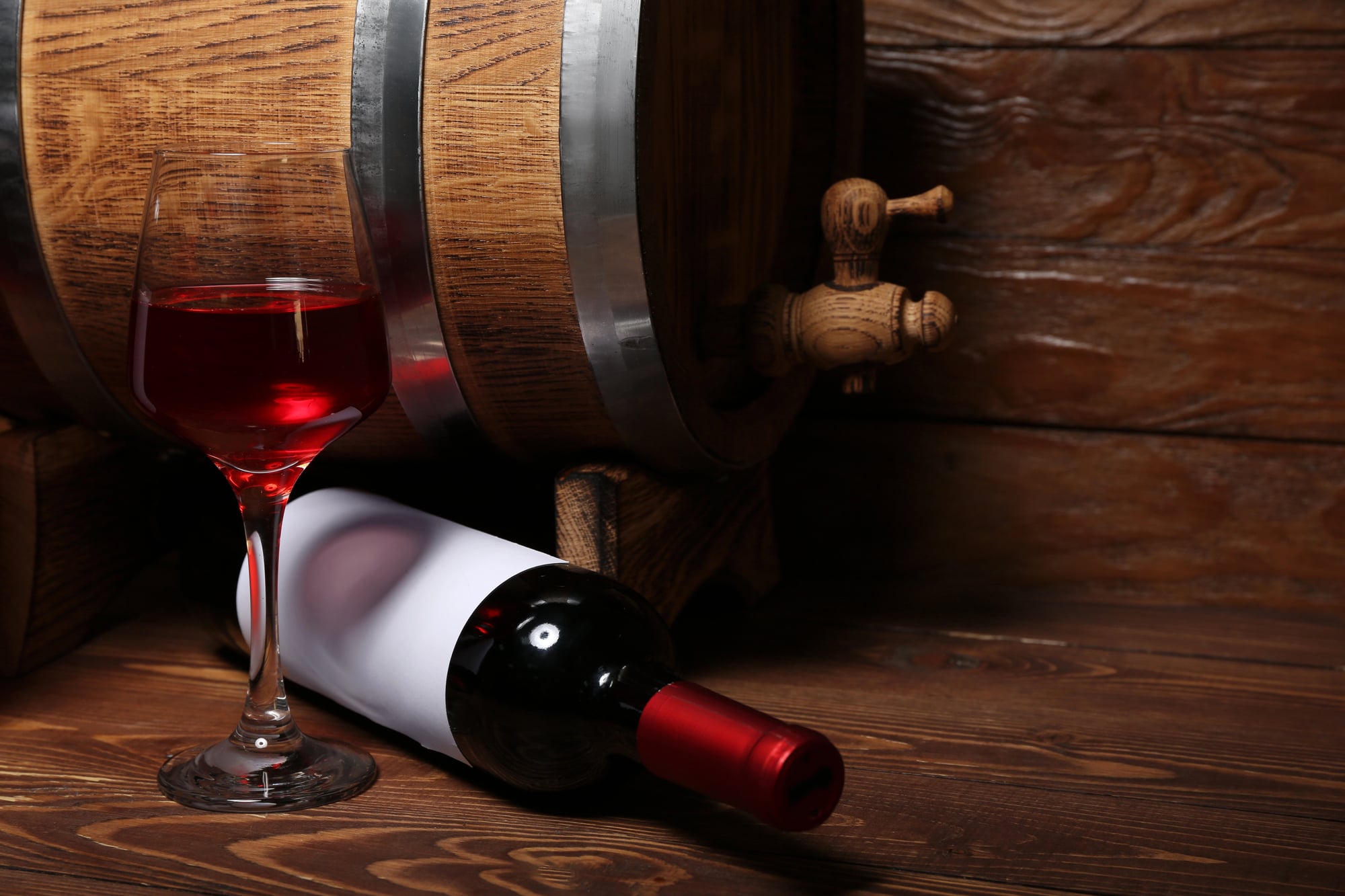
Certain bottles of old wine or spirits have aged into genuine value, and the flea market is occasionally where they surface — estate sales feed into flea market dealers who don’t always know what’s in a box of old bottles. A sealed bottle of pre-Prohibition American whiskey, a magnum of a notable Bordeaux vintage from the 1960s, or even a sealed bottle of vintage Cognac can be worth hundreds to thousands of dollars to the right buyer.
Condition of the fill level, label, and seal matters enormously, but the presence of an old bottle doesn’t automatically mean an empty wallet.
The Best Finds Are the Ones You Almost Walked Past

The flea market operates on a simple imbalance: the person selling knows what they have, or they don’t. When they don’t, the item is priced for the least informed buyer in the crowd — and that price is almost always low.
The knowledge gap is the whole game. Dealers who specialize know this, which is why the good ones move quickly and carry reference books in their jacket pockets. You don’t have to become an expert in all 25 categories to start finding things worth finding — you just need to know one or two categories well enough to recognize when something’s been underestimated. That’s enough. That’s actually more than enough.
More from Go2Tutors!

- The Romanov Crown Jewels and Their Tragic Fate
- 13 Historical Mysteries That Science Still Can’t Solve
- Famous Hoaxes That Fooled the World for Years
- 15 Child Stars with Tragic Adult Lives
- 16 Famous Jewelry Pieces in History
Like Go2Tutors’s content? Follow us on MSN.



