29 Toys Pulled From Store Shelves That Kids Loved Despite the Safety Concerns
There is a particular kind of toy that occupies a strange space in childhood memory — the kind that was beloved, widely distributed, and then abruptly gone, often with a letter arriving from the manufacturer or a news segment that made parents suddenly very interested in the garage. The recall notice would appear, the toy would vanish, and kids who had played with the thing for months would watch it disappear into a trash bag with the kind of helpless bewilderment that only a child losing a favorite possession can produce.
Safety regulators were almost certainly right. That didn’t make it any easier.
What follows is a catalog of toys that moved from “bestseller” to “liability” — some slowly, some overnight, all with children somewhere who had grown genuinely attached to them.
Jarts Lawn Darts
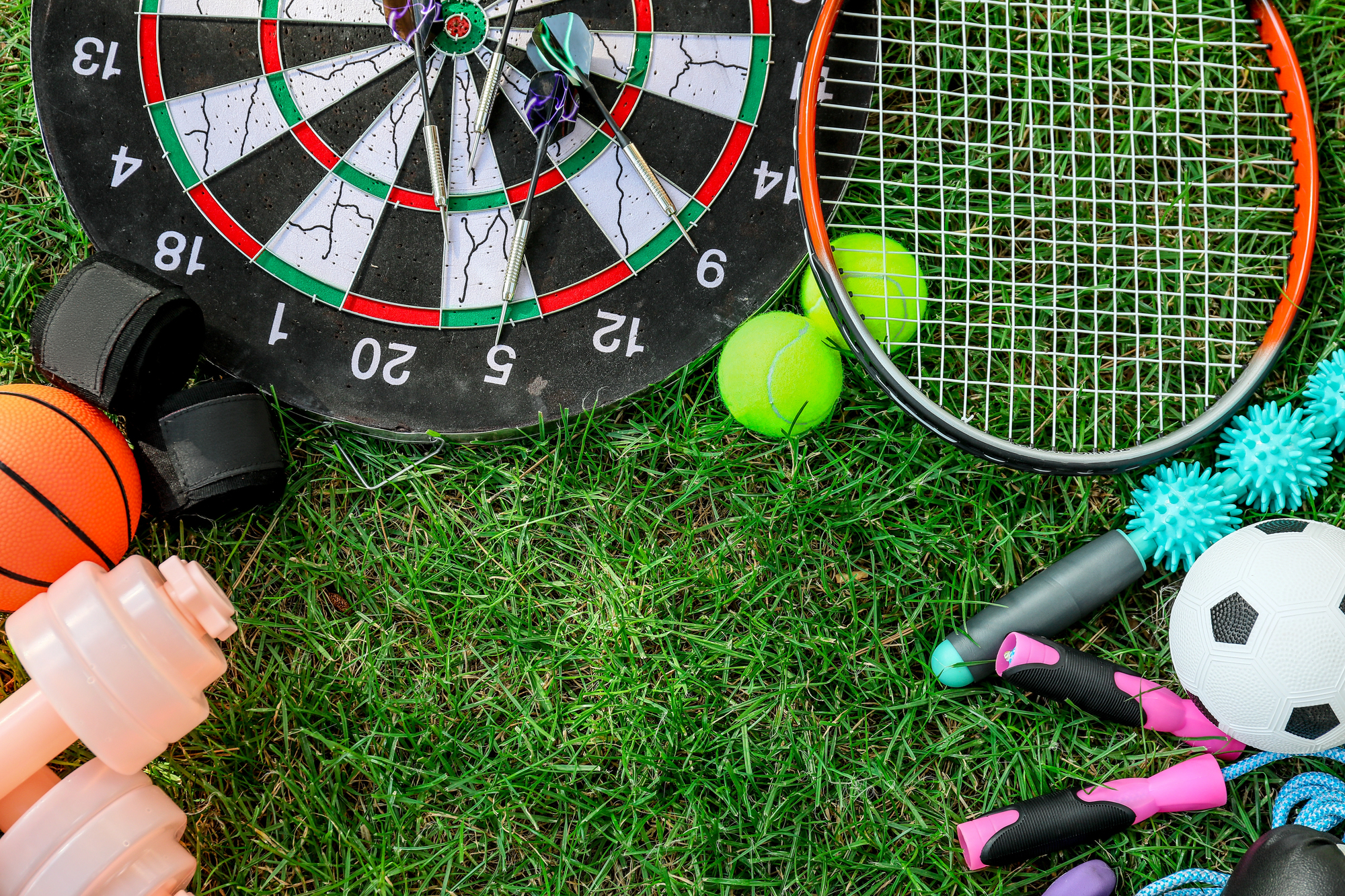
Jarts were metal-tipped darts roughly the size of a large kitchen knife, designed to be thrown in high arcs across a lawn toward a target ring. The game was popular through the 1970s and 1980s and sold openly as family entertainment.
By 1988, lawn darts had been linked to 6,700 injuries and at least three deaths, including the death of a seven-year-old girl named Michelle Snow whose father subsequently campaigned for a permanent ban. The Consumer Product Safety Commission banned them outright in 1988. Old sets still surface at estate sales, and safety officials have consistently warned people not to keep them.
Cabbage Patch Snacktime Kids
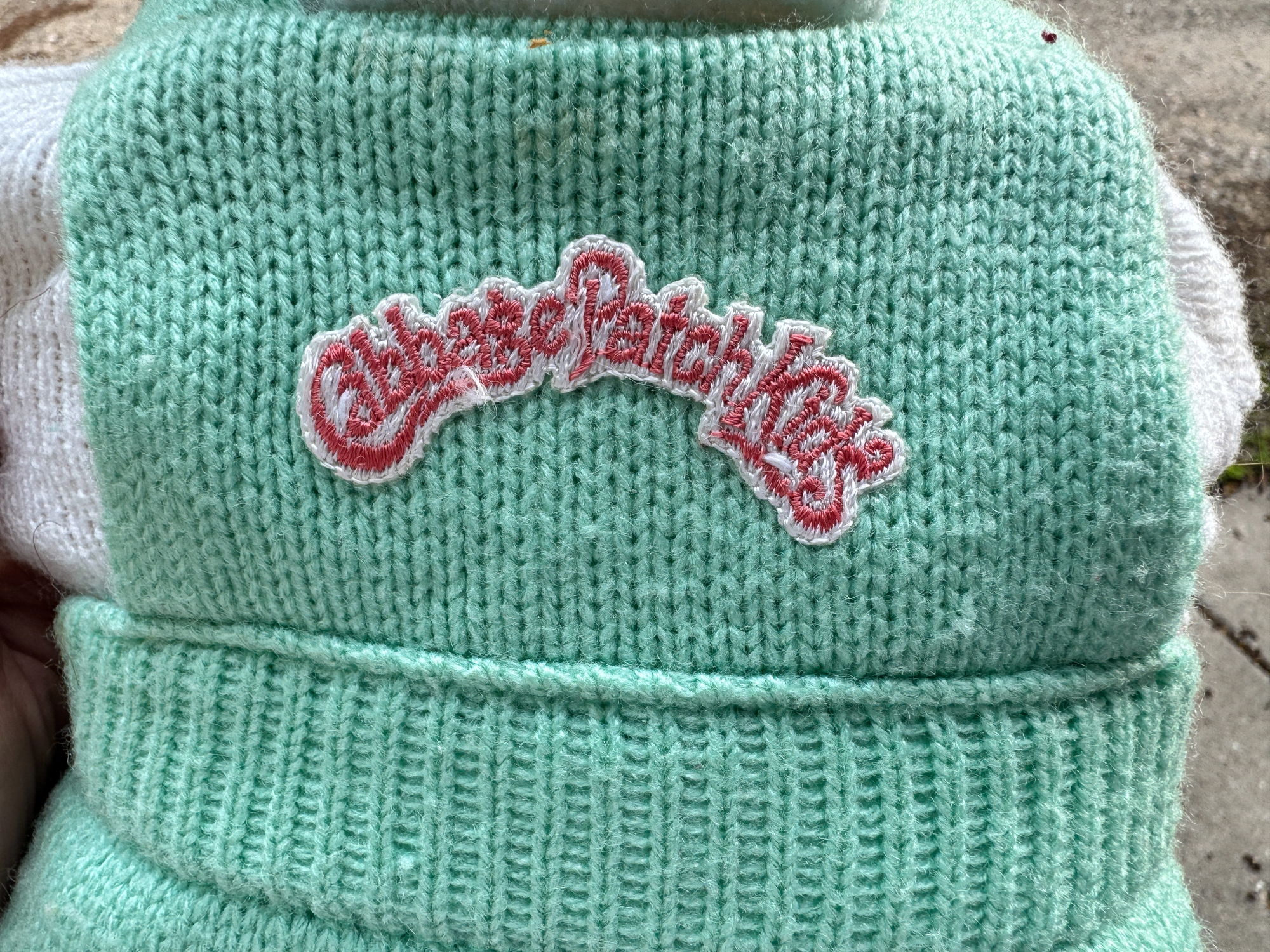
Mattel’s 1996 addition to the Cabbage Patch line featured a motorized mouth designed to chew plastic food — french fries, cookies, small snacks. The mechanism worked exactly as intended except for one significant oversight: it had no off switch, and it could not distinguish between a plastic cookie and a child’s finger or hair.
Over 100 injuries were reported within months of the doll’s release. Mattel recalled roughly one million units in 1997. The doll’s notoriety has since made surviving examples sought-after collector’s items, which is perhaps the most ironic possible outcome.
Clackers
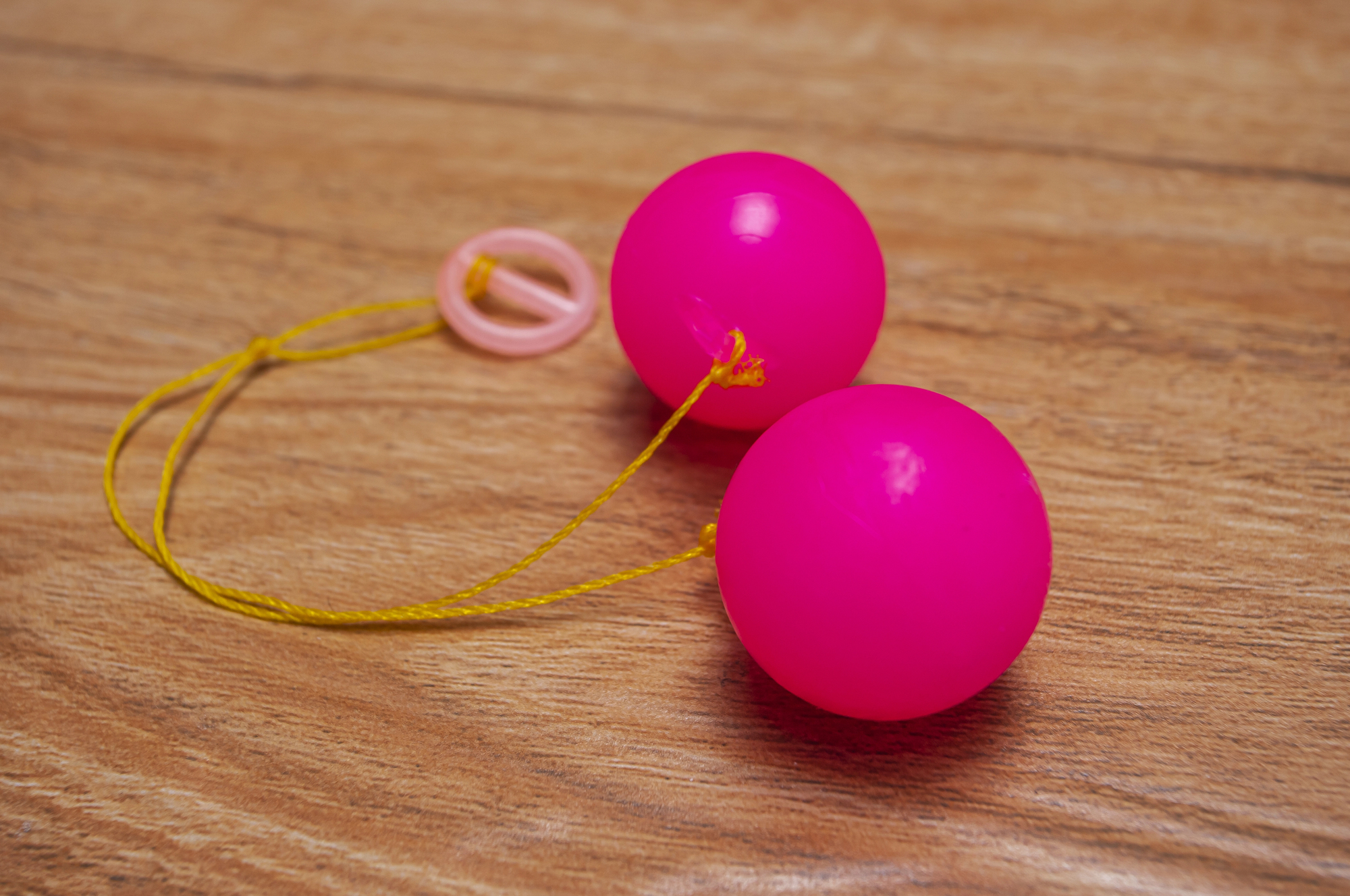
Clackers — two acrylic balls on a string, meant to be swung so they struck each other above and below your hand in rapid succession — were enormously popular in the late 1960s and early 1970s. The problem was that the acrylic shattered.
When it did, the fragments traveled fast enough to cause genuine injury. After a federal lawsuit with a title that included “50,000 Cardboard Boxes More Or Less, Each Containing One Pair Of Clacker Balls,” the Consumer Product Safety Commission banned them in 1976. Some reformulated versions appeared later, but the original heavy-duty acrylic model was gone.
Sky Dancers
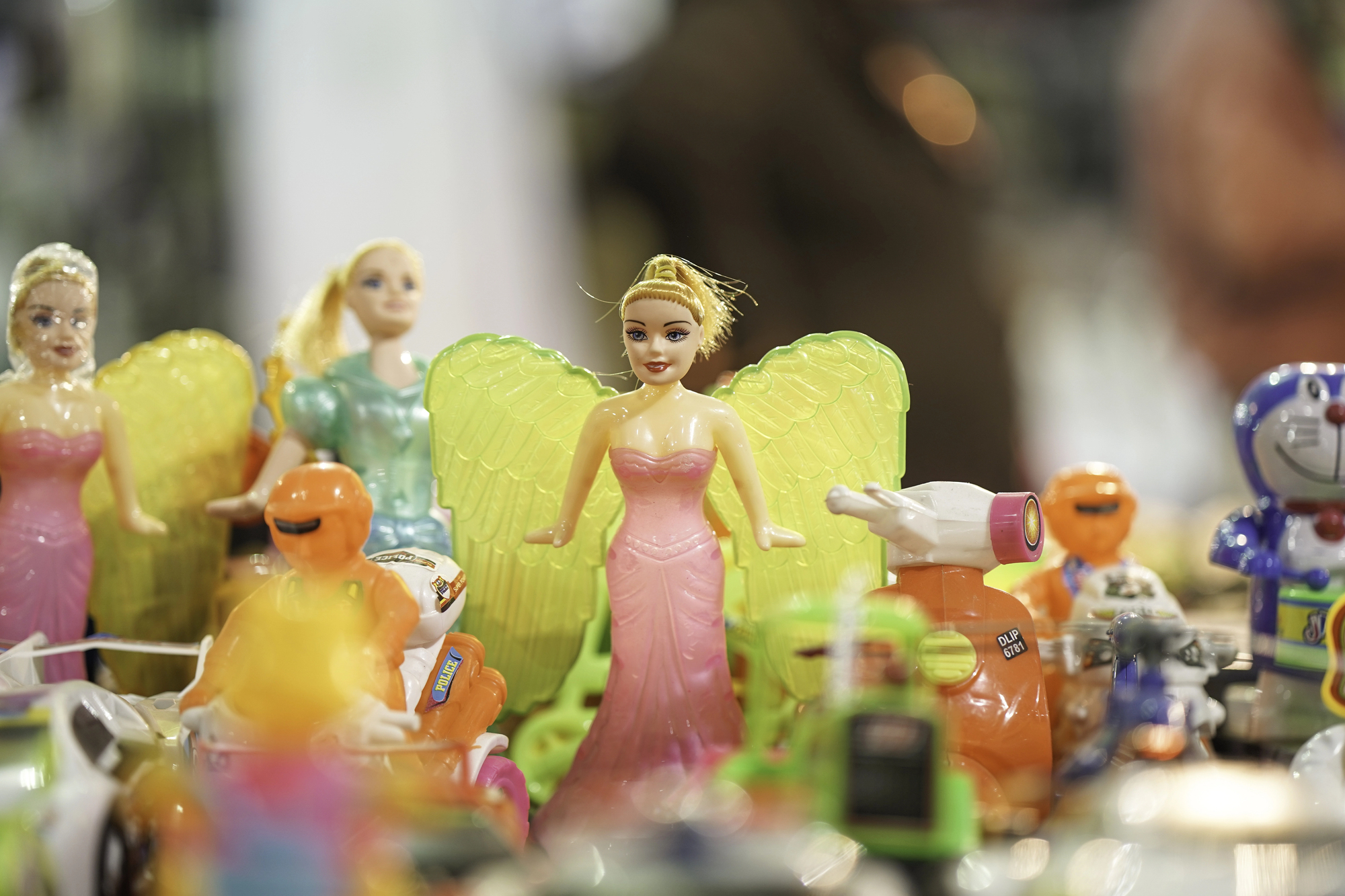
Sky Dancers were plastic fairy dolls launched into the air by a pull cord, and their television advertisements showed them floating gracefully like tiny ballerinas. In practice, they spun unpredictably and flew directly into walls, furniture, and occasionally faces.
By 2000, the Consumer Product Safety Commission had catalogued over 150 injuries including reports of temporary blindness, facial lacerations, and chipped teeth. Galoob recalled approximately 8.9 million units. The commercial version of Sky Dancers and the lived version of Sky Dancers existed in almost no relationship with each other.
Gilbert U-238 Atomic Energy Lab
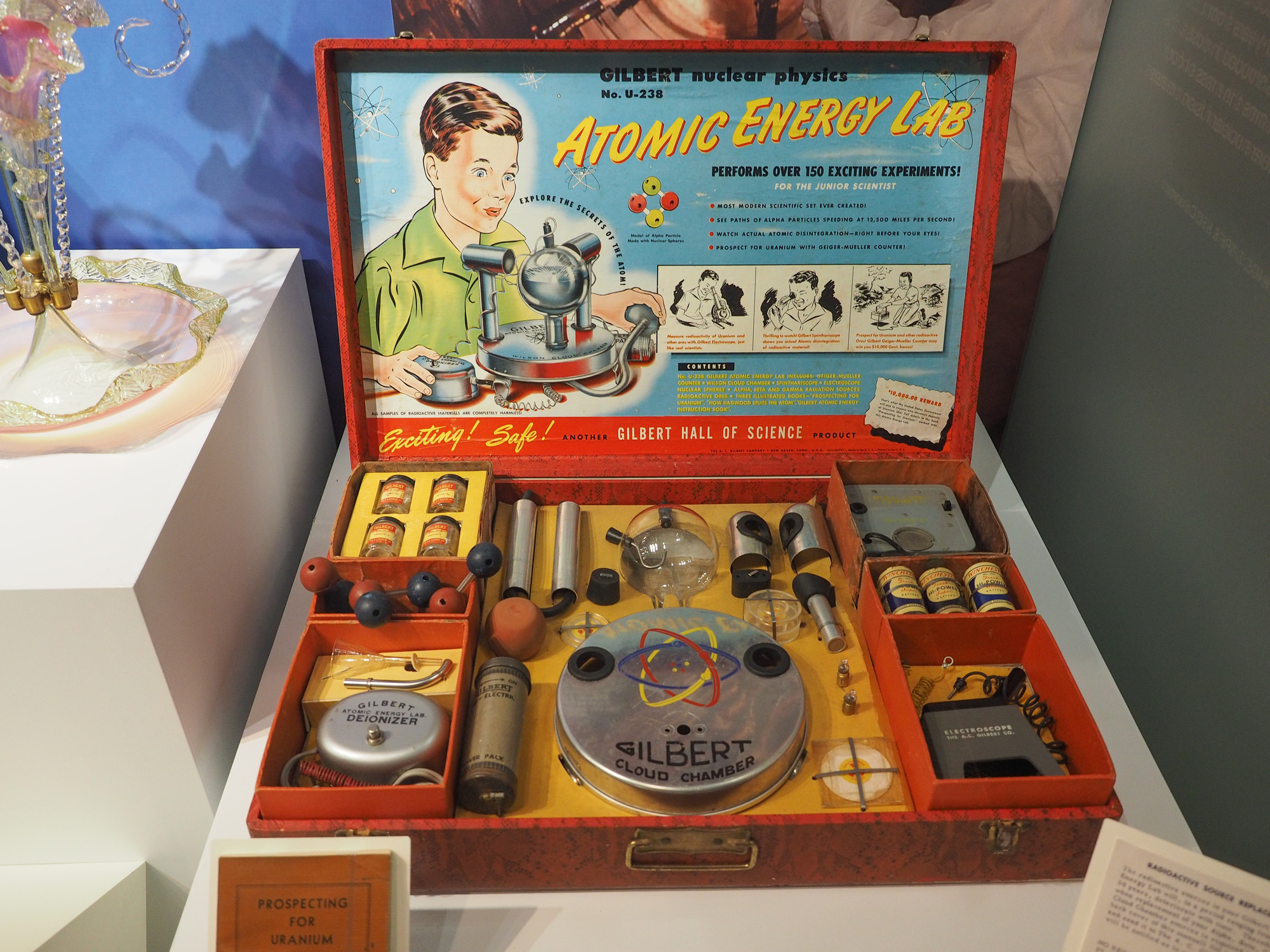
Sold from 1950 to 1951, the Gilbert Atomic Energy Lab contained four types of genuine uranium ore samples, a Geiger counter, a cloud chamber, and instructions for recreating nuclear reactions at home. It was aimed at children interested in science.
The radiation levels were low by adult safety standards but the concept of selling children uranium-based home laboratory kits eventually attracted enough scrutiny that production ended after a single year. The kit now sells for thousands of dollars at auction, mostly to people who want to be able to say they own one.
Aqua Dots

Aqua Dots were colorful beads that adhered to each other when sprayed with water, allowing children to create mosaic designs. They were the top-selling toy in Australia in 2007 and widely popular in North America.
The problem emerged when children swallowed the beads and were hospitalized: the chemical coating metabolized in the body into GHB, a sedative that rendered several children comatose before regulators intervened. Spin Master recalled 4.2 million units in November 2007. The company rebranded the reformulated version as “Pixos” the following year.
Easy-Bake Oven (2007 Model)
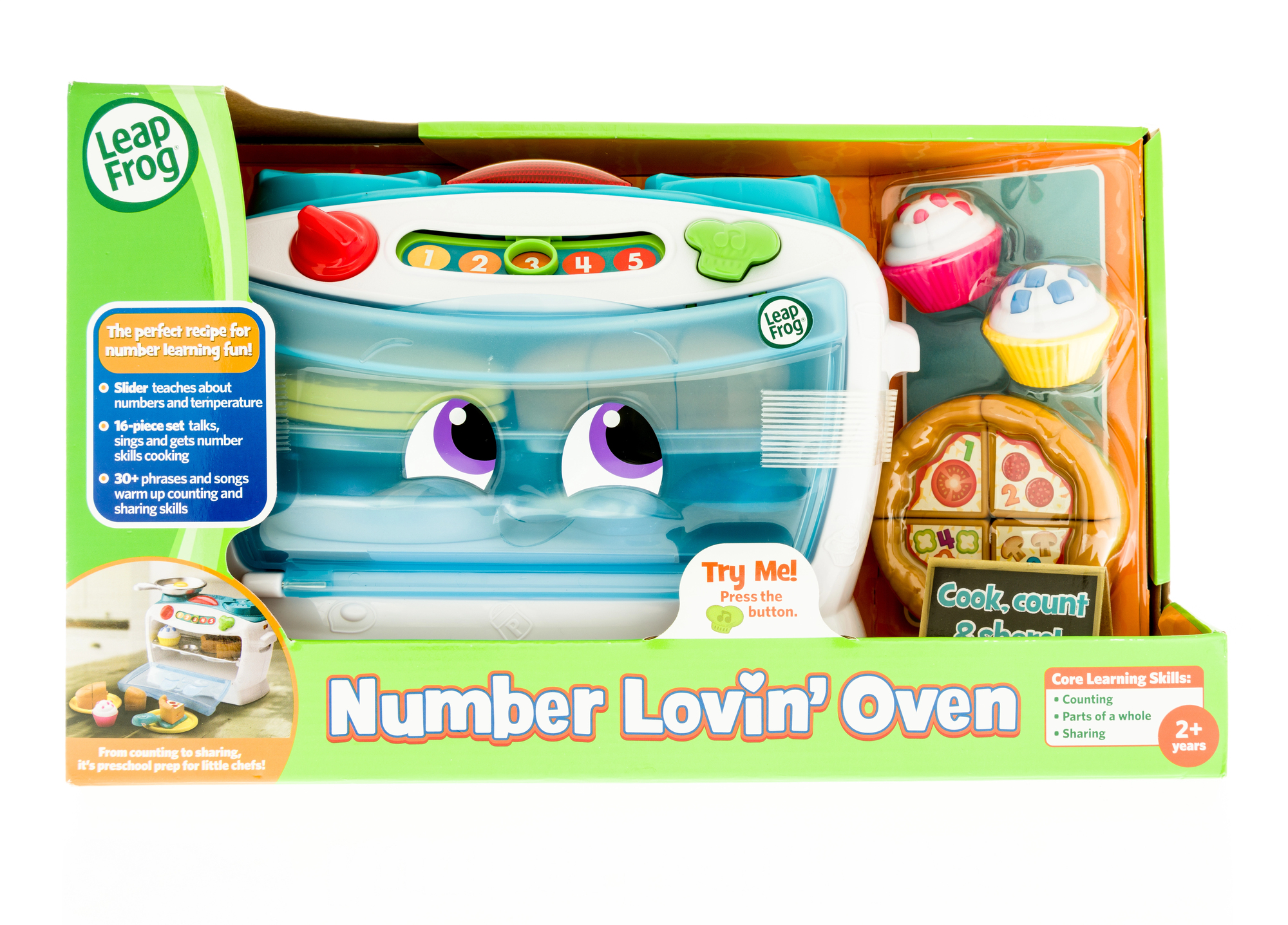
The Easy-Bake Oven had been a children’s toy since 1963 and generated very little controversy for most of its existence. The 2006 model changed that.
Reports of children getting their hands trapped in the front-loading slot began accumulating, and in July 2007, a partial finger amputation prompted Hasbro to issue a second recall covering all units of that design. Approximately one million ovens were pulled. Hasbro redesigned the heating mechanism entirely and eventually replaced the toy’s iconic lightbulb element with a proper heating coil.
Rollerblade Barbie
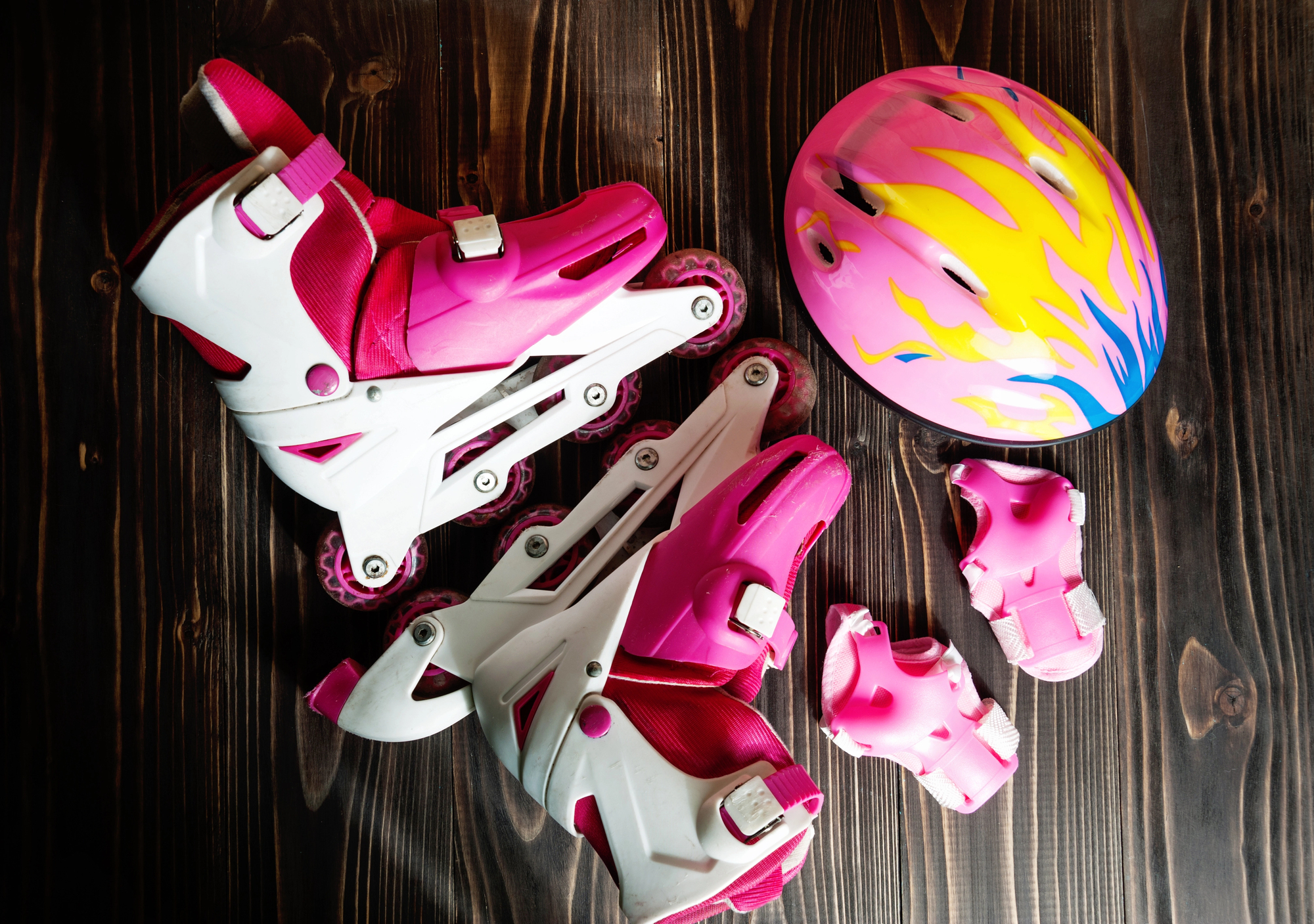
Rollerblade Barbie, released in 1991, came with tiny working skates that produced sparks as the wheels turned. The intention was presumably a fun visual effect.
The result was a doll generating open sparks near children and flammable materials, which led to burns and prompted Mattel to discontinue the line in 1993. The sparks were created by a small flint mechanism embedded in the skate wheel — the same basic design principle as a lighter, scaled down and placed on a children’s toy.
Magnetix Building Sets
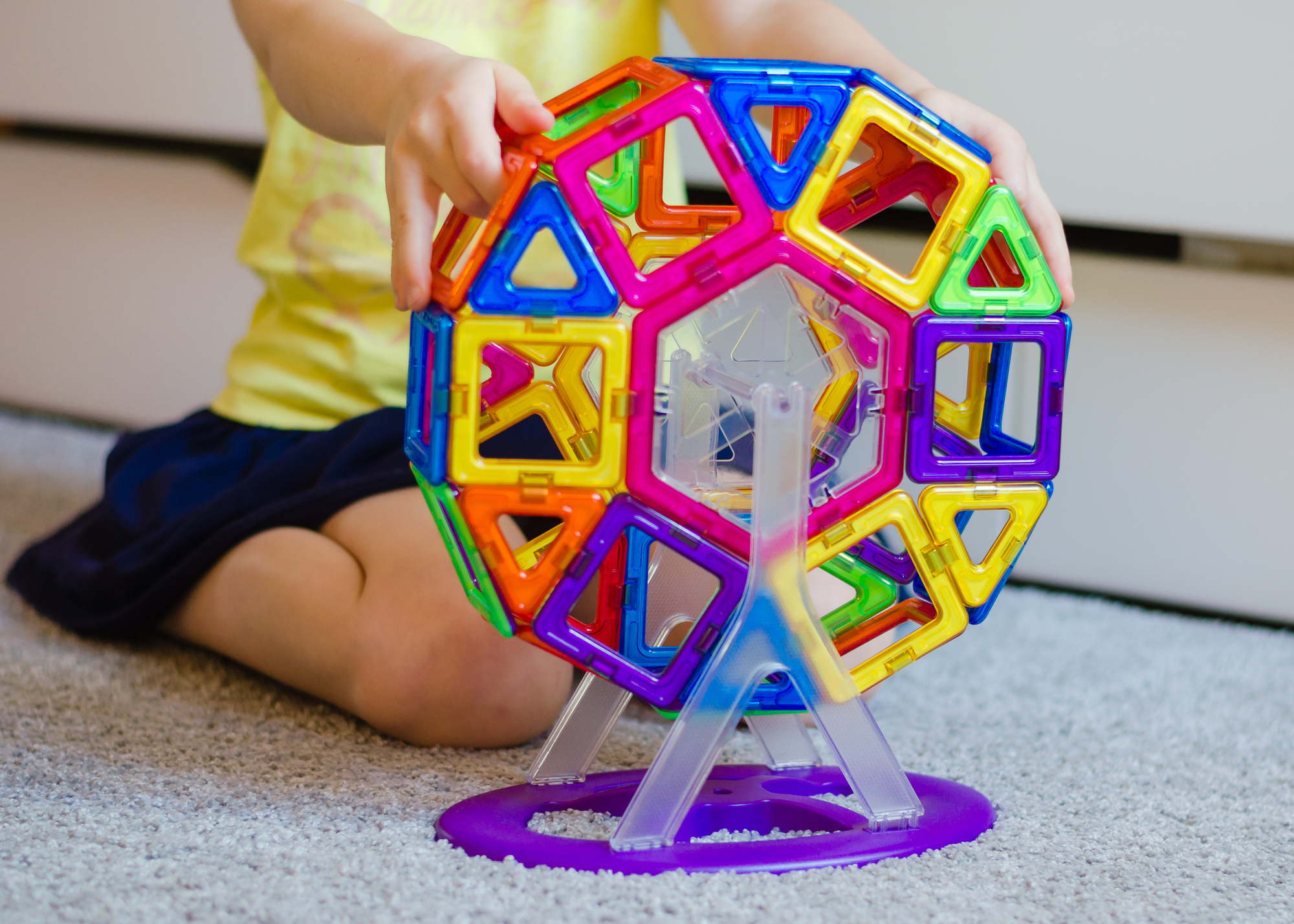
Magnetix were colorful magnetic building sets that let kids assemble geometric structures using plastic pieces and magnetic connectors. The magnets, small and powerful, could be separated from the plastic casings, and when children swallowed multiple pieces, the magnets attracted each other through intestinal walls with enough force to cause perforations and blockages.
A child died in 2005 after swallowing Magnetix components. Rose Art Industries recalled over four million sets in 2006, and the Consumer Product Safety Commission later established new safety standards specifically addressing small high-powered magnets in toys.
Water Yo-Yo Balls
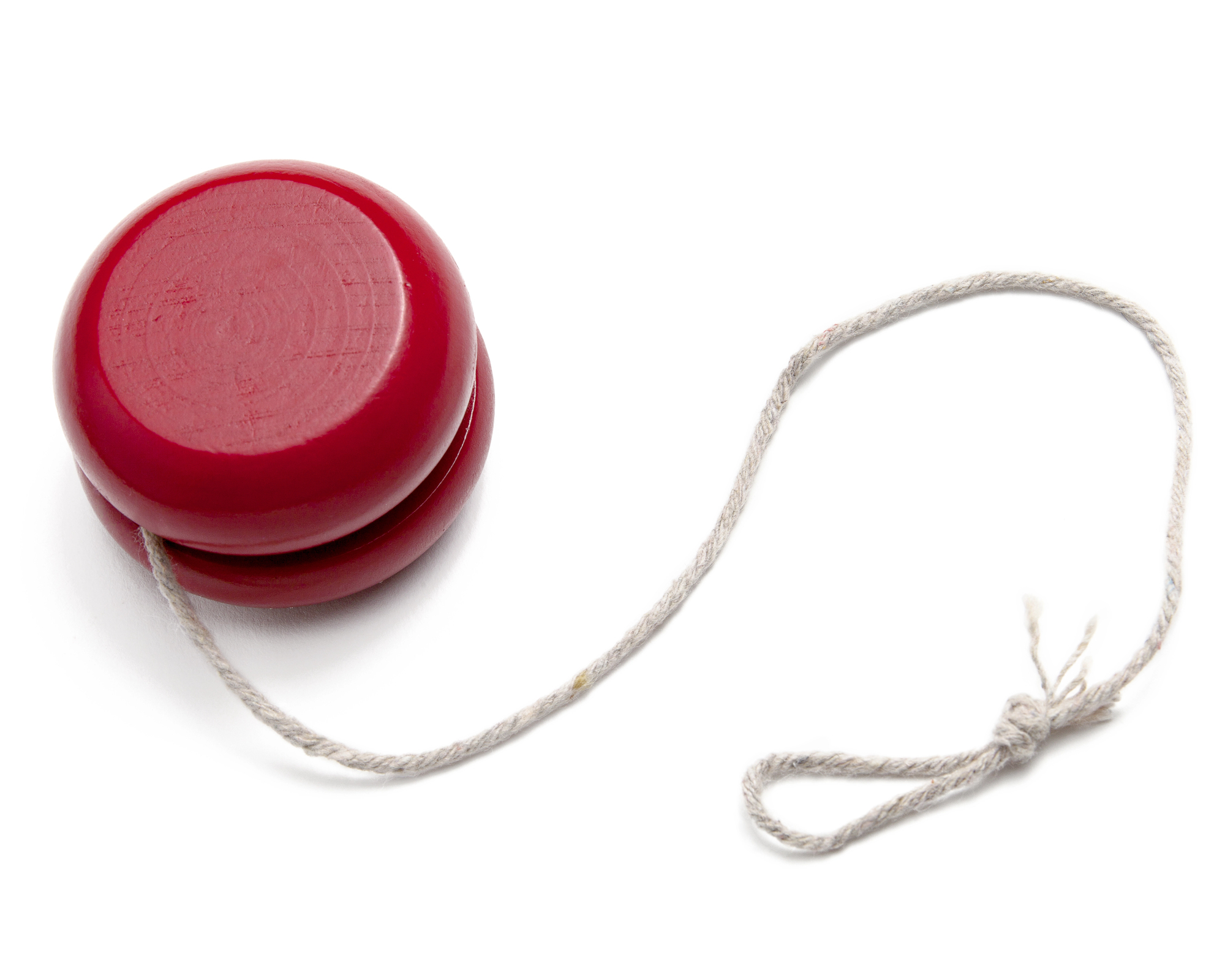
Water yo-yo balls — gel-filled spheres on long elastic cords — were popular carnival prizes and novelty shop staples in the late 1990s and early 2000s. The elastic cord was the problem: long enough to wrap around a child’s neck, stretchy enough to resist quick removal, and attached to enough weight to maintain pressure.
Multiple strangulation incidents were reported. The CPSC eventually banned them, and many countries worldwide followed. They continued circulating at fairs and discount shops for years after the ban, which perhaps explains why the warnings persisted so long.
Slip ‘N Slide
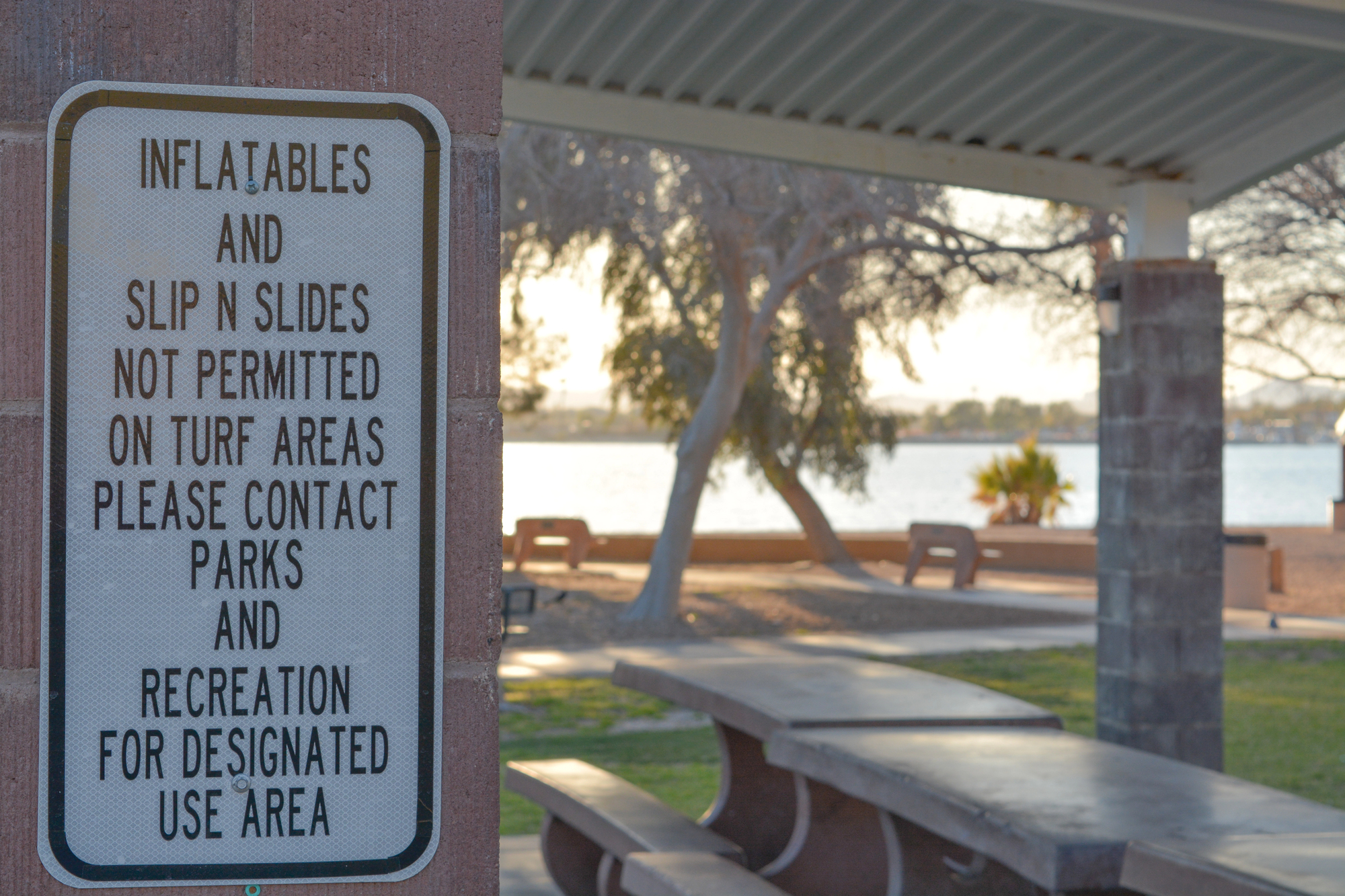
Wham-O’s Slip ‘N Slide launched in 1961 and spent decades as the definitive summer backyard toy. In 1993, the Consumer Product Safety Commission issued a warning not about children but about adults and teenagers who had been using the slide and suffering neck injuries, including cases of permanent paralysis.
The sudden deceleration when a full-grown body hit the end of the mat was far more violent than the design anticipated. Wham-O continued selling the toy with restricted age guidelines, but the version that had been marketed to all ages was effectively retired.
Sky Rail Roller Coaster
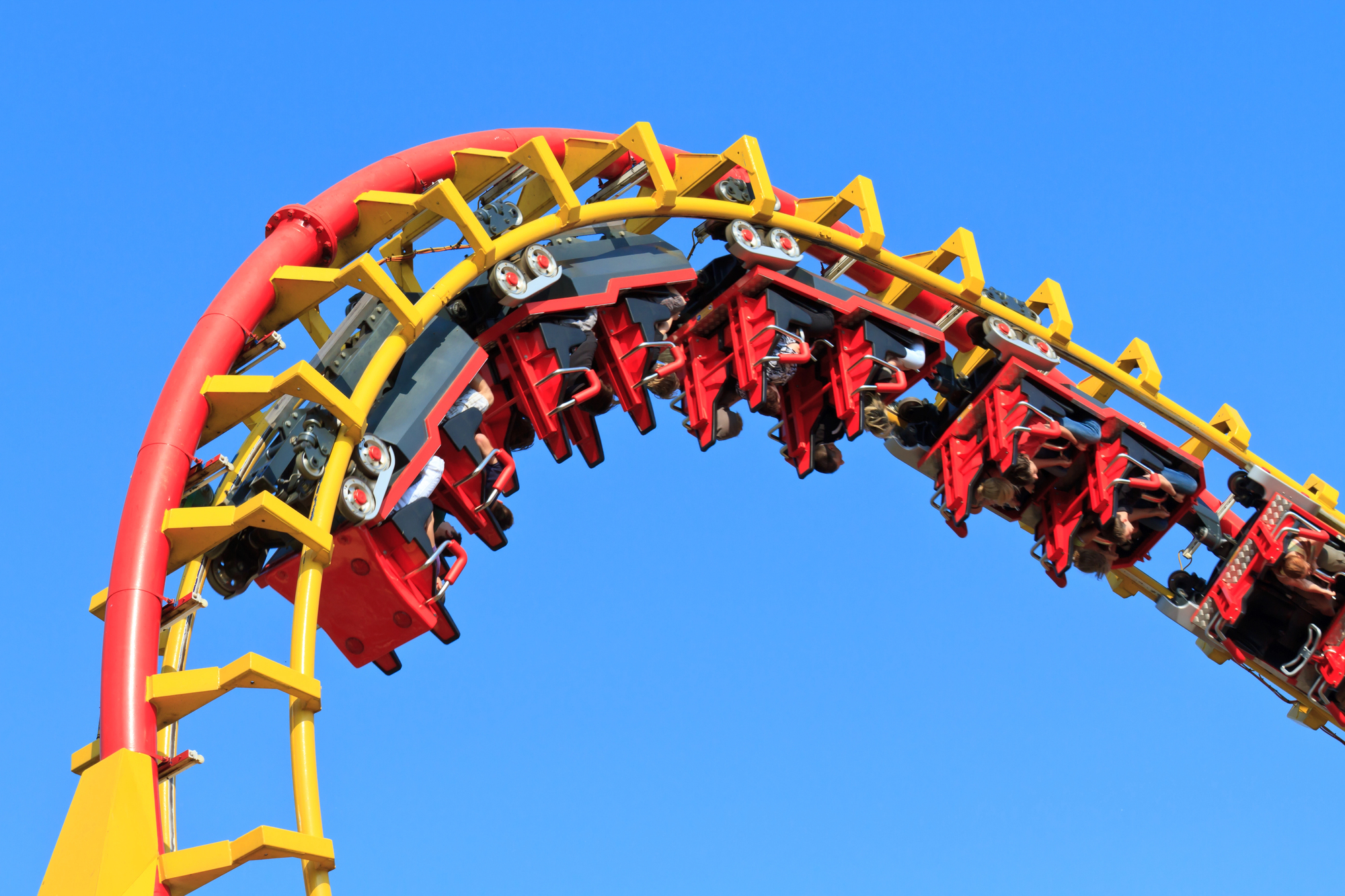
The Sky Rail was a child-powered backyard roller coaster available in the 1990s, with a plastic track elevated several feet off the ground and a wheeled cart that children could ride. The product recall notice cited multiple reports of the track sections separating during use, resulting in falls.
For a toy literally designed to send children downhill at speed on a raised track, structural integrity was not optional. Several lawsuits accompanied the recall.
Buckyballs

Buckyballs were high-powered magnetic spheres marketed to adults for desktop entertainment but widely purchased as gifts for older children. Like Magnetix, the danger was ingestion: when multiple Buckyballs were swallowed, they attracted each other with enough force to perforate intestinal walls.
By 2012, the Consumer Product Safety Commission reported nearly 1,700 emergency room visits linked to magnet ingestion, and Maxfield & Oberton, the maker of Buckyballs, was ordered to halt sales. The company initially fought the recall, making it one of the more contentious regulatory battles in recent toy safety history.
Mattel’s Barbie and Tanner Play Set
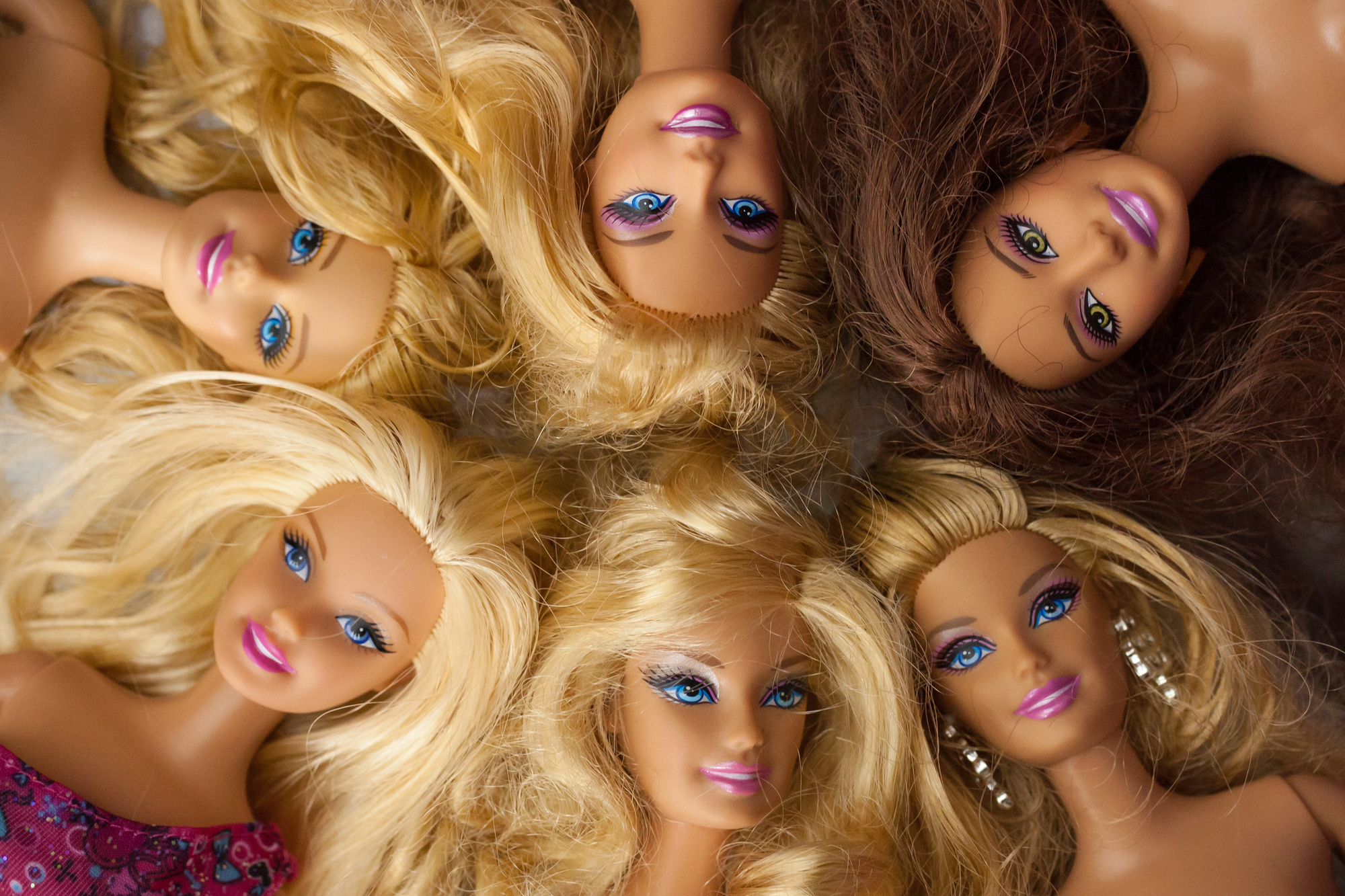
Barbie’s dog Tanner ate magnetic pet food and then, through a feature best described as anatomically optimistic, produced magnetic waste that Barbie’s pooper scooper picked up. The scooper contained a magnet that could detach and be swallowed.
Mattel recalled the set in 2007, the same year the company was managing multiple simultaneous toy recalls over lead paint and magnet issues. Barbie and Tanner’s specific contribution to the recall total was approximately 683,000 sets.
Slap Bracelets

Slap bracelets were strips of stiff material — a thin metal band covered in fabric or plastic — that, when slapped against a wrist, would curl into a bracelet shape. They were an enormous fad in the early 1990s and appeared in virtually every school.
When the fabric covering wore through, the exposed metal edges could cut skin. Several schools banned them. They were never subject to a formal federal recall but were pulled from many stores after injury reports accumulated. They remain available in various forms to this day, now with more durable coverings.
Battlestar Galactica Colonial Viper Toy Missiles
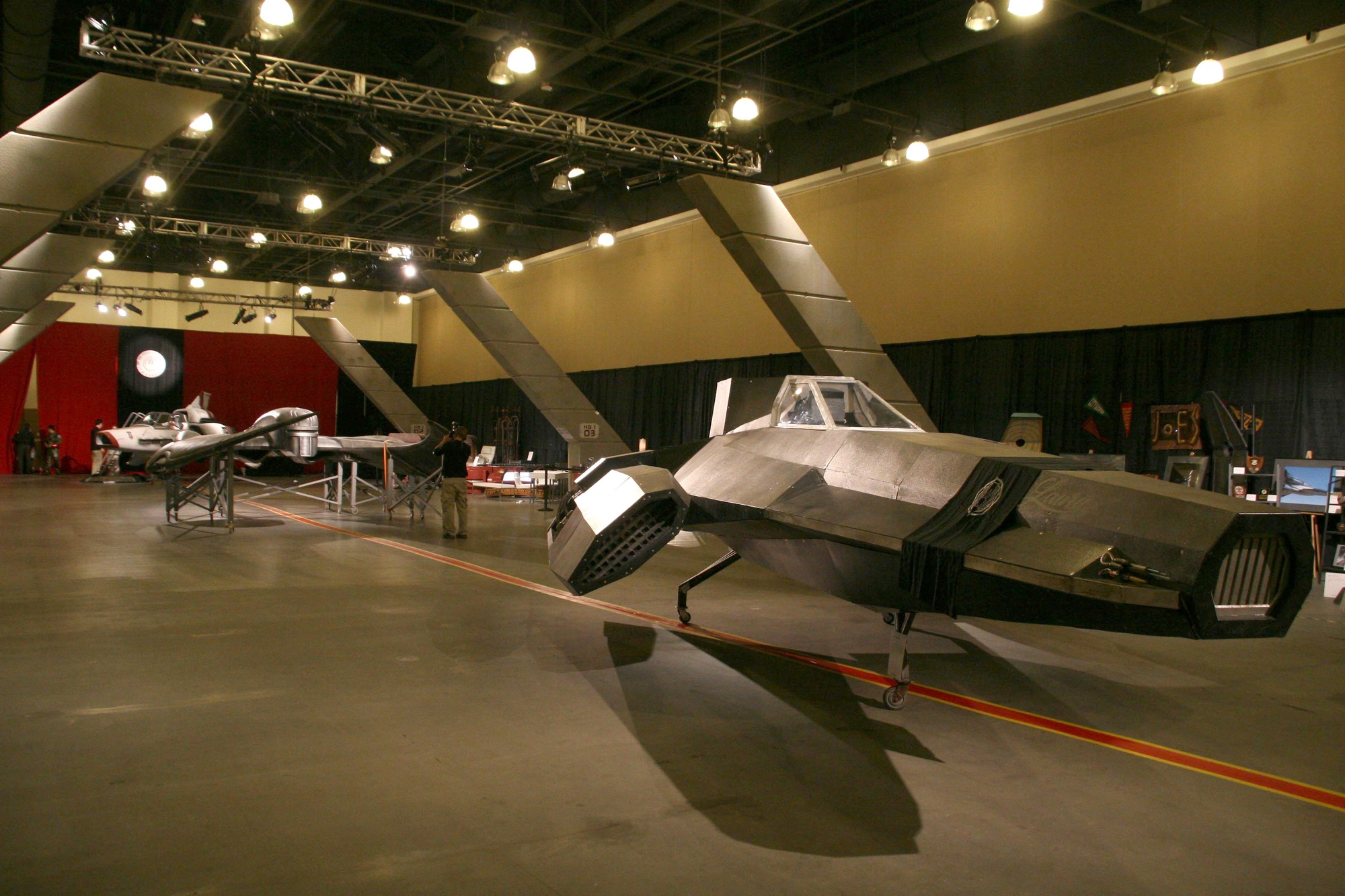
Mattel’s 1978 Battlestar Galactica toy line included Colonial Viper and Cylon Raider ships that fired small plastic missiles using a spring-loaded mechanism. A child died in 1978 after choking on one of the missiles.
Mattel recalled the missile-firing mechanism within a year of the toy’s release. The incident contributed to a broader industry-wide reconsideration of spring-loaded projectile toys — a category that became heavily regulated in the years following.
Creepy Crawlers Thingmaker
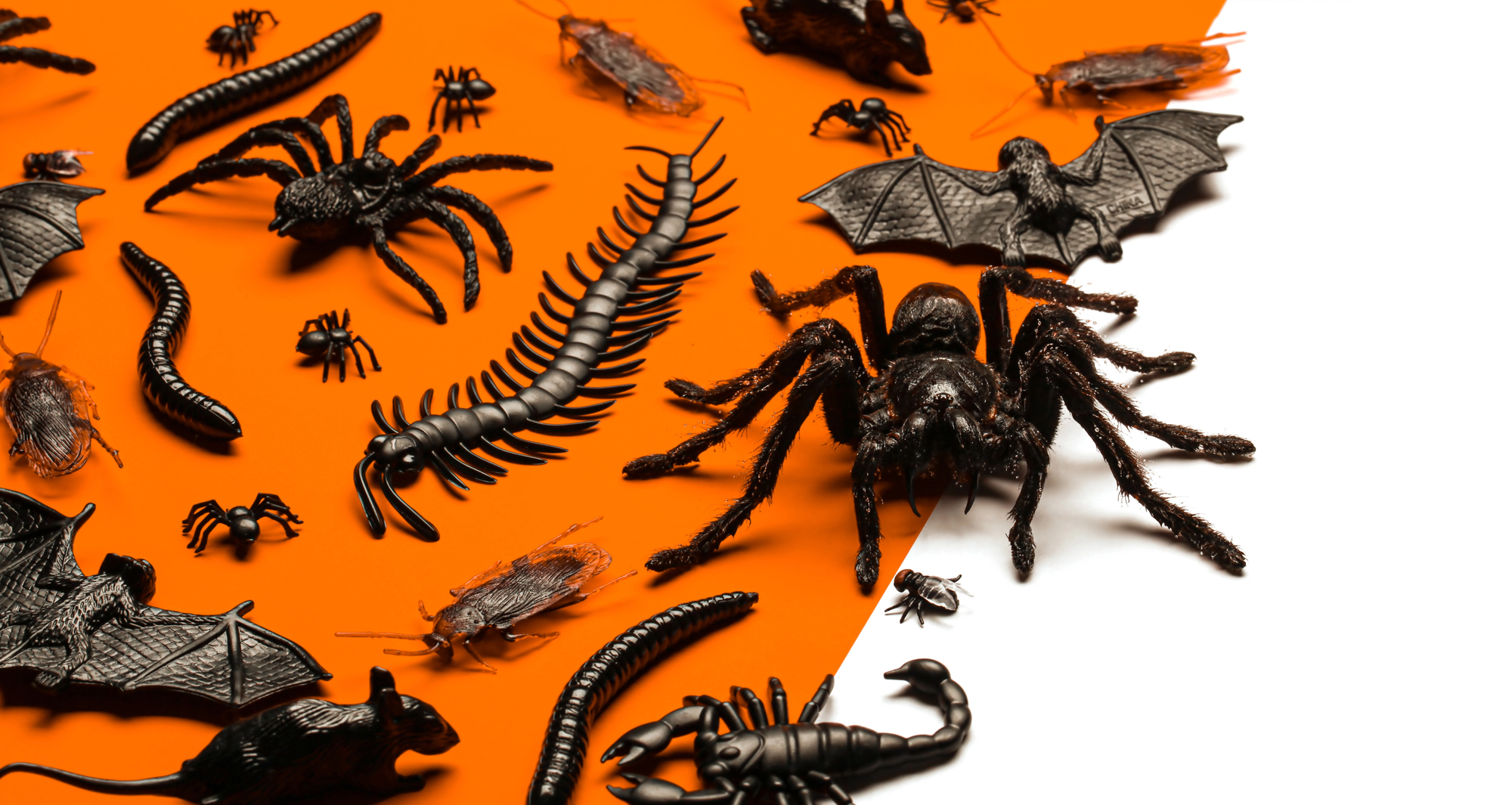
The original Thingmaker, introduced by Mattel in 1964, used a metal heating plate called a “Gooeyville Grill” that reached temperatures sufficient to cause serious burns. Children poured liquid plastic into molds, placed them on the hot plate, and waited for rubbery bugs to form.
The plate had no cover and no automatic shutoff. Burns were common enough that the Consumer Product Safety Commission eventually pressured Mattel to redesign the product. Later versions used enclosed heating systems — functional but significantly less exciting from a burn-risk perspective.
Power Wheels Ride-On Vehicles
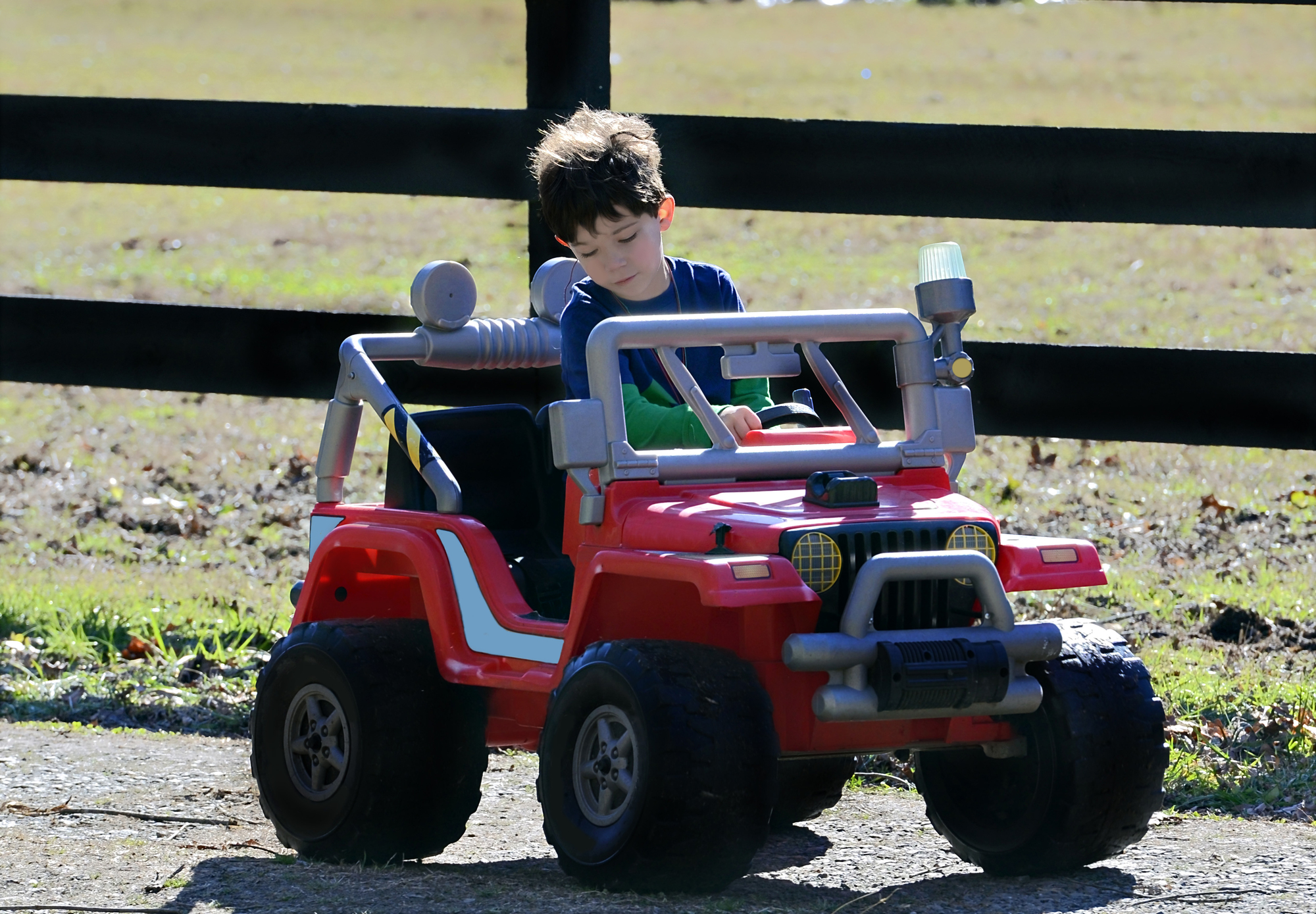
Fisher-Price’s Power Wheels were enormously popular battery-powered ride-on vehicles through the 1990s. Between 1992 and 2000, multiple recalls covered more than ten million units for two separate issues: a wiring flaw that allowed the vehicles to catch fire during charging, and a throttle problem that could cause the vehicle to continue accelerating even when the child’s foot was removed from the pedal.
Children were burned, and at least a handful of house fires were linked to the charging defect. Power Wheels remained on the market throughout and continue to sell today.
Polly Pocket Magnetic Play Sets
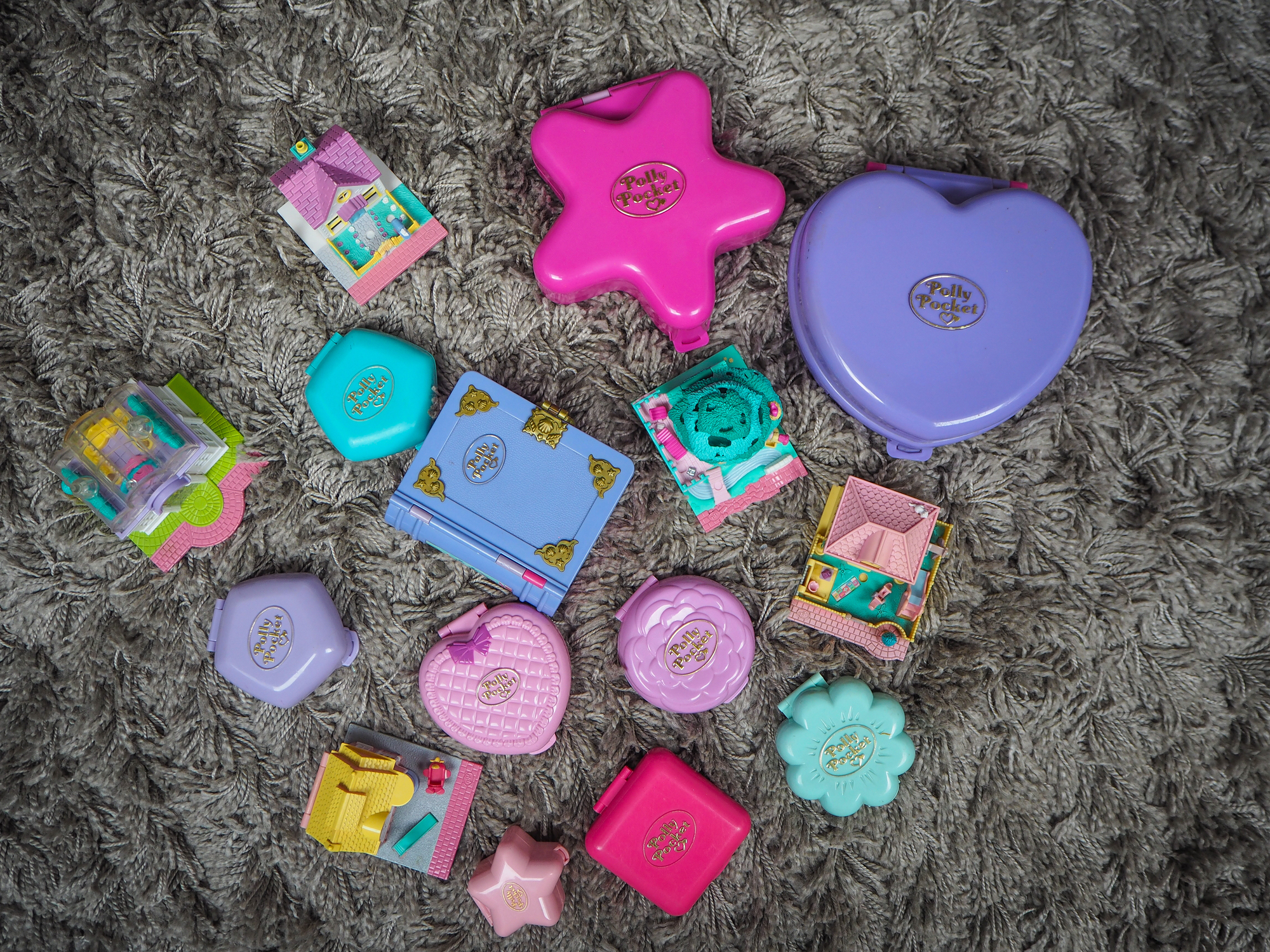
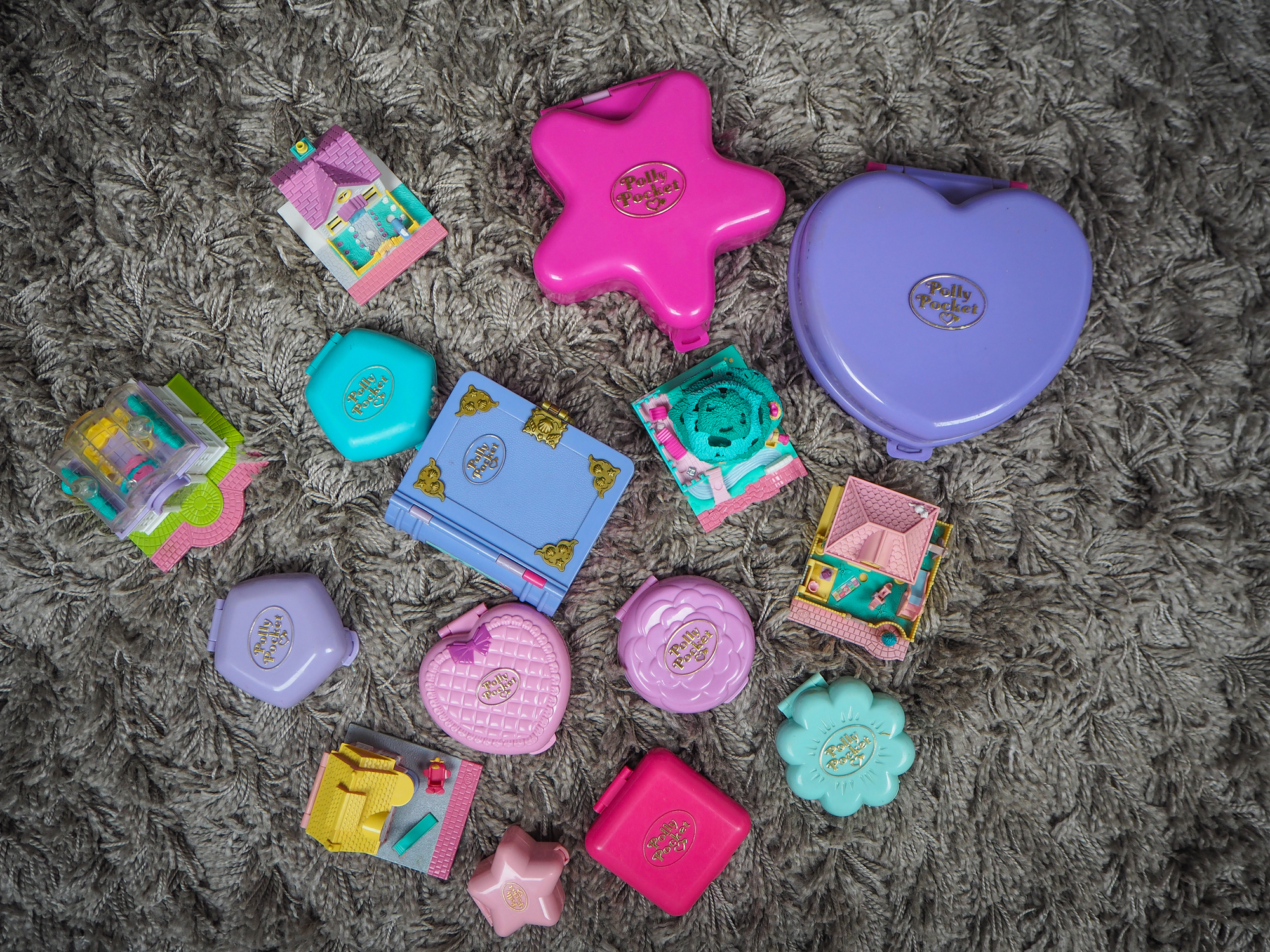
Mattel’s compact Polly Pocket play sets came with tiny magnetic accessories in the early 2000s. When those magnets could be separated from the accessories — and they could — the swallowing risk was the same as with other magnetic toy components.
Mattel recalled approximately 7.3 million Polly Pocket play sets in 2006, making it one of the larger magnet-related toy recalls of that era. The timing coincided with several other Mattel recalls, creating a notably difficult few years for the company’s safety record.
Yo-Yo Water Balls (Various Manufacturers)
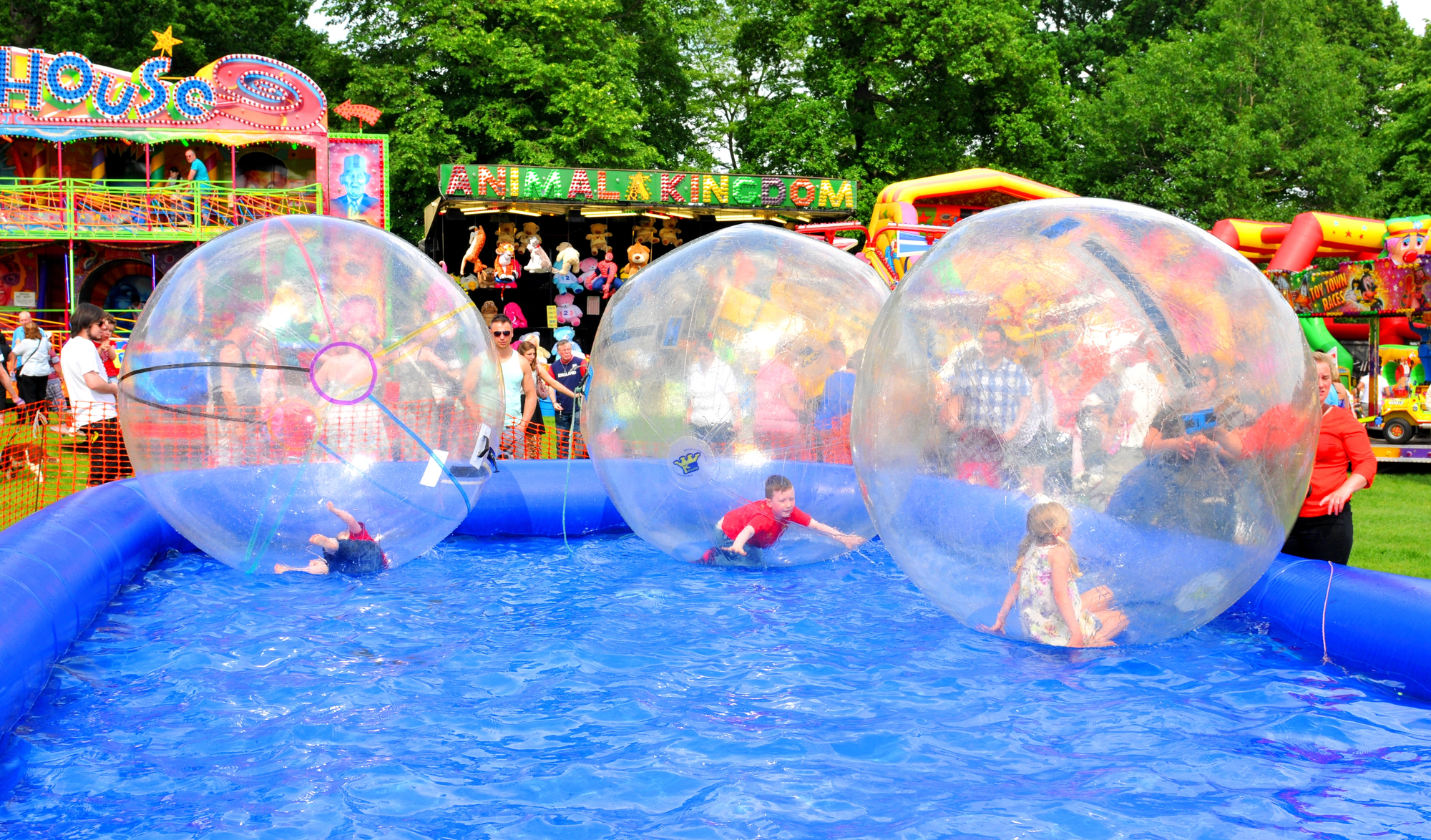
Distinct from gel water balls but sold in the same category, these toys used a stretchy bungee-style cord and were aggressively distributed through carnival midways and discount toy retailers in the late 1990s. The strangulation risk from the cord prompted bans in Canada, Australia, and the European Union before the United States took formal action.
The toy’s persistence through multiple bans illustrated how difficult it was to remove something from carnival prize pipelines once it had been embedded there.
Battletech Metal Tops (Beyblades Predecessors)
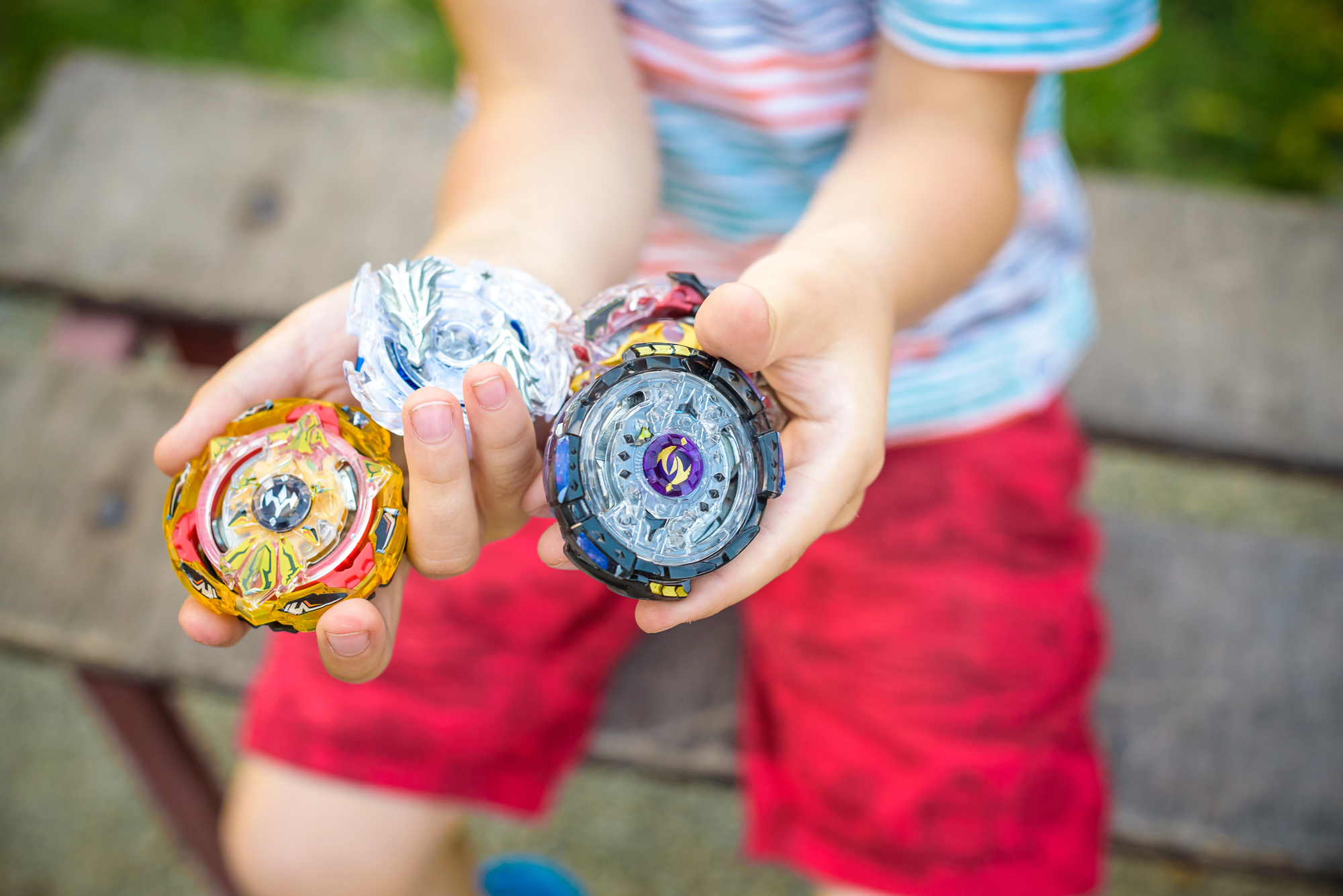
Before Beyblades were formally launched as a branded product, various metal spinning top toys circulated in the late 1990s that used sharp metal casings. Several resulted in cuts and lacerations when the tops flew off the launcher or when children attempted to retrieve them mid-spin.
The category was tightened significantly by safety standards before Hasbro and Takara launched branded Beyblades in 2002 with smoother, rounder designs.
Mini Hammocks

Three million mini hammocks were recalled in 1996 after the deaths of twelve children. The design flaw was specific: the hammocks lacked a spreader bar, which meant the fabric could twist and collapse around a child as they tried to get in or out.
The Consumer Product Safety Commission called it one of the most dangerous product recalls of that decade. The hammocks had been marketed specifically to children and were sized for children’s bedrooms.
Swing Wing

The Swing Wing was a 1965 toy consisting of a propeller-style headband connected to a spinning disc, which the child kept spinning through rhythmic head movements. The mechanics required vigorous and repetitive head and neck movement to maintain the spin.
The Consumer Product Safety Commission flagged the toy for potential neck strain, particularly in children who used it for extended periods. The Swing Wing disappeared quickly, though it enjoys occasional nostalgic revival as an example of the genuinely strange things that were once sold as children’s entertainment.
Bat Masterson Derringer Toy Gun

The toy guns of the 1950s and early 1960s — produced to accompany television western merchandise — occupied an unusual category: not dangerous by design but banned by policy. After several incidents of toy guns being mistaken for real weapons, and particularly after federal legislation in 1988 required blaze orange barrel tips on all toy firearms, the most realistic-looking versions of these products were pulled.
The transition reshaped an entire product category and established the orange-tip standard still used today.
Zartan Action Figure (Dioxazine Purple Dye)

Hasbro’s 1984 G.I. Joe Zartan figure was designed to change color in sunlight — a chemical feature that made it one of the line’s most popular characters. Concerns eventually emerged about the dye compound used in the color-change mechanism, leading Hasbro to reformulate subsequent versions.
The original Zartan, with its specific chemical composition, was discontinued and replaced with a version that performed the same trick through a different process.
CSI Investigation Kit (Fingerprint Powder)
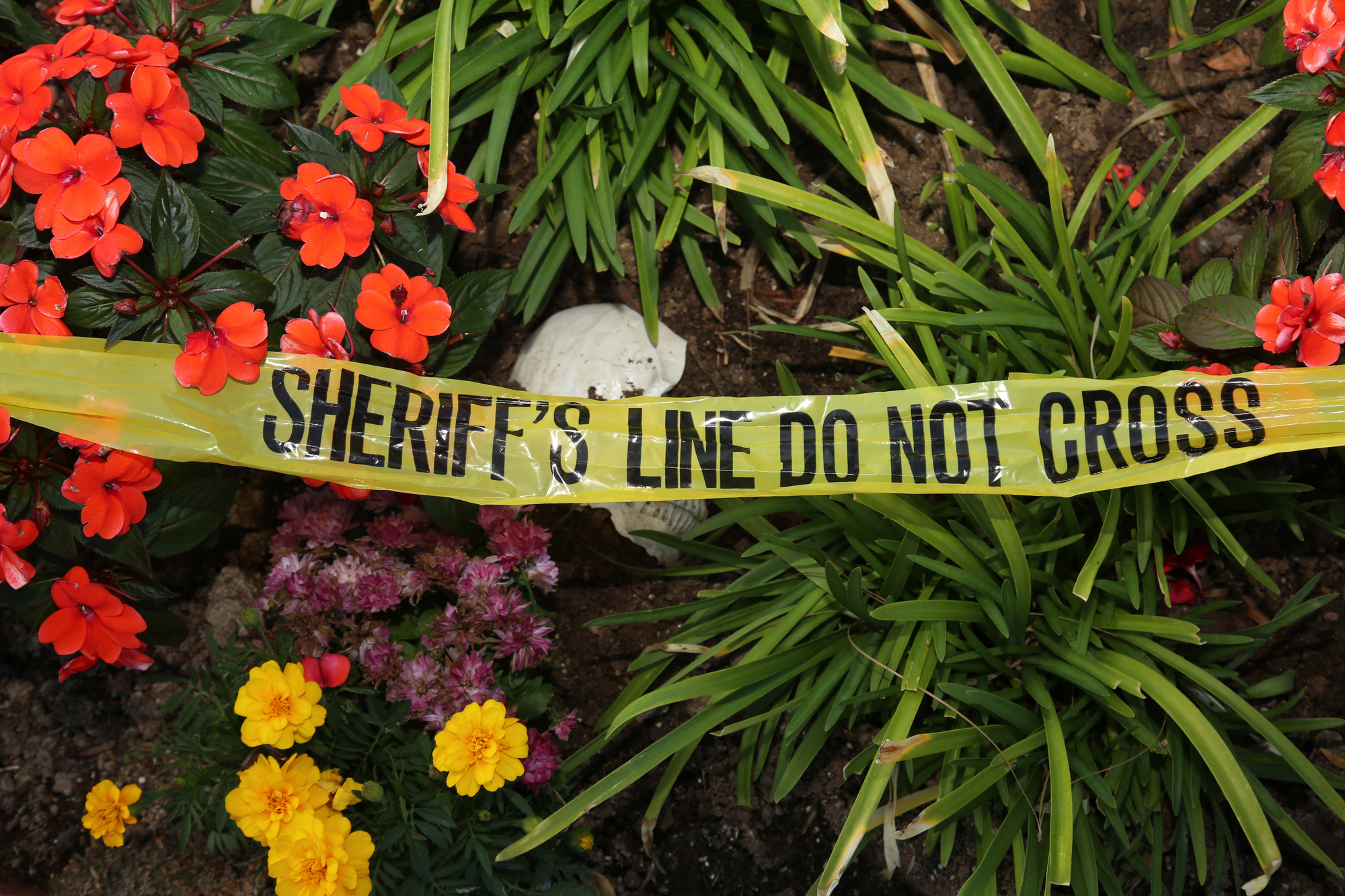
A 2007 recall pulled a popular CSI: Crime Scene Investigation toy kit from shelves after the fingerprint dusting powder was found to contain asbestos. The kit was aimed at children ten and older and was sold as an educational product tied to the television franchise.
The Consumer Product Safety Commission ordered the recall in October 2007 after independent laboratory testing confirmed the asbestos content. Manufacturer Planet Toys cooperated with the recall.
Mattel’s Sarge Die-Cast Cars
During the broader Mattel recall of 2007 — a year in which the company recalled over 21 million toys — the Sarge die-cast car, a military jeep modeled on the Pixar film Cars, was pulled for lead paint violations. The surface paint exceeded federal lead paint limits by a substantial margin.
The recall of lead-painted Mattel toys in 2007 was among the largest in toy industry history and prompted congressional hearings on manufacturing safety standards.
Toy Biz Marvel Figure Magnets
Various small magnetic figures sold as collector toys and children’s play items in the late 1990s and early 2000s ran into the same category of problems as Magnetix and Buckyballs — not because of any inherent design flaw but because the magnets, when swallowed in multiples, created intestinal hazards the industry had not yet fully addressed.
The CPSC’s 2017 updated magnet safety standards were a direct response to the decade-long accumulation of injuries linked to this entire category of product.
What Made Kids Love the Dangerous Ones Anyway
The toys on this list were not loved despite being dangerous — at least not consciously. Most children who had Lawn Darts or Sky Dancers or a Cabbage Patch Snacktime Kid had no idea the risk existed until someone else told them.
What made the toys beloved was what made most toys beloved: they did something surprising, or loud, or messy, or fast. The danger, when it existed, was usually a feature the designers had failed to anticipate rather than one children sought out.
The pattern that runs through all of them is the gap between what a toy appeared to be and what it turned out to be in practice — in living rooms, at backyard parties, in the hands of children who used things in exactly the ways children always have. Regulators closing those gaps has undeniably made childhood safer. What it has not done is made the memories of those toys any less vivid for the people who had them.
More from Go2Tutors!

- The Romanov Crown Jewels and Their Tragic Fate
- 13 Historical Mysteries That Science Still Can’t Solve
- Famous Hoaxes That Fooled the World for Years
- 15 Child Stars with Tragic Adult Lives
- 16 Famous Jewelry Pieces in History
Like Go2Tutors’s content? Follow us on MSN.