16 Languages That Died with Their Last Speaker
Languages disappear every two weeks somewhere in the world, taking with them entire ways of understanding life, culture, and human experience. When the final speaker of a language passes away, they carry millennia of accumulated wisdom, stories, and unique perspectives into silence forever.
These linguistic extinctions represent some of humanity’s most profound losses, erasing irreplaceable knowledge about everything from ancient migration patterns to sophisticated environmental management systems. Here’s a list of 16 languages that died with their last speaker.
Ubykh

Tevfik Esenç was the last person who could speak Ubykh when he died in Turkey in 1992. This Northwest Caucasian language had one of the world’s most complex sound systems, featuring 84 consonants but only two vowels.
Esenç spent his final years working with linguists to document every sound and word he could remember from his childhood in the Caucasus Mountains.
Jedek

Marie Smith Jones carried the entire Eyak language of Alaska to her grave in 2008. She grew up speaking Eyak with her family along the Copper River, but as Alaska modernized, younger generations switched to English.
Jones became a passionate advocate for language preservation, working tirelessly with researchers to create dictionaries and recordings before her death at age 89.
Klallam
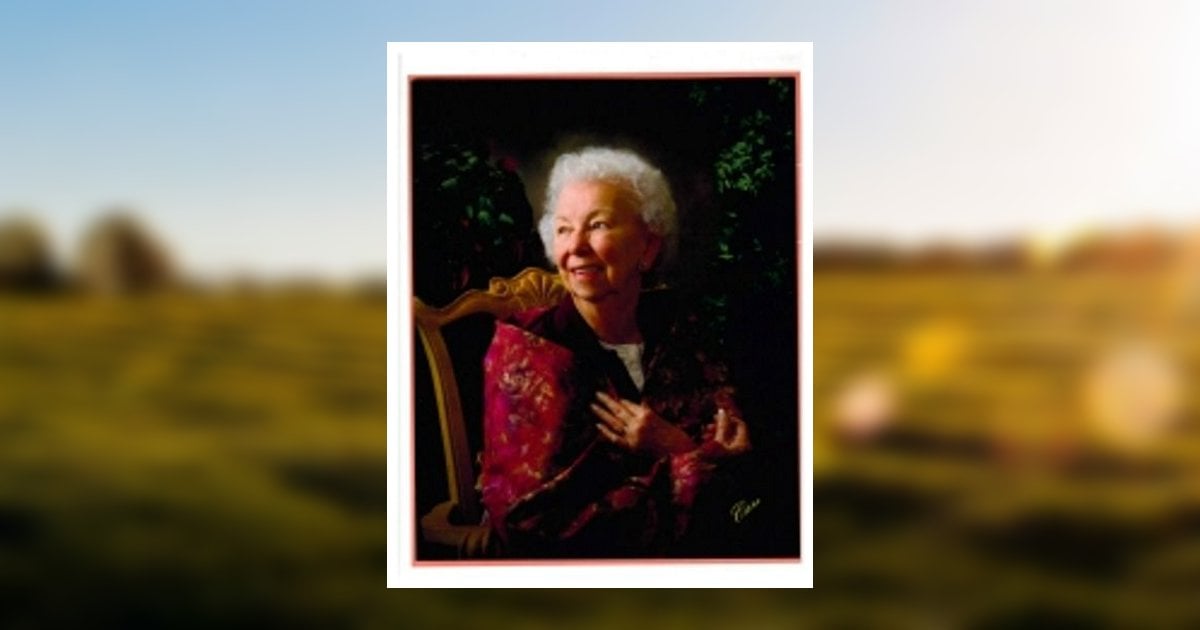
Hazel Sampson was the last fluent speaker of Klallam when she passed away in Washington State in 2014. The Straits Salish language once thrived among coastal tribes around the Olympic Peninsula.
Sampson dedicated her later years to teaching the language to tribal members, though none achieved full fluency before her death.
Like Go2Tutors’s content? Follow us on MSN.
Wichita

Doris Jean Lamar-McLemore took the Wichita language with her when she died in Oklahoma in 2016. She was the final fluent speaker of this Caddoan language that once flourished across the Great Plains.
McLemore worked extensively with linguists and tribal educators, creating materials to help future generations learn fragments of their ancestral tongue.
Nuchatlaht
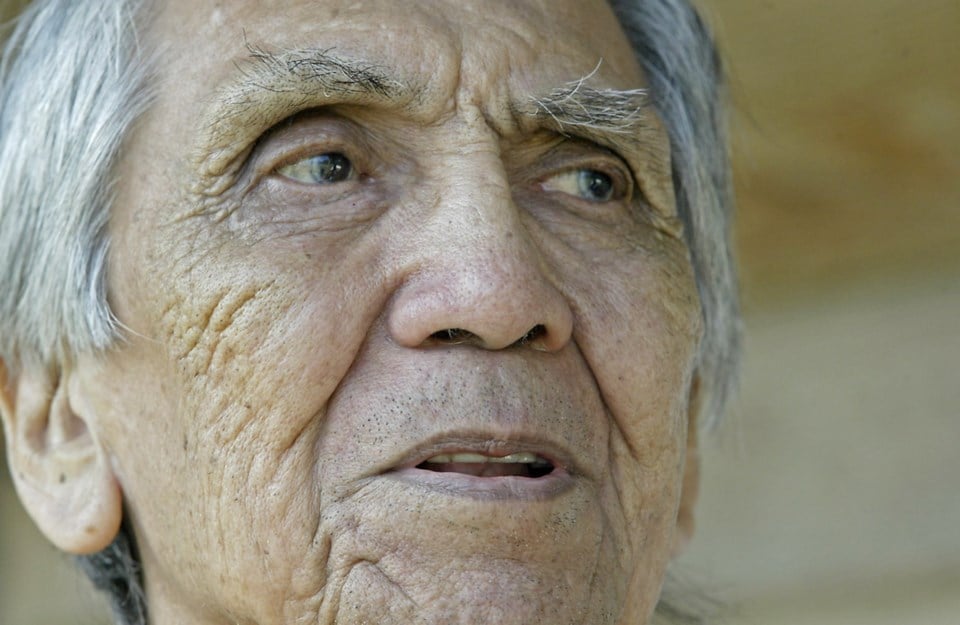
Alban Michael was the last person who could speak Nuchatlaht fluently when he died in British Columbia in 2009. The Wakashan language belonged to the Nuu-chah-nulth people of Vancouver Island.
Michael’s death marked the end of a linguistic tradition that had encoded thousands of years of Pacific Northwest coastal knowledge.
Ainu

While some people still learn Ainu as a second language, Takeshi Taira was considered the last native speaker when he died in Japan in 1994. The Ainu language carried the cultural heritage of Japan’s indigenous people from Hokkaido.
Taira’s passing ended an unbroken chain of native transmission stretching back countless generations.
Like Go2Tutors’s content? Follow us on MSN.
Yuchi

The last fluent Yuchi speaker died in Oklahoma around 2010, though the exact identity remains somewhat unclear due to tribal privacy. This language isolate had no known relatives among other Native American languages.
The Yuchi people continue efforts to revitalize their language using recordings and documentation from the final speakers.
Patwin

Laura Fish Somersal was the last native speaker of Patwin when she died in California in 1997. The Wintuan language once spread across the Sacramento Valley before European colonization.
Somersal worked with UC Berkeley linguists to preserve as much of the language as possible, knowing she was its final guardian.
Kaixana

Raimundo Avelino became the sole speaker of Kaixana before his death in Brazil around 2006. This Amazonian language once belonged to a larger linguistic family in the remote regions of the Amazon rainforest.
Avelino lived most of his life as the only person who could speak his mother tongue fluently.
Like Go2Tutors’s content? Follow us on MSN.
Miami-Illinois

Elizabeth Carr James was the last speaker of Miami-Illinois when she died in Oklahoma in 1989. This Algonquian language once dominated the Great Lakes region and parts of the Midwest.
James maintained her linguistic knowledge despite decades of pressure to assimilate, becoming the final link to centuries of tribal history.
Bo
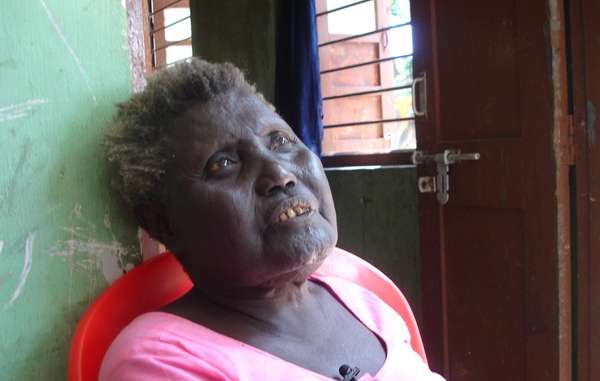
Boa Sr was the last person who could speak Bo when she died in India’s Andaman Islands in 2010. She was around 85 years old and had lived most of her adult life unable to have full conversations in her native language.
Bo was one of the ten Great Andamanese languages that flourished before British colonization devastated the island populations.
Cromarty Fisherfolk

Bobby Rae Hogarth was likely the last native speaker of the Cromarty dialect when he died in Scotland in 2012. This distinct form of Scots emerged among fishing communities in the Black Isle.
Hogarth could recall hundreds of specialized terms for fishing, weather, and local customs that disappeared with him.
Like Go2Tutors’s content? Follow us on MSN.
Eyak
Anna Nelson Harry was one of the last two Eyak speakers when she died in Alaska in 1982, leaving only Marie Smith Jones to carry on the language. Harry had worked with linguists to document Eyak grammar and vocabulary.
Her death reduced the world’s Eyak-speaking population to just one person.
Taushiro

Amadeo García García died in Peru around 2000 as the last known speaker of Taushiro. This Amazonian language belonged to an isolated group in the Peruvian rainforest.
García had no one to speak with in his native language for the final decades of his life, living in complete linguistic isolation.
Wintu

Sadie Marsh was the last fluent speaker of Wintu when she died in California in 1997. The Wintuan language once spread throughout the northern Sacramento Valley and surrounding mountains.
Marsh spent her final years sharing her knowledge with tribal members and linguists, though no one achieved her level of fluency.
Like Go2Tutors’s content? Follow us on MSN.
Catawba

Red Thunder Cloud (whose English name was Cromwell Ashbie Hawkins West) claimed to be the last speaker of Catawba when he died in New York in 1996. However, linguists later questioned whether he was truly fluent, suggesting the language may have died even earlier.
The uncertainty itself highlights how quietly some languages slip away forever.
When Words Become Memories

These final speakers carried more than vocabulary and grammar to their graves—they took entire worldviews that had evolved over thousands of years. Each extinct language represents a unique solution to the challenge of human communication, containing insights about everything from navigation techniques to medicinal knowledge that we’ll never recover.
Today’s endangered languages face the same fate unless communities and linguists work together to break the cycle of linguistic loss that has already claimed so much of our shared human heritage.
More from Go2Tutors!

- 18 Unexpectedly Valuable Collectibles You Might Have Lying Around
- 20 Little-Known Historical Battles That Had Huge Consequences
- 20 Historical Artifacts That Scientists Can’t Explain
- 15 Inventions That Were Immediately Banned After Being Created
- 20 Actors Who Were Almost Cast in Iconic Roles
Like Go2Tutors’s content? Follow us on MSN.