26 Forgotten Queens and Rulers Who Shaped History but Rarely Appear in Textbooks
History has a gravitational pull toward certain names, and it tends to pull hardest on men. The result is a curriculum in which dozens of powerful, consequential, and frequently remarkable women exist only as footnotes to the reigns of male relatives — or not at all.
The twenty-six rulers below are not minor figures who happened to be female. They commanded armies, built empires, outmaneuvered Rome, resisted Portuguese colonization, and in several cases restructured the political geography of their regions.
The reason most people haven’t heard of them has less to do with their significance than with who got to decide which stories were worth writing down.
Hatshepsut — The Pharaoh Who Was Systematically Erased
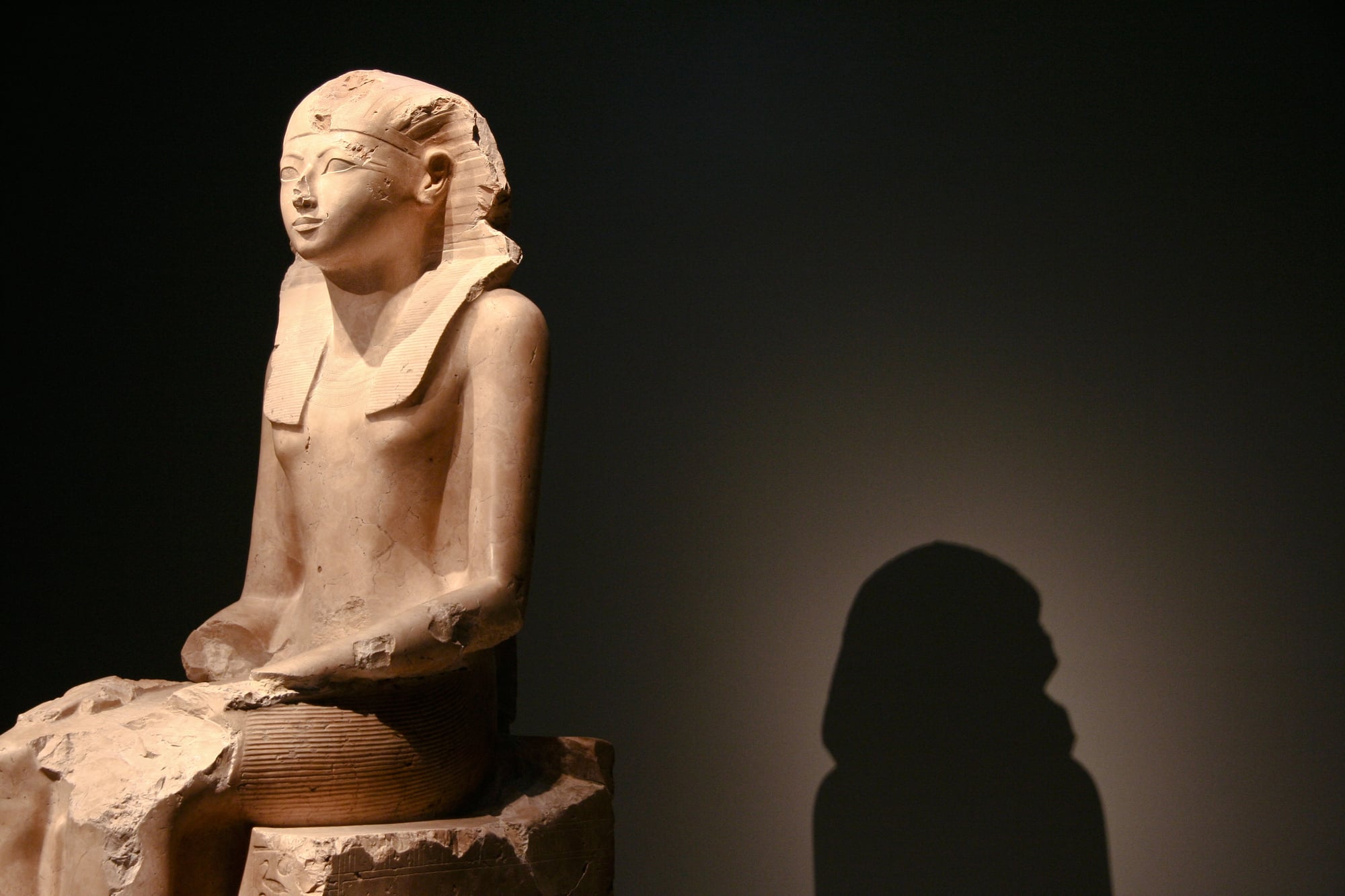
Hatshepsut ruled Egypt as pharaoh for over twenty years in the fifteenth century BC, presiding over a period of significant prosperity and undertaking major building programs that included her mortuary temple at Deir el-Bahari, which remains one of the most impressive architectural achievements of the ancient world. She organized a major trade expedition to the land of Punt that brought back myrrh trees, ebony, and gold.
After her death, her stepson Thutmose III — and possibly later rulers — had her images chiseled from monuments and her name removed from royal lists. She remained largely invisible in the historical record for three thousand years until nineteenth-century archaeologists began to reconstruct what had been deliberately obscured.
Sobekneferu — Egypt’s First Confirmed Female Pharaoh

Sobekneferu reigned at the end of Egypt’s Twelfth Dynasty, around 1806–1802 BC, making her the first woman confirmed by historical records to have ruled Egypt as pharaoh in her own right. She adopted full male pharaonic regalia in some of her depictions while maintaining female titles in others — a visual negotiation with convention that later female pharaohs would also face.
Later royal lists omitted her, and she appeared in some king lists only after considerable scholarly effort. Her reign was short, but it established a precedent that Hatshepsut and, later, Cleopatra would follow.
Artemisia I of Caria — The Admiral Who Advised Against Salamis
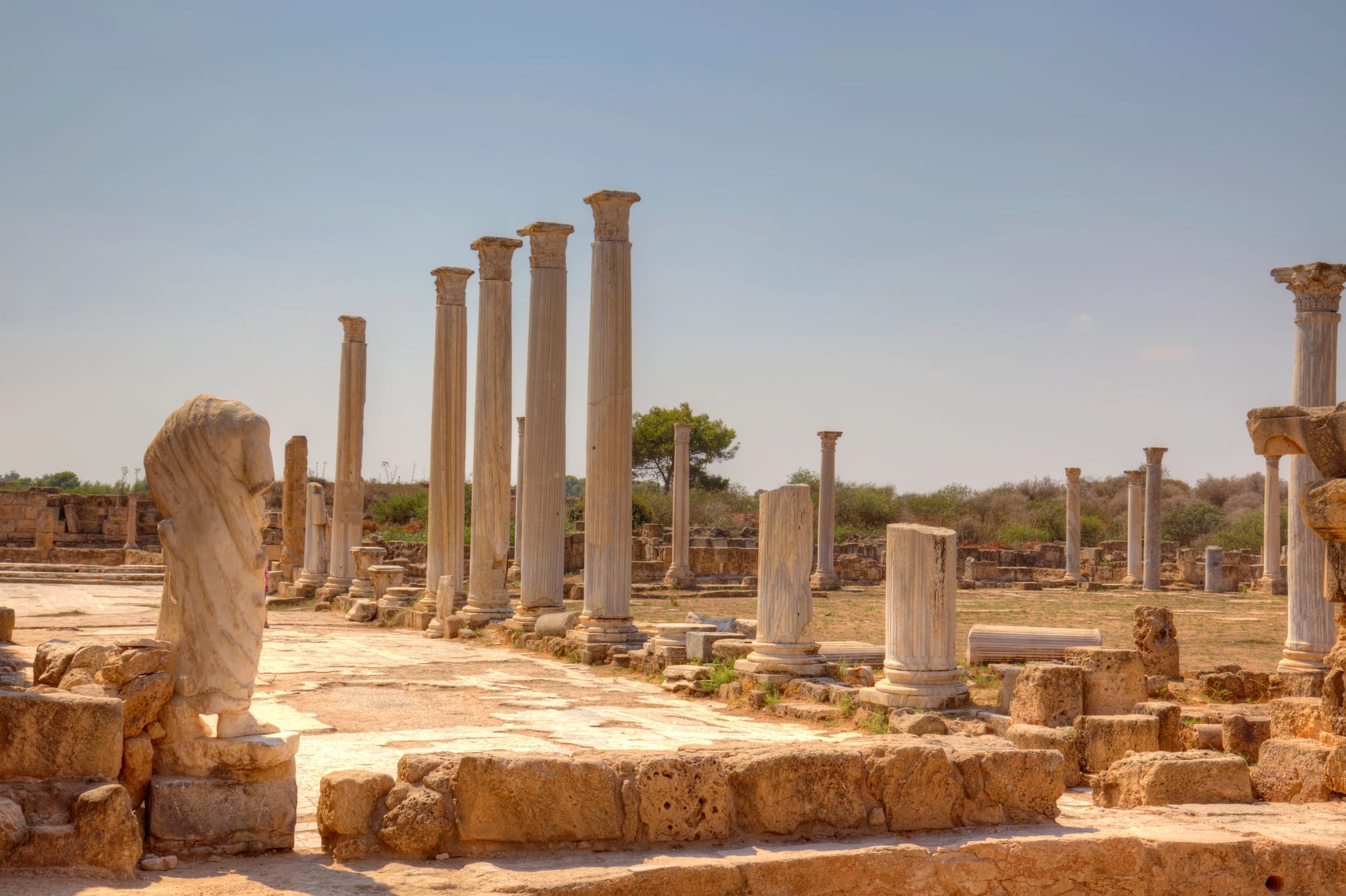
Artemisia I ruled the Greek city-state of Halicarnassus (in modern Turkey) as a vassal queen under the Persian Empire in the fifth century BC. She commanded five warships in Xerxes’ fleet during his invasion of Greece in 480 BC.
Herodotus, who was born in Halicarnassus and was therefore not entirely unbiased, praised her strategy and her judgment, noting that she advised Xerxes against fighting the naval battle of Salamis — advice that proved correct. Xerxes reportedly said of her, “My men have become women and my women men.”
The Greeks placed a bounty of ten thousand drachmas on her head, considering it a particular insult that a woman was fighting against them. She escaped and was never captured.
Zenobia of Palmyra — The Queen Who Challenged Rome
DepositPhotos
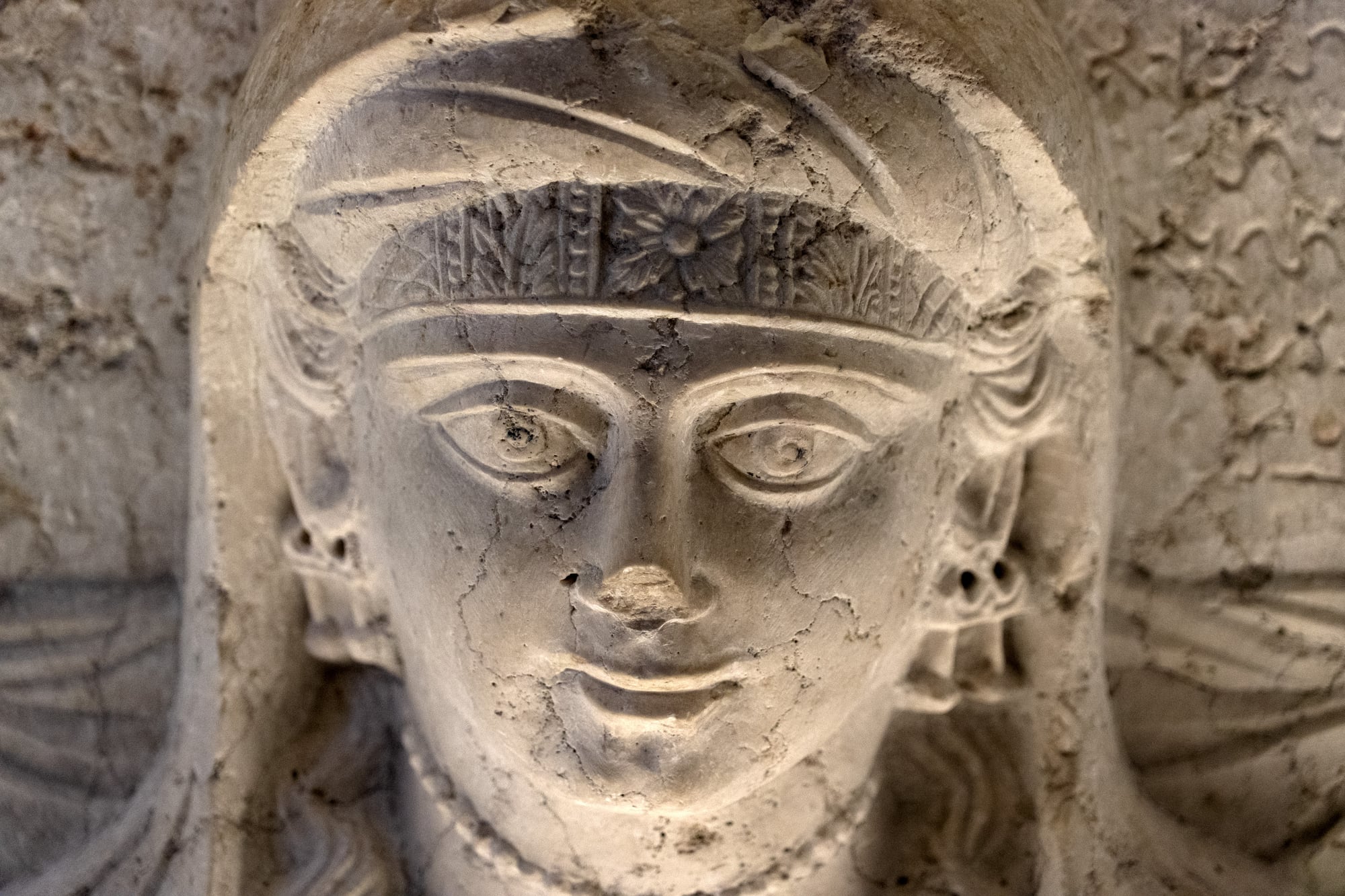
Zenobia became queen regent of Palmyra, in what is now Syria, after her husband’s assassination around 268 AD. She then proceeded to conquer Egypt, expelling Roman officials, and expanded her control across much of the Roman East.
At its peak, the Palmyrene Empire under Zenobia stretched from modern Turkey through Egypt, and she declared herself and her son emperors. Roman Emperor Aurelian eventually defeated and captured her in 272 AD and marched her through the streets of Rome in chains.
What happened to her afterward is disputed: some sources say she was executed, others that she lived comfortably in retirement in Italy. Either way, she had controlled more Roman territory than almost any ruler Rome had considered a real rival.
Aethelflaed — The Founder of England’s Midland Cities

Aethelflaed, Lady of the Mercians, was the daughter of Alfred the Great and the effective ruler of the Anglo-Saxon kingdom of Mercia from 911 until her death in 918 AD. She fortified towns, commanded military campaigns, and retook Derby and Leicester from Viking control — a significant military achievement in the wars that eventually produced a unified England.
Her brother Edward the Elder fought alongside her and after her death incorporated Mercia into his kingdom, after which her daughter Aelfwynn was removed from power and Aethelflaed largely faded from the official record. The cities of Tamworth, Stafford, Warwick, and Hereford were either fortified or essentially founded under her administration.
Queen Tamar the Great — Georgia’s Golden Age
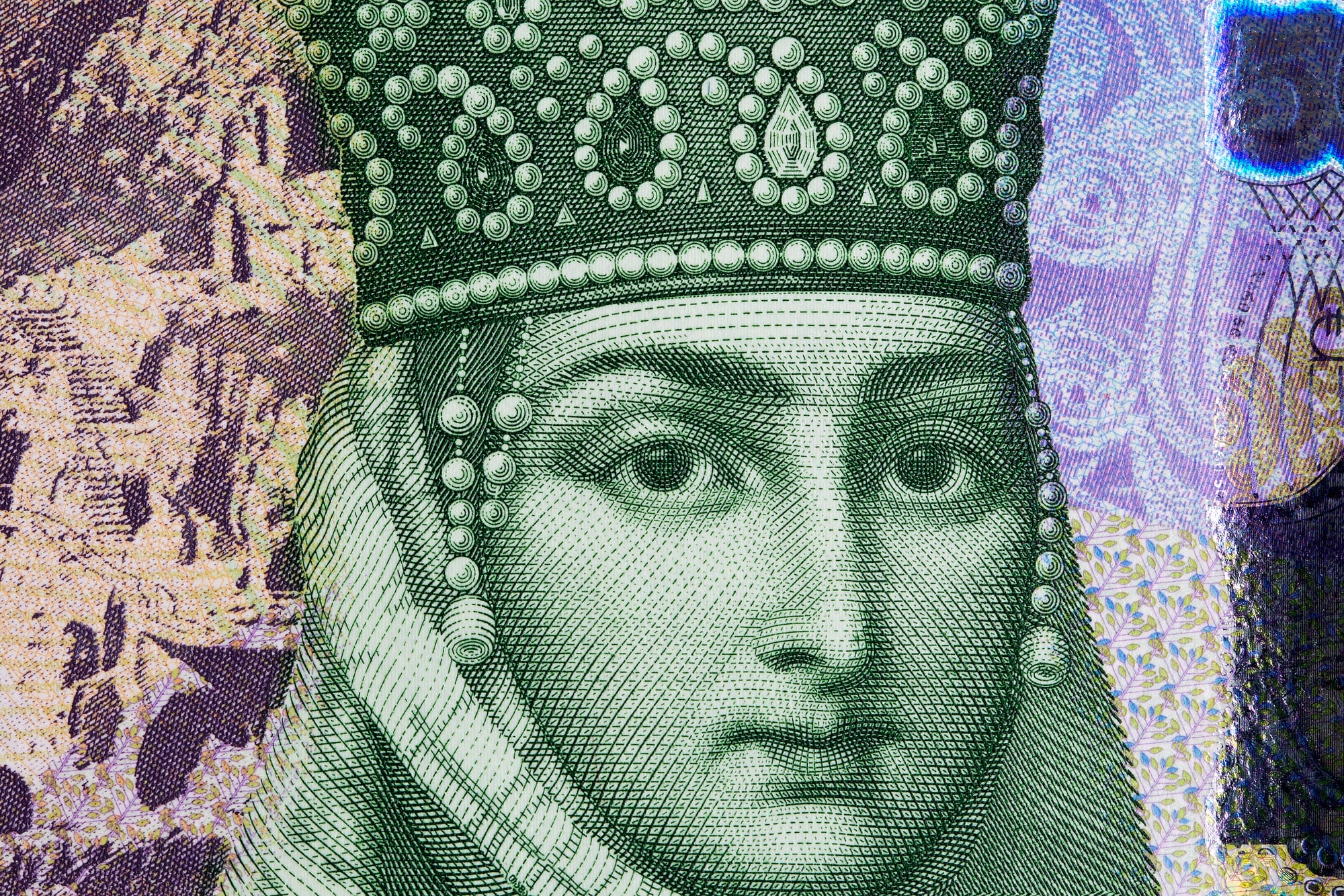
Tamar ruled the Kingdom of Georgia from 1184 to 1213, presiding over what Georgian historians call the Golden Age — a period of territorial expansion, cultural achievement, and military success that made the kingdom one of the major powers of the Caucasus and the near east. She expanded Georgia’s borders significantly, supported poetry, literature, and architecture, and commanded armies herself.
The title she was given in medieval Georgian sources is mepe — the word for “king” — because the language had no female form for a ruling monarch. Georgian literature’s greatest medieval epic, The Knight in the Panther’s Skin, was written during her reign.
She is venerated as a saint in the Georgian Orthodox Church, but her name rarely appears in Western history curricula.
Tomyris — The Queen Who Defeated Cyrus the Great
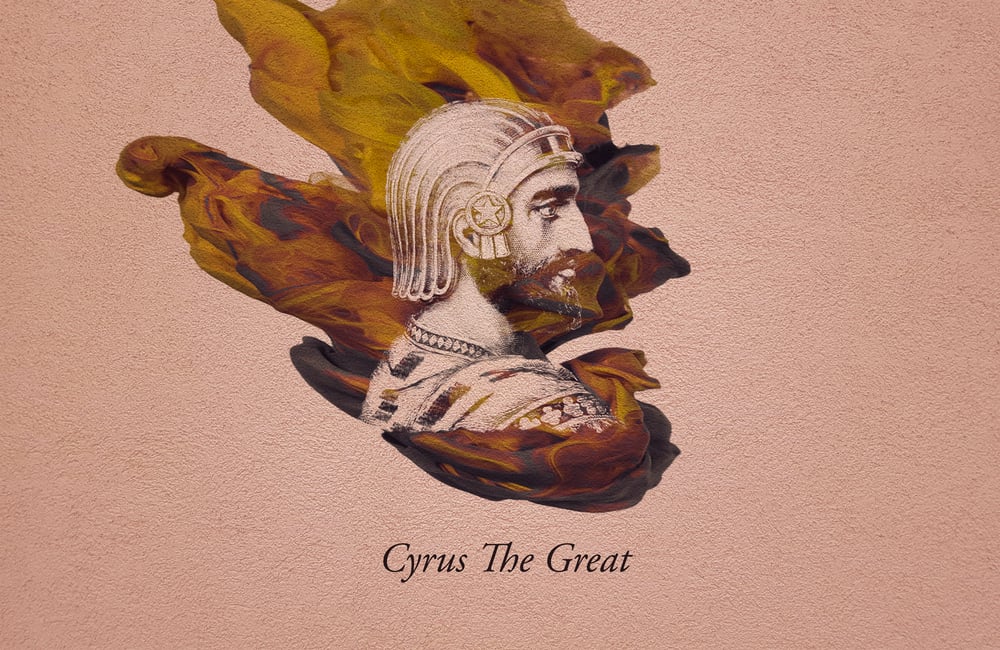
Tomyris was queen of the Massagetae, a nomadic people of Central Asia, in the sixth century BC. When Cyrus the Great of Persia attempted to conquer her territory through military force after she rejected his marriage proposal, she defeated his army and — in the account given by Herodotus, who is the primary source — killed Cyrus himself in battle.
The method of his death as described by Herodotus is disputed and probably mythologized, but the basic fact of his defeat by the Massagetae is accepted by most historians. Cyrus had never lost a major military engagement before.
Tomyris is the reason the Persian Empire had a northern limit.
Queen Nzinga of Ndongo and Matamba — Angola’s Great Resister
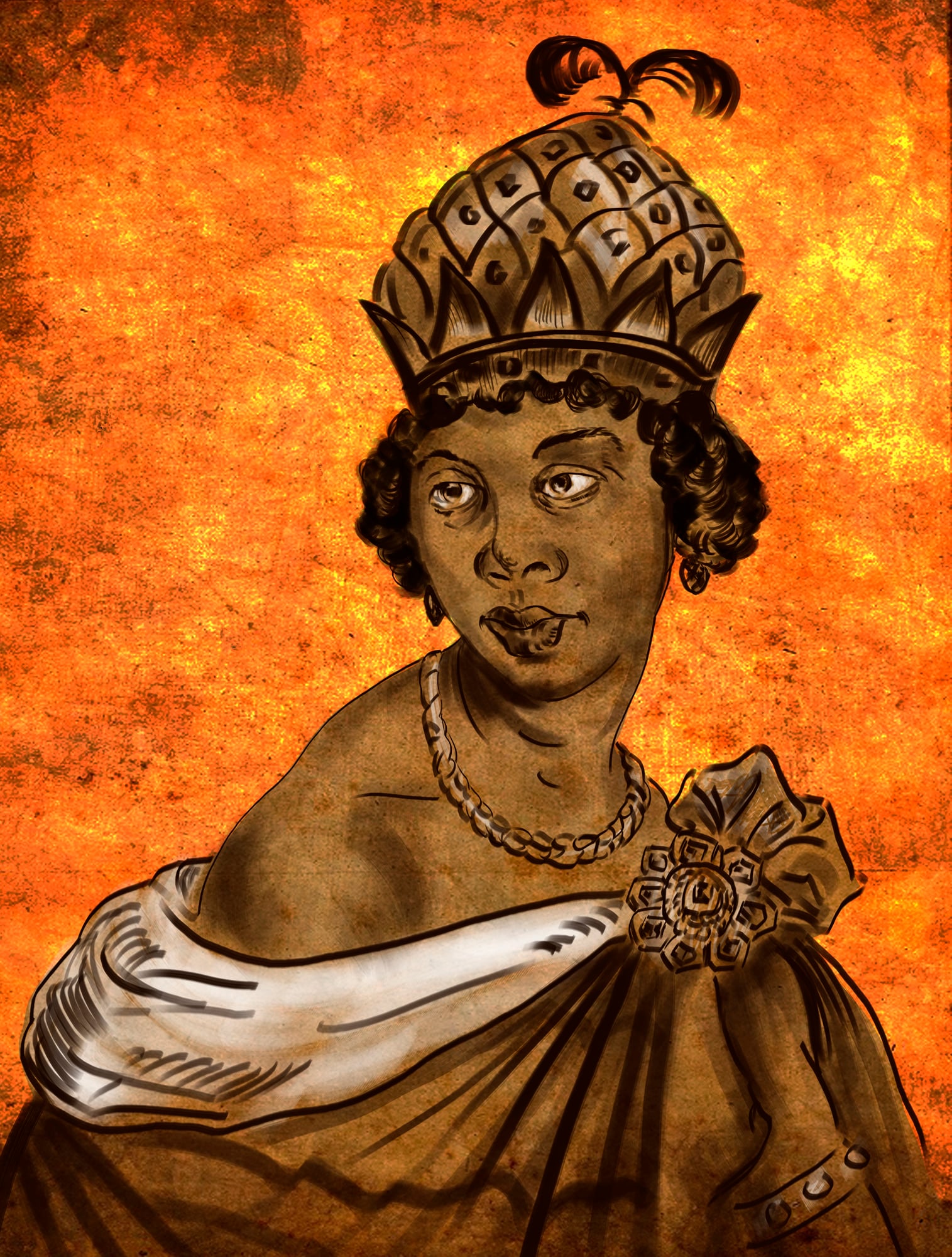
Nzinga Mbande became ruler of the Mbundu people of west-central Africa in the early seventeenth century, during the expansion of the Portuguese slave trade in the region. She was first sent as her brother’s envoy to a Portuguese peace conference in 1622; the Portuguese refused her a chair, intending to make her stand throughout the audience.
She reportedly had one of her attendants kneel so she could sit on his back for the entirety of the meeting. She became queen in 1626, negotiated with the Portuguese, converted to Christianity as a diplomatic gesture, and when the Portuguese betrayed the terms they had agreed, allied with the Dutch and led a thirty-year guerrilla war against Portuguese colonization.
She led troops personally into battle well into her sixties. She died peacefully in 1663 at roughly eighty years old.
The Portuguese never captured her.
Jadwiga of Poland — The Woman Crowned King
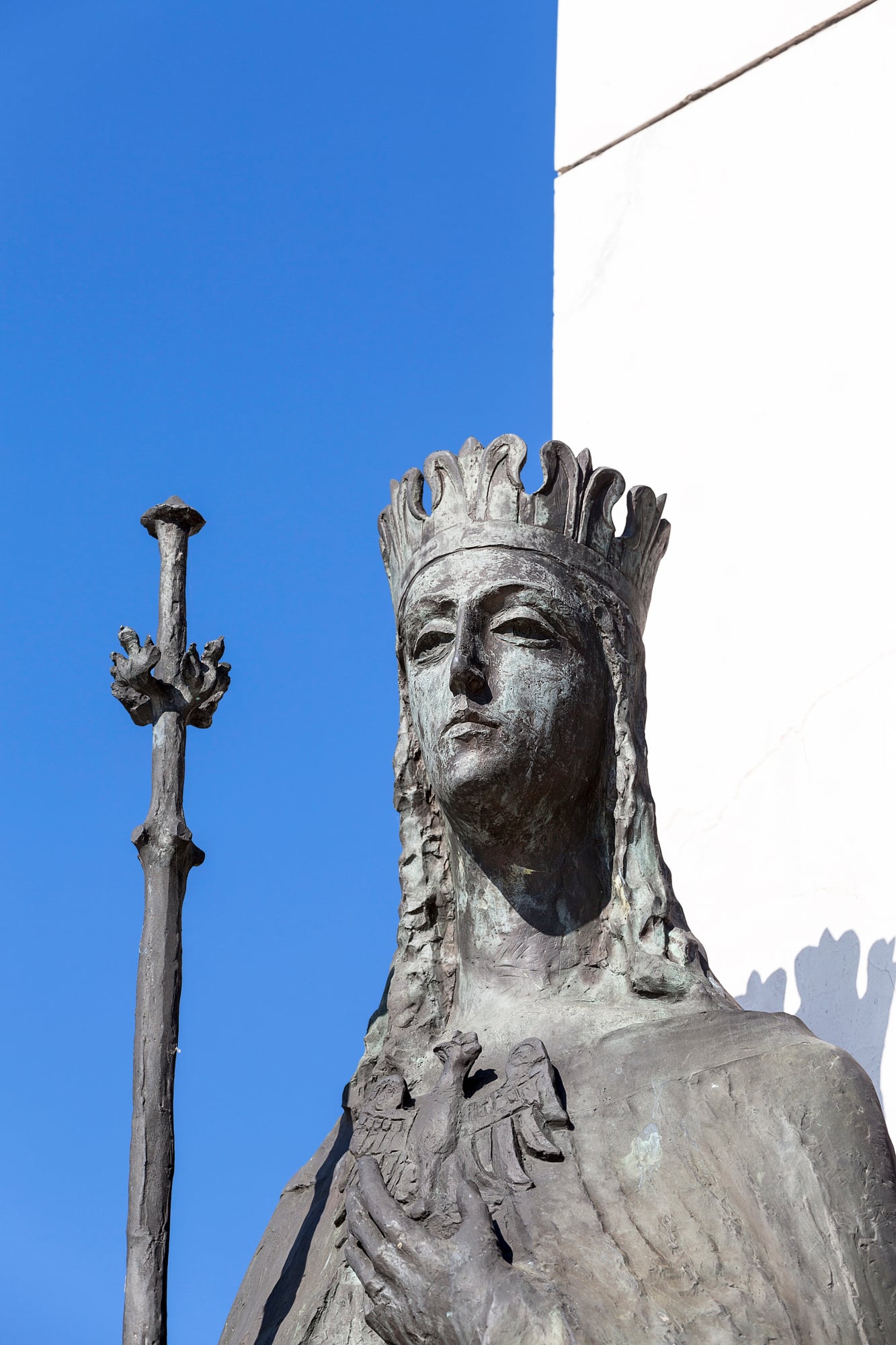
Jadwiga was born around 1374, the daughter of King Louis of Hungary and Poland. When Louis died, the Polish nobility agreed to accept Jadwiga as ruler — but they crowned her “king,” not “queen,” to make clear she ruled in her own right rather than as a consort.
She was fourteen years old at her coronation. In 1386 she married Jogaila, Grand Duke of Lithuania, an arrangement that brought about the Polish-Lithuanian alliance that would shape Central European politics for centuries.
She founded the Jagiellonian University in Kraków, funded a theology faculty at the University of Prague, and was canonized as a saint by Pope John Paul II in 1997. She died in 1399 at approximately twenty-five years old, in childbirth.
Wu Zetian — The Only Woman in Chinese History to Rule as Empress Regnant
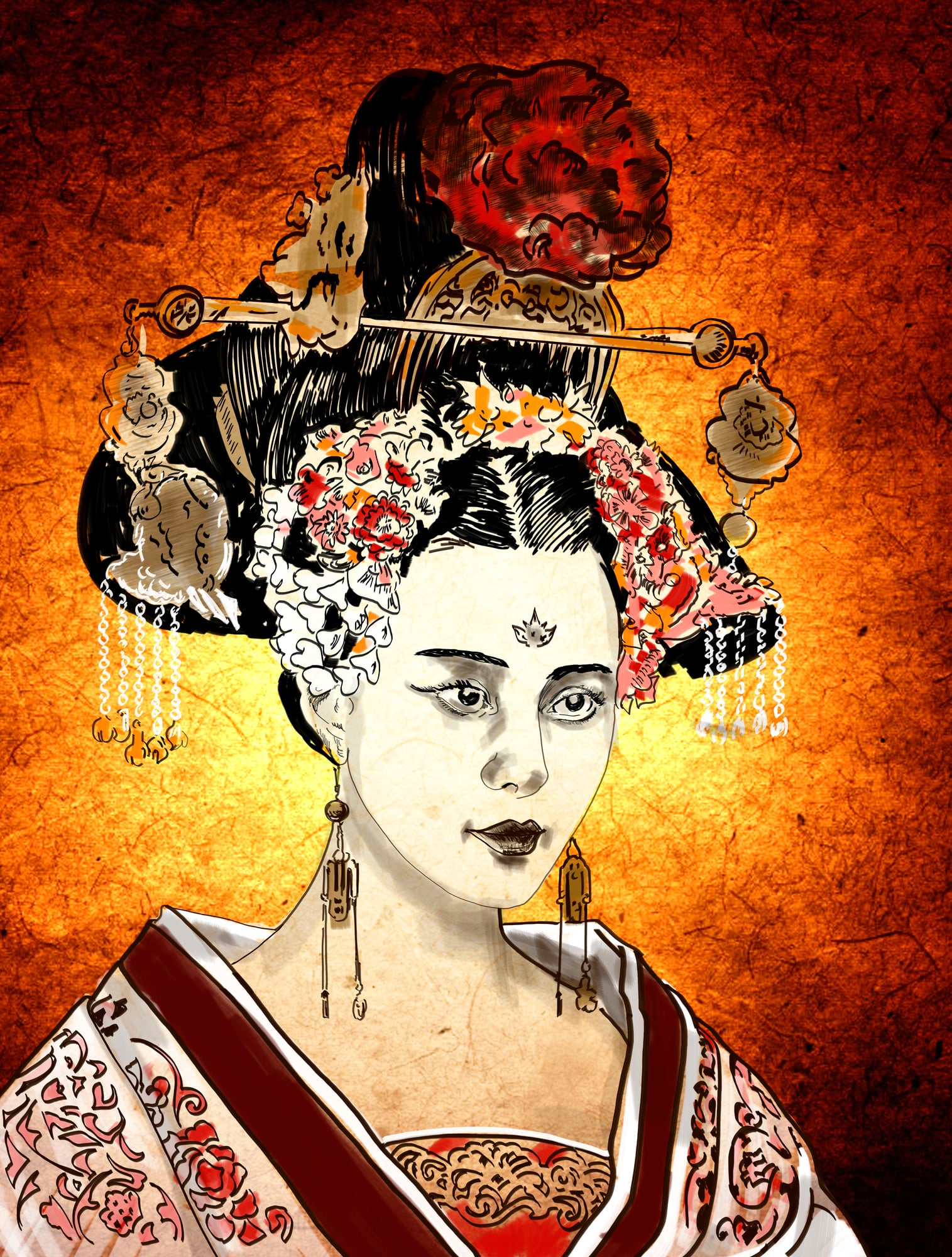
Wu Zetian began her court career as a concubine to the Tang Emperor Taizong, outlived him, and eventually rose to become empress regnant — the only woman in Chinese history to rule as emperor in her own right, from 690 to 705 AD. She expanded the Tang Empire’s territory, reformed the civil service examination system to reduce aristocratic domination, and sponsored Buddhism.
She was also ruthless about consolidating power and eliminating rivals, including members of her own family. Chinese historical tradition, written largely by the Confucian scholar class whose influence she had curtailed, gave her a harsh verdict.
Modern historians have reassessed her more evenhandedly, noting that the period of her rule was one of relative prosperity and expansion.
Margaret I of Denmark — Creator of the Kalmar Union
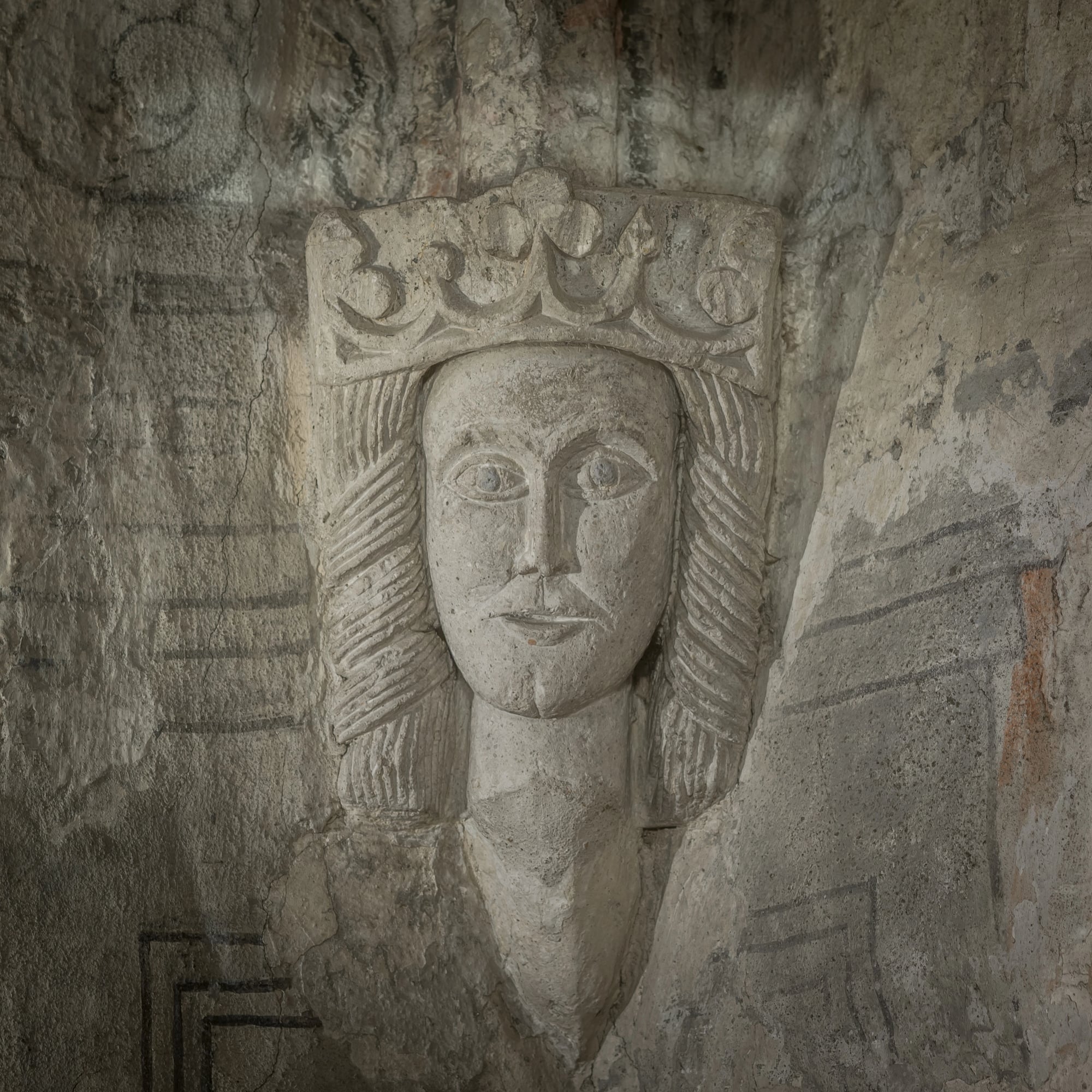
Margaret I unified Denmark, Norway, and Sweden under the Kalmar Union in 1397, creating the largest political entity in medieval Scandinavian history. She had served as regent of Denmark from 1375 and ruled Norway in her own right after her son’s death in 1387.
The Swedish nobility invited her to rule Sweden as well after deposing an unpopular king. She never held the formal title of queen regnant but governed all three kingdoms through proxy rulers while retaining actual power herself.
The Kalmar Union lasted, in various forms, for over a century. Her political skill in assembling it has led some historians to compare her to the great consolidating monarchs of the period.
Lakshmibai, the Rani of Jhansi — The 1857 Rebellion’s Most Famous Warrior
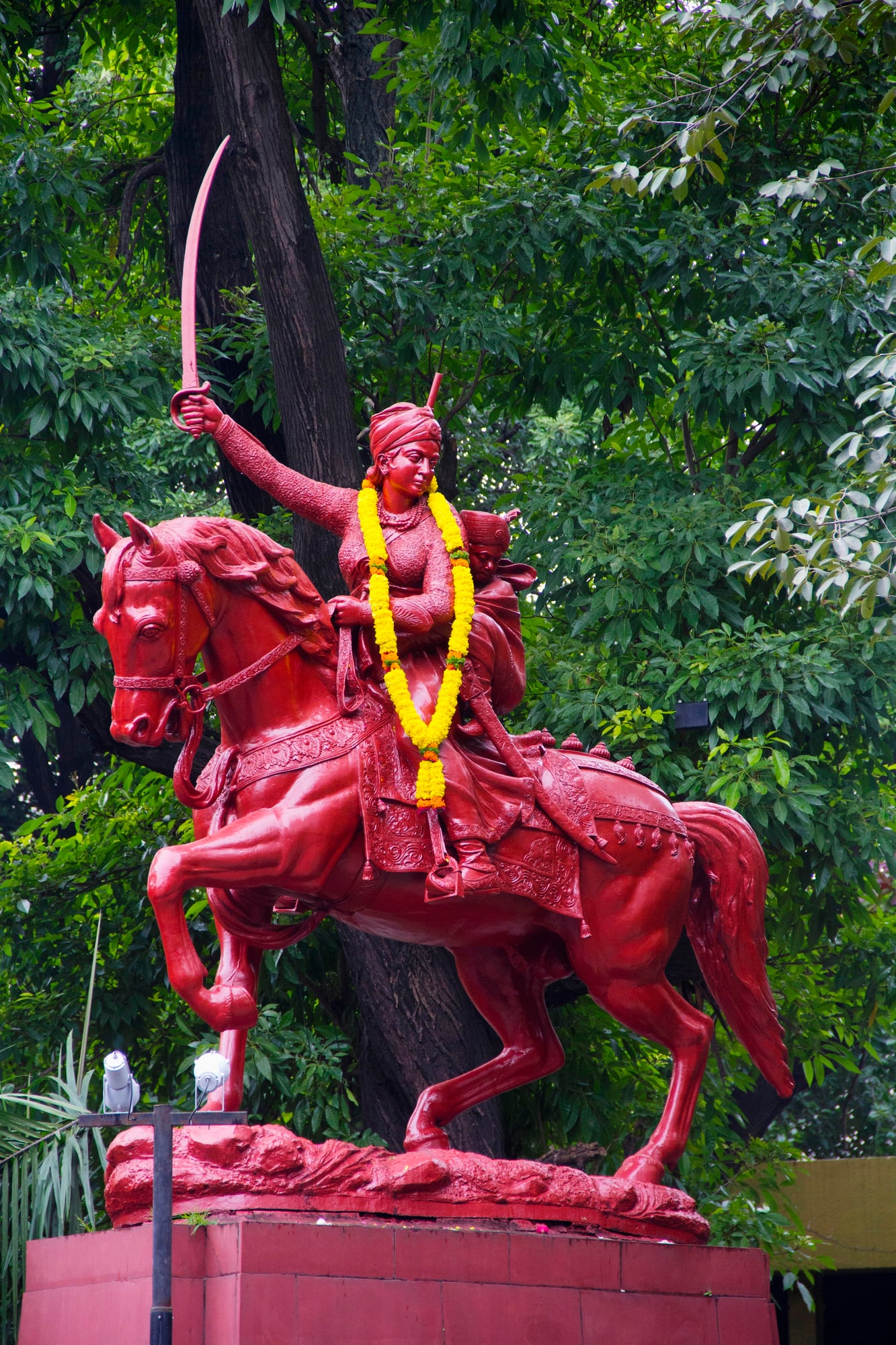
Lakshmibai was queen of the princely state of Jhansi in northern India. When her husband died without a biological heir and the British East India Company invoked its doctrine of lapse to annex Jhansi, she refused to accept the annexation and in 1857 became a central figure in the uprising against British rule.
She had been educated alongside boys, learned to fight, and reportedly rode into battle with her infant son strapped to her back, holding the reins in her teeth. She was killed in battle in June 1858 at approximately twenty-two or twenty-three years old.
A British general who fought against her wrote afterward that she was “the best and bravest” of the rebel leaders.
Nur Jahan — The Mughal Empress Who Issued Coins in Her Own Name
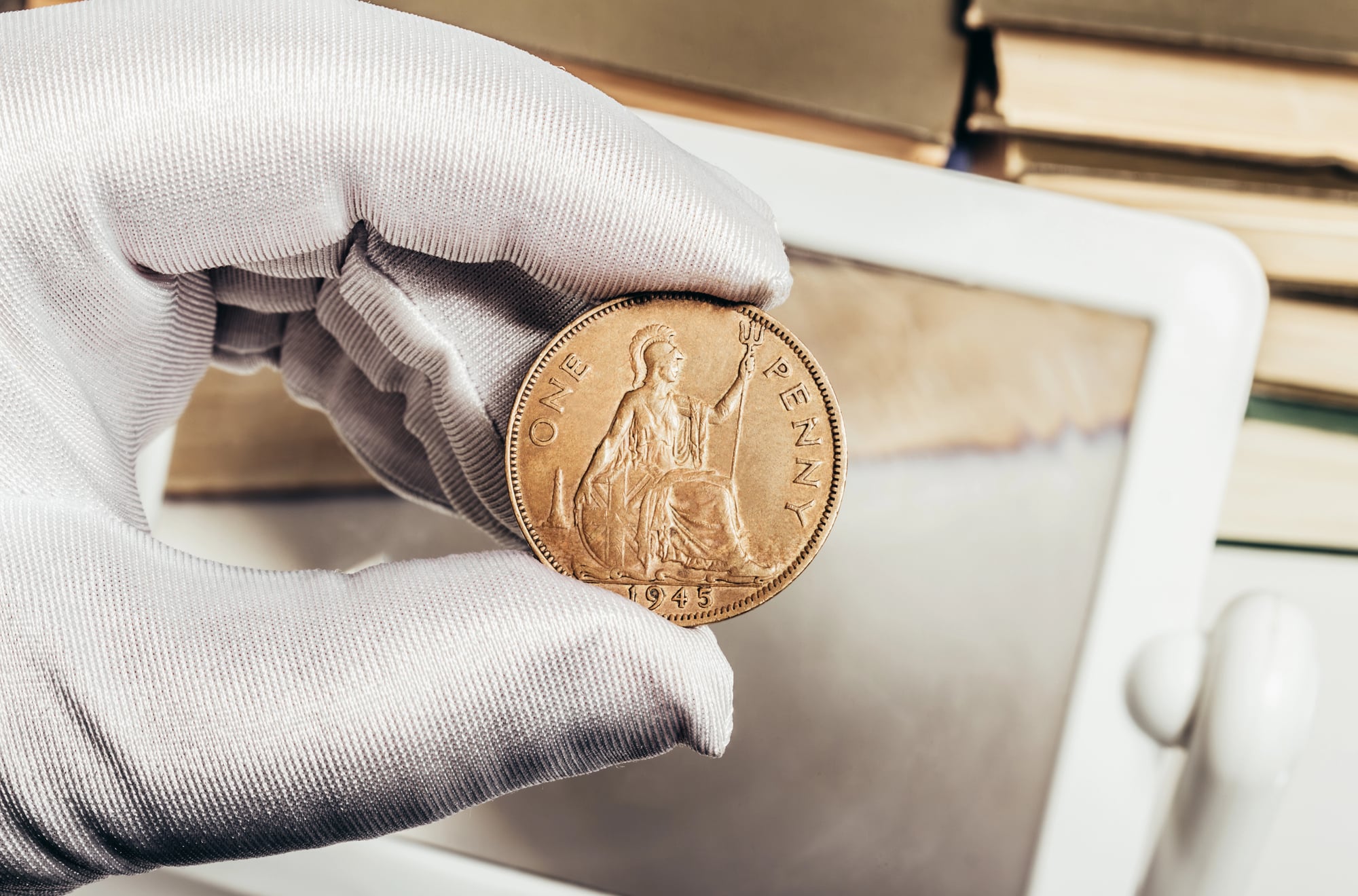
Nur Jahan was the twentieth and most powerful wife of Mughal Emperor Jahangir, who ruled India in the early seventeenth century. She issued coins in her own name — the only Mughal empress ever to do so — held the imperial seal, and effectively administered the empire during a period when Jahangir’s health was declining.
Court documents from the period refer to her making administrative and military decisions. She built her father’s tomb, which influenced the architectural style that later produced the Taj Mahal (built for her niece Mumtaz Mahal by Jahangir’s successor Shah Jahan).
After Jahangir’s death she was politically sidelined by his successor and retired to Lahore, where she spent her remaining decades in apparent peace. Her name is largely absent from the standard historical account of the Mughal period.
Amina of Zazzau — The Warrior Queen of What Is Now Nigeria
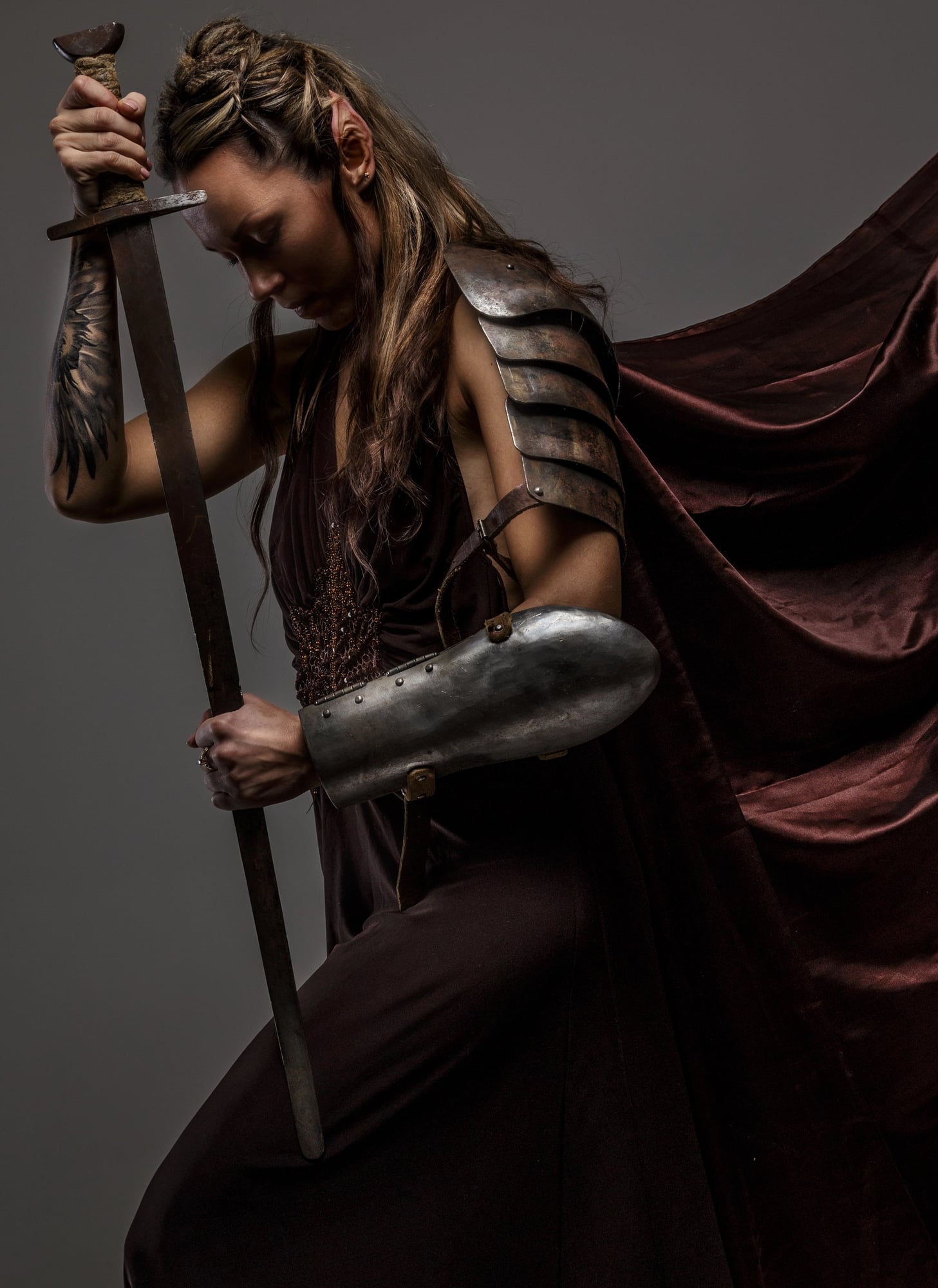
Queen Amina of Zazzau ruled a Hausa state in what is now northern Nigeria in the late sixteenth century. She is associated with extensive military campaigns that expanded her kingdom to its greatest territorial extent and, according to oral tradition, introduced iron armor to Hausa soldiers.
She built earthwork fortifications — Amina’s walls — at her military encampments, several of which survive in northern Nigeria today. The historical evidence for her reign is primarily oral and some details remain disputed, but her place in Nigerian cultural memory is secure enough that her image appears on the Nigerian twenty-naira note.
Teuta of Illyria — The Queen Rome Had to Defeat Twice
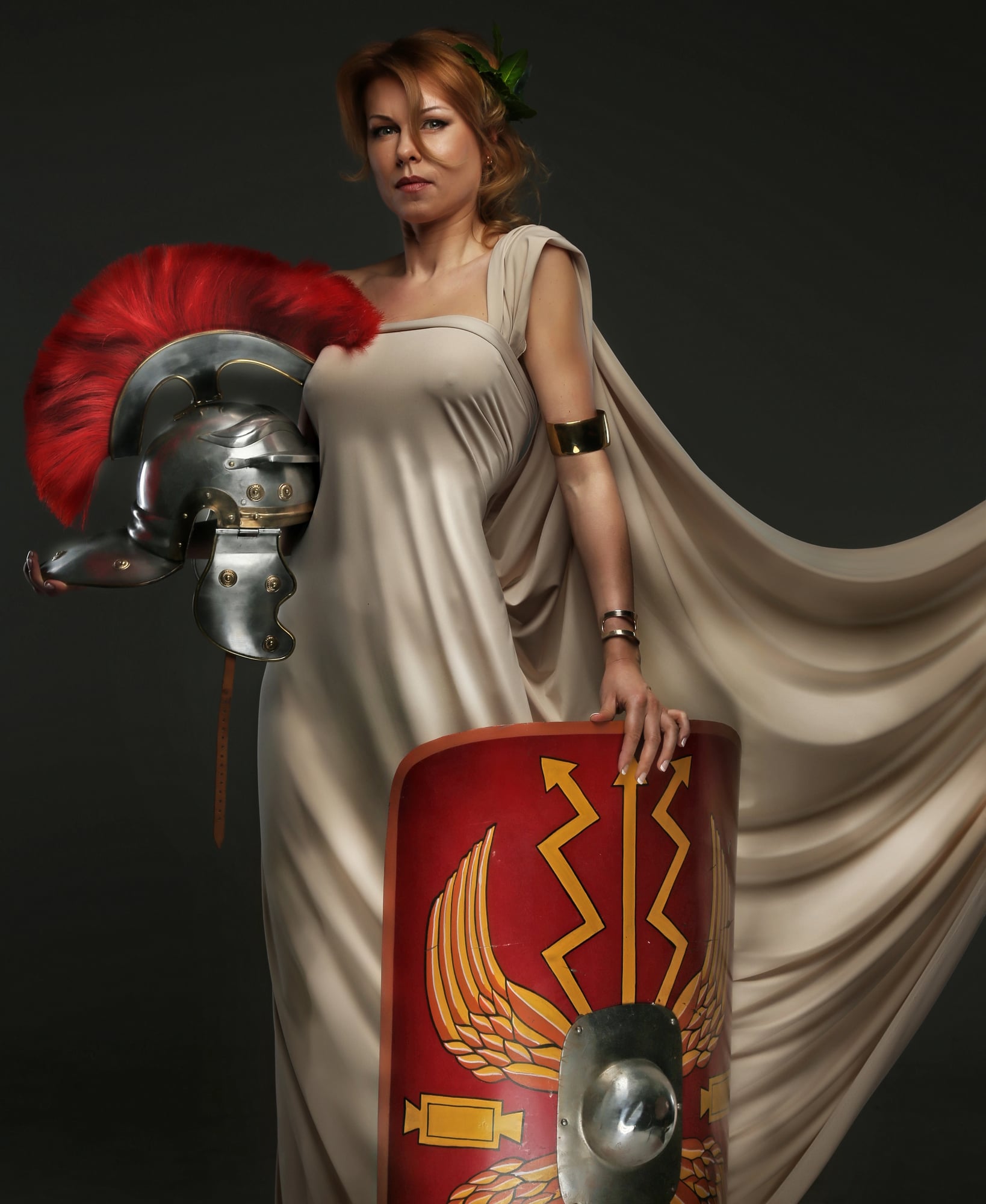
Teuta was queen regent of the Ardiaean kingdom in the western Balkans from approximately 231 to 227 BC, ruling after her husband’s death on behalf of their son. Her refusal to restrain Illyrian piracy in the Adriatic — piracy that had been ongoing but which her predecessor had at least nominally apologized for — provoked Rome into declaring war, its first major military intervention in the eastern Mediterranean.
Rome defeated her forces, imposed terms, and then fought a second Illyrian war a decade later. Teuta occupies an important position in the history of Rome’s eastward expansion, but she rarely appears by name even in discussions of the Illyrian Wars.
Empress Theodora of Byzantium — From Circus Performer to Empress

Theodora was the wife of Byzantine Emperor Justinian I, and her influence over his reign was sufficiently direct and documented that historians treat her as a co-ruler rather than a consort. She was born into the entertainment class, the daughter of a bear keeper at the Hippodrome in Constantinople.
She and Justinian met while she was working as an actress and mime performer, professions that were legally classified alongside prostitution under Roman law. She convinced Justinian to stay in Constantinople during the Nika riots in 532 AD, when most of his advisors were urging flight, reportedly telling him that the imperial purple made a fine burial shroud.
The riots were suppressed. She championed women’s rights, reformed laws on divorce, and built shelters for women who had been forced into prostitution.
She died in 548 AD, fourteen years before Justinian.
Urraca of León — Europe’s First Reigning Queen
Urraca of León and Castile is often considered the first woman to rule as queen regnant in medieval Europe, ruling from 1109 until her death in 1126. She inherited the kingdom from her father Alfonso VI and spent most of her reign fighting off challenges to her authority from her ex-husband, Alfonso of Aragon, and from the Galician nobles.
She held power despite constant opposition and maintained the territorial integrity of her kingdoms. Her son from her first marriage eventually succeeded her as Alfonso VII.
She is barely mentioned in standard European history curricula, which typically advance to Isabella I of Castile as if no woman had ruled in Spain in the intervening three and a half centuries.
Khutulun — The Wrestler Who Refused to Lose

Khutulun was a Mongolian princess and the great-great-granddaughter of Genghis Khan, renowned in the thirteenth century as one of the finest wrestlers and military commanders in the Mongol world. She reportedly agreed to marry any man who could defeat her in wrestling, on the condition that any man she defeated would give her a hundred horses.
According to the account Marco Polo provides, she accumulated more than ten thousand horses and remained unmarried by choice until she was ready to select her own husband. She fought alongside her father Kaidu in military campaigns against Kublai Khan.
Her story may have contributed to the legend of the princess Turandot.
Razia Sultana — The First Female Ruler of the Delhi Sultanate
DepositPhotos
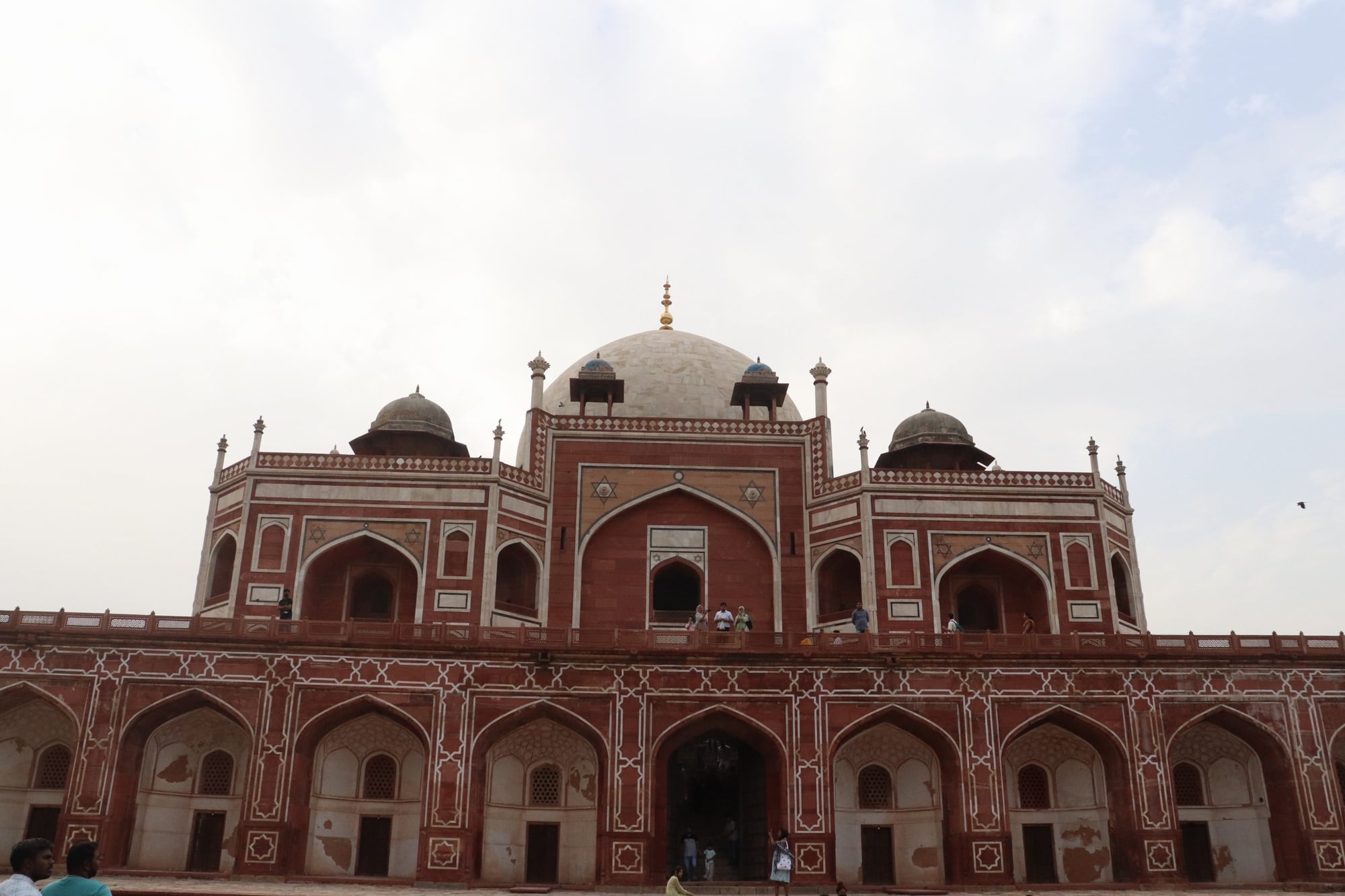
Razia al-Din ruled the Delhi Sultanate in northern India from 1236 to 1240, the first woman to do so. She was appointed by her father Iltutmish after he concluded she was more capable than his sons.
She dropped the veil, rode elephants, and held open court — dispensing with the customs of female seclusion that typically governed Muslim royal women of the period. She was deposed by nobles who opposed female rule after four years and was killed shortly afterward, possibly in battle, possibly by assassins.
Her brevity in power should not be confused with insignificance: she was recognized as sultan by the caliph, issued coins in her name, and was described by the historian Minhaj-i-Siraj as “great, benignant, a dispenser of justice.”
Grace O’Malley — The Irish Pirate Queen

Grace O’Malley (Gráinne Ní Mháille in Irish) was a sixteenth-century Connacht chieftain and seafaring leader who commanded a fleet, led raids along the Irish coast, and in 1593 sailed to London to petition Elizabeth I in person for the release of her sons, who had been imprisoned by the English governor of Ireland.
The two women reportedly met and conversed in Latin, as neither spoke the other’s language. Elizabeth granted Grace’s requests.
Grace returned to Ireland and continued her activities until her death, which is estimated to have occurred around 1603. She occupies a significant place in Irish cultural memory and folk tradition but rarely appears in English accounts of the Elizabethan period.
Catherine of Aragon — More Than Henry’s First Wife
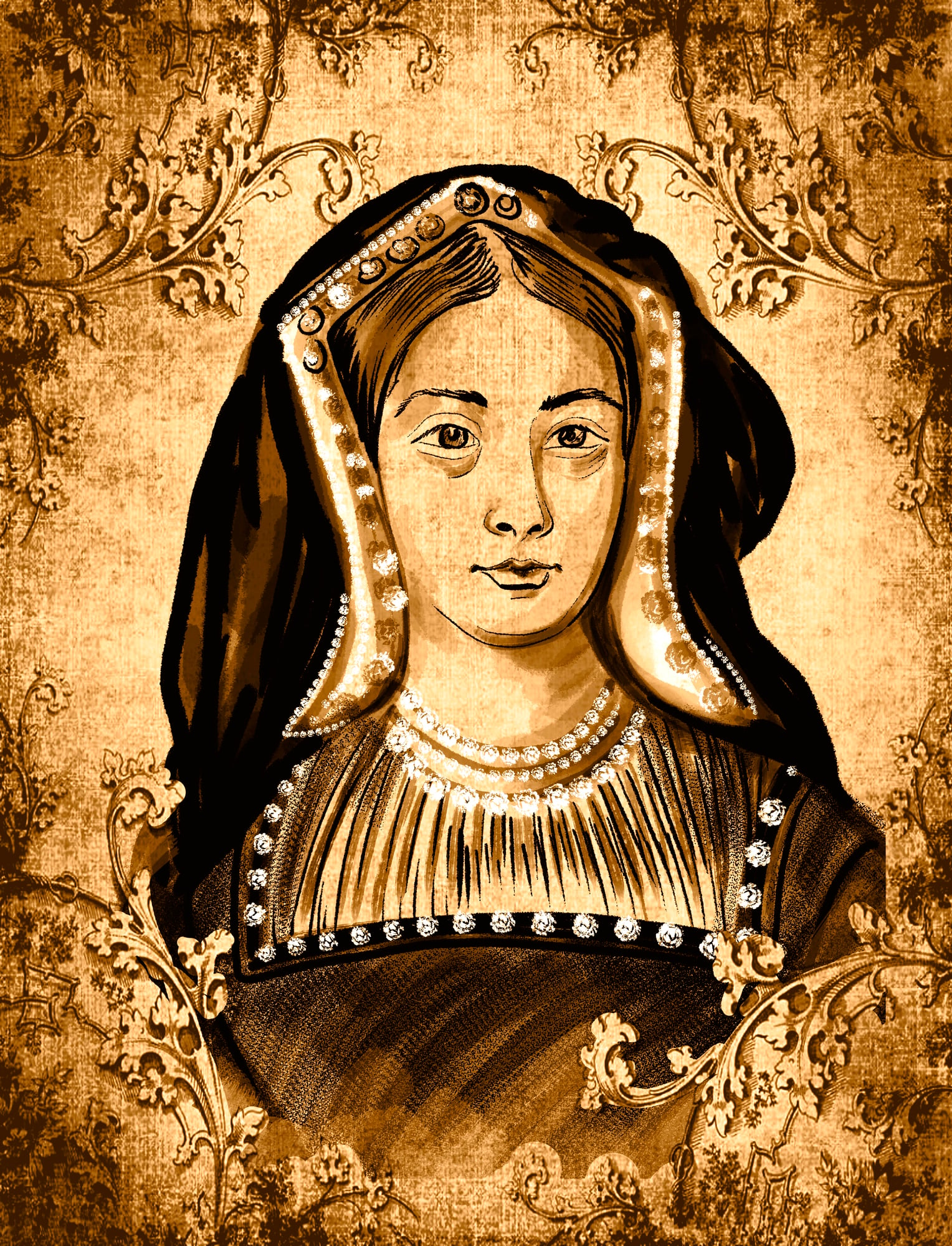
Catherine of Aragon is known primarily as Henry VIII’s first wife and the woman whose marriage he sought to annul, thereby separating England from Rome. Less commonly noted is that in 1513, while Henry was campaigning in France, Catherine governed England as regent and personally organized the English army’s response to a Scottish invasion.
The Scots were defeated at the Battle of Flodden Field while Henry was abroad, and Catherine sent Henry the captured banner of the Scottish king James IV along with a letter noting what she had accomplished in his absence. She was an active political figure for decades before the question of the annulment reduced her historical presence to a domestic drama.
Empress Suiko of Japan — The First Japanese Empress Regnant
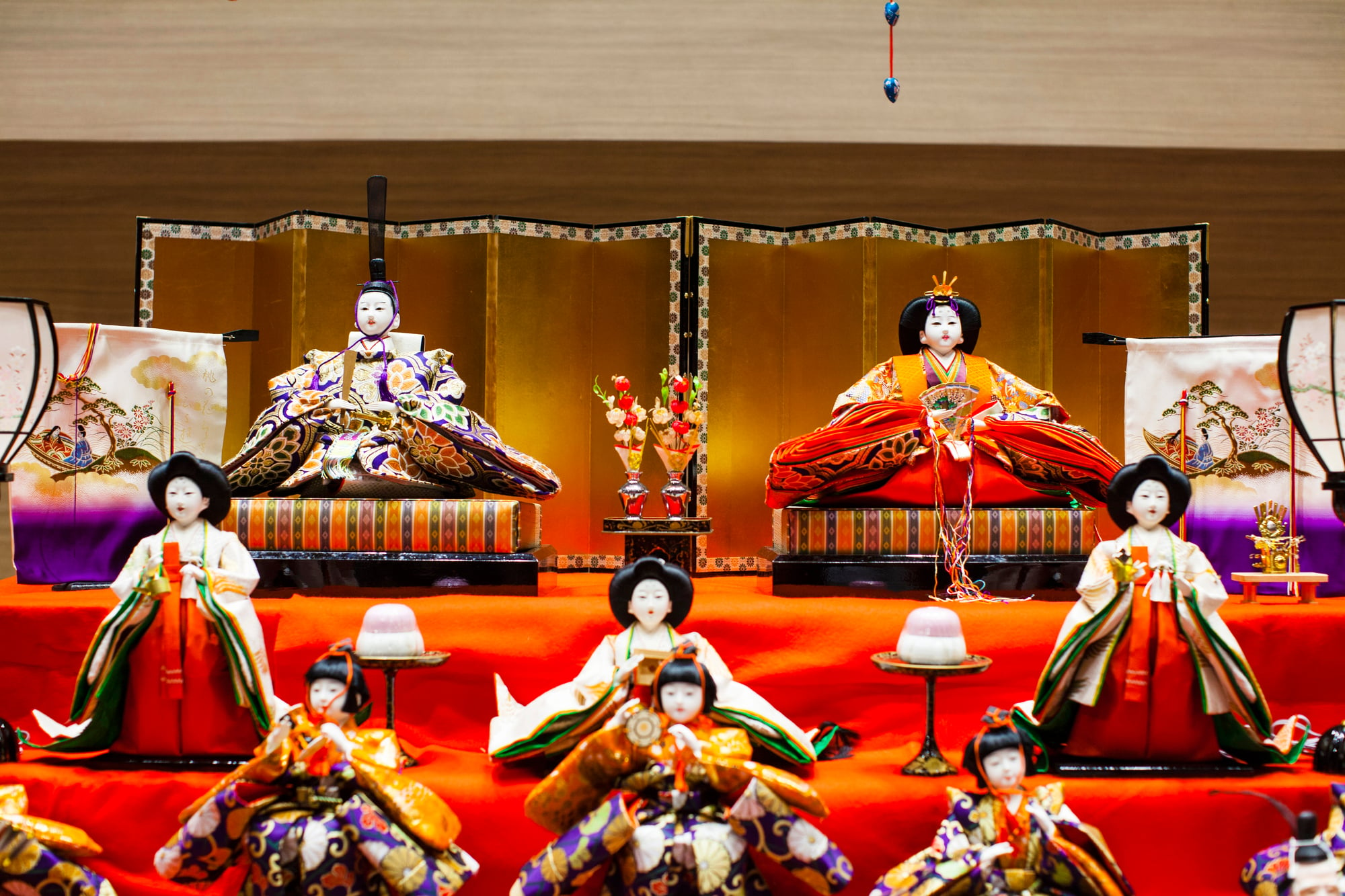
Empress Suiko ruled Japan from 593 to 628 AD, making her Japan’s first confirmed empress regnant. She came to the throne during a period of political instability following her predecessor’s assassination and presided over one of the most significant cultural transformations in early Japanese history, including the formal adoption of Buddhism as the state religion and a major diplomatic opening to China and Korea.
Her nephew and regent Prince Shotoku is credited with these achievements in most accounts, but Empress Suiko was his superior in rank and authority and formally issued the edicts under her name. The relationship between their respective contributions is a matter of ongoing historical debate in Japan.
Queen Seondeok of Silla — Korea’s First Reigning Monarch
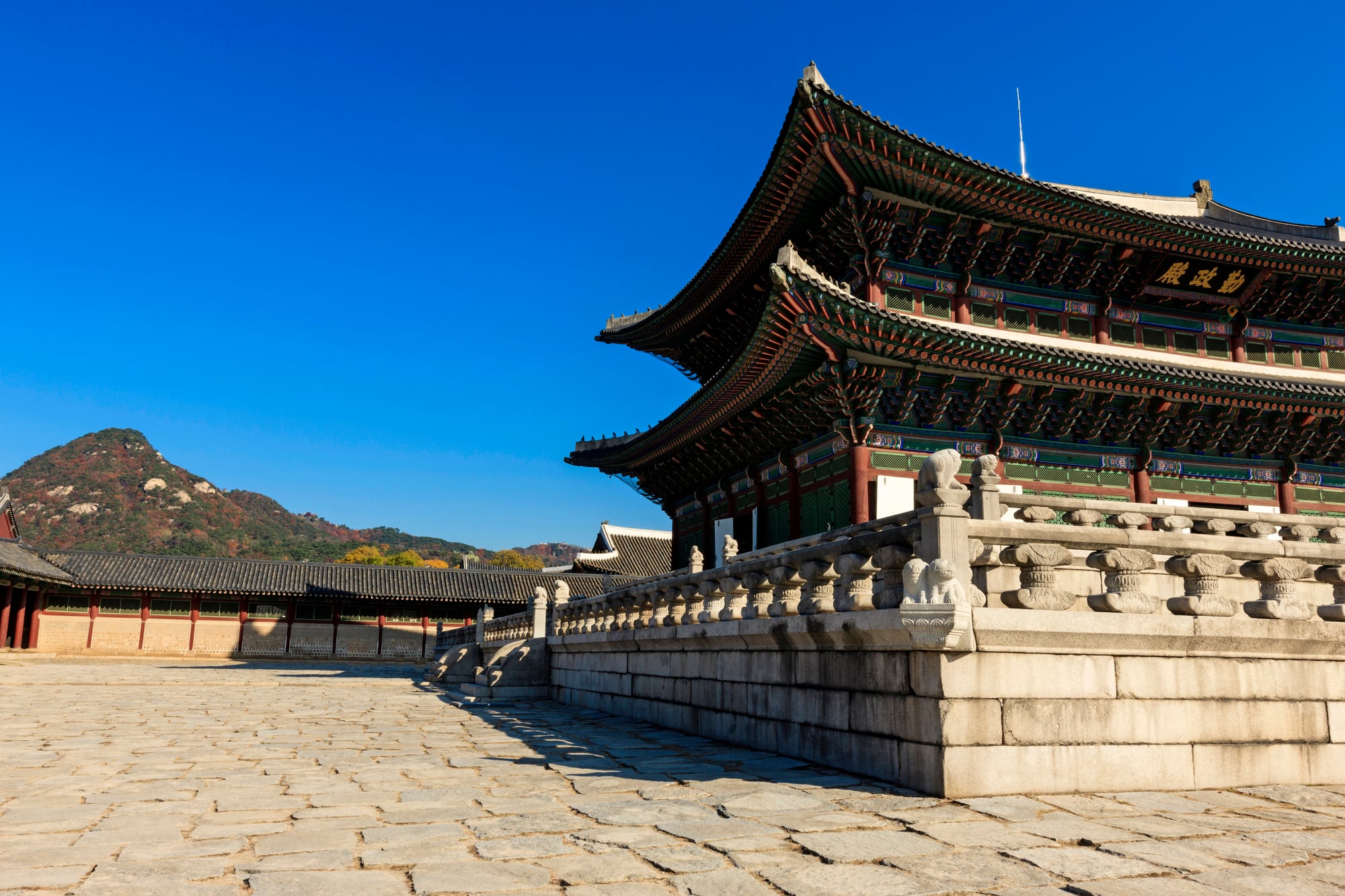
Queen Seondeok ruled the Korean kingdom of Silla from 632 to 647 AD, becoming the first woman to reign as a monarch in Korean history. She was a significant patron of Buddhism, constructed the Cheomseongdae astronomical observatory — one of the oldest surviving astronomical observatories in Asia — and maintained the diplomatic relationships with China that helped Silla eventually unify the Korean peninsula, a process completed by her successors.
She is now considered one of the great monarchs of the Three Kingdoms period and is revered in Korea, but her name is rarely encountered in general histories of Asia outside the Korean context.
Yaa Asantewaa — The Queen Mother Who Started a War
Yaa Asantewaa was the Queen Mother of Ejisu in the Ashanti Confederacy (in what is now Ghana) who in 1900 organized and led the War of the Golden Stool — the last major Ashanti uprising against British colonialism. The British had captured the Ashanti king and other male leaders and demanded the Golden Stool, the Ashanti throne that represented the soul of the nation.
When the male leaders hesitated to act, Yaa Asantewaa reportedly addressed them: if they were not men enough to fight, then the women would. She led a months-long military campaign that tied down a British force of three thousand soldiers before being captured and exiled to the Seychelles, where she died in 1921.
The Golden Stool was never surrendered.
The Women Who Were Written Out
The systematic absence of women from history curricula is not a modern discovery but an old pattern with measurable consequences. A 2017 Smithsonian study found that only 178 out of 737 specific historical figures mentioned in American public school curricula were women, and 98 of those women appeared in the curriculum exactly once.
The figures on this list are not obscure in their home countries or in the scholarly literature — Nzinga is on Angolan currency, Aethelflaed is celebrated across the English Midlands, Queen Tamar is a Georgian saint, and Lakshmibai is one of the most iconic figures in Indian national identity. They are absent from standard Western history education not because they lacked influence but because the tradition of writing history down skewed heavily toward the voices that had most access to that tradition.
History is not discovered — it is selected. Every curriculum, every textbook chapter, and every national narrative involves choices about what to include, and those choices have consistently underweighted women’s contributions.
The rulers on this list did not shape history quietly or in the margins. They built cities, won battles, resisted empires, and in several cases determined the political shape of territories that still bear the consequences of their decisions.
Their absence from the standard account is the most interesting thing about them — not because it is surprising, but because it has persisted for so long without being fixed.
More from Go2Tutors!

- The Romanov Crown Jewels and Their Tragic Fate
- 13 Historical Mysteries That Science Still Can’t Solve
- Famous Hoaxes That Fooled the World for Years
- 15 Child Stars with Tragic Adult Lives
- 16 Famous Jewelry Pieces in History
Like Go2Tutors’s content? Follow us on MSN.