US Military Badges and What They Really Signify
A uniform covered in badges, ribbons, and insignia can look like a lot of decoration to someone unfamiliar with military culture. But each piece tells a specific story.
Some mark where a soldier has been. Others speak to what they’ve survived.
And a few carry a weight that most people outside the military will never fully understand. Here’s a look at the badges you’ll see on US military uniforms — and what they actually mean to the people wearing them.
The Combat Infantryman Badge
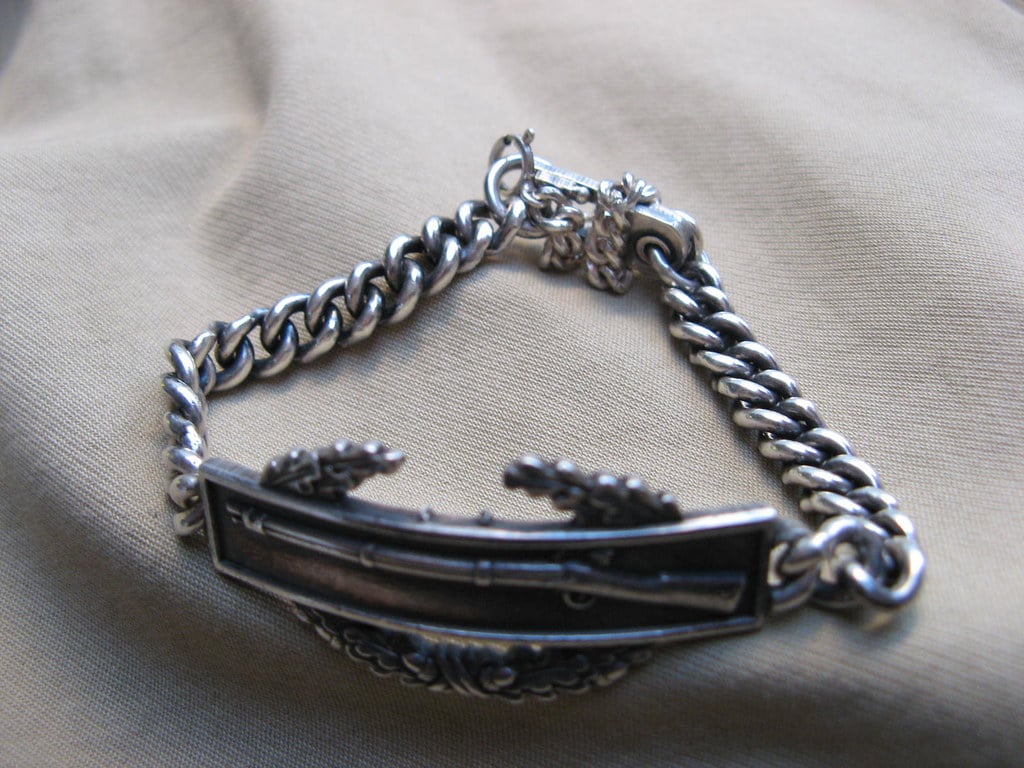
Few badges carry as much respect within the Army as the Combat Infantryman Badge, or CIB. It’s awarded to infantry soldiers who have been in active ground combat with the enemy.
Not just deployed — actively engaged. The badge features a silver musket on a blue background, framed by a wreath.
It’s been around since World War II, designed to recognize the unique hardship of infantry combat. There are three versions — each star added above the badge represents a separate war in which the soldier earned it.
A three-star CIB is extraordinarily rare and commands deep respect from fellow soldiers.
The Combat Action Badge
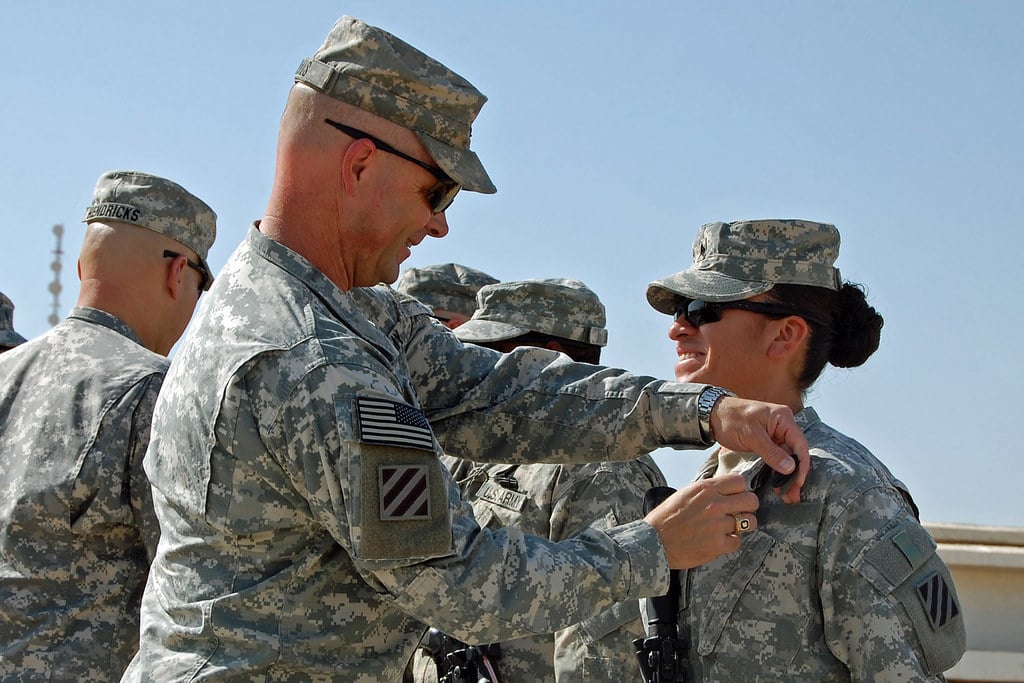
The Combat Action Badge was created in 2005 largely because the CIB only applied to infantry and special forces soldiers. But in modern warfare, support troops, medics, and others often found themselves in direct firefights too.
The CAB recognizes any soldier who has been in active combat — regardless of their job. It was a long-overdue acknowledgment that combat doesn’t stick to job descriptions.
The Expert Infantryman Badge
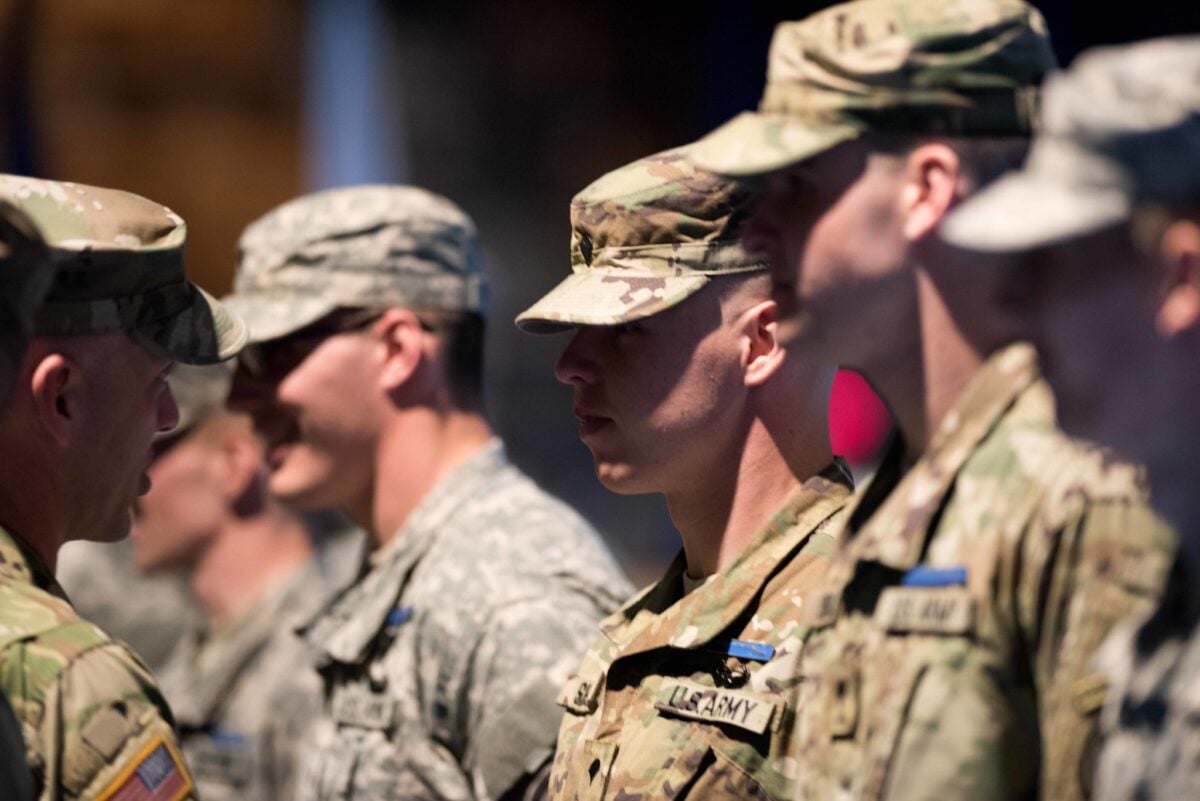
The Expert Infantryman Badge, or EIB, looks similar to the CIB but doesn’t require combat. Instead, it’s earned through a grueling testing process — soldiers have to demonstrate mastery of a wide range of infantry skills, from navigation to weapons handling to physical fitness, all under time pressure and without margin for error.
The pass rate hovers around 20 to 30 percent. Soldiers who earn it didn’t get it handed to them.
Jump Wings
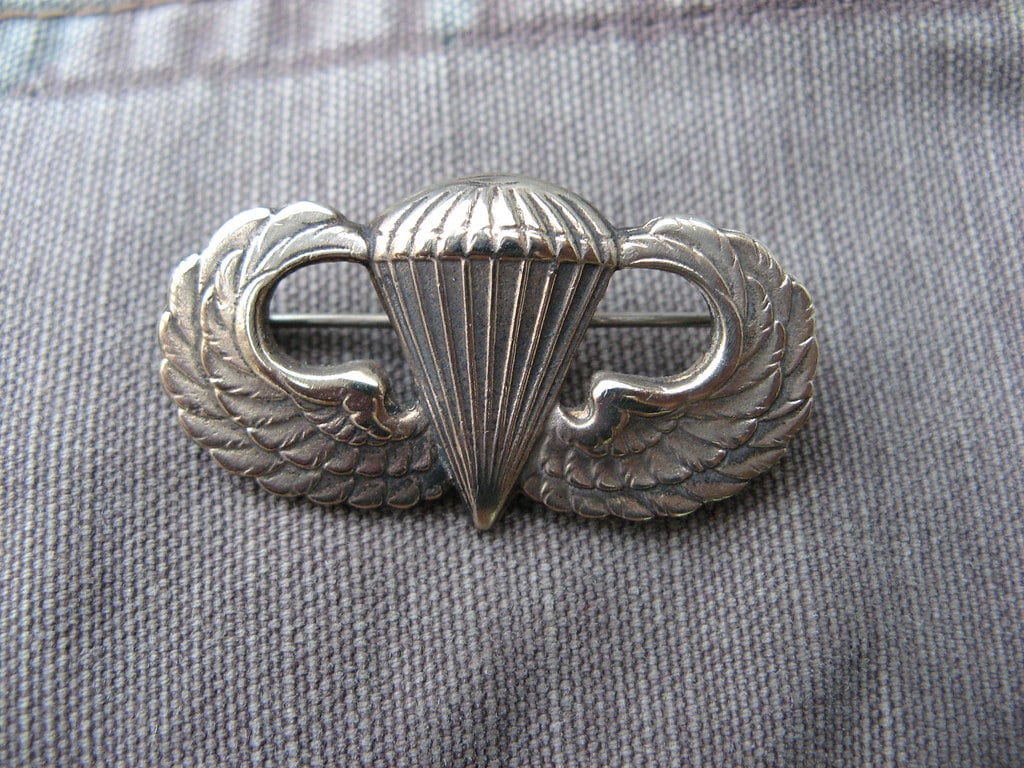
Airborne wings — the silver badge with a parachute at the center and wings spreading on either side — mark a soldier who has completed the Army’s Basic Airborne Course at Fort Benning, which involves jumping out of aircraft five times. The gold star version is the Master Parachutist Badge.
Earning it requires 65 jumps, including night jumps and combat equipment jumps, plus time serving in a leadership role within an airborne unit. Combat jump arrows can be added below the badge for each jump made into a combat zone, and those additions are treated with serious respect.
Special Forces Tab and the Green Beret
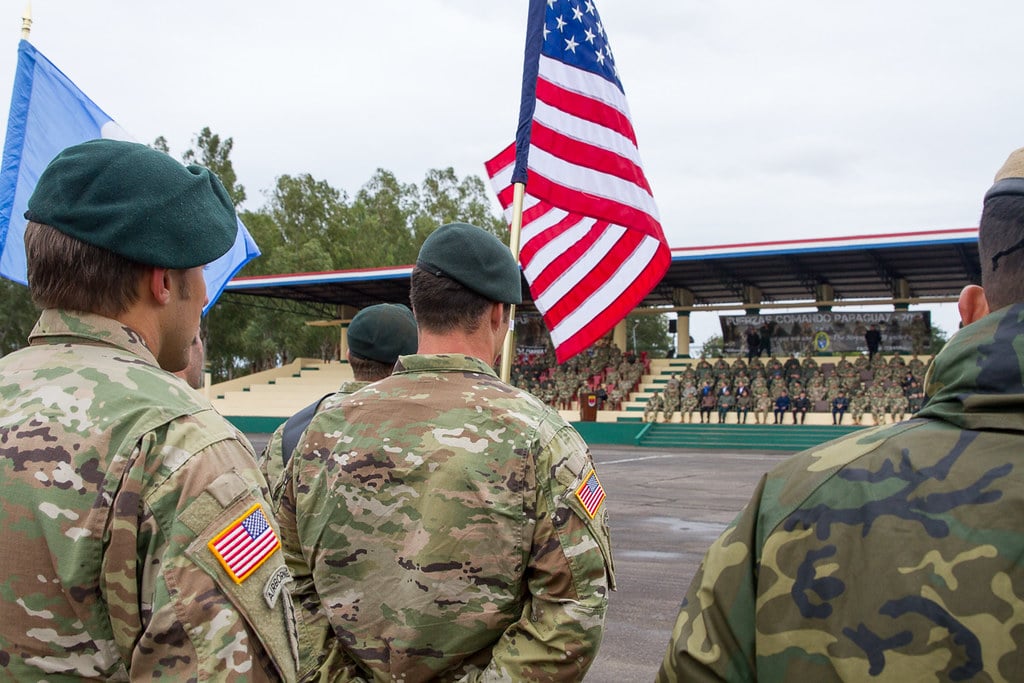
The Special Forces Tab is the curved green patch worn above the unit patch on the left shoulder. It means the wearer has passed the Special Forces Qualification Course — one of the most demanding training pipelines in the US military.
The tab alone signals years of preparation and a selection process that washes out a significant portion of candidates. It’s not just about physical ability — language skills, critical thinking, and the ability to train and lead foreign forces are all part of what’s tested.
The Ranger Tab
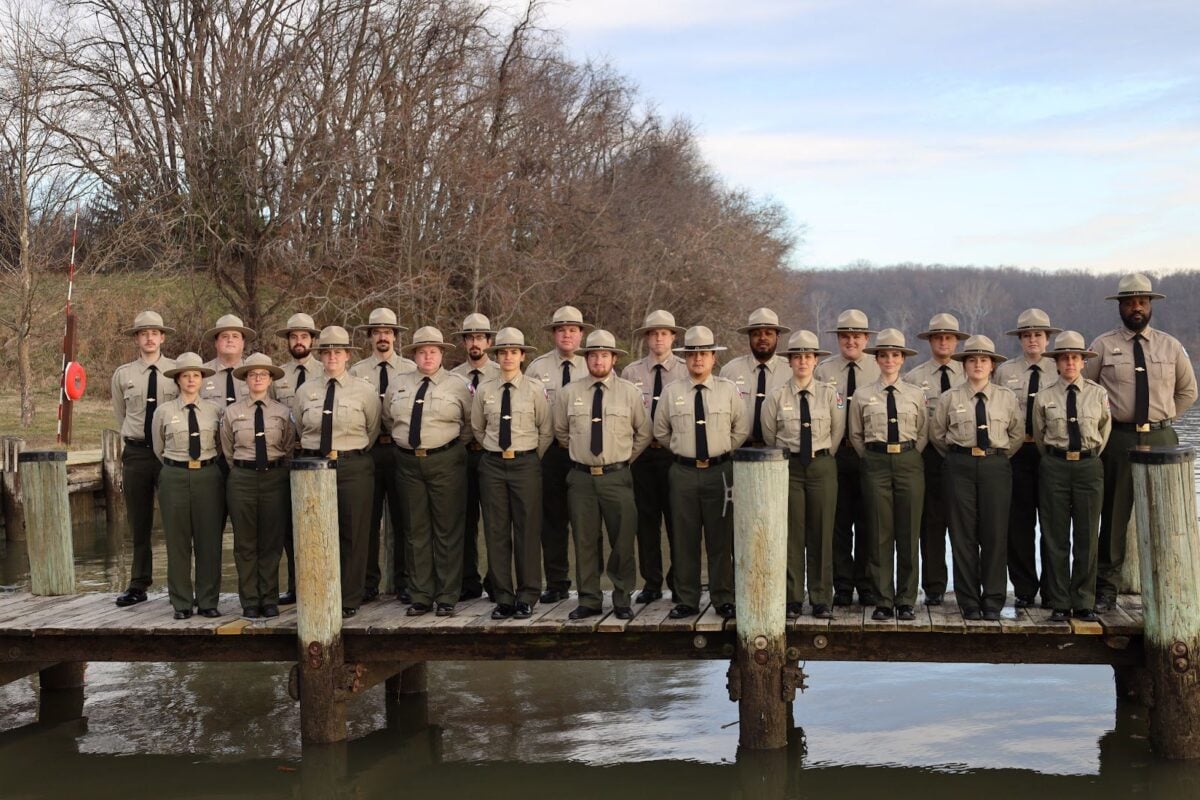
The Ranger Tab is earned through Ranger School, which is known for running candidates to their absolute limits on minimal food and sleep over about 61 days. What makes the Ranger Tab distinct is that it’s not a unit assignment — it’s a leadership school.
Soldiers from across the military attend, and the tab signals that the wearer can lead small units in difficult conditions under serious physical and psychological stress. Many who attempt it fail and have to try again.
The Sapper Tab
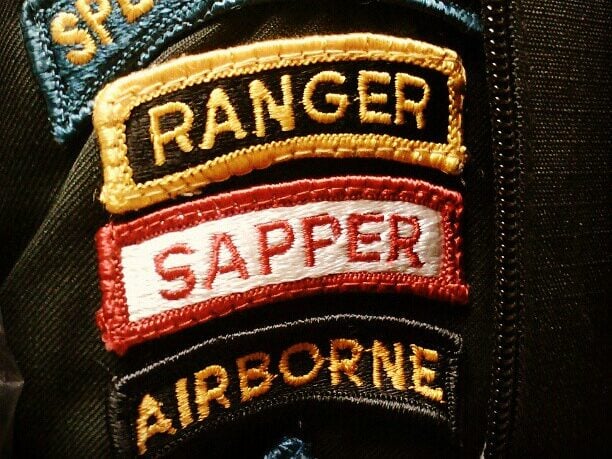
Less well-known than Ranger, the Sapper Tab is earned through Sapper Leader Course — a 28-day combat engineering school that’s consistently ranked among the hardest courses in the military. Sappers specialize in breaching obstacles, demolitions, and supporting assault operations.
The tab has a loyal following among engineers and combat arms soldiers who know what it takes. Outside those communities, it often goes unrecognized — which doesn’t bother most Sappers.
The Combat Medical Badge
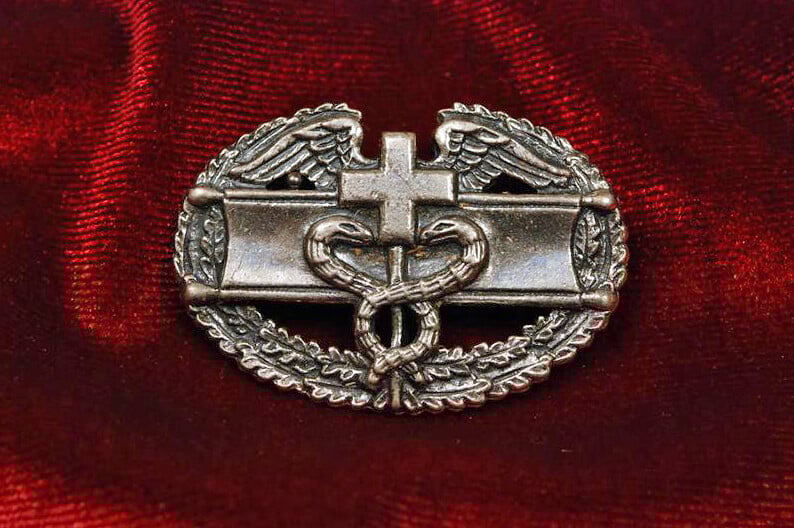
The Combat Medical Badge is the medic’s equivalent of the CIB. It’s awarded to Army medics and medical officers who are assigned to infantry or special forces units and who come under hostile fire while performing medical duties.
A medic treating casualties in an active firefight earns something beyond a technical skill. The badge acknowledges that.
Marksmanship Badges
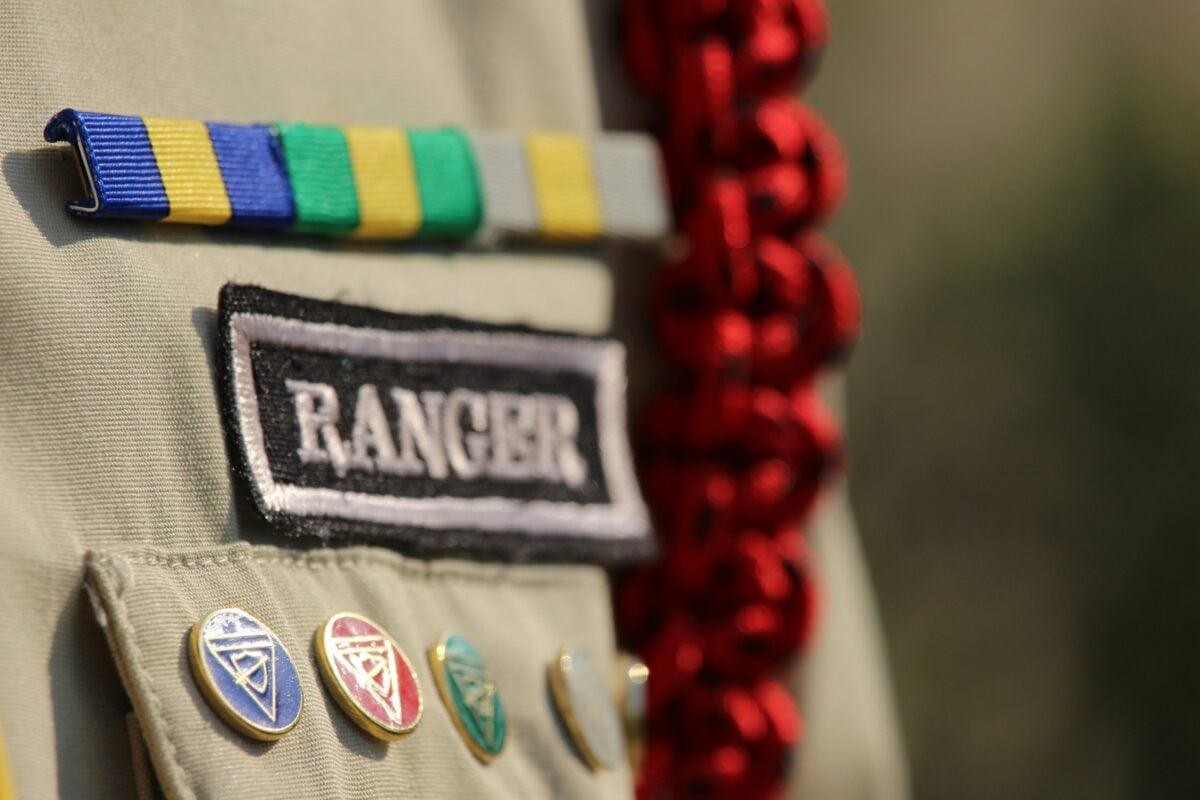
Most branches have marksmanship badges that mark how well a soldier shoots. The Army uses Marksman, Sharpshooter, and Expert ratings, with different qualification bars that hang below the badge for each weapon type the soldier has qualified on.
Expert is the highest and the hardest to earn. In combat arms units, showing up with anything below Expert tends to get noticed — and not in a good way.
The Presidential Service Badge and Vice Presidential Service Badge
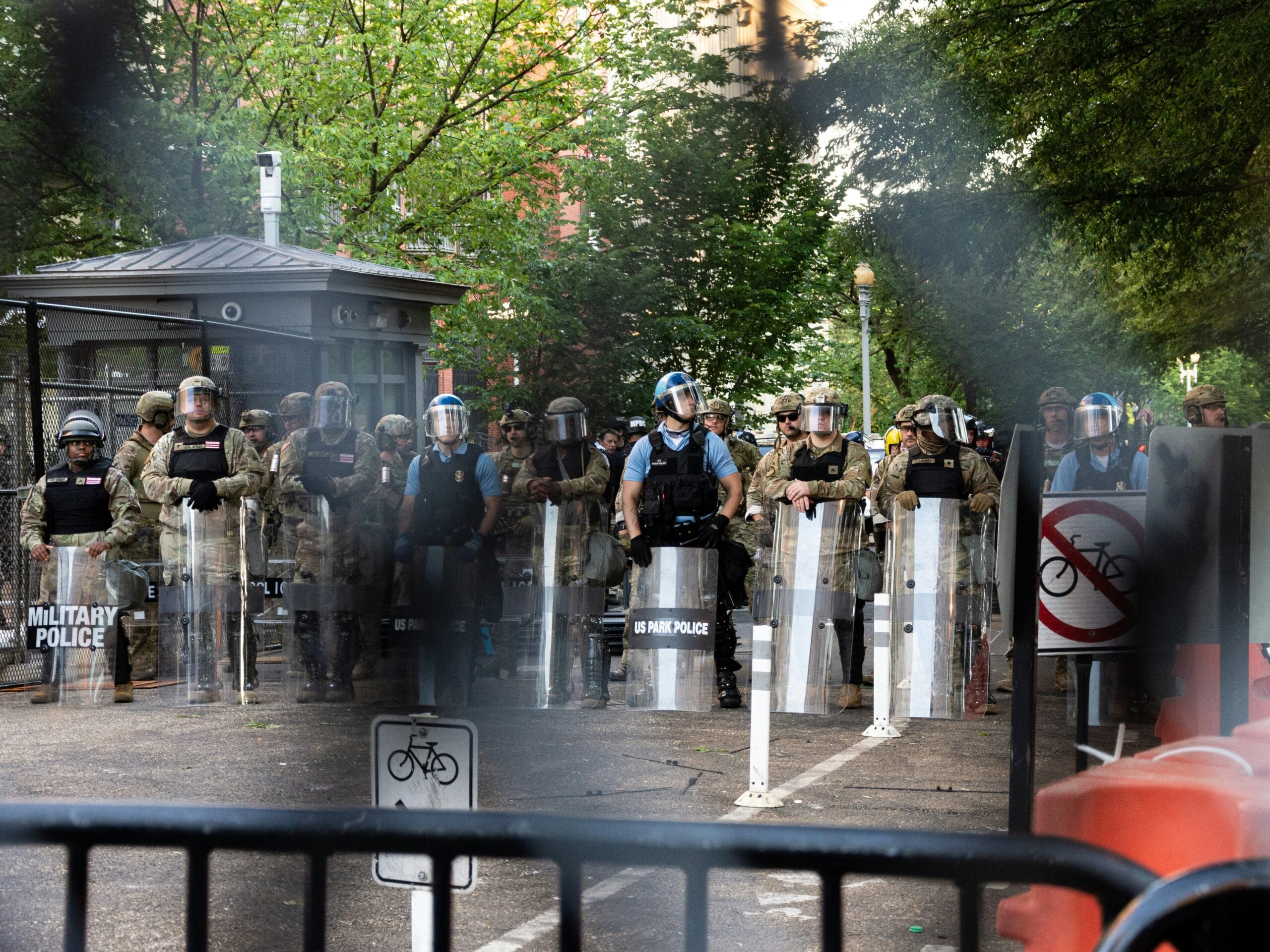
These badges are worn by military members who have served in the White House Military Office or directly with the President or Vice President. They’re rarely seen outside of formal ceremonies and Washington circles.
They signal proximity to power, but within military culture, they don’t carry the same weight as combat-earned badges. A soldier who’s served at the White House knows that, and most are quick to point to their other credentials first.
The Drill Sergeant Identification Badge
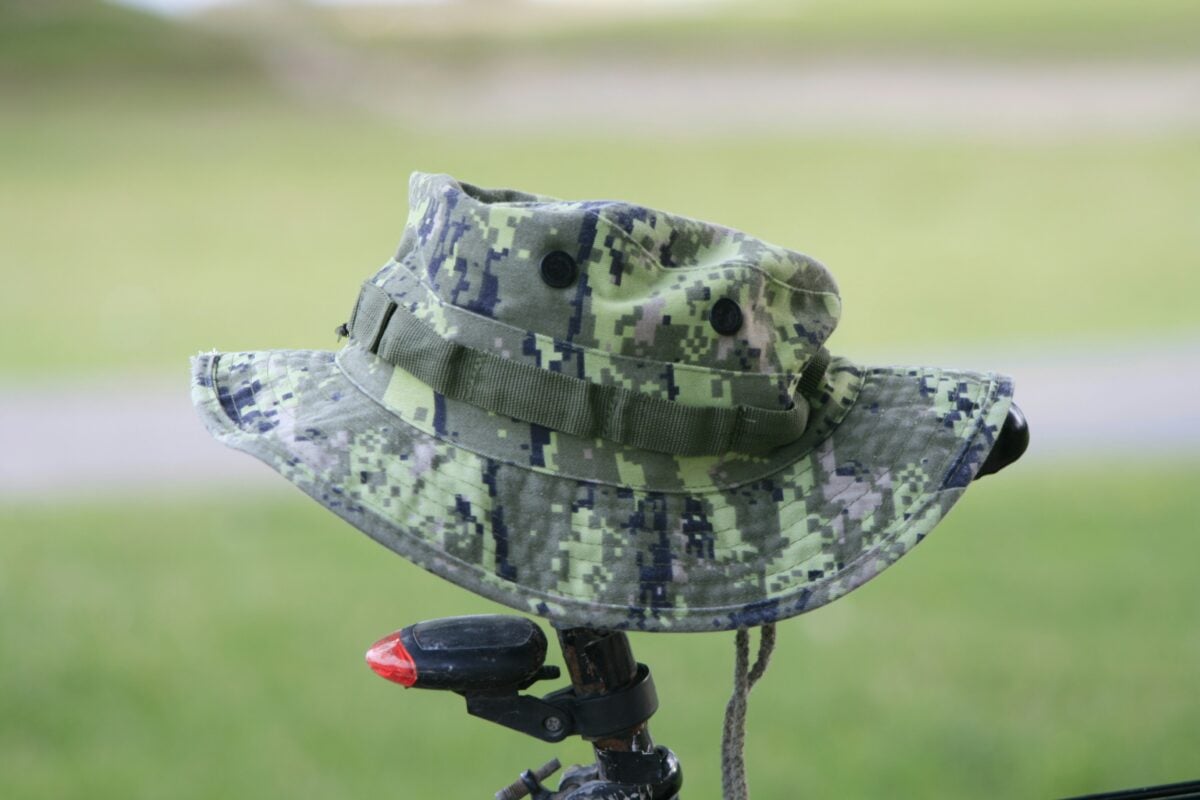
The Drill Sergeant Badge — a torch on a campaign hat — marks soldiers who have been selected, trained, and certified to train new recruits. It’s not given lightly.
Drill Sergeants go through their own demanding school, and the job itself is a two- to three-year assignment of constant pressure. The badge is a nod to one of the most important and exhausting roles in the military: turning civilians into soldiers.
The Parachutist Rigger Badge
Not every fold goes unnoticed. Those who prepare the chutes for jumps follow strict steps, each movement measured.
Their earned insignia stands for accuracy beyond common standards – an error in assembly reaches further than the person who made it. A single mistake can unravel everything – that truth lives in the gold badge.
Hundreds of jumps pile up before it appears, each one counted. Time stretches across years of duty checked and rechecked.
Rigging isn’t just tasks stacked; it’s trust packed into every stitch. When someone leaps, they carry that record with them.
Silence speaks louder than any claim: the badge means it was done right.
The Driver and Mechanic Badge
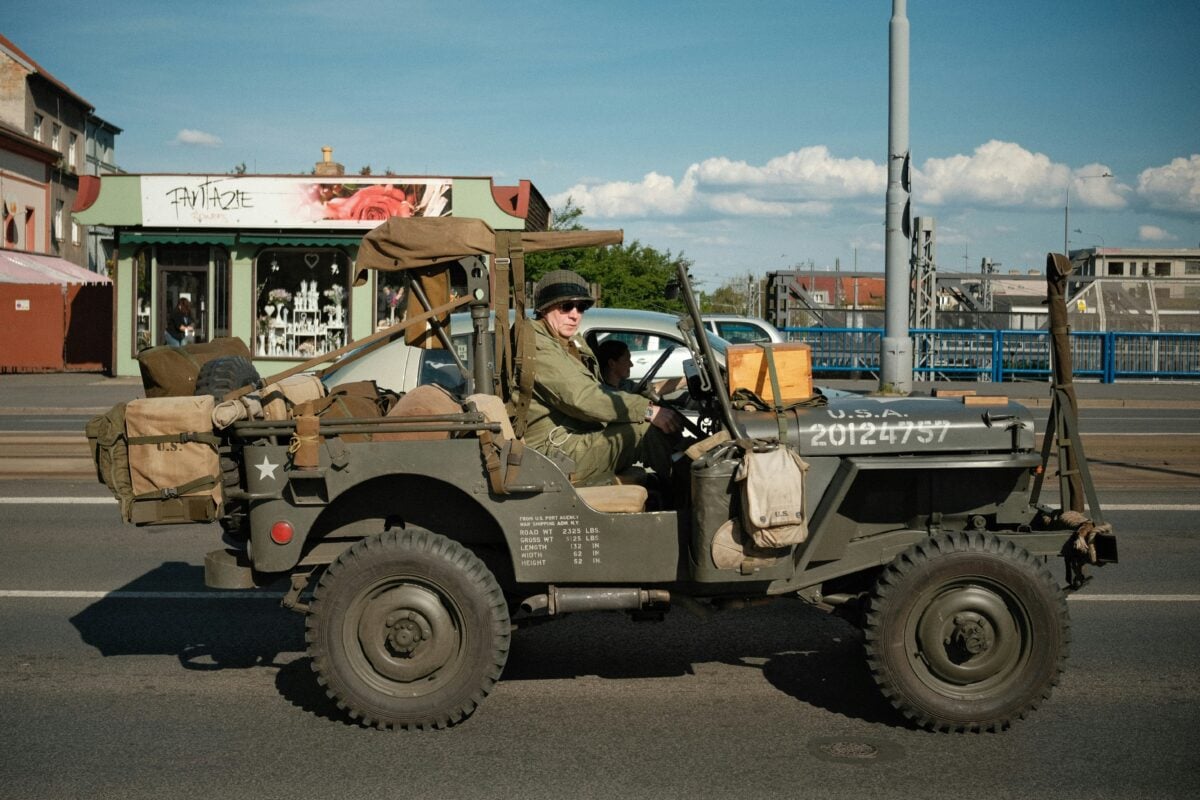
Not many think about this one, yet it holds weight. Soldiers earn the Driver and Mechanic Badge by showing skill – either behind the wheel or deep in repairs of military machines.
Proficiency defines it, nothing less. Moving heavy gear through tough landscapes takes more than power.
Staying on track means trained operators behind the wheel at all times. This emblem uses unique fasteners tied to both machine type and expertise level.
Each clasp stands for effort that quietly powers daily missions. What holds it together matters just as much as what it represents.
The Flight Surgeon Badge and Flight Nurse Badge
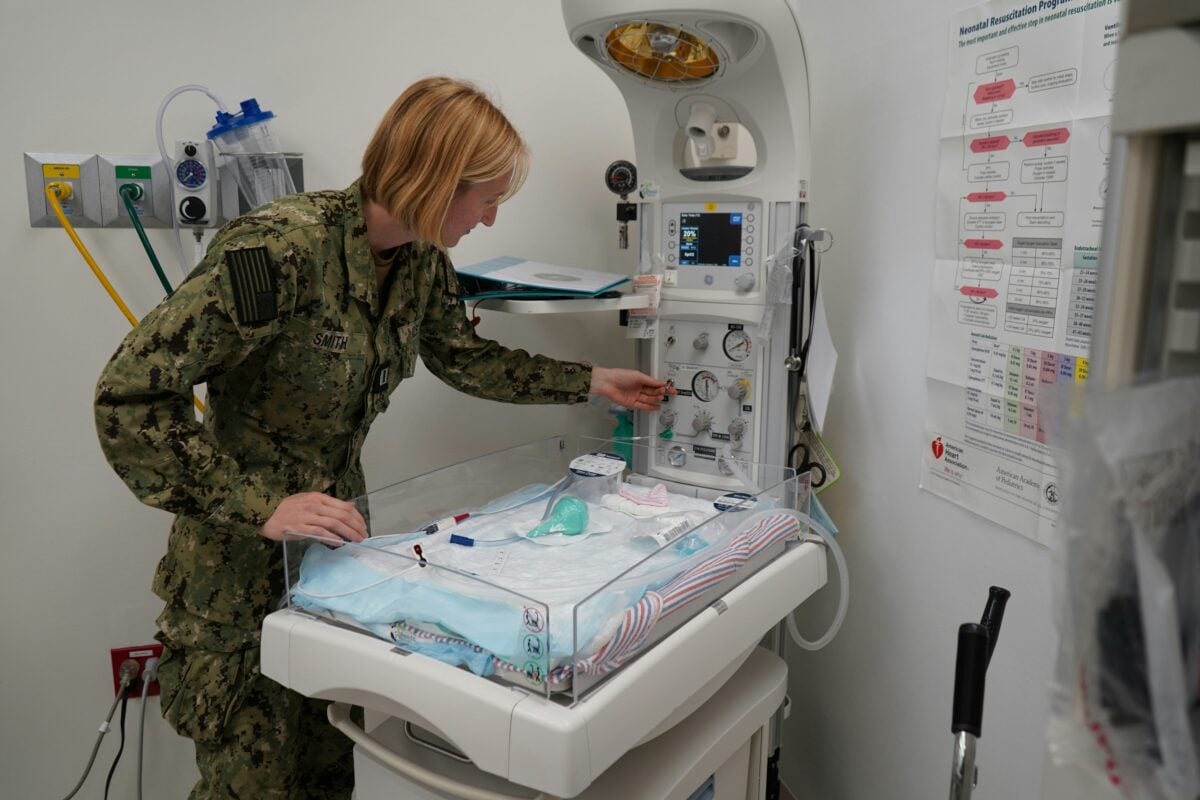
Military pilots aren’t the only ones wearing wings on their uniforms. Doctors trained in air travel health get badges too once they finish a unique course.
Nurses flying with injured troops go through similar prep before earning theirs. Each badge shows readiness for high-altitude medical care.
Wearing these badges means moving between clinics and cockpits. Sometimes care happens midflight, where medical skills meet turbulence instead of tiled floors.
Other times it’s about guiding pilots, helping them understand how bodies react under pressure. These roles live where altitude changes everything – yet calm judgment stays required.
What the Chest Reveals
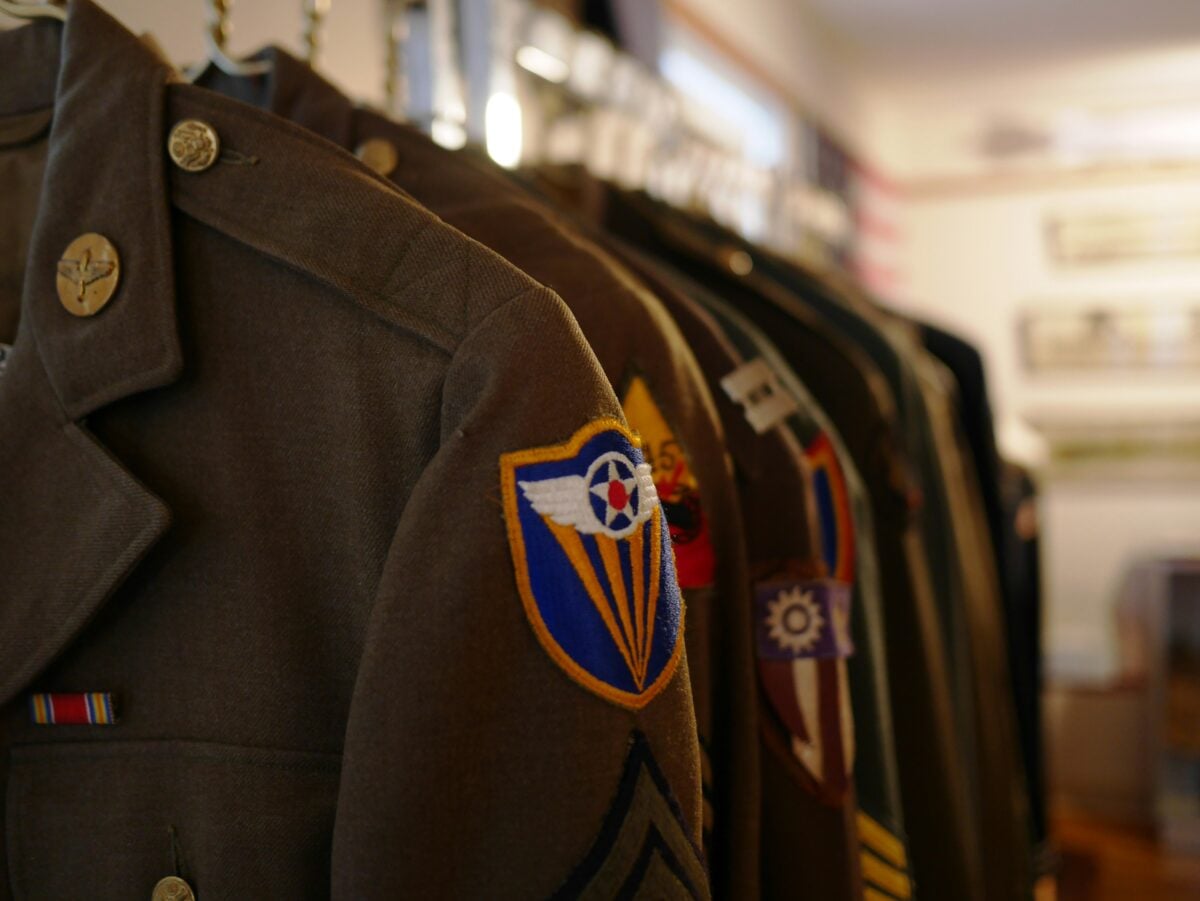
Every ribbon on a soldier’s dress uniform marks a place they’ve stood. Badges show skills earned through real work.
Where someone served shapes what hangs on their chest. Missing insignia can speak just as loud in some units.
Each detail holds weight without needing words. A few troops wear long lines of medals yet hardly any skill patches.
Still others carry just a handful of decorations, though one might spot a Ranger Tab alongside a Combat Infantry Badge – that mix often stops conversations cold among vets. This system speaks clearly, built through experience, meant for those who’ve lived it.
Next time a jacket covered in badges crosses your view, pause a moment. Every mark started somewhere.
Most were earned through effort that left its own marks.
More from Go2Tutors!

- The Romanov Crown Jewels and Their Tragic Fate
- 13 Historical Mysteries That Science Still Can’t Solve
- Famous Hoaxes That Fooled the World for Years
- 15 Child Stars with Tragic Adult Lives
- 16 Famous Jewelry Pieces in History
Like Go2Tutors’s content? Follow us on MSN.