33 Car Features From the ’70s That Modern Drivers Would Find Bizarre
The 1970s were a peculiar moment in automotive history when engineering logic departed from aesthetic sense, safety concerns didn’t yet overrule design ambition, and features that now seem laughably impractical were considered standard equipment. Cars from this era looked like they’d been designed by someone who’d never actually sat in one, equipped with gadgetry that broke regularly and steering wheels the size of wagon wheels.
Modern drivers who climbed into a 1970s vehicle would find themselves bewildered by controls in impossible locations, dashboard materials that withered in the sun, and mechanical complications that required a dealership visit to perform basic functions.
The decade reflected a uniquely detached moment in car design—one final hurrah before safety regulations, emissions standards, and consumer expectations would reshape what an automobile could be. These weren’t bugs; manufacturers called them features.
Column-Mounted Gear Shifters
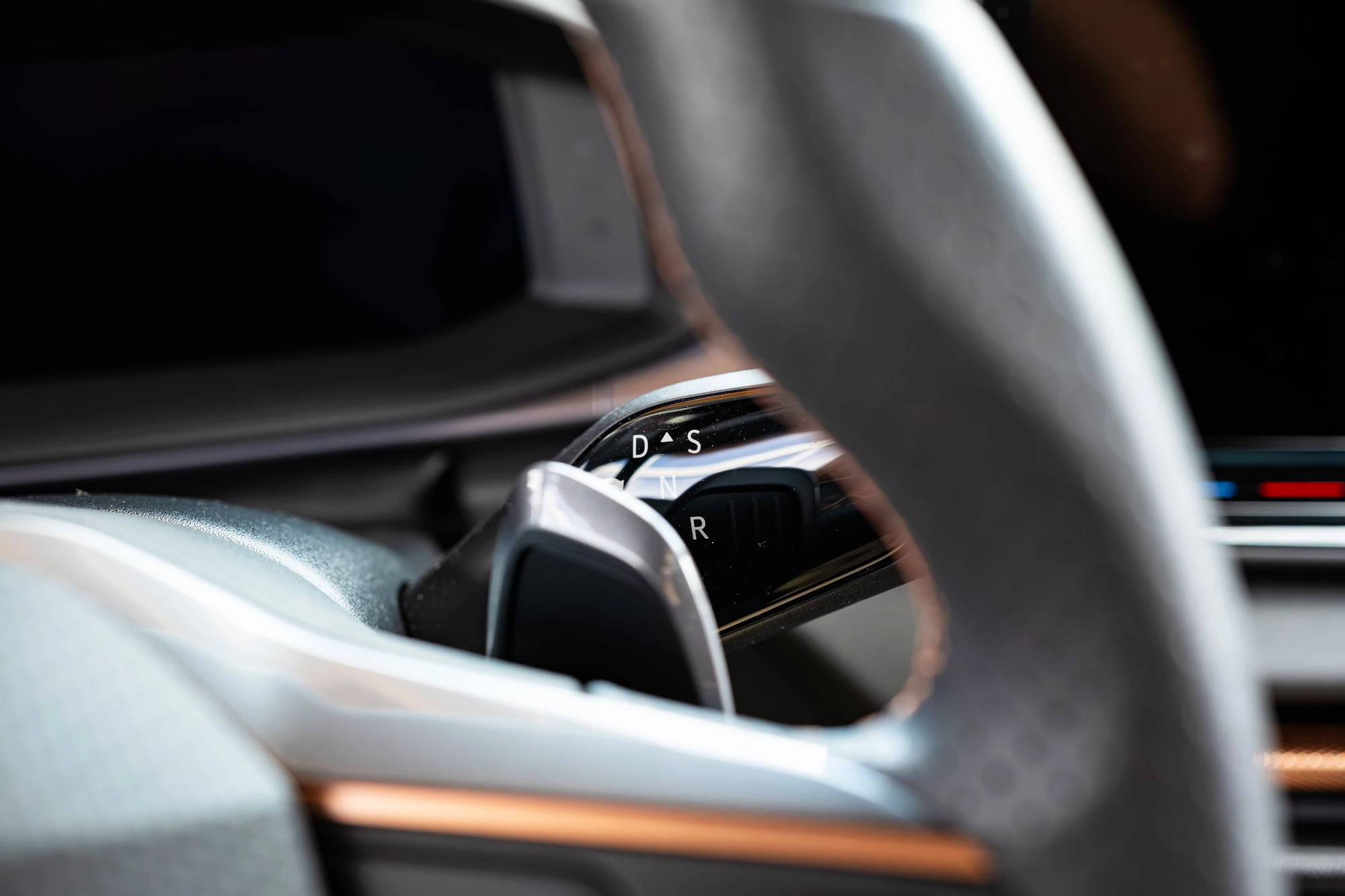
The steering column doubled as a gear lever in countless 1970s vehicles. Drivers steered with one hand while working the three-on-the-tree or five-on-the-floor directly from the wheel column, a layout that made sense when bench seats stretched wall-to-wall but vanished the moment anyone wanted actual cockpit ergonomics.
The shifter linkages were troublesome and prone to misalignment, yet they persisted into the early 1980s on budget models and kept the promise of front-seat legroom alive.
Six-Passenger Bench Seats
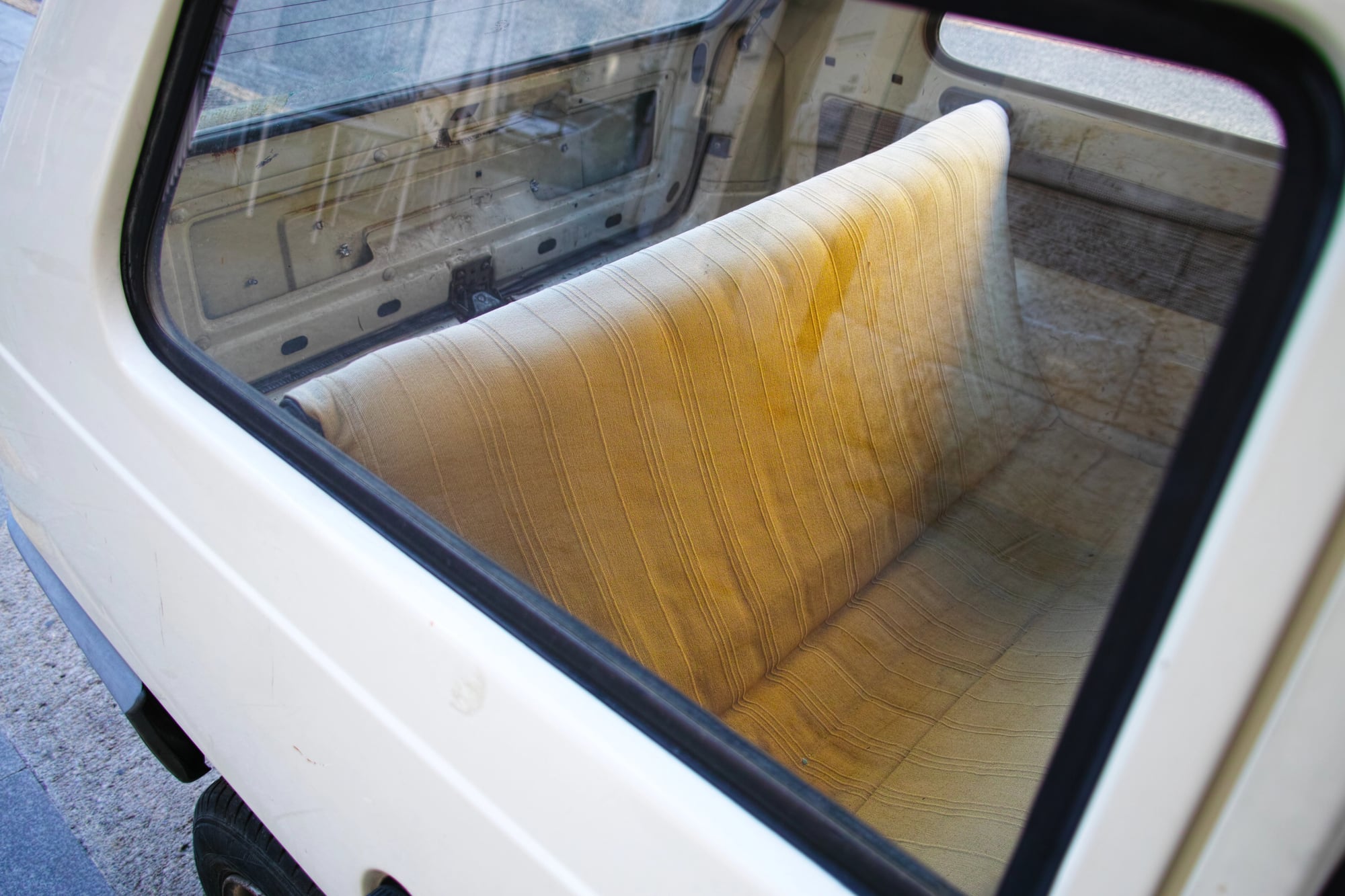
The bench seat that could fit three adults across the front meant zero privacy and a middle passenger trapped between two bucket-shaped depressions with a steering column poking into their legs. By decade’s end, this design was already dying, replaced by captain’s chairs and consoles—proof that even manufacturers realized they’d made a mistake.
Pop-Up Headlights
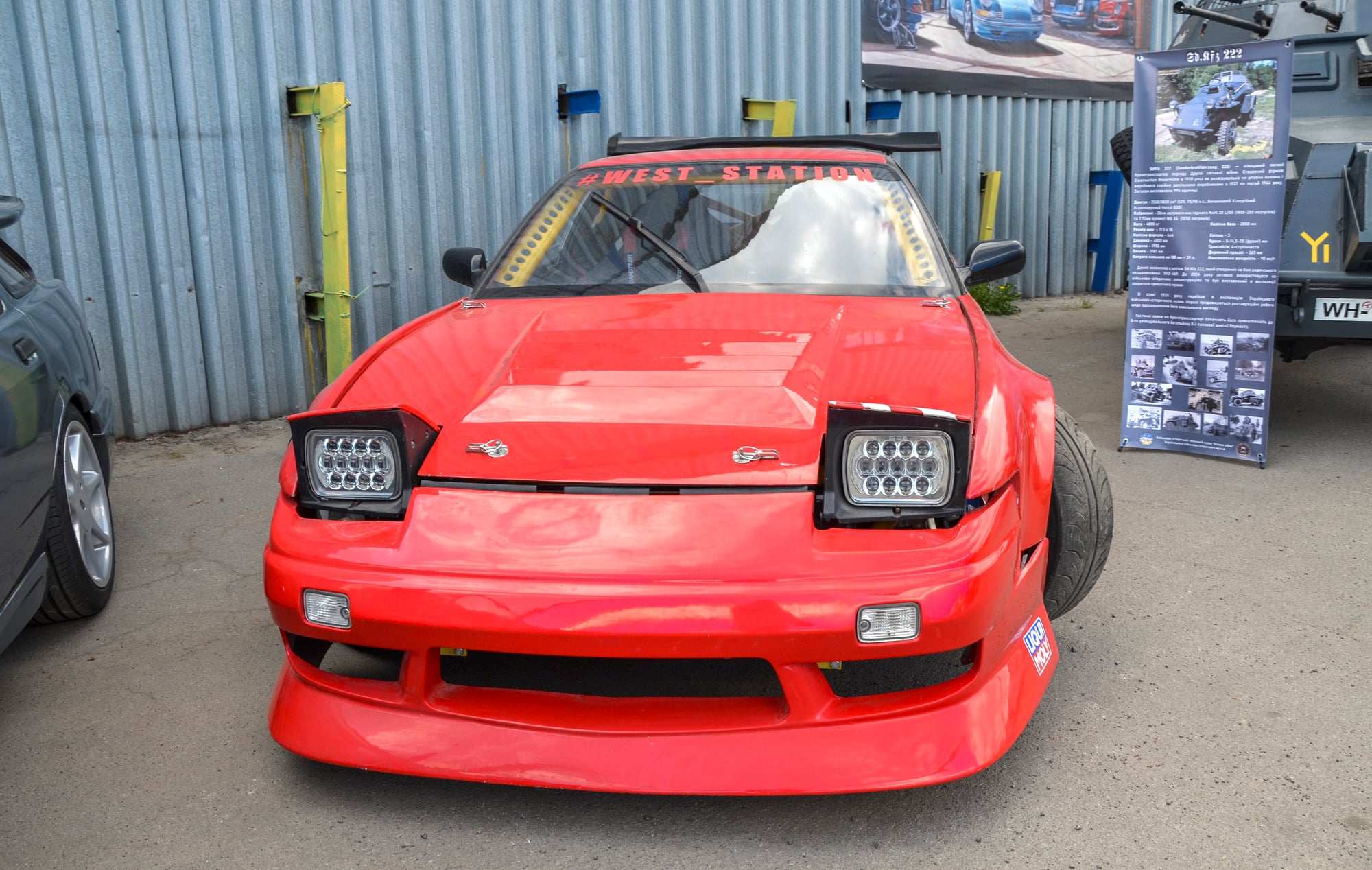
Vacuum actuators and electric motors lifted the headlights from hidden compartments when switched on, transforming the car’s face entirely. These systems looked futuristic in showroom photos but spent half their lives stuck halfway up, dripping with moisture, or failing to retract properly, leaving drivers with permanently goggled vehicles.
Massive Steering Wheels
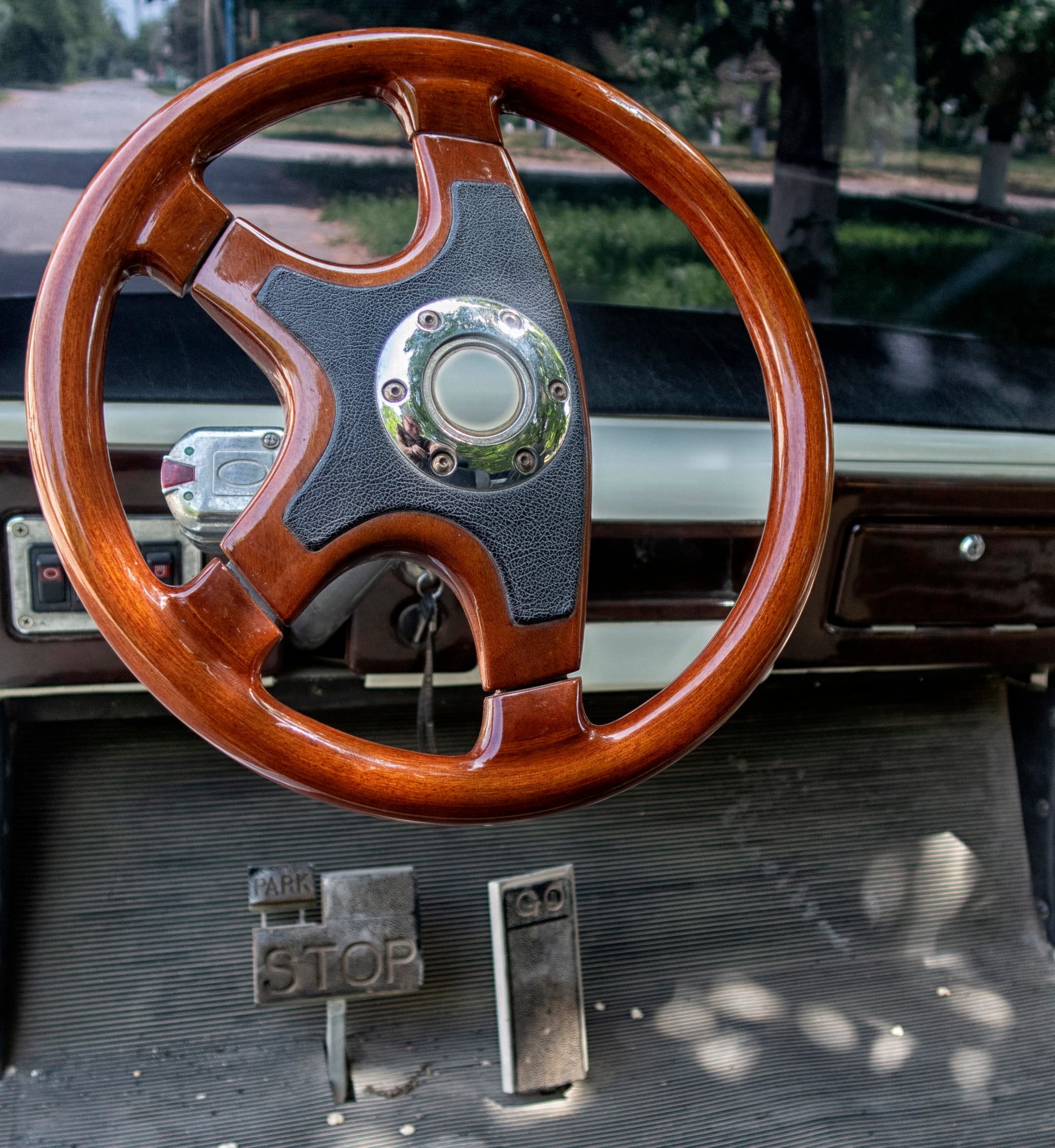
Steering wheels measuring 15 to 16 inches in diameter gave drivers the illusion of controlling a ship rather than a car. The diameter meant you had to make wider hand-over-hand movements and exert more physical effort, particularly on power-steering-free economy models where the wheel weighed as much as a bowling orb.
Vent Windows
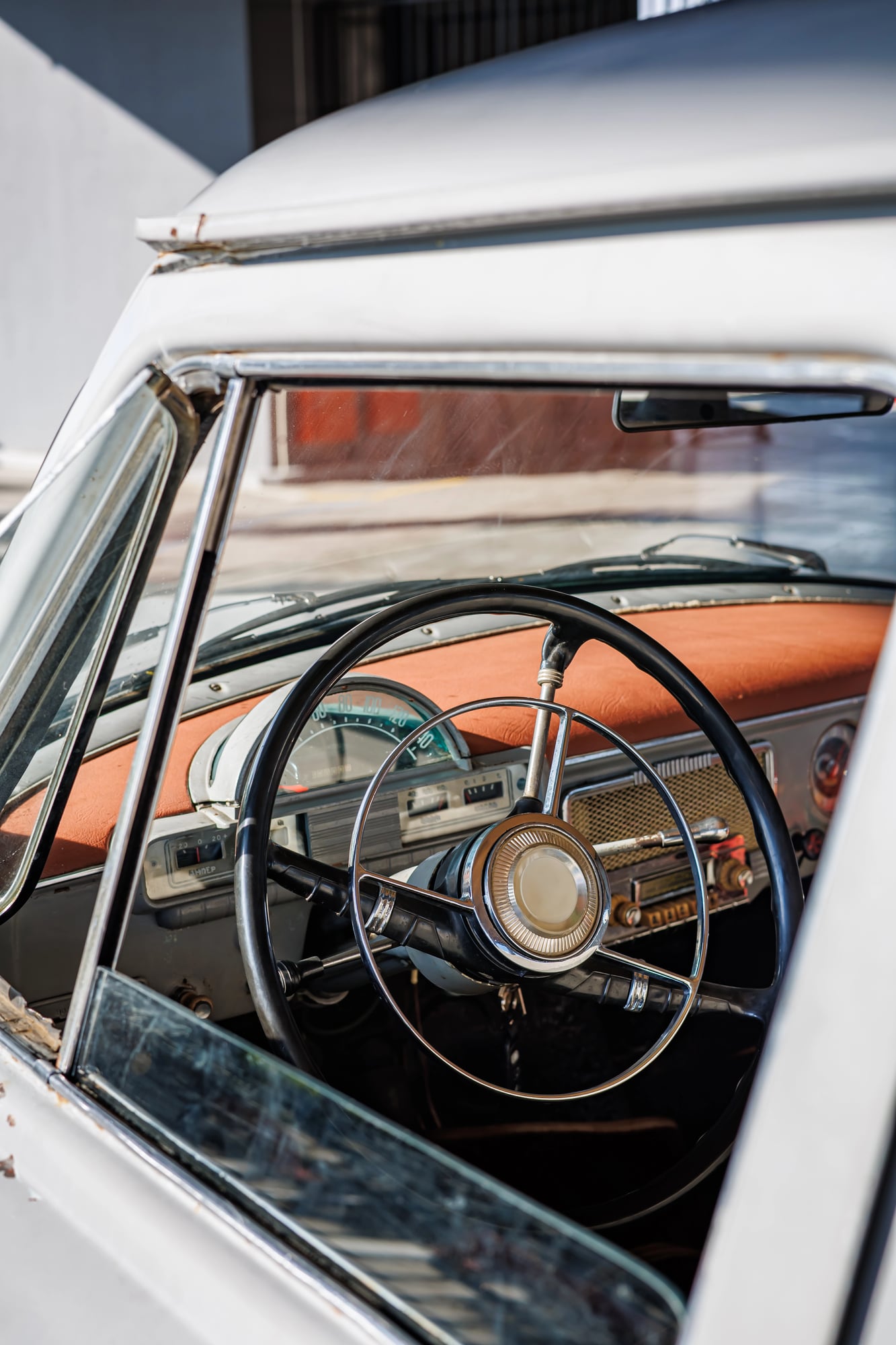
Quarter-glass panes that pivoted inward promised ventilation without wind noise, but they were actually small movable windows that drivers cranked open by hand. When air conditioning was either absent or expensive to run, these tiny windows became essential—and they leaked like faucets during rain.
Floor-Mounted Headlight Dimmer Switch

Toggling between high beams and low beams meant pressing a small button on the floor with your left foot, a task that required remembering to use your foot while concentrating on the road. This design persisted well into the 1980s despite making zero sense once turn-signal stalks with integrated high-beam controls arrived.
Aftermarket Bolt-On AC Units
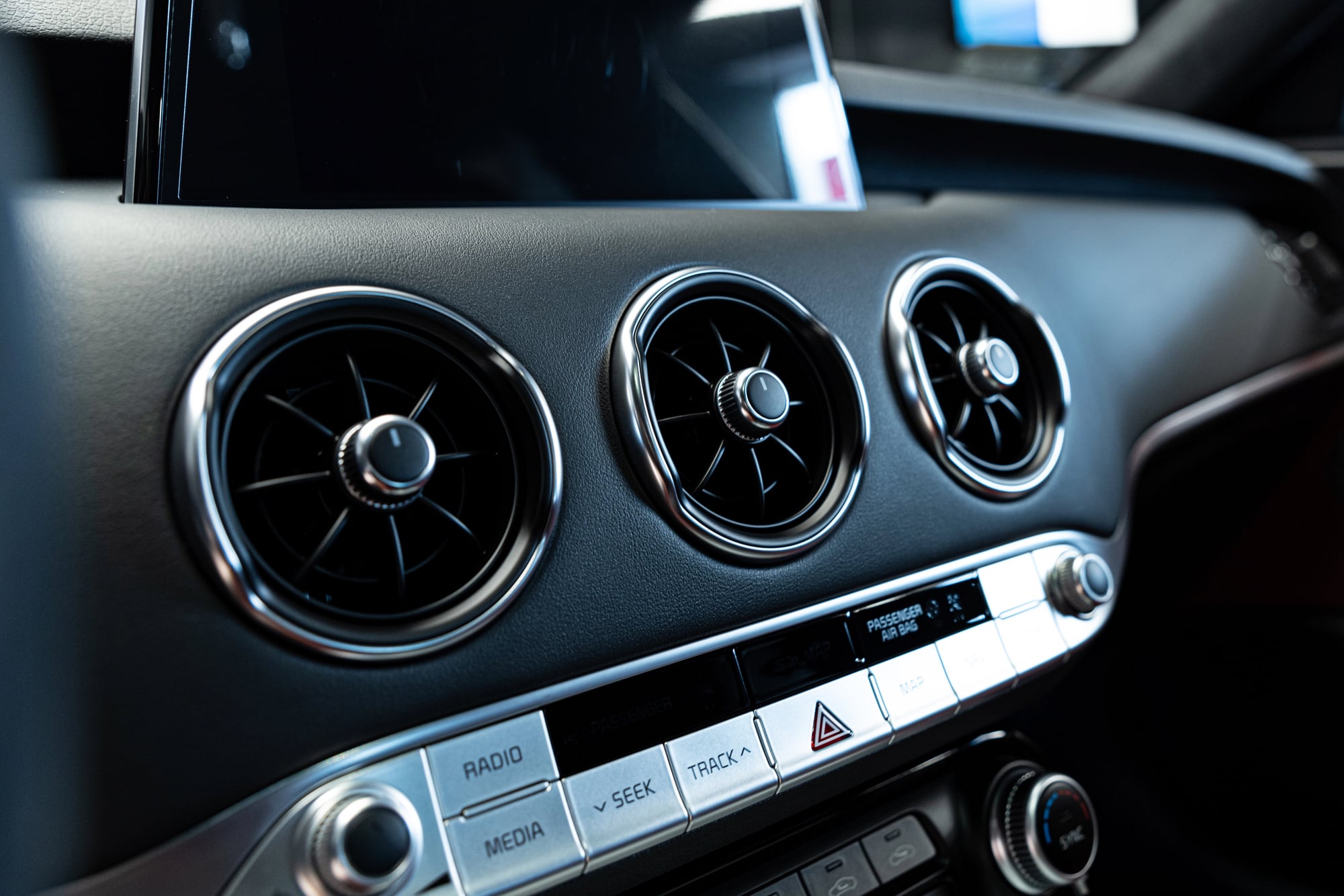
Factory air conditioning was an expensive luxury option, so budget-conscious buyers purchased aftermarket units that bolted underneath the dashboard. These bulky, noisy contraptions rarely distributed cool air evenly and often dripped condensation directly onto passengers’ feet.
Vacuum-Operated Power Everything
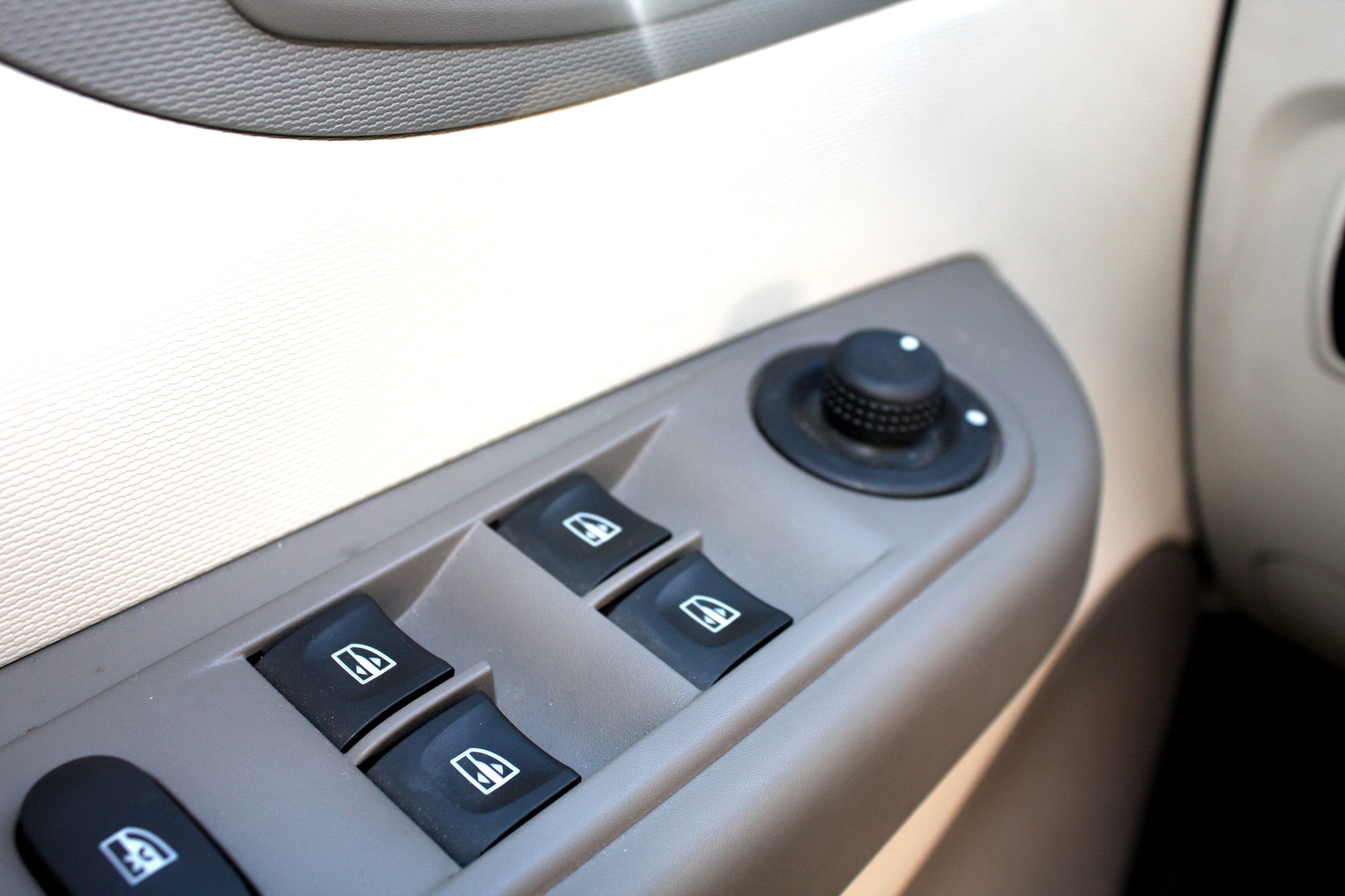
Power windows, door locks, and convertible tops ran on vacuum lines siphoned from the engine. When these lines cracked or loosened, your windows stopped working halfway through operation and your locks became decorative.
Dealers charged handsomely for diagnosis and replacement.
Wedge-Shaped Bodies
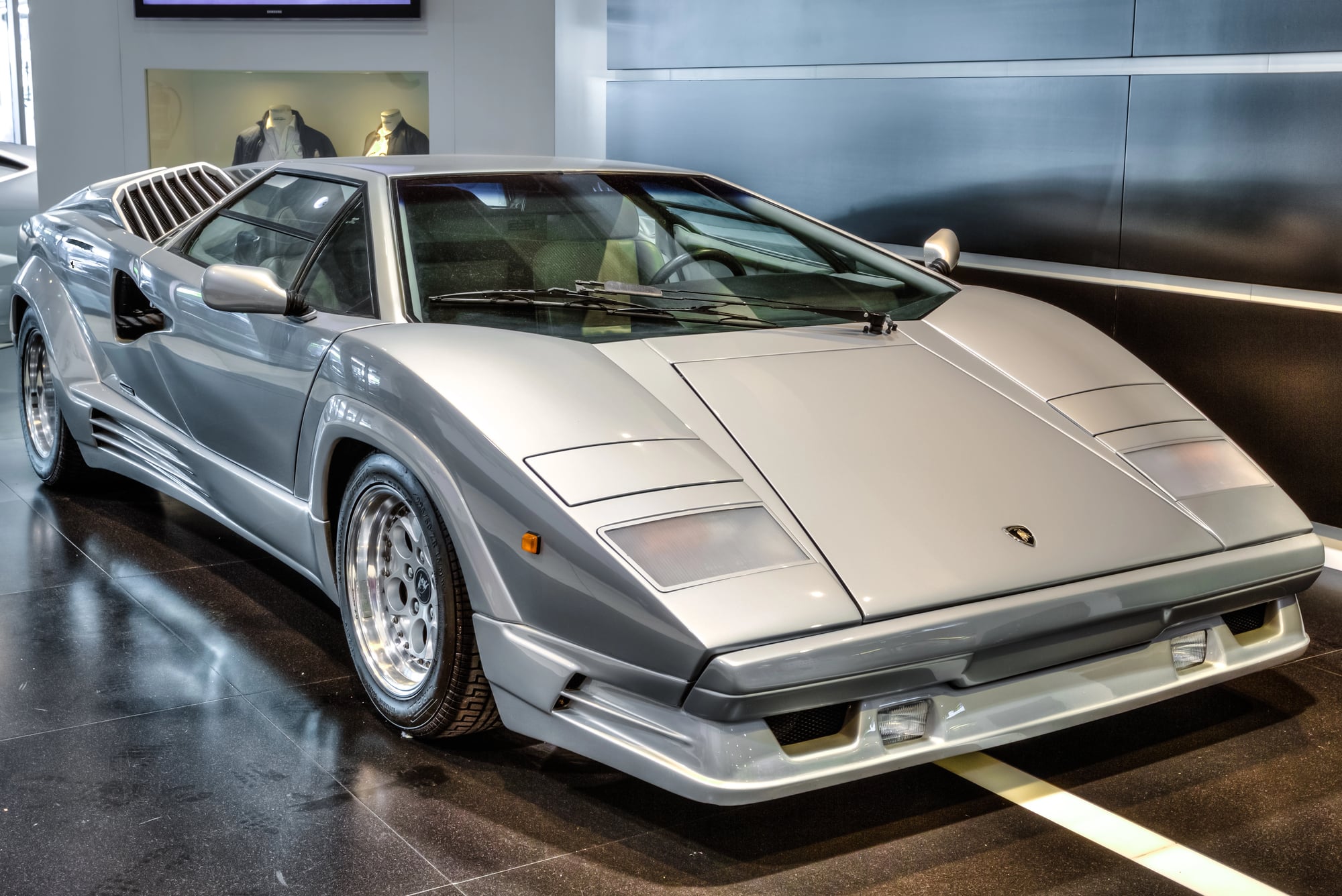
The Lamborghini Countach and Lotus Esprit proved that sharpness could substitute for beauty, but countless lesser vehicles imitated the wedge profile with little understanding of why engineers had pioneered the look. The result was boxy proportions that sacrificed interior space for a silhouette that photographed better than it drove.
Vinyl Roofs and Landau Bars

Real metal roofs were apparently too boring, so manufacturers wrapped them in vinyl—sometimes in contrasting colors—and added fake roof bars and sail panels that peeled, cracked, and water-logged. This purely decorative nonsense added weight and required expensive replacement when it inevitably degraded.
Single-Speaker Dashboard Audio Systems
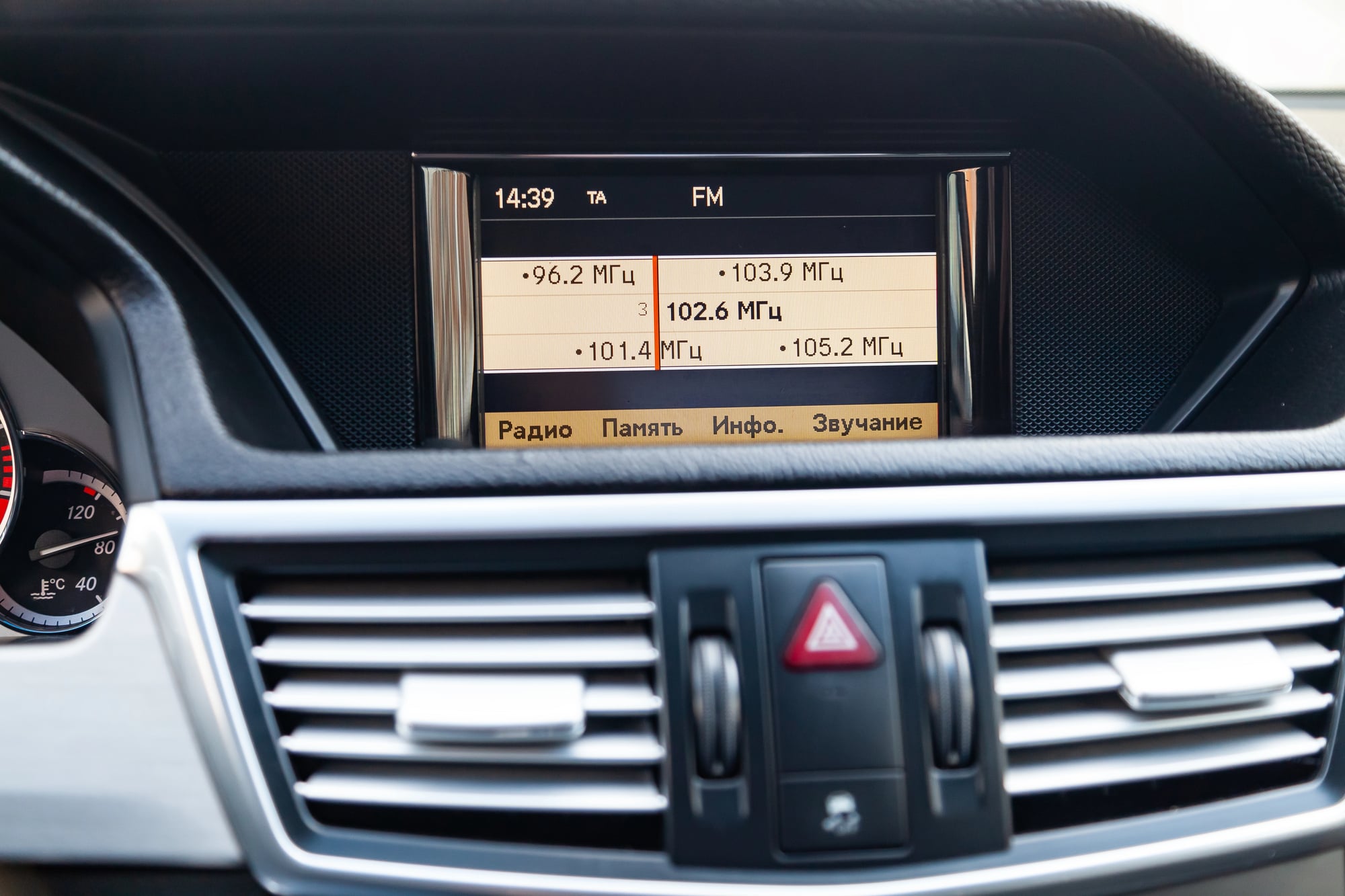
The car’s one speaker lived somewhere in the dashboard center, delivering mono sound from the radio or 8-track player with zero separation between channels. Trying to hear music at highway speeds meant boosting the volume until the speaker distorted.
Cig Lighters as Standard Equipment

Every car came with a spring-loaded lighter mounted in the dashboard, and replacement lighters were cheaper than ashtrays. This was considered essential equipment regardless of whether the owner smoked, reflecting a different era entirely.
Heavy Steering Feel
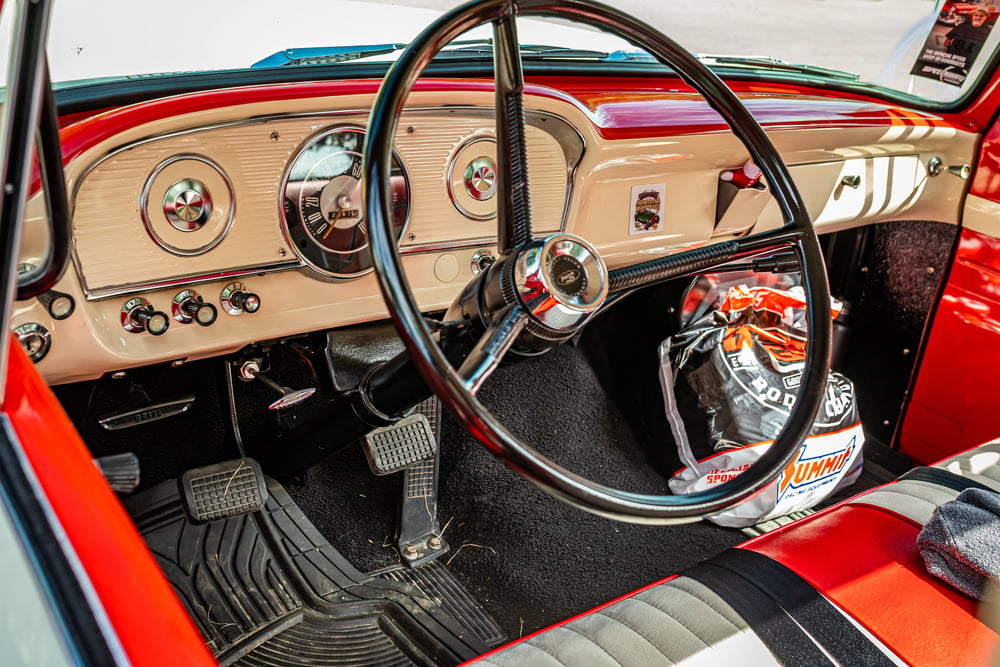
Cars without power steering at all, or with early power systems that didn’t quite work as intended, required actual muscular effort to turn the wheel. Parking a 1970 American full-size sedan meant three full rotations of the wheel and genuine physical exertion.
Crumple Zone Engineering

Cars were engineered to absorb crash energy by deforming predictably, a feature that looked like poor construction quality to consumers who preferred the idea of a rigid, unbending vehicle. Owners dismissed crumple zones as unnecessary even as automotive deaths climbed.
Three-Speed Automatic Transmissions
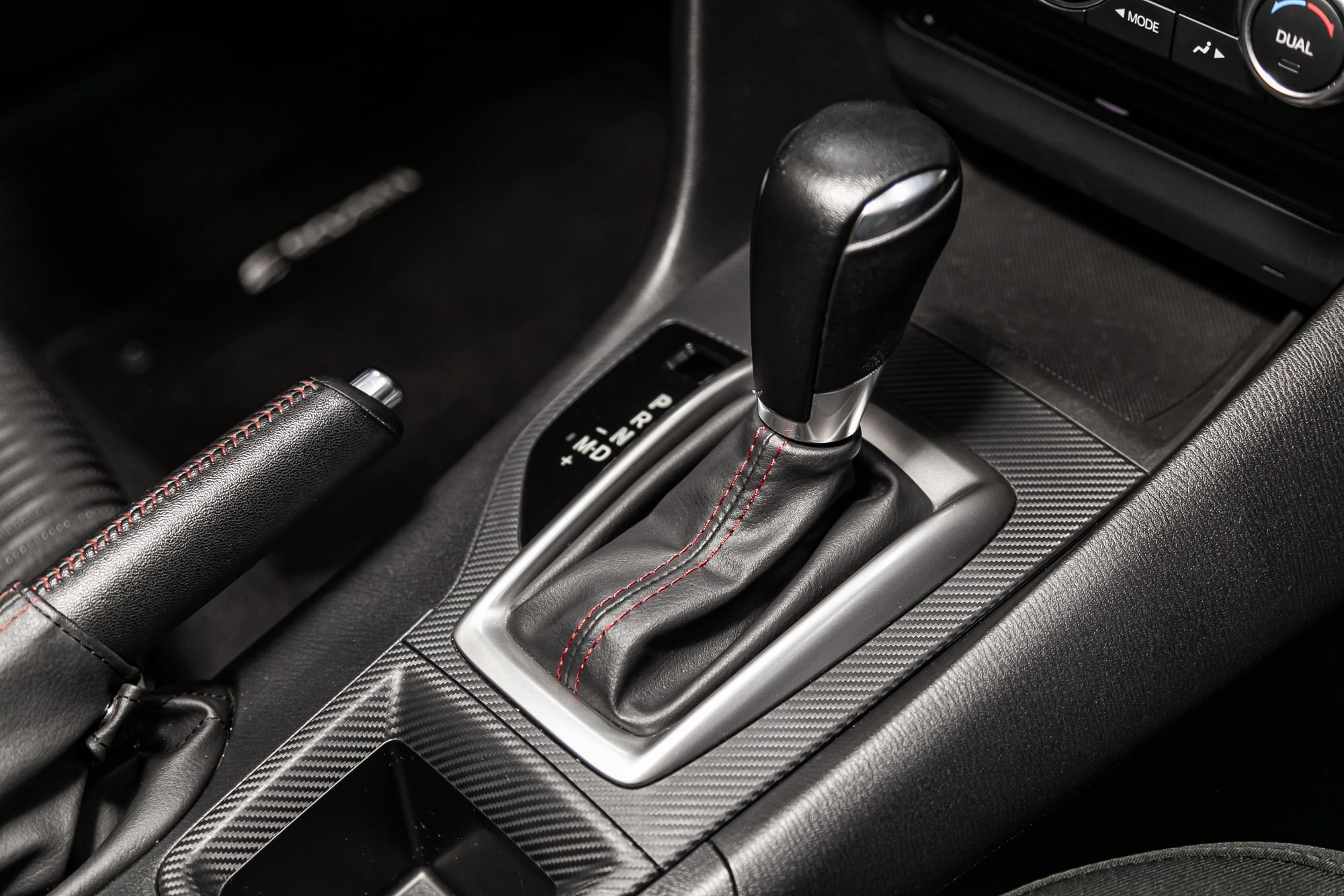
Most vehicles came with only three forward gears, meaning engines ran at higher RPMs at highway speeds, burning fuel inefficiently and creating constant engine drone. The jump between second and third gear felt like riding a bicycle where the pedal cranking suddenly required triple the effort.
Pushbutton Automatic Transmissions
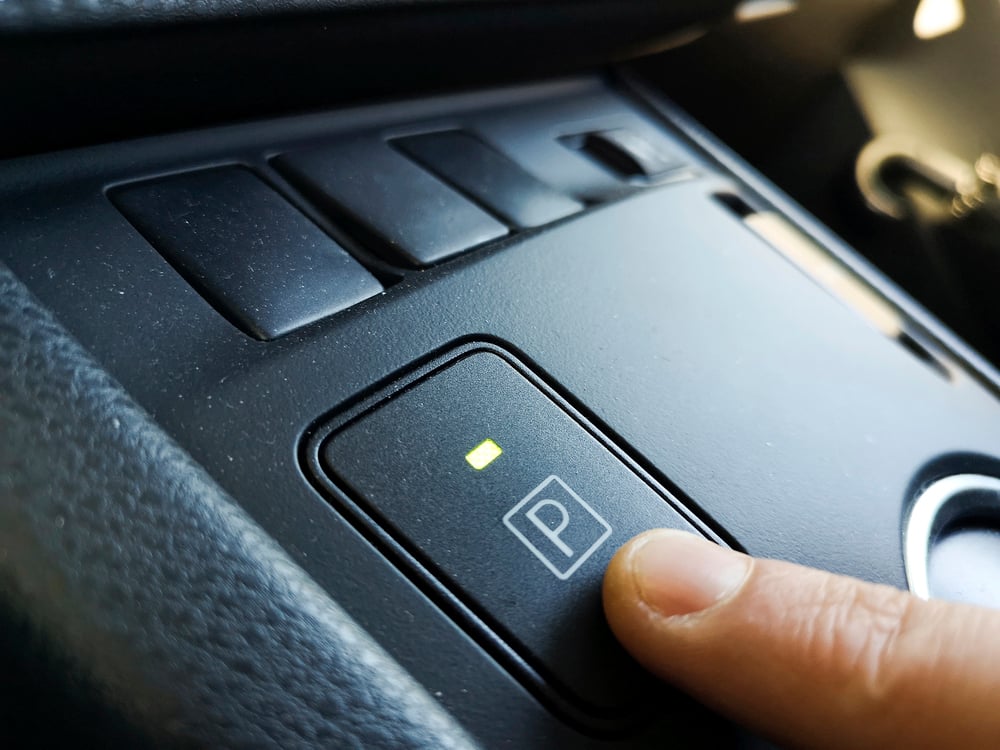
Some luxury cars mounted transmission selectors as buttons on the dashboard—pushes for Park, Reverse, Neutral, and Drive—rather than the conventional stalk or floor shifter. These buttons were prone to accidental activation and impossible to see at a glance.
Vinyl Seats That Adhered to Bare Skin
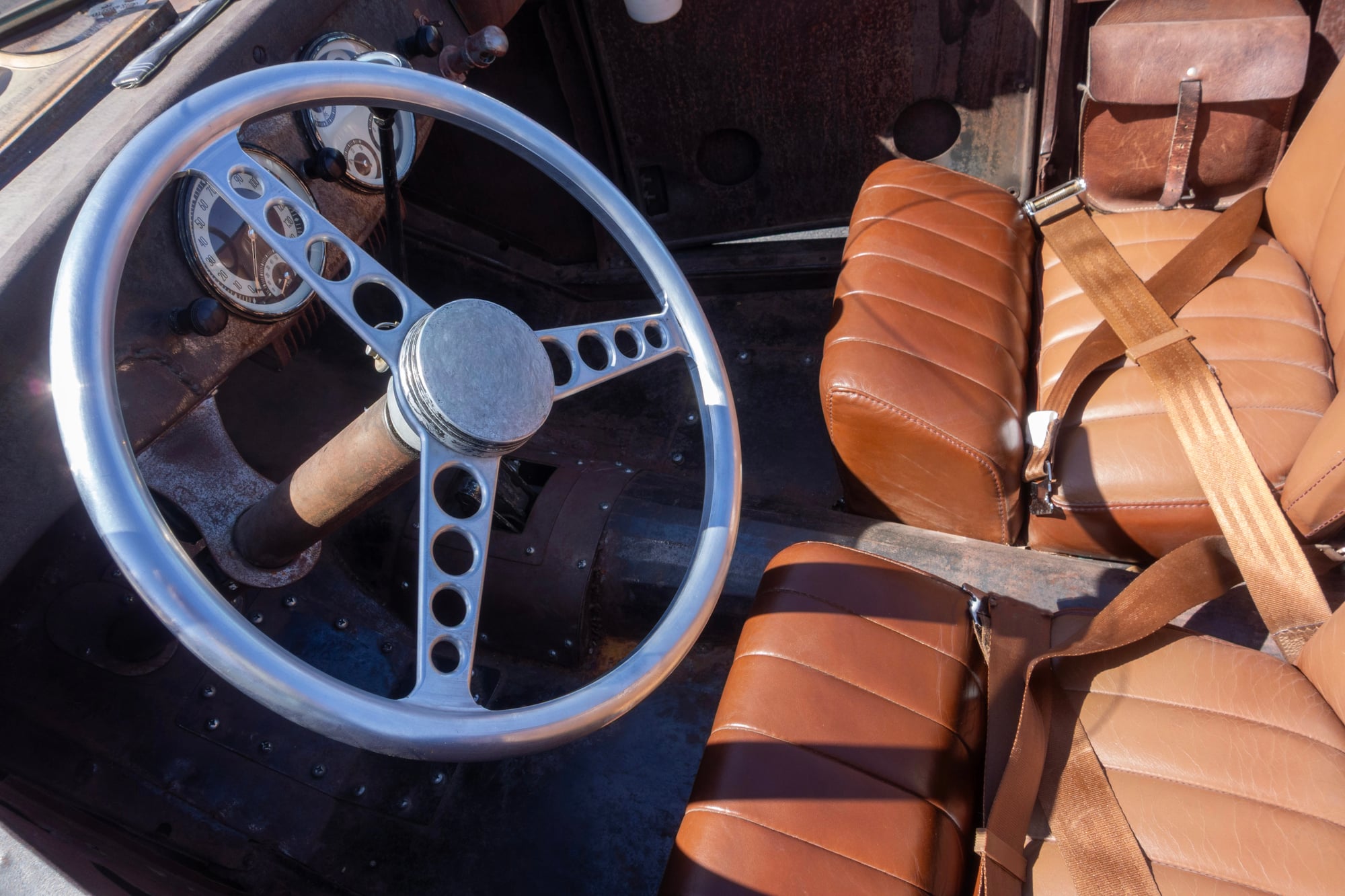
Interior vinyl turned into soft adhesive in summer heat, sticking to legs and arms and making every stop-and-go journey miserable. Leather and fabric alternatives added significant cost, so manufacturers defaulted to vinyl and let drivers suffer.
Digital Dashboard With Analog Limitations
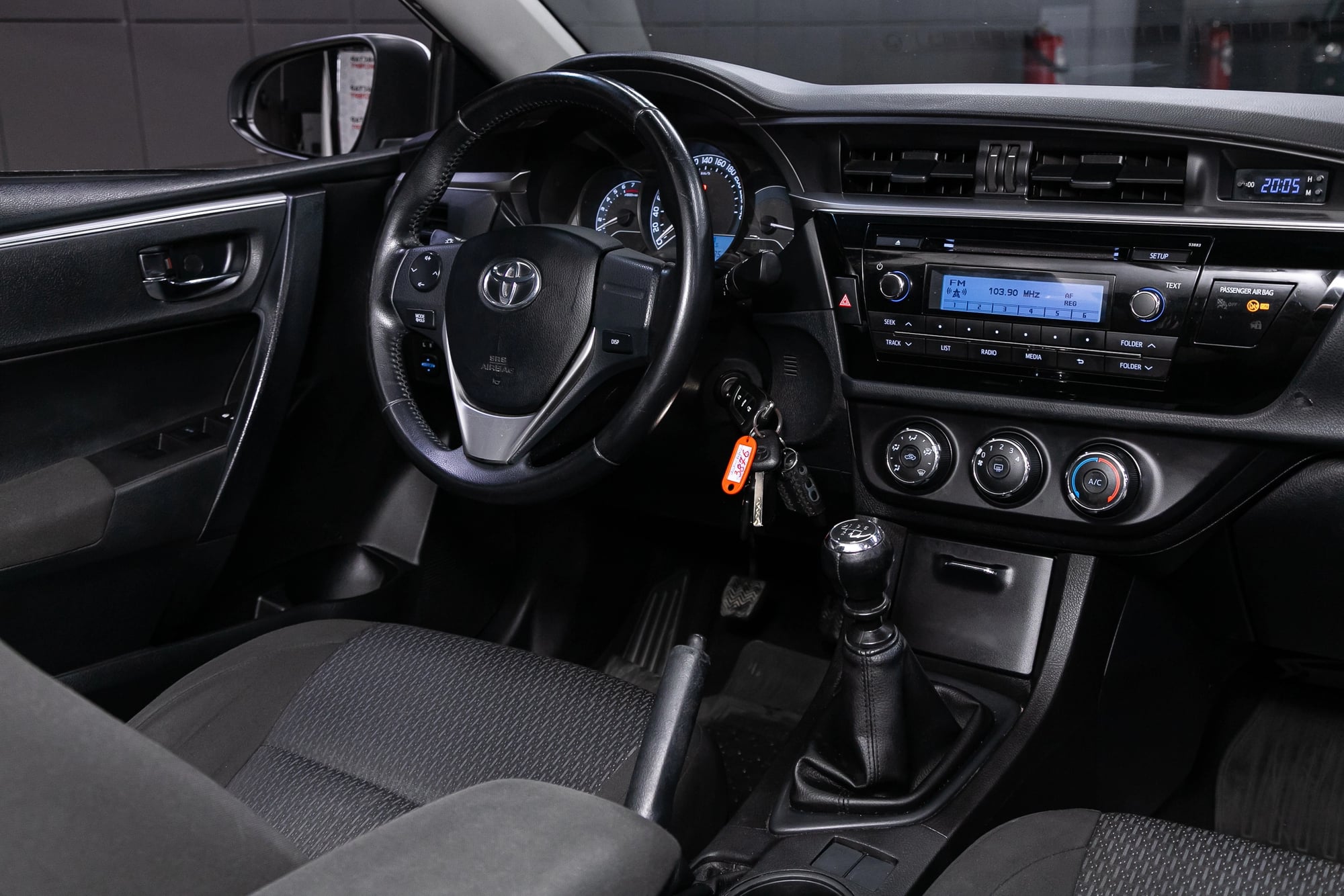
The Aston Martin Lagonda introduced a digital LCD dashboard with touch-sensitive controls in 1976—futuristic technology that failed regularly and cost thousands to repair. Touch panels were finicky, buttons got stuck, and the entire system became unreliable within a few years.
Mandatory Front Bench Seating With Automatic Transmissions
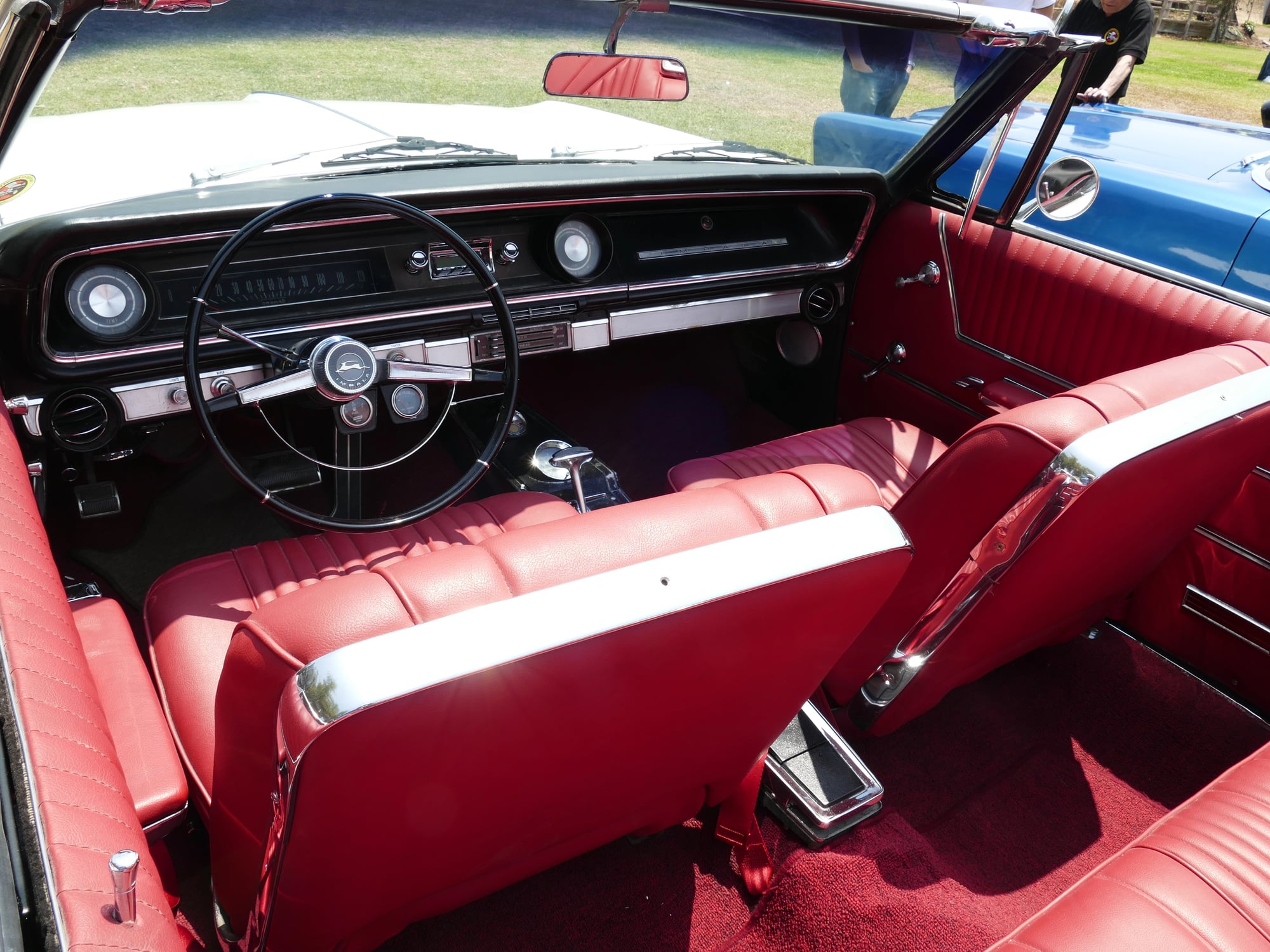
Many models forced you to choose: either a bench seat with an automatic, or bucket seats with a manual. Manufacturers saw the middle-front position as wasted space if you had a floor shifter, so they locked buyers into bad tradeoffs.
Engine Bay-Mounted Battery on Some Vehicles
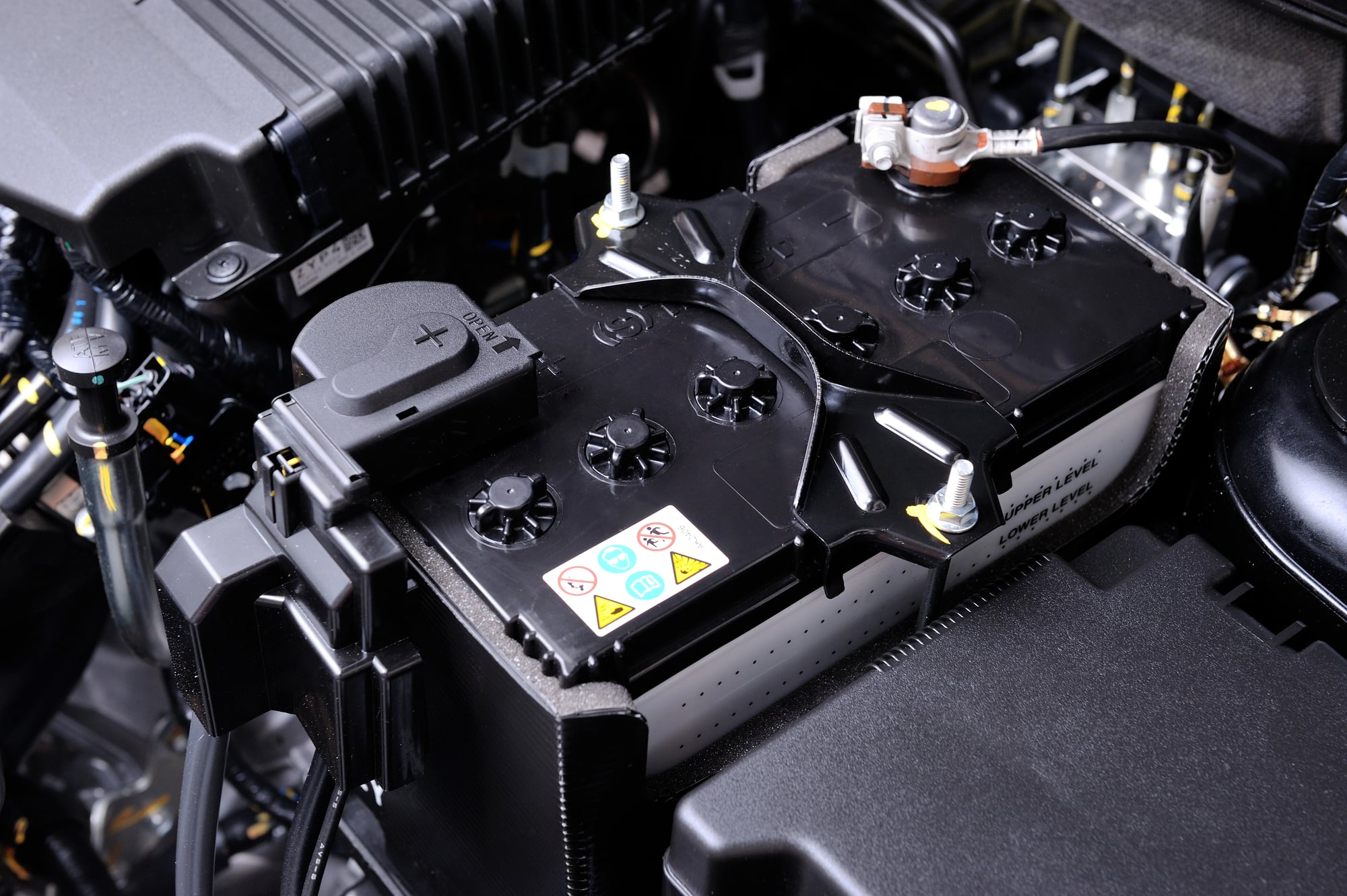
Certain cars hid the battery in weird locations like under the rear seat or behind the rear wheel, requiring you to contort yourself or remove interior panels to change it. This was often done to save a few dollars in wiring costs.
Manual Everything
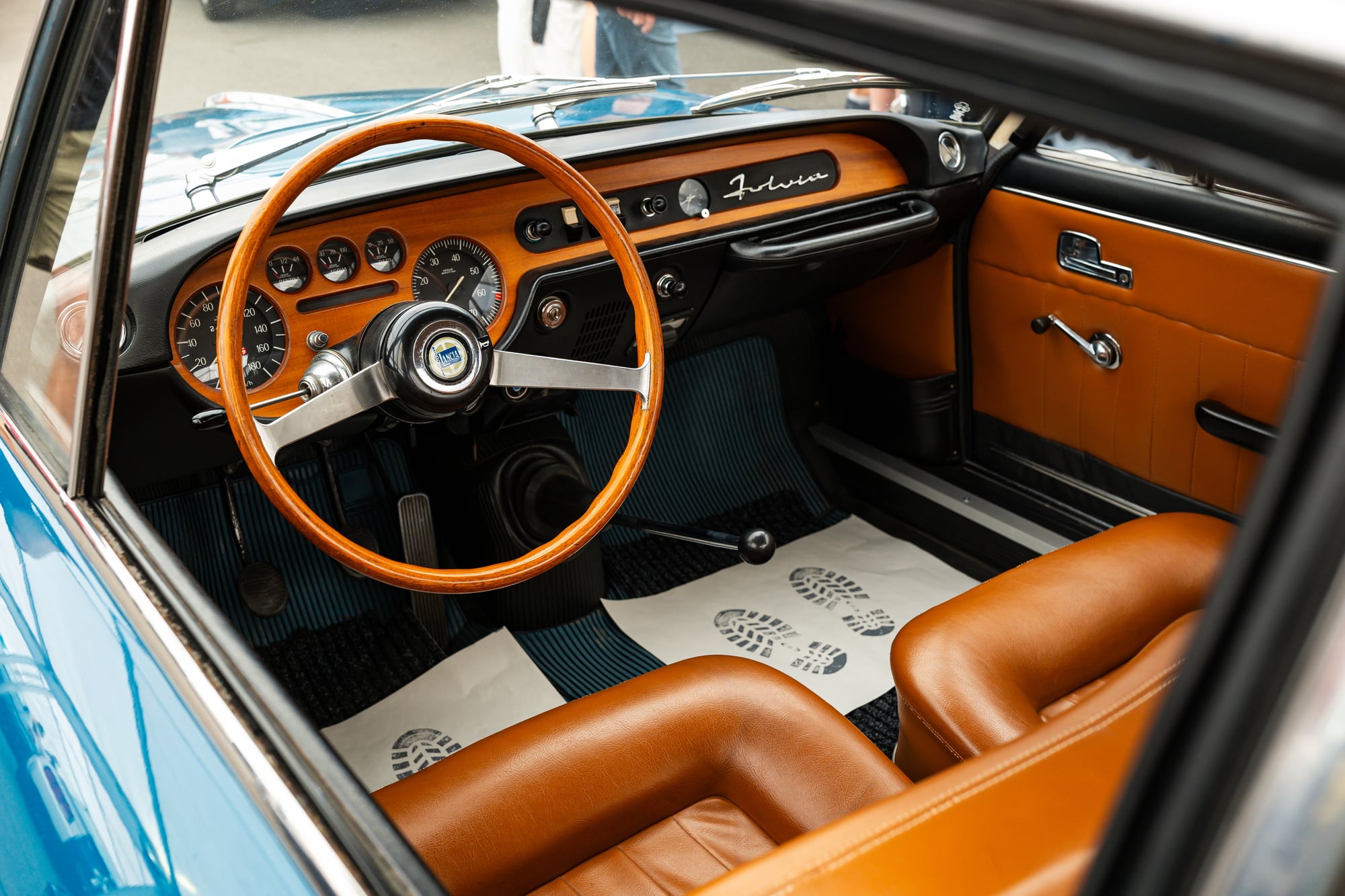
Windows went up and down by crank, door locks clicked manually from the inside, and wipers operated on a stalk that required muscular engagement. Power steering was an upgrade, power brakes were standard only on nicer models, and power-assisted steering felt heavy regardless.
Real Wood Paneling on Station Wagons
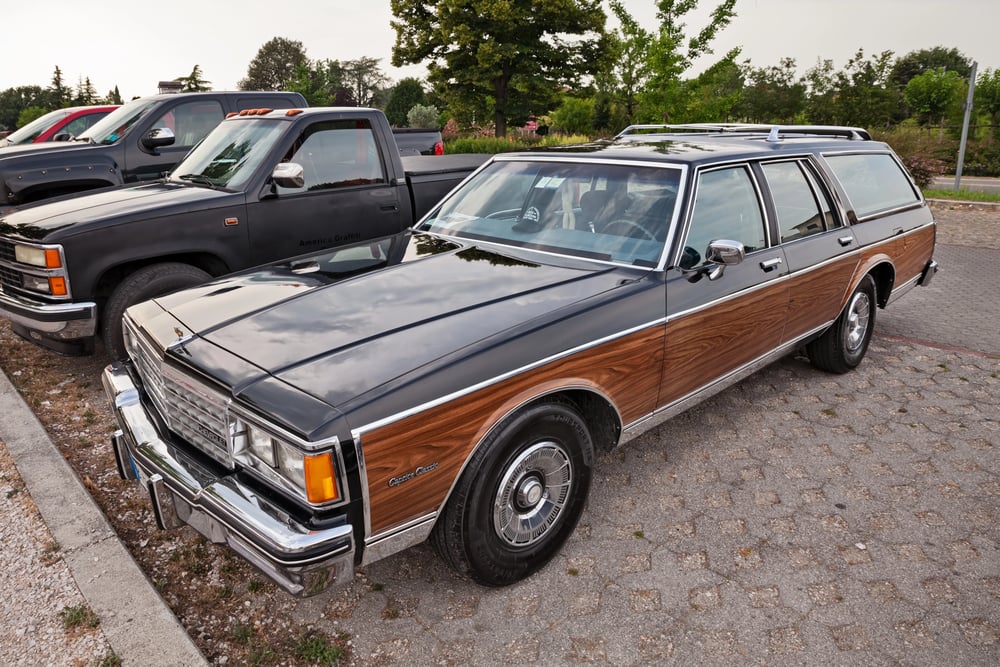
Laminated plywood adhered to the wagon’s exterior sides became warped, waterlogged, and peeled in large strips within a few years. Replacing it meant labor-intensive restoration work that few could afford.
Massive Size With Minimal Interior Space
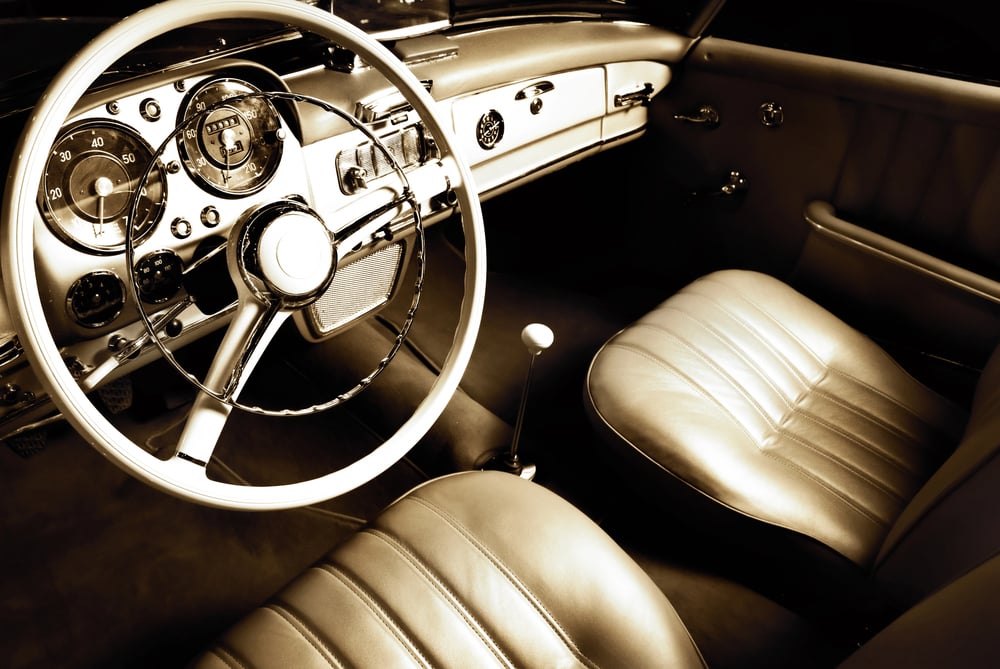
A 1975 Lincoln Continental stretched over 18 feet long but the engine bay consumed nearly a third of that length, leaving cabin space barely larger than modern midsize sedans. Turning radius measured in city blocks, yet passengers sat cramped up front.
Fuel Consumption Measured in Single Digits

Some muscle cars and luxury sedans achieved five to eight miles per gallon, turning a trip to the store into a 15-mile drain on your fuel gauge. The 1972 Cadillac Eldorado with its 500-cubic-inch engine was marketed despite achieving approximately six miles per gallon.
Rubber Bumpers With Visible Bolts

Bumpers mounted on exposed bolts and brackets, giving cars a half-assembled appearance. Accidents bent them easily, and the bolts loosened from road vibration, causing the bumpers to rattle and eventually require tightening or replacement.
Wankel Rotary Engines
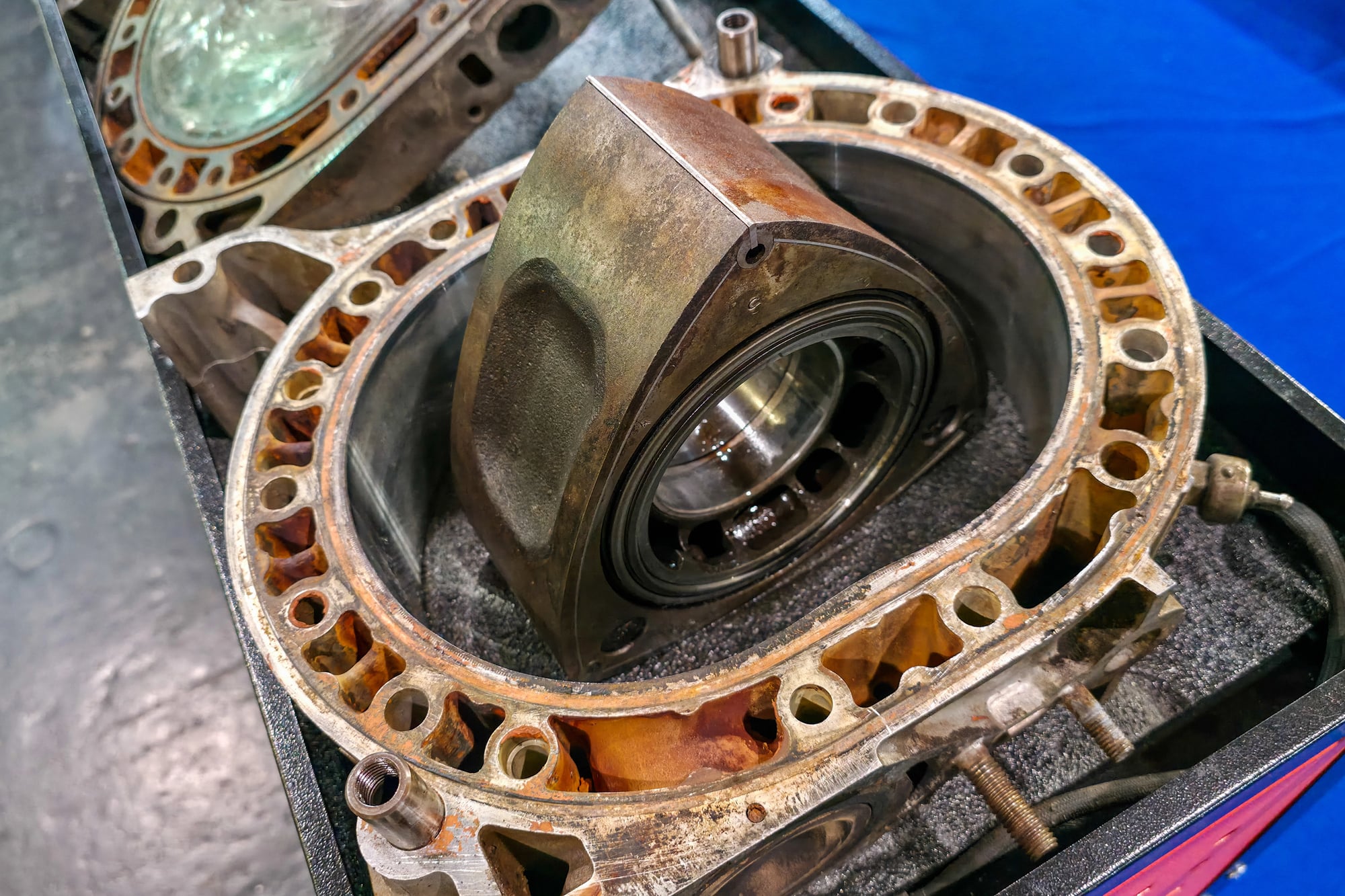
Some vehicles came equipped with rotary engines that sipped fuel like normal engines consumed it and required rebuilds every 50,000 miles. The AMC Pacer was designed around a Wankel that GM canceled, forcing engineers to shoehorn a conventional inline-six into a compact body intended for something else entirely.
Catalytic Converters That Reduced Power
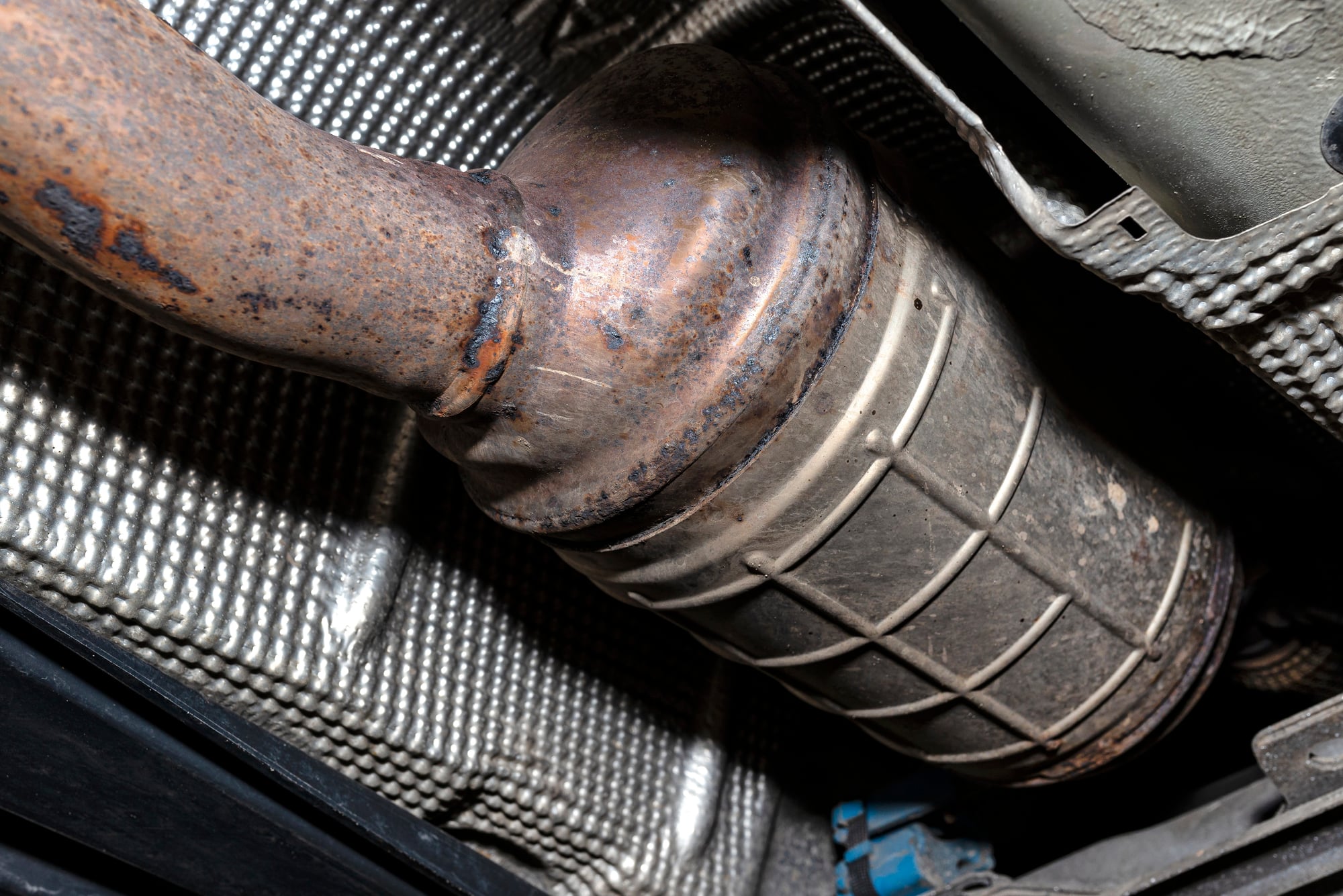
Early emissions control equipment robbed engines of horsepower just as everyone wanted performance. These devices were often blamed for turning capable cars into underpowered duds, and owners frequently disconnected or removed them despite increasing pollution.
Hydroneumatic Suspension Systems
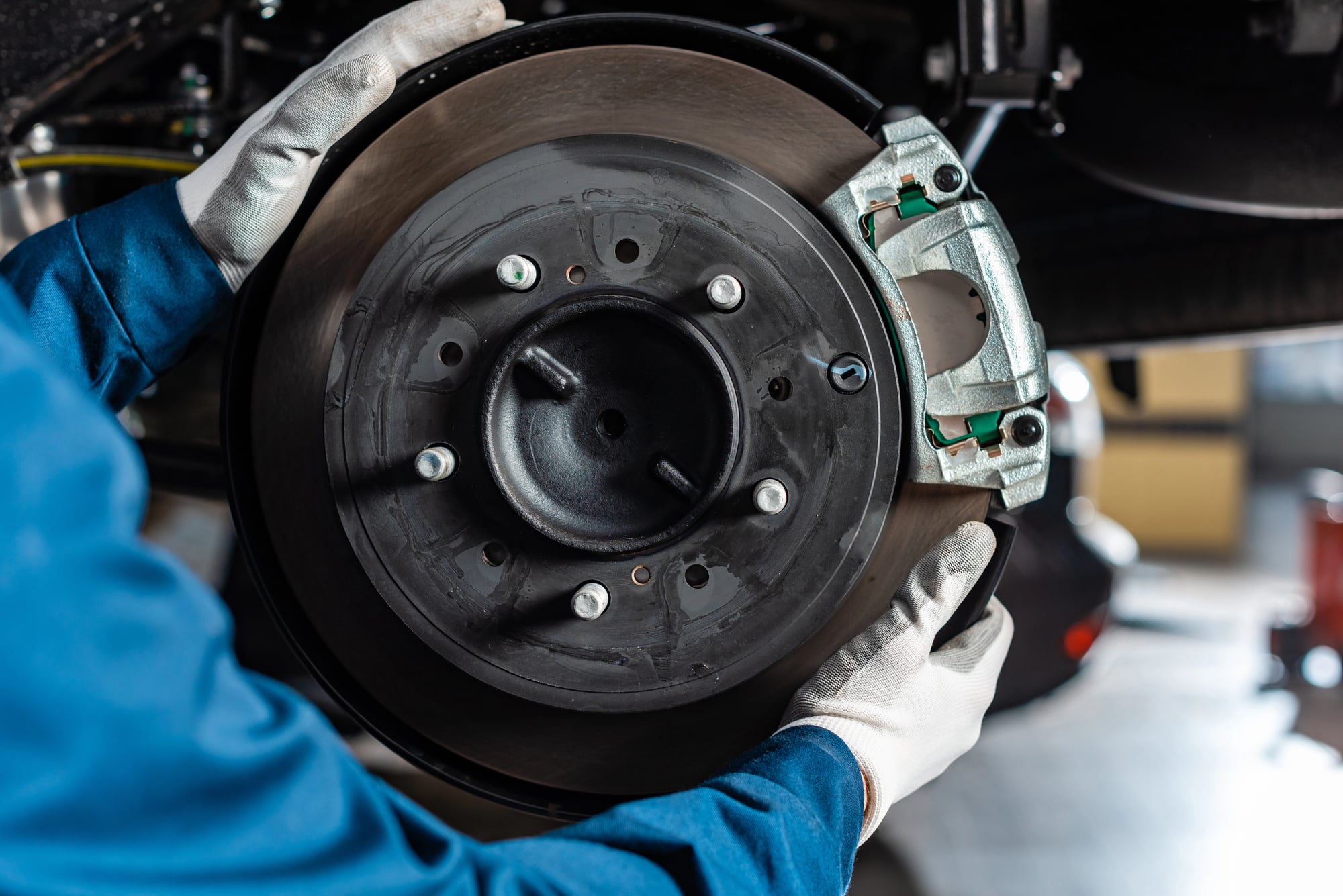
Citroen pioneered elaborate hydropneumatic suspension systems that provided comfort but required specialized hydraulic fluid, regular maintenance, and expensive repairs. These systems generated their own reliability issues even as they delivered superior ride quality.
Tin-Can Doors and Razor-Sharp Edges
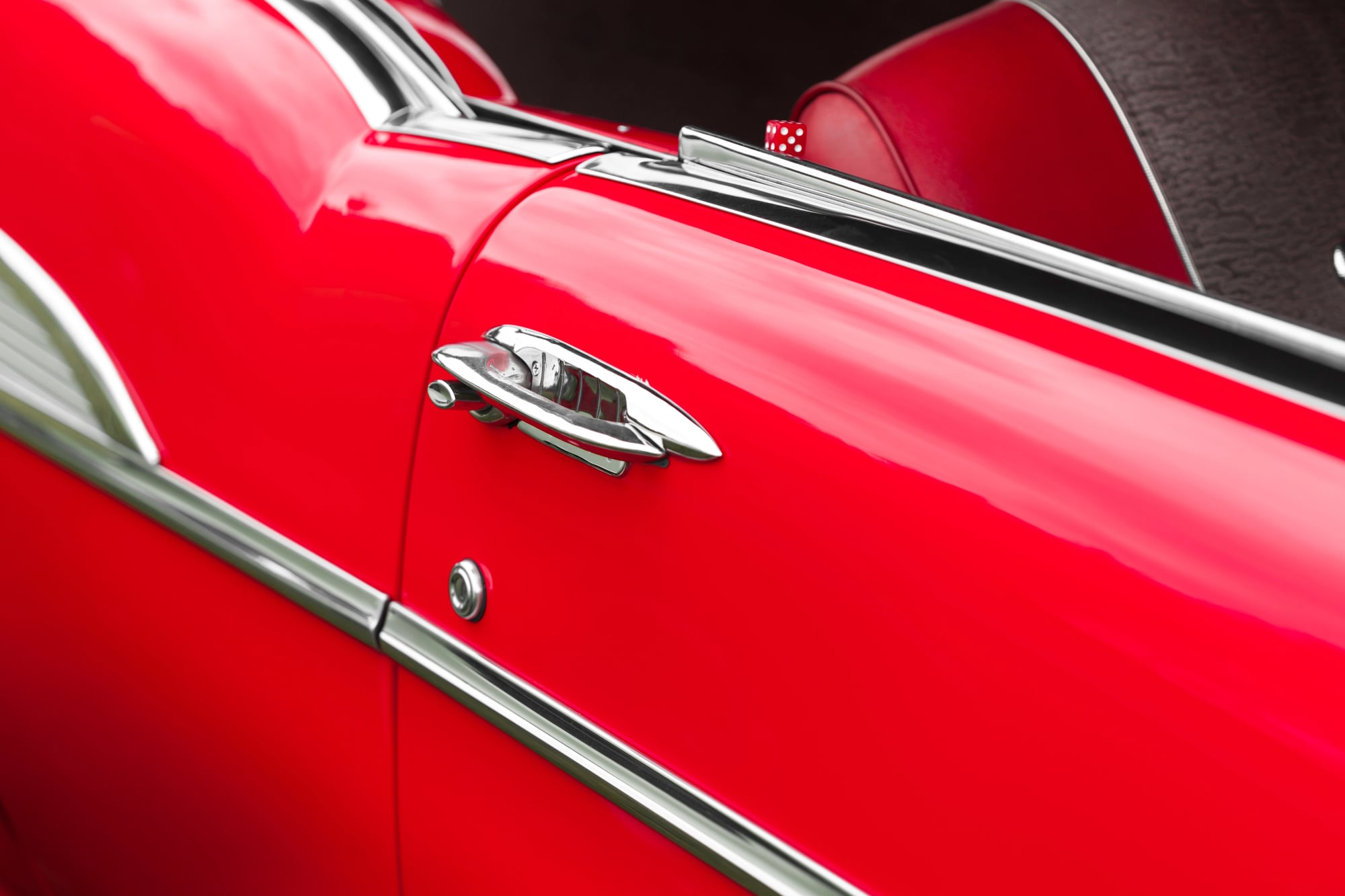
Steel doors were thinner than modern versions, denting easily from shopping-cart impacts, yet their edges remained sharp enough to draw blood. Interior door trim was razor-edged stamped metal—entirely unpadded in economy models.
Anti-Lock Brake Systems That Worked Poorly
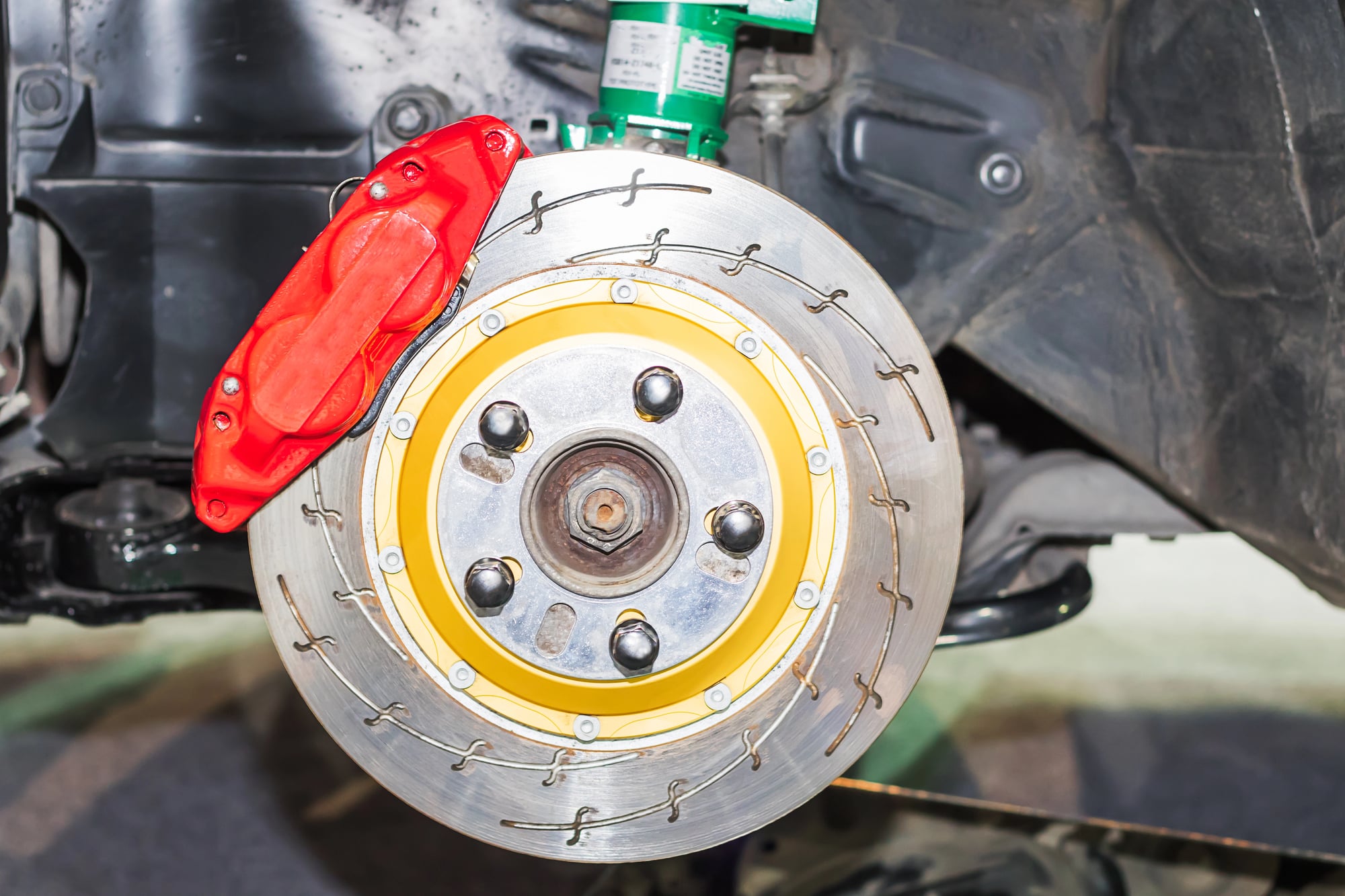
General Motors installed early ABS in a 1973 Chevrolet Impala fleet despite the system being bulky, expensive, and unreliable. Drivers found it confusing and unnecessary, confirming in their minds that ABS was a gimmick rather than a safety innovation.
Steering Columns That Didn’t Collapse in Crashes
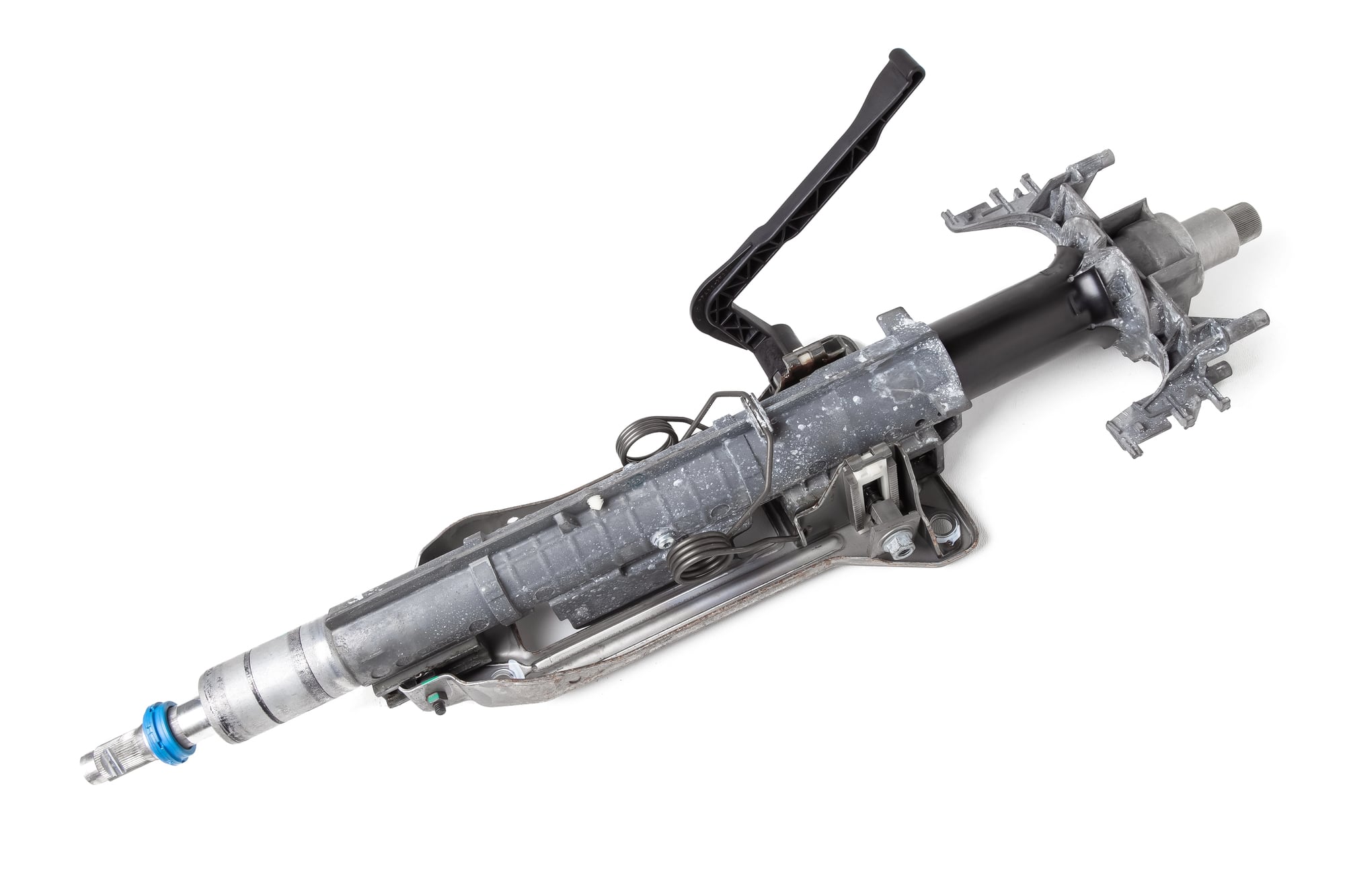
Unlike modern collapsible columns, 1970s steering columns were rigid and frequently impaled drivers during accidents. This feature persisted even as engineers understood its dangers, sacrificed to cost reduction and indifference.
Color-Matched Velour Interiors
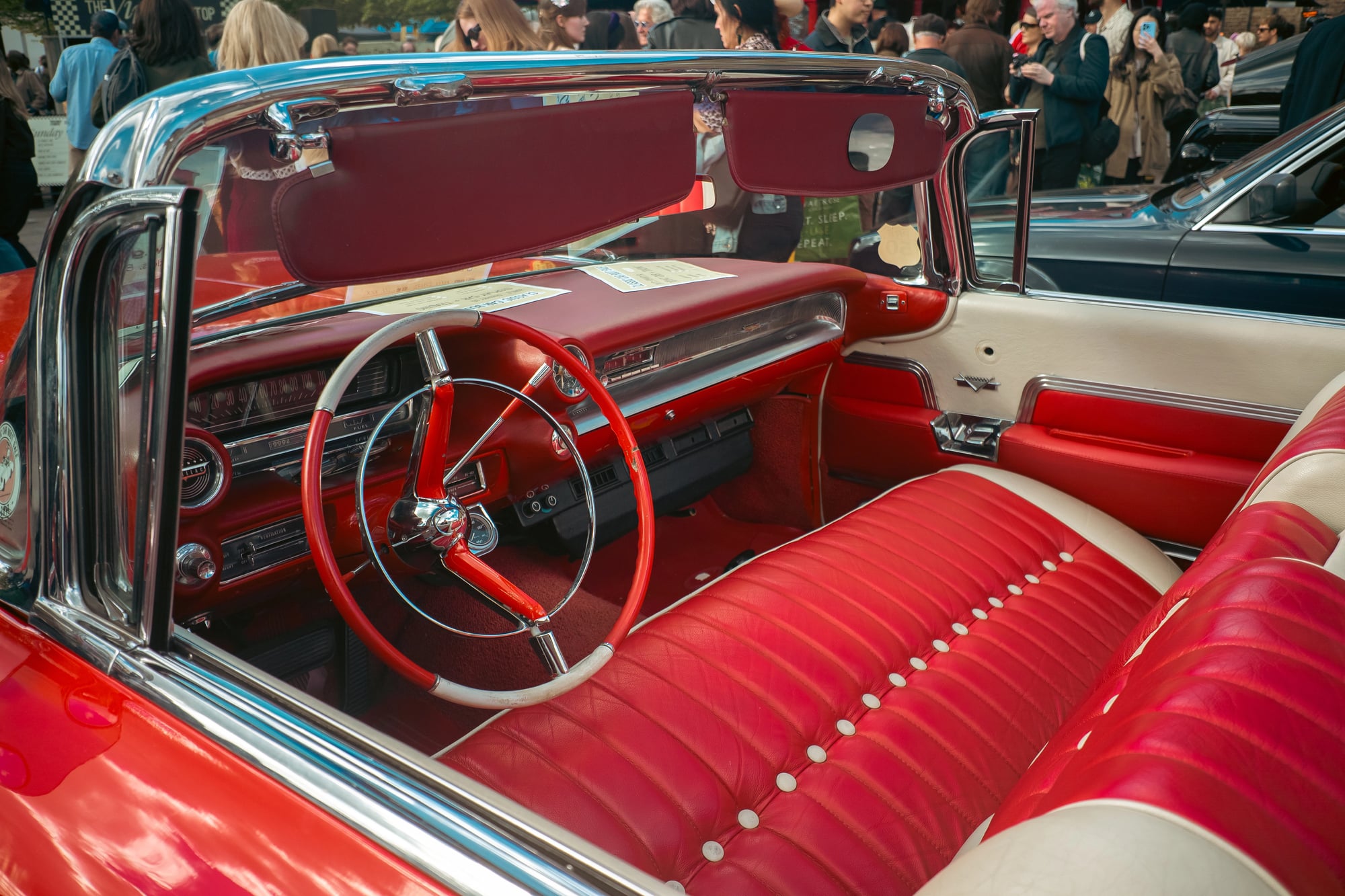
Cars came with matching velour dashboard, seats, door panels, and carpet in shades like harvest gold, avocado green, and burnt orange. Velour trapped smoke and dust permanently, aged into a matted surface, and became increasingly shabby-looking within a few years.
The Car as Fashion Statement Over Function
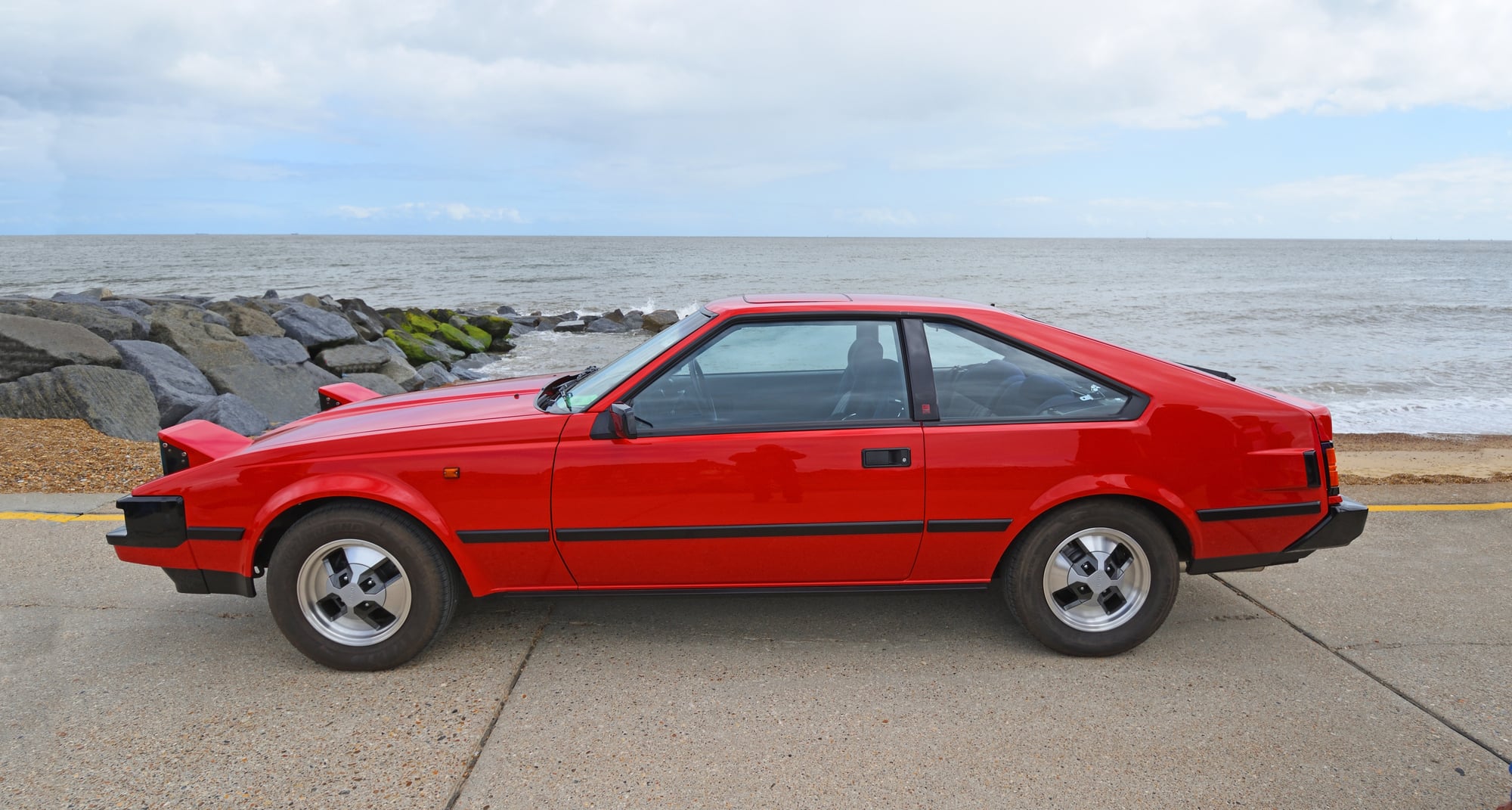
Vehicles were designed as visual spectacles first with engineering considerations secondary. Wedge shapes looked fast but provided poor visibility, pop-up lights added weight and complexity, and massive chrome trim added both mass and maintenance requirements—all to look good in a driveway.
When Character Required Accepting Dysfunction
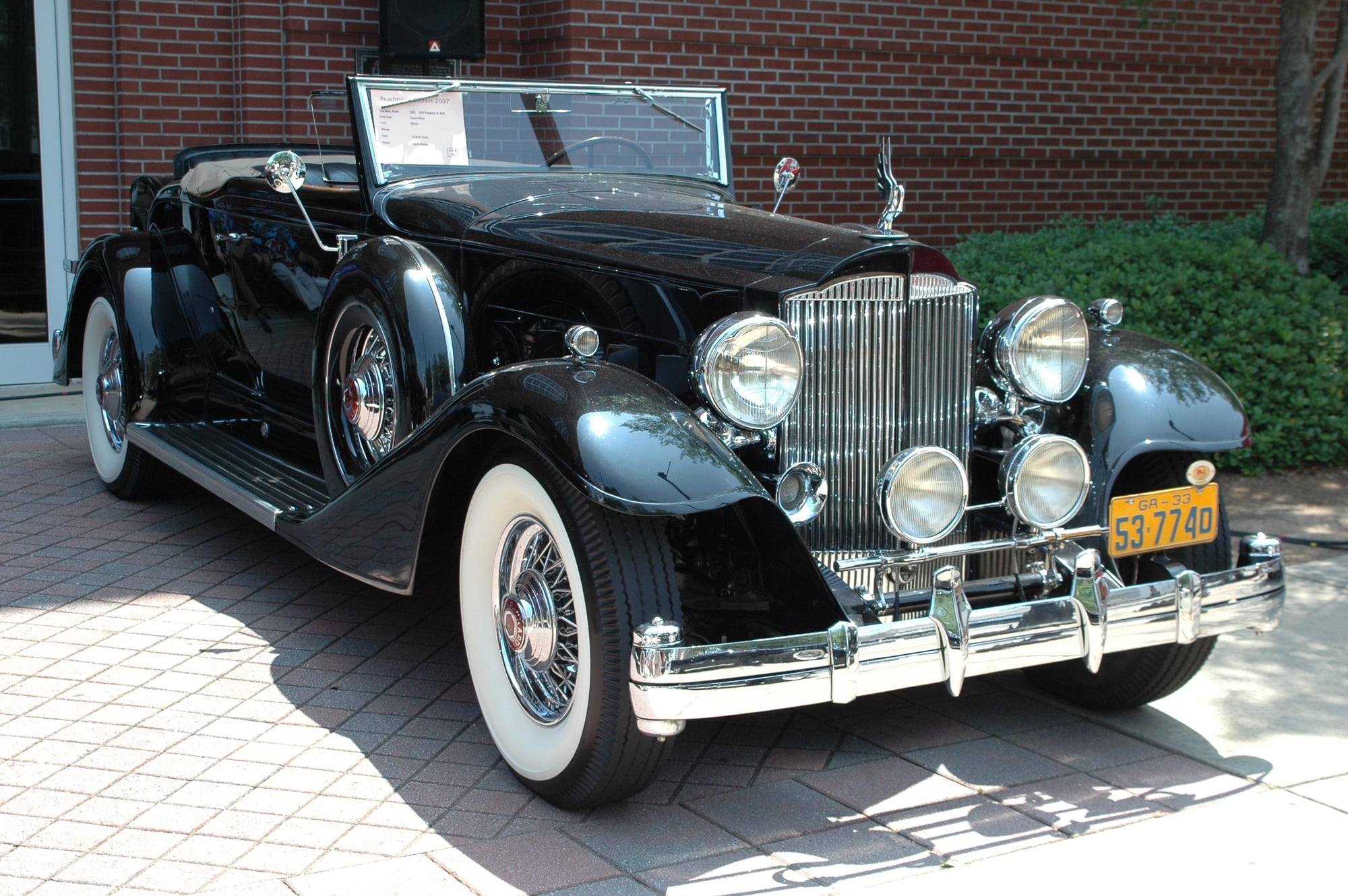
Driving a 1970s automobile meant accepting that something would break regularly, that comfort required sacrifice, and that style superseded practicality. Modern safety systems, reliability engineering, and genuine comfort have their cost, but 1970s drivers paid theirs in frustration and occasional danger.
More from Go2Tutors!

- The Romanov Crown Jewels and Their Tragic Fate
- 13 Historical Mysteries That Science Still Can’t Solve
- Famous Hoaxes That Fooled the World for Years
- 15 Child Stars with Tragic Adult Lives
- 16 Famous Jewelry Pieces in History
Like Go2Tutors’s content? Follow us on MSN.



