26 Old Kitchen Gadgets Collectors Pay Up For
Kitchen drawers hold on to things long after anyone remembers why. A cast iron crank, a glass reamer, a chrome toaster that still works on its third plug: these objects survive because they were built to be used every day and nobody saw a reason to throw them out.
That durability is exactly what collectors now pay for. Some of these tools are prized for their engineering, some for their color, and some because almost every example was used until it broke.
Hobart KitchenAid Mixers From the Early Years
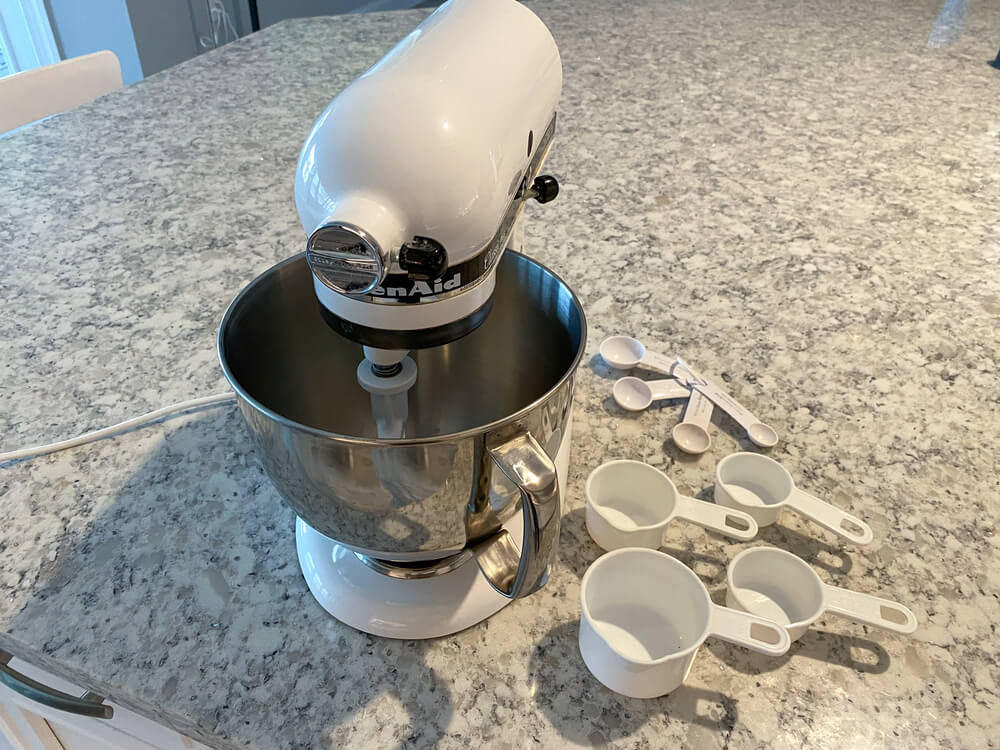
Hobart launched the KitchenAid H-5 stand mixer in 1919, a heavy machine built for home kitchens by a company that made commercial food equipment in Troy, Ohio. In 1937 industrial designer Egmont Arens reworked the line into the Model K, whose profile is still recognizable in mixers sold today.
Early Hobart-badged units run for decades with basic maintenance, which is part of their appeal. Working examples with original bowls and beaters move at 200 to 700 dollars, and early H-5 models clear higher.
Chipped enamel, frayed cords, and replacement parts reduce value, while original badges and paint lift it.
Sunbeam Mixmaster Stand Mixers
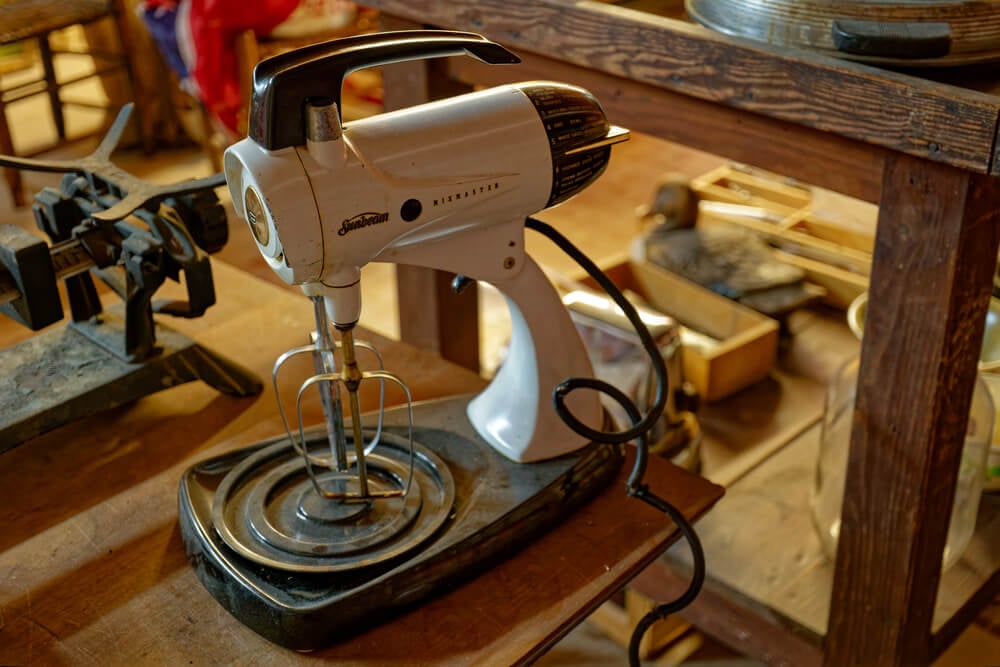
Sunbeam introduced the Mixmaster in 1930, and designer Ivar Jepson gave it the twin beaters and rotating bowl that made it a fixture in American kitchens. Early models used heavy cast bodies and came with juicers, grinders, and other attachments sold separately.
Collectors seek complete sets in original boxes, and pastel or unusual color versions from the 1950s draw extra attention. Common models move at 50 to 150 dollars, while complete early sets with rare attachments clear 300 dollars and up.
Chipped paint, cracked bowls, and non-working motors reduce value.
Waring Blendors From the Late 1930s
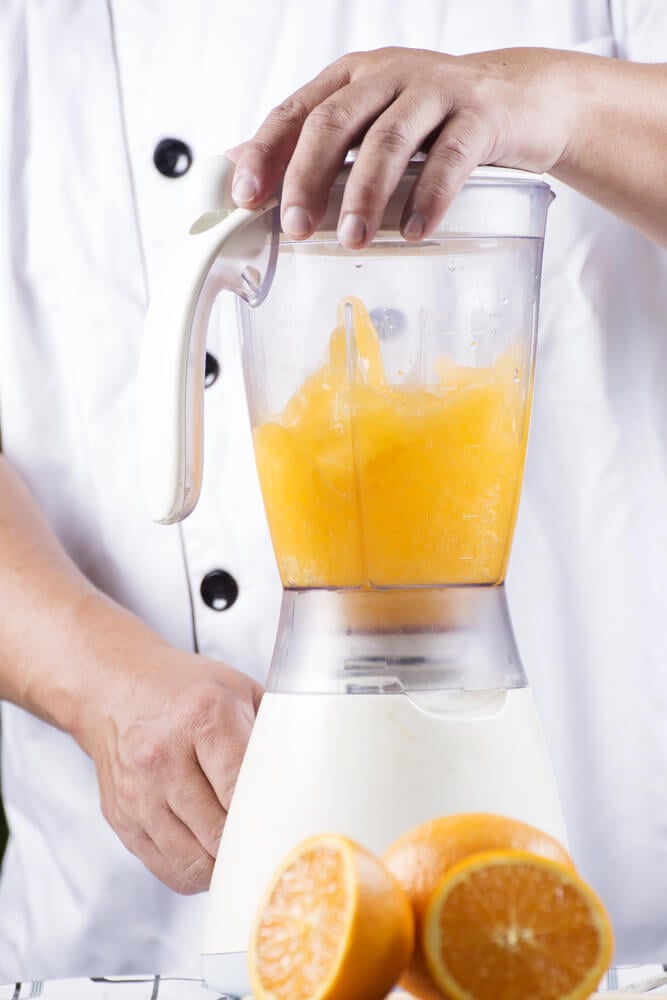
Bandleader Fred Waring backed the first Waring Blendor in 1937, spelling the name with an o to set it apart. Early units used a chrome or cast metal base with a cloverleaf glass container, and they were marketed first to bars before reaching home kitchens.
Jonas Salk later used one in polio vaccine research, a detail collectors enjoy repeating. Early examples in working order move at 100 to 400 dollars, and rare base styles clear higher.
Cracked glass, missing lids, and worn chrome reduce value, while original cords and badges help.
Toastmaster 1-A-1 Pop-Up Toasters
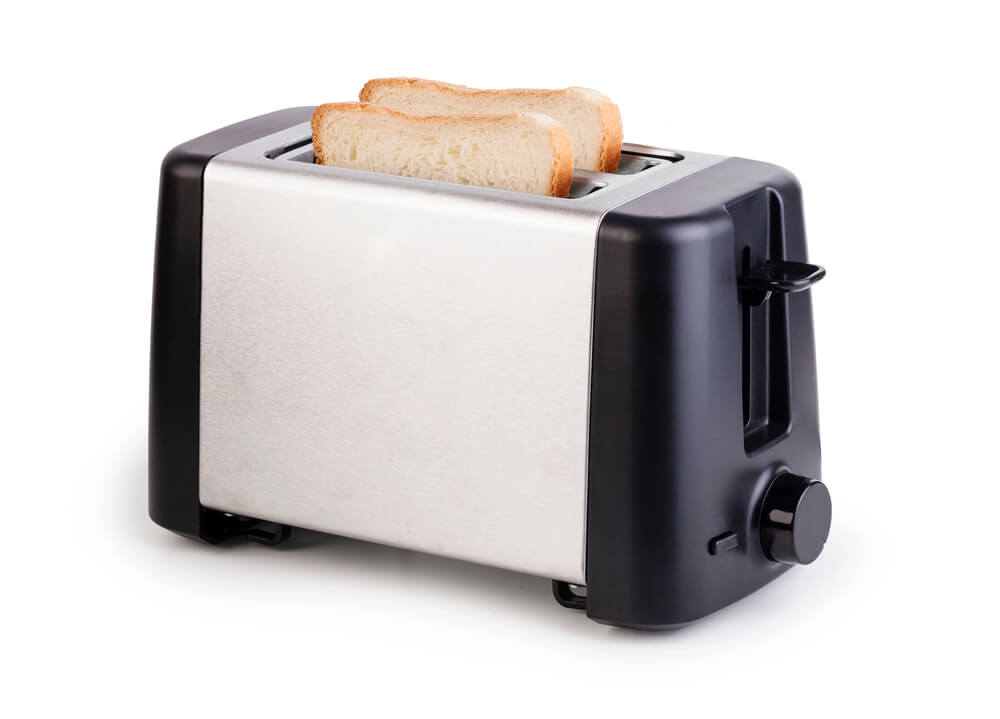
The Waters-Genter Company sold the Toastmaster 1-A-1 in 1926, the first automatic pop-up toaster designed for home kitchens. It built on Charles Strite’s earlier patent for commercial toasters used in restaurants.
The model’s chrome body and simple lines make it a favorite with collectors of early electric appliances. Working examples move at 100 to 300 dollars and clear more with original boxes.
Pitted chrome, damaged elements, and replaced cords reduce value. A toaster that still toasts evenly holds its price better than a display piece.
Sunbeam T-20 Radiant Control Toasters
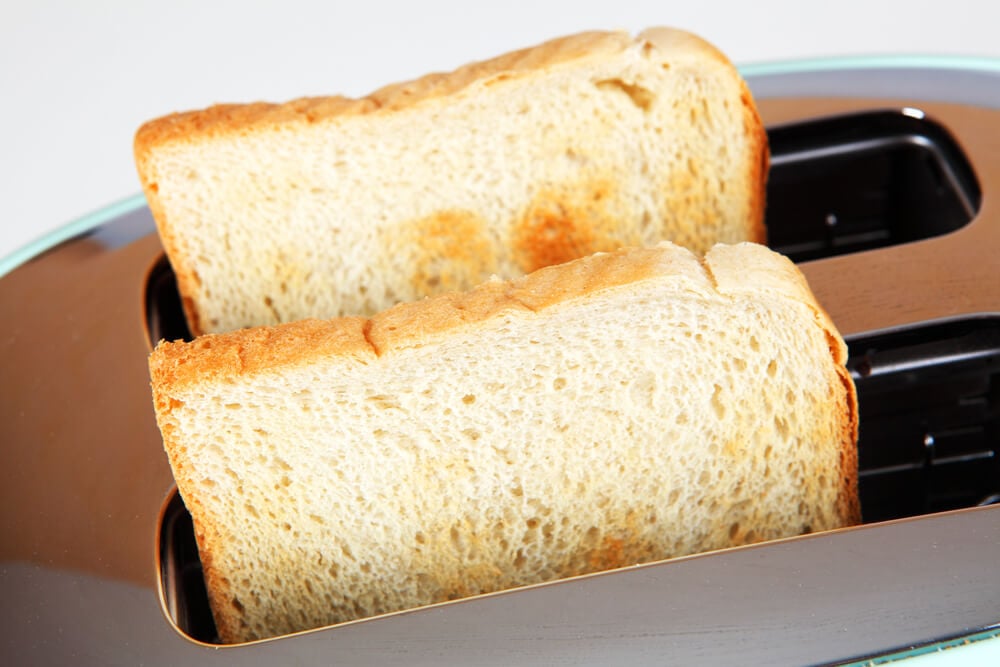
Sunbeam’s T-20, introduced in 1949, lowered bread automatically when a slice was dropped into the slot, then raised it silently when toasting finished. No lever was needed at all.
The Art Deco chrome body, designed by Ludvik Koci, looks as good on a counter now as it did then. Working examples move at 100 to 250 dollars, and later variants such as the T-35 draw steady interest too.
Scratched chrome, dents, and failed mechanisms reduce value. Collectors test the automatic lowering function before buying because repairs require specialist skill.
Sunbeam Coffeemaster Vacuum Brewers
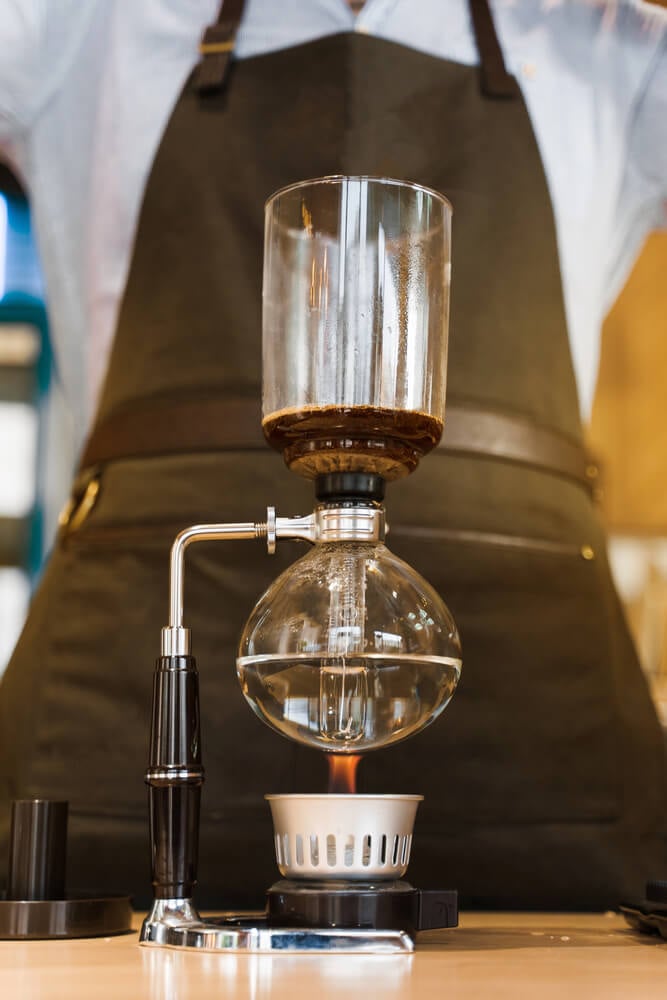
Sunbeam’s Coffeemaster, introduced in the late 1930s, brewed coffee using vacuum pressure between two chrome bowls. Water rose from the lower bowl, mixed with grounds, and then drew back down through a filter when the heat shut off.
The chrome Art Deco styling made it a showpiece on mid-century counters. Working examples with original filters move at 100 to 300 dollars.
Dents, worn chrome, and missing gaskets reduce value. Replacement gaskets are available, but original parts help a Coffeemaster clear at the top of its range.
Early Chemex Coffeemakers
Chemist Peter Schlumbohm designed the Chemex in 1941, an hourglass of heat-resistant glass cinched by a wooden collar and a leather tie. The Museum of Modern Art added it to its collection, and the shape has barely changed in more than eighty years.
That continuity makes age harder to judge, so collectors study the glass, the collar style, and any maker’s stamp. Early brewers, especially hand-blown examples, move at 100 to 400 dollars.
Chips at the spout, hairline cracks, and replaced collars reduce value. Original boxes and printed instructions add a premium, since almost everyone threw them away.
Arcade Crystal Wall-Mounted Coffee Mills
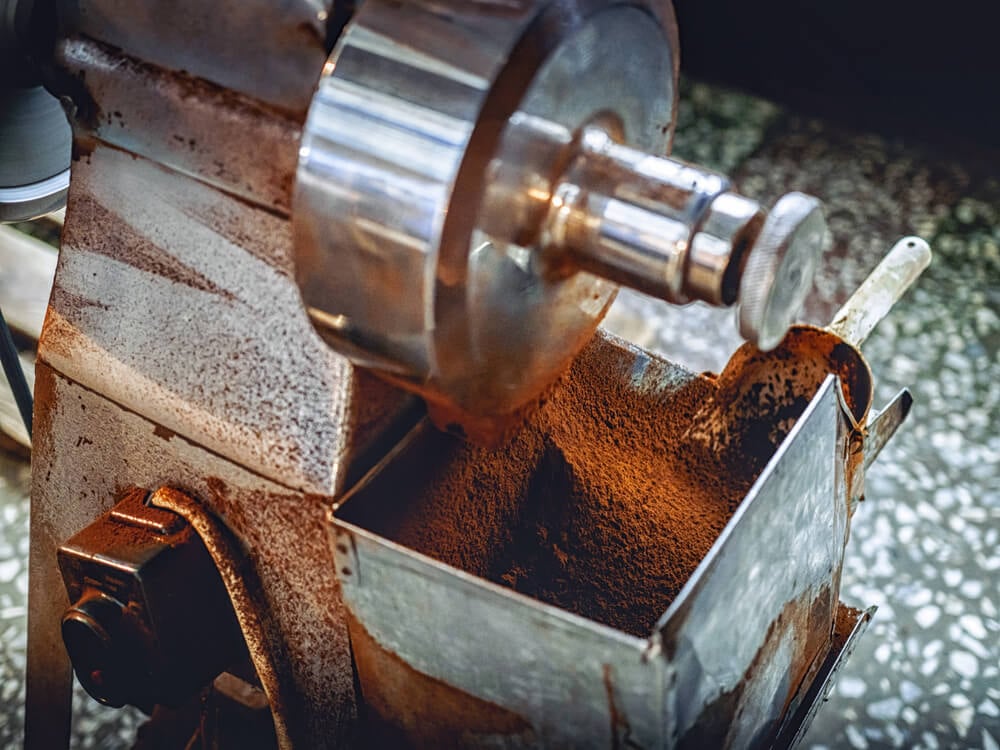
Arcade Manufacturing of Freeport, Illinois, made wall-mounted coffee mills with glass hoppers embossed with the word Crystal. A cook poured beans into the jar, turned the crank, and caught the grounds in a small glass cup below.
The mills were cheap enough for ordinary households in the early twentieth century, which is why so many survived on farmhouse walls. Complete examples with original glass move at 100 to 300 dollars.
Cracked jars, missing lids, and rusted mechanisms reduce value. That little catch cup is the piece most often lost, and a mill that still has it clears noticeably higher.
Enterprise Store Coffee Mills
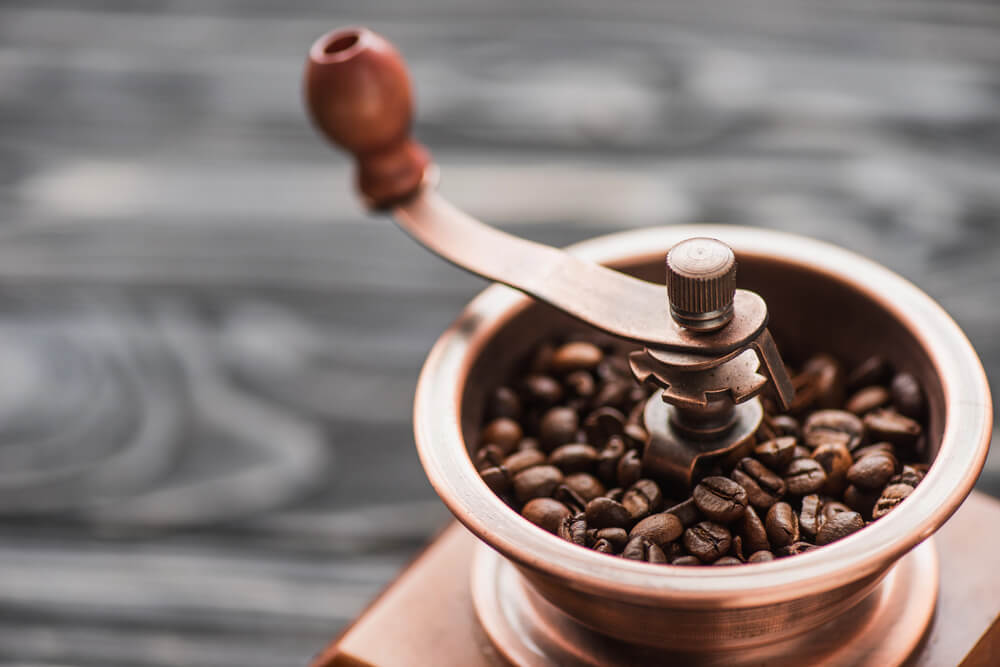
The Enterprise Manufacturing Company of Pennsylvania made large cast iron coffee mills for grocery stores, often topped with eagle finials and painted in bright colors with gold striping. Some stood several feet tall.
These mills were built to grind coffee for customers all day, and many survived in working order. Large examples with original paint clear thousands of dollars, and smaller counter models move at several hundred.
Repainted mills sell for much less than original ones. Cracked wheels, missing finials, and heavy rust reduce value.
Hamilton Beach Soda Fountain Mixers
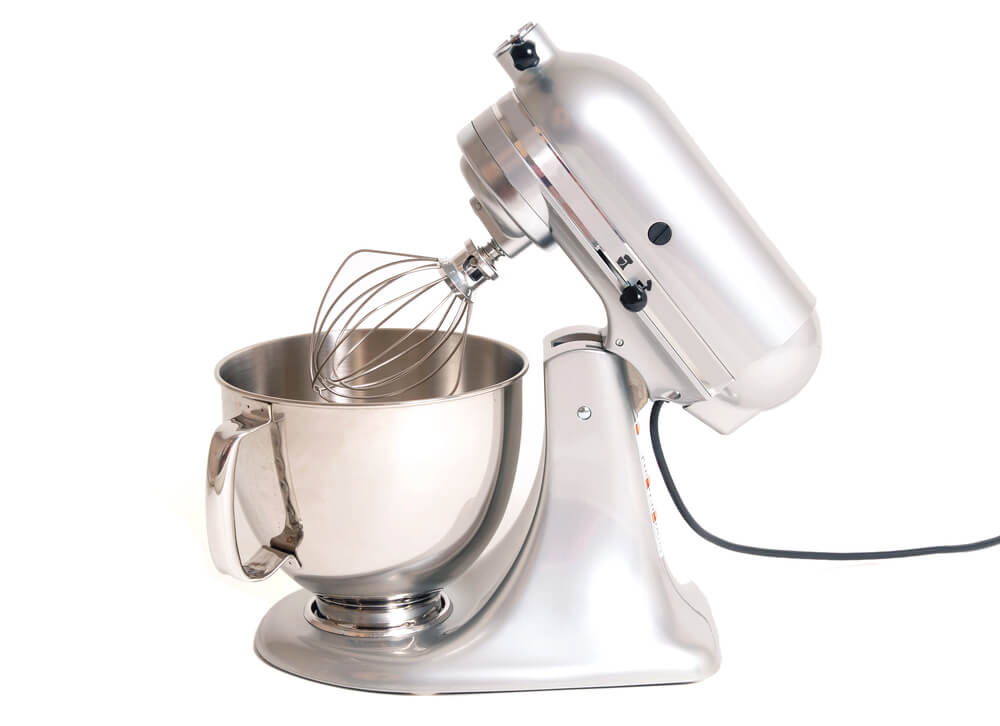
Hamilton Beach made drink mixers for soda fountains from the early twentieth century, and its green enameled models became standard equipment at lunch counters across America. A single spindle whipped malts and shakes at a speed no home kitchen could match.
Collectors now buy them for vintage kitchens, basement bars, and diner displays. Working examples with original steel cups move at 100 to 400 dollars, and multi-spindle units clear higher.
Chipped enamel, rust around the base, and tired motors reduce value. A mixer that still runs smoothly on its original wiring holds its price far better than one needing repair.
Glass Citrus Reamers
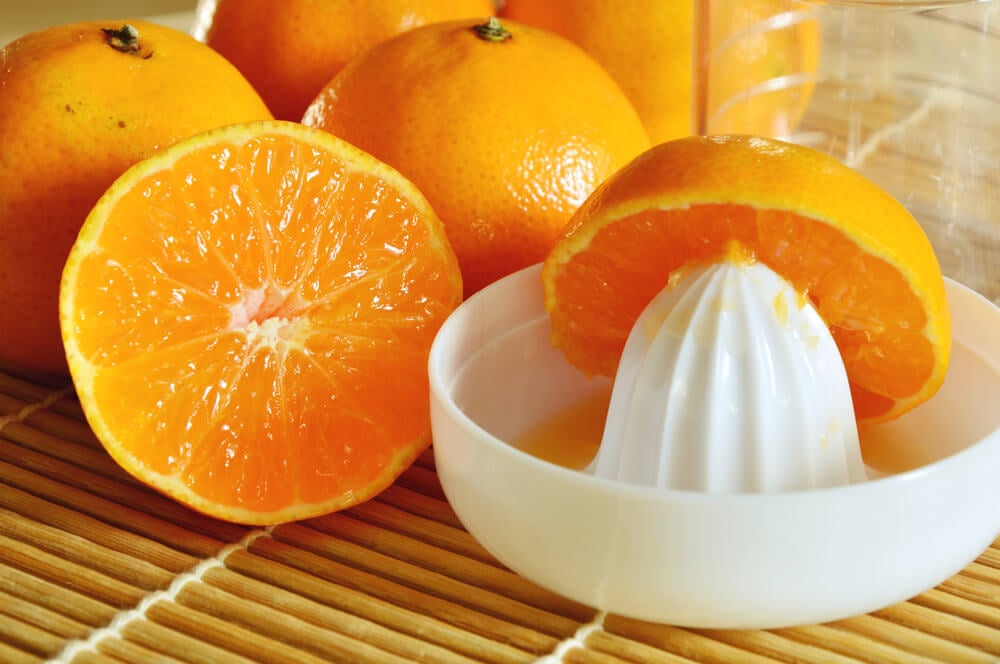
Glass reamers from the 1920s through the 1940s came in jadeite, custard, cobalt, pink, and dozens of other shades from makers including McKee and Jeannette. McKee even pressed reamers marked Sunkist for the California citrus growers’ cooperative, which handed them out as promotions.
Common colors move at 20 to 50 dollars. Rare colors and unusual forms clear hundreds, and a handful of scarce shades draw far more from serious collectors.
Chips on the ribs or pouring spout reduce value quickly. Reproductions exist, so collectors check glass weight, mold seams, and markings before paying premium prices.
Dazey Glass Butter Churns
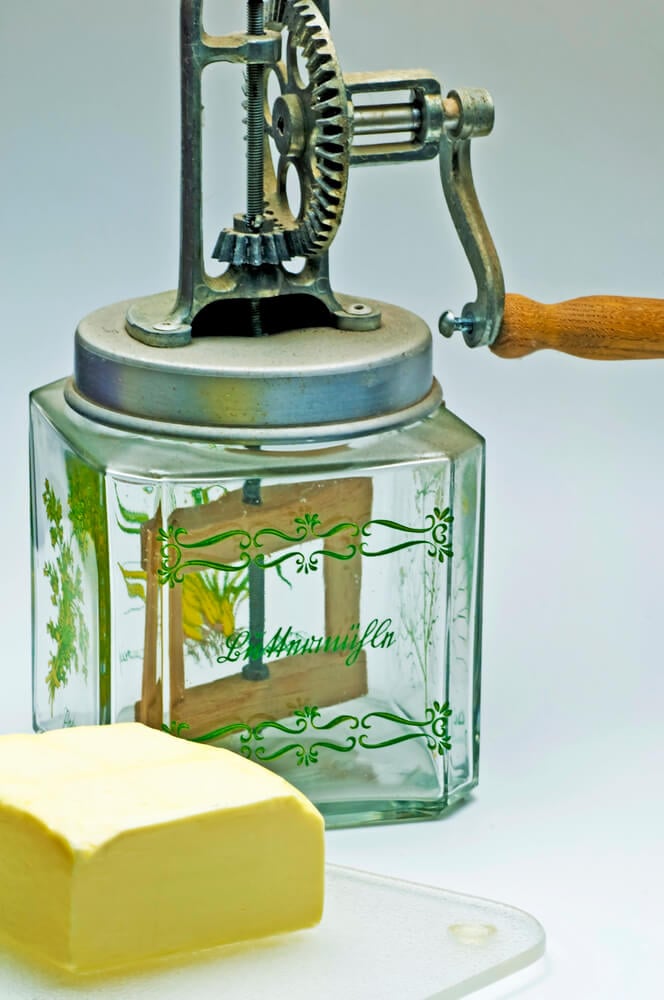
Dazey Churn and Manufacturing of St. Louis sold glass butter churns with hand cranks and geared metal tops, and they were a fixture in farm kitchens through the early twentieth century. The embossed jars came in several sizes, with the four quart model the most common by far.
Complete churns with original paddles and lids move at 100 to 300 dollars, and larger or scarcer models clear more. Cracks and chips in the glass reduce value, as does rust on the gears.
Original paint on the metal top adds a premium, while a repainted top lowers the price noticeably.
Cast Iron Apple Parers
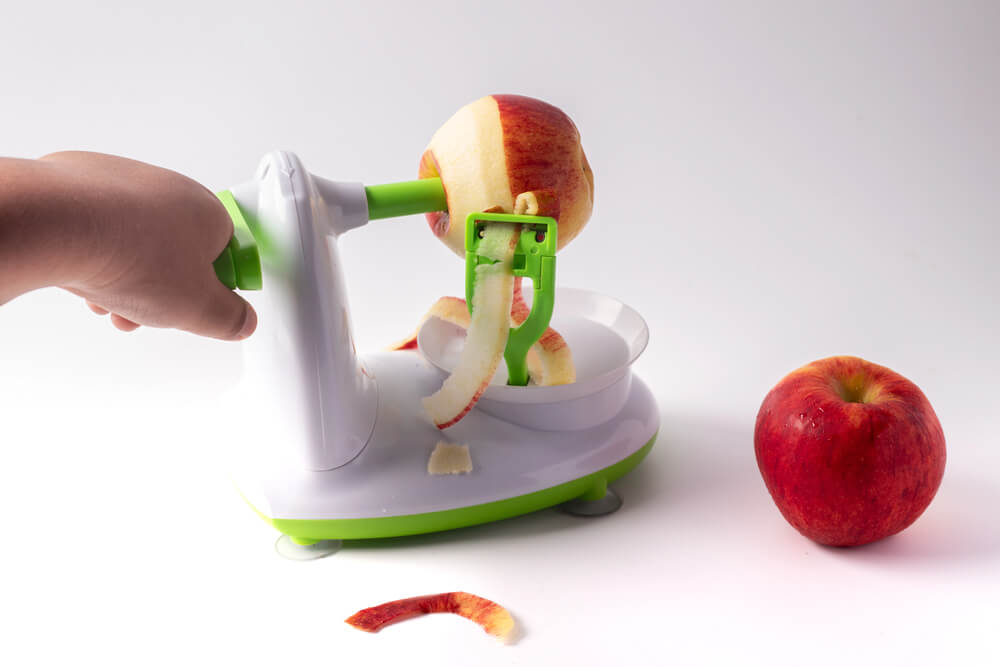
Nineteenth century apple parers used cranks, gears, and blades to peel, core, and sometimes slice an apple in seconds, and inventors filed hundreds of patents chasing a better design. The Reading Hardware Company and the Goodell Company, maker of the White Mountain parer, were among the best-known producers.
Collectors often specialize in them because the mechanisms vary so widely. Common models move at 50 to 150 dollars, while rare early patents clear hundreds.
Rust, broken gear teeth, and missing blades reduce value. A parer that still turns cleanly and shows a legible patent date sells best.
Dover Egg Beaters
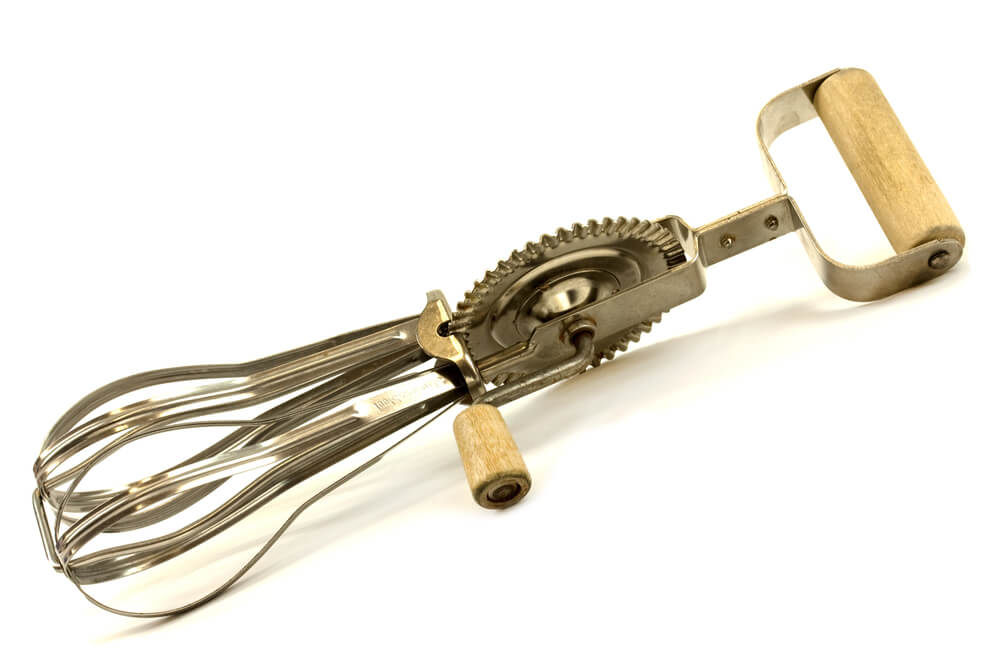
Dover Stamping Company of Boston patented rotary egg beaters in the 1870s, and the design became so common that Dover turned into a general name for the tool. Early examples pair cast iron gears with tinned steel blades, and patent dates stamped on the wheel help identify the earliest models.
Collectors also chase unusual beaters from competing makers, some with odd shapes and mechanisms. Common Dovers move at 20 to 50 dollars, while rare early patents clear hundreds.
Rust, bent blades, and loose gears reduce value. A smooth crank action counts for a lot with buyers who still use them.
Cast Iron Raisin Seeders
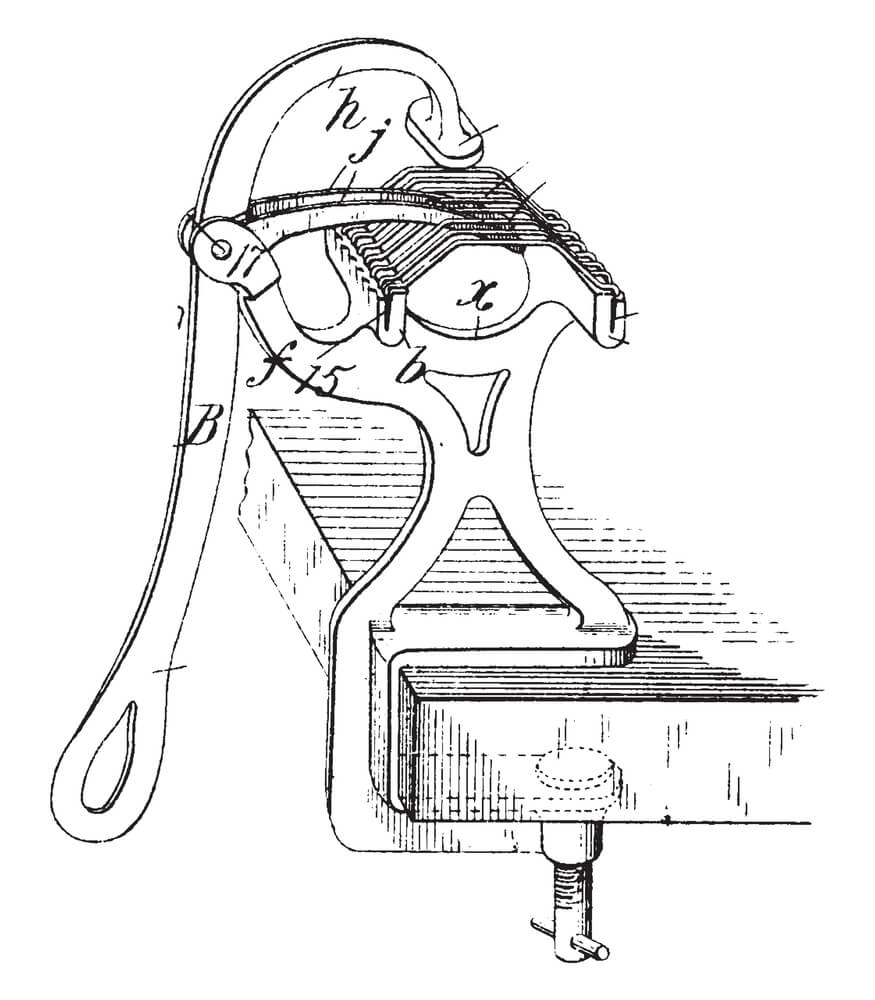
Before seedless raisins reached grocery shelves, bakers pushed raisins through hand-cranked seeders that pressed out the seeds with rubber rollers or wire teeth. Makers such as Enterprise produced cast iron models in the late nineteenth century, and competitors sold their own variations.
The gadget disappeared quickly once seedless fruit took over, which limited how many were made. Common seeders move at 50 to 150 dollars, and scarcer models clear more.
Rust, cracked rubber, and missing clamps reduce value. Few objects show more clearly how much labor a single holiday cake once demanded.
Griswold Cast Iron Waffle Irons
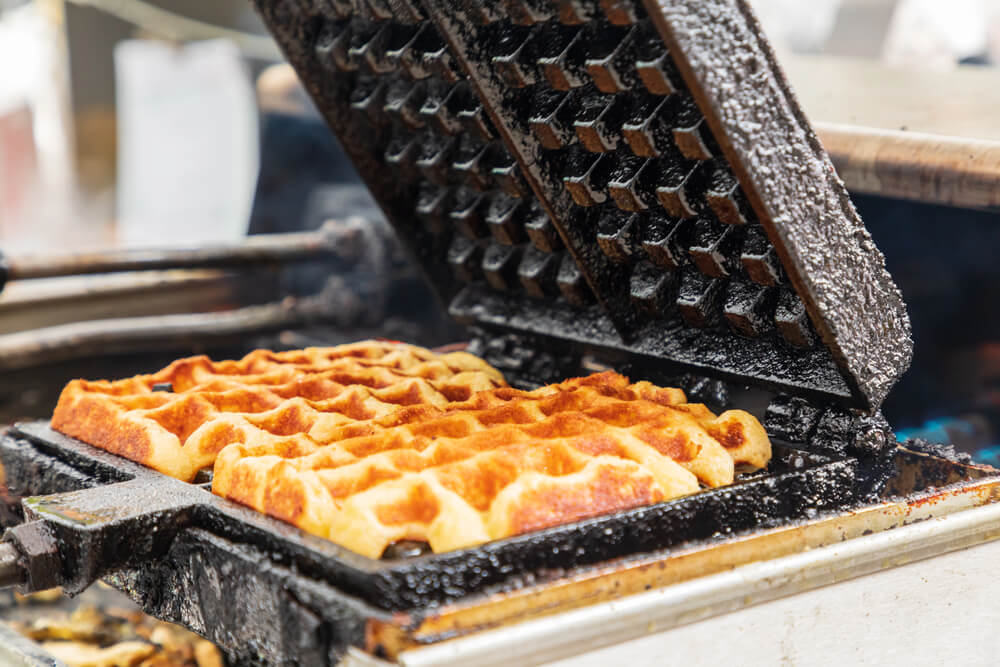
Griswold Manufacturing of Erie, Pennsylvania, made cast iron waffle irons that sat in a stovetop base and flipped on a hinge to cook both sides evenly. The No. 8 model is the most common, and collectors prize the smooth castings and clear logos that separate Griswold from rival foundries.
The Erie foundry closed in the late 1950s, and the name has carried a premium ever since. Complete sets with bases move at 100 to 300 dollars, while scarcer patterns clear more.
Rust, cracks, and a missing base reduce value. Legible markings and even seasoning add to what an iron brings.
Androck Utensils With Catalin Handles
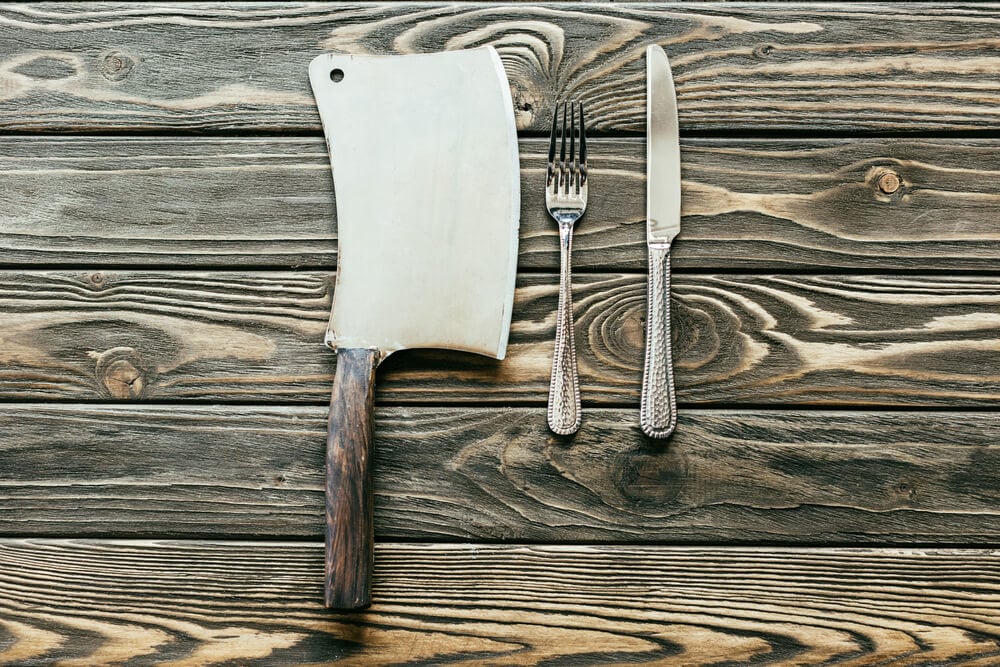
Androck kitchen tools from the 1930s and 1940s paired steel working ends with handles made from colorful cast resins such as Catalin and Bakelite. Spatulas, whisks, mashers, and pastry blenders came in bright reds, greens, yellows, and butterscotch tones that brightened plain kitchens.
Catalin is no longer made in the same way, so the colors cannot be reproduced exactly. Individual pieces move at 15 to 50 dollars, while matched sets clear 300 dollars and more.
Cracked handles, rust, and faded color reduce value. Original display cards add a premium because shoppers usually tore them off immediately.
Carved Wooden Butter Stamps
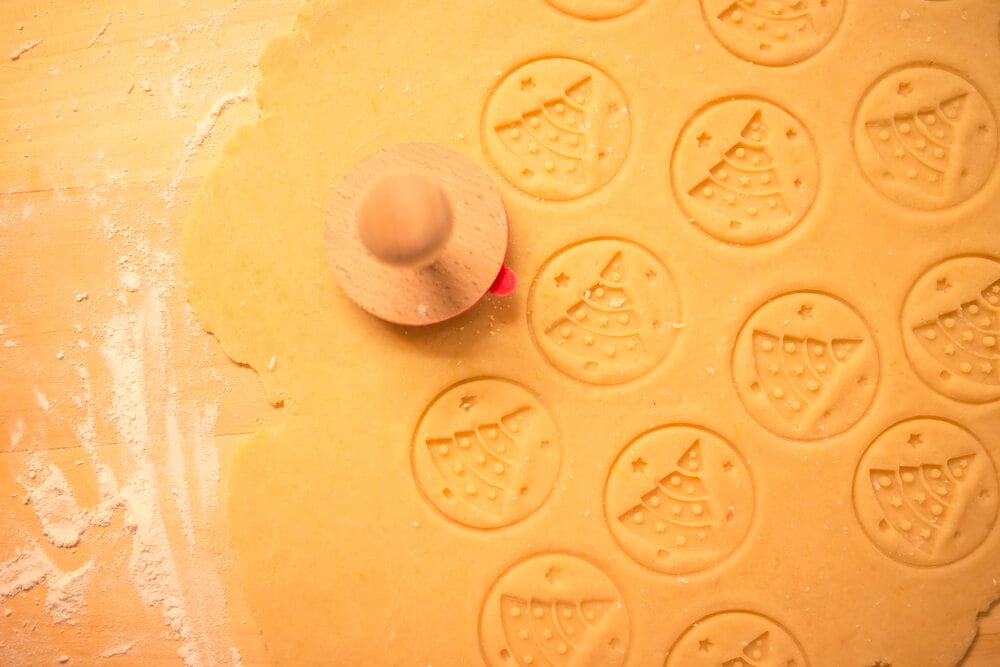
Nineteenth century farm families marked their butter with carved wooden stamps, pressing designs such as cows, eagles, sheaves of wheat, and stylized flowers into each pat. The stamp worked like a brand, telling buyers at market whose farm the butter came from.
Hand-carved examples show knife marks and individual quirks that machine-made ones lack. Common designs move at 100 to 300 dollars, and rare motifs such as spread-winged eagles clear thousands.
Cracks, insect damage, and worn carving reduce value. Collectors look for crisp detail and an old, untouched surface.
Springerle Cookie Boards
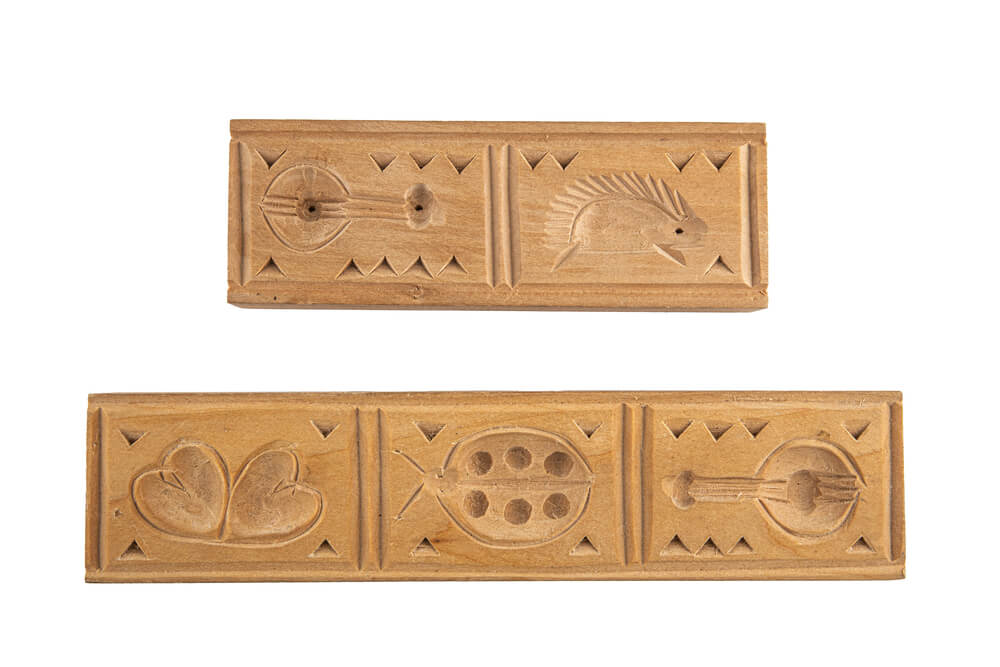
German springerle cookies are anise biscuits pressed with carved boards or rolling pins that leave detailed pictures in the dough. Immigrant families carried the tradition to America, and old boards often hold several designs, such as animals, flowers, and figures in period dress.
Collectors value boards carved by hand from fruitwood more than later factory pieces. Common examples move at 100 to 300 dollars, and rare early boards clear considerably more.
Cracks, insect damage, and worn carving reduce value. Crisp detail matters most, since blurred designs no longer print cleanly on the cookie.
Pewter Ice Cream Molds
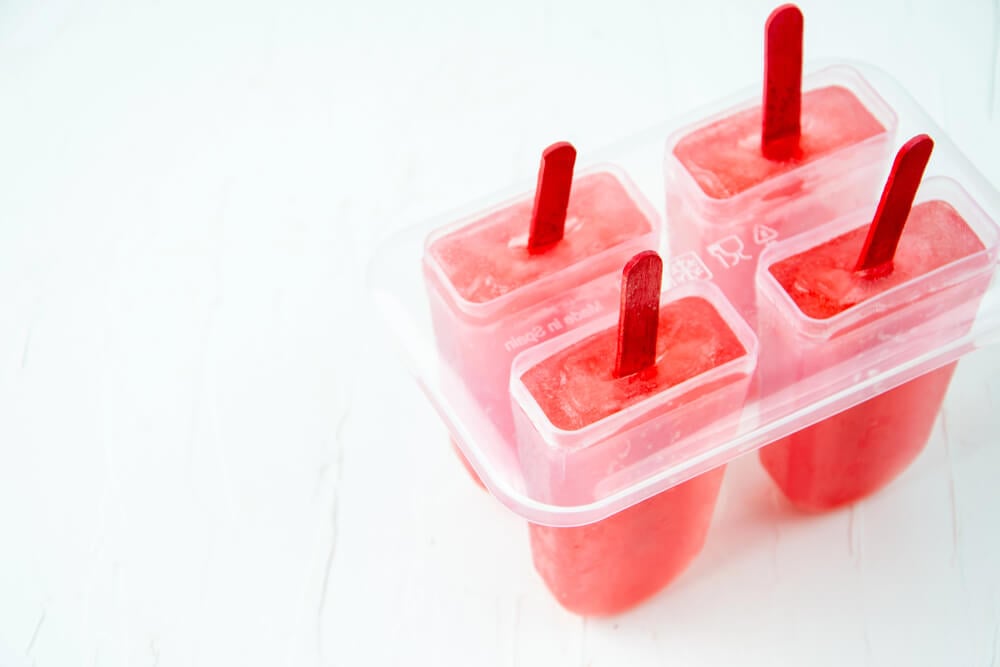
Victorian and early twentieth century confectioners shaped ice cream in hinged pewter molds, turning out turkeys, rabbits, flowers, and Santa figures for holidays and banquets. Makers such as Eppelsheimer and Co. of New York stamped molds with catalog numbers that collectors now use to identify them.
Individual molds were usually filled, frozen, and unmolded for a single serving. Common molds move at 50 to 150 dollars, and rare figural examples clear hundreds.
Dents, broken hinges, and pitted metal reduce value. Molds with clear maker marks and crisp detail inside are the ones buyers compete over.
Handmade Tin Cookie Cutters
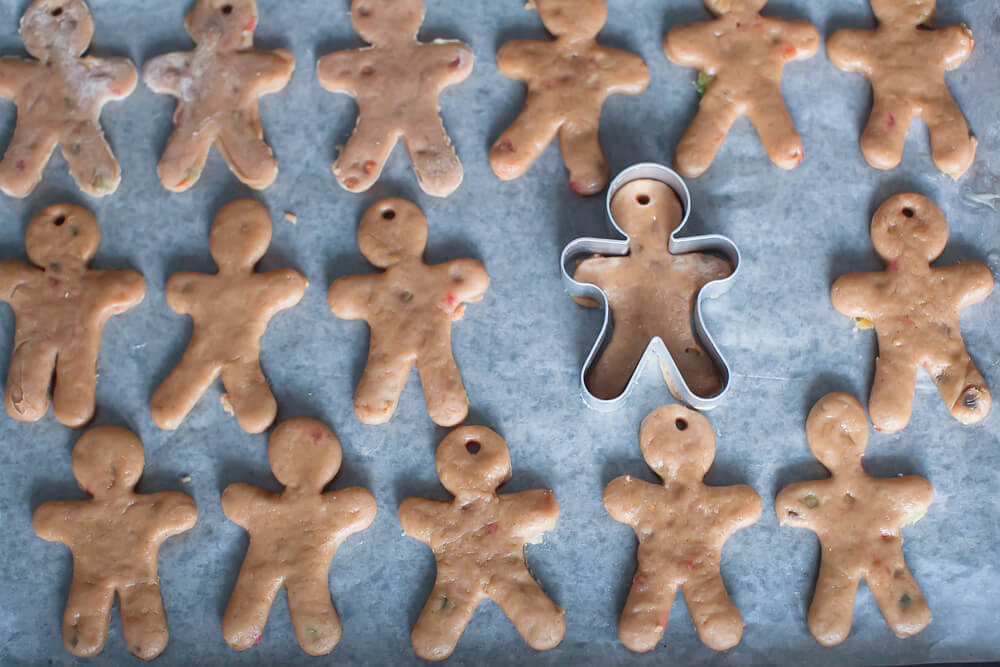
Tinsmiths in Pennsylvania and elsewhere cut and soldered cookie cutters by hand through the nineteenth century, shaping horses, birds, hearts, and even full human figures. Large figural examples made for special occasions draw the strongest interest.
Uneven solder seams and hand-cut edges help separate early cutters from later stamped ones. Common cutters move at 20 to 100 dollars, and rare large figures clear thousands at specialist auctions.
Rust, bent outlines, and missing back plates reduce value. A folk art cutter with a clear history in one family is the prize in this field.
Ceramic Pie Birds
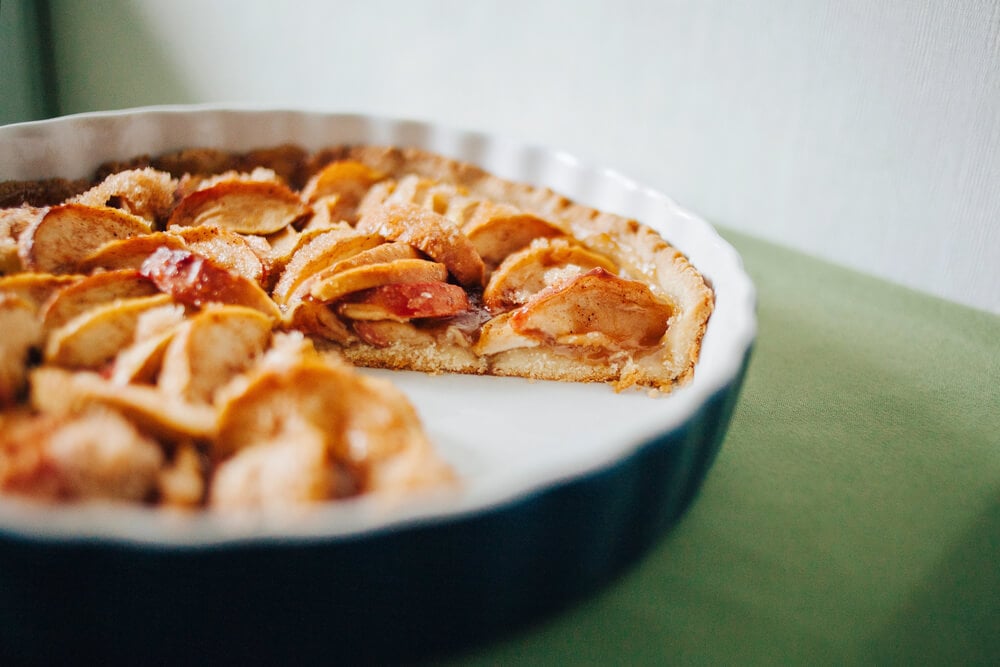
Pie birds are small ceramic figures set in the middle of a pie to vent steam and keep the filling from boiling over. The idea goes back to Victorian Britain, and figural birds, chefs, and animals became popular from the 1930s through the 1950s.
Many were made in England and the United States by small potteries. Common examples move at 20 to 50 dollars, while rare figures clear hundreds.
Chips, cracks, and crazing reduce value. Reproductions flood the market, so collectors check glazes, markings, and the wear on the base.
Figural Egg Timers
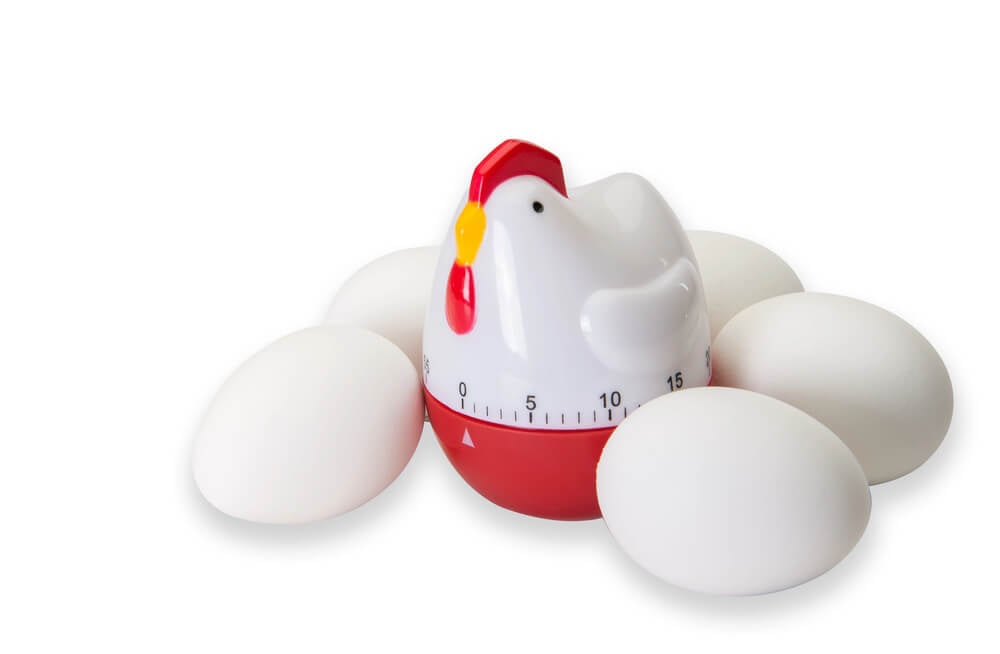
Egg timers from the 1920s through the 1950s often featured small ceramic figures holding a glass tube of sand that ran for about three minutes. Chefs, maids, animals, and cartoon characters were popular, and many came from Germany and Japan.
They were cheap novelties when new, which is why so few survived intact. Common examples move at 20 to 50 dollars, and rare characters clear more.
Chips, broken glass tubes, and missing sand reduce value. Bright original paint and a timer that still runs close to three minutes make the biggest difference.
Chalkware String Holders
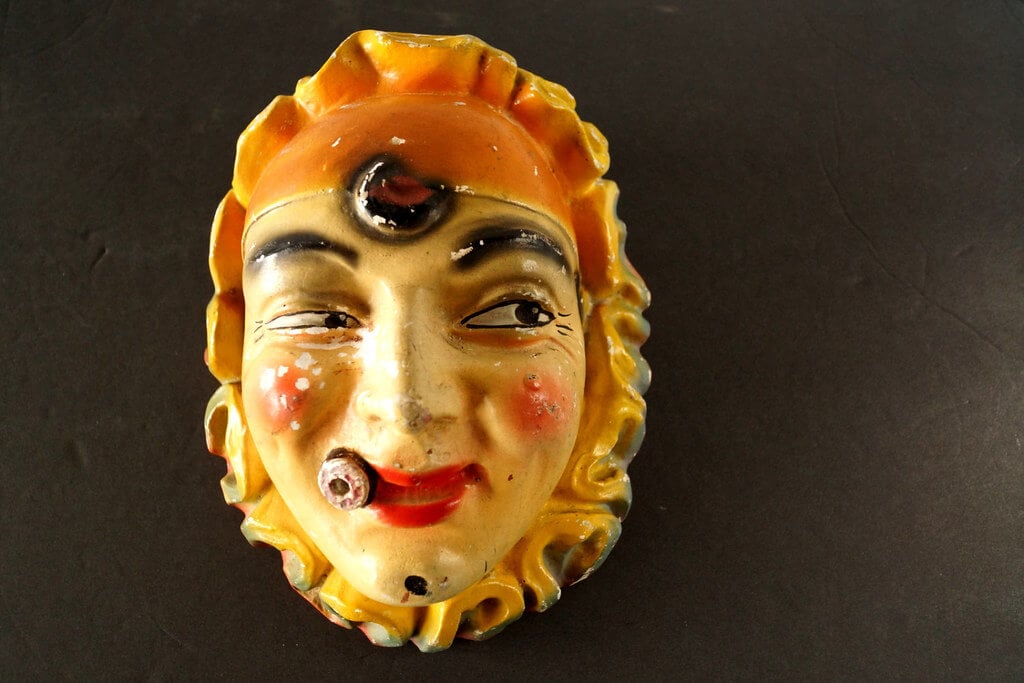
Chalkware string holders from the 1940s and 1950s hung on kitchen walls and fed twine through a figure’s mouth or the center of a piece of fruit. Faces, animals, and fruit were the most common designs, painted in bright colors that faded with years of kitchen steam.
The plaster body is fragile, so many cracked or chipped long ago. Examples move at 50 to 200 dollars, and rare designs clear more.
Chips, repainting, and flaking paint reduce value. Collectors look for original paint and an undamaged string opening, since that edge wore fastest.
Spring-Loaded Nutmeg Graters
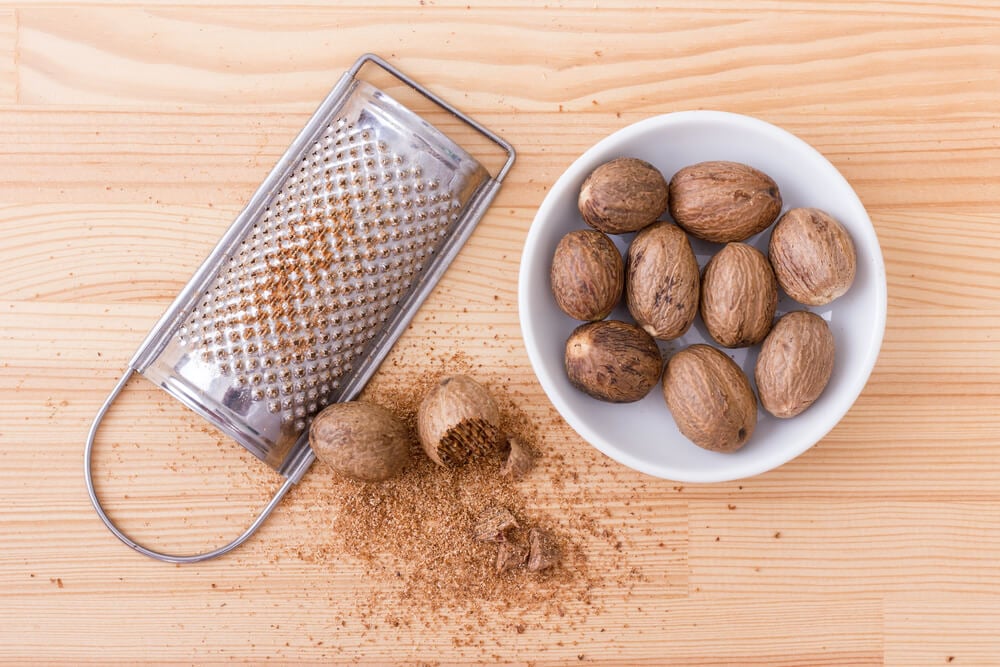
Nutmeg was an everyday spice in Victorian kitchens, and inventors patented dozens of mechanical graters that held the nut against a blade with a spring. The Edgar, patented in the 1890s, is one of the best-known designs and turns up often.
Rarer patents with unusual cranks or rotary drums draw specialist collectors. Common graters move at 50 to 150 dollars, and rare patents clear more.
Rust, missing parts, and weak springs reduce value. Legible patent markings and a working mechanism add to prices, since many survive only as broken fragments.
Universal Bread Makers
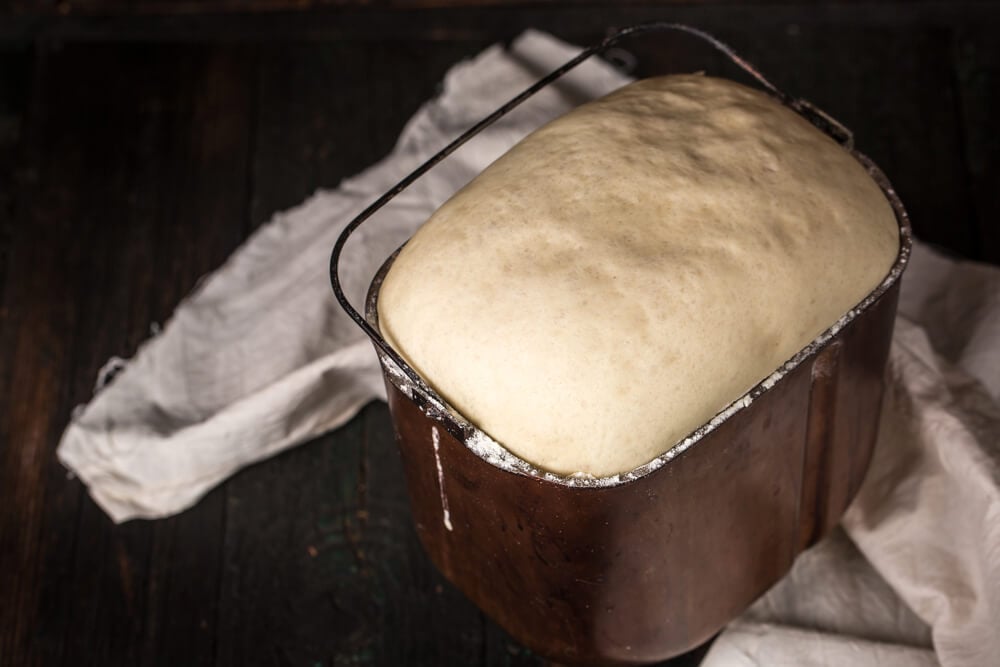
Landers, Frary and Clark of New Britain, Connecticut, sold the Universal bread maker in the early twentieth century, a tinned pail with a clamp and a crank that turned a kneading hook. Advertisements promised to save home bakers hours of work every week.
The gadget sold widely, but many were discarded once electric mixers arrived. Examples move at 50 to 150 dollars, and complete units with original instructions clear more.
Rust, dents, and a missing kneading hook reduce value. The bread maker is one of the earliest mass-market labor-saving kitchen machines.
Utility Turned Into Desire
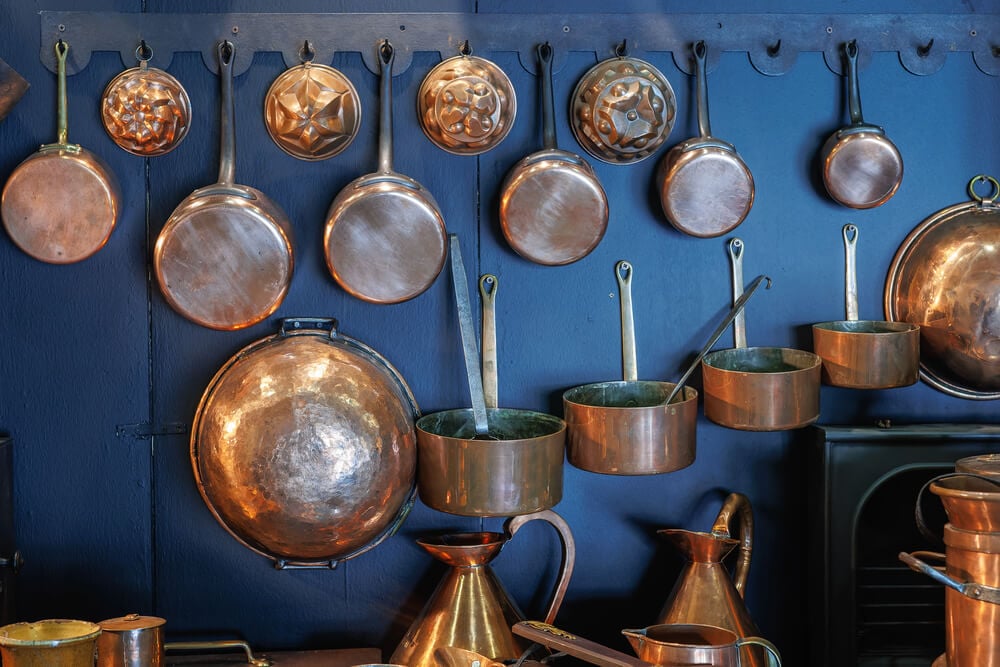
Every tool on this list was bought to save time, and most were used until they wore out. The survivors carry the marks of that work, and collectors pay for the design, engineering, and history behind them.
Their value comes as much from memory as from rarity. That makes the kitchen drawer a surprisingly good place to look for value.
A gadget that still works, carries its original parts, and shows its maker’s mark often clears far more than expected. The best finds are usually the ones nobody thought to replace.
More from Go2Tutors!

- The Romanov Crown Jewels and Their Tragic Fate
- 13 Historical Mysteries That Science Still Can’t Solve
- Famous Hoaxes That Fooled the World for Years
- 15 Child Stars with Tragic Adult Lives
- 16 Famous Jewelry Pieces in History
Like Go2Tutors’s content? Follow us on MSN.