28 Old Model Kits Still Sealed in Boxes
Somewhere on a top shelf in a garage sits a model kit nobody built. An uncle bought it for a December holiday, the holiday filled up with other things, and the cellophane stayed put.
Forty or sixty years later, that unfinished plan is worth money. Glue and paint are permanent.
Factory wrap is a one-time thing. So collectors pay more for the kit that never got touched than for the one somebody built with love and a shaky brush.
You find these at estate clear-outs in Benoni, at church fêtes, in the back room of a hobby shop that changed owners twice. Know the names below and you stop walking past them.
1. Aurora Frankenstein (1961)
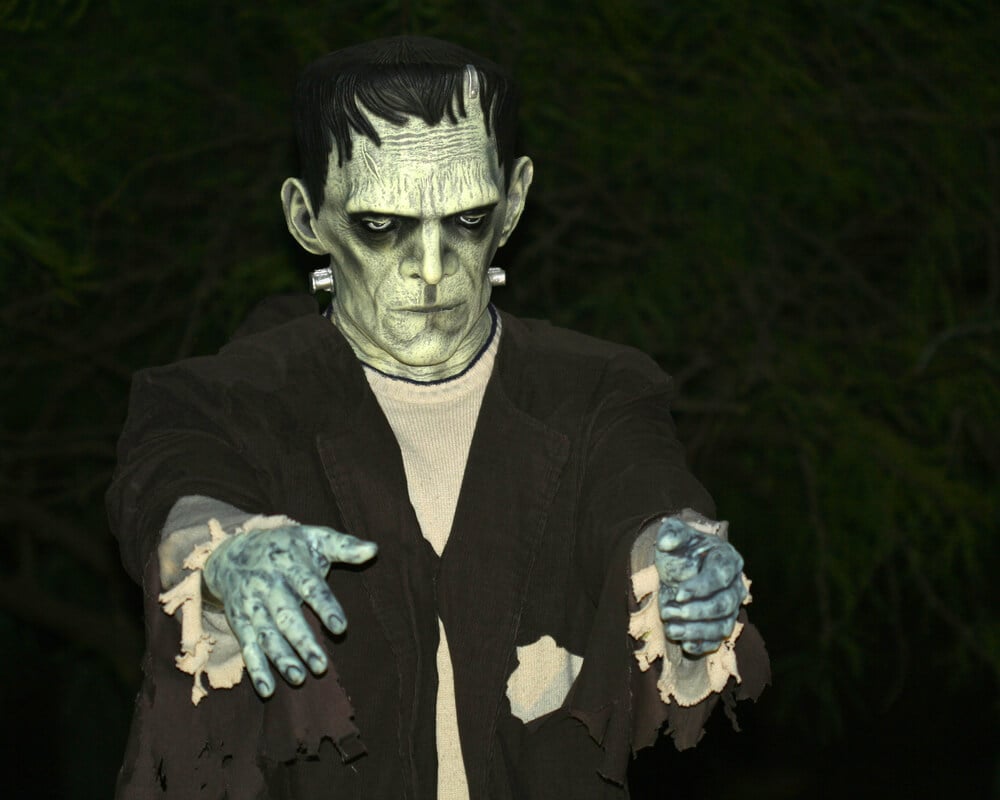
This is the kit that started the monster craze. Aurora expected a modest seller and ended up running the moulds around the clock to keep up with demand.
The first issue comes in a long, narrow box with James Bama’s painted artwork, and that long box is the one collectors chase. Later glow-in-the-dark issues from 1969 onward arrived in square boxes.
They have their fans, but they sell for a fraction of the original. Box shape tells you the decade before you read a single word.
2. Aurora Dracula (1962)
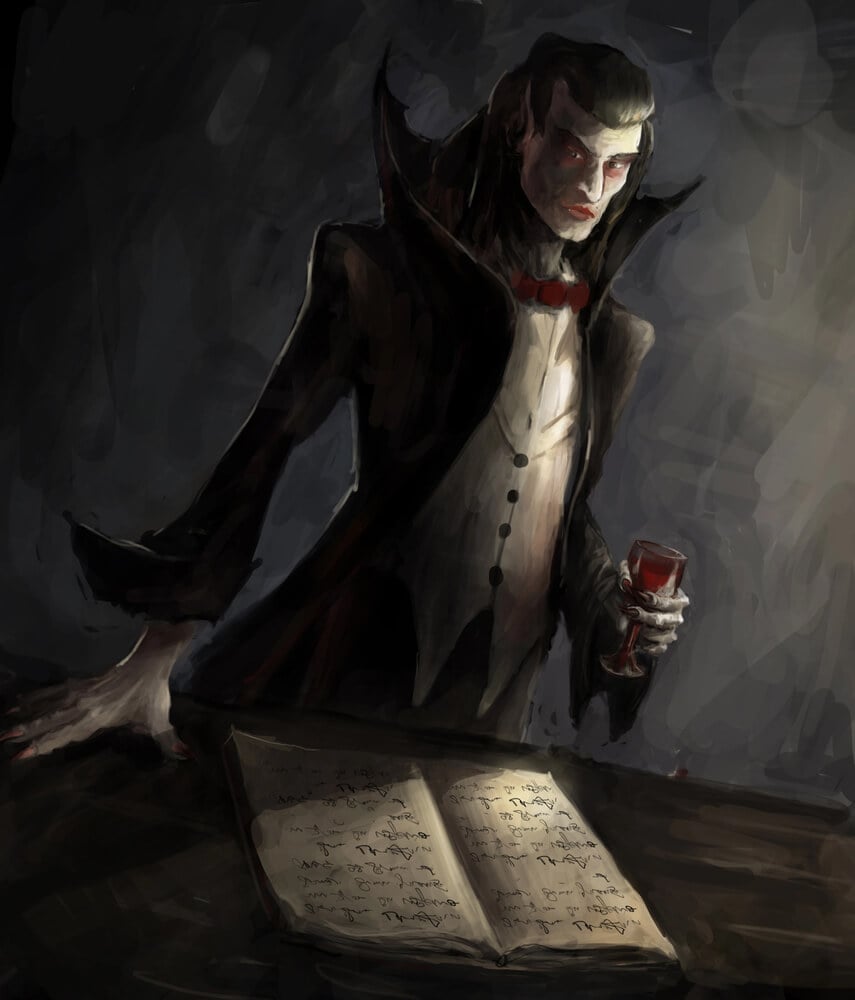
Dracula followed a year later with another Bama painting on the lid. Sealed long-box examples turn up far less often than Frankenstein, because kids built them the day they got them.
A clean one with sharp corners goes for several thousand rand without much argument.
3. Aurora Creature from the Black Lagoon (1963)
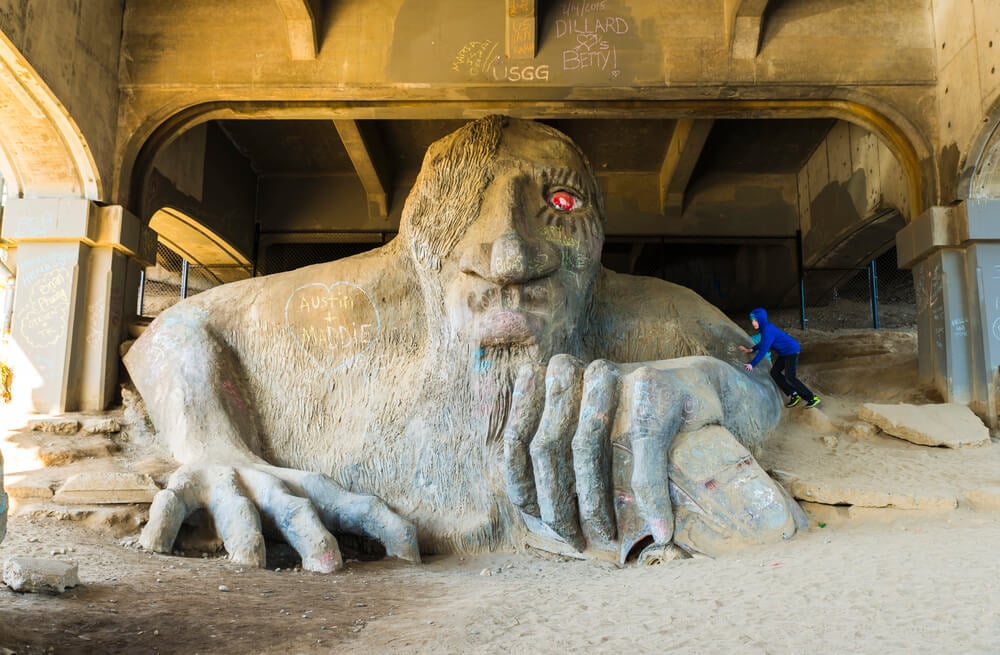
The Creature has the best sculpt of the early monsters, with a base full of lizards, a skeleton hand, and a snake. All those small parts are the problem with opened kits.
Pieces vanish. A sealed box is the only proof that every lizard is still in there.
4. Aurora Godzilla and the Go-Cart Nobody Bought
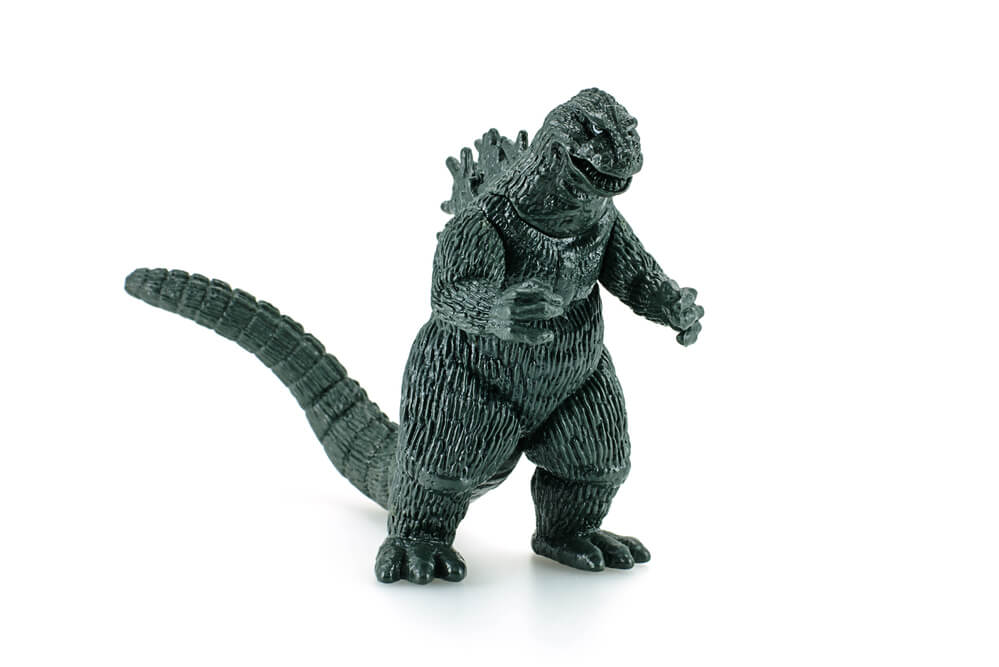
Aurora released Godzilla in 1964 and it sold well. Then in 1966 somebody in New York decided the king of the monsters needed a hot rod, and Godzilla’s Go-Cart arrived.
Children ignored it. Shops returned it. Aurora dropped it fast.
That failure made it the rarest Aurora kit of all. A sealed Go-Cart sells for more than a decent used car, and built ones with missing parts still fetch serious money.
The worst seller of 1966 became the best find of any year since.
5. Aurora Batman (1964)
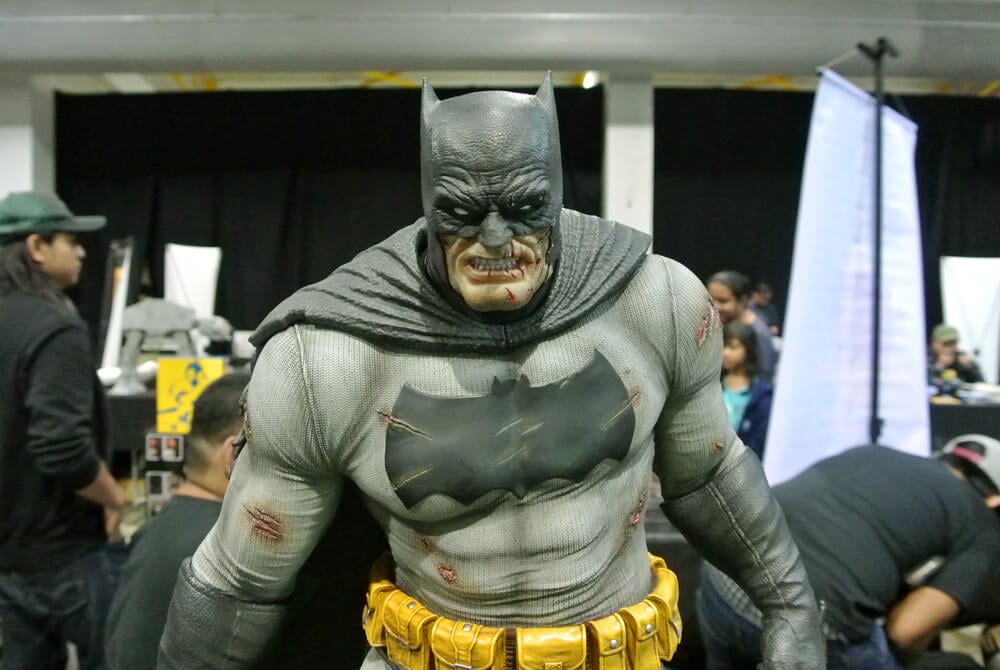
Aurora’s comic hero line put Superman on shelves in 1963 and Batman a year later, just ahead of the television series. The 1964 box shows Batman swinging past a tree with an owl.
Reissues from the seventies came in “Comic Scenes” packaging with a small comic inside, and those are common. The 1964 original is not.
6. Aurora Monster Scenes (1971)
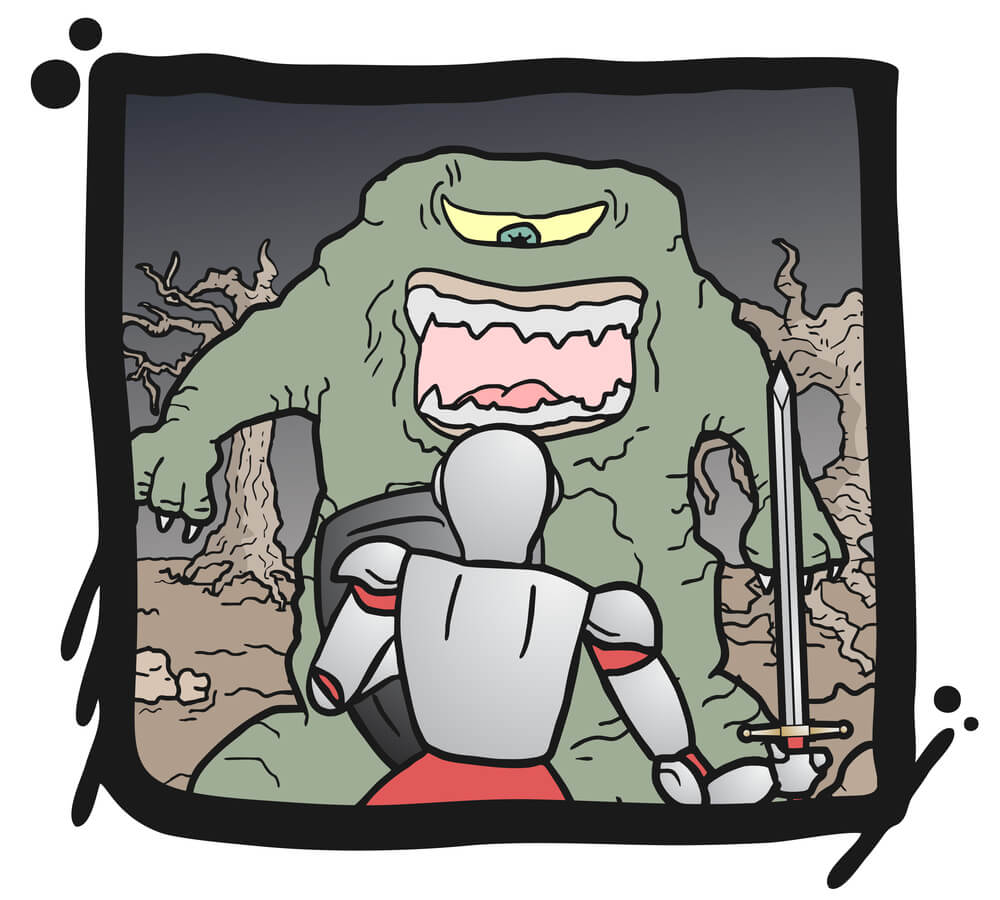
These snap-together kits included a laboratory, a cage, a “Pain Parlor,” and a female figure called The Victim. Parents’ groups and newspapers went after them within months.
Aurora’s owner at the time, Nabisco, wanted no part of the row and pulled the line. Short production runs plus a scandal equal scarcity.
Sealed Monster Scenes boxes are small, bright purple and yellow, and easy to overlook on a table of junk. Look twice at anything purple.
7. Revell USS Missouri (1953)
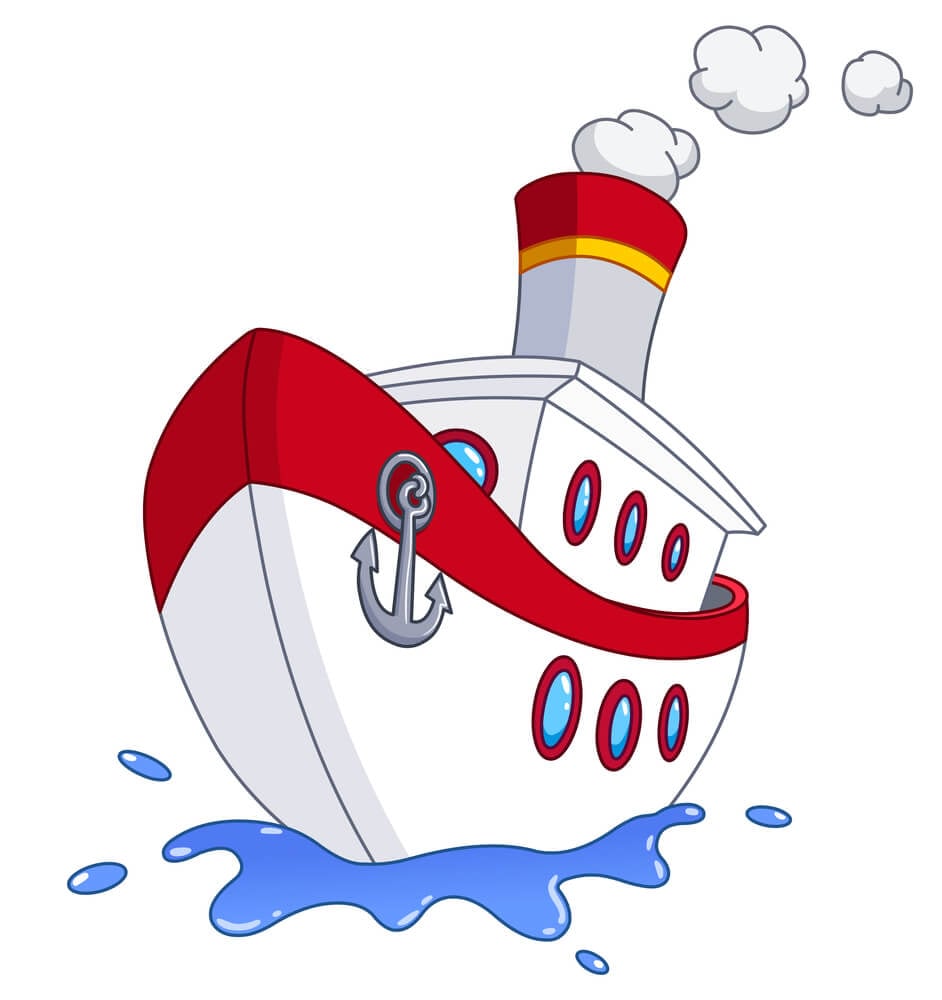
Revell’s battleship was one of the first plastic ship kits made from the company’s own tooling, and it stayed in the catalogue for decades. That long life is the trap.
Most Missouri kits you see are seventies and eighties reissues worth very little. The early boxes carry the “Authentic Kit” branding and a flat-bottomed hull inside.
Check the copyright date on the side panel before you get excited.
8. Revell Westinghouse Atomic Power Plant (1959)

Revell built this one for the atomic optimism of the fifties: a cutaway nuclear power station with a reactor, turbines, and tiny control rooms. It sold poorly, because a ten-year-old wanted a jet fighter and not a utility.
Few survived. A sealed example is one of the most valuable American kits of the era, and even an empty box sells.
9. Revell XSL-01 Manned Space Ship (1957)
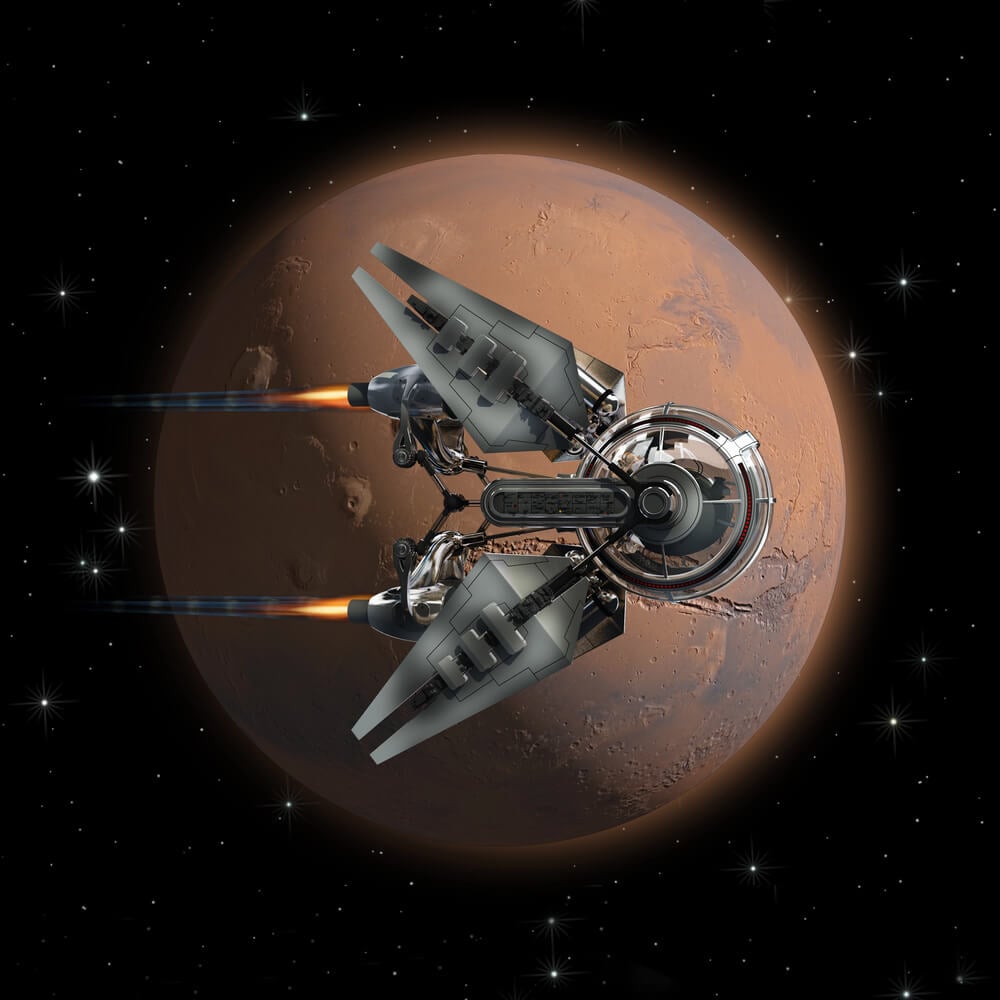
Released the same year Sputnik went up, this three-stage rocket kit came with a booklet explaining how a moon mission would work. Revell got the details wrong and the feeling right.
Space-race collectors and kit collectors both want it, and two crowds bidding on one box pushes the price up every time.
10. Monogram Big T (1962)
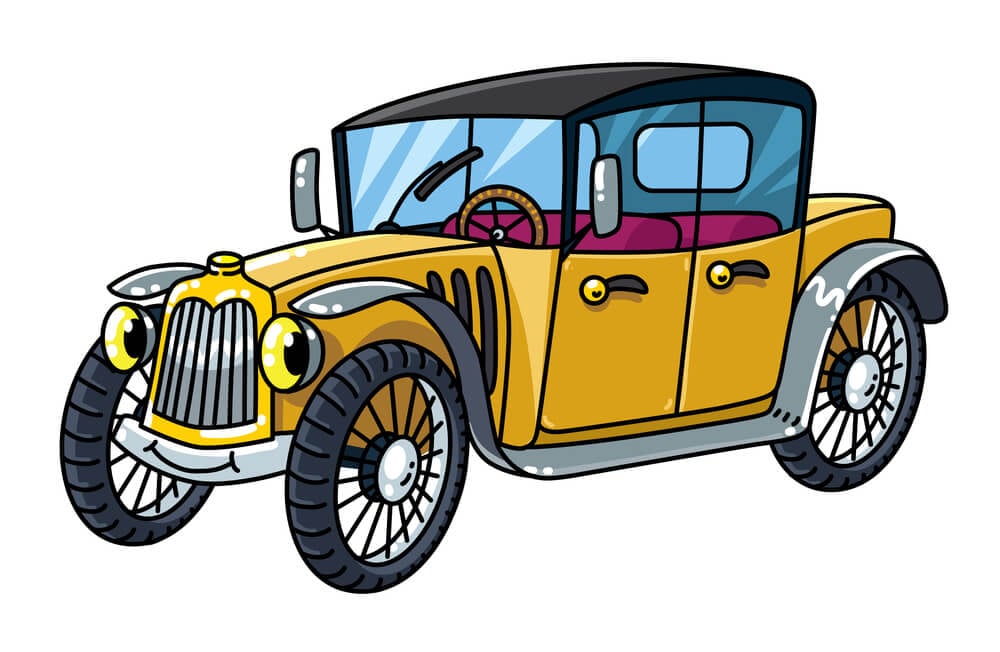
A 1/8 scale Model T hot rod in a box the size of a small suitcase. Monogram packed it with chrome parts and optional pieces, and the finished car measured close to half a metre.
Sealed examples are scarce for a simple reason. Nobody who got a box that big at Christmas left it shut.
11. Monogram Phantom Mustang
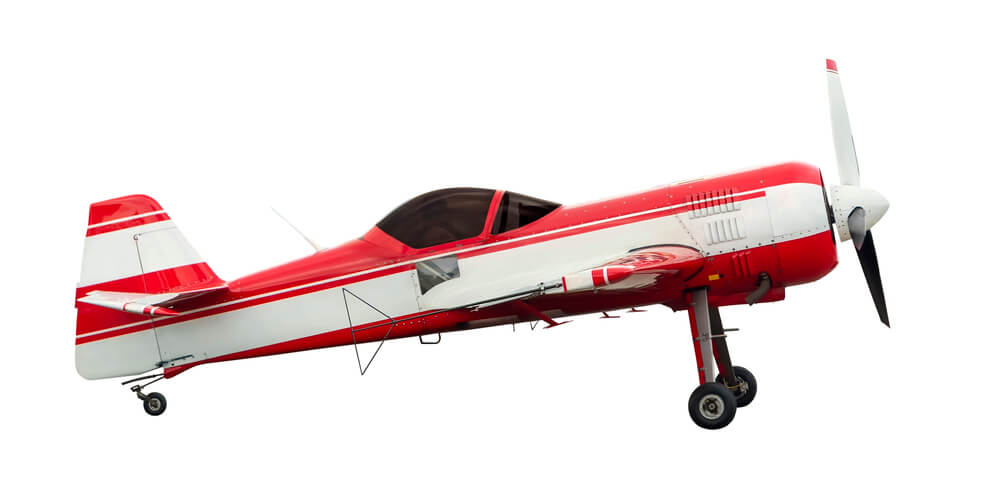
Monogram moulded this P-51 in clear plastic so you could see the engine, the cockpit, and the wing structure. A small electric motor turned the propeller and raised the landing gear from a control stand.
Clear plastic yellows and goes brittle with age and sunlight. A sealed kit stored in a dark cupboard is the only kind with parts that still look like glass.
12. AMT 3-in-1 Annual Car Kits
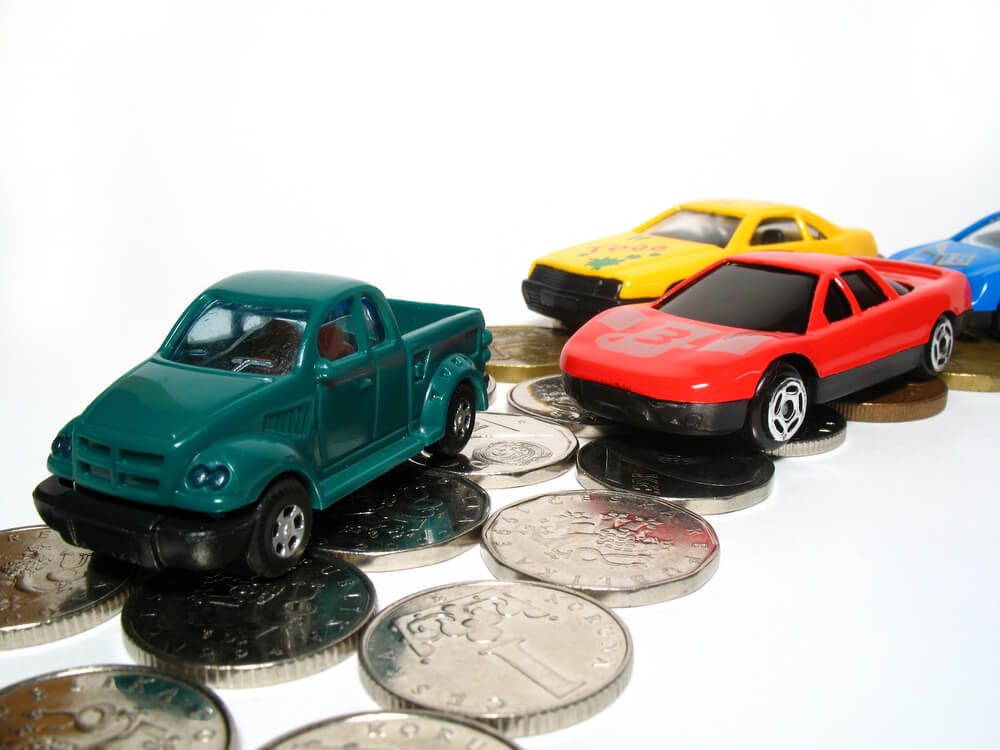
From 1958, AMT released a fresh kit of each year’s new cars, and every box let you build the car stock, custom, or racing. The early sixties Impalas, Thunderbirds, and Corvettes are the ones to watch.
AMT tooled many of them once, modified the mould for the next model year, and never made that version again. Here’s the fear every buyer has with these: the tyres.
Old vinyl tyres react with styrene and melt into whatever plastic they touch. Collectors call it tyre burn.
A sealed box tells you nobody opened it, but it doesn’t tell you the tyres behaved. Ask the seller how the kit was stored, and pay accordingly.
13. Jo-Han Chrysler Turbine Car (1964)
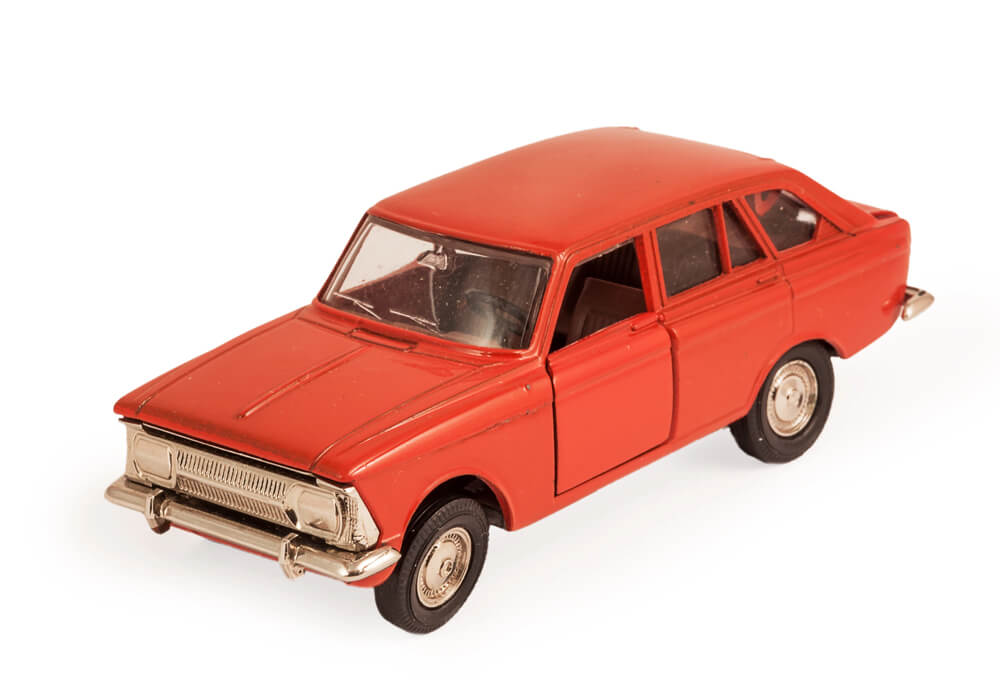
Chrysler built 55 real turbine cars and crushed most of them. Jo-Han made the kit with a detailed turbine engine, and the company’s own collapse decades later left its moulds in limbo.
No mould means no modern reissue. What exists is all there will ever be.
14. MPC Star Wars Kits (1977 to 1979)
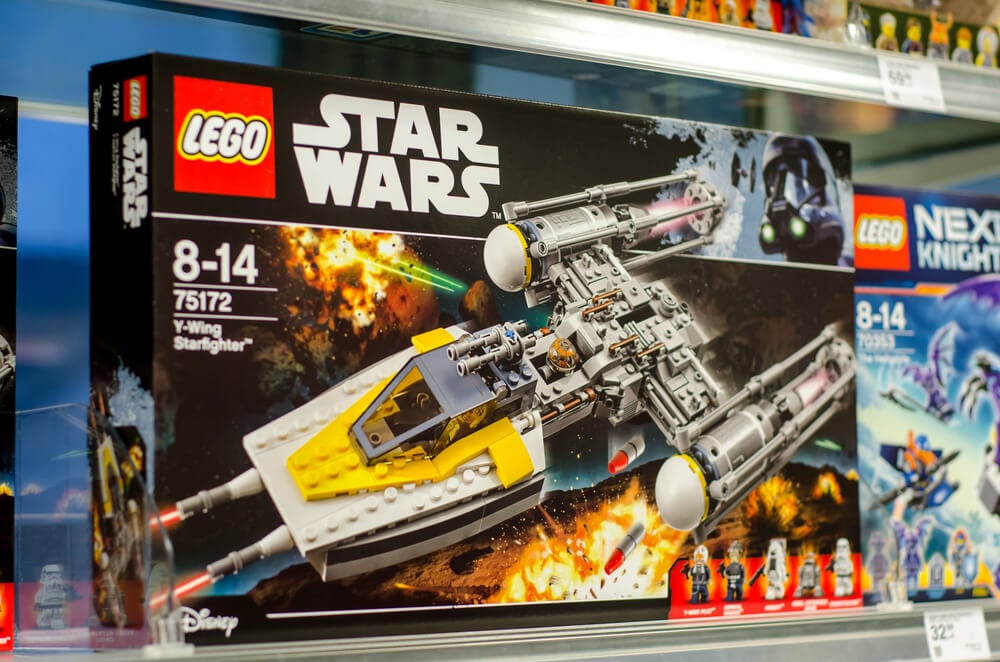
MPC held the model kit licence for the first film, and the early boxes of R2-D2, C-3PO, the X-wing, and Darth Vader’s TIE Fighter carry the original Star Wars logo without any sequel branding. The 1979 Millennium Falcon with working lights is the big one.
Later boxes marked for The Empire Strikes Back or Return of the Jedi contain the same plastic and sell for much less. The logo on the lid does the pricing.
15. AMT USS Enterprise (1966)
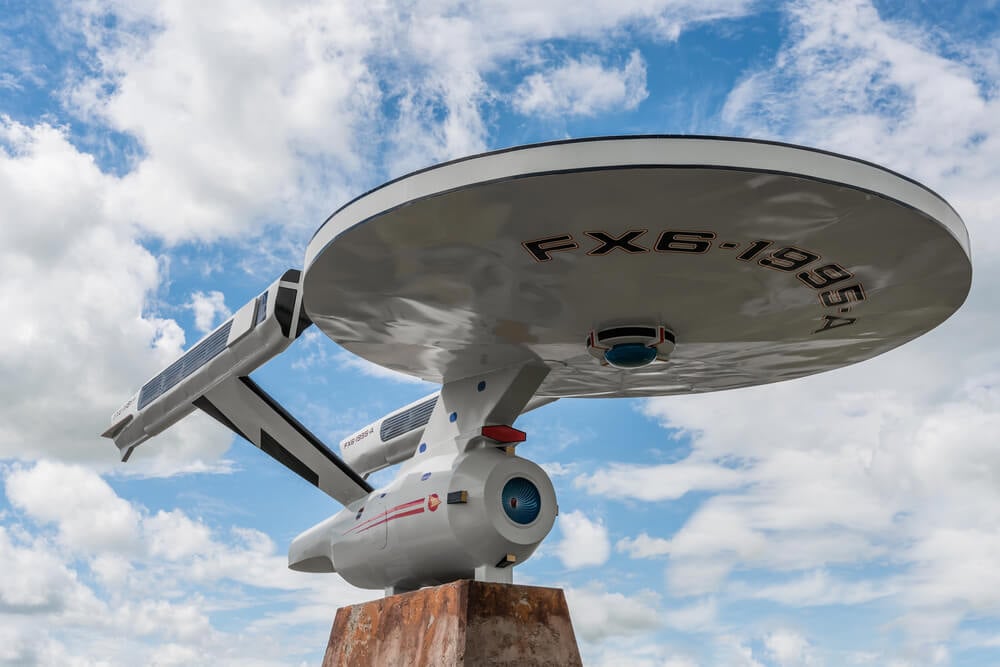
The first issue of the Star Trek Enterprise came in a long box and included small bulbs to light the saucer and engine domes. AMT dropped the lights from later runs and changed the box several times.
Every version since has been a reissue of a reissue. The lit long box from the show’s first season is the one that matters.
16. Airfix Bagged Spitfire “BT-K”
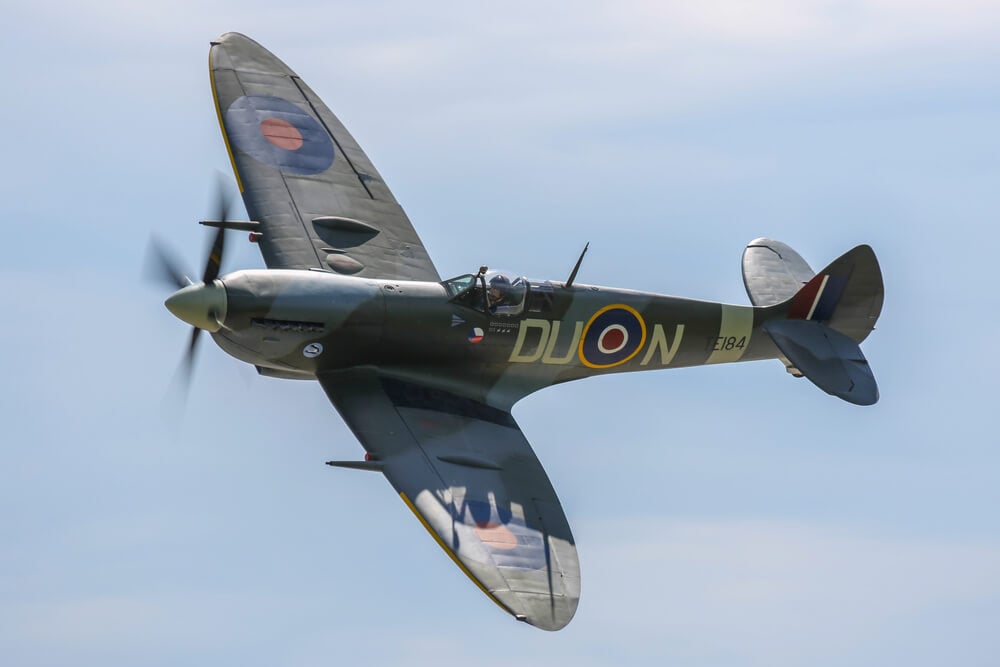
Airfix’s first Spitfire arrived in the mid-fifties in a plastic bag with a paper header stapled across the top. The kit was moulded in pale blue, carried the code letters BT-K, and got the shape of the aircraft badly wrong.
Airfix replaced it within a few years. Bagged kits are the hardest to find intact, because a staple and a thin bag protect nothing.
If you grew up anywhere in the old Commonwealth, South Africa included, you remember these hanging on a wire rack near the till. Almost none of them made it home unopened.
17. Airfix Ferguson Tractor (1949)
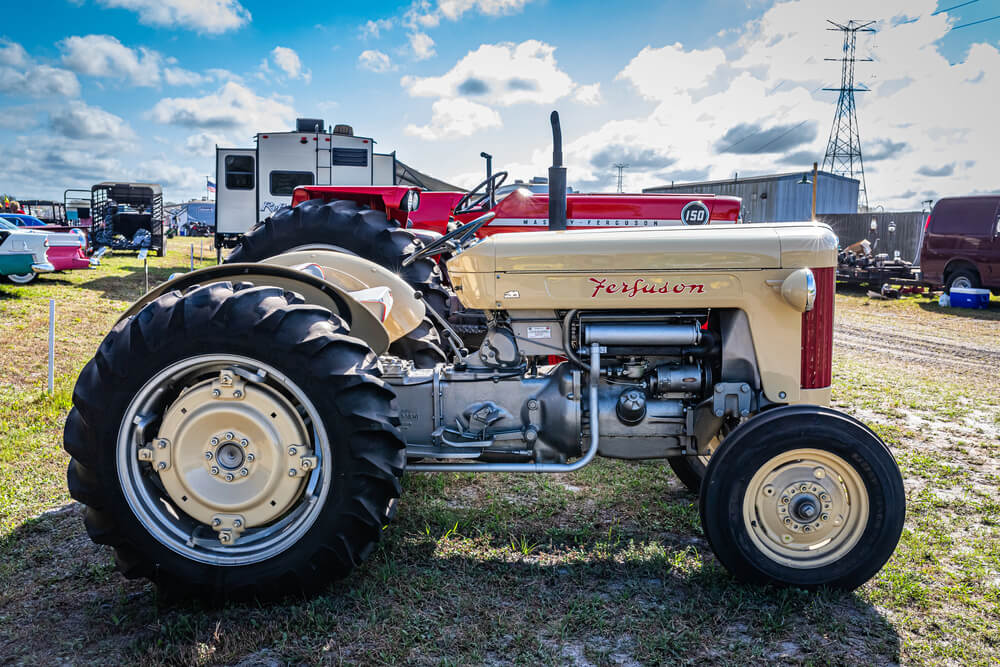
Before Airfix made aircraft, it made a promotional model tractor for Harry Ferguson’s sales reps. The company later sold it as a kit to save on assembly costs, and the Airfix kit business grew from that decision.
Original examples are museum-grade rare. If an old farming family’s estate sale has a small grey tractor in a plain box, slow down and look.
18. Frog Penguin Kits (from 1936)

These British kits were the first plastic aircraft models sold to the public, made from cellulose acetate years before polystyrene took over. Acetate has a fatal flaw.
It warps, shrinks, and sometimes crumbles. An unopened Penguin box is a gamble, because the parts inside have had ninety years to twist.
Collectors buy them anyway, for the box and the history.
19. Matchbox Kits (from 1973)

Lesney’s Matchbox kits came with sprues in two or three colours, so a child could build a decent-looking model without paint. The boxes had a clear window showing the plastic.
That window helps you today. You can check the parts without breaking a seal, which makes Matchbox one of the safest vintage kits to buy.
20. Tamiya Motorised Panther Tank (1962)
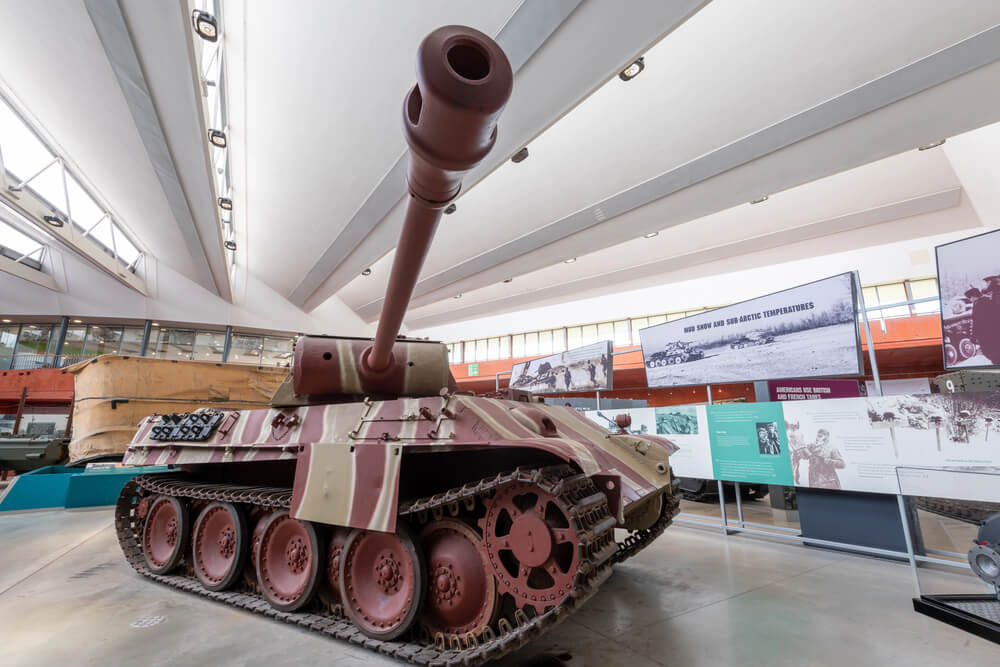
Tamiya’s first plastic tank set the 1/35 scale that the entire military modelling world still uses. The scale came from a practical need: the hull had to fit two batteries and a motor.
Early Japanese-market boxes with motor and gearbox inside are rare outside Japan. Check that the gearbox is present, because loose metal parts chew up a box from the inside during shipping.
21. Tamiya 1/12 Honda F1 (1967)

This was the first of Tamiya’s big-scale racing cars, and the engineering shocked the hobby. Working suspension, a detailed engine, rubber tyres, metal parts.
It cost a fortune at the time, so buyers tended to be adults who looked after their things. More sealed examples survive than you’d expect, and they still sell high.
22. Bandai 1/144 Gundam (1980)
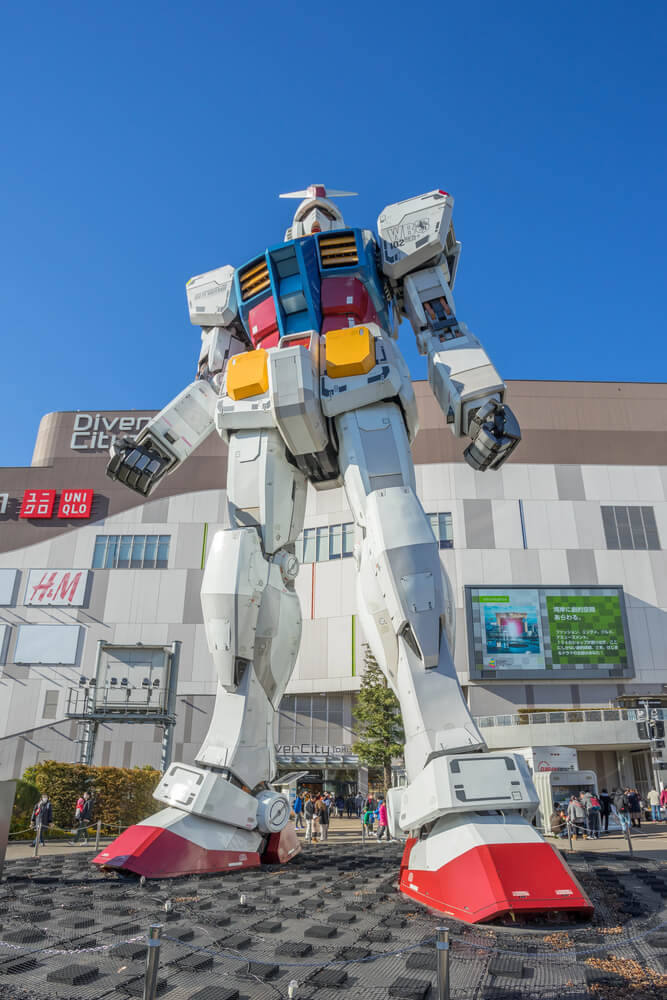
The first Gundam kit cost 300 yen and launched a product line that has sold hundreds of millions of units. The July 1980 original needed glue and paint, unlike the snap-fit kits that followed.
Bandai has reissued it many times with almost identical artwork. Dealers tell first runs from reissues by the fine print on the box side, so photograph every panel before you buy.
23. Hawk Weird-Ohs (1963)

Digger, Daddy, and Davey were bug-eyed cartoon drivers hanging out of wrecked hot rods, drawn by Bill Campbell. Hawk sold millions and then the fad died.
The original boxes have loud, hand-lettered artwork that reissues have never quite matched. Sealed ones are cheerful, cheap to ship, and climbing.
24. Revell Rat Fink (1963)

Ed “Big Daddy” Roth’s grubby green rat was the anti-Mickey Mouse of California car culture. Revell licensed Roth’s show cars first and then the character himself.
The 1963 box shows Rat Fink grinning on a plain background. Roth fans collect across posters, shirts, and decals, which means the kit competes for attention with a much larger crowd than ordinary model buyers.
25. Renwal Visible V8 and Visible Man

Renwal sold education in a box. The Visible Man had a clear body shell with removable organs and a full skeleton.
The Visible V8 was a working engine with a hand crank, moving pistons, and tiny bulbs that flashed in firing order. Schools bought them, fathers bought them, and both kinds of buyer tended to open the box the same afternoon.
An untouched Renwal from around 1960 is a rare bird.
26. Lindberg Flying Saucer (1954)

The first science fiction kit made in injection-moulded plastic. It’s a simple disc with a clear dome and a little green pilot, and it arrived at the height of the saucer panic.
Lindberg reissued it for decades under different names. Only the early boxes with 1950s graphics carry real value, and they are small enough to hide under a pile of jigsaw puzzles.
27. Pocher 1/8 Fiat Grand Prix Car (1966)
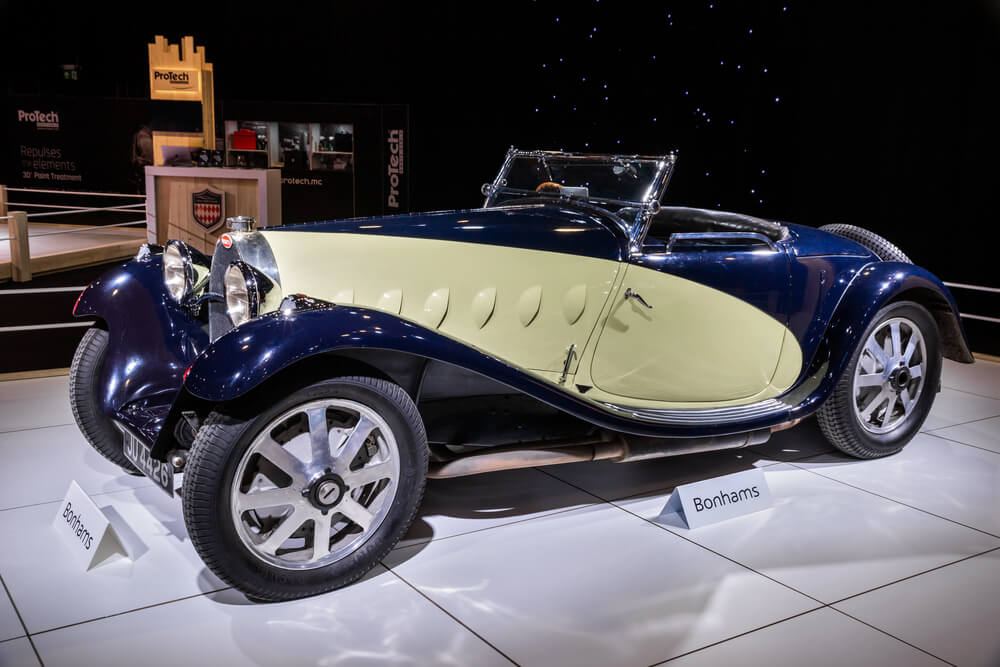
Pocher of Turin made kits with hundreds of parts in metal, leather, and plastic, with working steering and spoked wheels you laced yourself. The Fiat racer was the first.
Many buyers opened the box, saw the job ahead, and quietly closed it again. That’s why so many Pocher kits survive complete.
Sealed is ideal, but an opened and unstarted Pocher with every bag intact still sells for tens of thousands of rand.
28. Strombecker Disney “Man in Space” Rockets
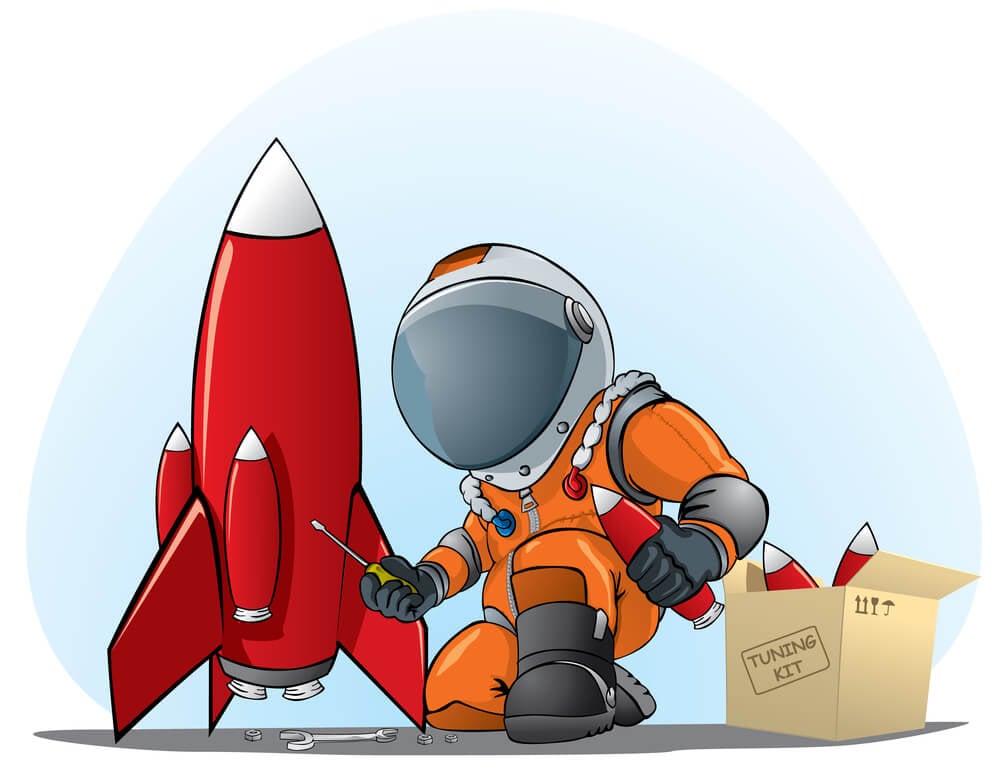
In the mid-fifties, Walt Disney’s television episodes about space travel reached tens of millions of viewers. Strombecker released kits of the ships from those shows, including the TWA Moonliner that stood in Disneyland’s Tomorrowland.
Disney collectors, space collectors, and kit collectors all want the same box. Three markets, one small supply.
The Value of Not Finishing
Before you buy any sealed kit, run a quick check. Original fifties and sixties wrap is usually folded cellophane with glued ends, not modern heat-shrink.
A faded price sticker from a long-gone shop helps the story. Tilt the box gently and listen.
A soft slide means parts on sprues. A rattle means something came loose.
And never open it to look, because the moment you do, you’ve turned it into a different and cheaper object.
There’s something odd about this corner of collecting. Every one of these boxes holds an afternoon that never happened, a kitchen table covered in newspaper that stayed clear.
The kit was a promise somebody made to themselves and didn’t keep. Now a stranger pays good money to not keep it either.
More from Go2Tutors!

- The Romanov Crown Jewels and Their Tragic Fate
- 13 Historical Mysteries That Science Still Can’t Solve
- Famous Hoaxes That Fooled the World for Years
- 15 Child Stars with Tragic Adult Lives
- 16 Famous Jewelry Pieces in History
Like Go2Tutors’s content? Follow us on MSN.



