25 Animal Superstitions From Different Cultures That Persist to This Day
The belief that animals carry supernatural significance spans continents and centuries, rooted in observations of behavior, religious texts, and the human need to find meaning in the natural world. These superstitions persist despite scientific explanation because they’ve become woven into cultural identity and spiritual practice.
From farmyard creatures to ocean dwellers, animals continue to shape how people interpret luck, danger, and destiny across the globe.
Black Cats and Misfortune in the West
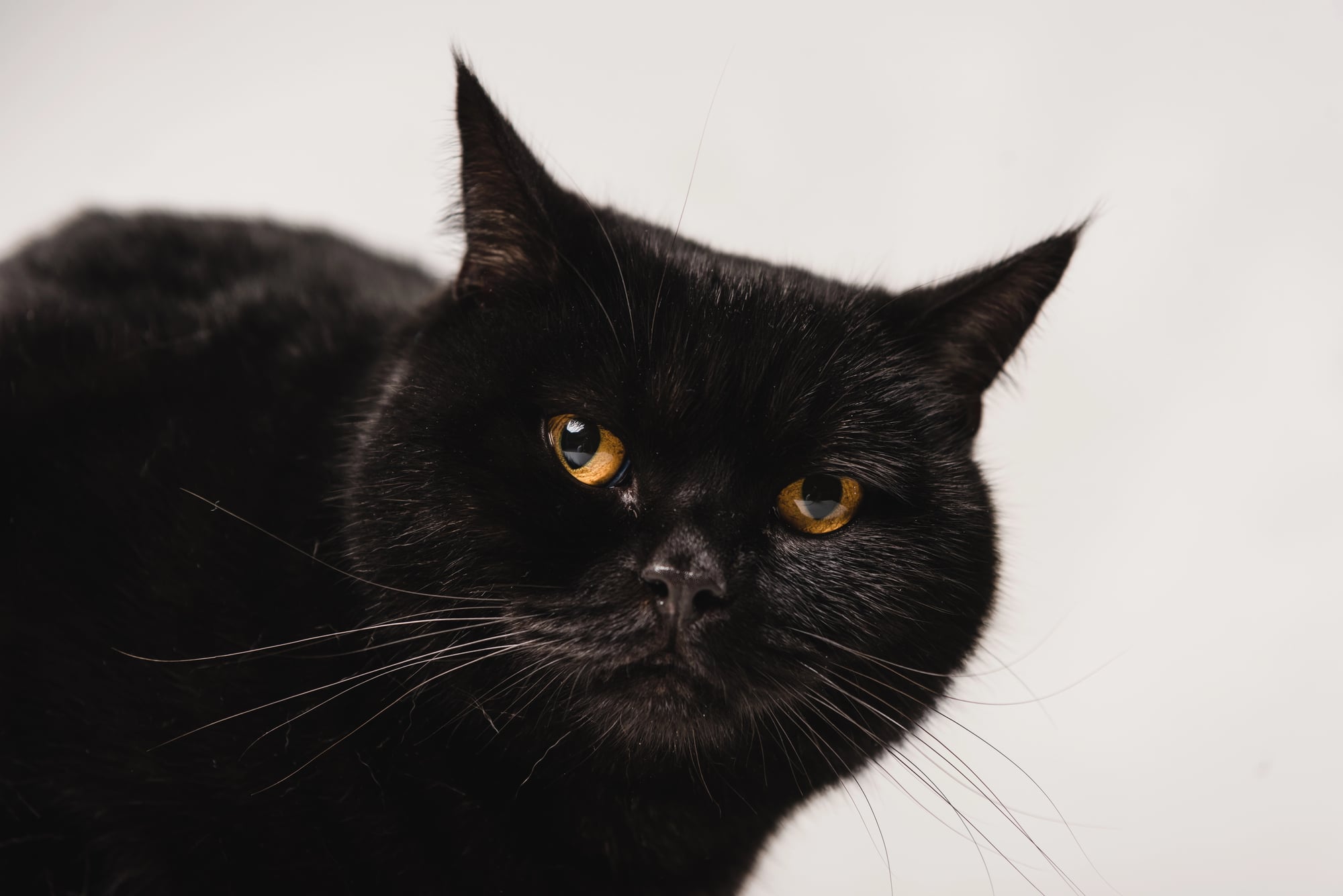
In Western Europe and North America, black cats symbolize bad luck and witchcraft, a belief strengthened by medieval associations between cats and witches. The superstition reached peak intensity during the witch hunts, when black cats were persecuted alongside accused witches.
Yet this superstition is geographically specific—in Japan and the United Kingdom, black cats bring good fortune instead, demonstrating how the same animal can represent opposite beliefs across cultures.
The Magpie’s “One for Sorrow” Rhyme
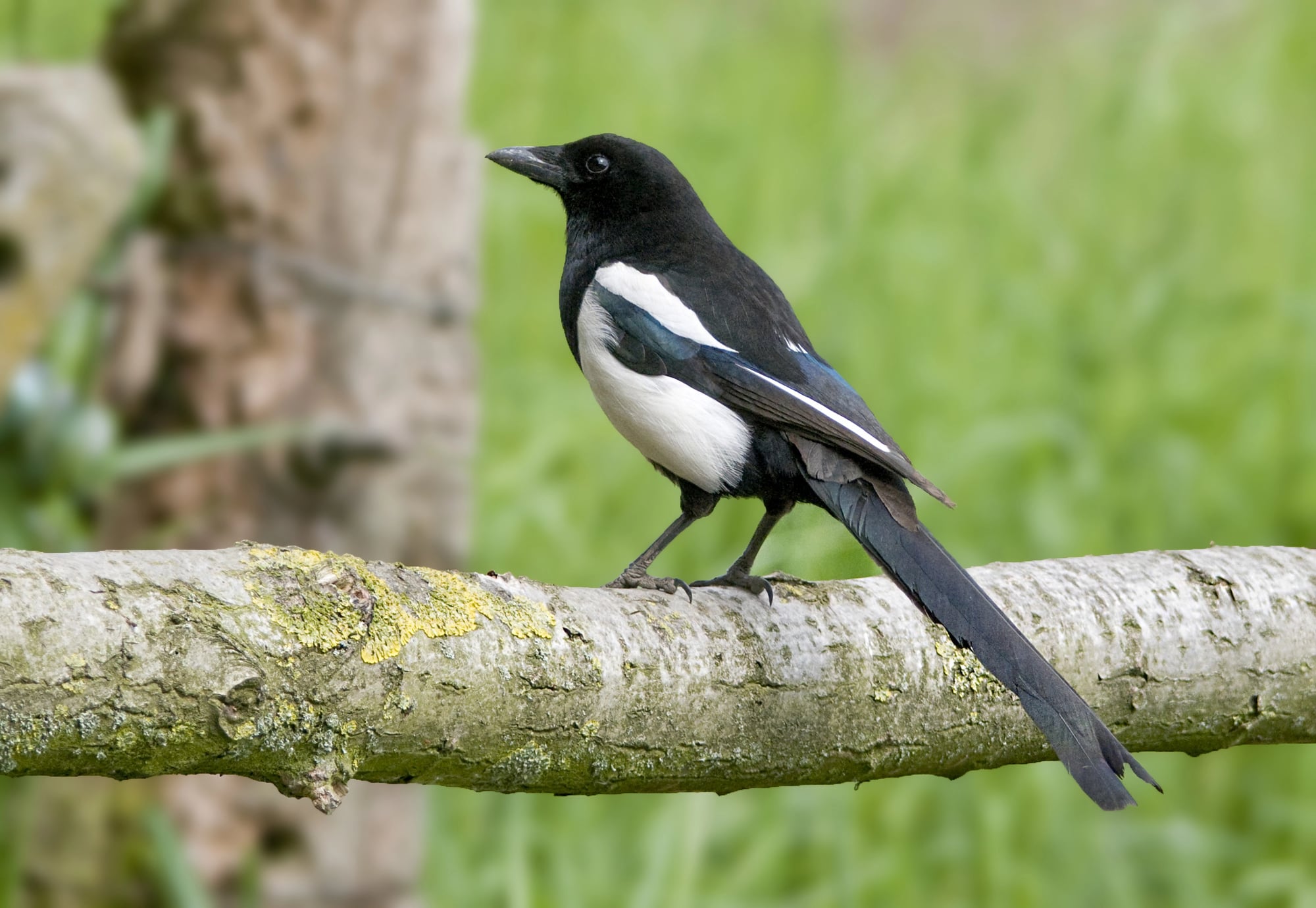
British folklore codified magpie superstitions in the nursery rhyme “One for Sorrow, Two for Joy,” first recorded around 1780. Sighting a single magpie is believed to portend misfortune, while multiple magpies predict happiness or wealth.
The traditional remedy involves saluting the bird, saying “Good morning, Mr. Magpie, how is your lady wife today?” This practice remains active in Britain and parts of Europe today, despite being rooted purely in superstition rather than any demonstrable cause and effect.
Owls as Harbingers of Death in India
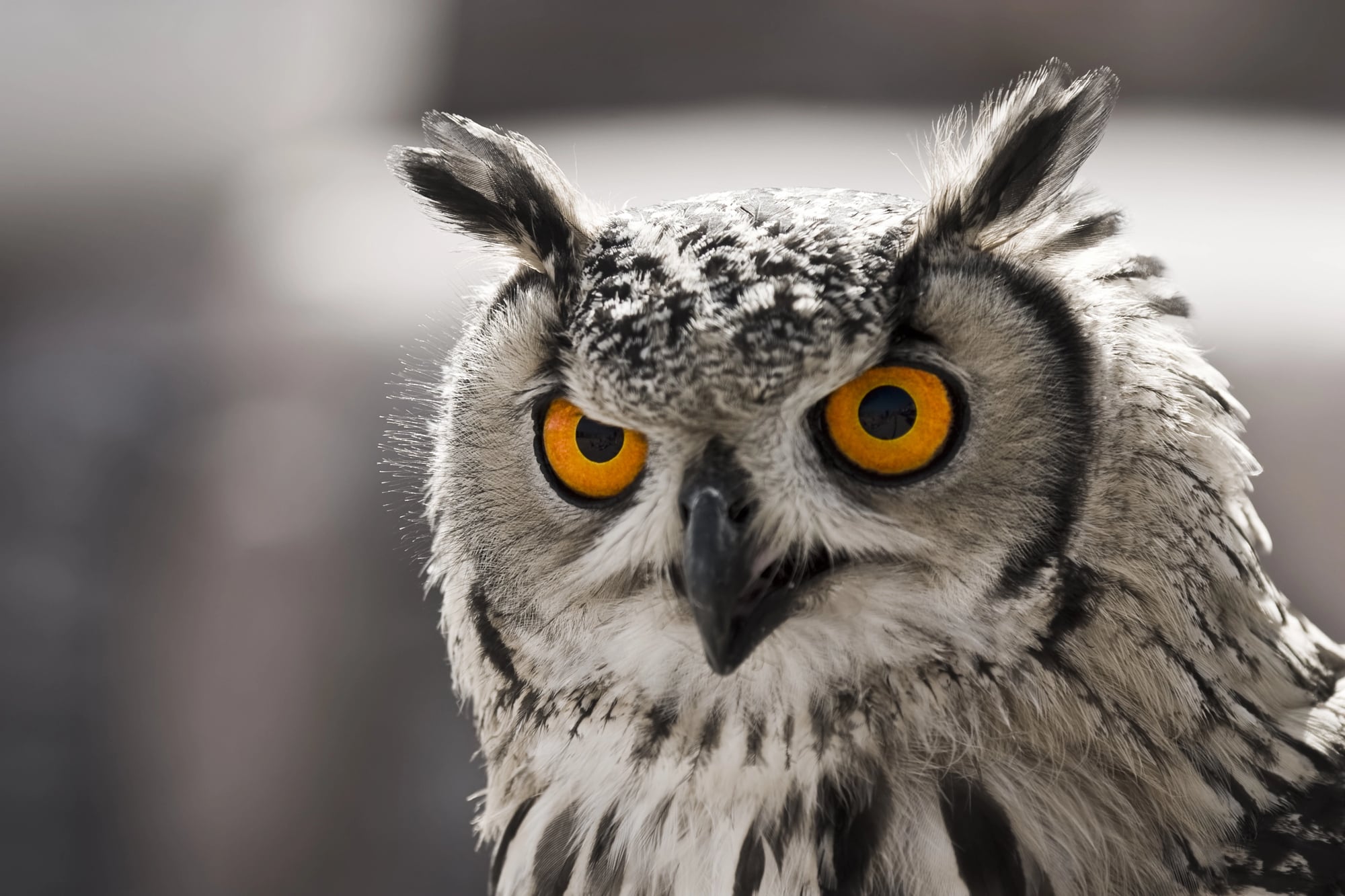
In Hindu culture, the owl’s nocturnal nature and distinctive hooting connect it with death and misfortune, a belief so pervasive that construction projects are delayed when owls nest nearby. The bird appears in Indian mythology associated with the god of death, and its calleuropes have long been interpreted as forewarning of tragedy.
In stark contrast, ancient Greeks revered the owl as a symbol of wisdom under the protection of Athena, showing how culture determines whether the same creature is feared or honored.
Peacock Feathers and the Evil Eye
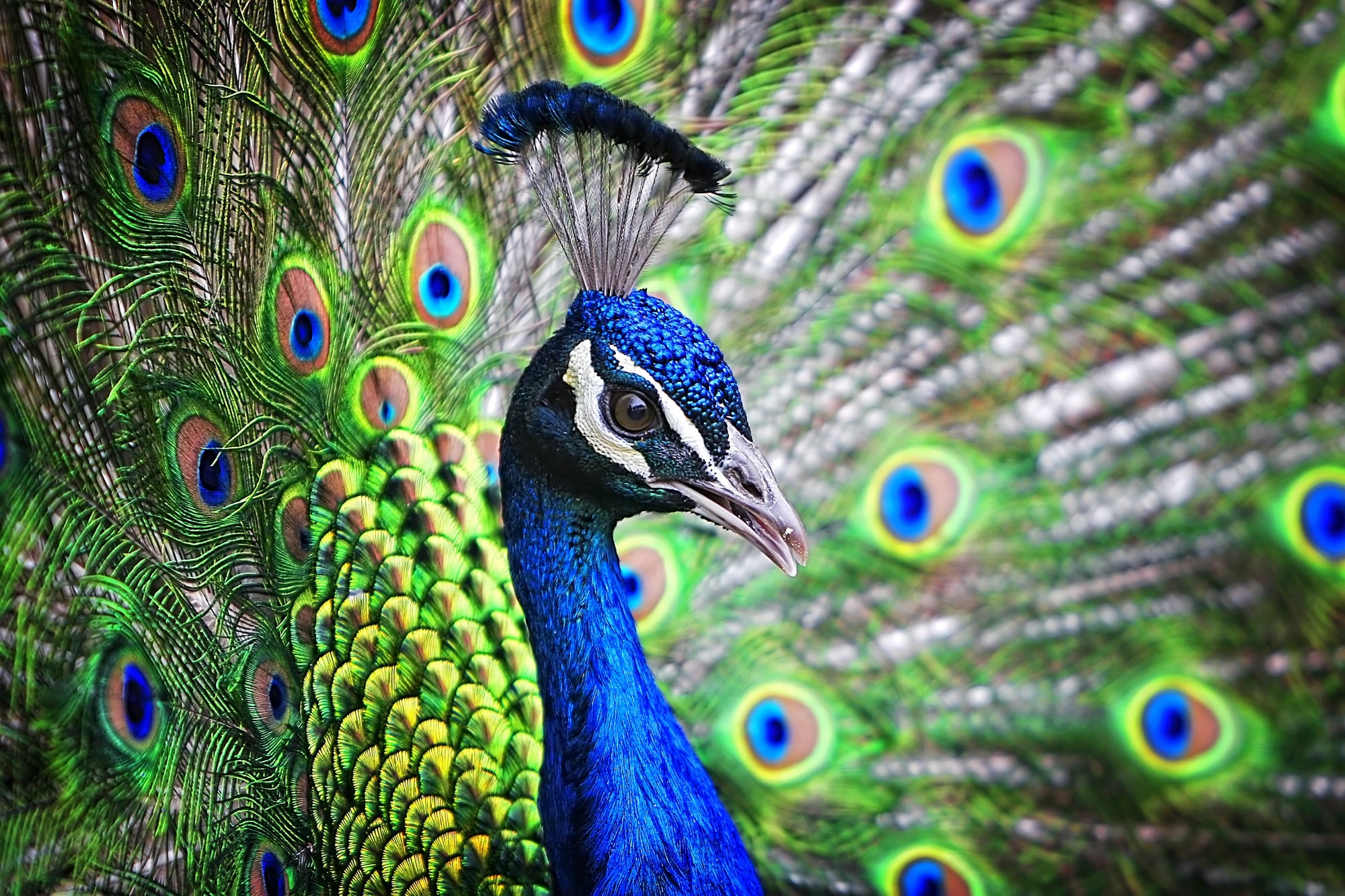
Peacock feathers carry a complex superstition centered on their eye-like patterns, which Mediterranean cultures linked to the evil eye—a malevolent glare believed to bring harm. Western theater culture particularly avoided peacock feather props and costumes due to a string of accidents that cemented the superstition among performers.
However, in India, China, and the Islamic world, peacocks represent protection, prosperity, and ward off evil—yet another example of how geography transforms animal symbolism from curse to blessing.
Ravens and Crows as Death Omens
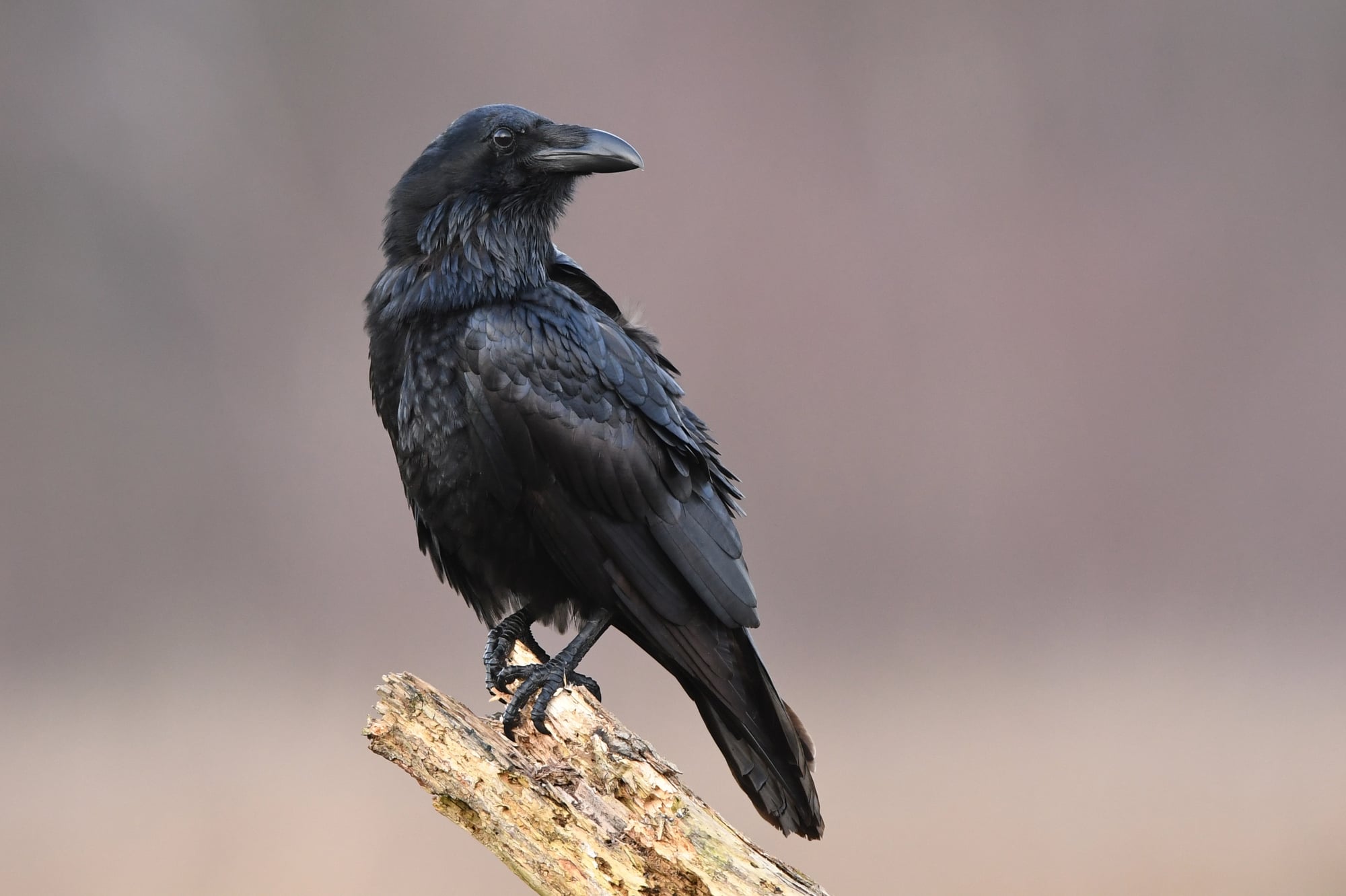
Ravens and crows have been associated with death across cultures, from Norse mythology to medieval Europe. In Germanic folklore, they served as psychopomps—creatures escorting souls to the afterlife.
During medieval plagues, people observed crows hovering over disease victims and death scenes, leading physicians to claim these birds “carried miasma from the dead to the living.” Medieval Europeans believed a crow landing on a house roof predicted a death within the household, a superstition that persisted into the 20th century in rural areas from Scotland to Romania.
The Sacred Cobra in Hindu Tradition
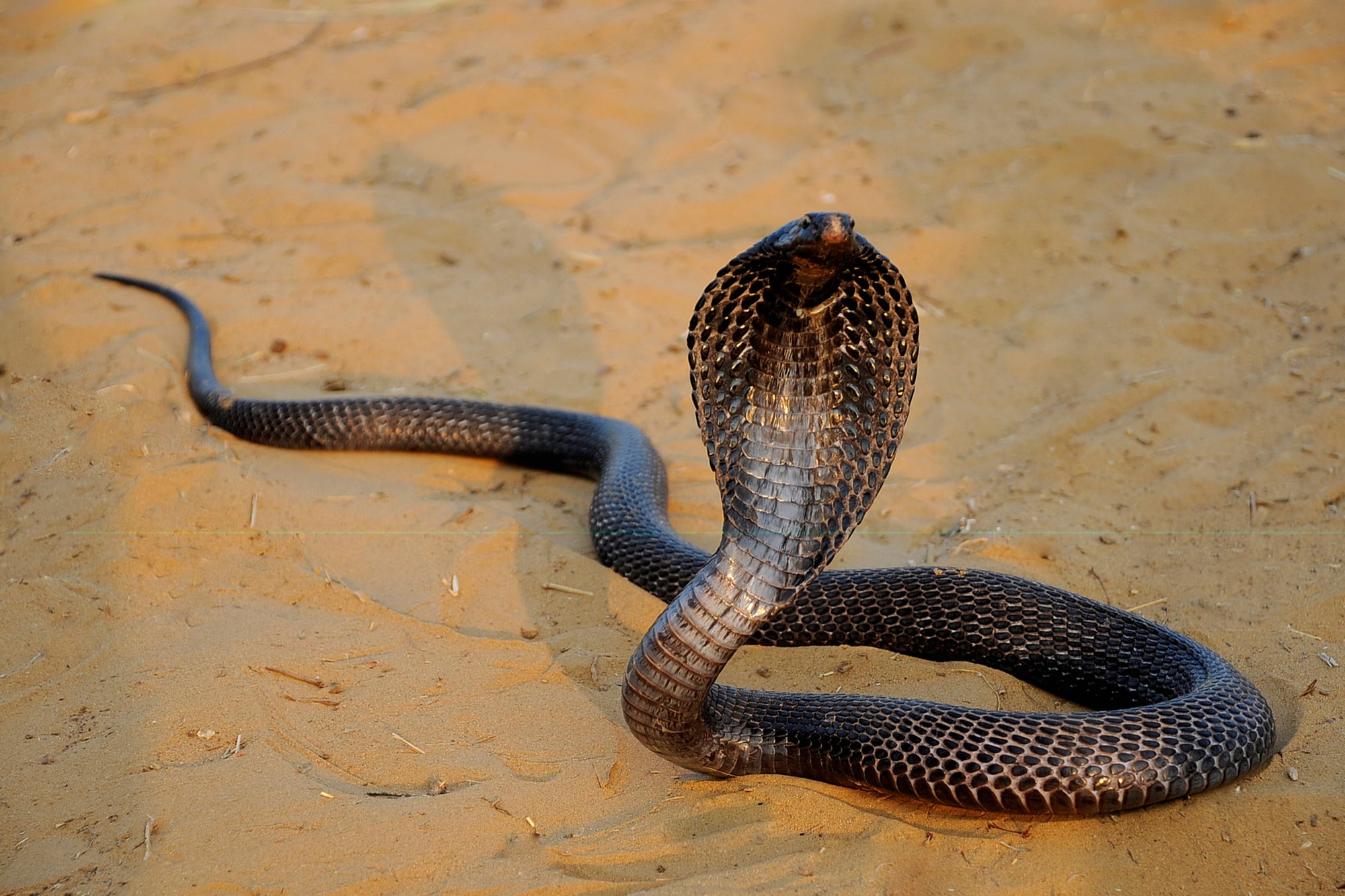
Snakes occupy an exalted position in Hindu culture, particularly cobras, which are worshipped during the festival of Nag Panchami when devotees offer milk to living cobras. Harming a snake is considered a grave sin bringing lifelong bad luck, a belief so ingrained that cobras are captured and released rather than killed.
This stands in sharp contrast to Christian traditions where the serpent symbolizes evil and temptation based on the biblical story of Adam and Eve, demonstrating how religious context fundamentally shapes animal symbolism.
Ladybugs and the Spots of Fortune

Medieval European farmers attributed the end of devastating aphid plagues to ladybugs, leading them to name the insects “our lady’s beetles”—the origin of the modern name. A superstition developed that if a ladybug lands on you, the number of spots indicates how many months of good luck will follow.
Killing a ladybug inverts this fortune into bad luck. The belief persists across Asia, Europe, and North America, with Chinese tradition viewing the red beetle as a symbol of joy and prosperity.
White Butterflies as Signs of Good Tidings
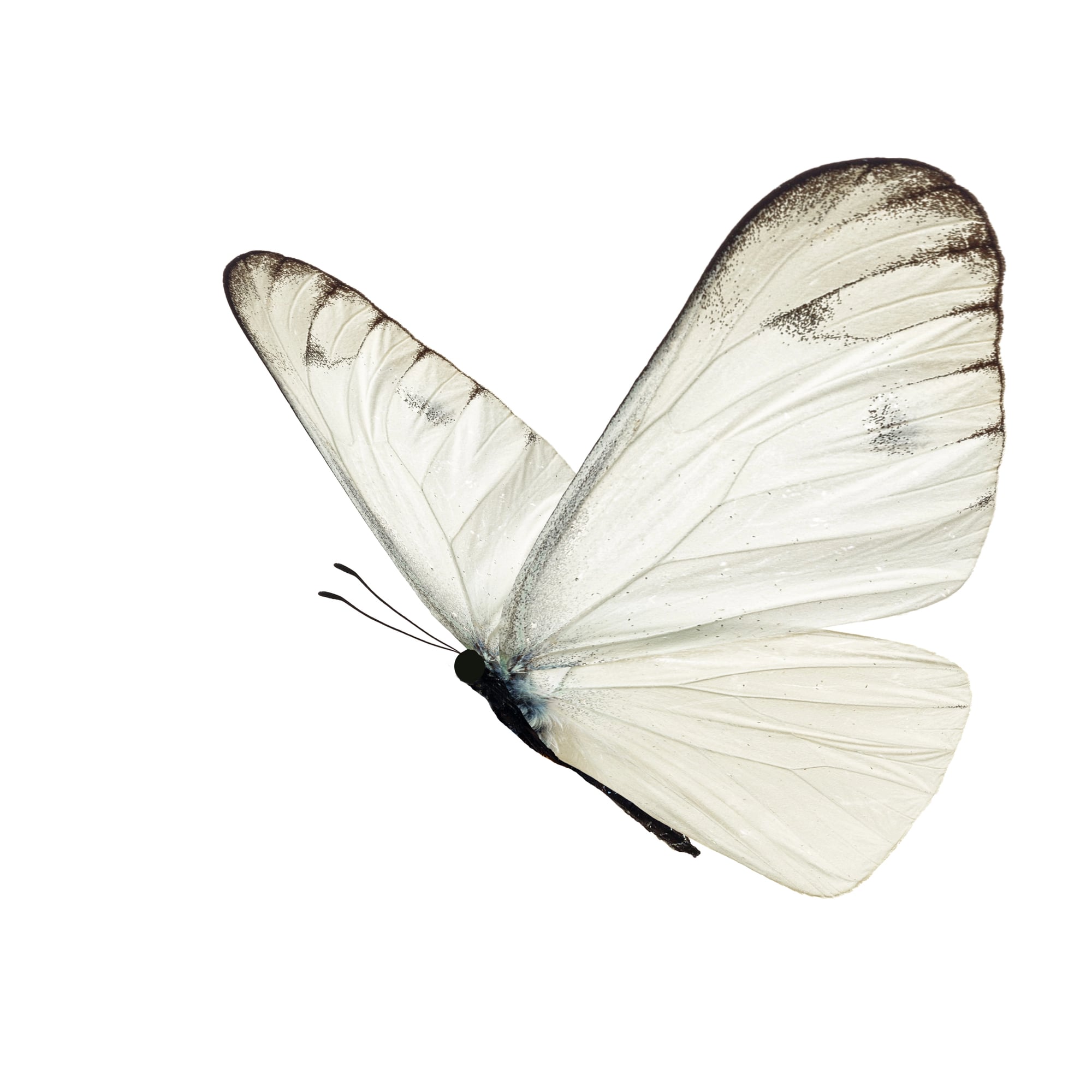
Butterfly superstitions emphasize transformation and rebirth, with white butterflies specifically carrying auspicious meaning across multiple cultures. In Italian folklore, the first butterfly sighting each spring predicts the year’s health and fortune—white means prosperity, while dark butterflies foretell troubles.
Meanwhile, black butterflies carry death omens in some traditions but symbolize transformation in others. The superstition hinges on interpretation: butterflies represent the soul in ancient Greek belief and Christian theology, making their appearance deeply significant in spiritual terms.
White Storks Bringing Babies and Luck
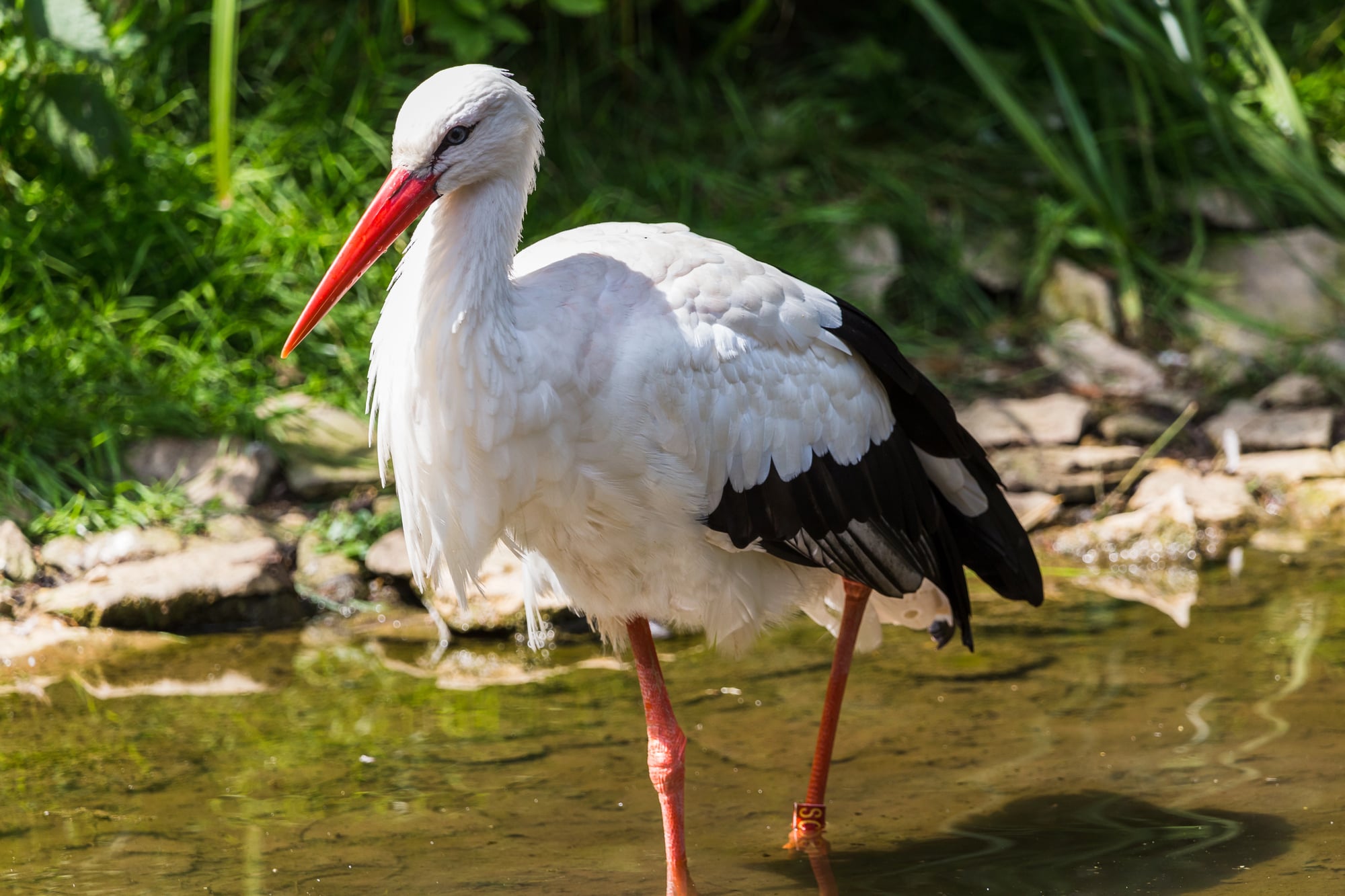
European tradition, particularly strong in Germany and Scandinavia, holds that white storks nesting on a roof bring good luck and, most famously, newborn babies. The superstition likely arose from storks’ migration patterns—they fly south in autumn and return north in early spring, around the time spring babies are born.
In Norse mythology, storks represented family values and commitment. This benign superstition persists in modern culture, appearing on baby shower cards and nursery decorations despite having no basis in reality.
Dolphins as Seafaring Protectors

Ancient Greek and Roman sailors revered dolphins as sacred to the sea gods Poseidon and Apollo, believing them to guide ships safely through dangerous waters and rescue drowning sailors. Mediterranean cultures documented real instances of dolphins assisting human swimmers, lending credence to the superstition.
In Hawaiian culture, dolphins known locally as Nai’a are called “Angels of the Sea” and are believed to bring protection and good luck to those who encounter them. Killing a dolphin is considered profoundly unlucky across multiple cultures.
Rabbits’ Feet and Fertility Magic
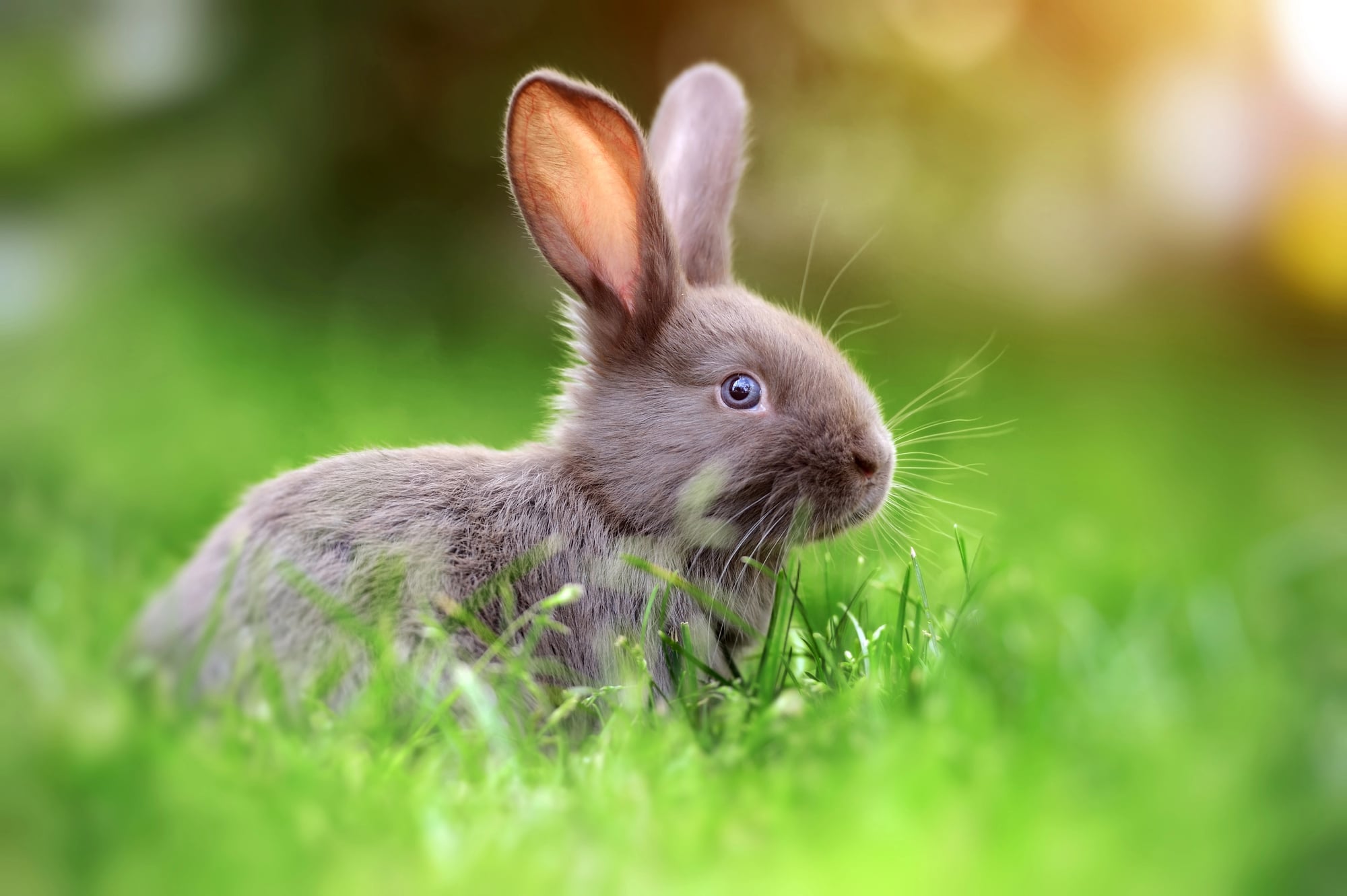
The superstition of carrying a rabbit’s foot for luck traces back centuries, with the most powerful charm allegedly being the left hind foot of a rabbit caught in a cemetery at midnight. The belief connects rabbits to fertility and rebirth, lending them symbolic power in many cultures.
The practice persists today despite its gruesome origin, with rabbit’s foot keychains remaining common talismans. Native American traditions also valued rabbit symbolism for quickness and fertility, contributing to the superstition’s durability.
Frogs as Rain Summoners
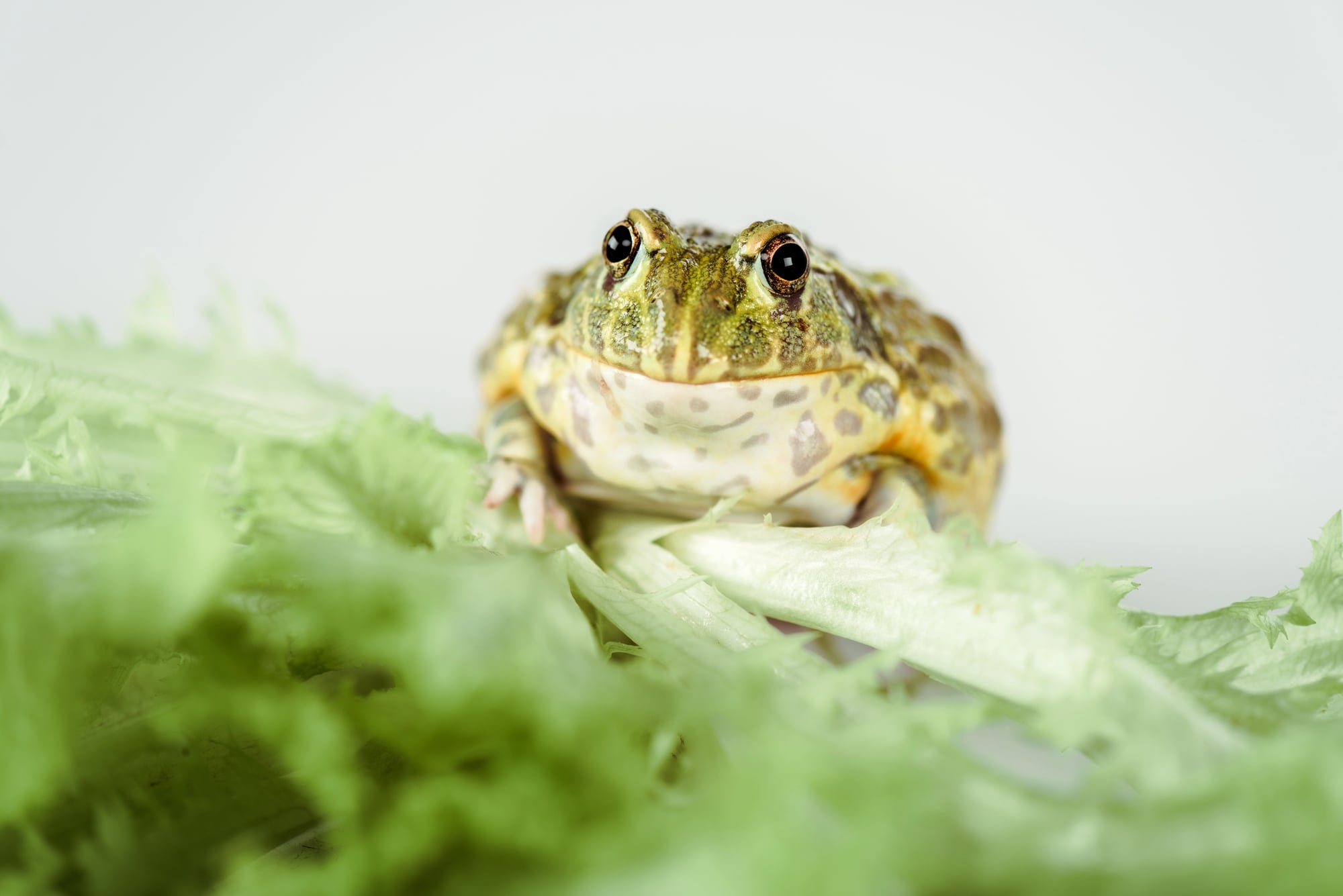
In parts of Africa and Asia, frogs were believed to possess magical abilities to summon rain, leading people to keep frogs in their homes or near crops during dry periods. The superstition likely arose from the observation that frogs croak more intensely before storms, their sound often being one of the first signs of approaching rain.
Some cultures performed rituals with frogs to encourage precipitation during droughts, a practice rooted in practical observation but elevated to magical significance.
White Horses and Wishful Thinking
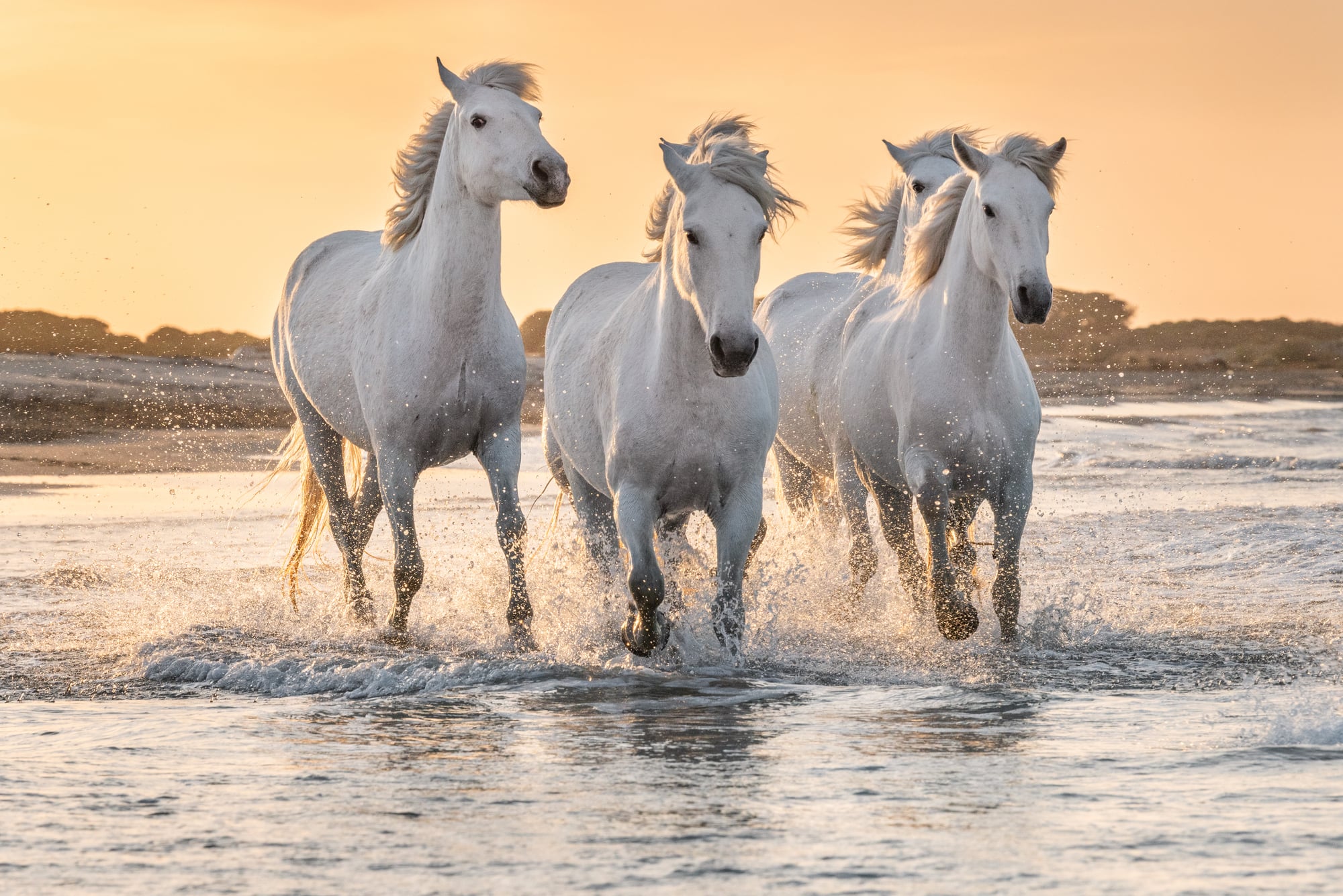
Seeing a white horse is considered profoundly lucky across multiple cultures, particularly in Britain and parts of Europe. A widespread childhood superstition involves making a wish upon spotting a white horse, with different versions specifying hand gestures or rhymes to ensure the wish comes true.
The rarity of white horses in medieval agricultural societies may have contributed to their elevated status as fortunate omens, though the superstition persists even in modern times when white horses are less uncommon.
The Owl’s Wisdom in Ancient Greece
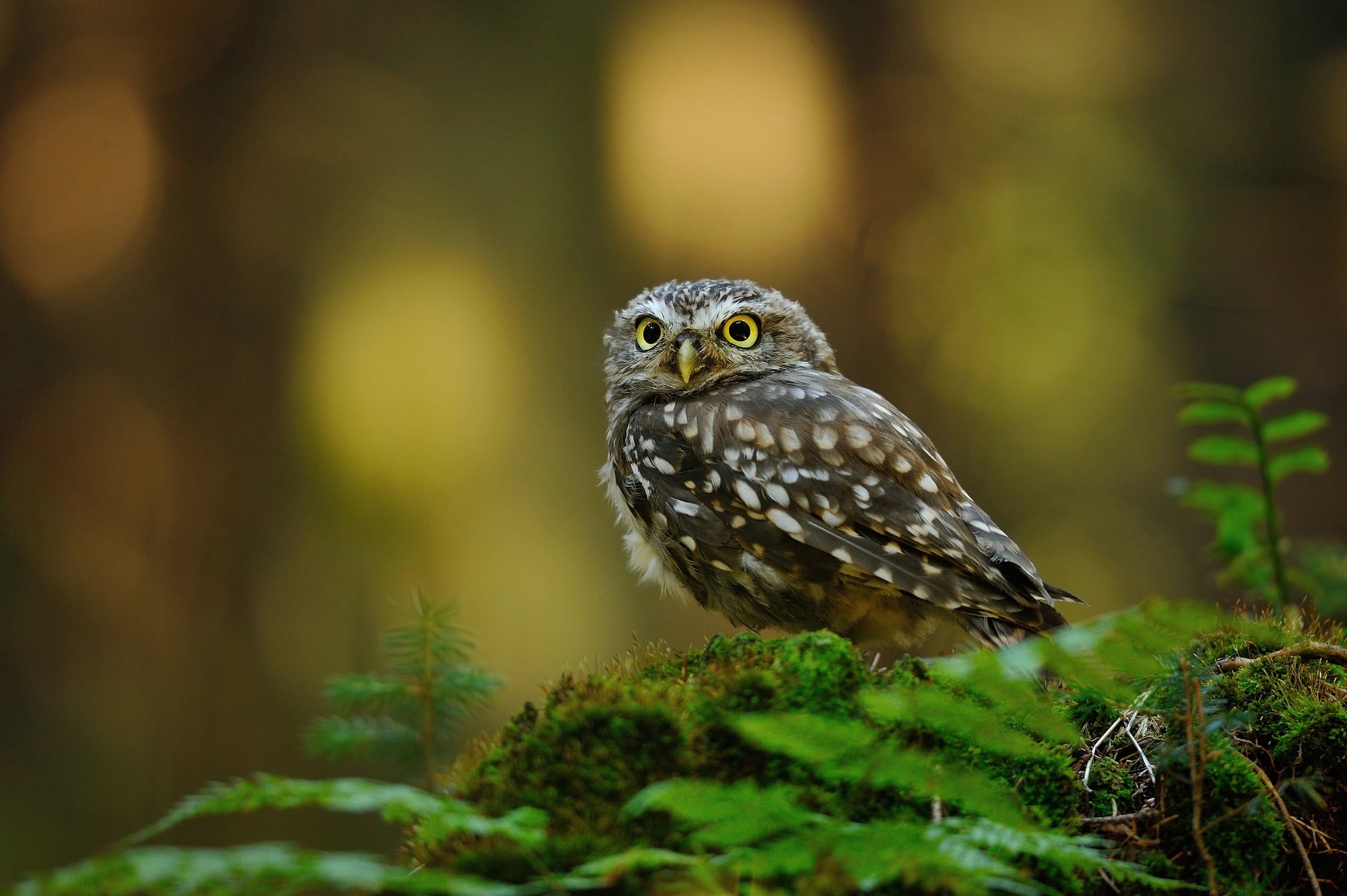
While owls represent death in many traditions, ancient Greek culture reversed this completely, associating the bird with Athena, goddess of wisdom. The owl’s large forward-facing eyes and solemn demeanor impressed the Greeks, who incorporated owl imagery into coins and institutions of learning.
This competing interpretation demonstrates that superstitions aren’t universal truths but cultural constructs shaped by different societies’ values and religious beliefs.
Crickets and House Protection in Asia
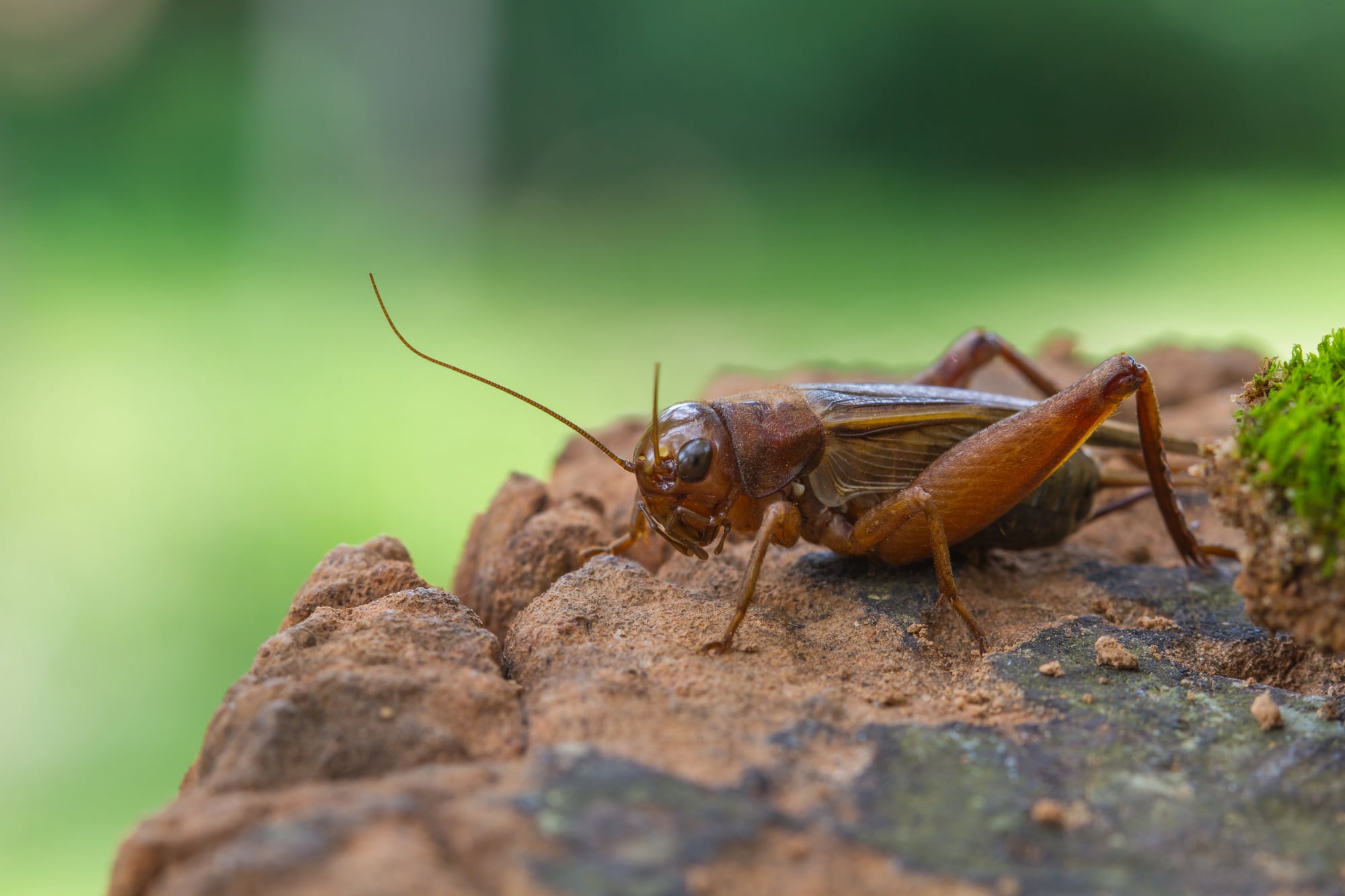
Asian cultures, particularly Chinese and Japanese traditions, view crickets as bringers of good fortune and protectors of households. Crickets were kept in cages inside homes, where their chirping was considered auspicious.
The superstition held that crickets would stop singing if intruders approached, effectively serving as natural alarm systems. This practical observation elevated crickets to symbolic status, making them fixtures in Asian art, literature, and folklore.
Spiders and Wealth in European Tradition
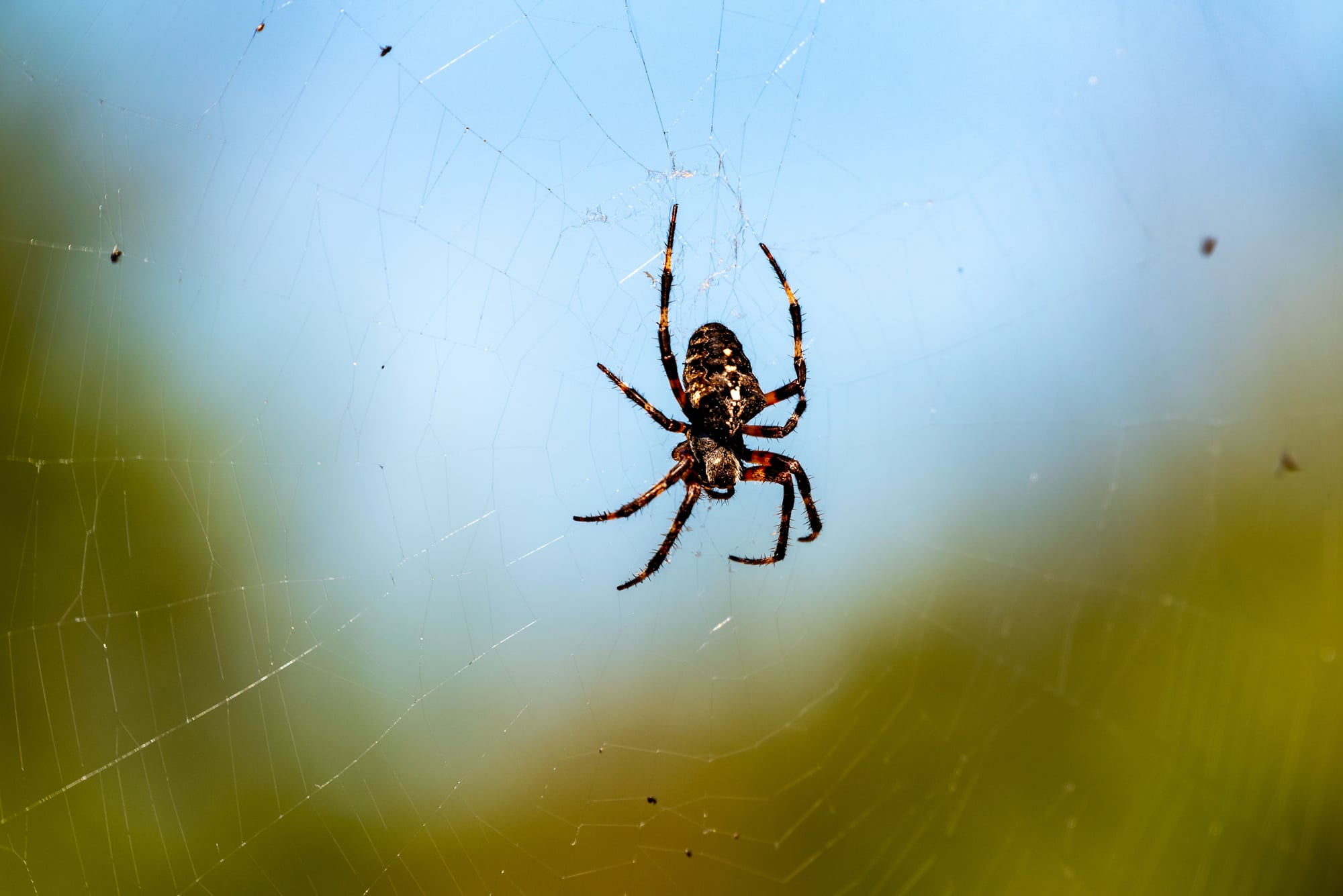
European folklore associates spiders with prosperity, leading to superstitions against killing spiders indoors. The phrase “a spider in the morning brings wealth” reflects the belief that spiders trap fortune in their webs.
Different cultures developed variations: finding a spider in your clothing meant good luck, while spotting one at night carried different interpretations. The superstition likely stems from the practical benefit spiders provide by controlling pest insects, a service valuable enough to inspire protective folklore.
Deer and Gentleness Across Cultures
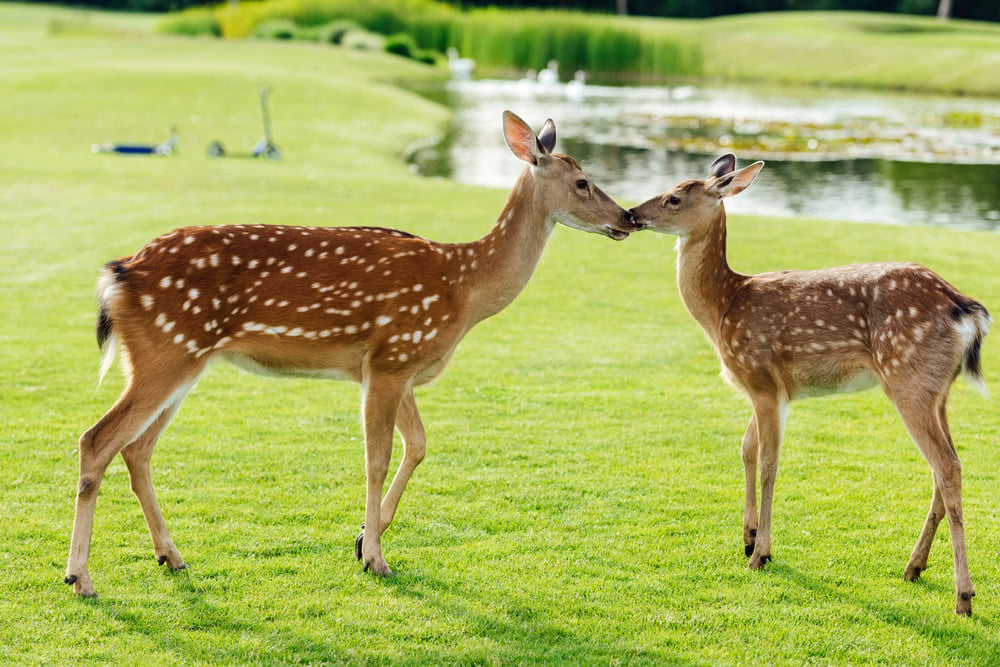
Deer symbolize gentleness, grace, and spiritual sensitivity across Native American, Asian, and European traditions. Some cultures view deer as messengers of intuition or pathways to the spirit world, while others consider them omens of peace.
The superstition connecting deer to personal transformation persists in modern New Age spirituality, though it’s far less widespread than superstitions involving common barnyard animals or birds.
The Doves of Peace and Love
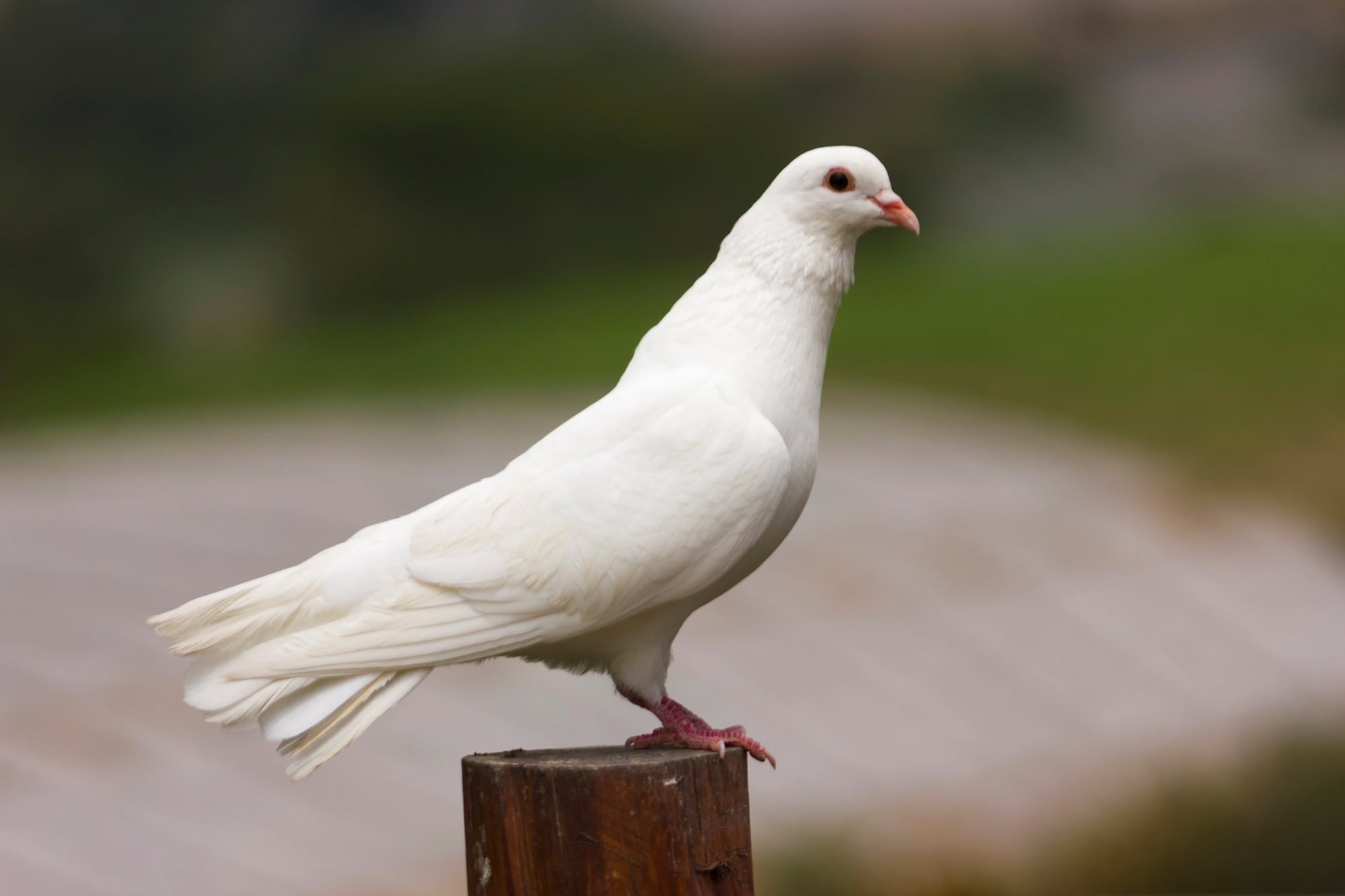
Doves symbolize peace, love, and the Holy Spirit across Christian tradition and broader Western culture. Their association with romance and fidelity appears in countless myths and romantic customs, from releasing white doves at weddings to artistic representations of Aphrodite.
This superstition carries such cultural weight that doves appear in peace movements and symbolism despite being derived from cultural rather than magical sources.
Eagles as Divine Messengers
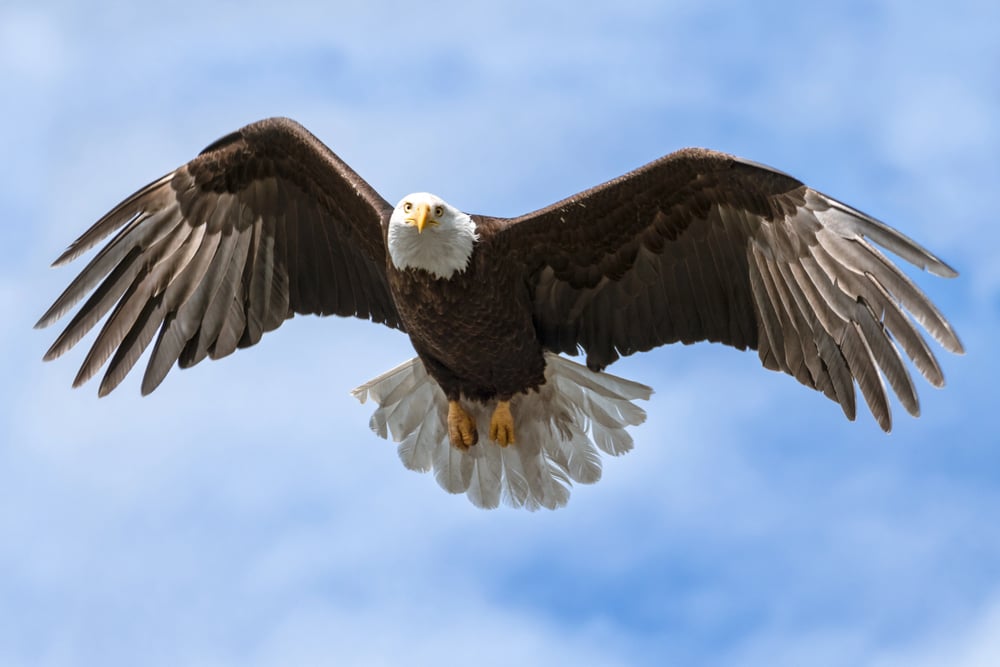
Eagle superstitions vary across cultures but frequently position the bird as a messenger between earthly and divine realms. Native American traditions view eagles as spiritual guides and symbols of strength, while European heraldry incorporated eagles as symbols of imperial power.
Killing an eagle is considered profoundly inauspicious in many indigenous cultures, and eagle feathers remain spiritually significant objects.
The Howling of Wolves and Omen

Wolves occupy contradictory symbolic territory: some cultures view them as spiritual guides and teachers, while others associate them with danger and bad omens. The superstition connecting wolf howls to impending death or tragedy likely stems from practical fear of predators, elevated to supernatural significance.
Werewolf folklore and moon-wolf associations demonstrate how fear transforms into magical belief systems.
Swallows and Safe Harbors
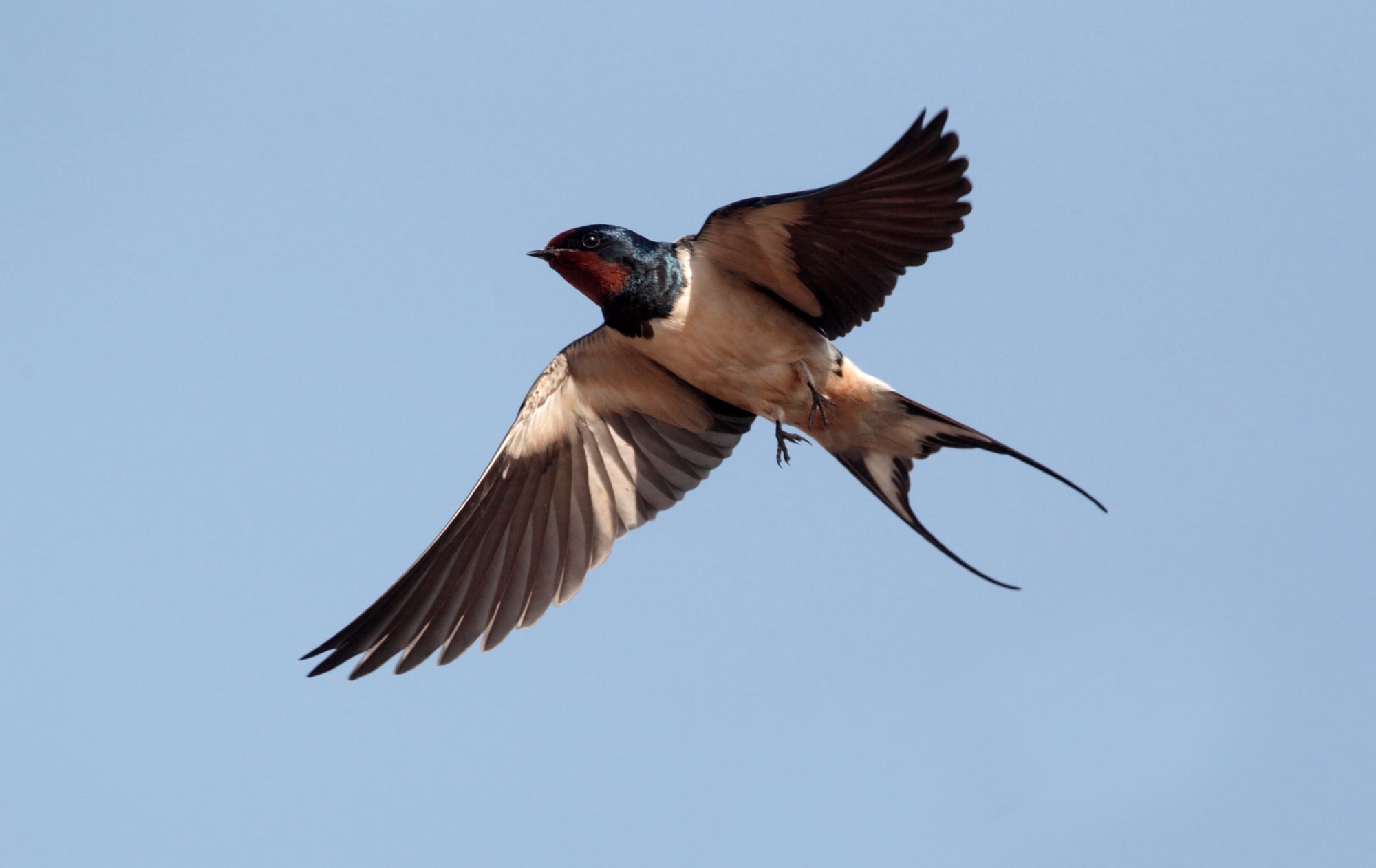
Swallows are traditionally considered lucky birds across European and Asian cultures, associated with safe passage and home. In nautical tradition, seeing swallows indicated land was near, making them harbingers of safety for long-voyage sailors.
The bird’s graceful flight and harmless nature contributed to positive superstitions, and swallows nesting on homes were considered protection against misfortune.
Hummingbirds and Spiritual Lightness
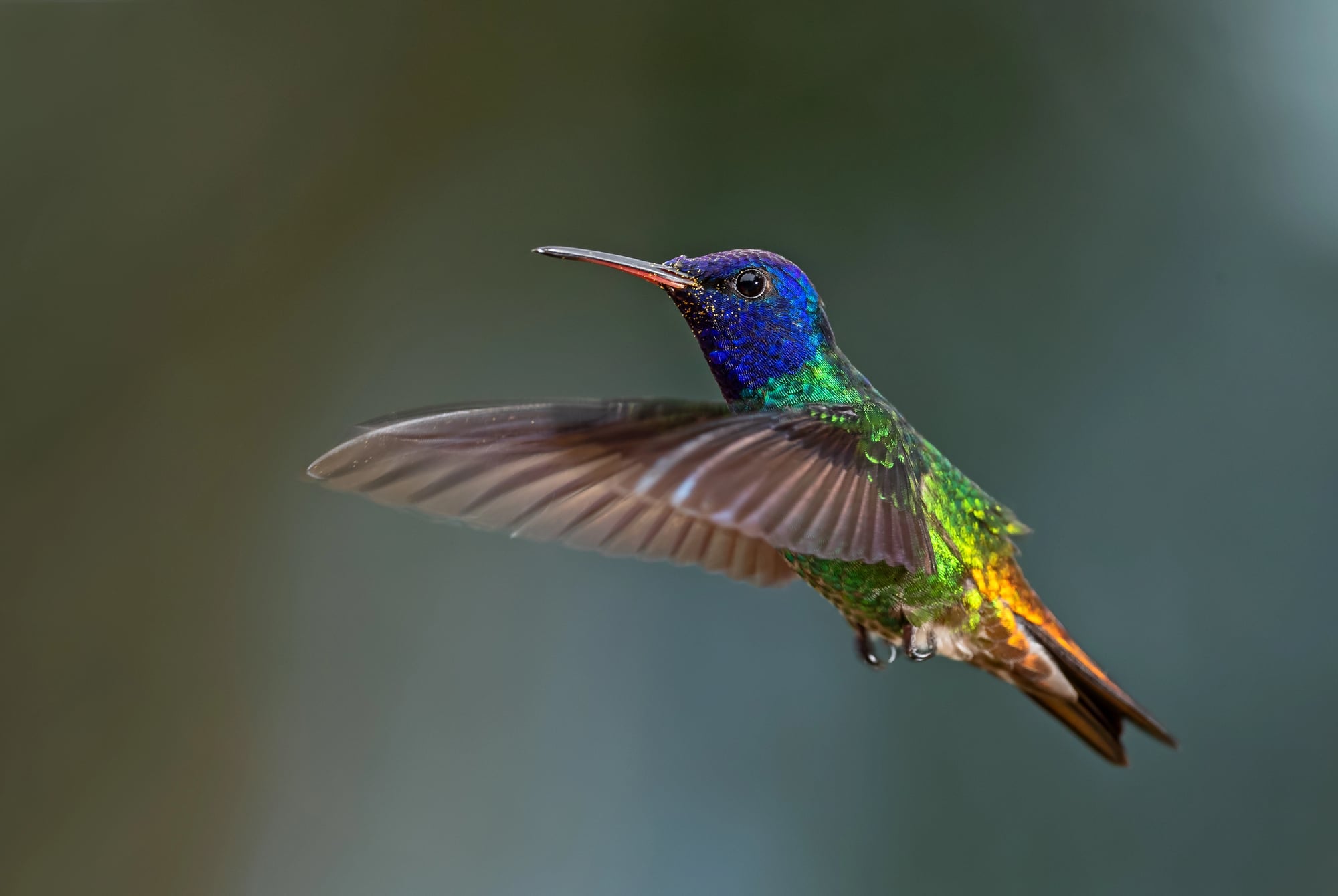
Hummingbirds represent joy, light, and spiritual resurrection in Mesoamerican and modern spiritual traditions. Their ability to hover seemingly defying gravity contributed to superstitions about them carrying messages between worlds.
The bird appears in jewelry and charms as a symbol of good luck and healing, particularly in Latin American cultures where pre-Columbian traditions associated them with divine light.
The Peacock’s Role in Asian Fortune
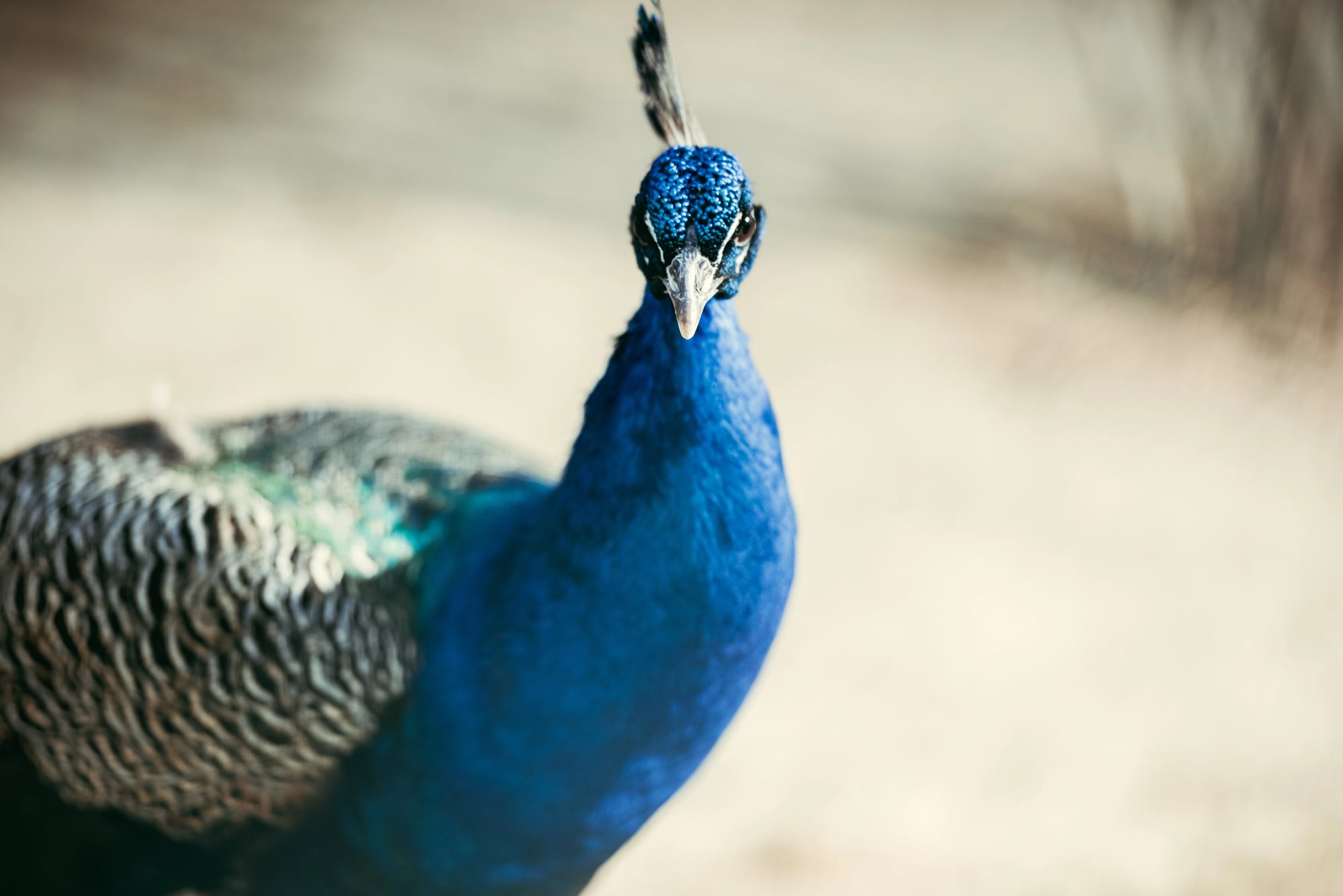
Contrasting sharply with Western superstition, Asian cultures including China, India, and Islamic traditions revere peacocks as symbols of prosperity and protection. The bird’s association with goddesses like Lakshmi in Hindu tradition connects it to wealth and abundance.
Peacock imagery appears in temples, artwork, and feng shui practices, demonstrating the persistent positive superstition where Western cultures see ill fortune.
Sacred Cows in Hindu Culture
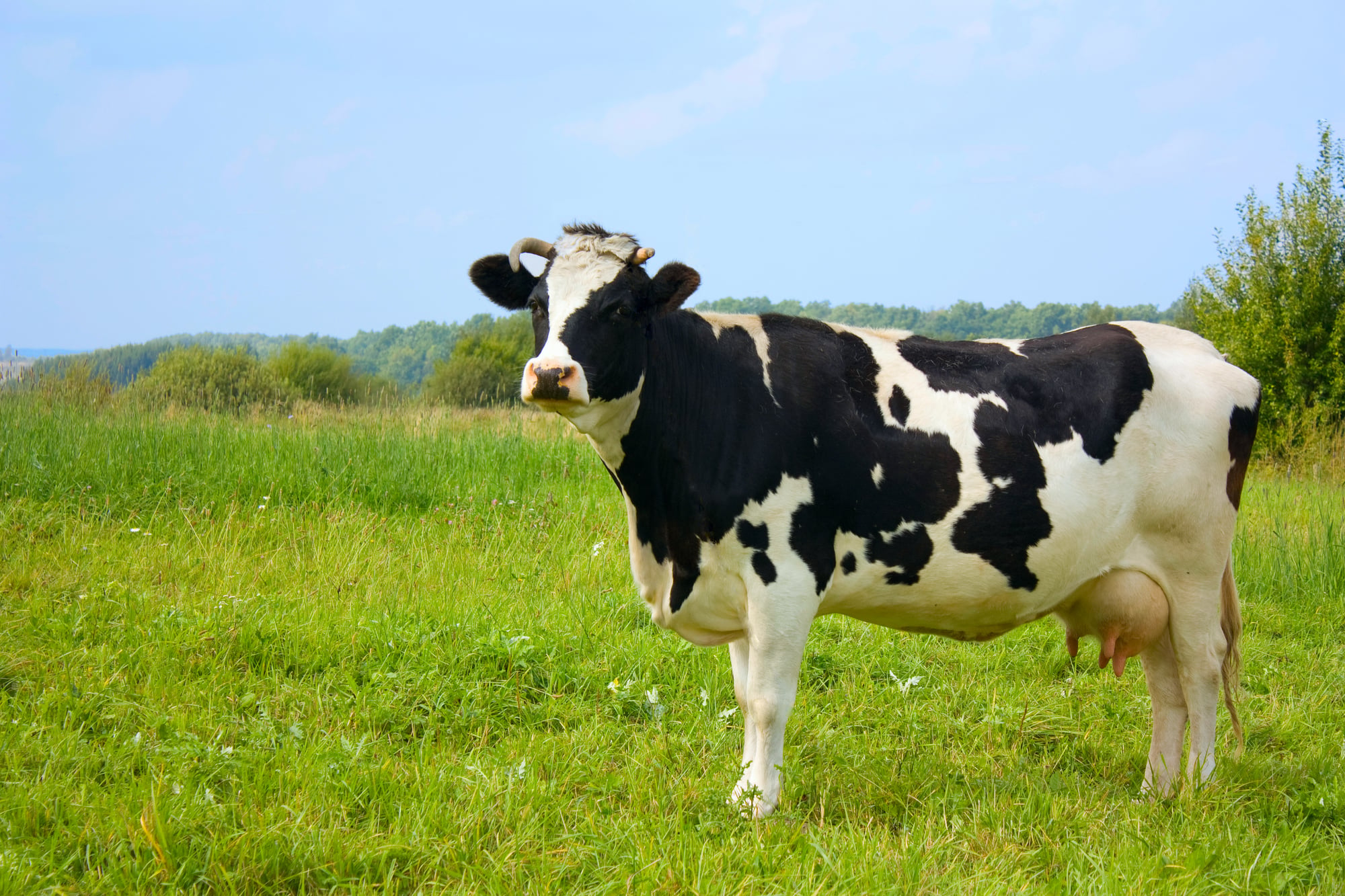
Cows occupy the highest status in Hindu tradition, considered sacred and worthy of protection and veneration. Harming a cow is considered deeply inauspicious and morally wrong, with cows often allowed to roam freely even in urban areas.
This superstition connects to practical economics—cows provide milk and labor—but has been elevated to spiritual significance that surpasses utility. The superstition remains active today, shaping agricultural practices and animal welfare policies across India.
Bats and Rebirth Across Cultures
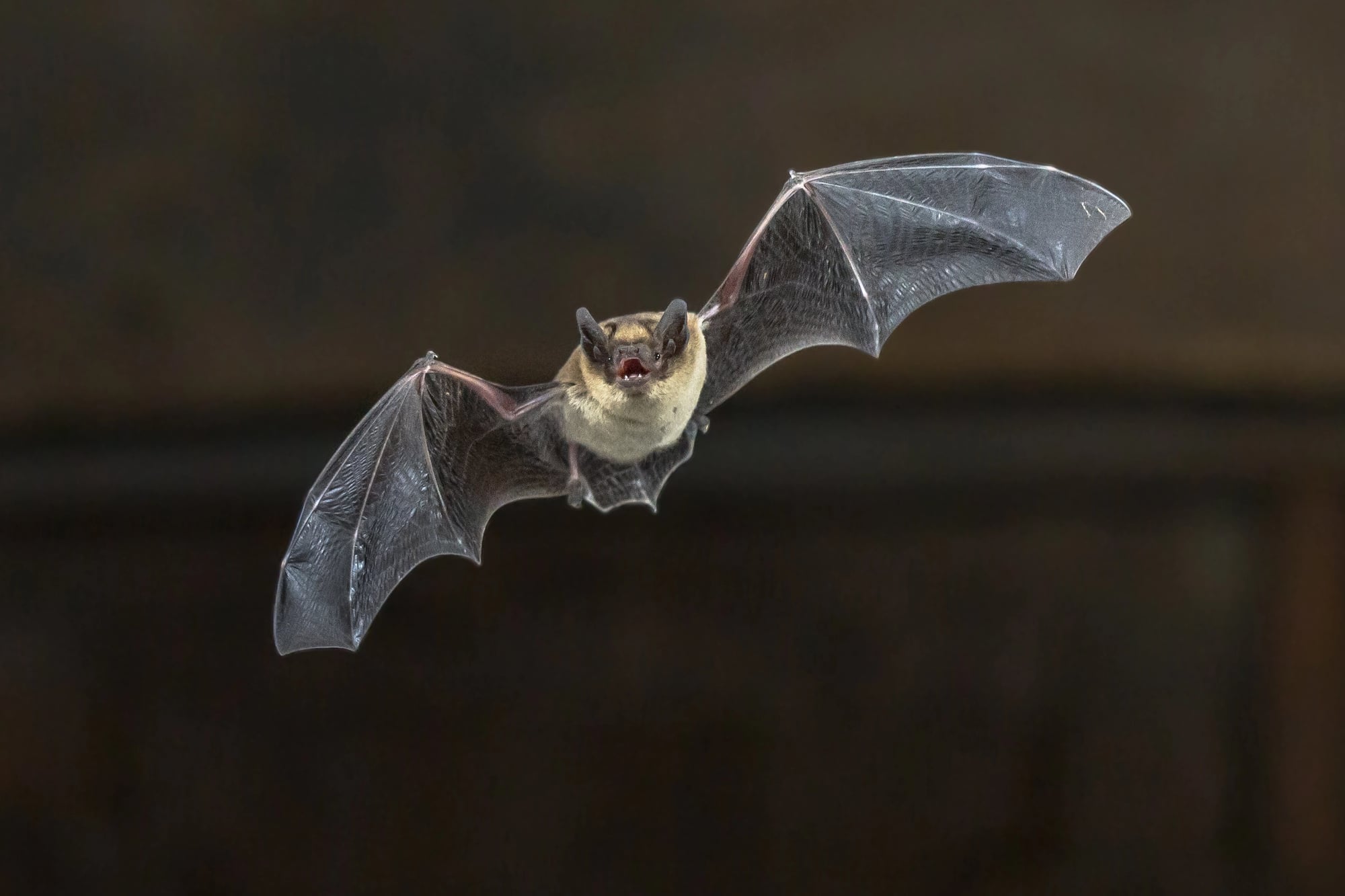
While Western culture often views bats negatively due to their association with vampires and darkness, Chinese tradition considers them symbols of happiness and good fortune. The Chinese word for bat (fu) sounds like the word for luck, creating a linguistic superstition that elevated bats to auspicious status.
Bat imagery appears in Chinese art and jade carvings as charms for good fortune, demonstrating how language shapes cultural beliefs.
Why These Superstitions Endure

Animal superstitions persist because they offer tangible ways to interpret an unpredictable world. Unlike abstract spiritual concepts, animals provide concrete focal points for belief—a ladybug landing on you becomes a specific moment to claim good fortune, while spotting an owl becomes an explanation for misfortune.
These superstitions transfer across generations through cultural storytelling, religious texts, and practical observations that acquire magical significance. The persistence of contradictory superstitions across different cultures reveals that animals themselves aren’t inherently lucky or cursed; rather, cultural context and historical circumstance determine whether a creature brings fortune or doom.
That a black cat can simultaneously represent bad luck and good luck depending on geography proves superstitions are human constructs reflecting our values, fears, and hopes more than the animals themselves.
More from Go2Tutors!

- The Romanov Crown Jewels and Their Tragic Fate
- 13 Historical Mysteries That Science Still Can’t Solve
- Famous Hoaxes That Fooled the World for Years
- 15 Child Stars with Tragic Adult Lives
- 16 Famous Jewelry Pieces in History
Like Go2Tutors’s content? Follow us on MSN.