25 Accidental Archaeological Discoveries Made by Ordinary People
Introduction
Most people who change history aren’t trying to. They’re walking a dog, plowing a field, or doing a bit of backyard digging — and then suddenly the ground gives something back that it’s been holding for centuries, sometimes millennia.
The world’s most significant archaeological finds haven’t all come from credentialed excavators with precise tools and research grants. A surprising number of them came from farmers, construction workers, kids, and people who were simply paying attention at the right moment. Here are 25 of those moments.
Lascaux Cave Paintings
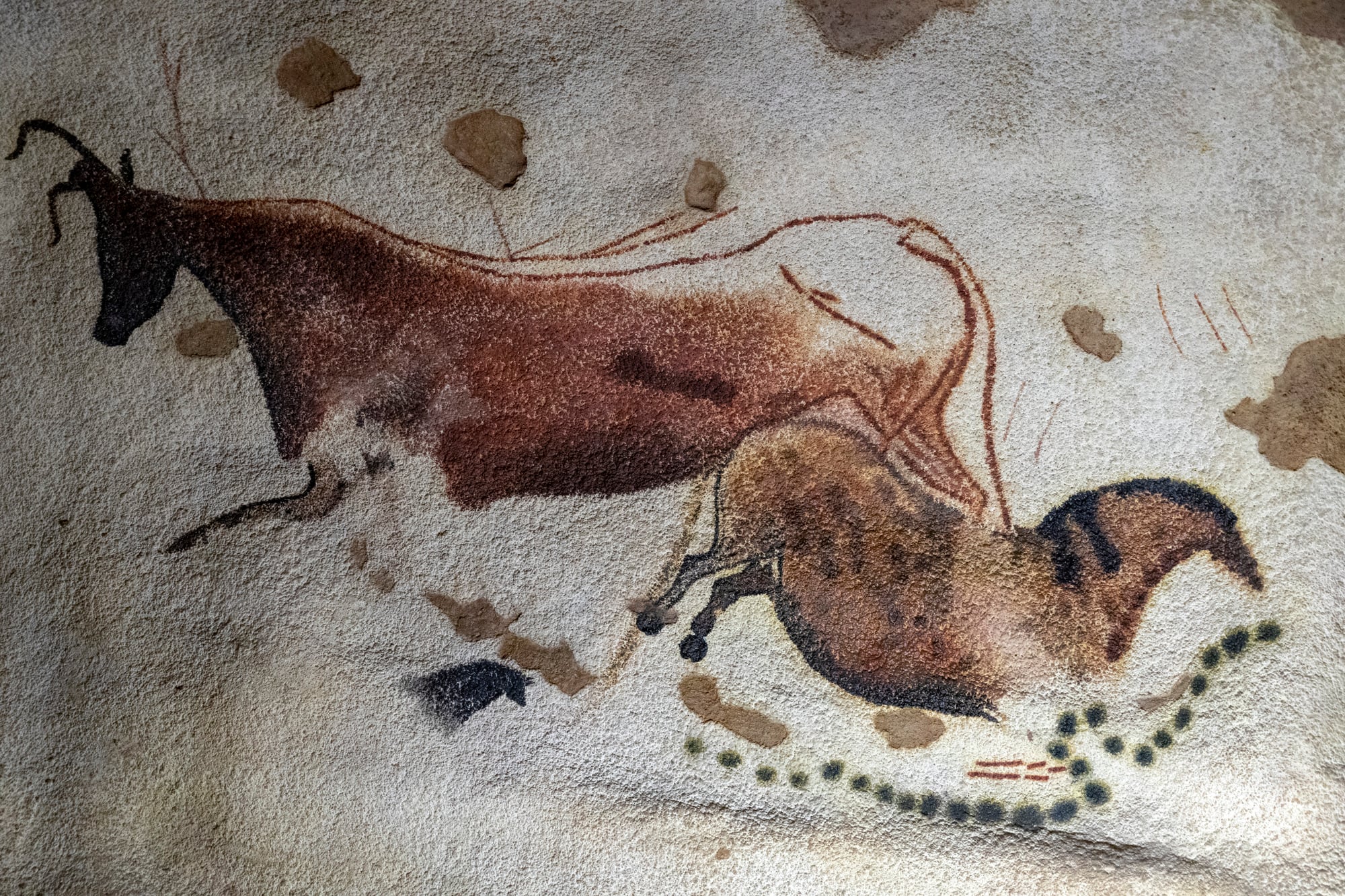
Four teenagers stumbled onto one of the most extraordinary collections of Paleolithic art ever discovered in 1940, near Montignac, France, when their dog apparently disappeared into a narrow opening in the ground. The cave they crawled into was covered — covered — in paintings of horses, deer, and aurochs dating back roughly 17,000 years.
Go figure.
Terracotta Army
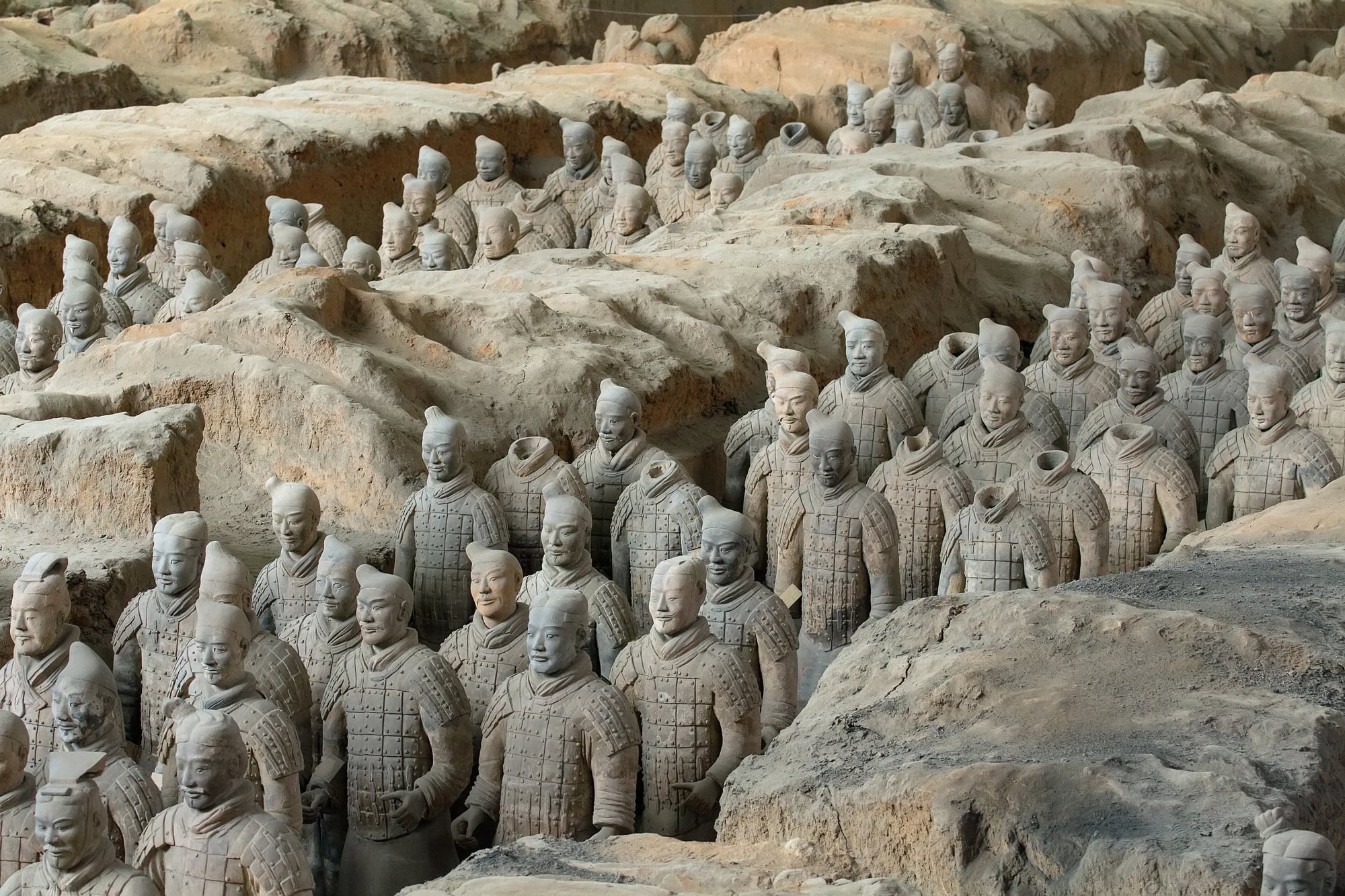
Farmers drilling a well near Xi’an, China in 1974 hit something unexpected about 16 feet down: pottery fragments and bronze arrowheads that turned out to belong to a buried army of more than 8,000 life-size clay soldiers guarding the tomb of Emperor Qin Shi Huang. The workers handed their finds to local authorities, who at first weren’t entirely sure what they were looking at — which is understandable, because nobody had seen anything like it.
It remains one of the most staggering archaeological finds of the 20th century.
Dead Sea Scrolls
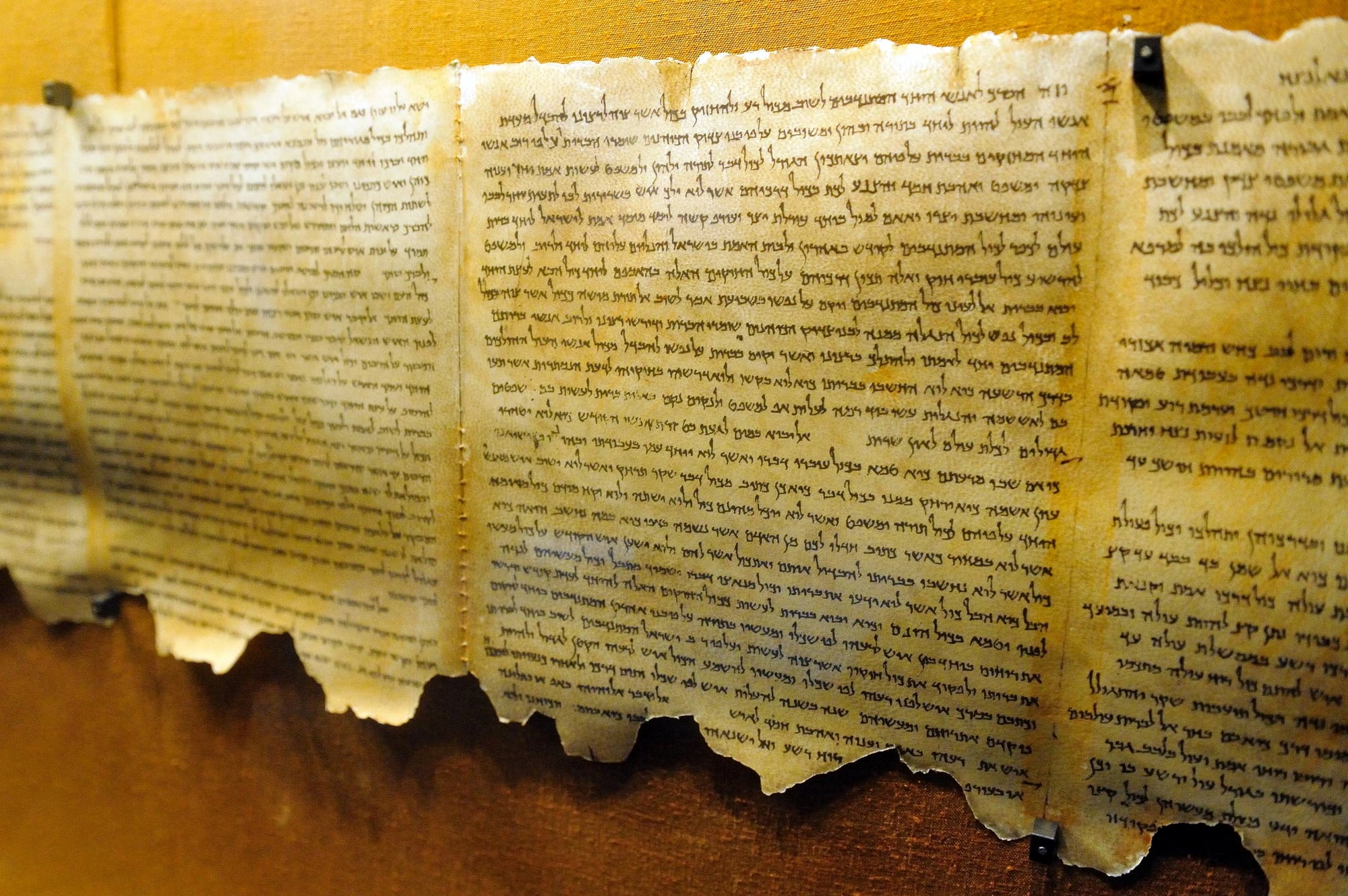
A Bedouin shepherd named Muhammad edh-Dhib was looking for a stray goat near the northwestern shore of the Dead Sea in 1947 when he tossed a stone into a cave and heard the sound of something breaking — not the sound a cave usually makes. What he found inside were clay jars containing ancient Hebrew manuscripts, some dating back more than 2,000 years, now known as the Dead Sea Scrolls.
The documents rewrote what scholars knew about early Judaism and the origins of the Bible.
Altamira Cave
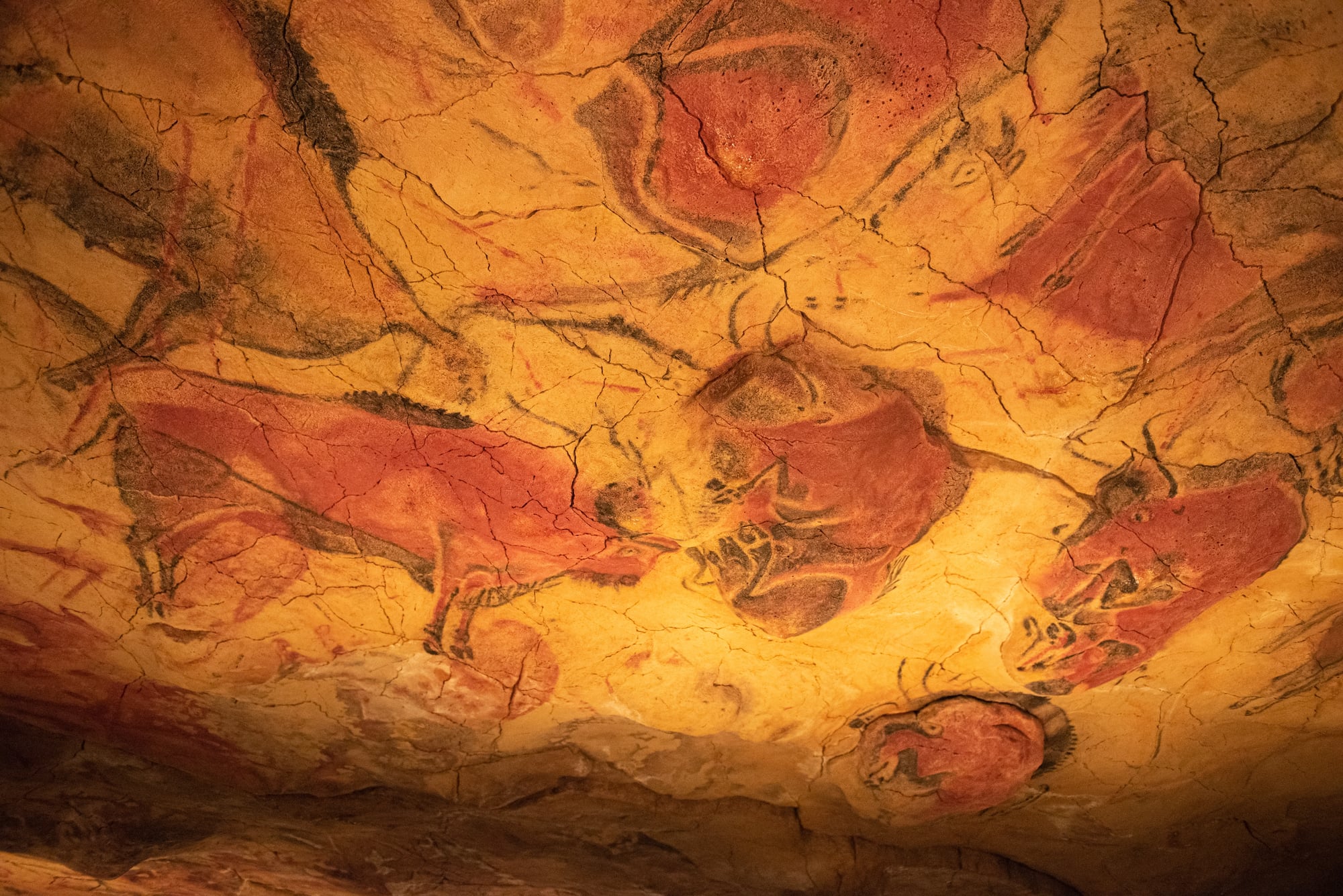
A Spanish landowner named Marcelino Sanz de Sautuola was exploring a cave on his property in Cantabria in 1879, but it was actually his young daughter María who looked up at the low ceiling and pointed out the painted bison. The paintings — vivid, detailed, unmistakably intentional — dated back around 14,000 to 20,000 years, and the academic establishment initially refused to believe they were genuine, which says more about the establishment than it does about the paintings.
María was six years old.
Vindolanda Tablets
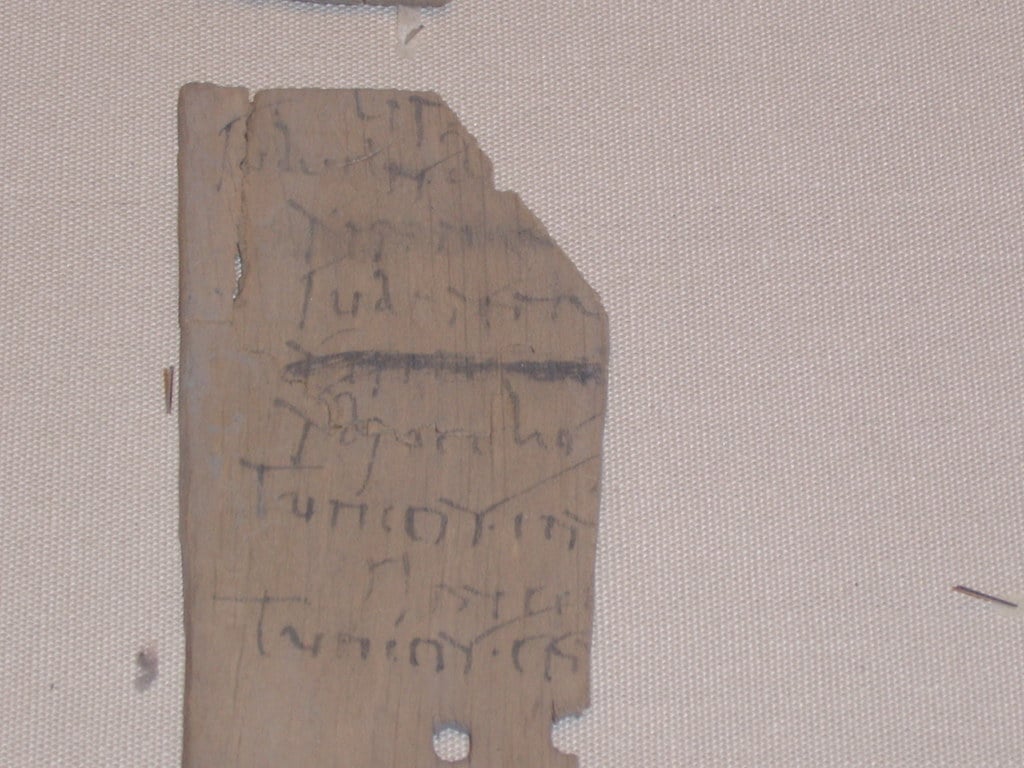
A British archaeologist — technically not an ordinary person — but the 1973 discovery at Vindolanda near Hadrian’s Wall owes everything to the sharp eyes of Robin Birley, who noticed thin slivers of wood in the mud that looked like nothing at all. Those slivers turned out to be Roman writing tablets, the oldest surviving handwritten documents found in Britain, preserving grocery lists, military correspondence, and a birthday party invitation from around 100 AD.
A birthday invitation. Still legible after 19 centuries.
Rosetta Stone
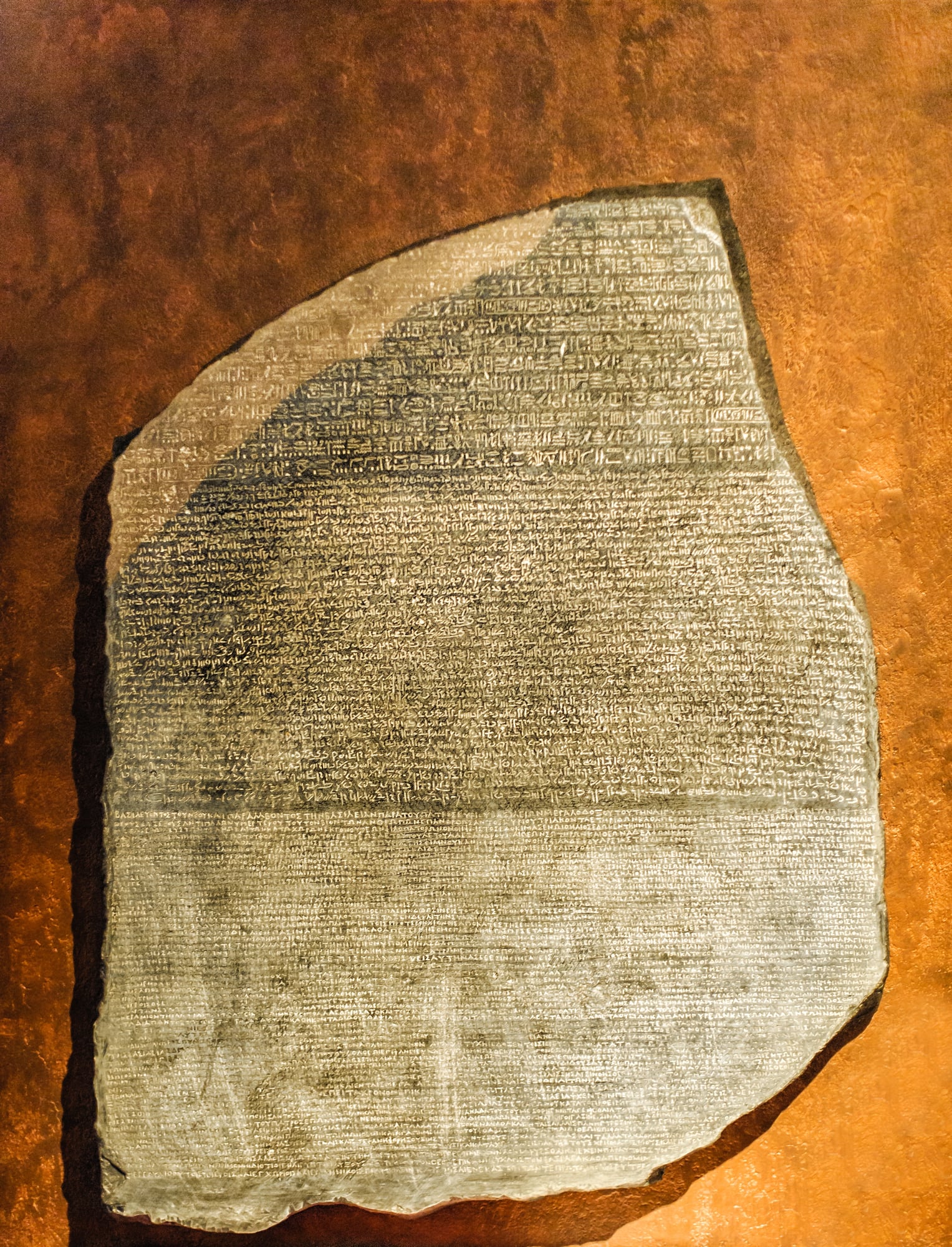
French soldiers building fortifications near the town of Rosetta in Egypt in 1799 unearthed a large black granodiorite slab that one officer, Pierre-François Bouchard, recognized as potentially significant. The stone bore the same priestly decree written in three scripts — Ancient Egyptian hieroglyphics, Demotic, and Ancient Greek — and ultimately became the key that unlocked the entire Egyptian hieroglyphic writing system.
Soldiers on a construction job handed the modern world the most consequential translation tool in archaeological history.
Ötzi the Iceman

— Photo by sergio_pulp
Two German hikers, Helmut and Erika Simon, were walking in the Alps along the Austrian-Italian border in September 1991 when they spotted what appeared to be a body partially frozen in a glacier. It was a body — just not a recent one.
Ötzi, as he came to be called, was a Copper Age man who had died around 3,300 BC, and he was so well-preserved that scientists later found his last meal in his stomach. He was wearing grass-woven shoes. He had 61 tattoos. He’d been murdered.
Antikythera Mechanism
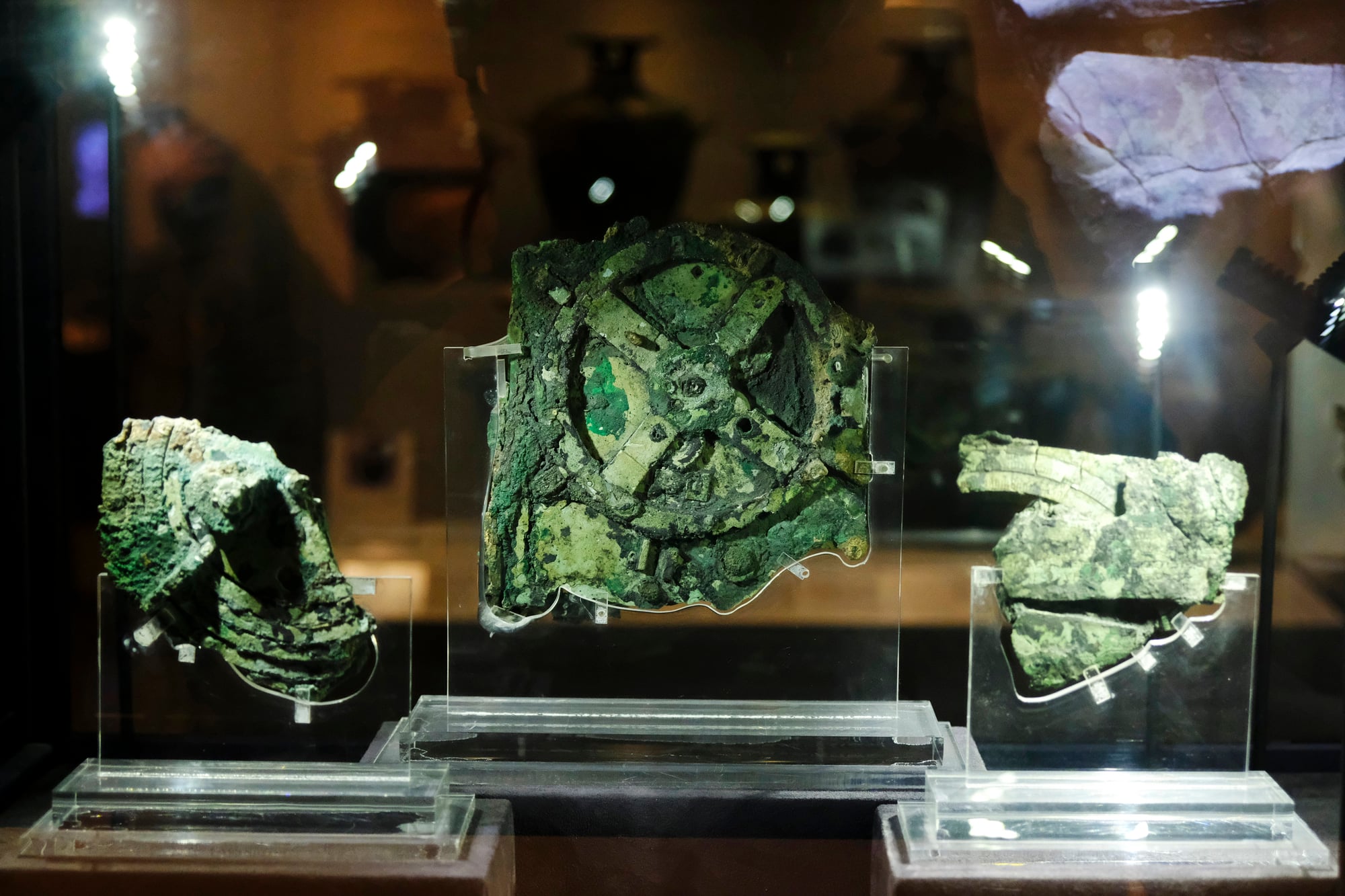
Greek sponge divers sheltering from a storm near the island of Antikythera in 1900 decided to do a bit of diving and found a wreck on the seafloor loaded with marble statues and bronze objects — which, to be fair, was already a remarkable haul. But tucked inside the cargo was a corroded lump of bronze gearing that turned out to be an ancient analog computer designed to track astronomical positions, dating to around 100 BC.
The mechanism’s complexity wasn’t fully understood for another 70 years after it surfaced.
Pompeii
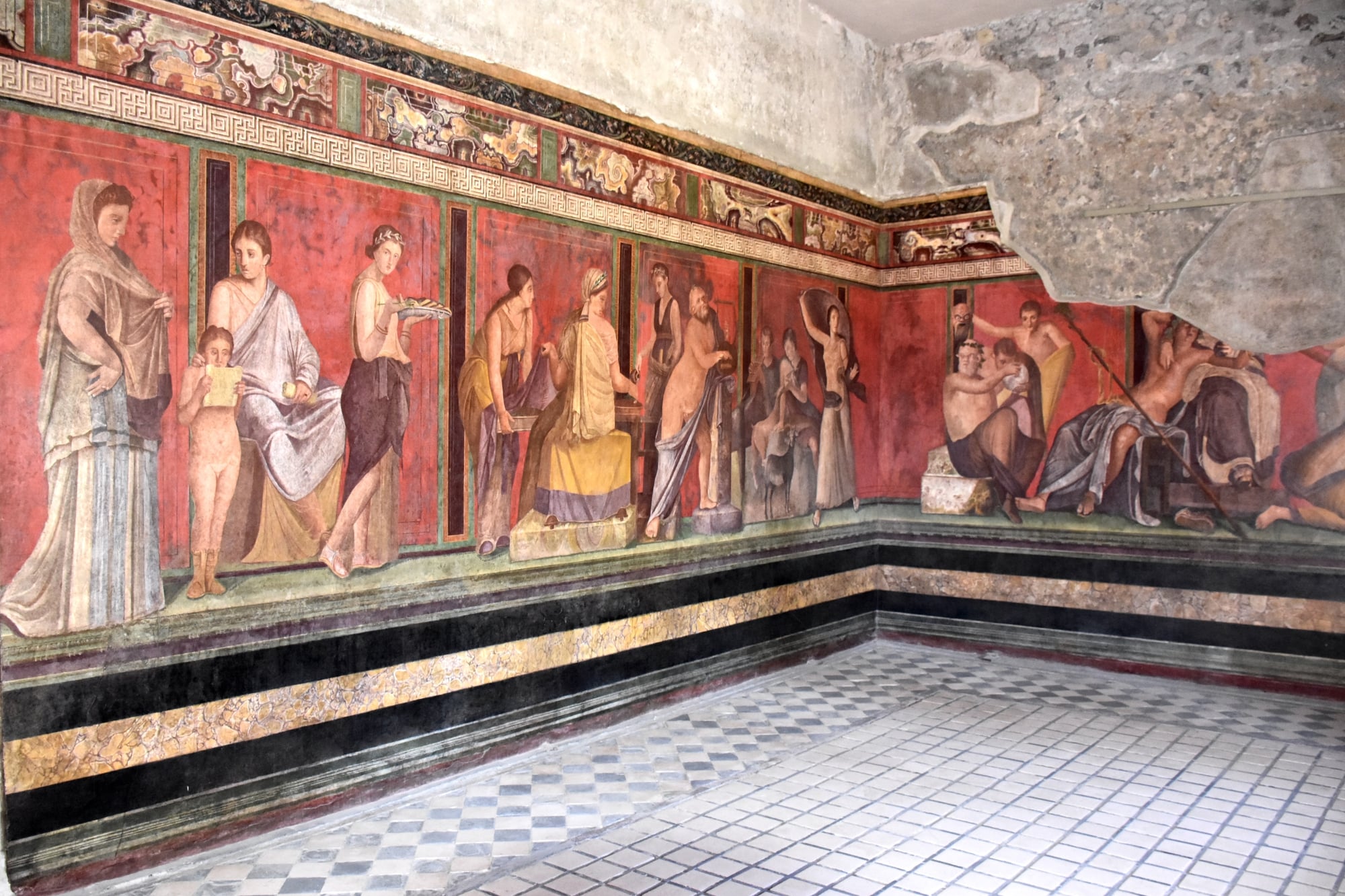
Pompeii was rediscovered not with great fanfare but with a shovel: a laborer named Rocque Joaquin de Alcubierre stumbled upon the ruins in 1748 while digging a water channel. The city had been buried under 13 feet of volcanic ash since 79 AD, and what emerged was essentially a frozen moment — bread still in ovens, graffiti still on walls, people caught mid-sentence in the street.
It’s less a ruin than a photograph taken in volcanic rock.
Sutton Hoo

Edith Pretty, an English landowner with an interest in the paranormal and a persistent feeling that the grass mounds on her Suffolk estate held something important, hired a local amateur archaeologist named Basil Brown in 1939 to start digging. He found the ghost of a ship — no wood left, just the outline of its rivets in the soil — containing an extraordinary collection of Anglo-Saxon treasure, including a ceremonial helmet that has since become one of the most iconic objects in British history.
Pretty later donated the entire find to the British Museum, refusing any payment.
Machu Picchu
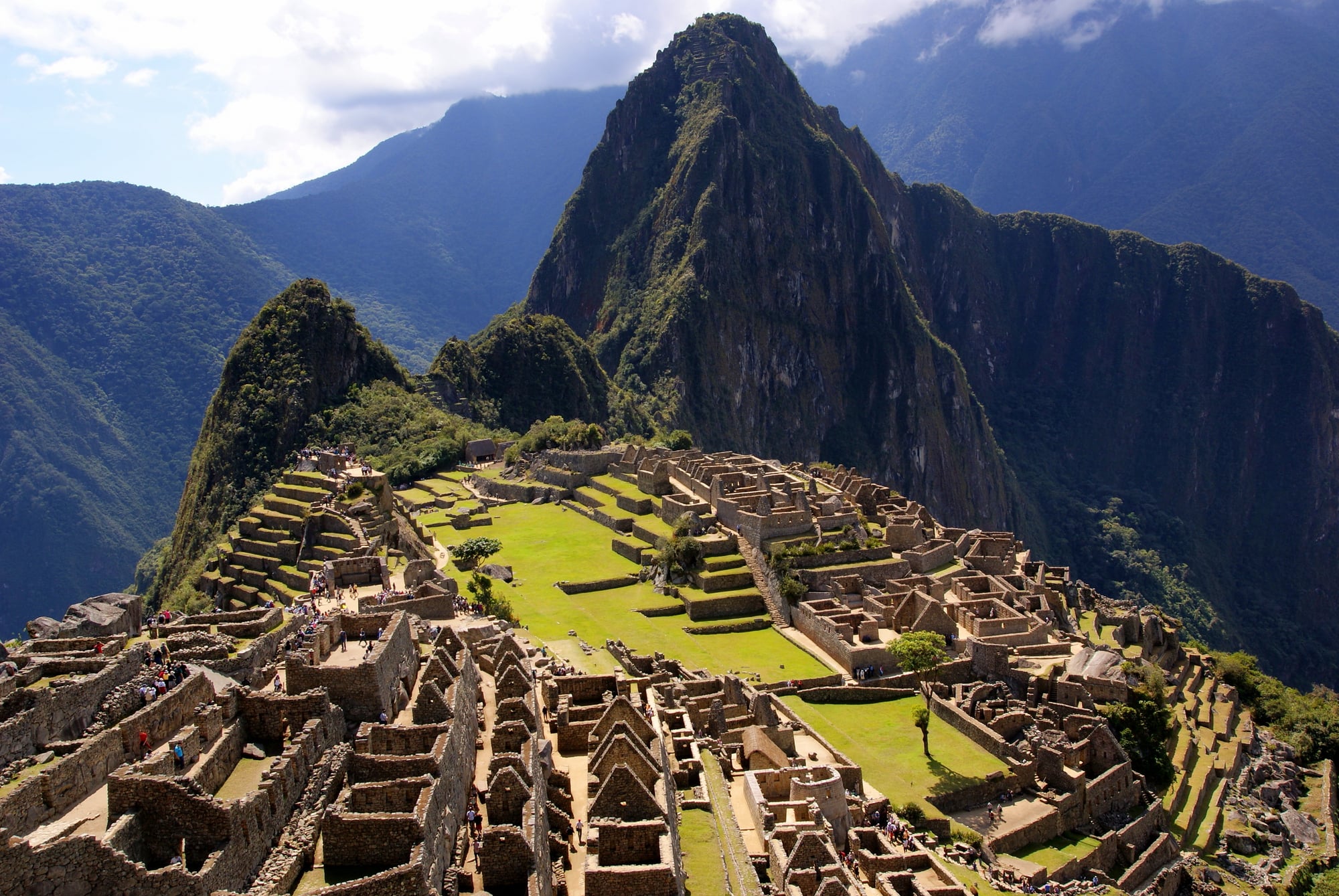
Hiram Bingham III, an American historian, was led to Machu Picchu in 1911 by a local farmer named Melchor Arteaga, who apparently knew the ruins were up there and agreed to show Bingham for a small fee. Bingham is often credited with “discovering” the site, which is one of archaeology’s more awkward historical inaccuracies, given that local farmers had been living on terraces adjacent to it for years.
The Inca citadel had been hiding in the cloud forest at 7,972 feet above sea level — not lost so much as overlooked by the people who wrote the history books.
Venus de Milo
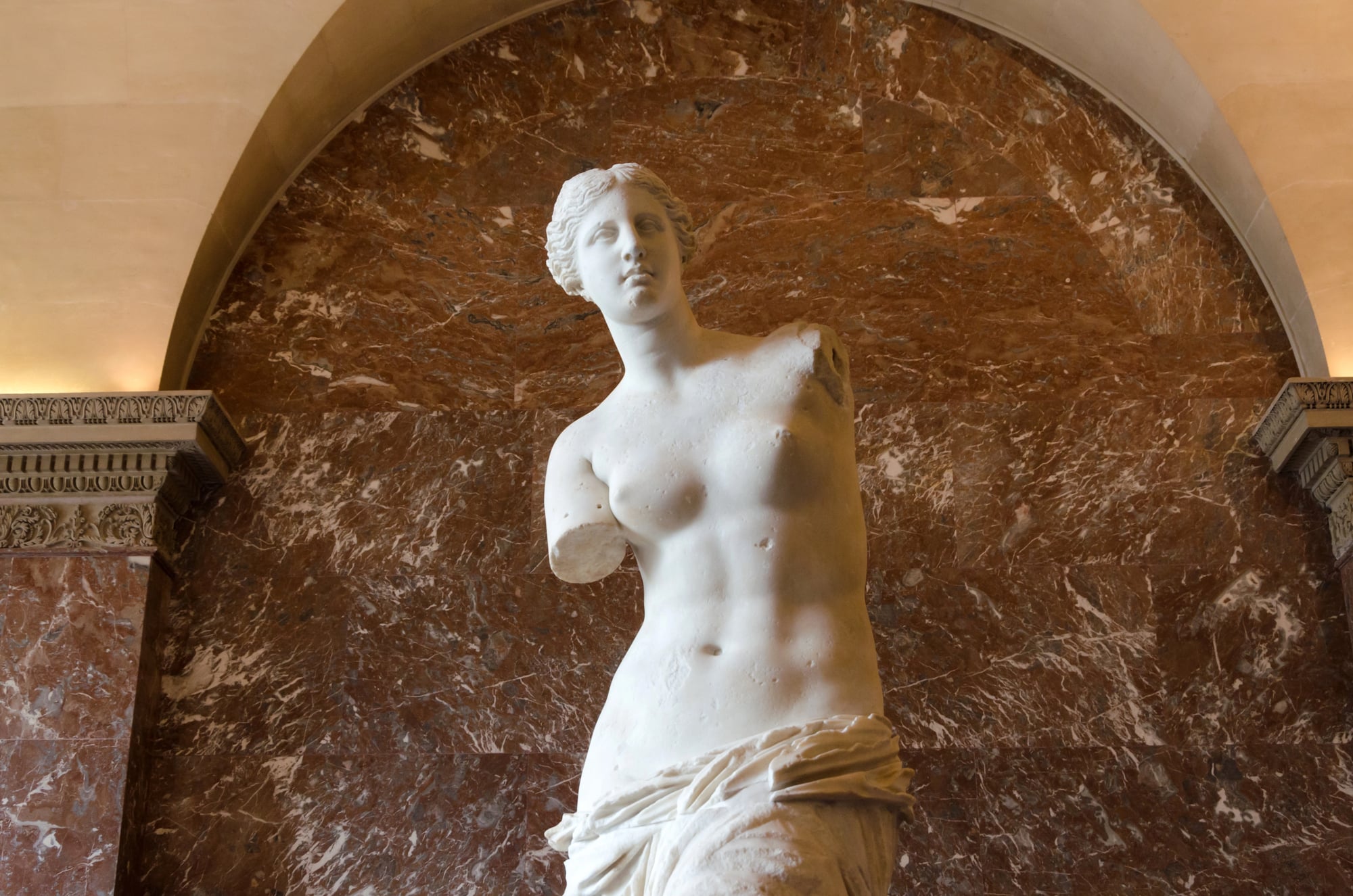
A Greek farmer named Yorgos Kentrotas and a French naval officer named Olivier Voutier found the statue — in pieces — inside a niche in a ruined wall on the island of Milos in 1820. The sculpture, now one of the most recognizable works of art in the world, had been buried for centuries, apparently sealed inside the wall at some point during the early Christian era when pagan statues became unpopular things to display.
Her missing arms were already gone when she was found.
Chauvet Cave
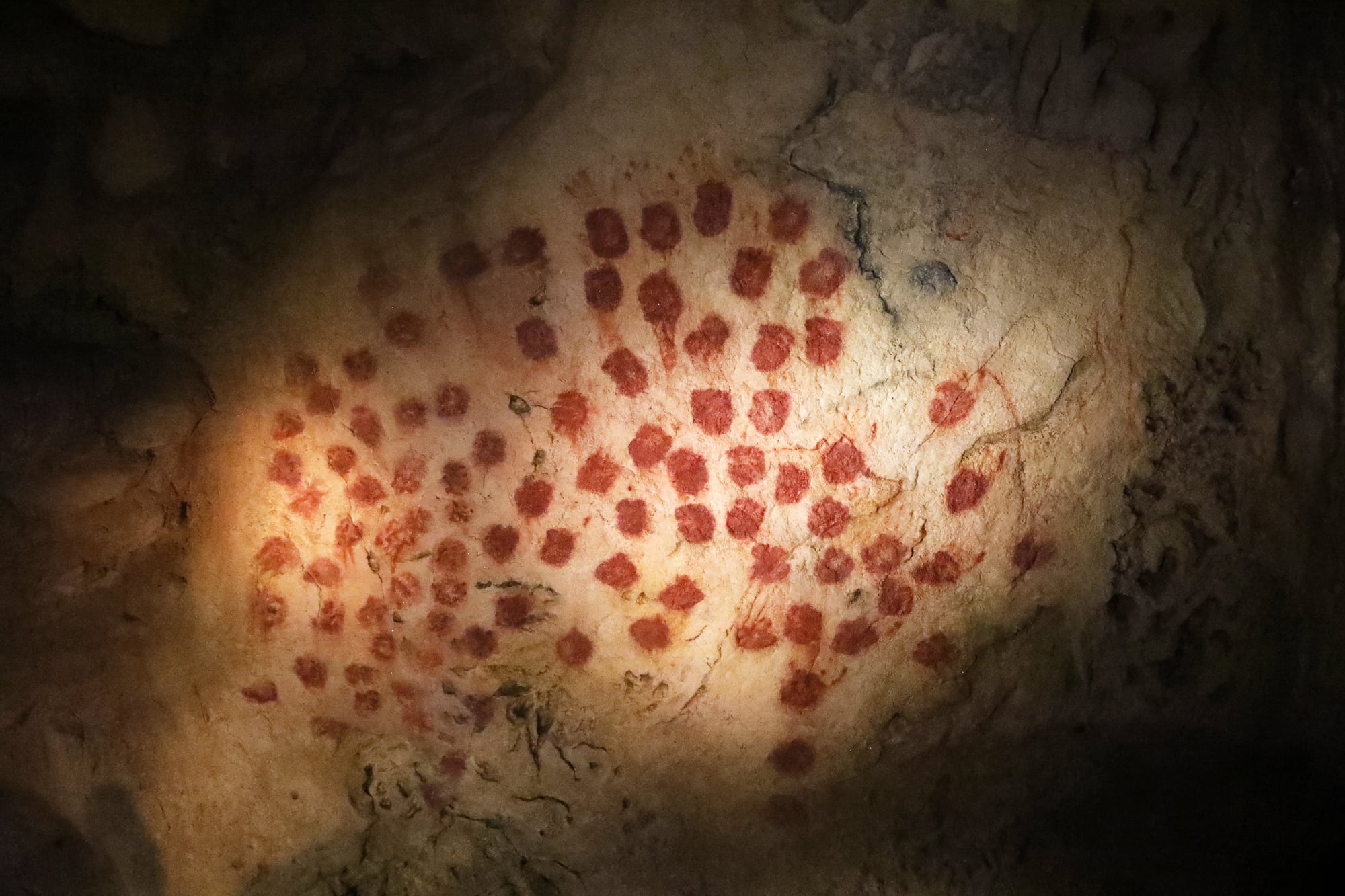
Three speleologists — Jean-Marie Chauvet, Éliette Brunel Deschamps, and Christian Hillaire — were exploring a gorge in the Ardèche region of France on December 18, 1994, when they felt a draft of air coming through a wall of debris and cleared it away. The cave beyond contained drawings of lions, woolly rhinoceroses, and cave bears that are now believed to be more than 36,000 years old, making them the oldest known cave paintings in the world.
The three of them walked back out the same night and didn’t sleep much.
Ain Ghazal Statues
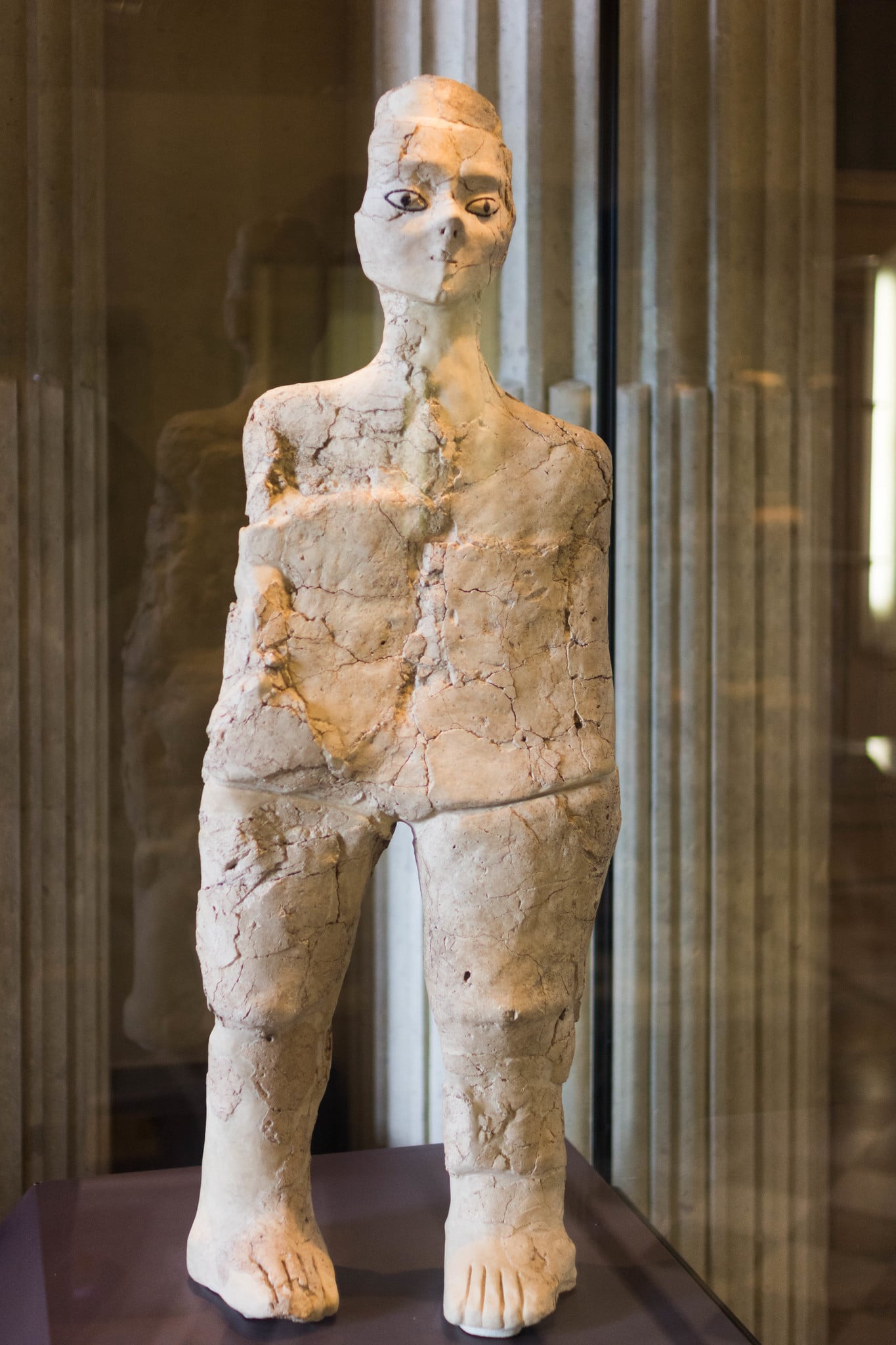
A construction worker operating a bulldozer on the outskirts of Amman, Jordan in 1983 pushed through an embankment and exposed several large plaster statues with inlaid eyes made of bitumen and chalk. The statues dated to around 7250 BC, making them among the oldest large-scale human figures ever found, and they’d been buried in a pit apparently as part of some kind of deliberate ritual.
That bulldozer stopped about six inches from destroying all of them entirely.
Uluburun Shipwreck
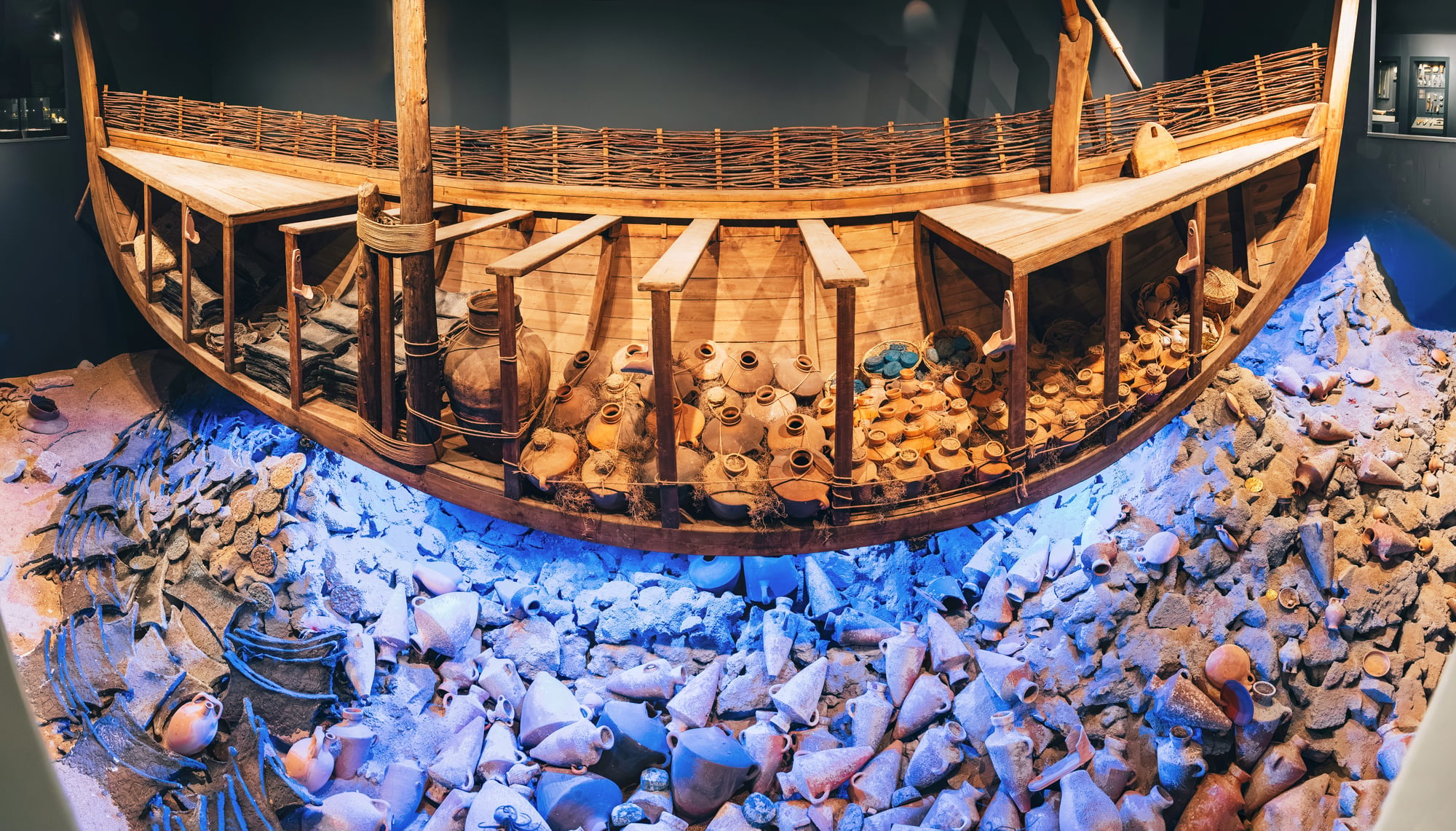
A Turkish sponge diver named Mehmed Çakir reported what he described as “metal biscuits with ears” on the seafloor near Uluburun in 1982 — which turned out to be copper ingots stacked in the hold of a Late Bronze Age merchant ship dating to around 1300 BC. The wreck contained cargo from at least seven different cultures, including Egyptian gold, Canaanite pottery, tin ingots, ebony logs, and a scarab belonging to Queen Nefertiti.
“Metal biscuits with ears” — as a description of one of the greatest underwater archaeological discoveries ever made — is hard to improve on.
Lod Mosaic
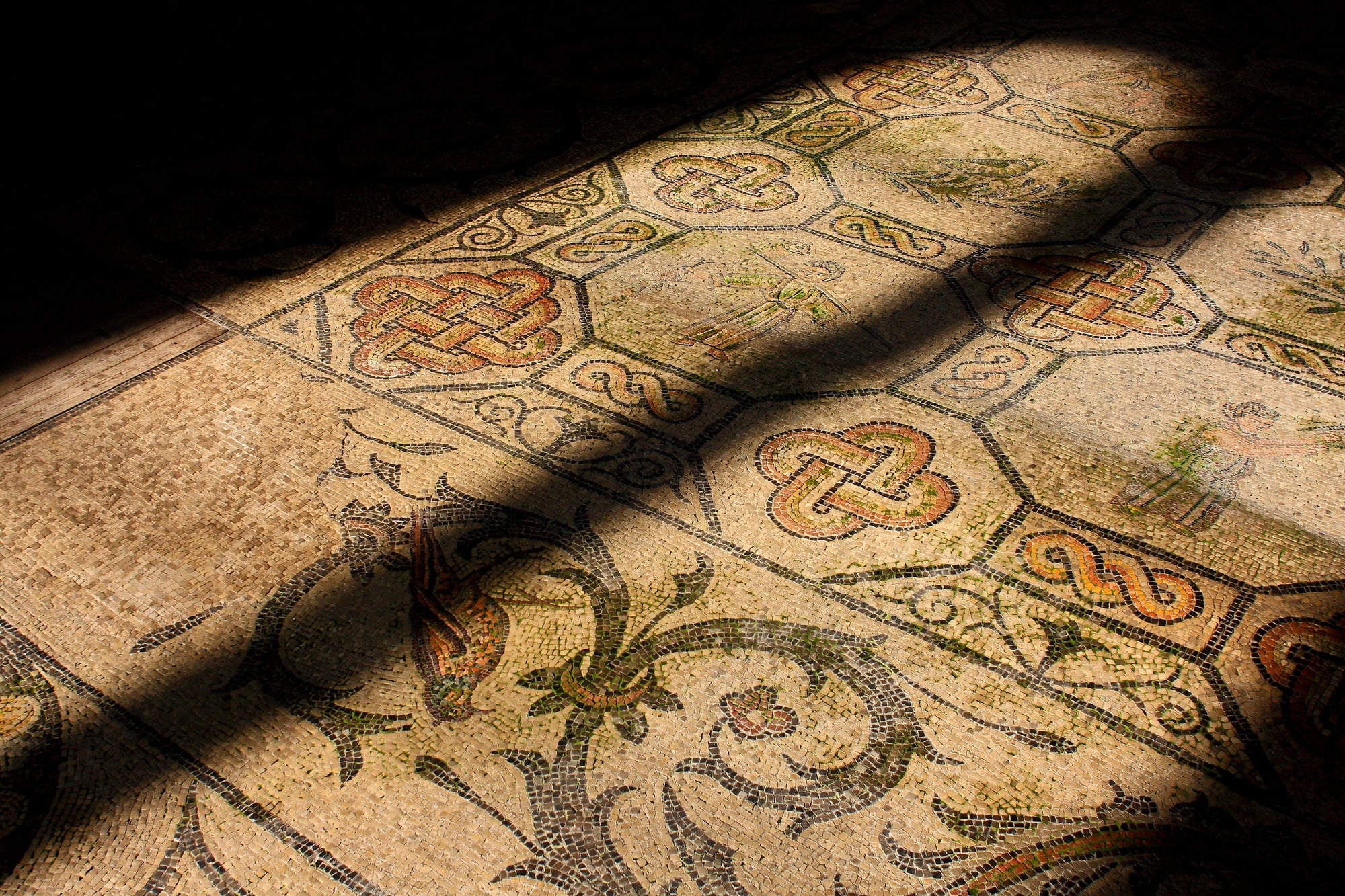
Workers laying a gas pipeline in the Israeli city of Lod in 1996 uncovered an extraordinarily preserved Roman mosaic covering nearly 1,800 square feet, depicting animals, fish, and ships in brilliant, intact color. The mosaic dated to the 3rd or 4th century AD, and its scale and quality made it immediately significant — comparable to anything found in Rome itself.
It had been buried under a modern road for centuries, just waiting.
Varna Necropolis
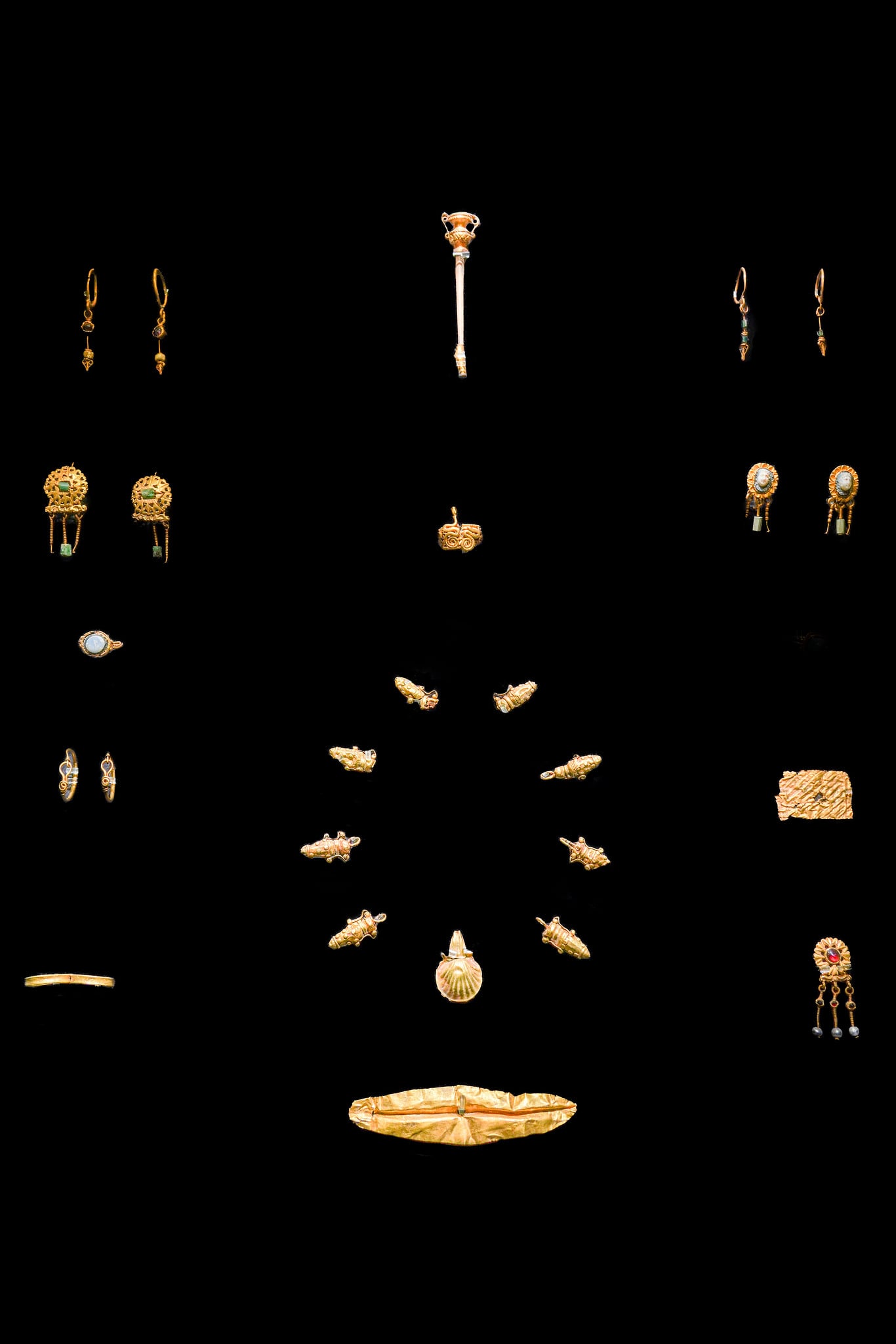
A Bulgarian construction worker named Raicho Marinov was operating an excavator near the city of Varna in October 1972 when he scooped up a collection of copper and gold objects and stopped the machine. The burial site he’d found dated to around 4500 BC, and within it archaeologists uncovered what is currently considered the world’s oldest processed gold artifacts — jewelry, weapons, and ceremonial objects buried with the dead by a sophisticated society that predates even ancient Egypt’s early dynasties.
Marinov put the objects in a shoebox and brought them to work the next day.
Nag Hammadi Library
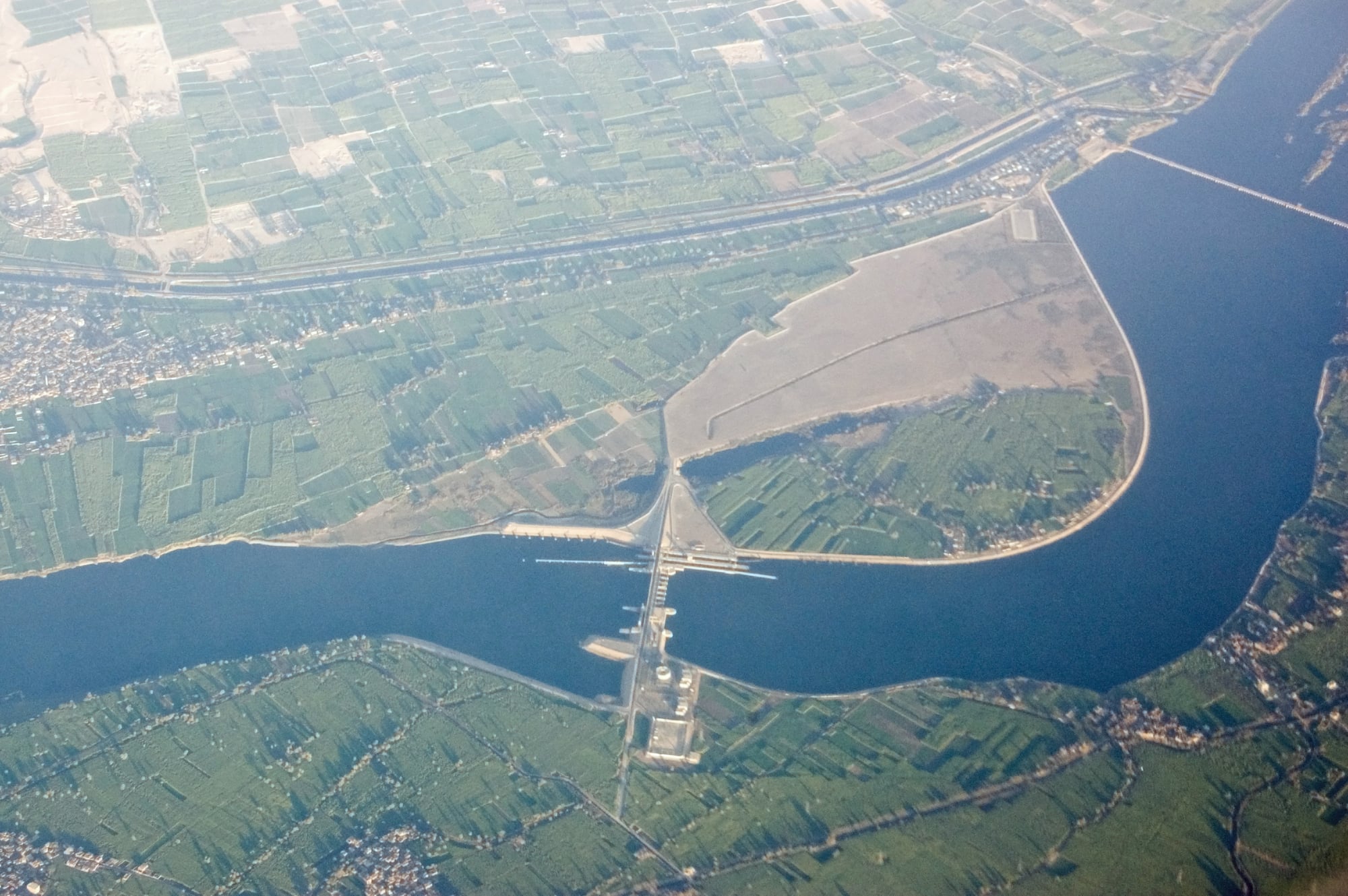
An Egyptian farmer named Muhammad Ali al-Samman was digging for fertilizer near the cliff of Jabal al-Tarif in Upper Egypt in December 1945 when his mattock hit a sealed red earthenware jar. Inside were 13 leather-bound codices containing Gnostic gospels and other early Christian texts dating to the 4th century AD, texts that had essentially been erased from history — including a complete copy of the Gospel of Thomas.
He broke the jar open hoping for gold, found papyrus instead, and was reportedly irritated.
Folkton Drums
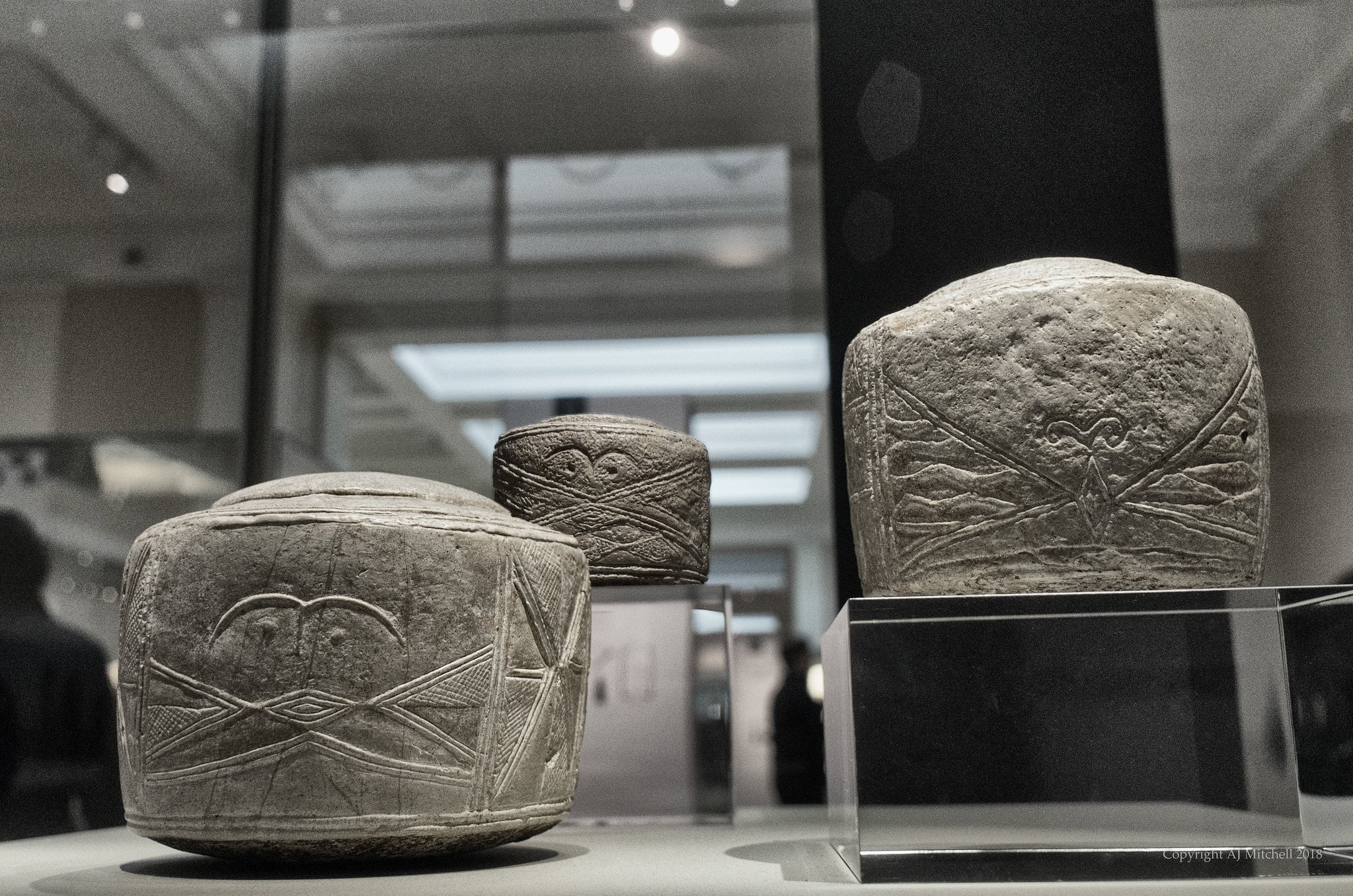
A Victorian antiquarian named William Greenwell was excavating a Bronze Age burial mound in North Yorkshire in 1889 when he found three small chalk cylinders engraved with geometric patterns, placed near the skeleton of a child. The objects — now called the Folkton Drums — date to around 2500 BC and are completely unique; nothing else quite like them has been found anywhere else in the world, and their purpose is still debated.
They’re small enough to hold in one hand, which somehow makes them more unsettling, not less.
Hohlenstein-Stadel Lion-Man
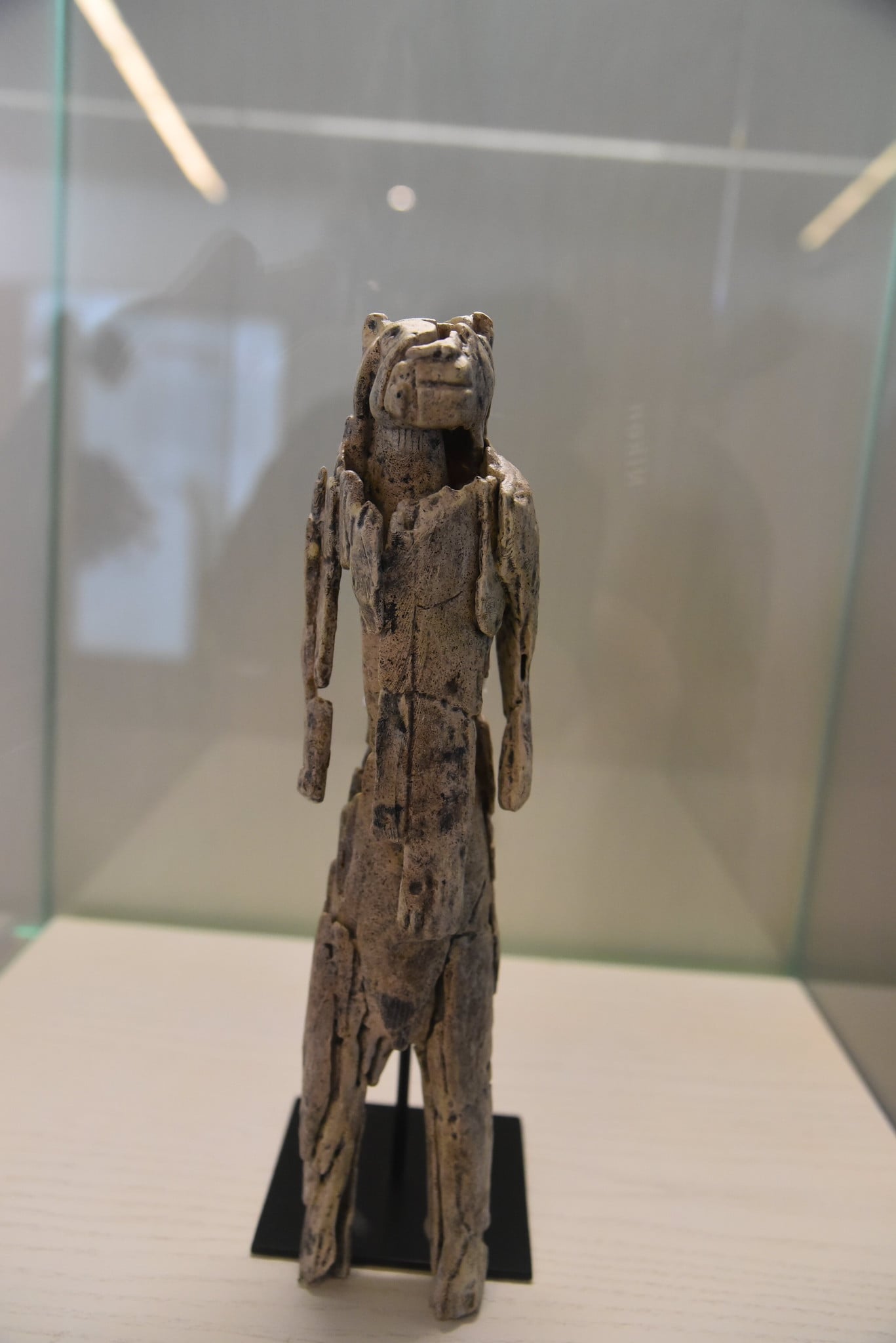
A German paleontologist named Otto Völzing found fragments of carved mammoth ivory in a cave in Baden-Württemberg in 1939, just days before the start of World War II, and the fragments were placed in boxes and largely forgotten for decades. When researchers finally assembled the pieces in the 1970s (and again more thoroughly in 2012 after additional fragments were located), they revealed a figurine — part human, part lion — carved around 40,000 years ago, making it the oldest known zoomorphic sculpture on Earth.
It had been in pieces in a museum storage box the whole time.
Baghdad Battery
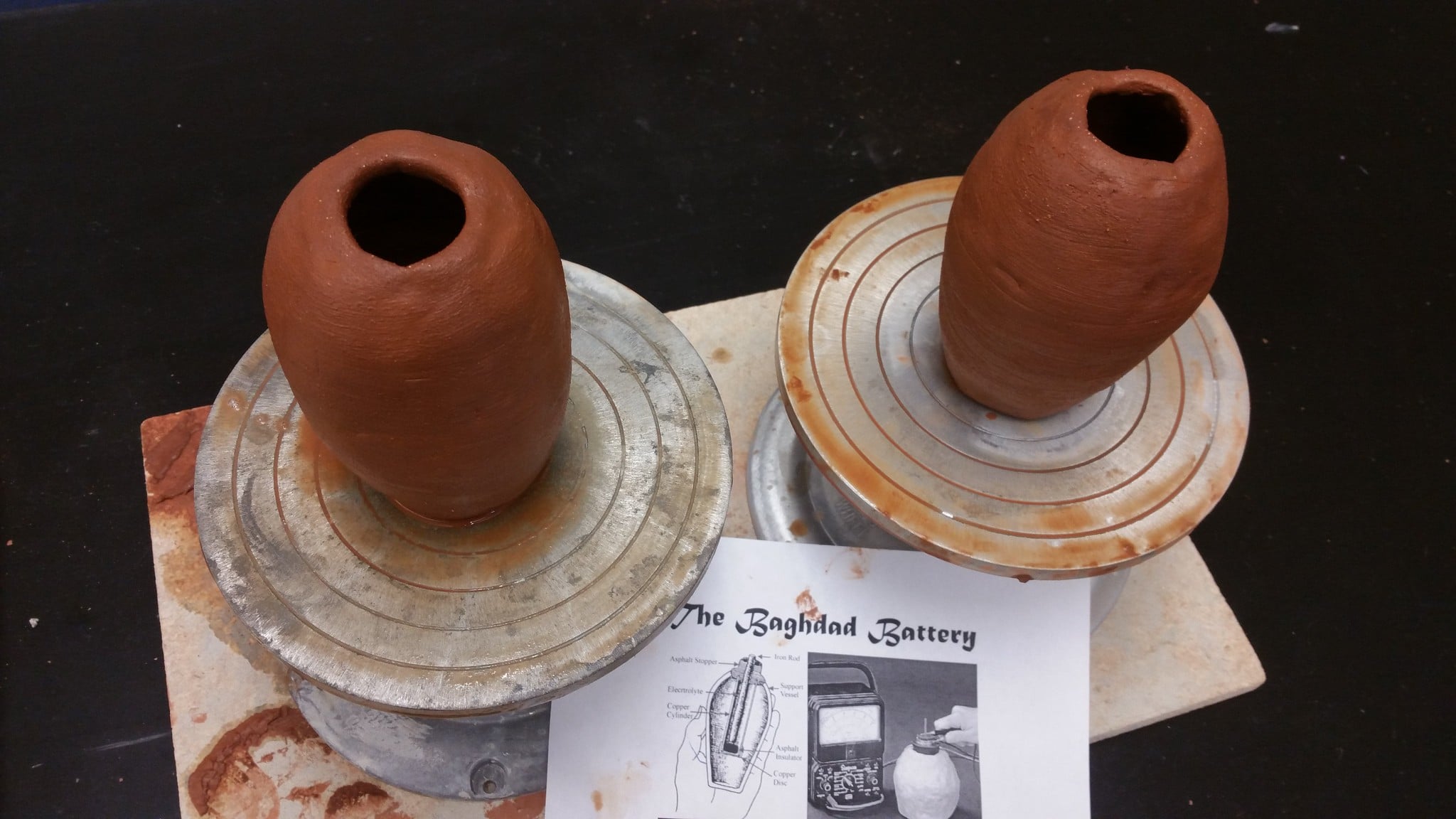
A German archaeologist named Wilhelm König was working in the National Museum of Iraq in 1938 when he came across clay jars with copper cylinders and iron rods sealed inside — objects that looked, to him, disconcertingly like batteries. Dating to roughly the Parthian period (250 BC to 224 AD), the so-called Baghdad Battery remains a genuine puzzle: if they were electrochemical cells, nobody has conclusively explained what they were used for, and if they weren’t, then their design is a remarkably strange coincidence.
The debate has never fully settled.
Tollund Man
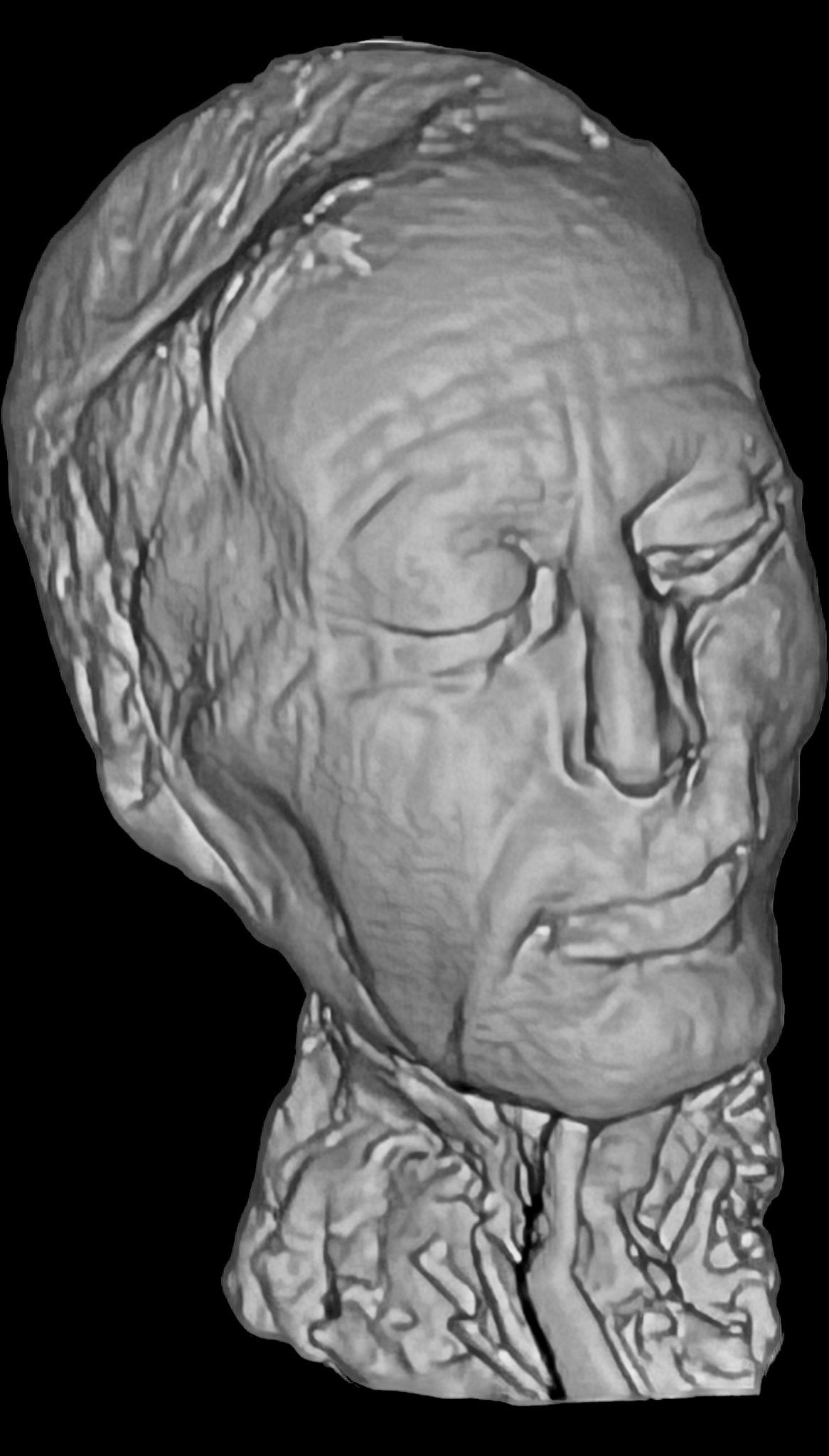
Two brothers cutting peat on the Jutland Peninsula in Denmark in May 1950 found a face looking up at them from the bog, so well-preserved they initially called the police assuming a recent death. Tollund Man, as he came to be known, had died around 400 BC — hanged, his body placed gently in the peat — and his expression was so peaceful that the archaeologist P.V. Glob reportedly described him as looking like he was sleeping.
He still has most of his face. He’s in a museum in Silkeborg, and you can still see the rope.
Derinkuyu Underground City
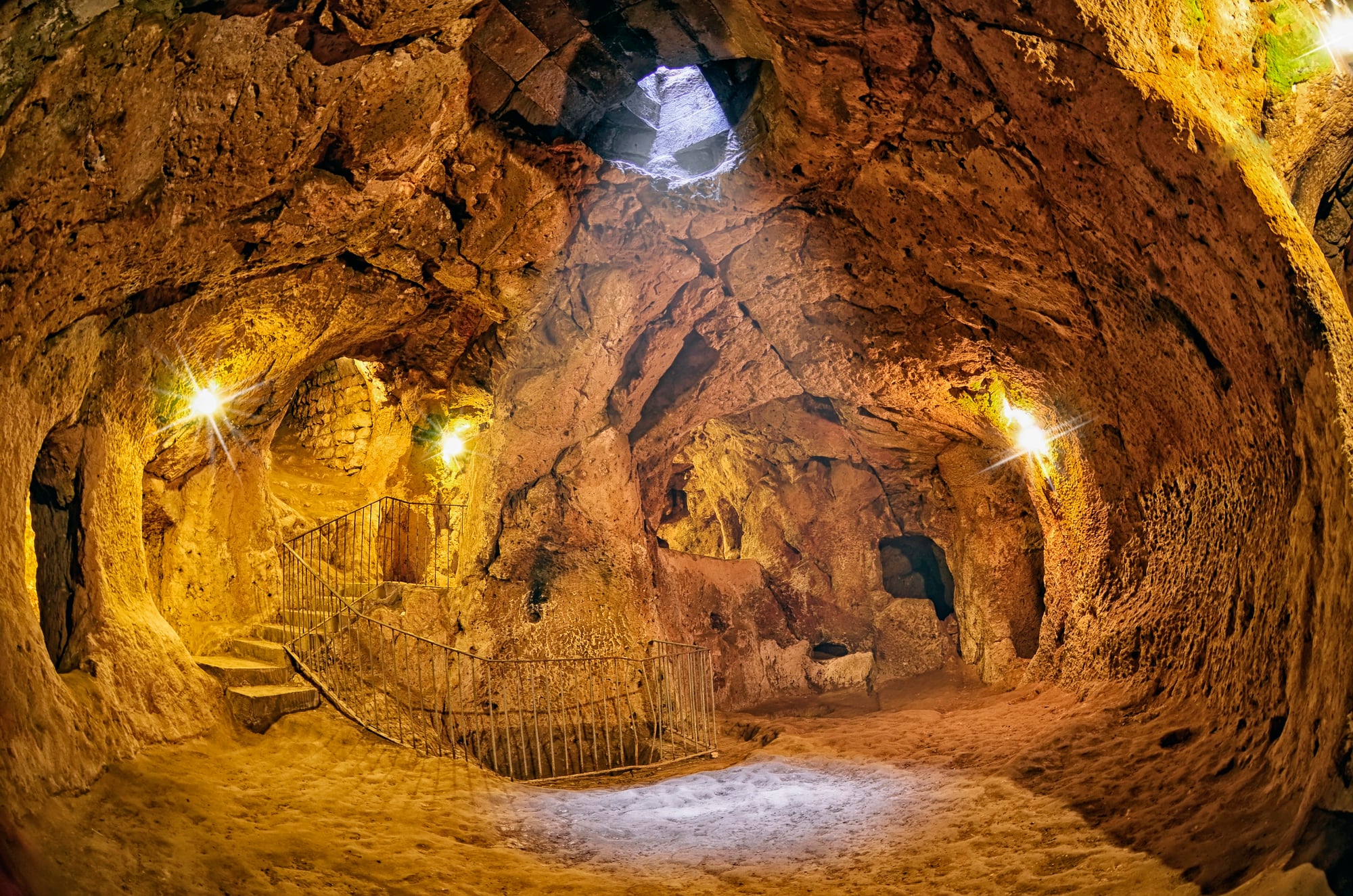
A Turkish homeowner in the Nevşehir Province was renovating his house in 1963, knocked down a wall, and found a room he didn’t build behind it — which led to another room, then a tunnel, then an entire underground city stretching 18 stories deep capable of housing an estimated 20,000 people. Derinkuyu dates to around 800 BC, although some researchers believe parts of it are older, and it features stables, wine cellars, churches, and ventilation shafts running all the way to the surface.
The man was just doing renovation work.
Sipán Royal Tombs
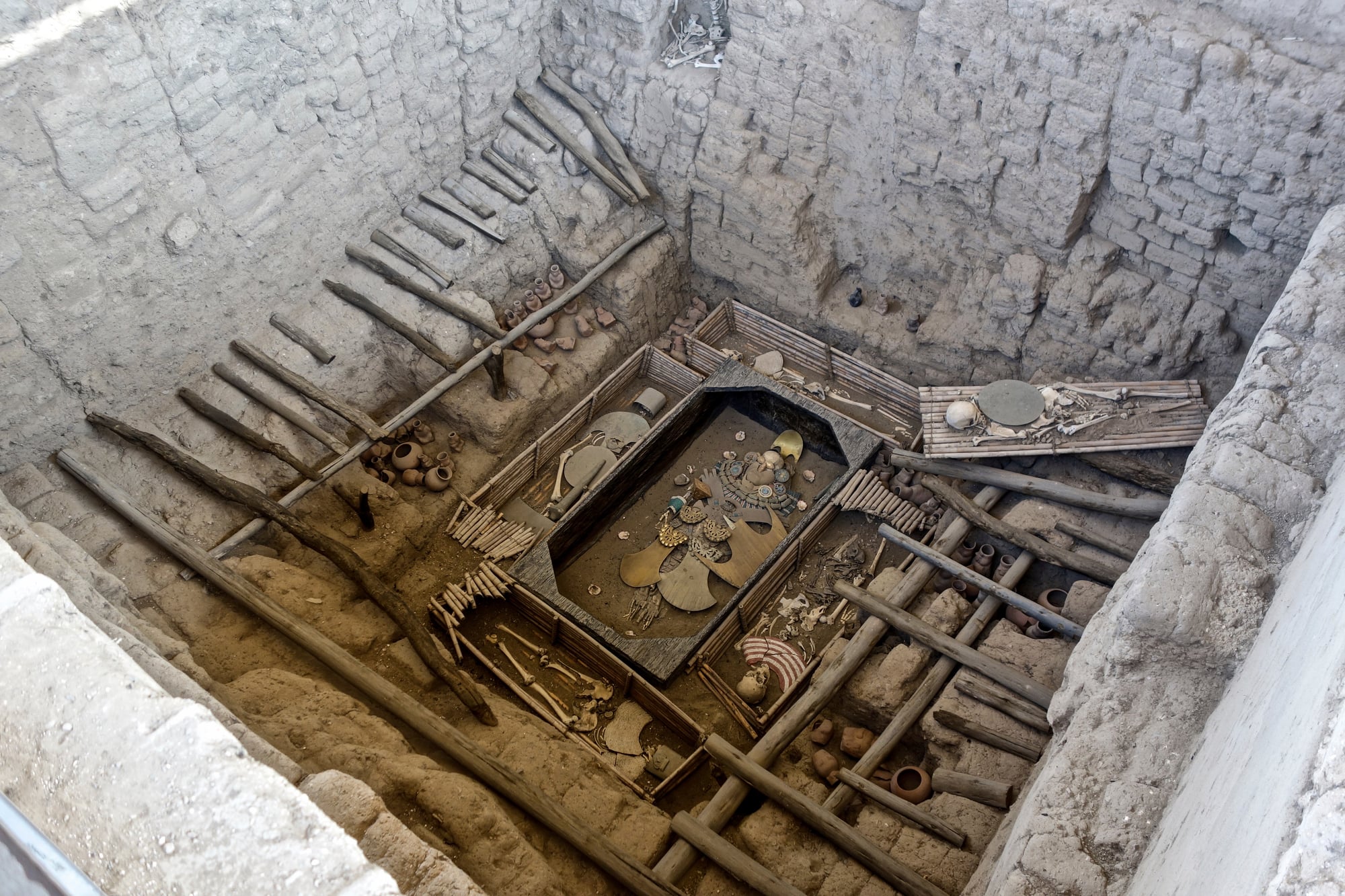
A Peruvian huaquero (grave robber) named Ernil Bernal was illegally tunneling into a mud-brick pyramid near the village of Sipán in 1987 when he found objects of such extraordinary quality that word reached archaeologist Walter Alva, who immediately understood the site’s significance and moved to protect it. The tomb — belonging to a Moche ruler now called the Lord of Sipán — contained gold, silver, and copper objects of extraordinary craftsmanship, along with the remains of sacrificed attendants.
It’s often described as the richest unlooted royal tomb ever found in the Americas, which might not have survived intact if not for a smuggler getting in over his head.
Tutankhamun’s Tomb

Howard Carter had been searching for years, but it was a water boy — a young Egyptian laborer working on Carter’s excavation team in the Valley of the Kings on November 4, 1922 — who struck a stone step while clearing rubble, and then another step below it. The boy’s name was Hussein Abdel-Rassoul, and he’d found the entrance to the most intact royal tomb ever discovered in Egypt, sealed for more than 3,200 years.
Carter’s journal entry that night was, by his own standards, understated: “wonderful things.”
The Ground Doesn’t Forget
History doesn’t always wait to be found properly. It waits, sometimes for millennia, and then surfaces under a bulldozer blade, or through the wall of a cave, or at the bottom of a well some farmer was digging on a Tuesday.
What’s strange — and oddly reassuring — about these discoveries is how indifferent the objects themselves seem to the magnitude of the moment. A shepherd’s stone breaks a clay jar.
A child points at a painted ceiling. A man renovating his kitchen finds 20,000 years of human history on the other side of a wall.
The ground holds everything eventually, and it gives it back on its own schedule — not history’s.
More from Go2Tutors!

- The Romanov Crown Jewels and Their Tragic Fate
- 13 Historical Mysteries That Science Still Can’t Solve
- Famous Hoaxes That Fooled the World for Years
- 15 Child Stars with Tragic Adult Lives
- 16 Famous Jewelry Pieces in History
Like Go2Tutors’s content? Follow us on MS