21 Photos That Show What Life On An Aircraft Carrier is Like
Aircraft carriers are floating cities that house thousands of people in the middle of the ocean. These massive ships operate 24 hours a day, every day, with crews working in conditions most people never see.
Life aboard these vessels involves tight spaces, constant noise, and routines that would seem strange to anyone on land. Let’s take a look at what daily existence looks like for the sailors who call these ships home.
The Flight Deck During Launch Operations
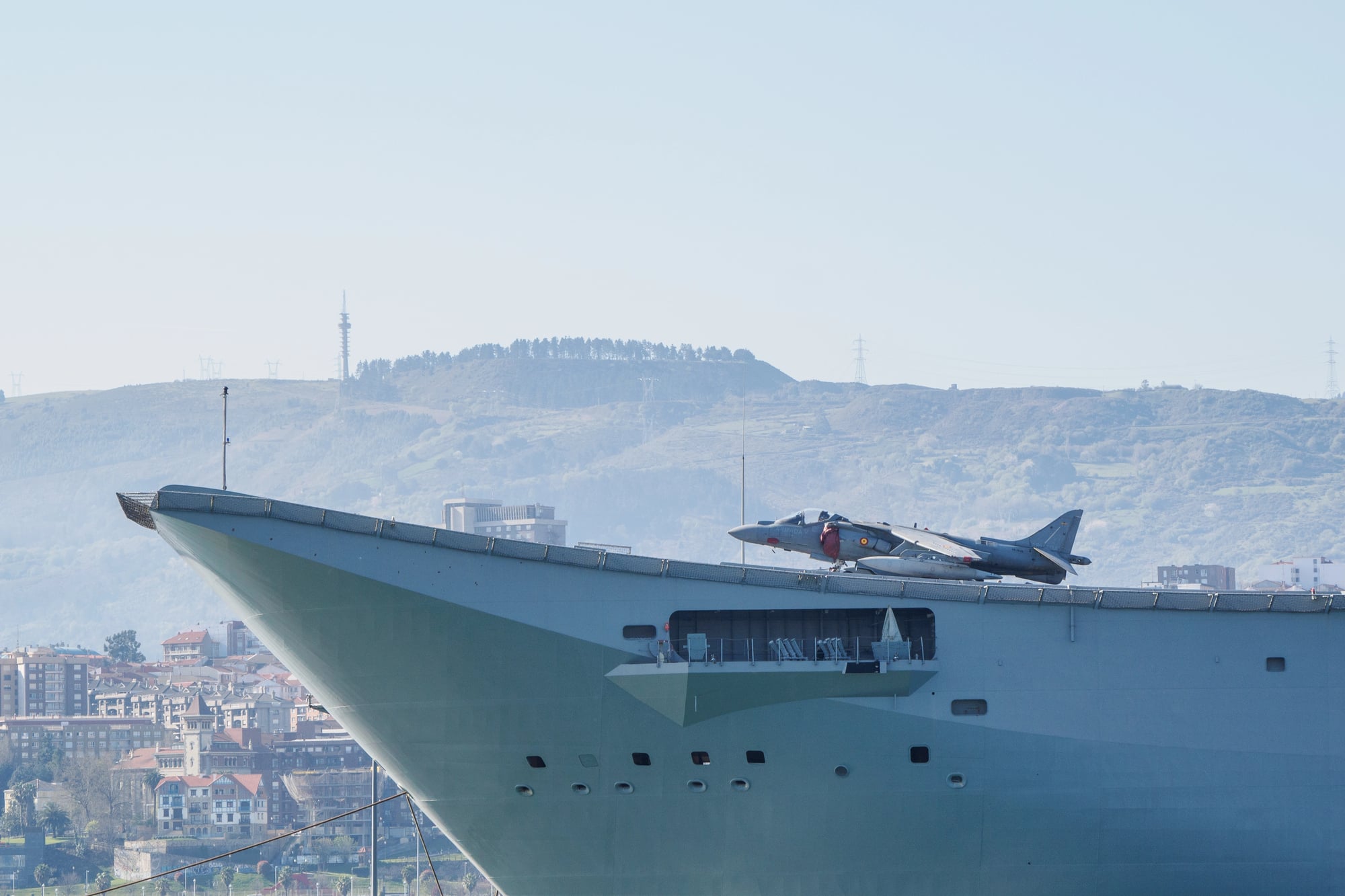
The flight deck transforms into controlled chaos when jets prepare for takeoff. Sailors in different colored jerseys sprint across the deck, each color indicating a specific job like fueling, weapons loading, or aircraft directing.
The noise level reaches 140 decibels, loud enough to cause permanent hearing damage in seconds without protection. Steam rises from the catapults as they reset between launches, creating an almost industrial landscape against the open ocean.
Sleeping Quarters Stacked Three High
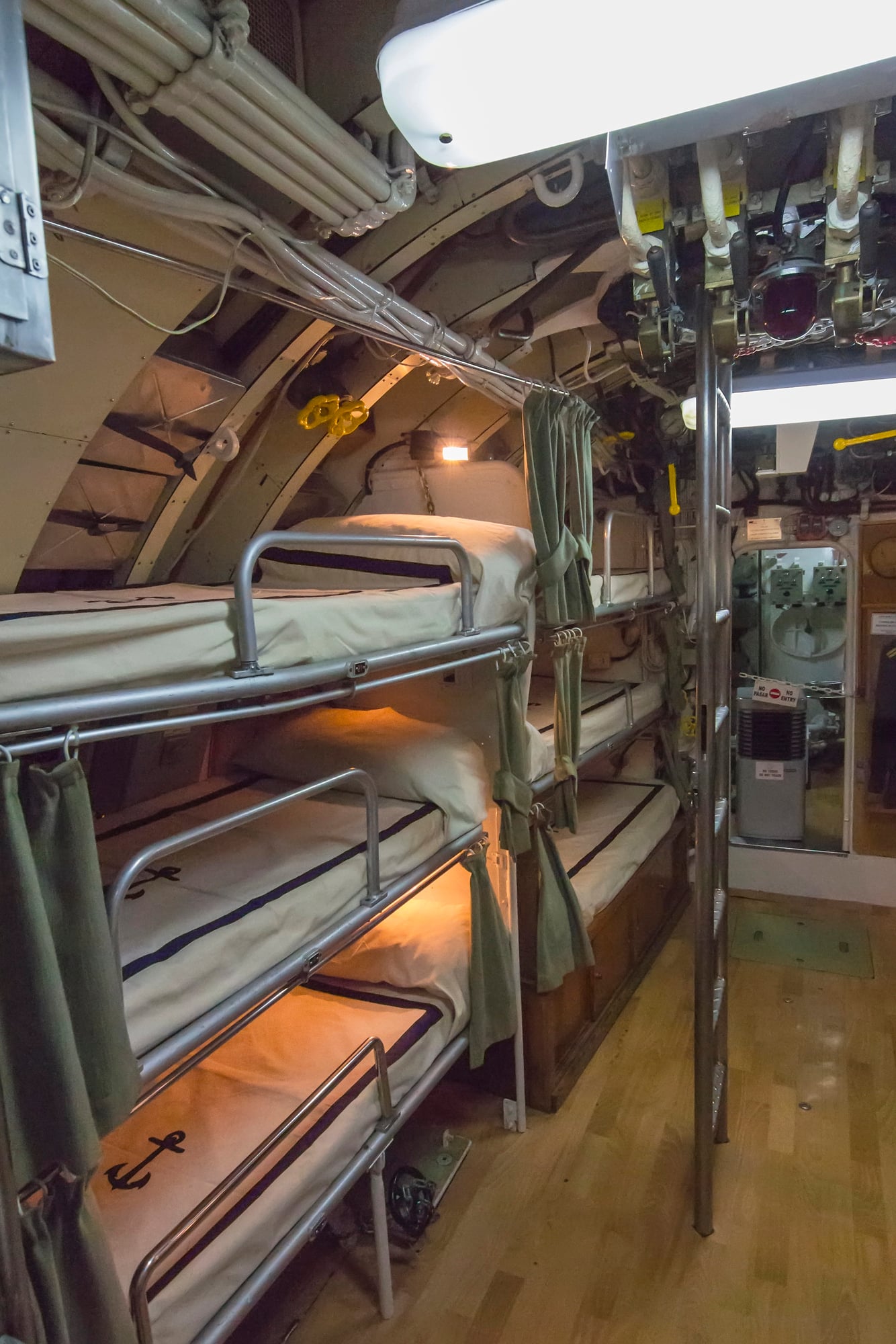
Berthing compartments pack sailors into spaces smaller than most walk-in closets. Bunks stack three levels high with barely two feet of clearance between each rack, and personal space consists of a curtain for privacy and a small locker.
The metal frames of these beds connect directly to the ship’s hull, which means every wave, every catapult launch, and every arrested landing creates vibrations that travel straight into sleeping bodies. Sailors learn to sleep through almost anything, including alarms that would wake the dead and announcements blaring over intercoms at all hours.
The Galley Serving 18,000 Meals Daily
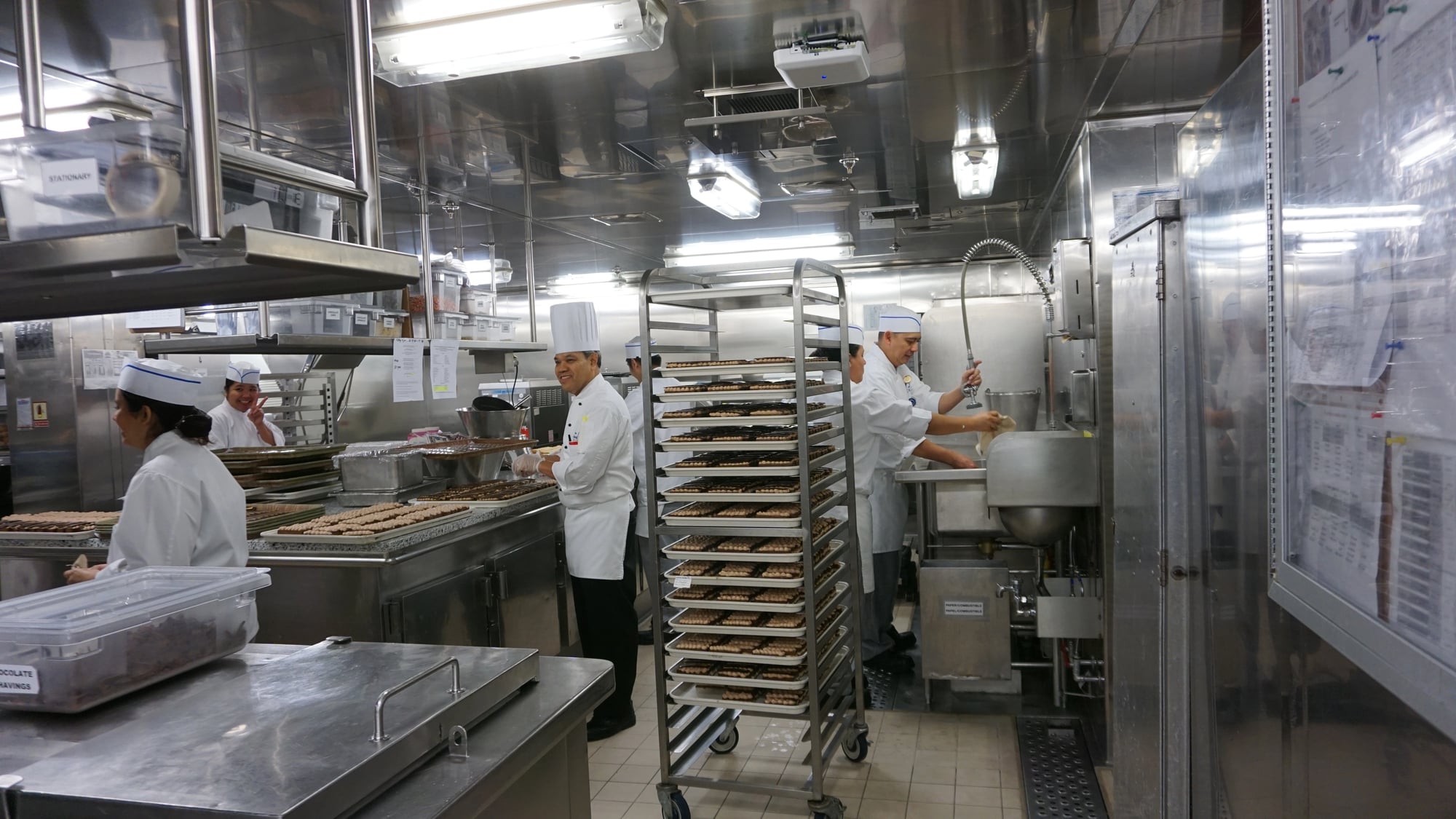
Industrial kitchens on carriers operate around the clock to feed a crew that rivals a small town’s population. Cooks prepare food in quantities that would boggle most restaurant chefs, measuring ingredients by the hundreds of pounds rather than cups or teaspoons.
The dining area never closes, accommodating sailors who work shifts at every hour, and the menu rotates through a cycle designed to prevent everyone from getting too bored with the same meals. Trays slide along metal rails as crew members move through lines that can stretch down multiple corridors during peak hours.
Aircraft Maintenance In The Hangar Bay
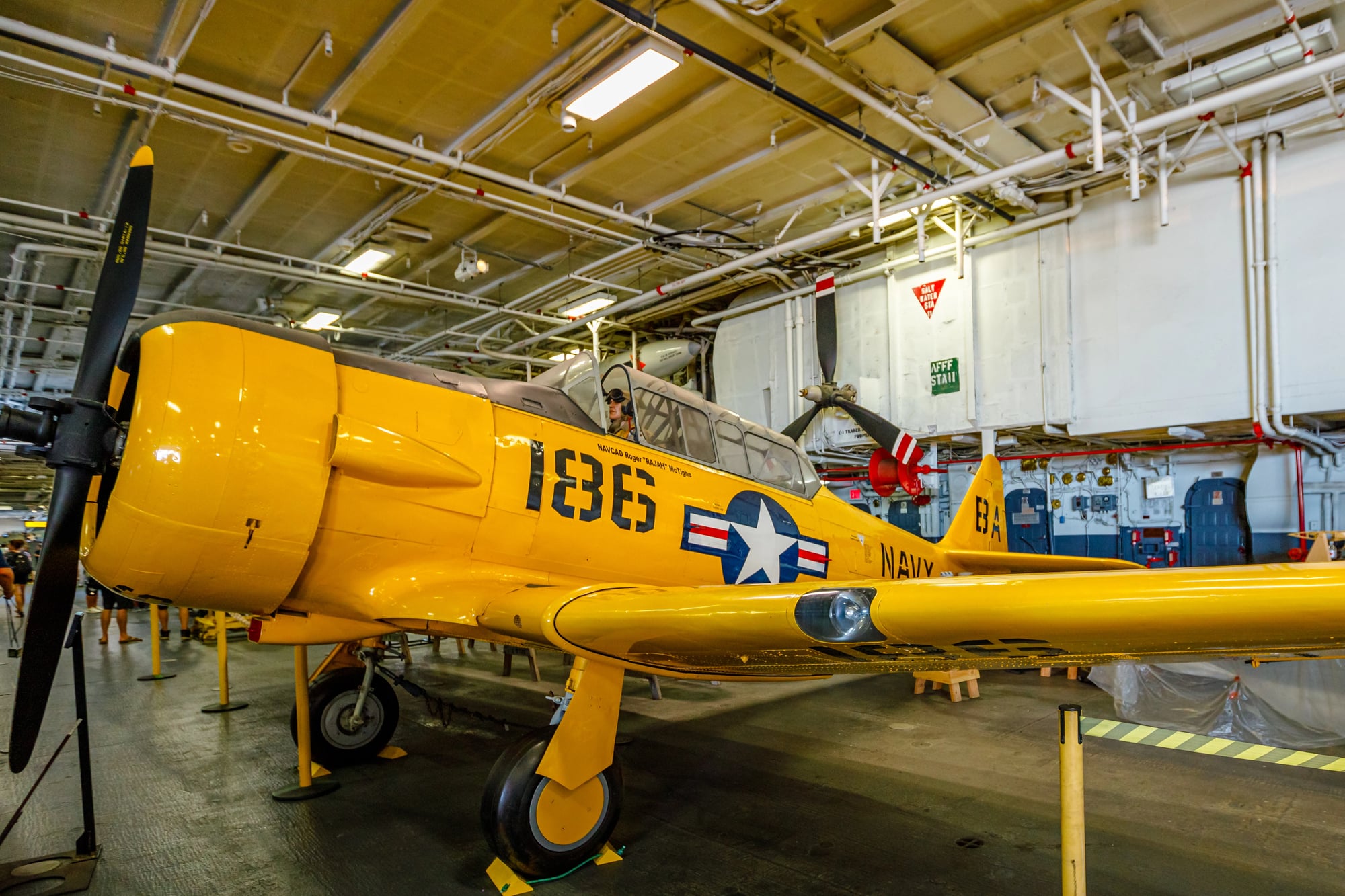
Mechanics work on multimillion-dollar fighter jets in a space that resembles a cramped underground parking garage. The hangar bay sits just below the flight deck, with low ceilings and aircraft packed so tightly that wings sometimes overlap.
Sailors crawl into engine compartments, balance on ladders, and lie on their backs under planes while the ship rocks in heavy seas. The smell of jet fuel, hydraulic fluid, and metal permeates everything, and the constant movement of aircraft on massive elevators keeps the workflow unpredictable.
The Island Towering Above The Deck
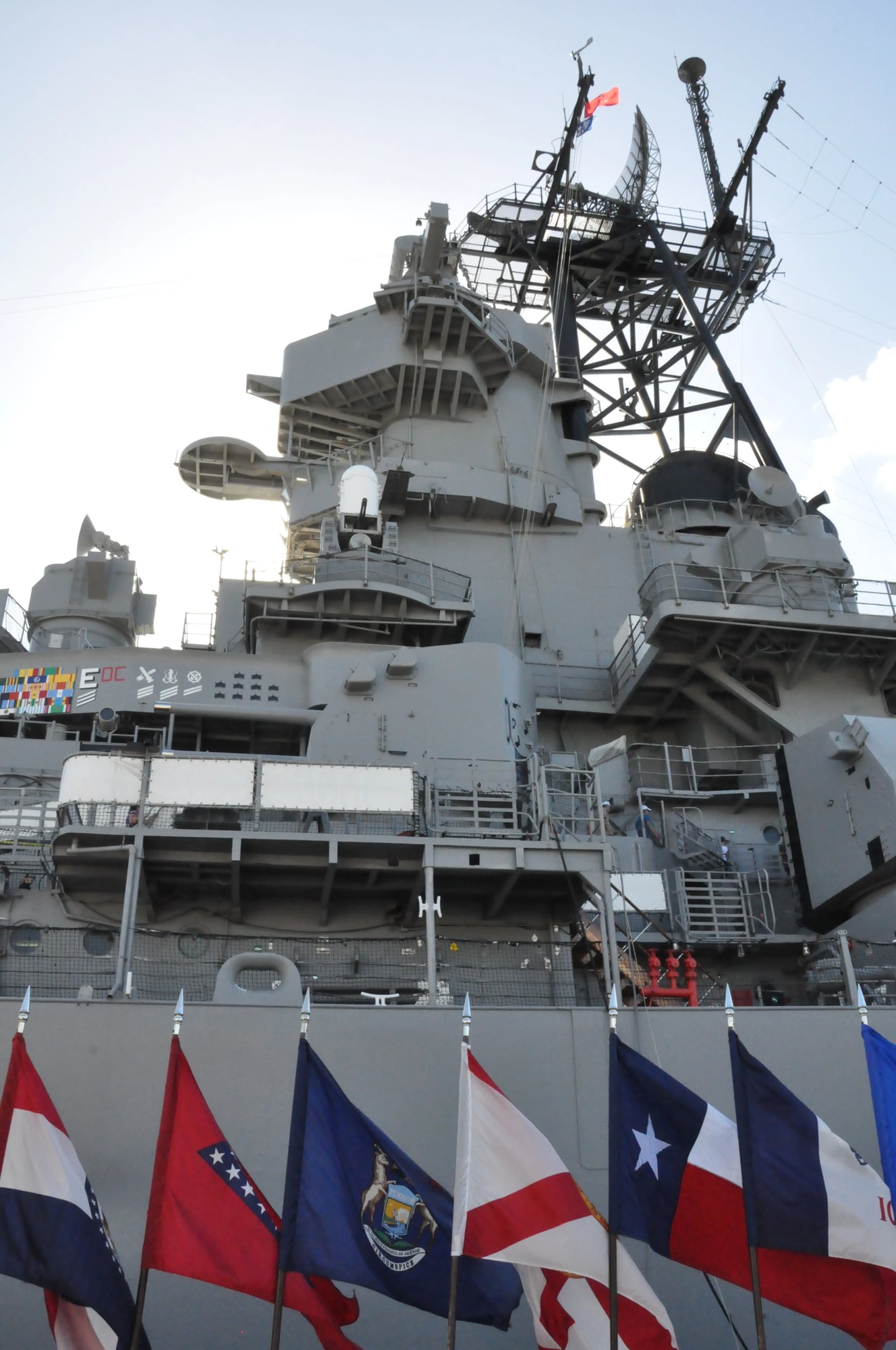
The carrier’s superstructure, called the island, rises several stories above the flight deck like a control tower at an airport. This narrow structure houses the bridge, flight control, and various command centers stacked vertically to save deck space.
Windows wrap around each level, giving officers views of the entire flight deck and surrounding ocean. The cramped corridors inside twist and turn with ladders connecting each level, and the whole structure vibrates when aircraft launch just feet away from its base.
Catapult Officers Coordinating Launches
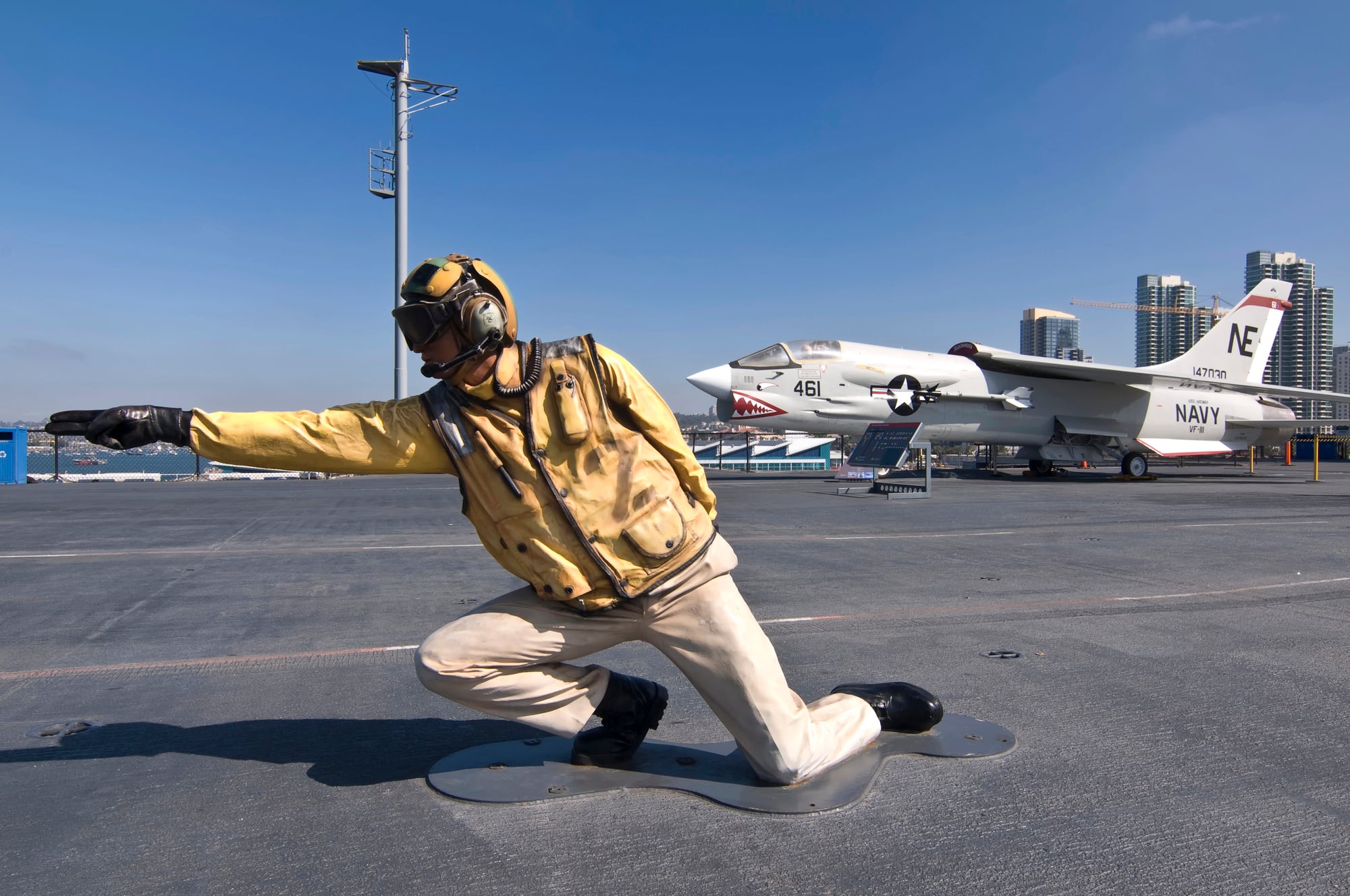
Sailors crouch low on the flight deck, making hand signals that look like an elaborate dance to coordinate aircraft launches. The catapult officer, known as the shooter, gives the final signal that sends a 30-ton aircraft from zero to 165 miles per hour in just two seconds.
These crew members work in one of the most dangerous jobs on the ship, standing mere feet from jet engines that could pull them in or exhaust that could knock them overboard. Each launch requires split-second timing and absolute trust between the shooter, the pilots, and dozens of other crew members.
The Ready Room Before Missions
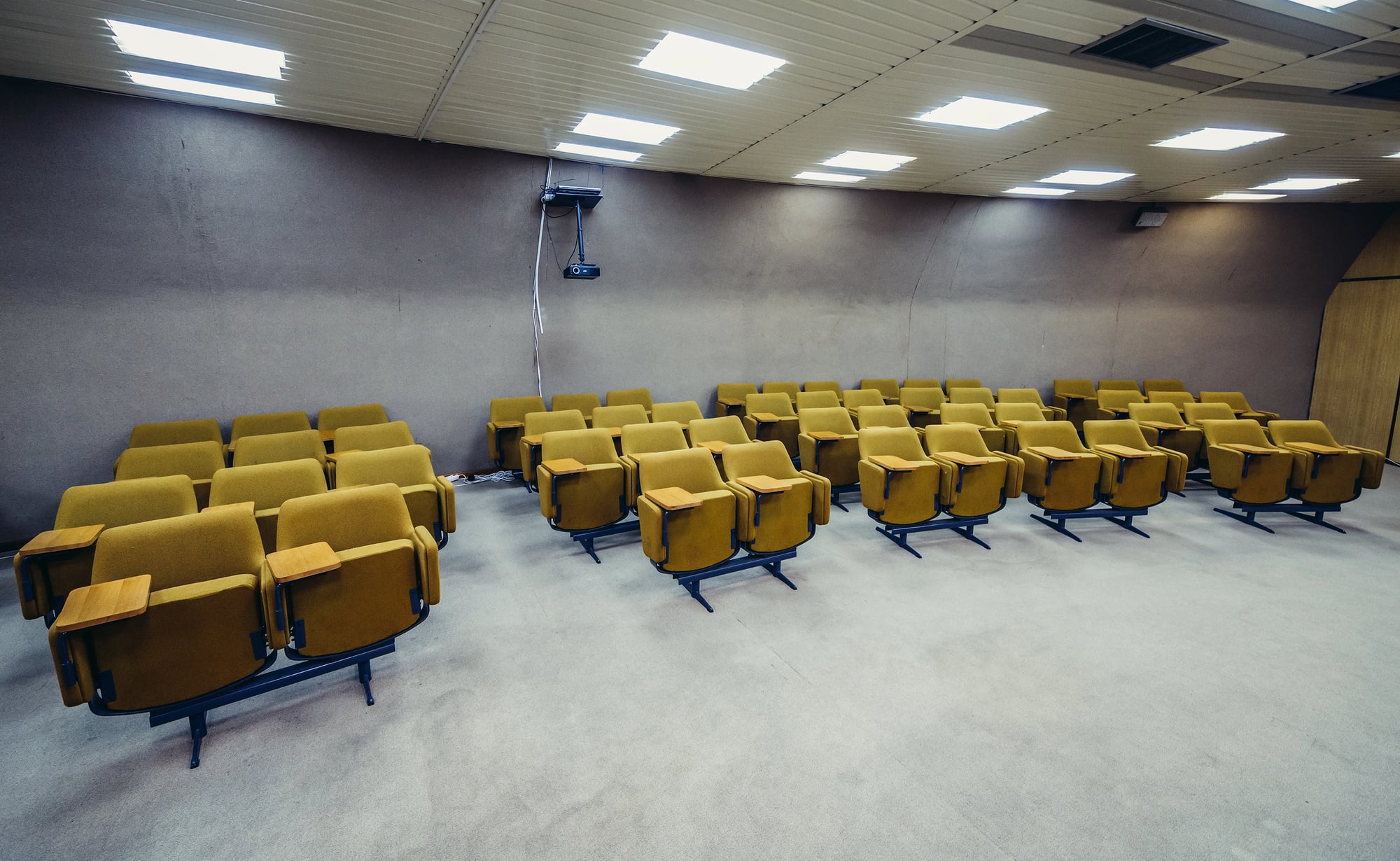
Pilots gather in ready rooms that look like small movie theaters with stadium seating and large screens. These spaces serve as briefing areas where crews review mission details, weather conditions, and potential threats before strapping into their aircraft.
The atmosphere shifts between intense focus during briefings and casual banter between flights, with pilots killing time by watching movies or playing cards. Photos of previous squadrons line the walls, creating a sense of lineage and tradition that stretches back decades.
Arresting Gear Catching Landing Aircraft
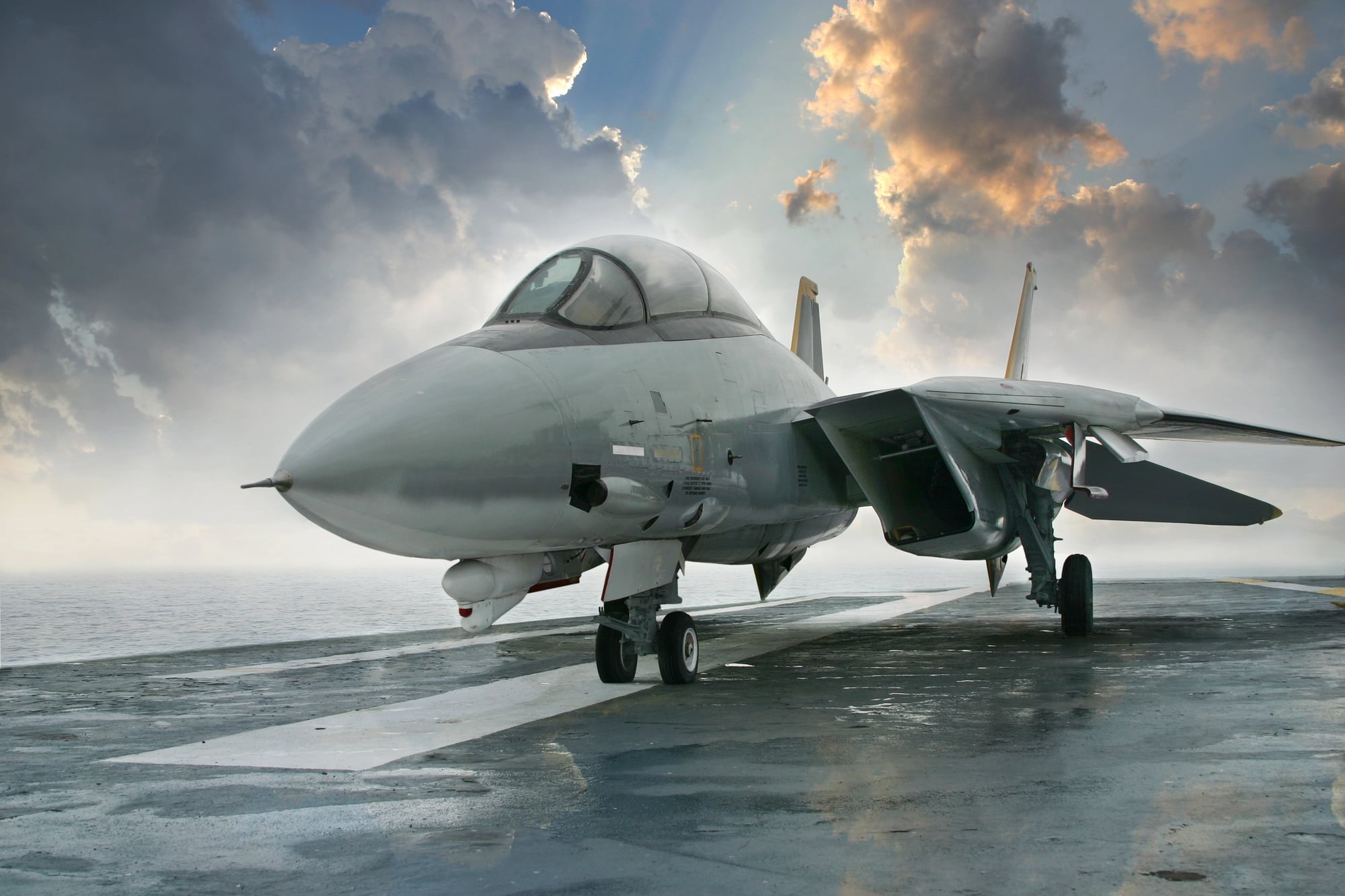
Massive hydraulic systems underneath the flight deck absorb the impact of aircraft landing at 150 miles per hour. Four steel cables stretch across the landing area, each capable of stopping a 54,000-pound aircraft in just 320 feet.
The arresting gear machinery fills several decks below, with cables as thick as a person’s arm running through a complex system of pulleys and pistons. When a jet catches a wire, the entire system groans and strains, releasing stored energy that could launch a car several hundred feet if it ever broke free.
Cramped Passageways Connecting Everything
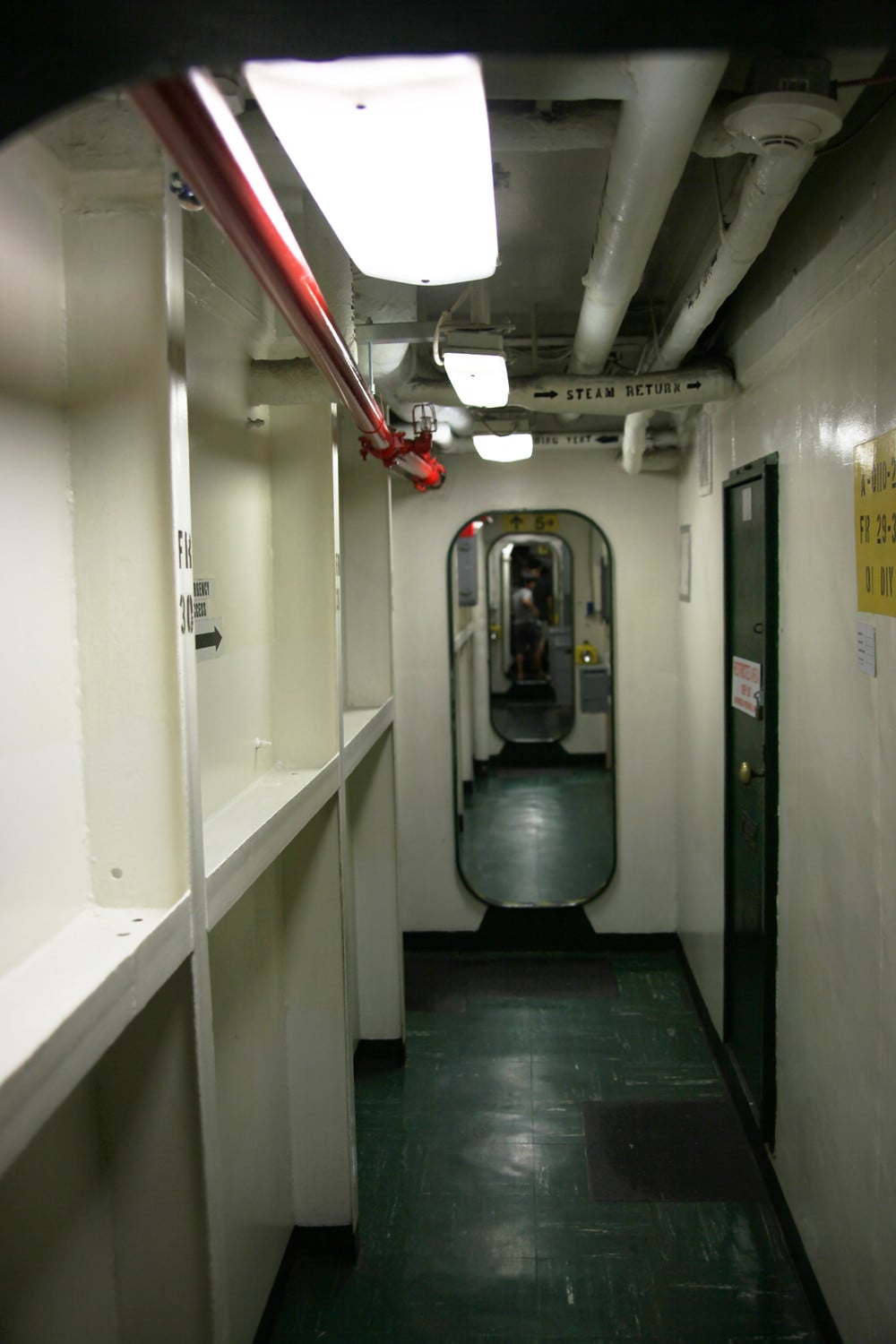
Narrow corridors barely wide enough for two people to pass sideways connect every part of the ship. Sailors learn to navigate hundreds of these passages, each marked with cryptic codes indicating deck level and section.
Pipes, cables, and ventilation ducts line the ceilings so low that anyone over six feet tall walks in a permanent hunch. Traffic flows in specific directions during busy times, and newcomers quickly learn to flatten against bulkheads when chiefs or officers need to pass.
The Gym Converted From Storage Space
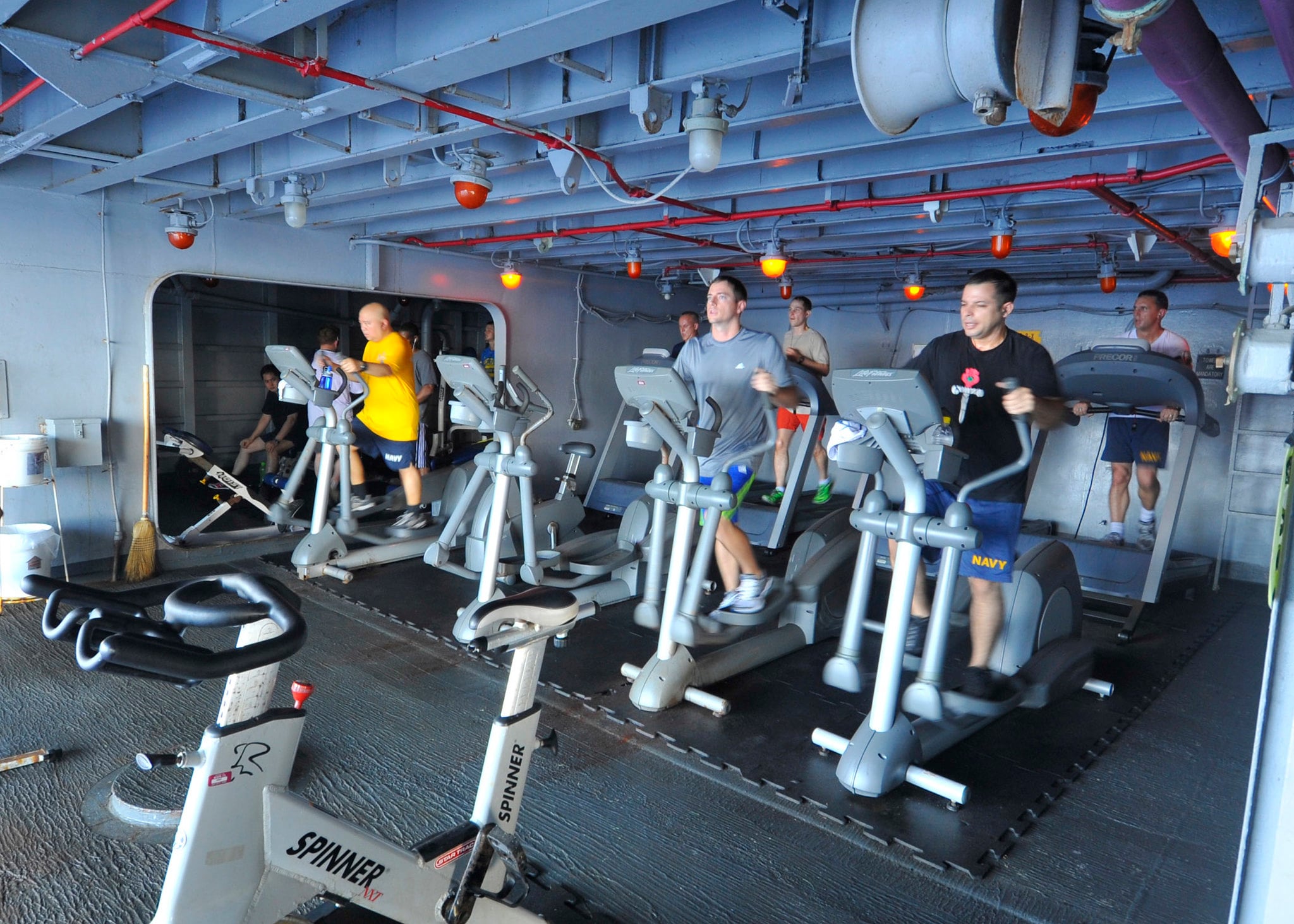
Exercise equipment fills repurposed spaces that were never designed for fitness centers. Treadmills bolt directly to the deck, and weight benches sit between structural columns in rooms that might have once stored spare parts.
Sailors work out whenever their schedules allow, which means the gym sees traffic at 3 AM just as much as 3 PM. The ship’s movement adds an extra challenge to every exercise, turning a simple workout into a balance test when heavy seas roll the deck beneath your feet.
Medical Facilities Handling Emergencies At Sea
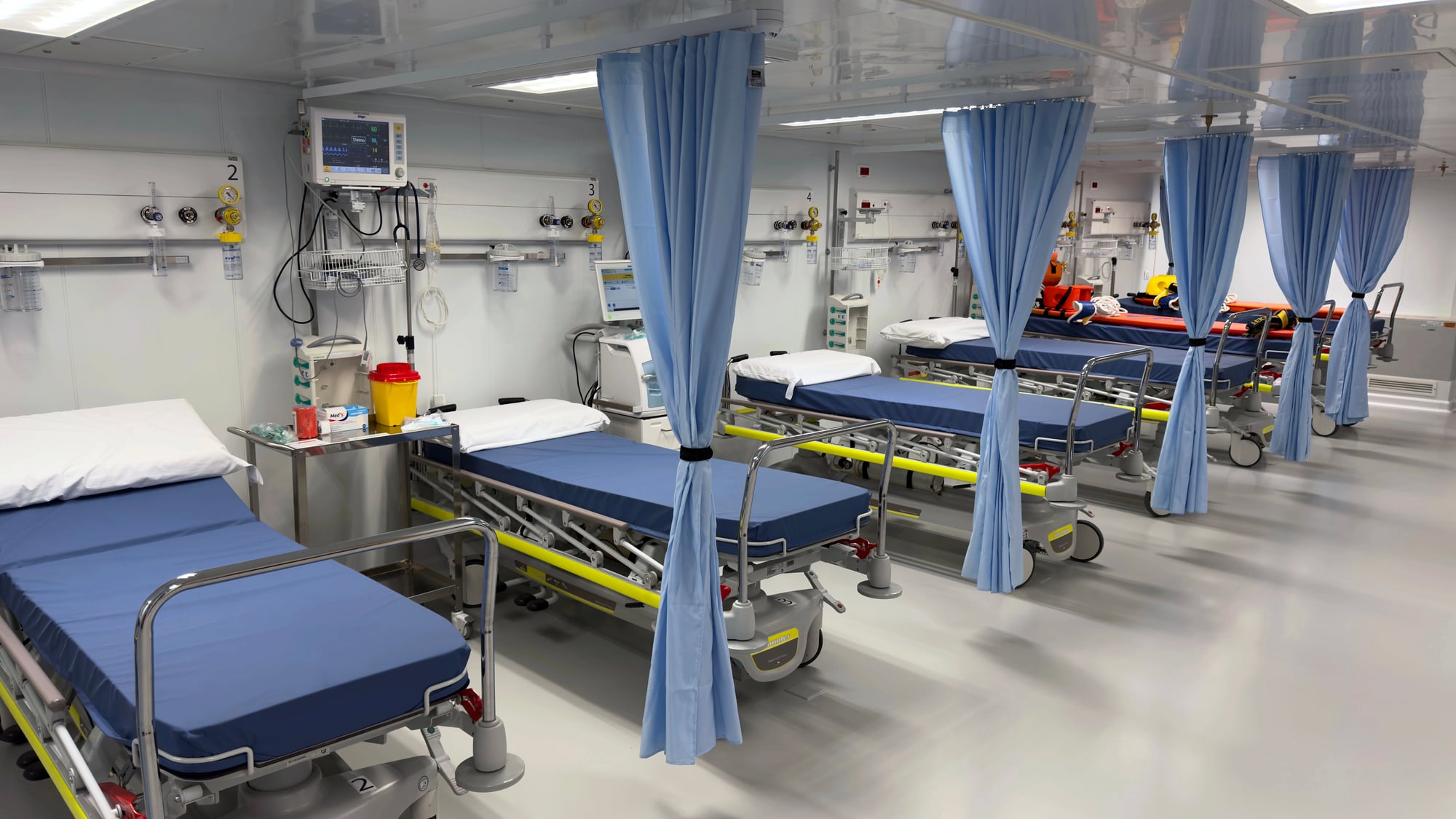
The ship’s medical department operates a full hospital that would serve a small city, complete with operating rooms, x-ray machines, and a dental clinic. Doctors and corpsmen treat everything from routine illnesses to traumatic injuries, knowing the nearest shore-based hospital might be days away.
The medical spaces stay impressively clean despite being surrounded by industrial machinery, and the staff trains constantly for scenarios ranging from combat casualties to disease outbreaks. Dental chairs and examination tables feature straps to keep patients secure when the ship rocks in rough weather.
The Bridge Commanding The Vessel
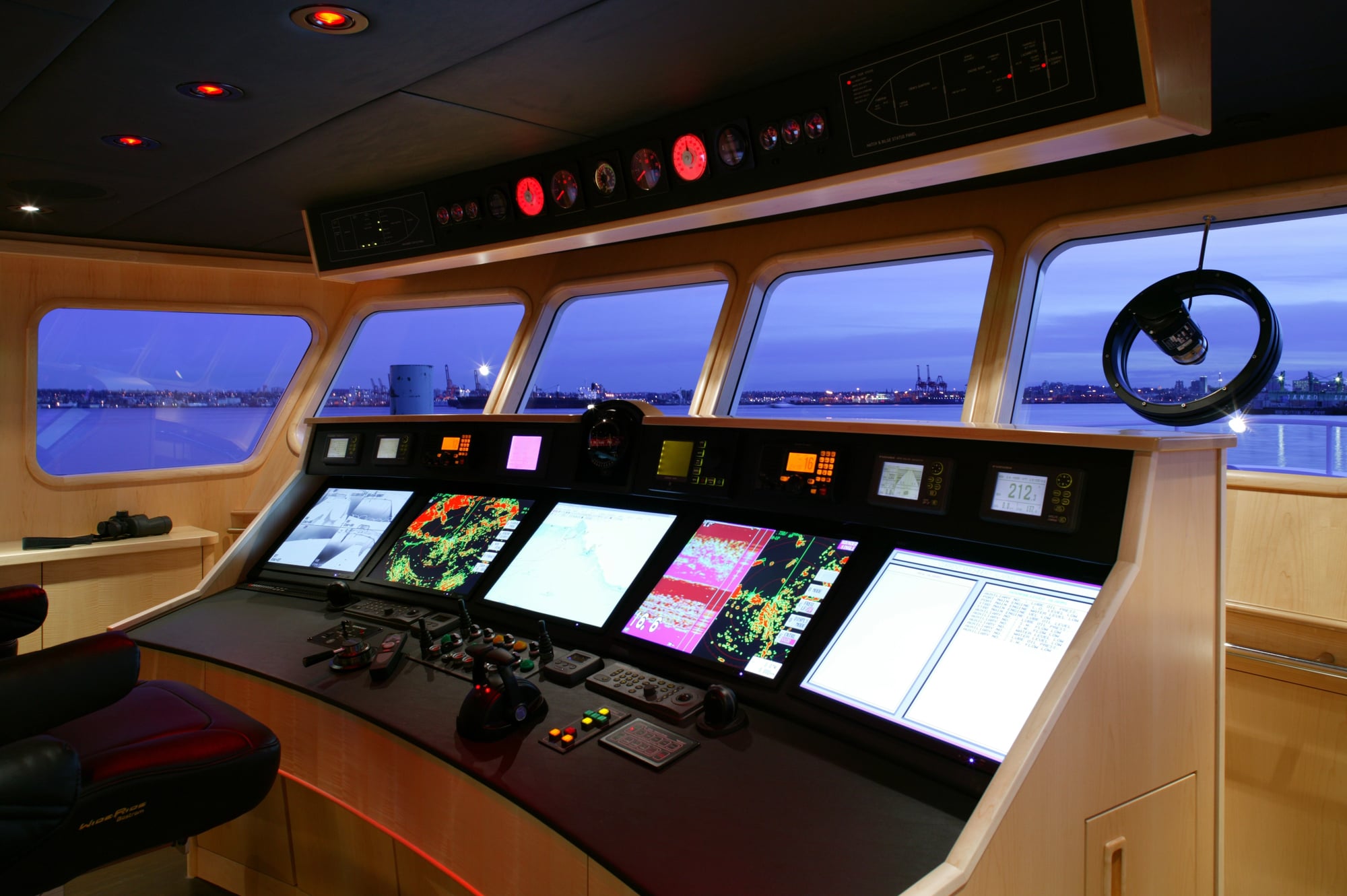
The ship’s bridge sits high in the island structure, offering panoramic views through wraparound windows. Crew members monitor dozens of screens displaying radar, navigation data, and communications while officers coordinate with the engine room and flight deck.
The captain’s chair sits in the center like a throne, positioned to see everything happening on the flight deck and in the surrounding waters. At night, red lighting preserves night vision while the glow from instruments creates an almost otherworldly atmosphere.
Ammunition Magazines Deep In The Hull

Weapons storage sits in the most protected part of the ship, deep below the waterline where thick armor provides extra security. Ordnance specialists move bombs and missiles through a network of elevators and passageways designed to contain any accidental explosions.
The temperature stays carefully controlled to prevent unstable reactions, and every weapon gets tracked with a level of precision that would impress any warehouse manager. Loading stations connect directly to elevators that carry ordnance up to the flight deck, creating a supply chain that operates like a vertical conveyor belt.
The Post Office Sorting Thousands Of Letters

A small post office operates continuously to handle mail for thousands of sailors, processing letters and packages that arrive via supply aircraft. Mail call ranks as one of the most anticipated events aboard the ship, especially during long deployments when contact with home feels increasingly precious.
Postal clerks sort mountains of envelopes in spaces no bigger than a standard bedroom, using the same system as shore-based facilities but adapting to the ship’s constant movement. Care packages filled with snacks, toiletries, and reminders of home stack up during mail runs, creating temporary mountains of cardboard in the cramped sorting room.
Night Operations Under Red Lights
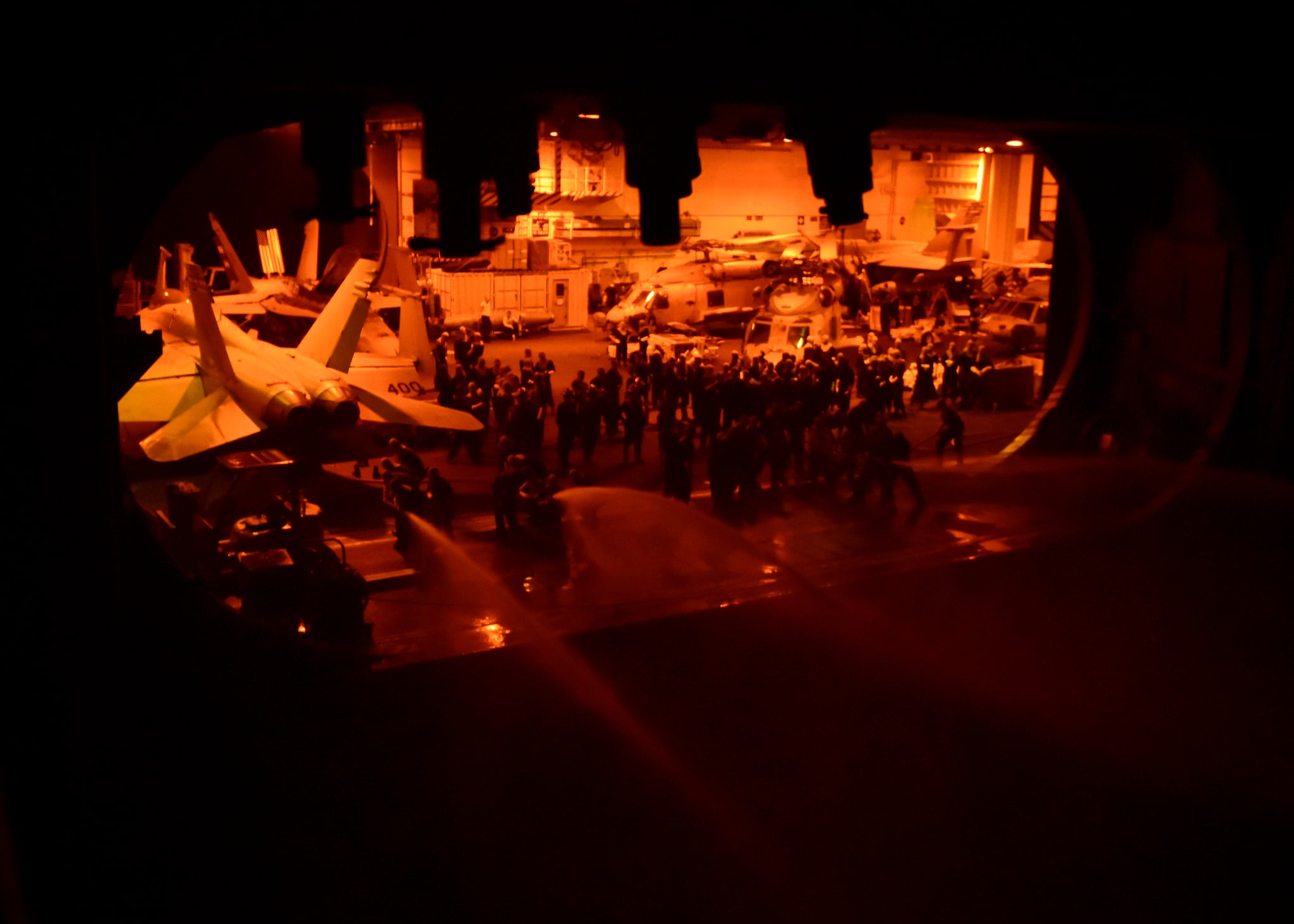
The entire ship switches to red lighting after sunset to preserve the night vision of pilots and deck crew. Walking through passages lit only by dim red bulbs creates a surreal environment where shadows dominate and familiar spaces become harder to navigate.
Flight operations continue through the night, with aircraft landing on a pitch-black ocean using only the carrier’s lights as a reference point. The deck crew wears chemically treated vests that glow under special lights, turning humans into moving beacons in the darkness.
The Barber Shop And Small Exchange
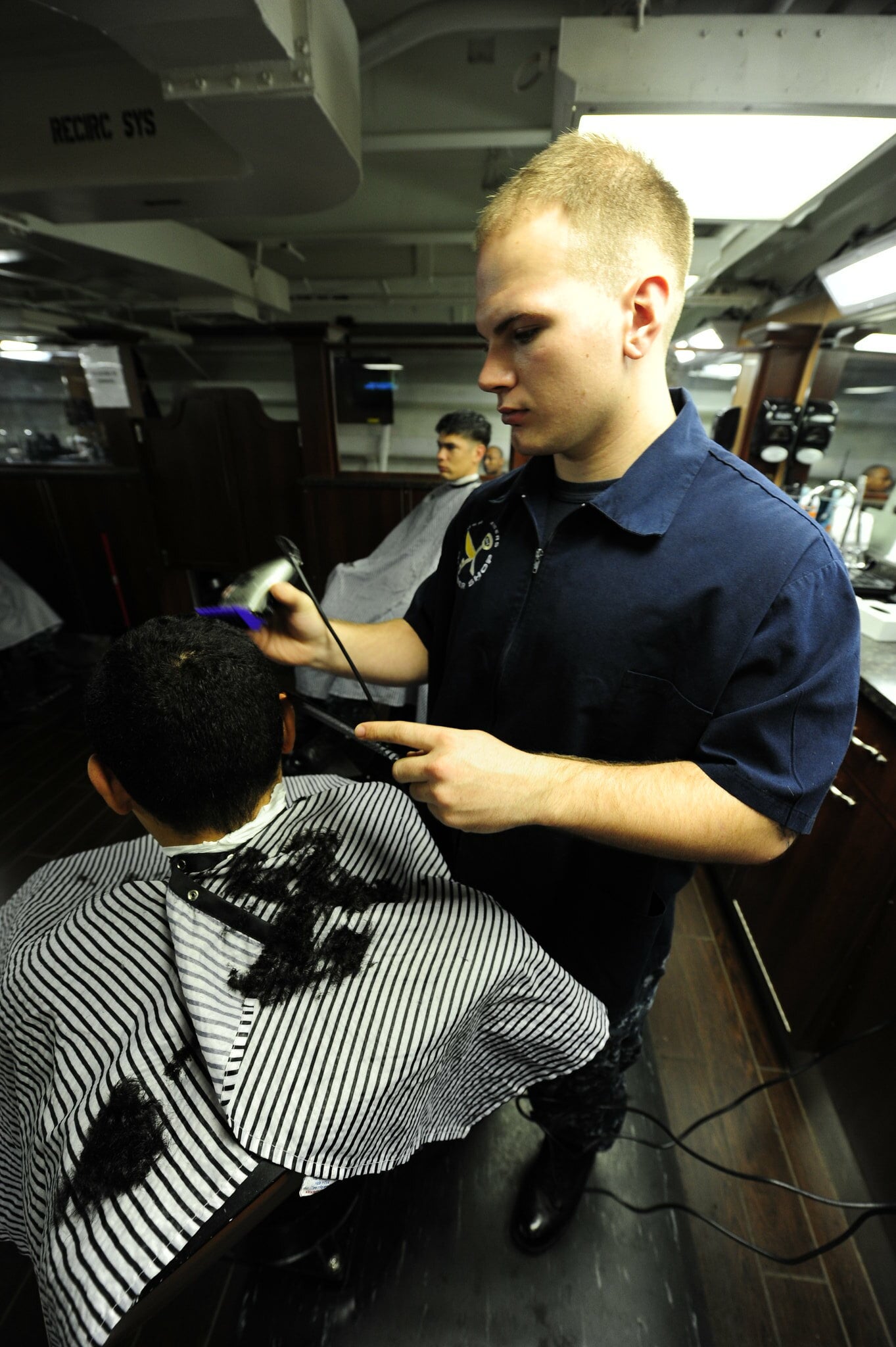
A tiny barber shop tucked into a corner of the ship operates on a first-come, first-served basis, with barbers working through lines that can stretch for hours. The ship’s store, similar to a convenience store, sells essentials like toiletries, snacks, and Navy-branded clothing in a space smaller than most gas station shops.
Prices stay fixed regardless of how far from land the ship travels, though selection becomes limited toward the end of long deployments. These small touches of normalcy provide breaks from the industrial environment that dominates most of the ship.
Damage Control Training In Mock Compartments
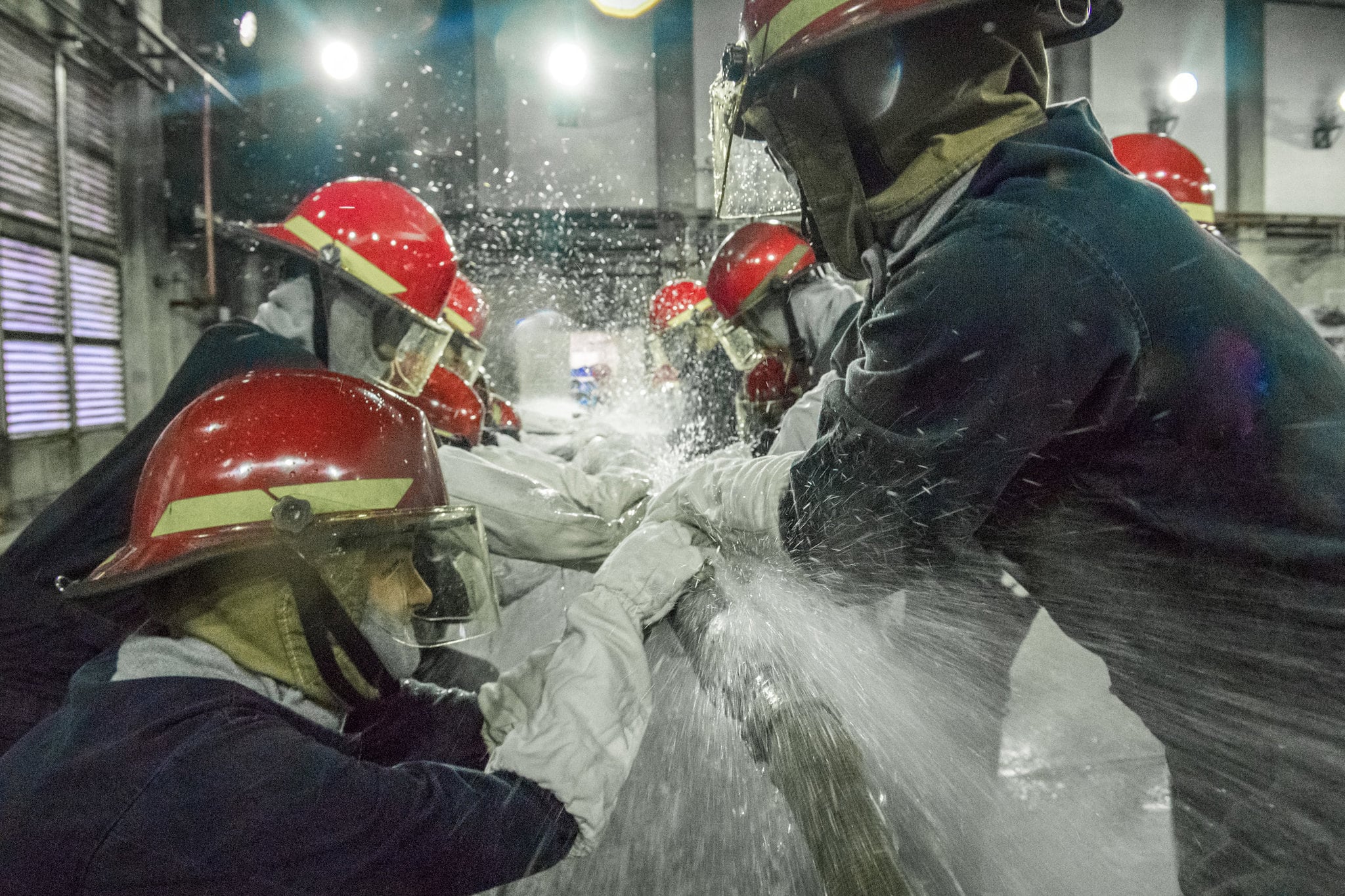
Sailors regularly train in realistic scenarios where they fight simulated fires, patch hull breaches, and contain flooding in specially designed training spaces. These compartments replicate actual ship spaces, complete with pipes that spray water and smoke machines that reduce visibility to zero.
Every crew member learns to be a firefighter and damage control specialist, since survival at sea depends on the entire crew responding effectively to emergencies. Teams practice in full firefighting gear despite temperatures that can exceed 120 degrees, preparing for conditions that would be unbearable without extensive training.
The Mess Decks As Social Centers
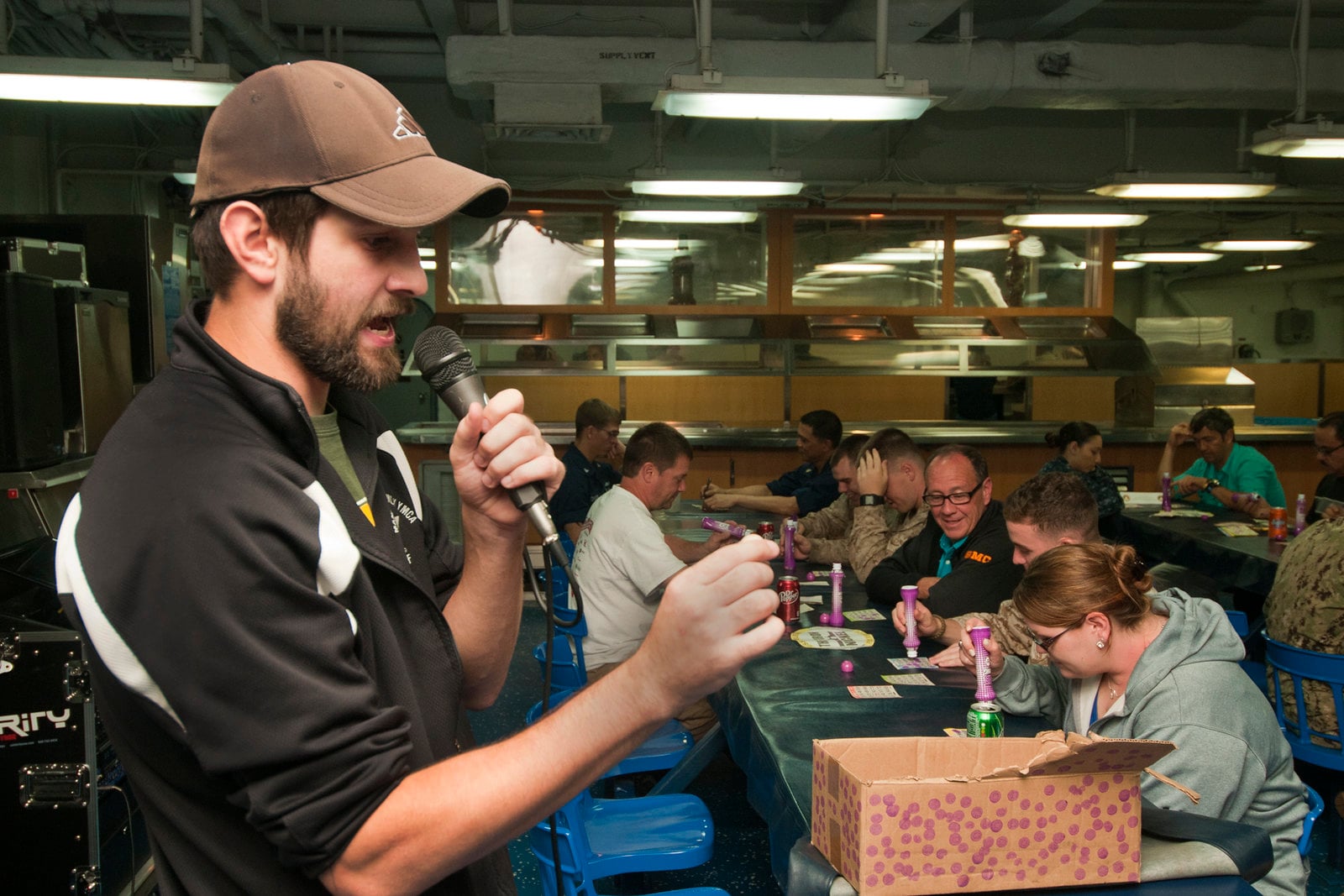
Dining areas double as the ship’s primary gathering spaces where sailors socialize, study, play games, and watch movies during downtime. Tables bolt to the deck in long rows, and the space transforms based on the time of day from busy cafeteria to quiet study hall to impromptu movie theater.
These areas provide rare opportunities for crew members from different departments to interact, creating a sense of community that transcends individual work assignments. Late-night card games and conversations about home fill the spaces between meals, turning a functional dining area into the ship’s living room.
Laundry Rooms Running Constantly
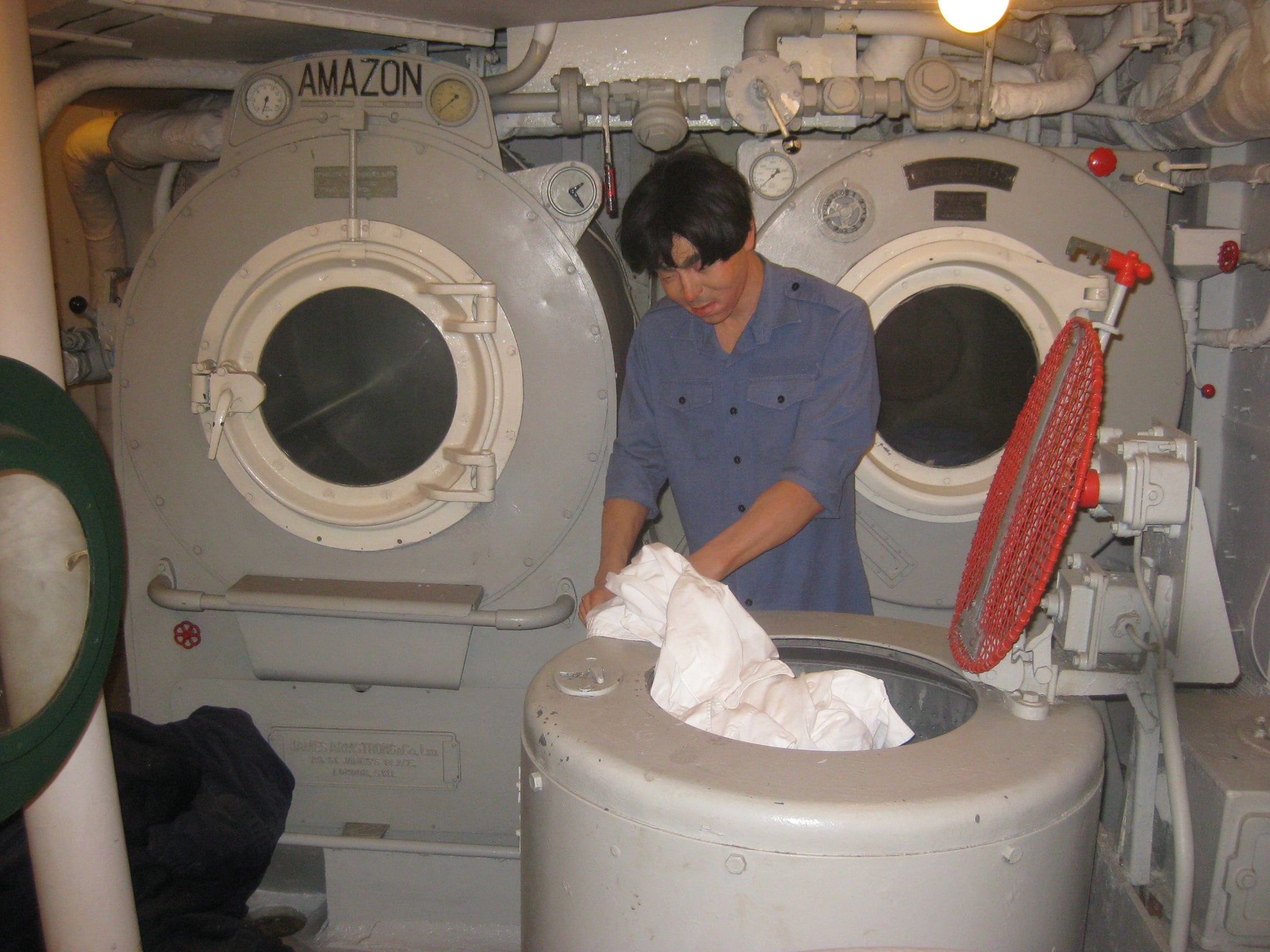
Industrial washers and dryers operate in shifts around the clock, handling mountains of uniforms, linens, and towels that accumulate from thousands of people. Sailors either do their own laundry during off-hours or pay others to handle the task, with unofficial laundry services running as side businesses among entrepreneurial crew members.
The heat and humidity in laundry spaces rival tropical climates, and the constant tumbling of dryers adds yet another layer of noise to the ship’s symphony of mechanical sounds. Finding an available machine during peak times requires strategy and patience, leading to unofficial sign-up systems and territorial disputes over prime laundry hours.
Supply Transfers At Sea
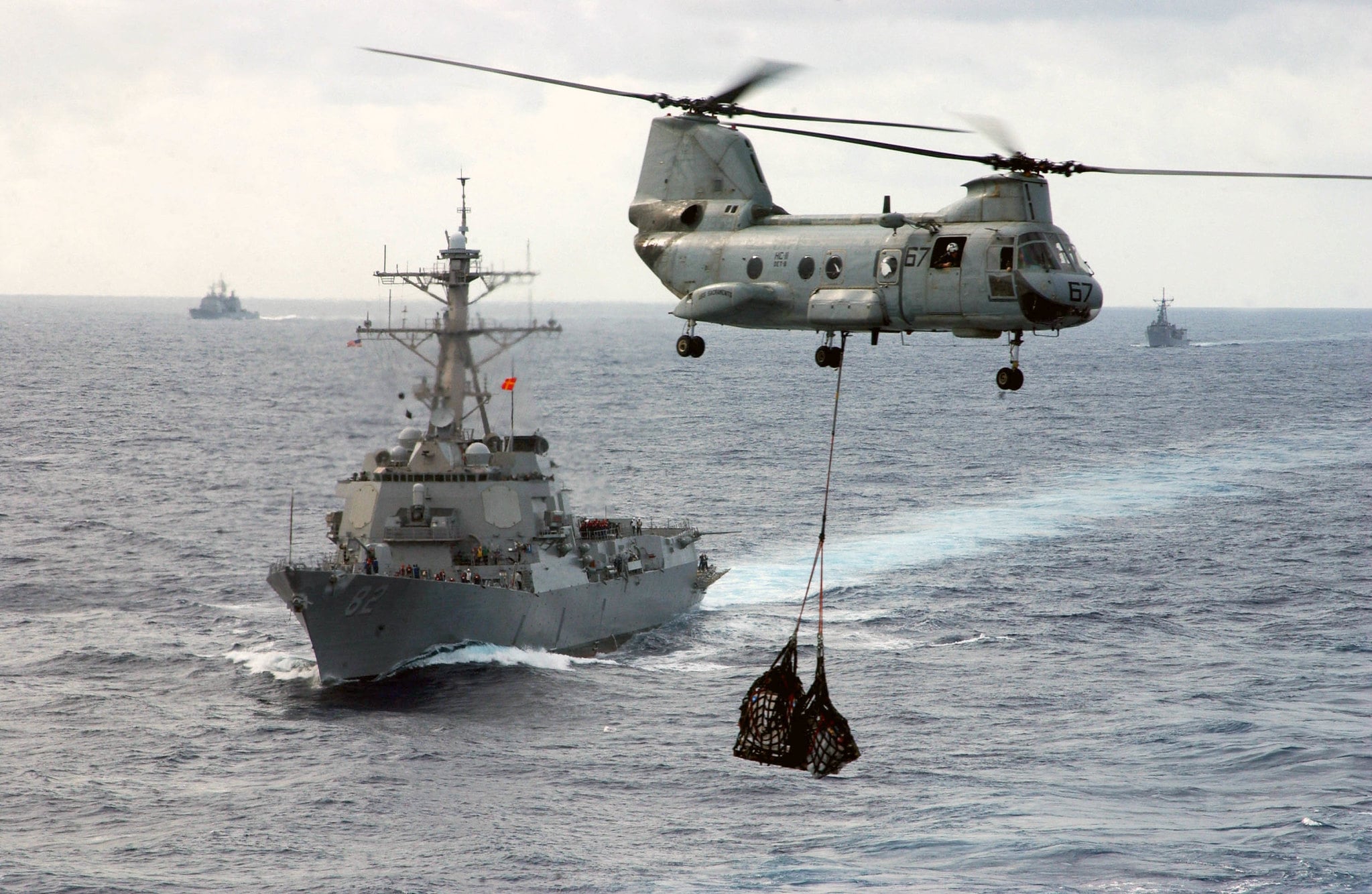
High above the deck, cargo copters dangle supply stacks on long lines, dropping them off without ever touching down. Guided by hand signals, ground teams pull each bundle safely onto the landing zone amid whirling rotors nearby.
Moving side by side with freight ships, this vessel catches incoming crates through tight ropes strung across rolling waves, both boats speeding forward steadily. During long stretches at sea, fresh meals arrive just as often as tool replacements, letters find their way into sailors’ hands, and new crew members step aboard during shifting routines.
Every few days, one form or another of resupply repeats like clockwork.
Chapel Services In Multipurpose Spaces
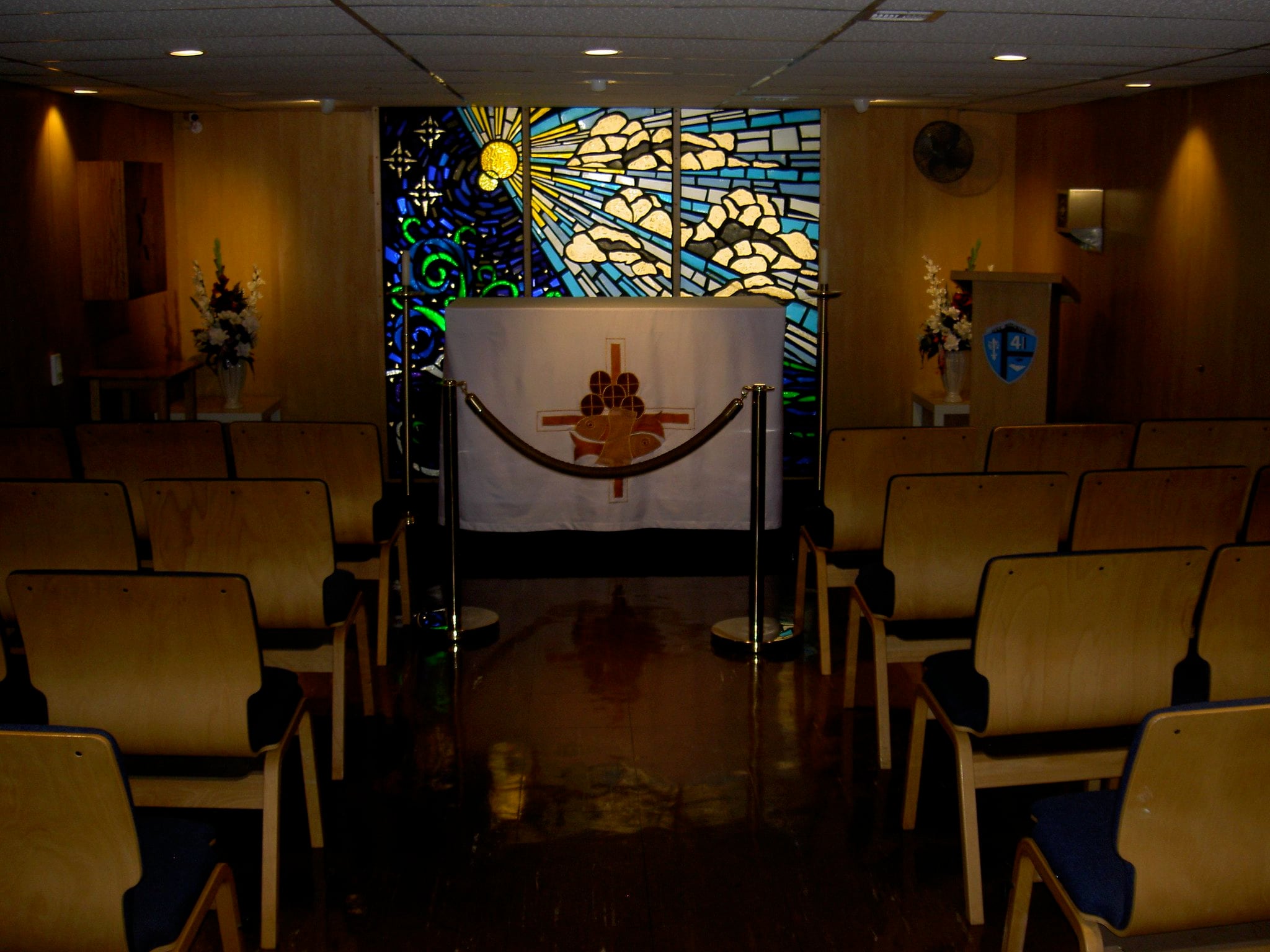
On Sundays and holidays, places used for eating or meetings become spots for worship, open to many beliefs. When needed, chaplains support the crew through talk and prayer, meeting people wherever they are in life.
Quiet pauses like these stand out on a vessel always humming with noise. A plain cross can turn any corner into something solemn, even holy.
In hard stretches, more hands show up, looking for peace while drifting miles from familiar shores.
Living Between Sea And Sky
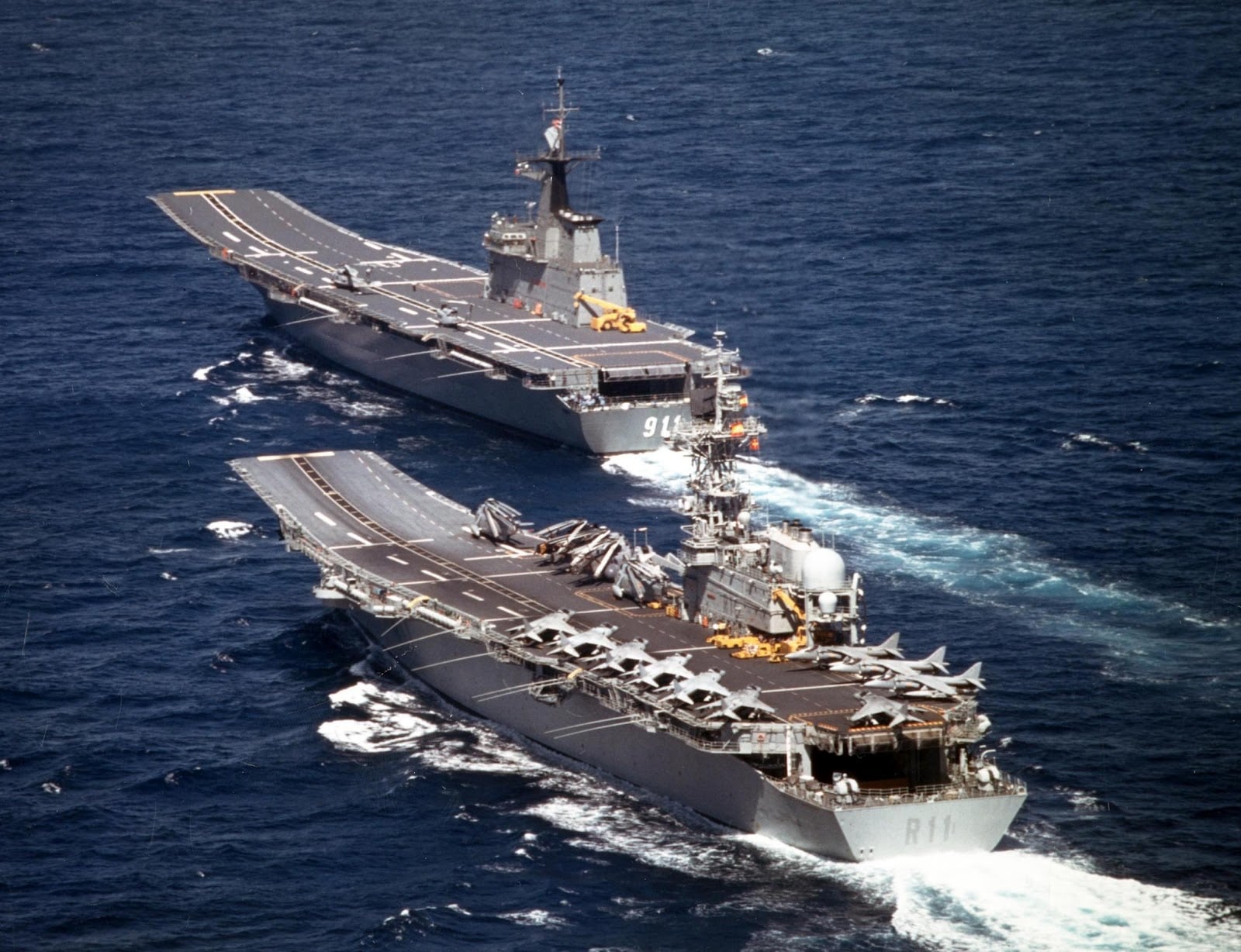
Out here, far above the deep, life unfolds in tight corners and loud hallways, packed into a metal island moving across open blue. While land fades behind clouds and weather shifts without warning, routines hold steady down below decks.
Though cut off from everything familiar, crews build ways to survive – drills shape habits, grit keeps spirits up, laughter cuts through tension when stress piles high. Machines stretch for acres beneath flight decks, humming day and night like clockwork giants.
Yet none of it moves unless hands turn valves, eyes scan gauges, voices call out orders through roaring winds.
More from Go2Tutors!

- The Romanov Crown Jewels and Their Tragic Fate
- 13 Historical Mysteries That Science Still Can’t Solve
- Famous Hoaxes That Fooled the World for Years
- 15 Child Stars with Tragic Adult Lives
- 16 Famous Jewelry Pieces in History
Like Go2Tutors’s content? Follow us on MSN.



