30 Animals That Have Adapted to City Life Better Than Anyone Predicted
Cities were supposed to be biological deserts—places where animals couldn’t survive because humans had replaced every natural feature with concrete and steel. Yet decades after urban expansion accelerated, wildlife hasn’t just survived in cities.
It has thrived, adapted, and in some cases evolved so successfully that urban populations are larger and healthier than their rural counterparts. Some animals have modified their behavior.
Others have changed genetically. Most have simply recognized that cities provide reliable food, shelter from predators, and fewer natural threats than the wilderness.
The adaptation has been so complete that some species now depend on humans more than they would in nature.
What follows are animals that have conquered cities not by being strong or fierce, but by being flexible, clever, and completely unbothered by human presence. Some arrive by accident.
Others return to habitats they abandoned. A few have become more successful in cities than they ever were in nature.
Pigeons (Rock Doves)
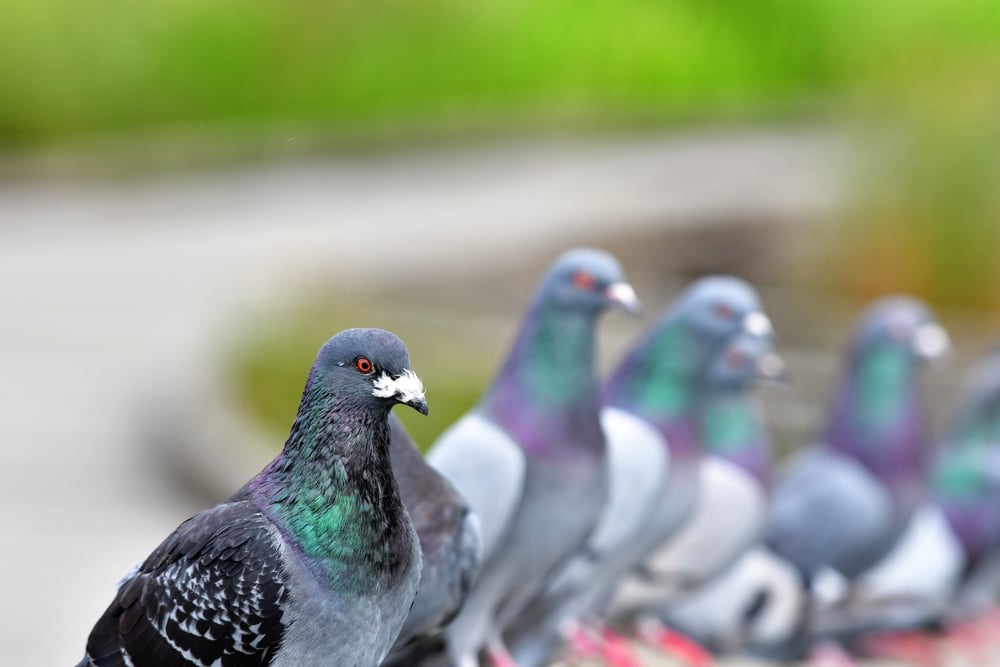
Originally cliff dwellers, pigeons recognized that buildings perfectly mimic rocky cliff faces. They nest in crevices, scavenge human food, and navigate busy streets with surprising agility.
They’re so successful in cities that many people forget how impressive their adaptation really is.
Raccoons
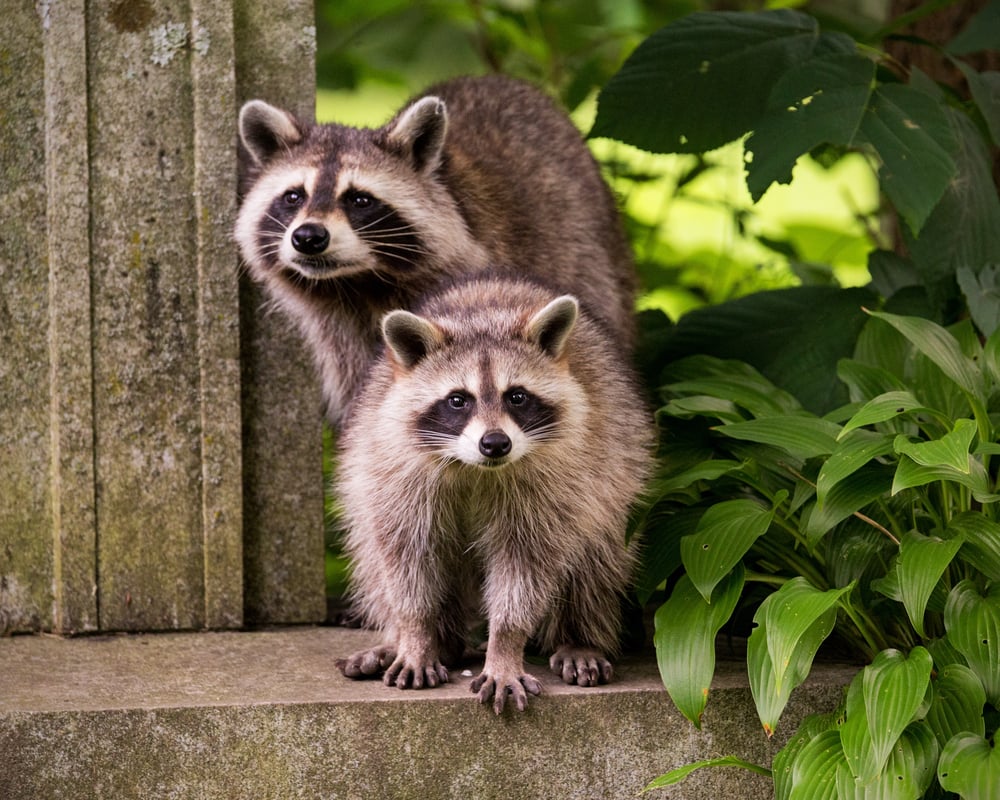
These intelligent masked scavengers have learned to open trash cans, slip through small openings, and climb apartment balconies. Urban raccoons are bolder and larger than rural cousins, with abundant high-calorie food sources.
Their dexterous paws and problem-solving abilities make them nearly unstoppable.
Peregrine Falcons
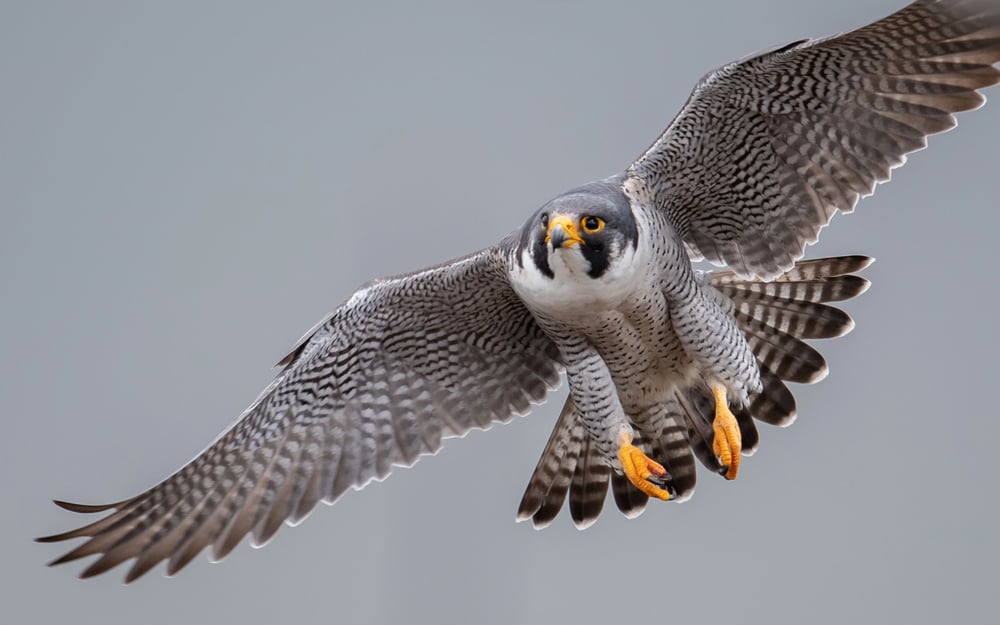
Skyscrapers mimic the cliff faces falcons naturally nest on. Cities offer abundant prey in the form of pigeons.
Cornell University found that urban peregrines have higher nesting success than rural ones (2.8 young per nest vs. 1.7), and some hunt at night using city lights to spot prey.
Coyotes
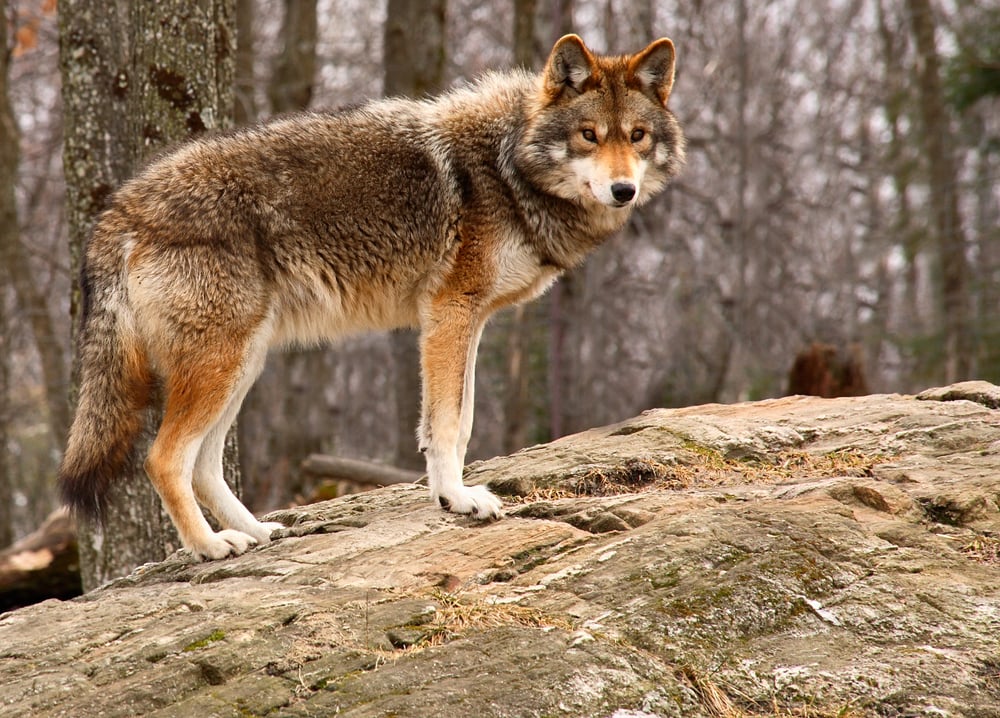
These cunning canines have adapted to suburban and urban environments across North America. They exploit food waste, hunt small mammals, and remain mostly nocturnal to avoid human contact.
They’ve integrated into urban fabric while maintaining low visibility.
Red Foxes
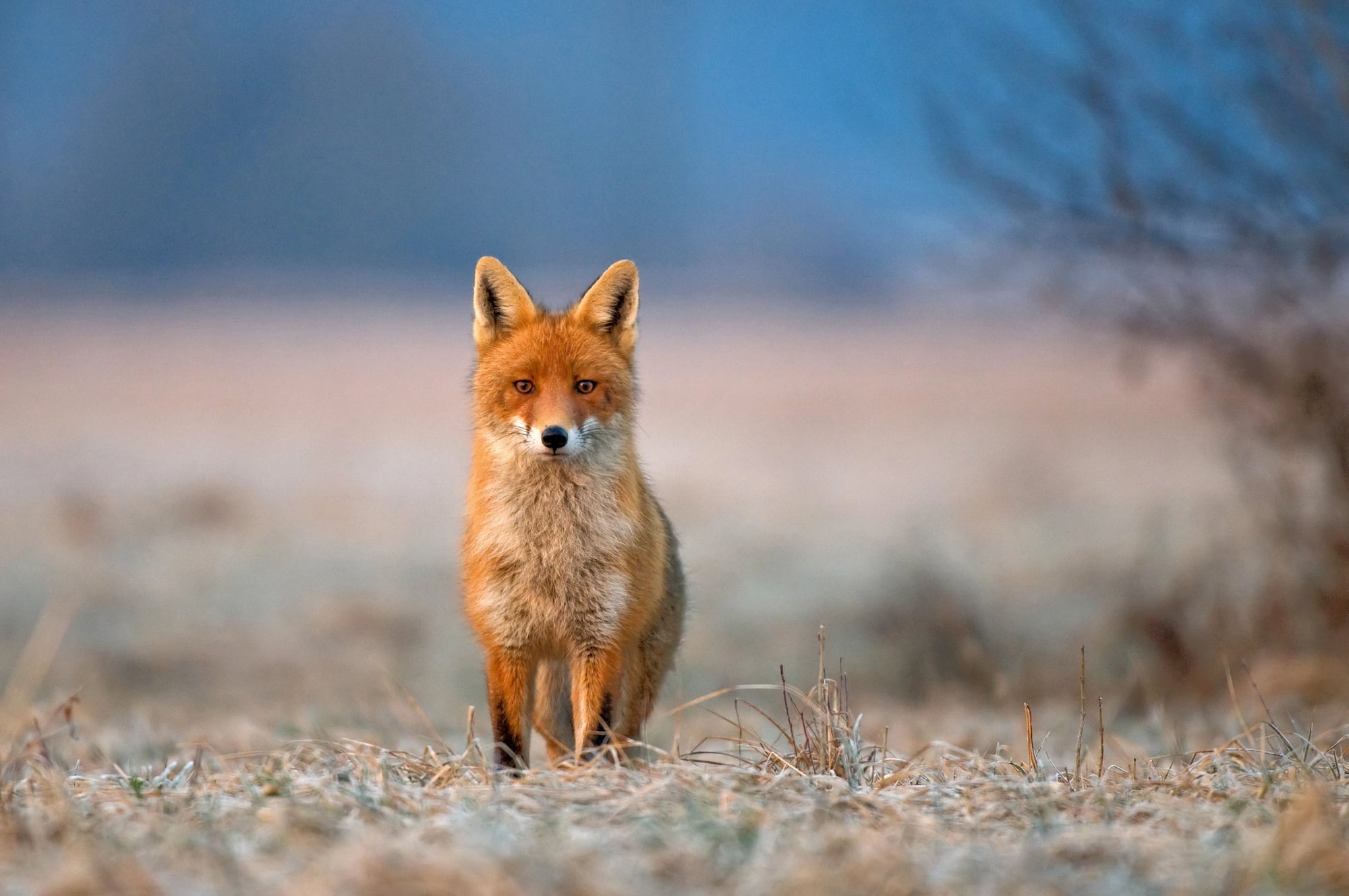
Keen senses and adaptable diets let foxes find food easily in cities. They hunt small birds and mammals, supplement with garbage and human leftovers, and blend into diverse urban environments.
They’re elusive but increasingly common.
Squirrels
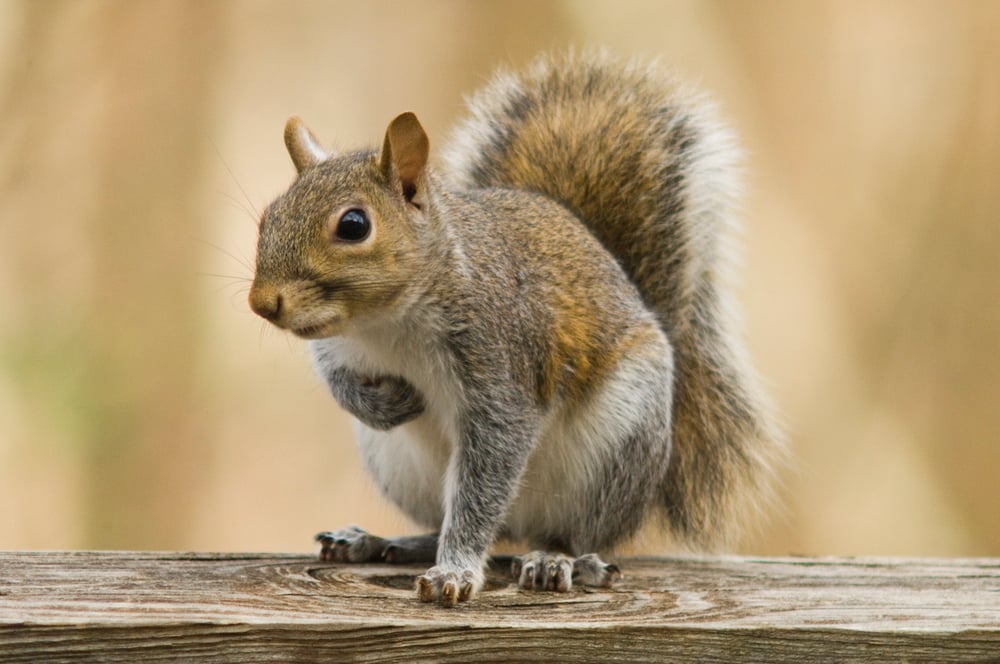
Acorns from urban trees and human food sources let squirrels thrive in parks and residential areas. They’ve learned to navigate buildings, power lines, and traffic with remarkable coordination.
Urban squirrels are noticeably bolder than wild ones.
Crows and Ravens
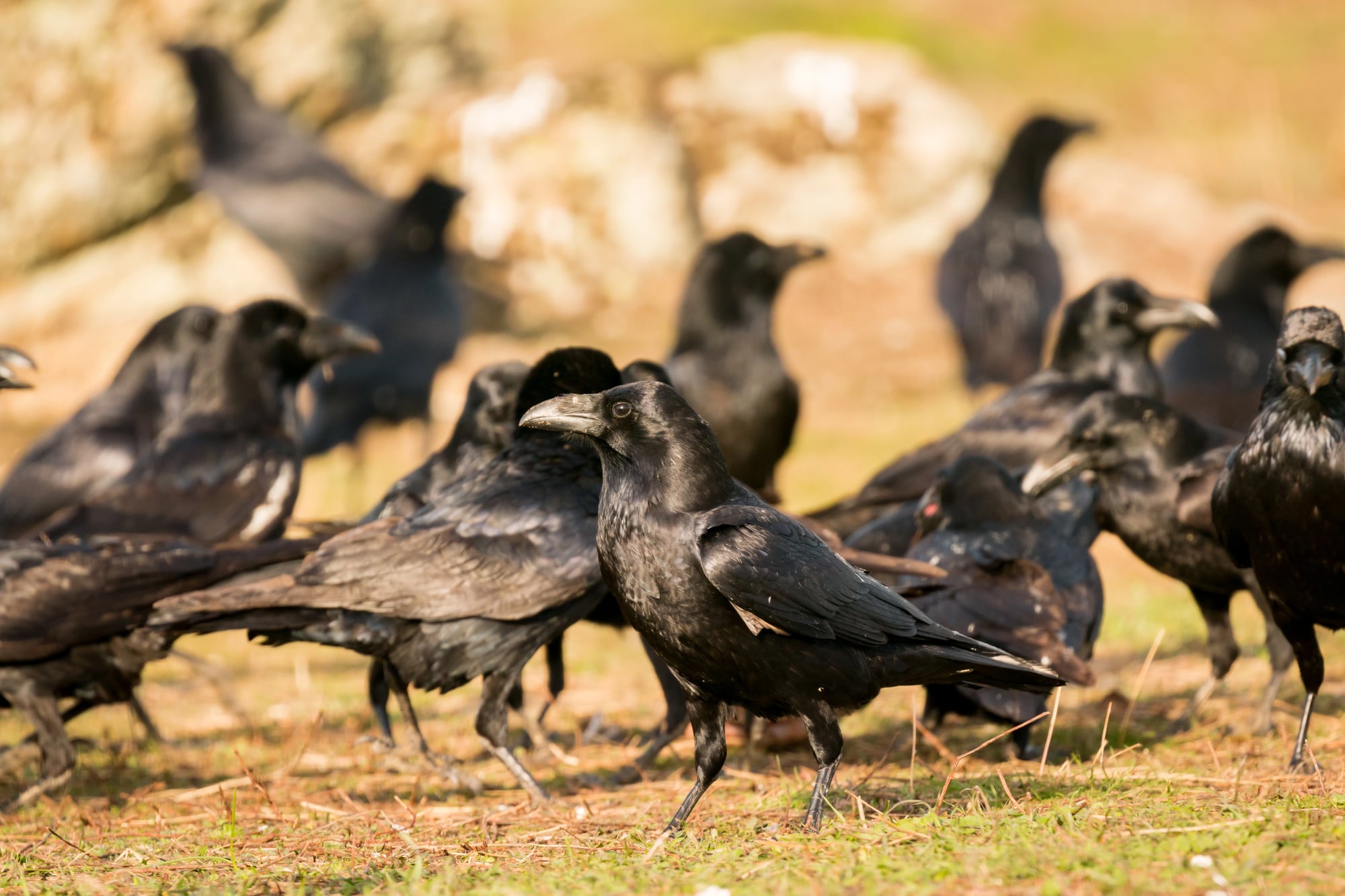
These intelligent birds have learned to use tools, recognize human faces, and plan multi-step strategies to access food. They’ve adapted to hear and navigate constant traffic noise.
Some cities have documented crows teaching younger birds how to cross streets safely.
Seagulls

Coastal gulls expanded inland to cities where landfills and outdoor food provide abundant meals. They’ve learned to steal food from humans, coordinate group attacks on garbage bags, and nest on building ledges.
Their populations have exploded in urban areas.
Opossums
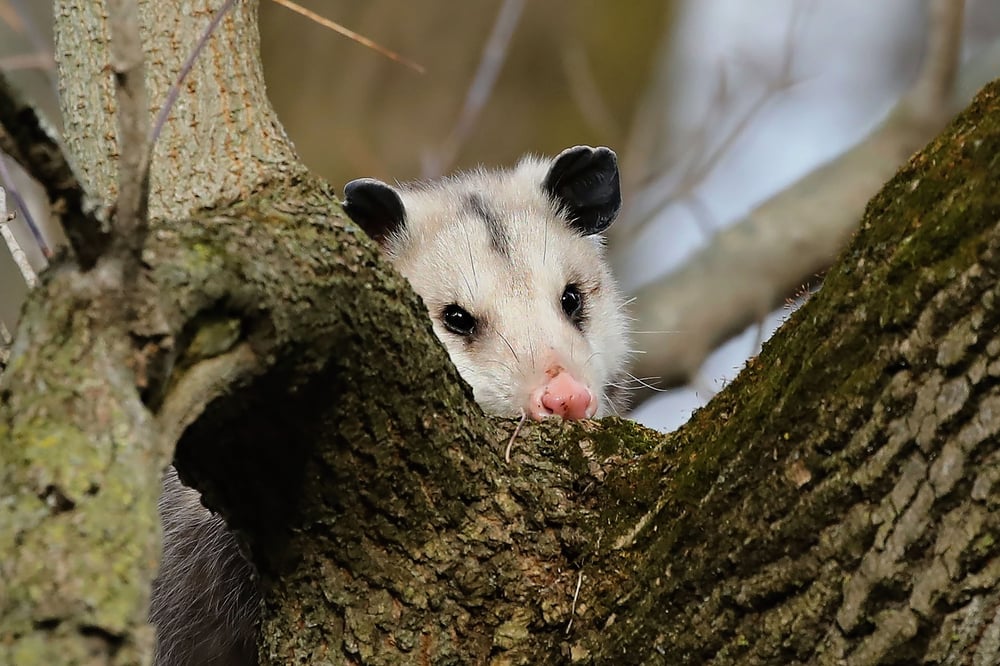
These adaptable marsupials thrive on insects, small mammals, and garbage. They’re immune to certain diseases and toxins, making them efficient urban pest controllers.
Their low profile and nocturnal habits make them less noticed than their success deserves.
Skunks
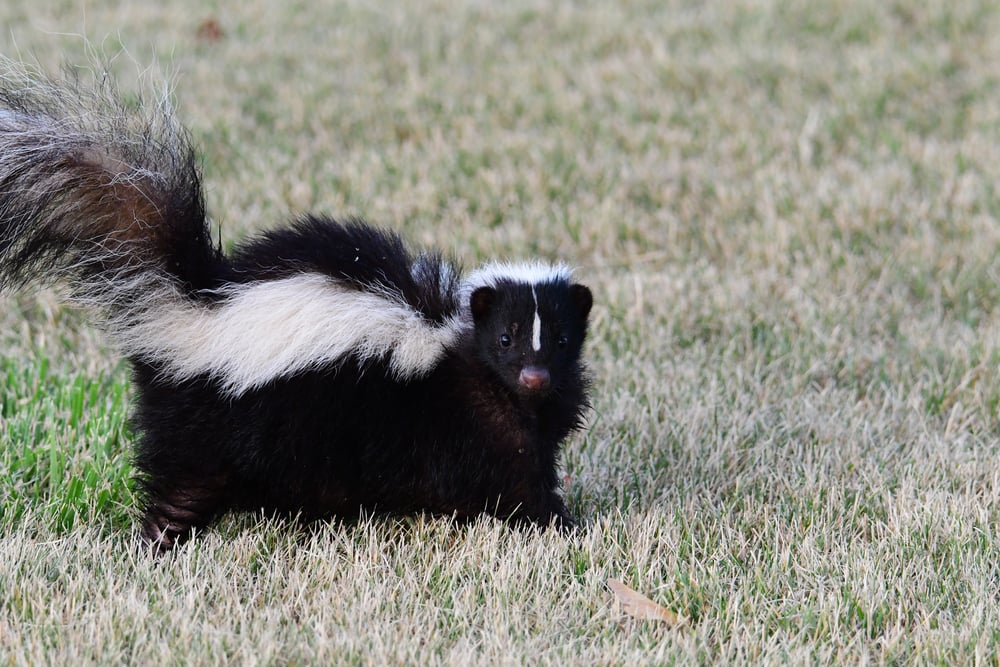
Urban skunks find insects, grubs, and human food in residential areas. They’ve adapted to den under porches and in building spaces.
Their potent defense mechanism means few predators bother them, even in cities.
White-Tailed Deer
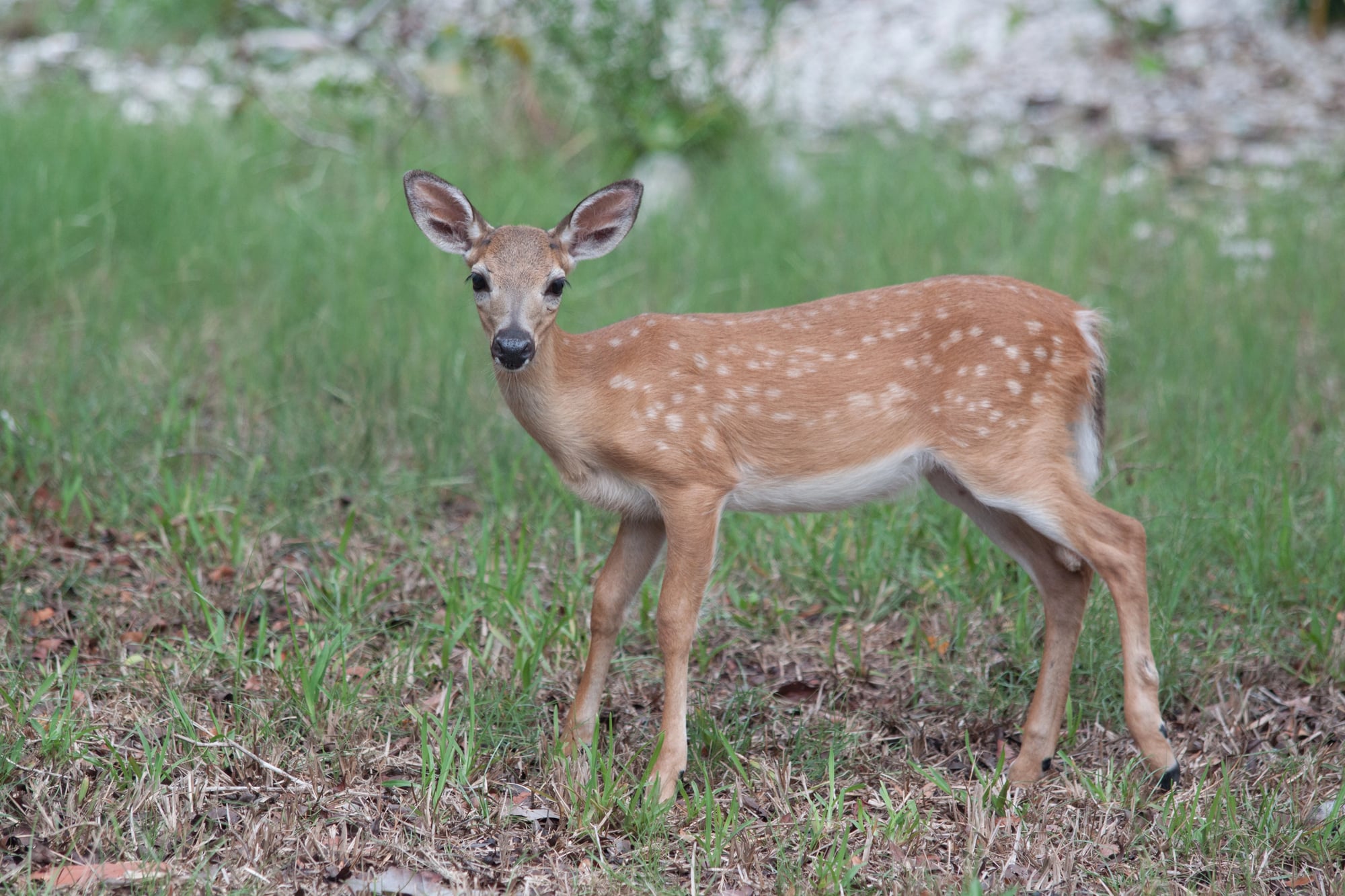
Once rare in eastern cities, deer now roam suburban and even urban areas in significant numbers. They browse plants, suppress predators, and face no major threats.
Some cities have documented urban deer populations exceeding rural numbers.
Bats
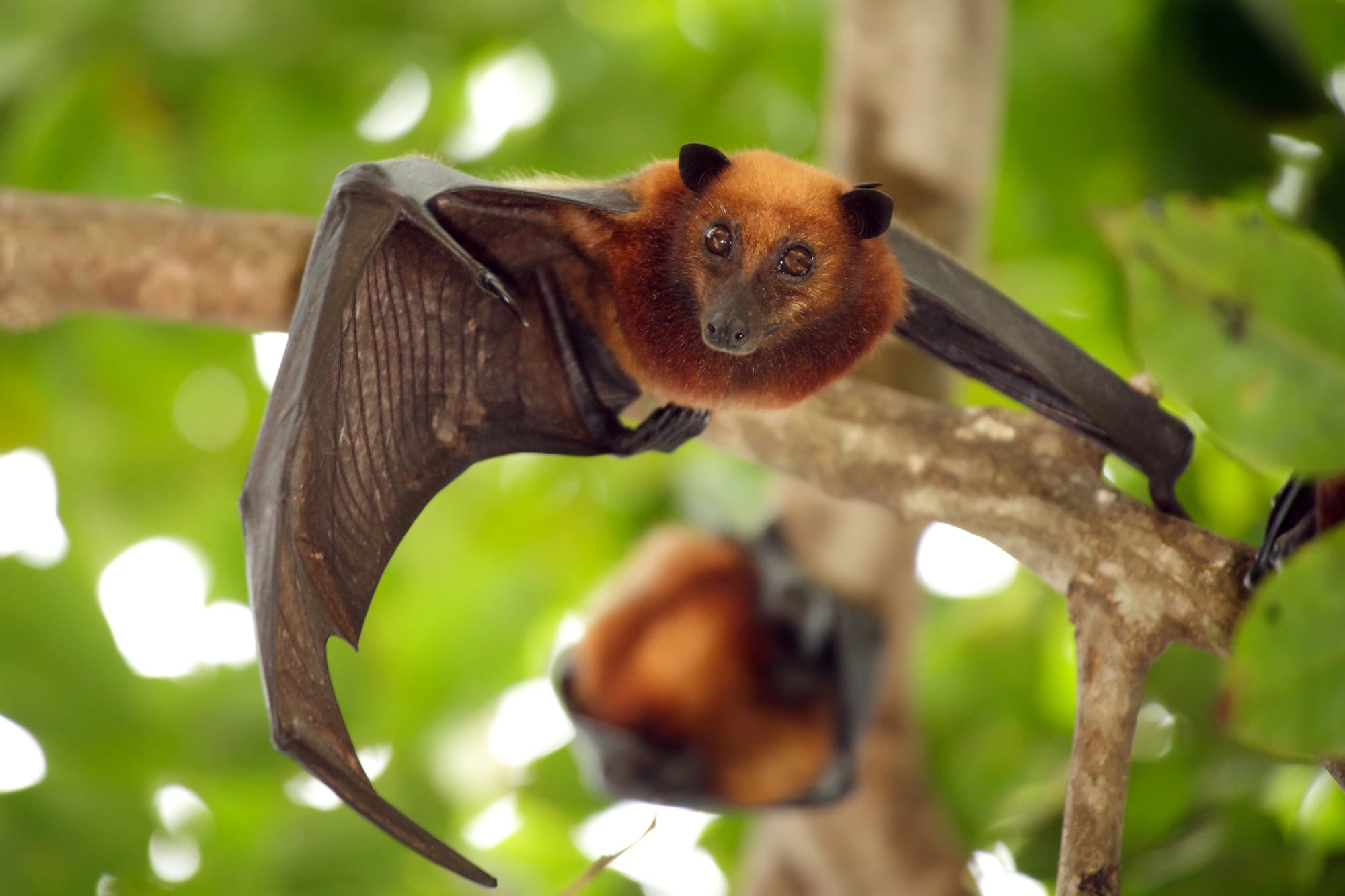
Cities provide insects attracted to street lights, buildings offer roosting sites, and fewer predators threaten bats. Urban bat populations have increased as insect availability has grown under artificial lights.
They’ve become important urban pest controllers.
Rats
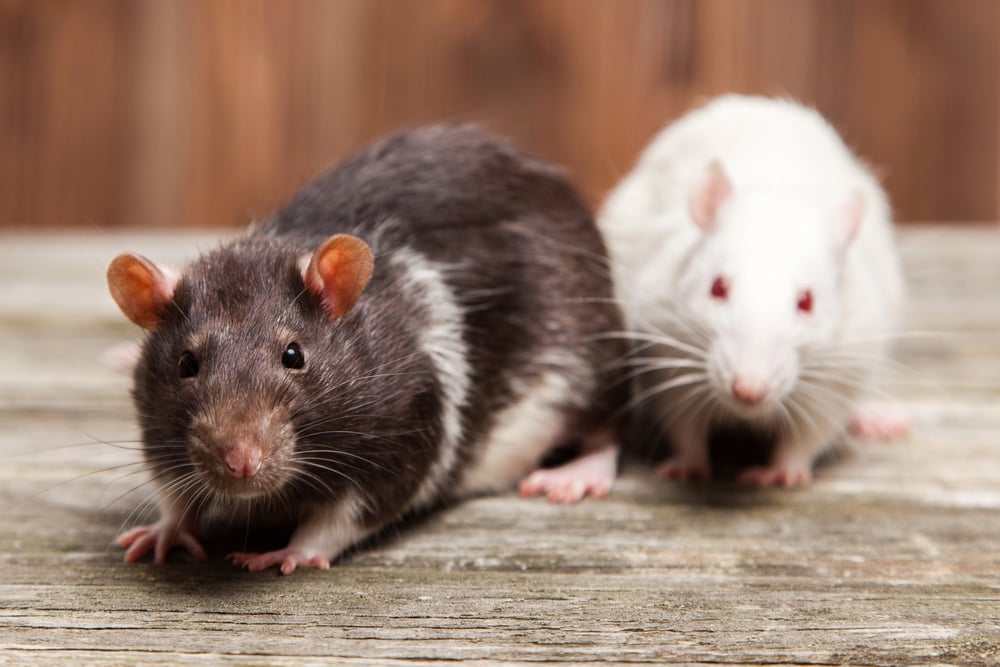
Rats followed humans into cities millennia ago. They’re incredibly adaptable, surviving on garbage and stored food.
Their intelligence, mobility, and rapid reproduction let them exploit urban environments faster than any control method can manage.
Chipmunks
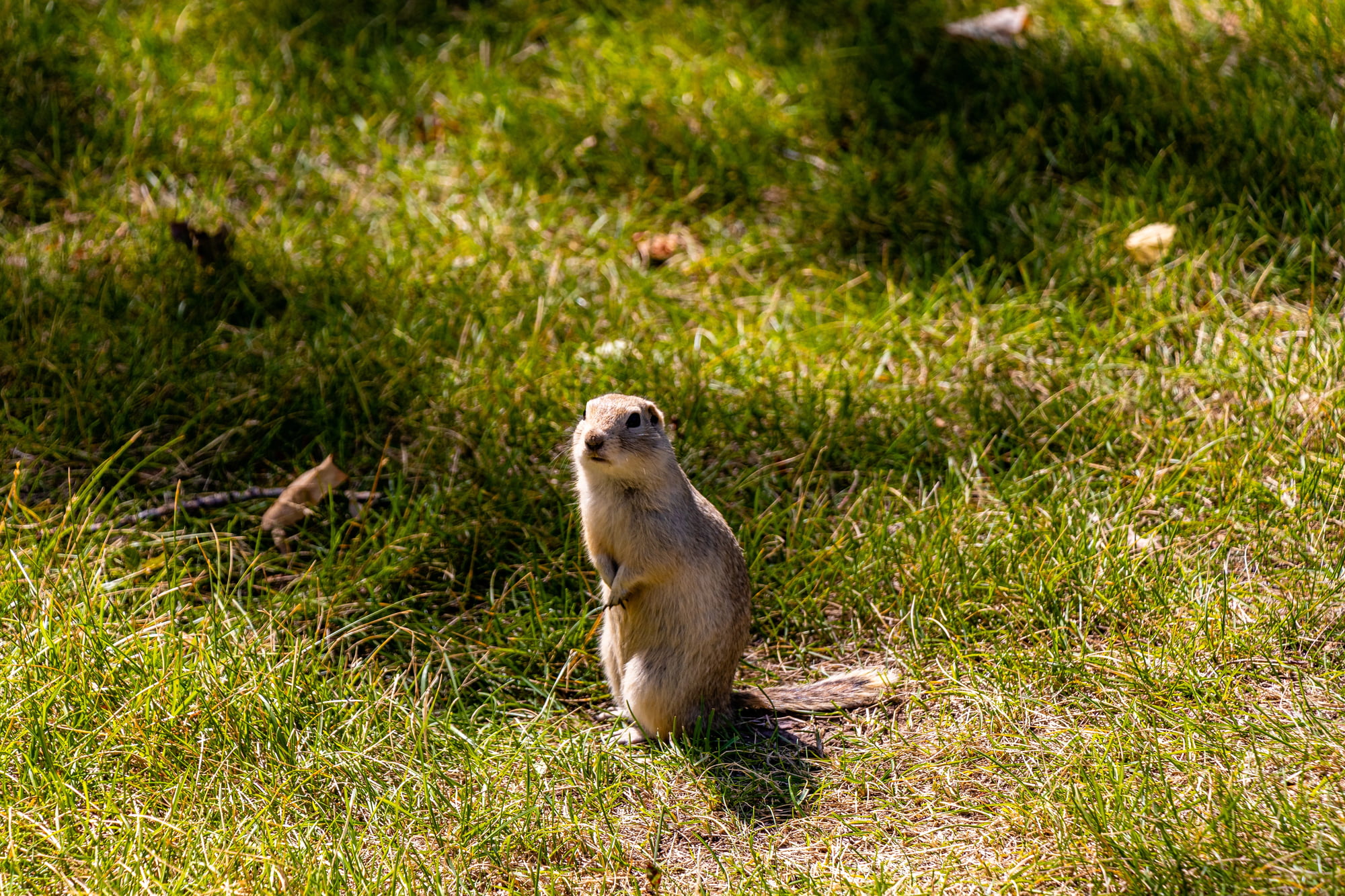
These small rodents thrive in parks and residential gardens. They’ve learned to coexist with humans, scavenge human food, and build burrows in lawns.
Urban chipmunk populations rival their forest counterparts.
Possums (Ring-tailed)
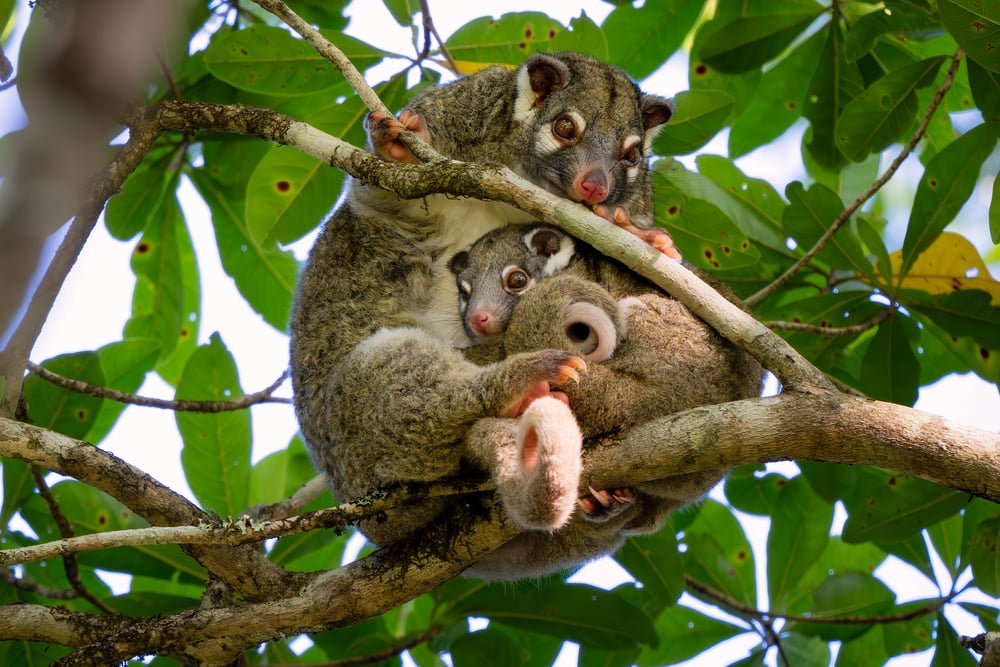
Australian possums have adapted to urban areas, nesting in building cavities and roofs. They’ve learned when humans are active and adjust their nocturnal patterns.
Some cities now have more possums than surrounding forests.
House Sparrows
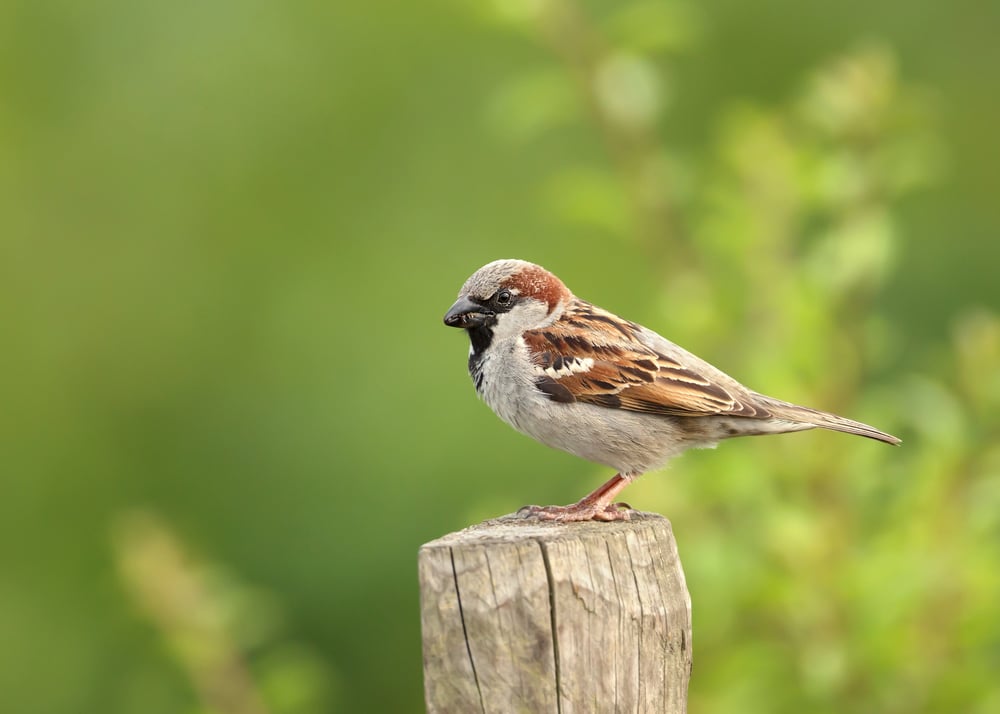
Originally adapted to live around human settlements in the Middle East, house sparrows are now among the world’s most successful birds. They nest almost everywhere, eat diverse foods, and breed year-round in cities.
Starlings
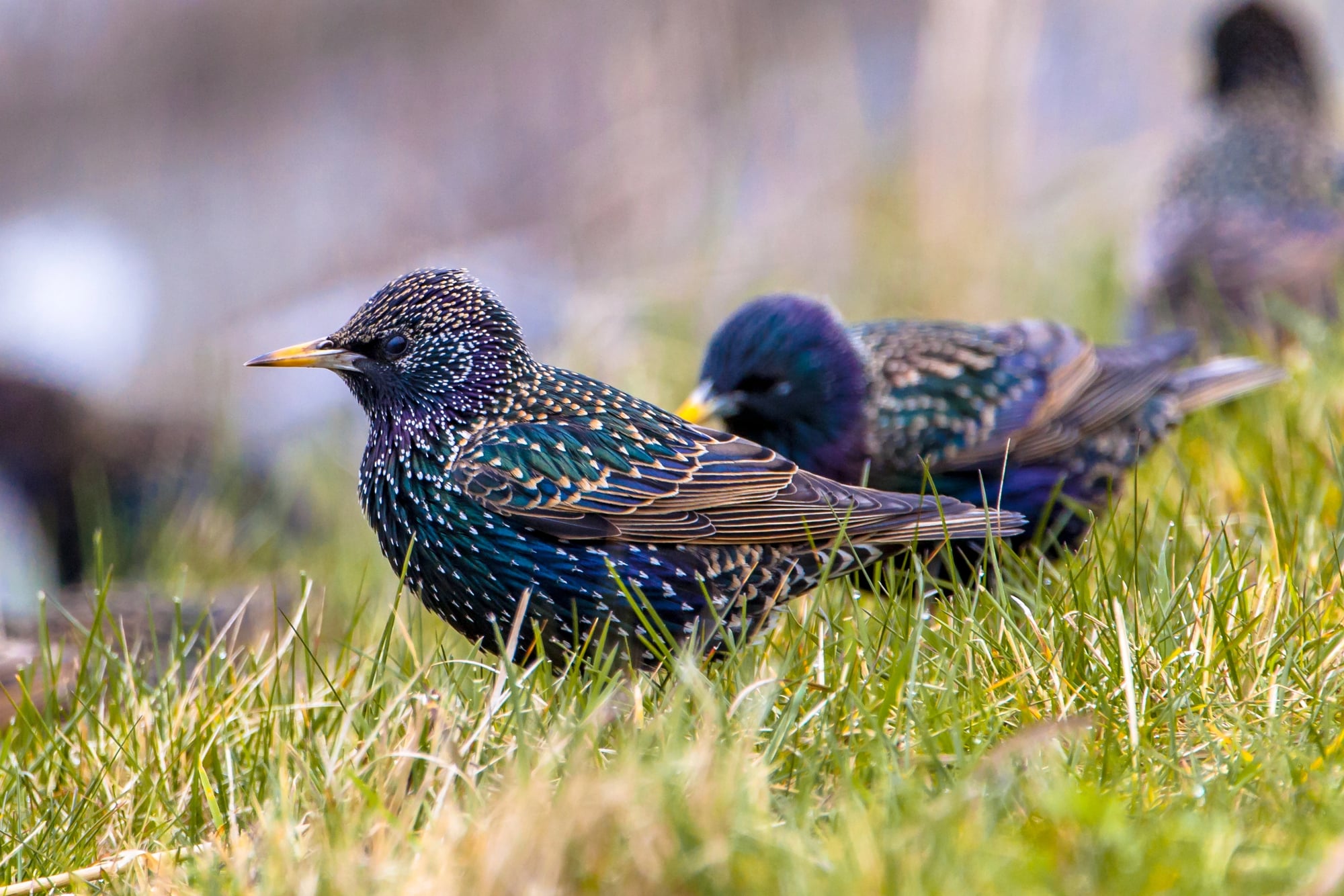
European starlings have become incredibly successful in cities worldwide. They’re gregarious, adaptable, and aggressive competitors for resources.
Urban flocks sometimes number in the thousands.
Gulls (Multiple Species)
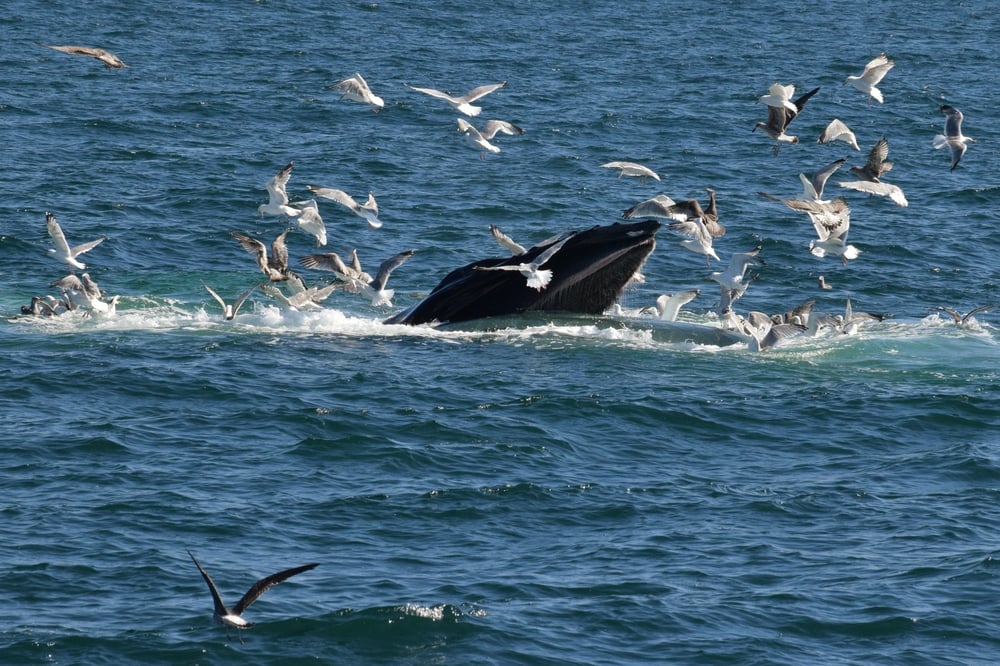
Beyond seagulls, other gull species have adapted to urban living. They scavenge from markets, eat dropped food, and nest on rooftops.
Some cities are now overrun with gull populations.
Blackbirds
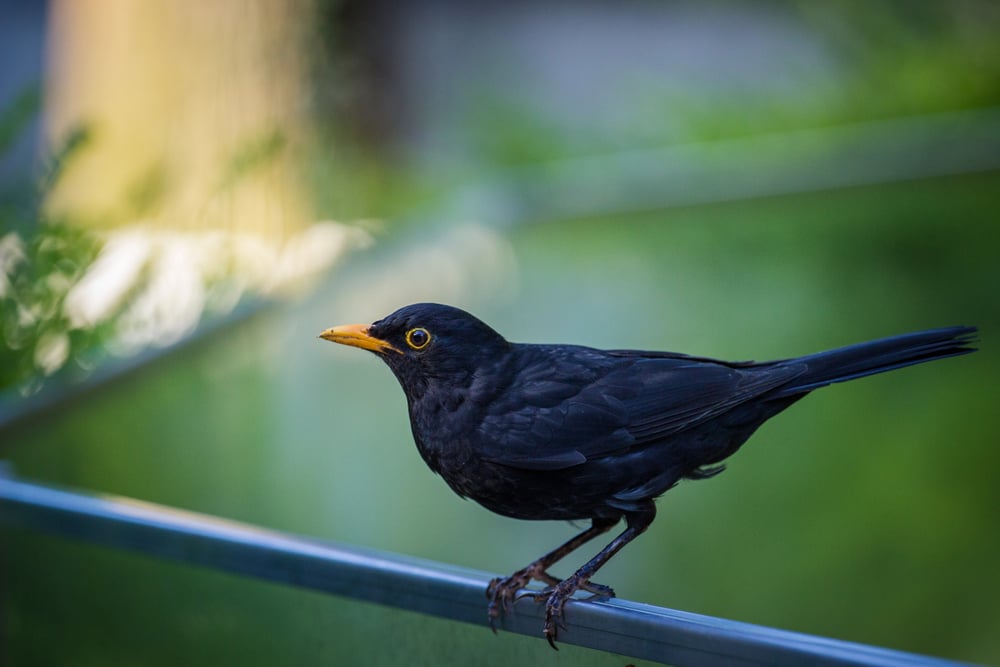
Urban blackbirds show genetic adaptations including changes in beak shape. They’ve altered singing patterns to be heard above city noise.
Their populations in cities sometimes exceed rural populations.
House Finches
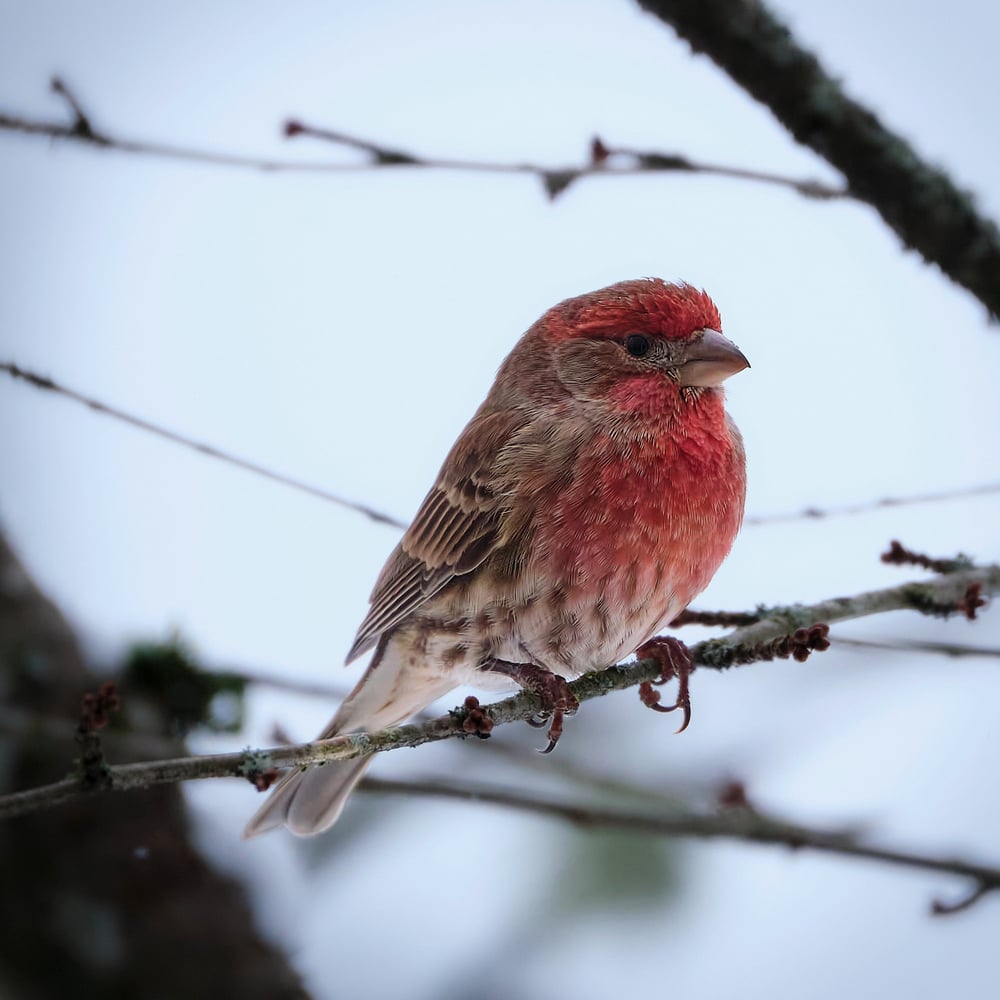
These colorful birds have expanded their range into cities, eating seeds and nesting in building cavities. They’ve adapted to urban garden environments and human-provided food sources.
European Robins
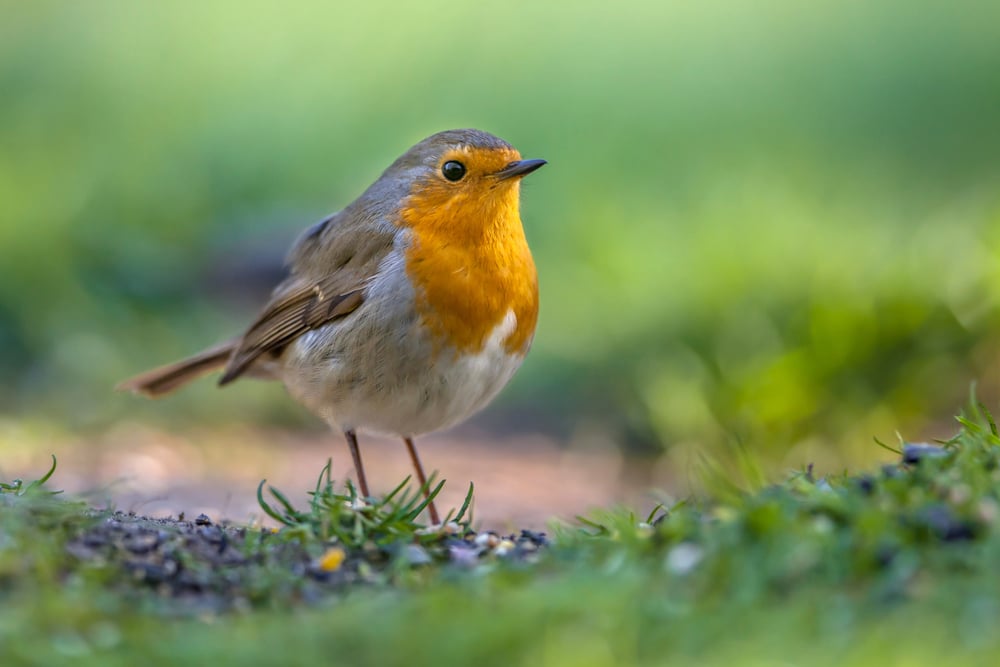
These garden birds have adapted to park environments and residential spaces. They’ve become bold around humans, often approaching for offered food.
Urban populations are stable and thriving.
Tawny Owls
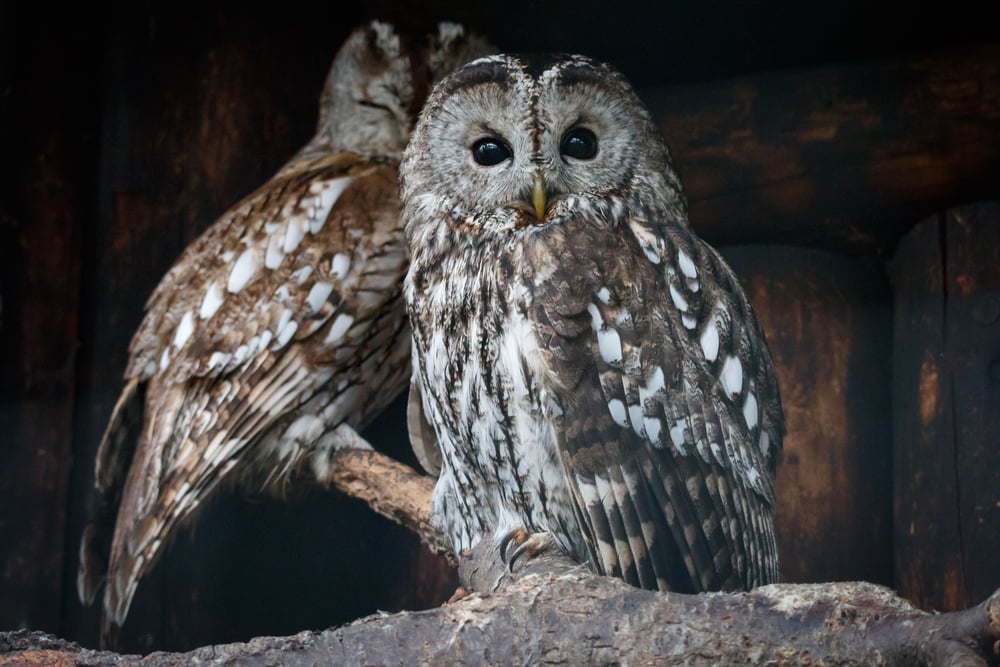
Some urban tawny owls have changed from strictly nocturnal to more active during daylight hours. They hunt rats and birds in cities, nesting in tree cavities and building spaces.
Their hoot has become a familiar city sound.
Hedgehogs
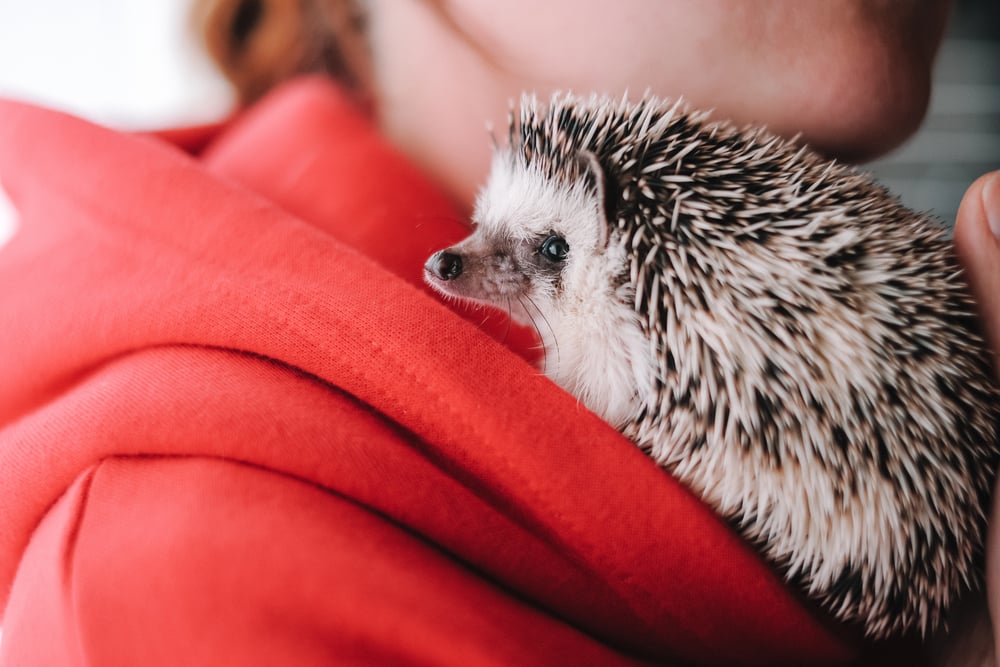
In Europe, hedgehogs have adapted to urban gardens and parks. They feed on invertebrates and human-provided food.
Some cities now have established urban hedgehog populations.
Foxes (Arctic)
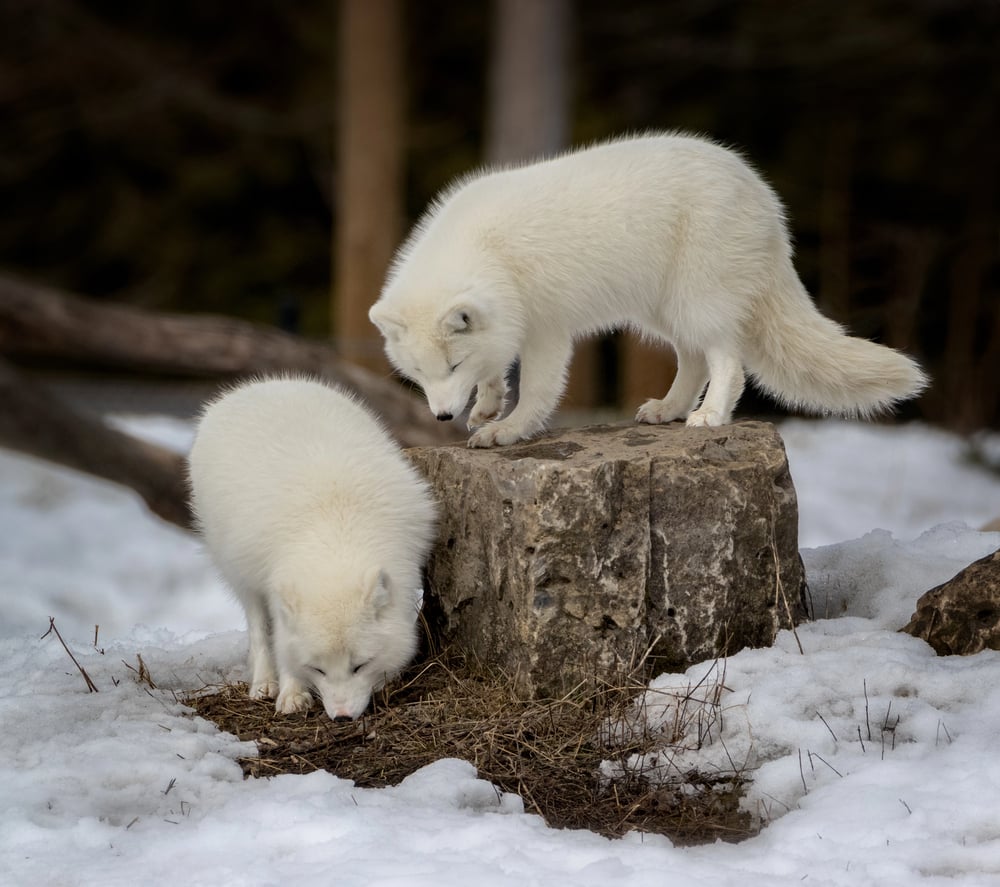
In northern cities, arctic foxes have adapted to urban environments. They scavenge human waste and hunt small urban mammals.
Their populations have grown alongside cities in arctic regions.
Urban Badgers
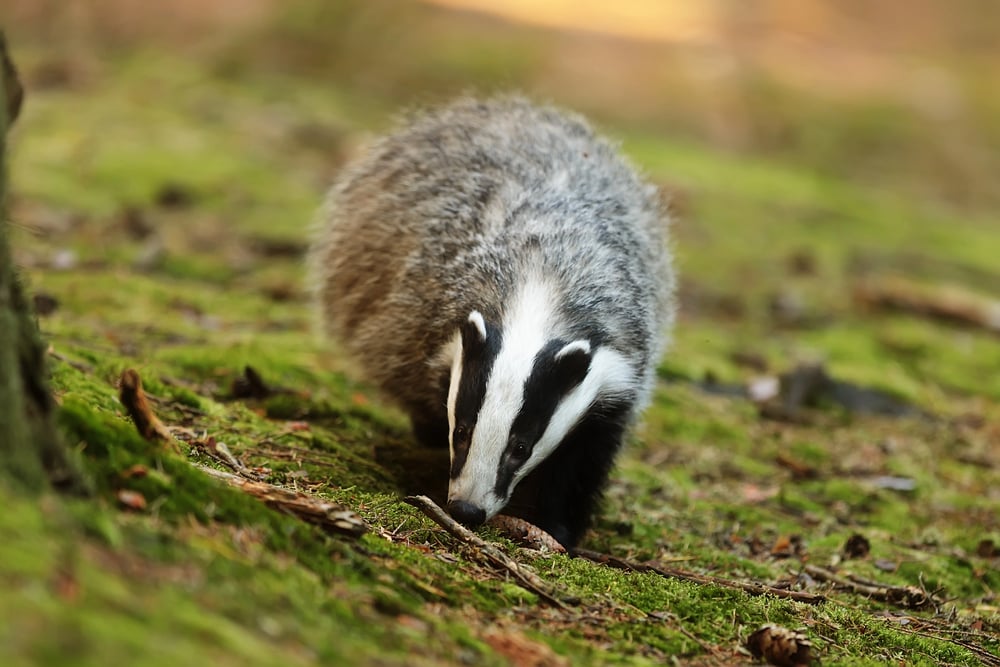
European badgers have adapted to suburban environments. They dig setts under gardens and feed on insects and small animals.
They maintain nocturnal habits, avoiding human contact.
Pheasants
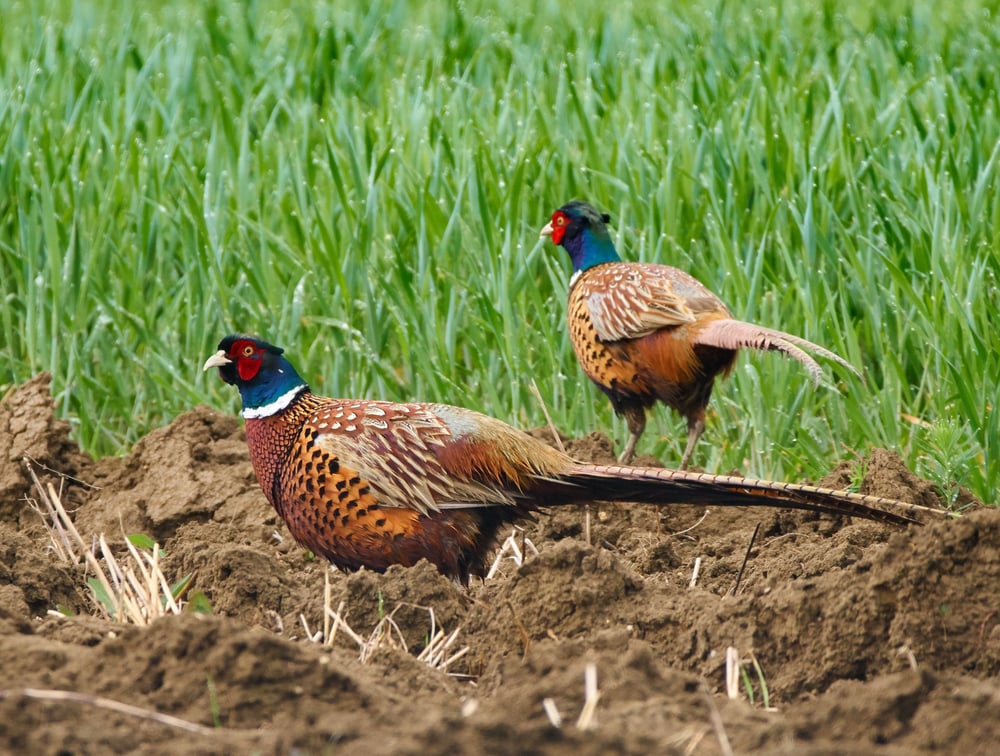
Some pheasant species have adapted to urban parks and gardens. They scratch for insects, eat seeds and vegetation, and nest in urban undergrowth.
Their presence brings beauty to otherwise sterile urban spaces.
Kestrels
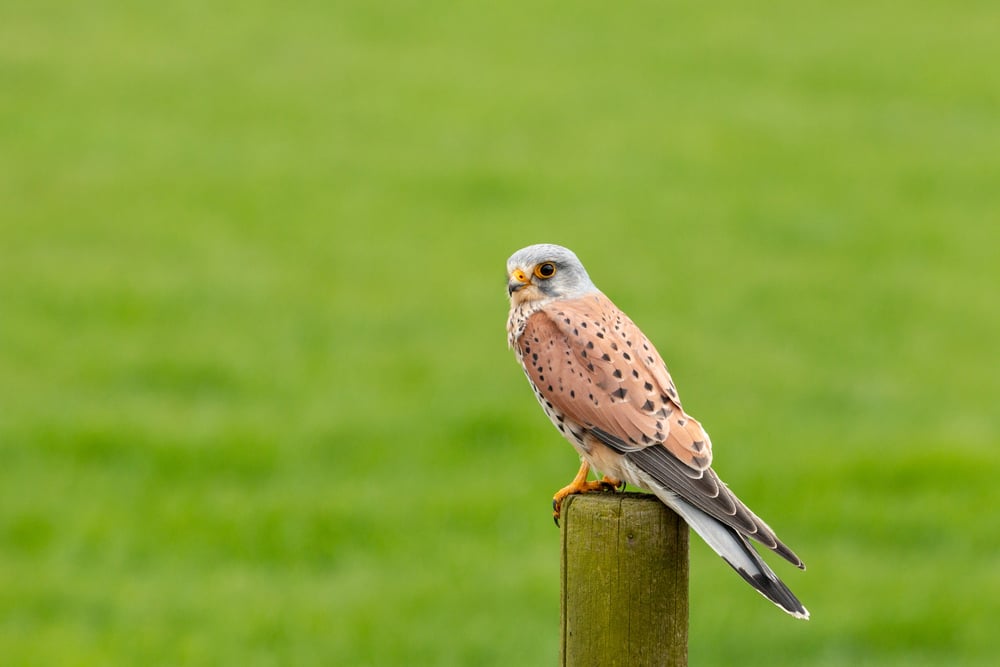
These small hawks have adapted to city life, nesting on building ledges and hunting pigeons and other birds. Their presence indicates a healthy urban ecosystem.
Rabbits (European)
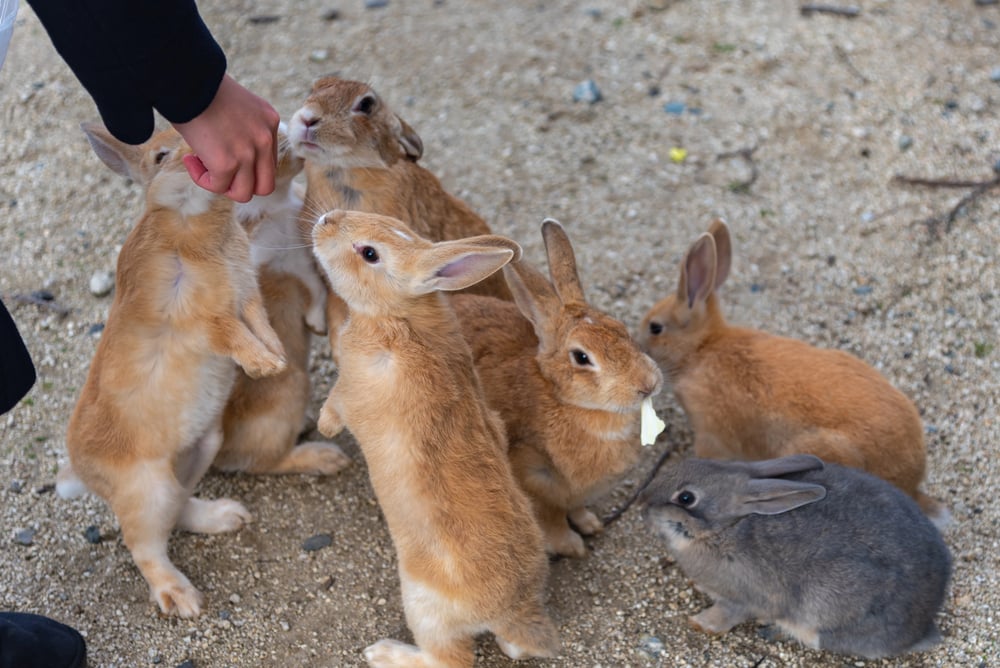
European rabbits have established populations in some urban and suburban areas. They feed on grasses and garden plants, reproducing in parks and open spaces.
Their populations have been surprisingly stable in cities.
Urban Newts
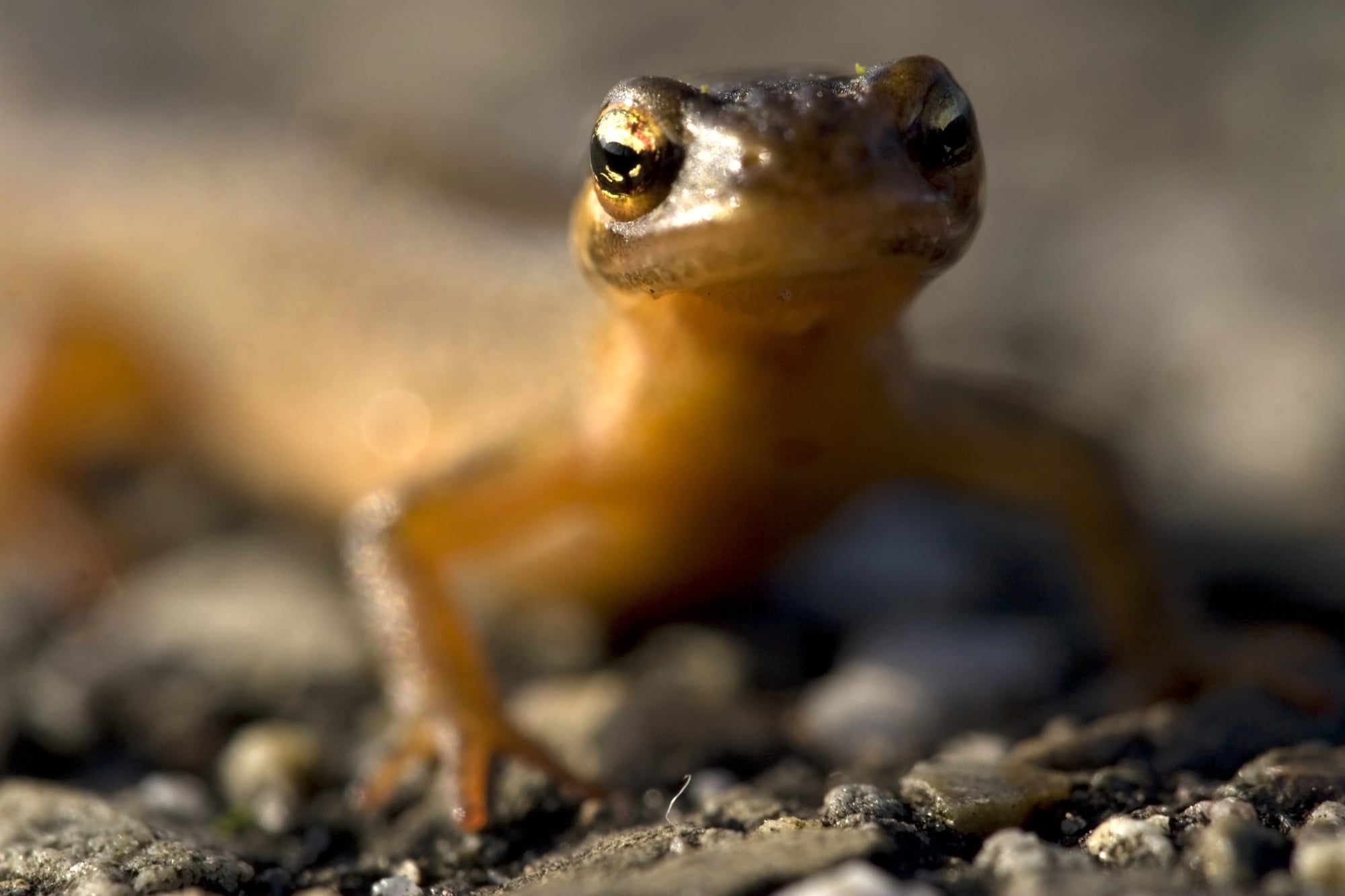
Some amphibian species have adapted to urban ponds and wetlands. They breed in parks and feed on insects.
Their presence indicates aquatic urban habitats are becoming viable.
Mosquito Fish
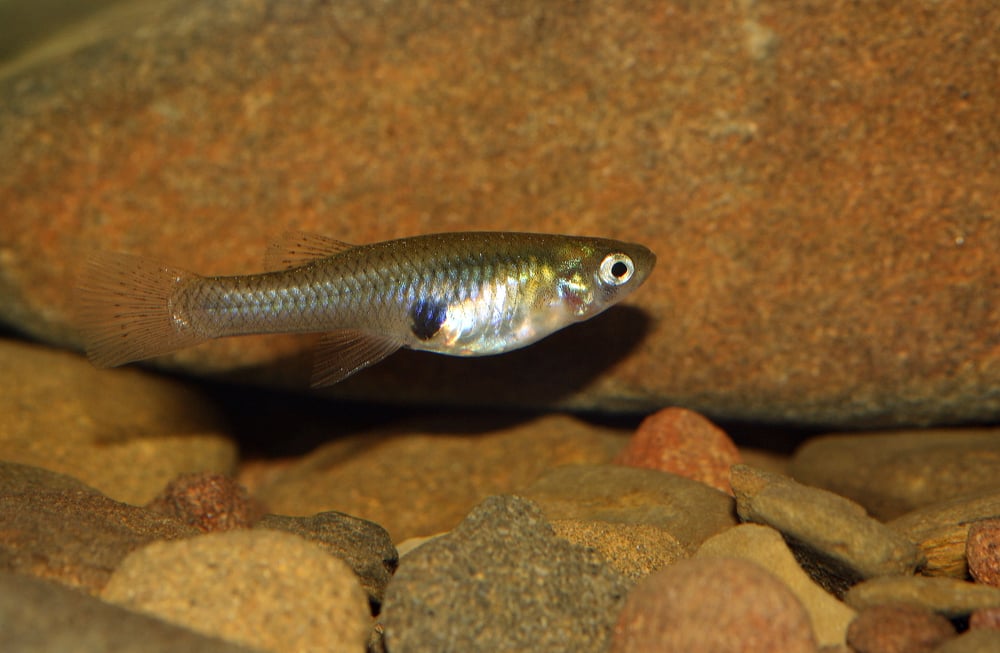
These small fish have adapted to urban drainage systems and ponds. They breed prolifically and adapt to various water conditions.
Their presence demonstrates how even the smallest creatures find urban niches.
The Inevitable Overlap
What’s remarkable about urban wildlife adaptation is how it contradicts predictions about extinction. These animals didn’t adapt because they’re special.
They adapted because cities provided reliable resources. Understanding what makes urban adaptation work helps explain why some species succeed while others disappear.
The key isn’t strength or size. It’s flexibility, intelligence, and the ability to recognize opportunity when you see it—qualities that define successful urban life for humans and animals alike.
More from Go2Tutors!

- The Romanov Crown Jewels and Their Tragic Fate
- 13 Historical Mysteries That Science Still Can’t Solve
- Famous Hoaxes That Fooled the World for Years
- 15 Child Stars with Tragic Adult Lives
- 16 Famous Jewelry Pieces in History
Like Go2Tutors’s content? Follow us on MSN.