Most iconic American cars of recent decades
Something about wheels speaks deep into how folks see themselves here. Not merely tools meant to carry bodies from one spot to another, they’ve grown to mirror what society cares about during different times – money, freedom, status.
Lately, particular models made in America stopped being just vehicles; instead, they turned into symbols standing tall in shared memory, known by name even among those who never sat behind their steering wheel.
Perfection isn’t what turns a car into legend. Instead, it’s when the moment meets character – something felt more than seen.
Some had wild shapes that shouted change; others stayed steady, whispering trust year after year. Each one fits like a snapshot in the larger picture of daily life across decades.
Slow lanes, long roads, front lawns – they hold pieces of how things shifted without announcement.
Peeking into the past few decades reveals some standout vehicles that rolled out of U.S. factories. These machines still spark talk among drivers and collectors alike.
What makes them stick around isn’t just speed or design – it’s what they represent. Built during shifts in culture, they mirror changes on roads and in lives.
Each model tells a story bigger than horsepower numbers. Time has passed, yet people keep coming back to them.
Something about their presence feels timeless, even now.
Ford Mustang

Few cars symbolise American freedom as clearly as the Ford Mustang. Since its reinvention in the early 2000s, the Mustang has blended retro styling with modern engineering, reconnecting contemporary drivers with a classic sense of motion and independence.
The car’s long hood and aggressive stance evoke decades of cultural memory, from road trips to racing heritage. Even so, its influence extends beyond nostalgia.
The Mustang proved that American muscle could evolve without losing its soul, remaining relevant in a changing automotive landscape while still feeling unmistakably American.
Chevrolet Corvette
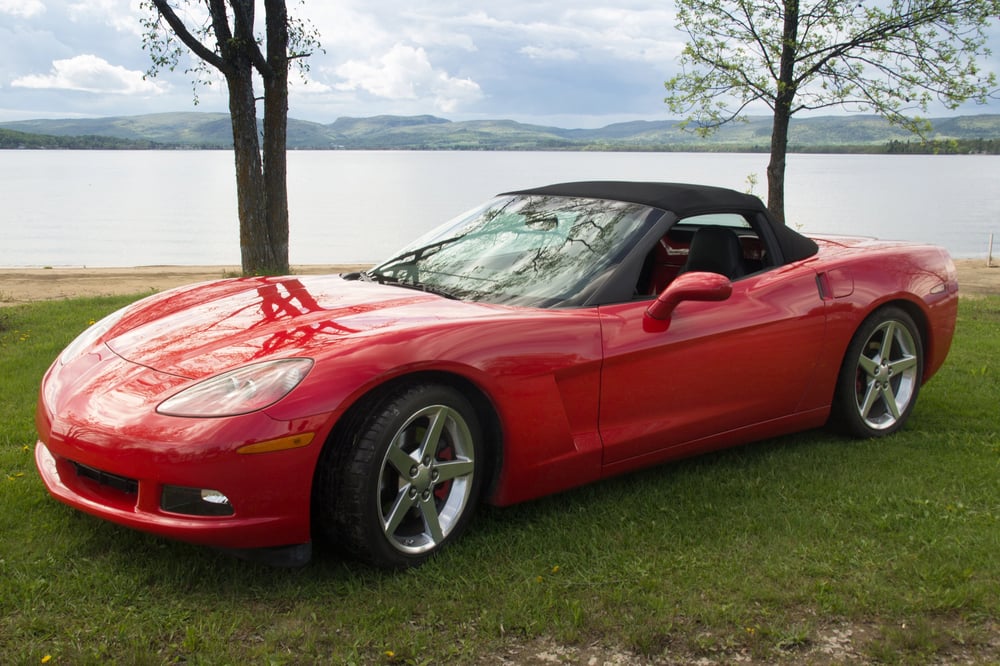
The Chevrolet Corvette has long represented ambition in American car design. Over recent decades, it has shifted from a traditional front-engine sports car to a mid-engine layout, a bold move that signaled confidence rather than caution.
This evolution reshaped global perceptions of what American performance could look like. The Corvette became less about imitation and more about innovation.
Its continued reinvention reflects a willingness to challenge expectations while preserving a legacy built on speed, design, and aspiration.
Jeep Wrangler

The Jeep Wrangler occupies a unique cultural space. Its design has remained deliberately unchanged in spirit, prioritising capability and character over refinement.
This consistency turned it into a symbol of authenticity in an increasingly polished market.
Driving a Wrangler suggests adventure, even when parked in a suburban driveway. That perception matters.
The vehicle became shorthand for rugged independence, reinforcing the idea that American cars can be defined as much by identity as by performance metrics.
Dodge Challenger
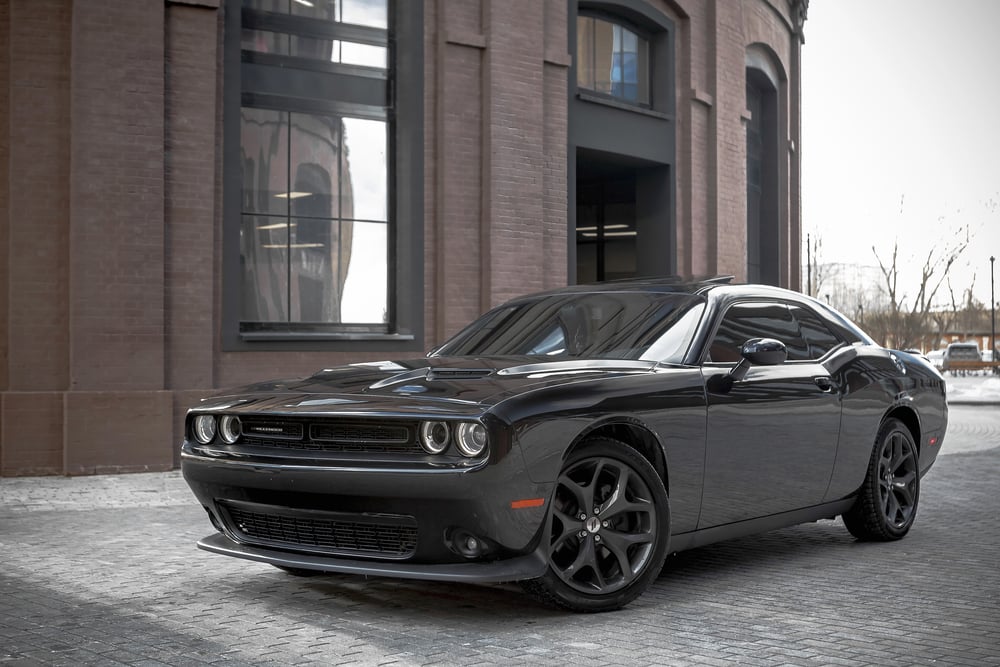
The Dodge Challenger arrived as a bold throwback during an era of restraint. Its wide body and unapologetic presence rejected subtlety, embracing theatrical design inspired by classic muscle cars.
What made the Challenger iconic was its timing. It offered excess in a market leaning toward efficiency, standing out precisely because it refused to blend in.
In doing so, it reaffirmed that American cars could still prioritise emotion and spectacle without apology.
Ford F-150

The Ford F-150 may look utilitarian, but its cultural impact is profound. As a staple of American roads, it reflects work, reliability, and adaptability.
Over recent decades, it evolved quietly, integrating comfort and technology without abandoning its core purpose.
The F-150 became more than a truck. It became a symbol of everyday America, equally at home on job sites and family outings.
Its longevity speaks to how deeply it is woven into the rhythms of daily life.
Tesla Model S
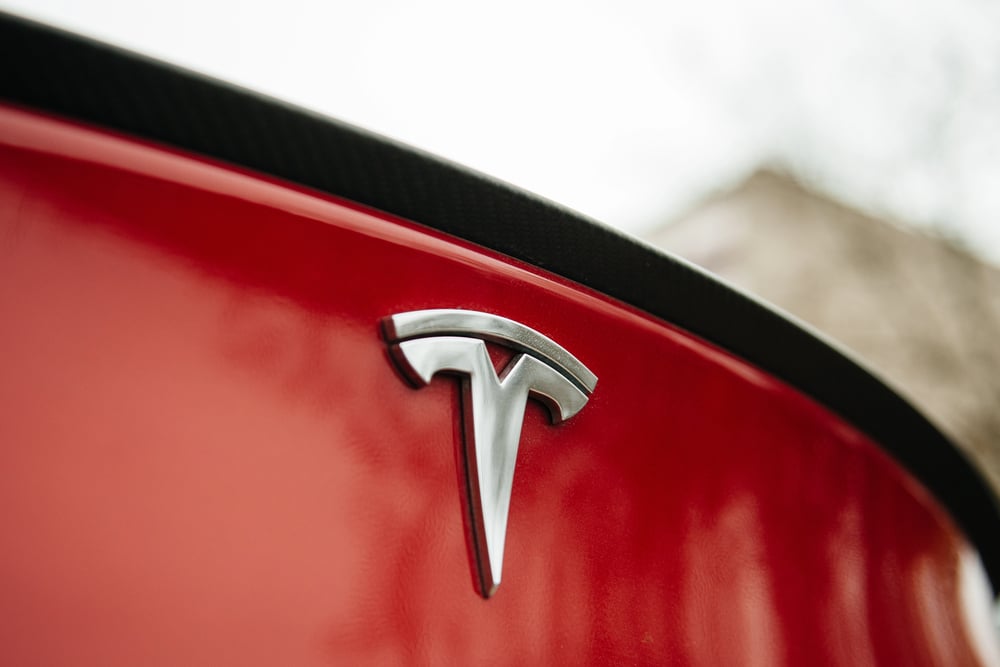
The Tesla Model S reshaped perceptions of what an American car could represent in the modern era. Instead of focusing on tradition, it leaned into software, minimalism, and acceleration that felt almost unreal at the time of its release.
More importantly, it shifted expectations. Electric vehicles moved from niche alternatives to aspirational choices.
The Model S demonstrated that innovation itself could become iconic, altering the trajectory of the entire industry while redefining American automotive ambition.
Chevrolet Camaro

The Chevrolet Camaro has long lived alongside the Mustang, but its recent iterations carved out a distinct identity. With sharper handling and aggressive styling, it appealed to drivers seeking performance with visual edge.
The Camaro’s cultural presence has been amplified through media and motorsport associations, reinforcing its image as a modern muscle car.
Its influence lies in keeping competition alive, ensuring that American performance remained dynamic rather than stagnant.
Dodge Ram

The Dodge Ram stood out by embracing boldness in a category often defined by practicality. Its prominent grille and commanding stance made it instantly recognisable, turning a work vehicle into a statement.
Over time, the Ram helped redefine what a pickup could be. Comfort, design, and presence became just as important as utility.
This shift reflected changing expectations, where personal expression mattered even in traditionally functional vehicles.
Cadillac Escalade
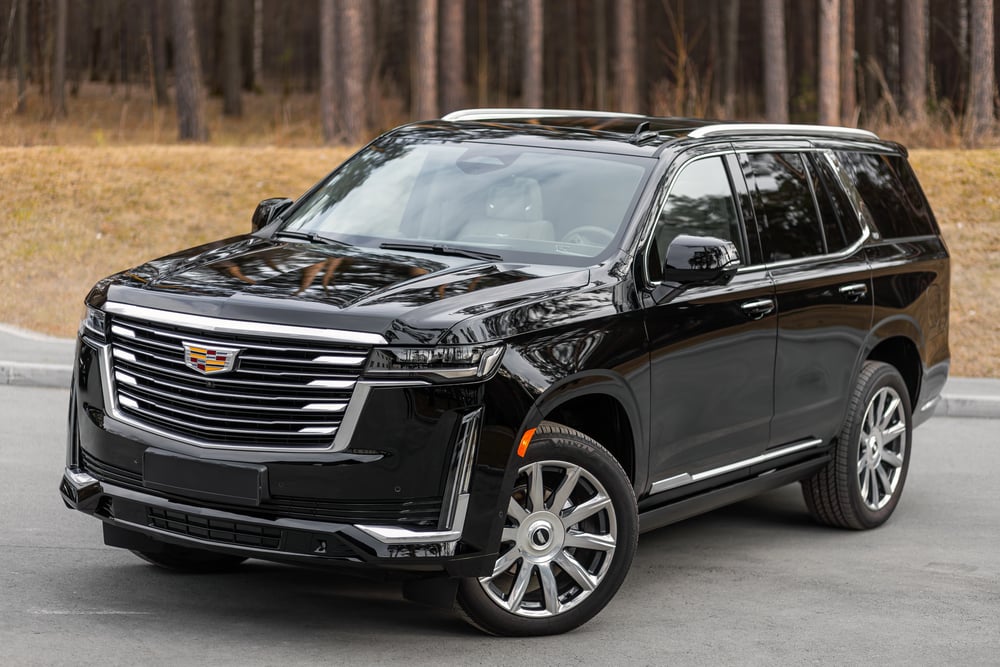
The Cadillac Escalade became a symbol of modern American luxury through scale and confidence. Its imposing size and presence made it a fixture in entertainment and public life, projecting authority and status.
Beyond image, the Escalade reflected a broader cultural moment where excess was celebrated rather than hidden.Its influence reshaped luxury design, proving that refinement could coexist with unapologetic scale.
Chrysler 300
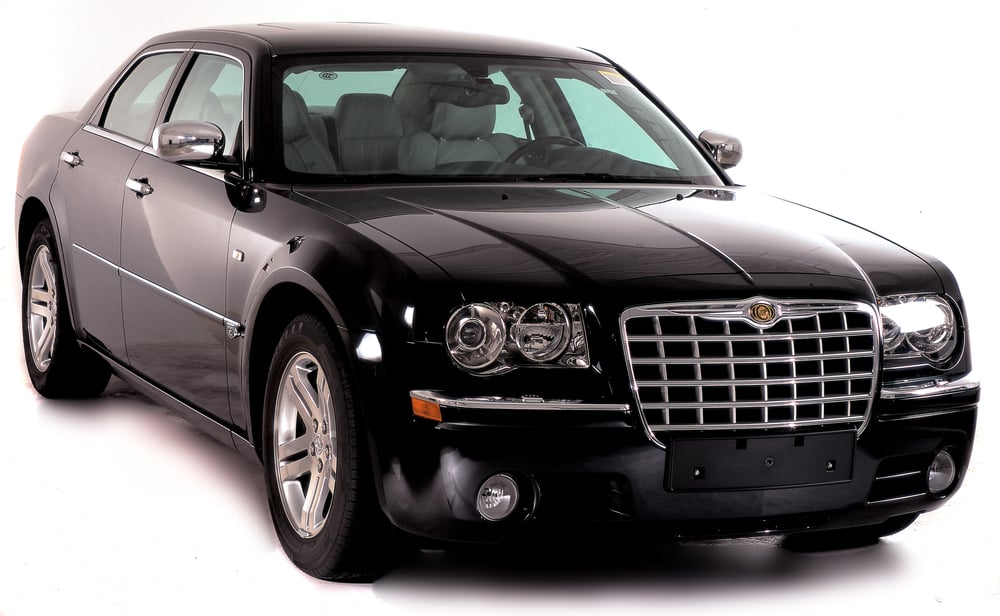
The Chrysler 300 arrived with a design that felt confident and restrained at the same time. Its upright profile and bold grille gave it a sense of authority uncommon in its class.
The car gained cultural traction by offering presence without flashiness. It appealed to drivers seeking distinction without extravagance.
In doing so, it showed that American sedans could project identity through proportion and attitude rather than ornament.
Ford Bronco
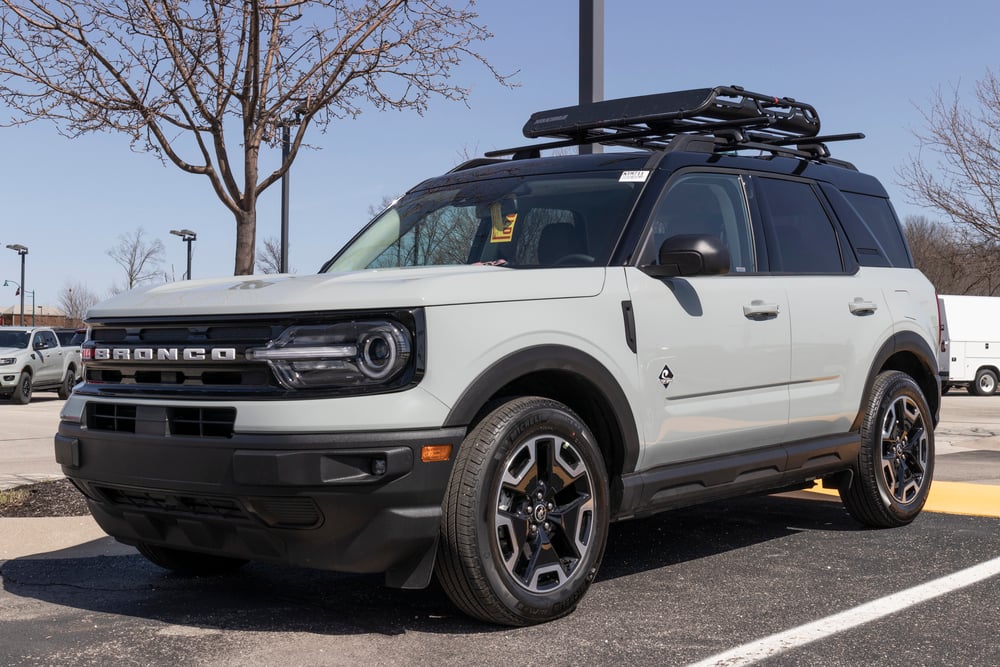
The return of the Ford Bronco carried emotional weight. Its revival tapped into a desire for authenticity and exploration, reconnecting modern drivers with a legacy rooted in open landscapes and adventure.
What made the Bronco iconic was not just its design, but its symbolism. It represented a reconnection with outdoor freedom at a time when that feeling felt especially valuable.
The Bronco’s return confirmed the enduring power of heritage when paired with modern sensibilities.
Chevrolet Impala

Quietly shaping habits without flash, the Chevrolet Impala slipped into daily routines across the country. Built for roomy rides and smooth drives, it tagged along on ordinary days instead of chasing attention.
Over time, it stayed much the same, always easy to find. Because you saw it so often, it didn’t stand out – just blended in.
Being everywhere gave it a quiet fame. Its very commonness is what people eventually remember.
Why these cars still matter

What makes these vehicles stand out isn’t just styling choices or mechanical progress. Through them, glimpses of America emerge – times filled with hope, change, everyday needs, bold ideas.
Their fame grew not through ads or luck, but because lives matched their rhythm, purpose, dreams.
Still standing tall while everything shifts around them, these machines hold their ground. Not simply ways to get somewhere, they carry weight – emotions packed into steel and glass.
What keeps the legendary American models alive isn’t speed or size, yet the tales they live through, echoing well past highway stripes.
More from Go2Tutors!

- The Romanov Crown Jewels and Their Tragic Fate
- 13 Historical Mysteries That Science Still Can’t Solve
- Famous Hoaxes That Fooled the World for Years
- 15 Child Stars with Tragic Adult Lives
- 16 Famous Jewelry Pieces in History
Like Go2Tutors’s content? Follow us on MSN.