30 Cities That Have Become Completely Overrun With Tourism
Tourism brings economic vitality to destinations, but when visitor numbers spiral beyond what infrastructure and communities can absorb, the damage spreads rapidly.
Over the past decade, a growing list of beloved cities and landmarks have crossed a critical threshold, where crowds now define the visitor experience more than the attractions themselves. From overcrowded museums to fractured housing markets, these destinations illustrate how popularity can corrode the very essence that made them worth visiting.
Venice, Italy
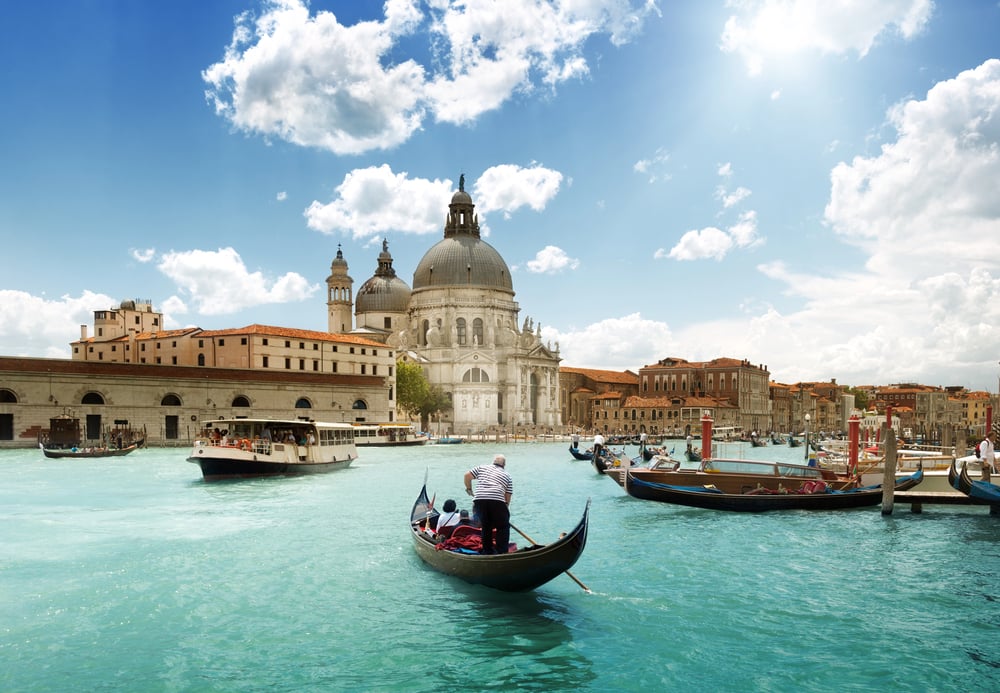
Venice receives approximately 80,000 visitors per day, provoking local protests and calls for visitor caps. As of 2025, 51,129 tourist beds outnumber the city’s 48,283 permanent residents, compared to 174,000 residents in 1951.
The city has implemented a daytripper tax on peak days, and daily congestion has led to calls for stricter limits on cruise ship access and hotel development.
Barcelona, Spain
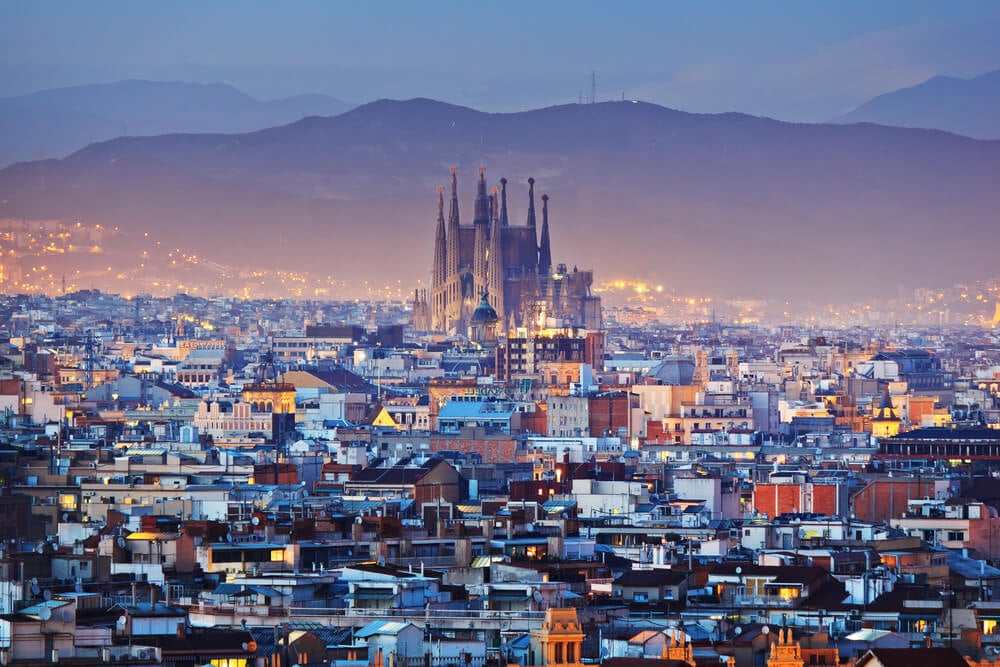
Barcelona’s 12 million tourists in 2023 have led to community displacement and policy freezes on new hotel developments. In July 2025, Barcelona announced the permanent closure of two cruise terminals by October 2026, reducing cruise traffic by nearly half.
Residents report that overtourism has degraded neighborhoods and driven up housing costs dramatically.
Amsterdam, Netherlands
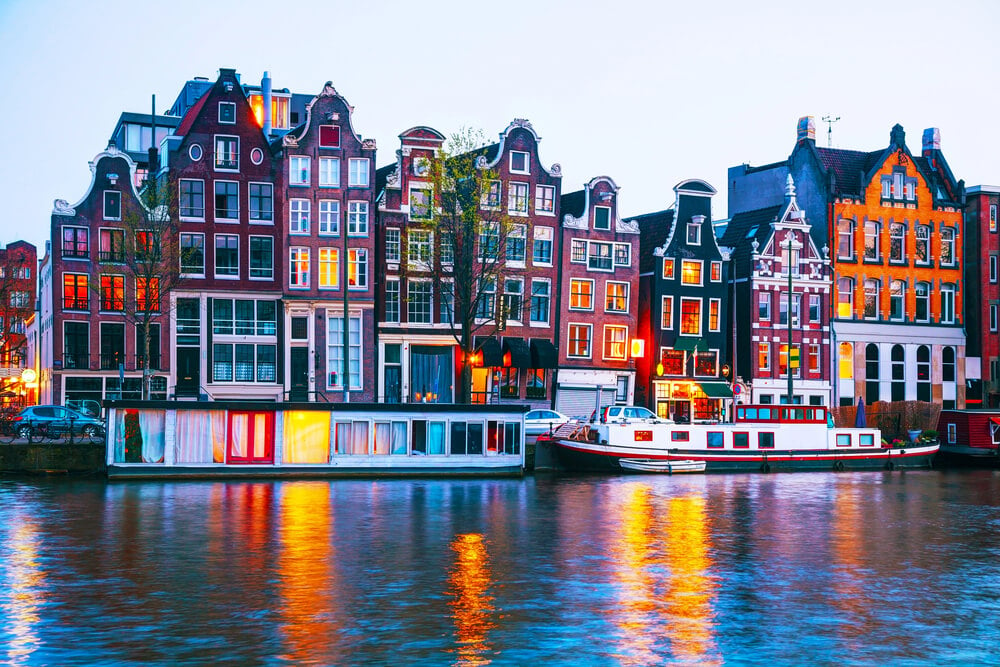
Amsterdam approved a “Tourism in balance” policy that caps visitor numbers at 20 million per year and requires municipal action if figures reach 18 million. Amsterdam plans to phase out its cruise terminal near the city center by 2030, citing sustainability goals and resident concerns.
Despite these measures, residents filed lawsuits against the city council in 2025 over continued overcrowding.
Dubrovnik, Croatia
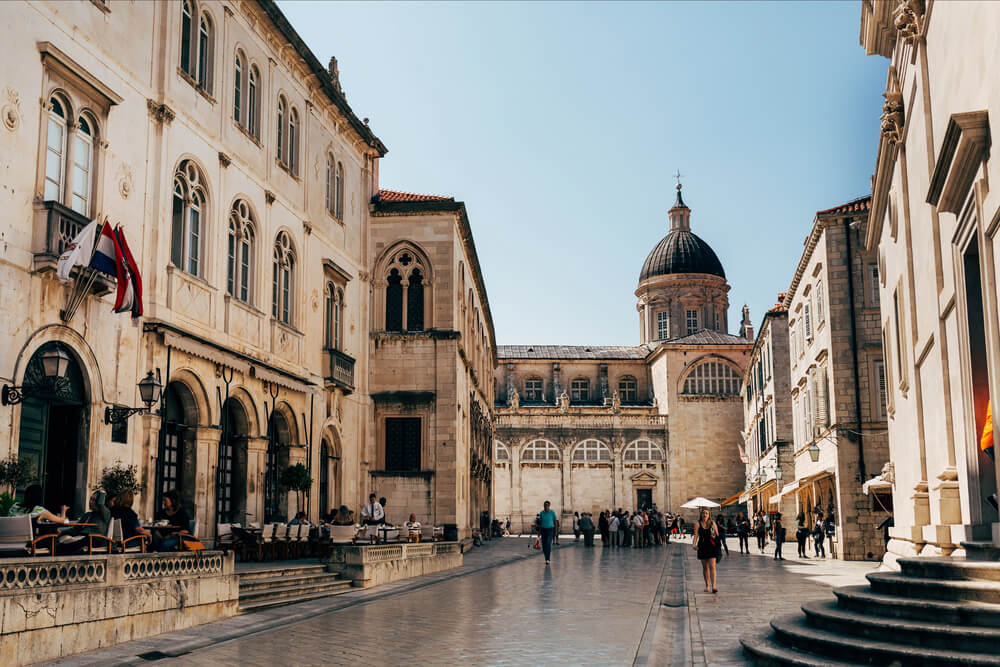
In May 2025, Dubrovnik had 482,000 tourist nights, despite tourist nights falling 2.6 percent relative to the previous year. The city implemented a cap of two cruise ships per day to manage tourist numbers.
Even with these restrictions, Dubrovnik remains the top destination for foreign visitors on Croatia’s coast.
Paris, France
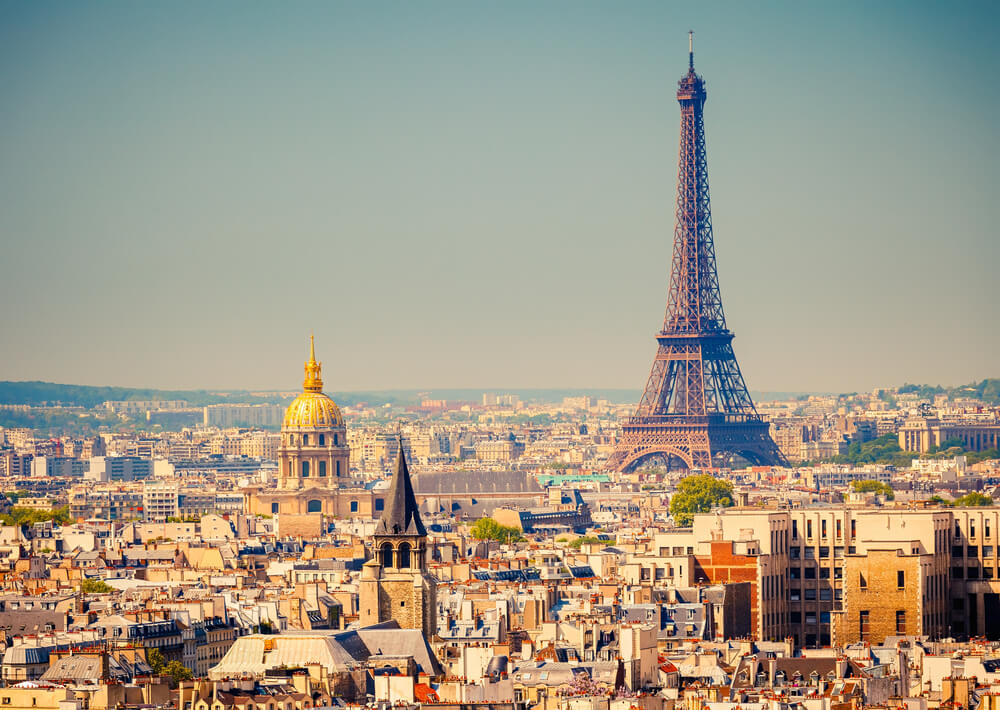
Paris is the most visited city in Europe, with close to 50 million visitors squeezing into the City of Light each year. Residents of Montmartre say the historic area now resembles a theme park, while the Vivre à Montmartre association proposes limiting tour groups to 25 people and banning loudspeakers.
Long queues for the Louvre and Eiffel Tower define the summer experience.
Rome, Italy
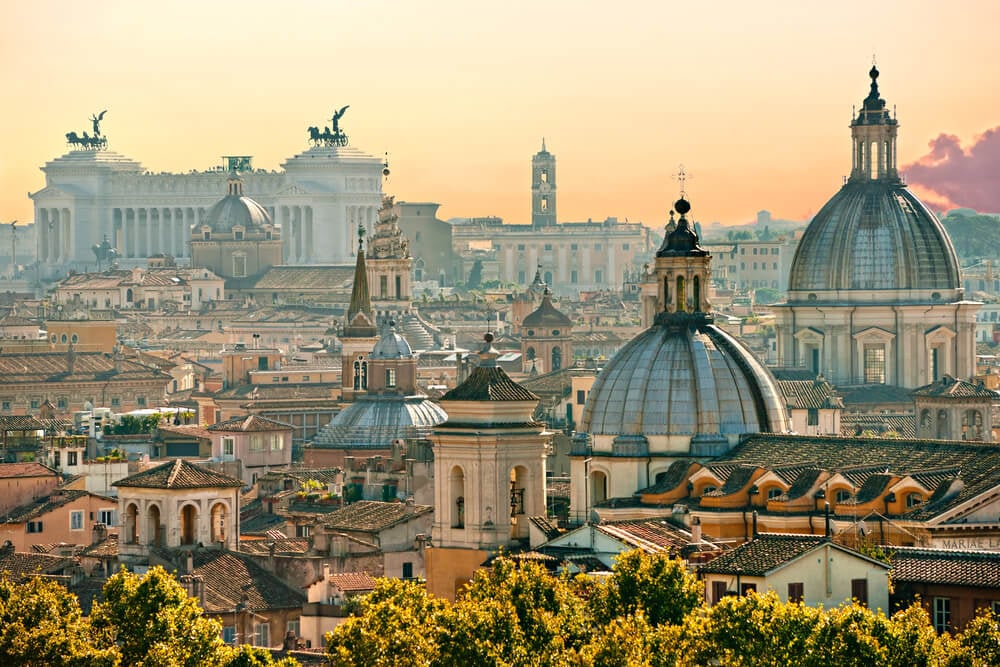
Rome combines archeological treasures with profound overtourism. Rome attracted 41,135,744 overnight stays, ranking third in Europe after Mallorca and Paris.
Authorities have imposed fines for sitting on the Spanish Steps, reflecting frustration with casual behavior by the endless stream of visitors.
Bali, Indonesia
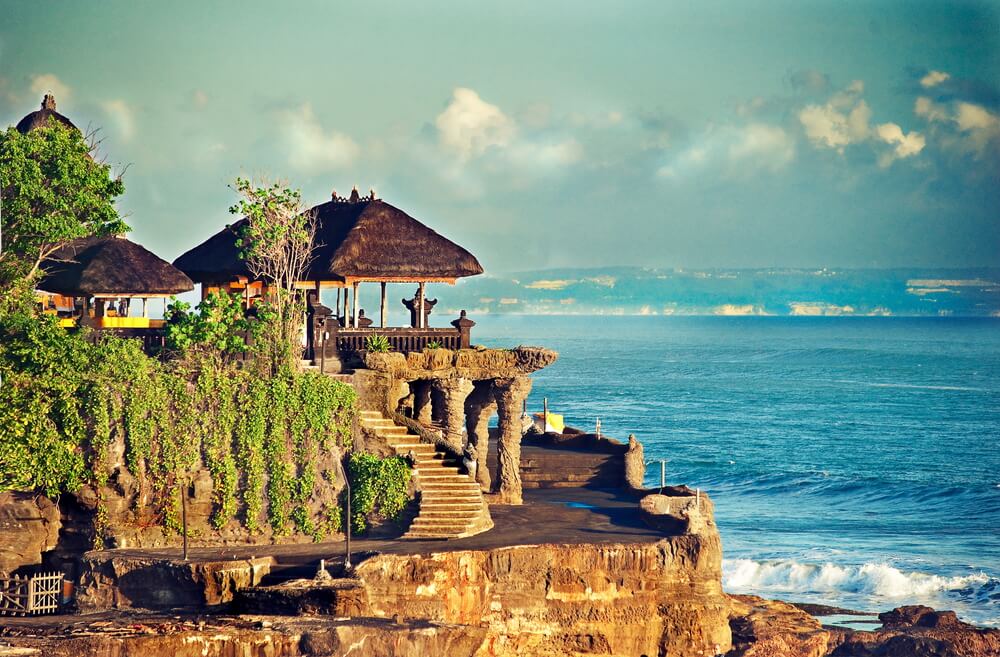
Nearly 15 million tourists arrived in Bali in 2024, and many local communities have protested against rapid development replacing sacred sites and traditional rice paddies with resorts and beach clubs. The Indonesian government initiated crackdowns on illegal construction and promoted eco-tourism, though the damage to local culture continues.
Bangkok, Thailand
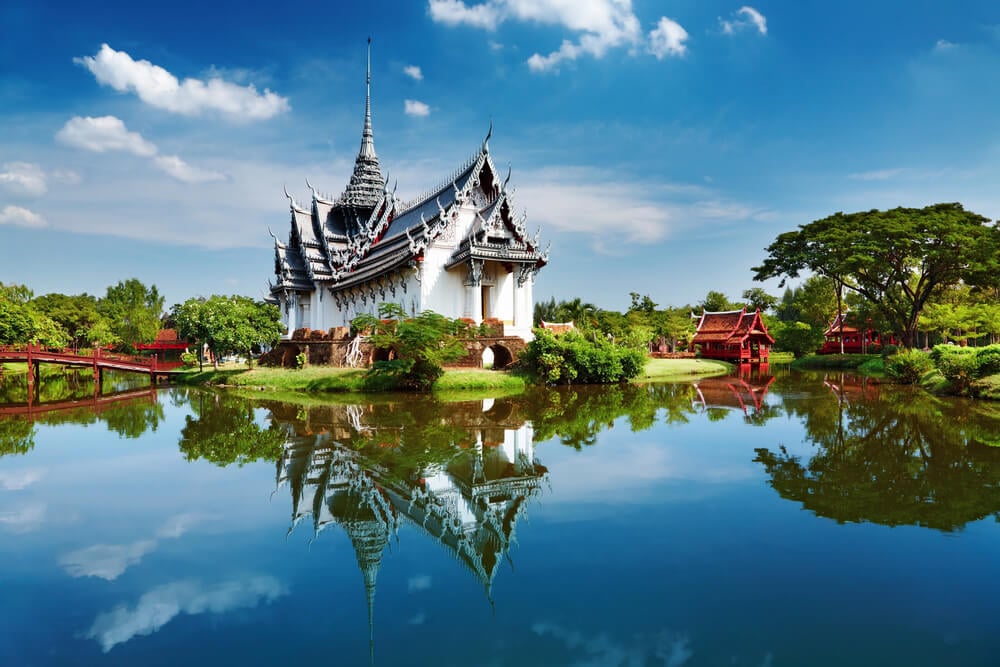
Bangkok’s infrastructure struggles under the weight of tourism. Traffic gridlock, water shortages, and strain on public services intensify as visitor numbers climb.
Thailand’s tourism ministry projects an extra 5% bump based on 2024’s numbers. The city remains economically dependent on tourism despite the disruptions.
Tokyo, Japan
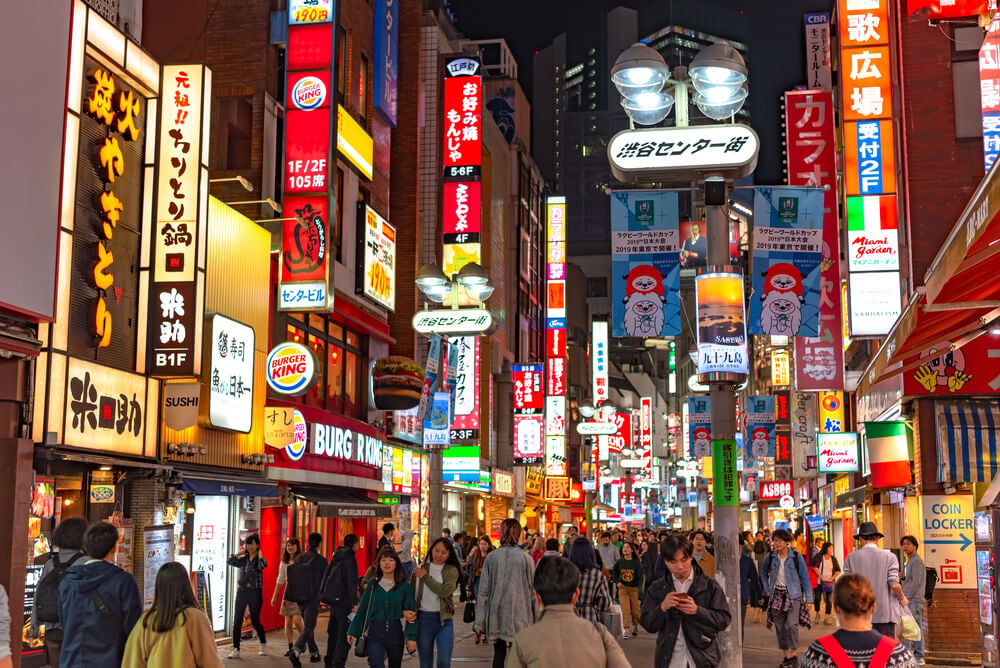
Tokyo has been flagged for unsustainable tourist volumes, with overtourism challenges including overcrowding in iconic districts and strain on public transportation. Shibuya Crossing has become almost unwalkable during peak hours, and neighborhoods report degradation from the relentless foot traffic of visitors seeking Instagram moments.
Kyoto, Japan
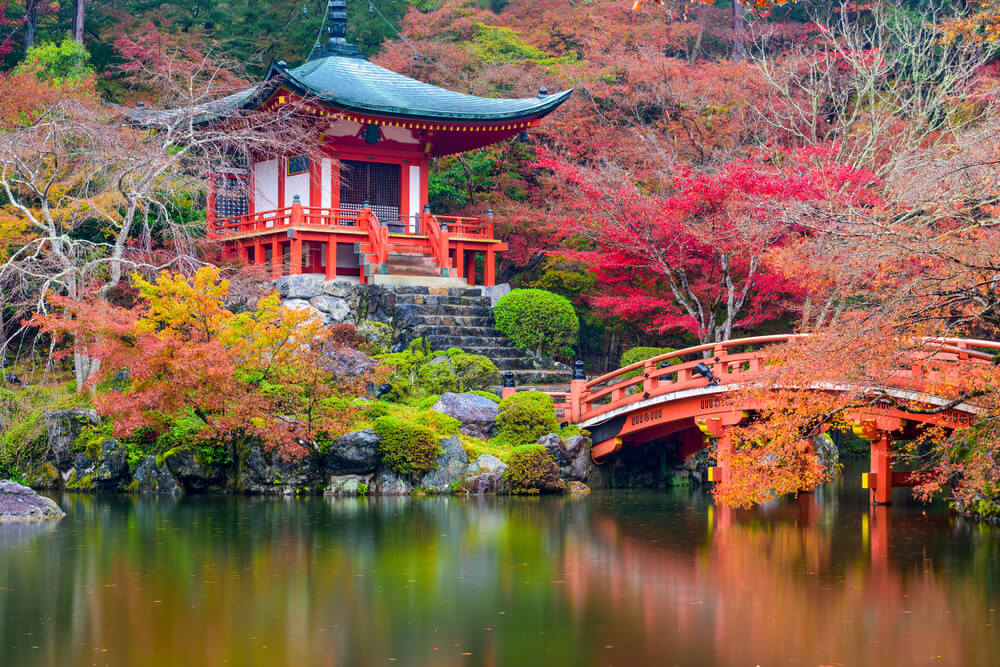
Kyoto’s overtourism has caused social tensions and led to a ban on tourists entering private alleys in the Geisha district due to misbehavior. Last year the city banned tourists from venturing down private lanes in the Gion area and taking unauthorized images after local geisha complained they were being harassed by photo-seeking foreigners, with violators facing fines of up to 10,000 yen ($65).
Santorini, Greece
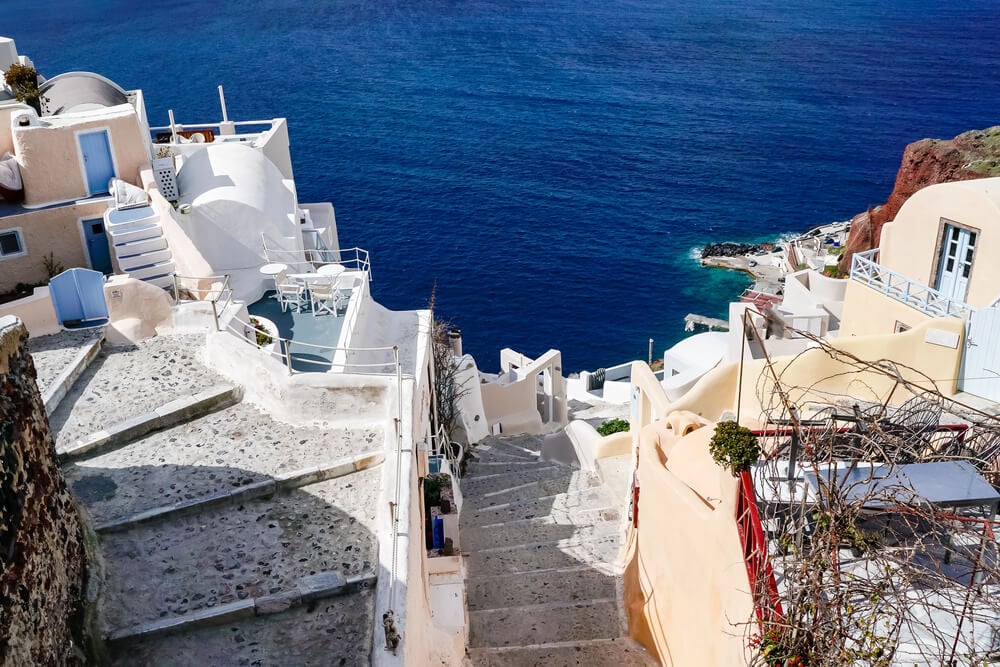
Santorini has become synonymous with overcrowding on Greek islands. There are now plans to impose a €20 levy on cruise ship visitors and ban building in the caldera zone.
The island’s fragile infrastructure and limited water supply buckle under the strain of nearly two million annual visitors.
Zakynthos, Greece
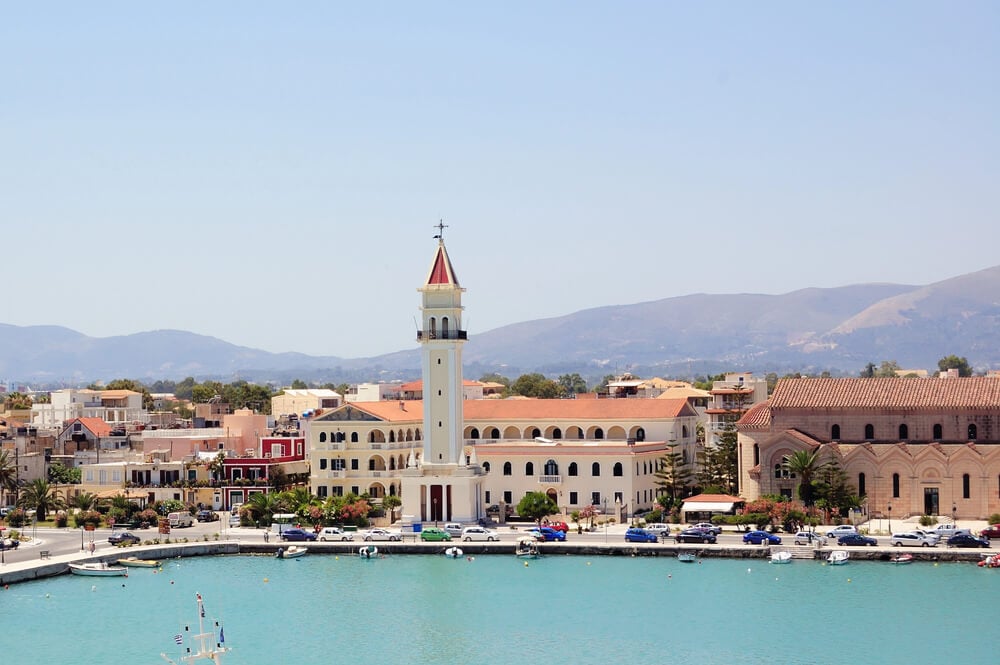
Zakynthos has been crowned Europe’s most overcrowded tourist destination in terms of tourist stays per resident. The island has overtaken Santorini and Mykonos as Europe’s most overcrowded island, with millions of tourists straining its local population and resources.
The island’s famous Navagio Beach has become a congested attraction rather than a serene escape.
Mykonos, Greece
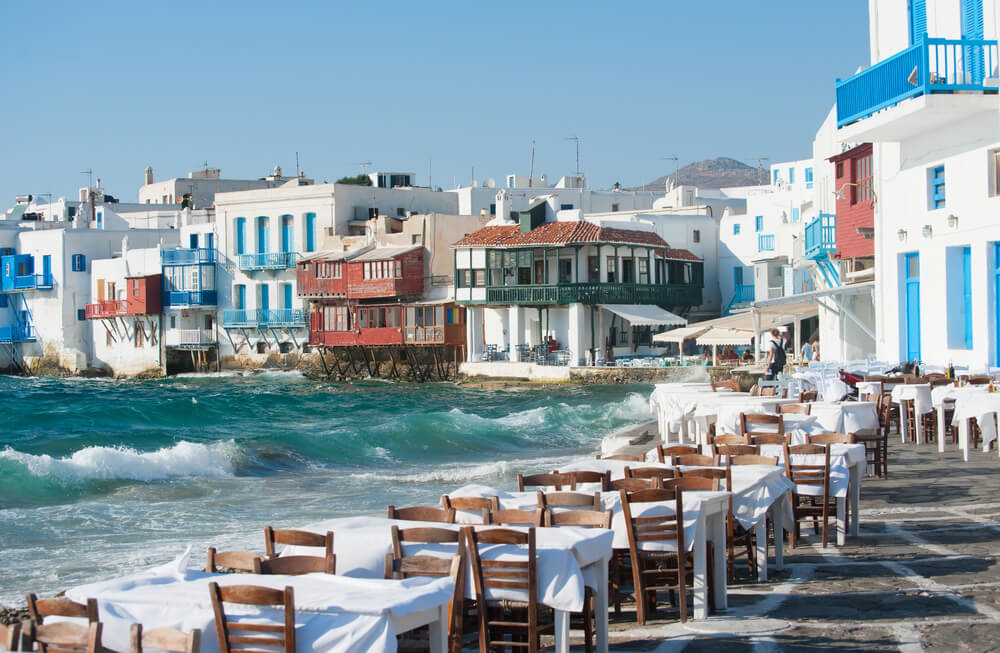
Mykonos is suffering from prolonged tourist overexposure, with international arrivals plummeting nearly 6 percent in recent years. Key workers in Mykonos—including doctors—and other locals now fight for affordable accommodation on the island, as homeowners command higher fees from visitors than lower-income Greeks can pay.
Athens, Greece
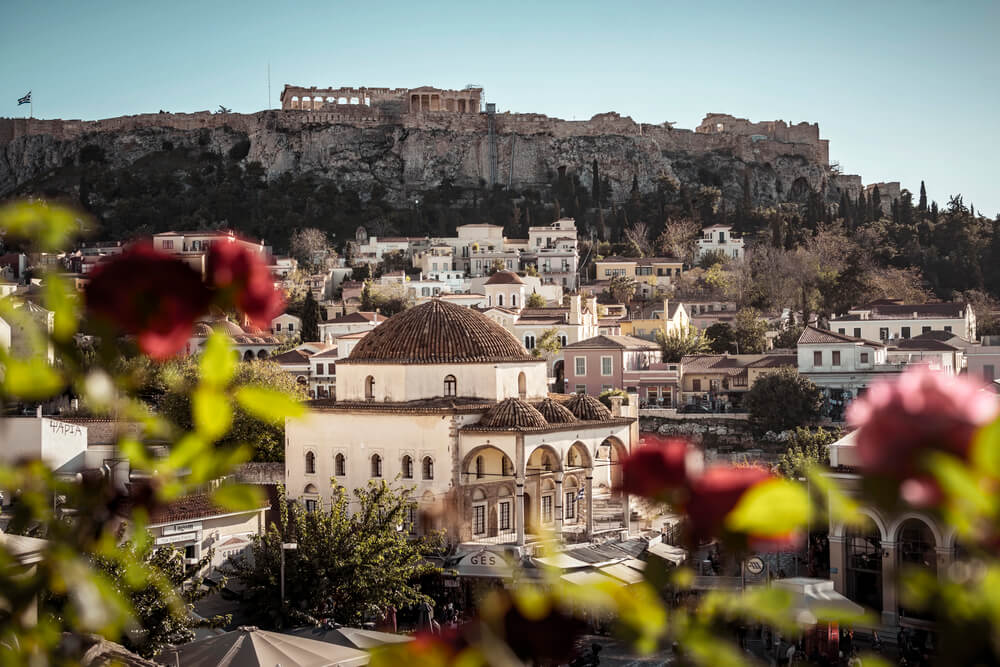
Athens welcomed seven million people in one recent year, with an expected 8.4 million arrivals in 2024. Central Athens ranks second in Europe with over 88,000 overnight stays per square kilometer.
The Acropolis and surrounding neighborhoods experience chronic overcrowding that degrades both the experience and the monuments.
Reykjavik, Iceland
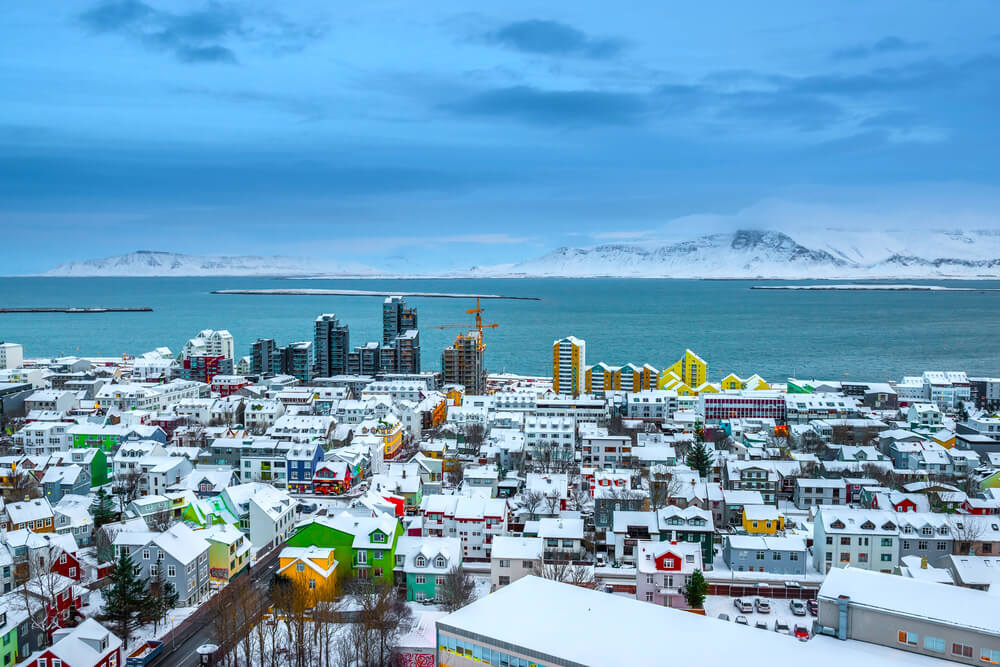
Reykjavik has transformed from a quiet Nordic capital into a tourist hub. The city serves as a gateway to Iceland’s natural wonders, drawing visitors eager to see the Northern Lights and geysers.
Infrastructure strain, housing shortages, and rental price spikes have prompted local resistance to unrestricted tourism growth.
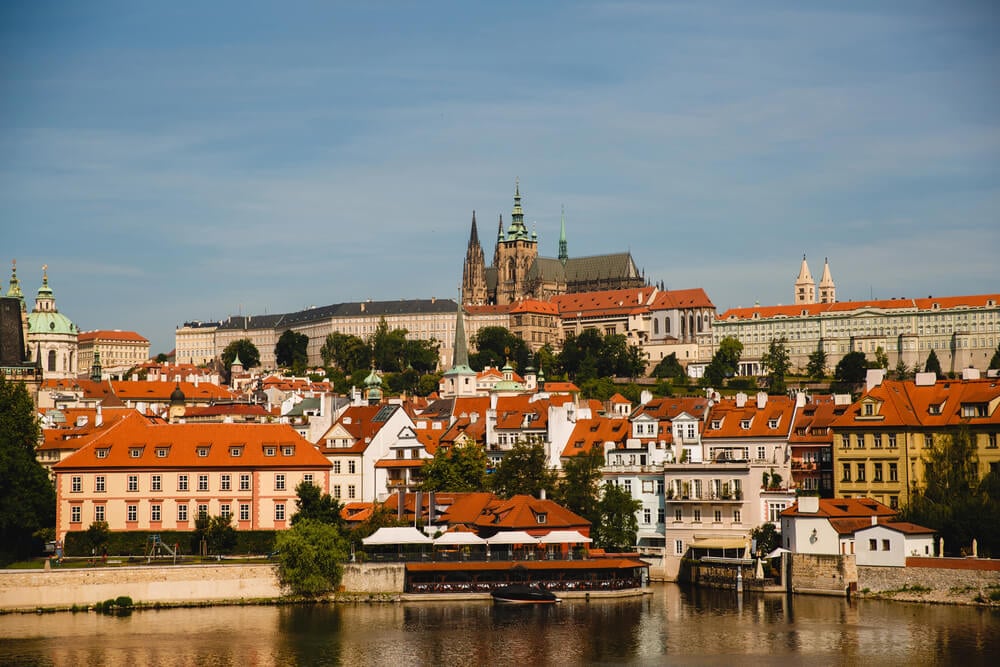
Prague, Czech Republic
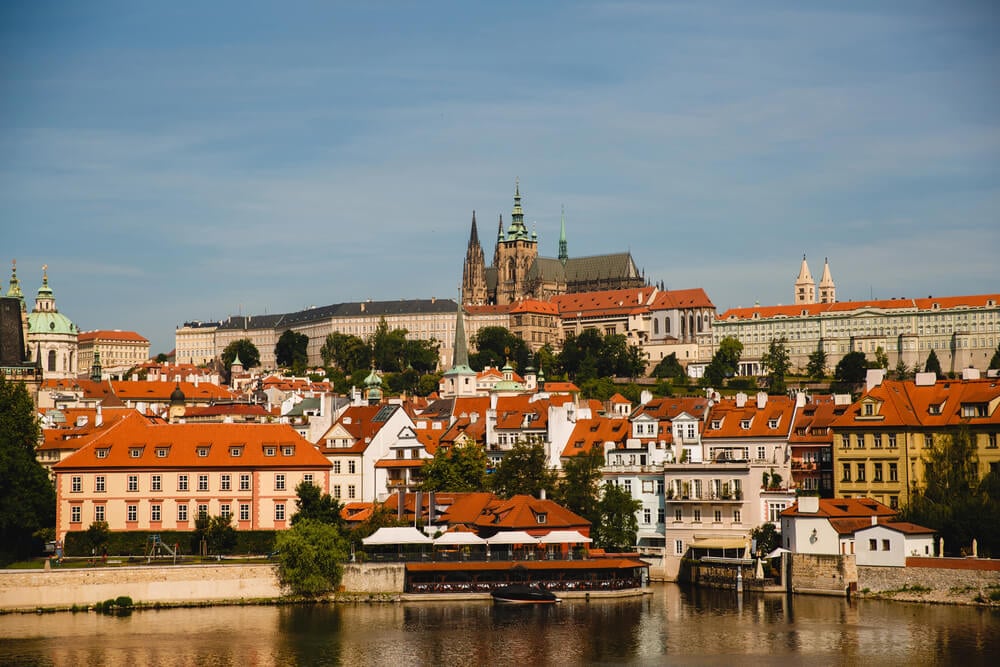
Prague is working to attract culture vultures and discourage lager louts, who can make life hell for locals. The historic Old Town Square and Charles Bridge experience crushing congestion, and neighborhoods complain of bars catering exclusively to rowdy tourists rather than residents.
Krakow, Poland
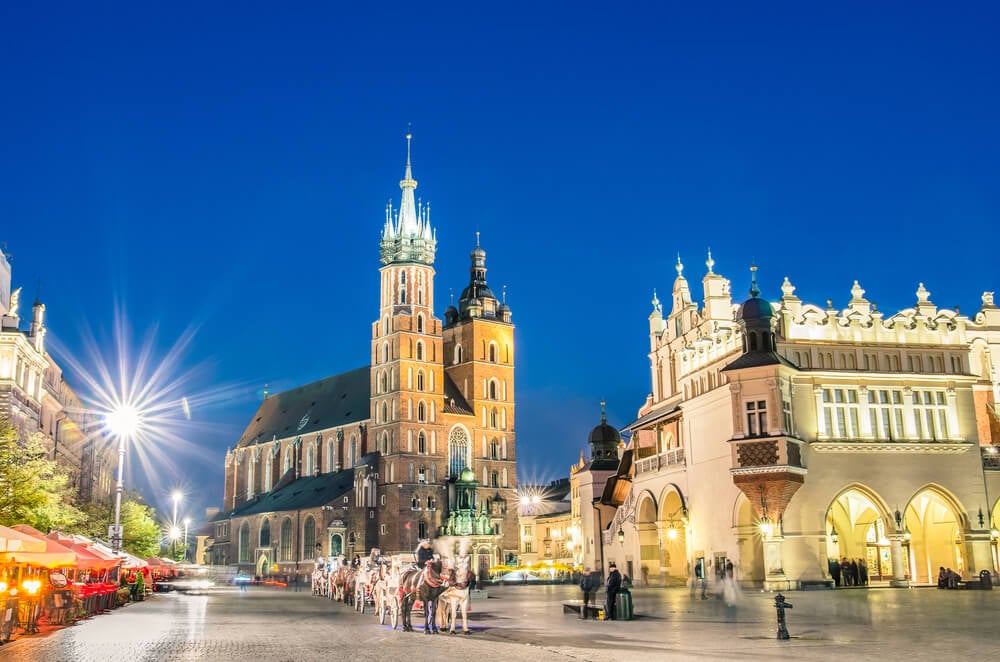
Despite being promoted as an alternative to overtouristed Western European cities, Krakow itself has begun experiencing strain. The city’s well-preserved medieval old town and proximity to Auschwitz draw millions annually, with Google searches jumping 310 percent between 2022 and 2023.
Berlin, Germany
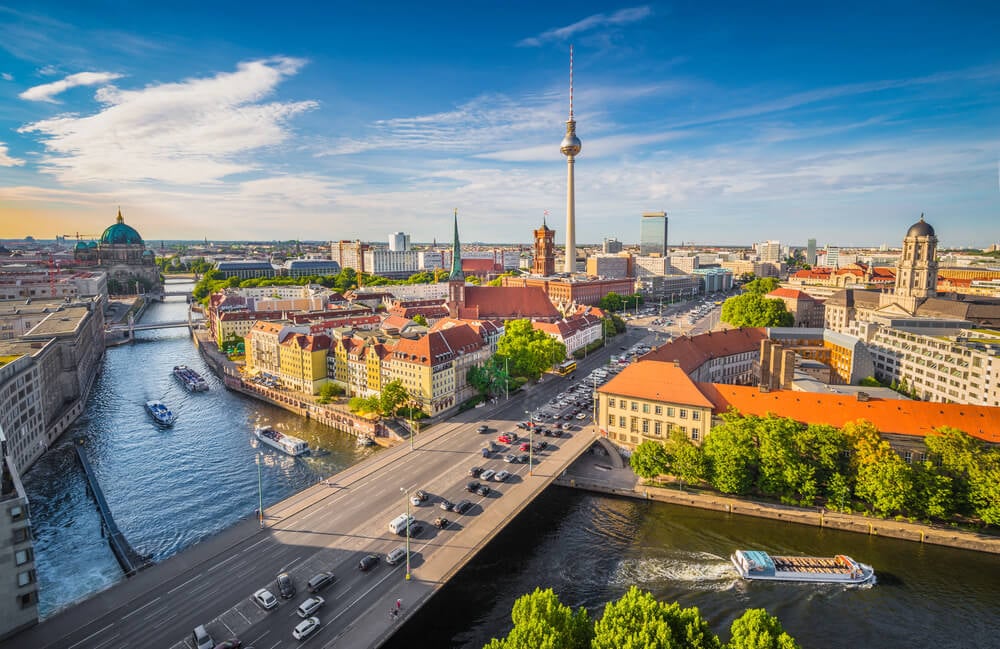
Berlin’s reputation for cheap living attracted both tourists and expats, but overtourism has followed. Neighborhoods like Kreuzberg report that traditional communities have been displaced by tourist-focused businesses, and party tourism has created noise and safety issues.
Lisbon, Portugal
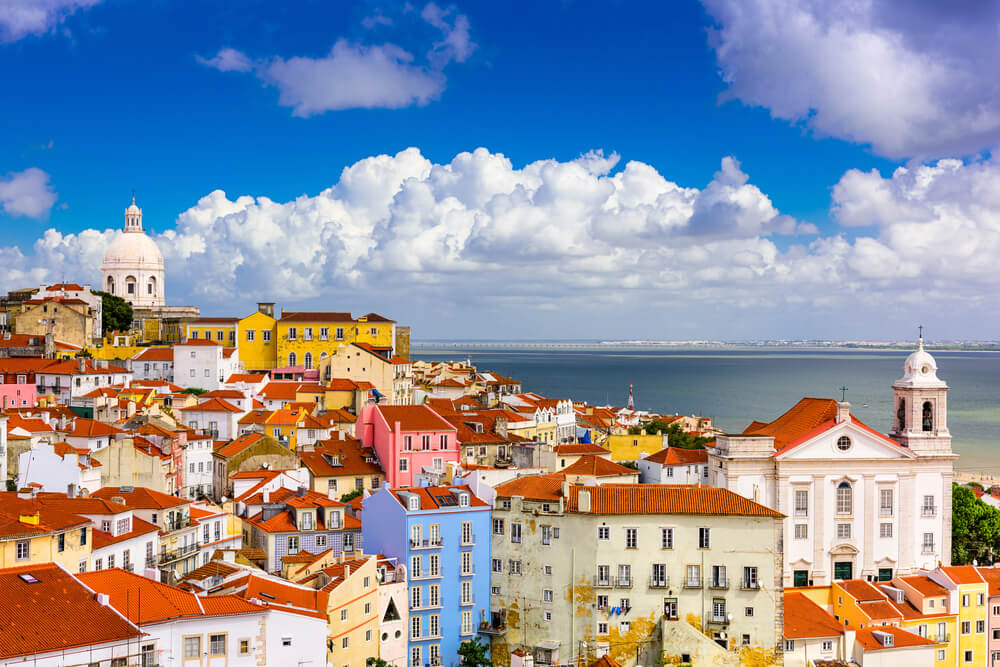
A combination of expats seeking a cheaper way of life and increasing tourism has seen Lisbon change from being one of the most affordable capital cities in Europe to the most unaffordable for housing. Portugal’s capital officially doubled its municipal tourist tax from €2 to €4 per night per guest beginning September 1, 2024.
Machu Picchu, Peru
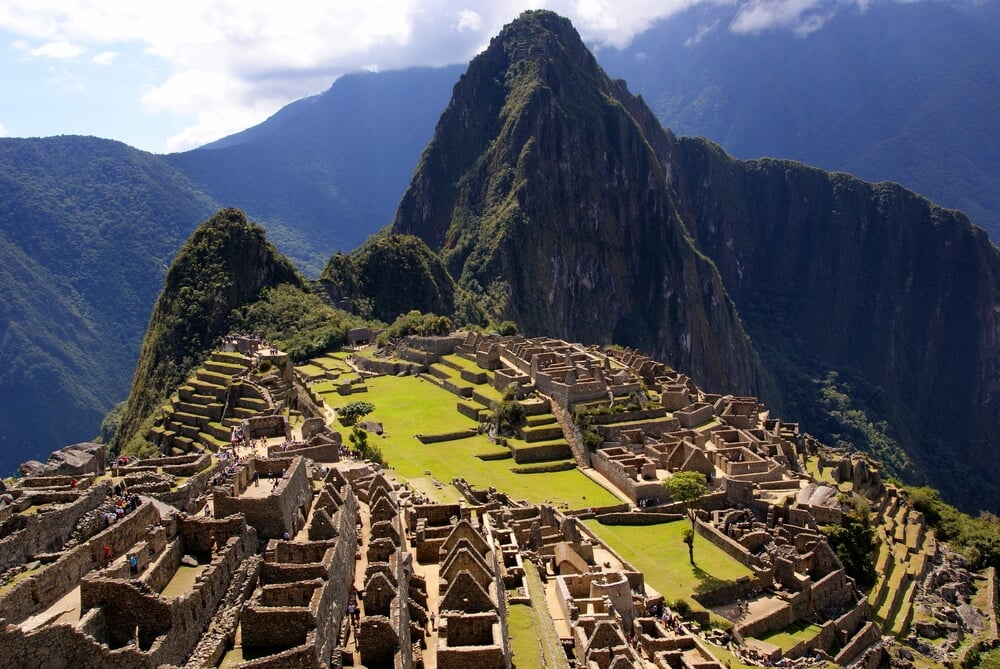
Machu Picchu sometimes sees as many as five thousand visitors per day during the busiest times, and Peru has implemented a cap of 2,500 daily visitors. The waste problem in Machu Picchu is so serious that the UN recommends it be included under the list World Heritage in Danger almost every year since 2007.
The delicate Inca citadel’s staircases and walkways deteriorate from constant foot traffic.
Angkor Wat, Cambodia
Angkor Wat hosted a surge of visitors in 2023—nearly 800,000 compared to 7,650 back in 1993, causing erosion of the sandstone engravings. Tourism quickly climbed back from the pandemic, with around 1.2 million visitors in 2024.
The spiritual atmosphere of the world’s largest religious monument has given way to crowded, choreographed tours.
Hallstatt, Austria
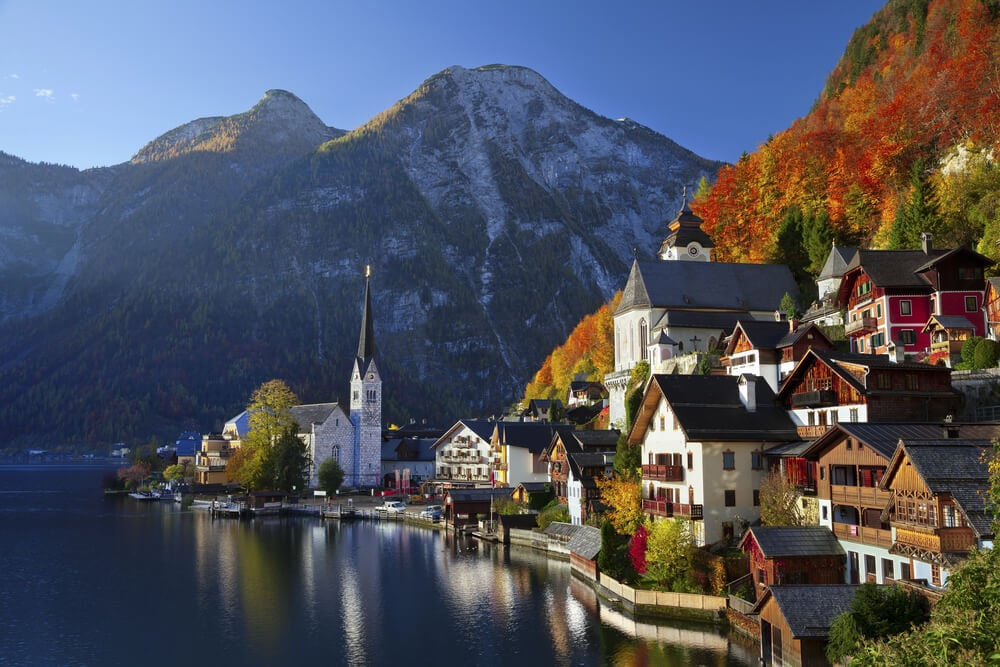
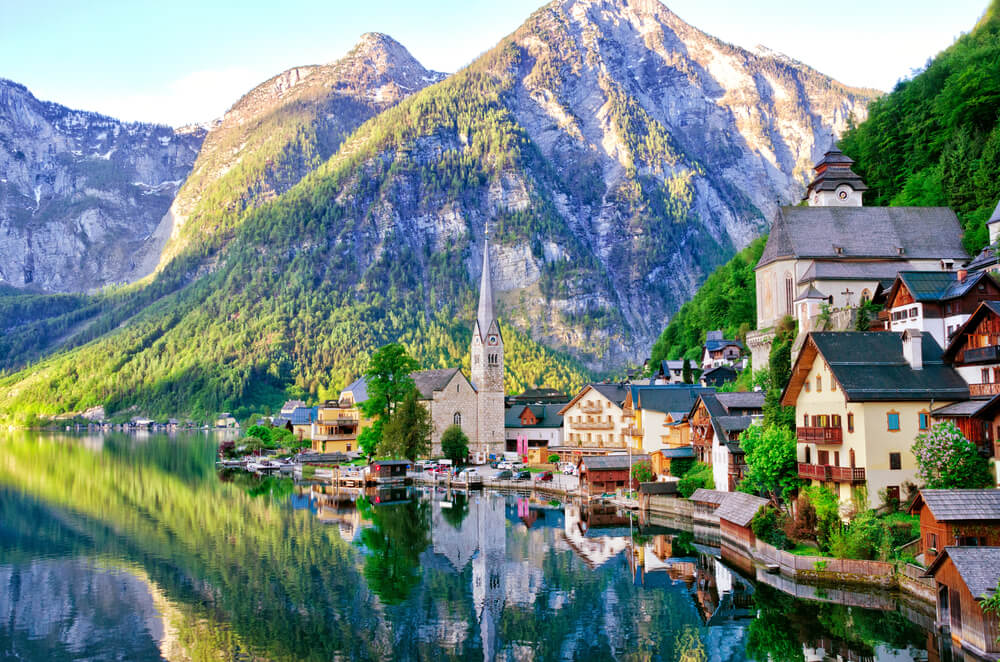
Hallstatt, a picturesque village famous for its 16th-century alpine houses, is home to just over 800 people but welcomes more than one million visitors annually, leading to overcrowding. Some locals have had to rope off their properties to prevent trespassing, while others have put up signs telling tourists to keep the noise down.
Boracay, Philippines
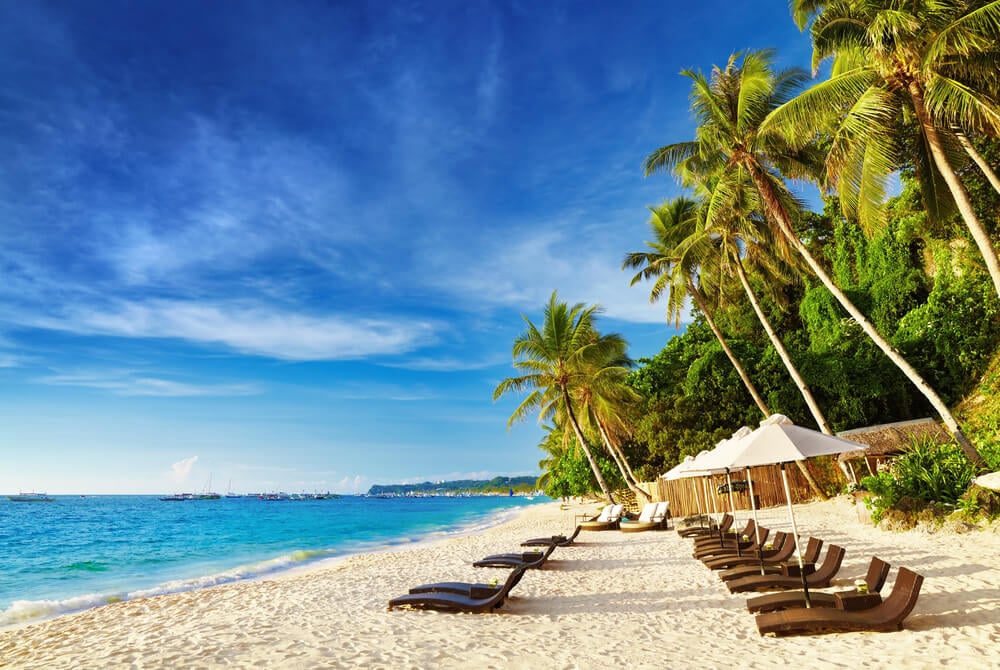
Despite being just over 4 miles long, Boracay welcomes more than two million tourists annually, with large sections of White Beach jammed with thousands of tourists and lines of sun loungers. The Philippines temporarily closed the island to address environmental damage, and visitor registration requirements remain in effect.
Phuket, Thailand
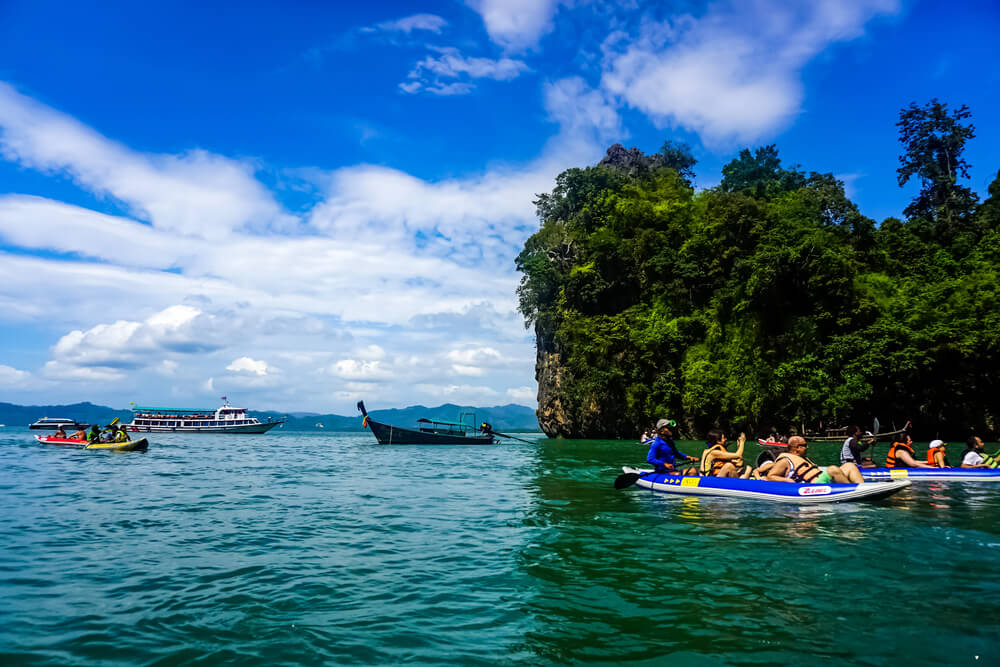
According to a 2023 Time Out report, there are now about 118 travelers for each resident in Phuket. The island struggles with water supply strain and infrastructure deterioration from tourism development, yet authorities face economic pressure to continue welcoming visitors.
Split, Croatia
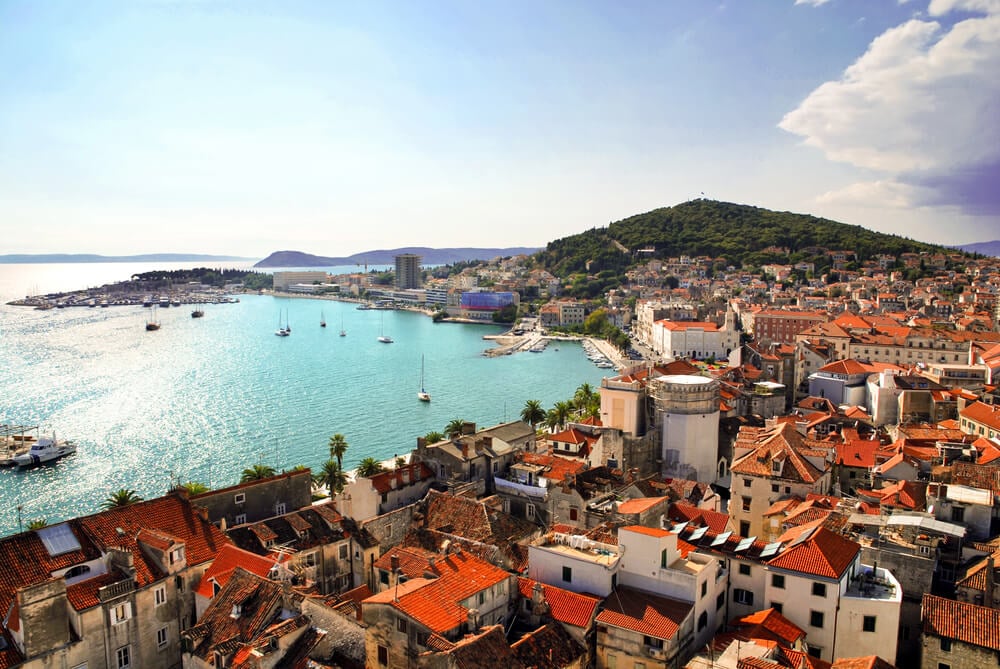
Split is grappling with the challenges of party tourism, including late-night noise, pub crawls, and drunk tourists publicly urinating, even on the city’s Roman ruins. Despite being a UNESCO World Heritage Site, Split has not gone to great lengths to rein in bad behavior, with signs warning visitors of fines but tourists rarely penalized.
Florence, Italy
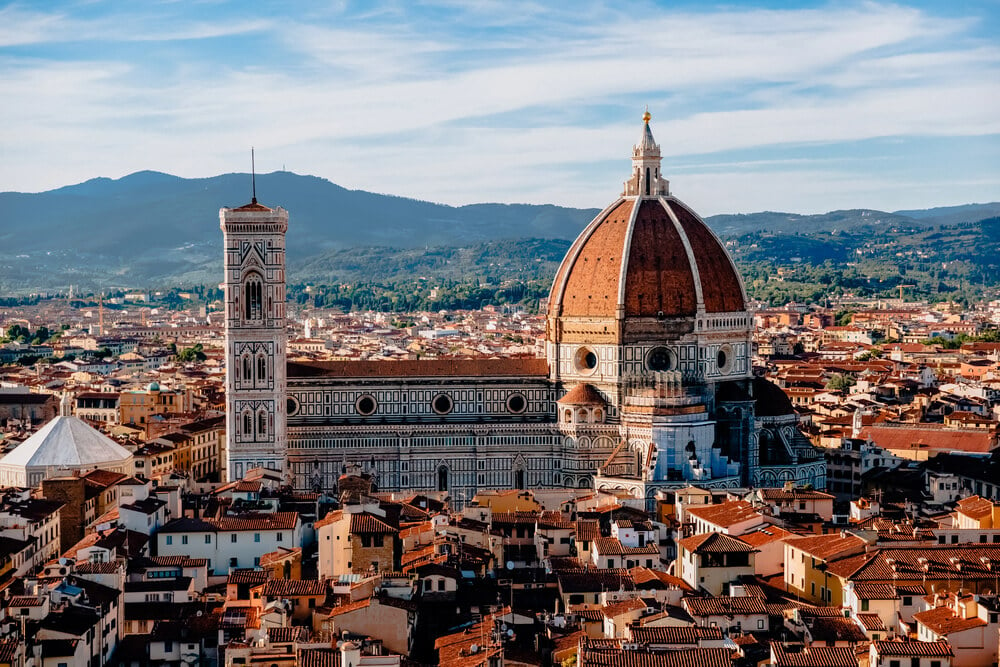
Florence’s artistic treasures draw millions annually, overwhelming Renaissance-era infrastructure. Museums require hours-long waits, narrow streets congeal with tour groups, and neighborhoods have been converted entirely to tourist services.
Local councils in Florence are introducing caps and licensing for platforms like Airbnb in response to overtourism concerns.
Cinque Terre, Italy
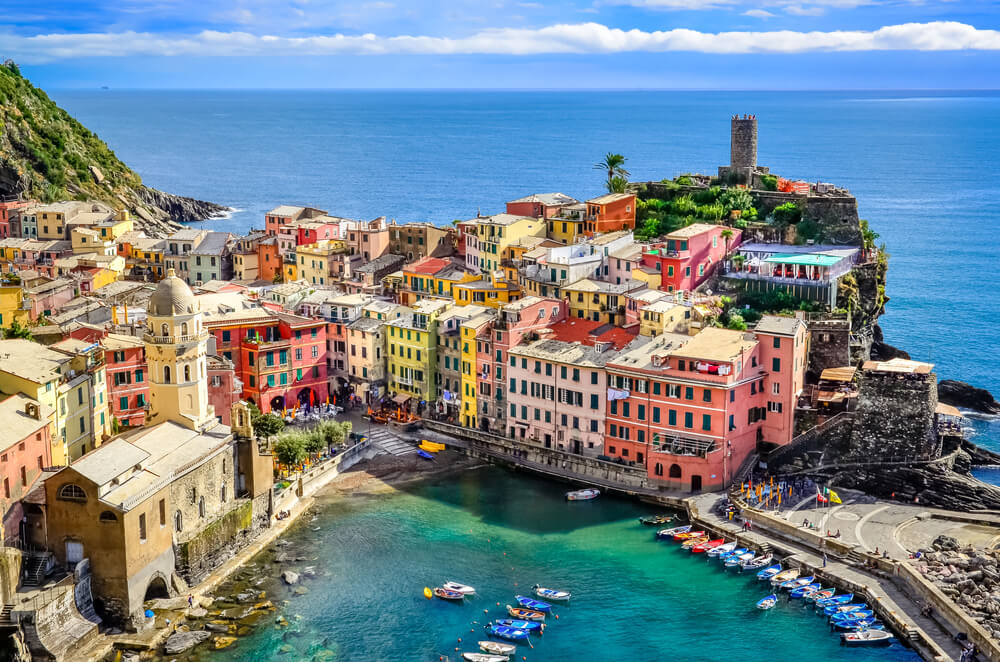
The famous hiking trails connecting the five villages have become congested bottlenecks, and local authorities have trialed visitor quotas aimed at mitigating environmental impacts. Authorities now prohibit anyone from entering trails in any type of “open” shoe, with caught violators risking a fine of €2,500.
Portofino, Italy
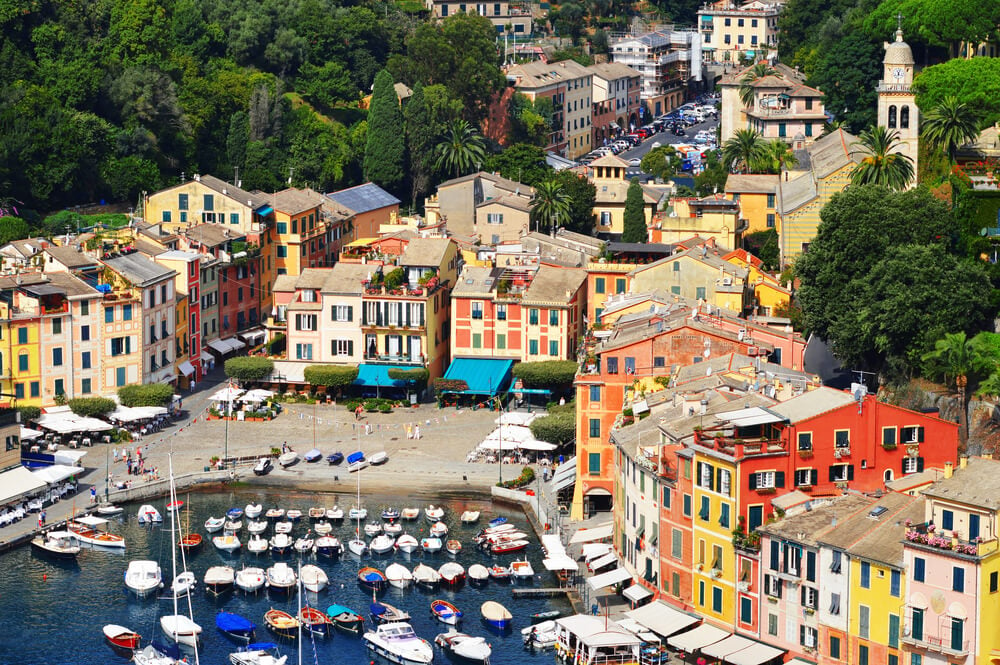
Portofino, a small village with only 400 inhabitants, hosts between 6,000 and 7,000 tourists during the high season, leading to the implementation of no-loitering policies to prevent bottlenecks. The mayor reported that “anarchic chaos” had been created by tourists stopping to take pictures and resulted in massive traffic jams and blocked streets.
Cancun, Mexico
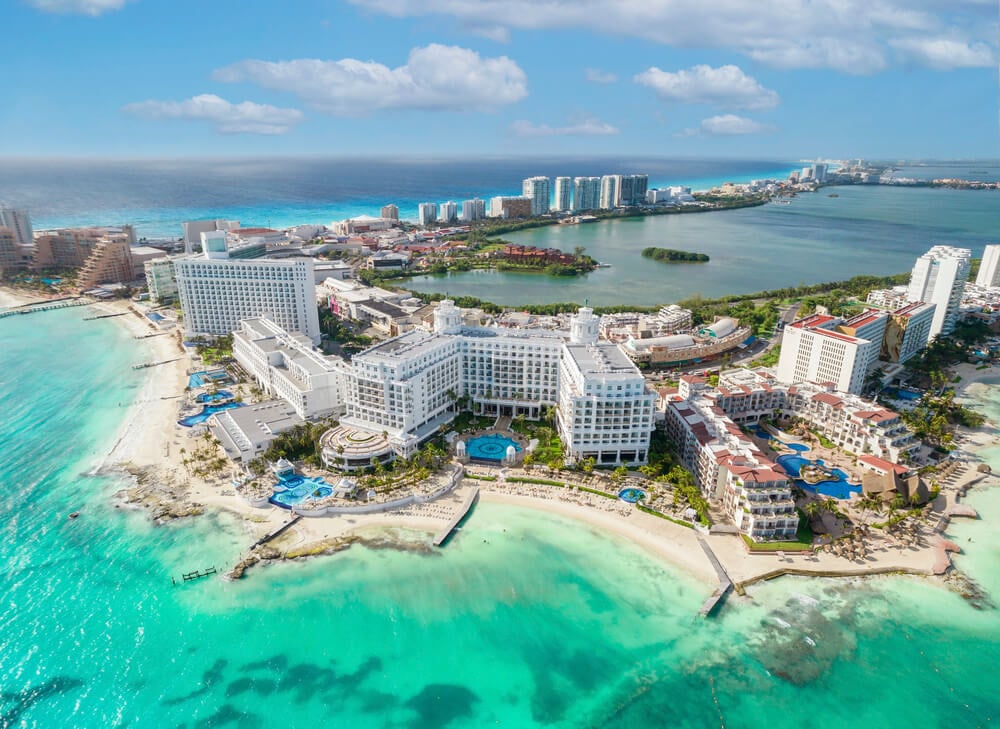
Cancun, famed for its white sandy beaches and turquoise waters, often feels more like a party destination than a paradise, with crowded beaches and bustling resorts detracting from its natural beauty. The city was a small fishing town before transformation in the 1970s, and now tourism has created environmental strain on coastal ecosystems.
Marrakech, Morocco
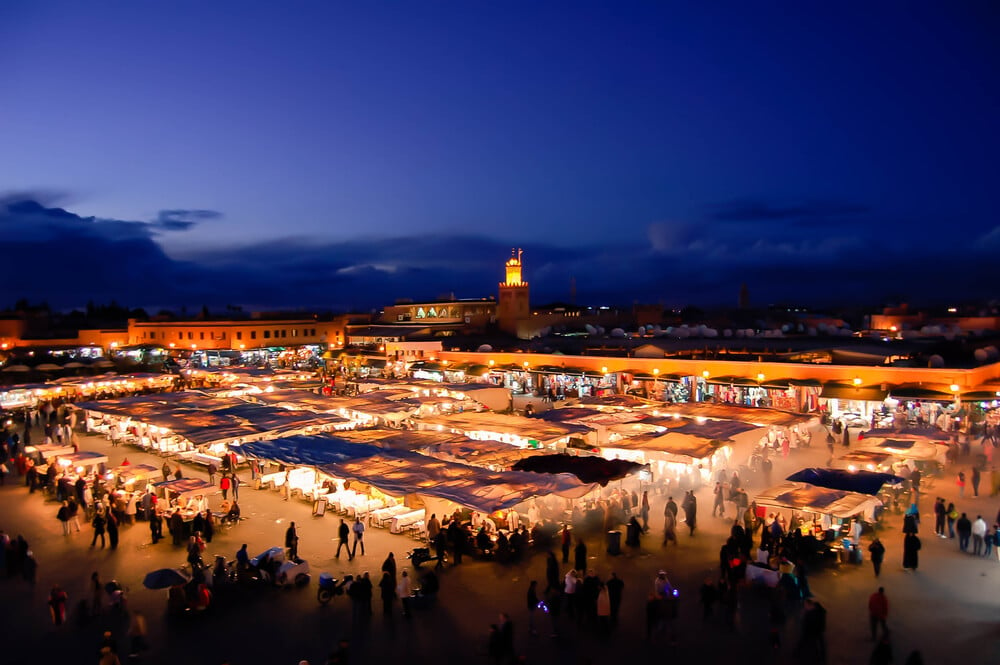
Marrakech’s medina attracts millions seeking authentic Moroccan culture, but the maze-like streets and persistent vendors create an overwhelming experience. The crowds have transformed this historic trading hub into a maze of tourist stalls, and local merchants report that traditional culture has been diluted by commercial pressure.
Istanbul, Turkey
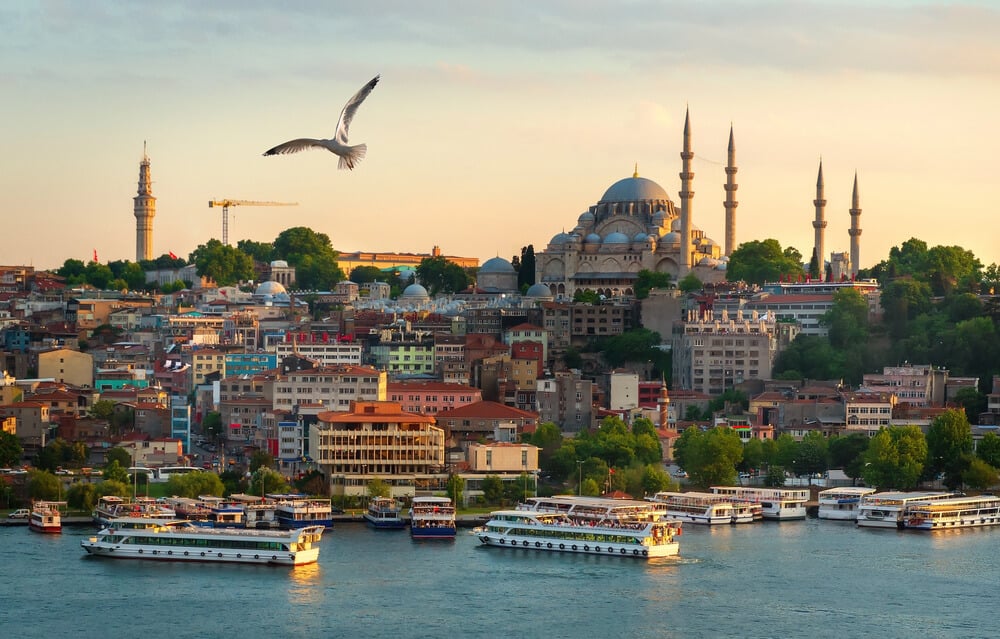
Istanbul’s status as a crossroads between Europe and Asia makes it perpetually crowded. The city attracts cultural tourists seeking Byzantine monuments alongside casual visitors seeking novelty, overwhelming public services and straining neighborhoods beyond capacity.
When a Place Becomes a Commodity
The destinations on this list share a critical turning point: popularity transformed them into products. Residents watched as their homes became hotels, their streets became photo stages, and their communities became performance spaces for outsiders.
These cities did not fail because tourism is inherently destructive. They failed because the number of visitors exceeded what any amount of infrastructure investment could sustainably accommodate.
What made these places remarkable—authenticity, walkability, human scale—cannot survive the volume. The question for travelers moving forward is whether we can learn restraint, or if we will simply move on to destroy the next undiscovered treasure.
More from Go2Tutors!

- The Romanov Crown Jewels and Their Tragic Fate
- 13 Historical Mysteries That Science Still Can’t Solve
- Famous Hoaxes That Fooled the World for Years
- 15 Child Stars with Tragic Adult Lives
- 16 Famous Jewelry Pieces in History
Like Go2Tutors’s content? Follow us on MSN.