25 Watches Found in Drawers That Are Worth Servicing
Vintage watches represent some of the most underappreciated valuables hiding in home collections, with legendary brands and specific models commanding four-figure prices once professionally serviced. Many people overlook inherited timepieces or forgotten drawer contents without recognizing that specific watch models from the 1950s through 1970s appreciate like fine art when kept in reasonable condition.
A professional restoration costing $100 to $300 often transforms a non-functioning watch into a $500 to $5,000 asset.
Rolex Submariner (1960s-1970s)
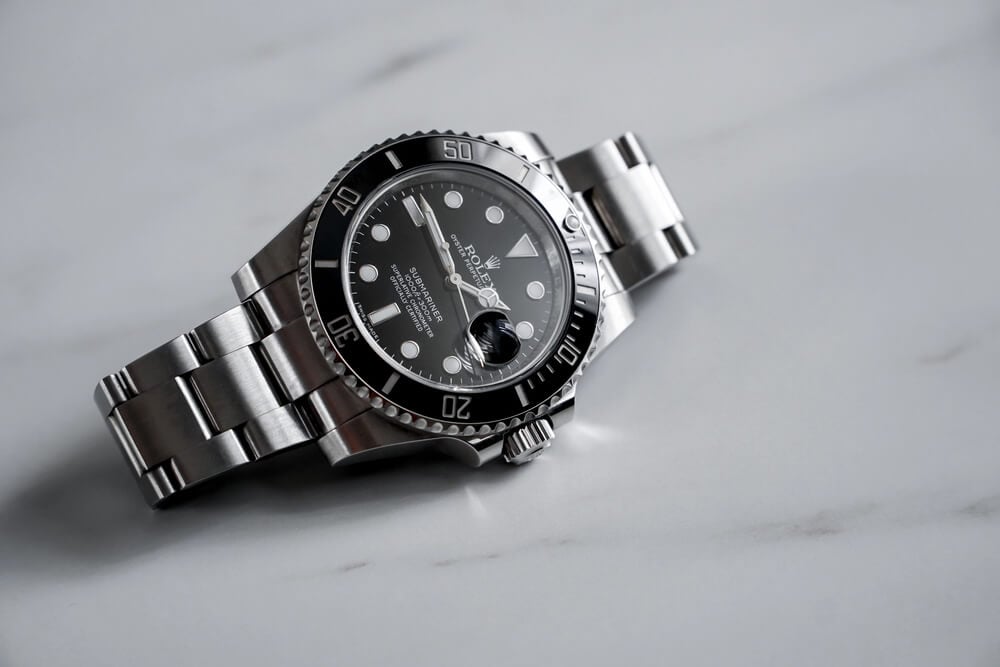
The iconic dive watch designed for serious underwater work became a status symbol and investment piece. Steel versions from the 1960s-1970s typically appreciate from $3,000 to $8,000 after servicing, while gold models reach $10,000 or more.
The Submariner’s continued production and collector interest ensure steady appreciation.
Omega Seamaster 300 (1950s-1960s)
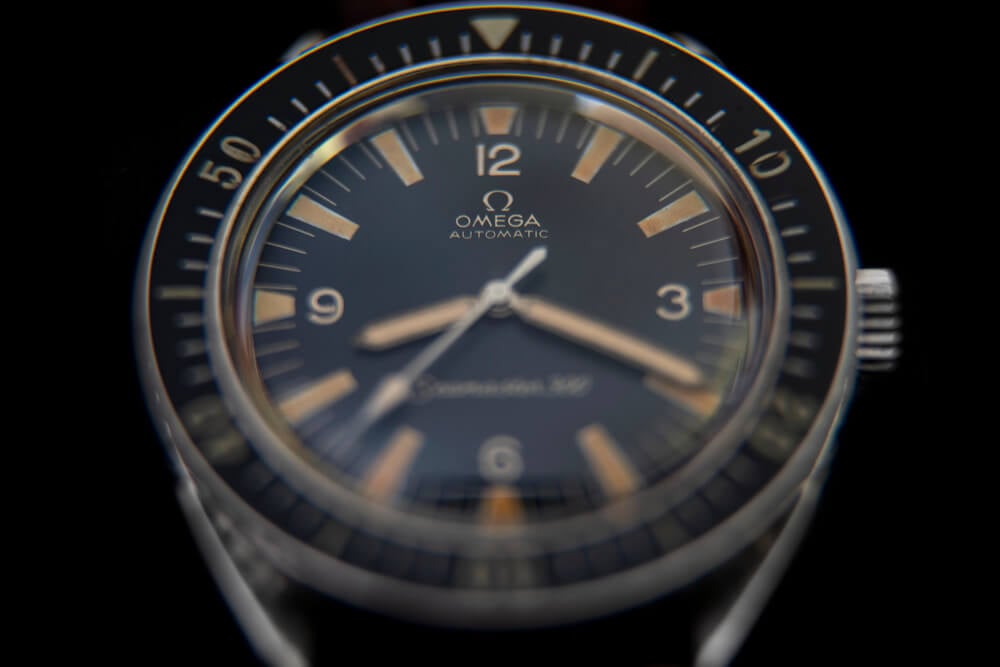
This robust dive watch featuring the iconic Omega caliber typically appreciates from $8,000 to $20,000 depending on originality and condition. Examples with original dial and hands command premium pricing.
The Seamaster’s legendary status in watch circles ensures a devoted collector following.
Omega Speedmaster Professional (1950s-1970s)
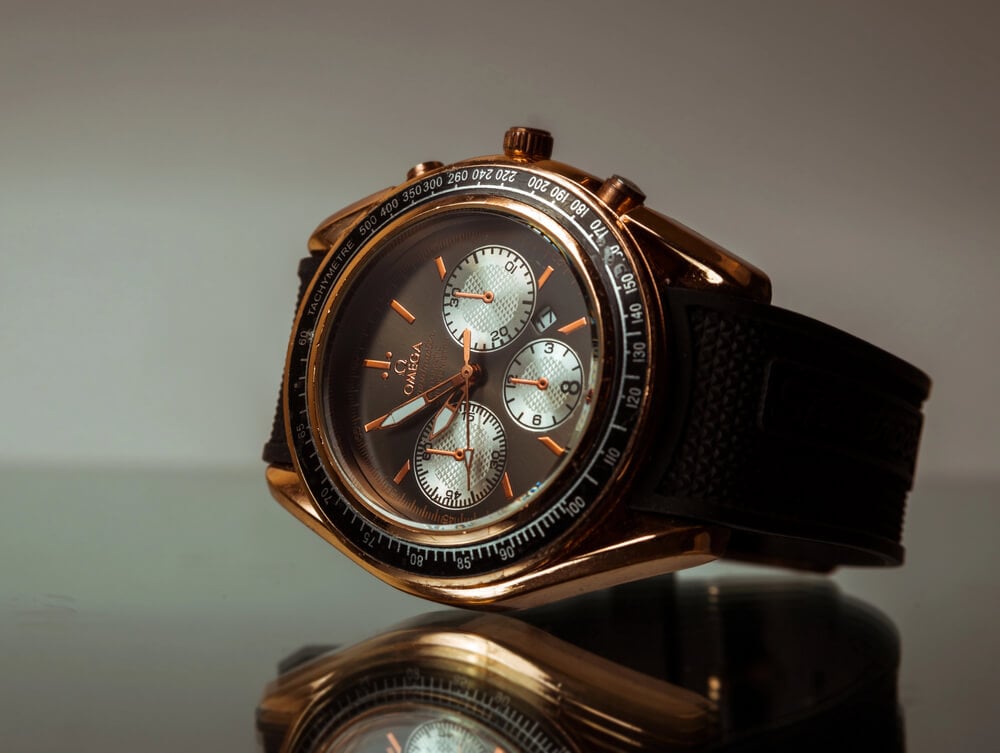
Known as the “Moonwatch” for its NASA space program heritage, this chronograph starts around $10,000 and reaches $30,000 or more for rare variations. Pieces with documentation of space program association achieve astronomical prices exceeding $100,000.
The prestige associated with lunar mission use transcends typical watch collecting.
Hamilton Wrist Watches (1950s-1960s)
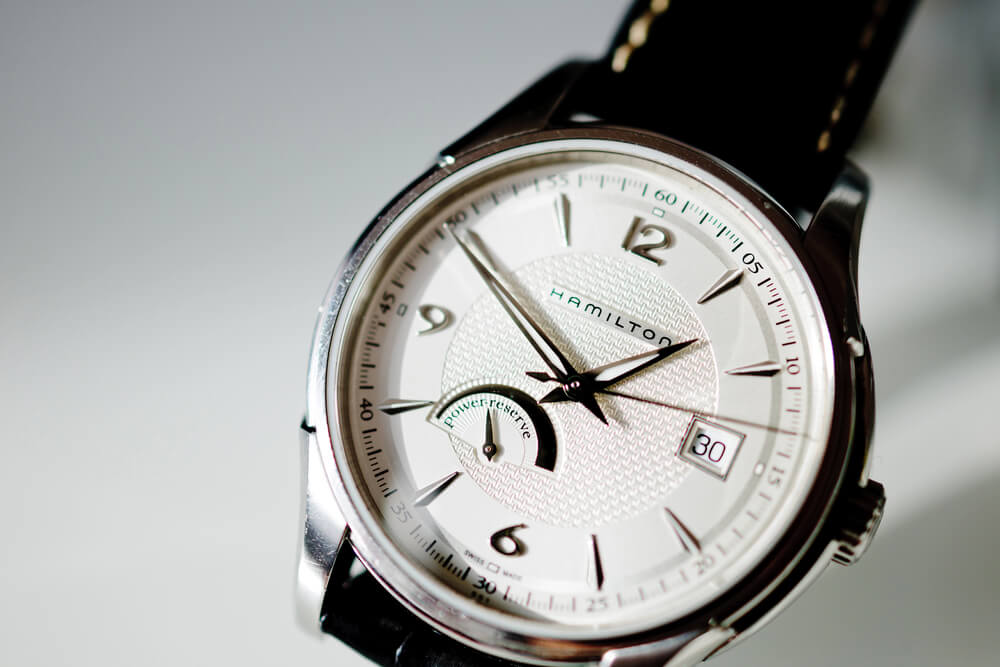
American-made Hamilton watches represent undervalued entry points into serious collecting, with vintage military and civilian models appreciating from $200 to $1,500 after service. The brand’s manufacturing legacy and restoration-friendly movements appeal to budget-conscious collectors.
Some military variants command substantial premiums.
Seiko 5 Automatic (1960s-1970s)
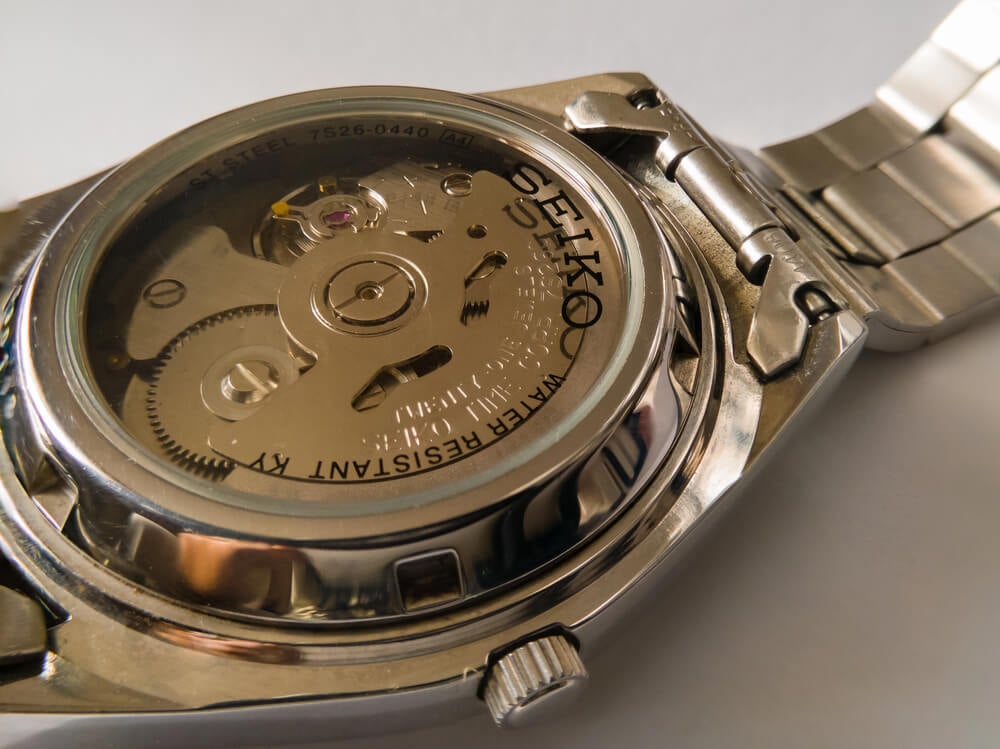
The workhorse of Japanese watchmaking, Seiko 5 models typically appreciate from $100 to $500 after professional service. Specific models like chronographs and specialty dials command higher prices.
The brand’s reputation for value and durability ensures steady collector demand globally.
Omega Constellation (1950s-1960s)
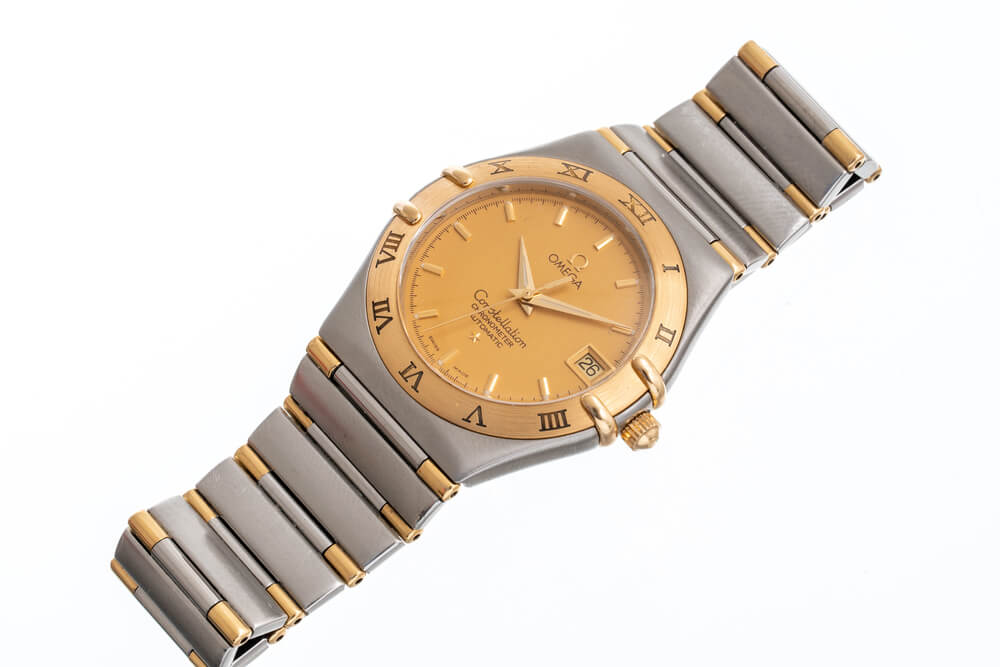
The iconic “Pie Pan” references with distinctive bumpers command $3,000 to $10,000 depending on condition and completeness. Later C-shape models fetch $2,000 to $6,000.
The Constellation’s sophistication appeals to collectors seeking refined vintage timepieces.
Cartier Tank (1960s-1970s)
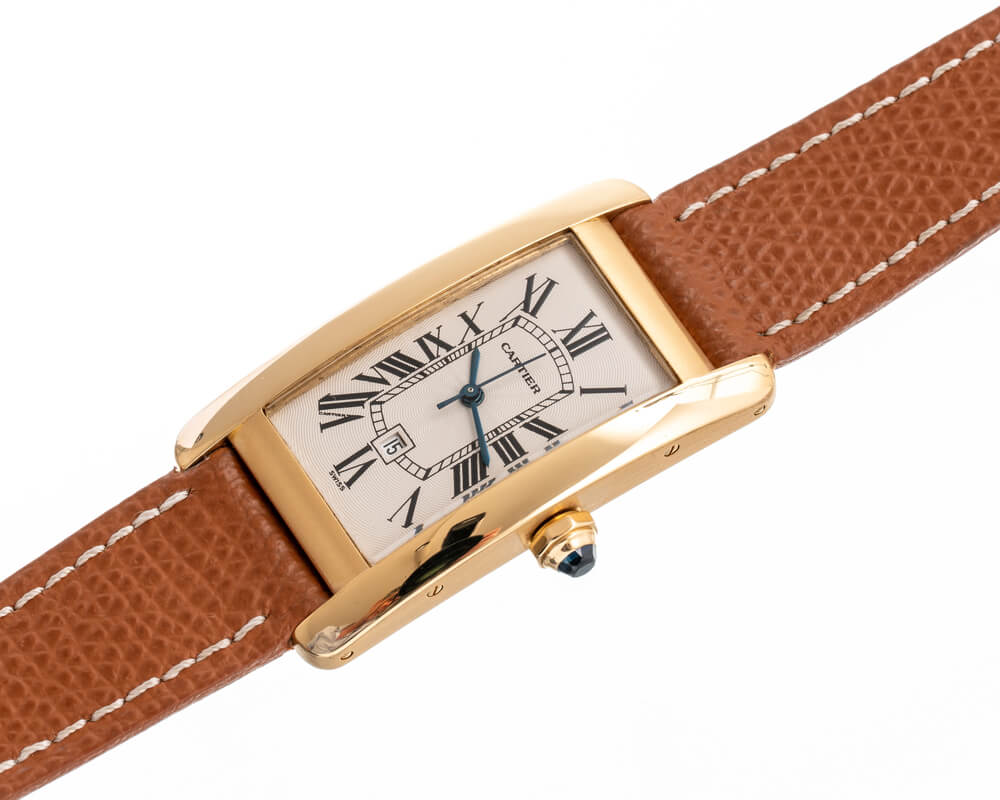
This architectural masterpiece designed by Louis Cartier combines art and function in elegant proportions. Steel versions typically appreciate from $1,500 to $4,000 after service, while gold examples exceed this significantly.
The watch’s timeless design ensures perpetual collector demand.
Longines Conquest (1950s-1970s)
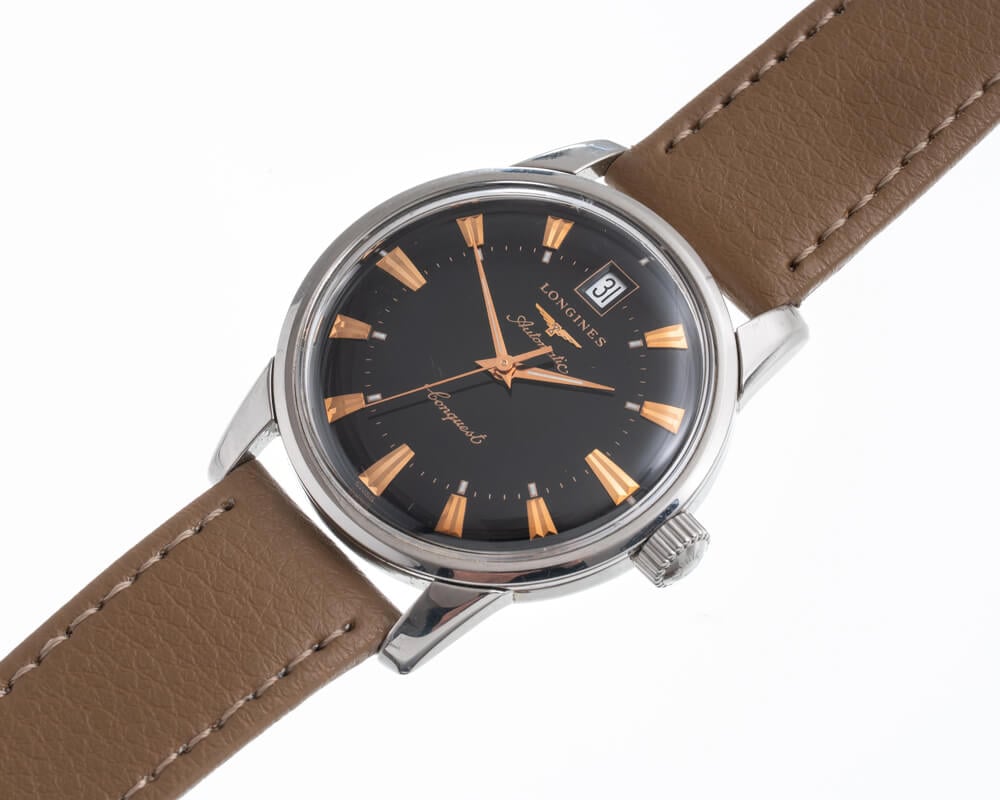
The Swiss brand’s sporty line represents excellent value, with examples appreciating from $400 to $1,500 depending on condition and model specificity. Complete watches with original strap and papers command premiums.
Longines’ heritage justifies the brand’s sustained collector interest.
IWC Schaffhausen (1950s-1970s)
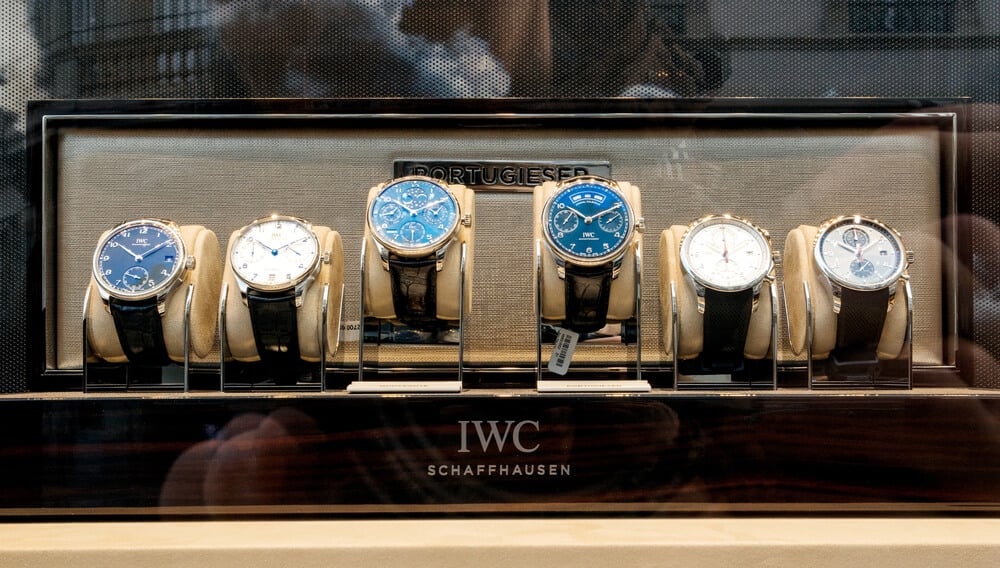
Precision engineering from this prestigious Swiss manufacturer ensures watches appreciate from $500 to $3,000 after proper service. Military chronographs and dive watches command substantial premiums.
IWC’s reputation for quality movements supports strong collector confidence.
Patek Philippe Calatrava (1960s-1980s)
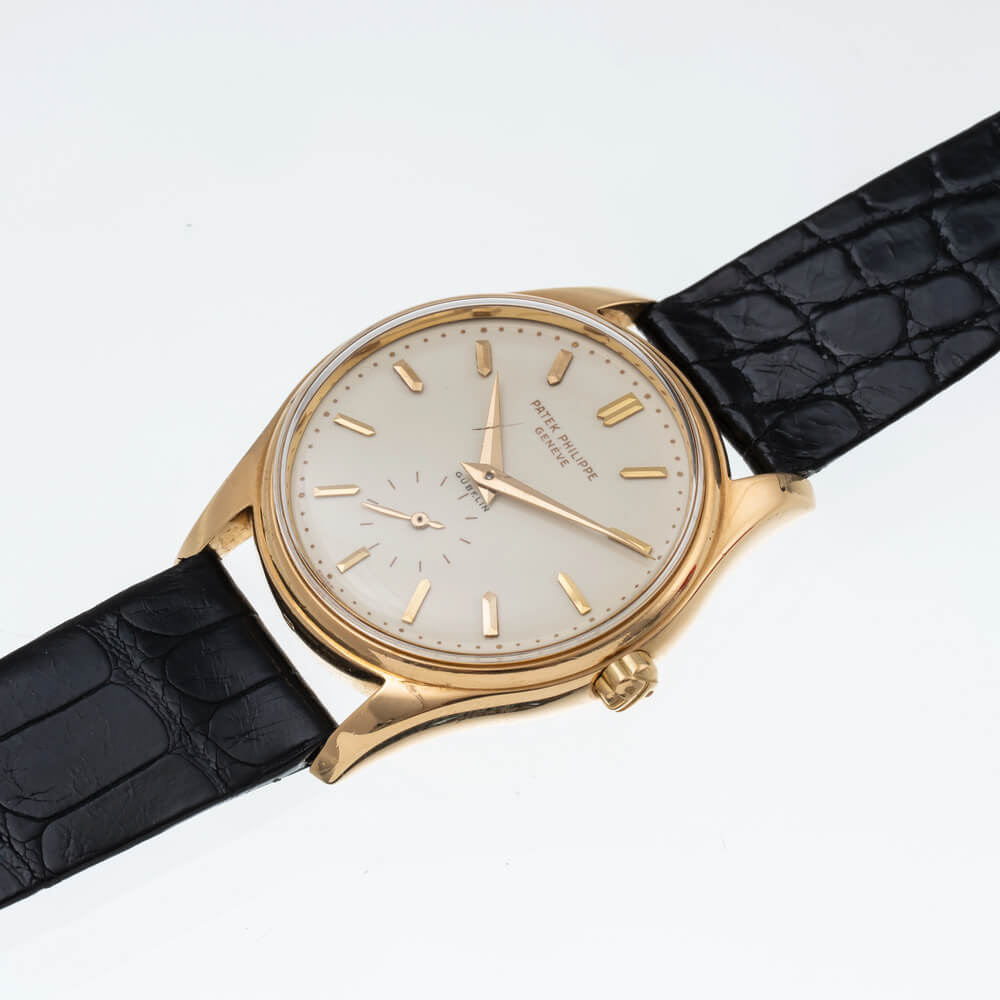
One of watchmaking’s most elegant designs, even modestly rare references appreciate from $5,000 to $15,000 minimum. Exceptional examples with full documentation exceed these figures substantially.
Patek Philippe’s prestige ensures investment-grade appreciation potential.
Rolex Date Just (1950s-1970s)
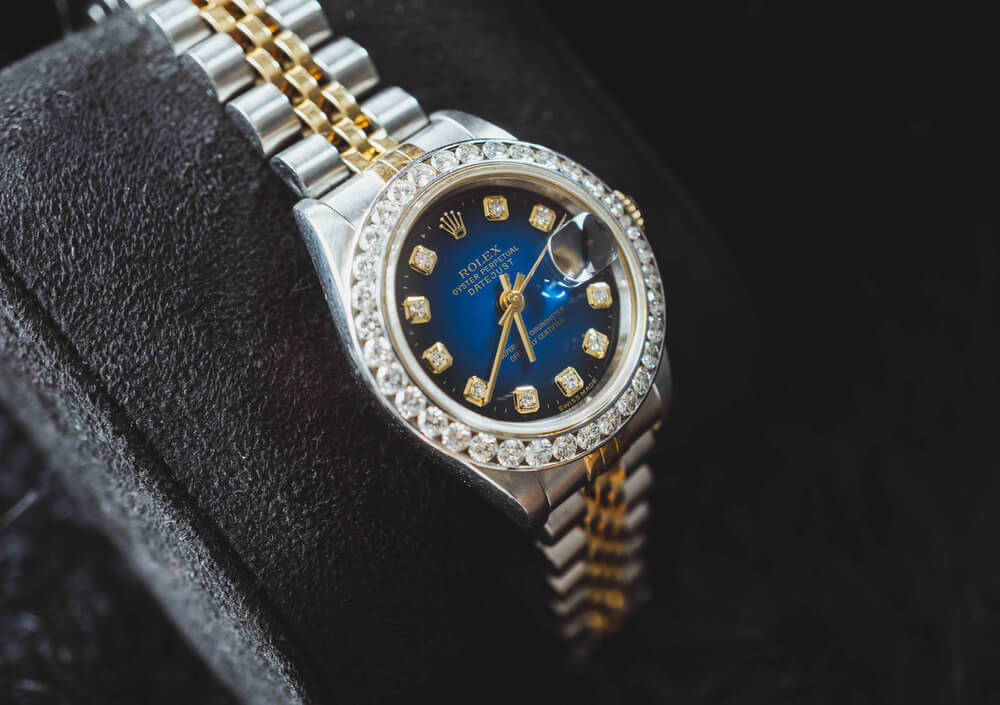
The most commonly found vintage Rolex, the Datejust remains highly collectible despite production quantities. Steel versions appreciate from $2,000 to $6,000 depending on generation and condition.
Gold models command higher prices. The watch’s timeless design ensures perpetual demand.
Tudor Oyster (1950s-1970s)
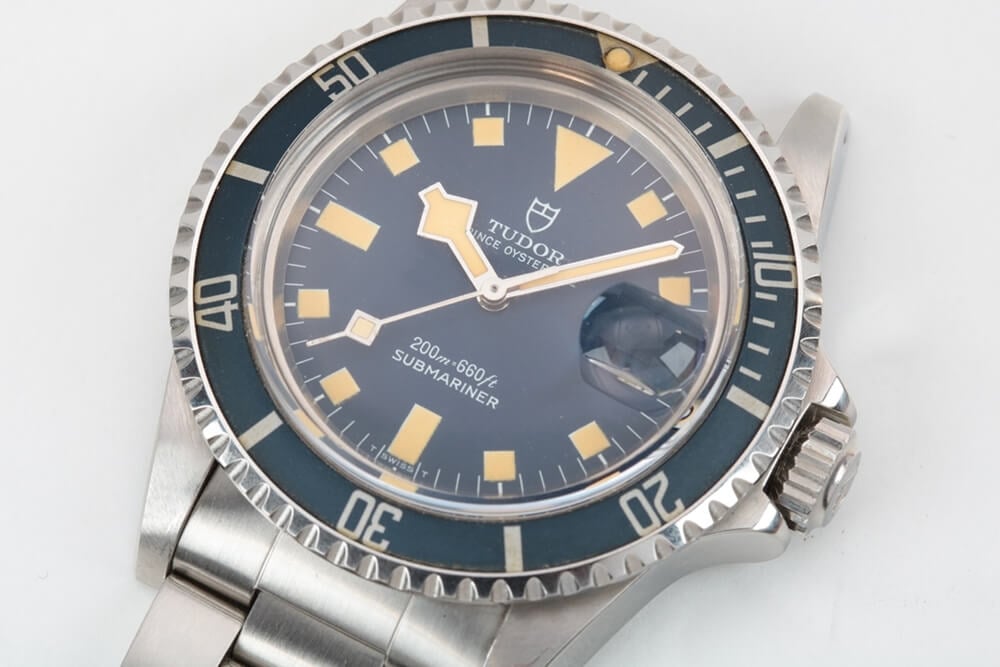
Tudor represented Rolex’s more accessible line while offering similar quality and durability. Vintage examples appreciate from $800 to $2,500 depending on model specificity and dial originality.
Military chronographs and special references command substantial premiums.
Bulova Accutron (1960s-1970s)
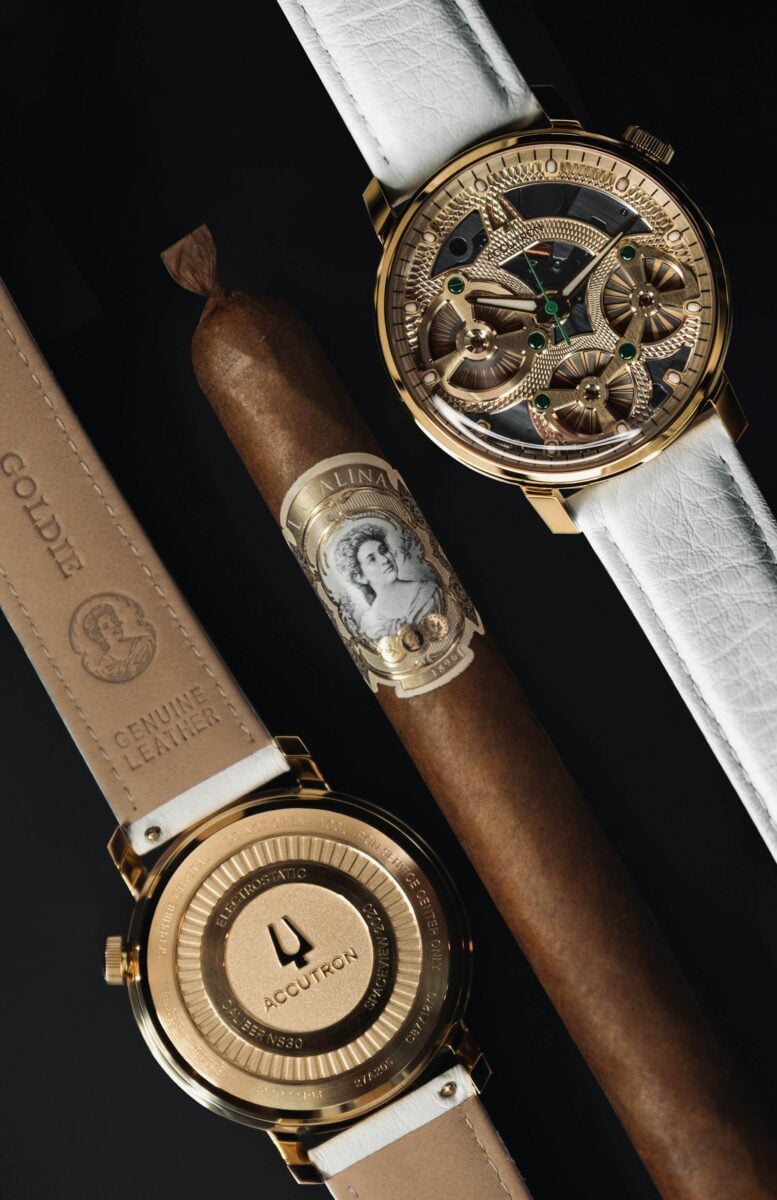
This electromechanical watch represented technological sophistication and appreciation from $150 to $600 after service. Specific models and colors command higher prices.
The Accutron’s unique movement draws a specialized collector following.
Universal Genève Polerouter (1950s-1970s)
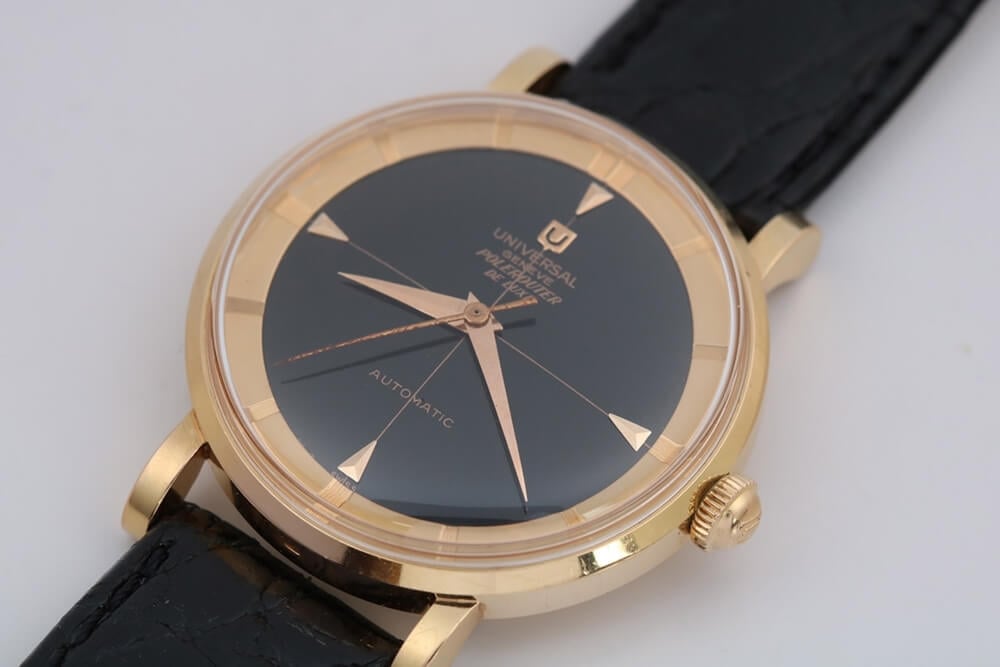
This pioneering automatic chronograph appreciates from $500 to $2,000 depending on reference and condition. Original bracelets and boxes add significant premiums.
Swiss quality and innovative engineering justify strong collector demand.
Breitling Navitimer (1950s-1970s)
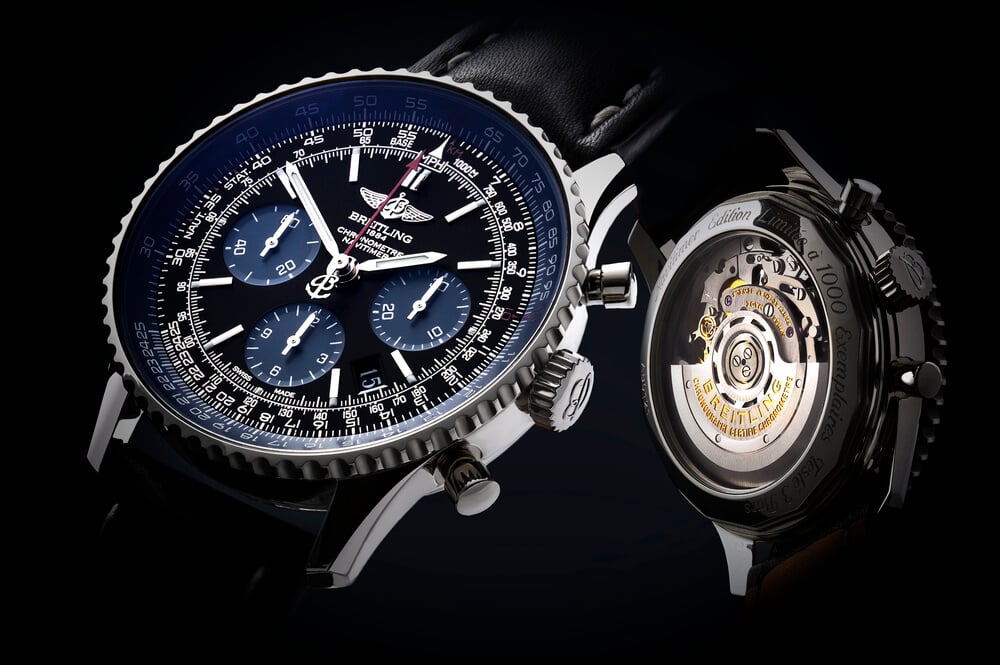
This pilot’s watch with integrated slide rule remains highly sought after, appreciating from $2,000 to $8,000 depending on generation and condition. Complete examples with original documentation command substantial premiums.
The Navitimer’s reputation ensures steady appreciation.
Zenith Chronograph (1960s-1970s)
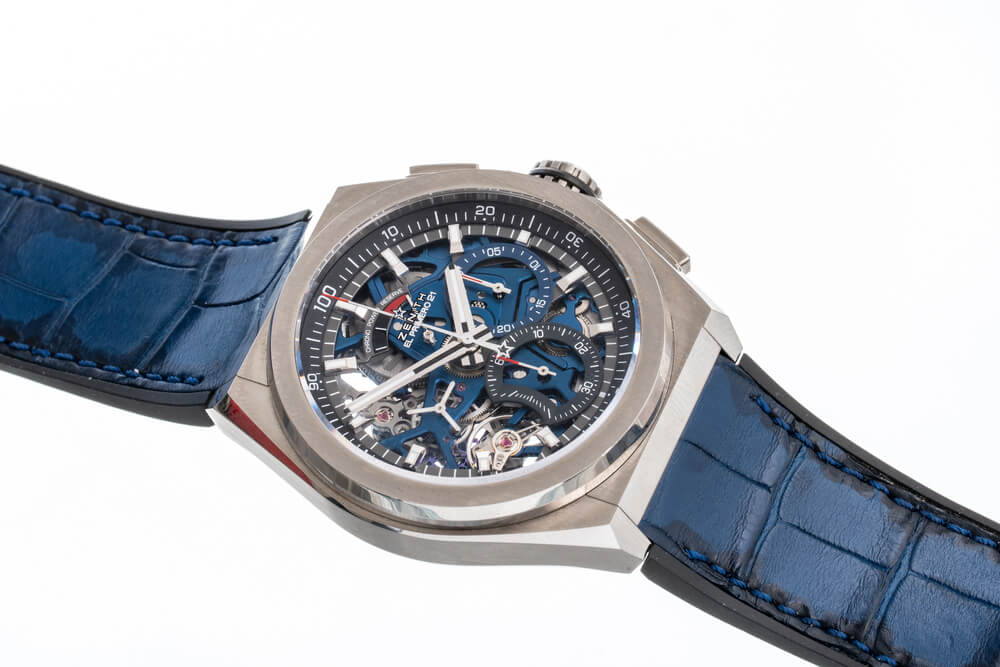
Swiss precision and aesthetic design ensure these chronographs appreciate from $300 to $1,500 depending on reference and condition. Original dials and hands command premiums.
Zenith’s manufacturing reputation supports collector confidence.
Heuer Chronographs (1960s-1970s)
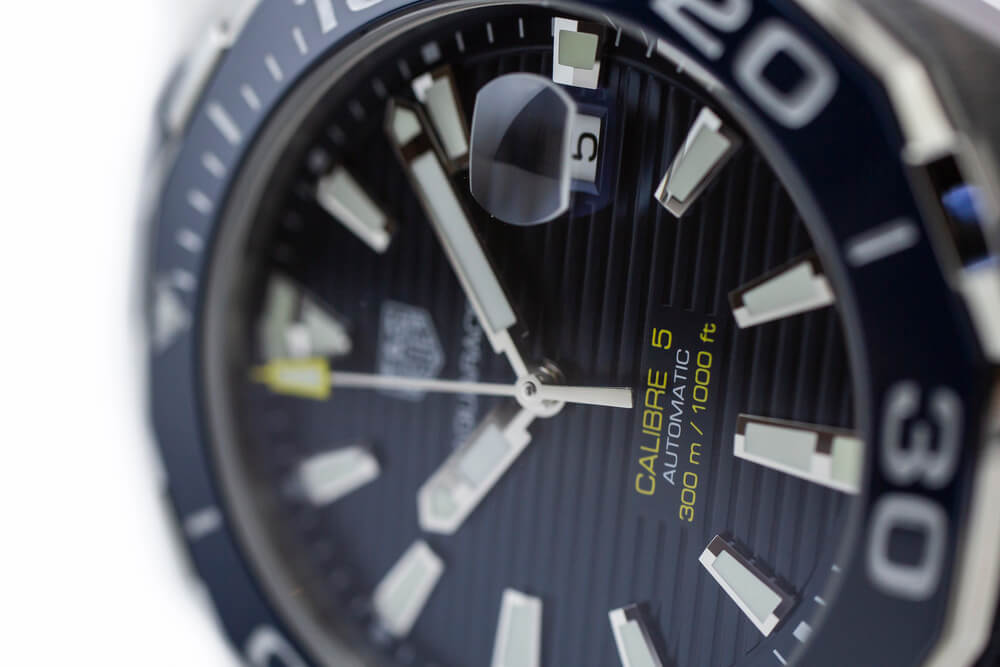
Pre-TAG Heuer chronographs appreciate from $500 to $3,000 depending on model specificity and condition. Sports models and racing references command higher prices. ]
Heuer’s motorsports heritage ensures specialized collector followings.
Movado Museum Watch (1950s-1970s)
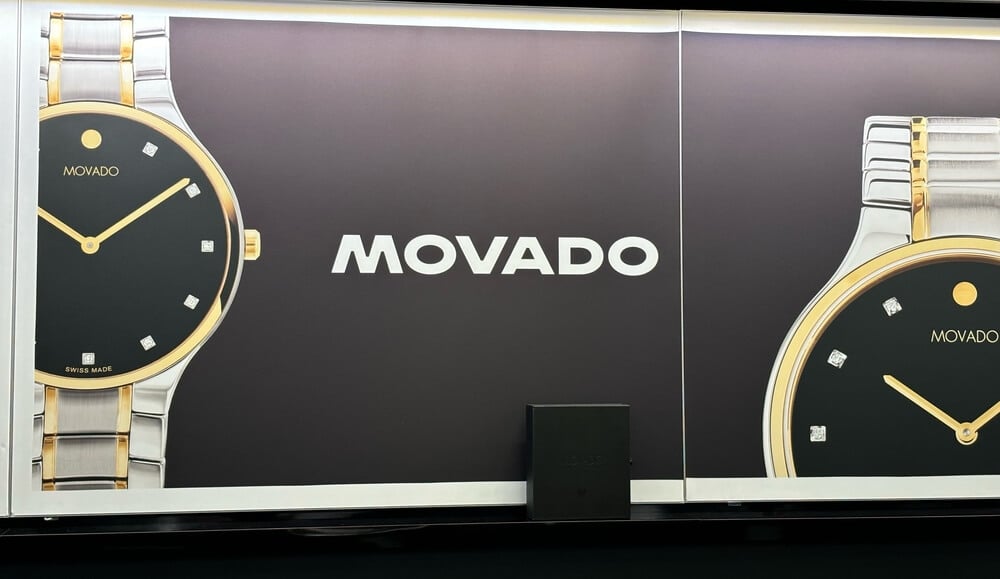
This iconic design featuring a minimalist dial appreciates from $200 to $800 depending on case material and condition. Gold versions command significant premiums. The Museum watch’s timeless design ensures perpetual demand.
Tissot Seastar (1950s-1970s)
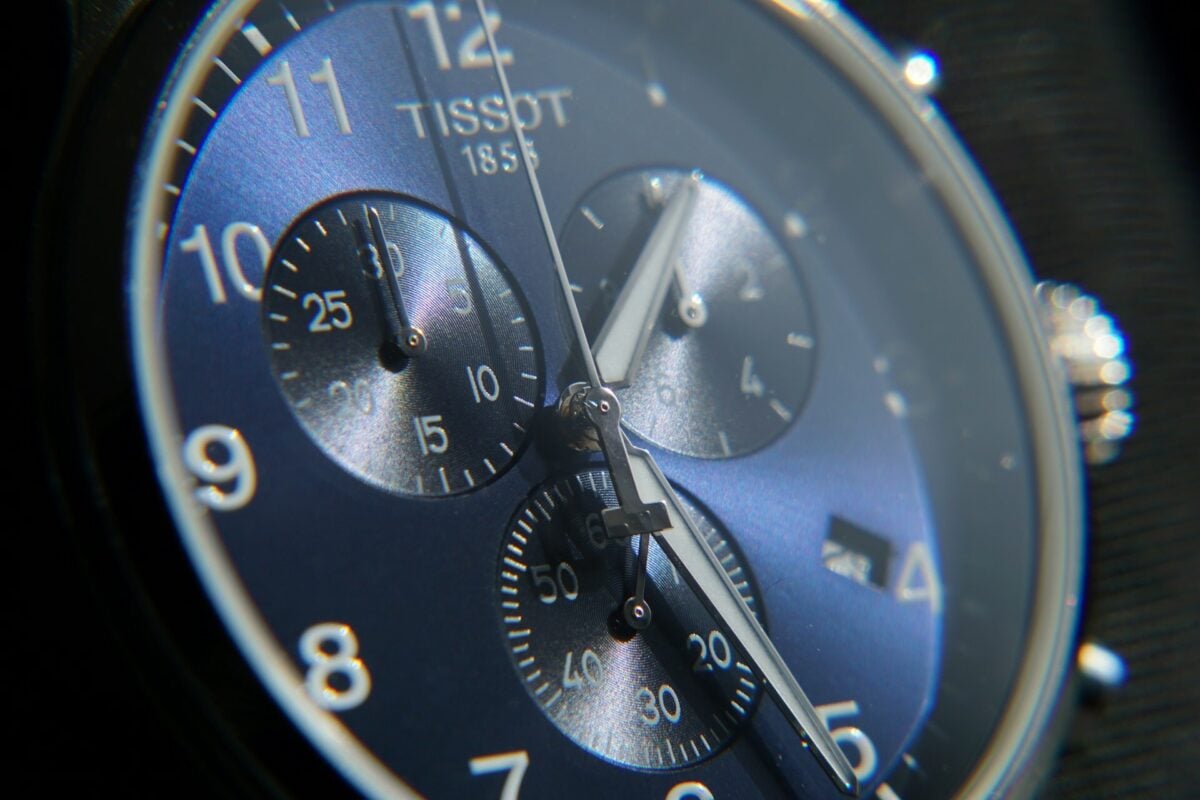
Swiss diving heritage and quality construction ensure appreciation from $200 to $1,000 depending on reference and condition. Specific dial variations and military examples command higher prices.
Tissot’s accessible pricing supports growing collector interest.
Glycine Airman (1950s-1970s)
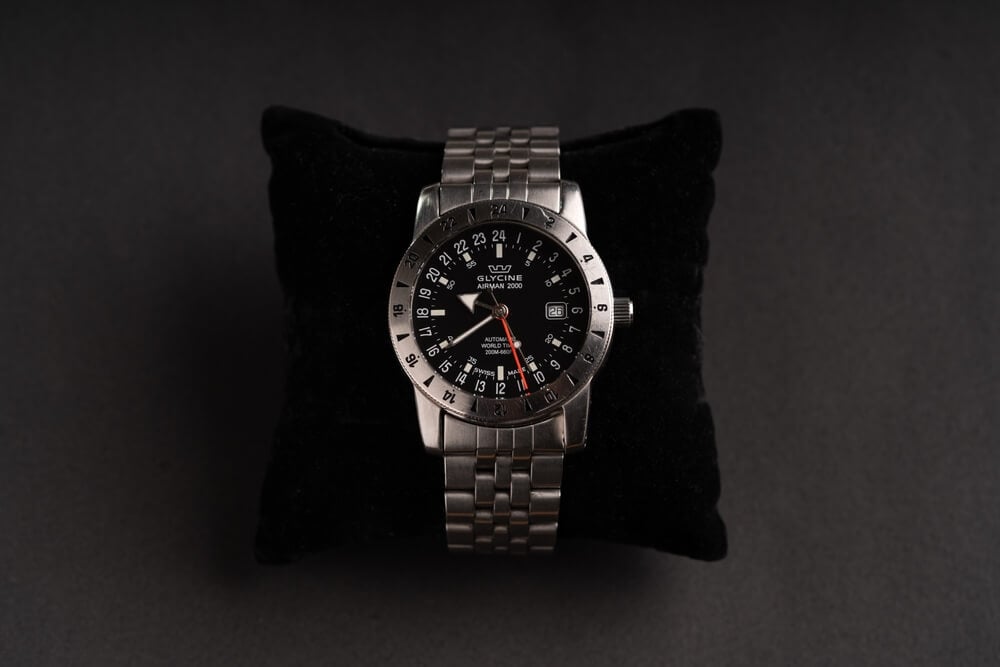
This pioneering automatic pilot watch with 24-hour dial appreciates from $300 to $1,200 depending on generation and condition. Complete examples with original packaging command premiums.
The Airman’s innovative features attract dedicated followers.
Jaeger-LeCoultre Memovox (1950s-1970s)
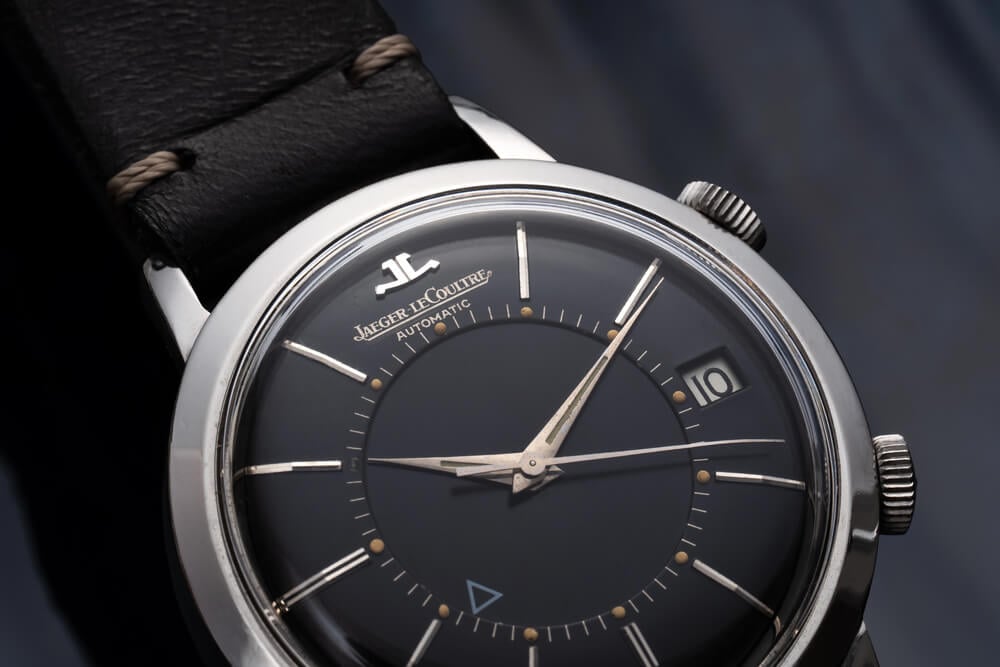
This alarm watch represents horological complexity and appreciates from $400 to $1,500 depending on reference and condition. Complete examples with original documentation command significant premiums.
LeCoultre quality justifies strong collector demand.
Vacheron Constantin (1950s-1970s)
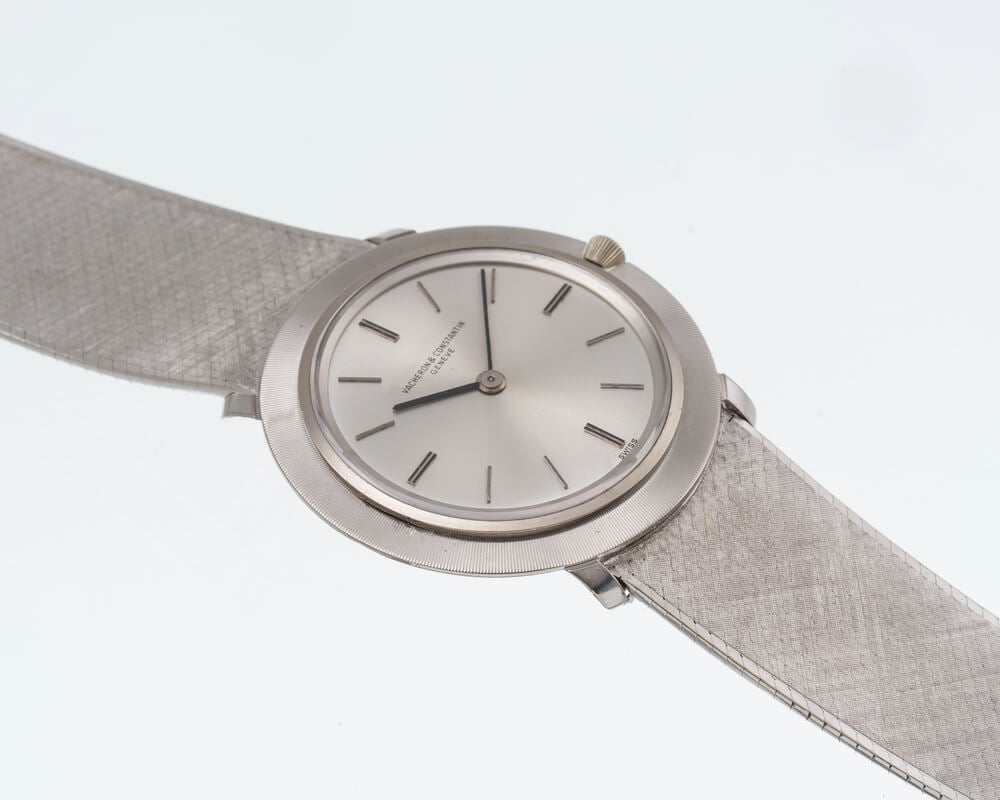
This prestigious Swiss manufacturer ensures watches appreciate from $3,000 to $10,000 minimum depending on reference and condition. Exceptional examples with documentation exceed these figures substantially.
Vacheron’s prestige guarantees investment-grade status.
Seiko Tuna Chronograph (1970s)
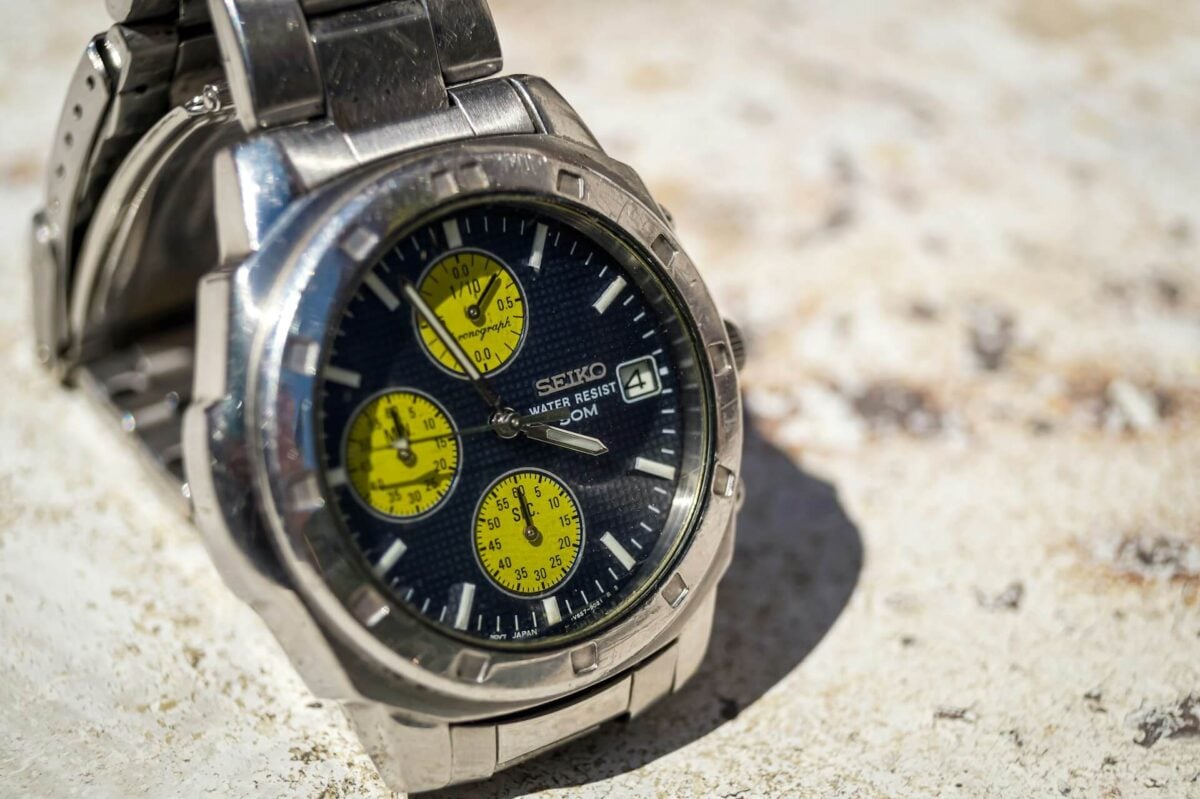
These chunky diving chronographs appreciate from $400 to $1,500 depending on reference and condition. Original bracelets and boxes add premiums.
The Tuna’s distinctive case ensures immediate recognition among divers and collectors.
Citizen Automatic (1960s-1970s)
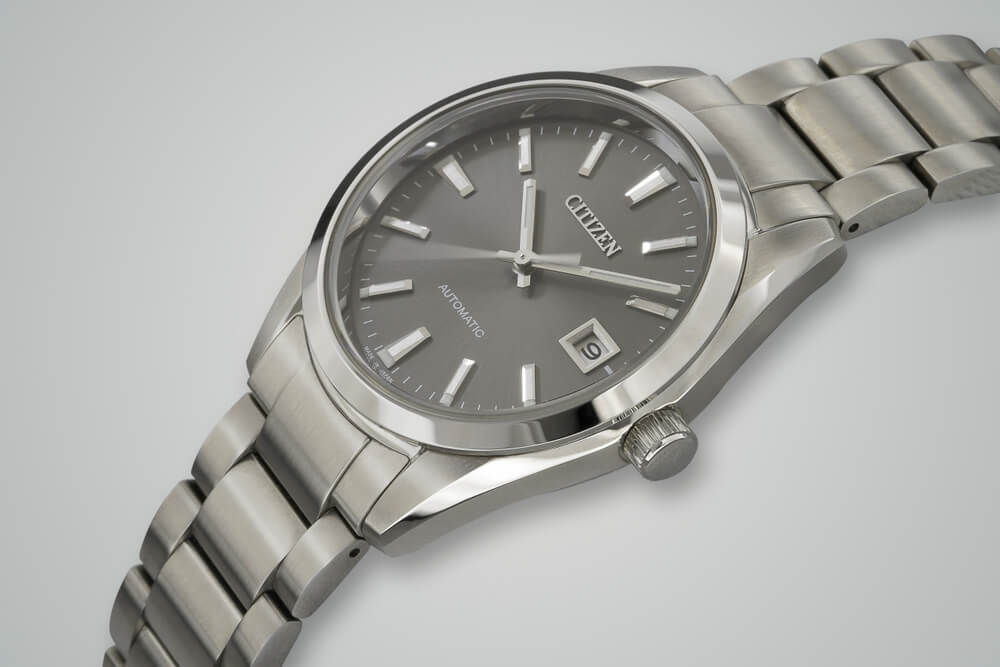
Japanese quality at accessible pricing ensures appreciation from $100 to $400 depending on model specificity. Dial variations and original bracelets command premiums.
Citizen’s budget-friendly positioning attracts beginning collectors.
Wakmann Chronograph (1960s-1970s)
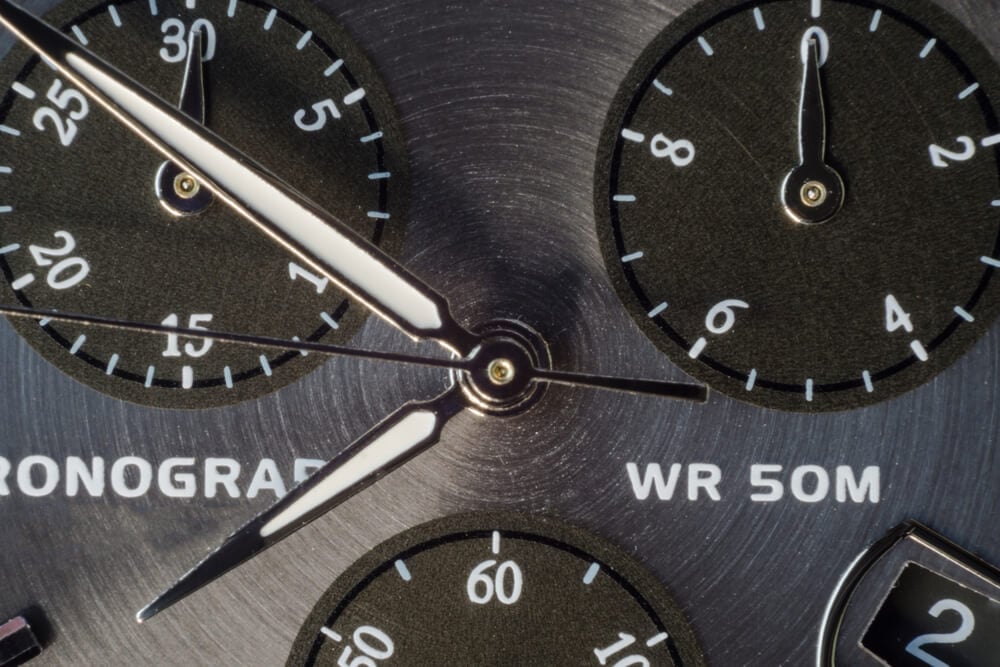
Swiss chronographs from this underrated brand appreciate from $200 to $800 depending on reference and condition. Original dials and hands command premiums.
Wakmann’s manufacturing heritage justifies collector interest despite relative obscurity.
Reclaiming Mechanical Heritage
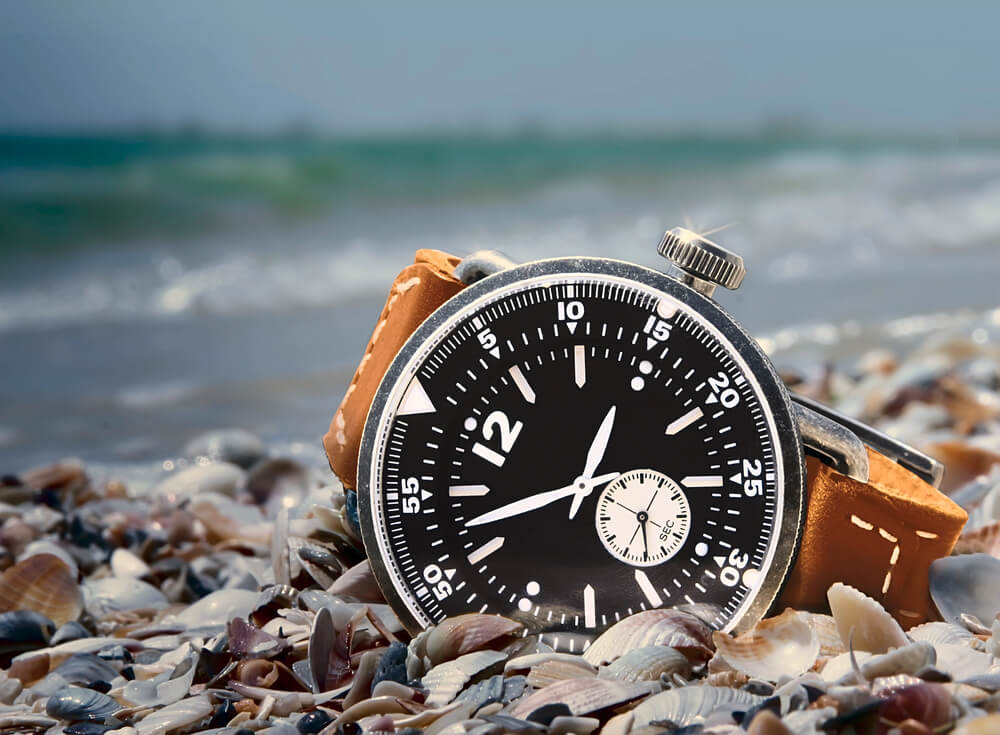
The value of vintage watches extends beyond financial appreciation to encompass connection with mechanical engineering mastery that digital devices cannot replicate. A drawer full of inherited or forgotten timepieces potentially contains watches representing hundreds or thousands of dollars in combined value once professionally assessed.
Time invested in authentication and proper service returns both monetary rewards and the satisfaction of restoring mechanical marvels to functional excellence.
More from Go2Tutors!

- The Romanov Crown Jewels and Their Tragic Fate
- 13 Historical Mysteries That Science Still Can’t Solve
- Famous Hoaxes That Fooled the World for Years
- 15 Child Stars with Tragic Adult Lives
- 16 Famous Jewelry Pieces in History
Like Go2Tutors’s content? Follow us on MSN.



