12 Malls That Disappeared Without Warning
Shopping malls used to be everything to American families. Weekend trips, teenage hangouts, first jobs at the pretzel stand. These massive retail complexes weren’t just stores — they were social hubs that defined suburban life for generations.
Then everything changed. Some malls saw it coming. Others didn’t get the memo.
Here’s a list of 12 malls that vanished so fast, communities barely had time to say goodbye.
Eastland Mall, Columbus, Ohio

Eastland Mall had weathered four decades in Columbus before pulling the plug in 2022. Sure, foot traffic was down.
Yeah, stores were closing. But nobody expected management to basically flip the lights off with almost no warning to tenants or regular shoppers.
The real kicker? They started tearing the place down within months, like they couldn’t wait to erase 40 years of history.
Rolling Acres Mall, Akron, Ohio

Rolling Acres became internet famous — just not how anyone planned. This place was packed during the ’80s and ’90s, then boom.
Financial troubles hit in 2008, and suddenly it was game over for everyone inside. Stores had maybe weeks to figure out what to do next.
The empty mall became a photographer’s dream (or nightmare), sitting there rotting until bulldozers finally put it out of its misery in 2017.
Northridge Mall, Milwaukee, Wisconsin

Milwaukee folks woke up one day in 2003 to find out their mall was done. Just like that.
Northridge had problems — crime, fewer shoppers, the usual suspects. But the closure announcement felt like it came out of nowhere.
Workers showed up to locked doors. The empty building sat there for years afterward, this massive concrete reminder that retail can be brutal and unpredictable.
Century III Mall, West Mifflin, Pennsylvania

Picture this: you’re the biggest mall in Pennsylvania, with over 200 stores. You think you’re safe, right?
Wrong. Century III closed in 2019 after what seemed like promising talks with buyers.
The community thought someone would swoop in and save the day. Instead, those deals collapsed faster than a house of cards, and boom — lights out.
Gwinnett Place Mall, Duluth, Georgia
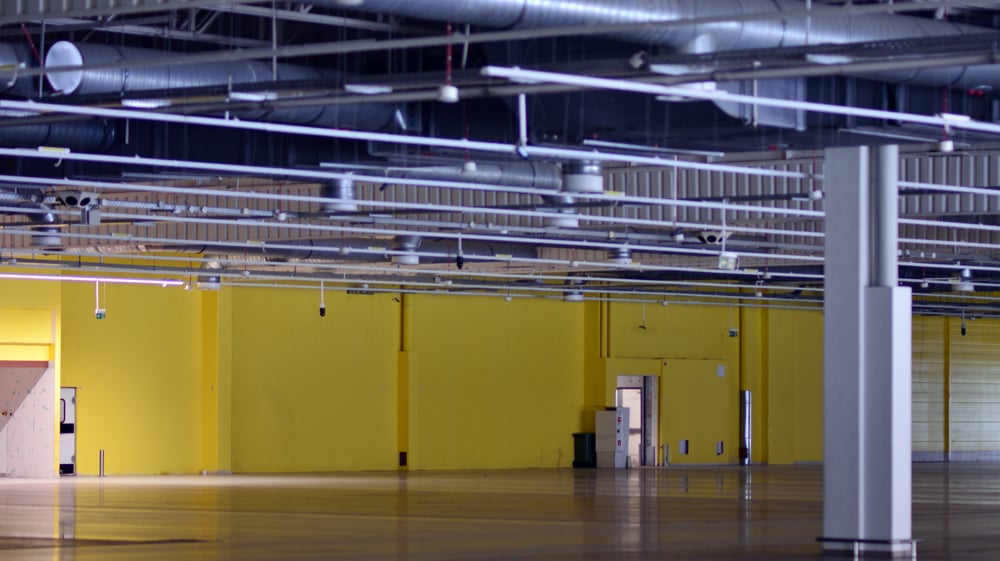
Gwinnett Place had something most dead malls don’t get: Hollywood fame. ‘Stranger Things’ filmed there, bringing the ’80s back to life in those corridors.
Didn’t matter. The place shut down in 2021 anyway, catching longtime shoppers completely off guard.
People were still posting Instagram photos from the Netflix sets when demolition crews started making plans.
Cloverleaf Mall, Chesterfield, Virginia
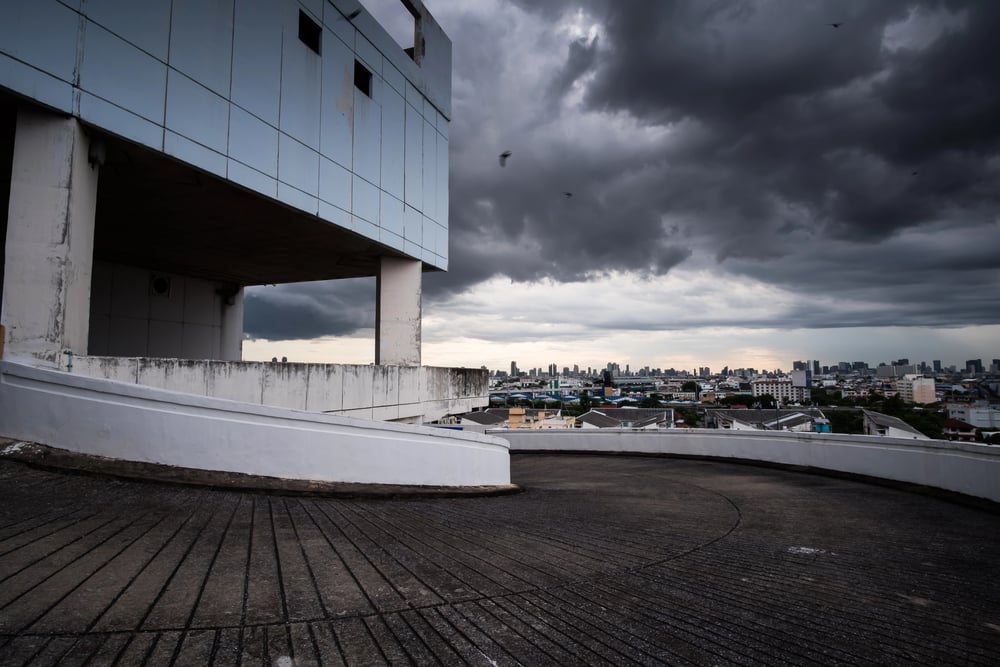
Richmond-area families had been shopping at Cloverleaf since the ’70s when everything went sideways in 2008. The weird part?
Several big anchor stores were still open and seemed to be doing fine. From the outside, the mall looked viable.
Then management announced they were closing, leaving everyone scratching their heads about why a functioning mall was being shuttered.
Villa Italia Mall, Lakewood, Colorado

Villa Italia tried to be different with its Italian theme — fancy architecture, unique stores, that whole European vibe. Didn’t help when newer, shinier malls started popping up around Denver.
The 2001 closure caught loyal shoppers totally unprepared. These weren’t just customers; they were people who’d made this quirky mall part of their routine for decades.
Westminster Mall, Westminster, California
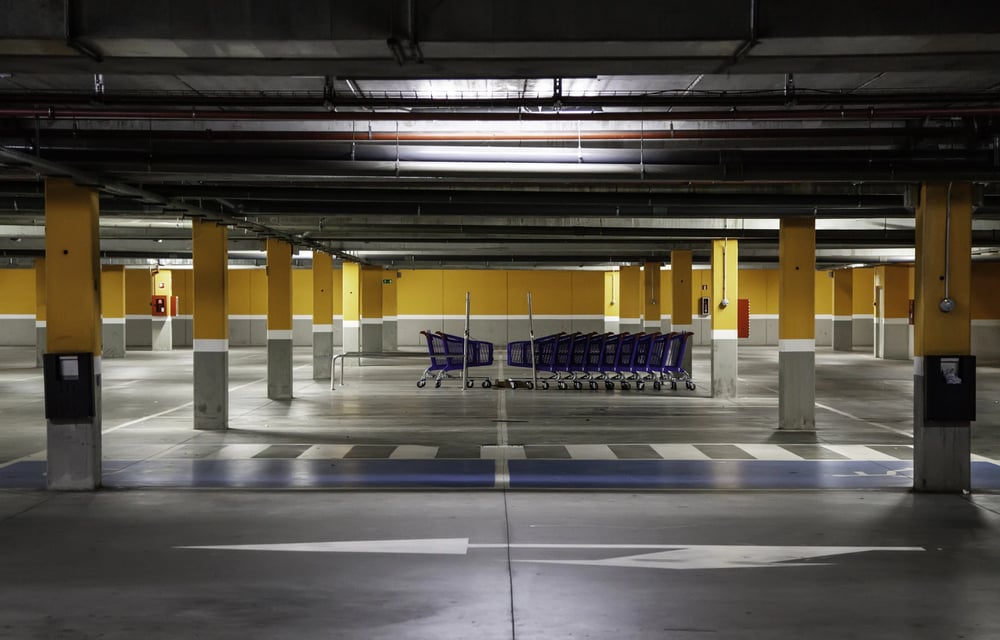
Orange County lost another piece of retail history in 2019 when Westminster Mall closed without warning. The occupancy rate was dropping, sure, but plenty of stores were still hanging on.
Then management dropped the bomb, giving tenants barely enough time to liquidate and find new spots. Those final weeks were chaos — everything must go to sales, moving trucks, confused customers wondering what happened.
Marley Station Mall, Glen Burnie, Maryland

Baltimore-area shoppers had been counting on Marley Station for decades when it closed in 2017. Competition from other malls was eating into business, but people in the community kept hoping someone would figure out how to turn things around.
That hope died fast when the closure announcement hit. No last-ditch rescue plan, no extended timeline — just goodbye.
Brookshire Mall, Brookshire, Texas

Small communities don’t have many retail options, so when Brookshire Mall closed in 2019, it was different than losing a mall in a big city. This was pretty much the only major shopping destination around, and suddenly it was gone.
The closure announcement shocked local residents who thought the mall was hanging on just fine.
South Hills Village Station, Pittsburgh, Pennsylvania

Calling it a mall might be technically wrong, but this shopping center functioned like one for Pittsburgh-area residents. When it closed suddenly in 2019, dozens of businesses had to scramble.
Restaurants, retailers, service businesses — everyone got caught flat-footed. Customers lost a convenient spot they’d been using for years, with no real replacement in sight.
Granite Run Mall, Media, Pennsylvania

Philadelphia-area shoppers watched Granite Run die in slow motion starting around 2020. Not the whole mall at once — sections would just suddenly close with minimal warning.
People would show up expecting to visit their usual stores and find empty spaces instead. Parts of the mall are still operating, but those sudden section closures left everyone wondering what would disappear next.
The Day the Music Died

Retail used to move slowly. Malls took years to plan, years to build, and everyone assumed they’d be around forever.
These 12 closures prove that assumption was dead wrong. Communities built their social lives around these spaces — first dates at the food court, job interviews at department stores, holiday shopping traditions passed down through families.
When these malls vanished, they took more than stores with them. They took gathering places that can’t easily be replaced.
Today’s retail world moves at internet speed, but the communities left behind still need somewhere to come together. That’s the real loss — not just the shopping, but the connections these places made possible.
More from Go2Tutors!

- The Romanov Crown Jewels and Their Tragic Fate
- 13 Historical Mysteries That Science Still Can’t Solve
- Famous Hoaxes That Fooled the World for Years
- 15 Child Stars with Tragic Adult Lives
- 16 Famous Jewelry Pieces in History
Like Go2Tutors’s content? Follow us on MSN.



