29 Old Photographs of Classrooms That Show How Much School Changed
The photographs that survive from American classrooms over the past 150 years reveal a world utterly foreign to modern education. More than just images of students sitting at desks, they document fundamental shifts in how society believed children should learn, behave, and develop.
Frances Benjamin Johnston’s meticulously composed photographs of 1899 Washington, D.C. classrooms, displayed at the Paris Exposition of 1900, capture a moment of educational transition that set the stage for the transformation to come.
Frances Benjamin Johnston’s 1899 Washington D.C. Classrooms
Photographer Frances Benjamin Johnston documented 361 images of Washington D.C. public schools in 1899, capturing the moment when progressive educators were shifting from pure textbook instruction to hands-on, experience-based learning.
These photographs showed students drawing, experimenting with science, cooking on wood stoves, and engaging in manual trades—images meant to represent a revolutionary “new education” for the Paris Exposition audience.
The One-Room Schoolhouse
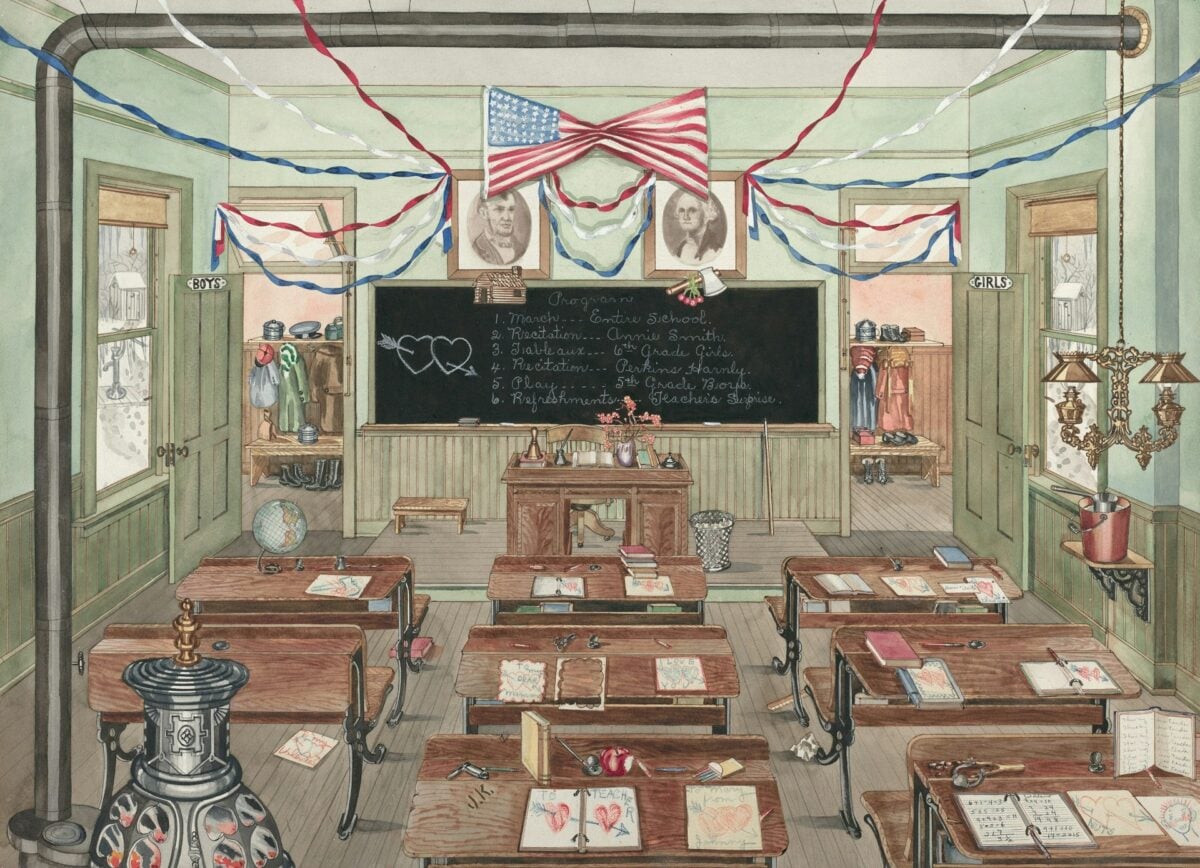
Through the early 1900s, most American children attended one-teacher schoolhouses where a single instructor taught grades one through eight simultaneously, with students organized by age groups rather than grade level.
As many as 40 students crowded into spaces now considered unsuitable for a dozen, all learning from one teacher who rotated attention between groups seated in different corners of the room.
Students’ Use of Slate Boards
Before paper became affordable for everyday classroom use, students carried tiny slate boards and chalk sticks that served the function of modern worksheets and notepads. They solved math problems on slate, practiced spelling and writing, and erased their work with felt erasers—leaving no permanent record of daily practice, only formal tests captured achievement.
Desks Bolted Permanently to Floorboards
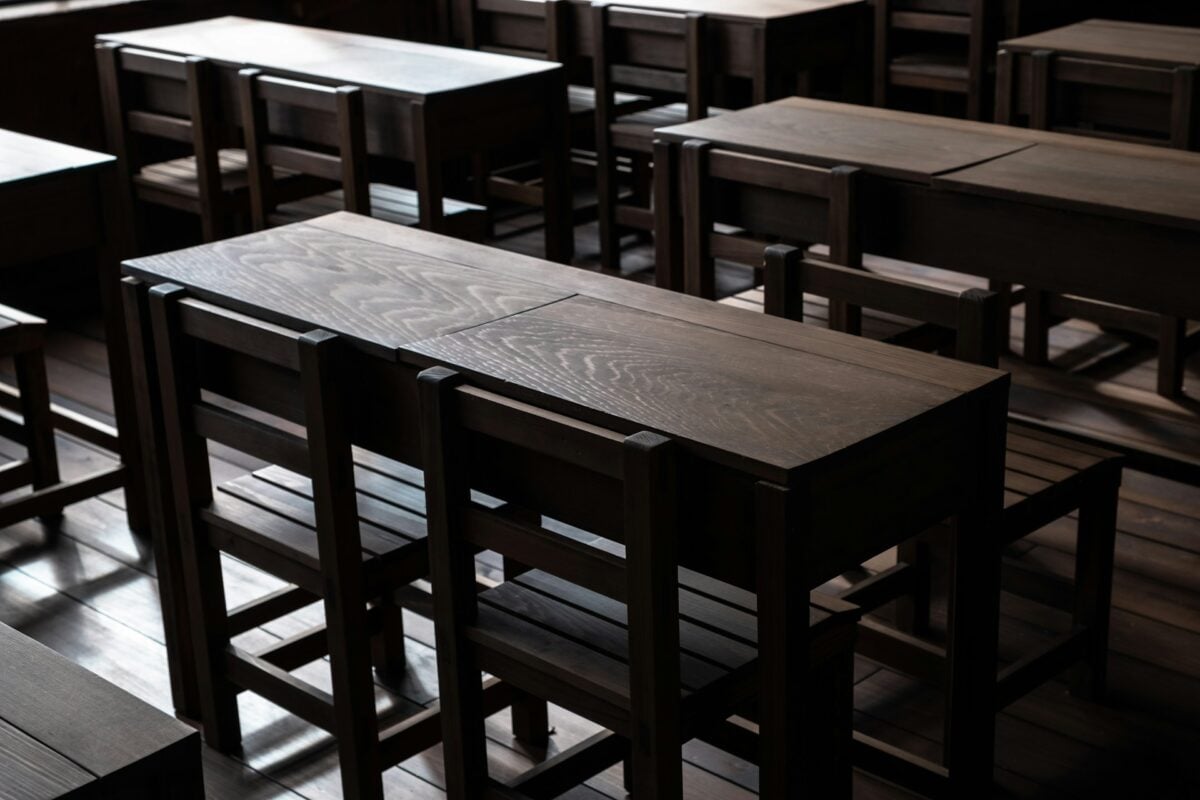
Wooden school desks were literally bolted to the floor in rigid rows, making flexibility impossible. Students could not move to collaborate, work in groups, or change their physical environment in any way.
The permanent arrangement reinforced the teacher-centered, lecture-based pedagogy of the era.
Teachers Holding Pointers and Canes

Photographs from the late 1800s and early 1900s frequently show teachers holding long pointers to indicate elements on the blackboard, but also holding canes and switches visibly displayed. Physical punishment was not merely permitted but expected as a tool of classroom management and discipline.
Gender-Segregated Shop Classes
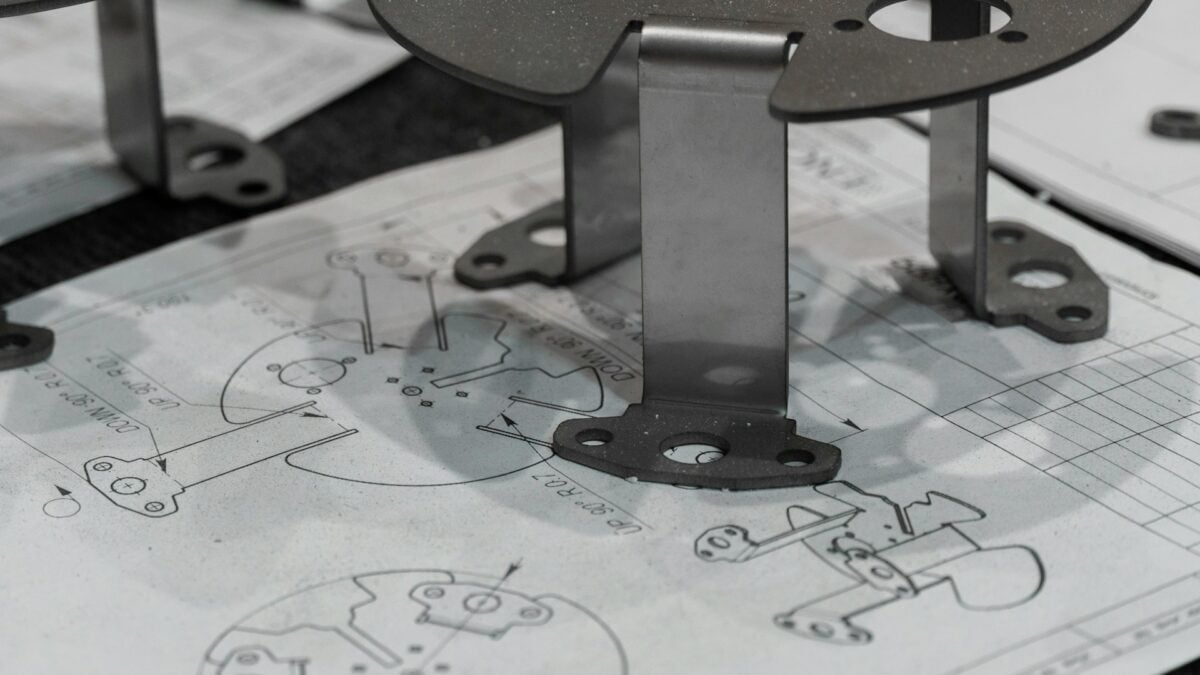
Photographs from early industrial education reveal completely separate shop classes for boys and girls. Boys’ mechanical drawing classes taught them machining and industrial skills; girls’ domestic education classes taught cooking, sewing, and household management.
The division reflected rigid assumptions about adult work that persisted for generations.
Segregated African American Classrooms

Photographs of African American schools from the 1890s through the 1960s reveal institutions systematically underfunded compared to white schools, with hand-me-down equipment, smaller class sizes afforded by necessity rather than design, and teachers working without the resources available to white educators.
Hampton and Carlisle Indian Boarding Schools
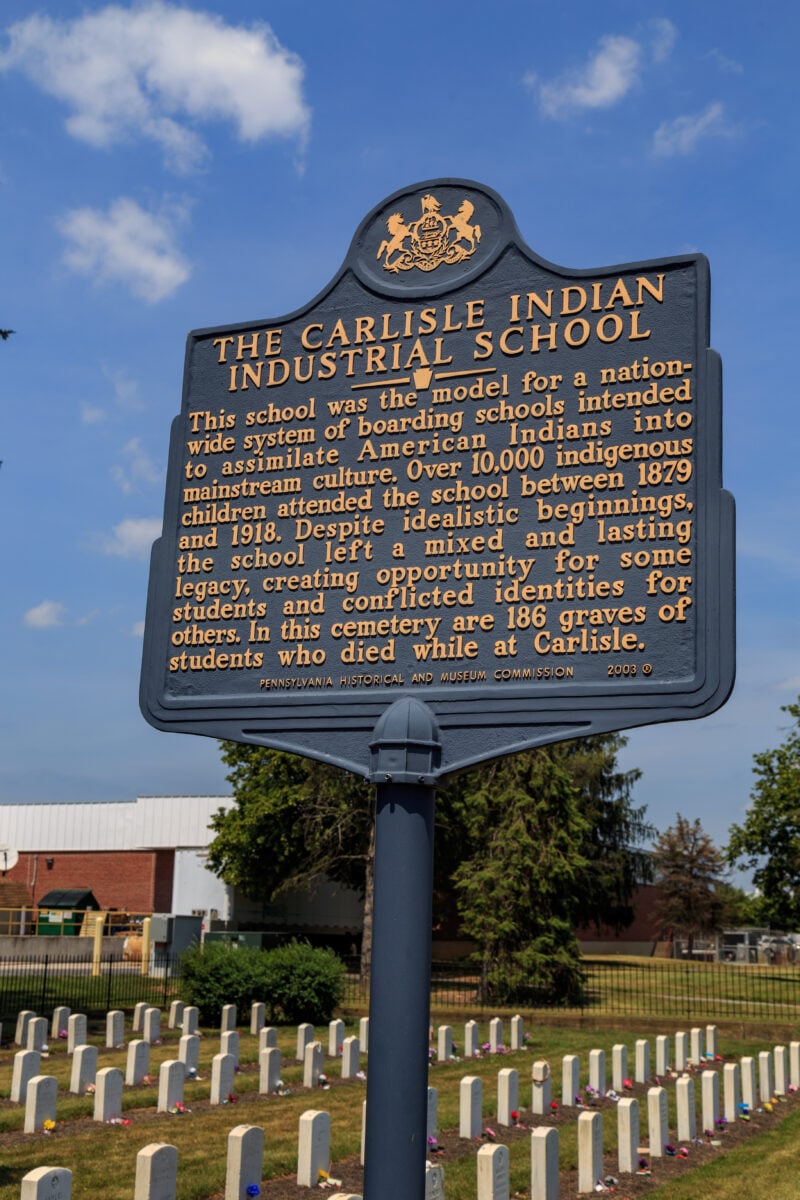
Frances Benjamin Johnston photographed industrial education at the Hampton Normal and Agricultural Institute and the Carlisle Indian Industrial Training School, where Native American students were stripped of tribal clothing and taught European-American manual trades as part of forced assimilation policies.
Girls in Uniform Performing Synchronized Calisthenics

Photographs from the 1880s onward show girls in identical uniform dresses performing synchronized exercises, their bodies arranged in perfect rows with military precision. Physical education for girls emphasized posture, grace, and synchronized movement rather than athletic skill or competition.
Wood Stoves in Classroom Cooking Instruction
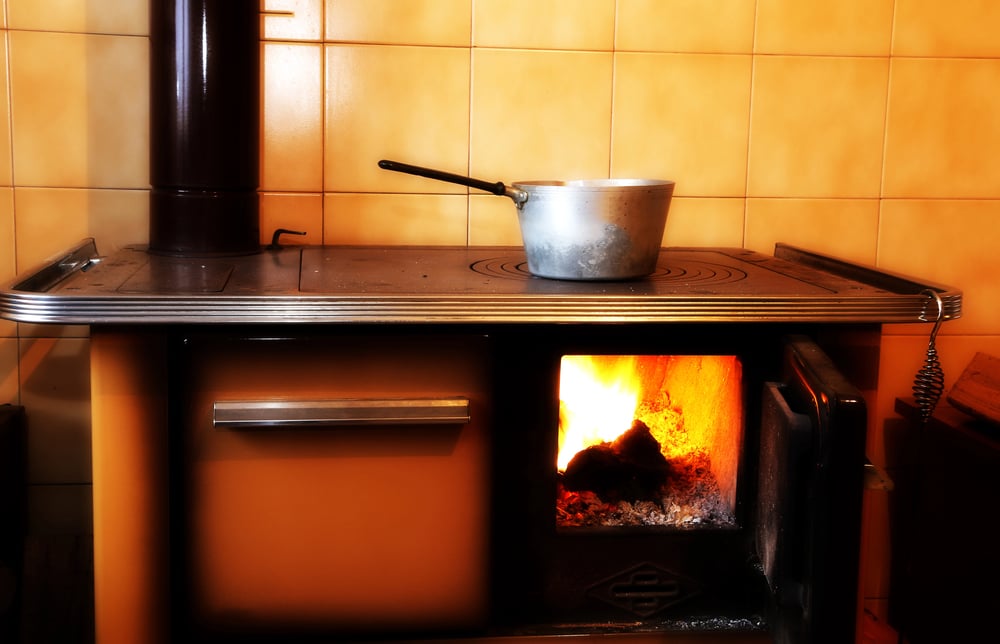
Turn-of-the-century photographs capture girls standing before large cast iron wood stoves built into some Washington D.C. classrooms, learning to cook as part of their formal education. The evidence of actual fires in rooms now occupied by thirty students seems inconceivable.
Hand-Drawn Illustrations Covering Blackboards
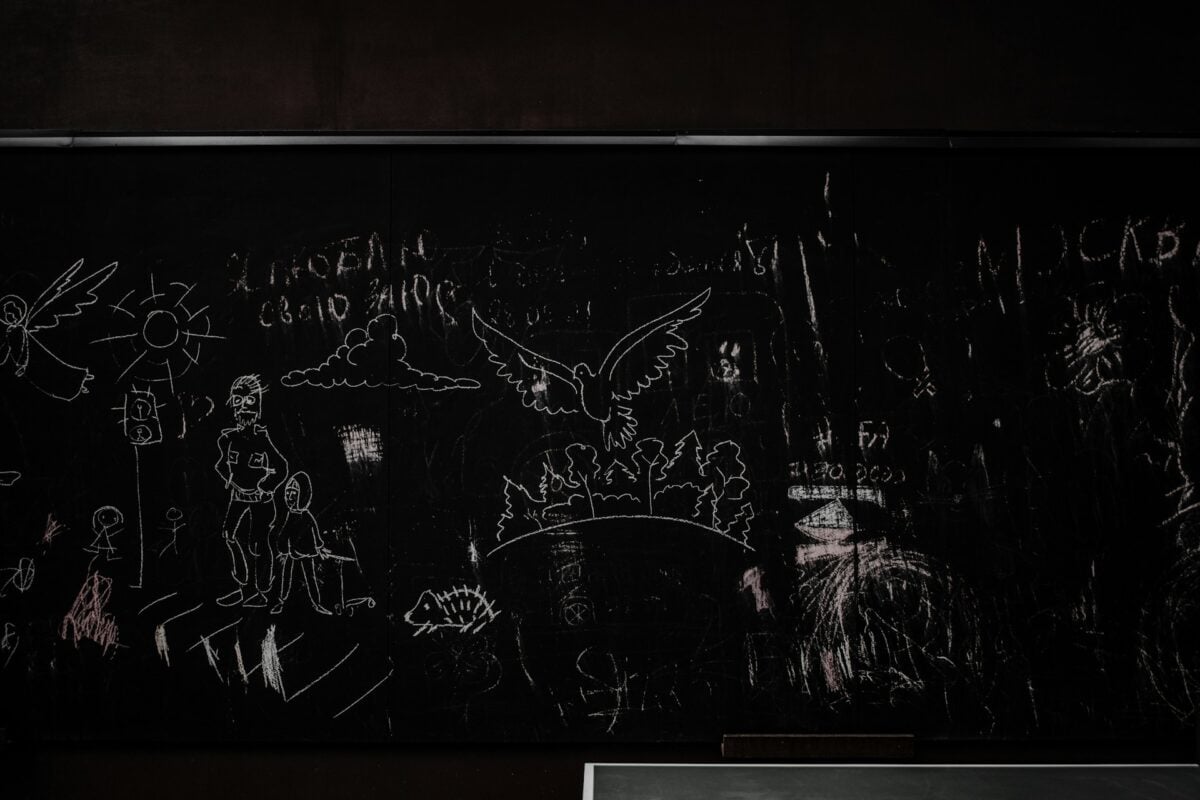
Teachers in photographs from the 1890s-1920s created elaborate hand-drawn illustrations directly on slate blackboards—landscapes, botanical studies, anatomical drawings—suggesting extraordinary artistic skill was expected of educators, yet today’s teacher training includes virtually no instruction in visual communication.
Students Studying in Museum Exhibit Cases
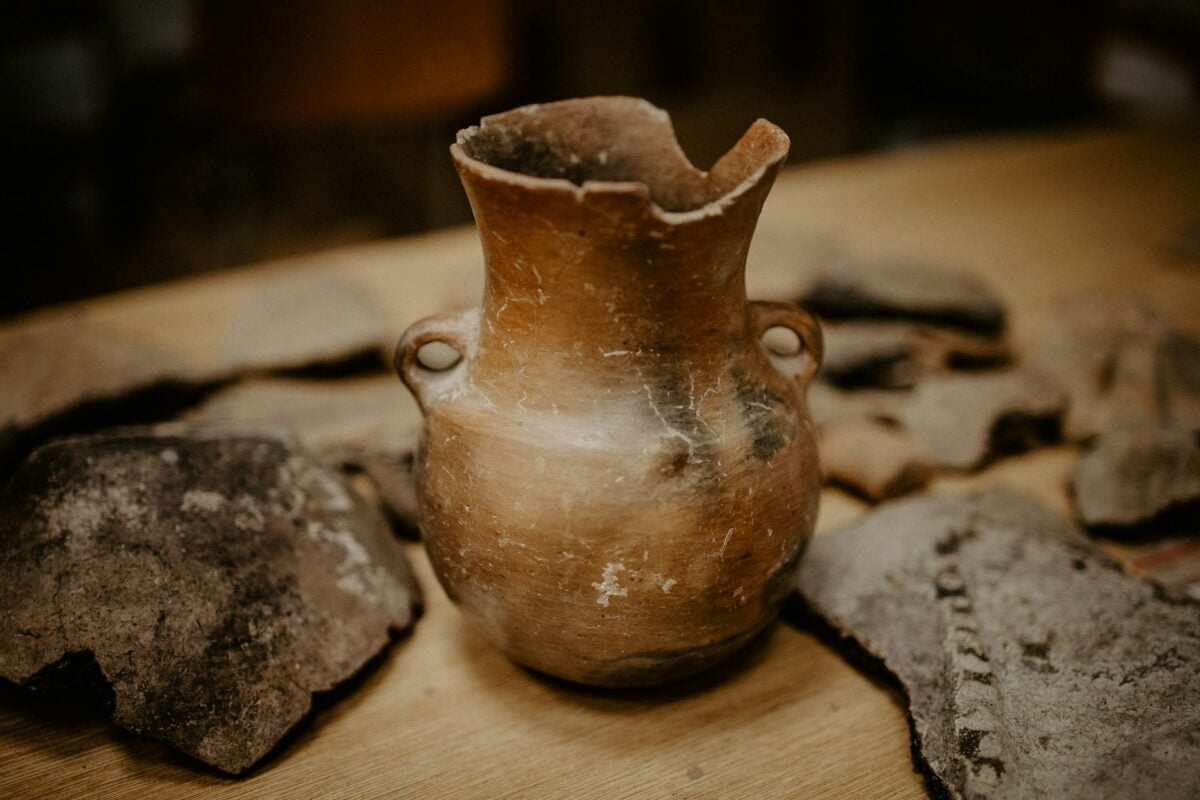
Photographs show schoolchildren standing before museum display cases examining Native American artifacts and historical objects, representing field-based learning conducted entirely within museums rather than classrooms. Museum education was positioned as a core component of the school experience.
Outdoor Classroom Learning

Frances Benjamin Johnston captured students learning in school yards and city parks—studying leaves and natural objects outdoors rather than reading about them indoors. Outdoor education was presented as a key feature of the new progressive movement.
Attendance Rates Below 60 Percent

At the turn of the century, only 51 percent of children aged five to 19 attended school at all, and by 1910 the figure had risen only to 59 percent. The compulsory schooling visible in modern photographs represents a century of gradual enforcement, truancy laws, and cultural shifts.
School Excursions to the Library of Congress
Photographs show organized groups of uniformed students visiting major institutions like the Library of Congress and natural history museums as part of structured field trips conducted by schools. Educational travel was built into curricula in ways now limited by budget constraints.
Boys and Girls Studying Mechanical Drawing
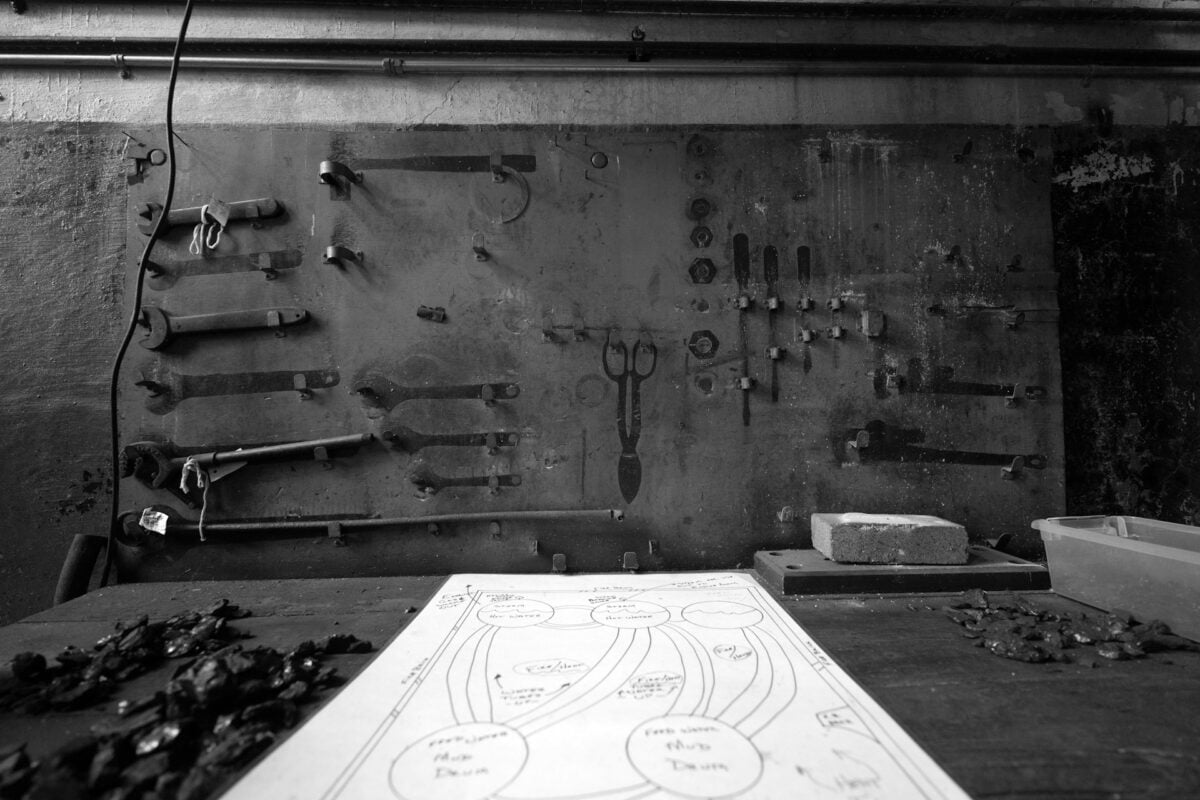
Beginning in the 1890s, boys were taught technical drawing with drafting tools, learning the abstract and spatial reasoning that preceded industrial employment. The photographs show the classroom infrastructure built to support this technical education has largely disappeared.
Science Experiments Conducted Openly in Classrooms

Photographs from the 1890s-1920s show science equipment permanently installed in classrooms—atmospheric pressure devices, chemistry apparatus, scales, and microscopes—suggesting every classroom was expected to have laboratory capacity for hands-on science learning.
Teachers Standing Behind or Above Students

In nearly every photograph from before the 1960s, teachers are positioned standing, often elevated on platforms or at the back of the room, establishing physical and spatial authority. Modern photographs increasingly show teachers seated at students’ level or circulating through the room.
Students Raising Hands to Speak

Photographs from the late 1800s through mid-1900s show virtually all students with hands raised, waiting for permission to speak. This disciplined communication structure appears in every classroom image from the era, suggesting absolute control over student voice was the norm.
Separate Water Fountains and Facilities

Photographs from Southern classrooms through the 1960s show distinct water fountains, entrances, and facilities marked “Colored” and “White,” documenting Jim Crow segregation as a visual fact of daily school experience until civil rights enforcement changed the landscape.
Cold War Duck-and-Cover Drills

Photographs from the 1950s show students practicing nuclear attack drills, crouching under desks or lining hallways, reflecting Cold War anxieties that shaped the educational experience of an entire generation in ways entirely absent from modern schools.
Segregation Ending in Photographs from the 1960s
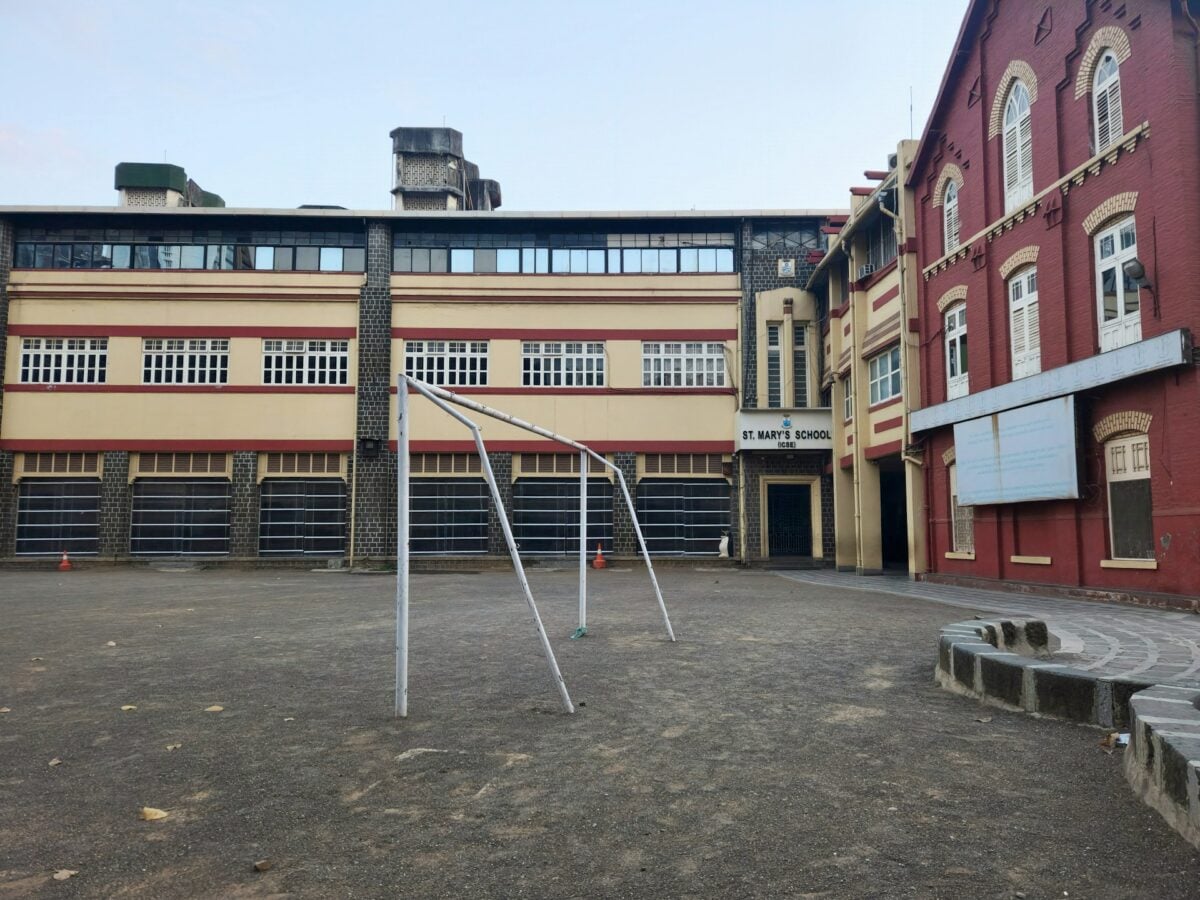
Photographs of Southern schools from 1965 onward show the visible transformation as white and Black students appeared in the same classrooms for the first time. The legal and photographic records mark precise moments when integration occurred state by state and district by district.
Early Computer Labs with Individual Terminals
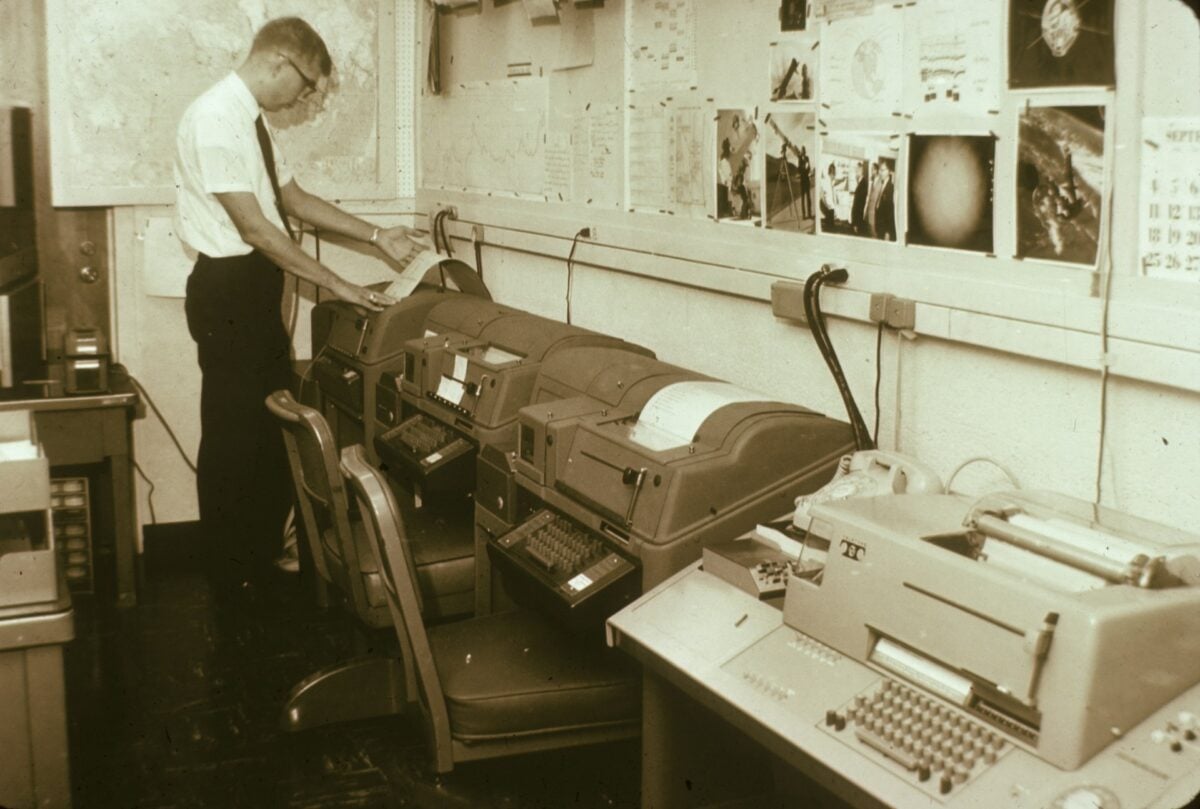
Photographs from the 1980s show computer labs with individual desktop computers, large CRT monitors, and floppy disk drives—infrastructure built for technology that became obsolete within two decades, a reminder of how rapidly educational technology shifts.
Typewriters as Vocational Education
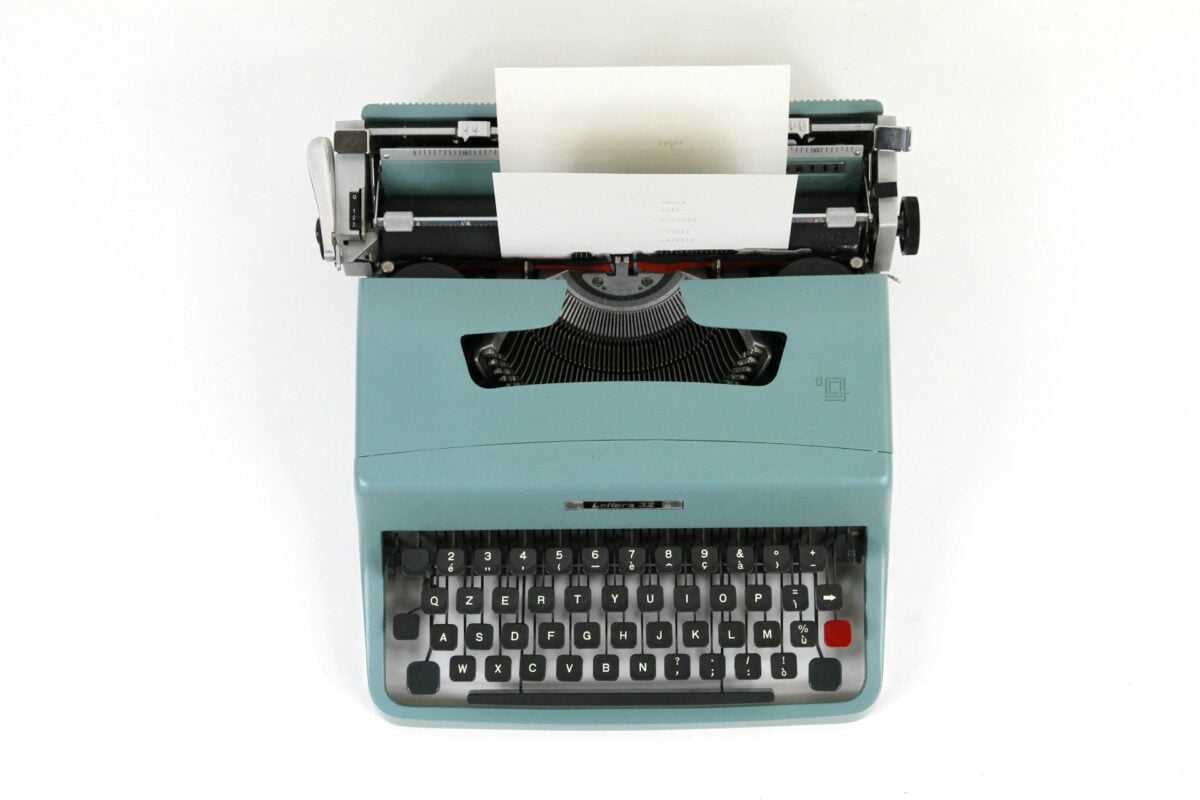
Photographs from the 1970s and 1980s show typing class with rows of identical typewriters, teaching a skill now considered obsolete for most workers. The classroom infrastructure built to support typewriter instruction has been replaced entirely by different technologies.
Library Card Catalogs and Physical Card Files
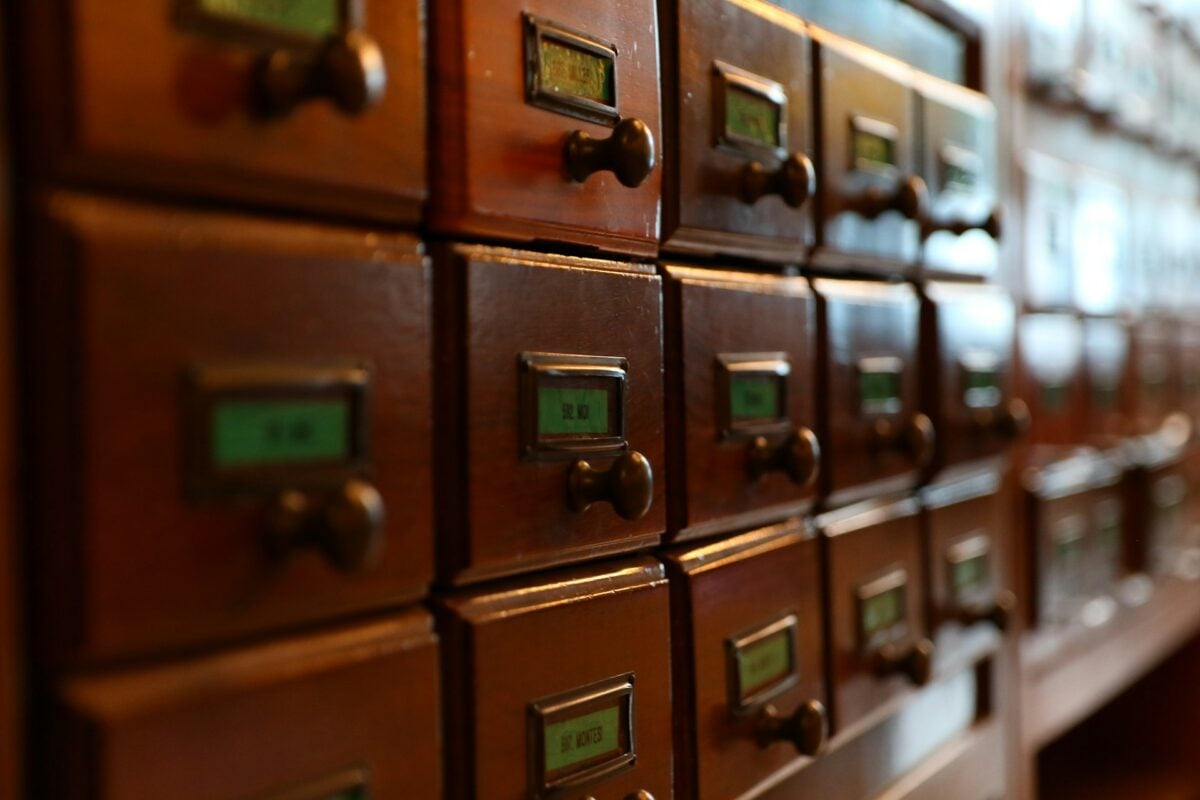
Pre-digital photographs show students consulting physical card catalogs to navigate library collections, learning research skills premised on finding information within limited local resources rather than accessing global information instantly.
Teacher Desks Elevated and Separated
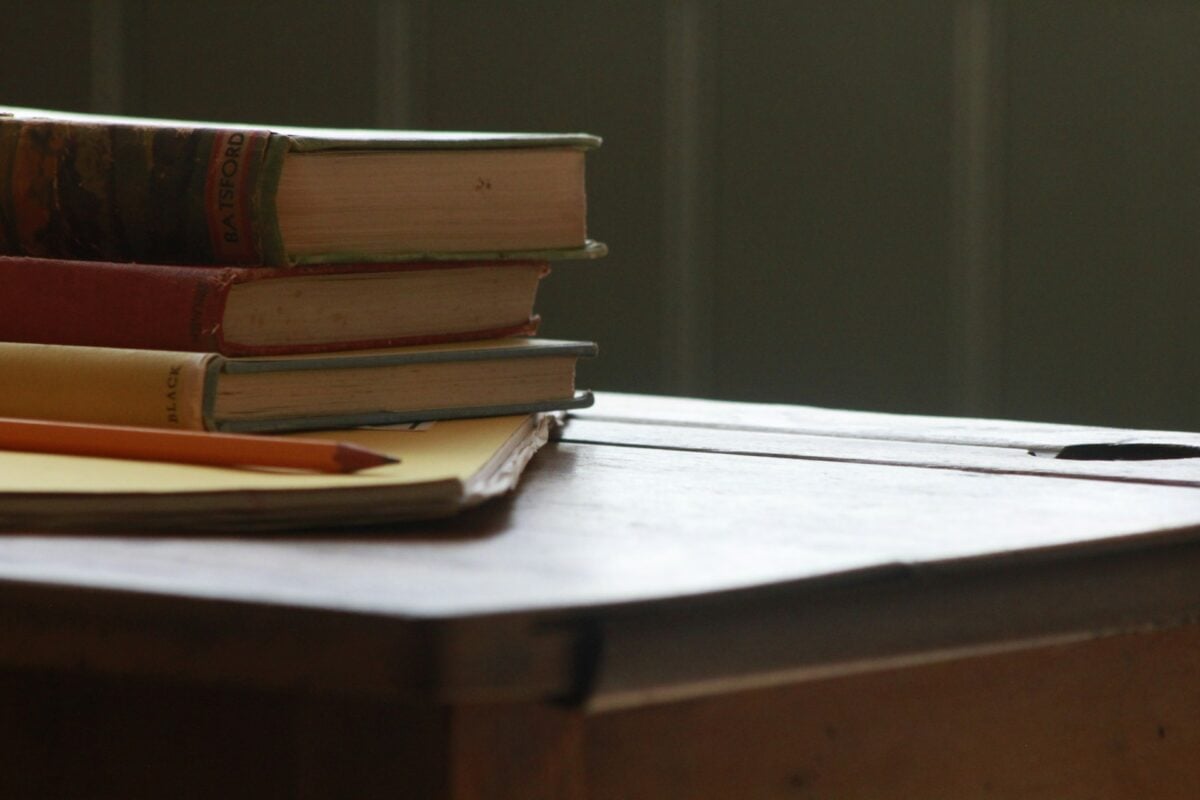
Photographs through the 1990s show teacher desks positioned prominently at the front of classrooms, separated from student space by physical furniture arrangement. Modern classrooms increasingly position teacher work areas peripherally or integrate them into classroom space.
Chalkboards Covering Entire Walls

Early photographs show walls completely covered with chalkboard surface, enabling extensive written work and illustration. Modern classrooms with limited whiteboard space reflect different assumptions about how instruction works.
Students All Facing the Same Direction
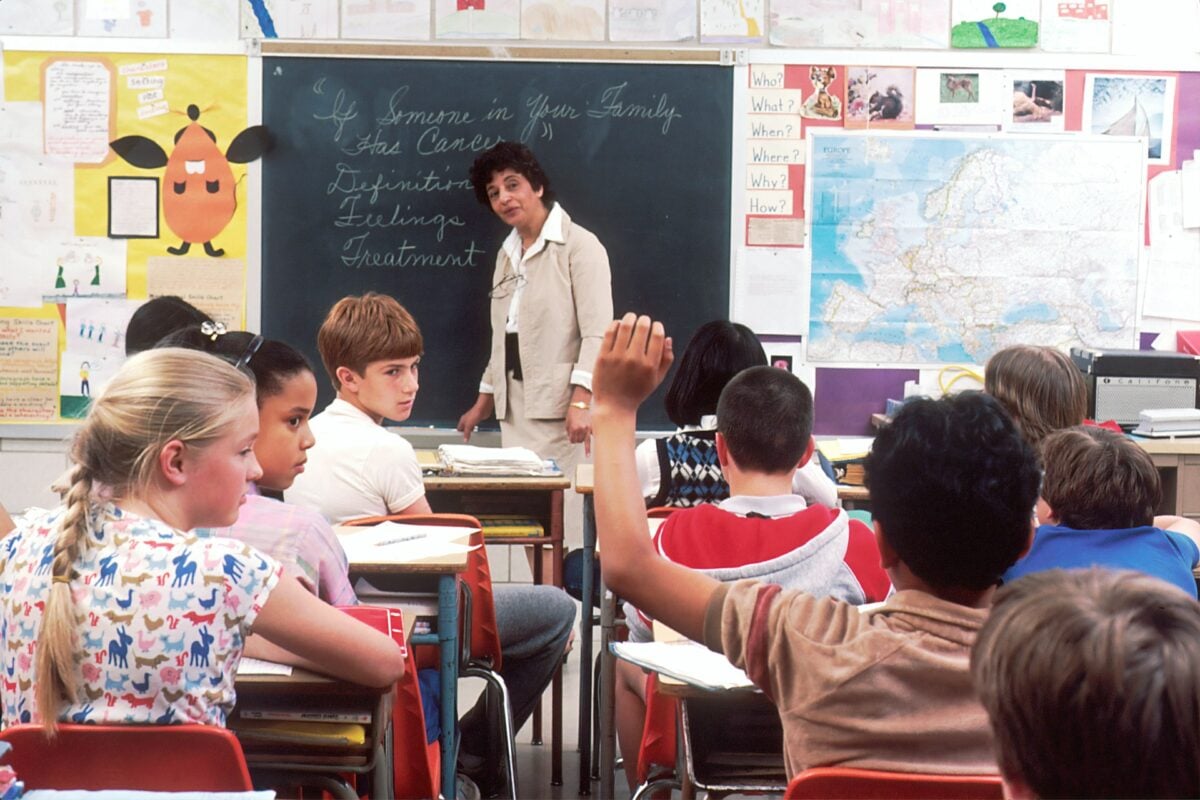
In virtually every photograph from before the 1990s, all student desks face forward toward the teacher. Modern photographs increasingly show students clustered in groups, in circles, or facing different directions.
The Shift from Rote Memorization to Hands-On Learning

The photographs themselves document the transition that Frances Benjamin Johnston was documenting for the 1900 Paris Exposition—from classrooms where students memorized textbooks to classrooms where students engaged with “living things and facts.” This transformation took decades but is visible in the progression of photographs across the century.
The Conclusion: The Invisible Revolution
What these photographs reveal is not merely a change in furniture or technology but a complete reimagining of what childhood should be, what learning entails, and what authority means in a room full of young people. The rigid rows and silent hands raised, the single teacher at the center, the segregated spaces and manual labor education—all of these reflected deep assumptions about society, race, gender, and human development that had to be fundamentally questioned and changed.
Modern classrooms reflect those changes so completely that seeing the old photographs feels like glimpsing an alien world.
More from Go2Tutors!

- The Romanov Crown Jewels and Their Tragic Fate
- 13 Historical Mysteries That Science Still Can’t Solve
- Famous Hoaxes That Fooled the World for Years
- 15 Child Stars with Tragic Adult Lives
- 16 Famous Jewelry Pieces in History
Like Go2Tutors’s content? Follow us on MSN.