Expensive Mistakes by Global Brands
Big companies spend millions trying to get everything perfect, but sometimes they mess up in ways that cost them even more. These aren’t small typos or minor blunders that get fixed with an apology email.
They’re massive errors that wiped out profits, destroyed reputations, and became cautionary tales taught in business schools around the world. From bad ad campaigns to product launches that flopped harder than anyone imagined, even the smartest companies in the world have had their share of facepalm moments.
Here are some of the biggest and most expensive brand mistakes that prove nobody’s immune to a good old-fashioned disaster.
Pepsi’s Harrier Jet Promise Turned Into a Lawsuit
Back in 1996, Pepsi ran a commercial showing all the cool stuff people could get with Pepsi Points from their loyalty program. The ad jokingly showed a military Harrier jet with a price tag of seven million points.
A college student named John Leonard took them seriously, pooled together enough money to buy the points, and demanded his jet. Pepsi refused, saying it was obviously a joke, but Leonard sued anyway.
The case dragged on for years and cost Pepsi far more in legal fees and bad publicity than they ever made from the campaign.
New Coke Became the Most Hated Soda in America

Coca-Cola decided in 1985 that their classic formula needed an update, so they created New Coke with a sweeter taste. The backlash hit like a freight train, with people hoarding old Coke and protest groups forming.
The company’s hotline received over 400,000 angry calls. Coca-Cola brought back the original formula just 79 days later as ‘Coca-Cola Classic,’ and New Coke quietly disappeared.
The whole mess cost the company around four million dollars just to develop and launch, not counting all the damage control afterward.
McDonald’s Coffee Lawsuit Cost Way More Than Anyone Expected
Most people heard about the woman who sued McDonald’s over hot coffee and thought it sounded ridiculous. Stella Liebeck suffered third-degree burns that required skin grafts after spilling their coffee, which was served at dangerously high temperatures.
She only wanted her medical bills covered, about twenty thousand dollars, but McDonald’s refused. The case went to trial, and the jury awarded her 2.86 million dollars, though it got reduced later.
McDonald’s reputation took a beating, and they spent decades trying to spin the story.
Gap’s Logo Redesign Lasted Less Than a Week
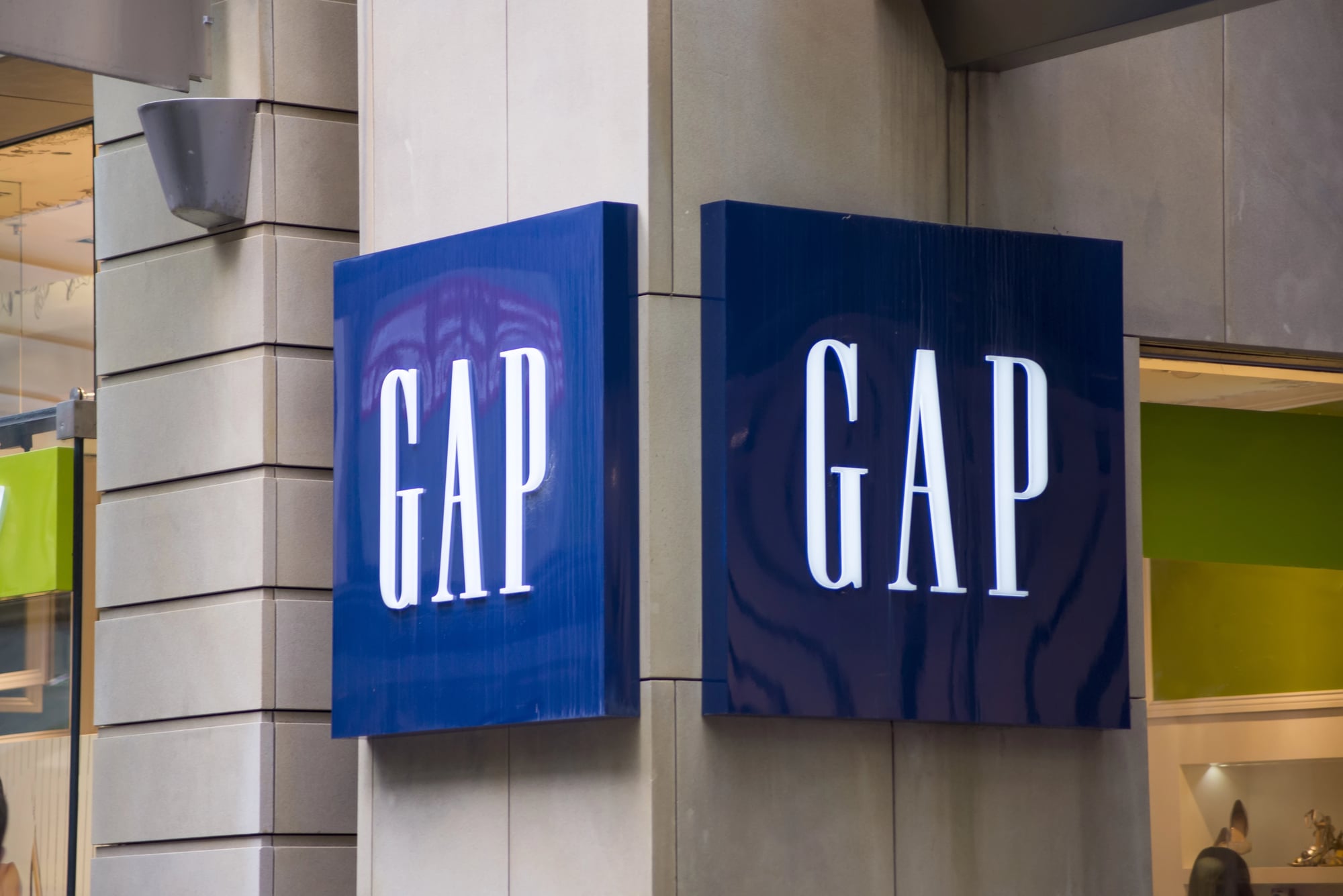
In 2010, Gap unveiled a new logo to replace the iconic blue box design everyone recognized. The internet absolutely hated it, with social media erupting in mockery and complaints.
Gap tried to defend the change for about six days before giving up completely and reverting to the old logo. The company reportedly spent millions on the redesign and had to eat every penny of it for nothing.
Blockbuster Turned Down Buying Netflix for $50 Million

Blockbuster had the chance to buy Netflix in 2000 when it was just a DVD-by-mail service struggling to stay afloat. Netflix offered to sell for fifty million dollars, and Blockbuster’s executives laughed them out of the room.
Fast forward a few years, and Netflix became a streaming giant worth billions while Blockbuster filed for bankruptcy in 2010. That decision to pass on Netflix is now considered one of the worst business moves in corporate history.
Volkswagen’s Emissions Scandal Destroyed Trust and Cost Billions

Volkswagen installed software in millions of diesel cars that cheated on emissions tests, making the vehicles appear cleaner than they actually were. When the truth came out in 2015, the fallout was enormous.
The company had to recall millions of cars, pay over thirty billion dollars in fines and settlements, and watch their stock price crash. Several executives faced criminal charges, and VW’s reputation for reliability and honesty took damage that still hasn’t fully healed.
Sony’s Rootkit Scandal Turned Music CDs Into Security Nightmares

In 2005, Sony BMG put hidden copy-protection software on music CDs that automatically installed on computers when people played them. The software, called a rootkit, left computers vulnerable to hackers and was nearly impossible to remove.
Security experts went ballistic when they discovered it, and Sony faced multiple lawsuits and a PR disaster. The company had to recall millions of CDs and pay out settlements while dealing with the embarrassment of being called out for essentially installing malware on their own customers’ computers.
Colgate’s Frozen Dinners Never Made It Past the Test Market
Colgate tried branching out from toothpaste into frozen dinners in the 1980s. People couldn’t get past the association with brushing their teeth, and sales tanked immediately.
Colgate killed the product line quickly but not before wasting a ton of money developing and marketing something that never had a chance.
Excite Turned Down Buying Google for Less Than a Million Dollars
In 1999, Google’s founders Larry Page and Sergey Brin offered to sell their search engine to Excite for $750,000. Excite’s CEO George Bell said no and later rejected another offer at $1 million.
Within a few years, Google became the dominant search engine and grew into one of the most valuable companies on Earth. Excite faded into obscurity and eventually sold for parts, making their rejection of Google one of the costliest passes in tech history.
Tropicana’s Packaging Redesign Killed Sales by 20 Percent

Tropicana decided to give their orange juice packaging a modern makeover in 2009, ditching the familiar orange-with-a-straw image for a minimalist glass of juice. Customers hated it so much they stopped buying the product.
Sales dropped twenty percent in just a few weeks, costing the company millions. Tropicana brought back the old design after only a month, but the damage was done.
Microsoft’s Zune Couldn’t Compete With the iPod
Microsoft poured money into the Zune music player, hoping to challenge Apple’s iPod when it launched in 2006. The device had some good features but came too late and couldn’t overcome the iPod’s dominance.
Microsoft kept trying for years, releasing new models and features, but nobody cared. The company finally killed the Zune in 2011 after losing an estimated 400 million dollars on the whole venture.
JCPenney’s Honest Pricing Strategy Backfired Completely

When Ron Johnson became JCPenney’s CEO in 2012, he eliminated sales and coupons in favor of everyday low prices. The idea was to be honest with customers instead of playing pricing games.
Shoppers absolutely hated it, and sales dropped twenty-five percent in the first year. The company lost nearly a billion dollars, Johnson got fired after seventeen months, and JCPenney rushed to bring back their old pricing strategy.
Amazon’s Fire Phone Burned Through Millions Before Dying

Amazon thought they could compete with iPhones and Android devices when they launched the Fire Phone in 2014. The phone had unique features like 3D effects and easy shopping integration, but nobody wanted it.
Amazon had to slash the price from $199 to 99 cents within weeks, and even that didn’t help. The company took a 170 million dollar write-down on unsold inventory and killed the product after one year.
Quaker Oats Overpaid for Snapple and Lost Billions
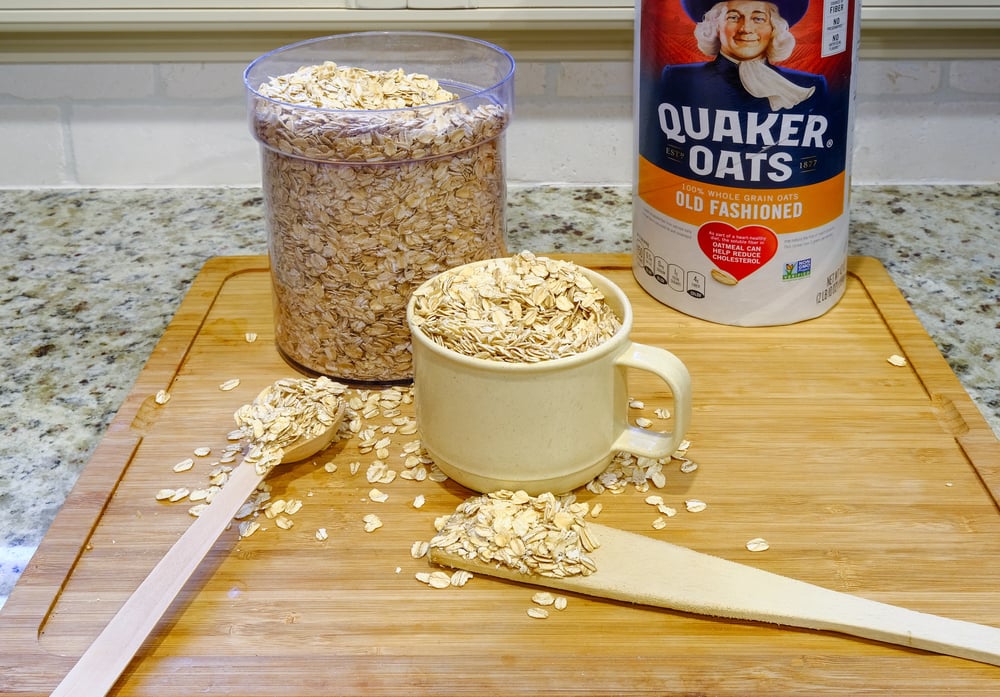
Quaker Oats bought Snapple in 1994 for $1.7 billion, thinking they could manage it like Gatorade. They were very wrong, and corporate clashes caused sales to fall apart.
The company sold Snapple just three years later for $300 million, losing $1.4 billion in the process. The acquisition remains a classic example of a mismatch between corporate strategy and brand identity.
Target’s Expansion Into Canada Ended in Total Failure
In 2013, Target set up shops all over Canada, fueled by big hopes and four billion dollars spent. Right away, shelves sat bare, costs surprised shoppers, and the vibe missed what people knew from U.S. locations.
Because of that, fewer customers showed up, money drained fast, and leadership ended the effort within twenty-four months. Every single one of the 133 stores shut down, employees lost jobs, and nearly seven billion dollars vanished.
Hewlett Packard Autonomy Deal Turns Controversial

In 2011, HP spent $11 billion buying Autonomy, a UK-based software firm. Soon after, they blamed faulty numbers inside Autonomy’s reports, slashing $8.8 billion off the deal’s worth.
Fingers pointed fast: HP said Autonomy faked its financial health, while Autonomy claimed HP ruined things through poor handling. Years passed while courts shuffled papers both ways, leaving HP’s judgment and due diligence under scrutiny.
When Million-Dollar Mistakes Become Billion-Dollar Lessons

Money vanished, yes. Yet the real shift came in company minds—how they now weigh what customers say, how carefully they check before spending big.
A few rebuilt themselves by studying missteps. Others faded after harm proved too deep. Notable truth? Errors are guaranteed, forever part of doing business, even in the biggest, smartest organizations.
More from Go2Tutors!

- The Romanov Crown Jewels and Their Tragic Fate
- 13 Historical Mysteries That Science Still Can’t Solve
- Famous Hoaxes That Fooled the World for Years
- 15 Child Stars with Tragic Adult Lives
- 16 Famous Jewelry Pieces in History
Like Go2Tutors’s content? Follow us on MSN.



