Discontinued Foods With Cult Followings
There’s something about a favorite snack or meal disappearing from store shelves that creates an almost irrational sense of loss. When a beloved food gets discontinued, it doesn’t just fade away quietly.
Instead, it lives on in the hearts and minds of devoted fans who refuse to let go. These foods become legends, sparking online petitions, nostalgic social media posts, and even black market sales of leftover packages.
Let’s look at the foods that left such a mark on people’s taste buds that fans still talk about them years, sometimes decades, after they vanished.
Pepsi Blue
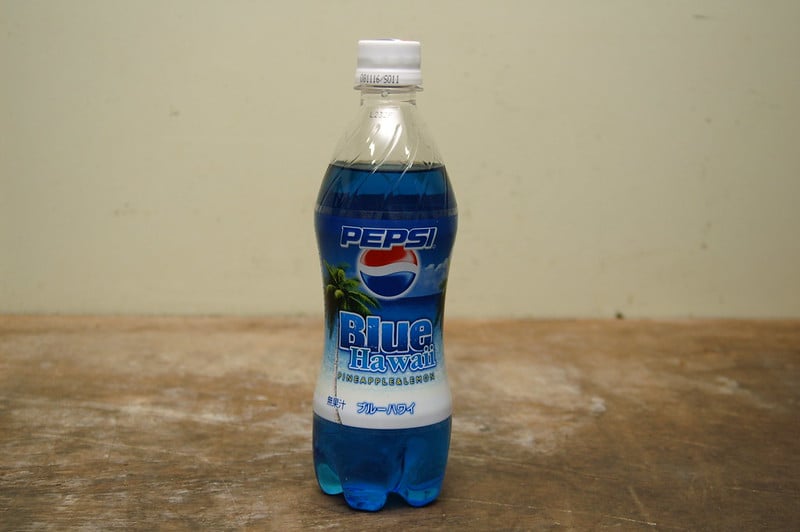
This electric blue soda hit stores in 2002 and immediately divided people into two camps: those who loved its berry flavor and those who thought it tasted like liquid candy gone wrong. The color alone was enough to make parents nervous.
Pepsi Blue didn’t stick around long, disappearing by 2004, but the people who loved it never stopped asking for it back. The drink made a brief comeback in 2021, proving that its fan base had been waiting patiently for nearly two decades.
Dunkaroos
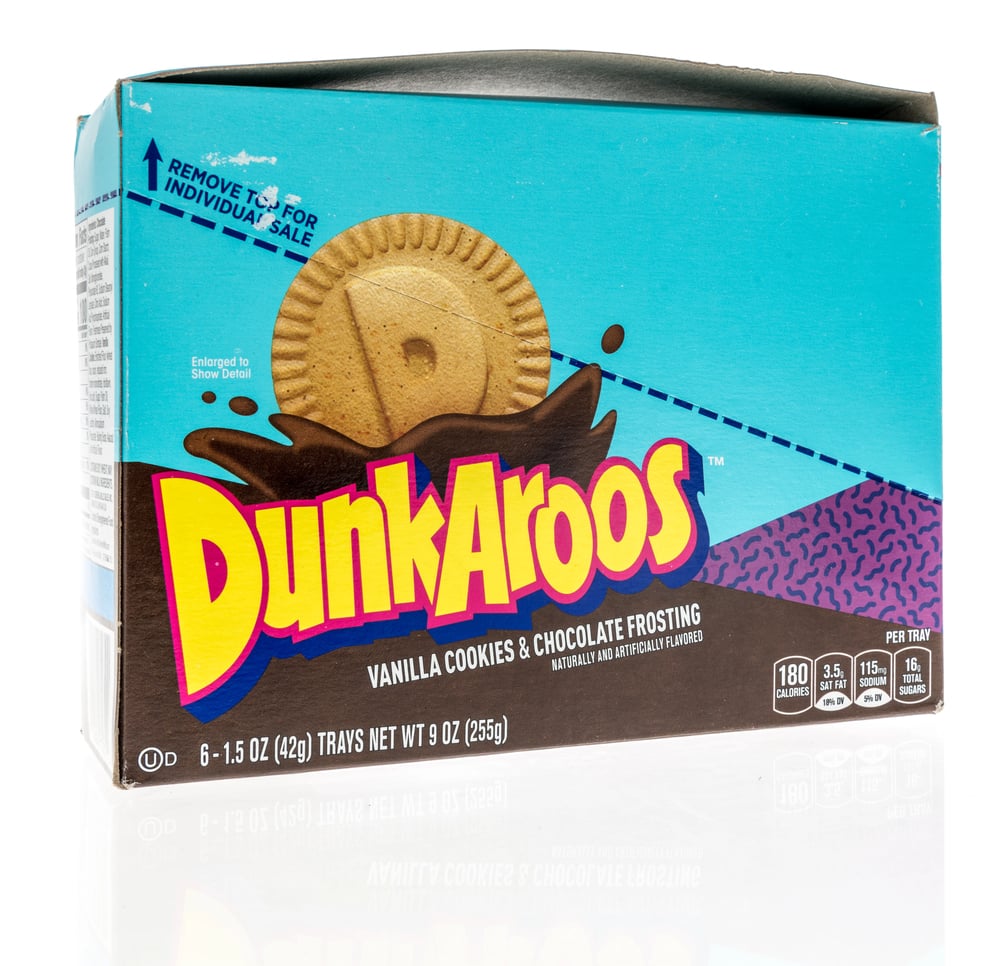
These little packages of cookies and frosting were the ultimate elementary school lunch box treasure in the 1990s. Kids would trade almost anything to get their hands on a pack.
The frosting was always too sweet and the cookies were pretty basic, but somehow together they created something worth hoarding. General Mills stopped making them in the United States in 2012, though they stayed available in Canada, which only made American fans more frustrated.
When they came back in 2020, grown adults posted pictures of themselves eating Dunkaroos at their desks like it was a perfectly normal Tuesday.
Altoids Sours
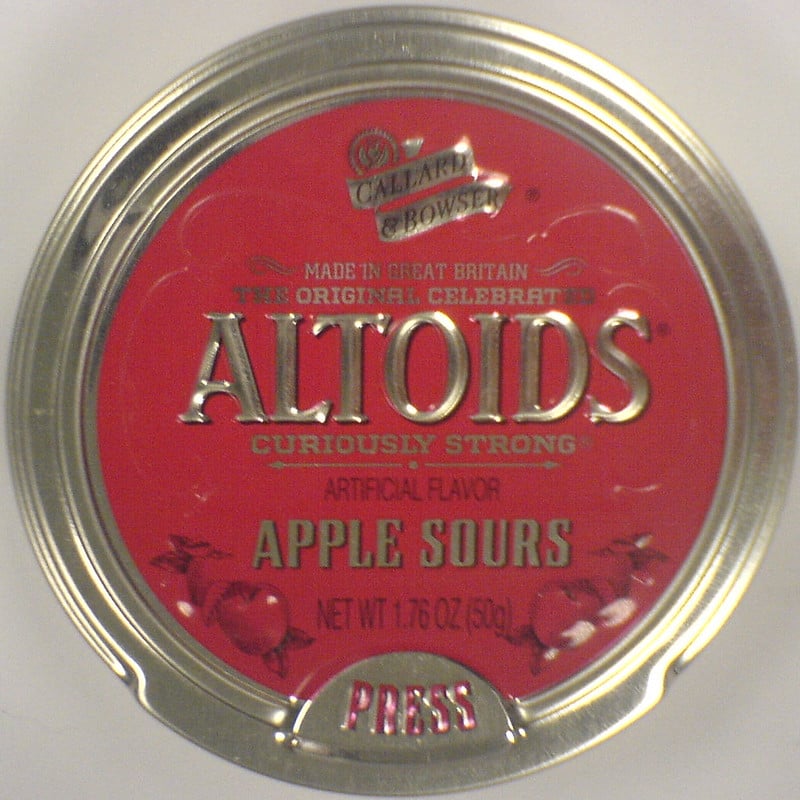
Before Altoids Sours came along, most people thought of the brand as those strong peppermints your grandma kept in her purse. These tangy candies changed everything when they launched in 2001.
They were sour enough to make your whole face scrunch up, which was exactly the point. When they disappeared in 2010, fans started treating empty tins like rare collectibles.
You can still find people online willing to pay twenty bucks for a tin that used to cost two.
Fruitopia
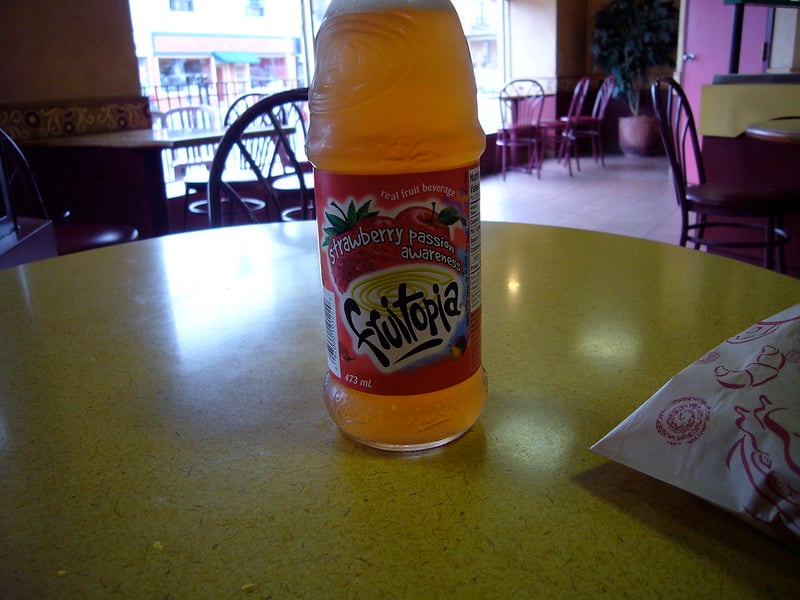
This fruit drink line appeared in the mid-1990s with flavors that had names like Strawberry Passion Awareness and The Grape Beyond. Looking back, those names were trying way too hard.
Coca-Cola marketed it as a healthier, more natural alternative to regular sodas, though it still had plenty of sugar. The brand slowly faded in the United States by the early 2000s, but it remains available in some other countries, which feels unfair to people who grew up with it.
Wonder Rounds
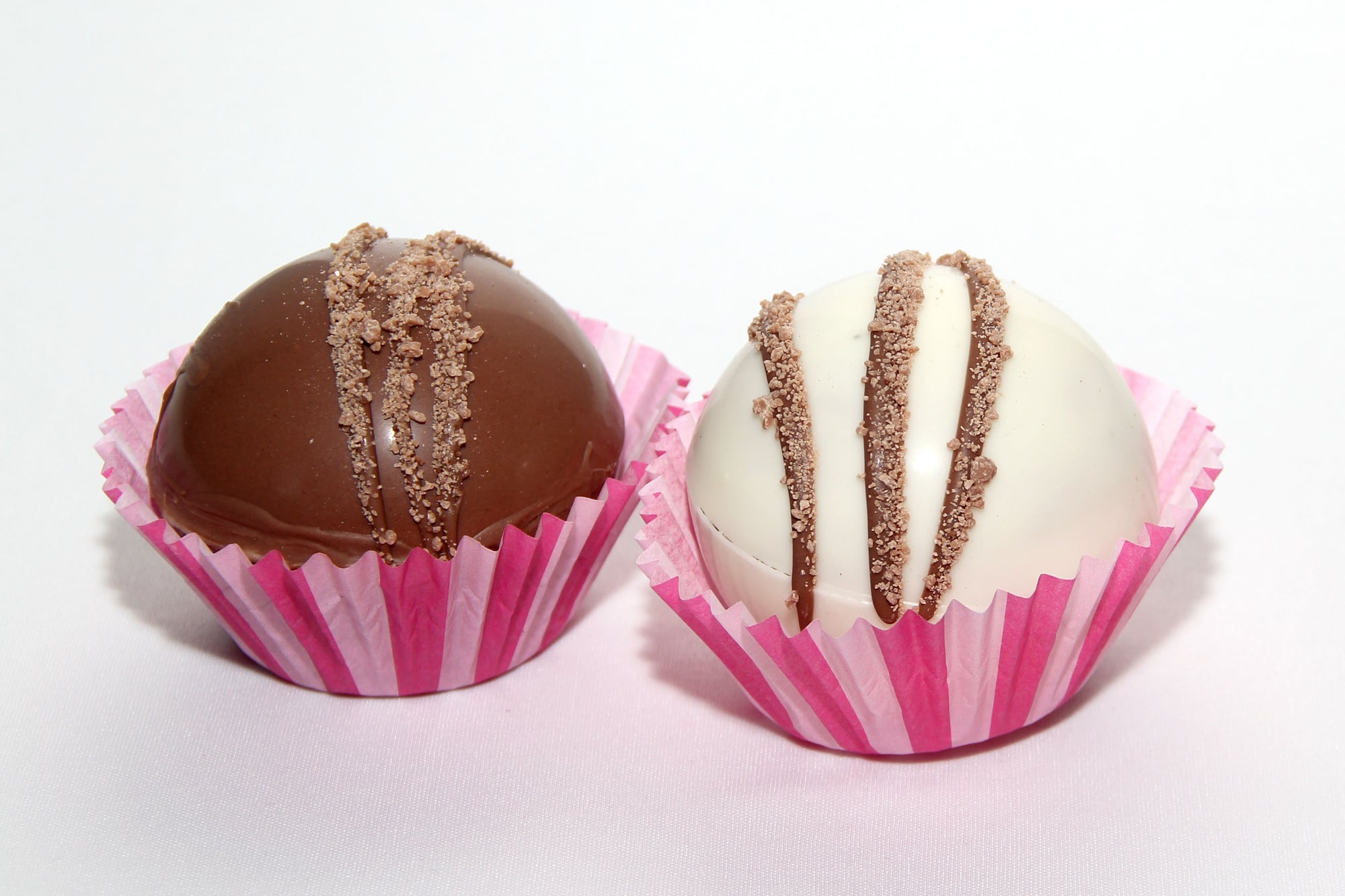
These hollow chocolate spheres came with toys or candy inside, making them exciting in a way that regular chocolate bars couldn’t match. The opening one felt like a miniature Christmas morning.
They first appeared as Nestle Magic Rounds in the late 1990s before getting rebranded. Safety concerns and choking hazards led to their discontinuation in 2004, which made sense but still disappointed everyone who loved them.
A toy-free version came back later, but it just wasn’t the same without the surprise element.
Crystal Pepsi
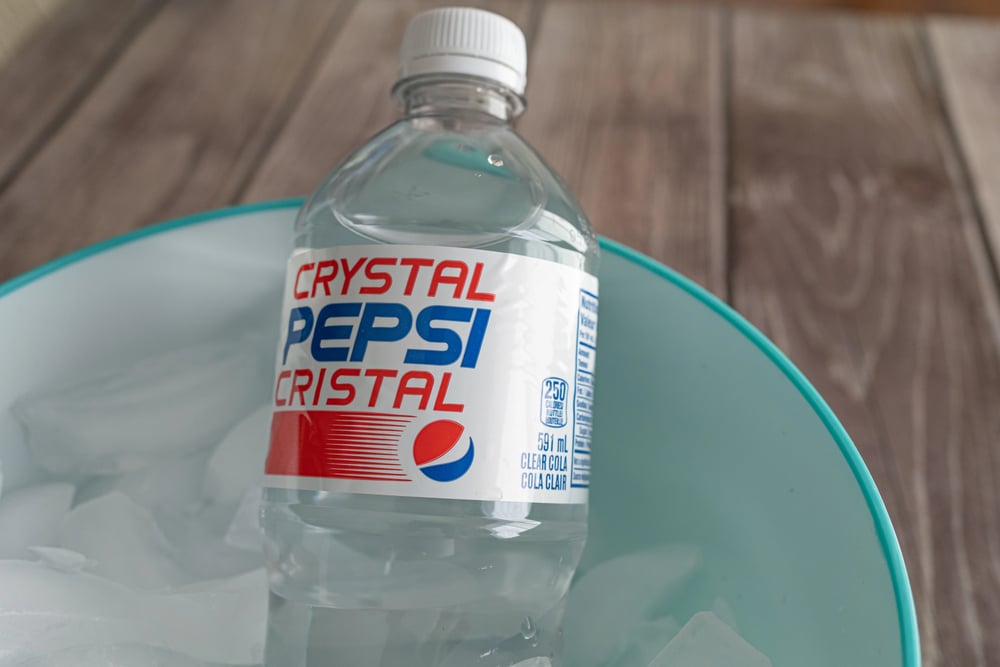
Someone at Pepsi decided in 1992 that people wanted to drink a clear cola, and Crystal Pepsi was born. It tasted almost exactly like regular Pepsi, which made the whole thing confusing.
Your brain expected something like Sprite, but your taste buds got cola. The drink failed quickly but gained a dedicated following who saw it as a symbol of weird 1990s marketing.
Pepsi has brought it back several times for limited runs, and each time it sells out to people who want to relive that strange experience.
Oreo Cakesters

These soft, cake-like cookies arrived in 2007 as Oreo’s answer to the snack cake market. Instead of the classic crunchy cookie, you got something that felt more like a Little Debbie treat.
Some people thought this defeated the whole purpose of Oreos, but others loved the softer texture. Nabisco discontinued them in 2012, and the complaints started immediately.
The company listened and brought them back in 2022, which shows that sometimes complaining on the internet actually works.
Planters Cheezballs

That distinctive blue canister sat on pantry shelves throughout the 1980s and 1990s, filled with puffy cheese-flavored rounds that left orange dust on everything they touched. They weren’t fancy or sophisticated.
They were just really good at being exactly what they were supposed to be. Planters stopped making them in 2006, and for years fans complained that no other cheese puff could compare.
The company brought them back in 2018, and they sold out so fast that Planters decided to keep making them.
Nabisco Swiss Cheese Crackers
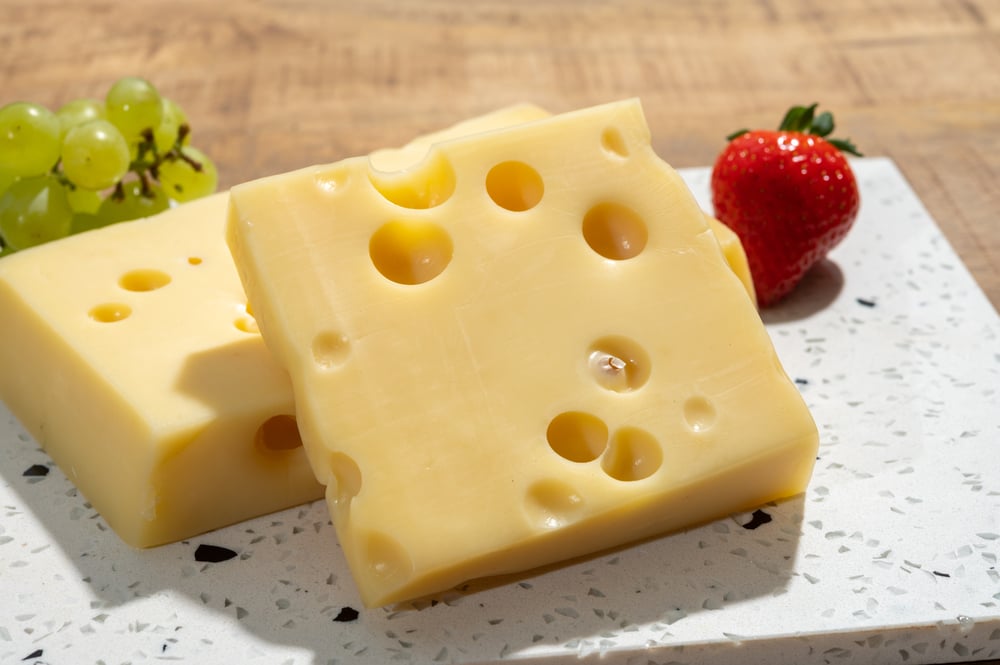
These crackers looked like tiny pieces of Swiss cheese, complete with little openings, and they tasted like actual cheese instead of just salt. Nabisco made them from the 1980s through the early 2000s before quietly discontinuing them.
No official explanation was ever given. People still search for them in stores occasionally, half-expecting to find them tucked away on some forgotten shelf.
It never happens, but hope is a powerful thing.
PB Crisps
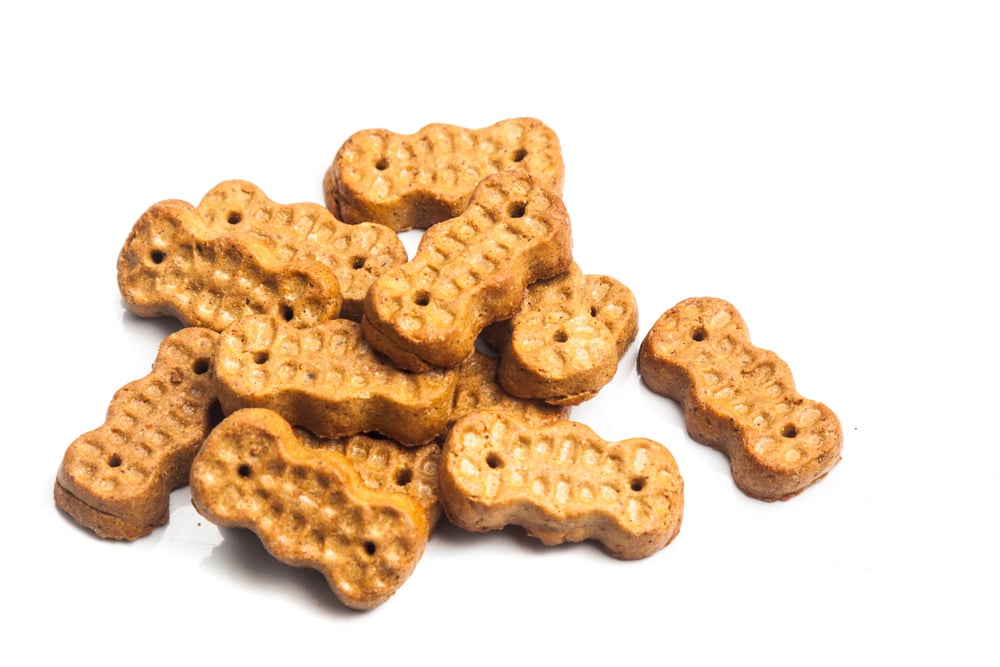
Planters created these peanut-shaped cookies filled with peanut butter in the early 1990s, and they were genuinely different from anything else available. The peanut butter inside actually tasted real, not like that weird filling some cookies have.
They disappeared in 1995 after only a few years on shelves. Online communities dedicated to discontinued snacks always include PB Crisps in their top requests for comebacks, right alongside all the other foods that companies inexplicably decided to stop making.
Jell-O Pudding Pops
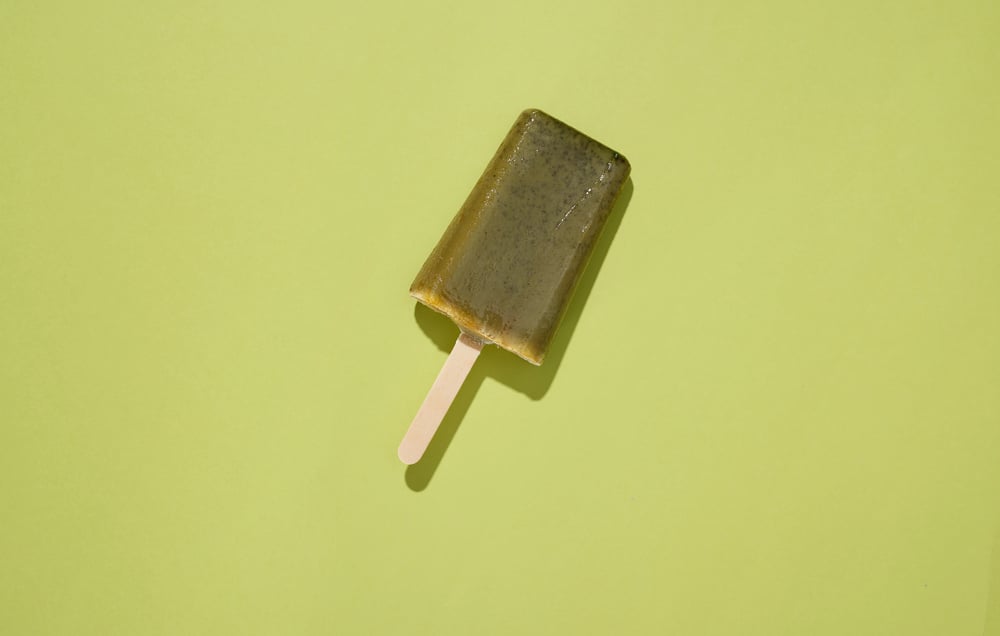
These frozen treats hit the market in 1979 and became summer staples for millions of kids. They felt like a healthier alternative to ice cream, even though the nutritional difference was pretty minimal.
General Foods discontinued the original version in the early 1990s. Various companies have tried to recreate them since, but fans say none of them get the texture quite right.
It was somewhere between a popsicle and actual pudding, which sounds simple but apparently isn’t.
Heinz EZ Squirt Ketchup
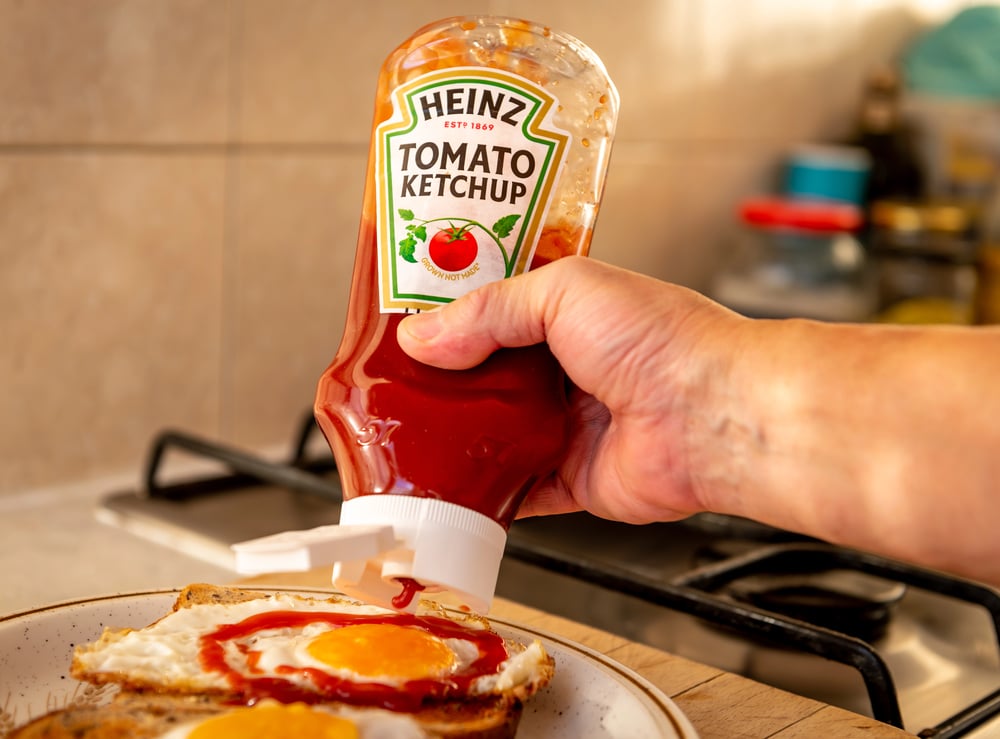
Heinz decided in 2000 that kids needed ketchup in colors like green, purple, and blue. This should have been a terrible idea, but it actually worked for a while.
The colored ketchup tasted exactly the same as red ketchup, but seeing green goop on your fries was either hilarious or gross depending on who you asked. Sales dropped after a few years, and Heinz stopped making them in 2006.
It remains one of those food experiments that seems ridiculous now but somehow made sense at the time.
3D Doritos
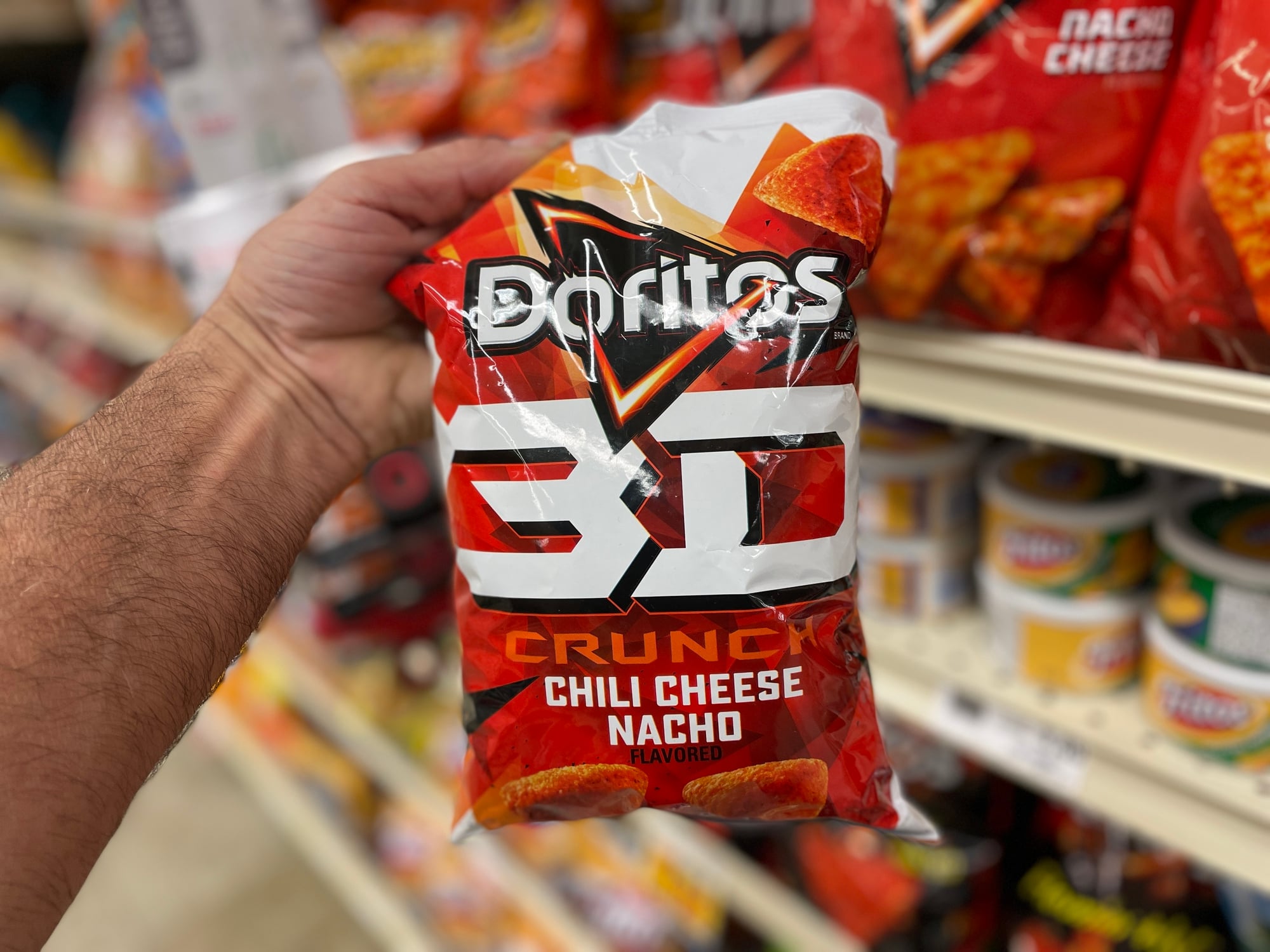
These puffed, hollow triangles arrived in the 1990s as Frito-Lay’s attempt to make chips more fun. They came in flavors like Jalapeno Cheddar and Nacho Cheese.
The shape actually did change the eating experience, though it’s hard to explain exactly how. Frito-Lay discontinued them in the early 2000s, but fans never stopped asking for them back.
The company finally listened and brought them back in 2021, though some people insist they taste slightly different now.
Snapple Elements
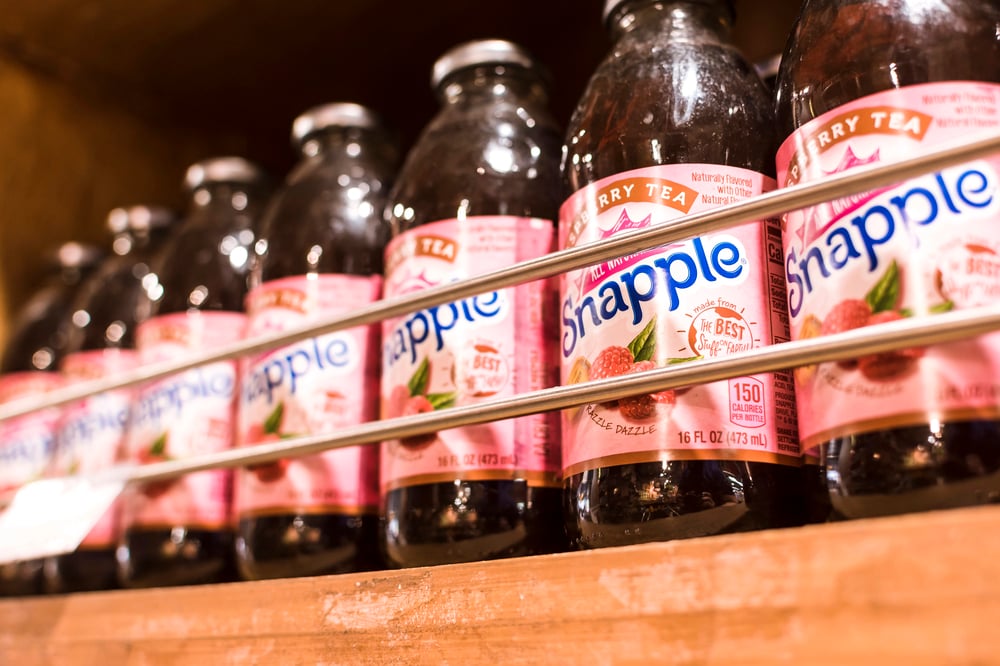
This line of drinks appeared in the late 1990s with bottles that looked almost medicinal and flavors named after natural elements like Rain and Fire. They were supposed to be more sophisticated than regular Snapple.
The whole thing felt a bit pretentious, but the drinks themselves were pretty good. Snapple discontinued most of the line in the early 2000s, keeping only a couple varieties.
People who remember them often say drinking them felt oddly futuristic, even though they were basically just fancy juice.
Crispy M&Ms

Mars introduced these in 1999, adding a crispy rice center to the classic M&M formula. The extra crunch made them different enough from regular and peanut M&Ms to stand out.
Mars discontinued them in the United States in 2005 but kept selling them internationally, which seemed deliberately cruel to American fans. After years of petitions and social media campaigns, Mars brought them back permanently in 2015.
Sometimes persistence actually pays off, even when it’s persistence about candy.
Butterfinger BB’s

These tiny round-shaped versions of Butterfinger bars came in a resealable bag, making them perfect for movie theaters and long car rides. Nestle made them throughout the 1990s and early 2000s before discontinuing them around 2006.
The size made them dangerously easy to eat by the handful. Butterfinger fans still argue online about whether these were better than the regular bars, and those arguments can get surprisingly heated for discussions about candy.
Keebler Magic Middles
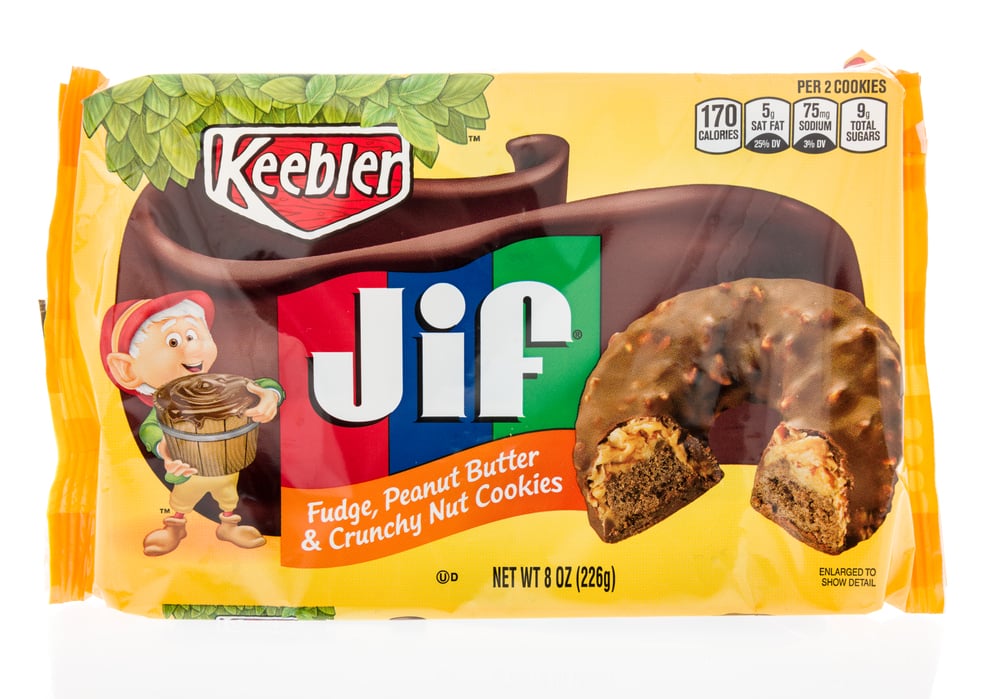
These cookies had a shortbread exterior with a chocolate or peanut butter center that stayed soft even when the outside stayed crispy. Keebler made them through the 1980s and into the 1990s before quietly discontinuing them.
The name suggested something special was happening inside each cookie, and it actually delivered. People who grew up with them often mention trying other filled cookies and feeling disappointed, like nothing else quite measures up to the memory.
Hi-C Ecto Cooler

This bright green drink launched in 1987 as a tie-in with the Ghostbusters cartoon and became popular enough to outlast the show by over a decade. The citrus flavor wasn’t quite orange juice and wasn’t quite anything else.
Coca-Cola discontinued it in 2001, then brought it back briefly in 2016 for the Ghostbusters movie reboot.
When food becomes memory
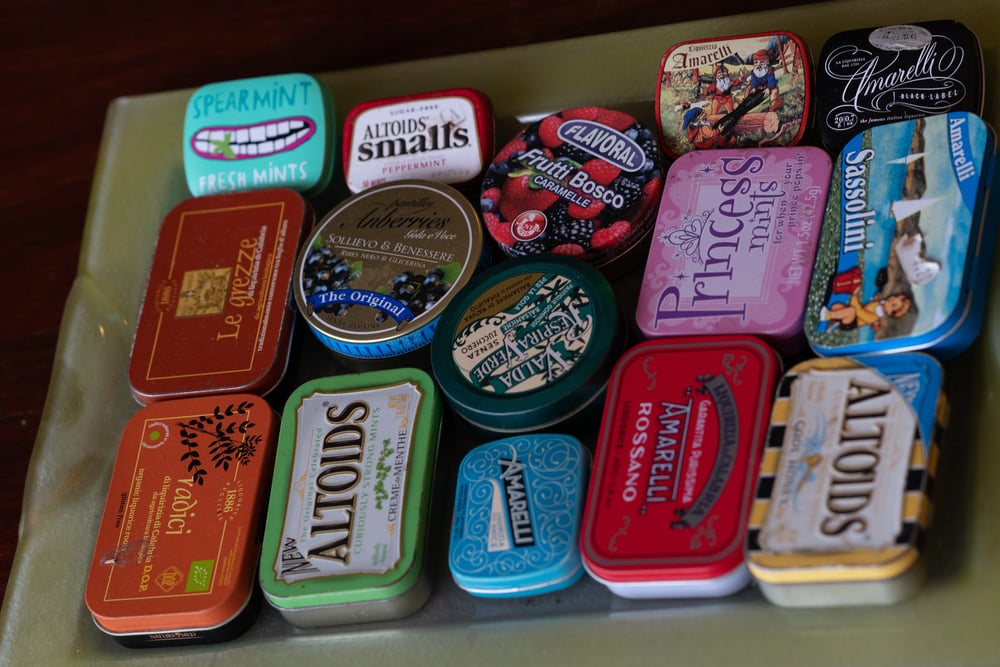
The internet has turned discontinued food nostalgia into a whole thing, with entire websites and social media accounts dedicated to tracking down old favorites. Companies have figured out that bringing back beloved products creates instant buzz and guaranteed sales, at least temporarily.
More from Go2Tutors!

- The Romanov Crown Jewels and Their Tragic Fate
- 13 Historical Mysteries That Science Still Can’t Solve
- Famous Hoaxes That Fooled the World for Years
- 15 Child Stars with Tragic Adult Lives
- 16 Famous Jewelry Pieces in History
Like Go2Tutors’s content? Follow us on MSN.