24 Historic Sites That Were Closed to the Public for Years
Some of history’s most significant locations have been sealed off from public view for extended periods—hidden away due to security concerns, environmental damage, bureaucratic inertia, or simply because the world moved on and forgot. These sites vanished from the collective consciousness, becoming rumors and legends until they reopened, revealing how access to history itself is controlled and rationed.
Angkor Wat: Fifty Years of Silence
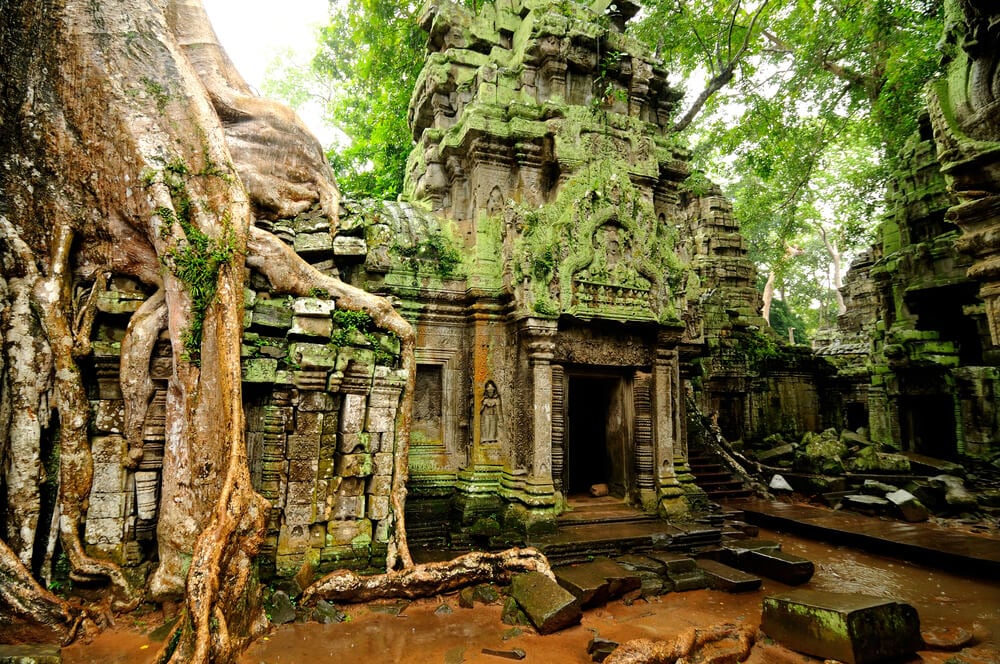
Cambodia’s Angkor Wat, the world’s largest religious monument, was largely inaccessible from 1970 to 1998 due to war and civil conflict. The site remained in the jungle, hidden from tourists and scholars, until political stability allowed access to resume. Decades of closure meant an entire generation never witnessed this wonder.
Chernobyl Exclusion Zone: 36 Years Sealed
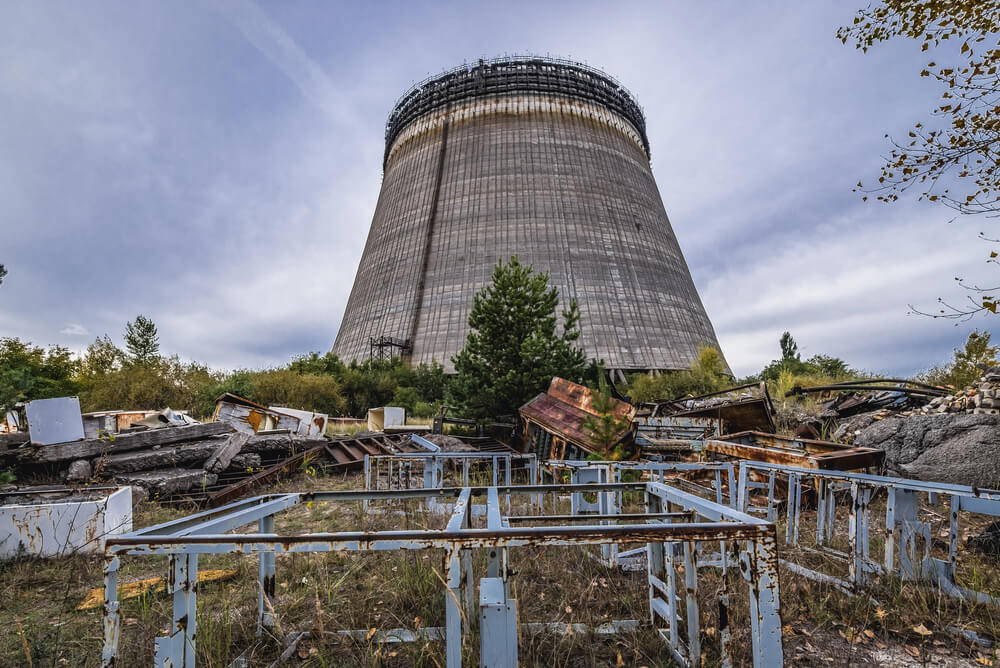
The Chernobyl nuclear power plant and surrounding area were sealed off after the 1986 disaster. The 1,000-square-mile exclusion zone remained closed to the general public until 2022, though strictly controlled tours began in 2011. The closed zone became a phantom geography—somewhere everyone knew about but few could access.
Machu Picchu: Brief Closure, Enduring Questions
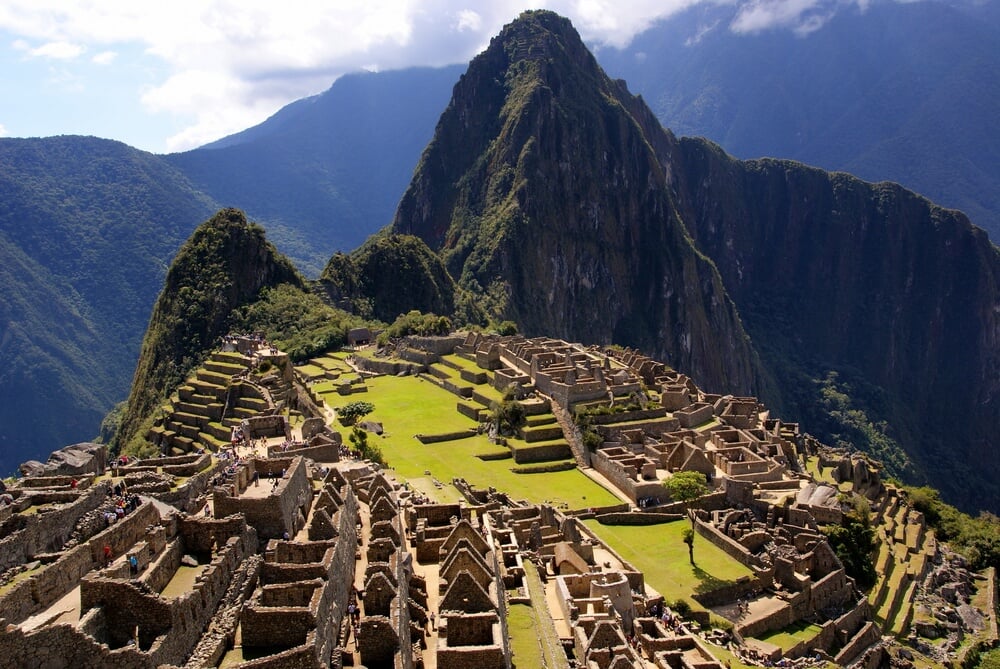
Peru’s Machu Picchu has been temporarily closed several times, most notably during COVID-19 in 2020, when for months this icon of human achievement sat empty. Brief closures revealed how tourism shapes historical access; without visitors, does history exist?
The Lascaux Caves: Art Protected by Inaccessibility
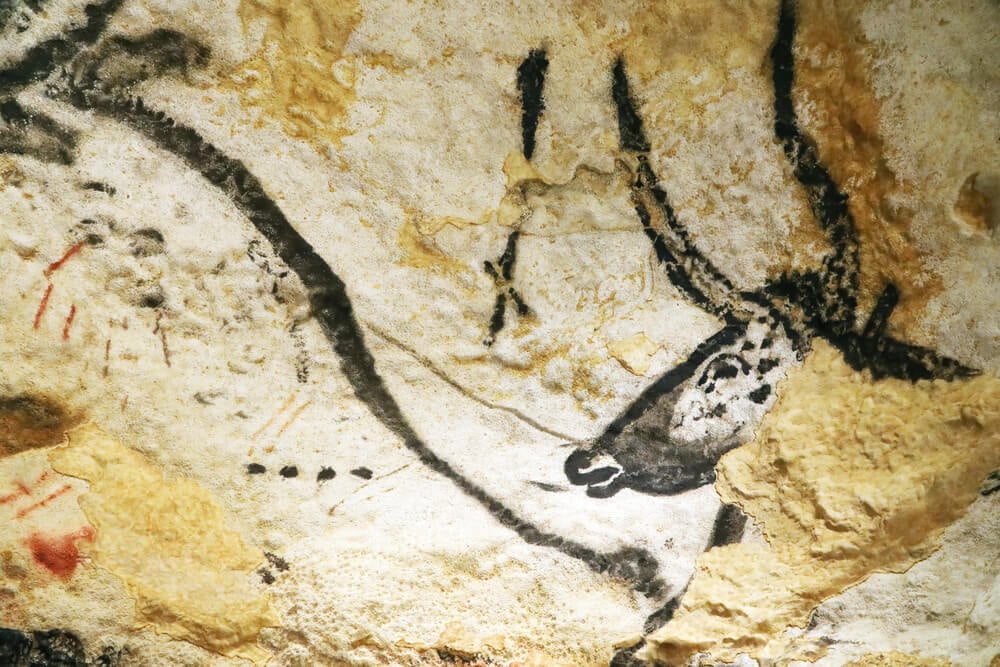
The 17,000-year-old cave paintings at Lascaux were sealed to the public in 1963 after deterioration from tourism. A replica was opened instead, meaning modern humans access history only through reproduction. The original remains hidden, protected but unseen.
Christ the Redeemer: COVID Closure and Reflection
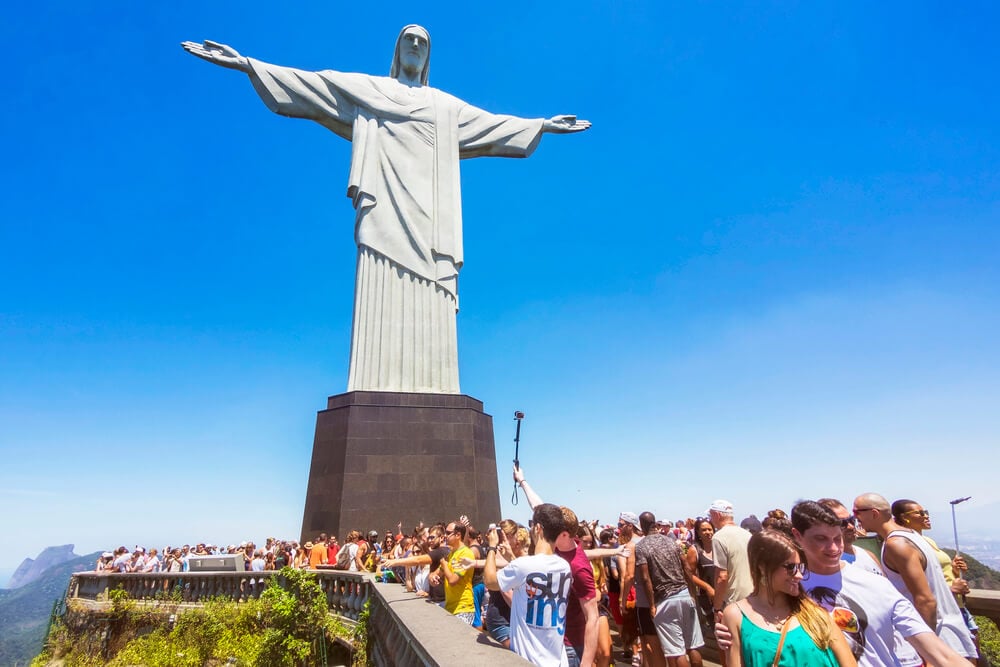
Rio de Janeiro’s Christ the Redeemer statue was closed during COVID-19, forcing a city to exist without its defining icon. The closure revealed the statue’s role in collective identity; its absence was deeply felt.
The Statue of Liberty’s Interior: Post-9/11 Security
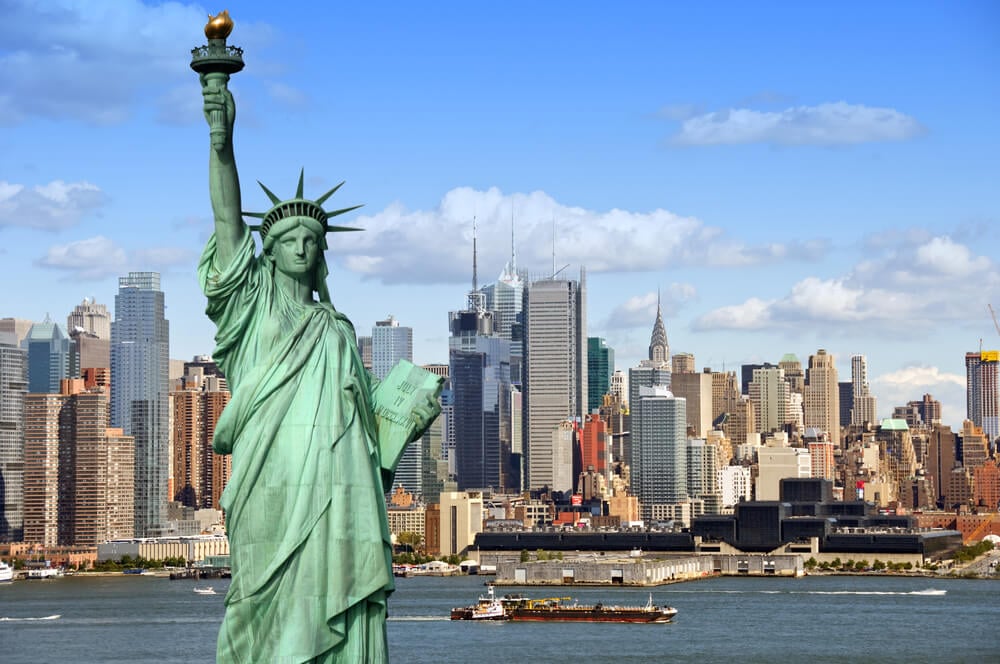
After 9/11, access to Liberty Island and the Statue’s interior was severely restricted. For years, Americans couldn’t climb to the crown, even as the statue remained visible. Security transformed a symbol of freedom into something inaccessible.
The Forbidden City’s Inner Sanctums: Gradual Opening
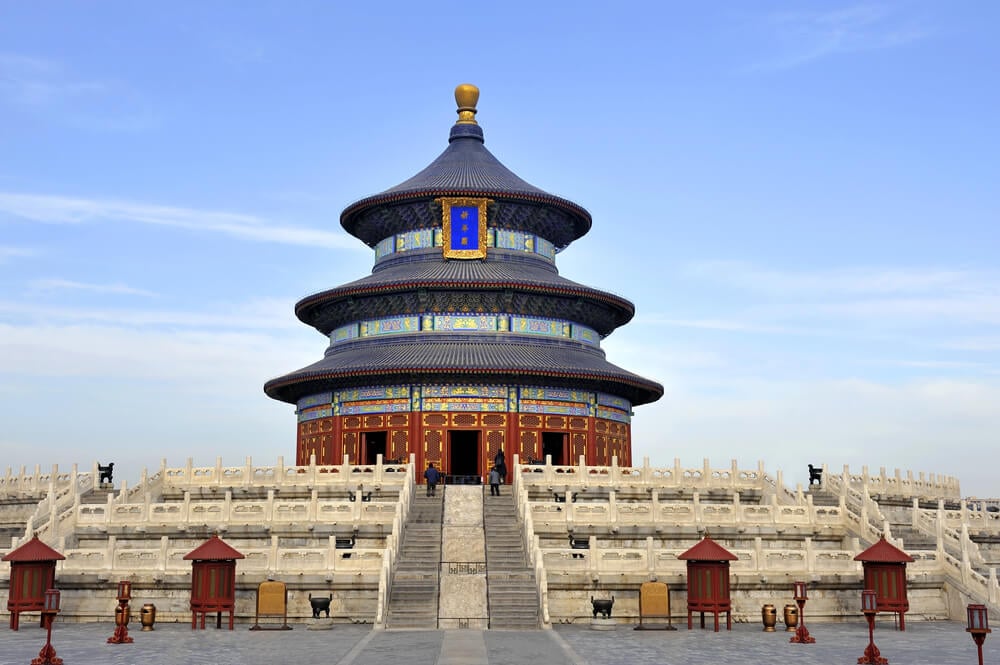
Beijing’s Forbidden City has gradually opened sections previously closed to the public. Some palace rooms, once private to emperors, only became accessible decades into the twenty-first century, revealing layers of history hidden for centuries.
The Dead Sea Scrolls: Hidden in Archives
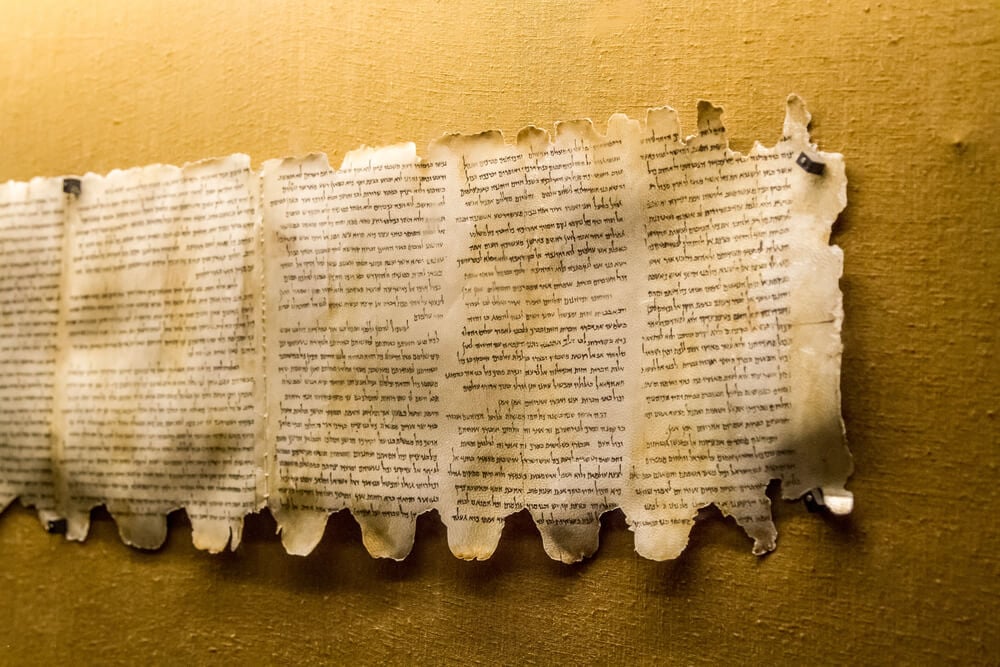
The Dead Sea Scrolls were discovered in 1947 but remained partially inaccessible to scholars and the public for decades. Academic control of the texts created a kind of archaeological secrecy that only began lifting in the 1980s and 1990s.
The Kremlin’s Inner Chambers: Soviet Secrecy
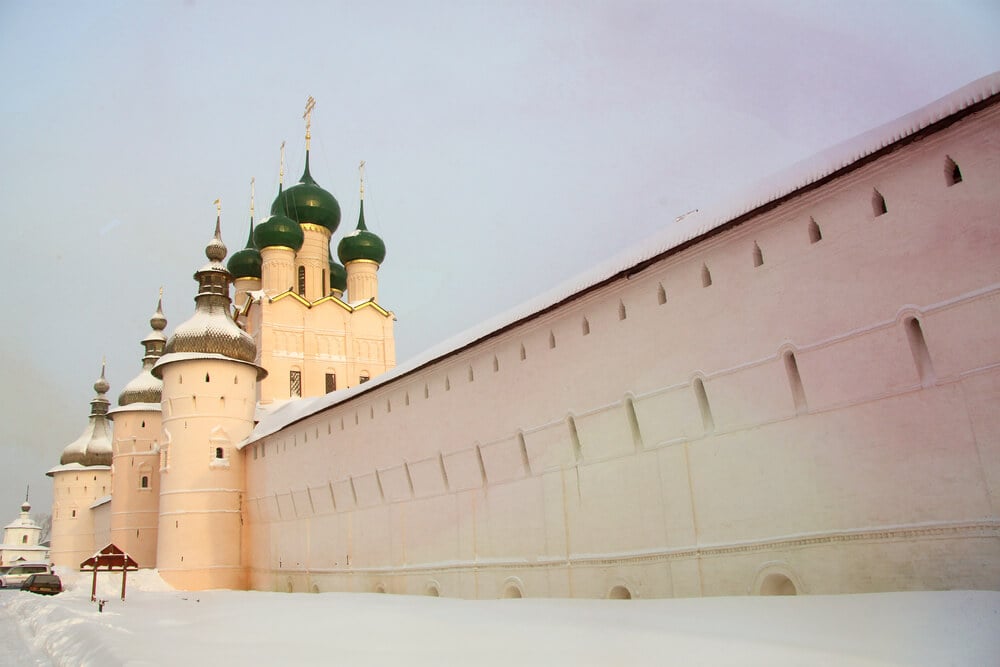
The most sensitive parts of Russia’s Kremlin complex remained closed to the public during the Soviet era. Even after the USSR collapsed, some areas remained restricted due to ongoing government use, keeping history literally locked away from citizens.
Area 51: The Ultimate Closed Site
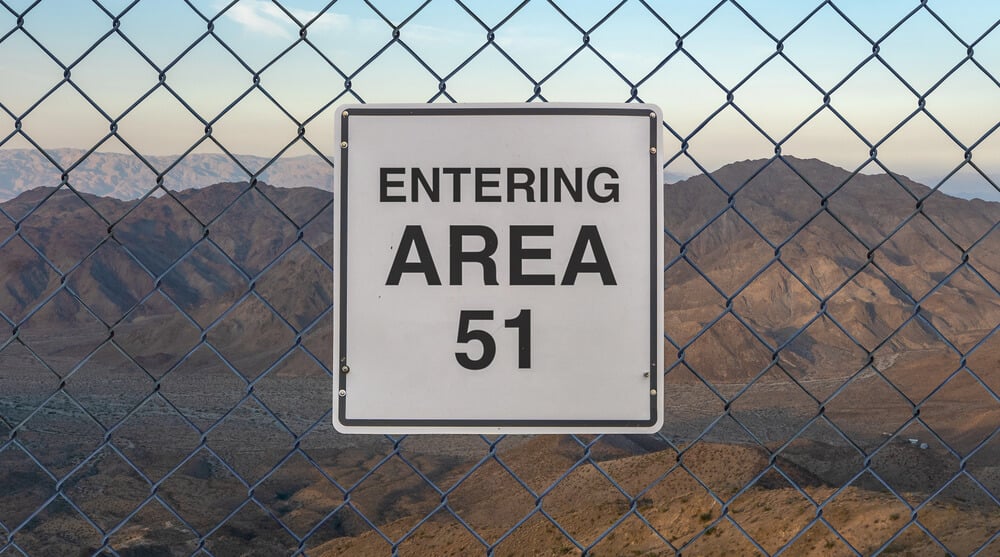
The U.S. military facility at Area 51 has been off-limits to the public since its establishment in 1955, ostensibly for national security but feeding speculation about UFO research. Its inaccessibility transformed it into mythology.
The Soviet Museum Closures: Ideology Controlling Access
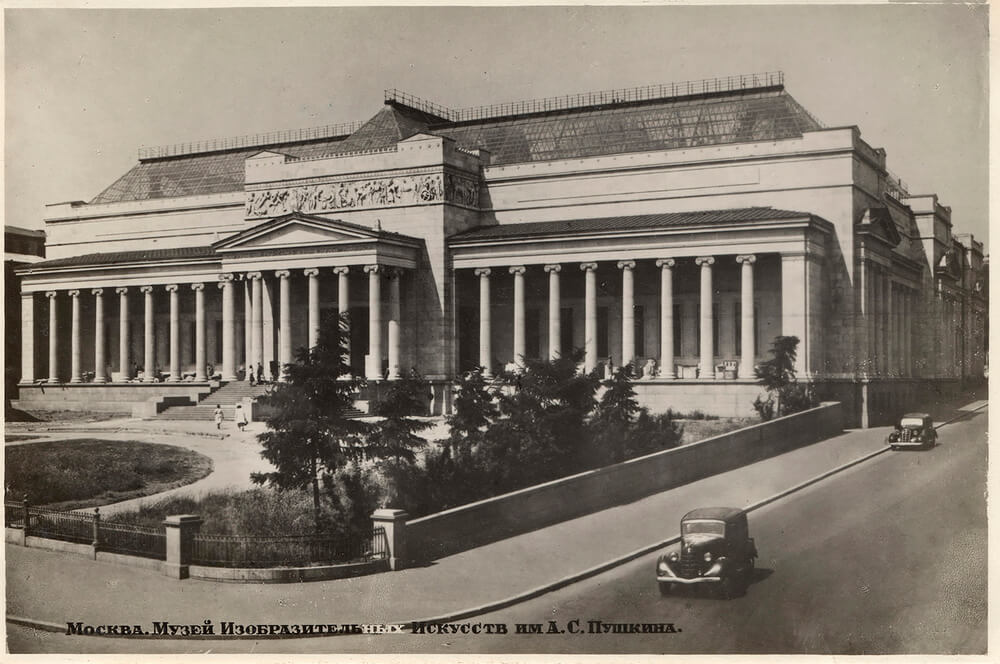
During the Soviet collapse, many museums closed for extended periods as the state’s ideology destabilized. History itself seemed to vanish while institutions decided what version of the past to present.
Wright Brothers’ Bicycle Shop: Lost to Development
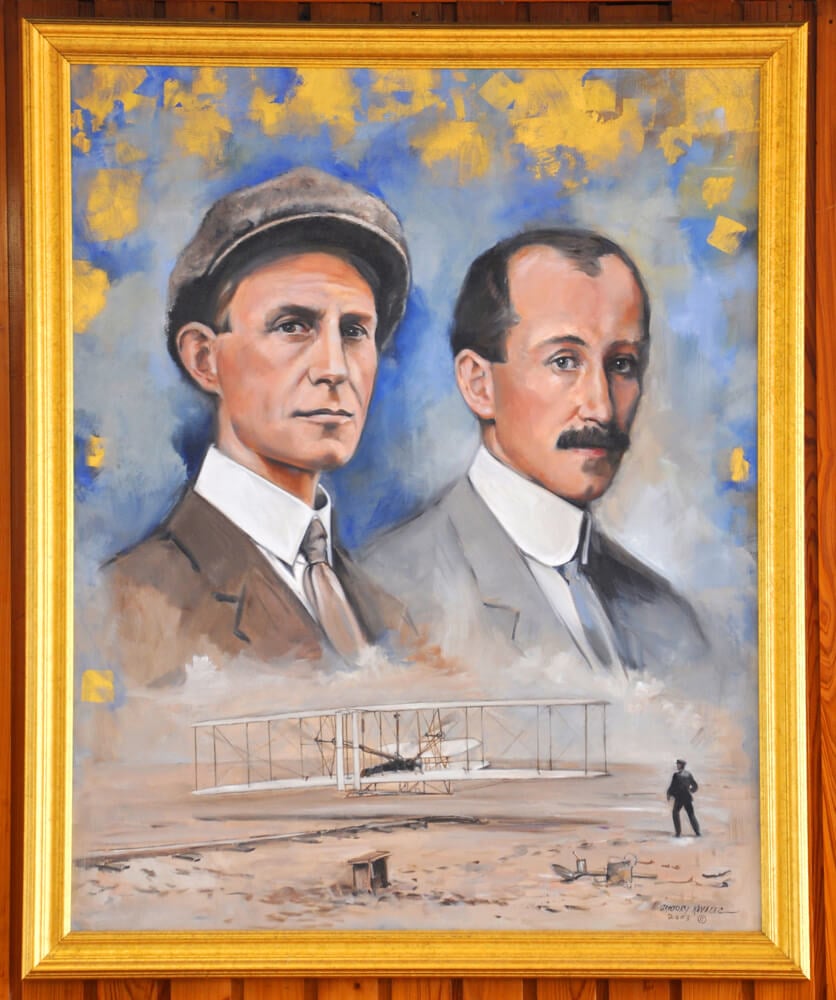
The Wright brothers’ bicycle shop in Dayton, Ohio, was closed to the public for years and was relocated to the Henry Ford Museum in Dearborn, Michigan in 1937, where it was preserved and has remained accessible to the public since. History was not just closed but erased.
The Anne Frank House: Wartime as Living History
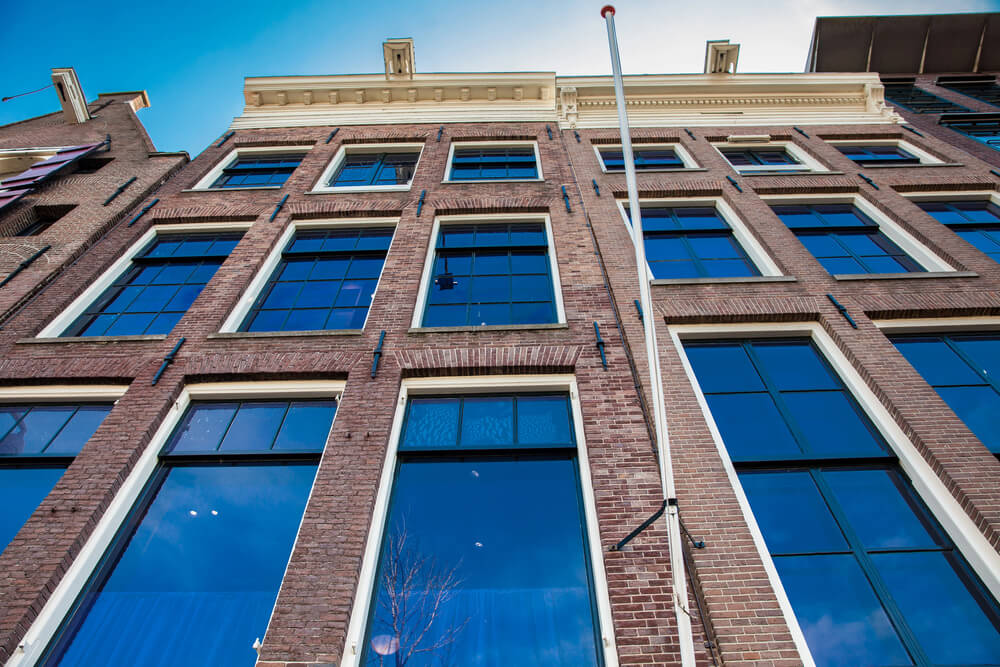
The Anne Frank House in Amsterdam was sealed for years before becoming a museum. The delays in opening meant that for decades after the Holocaust, this personal history remained behind closed doors.
Auschwitz: From Hidden Tragedy to Museum
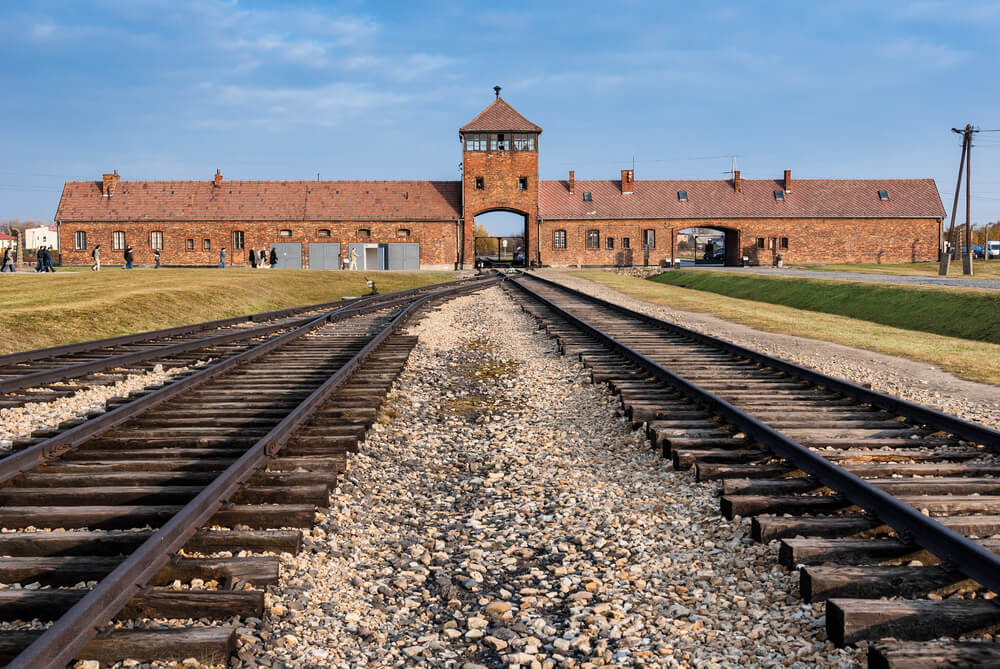
Auschwitz remained partially inaccessible to tourists for decades after liberation. The slow opening of the concentration camp as a museum site created a gradual transition from secret tragedy to public historical reckoning.
The British Museum’s Closed Sections: Colonial Control
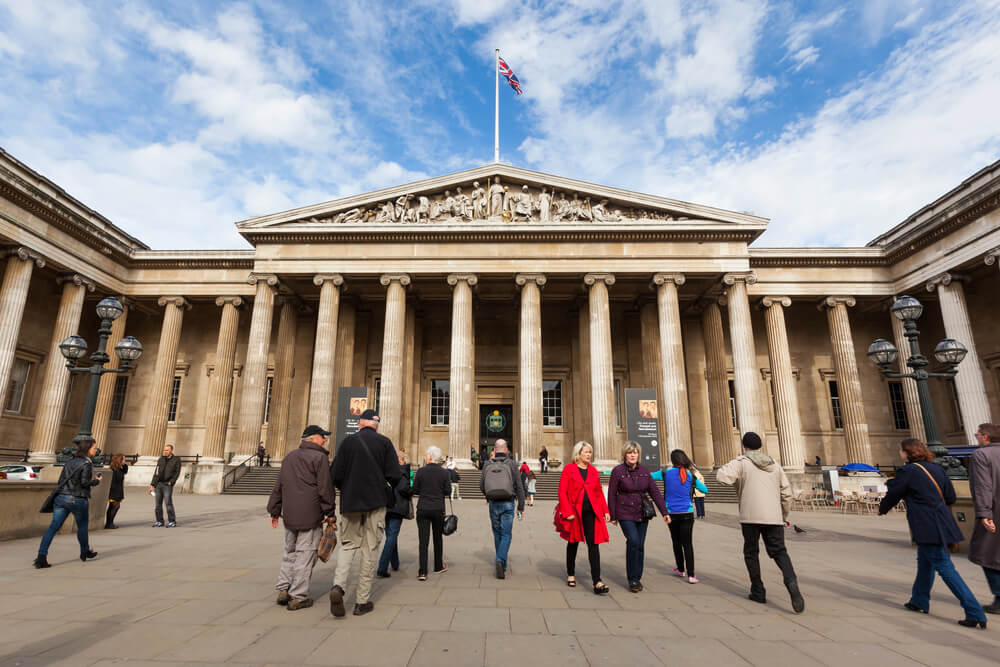
Portions of the British Museum have been closed at various times, keeping certain artifacts from public view. The restriction of access to colonized cultures’ artifacts represents another form of historical gatekeeping.
El Escorial’s Library: Royal Secrecy
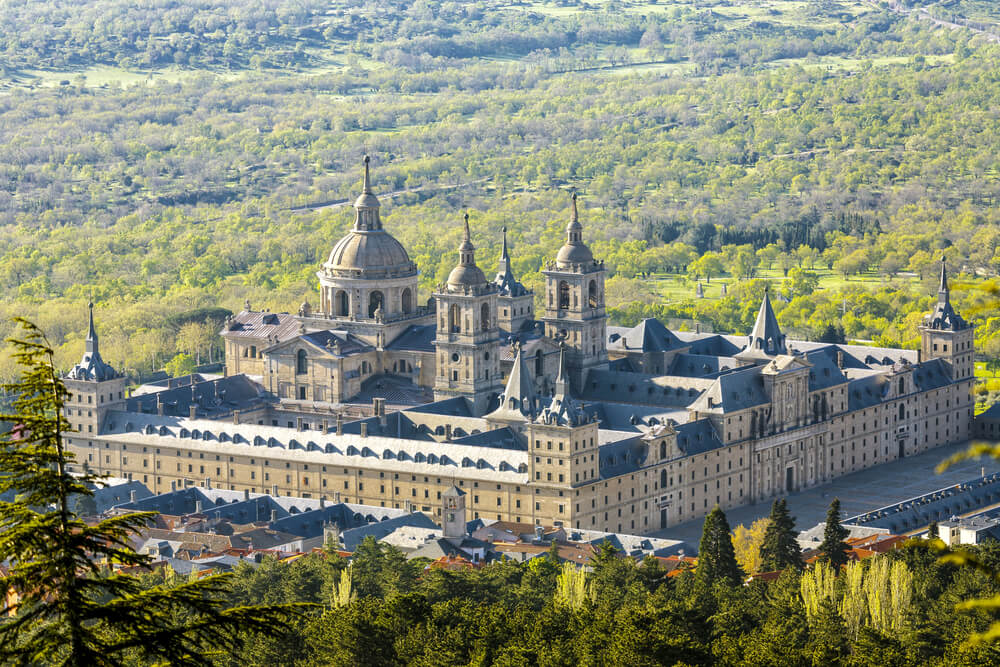
Spain’s El Escorial palace library was restricted for centuries, keeping royal collections from public view. The gradual opening revealed intellectual treasures that had been sequestered from wider scholarship.
The Library of Alexandria: Lost Before Closure
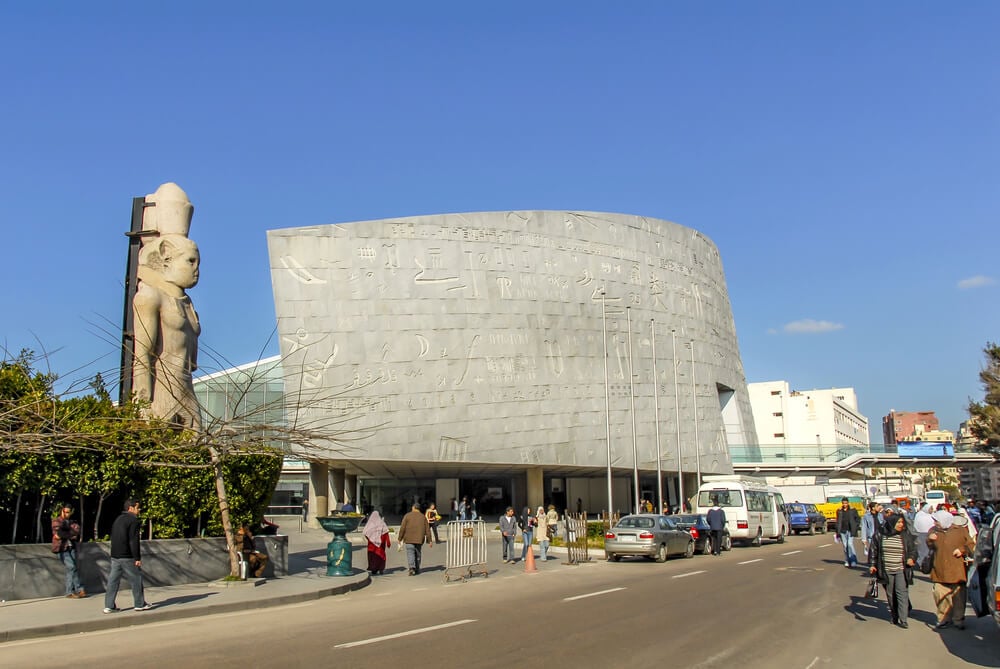
While not precisely a closure, the systematic destruction of the Library of Alexandria represents history being sealed off through elimination. The loss represents the ultimate historical inaccessibility.
Petra’s Hidden Tombs: Natural and Human Barriers
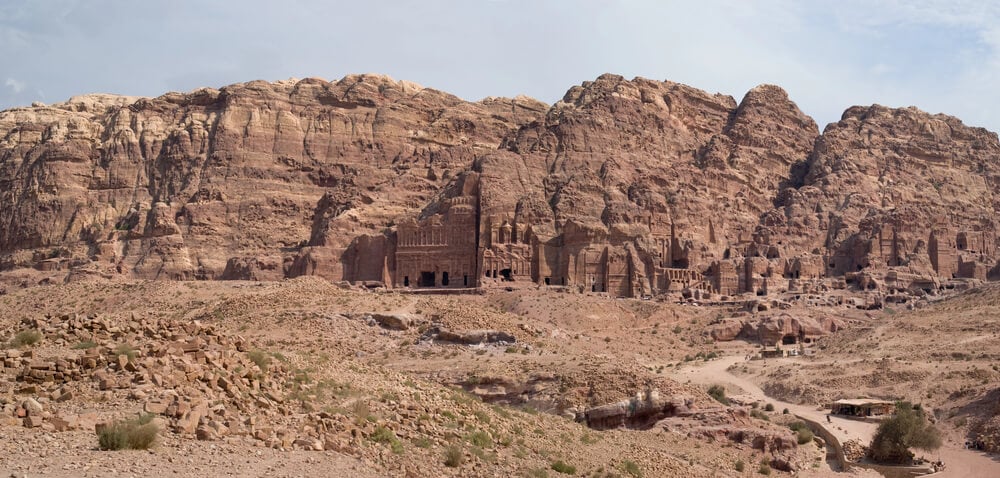
Jordan’s Petra had sections that were effectively closed due to landslides and political instability. Parts of this ancient city remained inaccessible for years, hidden from tourists and scholars alike.
The Great Wall’s Remote Sections: Deterioration and Access
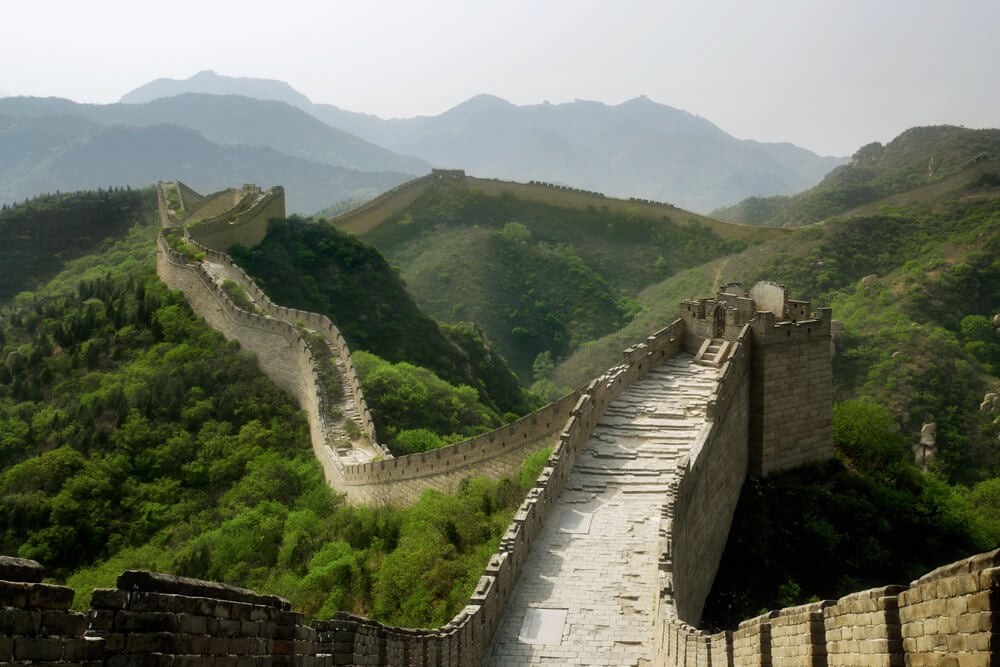
Many sections of the Great Wall of China remain inaccessible due to deterioration or location in restricted military zones. These unmaintained portions exist in a kind of historical limbo.
Pompeii’s Closed Sections: Preservation Through Inaccessibility
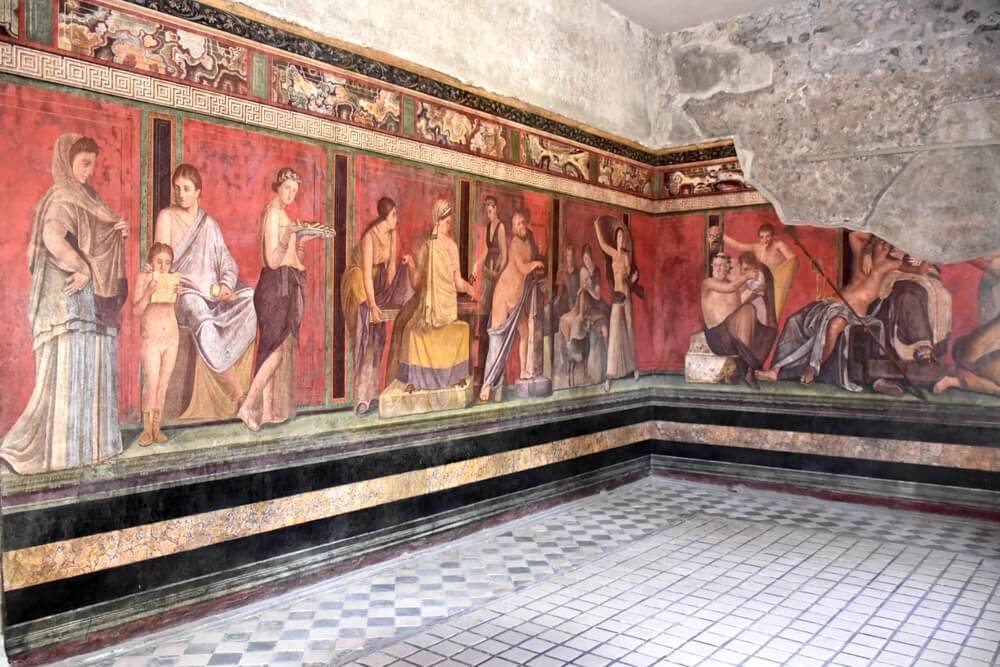
Pompeii regularly closes various houses and sections for preservation and restoration. The closures mean some of ancient Rome remains sealed off, accessible only to archaeologists.
The Parthenon’s Inaccessible Heights
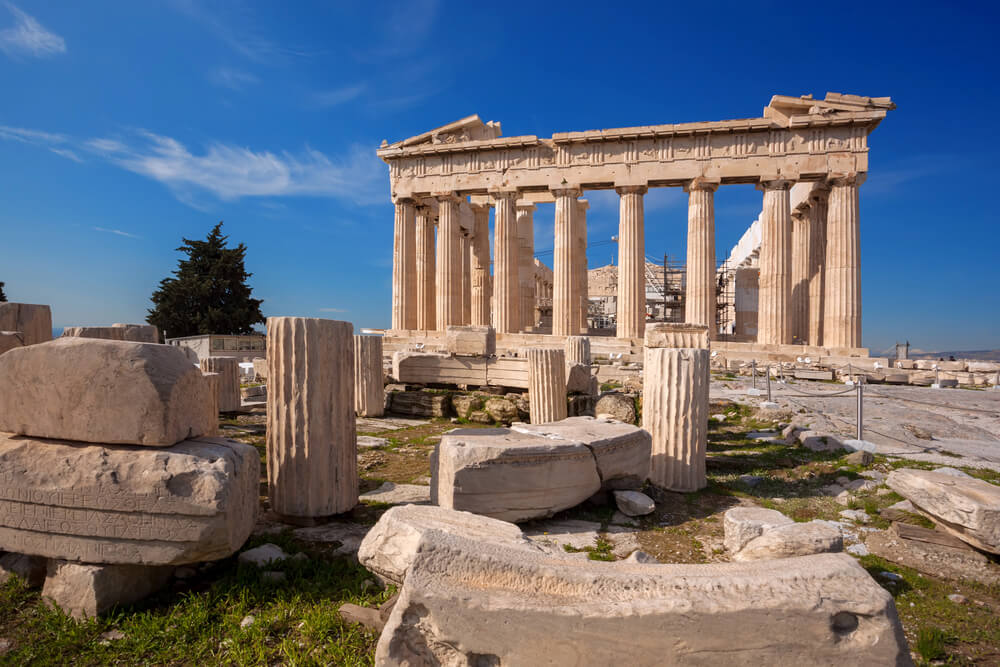
The Parthenon has restricted access to various sections for structural preservation and safety. The highest chambers and inner sanctums remain largely inaccessible to casual visitors.
The Tutankhamun’s Tomb: Restricted Access
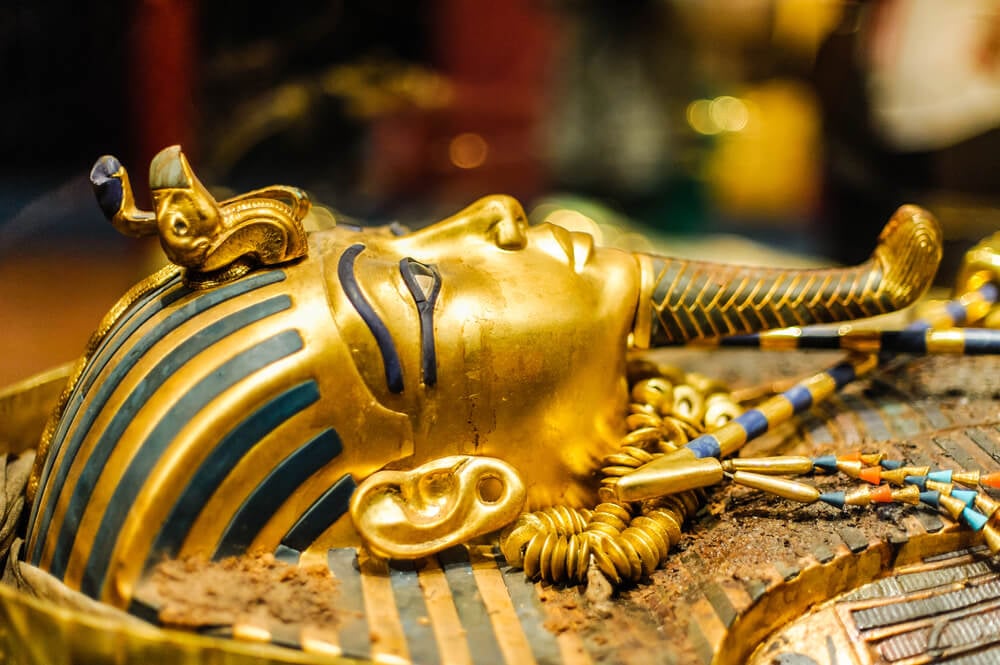
King Tutankhamun’s tomb in the Valley of the Kings has had periods of restricted access due to conservation efforts. The limits on visitors represent a new kind of archaeological closure driven by preservation needs.
The Colosseum’s Underground: Recently Opened
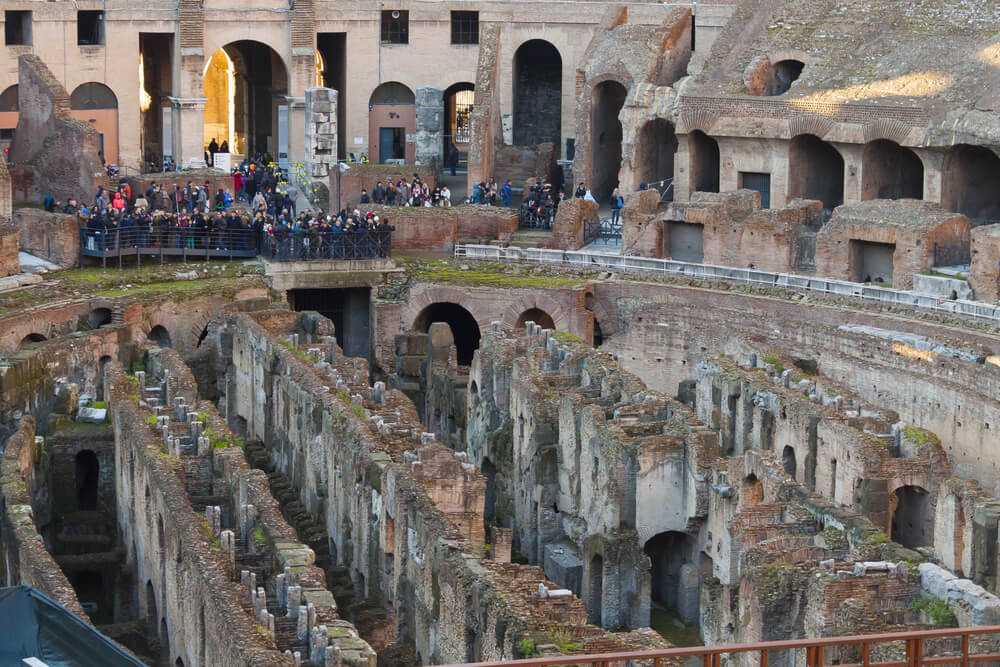
Rome’s Colosseum underground passages—the hypogeum—were sealed and inaccessible for centuries. Only recently have controlled tours begun accessing these spaces, revealing archaeological layers hidden for nearly 2,000 years.
Stonehenge’s Central Stones: Visitor Restriction
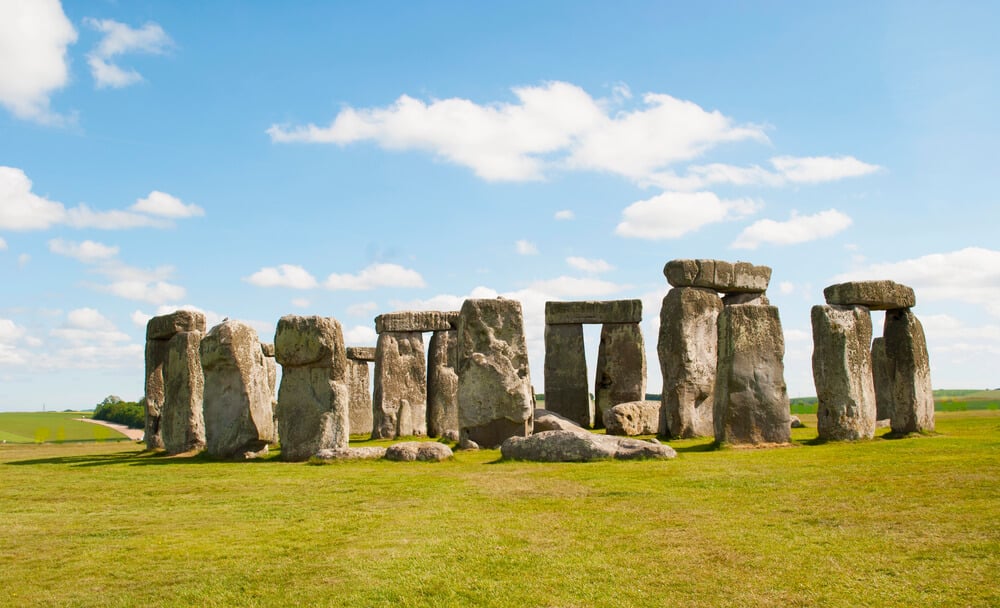
Stonehenge has increasingly restricted visitor access over the decades, now forbidding direct contact with the stones. The restriction represents how preservation can distance people from historical reality.
The Politics of Historical Access
These sites reveal that history is not fixed and publicly available but actively managed and gatekept. Closure, even for legitimate preservation reasons, means access to history itself becomes privilege rather than right.
What we can see determines what we can understand about our past.
More from Go2Tutors!

- The Romanov Crown Jewels and Their Tragic Fate
- 13 Historical Mysteries That Science Still Can’t Solve
- Famous Hoaxes That Fooled the World for Years
- 15 Child Stars with Tragic Adult Lives
- 16 Famous Jewelry Pieces in History
Like Go2Tutors’s content? Follow us on MSN.



