30 Old Newspaper Front Pages That Got the Story Wrong
Newspapers have always been in the business of telling the truth. They have also, regularly and spectacularly, gotten major stories wrong.
Before the internet, before fact-checking, before the ability to update a story in real time, newspapers committed themselves to print with information that was incomplete, confused, or simply incorrect. The following 30 front pages represent journalism’s most famous and most consequential failures, mistakes that circulated to thousands or millions of readers before anyone could fix them.
Dewey Defeats Truman, November 3, 1948
The Chicago Daily Tribune printed one of history’s most famous incorrect headlines on its front page: “DEWEY DEFEATS TRUMAN,” confidently declaring Republican Thomas Dewey the winner of the 1948 presidential election. The paper had gone to press before final votes were counted, relying on early polls and early returns that favored Dewey.
President Harry Truman actually won a shocking upset victory. The iconic photograph of a beaming Truman holding up the erroneous paper became one of the most recognizable images in American political history.
Titanic Sinking; No Lives Lost, April 15, 1912
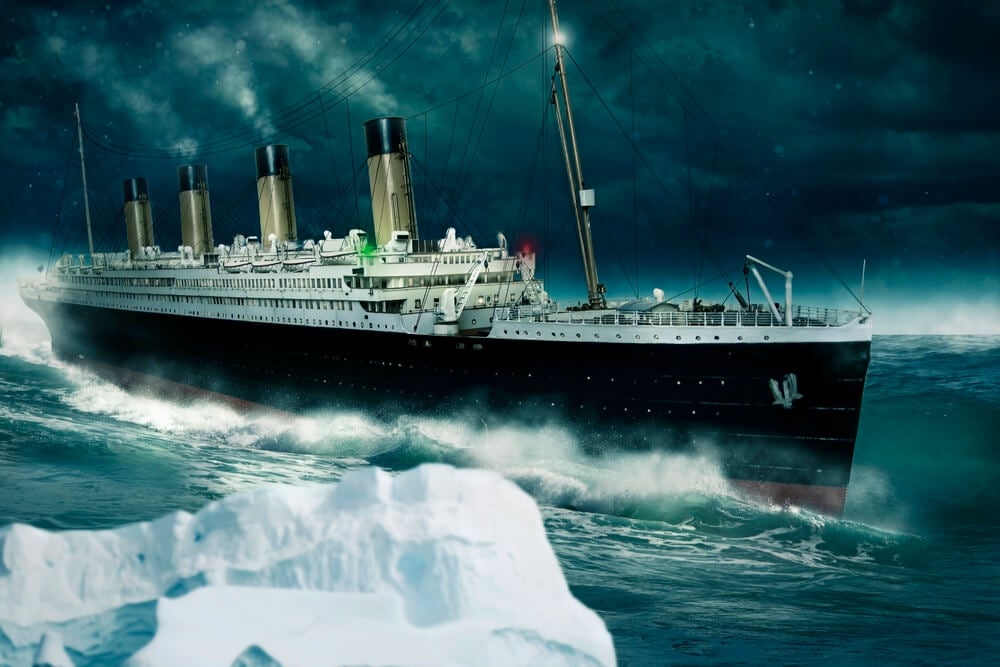
The New York World declared after the Titanic struck an iceberg and sank on April 15, 1912: “Titanic Sinking; No Lives Lost.” The Evening Sun proclaimed, “All Saved from Titanic After Collision.”
The Vancouver Daily Province reported, “The Titanic Sinking, But Probably No Lives Will Be Lost.” In reality, over 1,500 people perished in the disaster.
Communication was slow from the ocean, and the White Star Line had issued statements insisting the ship was unsinkable, leading newspapers to report that all passengers had been rescued when no such rescue had occurred.
Clinton President, Turkish Newspaper, 2016
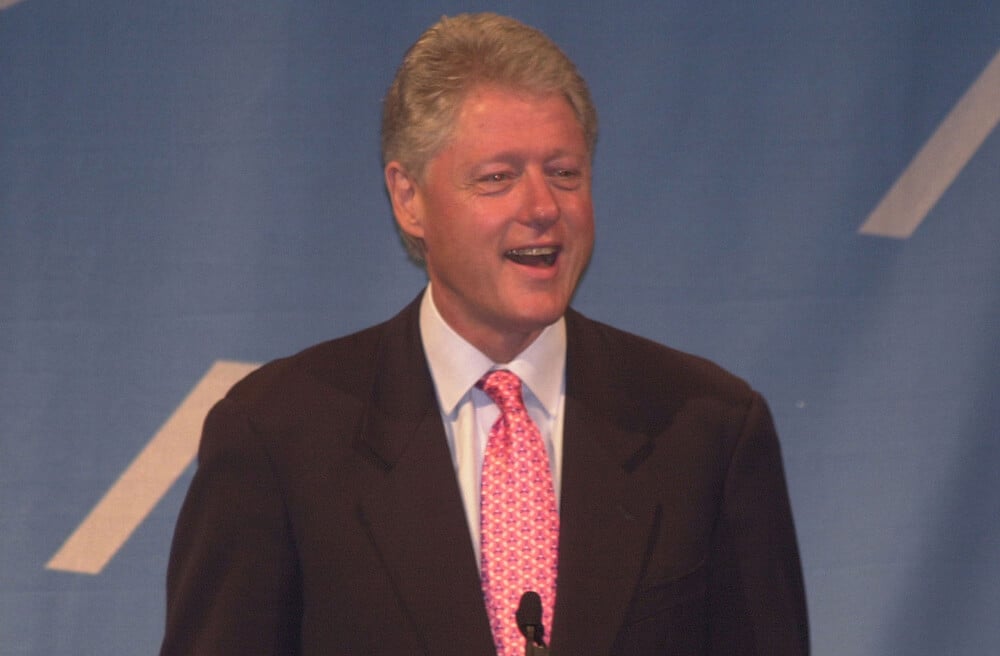
The Turkish newspaper Posta printed the headline “CLINTON PRESIDENT” on its front page on election night 2016, confidently declaring Hillary Clinton the winner. The paper was printed at 2 a.m. local time as returns were still coming in, and it directly echoed the Dewey Defeats Truman moment from 68 years earlier.
The front page featured a smiling photo of Clinton under the bold assertion, which became instantly obsolete as Donald Trump actually won the election.
Herald-Leader Neglects the Civil Rights Movement, 2004

On July 4, 2004, the Lexington Herald-Leader published an extraordinary front-page correction: “It has come to the editor’s attention that the Herald-Leader neglected to cover the civil rights movement. We regret the omission.” The correction continued for 2,000 words and acknowledged that the newspaper had failed to cover one of the most consequential social movements in American history.
This was not a simple factual error but an admission of systemic editorial failure.
Pearl Harbor Attack Minimized, December 7, 1941
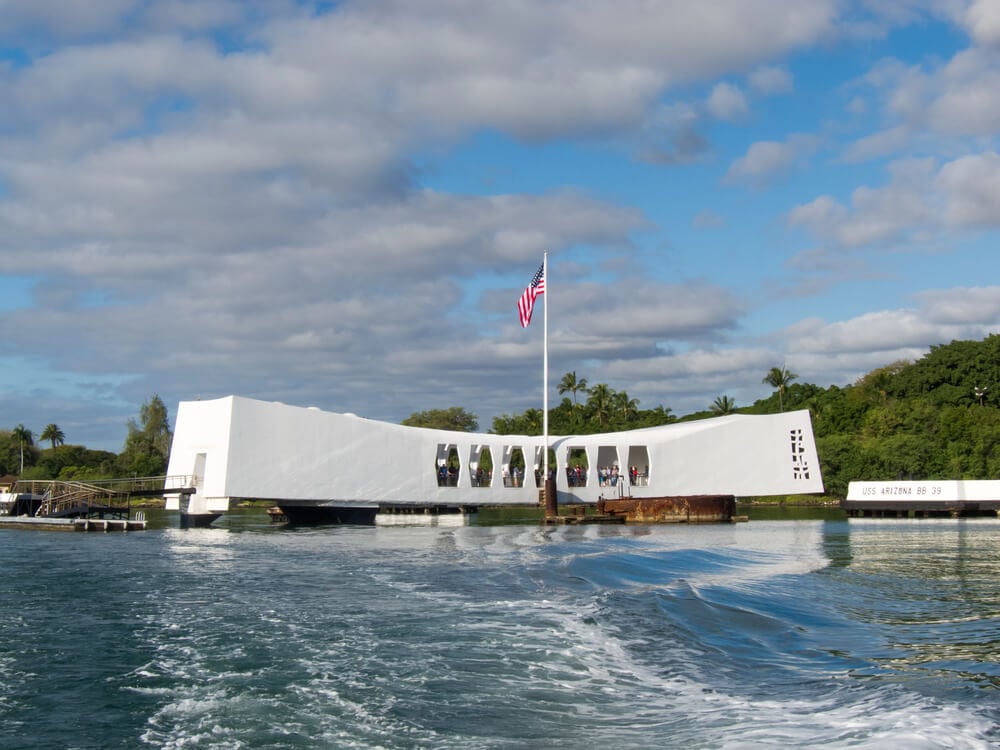
Many newspapers initially underestimated the scale of the Pearl Harbor attack on December 7, 1941. Early headlines suggested damage was limited and the Japanese threat was manageable.
Some papers reported that American defenses had successfully repelled the attack. In reality, the assault killed over 1,100 servicemen on the USS Arizona alone and destroyed much of the Pacific Fleet, an error that led to massive loss of life and fundamentally changed the course of history.
Hurricane Katrina False Reports of Violence, 2005
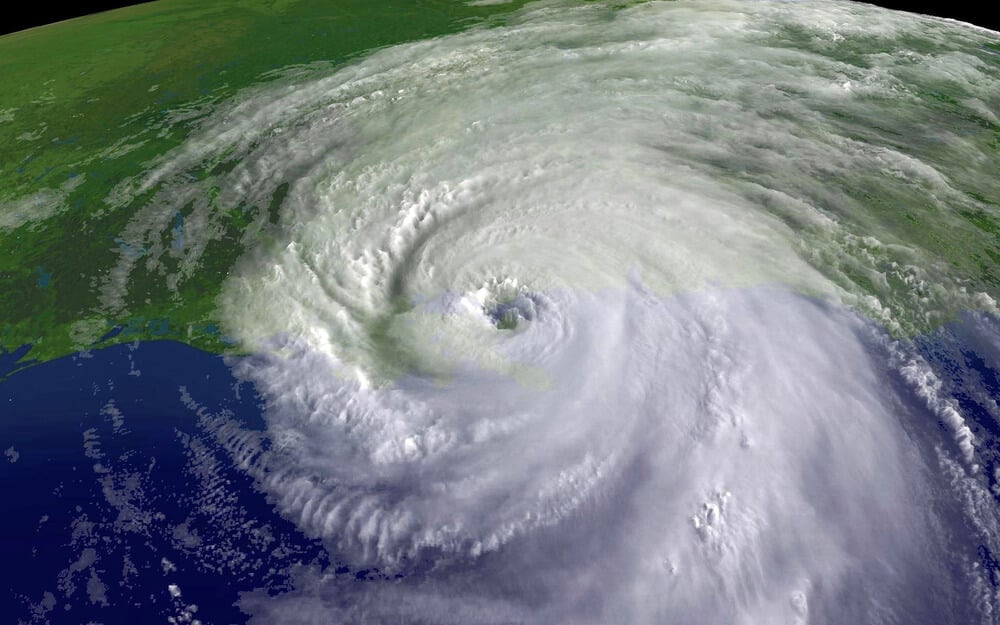
After Hurricane Katrina struck New Orleans in 2005, newspapers and television reports spread false stories of widespread looting, violence, and mayhem. The New Orleans Times-Picayune reported armed gangs roaming the streets, rapes in the Superdome, and systematic breakdown of order.
Many of these reports were exaggerated or entirely fabricated, and the resulting misinformation prevented rescue workers from providing timely assistance to people in genuine need.
Queen Mary Sunk by Waves, 1942
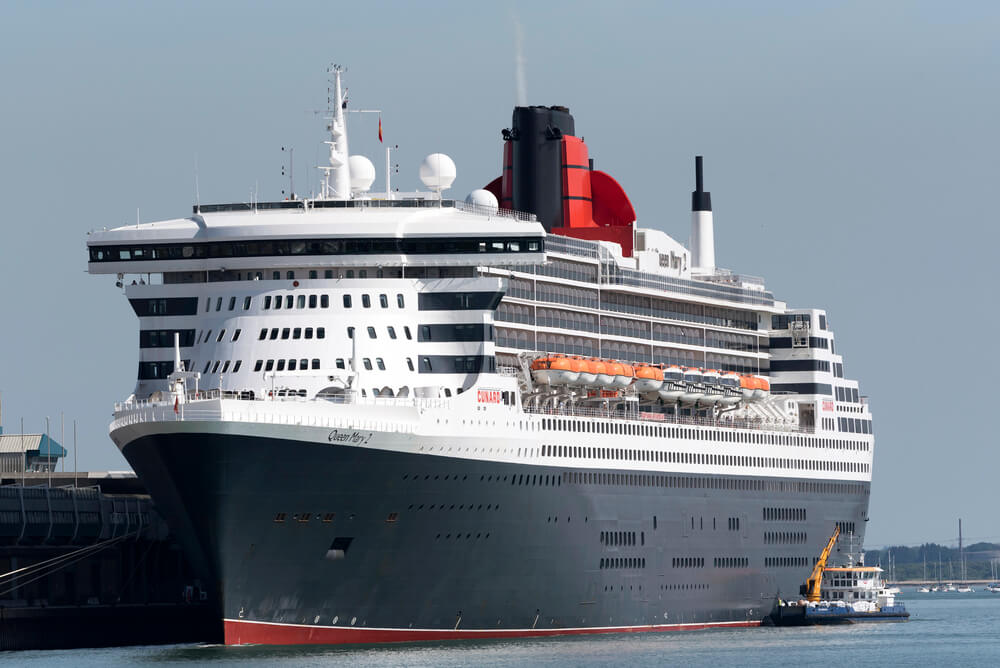
The Boston Daily Record reported that massive waves had sunk the front of the Queen Mary ocean liner during an Atlantic crossing in 1942. The headline was spectacularly wrong—the ship remained afloat and continued service.
The paper had confused sensationalist writing with fact, creating panic among families of people on the ship for no reason.
Lexington Sunk, San Francisco Sunk, Both Correct, June 1942
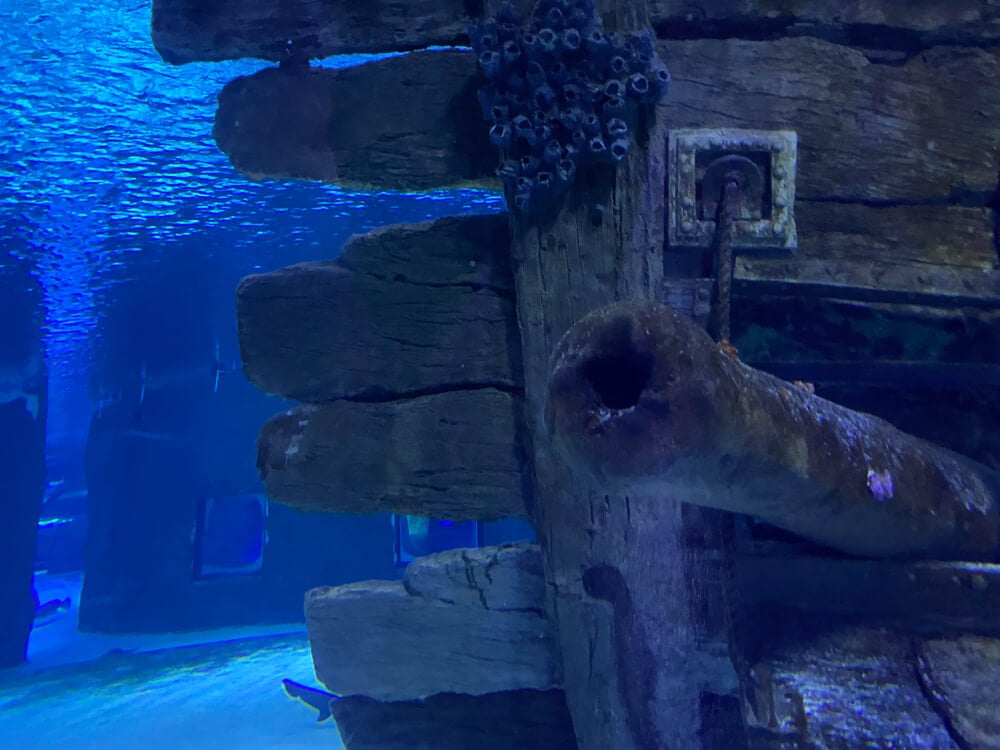
During the Battle of the Coral Sea, the American fleet became involved in a major engagement where both the USS Lexington and the Japanese carrier Shokaku were damaged. American newspapers reported that American ships had sunk the Shokaku but initially gave confused reports about the status of the Lexington and other American vessels.
The fog of war made accurate reporting nearly impossible, and conflicting reports circulated for hours.
The Wrong Man in the Lindbergh Kidnapping Case
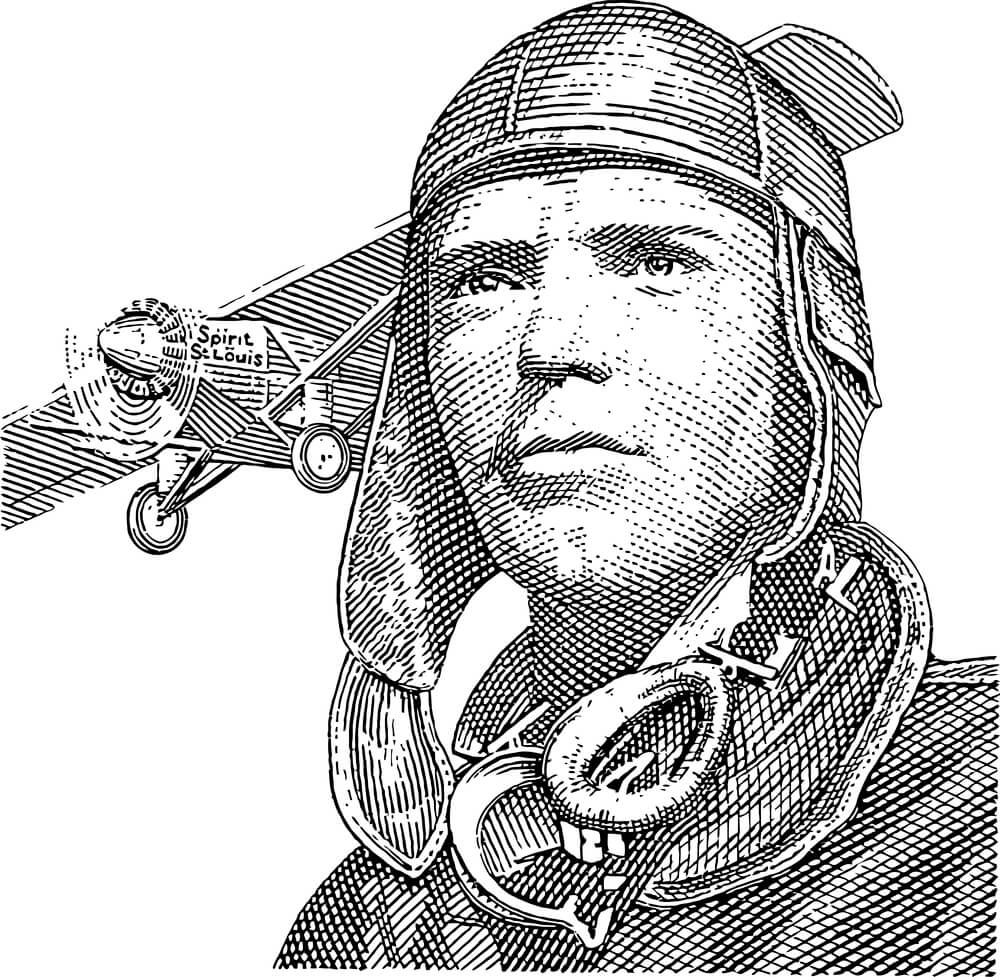
When Charles Lindbergh’s infant son was kidnapped in 1932, newspapers made catastrophic errors in their coverage. Several papers reported the arrest of innocent people as the kidnapper, and intense press coverage led to wrongful suspicions and accusations.
The media pressure and misinformation prolonged the investigation and made finding the actual perpetrator more difficult.
Cleveland Indians Win World Series, 1948

Newspapers reported a Cleveland Indians World Series victory and then had to correct the story as games continued to be played. The premature celebration and inaccurate headlines created confusion about the actual playoff results, and fans relied on contradictory reports from different papers.
Jupiter Supposedly Approaching Earth, 1910

Newspapers reported in 1910 that Jupiter was approaching Earth and that its gravitational pull would cause catastrophic damage to the planet. The scientific basis for this claim was nonexistent, but sensationalist newspapers ran with the story, creating widespread panic.
Scientists had to publicly debunk the reports, but by then the false information had circulated to millions of readers.
Stock Market Crash Only Minor Correction, October 1929
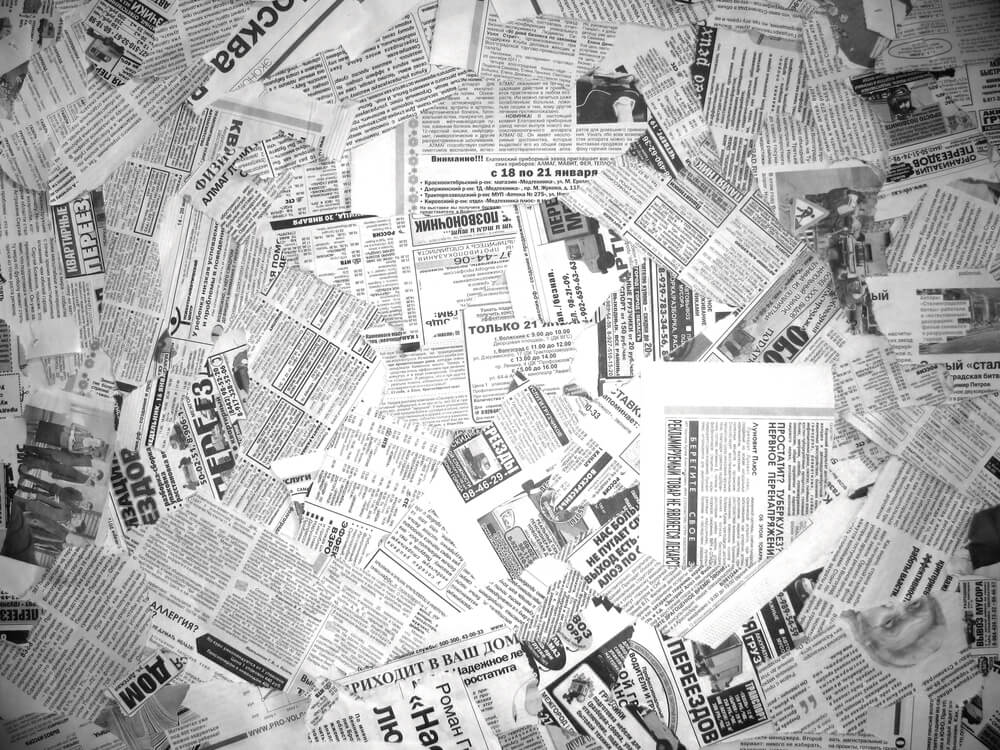
In the days following the initial stock market crash on Black Thursday in October 1929, newspapers minimized the seriousness of the decline. Editors and financial reporters assured readers that the correction was temporary and that recovery was inevitable.
Weeks later, as the market continued falling into a catastrophic depression, the cheerful early headlines seemed delusional.
Irreconcilable Differences in Marriage Statistics

Newspapers regularly reported statistics about marriage and divorce rates that were fundamentally wrong. Some papers in the 1950s reported, based on completely fabricated statistics, that divorce was becoming rare, while other papers simultaneously reported it was skyrocketing.
The confusion resulted from papers not verifying numbers before publication.
Wrong Photo of Sikh Journalist as Paris Attack Suspect, 2015
During coverage of the Paris attacks in 2015, newspapers and television networks broadcast a maliciously edited photoshopped image of an innocent Sikh journalist from Toronto as a possible “mastermind” of the attacks. The front page of La Razón in Spain featured the false image, and it remained on social media accounts with millions of followers for weeks after being debunked.
The journalist received threats as a result of the misidentification.
Boston Marathon Bomber False Identifications, 2013
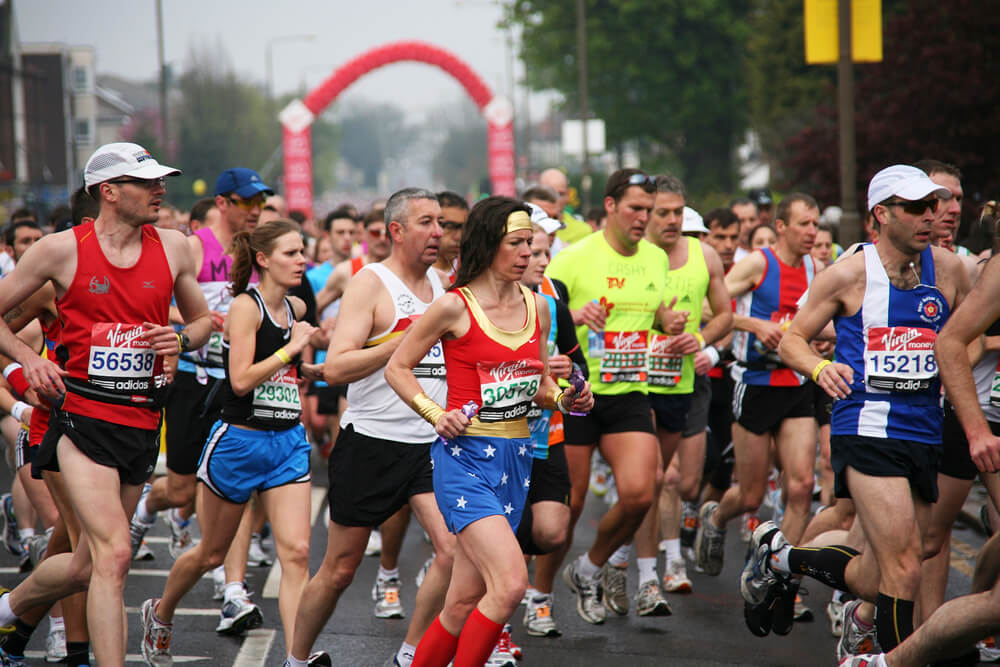
Twitter users and news outlets wrongly identified several innocent people as suspects in the Boston Marathon bombing investigation on April 19, 2013. Newspapers published photos and names of people who had nothing to do with the attacks.
The wrong people faced harassment, threats, and public suspicion, and had to live with the consequences of misidentification in the historical record.
New York Times Photo Mix-up: Jimmy Fallon and Jimmy Kimmel

The New York Times published photos of Jimmy Fallon when intending to run images of Jimmy Kimmel, and then confused them again in a separate story. The mix-up went to print and circulated widely.
Even when corrected, the errors had already shaped reader understanding of who had done what.
The Guardian’s “Irritable Bowl Syndrome”

The Guardian published a headline and article referring to “irritable bowl syndrome” in health coverage. The typo (bowl instead of bowel) transformed a serious medical condition into something absurd.
The paper had to issue a correction, but copies of the original misspelled version had already circulated.
Oklahoma City Bombing Coverage
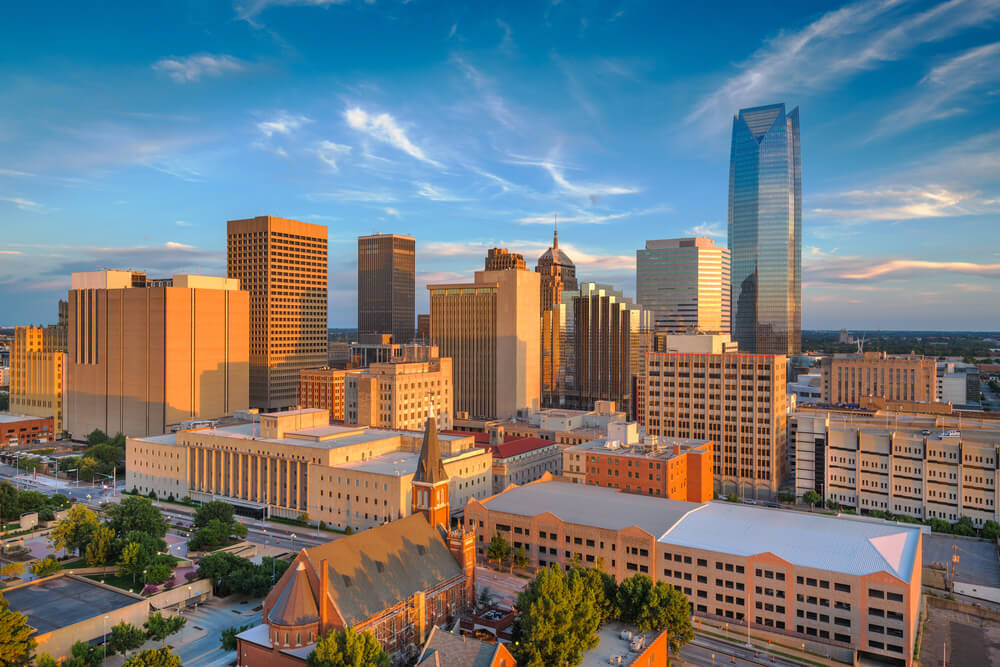
In the immediate aftermath of the 1995 Oklahoma City bombing, newspapers reported that foreign terrorists were likely responsible. Sensationalist coverage speculated about Middle Eastern involvement based on minimal evidence.
When Timothy McVeigh, an American domestic terrorist, was arrested, these narratives had to be entirely rewritten, but the early false reports had already shaped public fear and suspicion.
Three Mile Island Nuclear Panic, 1979
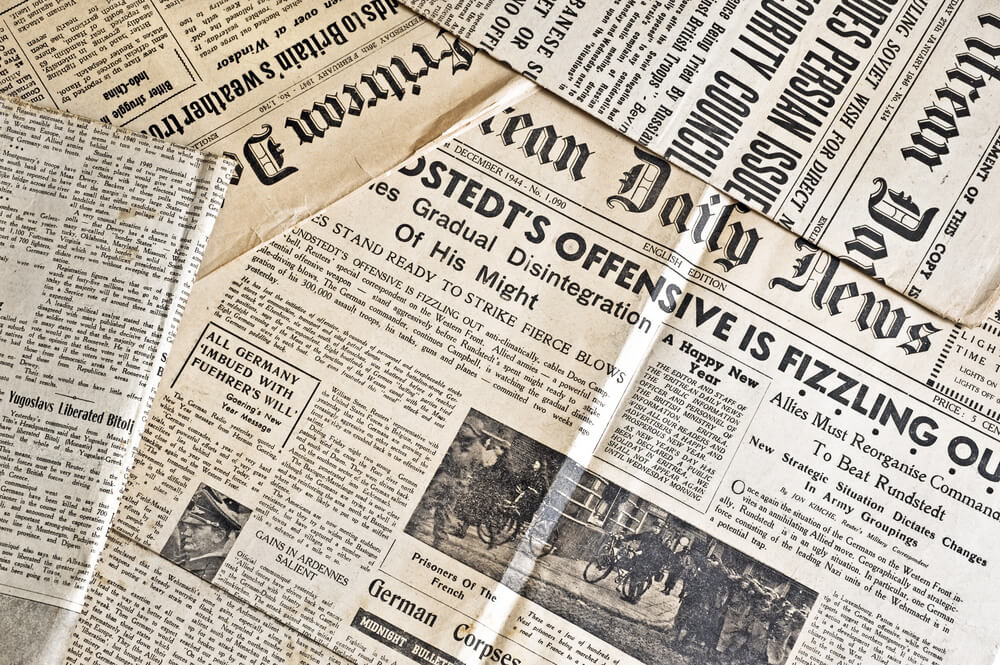
Newspapers covering the Three Mile Island nuclear accident near Harrisburg, Pennsylvania in 1979 published conflicting and often terrifying reports. Some papers claimed a catastrophic meltdown was imminent.
Others reported radiation was already spreading to nearby towns. The regulatory chaos in news coverage created panic that was sometimes worse than the actual danger, and the inaccurate reports damaged public trust in both authorities and media.
JFK Assassination Initial Reports
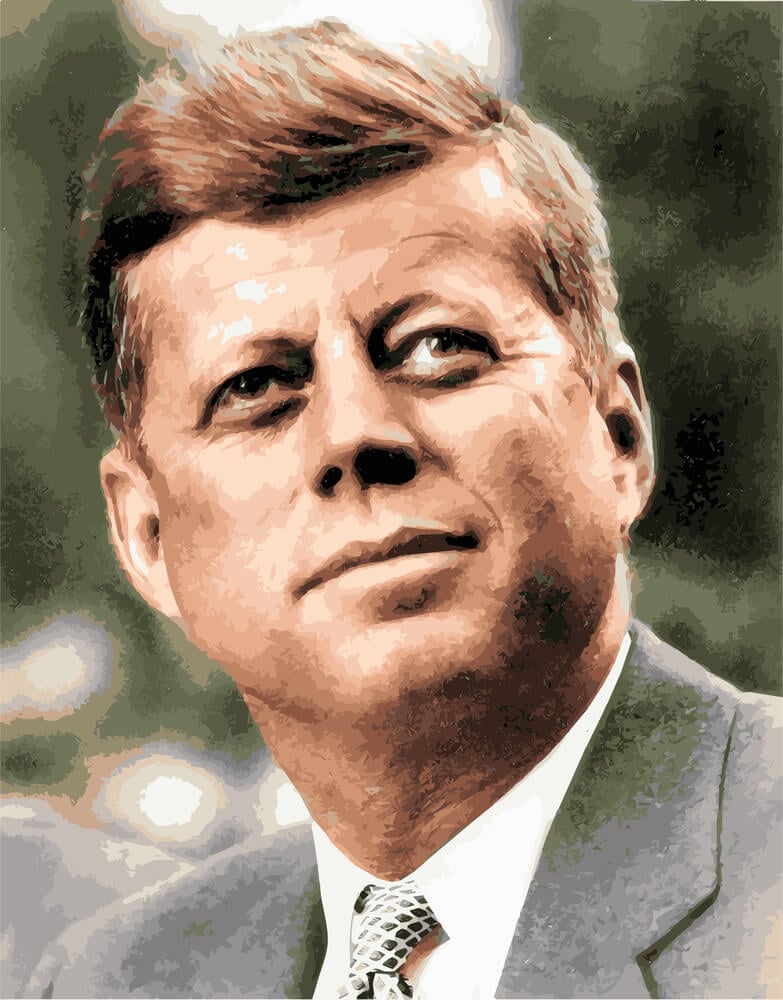
In the minutes and hours after President Kennedy was assassinated on November 22, 1963, newspapers and wire services published a flurry of contradictory reports. Some initially reported that Kennedy was still alive, others that he was wounded, and confusion about the number of shooters persisted in early headlines.
As the story developed, the initial confusion was gradually replaced by agreed-upon facts, but the early incorrect reports had already circulated widely.
Salem Witch Trials Newspaper Coverage
During the Salem witch trials in 1692, official records and written accounts reported accusations as if they were facts, with little attempt at verification. Newspapers as regular publications did not yet exist in America; the first sustained newspaper (Boston News-Letter) did not launch until 1704, twelve years after Salem.
People were convicted and executed based on rumors, spite, and superstition, all reported as though they were established truth. The failure of the press to verify claims during this period contributed to one of America’s greatest injustices.
Eleanor Roosevelt “Betrays” FDR, Multiple Misquotes
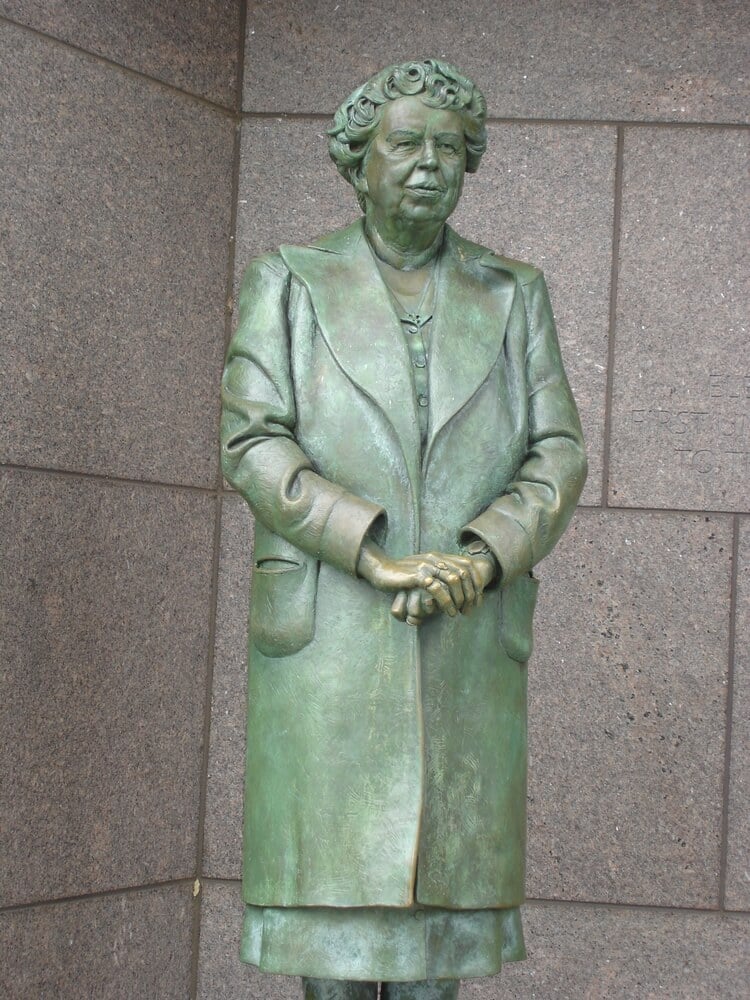
Newspapers frequently misquoted Eleanor Roosevelt or reported her statements out of context in ways that made her sound more radical than she was. Sensationalist headlines attributed to her statements she had never made, and she had to issue frequent corrections.
The accumulation of errors meant that her actual positions were often overshadowed by the false versions in print.
Joe McCarthy’s Communist Lists, Inflated Numbers

Newspapers initially accepted Senator Joe McCarthy’s claims about communist infiltration at face value, reporting his allegations as though they were facts. When McCarthy claimed to have a list of 205 communists in the State Department, newspapers published the claim prominently.
Later investigation showed the numbers were fabricated and the accusations were baseless, but the damage had been done.
Challenger Space Shuttle, Unusual Activities Downplayed

Newspapers covering the Space Shuttle Challenger program reported that unusual activities and concerns among engineers were minor technical issues. Journalists failed to adequately convey the severity of warnings from engineers about the O-ring problem.
When the Challenger exploded on January 28, 1986, killing seven astronauts, the failure of media to investigate and report on the engineering concerns adequately was evident in retrospect.
Trump University Settlement News
Multiple newspapers initially reported incorrect information about the Trump University settlement before full details had been verified. Some papers got the settlement amount wrong, others misrepresented the terms, and it took multiple corrections to establish the accurate facts.
Hurricane Predictions and Wind Speed Errors
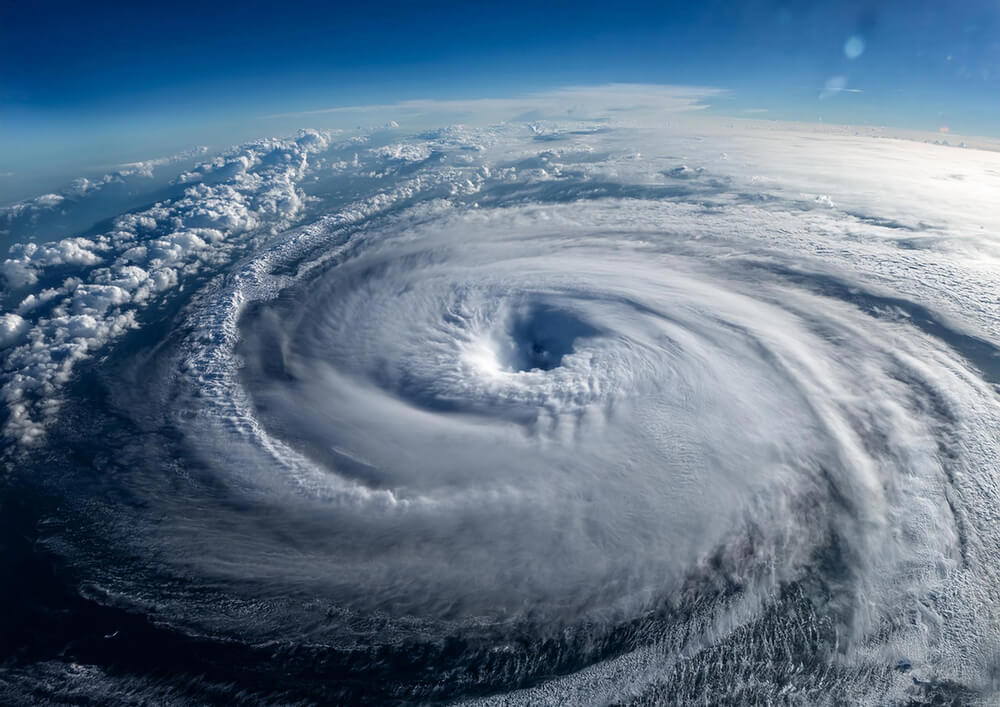
Throughout the history of weather reporting, newspapers have regularly published incorrect hurricane wind speeds or made incorrect predictions about storm paths. The premature declaration that a hurricane had passed while it still threatened an area led to people remaining unprepared for the actual danger.
Stock Tips and Misleading Financial Coverage
Business sections of newspapers regularly published stock recommendations that proved disastrous for readers who followed them. In some cases, journalists failed to disclose conflicts of interest or failed to verify the claims of financial analysts they quoted.
Crime Confessions Coerced and Unreliable
Newspapers published confessions to crimes as though they were established facts, without adequate investigation into whether the confessions were coerced or false. Innocent people were convicted and imprisoned based partly on newspaper reports that assumed guilt before trial.
Cold War Threat Overestimated, False Military Gaps
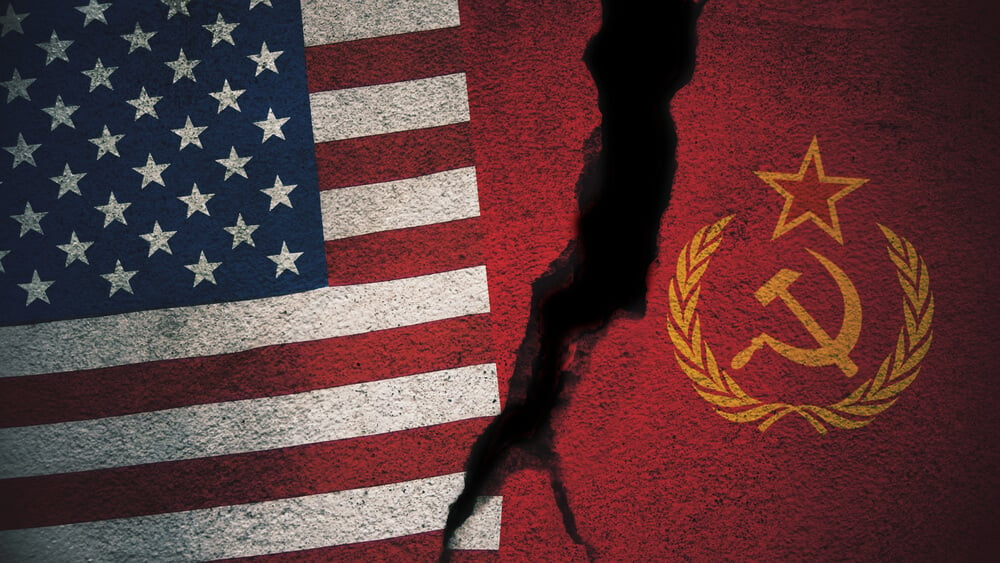
During the Cold War, American newspapers reported inflated estimates of Soviet military capability, the “missile gap,” and other supposed threats. These exaggerated reports influenced public opinion and policy decisions, and later investigation showed many of the reports were based on unreliable intelligence.
Medical Breakthroughs That Never Came

Newspapers frequently reported medical discoveries and breakthroughs that turned out to be false or irreproducible. A supposed cure for cancer or Alzheimer’s disease would be reported prominently on the front page, only to be quietly debunked months later when the research didn’t hold up.
Patients and families who had seen the headlines experienced real harm from false hope.
Lessons From the Wreckage
These 30 front pages remind us that journalism, no matter how well intentioned, operates under extreme constraints. Deadlines, incomplete information, human bias, and commercial pressure all work against accuracy.
The newspaper that got the story wrong was often doing the best it could with the information available, yet the errors still mattered. They shaped how people understood events, who they blamed, what they feared.
The press corrects itself over time, but corrections happen in small print after the damage has been done.
More from Go2Tutors!

- The Romanov Crown Jewels and Their Tragic Fate
- 13 Historical Mysteries That Science Still Can’t Solve
- Famous Hoaxes That Fooled the World for Years
- 15 Child Stars with Tragic Adult Lives
- 16 Famous Jewelry Pieces in History
Like Go2Tutors’s content? Follow us on MSN.



