30 Moments Broadcast Live on Radio That Stopped the Nation
Radio didn’t just carry entertainment and news—it carried the weight of historical moments when they occurred, transmitted directly into living rooms across America. These broadcasts became the shared experience of a nation, moments when people remember exactly where they were sitting, who was nearby, and what the radio announcer was saying when the world shifted on its axis.
The War of the Worlds Invasion Hoax
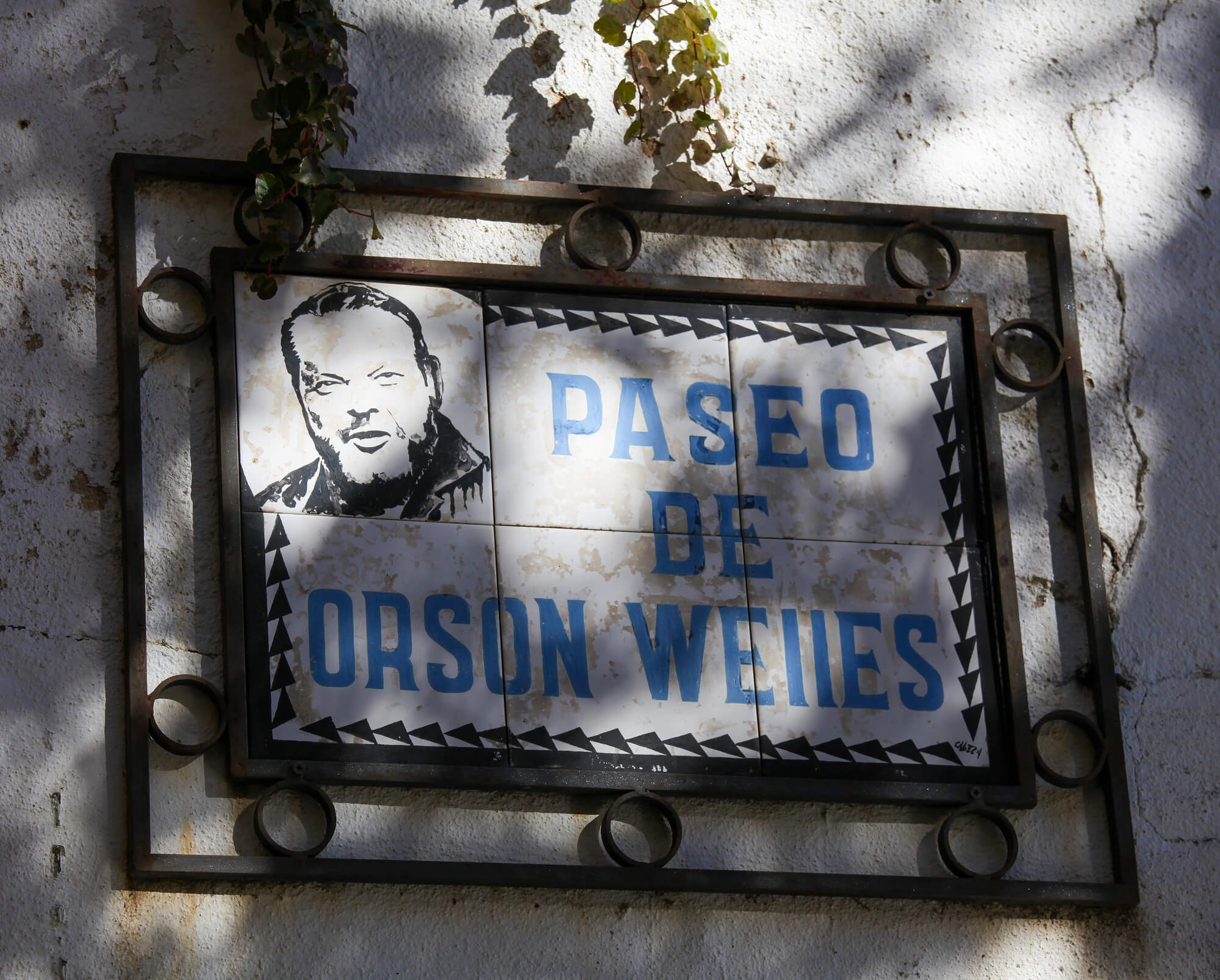
On October 30, 1938, Orson Welles directed a radio dramatization of H.G. Wells’ science fiction novel, formatted as breaking news bulletins about Martians invading New Jersey. Though announcements declared it fictional, listeners tuning in late heard only the panic-stricken reporting of an alien invasion, complete with sound effects and authentic-sounding field reporters.
Thousands called police and radio stations asking for evacuation instructions, and the following day newspapers reported on the mass confusion that had gripped the nation—though historians debate whether the panic was as widespread as media accounts suggested.
Charles Lindbergh’s Transatlantic Flight
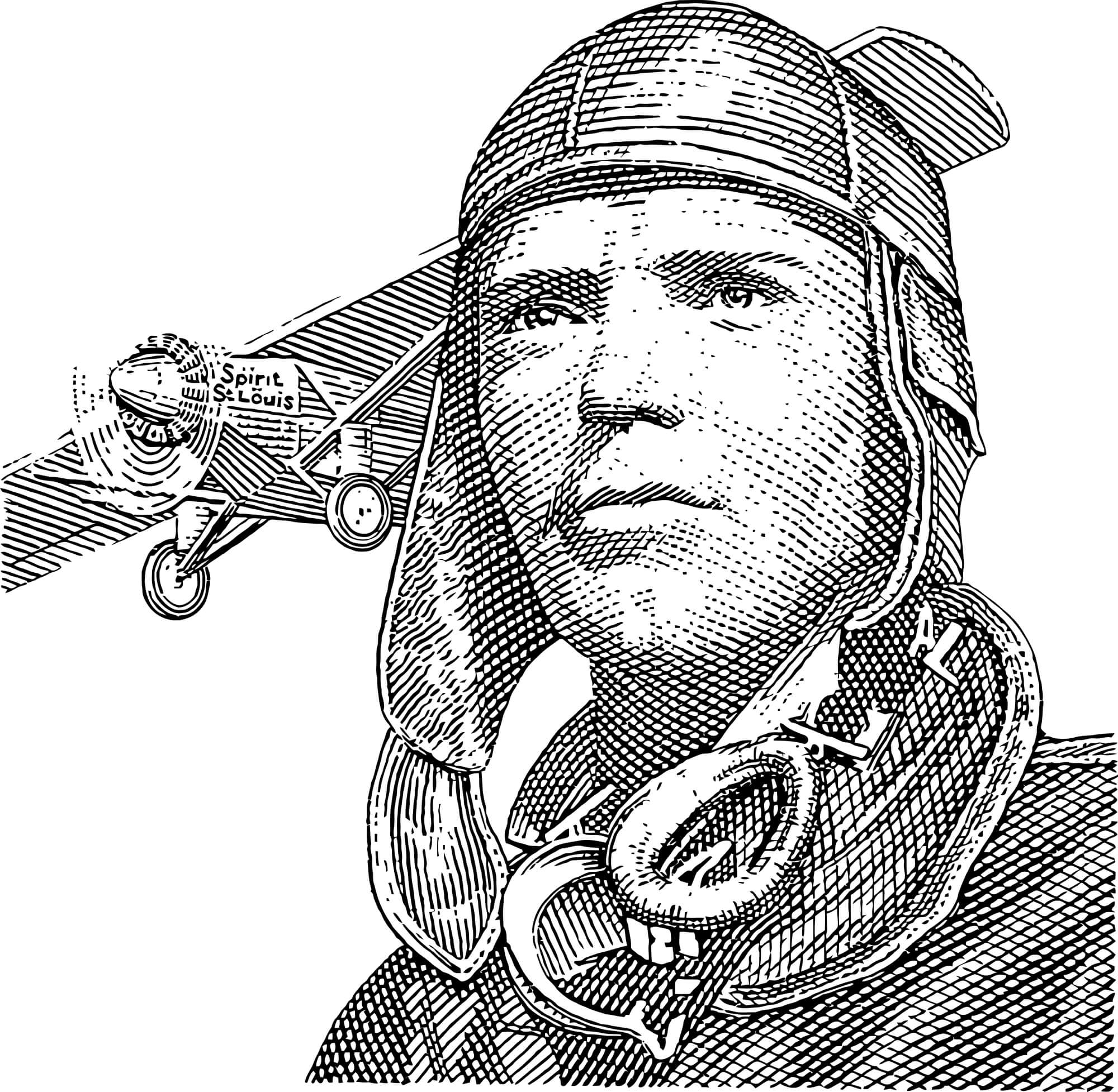
When Charles Lindbergh completed the first solo nonstop flight across the Atlantic on May 20-21, 1927, radio carried the news as it unfolded. The achievement captured global attention, with millions gathering around radios to hear updates on the Spirit of St. Louis reaching Paris.
Lindbergh’s flight represented not just aviation triumph but human possibility itself, and radio delivered that exhilaration directly to listeners who could follow his progress in near real-time.
The Lindbergh Kidnapping Coverage

On March 1, 1932, the kidnapping of Charles Lindbergh’s infant son became national radio drama as coverage unfolded across days and weeks. NBC and CBS broadcast live updates and competing theories about the crime as it developed, making it one of radio’s first ongoing news stories to dominate national conversation.
The case’s resolution through the capture and trial of the suspect remained tied to radio bulletins that kept Americans following the narrative together.
President Franklin D. Roosevelt’s First Fireside Chat
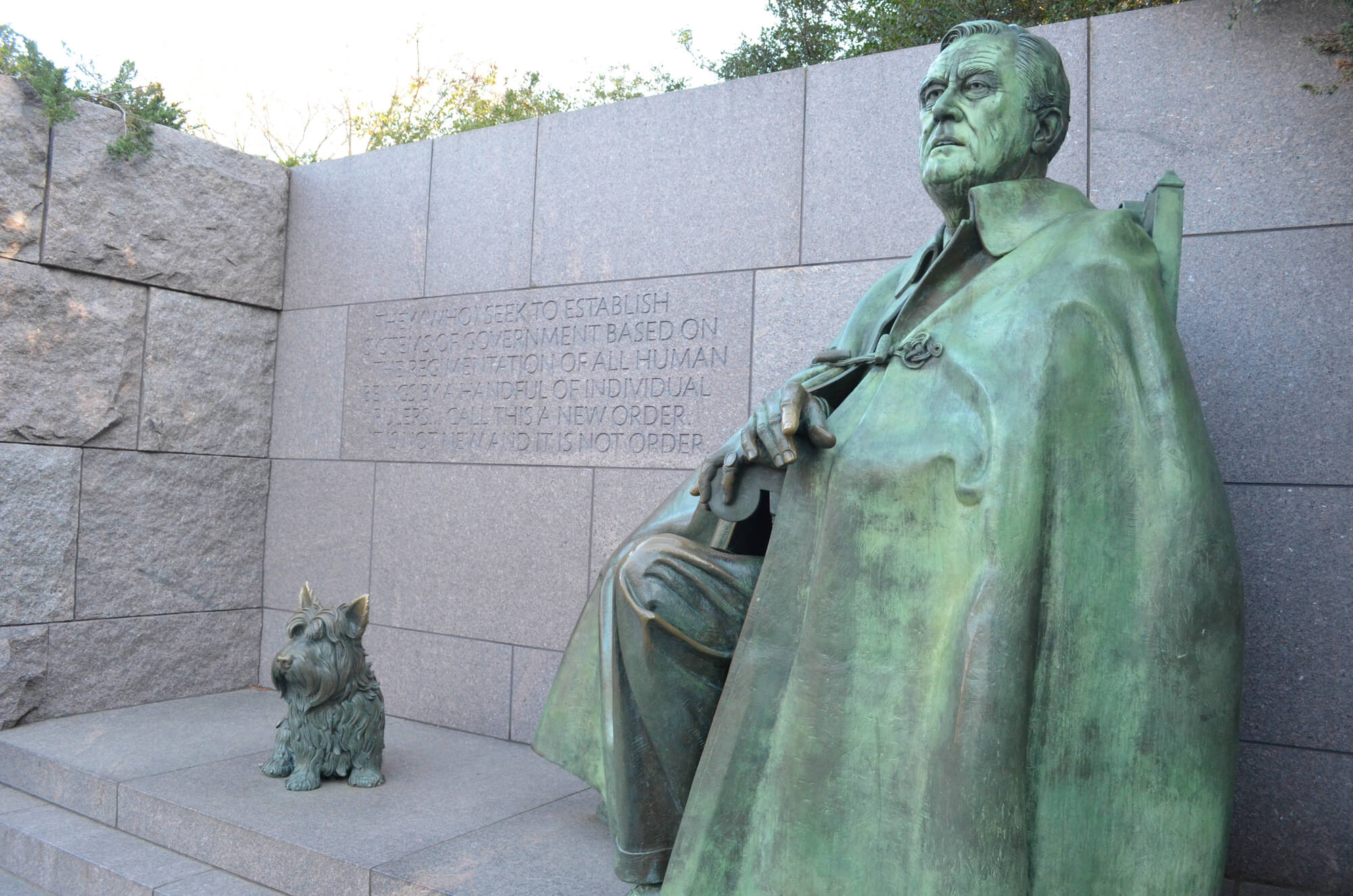
On March 12, 1933, during the banking crisis of the Great Depression, President Franklin D. Roosevelt delivered his first fireside chat—a radio address meant to sound like an intimate conversation from beside a fireplace. Roosevelt spoke in simple language about complex financial problems, and Americans credited his words with restoring confidence in the banking system.
The term “fireside chat” became synonymous with presidential communication, establishing radio as the medium through which leaders spoke directly to citizens.
The Joe Louis Versus Max Schmeling Fight

On June 22, 1938, an estimated seventy million people listened to NBC radio announcer Clem McCarthy deliver blow-by-blow coverage of the heavyweight boxing rematch between American Joe Louis and German Max Schmeling. The fight lasted just two minutes and four seconds, with Louis delivering a decisive knockout, and the broadcast became one of radio’s largest single audiences in history.
The politically charged event—held against the backdrop of rising Nazi Germany—transformed a sporting event into a moment of national significance.
Pearl Harbor Attack Announcement
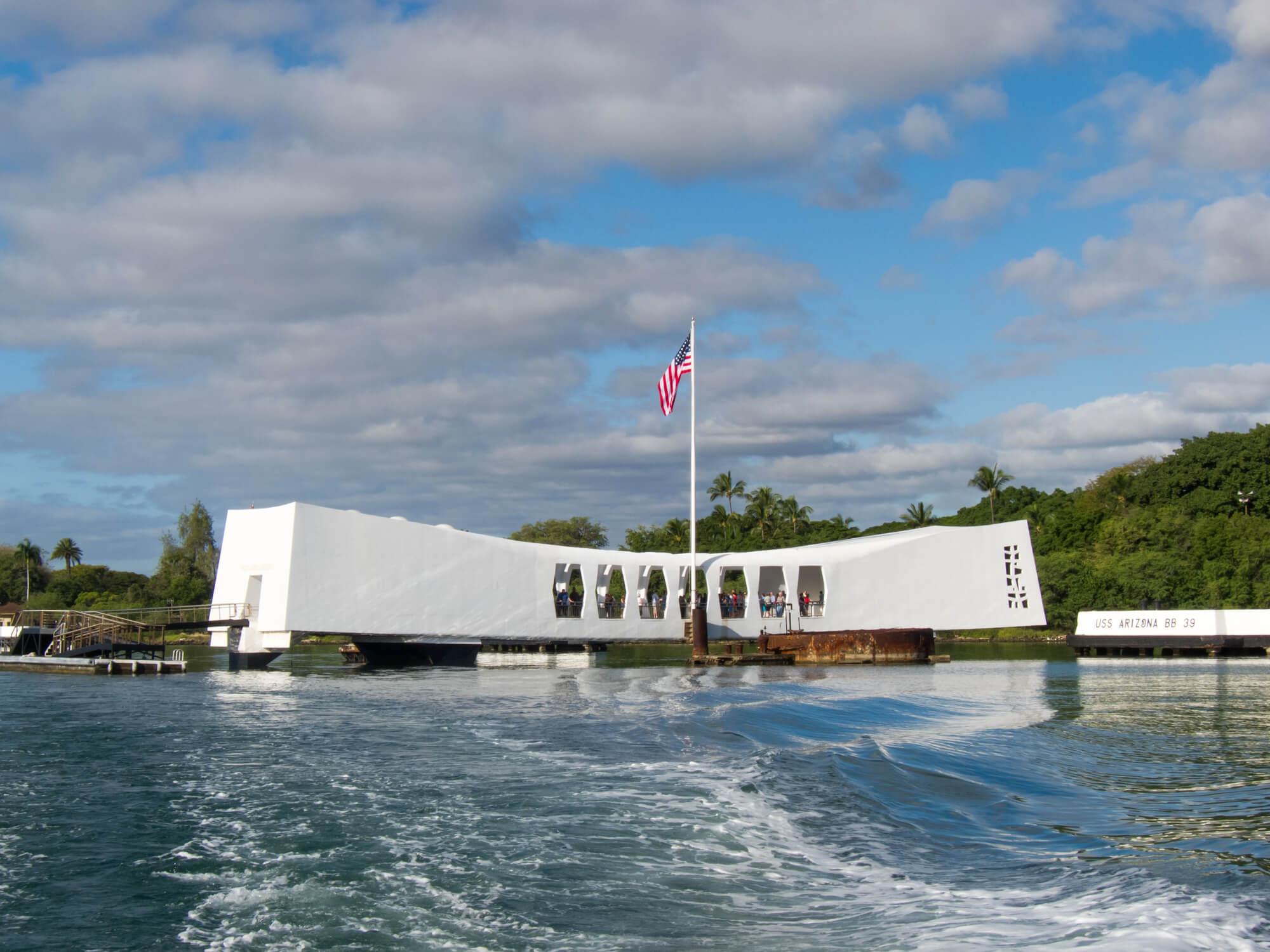
On December 7, 1941, radio stations interrupted regular programming with news of the Japanese attack on Pearl Harbor. The announcement that American military installations had been bombed shocked the nation, and millions gathered around radios to hear developing reports of the casualties and destruction.
The attack represented radio’s power to carry catastrophic news simultaneously to the entire nation, uniting Americans in a moment of crisis.
FDR’s Fireside Chat After Pearl Harbor
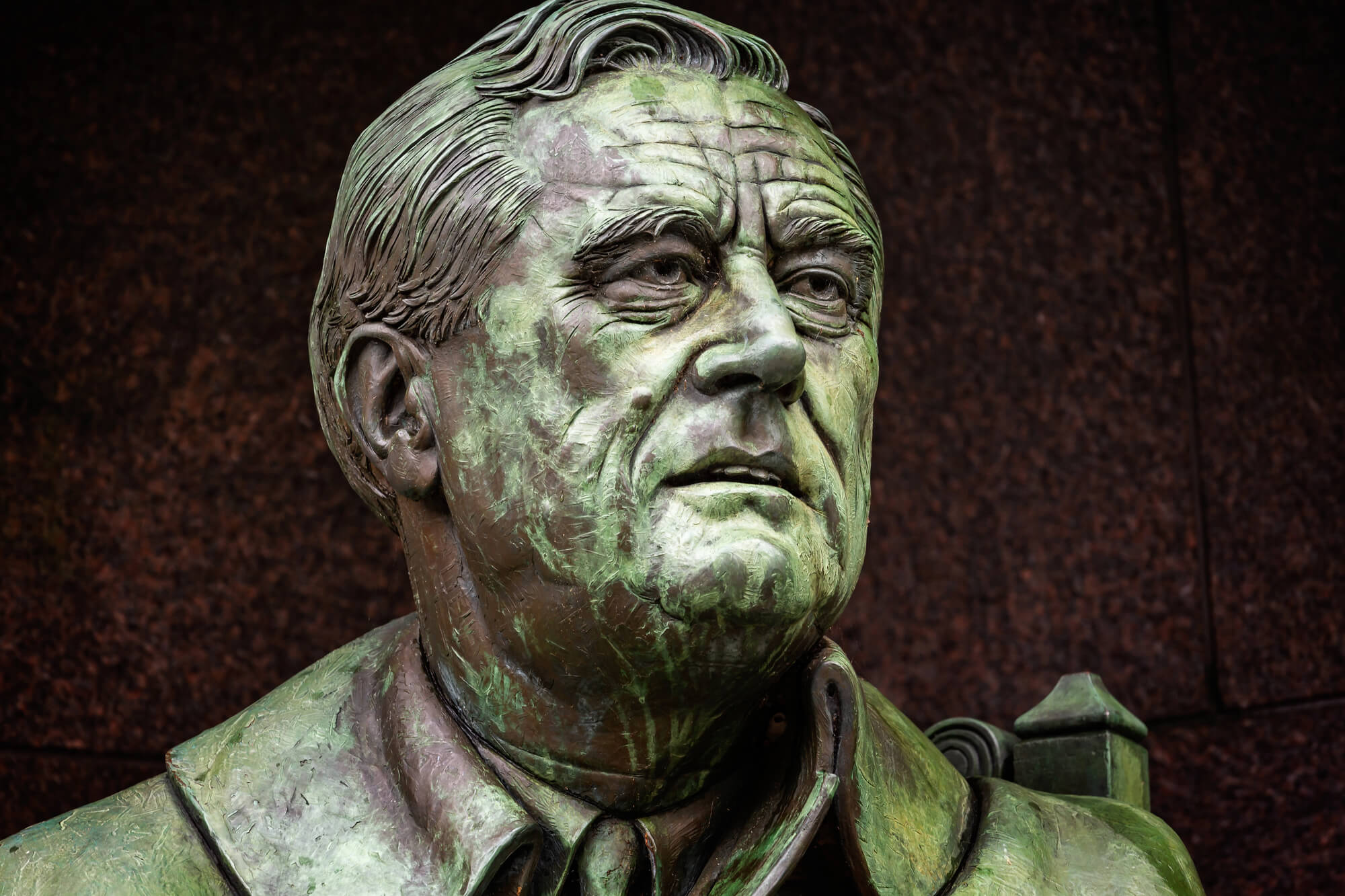
Two days after the Pearl Harbor attack, on December 9, 1941, President Franklin D. Roosevelt delivered a fireside chat informing Americans that they were officially at war. Roosevelt spoke at a deliberately slower tempo than usual, weighing each word, and his tone shifted from the reassurance of earlier chats to the gravity of wartime leadership.
The broadcast marked a turning point in how radio would serve the nation during the next four years of global conflict.
D-Day Invasion Reports
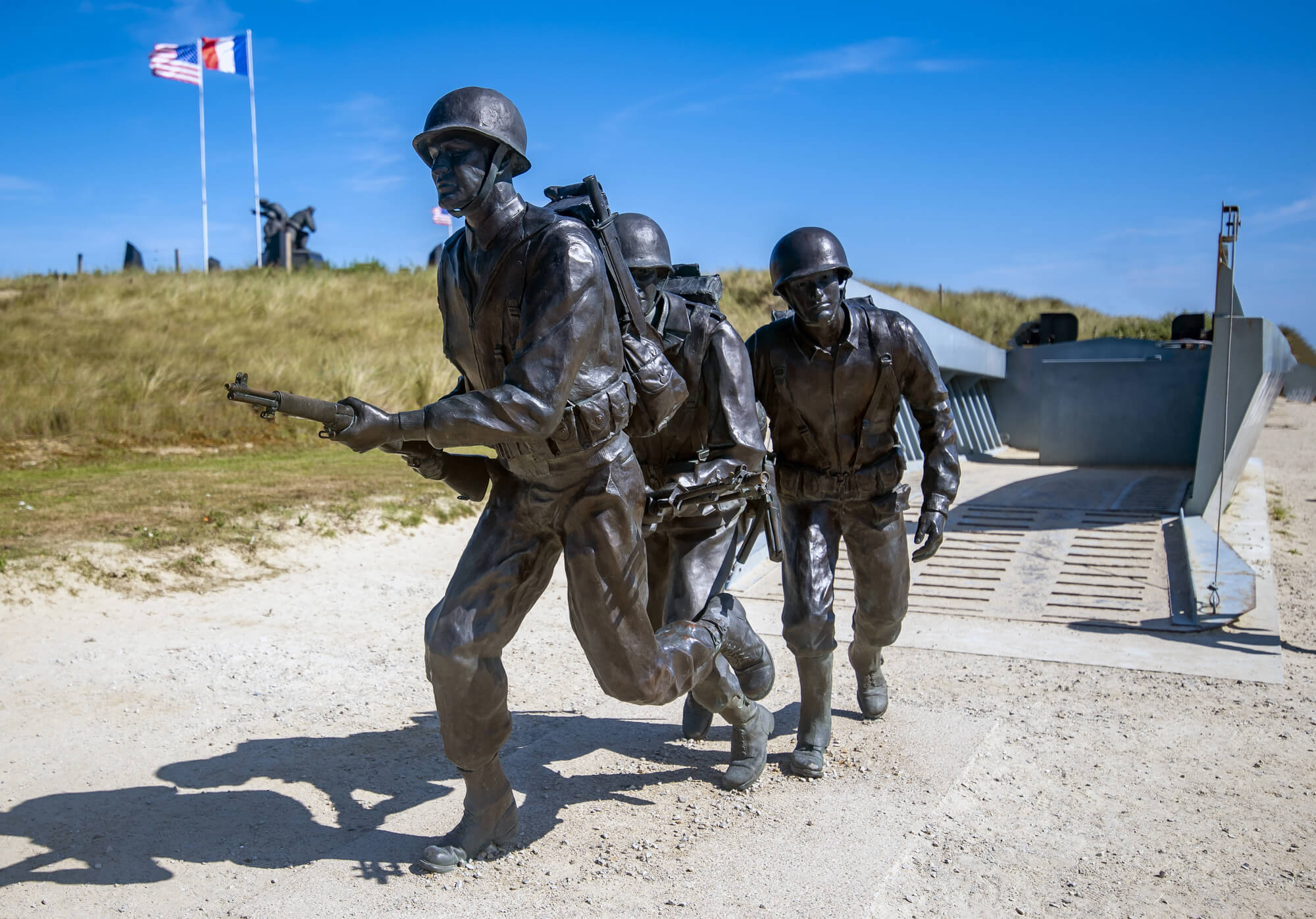
On June 6, 1944, radio networks broadcast reports of the Allied invasion of Normandy as it unfolded. Correspondents reporting from England described waves of soldiers crossing the Channel, and civilians listening at home followed the military operation in real time, aware that they were witnessing a pivotal moment in World War II.
Radio coverage of D-Day demonstrated the medium’s ability to make distant military operations feel immediate and present.
VE Day Announcement

When Germany surrendered on May 7, 1945, radio carried the news to Americans who had followed every development of World War II through broadcasts. The announcement of victory in Europe sparked celebrations in cities across the country, with crowds gathering in streets and public squares.
Radio had become so central to the national experience of the war that its proclamation of victory felt like a shared national homecoming.
VJ Day and the End of World War II
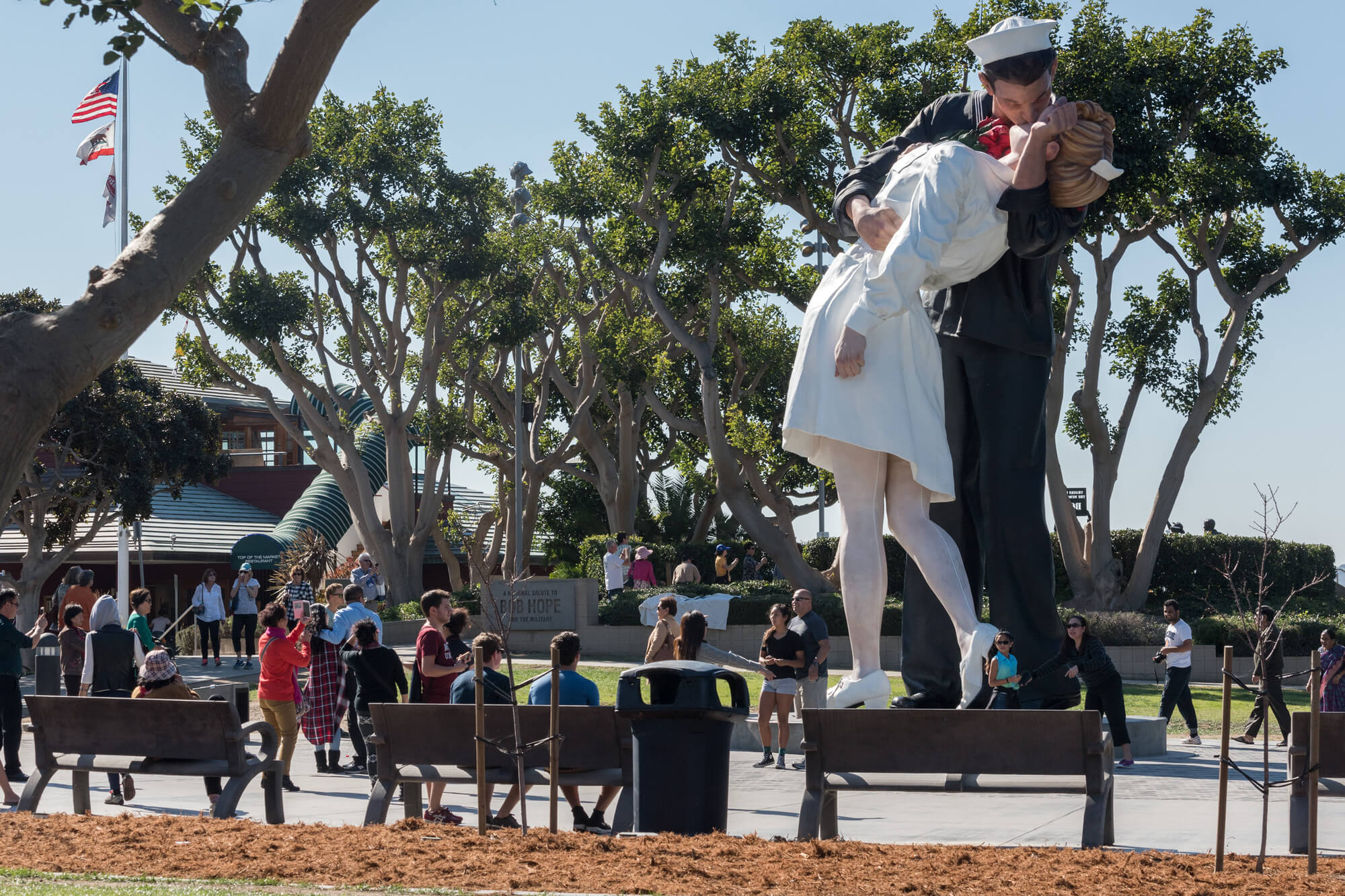
On August 15, 1945, radio announced Japan’s surrender, marking the end of World War II. The broadcast sparked spontaneous celebrations, with thousands gathering in Times Square and other cities to mark the moment they heard on radio that the war was finally over.
The news represented the culmination of four years of radio coverage that had brought combat operations into American homes.
The Announcement of the First Nuclear Bomb

On August 6, 1945, radio reported President Truman’s announcement that an atomic bomb had been dropped on Hiroshima. The broadcast introduced Americans to a weapon that would reshape geopolitics, and radio’s coverage transformed a military operation into a moment of civilizational reckoning.
Listeners grappled with the implications of nuclear weapons partly through the way radio announced and discussed the event.
The Berlin Airlift Coverage
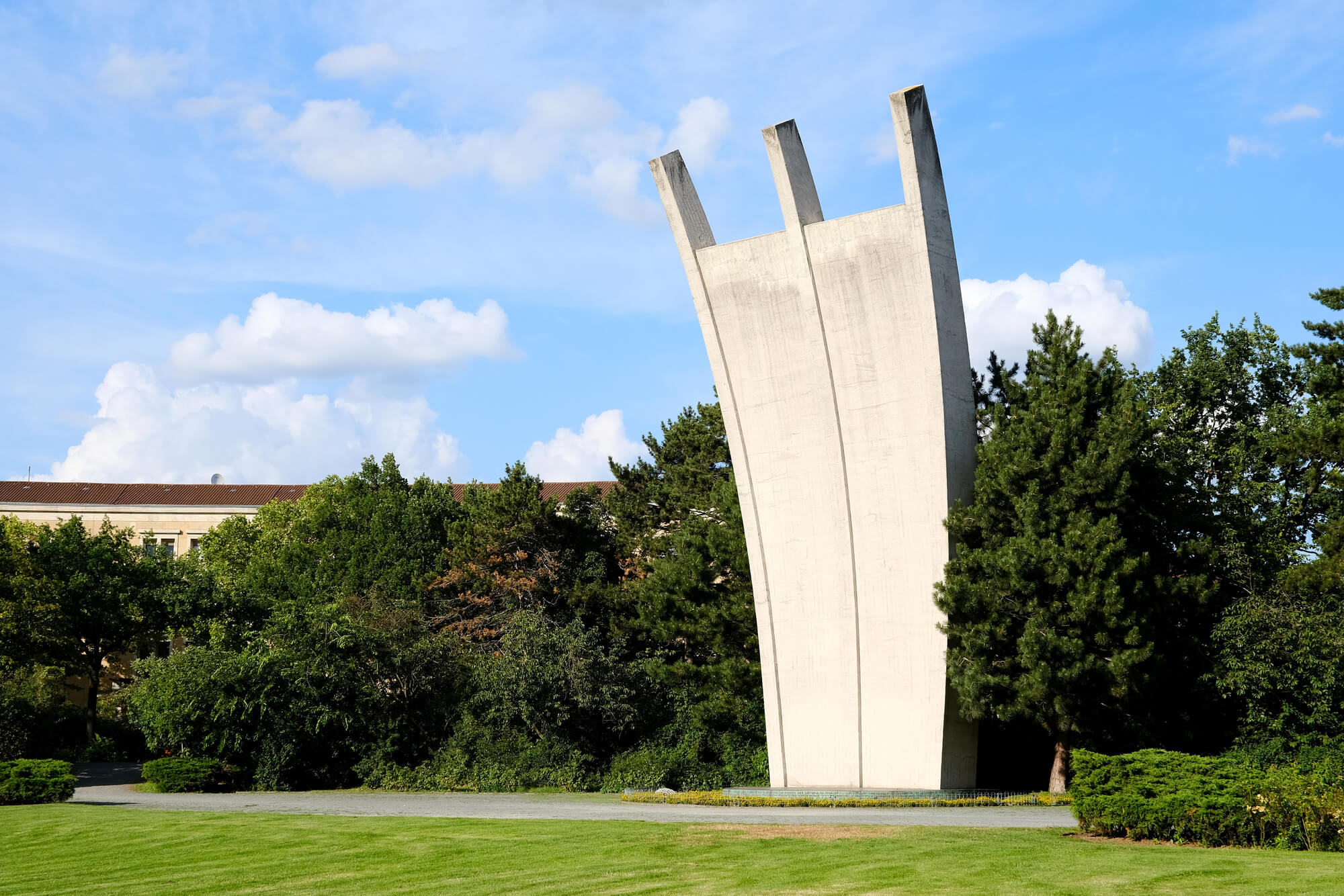
Beginning in June 1948, radio chronicled the Berlin Airlift as American and British pilots carried supplies into blockaded West Berlin. Daily reports of the ongoing operation created a compelling narrative of human effort against Soviet pressure, and radio coverage kept Americans invested in the success of pilots flying missions that sustained an entire city.
The coverage represented radio journalism at its most dramatic.
President Truman’s Upset Election Victory
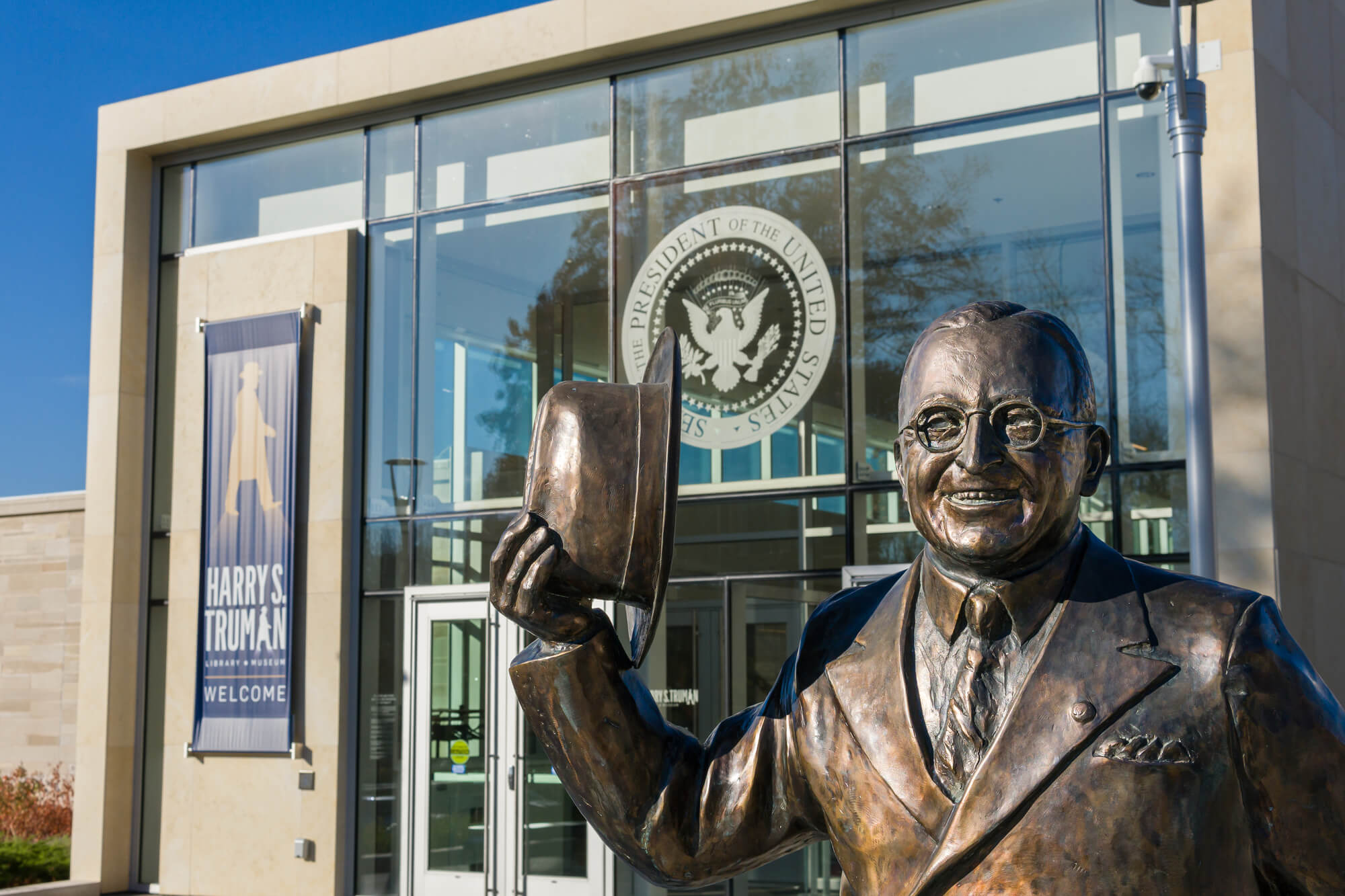
On November 2, 1948, radio broadcasters delivered the surprising news that Harry Truman had defeated Thomas Dewey in the presidential election, defying predictions and polls. Radio commentary on the election results continued through the night as the outcome became clear, and listeners experienced the shock of an unexpected political upset as it developed.
The election night coverage demonstrated radio’s role in making political outcomes feel like shared national drama.
The Korean War Begins
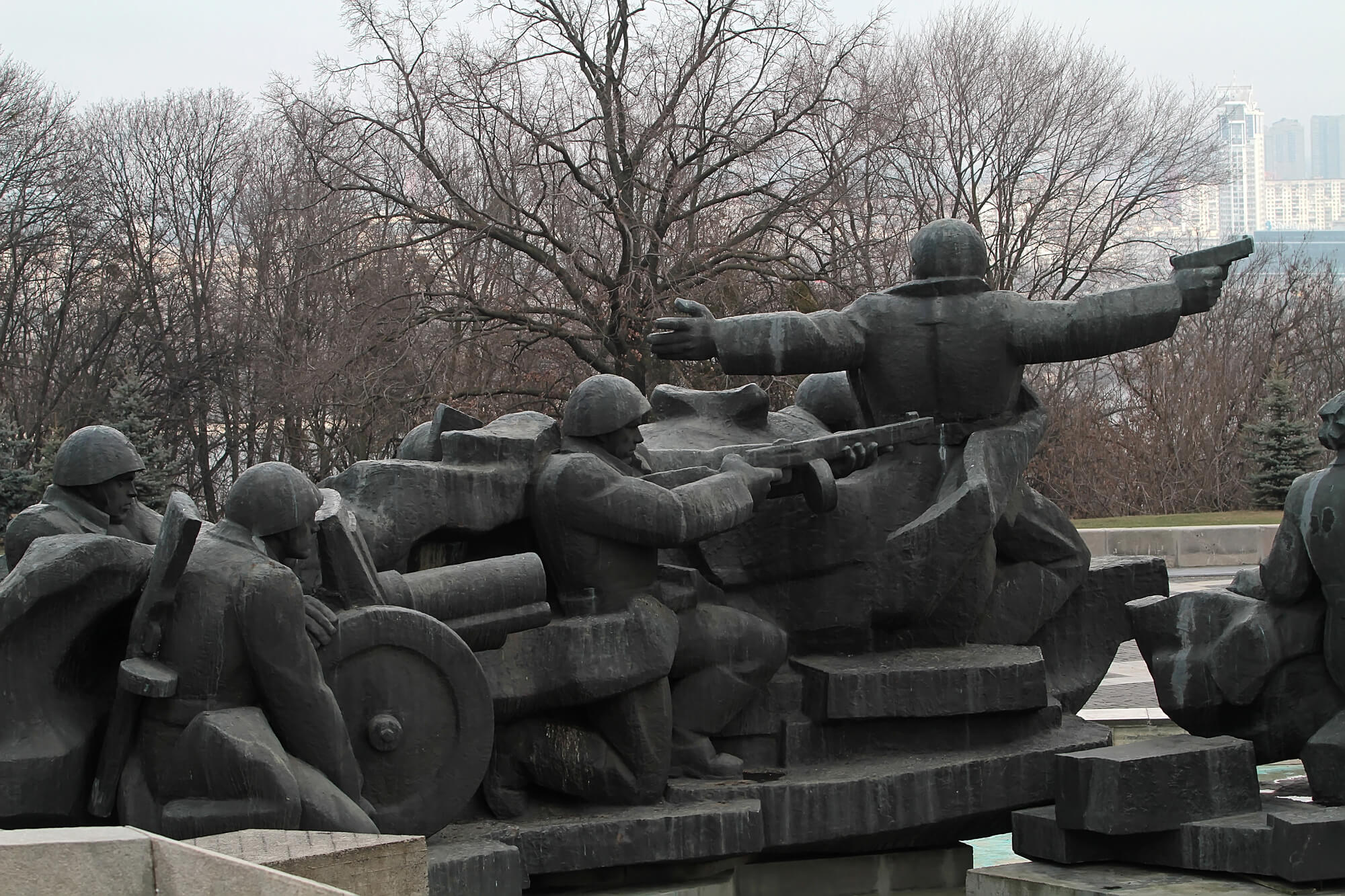
On June 25, 1950, radio reported North Korea’s invasion of South Korea, delivering news that would launch America into another military conflict. Radio coverage of the war’s opening days shaped American understanding of this new Cold War struggle, with broadcasts bringing combat reports from Korea into homes across the nation.
The coverage established patterns for Cold War-era reporting that would shape radio journalism for decades.
The Army-McCarthy Hearings

Beginning in 1954, radio covered the Senate hearings investigating Senator Joseph McCarthy’s accusations against the Army, as the senator’s influence began to wane. Radio broadcasts of testimony and argument allowed Americans to follow the dramatic confrontations between McCarthy and Army counsel Joseph Welch, with radio transcripts of the hearings becoming widely circulated.
The coverage played a role in shifting public opinion against McCarthy.
Rosa Parks’ Arrest and the Montgomery Bus Boycott
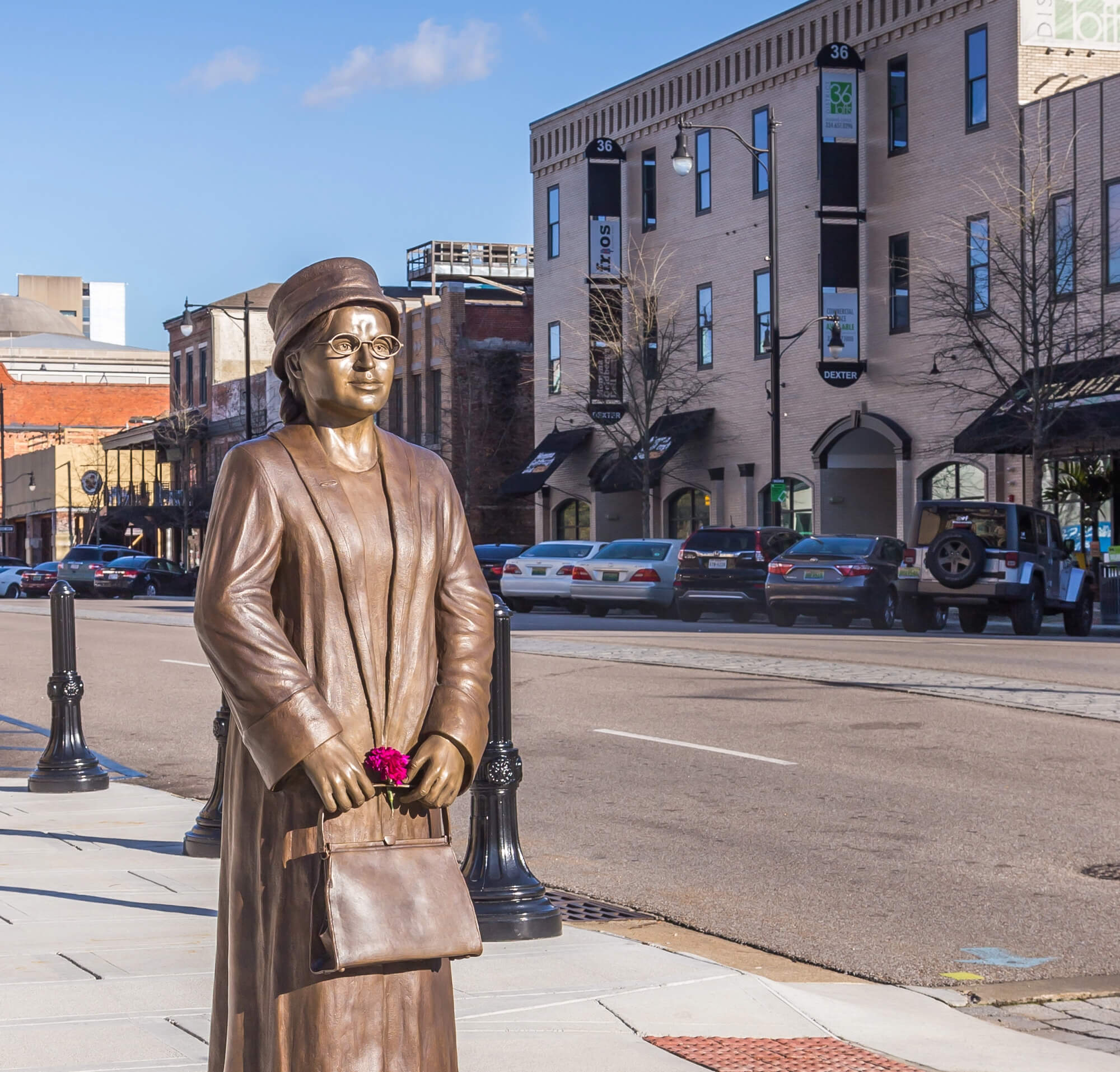
On December 1, 1955, when Rosa Parks refused to give up her seat on a Montgomery bus, radio reported the arrest that would spark the civil rights movement’s most consequential early action. Radio coverage of the Montgomery Bus Boycott that followed kept the story alive for the community and reached listeners across the nation, making local civil rights action part of a broader national conversation.
President Eisenhower’s Integration of Little Rock Central High School

On September 24, 1957, President Eisenhower announced that federal troops would enforce the integration of Little Rock Central High School, broadcasting his statement to a nation divided on civil rights. Radio coverage of the troops’ arrival and the ongoing standoff at the school brought the confrontation between state resistance and federal authority into American living rooms.
The broadcasts made integration not an abstract policy but a concrete reality unfolding in real time.
Sputnik Launch Announcement
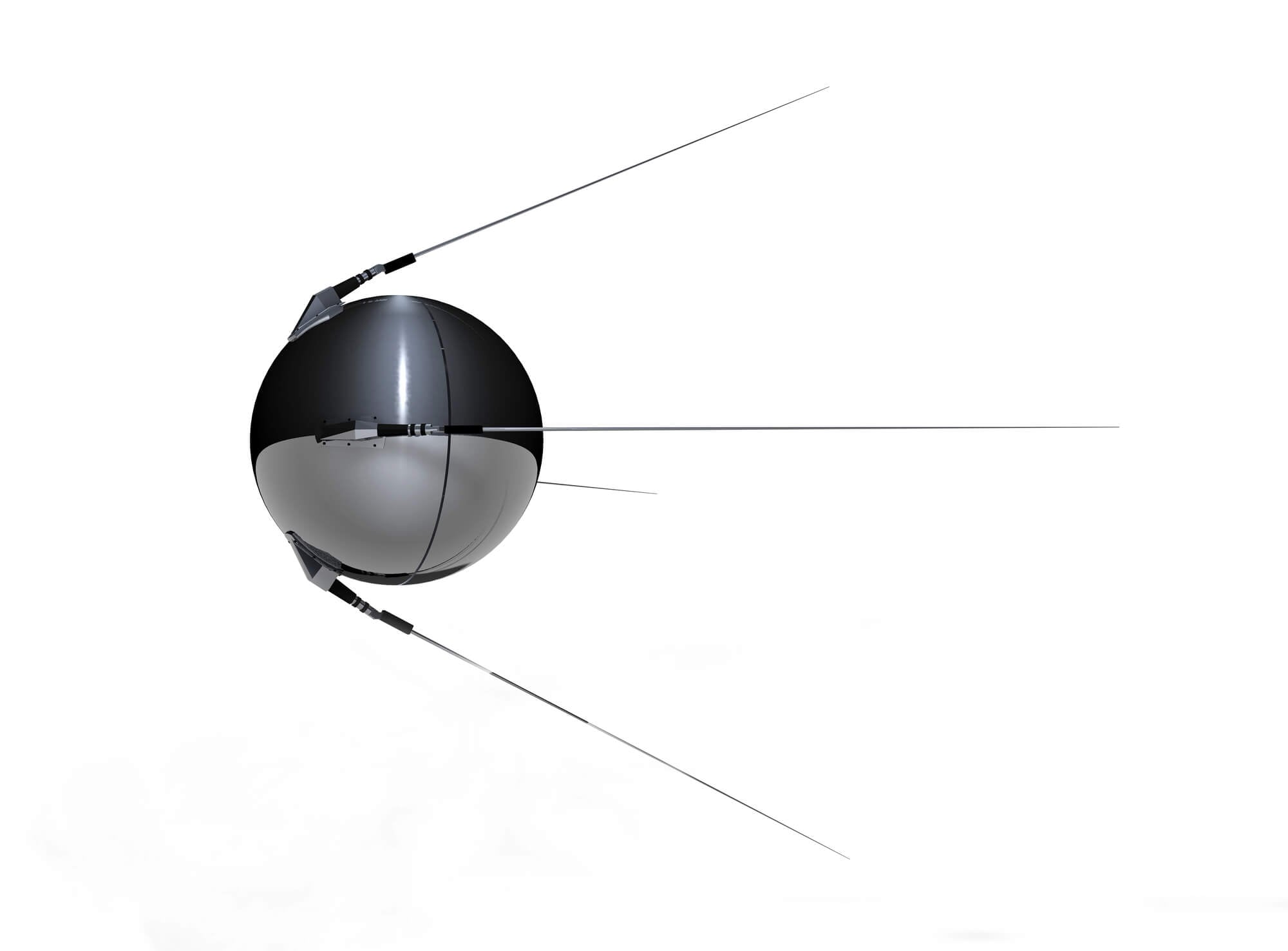
On October 4, 1957, radio carried the news that the Soviet Union had successfully launched Sputnik, the first artificial satellite into orbit. The announcement shocked Americans who believed American technological supremacy was guaranteed, and radio reports of the beeping satellite circling overhead created a sense of vulnerability and competition.
The coverage launched the space race as radio brought cosmic achievement and geopolitical anxiety into homes simultaneously.
Martin Luther King Jr.’s “I Have a Dream” Speech
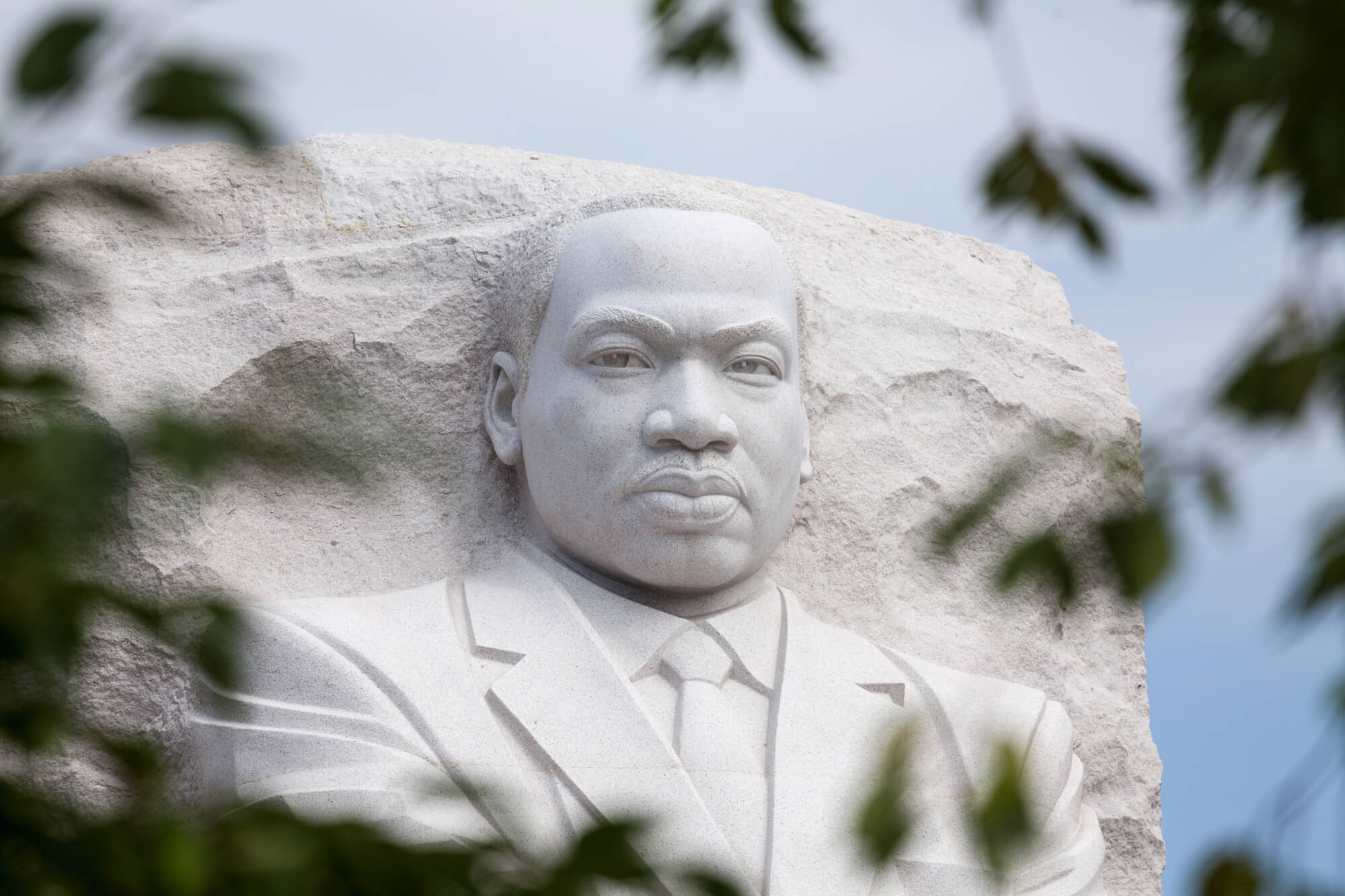
On August 28, 1963, radio broadcast Martin Luther King Jr.’s “I Have a Dream” speech from the March on Washington, delivering his vision of racial equality to a national audience. The speech reached listeners who couldn’t travel to Washington, making the civil rights movement’s moral clarity available across the country.
Radio’s transmission of King’s words helped transform the speech into a cornerstone moment of the civil rights era.
President Kennedy’s Cuban Missile Crisis Address
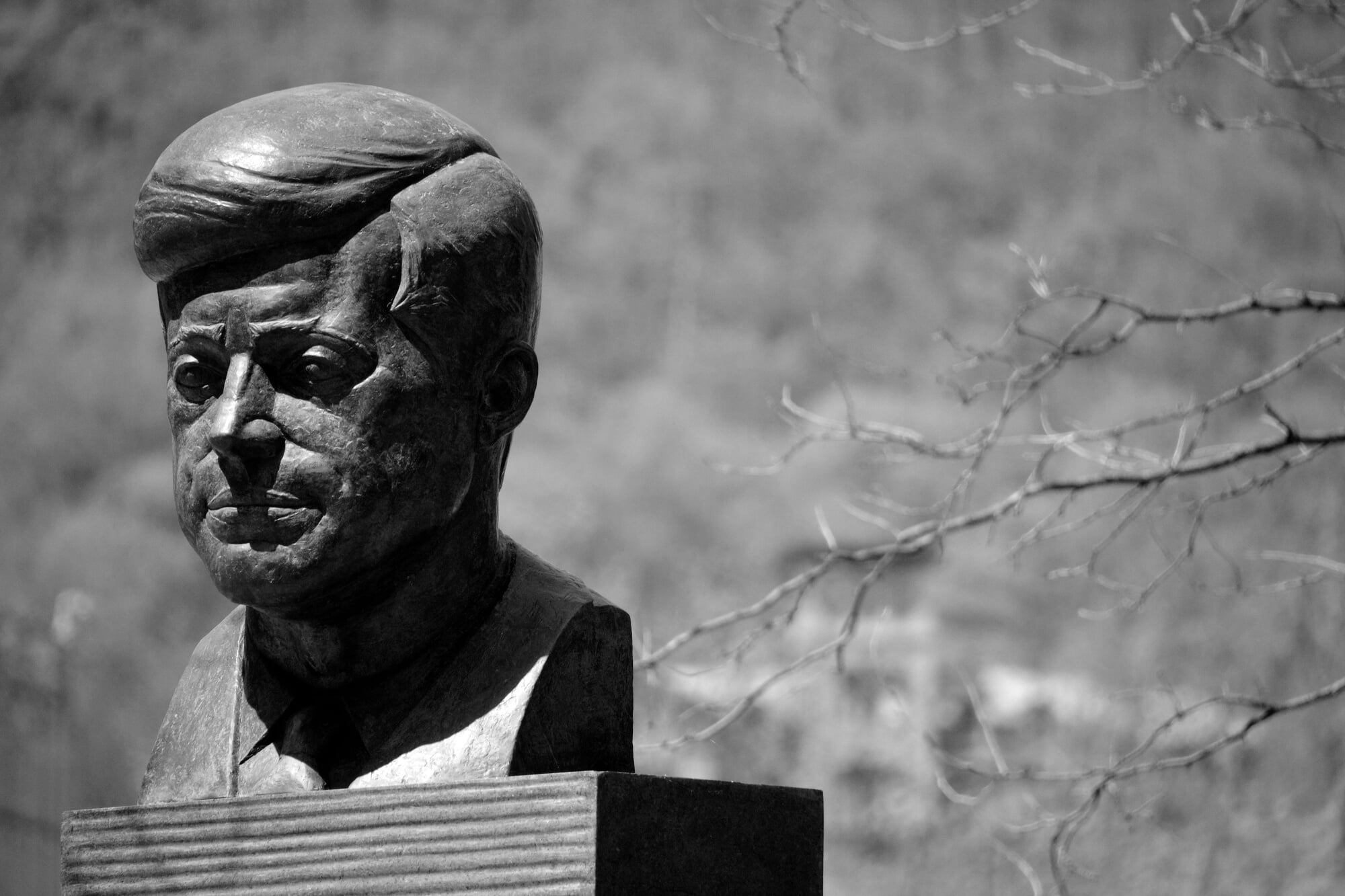
On October 22, 1962, President John F. Kennedy broadcast a televised and radioed address announcing that the Soviet Union was placing nuclear missiles in Cuba and that America would impose a naval blockade. The speech brought the nation to the brink of nuclear war, with radio listeners understanding that Soviet ships were steaming toward American naval vessels and that humanity faced potential annihilation.
For thirteen days, radio coverage of the crisis dominated all other news.
The Assassination of President John F. Kennedy
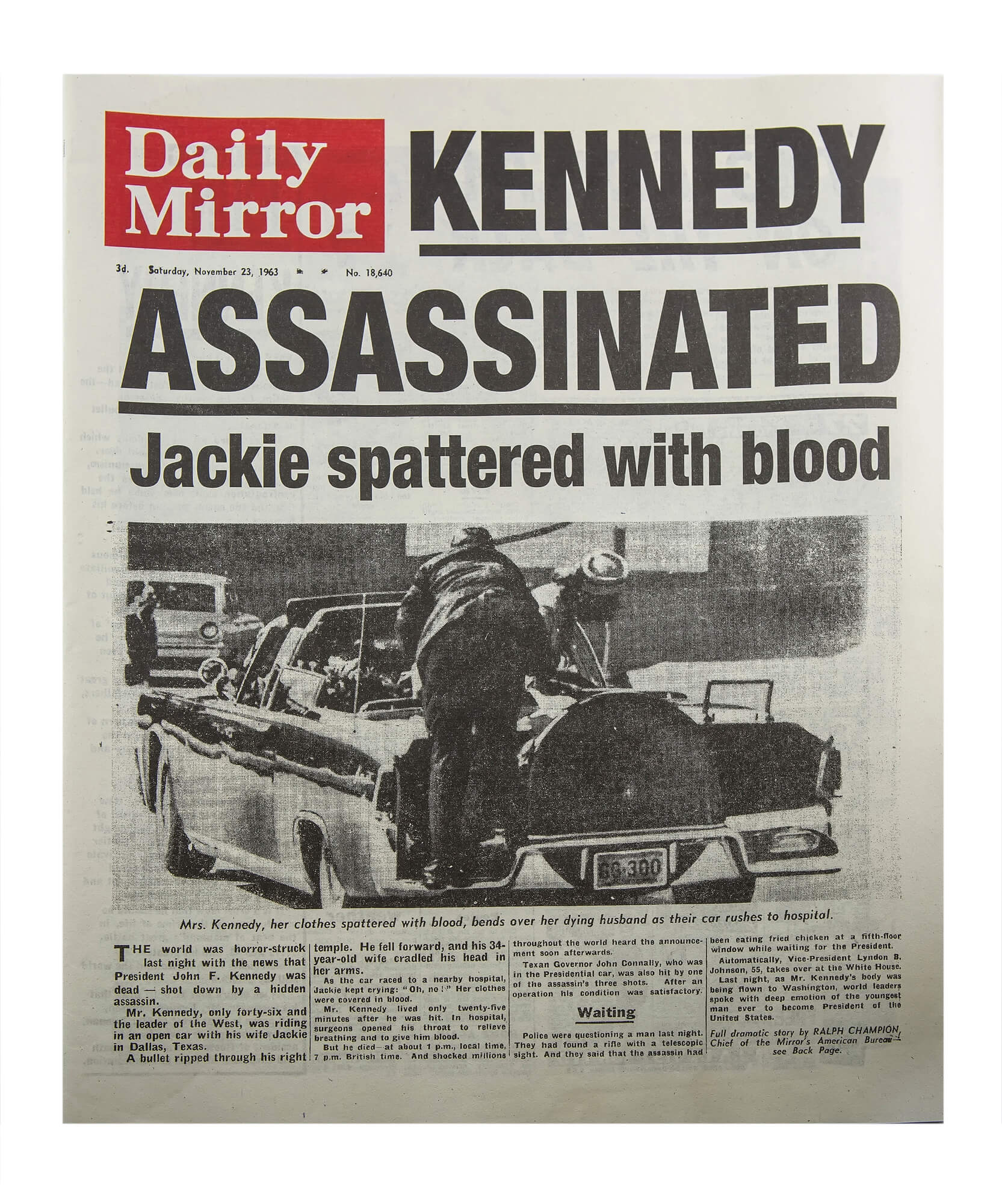
On November 22, 1963, radio announced that President Kennedy had been shot in Dallas, Texas. ABC Radio newscaster Don Gardiner interrupted Doris Day’s “Hooray for Hollywood” to deliver the breaking news, making Kennedy’s assassination one of the first national stories broadcast in real time.
For the next four days, radio carried continuous coverage of the tragedy, the arrest of Lee Harvey Oswald, Oswald’s murder by Jack Ruby, and preparations for the presidential funeral.
The Murder of Lee Harvey Oswald
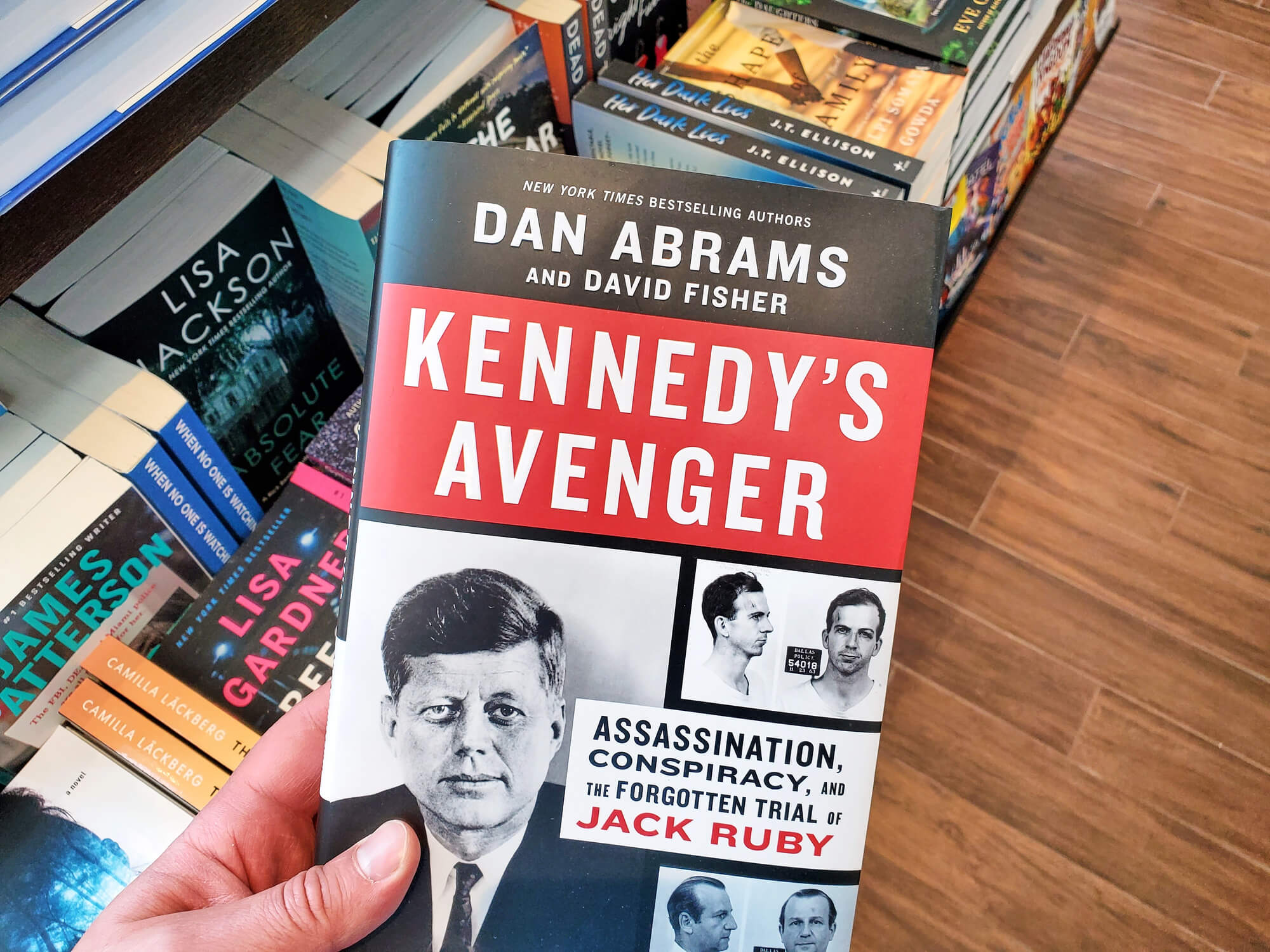
On November 24, 1963, radio broadcasters reported live as Jack Ruby killed Lee Harvey Oswald in the Dallas Police basement—a murder captured on live television and radio as it happened. The event represented a shocking culmination to the Kennedy assassination story, with Oswald killed before he could stand trial.
Radio coverage made Americans witnesses to real-time violence in ways the medium had never before accomplished.
Robert F. Kennedy’s Assassination

On June 5, 1968, radio reported that Senator Robert F. Kennedy, running for president, had been shot in Los Angeles. As Kennedy clung to life in a hospital, radio carried the continuing saga of his condition, and when he died the next day, radio broadcasters delivered the news of another Kennedy family tragedy.
The assassination added to the trauma of a turbulent political year already marked by violence and division.
The Apollo 11 Moon Landing

On July 20, 1969, radio and television carried Neil Armstrong’s voice as he descended the lunar module ladder and stepped onto the moon, speaking the words “That’s one small step for man, one giant leap for mankind.” The broadcast represented radio transmitting from 250,000 miles away, with signals taking over a second to reach Earth.
Millions listened on radio as humanity achieved space exploration’s most iconic moment, with Armstrong’s words becoming permanently fixed in the minds of everyone who heard them live.
Buzz Aldrin Walking on the Moon

Twenty minutes after Neil Armstrong, Buzz Aldrin descended the ladder and walked on the moon while radio carried his description of the lunar surface. Armstrong and Aldrin’s voices from the moon, crackling with static and technical language, made the impossible seem real to listeners who followed their every word.
The continuation of radio communication from the lunar surface kept the audience connected to the astronauts’ actions moment by moment.
The Moon Landing Mission Control Communications
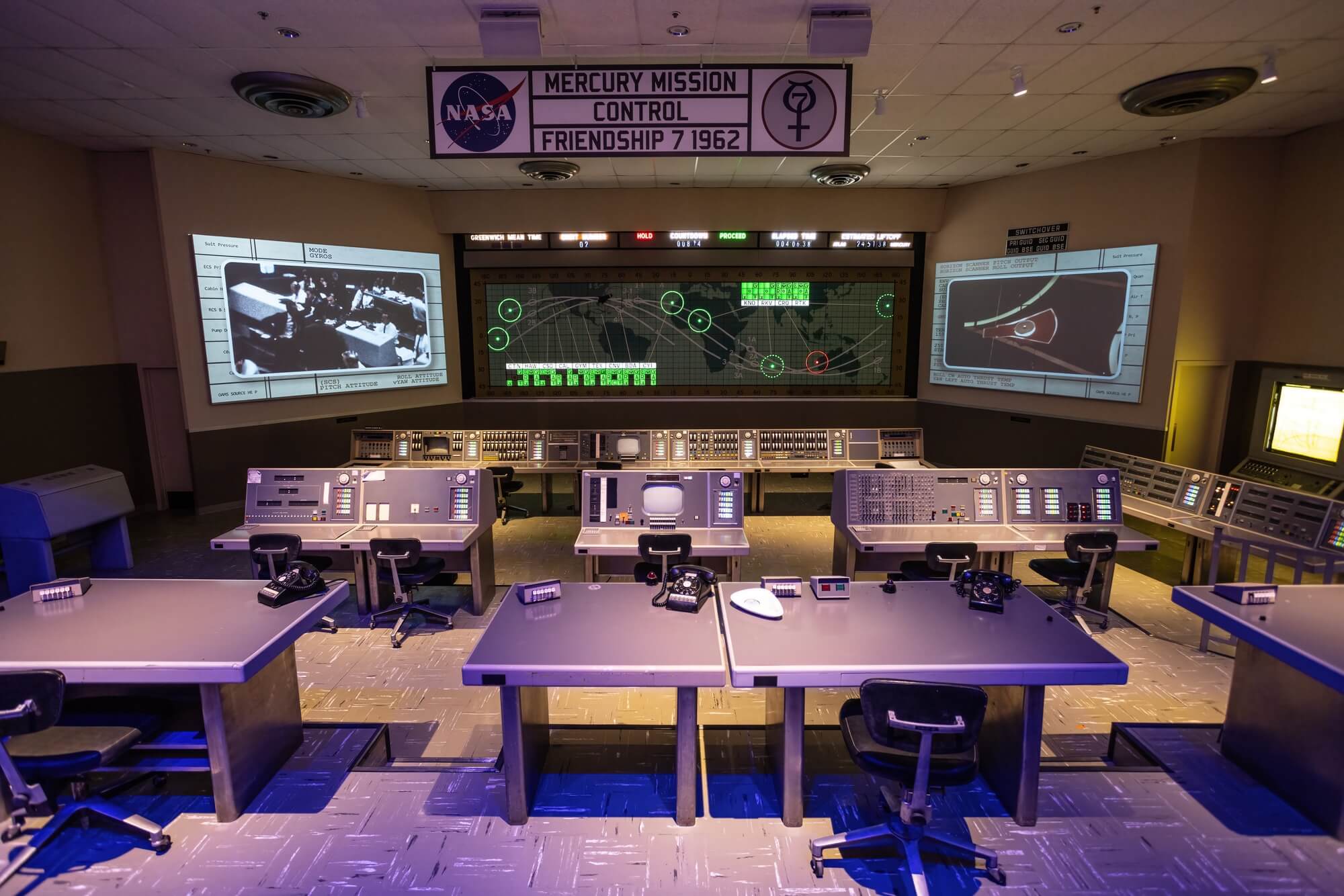
Throughout the Apollo 11 mission, radio broadcasters captured the tension of the final thirteen minutes of descent as Mission Control and the astronauts worked through computer alarms and navigation challenges. The broadcast of these communications—with commands, confirmations, and problem-solving happening in real time—made the technical achievement of landing on the moon comprehensible to ordinary listeners following along on their radios.
Woodstock Festival Coverage

In August 1969, radio stations covered the Woodstock Music Festival in New York as it unfolded, broadcasting live performances and reports from the massive gathering of young people. Radio coverage of Woodstock made the festival a national event rather than a regional happening, shaping the cultural impact of the concert and the generation it represented.
The broadcasts gave shape to a moment that defined an era.
The Roe V. Wade Decision Announcement
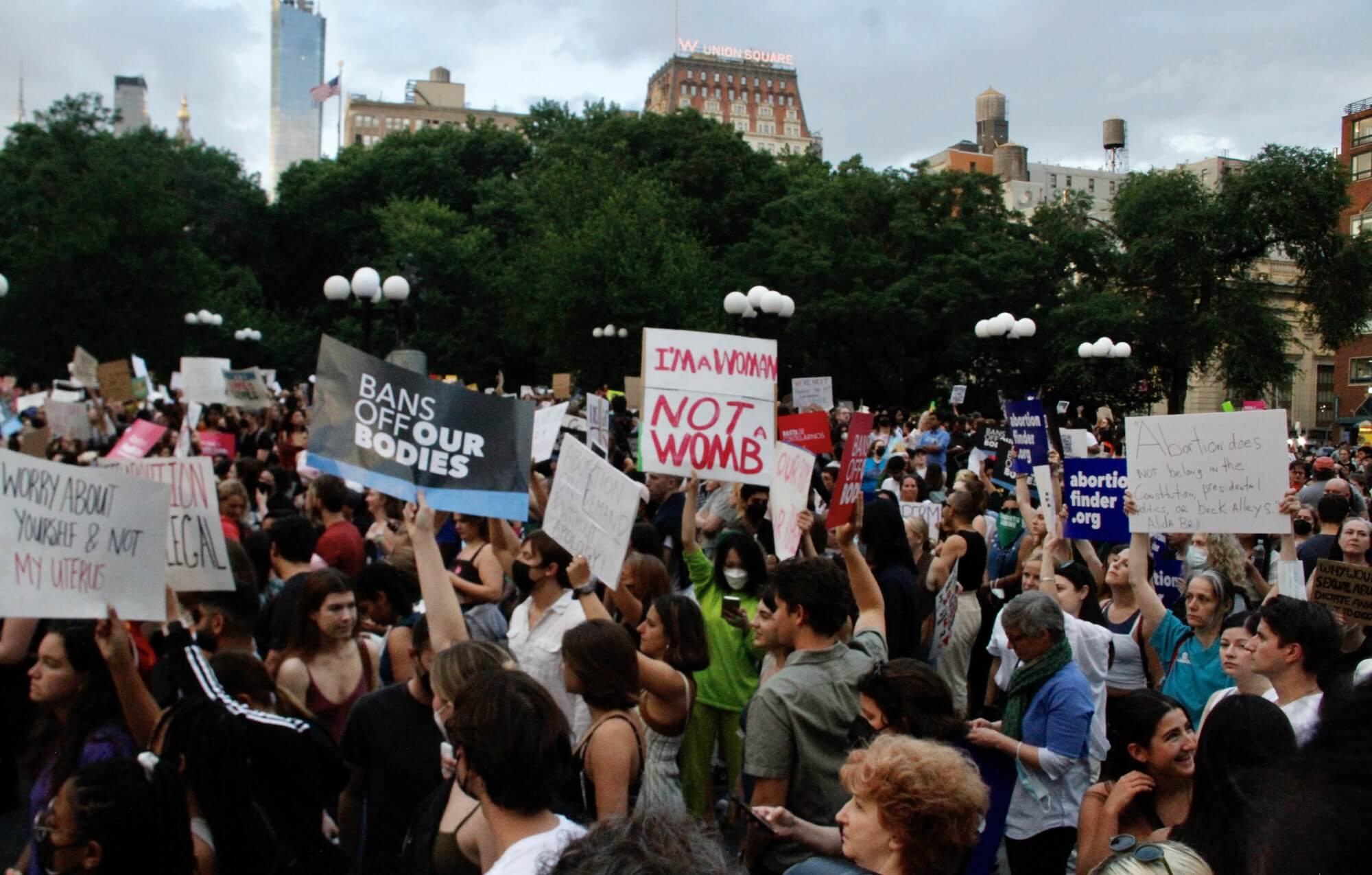
On January 22, 1973, radio reported the Supreme Court’s decision legalizing abortion, a ruling that immediately became a dividing line in American culture. Radio coverage of the decision’s announcement and immediate reaction from pro-choice and pro-life advocates made the ruling’s implications clear to listeners across the ideological spectrum.
The announcement represented radio delivering constitutional interpretation as breaking news.
The Resignation of President Richard Nixon
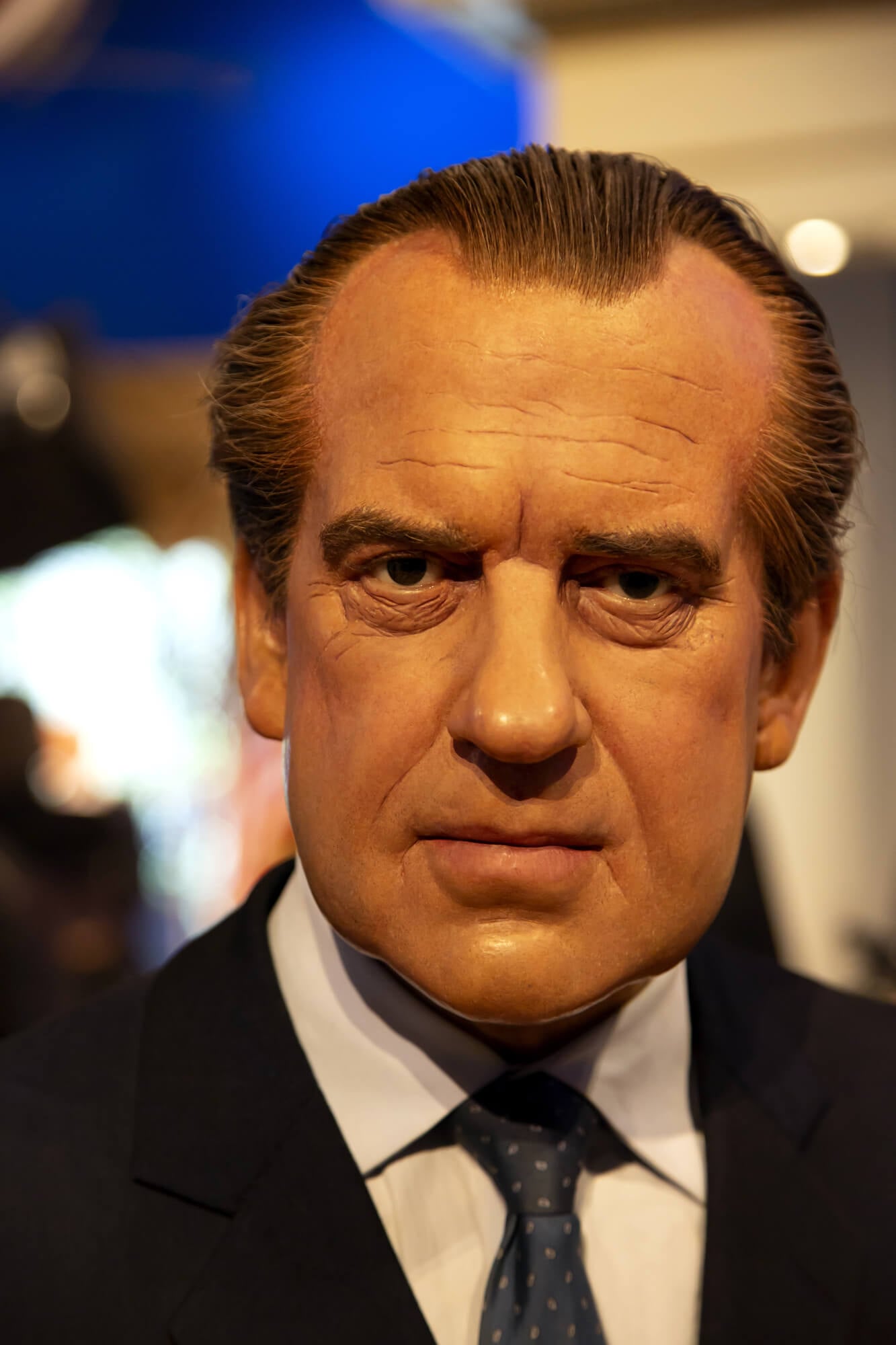
On August 8, 1974, President Richard Nixon announced his resignation from the presidency over radio and television, stating that he was abandoning his effort to stay in office following the Watergate scandal. Radio broadcasters had covered the scandal’s unfolding over more than a year, and Nixon’s resignation address represented the culmination of radio’s role in documenting a presidential crisis.
The announcement marked the first resignation of an American president.
The Release of the Pentagon Papers

In June 1971, radio stations reported that the New York Times had published classified government documents about the Vietnam War, launching a constitutional confrontation between the press and the government. Radio coverage of the Pentagon Papers dispute kept the story alive through court hearings and government attempts to stop publication.
The coverage demonstrated radio’s role in covering press freedom conflicts that defined the era.
The Voices That Connected a Nation

Radio broadcasts of historic moments created a national simultaneity—millions of people hearing identical words at identical times, creating a shared memory that could never be perfectly replicated. These moments bound Americans together across geography and circumstance, transforming individual listening experiences into collective memory.
The voices that delivered these broadcasts became inseparable from the events themselves, with radio announcers, presidents, and astronauts becoming permanent fixtures in the national consciousness through the medium that delivered their words directly into waiting ears.
More from Go2Tutors!

- The Romanov Crown Jewels and Their Tragic Fate
- 13 Historical Mysteries That Science Still Can’t Solve
- Famous Hoaxes That Fooled the World for Years
- 15 Child Stars with Tragic Adult Lives
- 16 Famous Jewelry Pieces in History
Like Go2Tutors’s content? Follow us on MSN.



