How Radio Changed American Culture Before Television Took Over
Radio’s arrival changed what it meant to be American in ways that don’t fully register now that we assume instant access to information and entertainment. Before radio, Americans experienced culture locally—what you heard depended on where you lived, whether you could afford theater tickets, whether traveling performances came through your town.
Radio democratized culture, making a senator’s speech, a baseball game, a popular musician, and a dramatic performance equally available to a farmer in Nebraska and a banker in New York at the same moment. What was once privilege became common experience.
Radio United a Fractured Nation
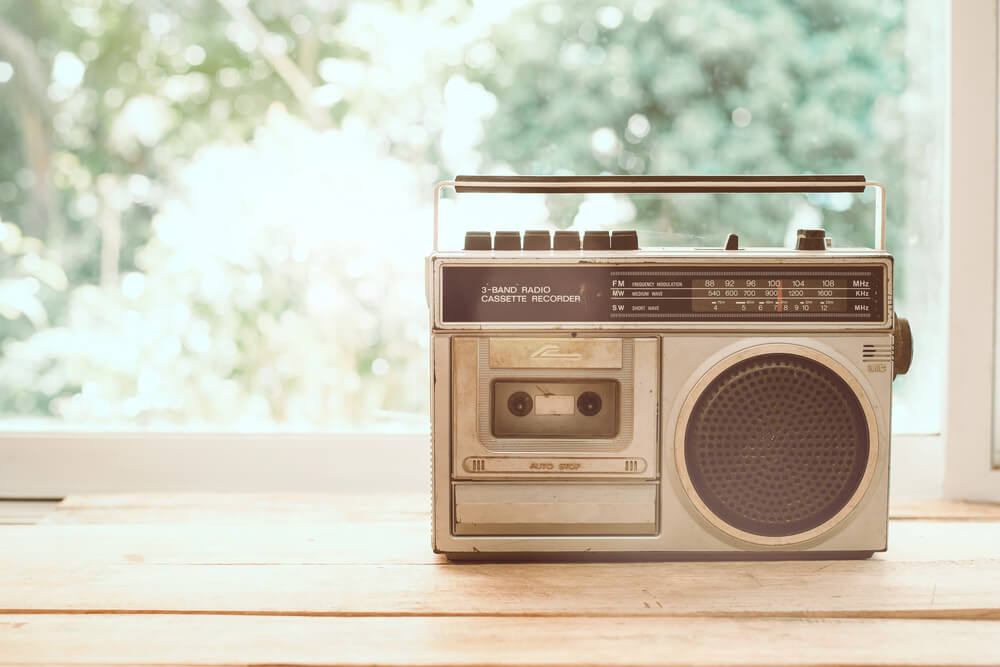
In 1930, about 40 percent of American homes had radios. By 1940, nearly 90 percent owned them—more families had radios than had cars or indoor plumbing.
This rapid saturation meant that radio programming reached into homes across economic classes and geographic divides, creating a shared national conversation that hadn’t existed before. When President Roosevelt spoke, millions heard his voice simultaneously.
When a popular program aired, the entire nation talked about it the next day, not as regional gossip but as collective experience. Radio made America feel smaller and more connected.
Political Discourse Became Immediate and Personal
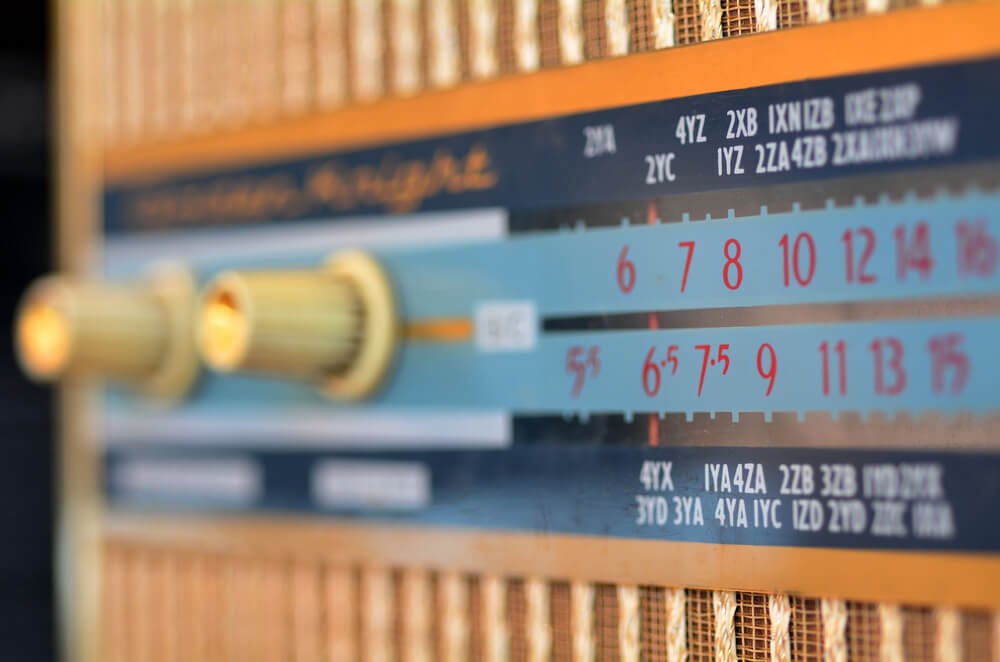
Franklin D. Roosevelt understood radio’s power before most politicians grasped it, using fireside chats to speak directly to Americans in language that felt conversational rather than oratorical. Prior presidents had relied on newspapers to communicate their messages.
Roosevelt’s radio addresses created an intimacy and immediacy that couldn’t be replicated in print. His ability to calm panic during banking crises or explain New Deal programs depended on his voice reaching citizens directly, without the filter of newspaper editors interpreting or summarizing his words.
Radio made presidents accessible in unprecedented ways.
Sports Became National Entertainment
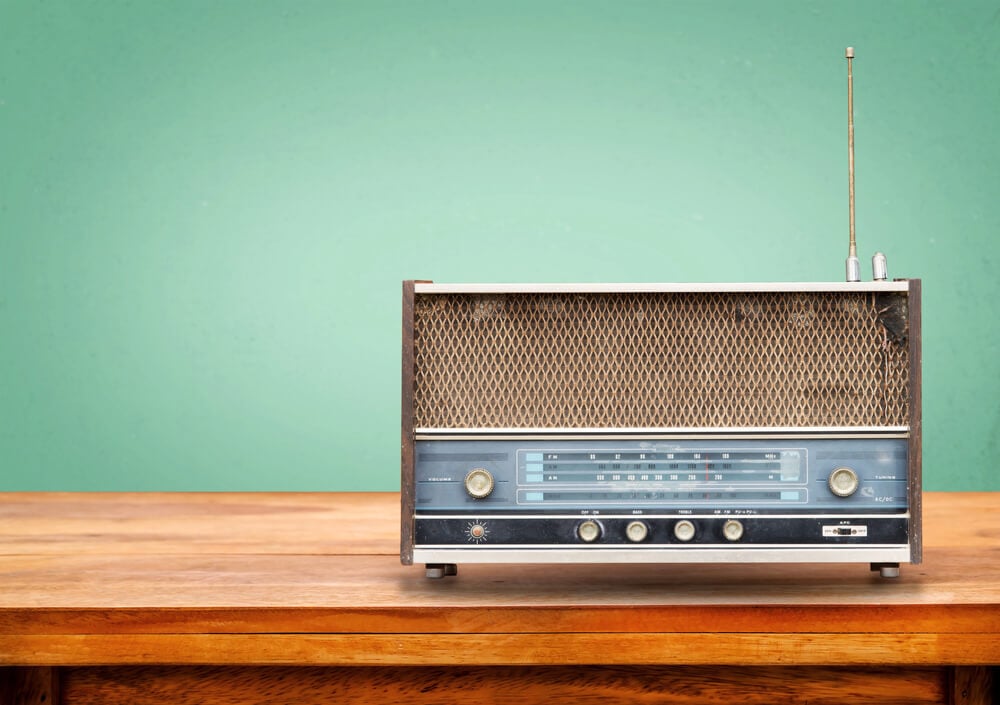
Radio broadcasts of baseball games transformed the sport from a local entertainment to a national obsession. Play-by-play descriptions created drama from distant events, allowing people who couldn’t afford or couldn’t travel to baseball parks to experience games in real time.
Radio announcers became celebrities themselves, their voices inseparable from the games they described. The Joe Louis fights, broadcast on radio to seventy million listeners, demonstrated that sporting events could reach audiences that dwarfed any stadium capacity.
Radio turned sports into a genuinely national cultural phenomenon.
Musical Taste Became Standardized Across Regions
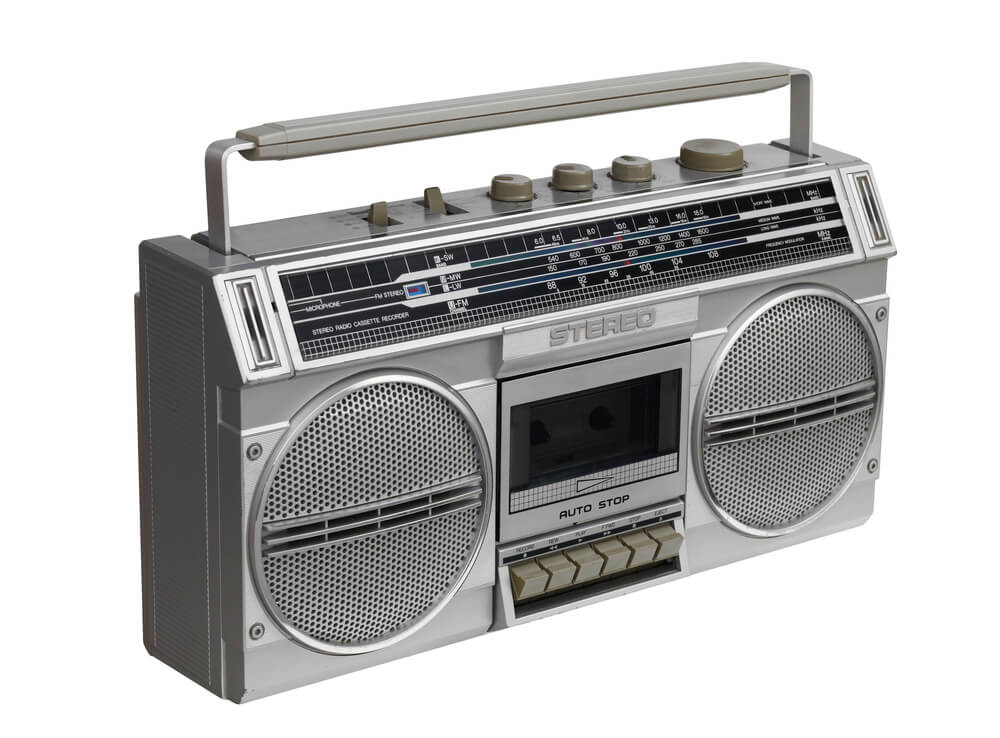
Before radio, musical preferences varied dramatically by region, depending on what traveling performers came through and what local musicians played. Radio created national hits, with songs played on stations coast to coast, making musical tastes more uniform across the country.
A person in Georgia heard the same popular songs as someone in Oregon, at nearly the same time. This standardization meant that the music industry could operate on a national basis, but it also meant that regional musical traditions gradually merged into a more homogenized national culture.
Radio centralized taste-making in ways that would only accelerate with television.
News Coverage Became Continuous
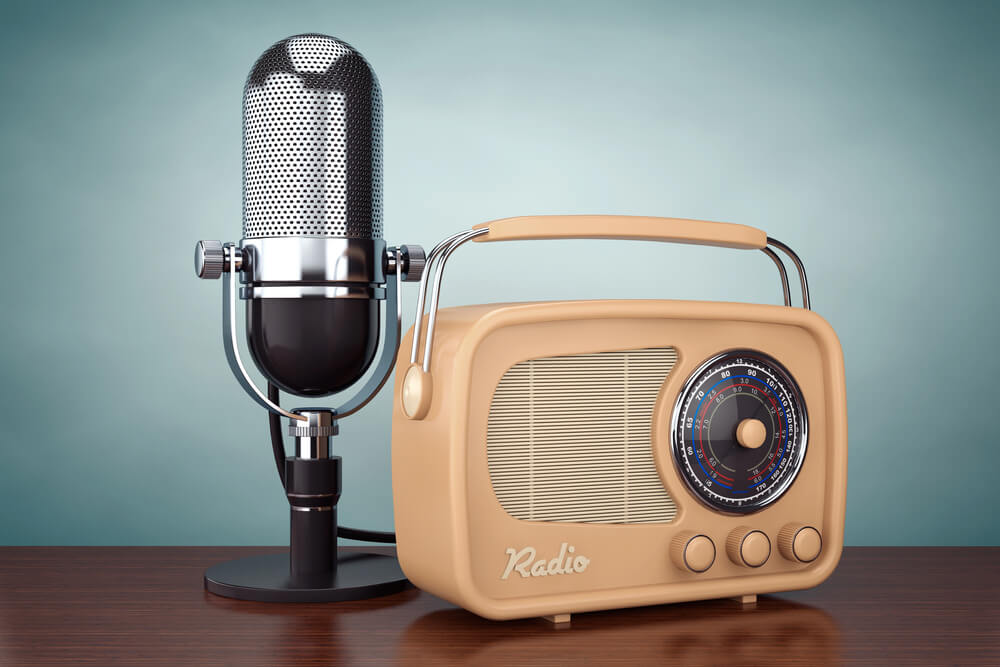
Before radio, most Americans read one or two newspapers daily and had no access to news except what those papers provided. Radio allowed news to break continuously, with bulletins interrupting regular programming when significant events occurred.
Americans learned about Pearl Harbor, the D-Day invasion, and presidential elections as they unfolded rather than hours or days later. Radio transformed news from a periodic product into an ongoing flow, changing how Americans understood current events and their connection to national happenings.
News became something that happened constantly, not once daily.
Advertising Transformed Through Direct Appeal
Radio advertising spoke directly to listeners in their homes, often in a conversational tone that felt personal. Sponsors didn’t just announce products; they told stories about products, created branded entertainment, or sponsored programs that built listener loyalty.
Advertising copy written for radio was distinctly different from newspaper ads, using voice, music, and sound effects to create emotional connections. Radio advertising established techniques for emotional persuasion that became foundational to all modern marketing.
The intimate relationship between listener and radio host could be leveraged to sell products with unprecedented effectiveness.
The Soap Opera Created Serial Narrative Entertainment
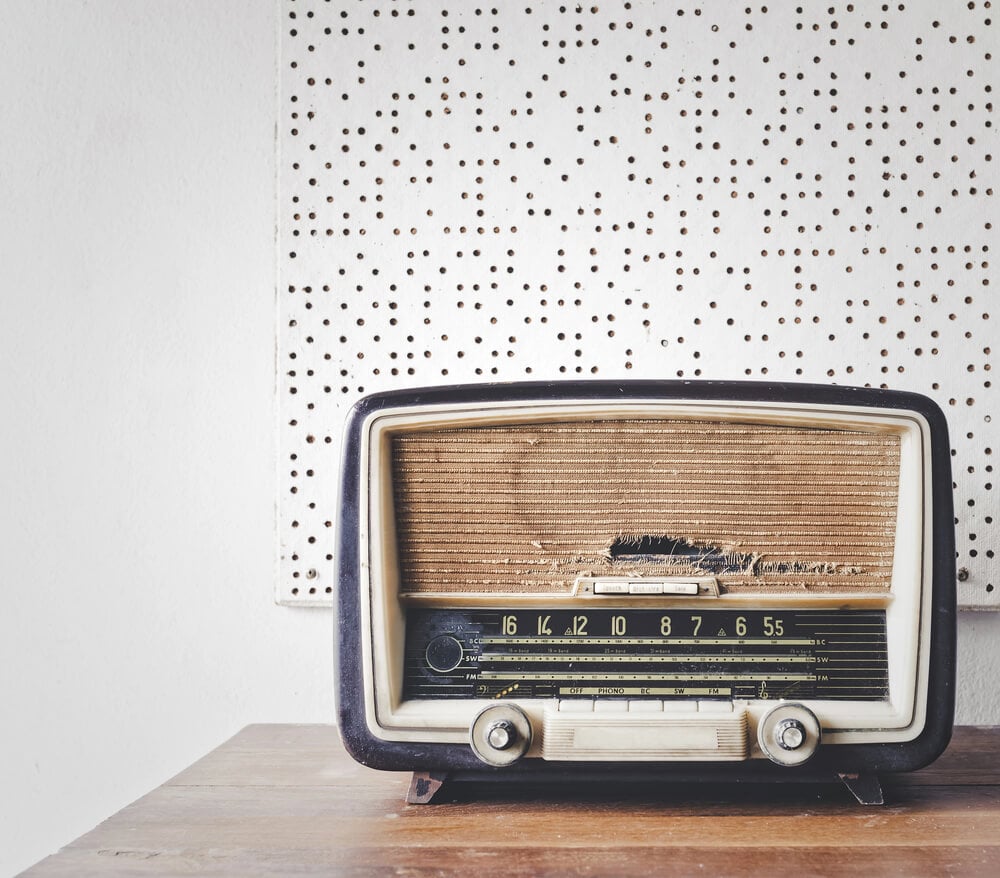
Daytime radio’s soap operas created a form of entertainment that depended on listeners returning daily to follow ongoing stories. These programs, sponsored by manufacturers of household soap products, invented the serial narrative drama.
Audiences became invested in characters and their problems, tuning in day after day to see how situations would resolve. This created loyalty and habitual listening that no single program could achieve.
The soap opera template—developed on radio—transferred directly to television and remains the basis for dramatic serialization in contemporary streaming. Radio invented the narrative structure that still dominates drama today.
Celebrity Became Accessible and Democratized
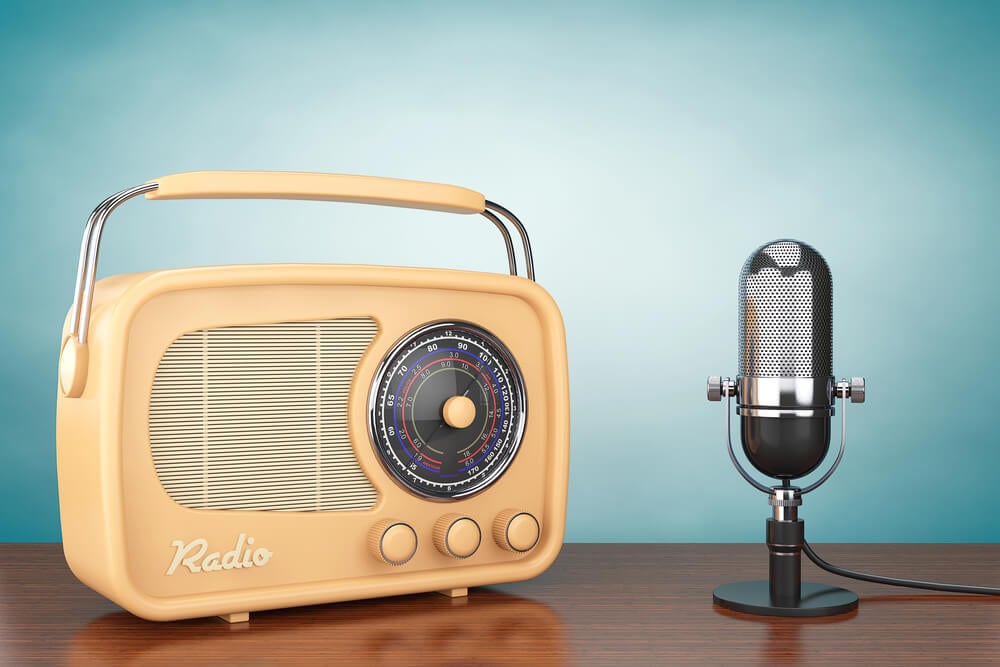
Radio stars didn’t need to be physically present to be celebrities. A voice could make someone famous instantly and across the entire country.
This meant that charisma didn’t require physical beauty or stage presence—it could exist purely in vocal quality, delivery, timing, and personality expressed through sound. Radio democratized fame in that anyone with the right voice and personality could become a star, without needing the backing of a studio system or access to theater chains.
But it also meant that radio stars were somehow more intimate and immediate than film stars, who existed behind glass on screens. People felt they knew radio personalities in a way they couldn’t know actors in films.
Children’s Entertainment Became Standardized and Commercial
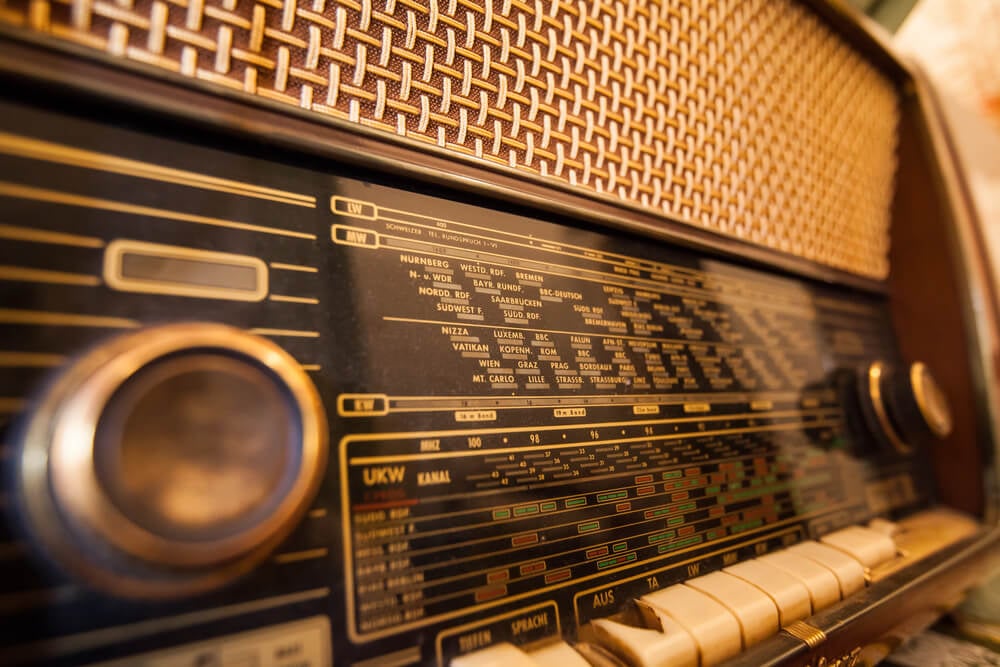
Radio created children’s programming that all children listened to simultaneously, from Little Orphan Annie to The Lone Ranger. These programs provided shared experiences that connected children across the country, creating common cultural reference points.
But they also introduced children to consumer products through premiums and sponsored merchandise, establishing the commercial exploitation of children’s programming that would continue on television. Radio demonstrated how powerful children’s audiences could be as consumers and established the template for turning young audiences into markets.
Local Culture Gradually Disappeared into National Culture
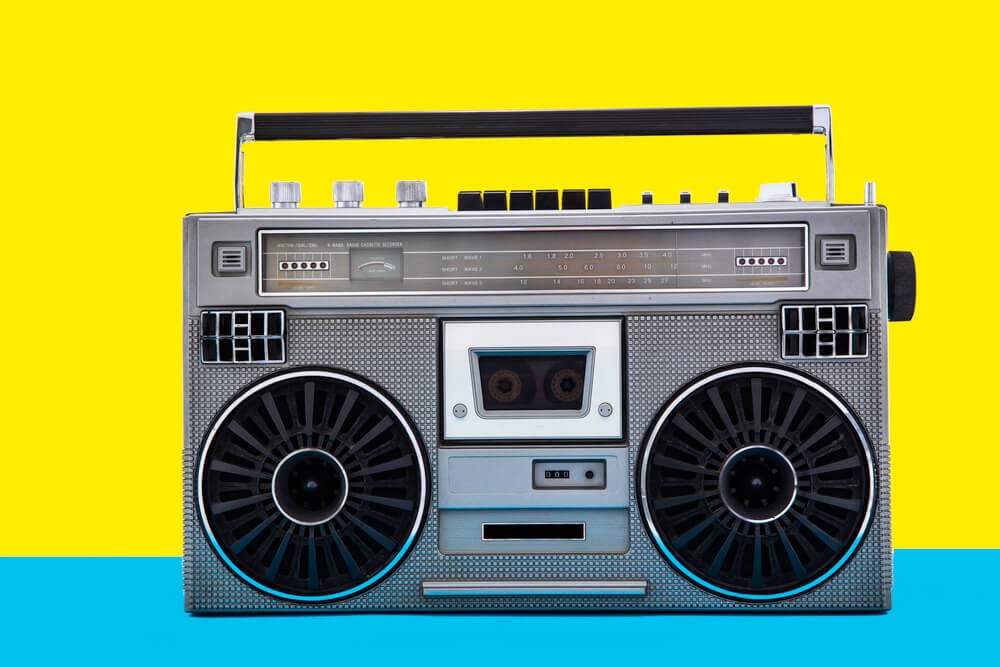
Radio accelerated the homogenization of American culture that had begun with railways and automobiles. Local musical traditions, local celebrities, local news, and regional identities gradually blended into national patterns.
A person in a small town could now hear the same performances and news that reached the biggest cities. This was liberating in that it exposed people to broader cultural horizons, but it also meant that distinctive regional cultures began disappearing into a more uniform national identity.
Radio didn’t create this process, but it accelerated it dramatically.
The Living Room Became a Theater of Imagination
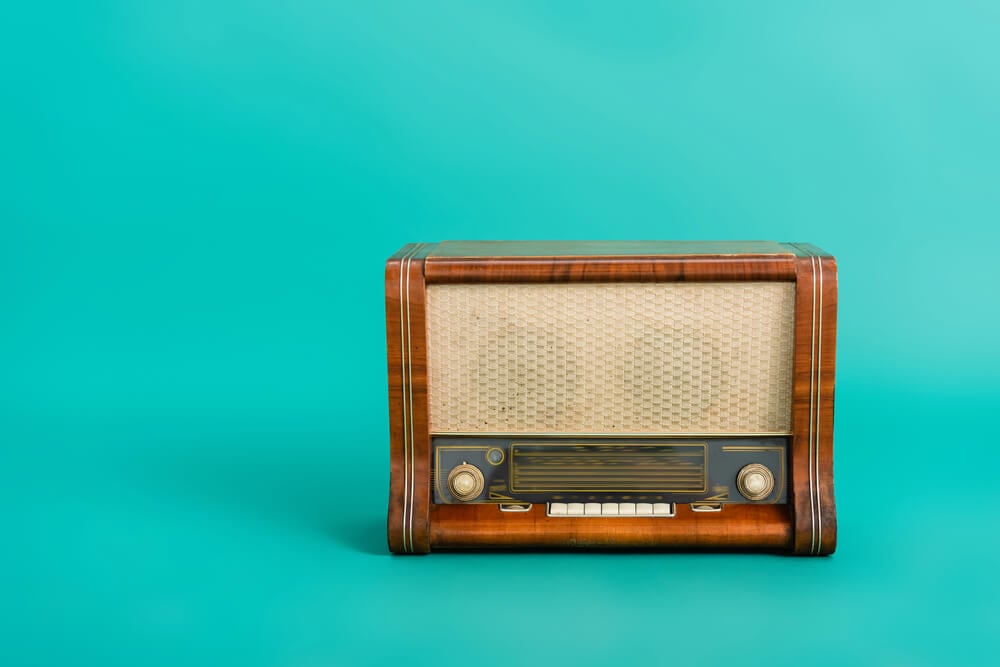
Radio transformed the home into an entertainment venue, with families gathering in the same way they would gather at a theater or concert. But radio created something that film couldn’t—it demanded that audiences participate through imagination, filling in visual details that weren’t provided.
This engaged audiences differently, making them active participants rather than passive viewers. The limitation of radio—that it offered no images—forced an engagement with the medium that created a more intimate connection.
Television would eventually offer images, but something about that purely imaginative engagement was lost.
Speech Became Performance, Performance Became Subtle
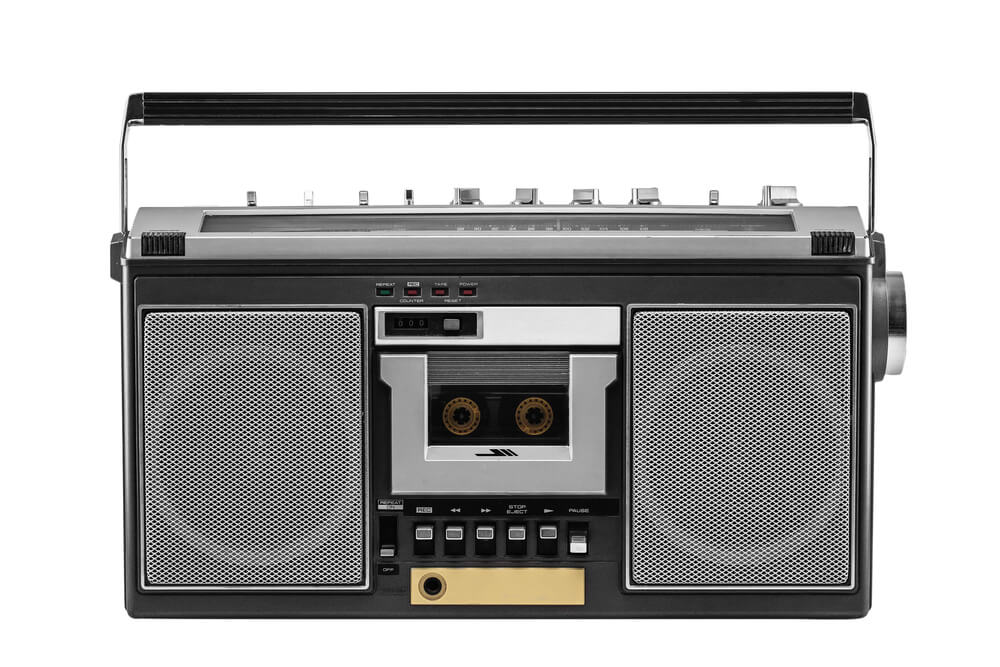
Radio required performers to convey everything through voice and sound effects, without the support of facial expressions or physical movement. This created a distinctive performance style where subtle vocal inflections carried enormous weight.
Comedians had to be clever because they couldn’t rely on slapstick or visual gags. Dramatic actors had to convey character through voice and timing.
This created a distinctive performance tradition that, while replaced by television, established vocal performance standards that persist in professional broadcasting to this day.
Economic Classes Experienced Culture Differently but Simultaneously
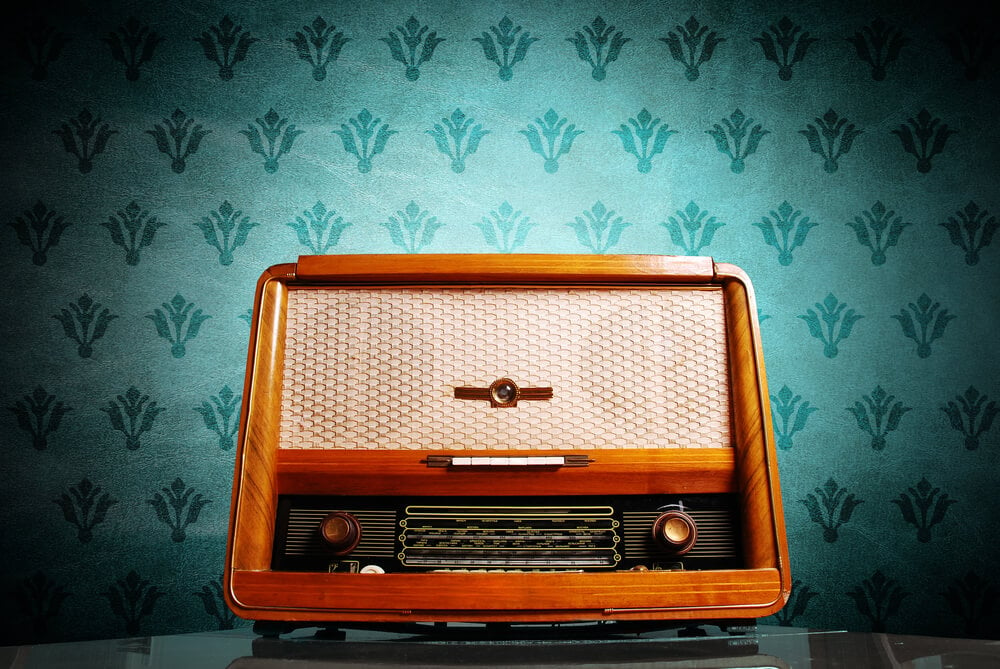
A wealthy person with a expensive radio and a poor person with a cheap one heard identical broadcasts at the same moment. Radio achieved something that movies couldn’t—it provided truly equal access across economic classes.
This didn’t eliminate economic inequality, but it meant that cultural moments could be shared across class lines. Everyone heard the same speeches, the same news, the same entertainment.
This created a genuine sense that Americans shared something fundamental, regardless of their circumstances. Television would eventually offer this too, but radio established the principle that broadcast media could be the great equalizer.
The Relationship Between Listener and Broadcaster Became Direct and Personal
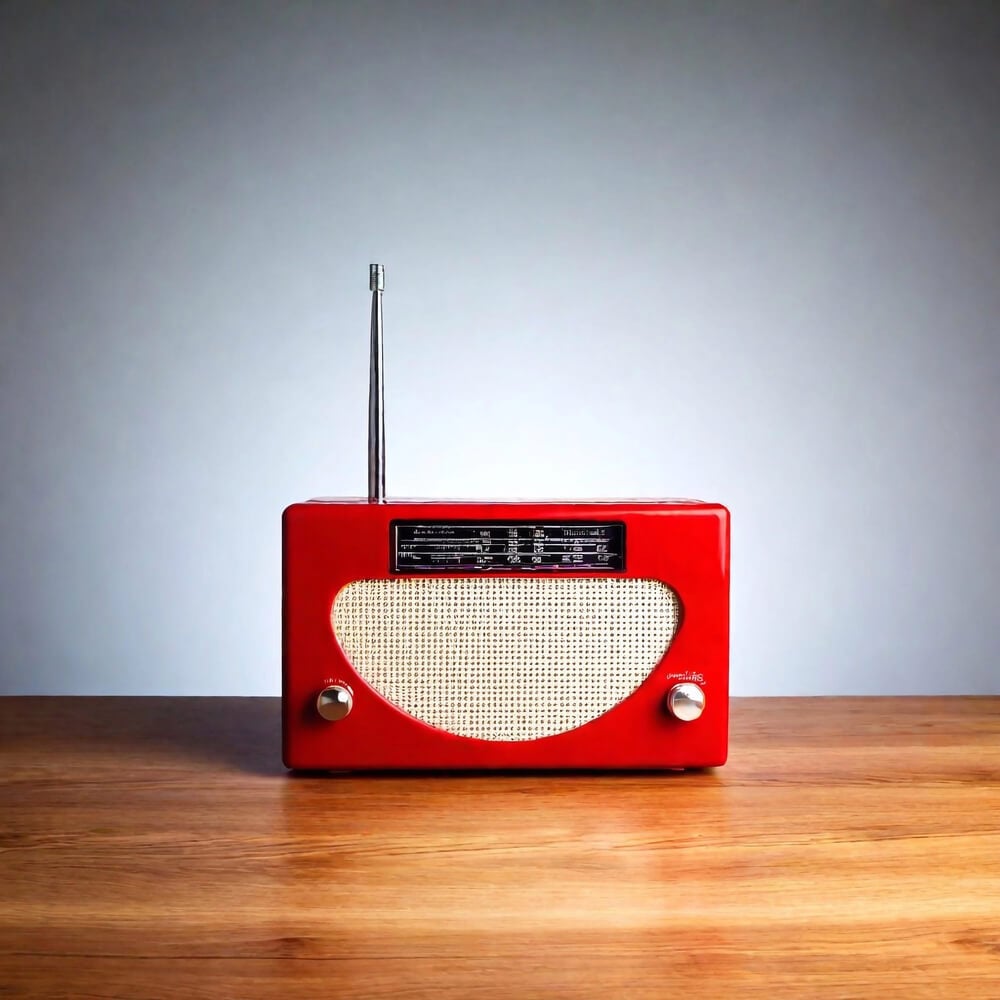
Radio created a connection between broadcaster and listener that was unmediated by images or visual presentation. A listener could construct an entire image of who a radio personality was based solely on voice.
That constructed image often meant more to them than photographs or in-person encounters later revealed. This created an intimacy that worked in both directions—broadcasters understood they were entering homes and listeners felt they knew people they’d never met.
This emotional relationship between broadcaster and listener established patterns that television replicated and that persist in contemporary media.
Radio Made News Urgent and Democratic
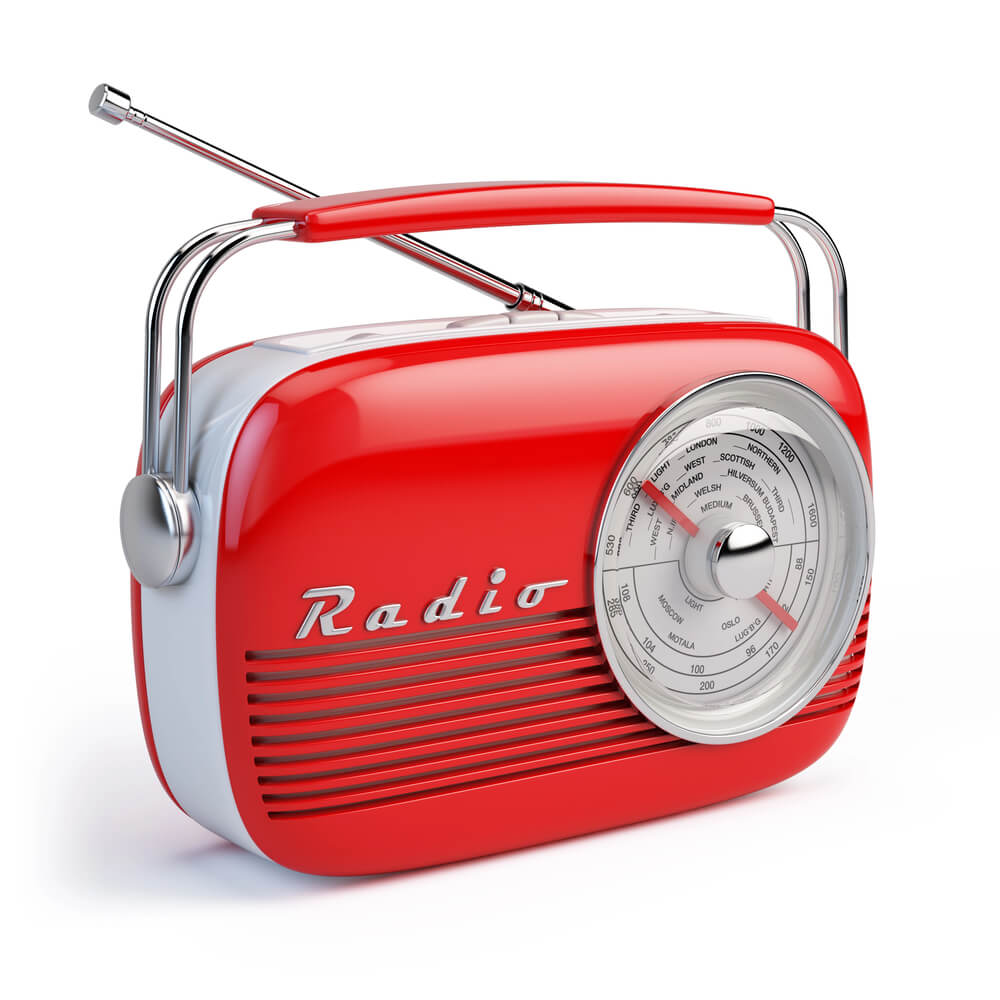
Before radio, news was primarily the domain of newspaper readers and those who could attend public addresses. Radio made news available to people while they were doing other things—cooking, working, driving.
News could interrupt and demand attention immediately rather than waiting for the next edition to be printed and distributed. This democratized news consumption and made current events feel urgent and relevant to everyone.
But it also meant that the pace of news consumption accelerated beyond what most people could adequately process. Radio established that news should be continuous and urgent, a pattern that has only intensified.
Entertainment Became Scheduled and Habitual
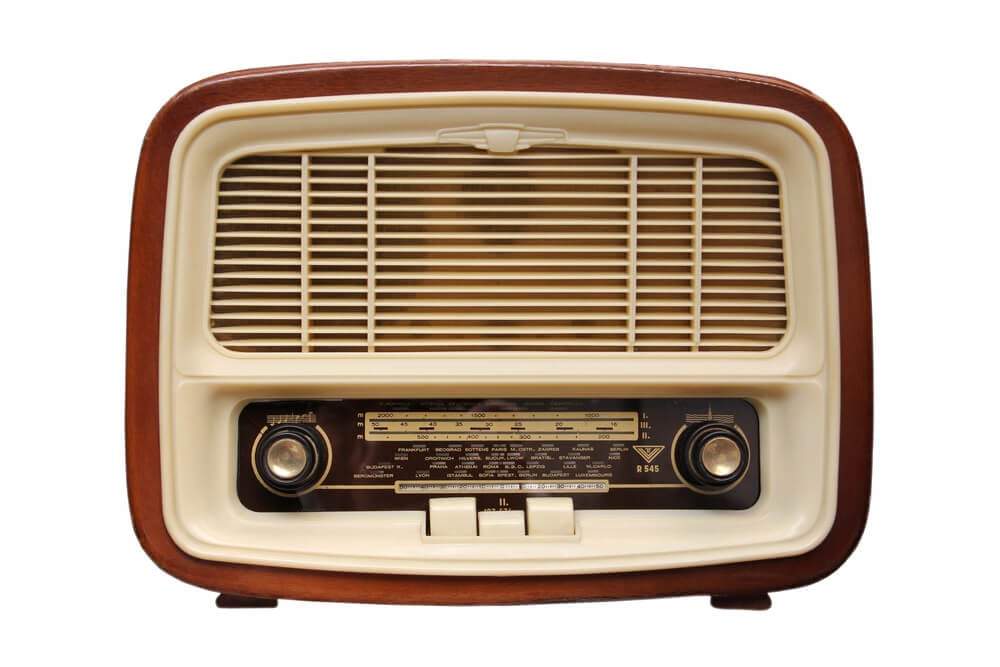
Radio created specific program times that people organized their days around. A favorite show meant sitting down at a specific time each week, making entertainment a ritualized part of daily life.
This created habits of media consumption that persisted with television and continue in contemporary streaming. People became loyal to time slots rather than just to content.
This loyalty translated into predictable audiences that made advertising valuable. Radio demonstrated that scheduled entertainment could drive habitual behavior more effectively than entertainment available on demand.
The Bond Between National Identity and Shared Culture Solidified
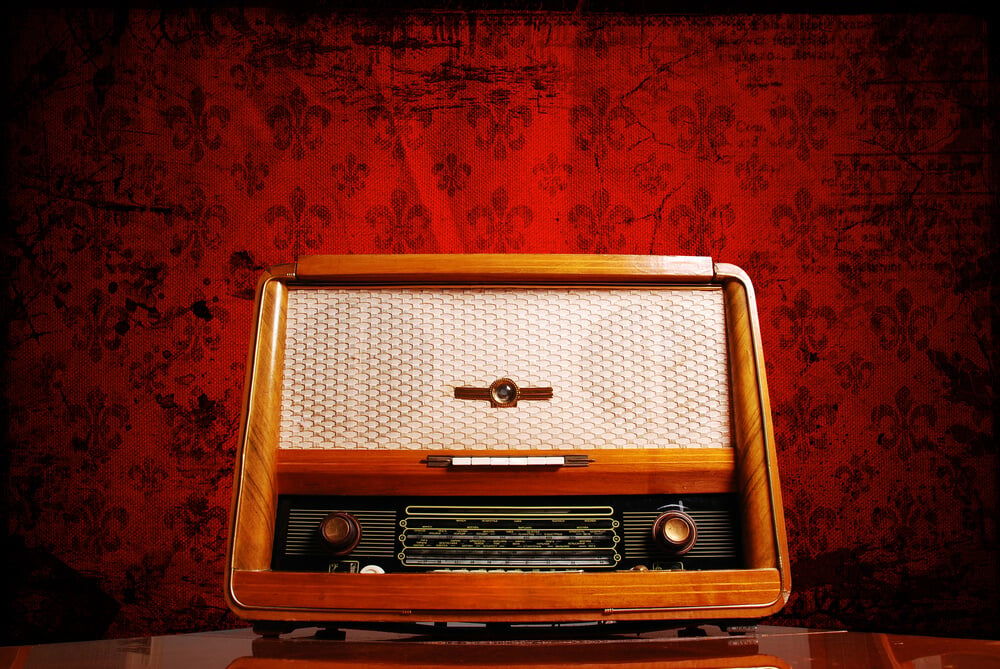
Radio made it possible to be American in a new way—by participating in shared cultural moments that unified the nation. Millions of people listening to the same broadcast at the same time created a kind of imagined community that stretched across geography and circumstance.
This sense of shared culture and shared identity became central to what it meant to be American. Radio didn’t create American identity, but it created the infrastructure for experiencing identity as something immediate, collective, and continuous rather than something distant and abstract.
The Diminishment of Silence and Local Sound
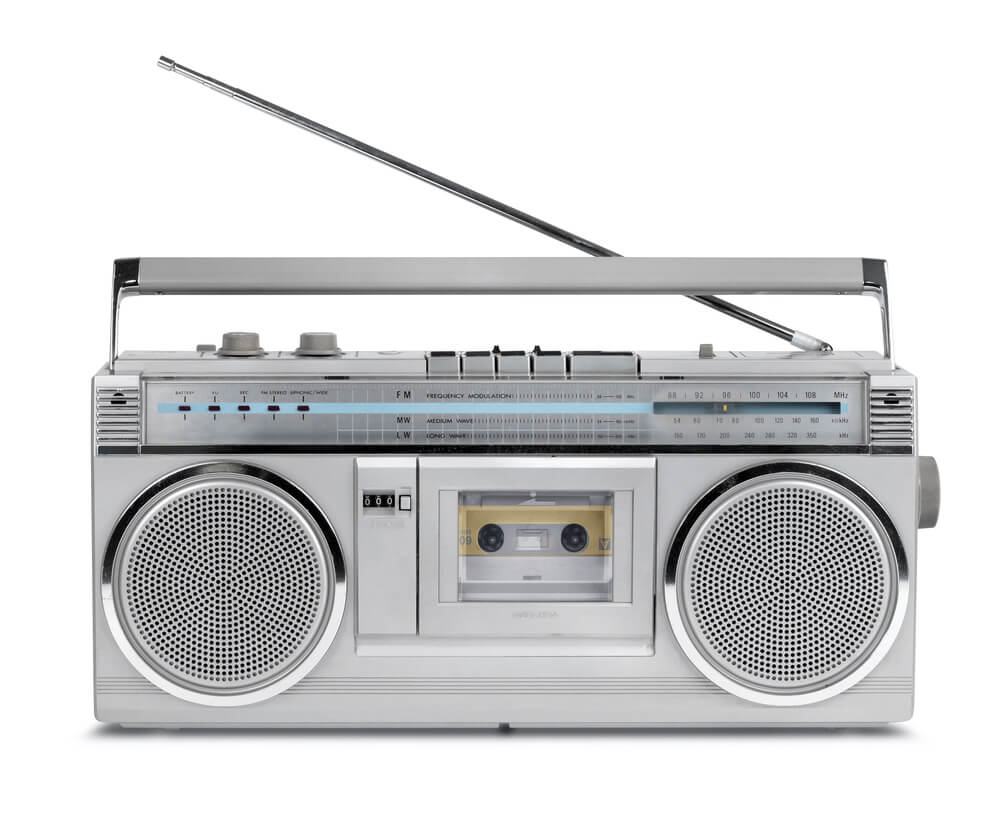
Radio filled homes with sound in ways that were unprecedented. The quiet of rural life or the distinctive ambient sounds of different places gradually filled with broadcast content.
This wasn’t necessarily negative—it connected rural communities to broader culture—but it meant that the sound environments that had distinguished different places gradually became more uniform. The acoustic landscape of America changed as radio homogenized what people heard in their environments.
This diminishment of regional acoustic distinctiveness happened gradually and mostly unnoticed, but it represented a genuine loss of environmental diversity.
Radio Established the Template That Television Would Perfect
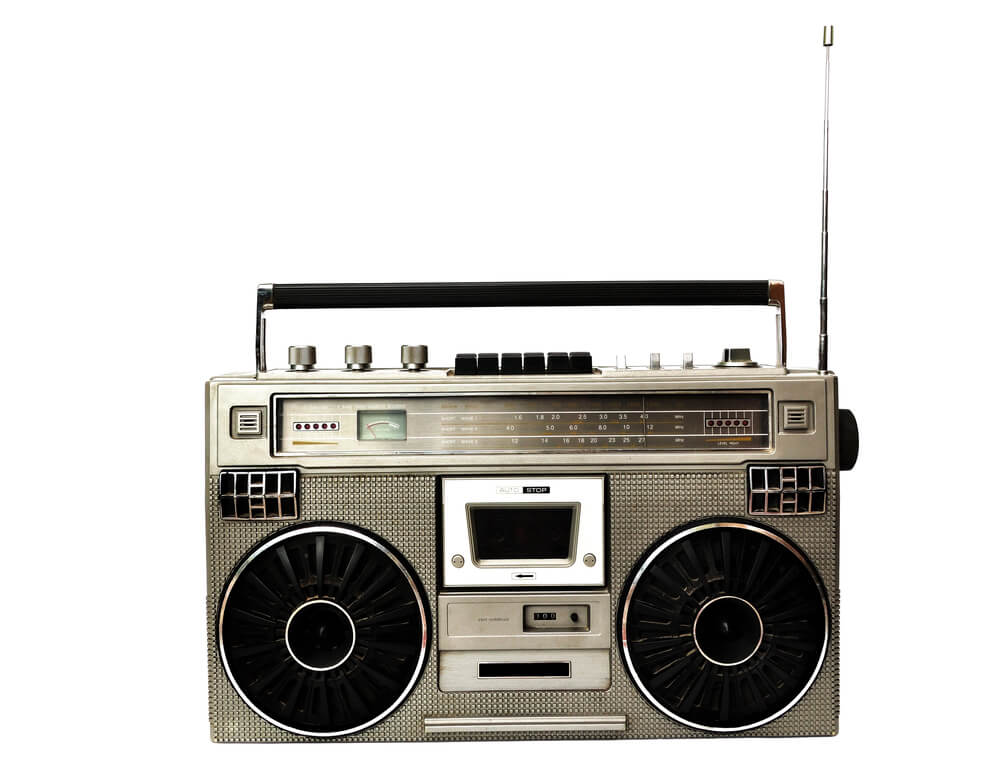
Television didn’t invent national broadcasting, scheduled entertainment, commercial interruption, or celebrity culture. Radio had established all of these.
Television simply added images to the voice-based system that radio had perfected. When television arrived and began replacing radio as the primary medium, it inherited every structural and cultural pattern that radio had created.
Television’s dominance wasn’t the beginning of broadcast media’s centrality to American culture—that centrality had already been established by radio. Television just made the images visible that radio had forced audiences to imagine.
More from Go2Tutors!

- The Romanov Crown Jewels and Their Tragic Fate
- 13 Historical Mysteries That Science Still Can’t Solve
- Famous Hoaxes That Fooled the World for Years
- 15 Child Stars with Tragic Adult Lives
- 16 Famous Jewelry Pieces in History
Like Go2Tutors’s content? Follow us on MSN.