16 Dishes That Vanished From Menus
Restaurant menus once featured dishes so elaborate that they required dedicated cooks just to prepare a single course. These culinary masterpieces dominated fine dining for decades, some for centuries, before quietly disappearing from kitchens worldwide. Below are sixteen dishes that once graced the tables of the wealthy and fashionable but now exist only in dusty cookbooks and culinary history.
Turtle Soup

Green turtle soup reigned as the ultimate symbol of luxury dining from the 1700s through the early 1900s. Restaurants would keep live sea turtles in basement tanks, and the preparation took days of careful cooking to transform the tough meat into silky, rich broth.
The dish required such skill that specialized turtle cooks commanded premium wages. But overharvesting nearly drove green sea turtles extinct, and by the 1970s, most countries banned their harvest.
Syllabub
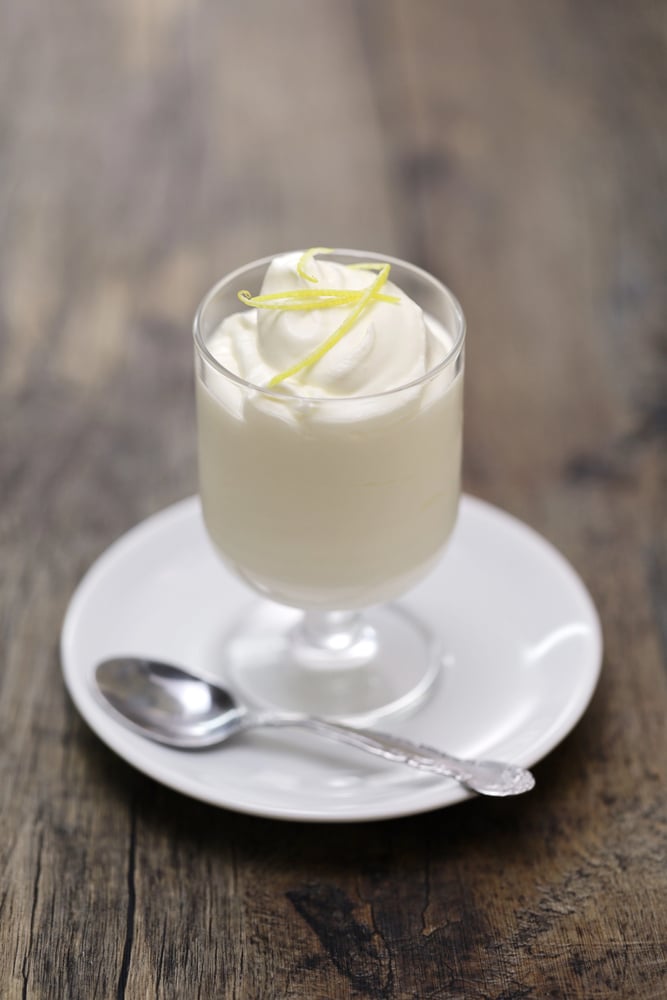
This frothy English dessert combined wine or sherry with cream, sugar, and lemon juice, whipped into airy peaks. Taverns served it directly from the cow — literally milking straight into the wine mixture to create natural foam.
The texture was everything. Too little whipping and it fell flat. Too much and it curdled into an inedible mess.
Calf’s Head
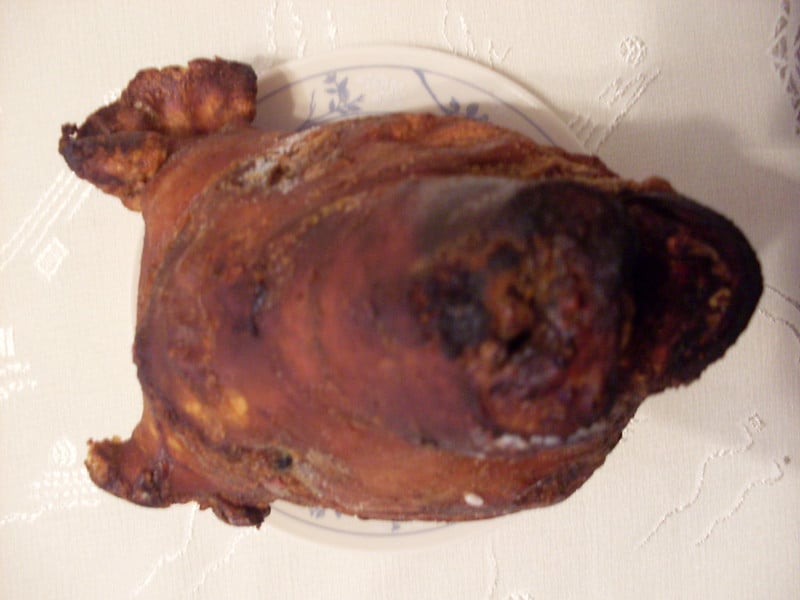
Victorian dinner parties weren’t complete without an entire calf’s head as the centerpiece. Chefs would remove the brain, clean the skull, then stuff it with forcemeat before roasting. The eyes were considered the finest delicacy.
And the presentation was theatrical — some restaurants served it with the jaw wired to move when carved. The dish fell from favor as diners became squeamish about eating recognizable animal parts.
Terrapin Stew
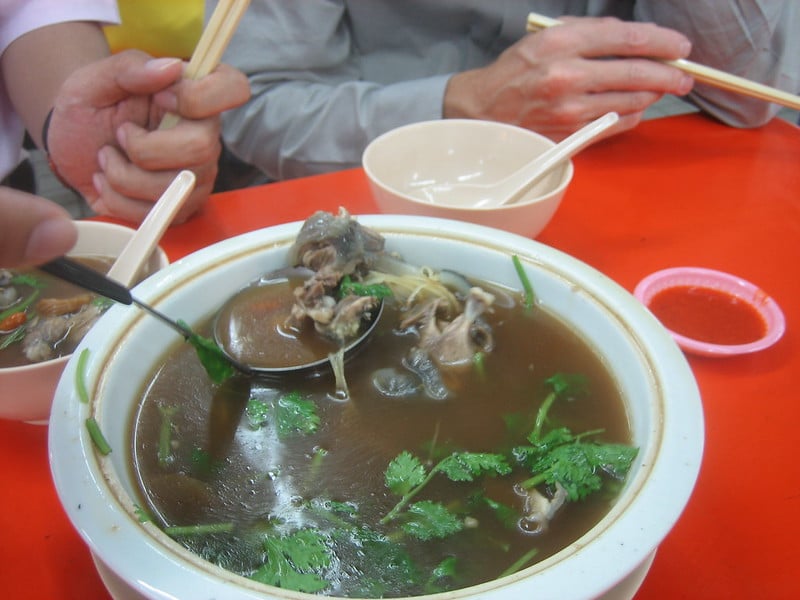
Diamondback terrapin commanded prices higher than lobster in 19th-century America. Baltimore restaurants built their reputations on terrapin stew, slow-cooked with sherry and cream until the meat fell apart.
The preparation was labor-intensive:
- Catch wild terrapins from Chesapeake Bay
- Keep them alive in special pens
- Steam them just until the shells loosen
- Hand-pick every piece of meat from tiny bones
Prohibition killed the dish. Without legal sherry, the stew lost its signature flavor.
Pears in Red Wine
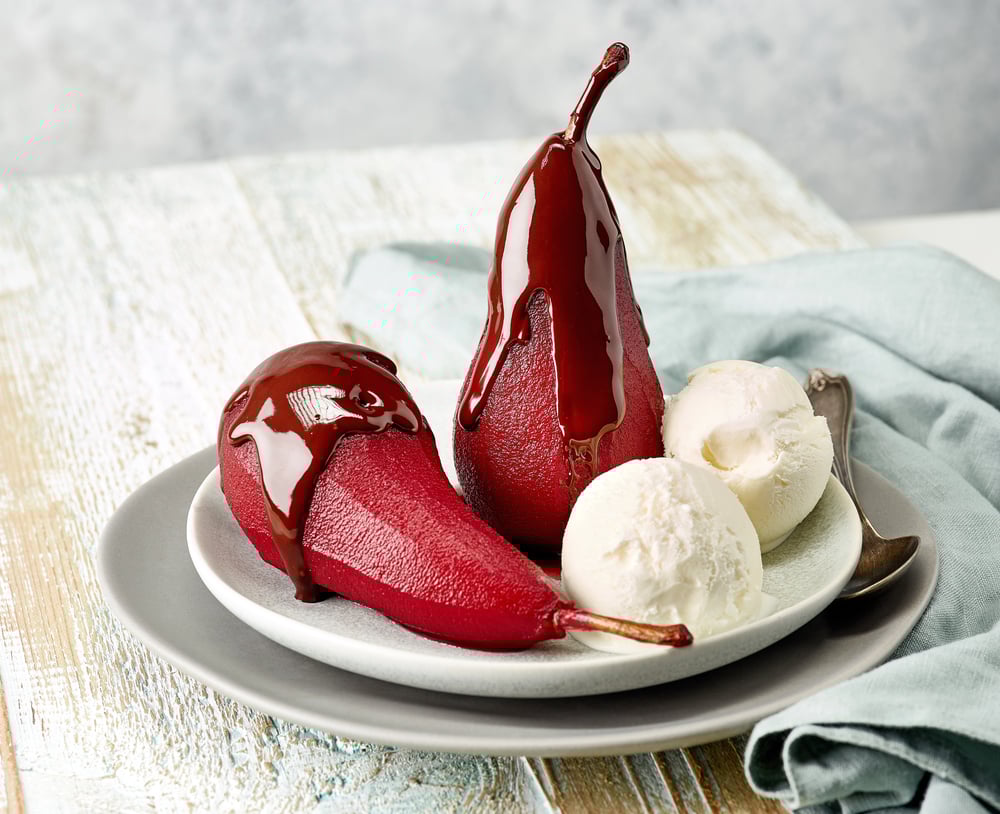
Medieval banquets featured whole pears poached in spiced red wine until they turned deep crimson. The fruit would simmer for hours with cinnamon, cloves, and honey, creating an intense, almost jam-like texture.
Wealthy households served them as a palate cleanser between meat courses. The preparation required constant attention — too much heat would turn the pears to mush.
Caneton aux Cerises
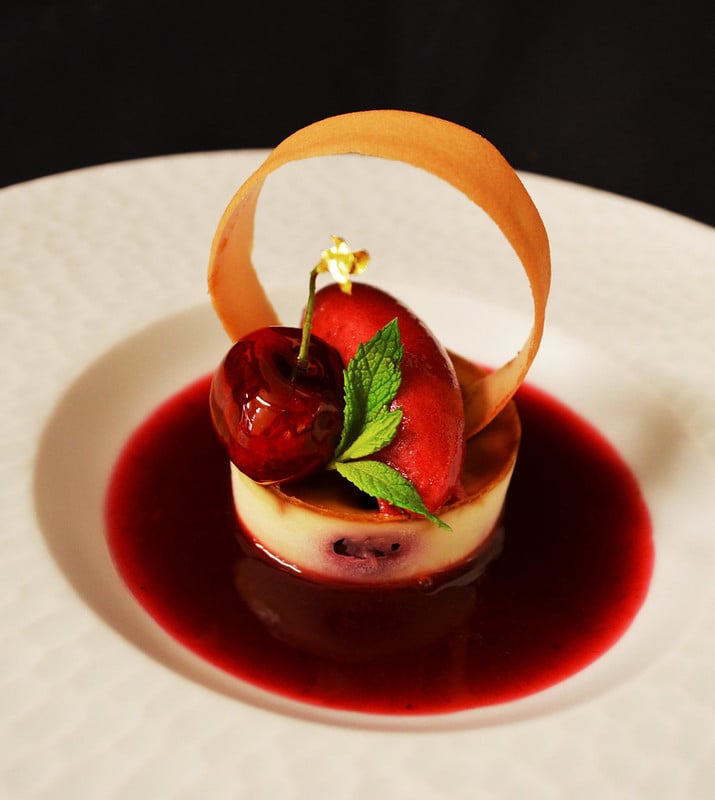
This French duck preparation paired roasted duckling with sour cherries in a complex sauce that took two days to perfect. The cherries were pitted by hand, then cooked down with duck stock, brandy, and fresh herbs.
Restaurant kitchens needed dedicated sauce cooks just for this one dish. The technique disappeared when classical French cooking gave way to simpler preparations in the 1960s.
Potted Meats

Before refrigeration, potted meats preserved cooked beef, ham, or game under a seal of clarified butter. The meat was pounded to a paste, seasoned heavily with spices, then packed into small crocks.
English pubs served potted meats with toast as a standard offering. But modern preservation methods made the laborious process unnecessary. Could be worse — at least we still have pâté.
Oxtail Clear Soup
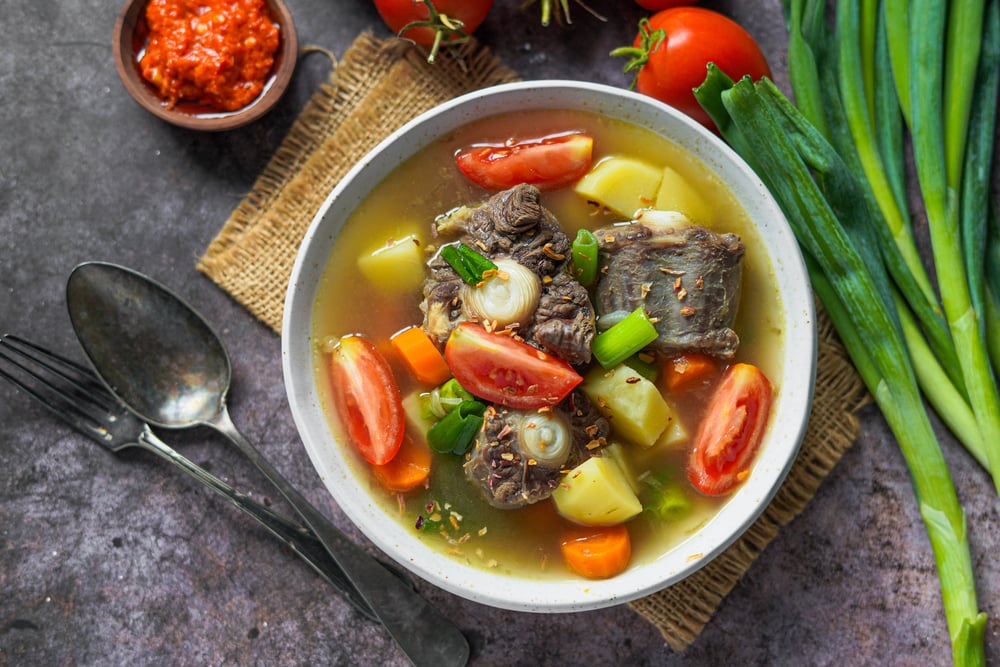
Clear oxtail soup required twelve hours of careful simmering to extract every bit of gelatin from the bones while keeping the broth crystal clear. Chefs would clarify it repeatedly with egg whites, removing any trace of fat or cloudiness.
The result was pure liquid essence of beef, so concentrated that a single spoonful delivered intense umami flavor. Labor costs eventually made it too expensive for most restaurants.
Fried Parsley
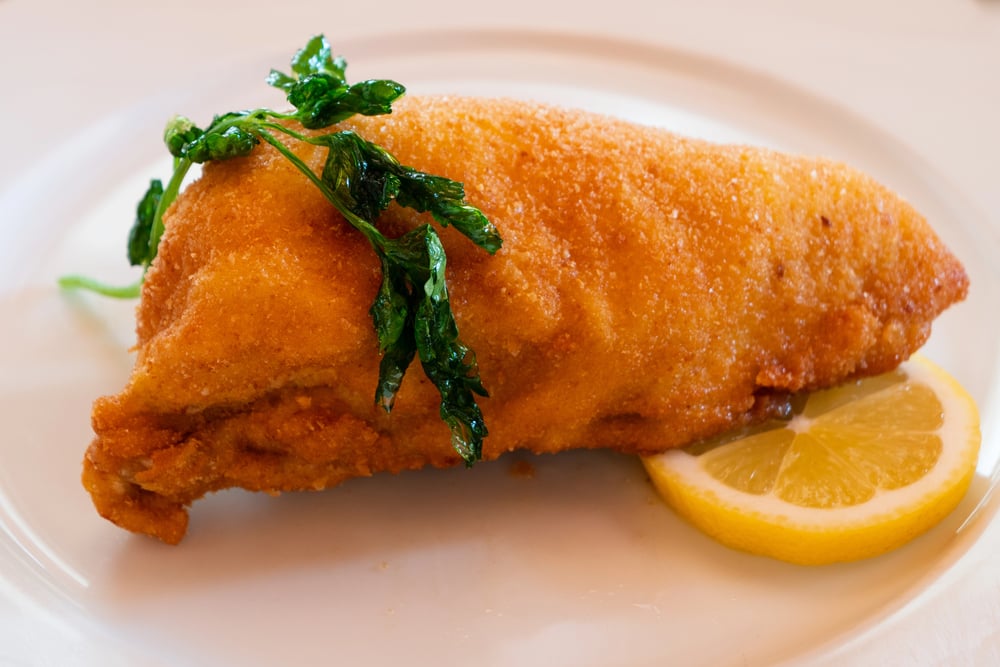
Victorian kitchens served deep-fried parsley as an elegant garnish for fish dishes. The herbs were dried completely, then plunged into hot oil for just seconds until they turned crispy and bright green.
Still popular in some Middle Eastern cuisines, but most Western restaurants abandoned it when presentation styles shifted toward fresh herbs. The oil temperature had to be perfect — too hot and the parsley burned black.
Ambrosia
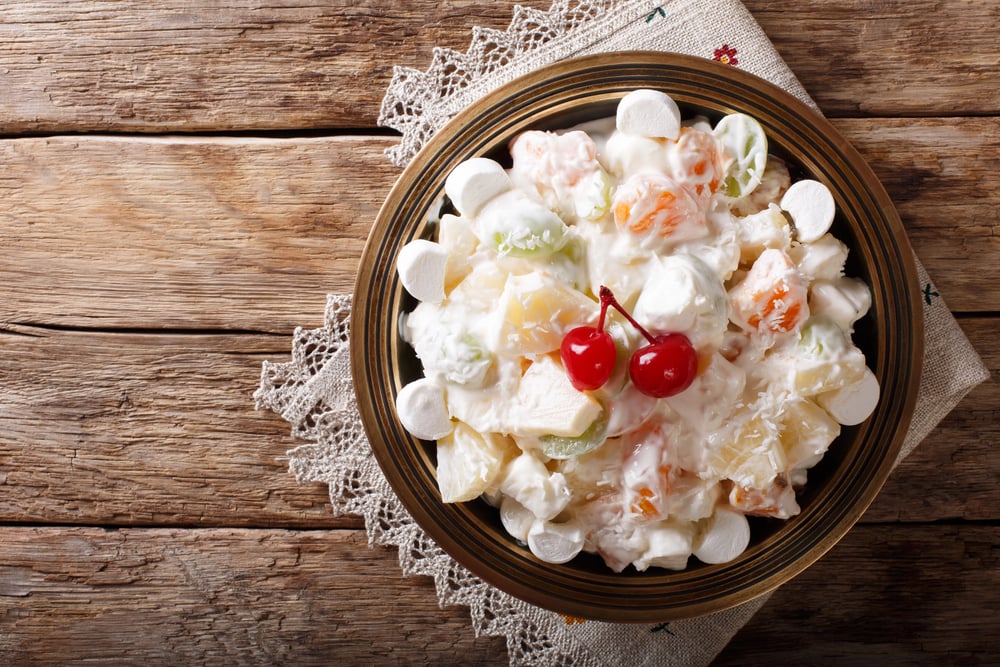
This Southern dessert layered fresh oranges, coconut, and sugar in crystal bowls, then chilled overnight. The citrus would macerate in its own juices, creating a light, refreshing end to heavy meals.
Holiday tables across the South featured ambrosia from the 1800s through the 1950s. But fresh coconut required tedious hand-grating, and when pre-shredded coconut arrived, the dish lost its delicate texture and slowly disappeared.
Chicken À La King
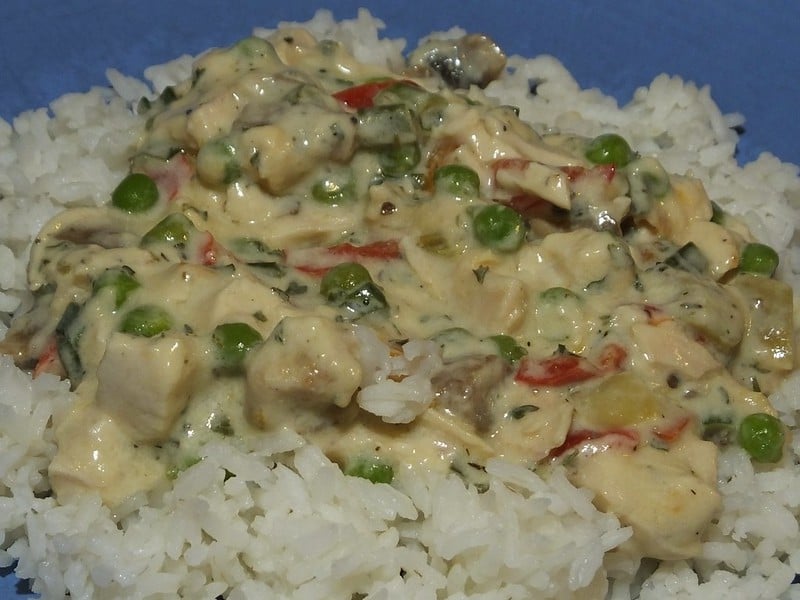
Diced chicken in rich cream sauce once dominated American restaurant menus from the 1890s through the 1960s. The dish typically included mushrooms, pimentos, and green peppers, served over rice, toast points, or in pastry shells.
High-end hotels competed to create the most luxurious versions, using only white meat and heavy cream. But changing tastes toward lighter cuisine pushed it off most menus by the 1970s.
Consommé
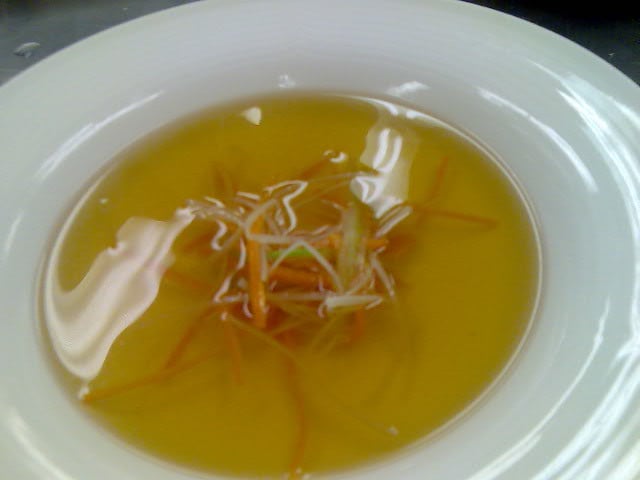
Crystal-clear consommé required master-level technique to achieve its signature transparency while maintaining rich flavor. Chefs would simmer bones for days, then clarify the stock using a “raft” of egg whites that trapped every particle of fat and debris.
The process was so demanding that restaurants employed specialist soup cooks. Modern kitchens rarely invest the time or labor costs required for proper consommé preparation.
Welsh Rarebit
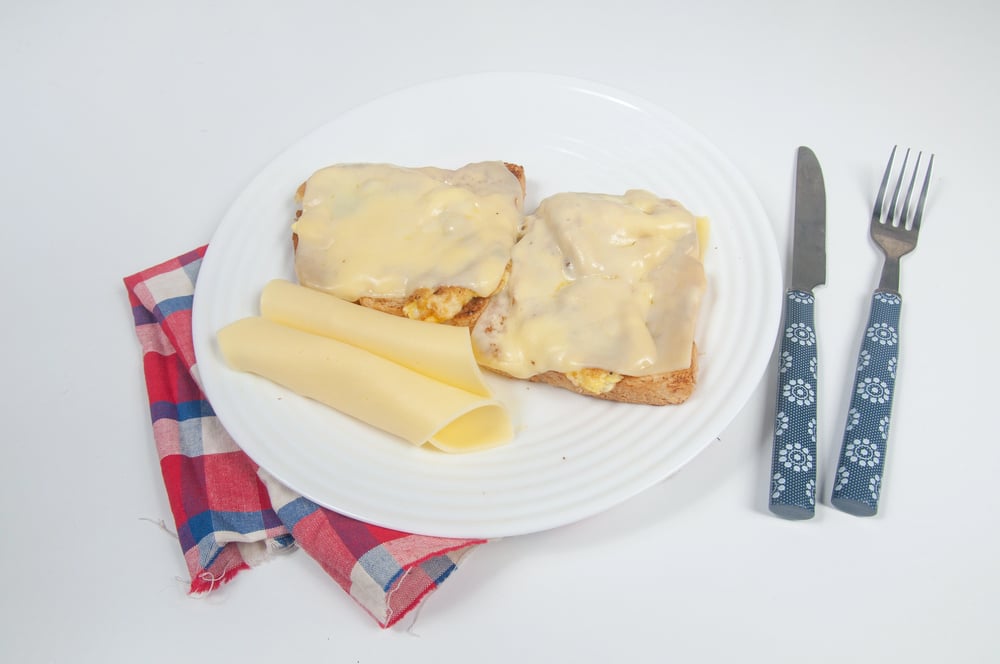
Despite its name, this dish contained no rabbit — just a rich cheese sauce poured over toast. The sauce combined aged cheddar, beer, mustard, and Worcestershire sauce, cooked until smooth and pourable.
Pub kitchens across Britain served rarebit as a hearty snack or light supper. The dish required constant stirring to prevent the cheese from separating, and most establishments gave up when faster foods became popular.
Lobster Newburg
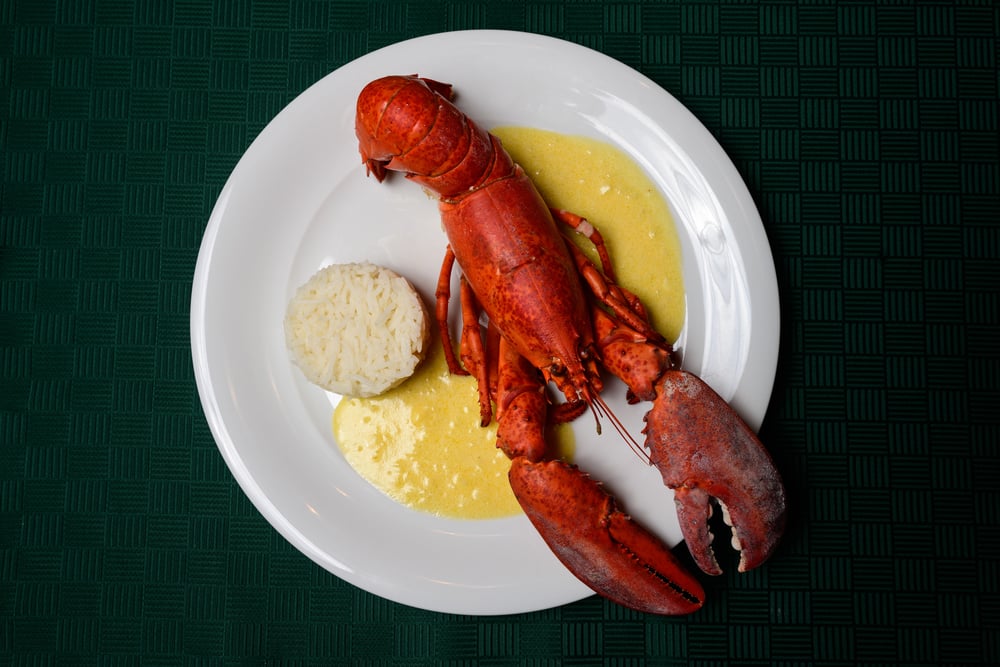
Lobster chunks in brandy cream sauce represented the height of Gilded Age dining. Restaurants would sauté fresh lobster meat in butter, flame it with cognac, then finish with cream and egg yolks.
The technique demanded split-second timing — too much heat would curdle the eggs and ruin the entire dish. Not great for busy restaurant service. High lobster prices and complex preparation eventually pushed it off most menus.
Charlotte Russe
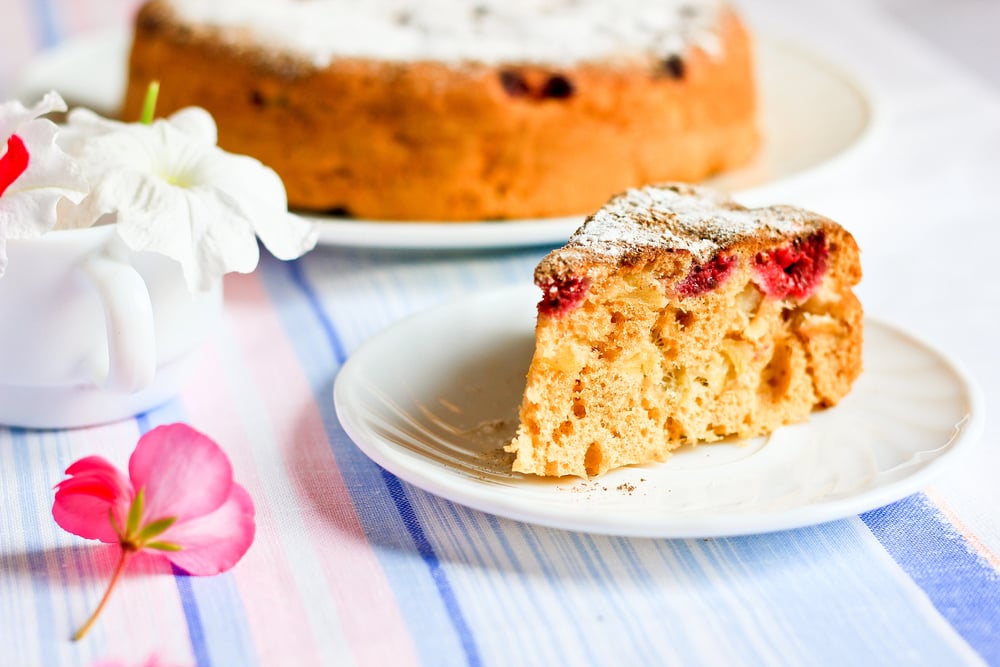
This molded dessert featured Bavarian cream surrounded by ladyfinger cookies, often decorated with fruit or chocolate. Pastry chefs would line special molds with the cookies, fill them with the cream mixture, then chill until set.
The presentation was spectacular when unmolded, but the technique required specialized equipment and considerable skill. Restaurant pastry departments simplified their offerings as labor costs rose.
Beef Wellington
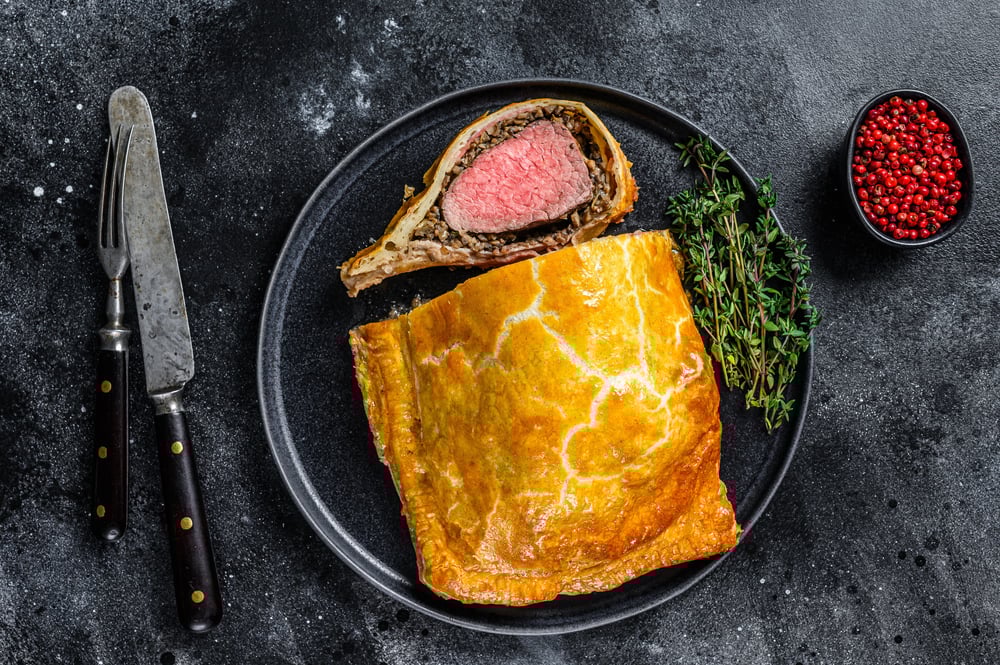
Whole beef tenderloin wrapped in pâté and pastry created one of the most challenging dishes in classical cuisine. The pastry had to be perfectly sealed to prevent juices from making it soggy, while the beef needed precise timing to achieve the right doneness.
And timing was everything — too long in the oven would overcook the expensive beef, while underbaking left raw pastry. Most restaurants abandoned Wellington when faster, more reliable preparations became standard.
The Last Course
These dishes didn’t disappear because they tasted bad — they vanished because the world changed around them. Modern diners want faster service, simpler presentations, and dishes that don’t require a team of specialists to execute properly. Sometimes progress means leaving the past behind.
More from Go2Tutors!

- The Romanov Crown Jewels and Their Tragic Fate
- 13 Historical Mysteries That Science Still Can’t Solve
- Famous Hoaxes That Fooled the World for Years
- 15 Child Stars with Tragic Adult Lives
- 16 Famous Jewelry Pieces in History
Like Go2Tutors’s content? Follow us on MSN.