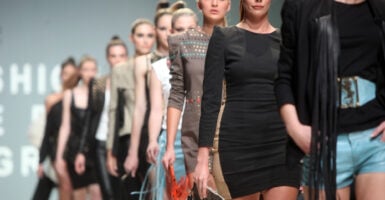
How Women Used Fashion to Rebel
Throughout history, women have used clothing as a powerful weapon against society’s rules. When laws and customs tried to keep them quiet, they spoke through their wardrobes instead. Fashion became their secret language of rebellion, challenging expectations one outfit at a time.
Let’s explore the incredible ways women turned fashion into their form of protest. These brave choices helped change the world and pave the way for the freedoms many enjoy today.
Suffragettes ditched corsets to fight for voting rights

Many women’s rights activists were anti-fashion and claimed that to be fashionable was to accept female oppression, especially when it came to oppressive undergarments like corsets. Despite their traditional approach, many suffragettes were advocates of the ‘aesthetic’ or ‘rational’ dress movement, which campaigned for looser, more comfortable clothing.
Corsets had long restricted movement and caused health problems, so dropping them was both practical and political. The suffragettes needed to move freely during protests and marches, making restrictive clothing a real problem.
When they abandoned tight corsets, they were making a statement about women deserving comfort and freedom in their own bodies.
Bloomers shocked Victorian society in the 1850s
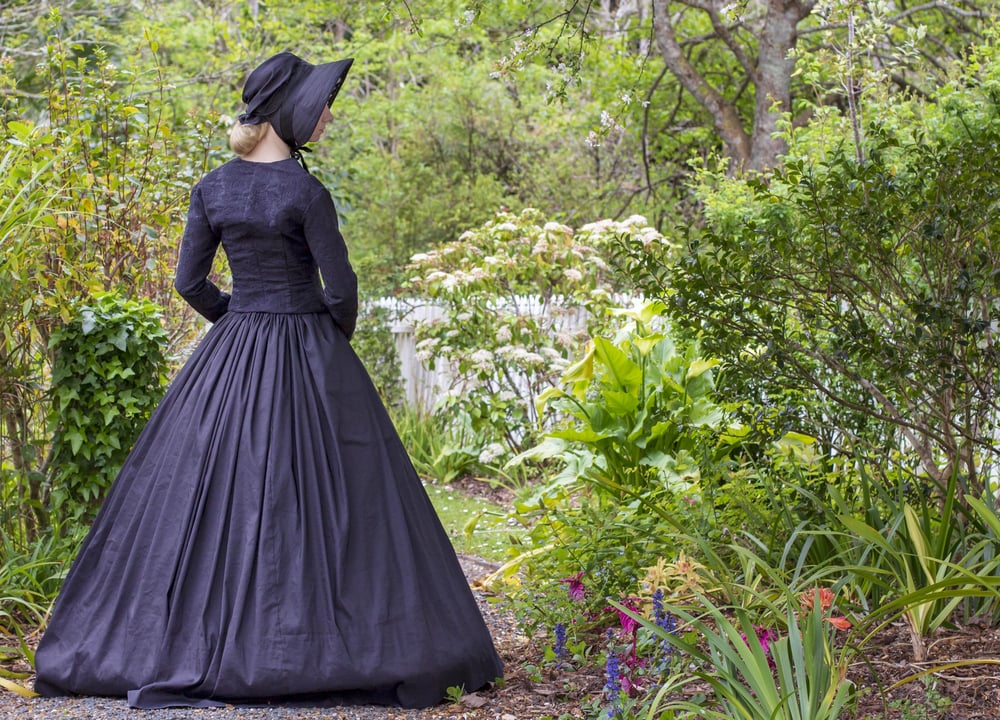
Starting in the 1850s, proponents of the movement for women’s rights traded their long dresses for bloomers and paid a heavy social price for it. These loose pants worn under shorter skirts were named after Amelia Bloomer, who promoted them in her newspaper.
Women who dared to wear bloomers faced ridicule, harassment, and even violence from people who thought pants belonged only to men. The backlash was so intense that many women eventually gave up wearing them, but the seed of rebellion had been planted.
Flappers cut their hair and raised their hemlines in the 1920s

Women during the 1920s abandoned the styles of their Victorian-era mothers and embraced bobs, beads and higher hemlines. The “flapper” eschewed corsets and floor-length gowns in favor of free-flowing, ornately decorated attire.
Young women shocked their parents by cutting their long hair into short bobs and wearing skirts that showed their ankles. They danced, drank, and dressed however they wanted, rejecting the idea that women should be quiet and proper.
The flapper look represented a generation ready to break free from old-fashioned expectations.
Coco Chanel freed women from fashion prison
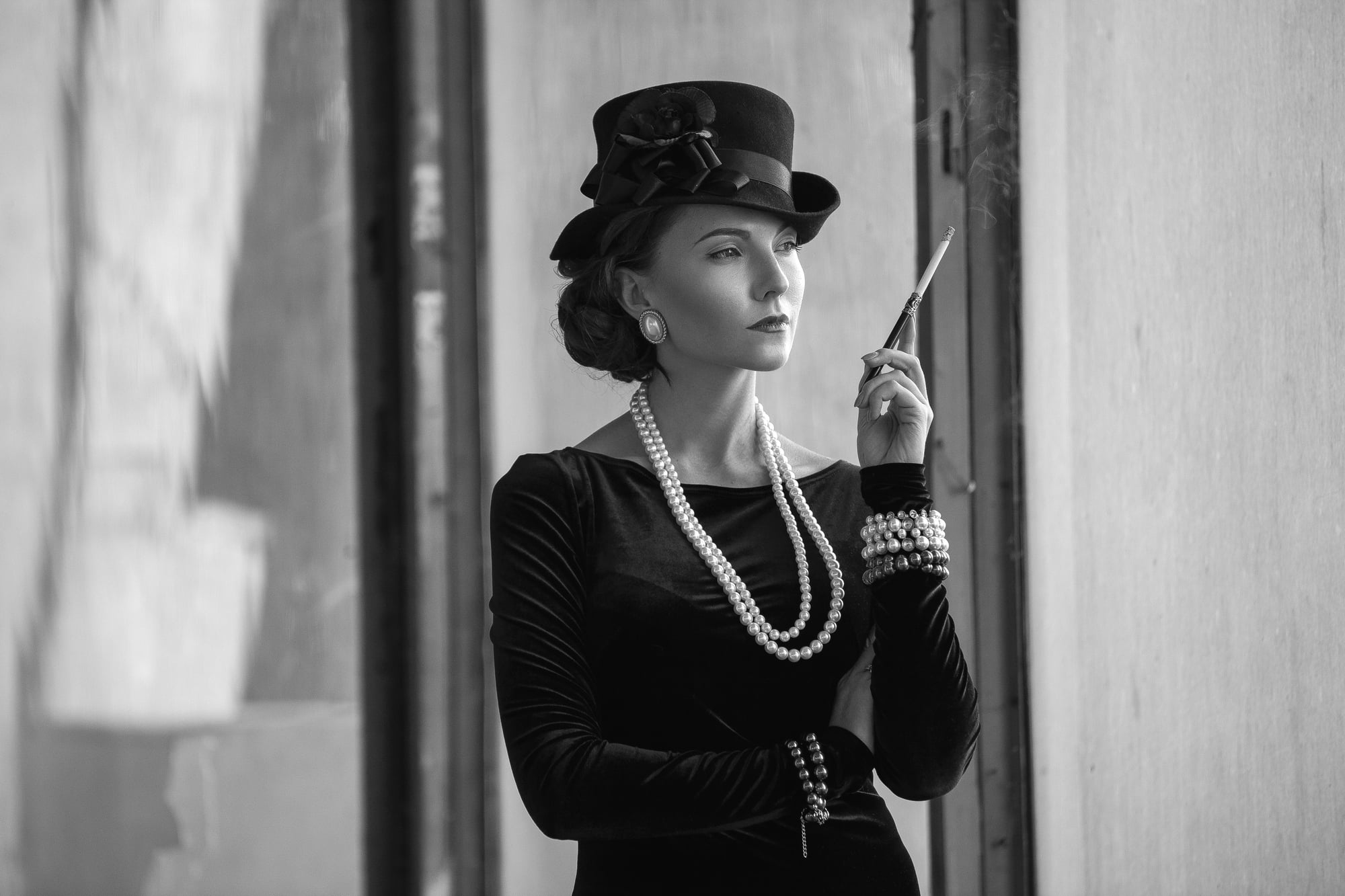
Gabrielle “Coco” Chanel revolutionized women’s fashion by creating clothes that were both elegant and comfortable. She introduced jersey fabric to high fashion, making clothes that women could actually move in without help from servants.
Chanel’s designs eliminated the need for tight corsets and complicated undergarments that had trapped women for centuries. Her little black dress became a symbol of independence, showing that women could be both stylish and practical.
Working women adopted practical pants during World War II

When men went to war, women took over factory jobs and needed clothing that wouldn’t get caught in machinery. Traditional dresses and skirts were dangerous around industrial equipment, so women started wearing pants out of necessity.
The government actually encouraged this change through propaganda campaigns showing stylish women in work clothes. After the war ended, many women refused to give up the comfort and practicality of pants, despite social pressure to return to dresses.
The miniskirt caused an international scandal in the 1960s

In the swinging decade of the 1960s, a revolution was underway. The miniskirt, an audacious and provocative garment, burst onto the fashion scene, captivating women and challenging societal norms.
Mary Quant and other designers created skirts that ended several inches above the knee, shocking conservative society. Churches condemned them, schools banned them, and older generations were horrified by the amount of leg being shown.
Young women wore them anyway, using fashion to claim ownership of their own bodies.
Twiggy made being skinny fashionable for the first time
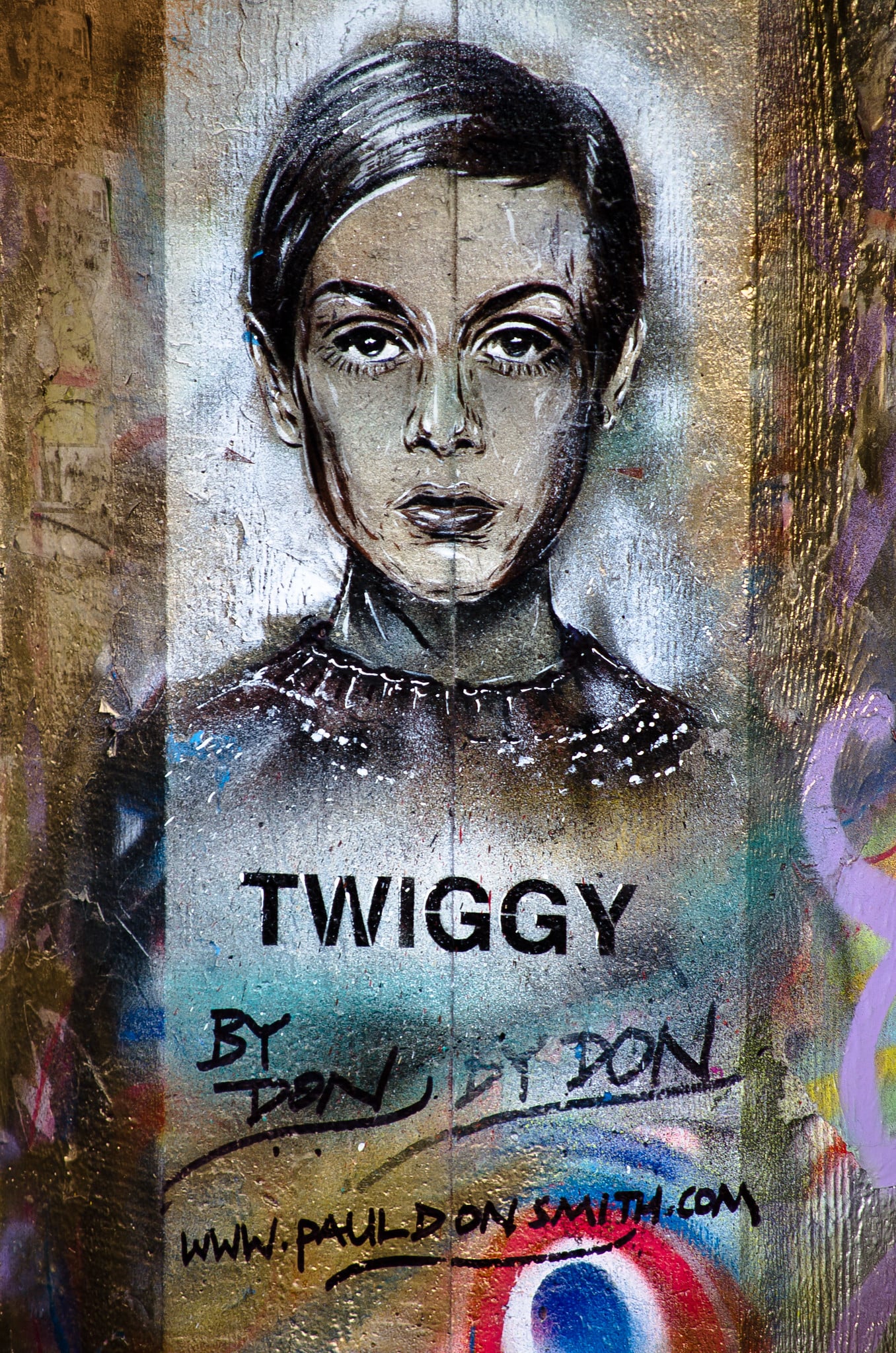
Model Lesley Lawson, known as Twiggy, challenged beauty standards by making thin bodies fashionable instead of the curvy figures that had been popular before. She wore her hair in a pixie cut and had a boyish figure that broke all the traditional rules about feminine beauty.
Twiggy’s success showed that women didn’t have to fit one specific body type to be considered attractive. Her influence helped expand society’s definition of what beautiful women could look like.
Pantsuits became symbols of women’s professional equality

When women started entering male-dominated workplaces in larger numbers, they needed clothing that commanded respect and authority. The pantsuit became their uniform of choice, borrowing power from traditional men’s business attire while remaining distinctly feminine.
Many offices and restaurants initially banned women from wearing pants, leading to protests and legal battles. The fight to wear pantsuits to work became part of the larger struggle for workplace equality.
Hippie fashion rejected materialism and conformity
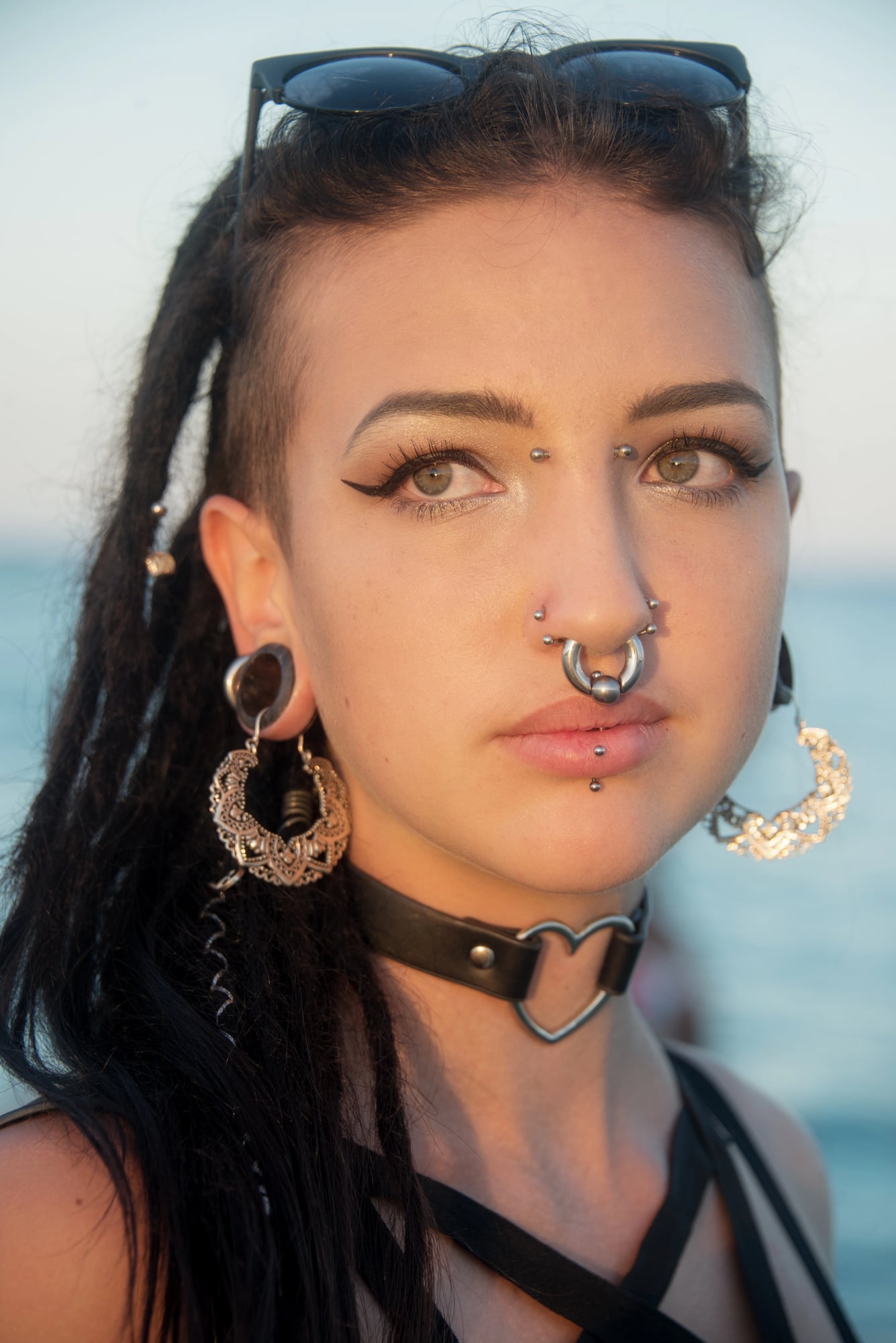
Young women in the 1960s and 1970s embraced natural fabrics, flowing silhouettes, and handmade clothing as a rejection of mass-produced fashion. They wore flowers in their hair, bell-bottom jeans, and peasant blouses that celebrated individuality over conformity.
This anti-fashion movement challenged the idea that women needed to spend money on expensive clothes to be valuable. Hippie style promoted comfort, creativity, and personal expression over following strict fashion rules.
Punk rockers used safety pins and torn clothing as armor

Female punk musicians and fans in the 1970s turned damaged clothing into a fashion statement that expressed anger and rebellion. They wore ripped stockings, safety pins as jewelry, and deliberately destroyed their clothes to show rejection of society’s expectations.
This aggressive style challenged both fashion norms and gender expectations about how women should present themselves. Punk fashion gave young women a way to express frustration with authority and conventional femininity.
Riot grrrls combined feminism with do-it-yourself fashion
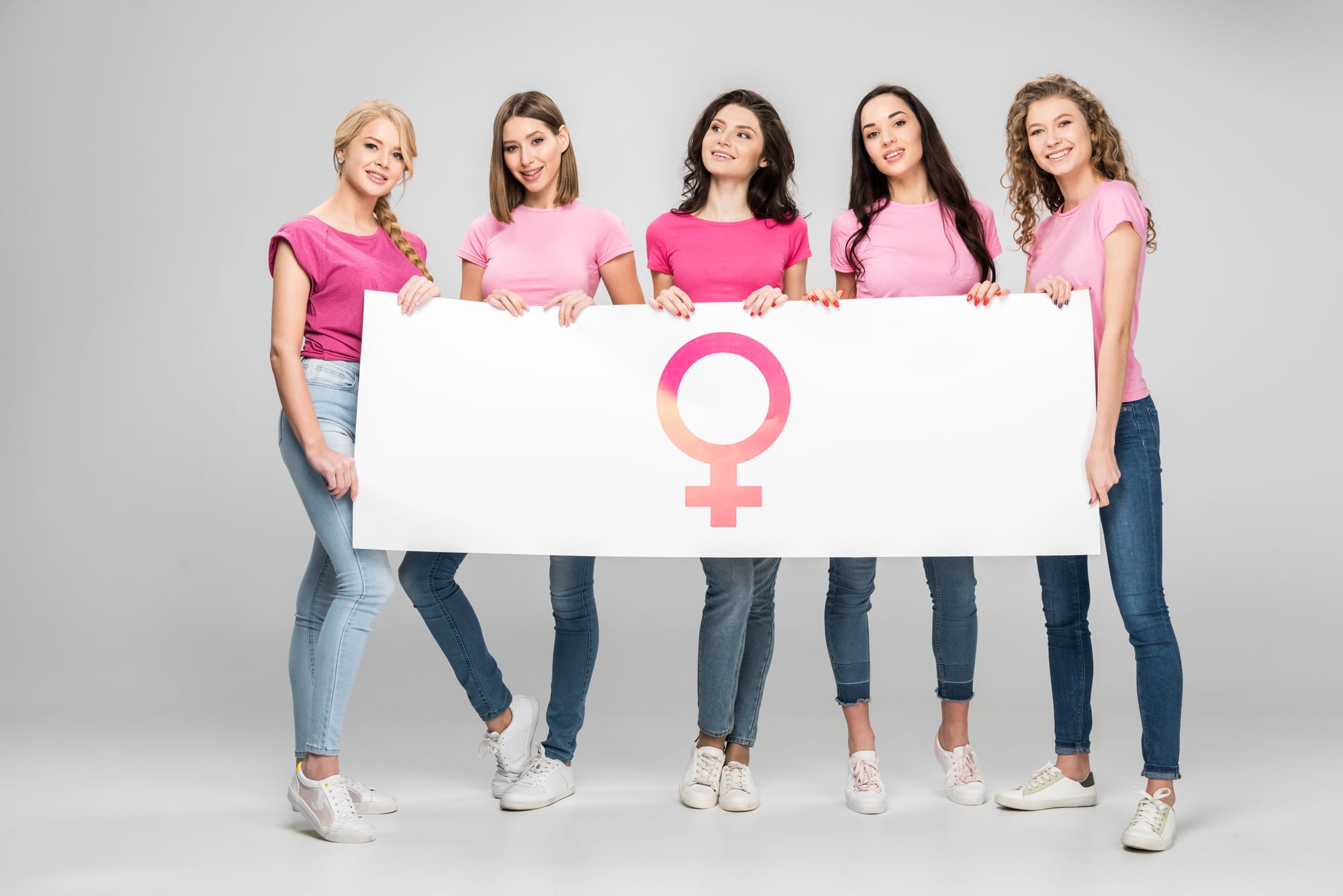
Young women in the 1990s punk movement created their own clothes, zines, and music as a form of feminist protest. They wore handmade dresses, customized band t-shirts, and deliberately messy makeup that rejected polished feminine beauty standards.
This movement encouraged women to create their own cultural products instead of just consuming what men made for them. Riot grrrl fashion celebrated imperfection and authenticity over manufactured beauty.
Hip-hop style let women claim space in male-dominated culture

Female rappers and fans adopted oversized clothing, bold jewelry, and athletic wear as a way to participate in hip-hop culture on their own terms. They borrowed from men’s streetwear but added their own feminine touches through accessories, colors, and styling choices.
This fashion allowed women to look tough and credible in a music scene that often didn’t take female artists seriously. Hip-hop fashion gave women a way to demand respect and space in a culture that tried to exclude them.
Grunge rejected traditional beauty standards completely
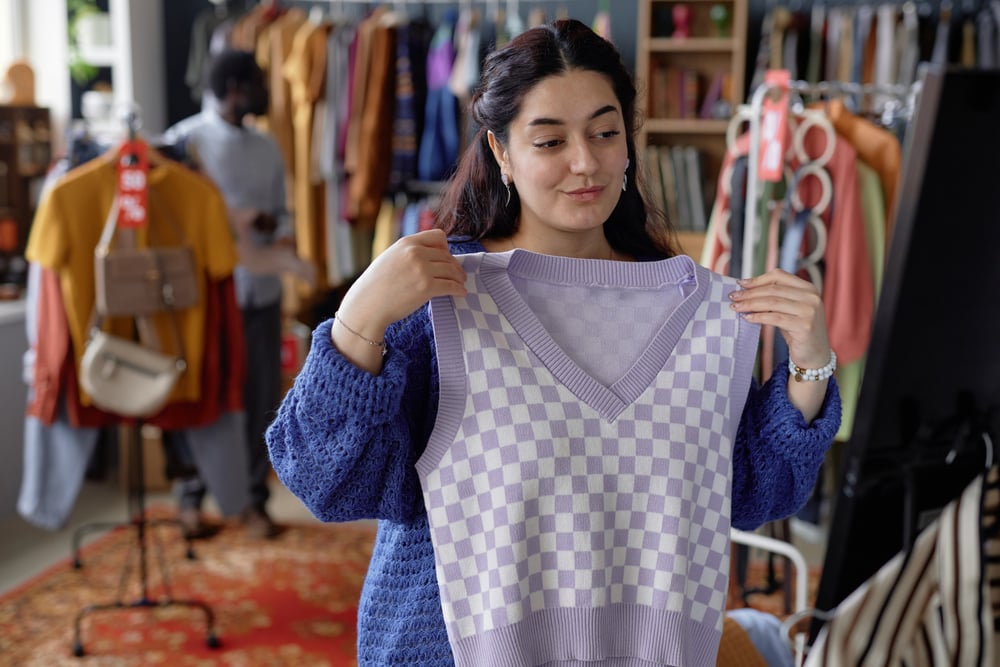
Young women in the 1990s embraced unwashed hair, thrift store clothes, and deliberately sloppy appearance as a rejection of polished femininity. Grunge style celebrated authenticity over artifice, comfort over glamour, and individuality over following trends.
This anti-fashion movement challenged the beauty industry’s pressure on women to spend time and money on their appearance. Grunge gave women permission to prioritize their interests and talents over their looks.
Gothic fashion let women explore dark femininity
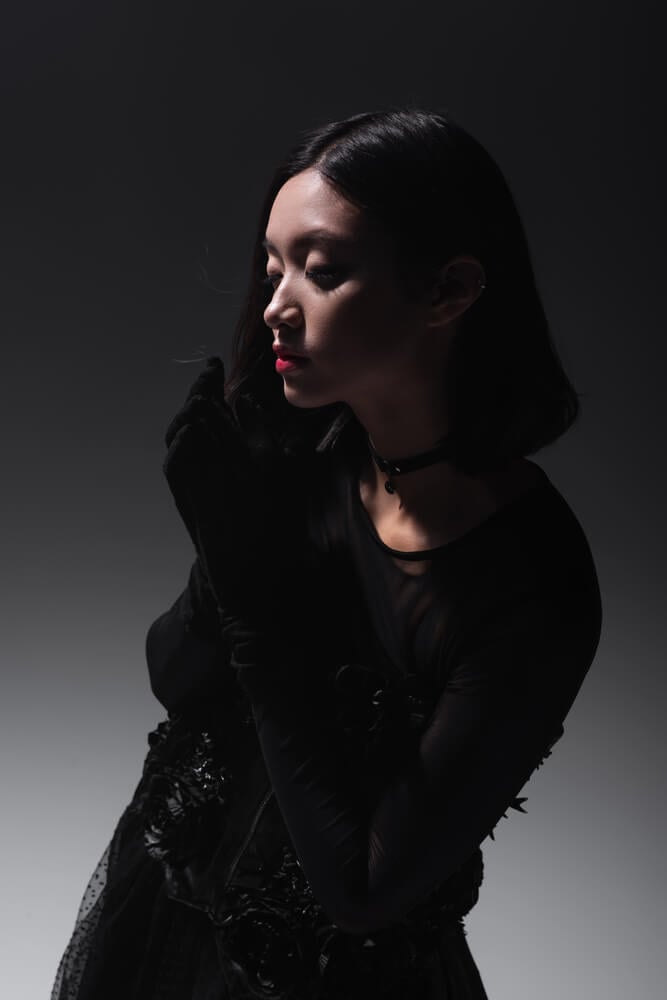
The gothic subculture allowed women to embrace darkness, mystery, and alternative beauty standards through dramatic black clothing and makeup. Gothic women wore corsets, long skirts, and pale makeup that referenced historical periods while creating something completely modern.
This style challenged the expectation that women should always be bright, cheerful, and conventionally pretty. Gothic fashion gave women a way to express complex emotions and interests that mainstream culture often dismissed.
Social media influencers democratized fashion rebellion

Modern women use Instagram, TikTok, and other platforms to challenge fashion rules and promote body positivity without needing approval from traditional gatekeepers. They showcase diverse body types, unconventional styling, and personal expression that major fashion magazines previously ignored.
Social media has allowed women from all backgrounds to influence fashion trends and challenge beauty standards directly. This digital revolution has made fashion rebellion more accessible and immediate than ever before.
From corsets to confidence

The history of women’s fashion rebellion shows how clothing can be a powerful tool for social change. Each generation of women has used fashion to push boundaries, challenge expectations, and claim new freedoms for themselves and future generations.
Today’s women inherit the courage of suffragettes who abandoned corsets, flappers who shortened their skirts, and punks who turned safety pins into jewelry. The battles fought through fashion choices helped create a world where women have more choices than ever before, proving that sometimes the most effective revolutions start with what you decide to wear each morning.
More from Go2Tutors!

- The Romanov Crown Jewels and Their Tragic Fate
- 13 Historical Mysteries That Science Still Can’t Solve
- Famous Hoaxes That Fooled the World for Years
- 15 Child Stars with Tragic Adult Lives
- 16 Famous Jewelry Pieces in History
Like Go2Tutors’s content? Follow us on MSN.