25 Shipwrecks Located Only Recently
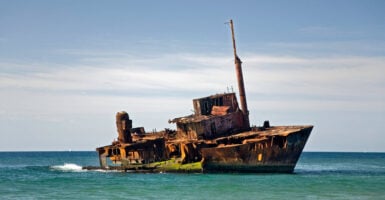
The ocean is a graveyard. Thousands of ships rest on its floor, lost to storms, collision, or time.
Some were searched for centuries and never found. Others sank so long ago that they became legend.
Then, new technology arrived—deep-sea diving, sonar, submersibles, underwater drones—and the ocean began to surrender its secrets. These 25 shipwrecks were discovered in recent decades, some after being lost for hundreds of years.
The Titanic—1985
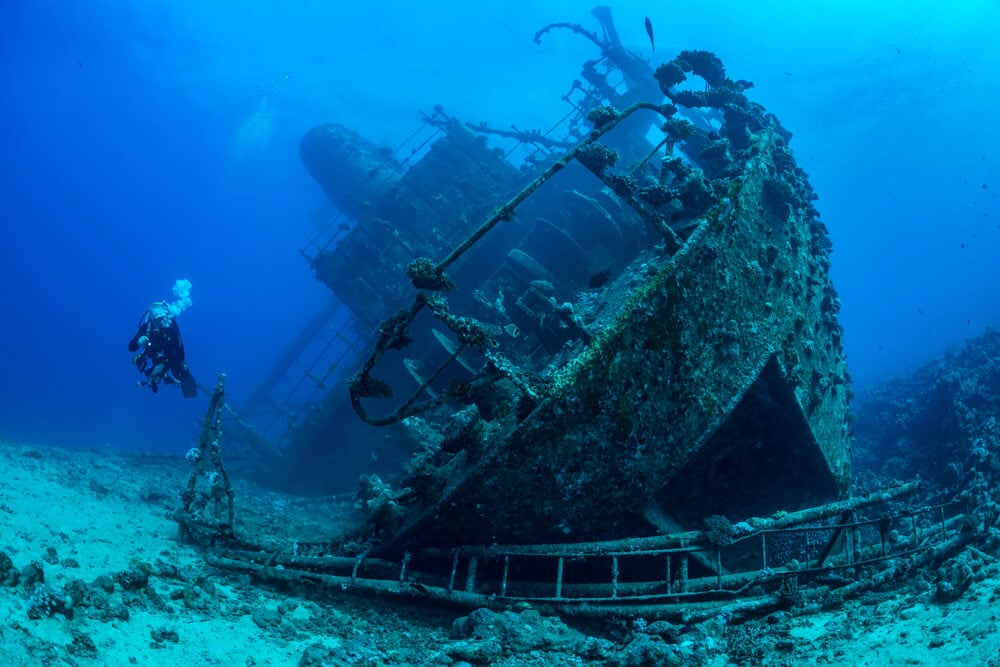
The most famous ship ever built sank in 1912, and everyone assumed it would stay lost forever. The Atlantic was too deep, too cold, too dark.
Then Robert Ballard located it in 1985, 73 years after it went down. The wreck was intact enough to be recognizable, preserved by the cold.
The discovery reignited fascination with the ship and proved that even the deepest wrecks could be found.
The HMS Victoria—1999
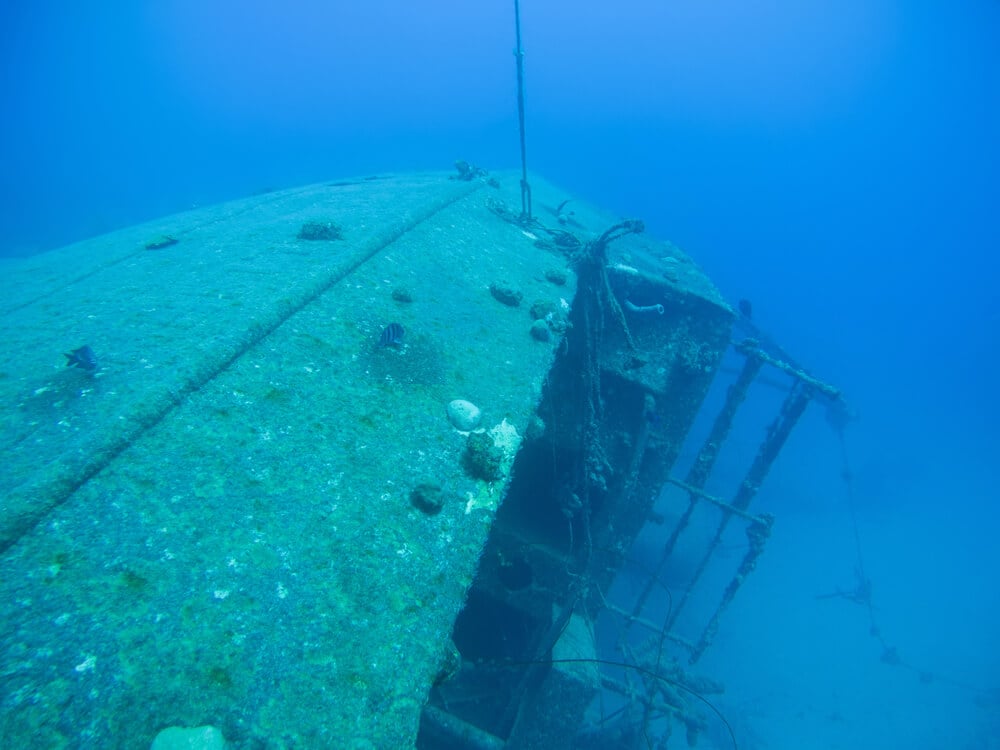
The British warship sank in 1893 off the coast of Lebanon after colliding with another ship. It lay undiscovered for 106 years until found in 2,000 feet of water.
The wreck revealed the extent of damage, confirming how rapidly the ship sank. The discovery came only after decades of searching and technological advances.
The CSS Alabama—2012
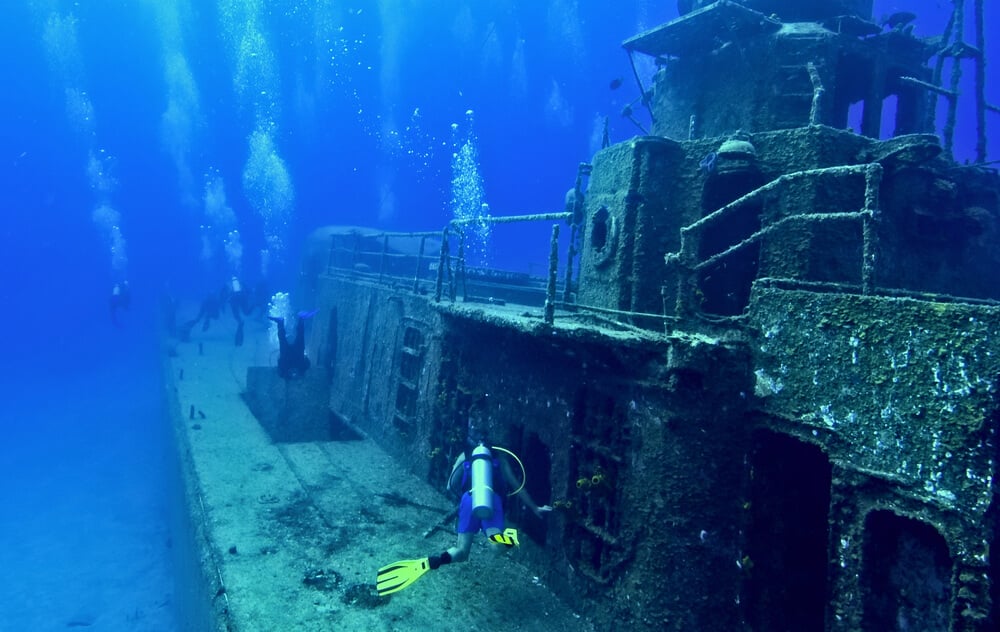
The Confederate raider sank in 1864 off the coast of France. For 148 years, its exact location remained unknown.
Researchers using historical records and modern sonar finally located it in 2012 off Cherbourg. The wreck provided insights into Civil War naval warfare and Confederate ship design.
The USS Indianopolis—2017
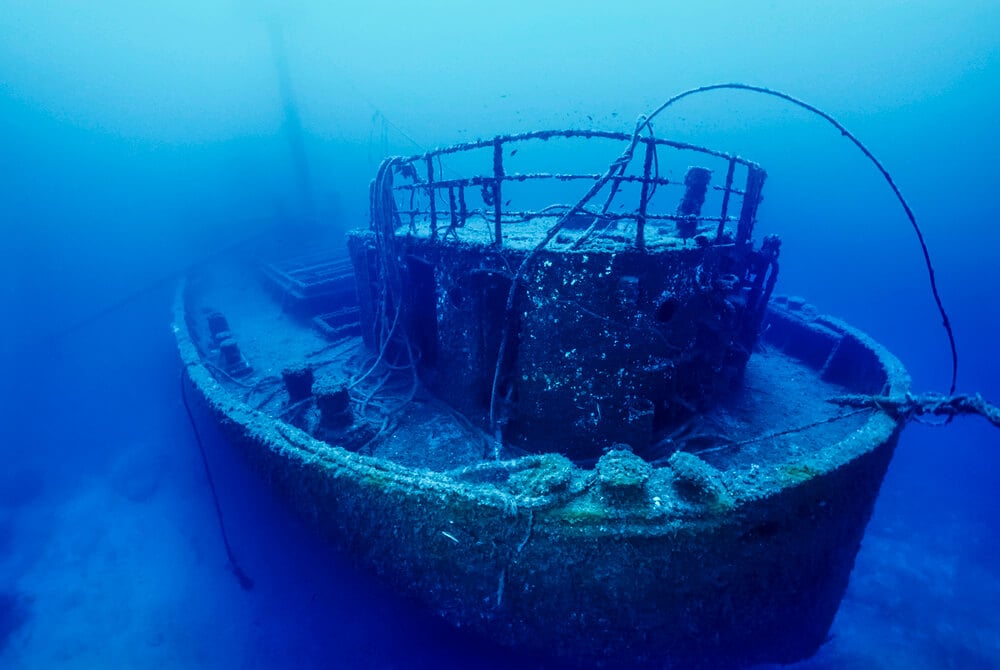
The USS Indianapolis sank in 1945, torpedoed by a Japanese submarine with 1,196 men aboard. Only 316 survived.
The wreck lay undiscovered in 18,000 feet of water for 72 years. When found in 2017, it reignited interest in one of the deadliest warship losses in naval history.
The discovery brought closure to survivors and families.
The RMS Lusitania—1935 & Full Exploration—2008
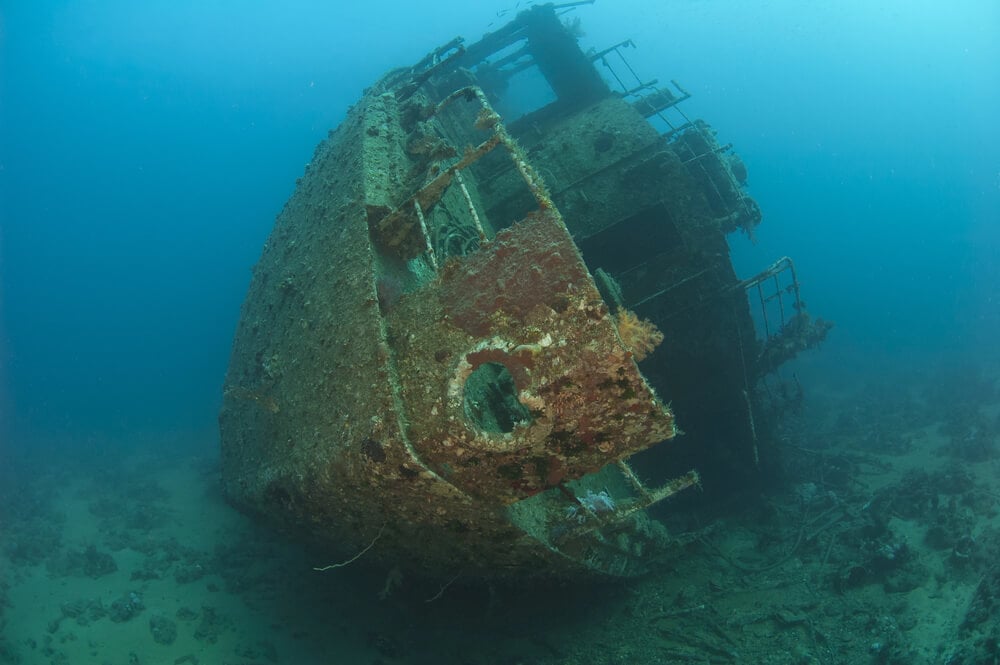
While the Lusitania was found relatively quickly after sinking in 1915, detailed exploration of the wreck continued into the 2000s. Deep-water submersibles allowed archaeologists to examine the ship in ways impossible in earlier decades.
The detailed exploration revealed new information about the sinking and the ship’s final moments.
The HMCS Ottawa—2014
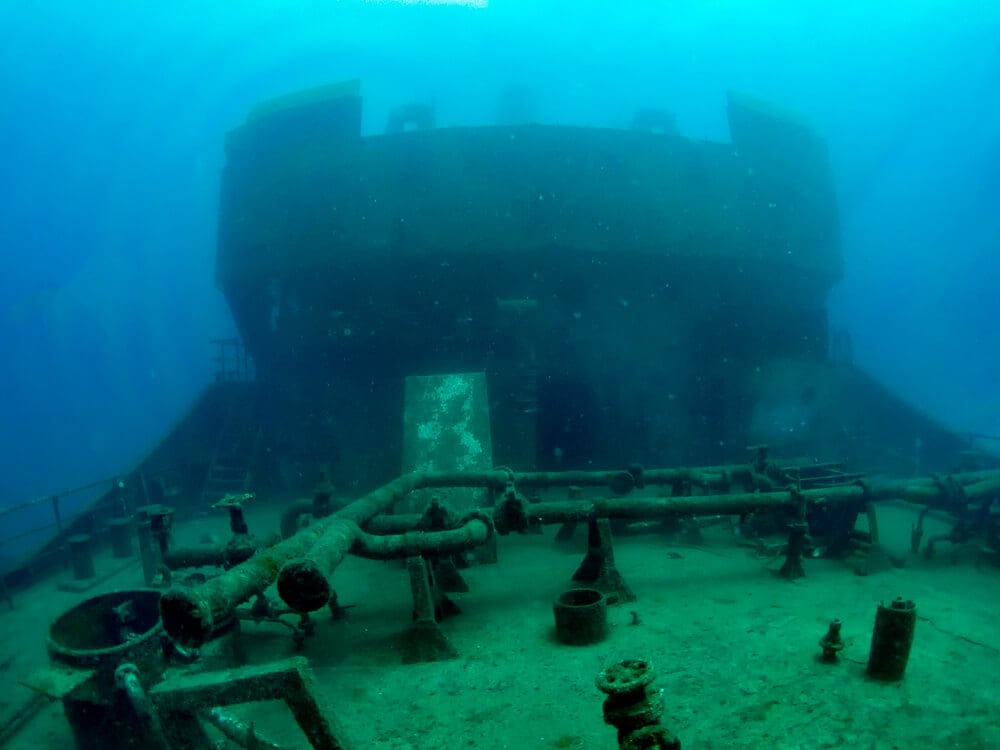
The Canadian destroyer sank in 1945 after being torpedoed in the Atlantic. For 69 years, its exact location was unknown despite multiple search attempts.
Researchers finally located it in 2014 in deep water off Newfoundland. The discovery was significant for Canadian naval history and helped solve mysteries about the ship’s final moments.
The USS Hornet—2019
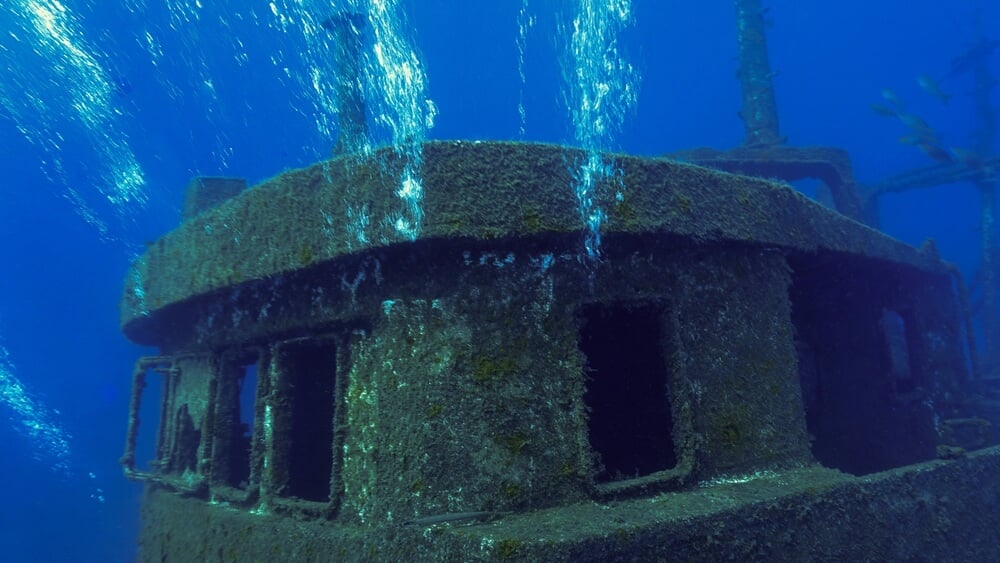
The USS Hornet aircraft carrier sank in October 1942 in the Battle of Santa Cruz. For 77 years, it remained lost in the Santa Cruz Channel.
A research team discovered the wreck in 2019 at 17,000 feet. The discovery allowed researchers to understand how quickly the ship sank and the scale of the damage.
The Nuestra Señora de Atocha—1985
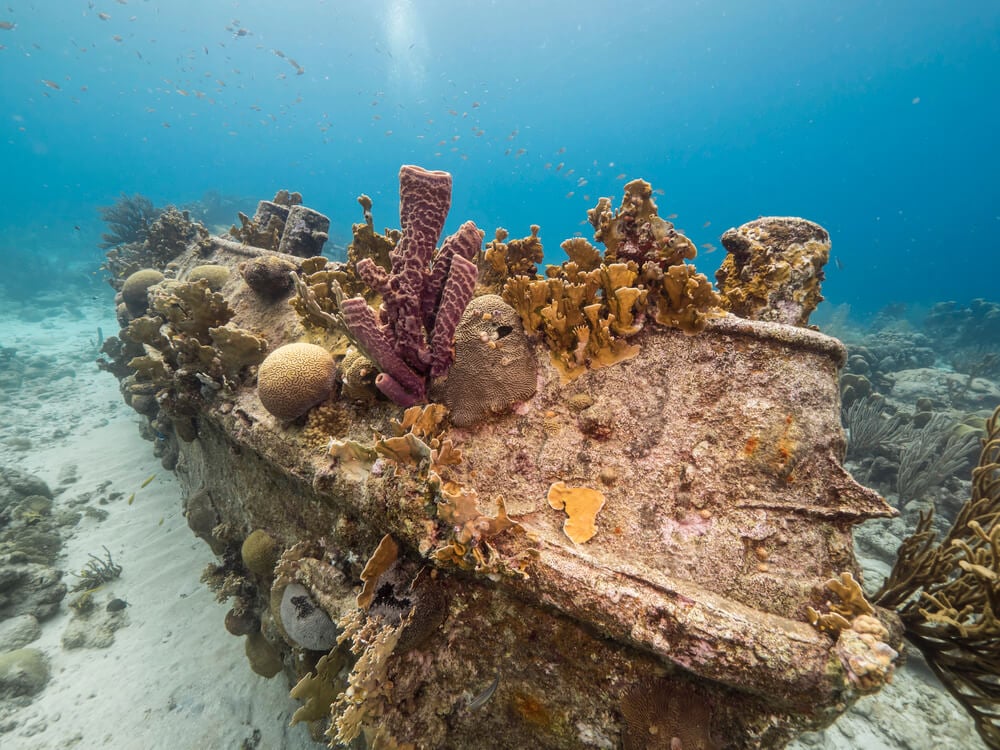
A Spanish galleon sank in 1622 in a hurricane off the Florida Keys. It carried a fortune in treasure.
Salvagers searched for decades before Mel Fisher finally located it in 1985, after 16 years of searching. The discovery recovered millions in artifacts and treasure, and provided insights into 17th-century Spanish maritime commerce.
The Mary Rose—1982
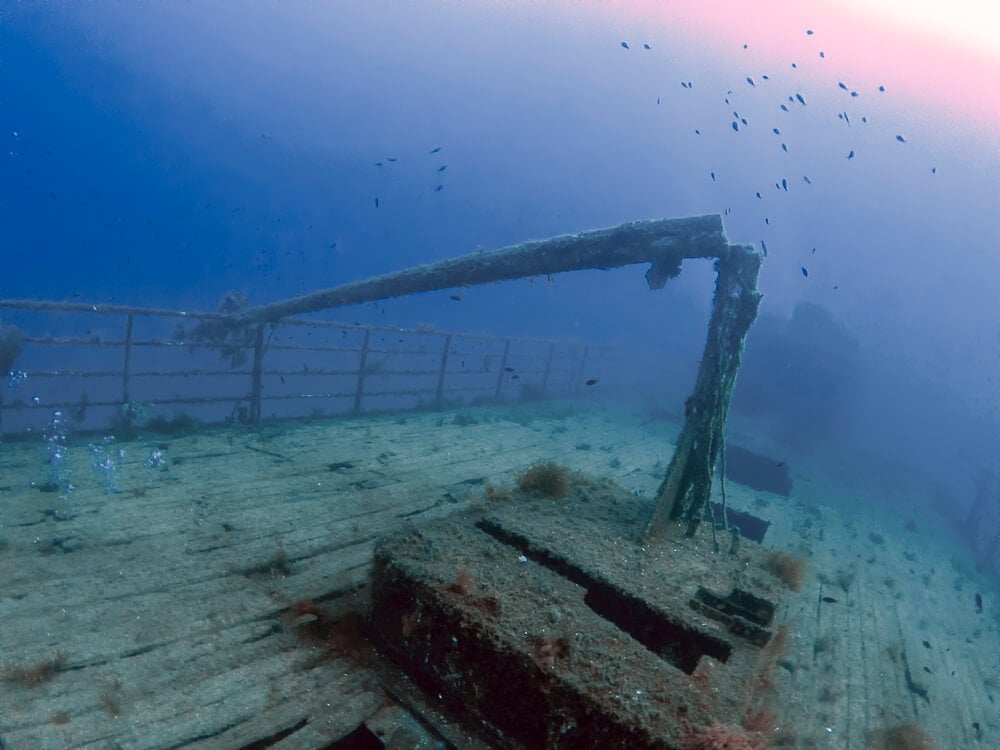
The English warship sank in 1545 off the coast of Portsmouth. It lay in shallow water but remained unseen for 437 years until archaeologists raised it in 1982.
The ship preserved an extraordinary record of Tudor-era naval warfare and daily life. The wreck became one of archaeology’s most important maritime discoveries.
The De Agostini—1976
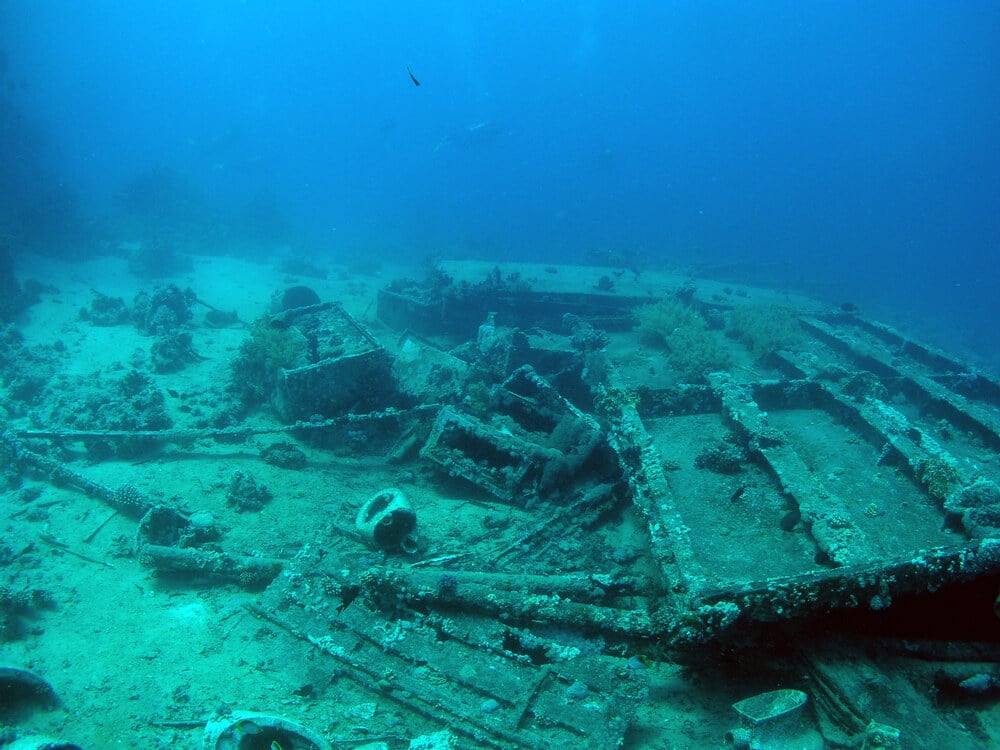
An Italian passenger ship sank in 1915 in the Adriatic Sea. For 61 years, its exact location remained unknown.
It was discovered in 1976 off the coast of Italy, revealing the extent of World War I naval losses. The wreck provided evidence of maritime warfare during the First World War.
The Edmund Fitzgerald—1976
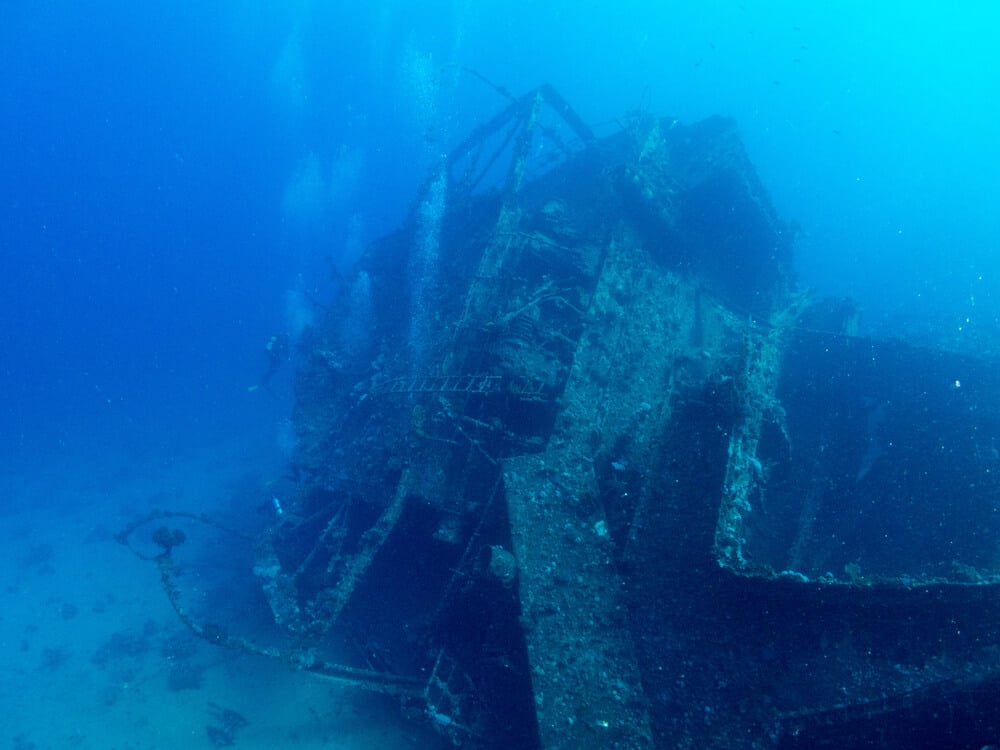
The freighter sank in Lake Superior in 1975 with 29 men aboard. For nearly a year, its exact location remained unknown.
When discovered in 1976 at 530 feet, researchers finally began to understand what caused the sinking. The wreck remains one of the Great Lakes’ greatest mysteries.
The USS Lexington—2018
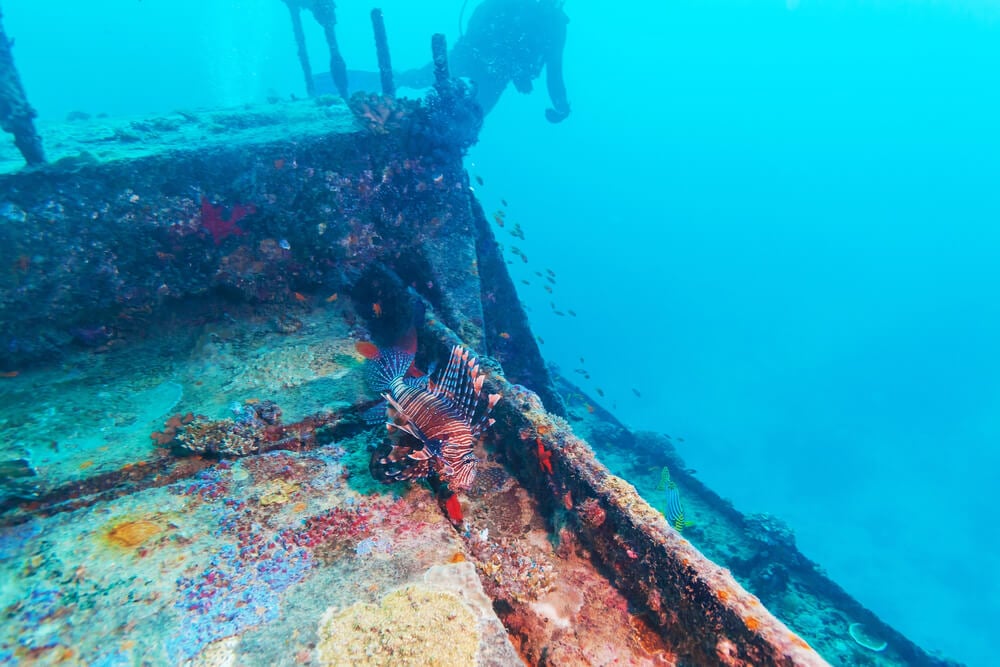
The USS Lexington aircraft carrier sank in May 1942 in the Coral Sea. For 76 years, its exact location was unknown despite being searched.
A research team discovered the wreck in 2018 at 10,000 feet. The discovery revealed the extent of damage from the Battle of the Coral Sea.
The Japan’s I-401 Submarine—2005
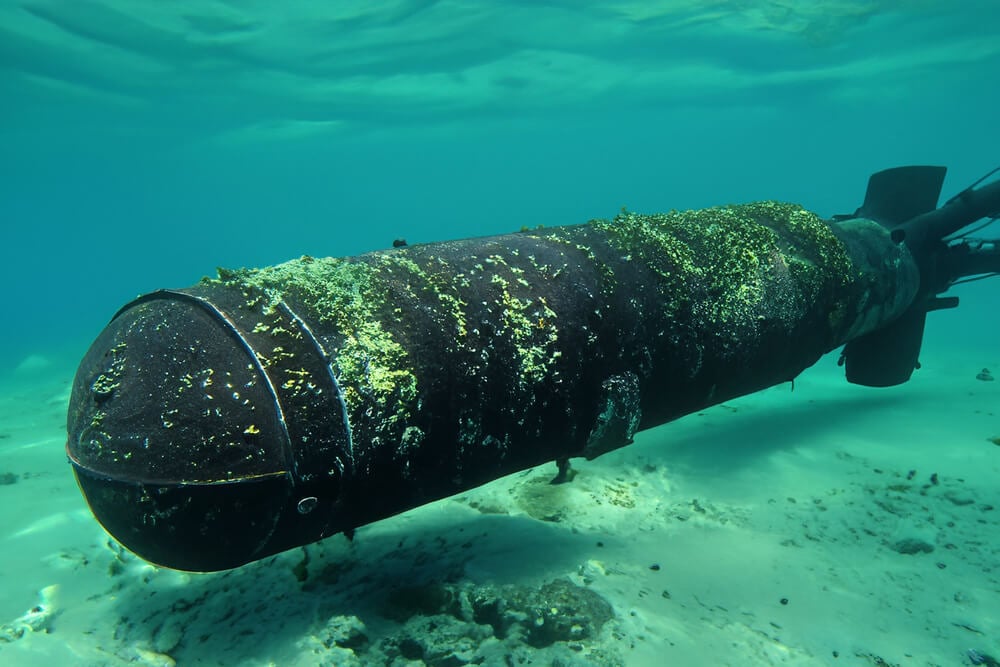
A Japanese submarine that participated in World War II sank in 1945. For 60 years, its location was unknown.
The wreck was discovered in 2005 off the coast of Hawaii. The discovery provided evidence of late-war Japanese submarine operations.
The SS Waratah—1909 & Ongoing
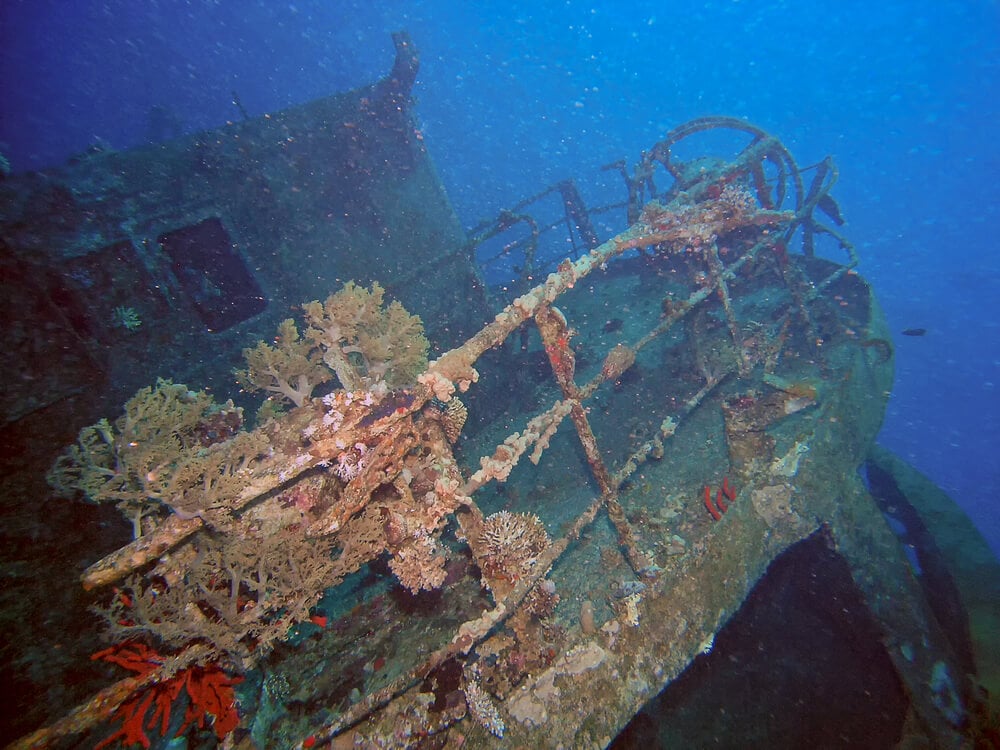
The Waratah disappeared in 1909 with 211 people aboard off the coast of South Africa. For over a century, no confirmed wreck has been found despite numerous searches.
The ship remains one of maritime history’s greatest unsolved mysteries, lost for over 100 years.
The RMS Carpathia—2011
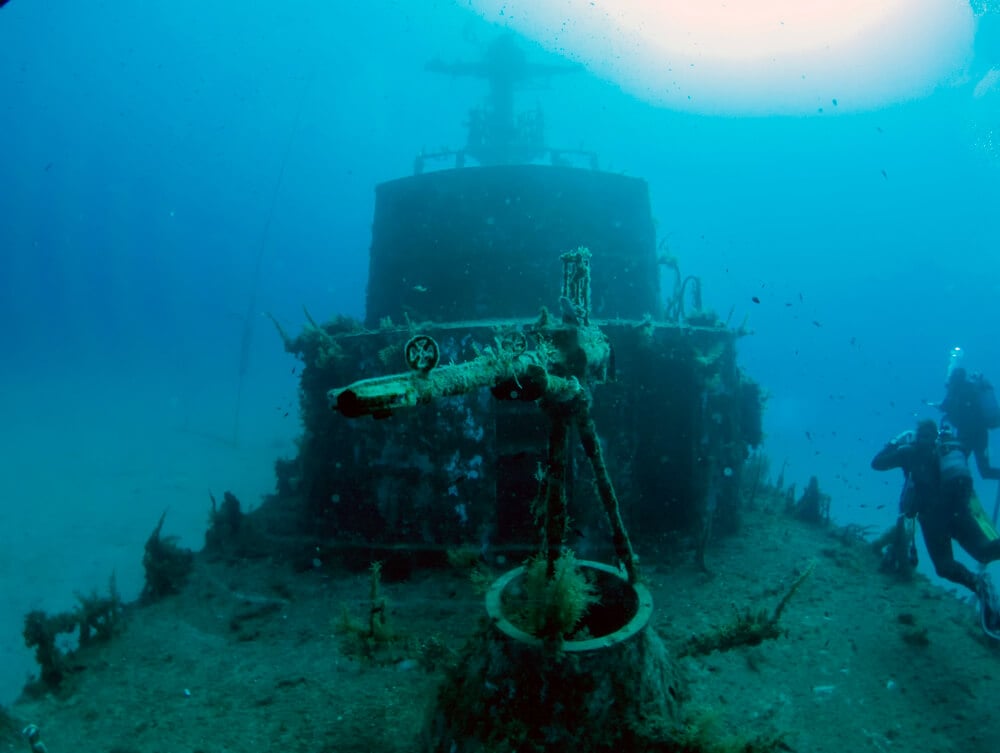
The Carpathia was famous as the ship that rescued Titanic survivors. It sank in 1918 after being torpedoed by a German submarine.
For 93 years, its location remained unknown. When discovered in 2011 off the coast of Ireland, it became a historically significant wreck.
The HMS Erebus—2014
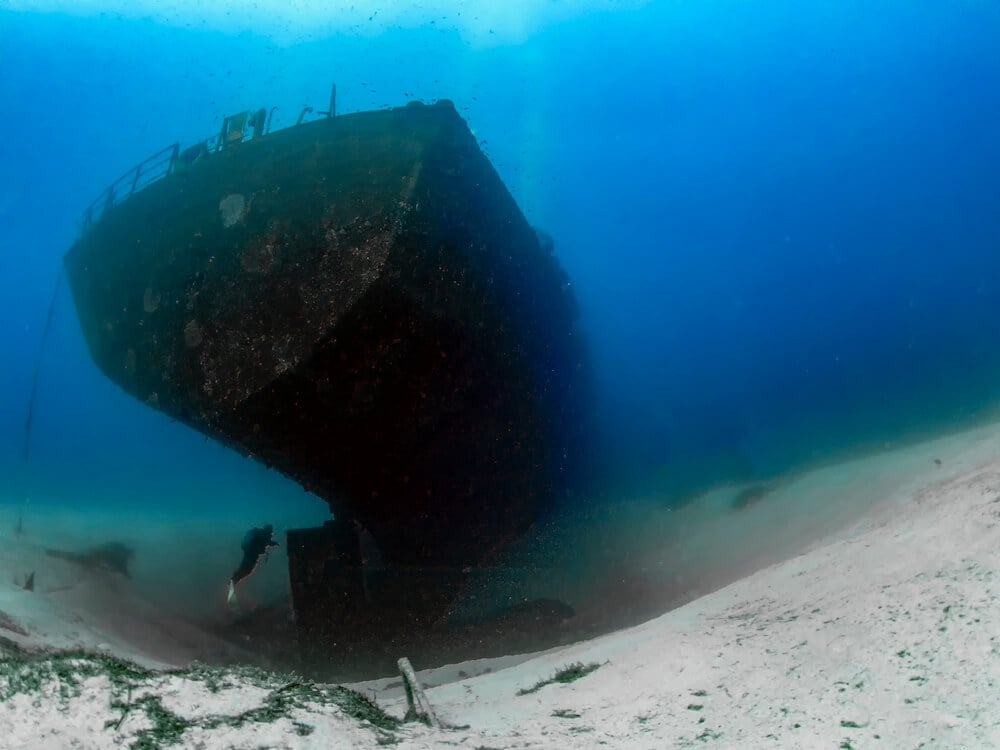
The HMS Erebus was Franklin’s exploration ship that disappeared in 1848 during an Arctic expedition. For 166 years, the wreck remained lost.
When discovered in 2014 in the Canadian Arctic, it provided evidence about the fate of Franklin’s expedition and solved a historical mystery that had captivated Arctic explorers for over a century.
The HMCS Athabaskan—2015
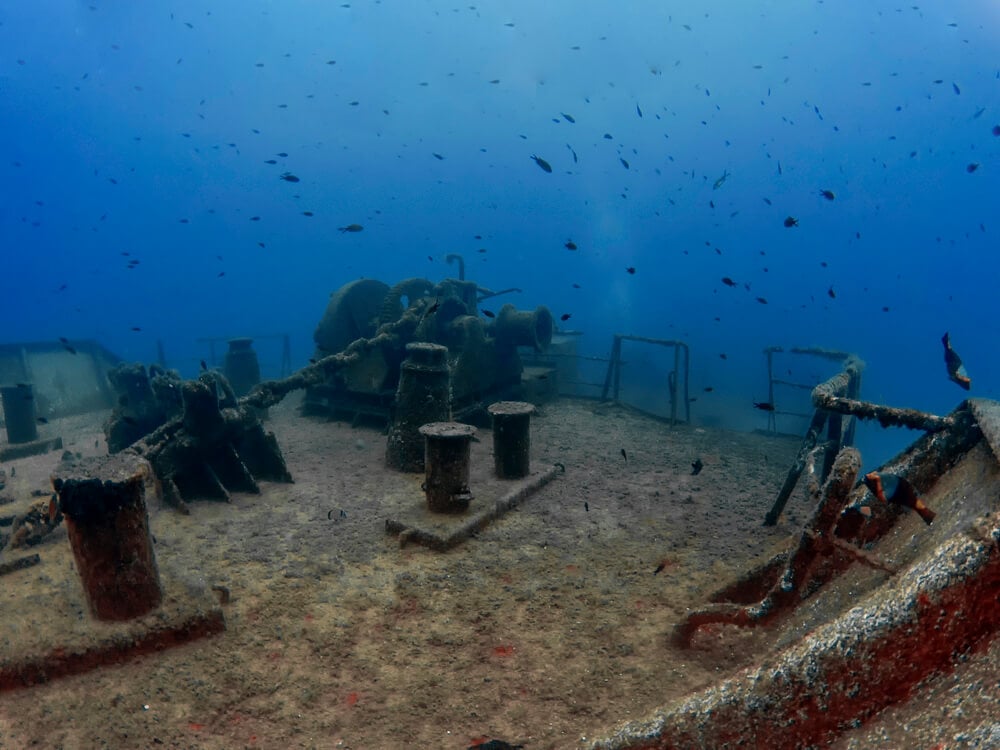
The Canadian naval destroyer sank in 1944 after being torpedoed. For 71 years, its exact location was unknown.
When discovered in 2015 off the coast of France, it became one of the most significant Canadian naval discoveries. The wreck provided evidence of World War II naval combat.
The USS Ward—2001
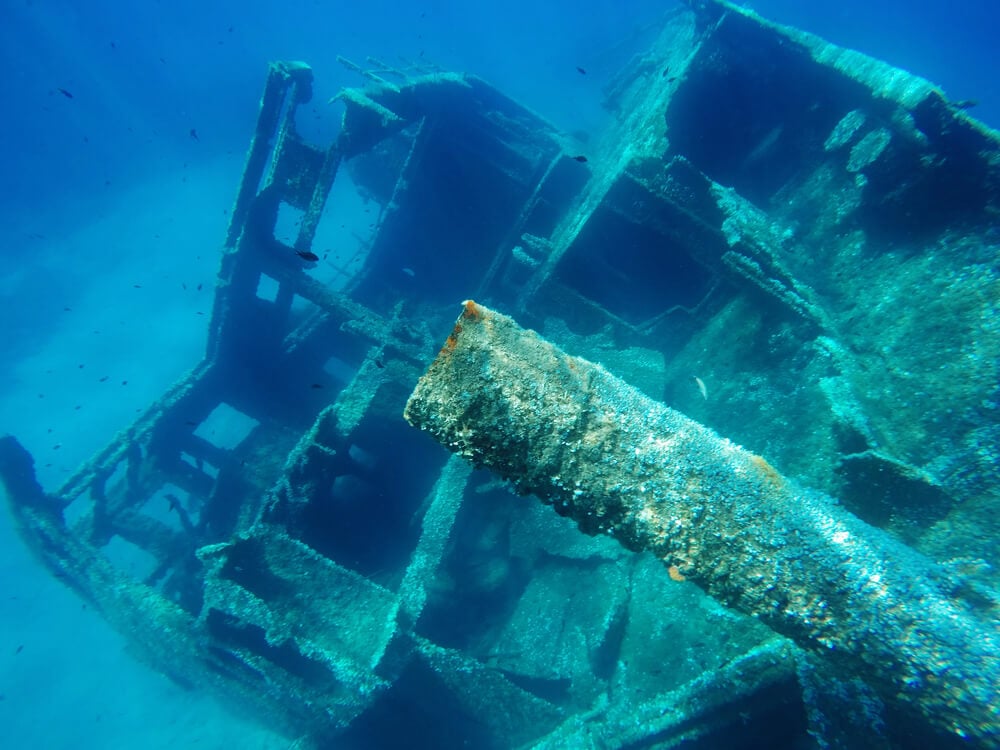
The minesweeper USS Ward fired the first American shots of World War II in December 1941. It sank in June 1944 after being attacked.
For 57 years, its location remained unknown. When discovered in 2001 off the Philippines, it became a significant World War II artifact.
The Steelhead—1976
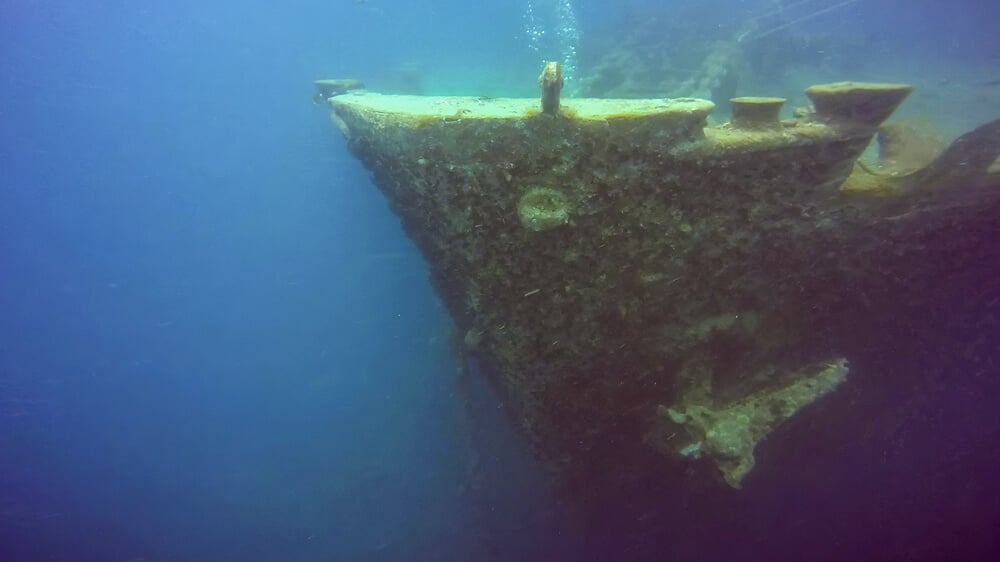
A World War II submarine sank in 1944 after being damaged. For 32 years, its location remained unknown.
When discovered in 1976 in the Pacific, it provided evidence of submarine operations during the war. The discovery helped researchers understand Pacific submarine losses.
The SS Yongala—1911 & Full Exploration—1980s
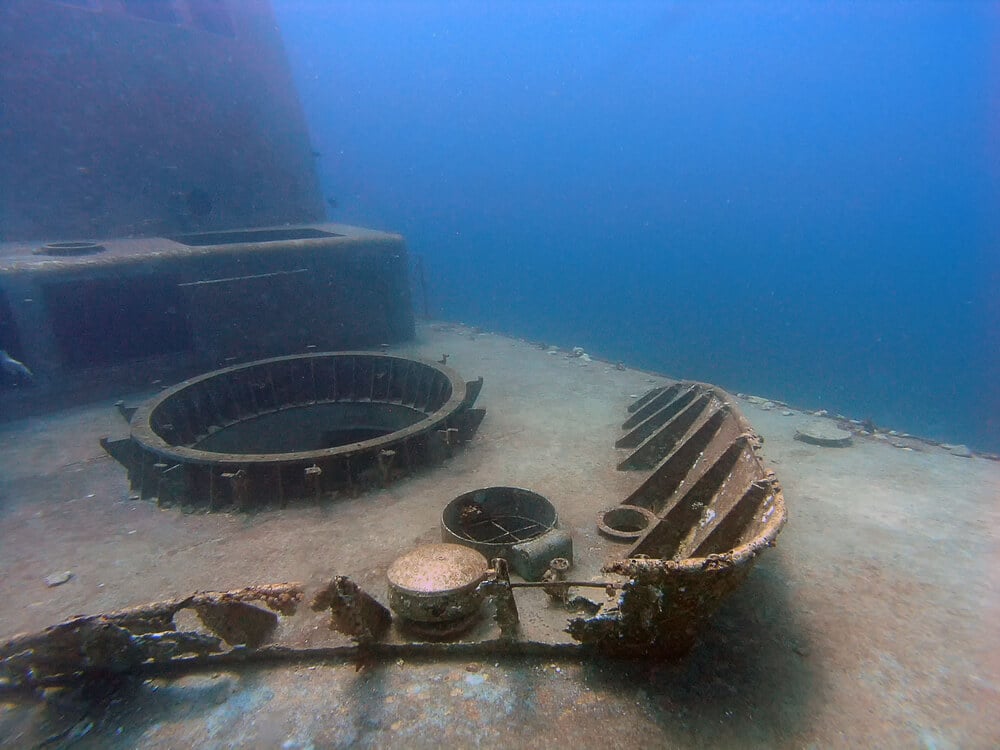
The Yongala sank in a cyclone in 1911 off the coast of Australia. While found in 1911, it remained essentially undiscovered by archaeologists until systematic exploration began in the 1980s.
The wreck became one of the most important maritime discoveries in Australian waters.
The Bell Rock Lighthouse Ship—1982
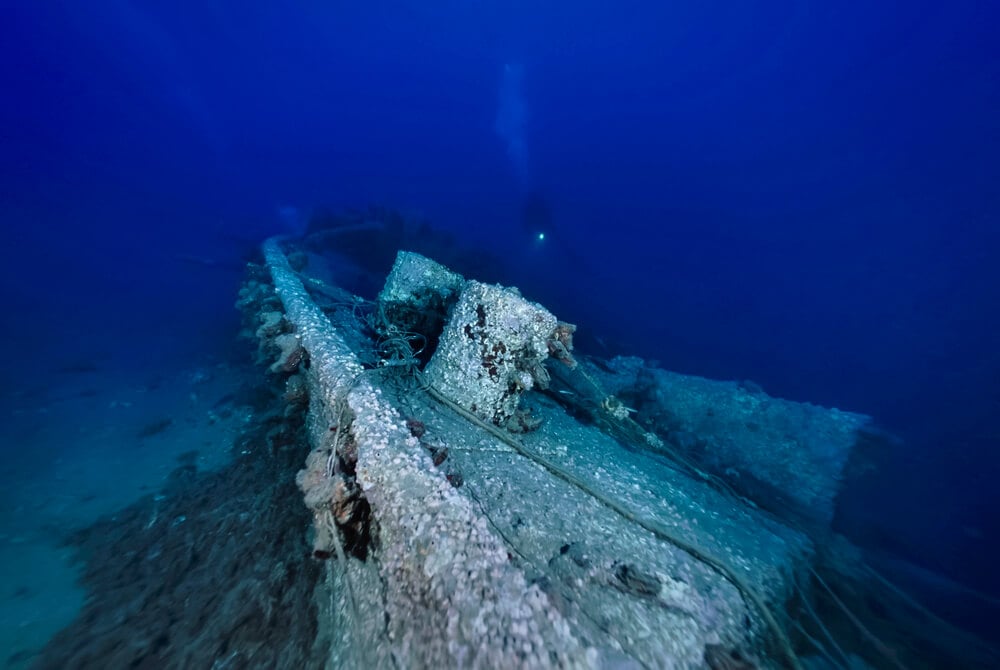
A supply ship sank servicing the Bell Rock Lighthouse off Scotland. The wreck was discovered in 1982, providing evidence of maritime commerce and lighthouse maintenance.
The discovery added to understanding of Scotland’s maritime history.
The Normandie—1942
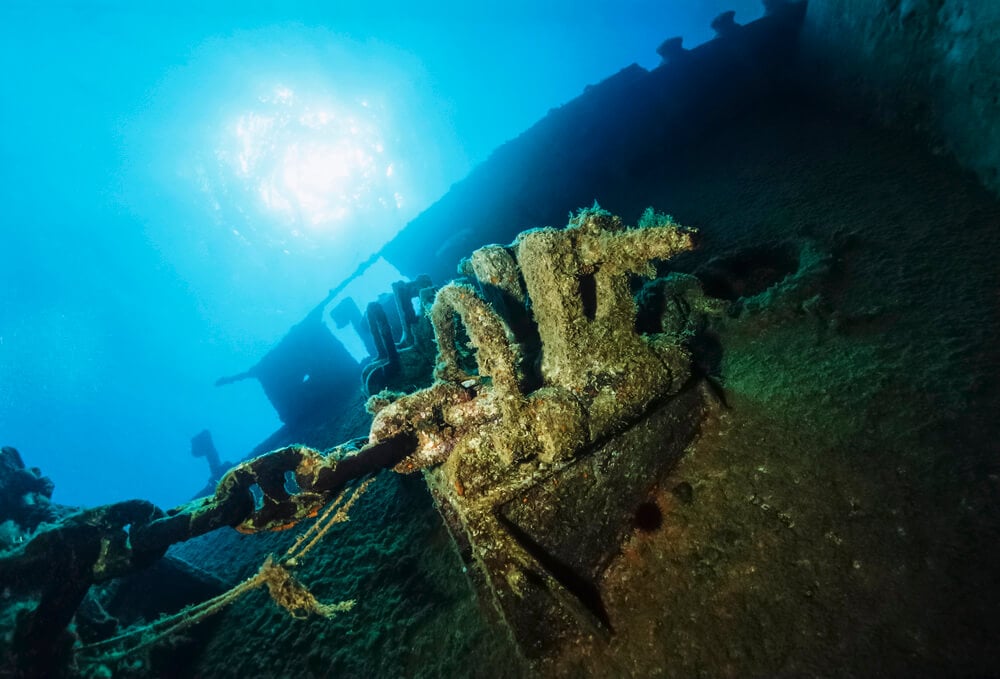
The French luxury liner caught fire and sank in New York Harbor in 1942. For decades, it remained a visible wreck in relatively shallow water.
When finally raised and scrapped in the 1950s, it represented one of the world’s largest ships being destroyed. The wreck was visible but largely ignored until removal became necessary.
The Spanish Galleon—1680s
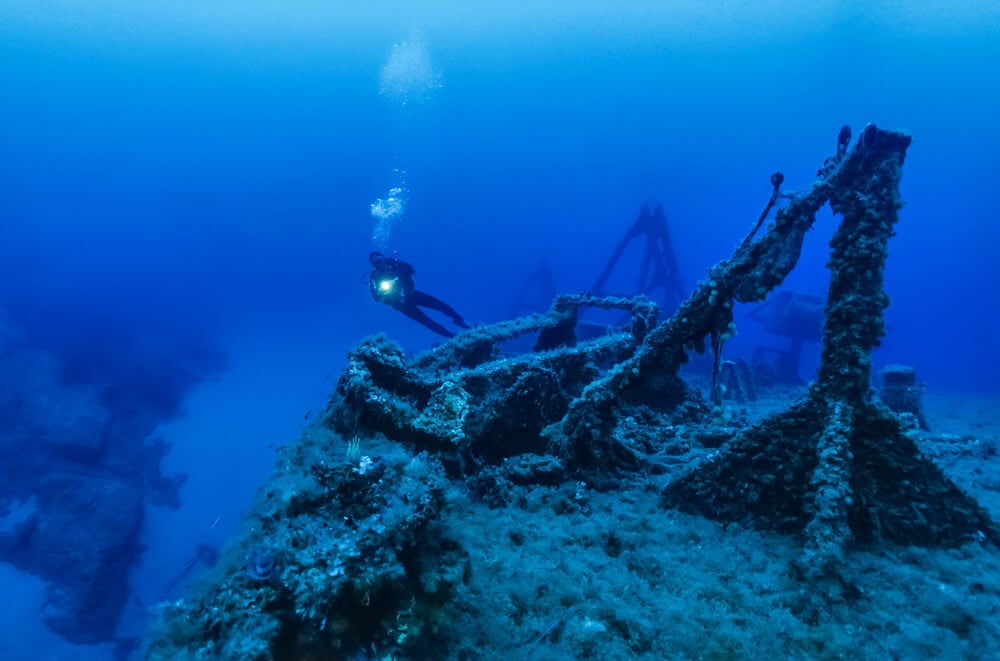
A Spanish treasure ship carrying gold sank in the Caribbean in the 1680s. For over 300 years, its location remained unknown.
When discovered in recent decades, it provided evidence of Spanish maritime commerce and the scale of treasure ships.
The Danish Warship—1650s
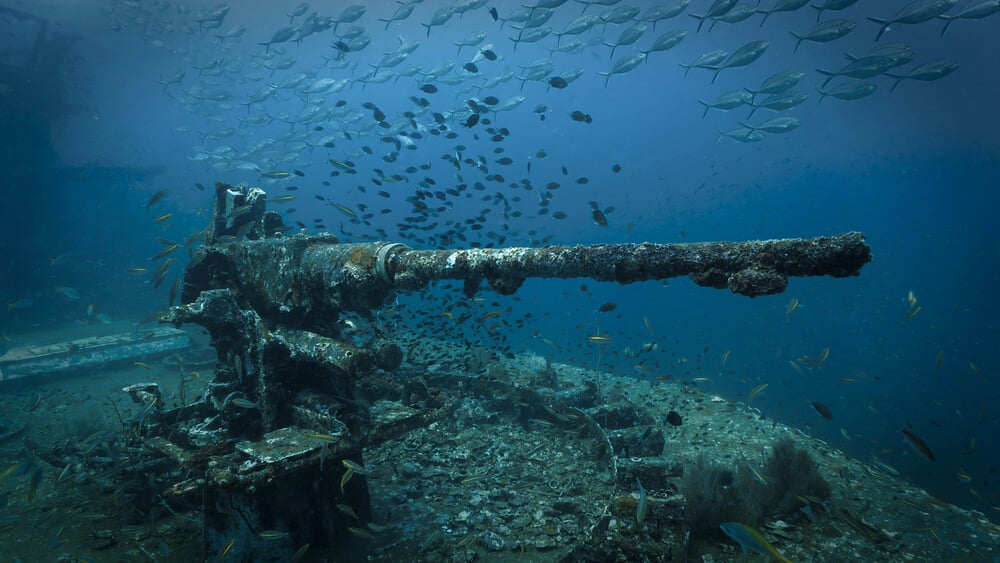
A Danish warship sank in the Baltic Sea in the 1650s. For 350 years, its location remained unknown.
When discovered in recent decades, the wreck provided evidence of Scandinavian naval warfare and shipbuilding.
The Vicksburg—1942
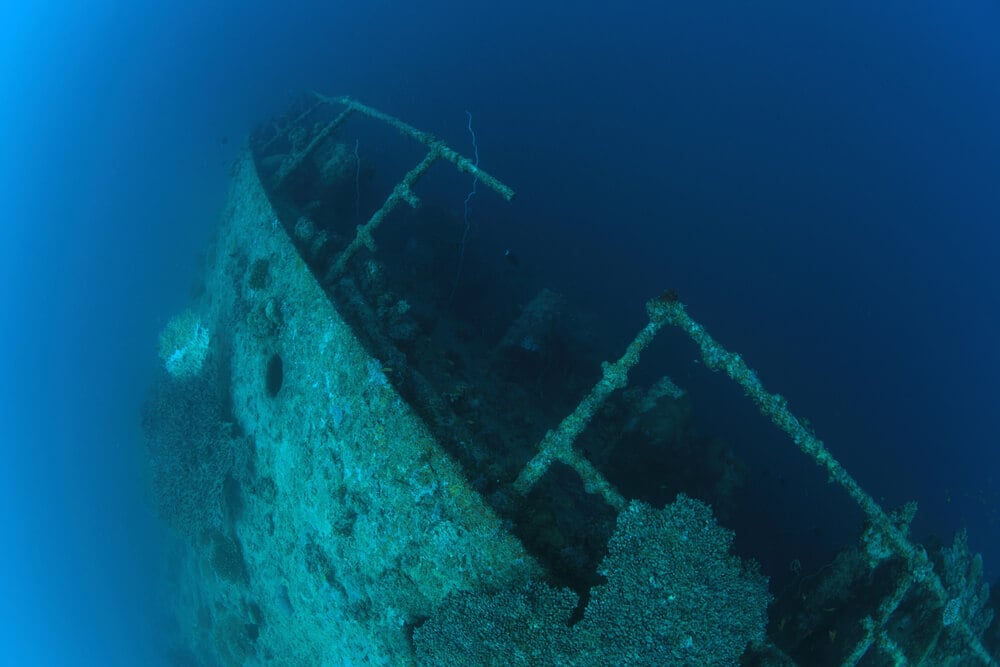
A Liberty ship sank during World War II after being torpedoed. For decades, its location remained unknown.
When discovered in recent years, it became one of thousands of sunken Liberty ships to be located and studied. The discovery contributed to understanding of World War II shipping losses.
The Ocean’s Secrets Emerging
What these shipwrecks share is that they were lost, searched for sometimes unsuccessfully, and then found through technological advancement. The ocean kept their secrets for decades or centuries.
Technology finally allowed us to reach into deep water and recover history. Each wreck tells a story of ships and sailors, of commerce and warfare, of luck and fate.
The ocean is still holding countless secrets, waiting for technology to advance far enough to retrieve them.
More from Go2Tutors!

- The Romanov Crown Jewels and Their Tragic Fate
- 13 Historical Mysteries That Science Still Can’t Solve
- Famous Hoaxes That Fooled the World for Years
- 15 Child Stars with Tragic Adult Lives
- 16 Famous Jewelry Pieces in History
Like Go2Tutors’s content? Follow us on MSN.