27 Scooby-Doo and Hanna-Barbera Toys Collectors Want
Hanna-Barbera cartoons reached living rooms in the late 1950s, and licensed toys followed within months. Lunch boxes, plush animals, play sets and jigsaw puzzles poured out of deals for bears, cavemen, space families and van-driving mystery solvers.
Decades later, the survivors have collectors hunting through estate sales and online listings.
Some prizes are battered tin and vinyl from the 1960s, while others are die-cast cars and building sets from recent years. The common thread is a character that kids once begged for and adults now pay to bring home again.
Marx Flintstones Play Set Number 5948
Louis Marx and Company released a Flintstones play set in 1961, cataloged as number 5948, barely a year after the cartoon reached prime time. Marx built its reputation on boxed sets that filled a tabletop with small plastic figures and printed scenery, and Bedrock proved a natural setting.
Complete sets are tough to find because tiny accessories disappeared from toy boxes within a season or two. Resale prices swing widely depending on how many pieces survive, whether the printed scenery is scratched, and whether the original lid is still intact.
Marx Tinykins Flintstones Figures
Marx also made tiny Flintstones figures under the Tinykins name, and a 1961 set of the cartoon family is a favorite among small-toy collectors. A Tinykins Dino turns up in collector listings billed as a cereal toy from the 1960s, which fits a figure small enough to hide in a pocket or a box.
Their size is also the problem, since loose figures were lost, chewed or swept away by the thousands. Values stay modest for single pieces and climb with paint condition and completeness of a group.
Ideal Pebbles and Bamm-Bamm Dolls
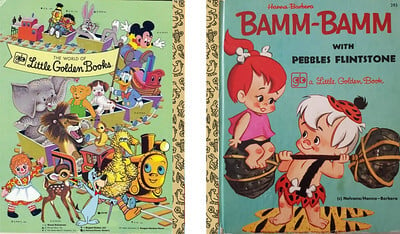
Pebbles Flintstone arrived on screen in 1963, giving toy makers a baby doll to sell, and Ideal Toy Company produced dolls of Pebbles and her future husband Bamm-Bamm, the strong little neighbor boy. A 16-inch Bamm-Bamm doll from 1964 shows up in collector listings with its original box.
Cartoon babies of the era were made of soft vinyl and cloth, materials that yellow and stiffen with age, so a doll that looks supple today has been well cared for. Dolls that still have their hair, clothing and box generally sell for far more than bare, dirty examples.
Post Pebbles Cereal Boxes
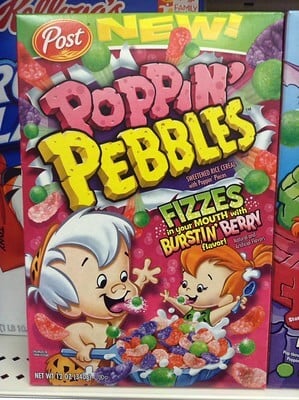
Post turned the Flintstones into a breakfast brand in the early 1970s with Fruity Pebbles and Cocoa Pebbles, putting Fred, Barney and their kids on the front of the box. Cardboard cereal boxes rarely survive, since children tore them apart for the prize inside and parents threw out the rest.
Boxes that are still sealed, or at least complete with intact flaps, draw the most interest from advertising collectors and cartoon fans alike. Torn panels, sun fading and grease stains from shelf storage tend to cut values sharply.
Welch’s Flintstones Jelly Glasses
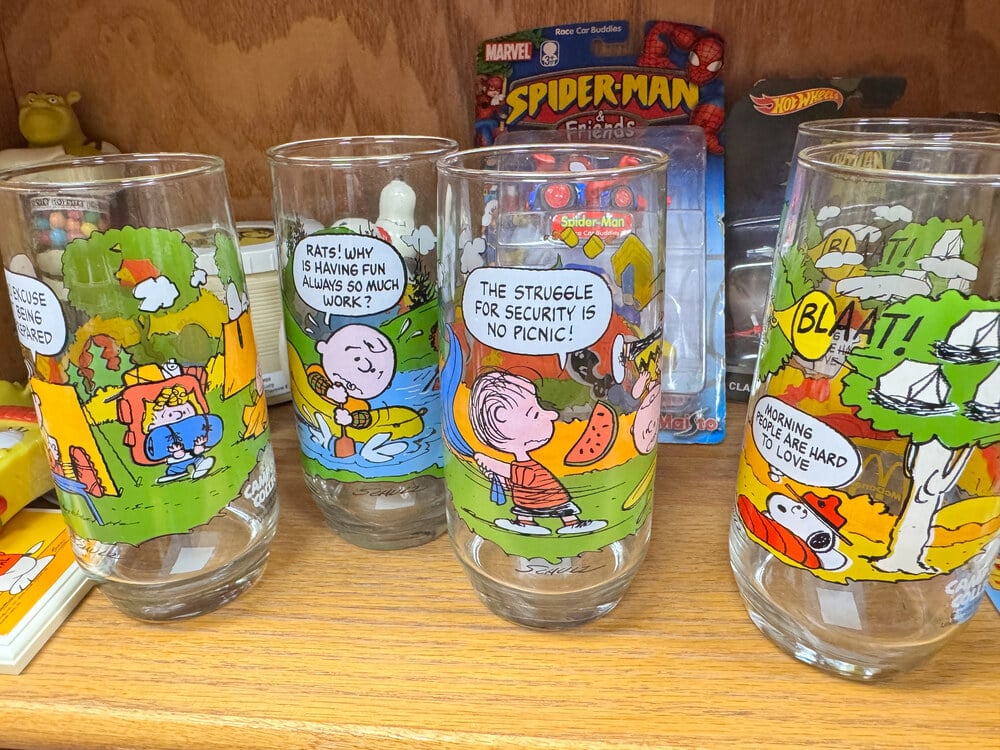
Welch’s packed grape jelly in reusable drinking glasses decorated with Flintstones characters across several decades, so a kitchen cupboard could hold a small cartoon cast. Collectors sort the glasses by artwork and era, and complete sets that show Fred, Wilma, Barney and Betty together are favorites.
The weak point is the printed decoration, which fades and flakes after repeated dishwasher cycles. Glasses with bright color and no chips typically sell for a few dollars each, and matched sets in good shape cost noticeably more than singles.
Funko Pop Fred and Barney Hair Variants
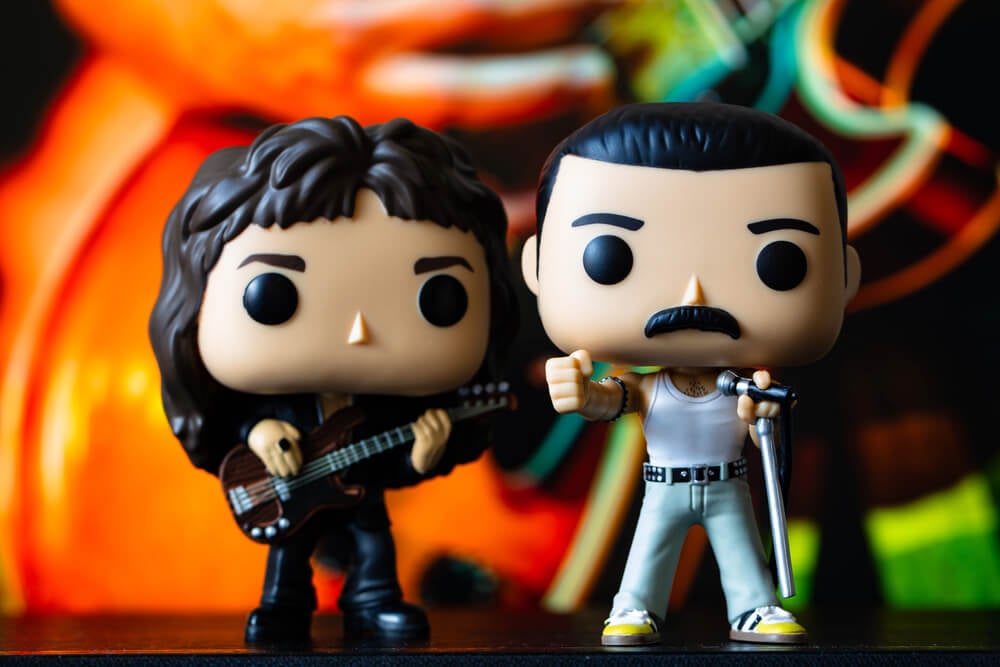
Funko has issued Pop vinyl figures of Fred and Barney Flintstone, and collectors track the standard releases alongside the variants. Variants are the engine of the hobby, because a figure that looks nearly identical to the regular release can be scarcer and worth more, whether the difference is paint, finish or a store exclusive.
The boxes matter as much as the figures, since creased corners and cracked window panels bring prices down. Buyers also watch for counterfeit figures, which often show sloppy paint around the eyes and flimsy packaging.
Knickerbocker Yogi Bear Plush
Knickerbocker Toy Company produced Yogi Bear plush in 1959, only a short time after the bear debuted on The Huckleberry Hound Show. These early animals combined a stuffed cloth body with a rubber face, a construction style that was common before all-fabric plush took over in toy aisles.
Rubber faces dry out, crack and darken as decades pass, so the best examples are those that were stored away from heat. Collectors prize clean fur, intact tags and unbroken faces, and examples with all three can be expensive for a toy of that age.
Huckleberry Hound and His Friends Lunch Box
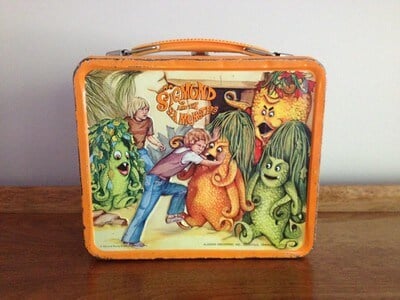
Michigan’s Henry Ford museum holds a 1961 lunch box titled Huckleberry Hound and His Friends, proof that these steel boxes are considered historical objects as well as playthings. Huckleberry Hound was the studio’s first big cartoon star, and his show helped launch Yogi Bear, who later got a series of his own.
Boxes from the era commonly carry dents, rust spots and worn lithography after years of being dragged to school. Examples with bright color, a clean interior and the matching Thermos bottle bring the best prices.
Dell Comics Huckleberry Hound, Yogi Bear and Quick Draw McGraw
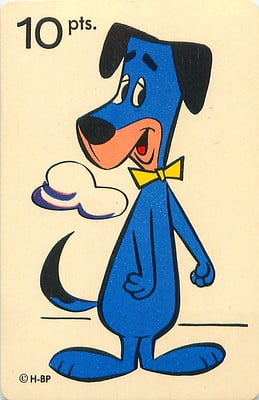
Dell Comics published comic books for Huckleberry Hound, Yogi Bear and Quick Draw McGraw in the early 1960s, giving the cartoon stars a second life on newsstands. Quick Draw McGraw offered an extra draw with his alter ego El Kabong, a masked horse who swung a guitar at outlaws.
Dell books were printed on cheap paper, so brittle edges, spine splits and torn covers are common problems. Grade matters enormously, and a bright, flat copy can sell for many times the price of a worn one.
Jetsons Lunch Box and Thermos from 1963
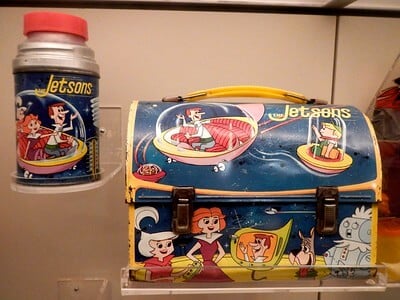
In 1962 the Jetsons moved the Flintstones formula to the sky, and a lunch box and Thermos set followed in 1963 that the Henry Ford museum now preserves. The artwork shows the family among flying cars and robot maids, a view of the future that collectors love as much as the show.
A steel box with strong color and little rust often sells for several hundred dollars, and cleaner examples with the original Thermos bottle can go higher. Dents, missing latches and faded graphics push values the other direction.
Banana Splits Vinyl Lunch Box and Thermos
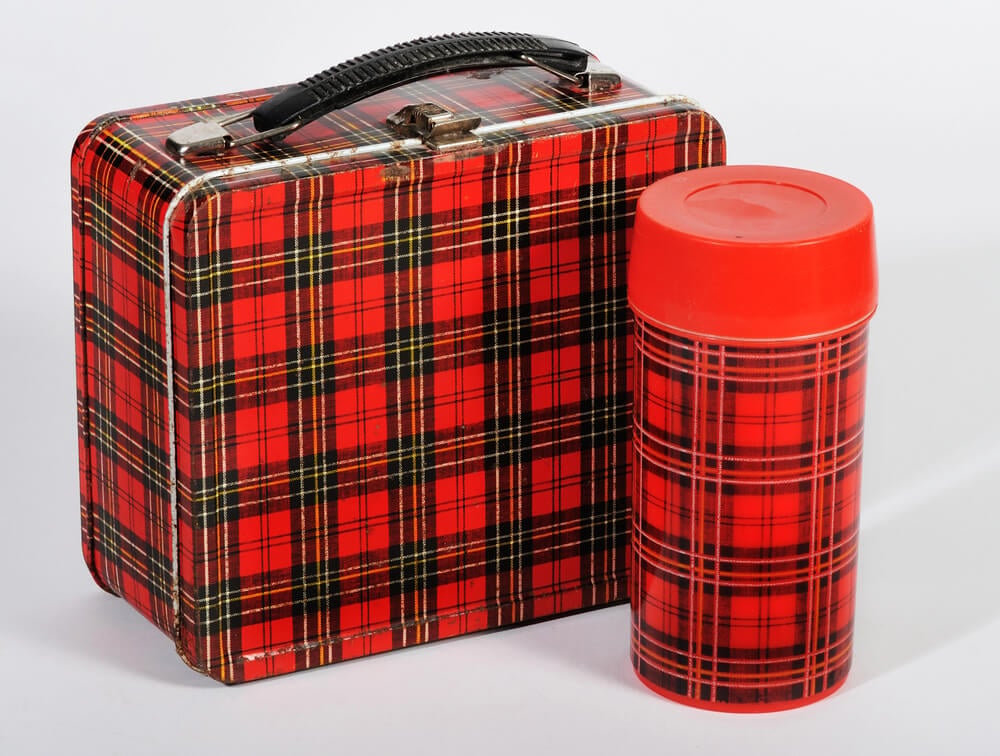
Banana Splits Adventure Hour arrived on NBC in 1968, built around a costumed band of Fleegle, Bingo, Drooper and Snorky. A 1969 vinyl lunch box and matching Thermos bottle carried the quartet into school cafeterias a year later, just as the show was finding its audience.
Vinyl boxes were cheaper to make than steel, which means they are more likely to arrive wrinkled, cracked or peeling at the seams today. Collectors look for crisp printing, an intact handle and the correct bottle, because a mismatched Thermos lowers the value of the pair.
Scooby-Doo Lunch Box from 1973
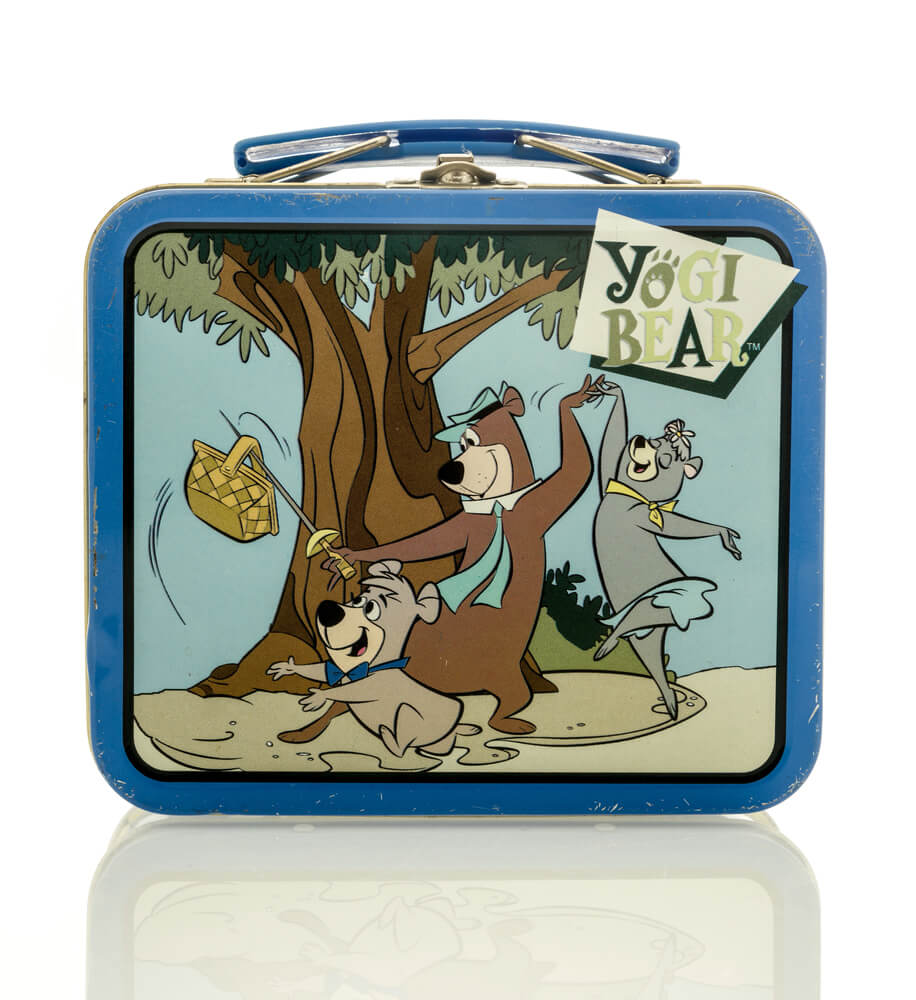
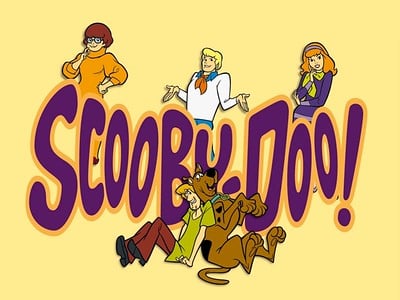
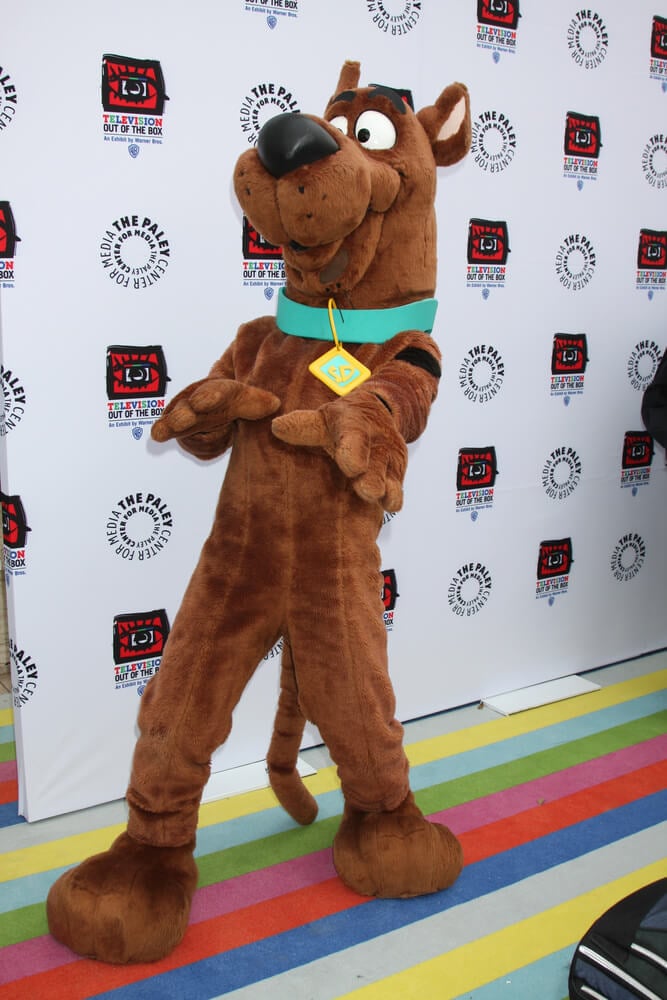
Scooby-Doo premiered on CBS in September 1969, and by 1973 the great Dane and his teenage friends were popular enough to appear on a school lunch box. The artwork ties the gang to the Mystery Machine era that defined the franchise, with the van and its flower decals front and center for any child carrying lunch.
Because kids used lunch boxes daily, scratches and dents are normal, and unspoiled examples are not. The price climbs steeply when the paint is bright, the hinges work, and no rust has crept in around the latch.
Ideal Magilla Gorilla Toy from 1964
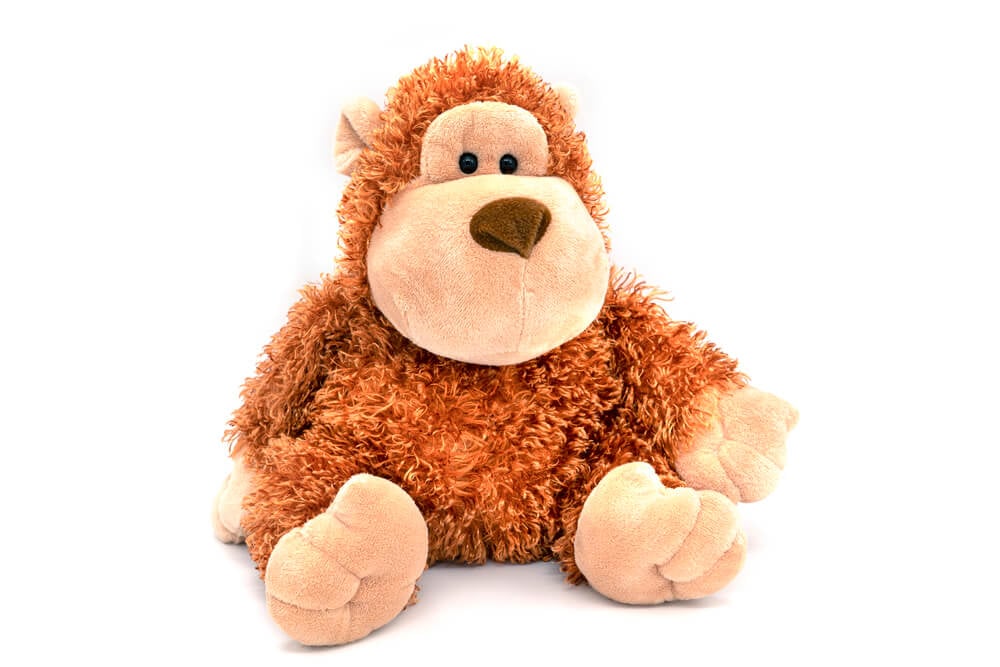
Magilla Gorilla starred in his own 1964 series, sitting in a pet shop window while Mr. Peebles tried to sell him to anyone who walked past. Ideal Toy Company released a Magilla Gorilla toy that year, and vintage examples appear in collector listings, often showing their age.
The character never became as famous as Yogi Bear, which makes his merchandise less common than that of the studio’s biggest stars. Condition is everything with such pieces, since fading, fur wear and missing parts reduce the price.
Whitman Top Cat Jigsaw Puzzle

Top Cat led a gang of alley cats in a 1961 prime-time series set in a Manhattan alley, with Officer Dibble forever trying to move him along. Whitman published Top Cat jigsaw puzzles in 1961, with the leader of the gang and his police nemesis on the box art.
Finished puzzles are tougher to track down than most toys of the period, because boxes were crushed and pieces vanished into carpets. A complete puzzle with a sound box is worth noticeably more than one taped together.
Hot Wheels Retro Entertainment Mystery Machine
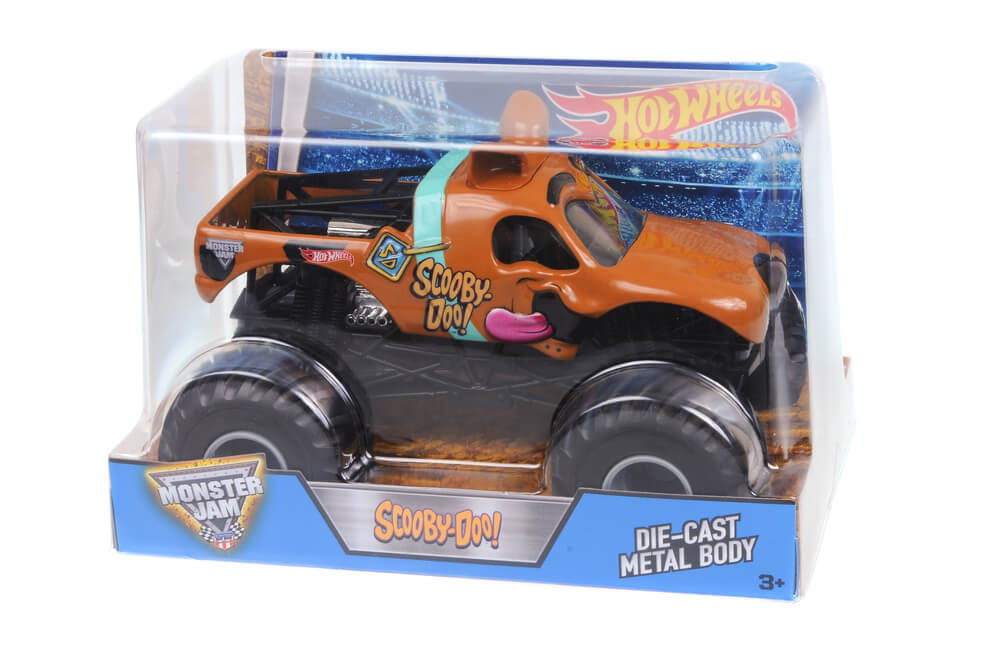
Mattel brought the Mystery Machine to its Hot Wheels Retro Entertainment line as a die-cast replica of the turquoise van with flower decals that carries Mystery Inc. around. The tiny car takes only a minute to appreciate, but fans of the cartoon enjoy it because the van is the most recognizable vehicle of the franchise.
Carded Hot Wheels cars stay valuable only if the blister pack remains clear and the card corners are sharp. Loose examples with scratched paint typically sell for a small fraction of the price of mint versions.
Playmobil Scooby-Doo Sets
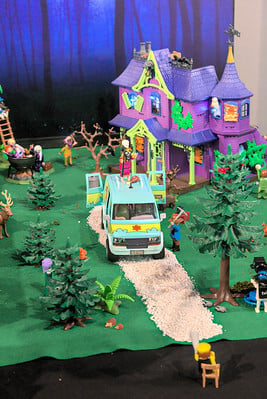
Playmobil, the German toy maker known for its small play figures, produced a Scooby-Doo line with Mystery Machine vehicles and monster scenes. The articulated figures and tiny accessories make the sets popular with both children and adult collectors, partly because the pieces fit with other Playmobil sets already in a playroom.
The challenge is completeness, because hats, flashlights and costume pieces are small enough to disappear after a single afternoon of play. Sealed boxes carry a premium, while open sets with parts missing are priced far lower.
Lego Scooby-Doo Mystery Machine
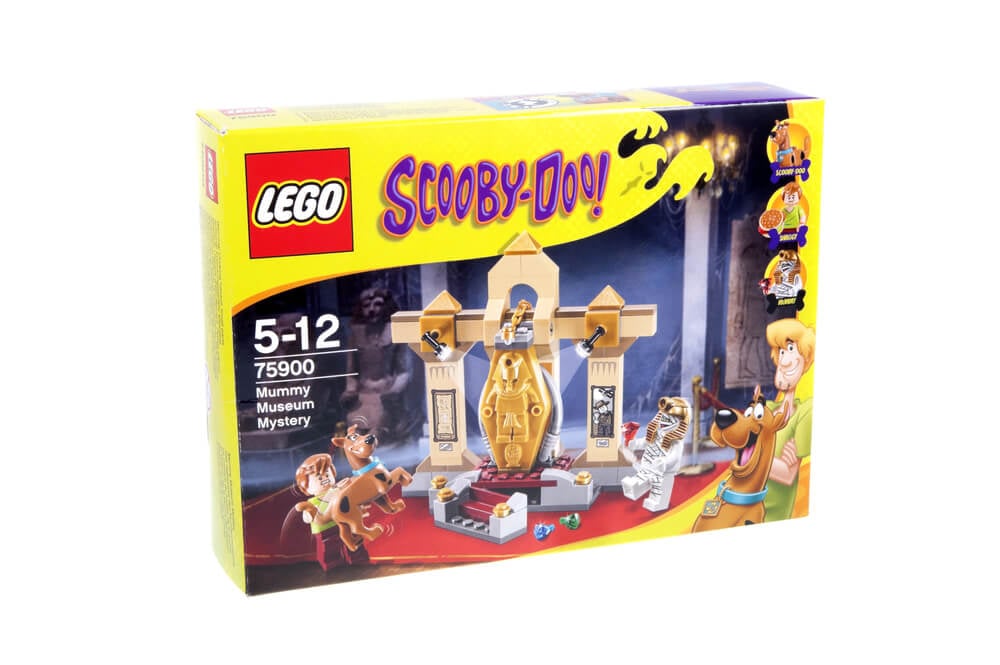
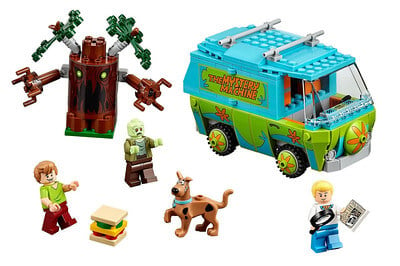
Lego launched a Scooby-Doo theme in 2015, and the Mystery Machine set became the centerpiece for builders who wanted the full van in brick form, complete with the flower decals that make the vehicle recognizable at a glance. Mystery Inc. minifigures from the line, along with monster figures, are often sold separately because they are the most collectible parts.
Fans of Lego aftermarket pricing know that sealed boxes with undamaged corners bring more than opened sets. Used sets missing minifigures or printed pieces lose much of their appeal, and loose bricks without instructions sell cheaply.
Gold Key Scooby-Doo Comics
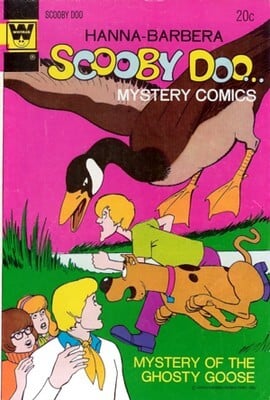
Gold Key Comics began publishing Scooby-Doo comic books in the early 1970s, shortly after the cartoon became a Saturday morning staple on CBS. The painted covers show the gang chased by ghosts and monsters, and many collectors seek the earliest issues for the artwork.
Like other newsstand comics of the era, Gold Key issues often have creased spines, staple rust and faded colors. Grading services assign numerical scores, and high-grade copies can sell for much more than average copies, which makes unread issues from the first run especially tempting.
Mezco 5 Points Josie and the Pussycats Boxed Set
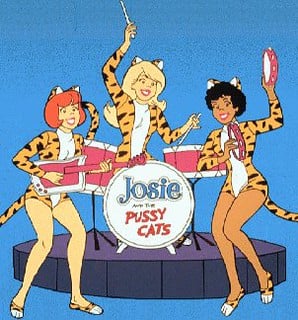
Josie and the Pussycats began as an Archie Comics series in 1963 and became a Hanna-Barbera cartoon in 1970, adding a pop band to the Saturday lineup. Mezco Toyz released a 5 Points boxed set of the band, which presents small articulated figures of the three singers in a collector box with a display window.
The set is a modern product aimed at adults who grew up with the cartoon or the later film. Sealed boxes with sharp corners hold their value, while opened sets lose some of their appeal.
Funko Pop Rides Mean Machine
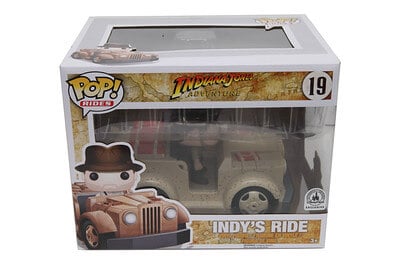
Wacky Races sent 11 odd vehicles across the country in 1968, and its villainous racer drove the rocket-powered Mean Machine, which carried the number 00. Funko brought the vehicle to its Pop Rides line, including a metallic version that appeals to collectors who chase variants.
The car is bigger than a standard Pop figure and often sold in a taller box. A crushed window or creased box lowers the price, so most buyers pay extra for clean packaging and a vehicle that has never been handled.
Hong Kong Phooey Production Cel
Hong Kong Phooey debuted in 1974 as a Saturday morning series about Penry Pooch, a mild-mannered janitor who became a clumsy kung fu hero, and Scatman Crothers supplied his voice. Production cels from the show have been offered by animation art dealers, giving collectors a hand-painted piece of the original artwork that was photographed for the broadcast.
Cels were made from acetate that can warp, crack or lose paint with age. Pieces that retain a matching background and bright color usually sell for the highest prices.
Atom Ant Production Drawing

Atom Ant premiered in 1965, starring a superhero insect voiced by Howard Morris and sharing a half hour with Secret Squirrel on the same Saturday program. Vintage production layout drawings from the series turn up with animation art dealers, one of the kinds of working art that animators produced before a cartoon was painted and filmed.
Layout drawings were considered disposable at the studios, so survivors are scarcer than finished merchandise. Condition issues include folds, paper yellowing and tape, and a drawing with a clear studio stamp is more desirable.
Space Ghost Model Sheet and Cel Art
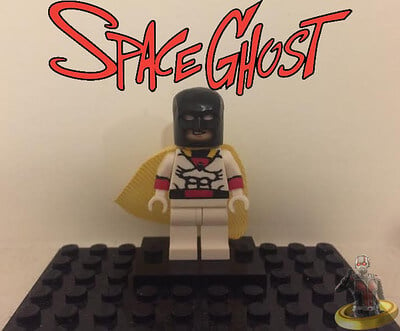
Alex Toth designed Space Ghost for the 1966 series, giving the caped hero a clean silhouette that later artists kept returning to. Dealers sell Space Ghost model sheets and limited-edition hand-painted cels based on the original look, appealing to fans of Toth, the series and animation design in general, and a clean sheet shows how carefully the hero was drawn from every angle.
Reproductions and genuine studio materials are very different things, and authenticity affects pricing more than any other factor. Buyers pay for provenance, clear printing and paper that has not browned.
NJ Croce Scooby-Doo Bendable Figures
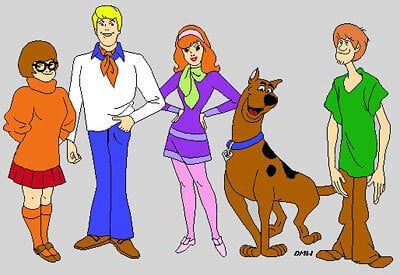
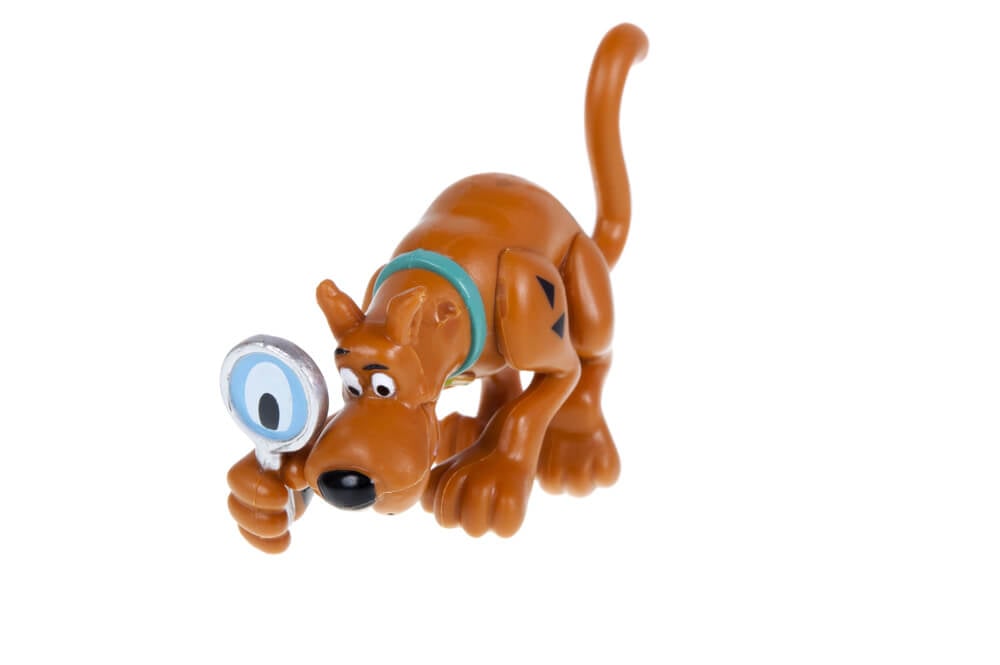
NJ Croce makes bendable Scooby-Doo figures, a line of flexible poseable characters reviewed by toy sites for the way they let the gang take on exaggerated cartoon stances. The format is a throwback to rubbery bendy toys of earlier decades, which suits a franchise that began in 1969 and has leaned on nostalgia ever since.
The most appealing figures are Scooby and Shaggy in their trademark scared poses. Sealed cards with flat bubbles and sharp corners sell best, while loose figures with bent limbs or scuffed paint are cheaper.
Tonka Pound Puppies
Tonka released Pound Puppies plush in 1985, with floppy ears, wrinkled faces and adoption papers that encouraged kids to treat them like rescued pets from a shelter. The stuffed dogs were a big enough hit that cartoon producers took notice.
Hanna-Barbera produced an animated Pound Puppies series in 1986, extending the franchise to Saturday morning. Early puppies with their original adoption certificates and tags are the ones that interest collectors.
Plush toys collect dust and odors, and a clean example with the tag attached typically sells for much more.
Ben Cooper Hanna-Barbera Halloween Costumes
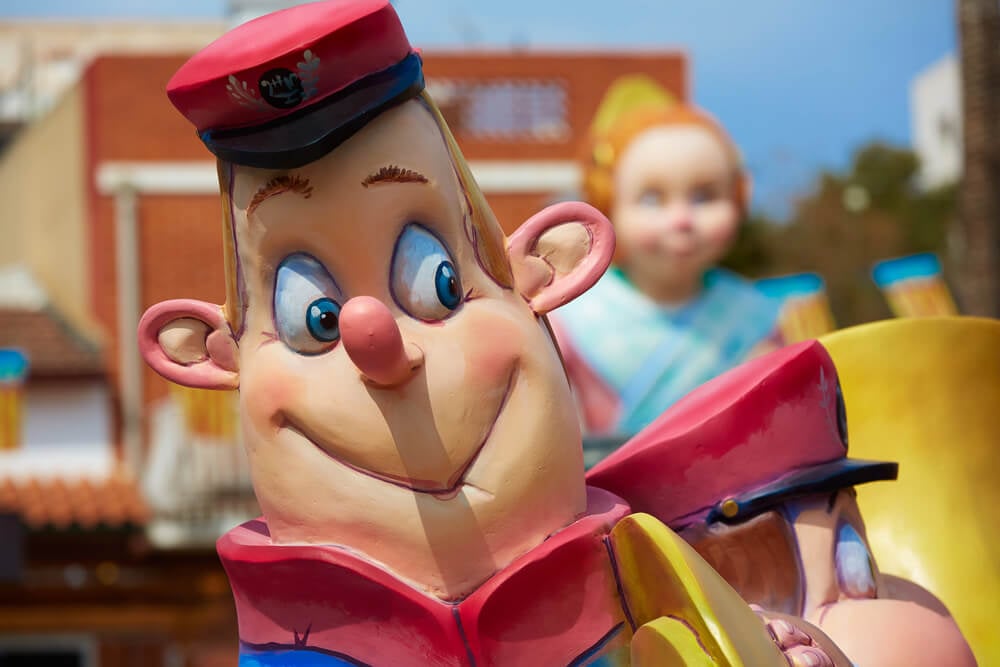
Ben Cooper, a leading maker of licensed Halloween costumes, put Hanna-Barbera characters into thin vinyl smocks with molded plastic masks that tied on with elastic. The packaging is often as valuable as the costume itself, because the window boxes carried character art that attracts cartoon collectors.
Many costumes were worn once and discarded, and the vinyl cracks or tears with age, so complete survivors are not common and boxes with clear windows are even harder to find. A complete costume in its original box, with an unbroken mask, brings the highest prices.
Jonny Quest Original Series Merchandise
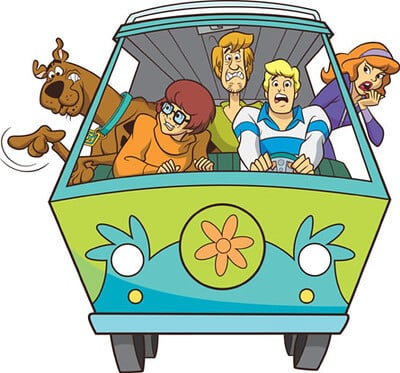
Jonny Quest premiered in prime time on ABC in 1964 and ran for just 26 episodes, with designs by Doug Wildey that gave the show a realistic adventure look. Because the original run was brief, merchandise from the period is much scarcer than items tied to longer-running Hanna-Barbera series.
Race Bannon, Hadji and the bulldog Bandit are the figures collectors hope to find on vintage items, though listings are sparse. Anything licensed from the original run needs careful authentication, and condition makes the difference between a bargain and an overpay.
Saturday Mornings Packed Into a Toy Box
Saturday morning cartoons gave children a weekly ritual, and toy companies learned to sell the rest of the week around it. Hanna-Barbera characters worked well because they were simple to draw, easy to mold and instantly recognizable on a lunch box, a cereal box or a jigsaw puzzle.
That is why so many collectible items from the studio look so different from one another and yet feel connected.
The pieces that survive tend to be the ones that were abused least, which makes condition the great equalizer of the hobby. A dented lunch box and a pristine one carry the same cartoon, but they live in different price brackets.
Collectors who keep chasing these toys are really buying back a small part of a childhood routine, one character at a time.
More from Go2Tutors!

- The Romanov Crown Jewels and Their Tragic Fate
- 13 Historical Mysteries That Science Still Can’t Solve
- Famous Hoaxes That Fooled the World for Years
- 15 Child Stars with Tragic Adult Lives
- 16 Famous Jewelry Pieces in History
Like Go2Tutors’s content? Follow us on MSN.