Old Marbles and Jacks Collectors Still Want
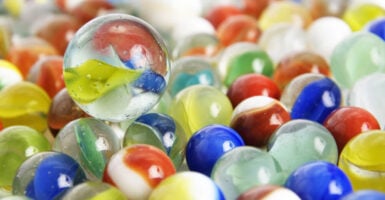
The dusty jar in a grandparent’s closet may be holding more than childhood nostalgia. Some of the small glass spheres rattling around in there were shaped by hand generations ago, and serious collectors keep reference books just to tell them apart.
Jacks have their own devoted following, and their history stretches back to a game once known as knucklebones. Value depends heavily on condition, completeness, authenticity, and rarity, so two items that look alike can land at very different prices. Here are the makers and types that keep drawing collectors back.
Handmade German Latticino Swirls
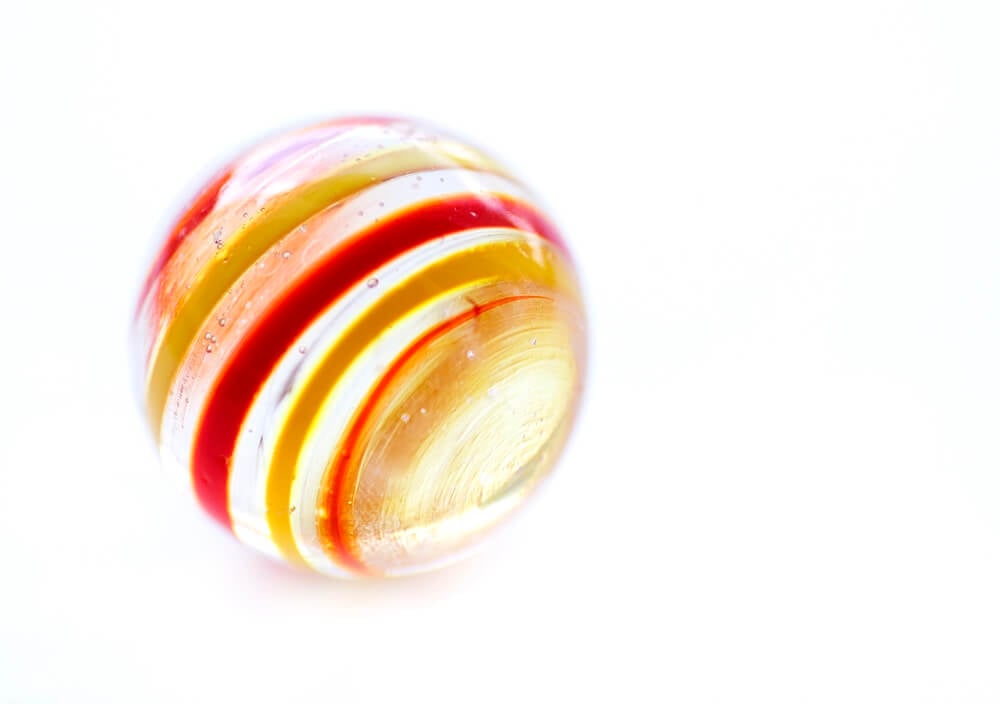
Latticino marbles are built around fine threads of white or colored glass that wrap a core of clear glass, and the name echoes an Italian word tied to milk. Collectors of classic German handmade glass treat the type as a cornerstone of any serious collection.
Because each one was shaped by hand, the thread pattern, symmetry, and size vary from one marble to the next. Chips, scratches, and cloudy wear can sharply reduce value, while bright, well-preserved examples draw the strongest interest.
Onionskin Marbles With Speckled Outer Layers
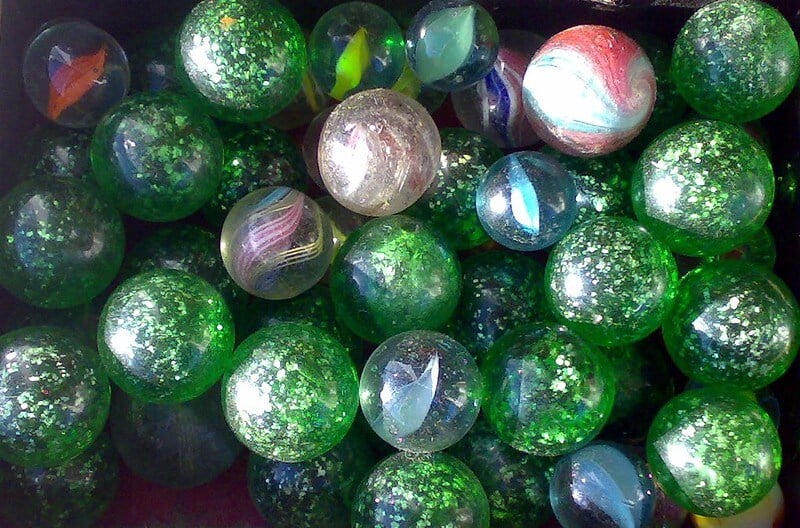
Onionskin marbles take their name from layers of color that suggest the skin of an onion, with a speckled outer surface covering the pattern beneath. They belong to the family of handmade German glass that collectors sort by type before anything else.
The speckled finish shows scuffs and chips easily, so a clean surface counts for a great deal. Value follows color, size, and condition, and a damaged example is worth far less than a sharp one.
Indian Swirls on Dark Glass
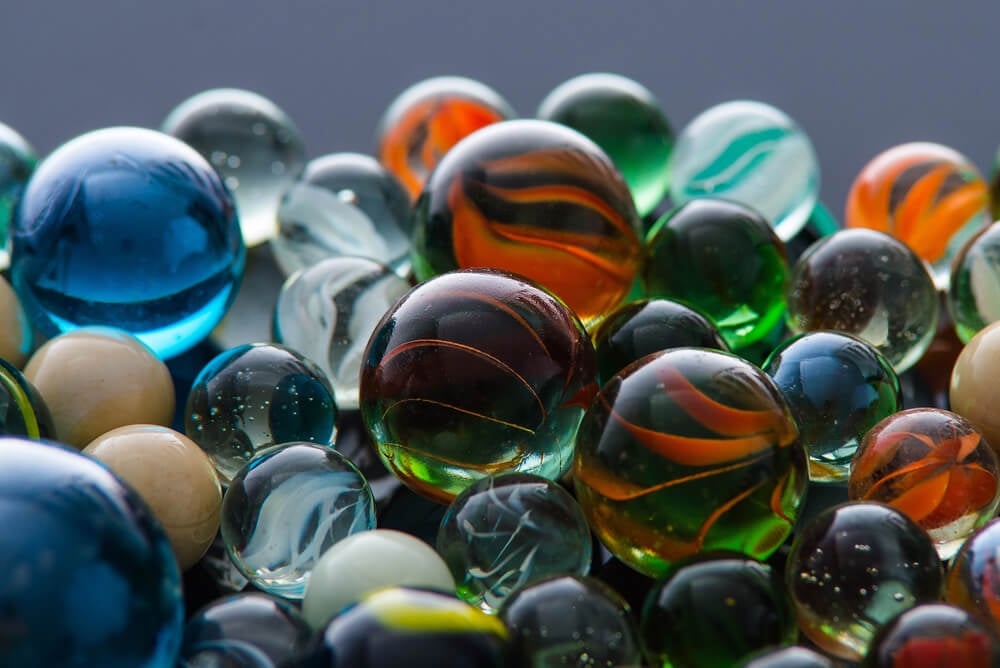
An Indian swirl pairs a dark, opaque base with bands of color wound around the outside. The contrast is the appeal, because bright strands stand out sharply against the deep background.
Collectors group these with clambroths and similar handmade types, and the line between one and the other can take a trained eye to draw. Strong color, tight symmetry, and few chips set the better examples apart from the ordinary.
Clambroth Marbles and Their Cloudy Stripes
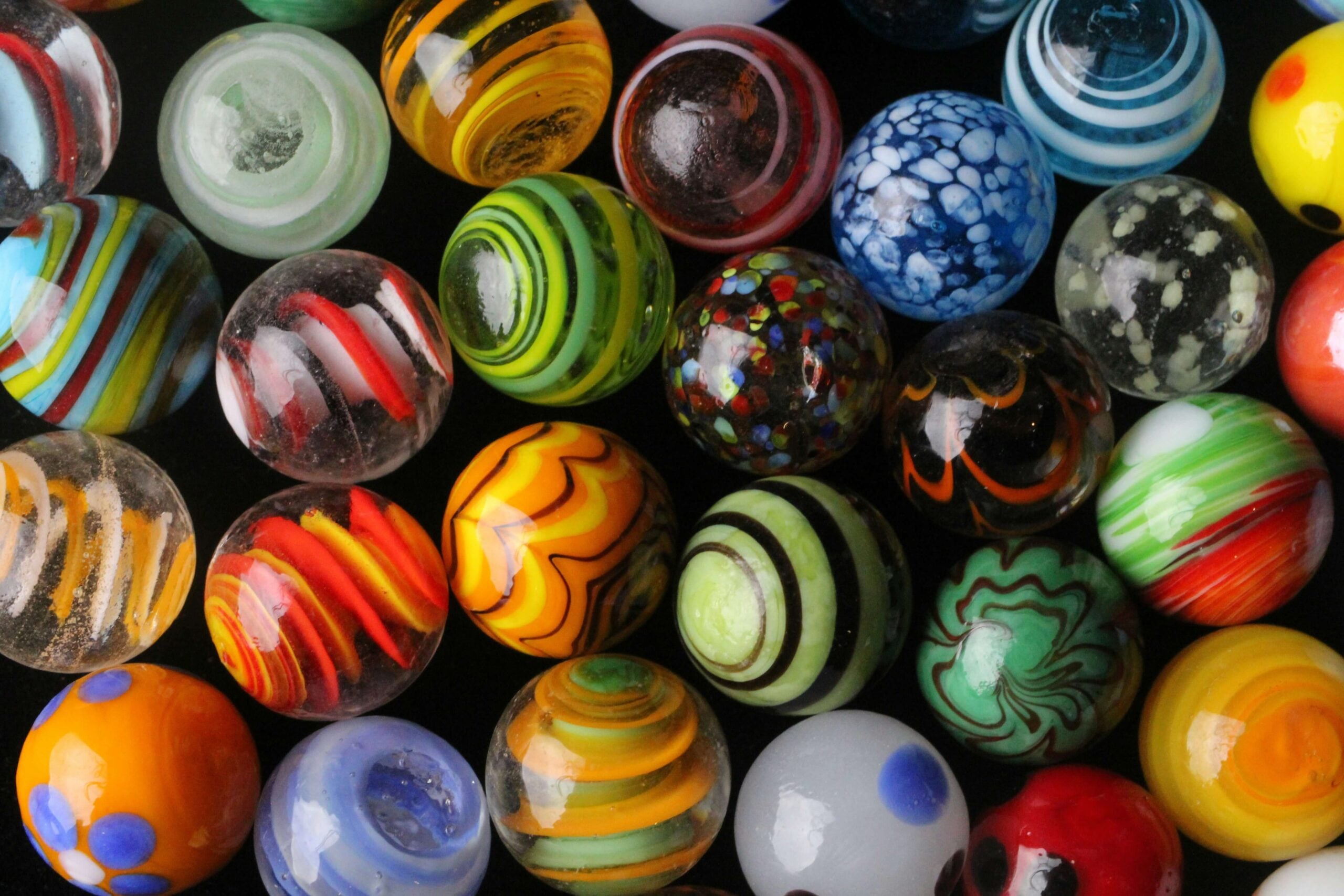
Clambroth marbles show opaque white lines that alternate with thin lines of color, and the name comes from the cloudy look of clam broth. Collector guides discuss them alongside Indian swirls and other lookalikes, because the families overlap and are easy to confuse.
Bold color combinations and an unchipped surface raise interest. As with every handmade type, wear and damage cut value quickly.
End-of-Day Marbles From the Glassworks Floor

The name end-of-day comes from the story that glassworkers made these from leftover glass at the close of a shift. Inside, a cluster of mixed colors fills the center, and no two look exactly alike.
Because they were improvised rather than planned, patterns range from muted to wildly vivid. Collectors judge them on color intensity, the symmetry of the inner cloud, size, and the condition of the surface.
Sulphides With Tiny Figures Inside
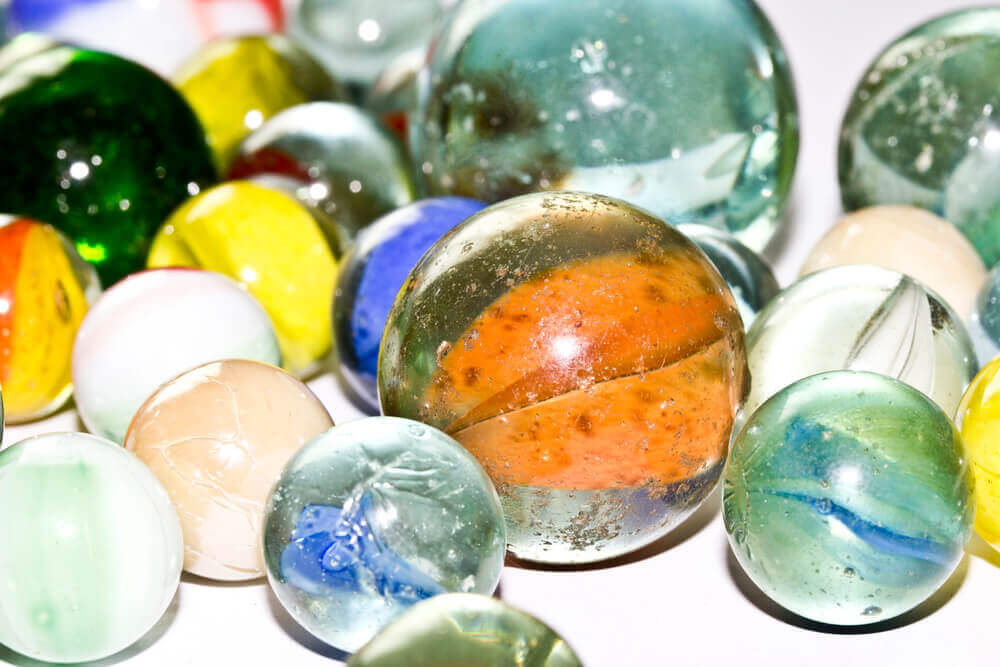
A sulphide is a clear glass marble with a small white figure sealed at its center, and collectors have called it the most prized marble of them all. Handblown examples from the 1800s are especially sought after.
The figures are usually animals, though other subjects exist, and the rarer the subject the more attention it draws. Cracks, cloudiness, and an off-center figure all lower value, while a clear, well-centered figure raises it.
Akro Agate Marbles From the Clarksburg Era
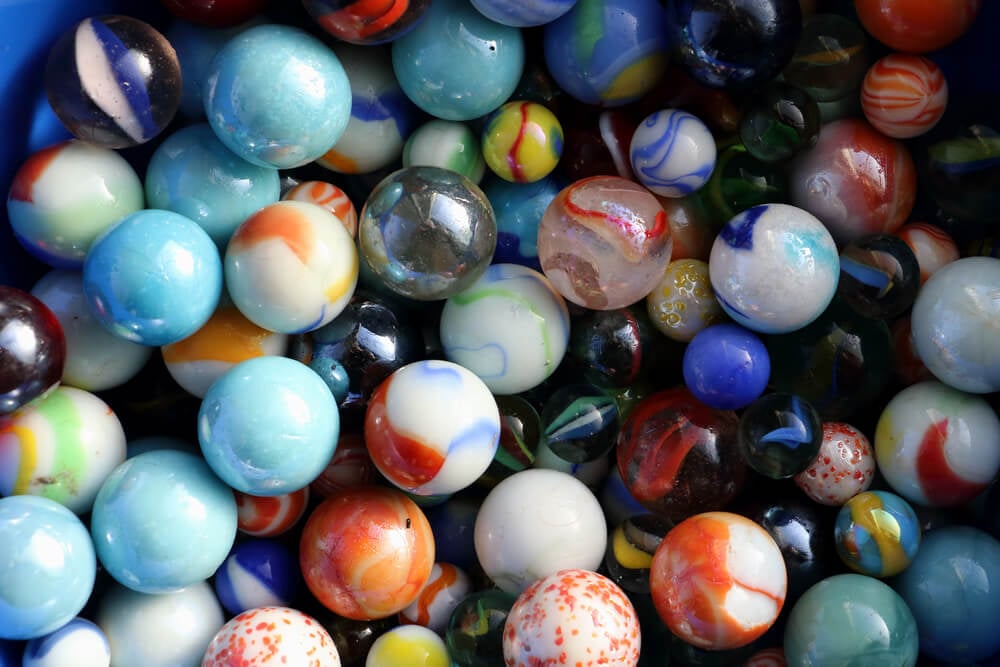
Akro Agate Company is one of the best-documented names in American marbles, and a book on its history covers the years 1910 to 1951. Its name was a shortened nod to Akron, Ohio, where the company began.
Collectors chase its swirled and patterned marbles, and identification matters because lookalikes from other makers exist. Color, pattern, size, and condition decide what a given marble is worth.
Christensen Agate Marbles
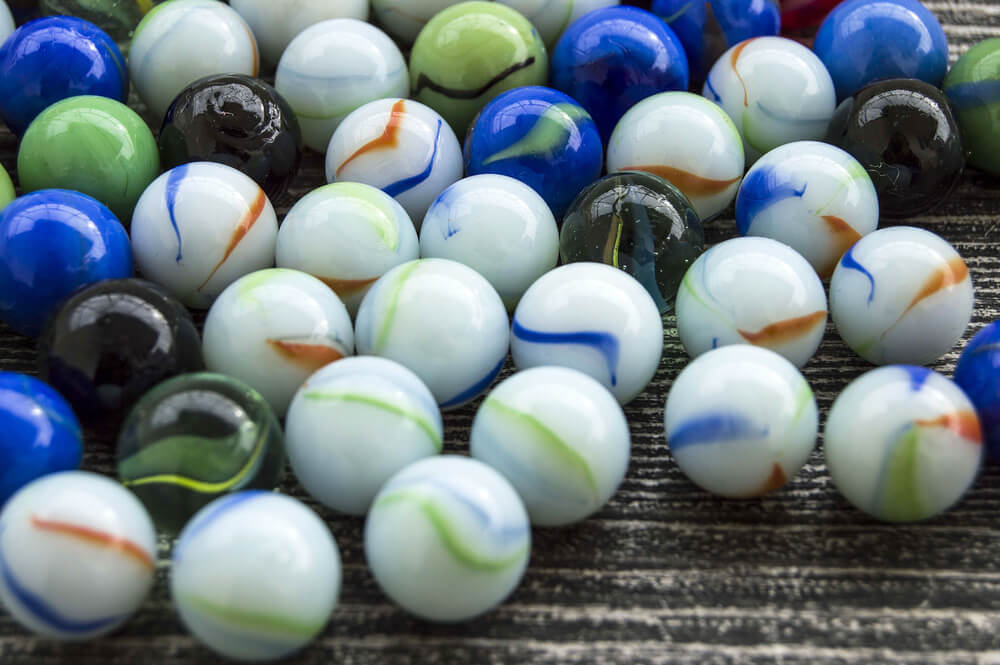
Christensen Agate Company is collected as its own maker, separate from the firm that carried the founder’s name. Auction houses regularly sell its swirls and slag marbles, and condition grades such as mint and near mint are central to how they are priced.
Peewee sizes sell alongside larger examples, so size is part of the value equation too. Chips and surface wear can move a marble down a grade and shrink its worth.
M.F. Christensen and Son Early Machine-Made Marbles
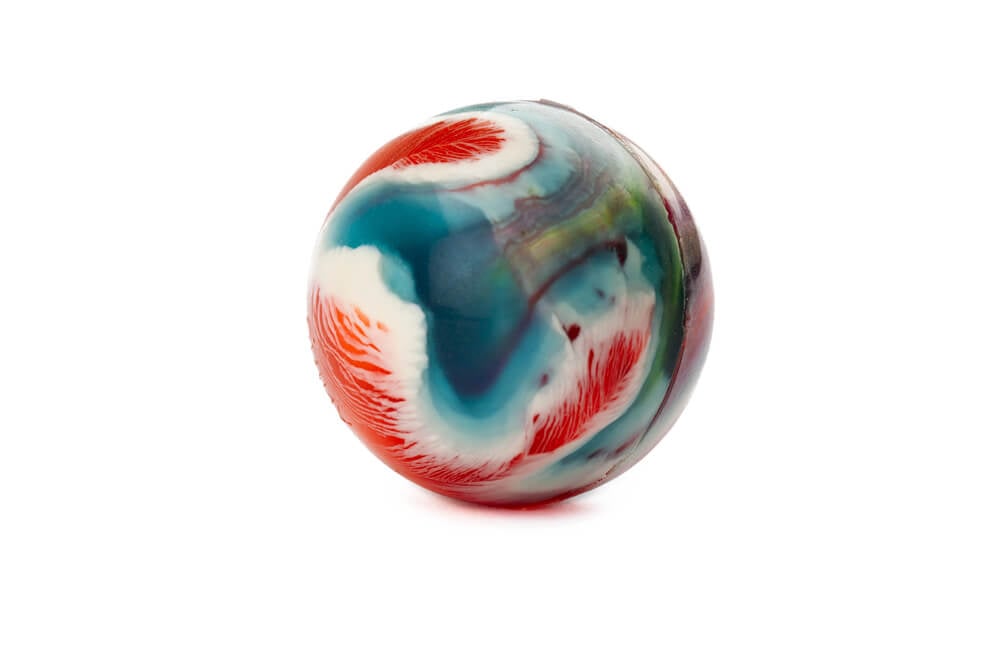
Martin Frederick Christensen is remembered for his role in making marbles by machine, and the company that carried his name produced some of the earliest American machine-made marbles. A collector book is devoted to these early pieces and to the later Christensen Agate Company, which says plenty about how closely they are studied.
The marbles mark the shift from European handwork toward mass production. Rarity, color, and condition all affect value.
Peltier Glass Peerless Patch Marbles
Peltier Glass Company is well known among collectors, and at least one recent book focuses entirely on the Peltier brand. Its Peerless patch pattern shows patches of color splashed across the surface.
Complete boxes of Peerless patch marbles in the original stock packaging have sold at specialist auctions, which shows how much packaging adds. Bright color, sharp patches, and an intact surface drive value.
Alley Agate and the Alley Family Companies
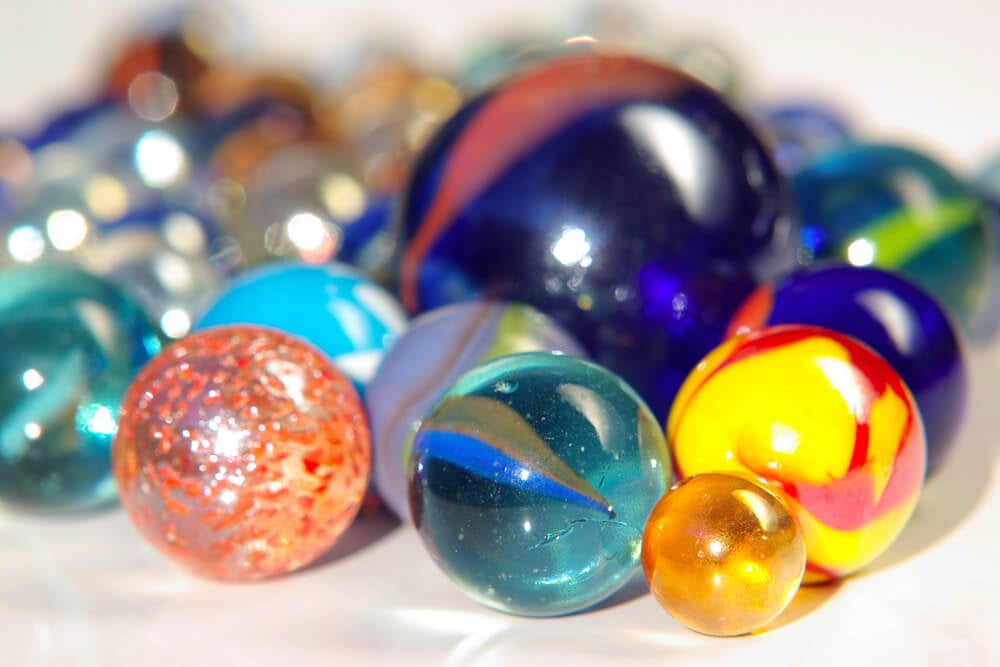
Lawrence Alley was behind several marble companies, and the Alley name runs through the history of American marble making. Alley Agate Company marbles are collected for their patterns and for the history attached to them.
A descendant, L.E. Alley III, has spoken publicly about the family legacy, which keeps the story alive for collectors. Authentic identification, rarity, and condition determine what an Alley marble brings.
Vitro Agate Marbles
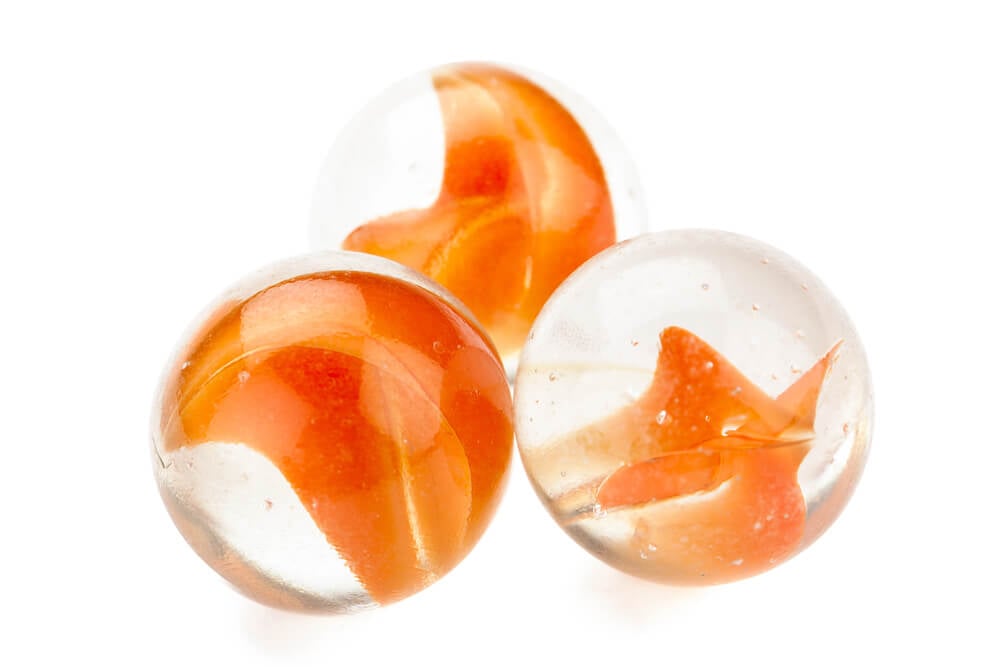
Vitro Agate is a recognized name in the marble reference guides, and dealers list its marbles as their own category. Collectors learn the maker’s look by studying examples side by side, since many American marbles resemble one another.
Color combinations and size help separate the ordinary from the desirable. Condition is the final test, and chips or heavy scuffing reduce value.
Marble King Shooters and Swirls
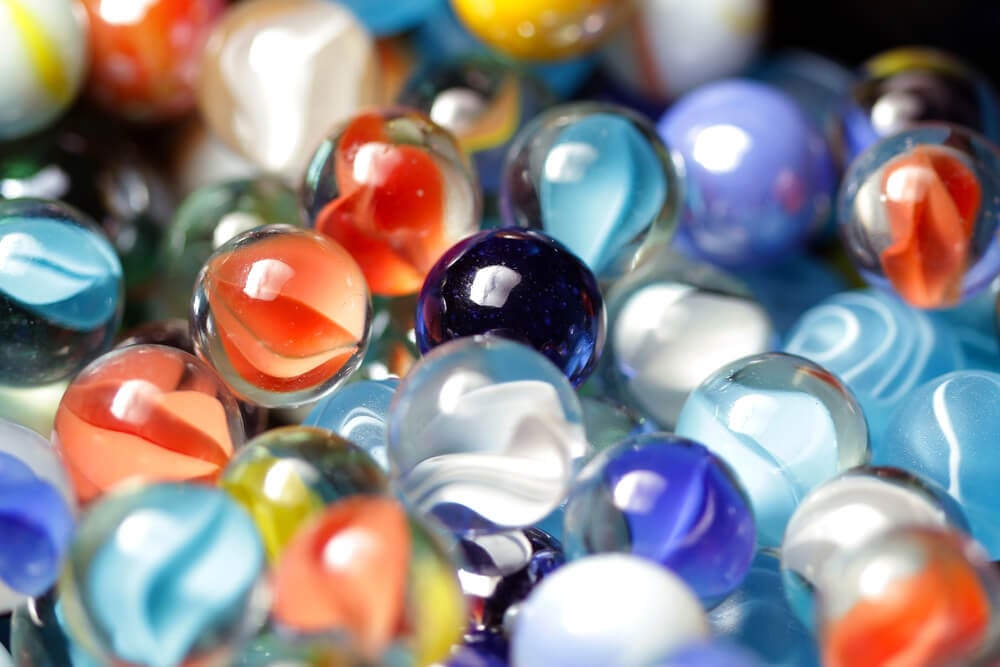
Marble King is a West Virginia company billed as the oldest continuously operating marble toy company in the United States. That long run means collectors find its marbles across many decades, in many patterns.
Older and scarcer styles are the ones that draw the most attention, while common recent patterns are far more affordable. Condition, age, and original packaging all feed into value.
Cairo Novelty Company Blue Swirls
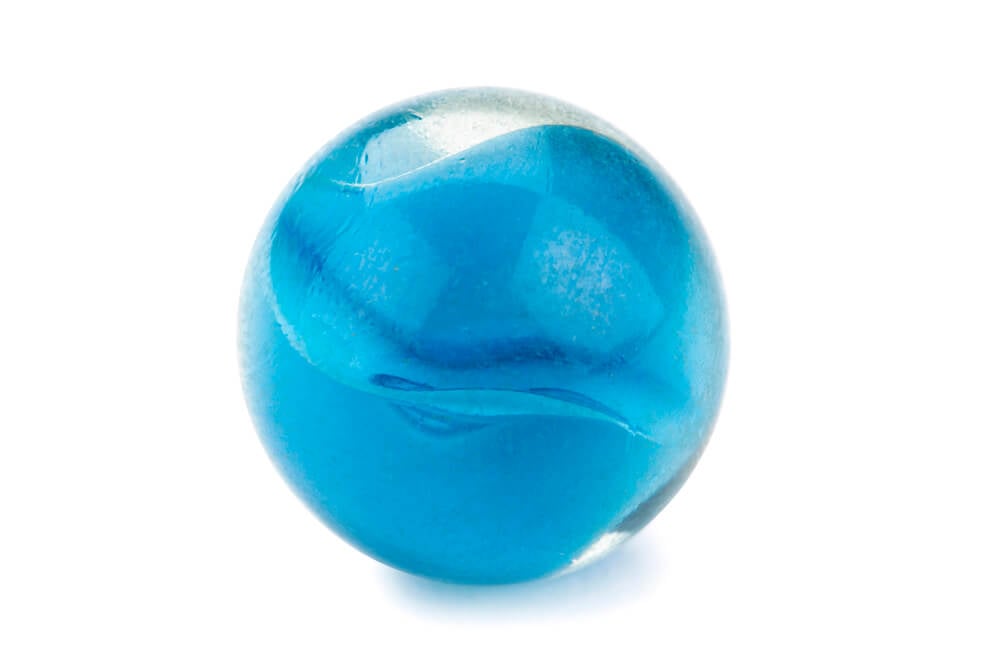
Cairo Novelty Company was a small West Virginia marble maker, and collectors still debate how to identify its marbles. Cairo blue swirls even have their own discussion threads, where enthusiasts compare examples to decide what is genuine.
Because the firm was not a giant, its marbles are not as common as those from the better-known names. Correct identification, color, and condition all influence value.
Heaton Agate Marbles

Heaton Agate Company appears in collector references alongside Bogard and Jabo, a grouping that shows how connected the small West Virginia makers were. Its marbles are collected by those who like the lesser-known makers rather than the famous names.
Learning to recognize them takes patience, since lookalikes abound. Pattern, color, rarity, and condition determine value.
Slag Marbles With Milky Streaks
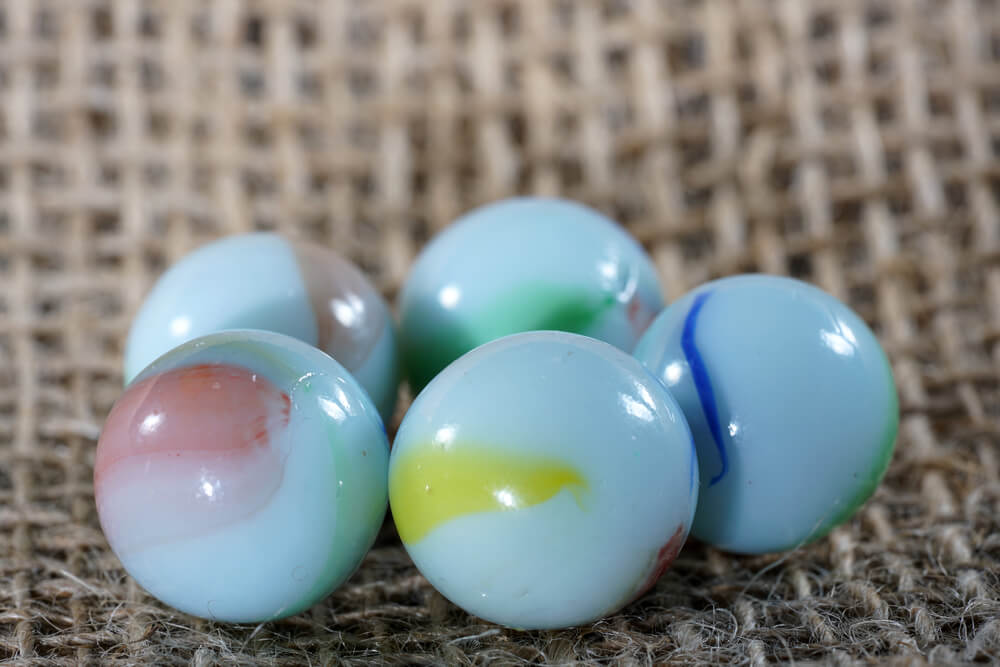
Slag marbles have opaque, swirled glass that looks like streaks of milk mixed through colored glass. Several American makers produced them, and Christensen Agate slags turn up at auction in a range of sizes.
The look is distinctive enough that experienced collectors can often recognize a slag at a glance. Color, size, and condition determine what a slag is worth, and a chipped one is worth far less than a clean one.
Boxed Vintage Marble Sets in Original Packaging
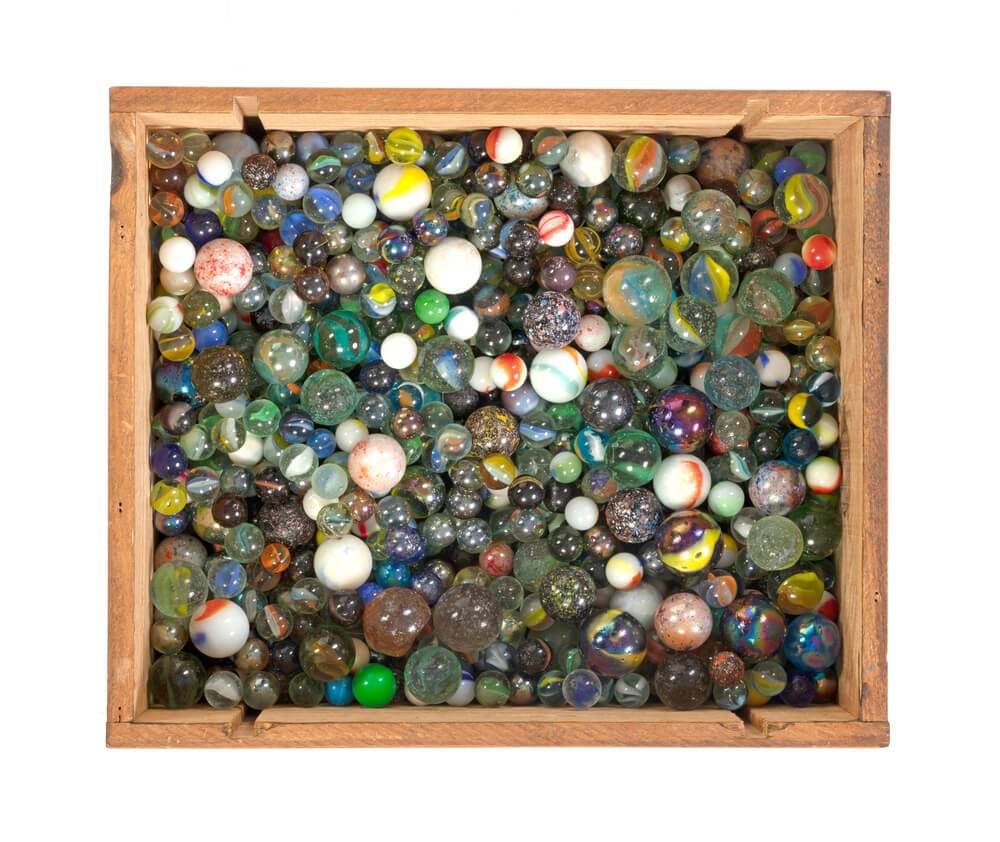
Marbles sold in their original boxes and bags often interest collectors more than loose marbles do. The printed graphics and company names help confirm authenticity and show how the marbles were sold.
A complete set in its original stock box can bring far more than the same marbles sold loose. Value depends on completeness, the condition of the box, and the rarity of the maker.
Clay Marbles Known as Commies
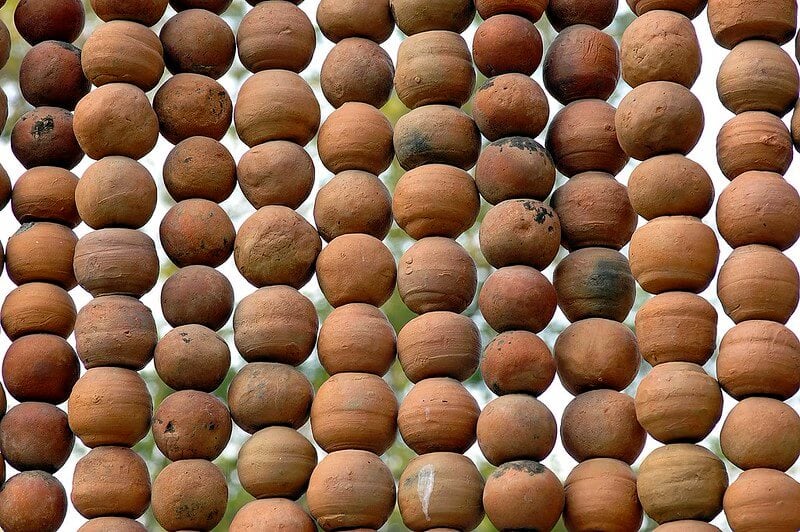
Clay marbles earned the nickname commies, and they were the cheap everyday option for generations of children. Hand-rolled and fired, they lack the glamour of glass but offer a window into ordinary play.
Most are modest in value, though unusual colors, glazes, or old original packaging can lift a set above the ordinary. Condition matters, since chips and cracks are common in clay.
Steelies and Their Heavy Reputation

Steelies are marbles made of steel, and their weight made them a favorite for players who wanted extra force. Collectors generally value them less than rare glass types, though examples in original packaging can attract interest.
They sit in the same family of nicknames as aggies and glassies, which shows how much slang the game produced. Rust, pitting, and wear all reduce value.
Jacks and the Ancient Game of Knucklebones
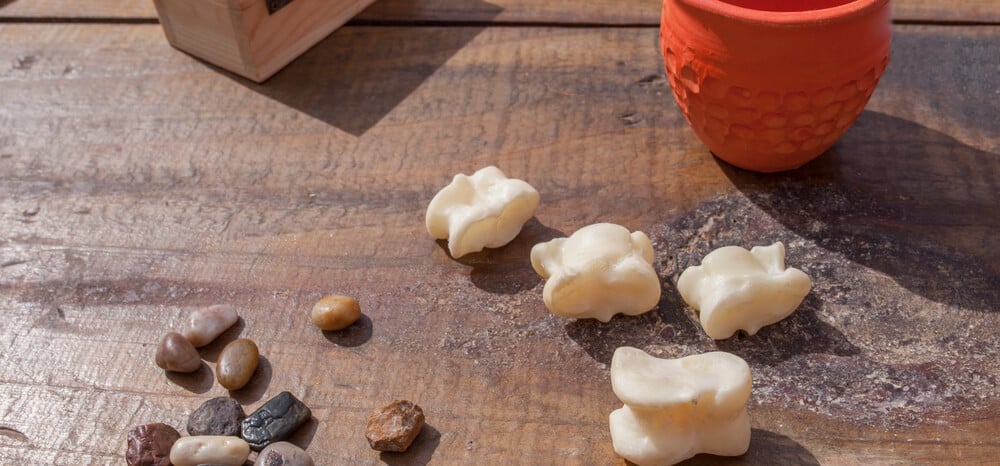
Jacks descend from knucklebones, a game played for centuries, and museums such as The Strong National Museum of Play and the Thunder Bay Museum have documented it. Old sets are collected for their age and form as well as for the game itself.
Collectors look for sets where every piece survives, since a missing jack lowers value. Authenticity, wear, and rarity decide what a set will bring.
Boxed Jacks Sets in Original Packaging
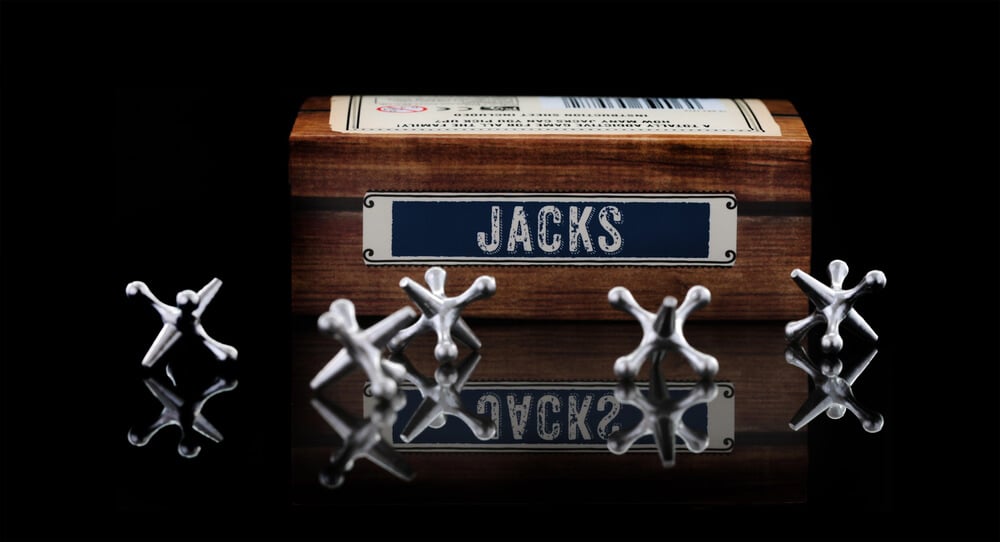
Jacks sets that survive in their original boxes are far scarcer than loose pieces, since boxes were usually thrown away. A complete set pairs the jacks with the small rubber sphere used to bounce and scoop.
The box graphics often reflect the era in which the set was made, giving collectors something to display as well as play with. Completeness, box condition, and authenticity decide what a set is worth.
Why Small Things Keep Their Value
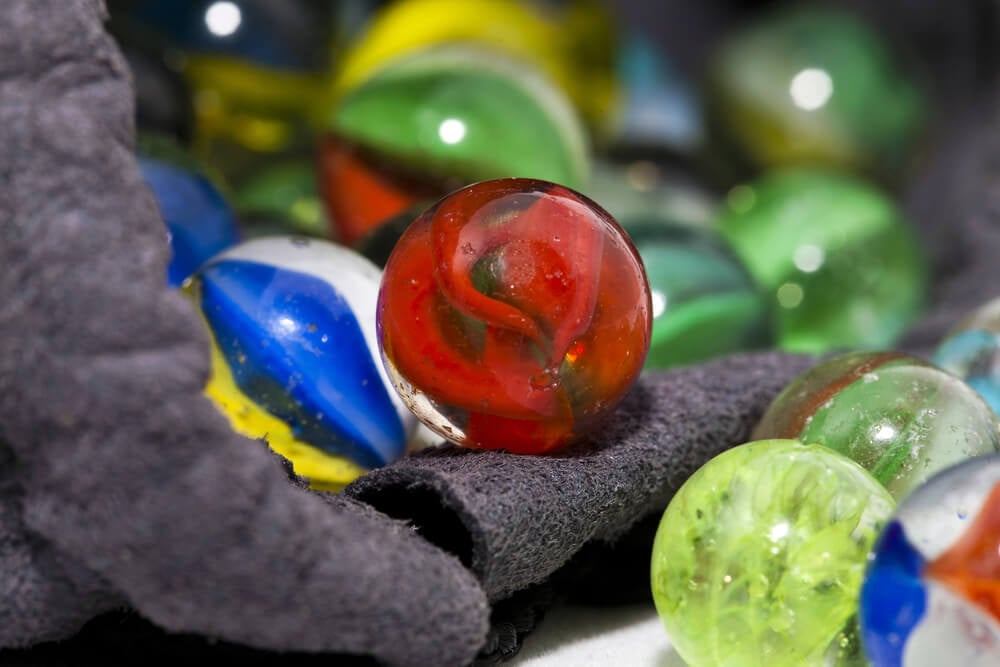
Marbles and jacks were never meant to be treasured. They were pocket change for children, rattled in bags, lost in yards, and traded for favors. The survivors are the ones that someone happened to save, which is exactly what makes a clean example so hard to find.
That is also why condition rules every conversation about value here. A chip, a missing piece, or a faded box can turn a prized find into an ordinary one. The best items on this list are the ones that kept their color, their packaging, and their story intact.
More from Go2Tutors!

- The Romanov Crown Jewels and Their Tragic Fate
- 13 Historical Mysteries That Science Still Can’t Solve
- Famous Hoaxes That Fooled the World for Years
- 15 Child Stars with Tragic Adult Lives
- 16 Famous Jewelry Pieces in History
Like Go2Tutors’s content? Follow us on MSN.