31 Classroom Supplies Students Used Before Computers Arrived
Teachers handed out mimeographs that still smelled faintly of purple ink as students bent over worksheets. No one questioned why the papers looked like they’d been printed by aliens using outdated technology.
This was just how school worked. Every classroom maintained its own supply closet filled with tools that served singular, specific purposes—before a single device could do everything at once.
Mimeograph Machine
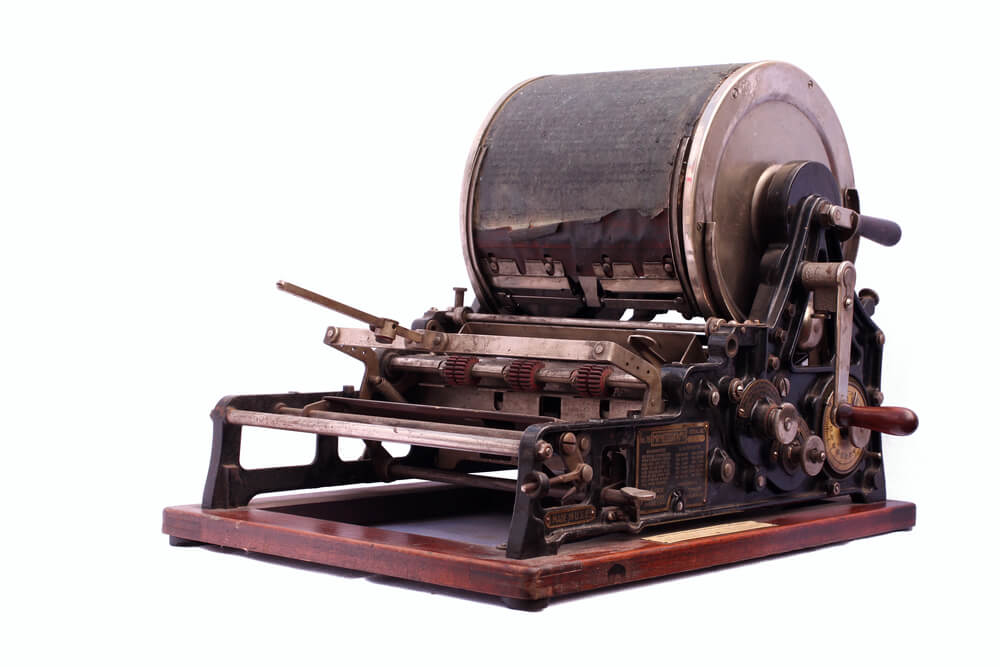
The spirit duplicator created purple copies by using alcohol-soaked paper to transfer a master sheet. Teachers loved them because they were cheap and didn’t require electricity in every classroom.
Students despised the smell and the way the ink transferred to their hands and faces. The faintly visible masters and inconsistent ink saturation gave mimeographed worksheets a distinctive appearance that said “from school.”
Carbon Paper
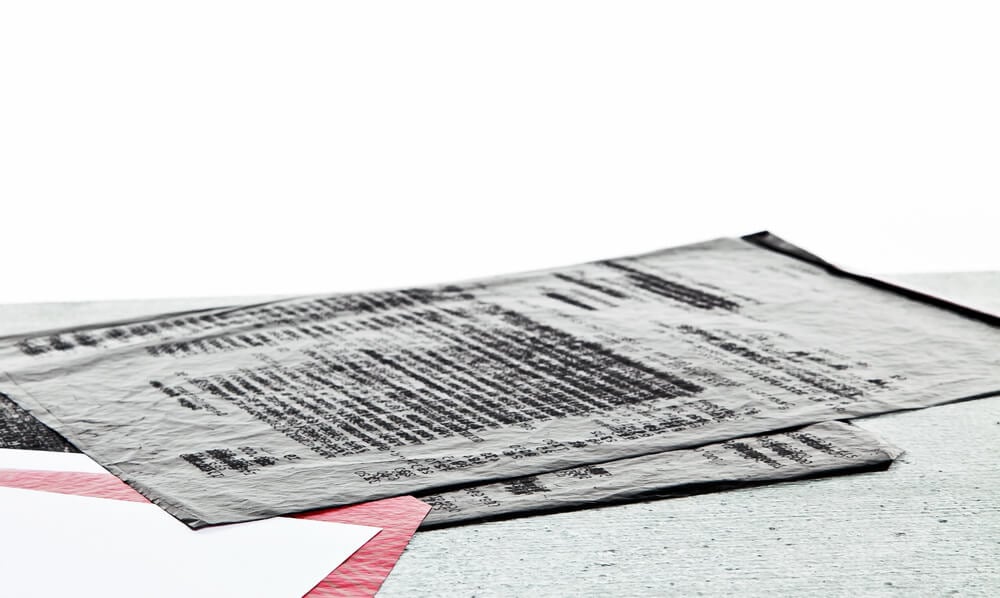
This thin coated paper transferred writing from one sheet to another without electricity or additional equipment. Students using carbon paper to make copies of homework had their scheme immediately visible to teachers—the back page always showed smudged impressions of whatever had been written above.
Carbon paper’s toxicity wasn’t discussed; it was simply known to turn fingers black and smell industrial.
Ditto Pad

These specialty paper tablets used the same spirit duplicator technology, but packaged the master sheet and copy paper together. Teachers ran them through the machine once and distributed the entire pad to the class.
The pads worked well until someone bent them, which damaged the master sheet for every remaining copy.
Paper Fasteners
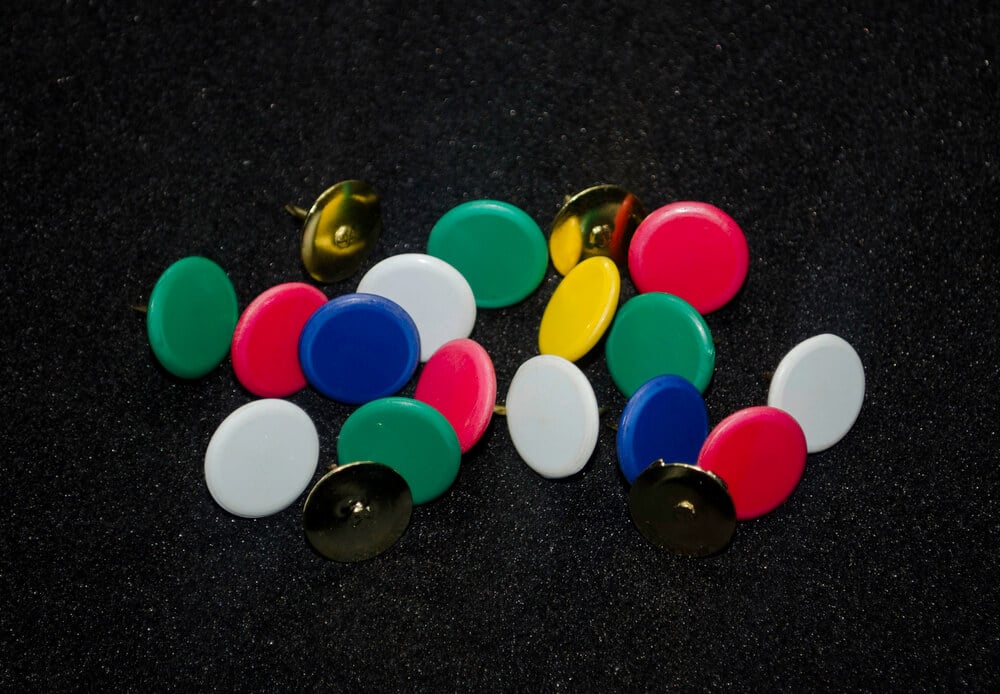
These small metal devices with split ends penetrated paper and folded back to secure documents without tape or glue. Students used them to bind report covers to interior pages, creating what felt like permanent assemblies of work.
Removing them without tearing paper required precise hand control and infinite patience.
Typewriter Ribbon
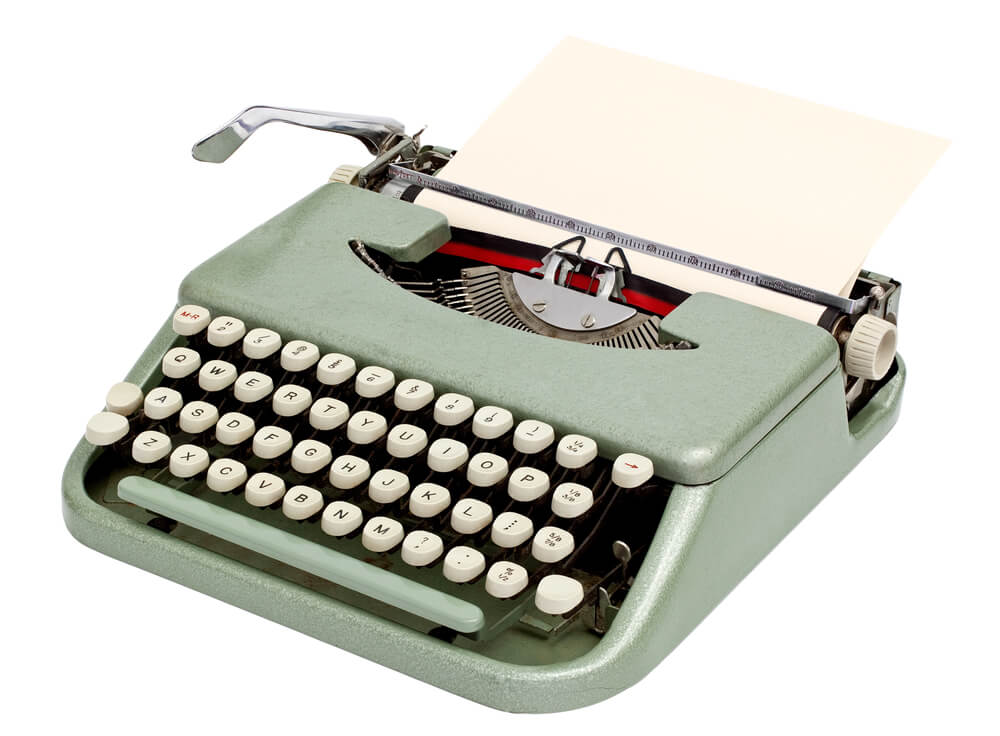
Manual and electric typewriters required these inked fabric ribbons spooled between two hubs. Teachers brought their own machines when the school’s equipment broke, making every classroom’s typewriter slightly different.
The ribbons turned heavy use to fade unless they moved properly through the machine.
Correction Tape
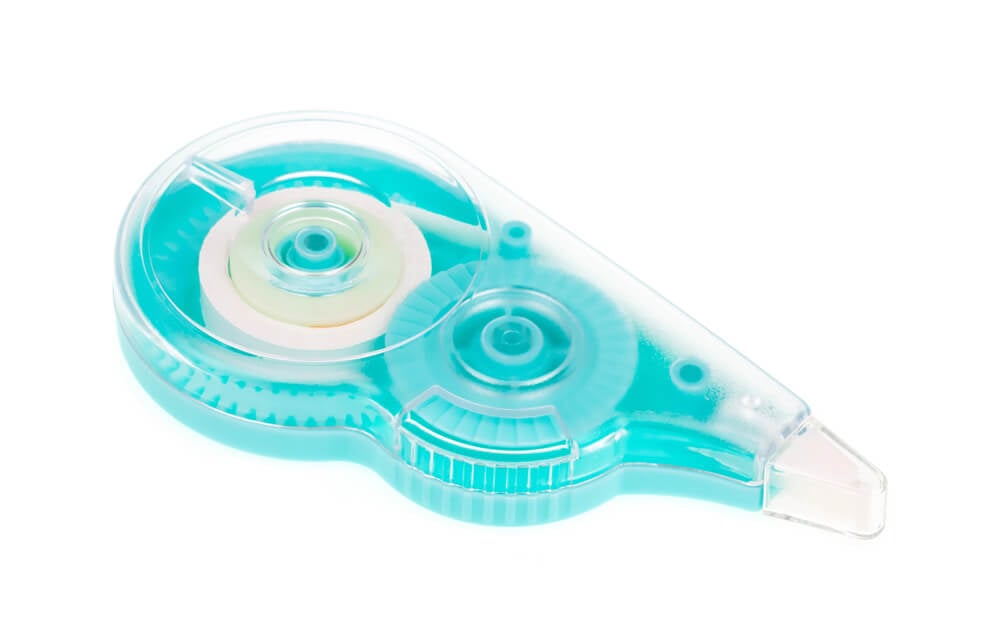
This white opaque tape covered typing errors on white paper without erasing anything. Students applied it over mistakes and typed again on top, hoping the error disappeared from view.
The tape didn’t always match the paper’s shade perfectly, creating visible patches on important assignments.
Carbon Duplicator
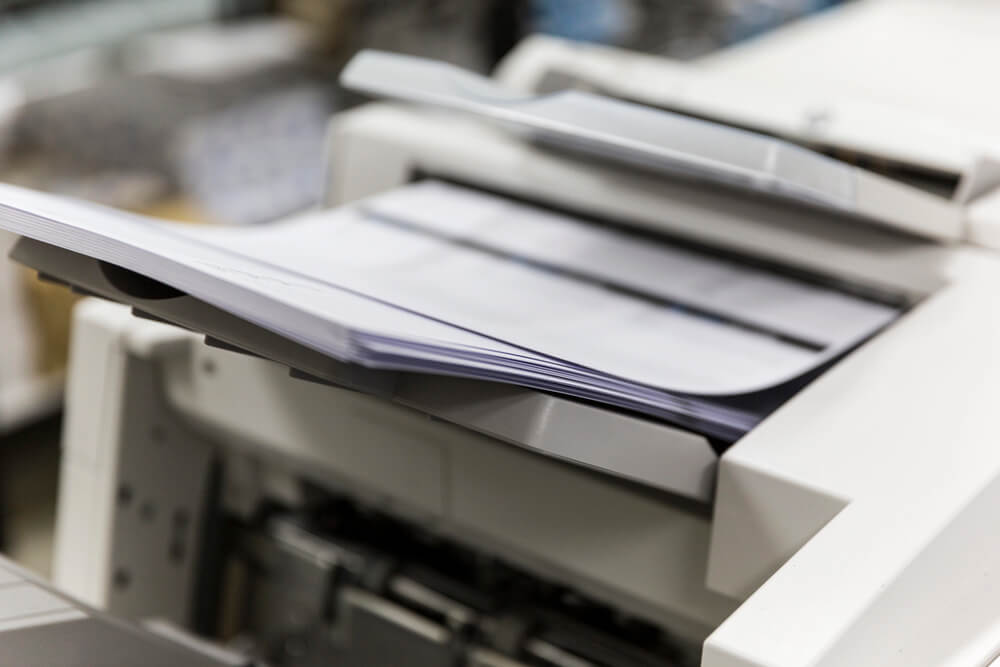
This machine used carbon paper sandwiched between original and copy paper to run through a mechanical press. Teachers hand-cranked the mechanism, which proved surprisingly difficult without practice.
The copies never matched the original’s quality, but the machine required no electricity or expensive chemicals.
Dittos in Blue and Red
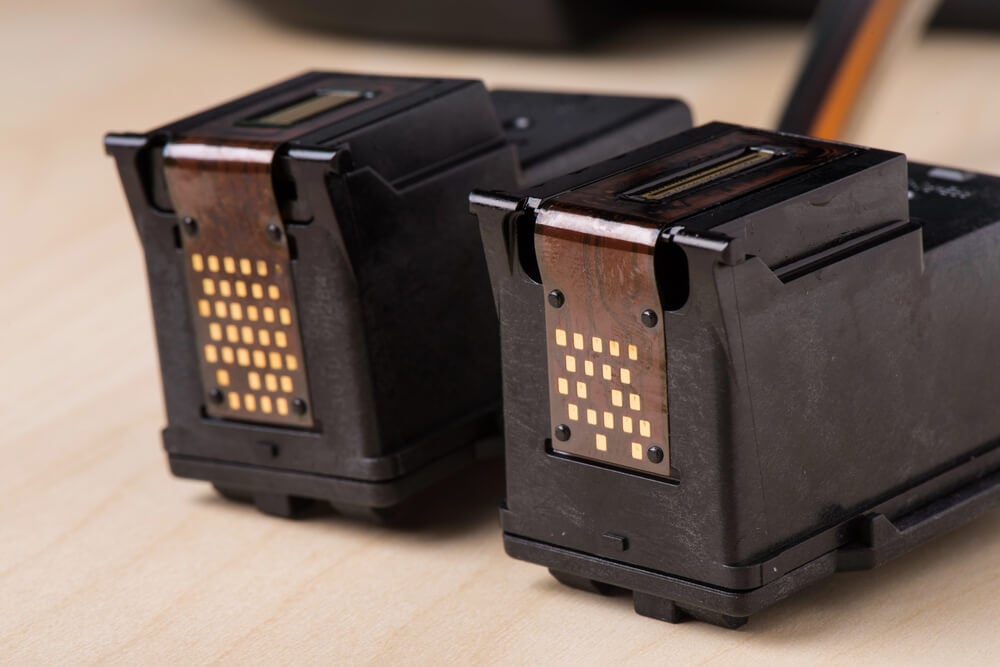
The spirit duplicator came in multiple ink colors for variety, though purple remained the standard. Teachers mixed colors within single assignments, creating a rainbow of worksheets if they alternated colors per copy run.
The smell changed slightly with each color, though all variants had that distinctive classroom chemical scent.
Wooden Ruler
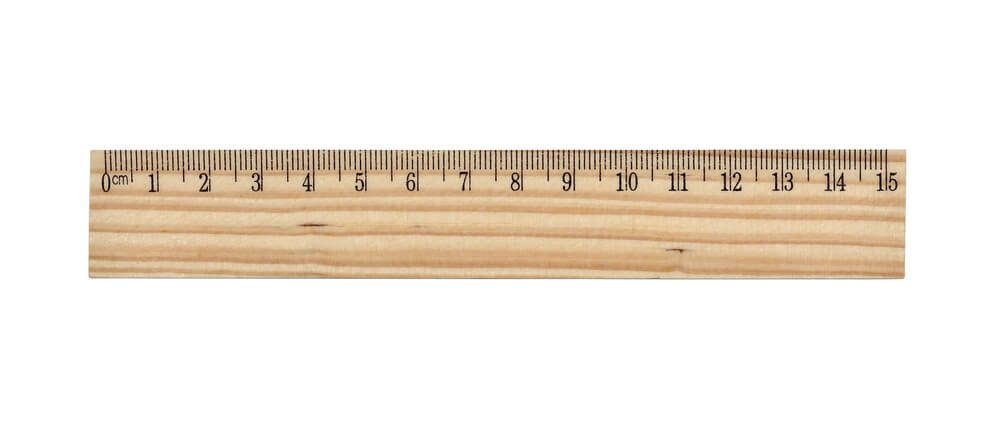
These flat twelve-inch measuring tools came in every classroom. Students used them to draw straight lines, measure spacing for reports, and occasionally as makeshift swords during indoor recess supervision gaps.
The pencil markings and dents on school rulers made them recognizable as classroom tools versus the unsullied rulers at home.
Pencil Sharpener (Electric)
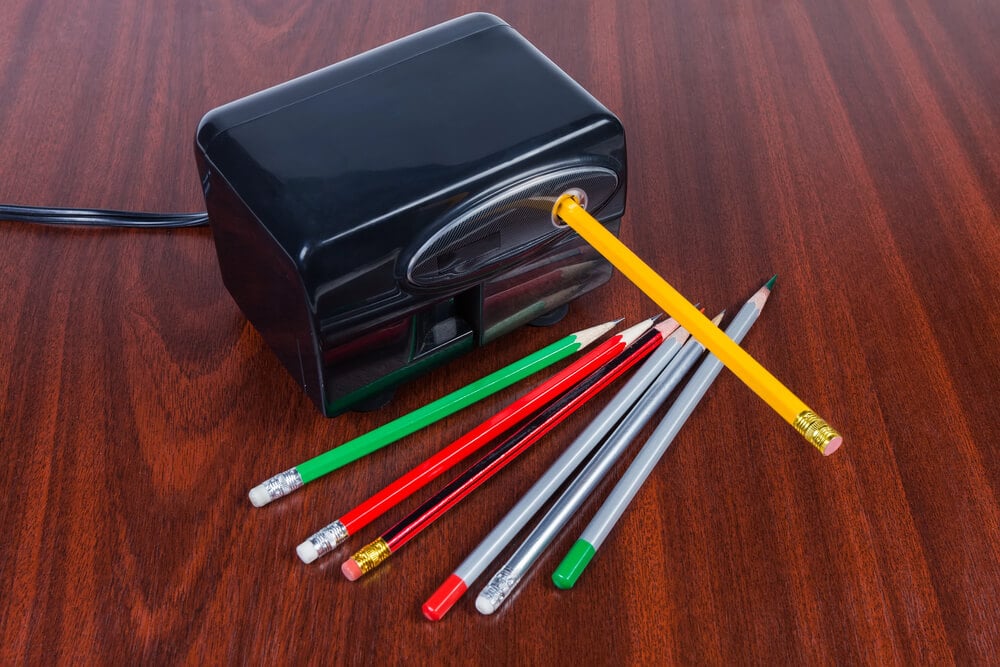
This industrial machine bolted to the classroom wall or sat on a teacher’s desk, powered by increasingly loud motors. Students worried about feeding their pencils in wrong and having them jammed or broken inside.
The machine’s sound signaled whenever someone needed to sharpen pencils, drawing attention to the entire class.
Pencil Sharpener (Manual)
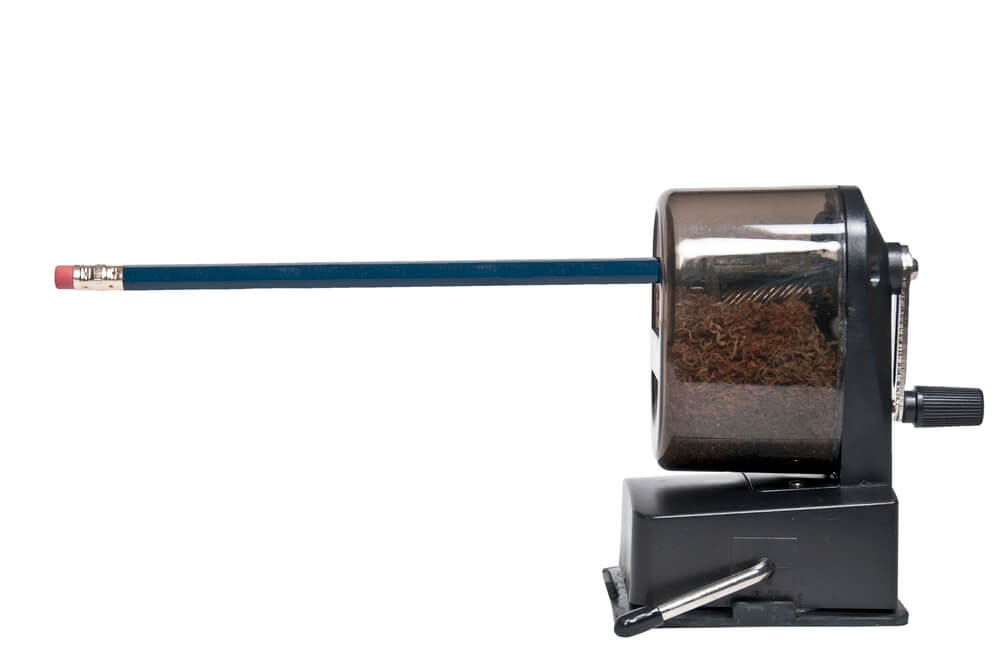
Smaller hand-held sharpeners lived in desk drawers, less powerful but infinitely quieter than electric versions. These created substantial wood shavings that accumulated in the trash.
Manual sharpeners required actual effort and could break if pushed too hard.
Erasers

Pink rubber erasers attached to wooden pencil tops represented the most common type. Erasing created dark smudges that required additional erasing and sometimes erased the paper itself if applied too aggressively.
Kneaded erasers offered alternatives for charcoal or pastels, used in art classes and occasionally smuggled by students for erasing pencil in other subjects.
Pencil Box
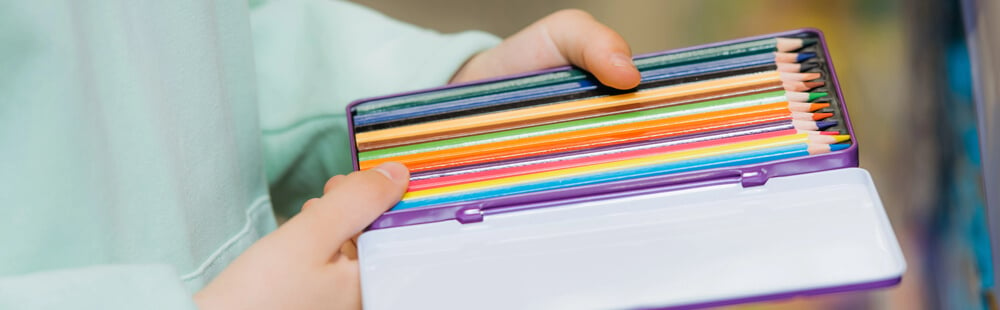
These small containers held crayons, colored pencils, scissors, and erasers during elementary school. Wooden pencil boxes with sliding lids represented the premium version; plastic ones sufficed when budgets tightened.
Losing a pencil box meant losing access to supplies, making it a mild tragedy for the rest of the week.
Stapler and Staples
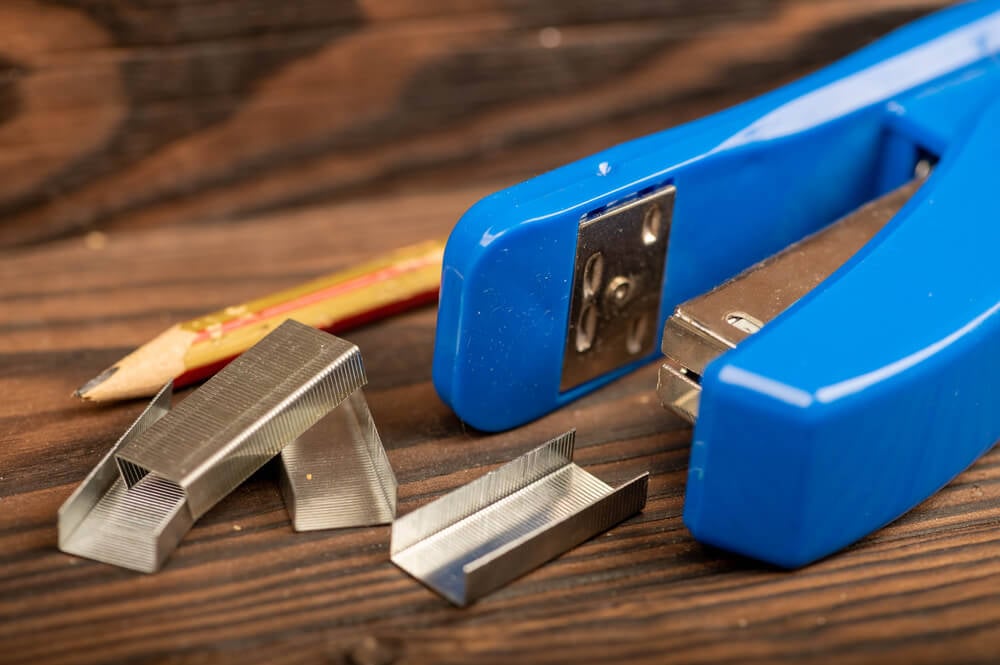
Manual desk staplers bound pages together before staples came in electric versions. Students jammed staplers constantly by trying to staple too many sheets at once.
Removing staples required pulling metal strips backward with tremendous force, risking torn paper and punctured fingertips.
Paste Pots
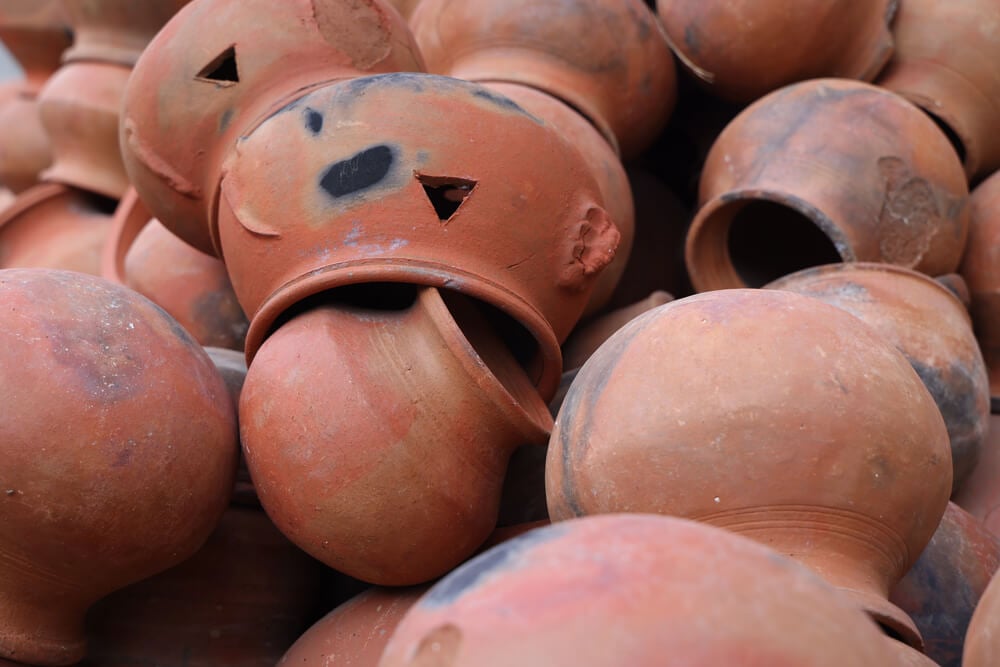
These small ceramic or plastic containers held rubber cement or paste, their lids perpetually stuck tight. Paste dried at the bottom of the container while the top remained usable, requiring careful application.
The smell of rubber cement marked elementary school classwork unmistakably.
Scissors
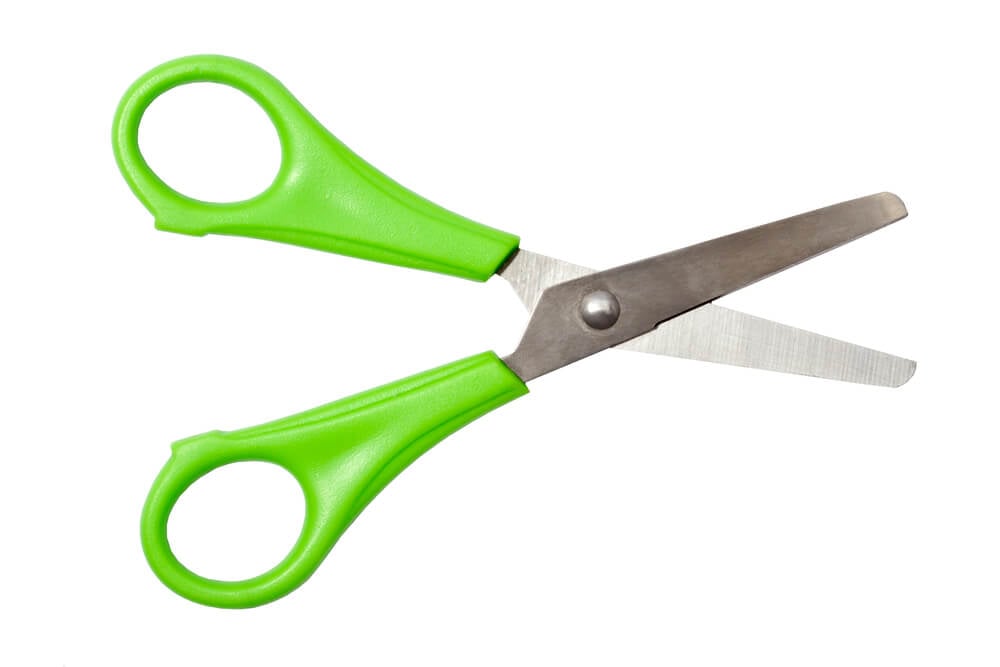
Metal scissors with safety-rounded tips occupied every classroom art bin. Teachers distributed them carefully, as students routinely lost them or used them for inappropriate purposes like cutting hair.
Cutting paper required surprising pressure because the blunt tips weren’t very sharp.
Crayons
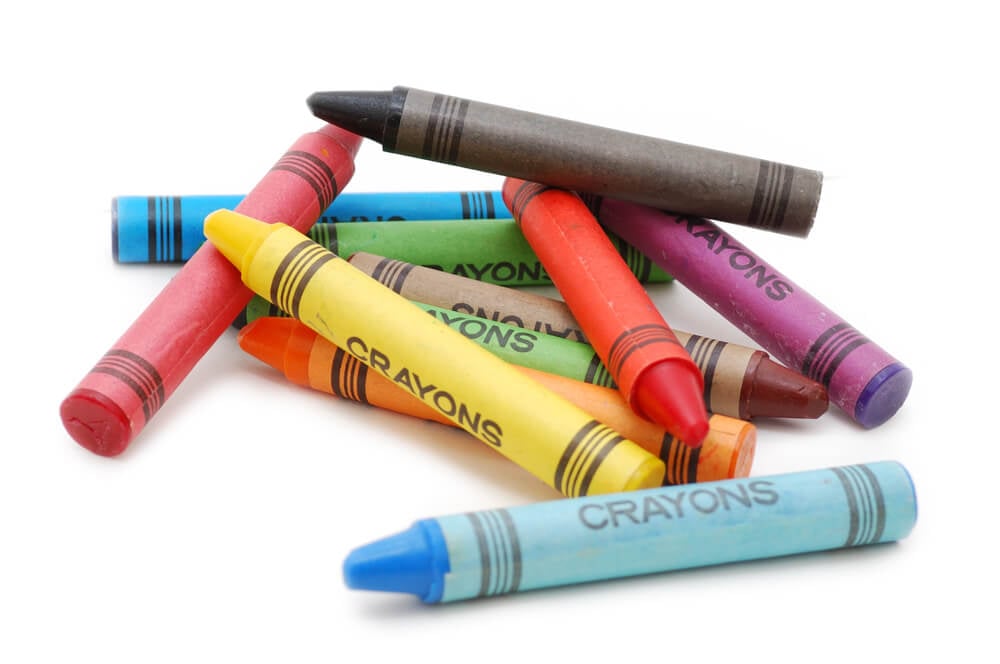
These wax sticks came in boxes of eight, twelve, or twenty-four colors, with names like Burnt Sienna and Periwinkle printed on the wrappers. Students sorted them by color and melted them despite warnings.
Broken crayons were mourned; sharpening them with pencil sharpeners never worked properly.
Colored Pencils

These wooden pencils containing pigmented cores allowed more precision than crayons but less permanence than marker. Sharpening them required electric sharpeners or manual ones, and the tips broke easily.
Students coveted sets of forty-eight or sixty-four colors as status symbols.
Markers
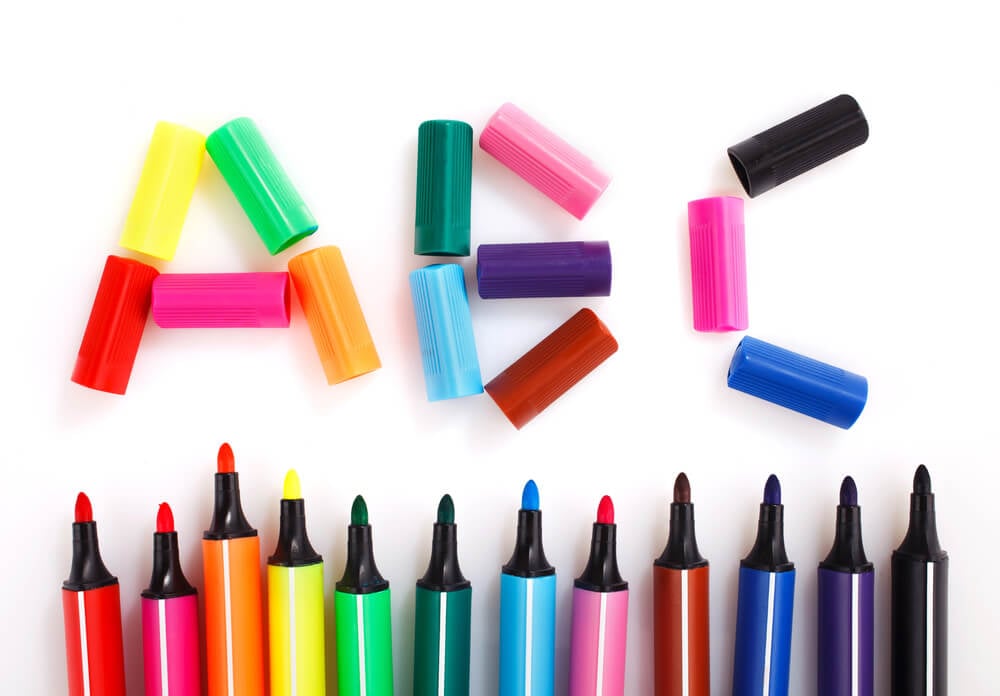
These permanent ink pens came in sets with corresponding caps and dried out if left uncapped. Markers smelled distinctive and generated concerns about staining clothes and desks.
The chisel tips and felt bodies made them different from anything else in the supply cabinet.
Pencil Eraser
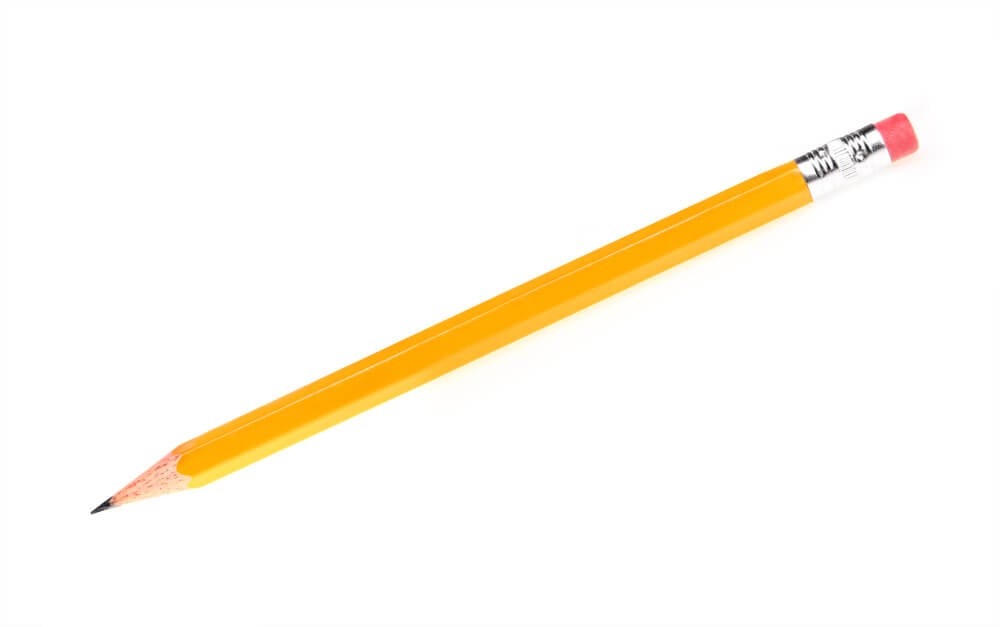
The humble pink rubber eraser attached to pencil tops represented the basic correction method. Heavily used erasers wore thin and flat, making them less effective.
Replacing the eraser with a plug-in version extended pencil life but rarely improved erasing quality.
Paper Clips
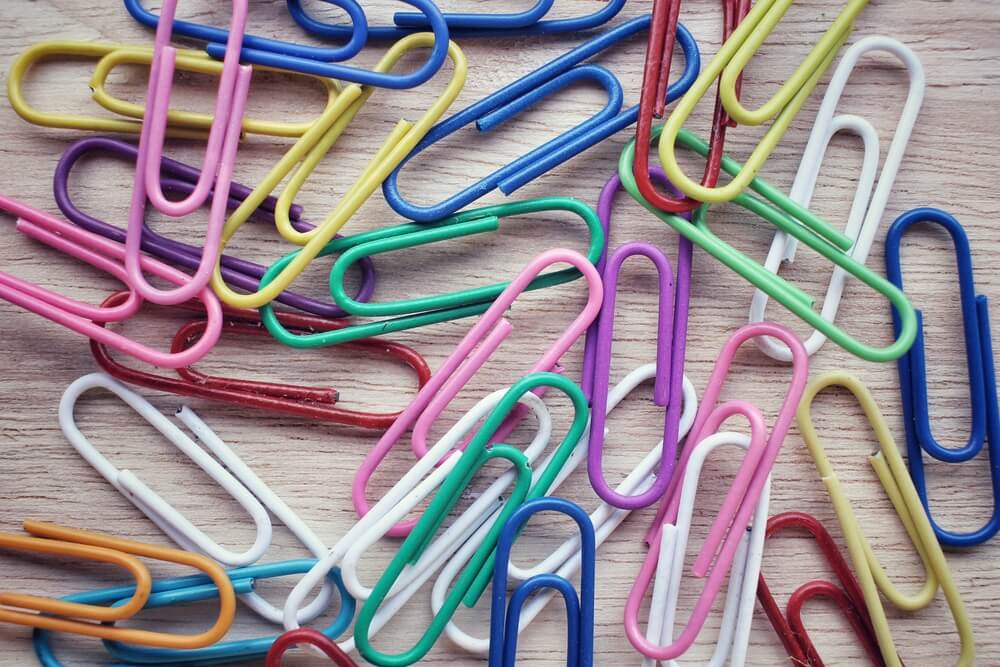
These small bent wire devices held stacks of paper loosely together without damaging them. Students accumulated them in desk drawers and occasionally bent them into chains or shapes.
Large boxes of paper clips lasted entire school years because they were nearly indestructible.
Rubber Bands
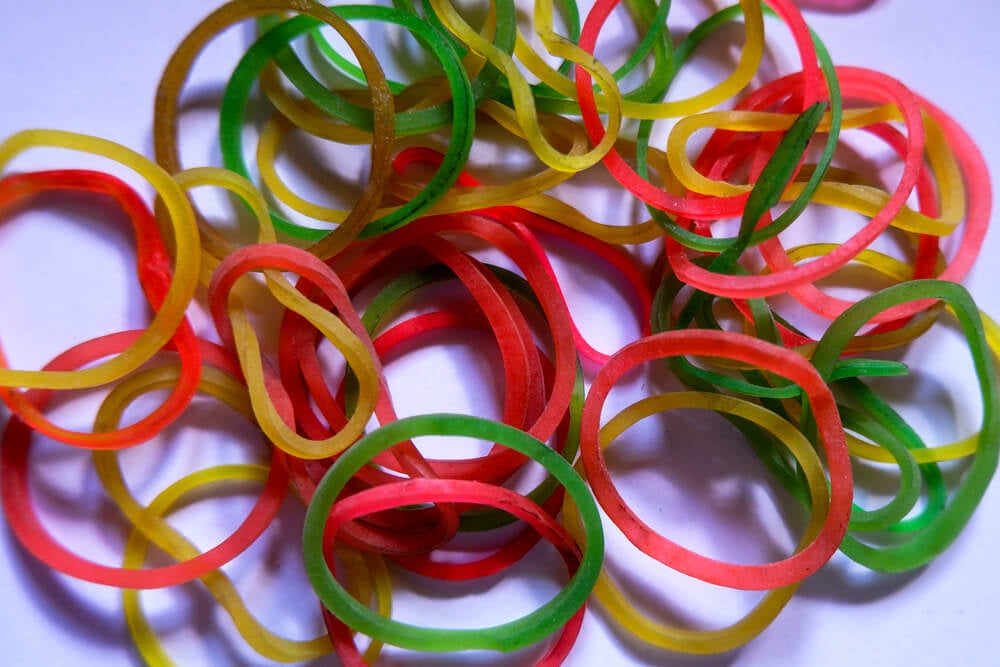
These elastic loops stretched around rolled paper or bundled materials. Students flicked them at each other despite repeated warnings.
The bands lost elasticity and snapped without warning, requiring replacement.
File Folders
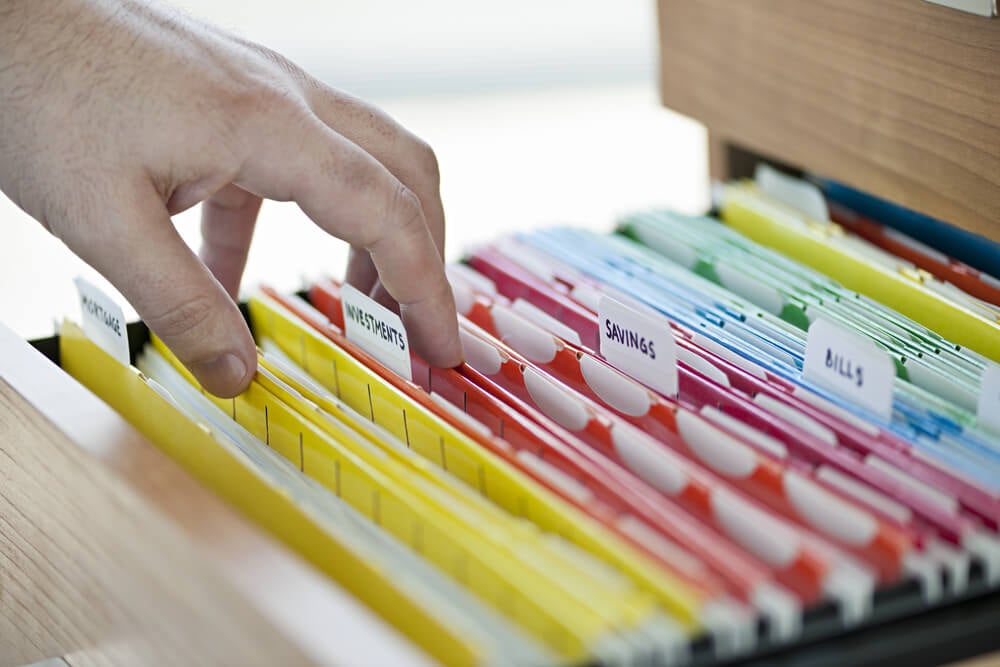
These manila cardboard containers organized papers into subjects or topics. Students decorated theirs with stickers and markers.
The folders bent easily with rough handling and grew fuller as the year progressed.
Index Cards
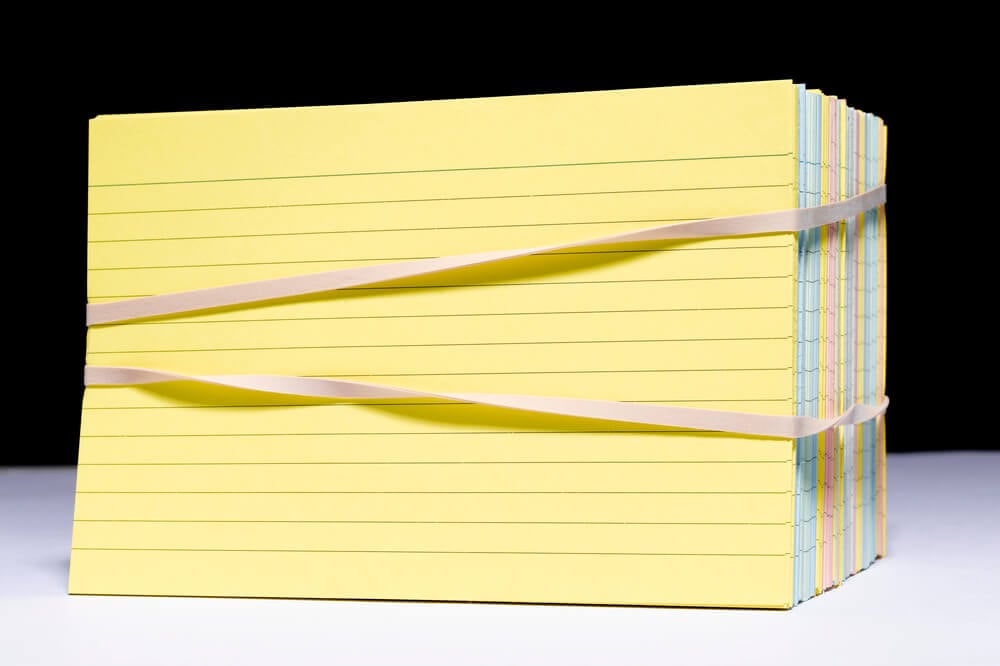
These small cardboard rectangles served as study aids when students wrote facts on one side and answers on the other. Teachers distributed them for tests and assignments.
Carrying a stack of index cards meant serious studying was underway.
Notebook Paper
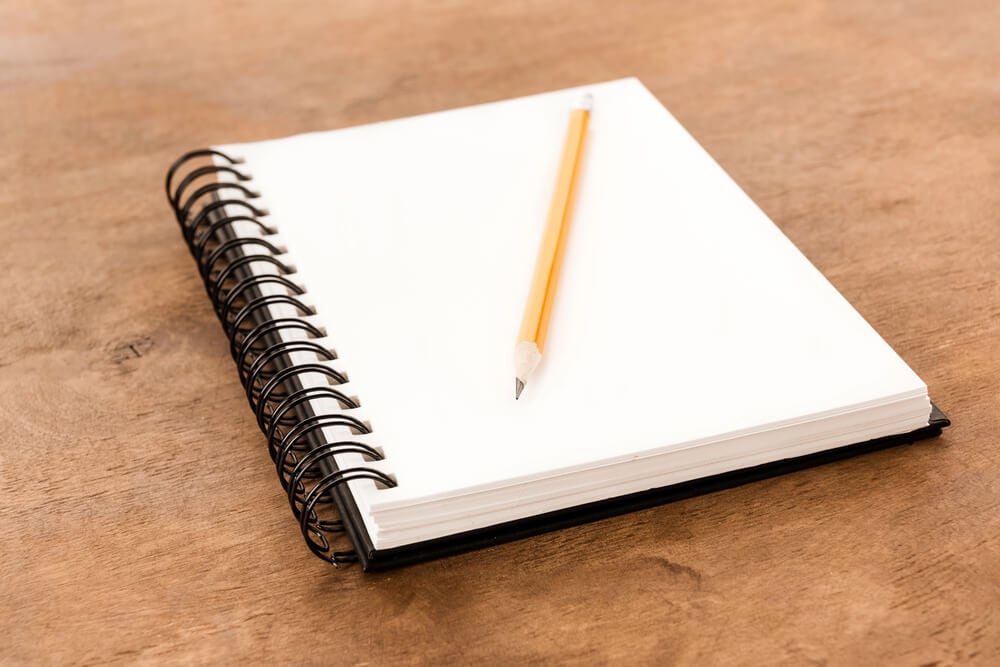
This thin ruled paper filled spiral and composition notebooks. Quality varied dramatically; cheap paper tore easily while premium brands felt substantial.
Teachers specified which type to use for major assignments.
Composition Notebook
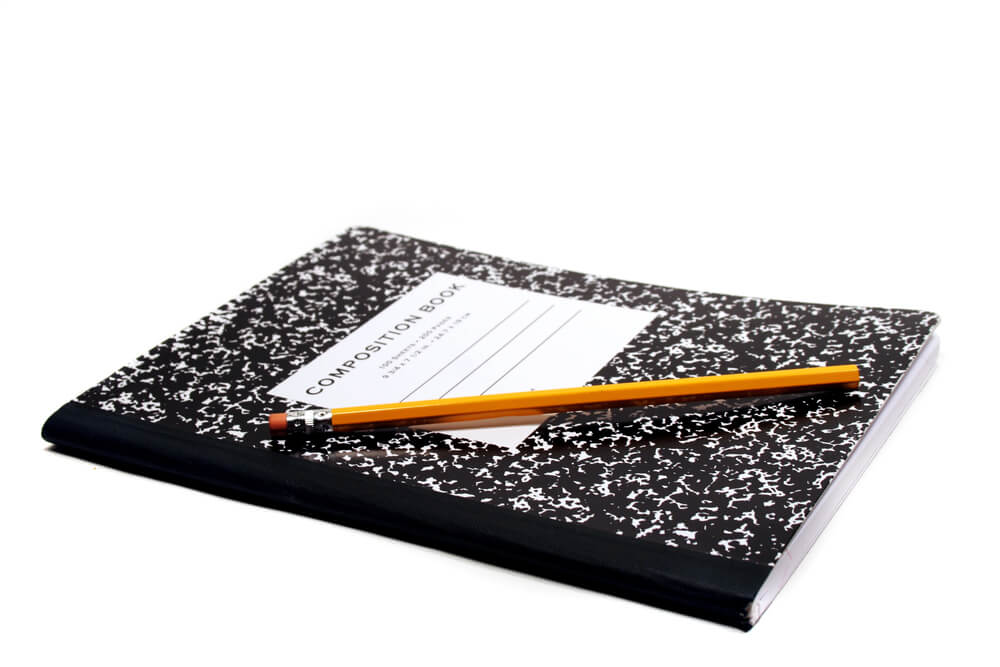
These bound books with flexible covers came in multiple colors and ruled or blank formats. Students assigned one to each subject, decorating covers with permanent marker.
The books opened flat if the binding was creased enough, creating permanent wing-shaped pages.
Spiral Notebook

These plastic-ring bound notebooks allowed students to insert or remove pages with irregular ease. The metal coils bent out of shape and pinched fingers constantly.
Pages shredded where the spiral openings perforated the paper.
Pen Set
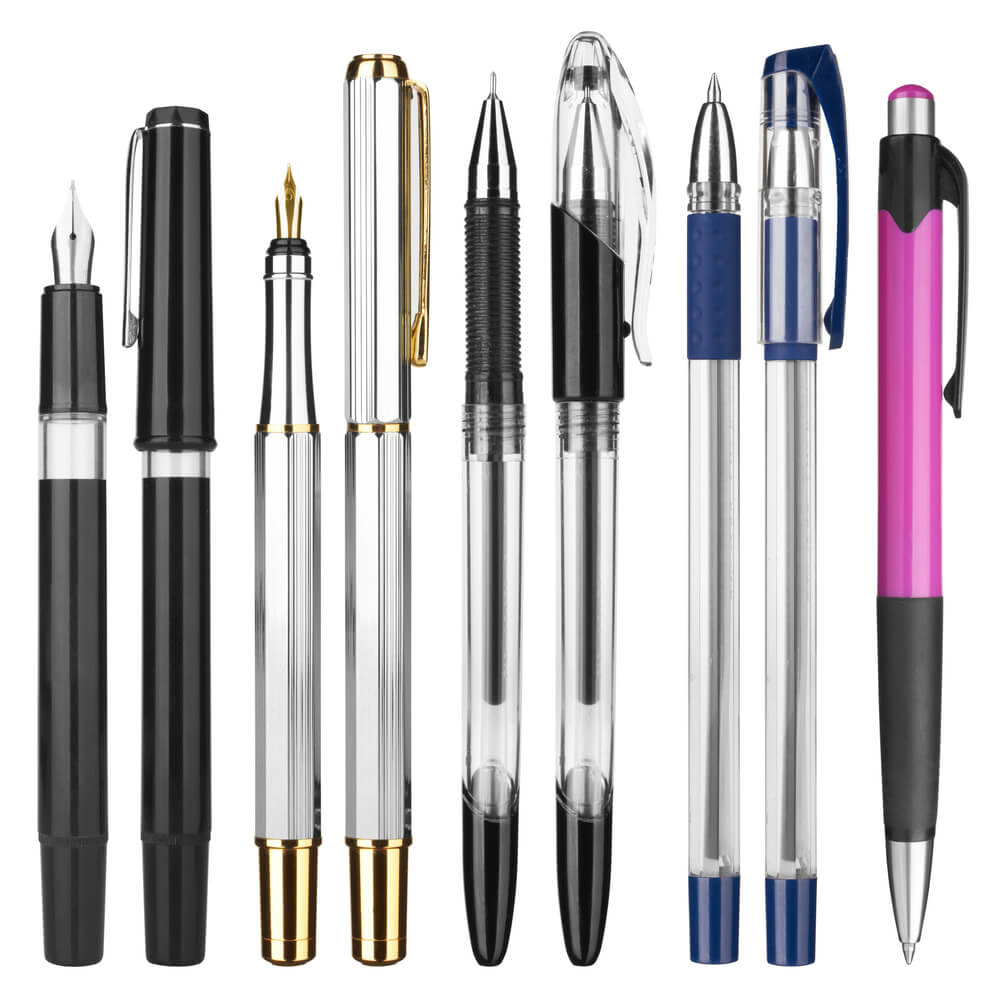
Teachers distributed pens reluctantly, preferring pencils because erasing existed. Ballpoint pens marked permanently, making every mistake irreversible.
Students felt grown-up using pens instead of pencils.
Chalk and Erasers
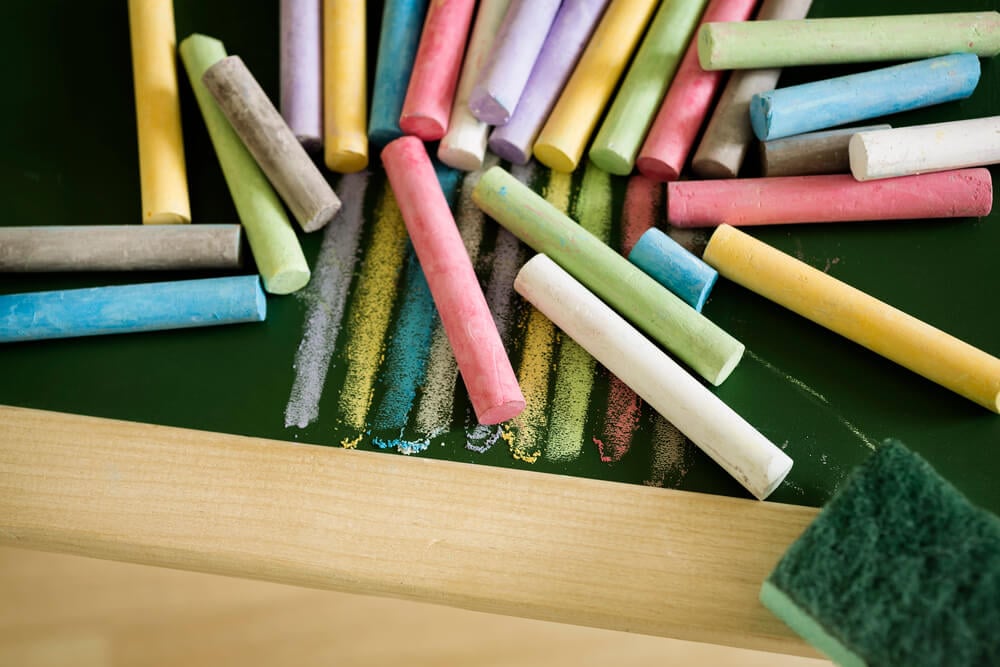
Teachers drew on chalkboards while students copied information onto paper. Chalk dust covered clothing and hands, marking anyone who wrote on the board.
Board erasers created clouds of white particles that irritated lungs when struck together.
Pencil Sharpener (Wall-Mounted Industrial)
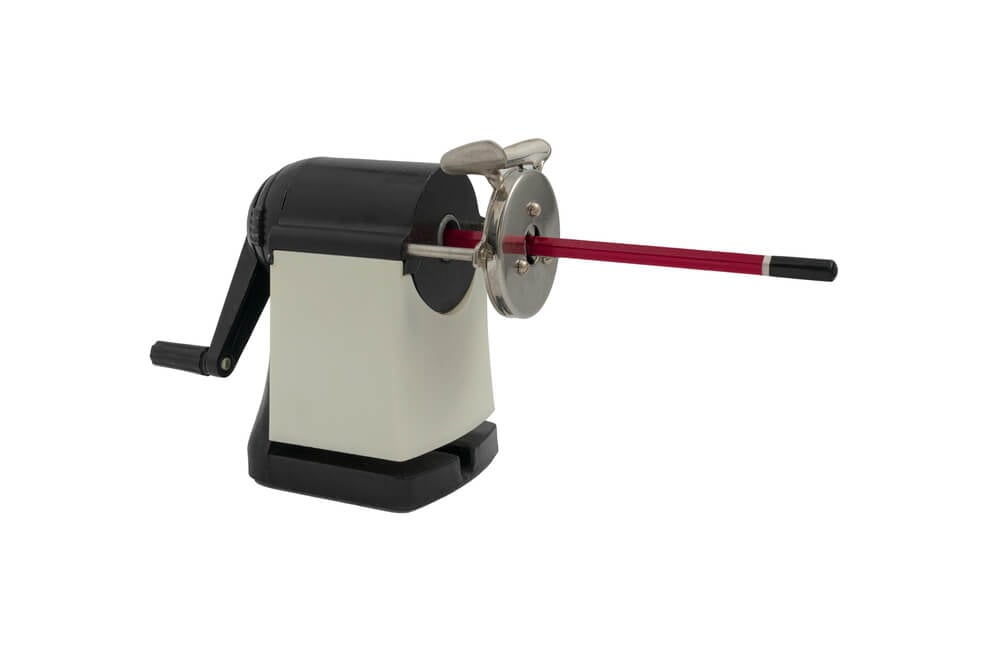
These heavy metal devices bolted to classroom walls sharpened pencils through mechanical action. The crank handle required significant physical effort, and the mechanism jammed frequently with broken pencils.
Students often waited in line during pencil-sharpening times, making it a classroom activity rather than a private matter.
Correction Pen
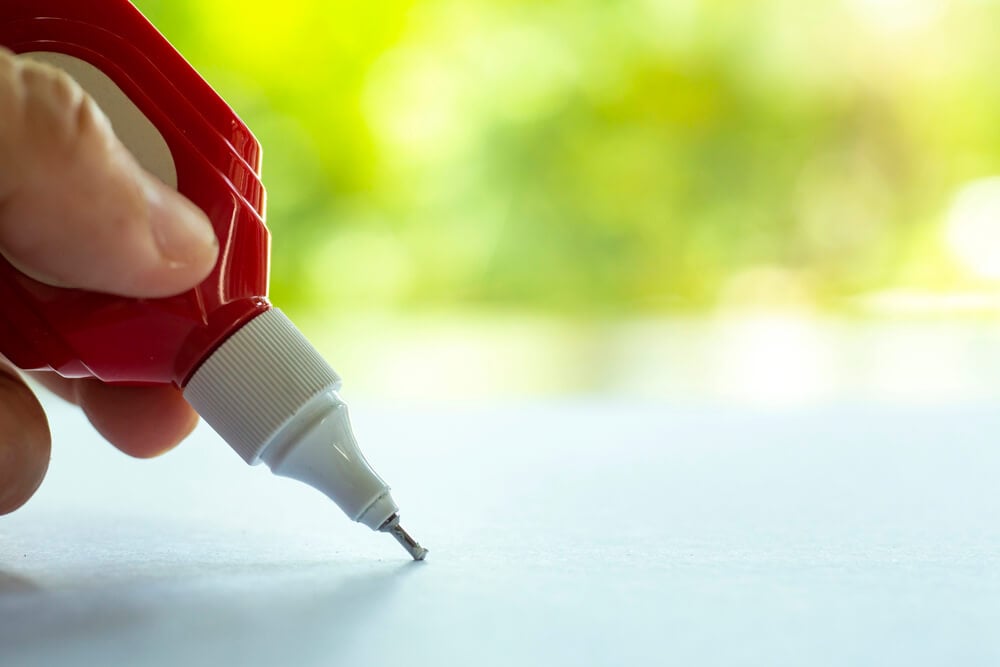
This liquid compound applied with a small brush covered typing and handwriting errors on paper. The liquid dried quickly, creating an opaque white surface for re-writing.
The strong chemical odor announced use throughout the classroom when multiple students corrected mistakes.
The Tools of Constraint
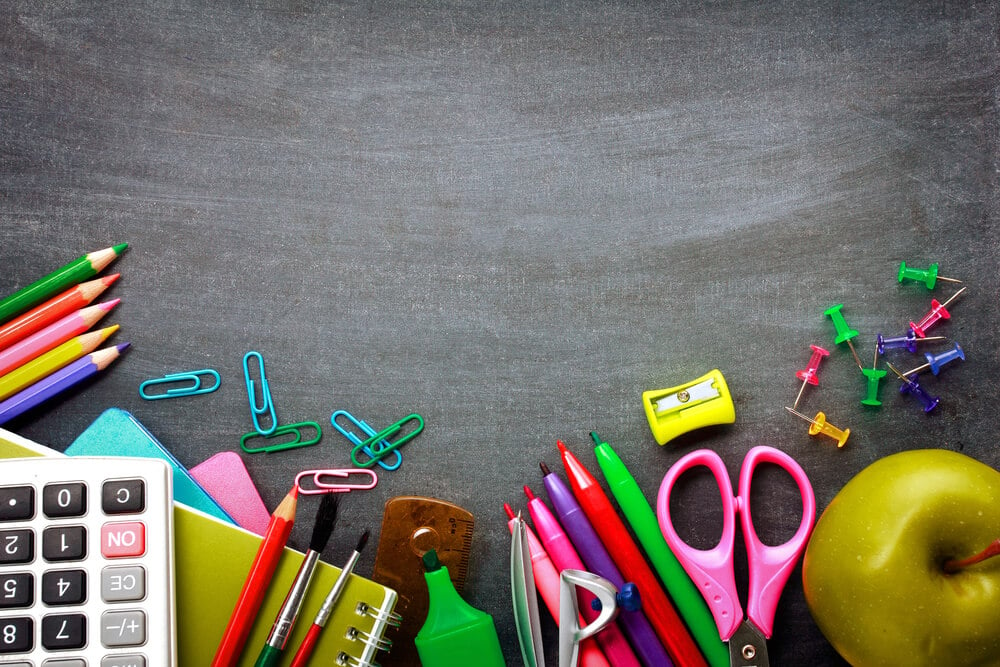
Every supply item performed exactly one function, forcing students to learn different techniques for different media. Mixing supplies or improvising alternatives required creativity and planning.
The classroom cabinet’s limited options made every project a negotiation between intention and availability, teaching resourcefulness long before necessity demanded it.
More from Go2Tutors!

- The Romanov Crown Jewels and Their Tragic Fate
- 13 Historical Mysteries That Science Still Can’t Solve
- Famous Hoaxes That Fooled the World for Years
- 15 Child Stars with Tragic Adult Lives
- 16 Famous Jewelry Pieces in History
Like Go2Tutors’s content? Follow us on MSN.