30 Laws From Past Centuries Still on the Books
Most ancient laws have been repealed, superseded, or forgotten. Yet some remain technically enforceable, surviving centuries of legal change through oversight or deliberate retention.
The following twenty-nine laws remain on statute books despite their obsolescence or absurdity.
Connecticut’s Prohibition on Pickle Relish

A Connecticut statute prohibits the sale of pickle relish with less than a certain percentage of pickle content. The law remains on the books despite never being enforced.
The law originated to prevent food fraud but is now technically enforceable despite being entirely ignored.
Georgia’s Blue Law Banning Sewing on Sunday
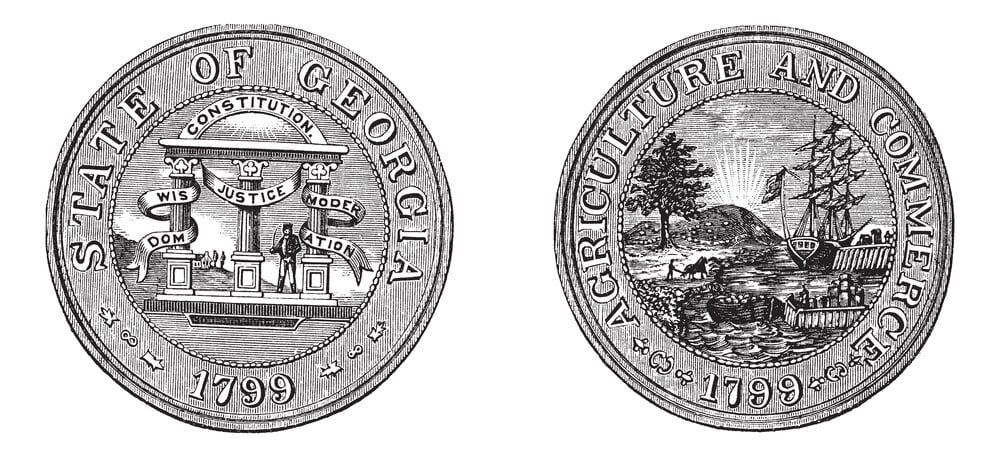
A Georgia statute originally prohibited retail businesses from selling clothing or sewing supplies on Sunday. While religious blue laws have been partially repealed or rendered unenforceable, vestiges remain.
The law persists despite being incompatible with contemporary commerce.
Kentucky’s Law Against Dyeing Chicks

A Kentucky statute prohibits dying chicks certain colors for Easter. The law remains technically enforceable, though rarely cited.
The law originated to prevent animal cruelty but is now a relic of an earlier regulatory approach.
Illinois’s Requirement to Honor Debts Incurred Before 1779

An Illinois statute technically requires the state to honor debts incurred before 1779. The law survives as a historical artifact and is not enforced because the original debts are unpayable.
The law represents the state’s historical claim to honor obligations.
Massachusetts’s Witchcraft Statute

Massachusetts technically retains a statute prohibiting witchcraft, though rendered unenforceable by constitutional protections. The statute survives as a historical artifact and remains technically on the books.
The persistence of the law reflects constitutional developments rather than active enforcement.
Virginia’s Law Against Teaching Slaves to Read

Virginia’s antebellum statute prohibiting teaching enslaved people to read remains technically on the books, though entirely superseded by constitutional law. The statute survives as a historical artifact of slavery.
Its retention reflects the historical record’s persistence in statutory codes.
Alabama’s Segregation Statute

Alabama’s statutes mandating racial segregation remain technically on the books, though entirely superseded by civil rights law. The statutes survive as historical artifacts of Jim Crow.
Their retention reflects the need to preserve the historical record of segregation.
New Jersey’s Law Regulating Squirrels

A New Jersey statute technically regulates the keeping of squirrels as pets. The law remains enforceable, though rarely cited.
The law originated to prevent wildlife trafficking but survives as a vestige of wildlife regulation.
Nevada’s Brothel Regulations
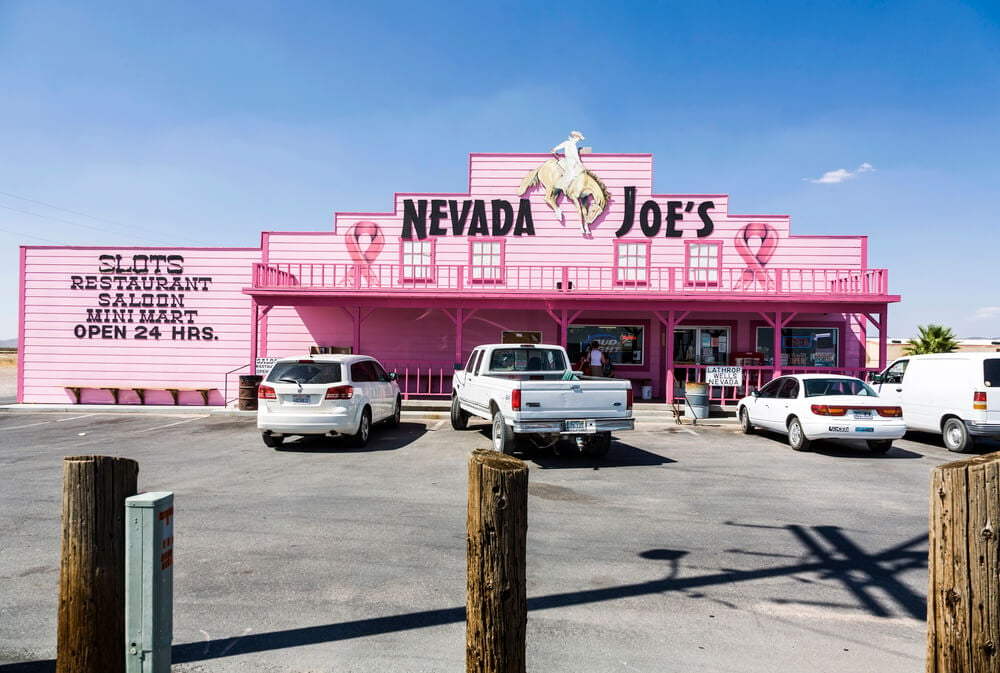
Nevada’s statutes regulating legal brothels remain on the books despite being unenforced in most Nevada counties. The regulations persist because Nevada technically permits some brothel operation, making the regulations technically applicable.
The persistence of the regulations reflects the state’s historical tolerance of intimate work.
California’s Law Against Sleeping on Sidewalks

California’s statute technically prohibits sleeping on public sidewalks. The law remains technically enforceable, though contested on constitutional grounds.
The law persists despite constitutional questions about its application.
Texas’s Unmarked Grave Law

A Texas statute requires reporting of unmarked graves, particularly on private property. The law remains technically enforceable, though compliance is inconsistent.
The law persists to protect burial sites, particularly of enslaved people.
New York’s Law Banning Slippers After Dark

A New York statute technically prohibits wearing slippers outside after dark. The law remains on the books despite never being enforced.
The law’s origin is unclear, but it persists as a statutory relic.
Wisconsin’s Law Protecting Cheese

Wisconsin’s statute prohibiting the making of “imitation cheese” remains technically enforceable. The law persists because Wisconsin has political interest in protecting cheese production.
The law reflects the state’s agricultural interests.
Washington’s Law Against Using Certain Fonts

A Washington statute technically regulates the fonts used in legal documents. The law remains technically enforceable, though rarely enforced.
The law persists to standardize legal documentation.
North Carolina’s Requirement That Ferris Wheel Operators Be Examined

A North Carolina statute requires ferris wheel operators to be examined and licensed. The law remains technically enforceable and is occasionally enforced.
The law persists to ensure amusement park safety.
Vermont’s Law Against Whistling on Sundays

A Vermont statute technically prohibits whistling on Sundays. The law remains on the books despite never being enforced.
The law’s persistence reflects religious heritage.
Pennsylvania’s Law About Kissing on the First Date

A Pennsylvania statute technically requires a man to marry a woman after a year of kissing her. The law remains technically on the books, though unconstitutional and unenforced.
The statute persists as a historical artifact of property law.
Indiana’s Law Defining Pi

In the nineteenth century, Indiana attempted to legislatively define the value of pi at 3.2. The law was technically passed but was never enforced and is now legally moot.
The statute persists as a historical example of legislative overreach.
South Carolina’s Law Against Beating a Carpet in the Street
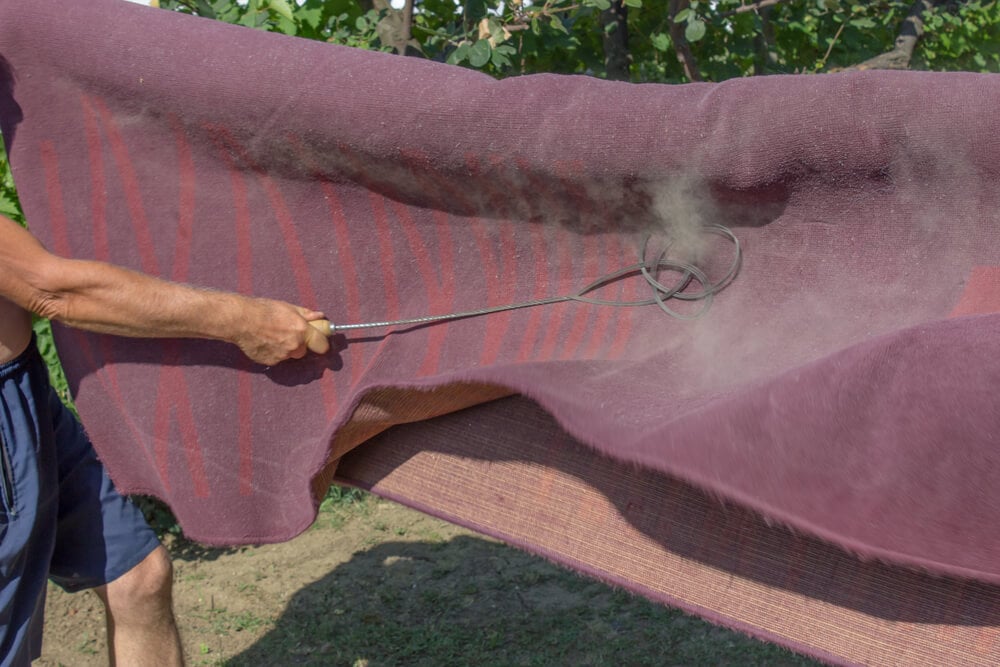
A South Carolina statute prohibits beating carpets in the street. The law remains technically enforceable, though never enforced.
The law persists from an era of outdoor carpet cleaning.
Arkansas’s Blue Law Banning Commercial Activities on Sunday

Arkansas’s statute banning certain commercial activities on Sunday remains technically enforceable in some contexts. The law persists despite constitutional questions.
The statute represents religious heritage.
New Mexico’s Requirement to Ask Permission Before Using Someone’s Property
A New Mexico statute technically requires asking permission before using someone’s property, even to retrieve something that has blown onto it. The law remains technically enforceable.
The law persists as an unusual property requirement.
Wyoming’s Law Protecting Jackalopes

Wyoming’s statute technically permits the hunting of jackalopes (mythical animal-plant hybrids). The law persists as a joke law but remains technically on the books.
The statute reflects playful legislation.
Delaware’s Requirement That Vehicles Have Taillights

A Delaware statute requires vehicles to have taillights. While this is enforced, the statute remains from an era of carriages.
The law persists as a basic safety requirement with historical roots.
Montana’s Law Against Socks With Shoes and Sandals

A Montana statute technically prohibits wearing socks with sandals. The law remains on the books despite never being enforced.
The law’s persistence reflects fashion concerns of an earlier era.
Tennessee’s Law Protecting Mules

A Tennessee statute provides legal protections to mules, reflecting the animal’s historical importance to agriculture. The law persists because mules remain important in some Tennessee agricultural contexts.
The statute reflects historical economic significance.
Maine’s Law Against Placing Seaweed on Horses

A Maine statute prohibits placing seaweed on horses. The law remains technically enforceable, though never enforced.
The law originates from Maine’s agricultural and maritime heritage.
Louisiana’s Duel Laws

Louisiana’s statute against dueling remains on the books as a historical artifact. The law persists to reflect the state’s violent history and the eventual criminalization of dueling.
The statute represents a transition from honor-based justice to legal justice.
Illinois’s Law Against Flying a Kite Within City Limits

Illinois’s statute technically prohibits flying a kite within city limits without a permit. The law remains technically enforceable.
The law persists from an era of concerns about kite-related accidents.
South Dakota’s Law Banning Hat-Tipping

South Dakota’s statute technically bans hats with extremely wide brims. The law remains on the books despite never being enforced.
The law’s persistence reflects historical fashion concerns.
The Persistence of Obsolescence

These twenty-nine laws persist not because anyone enforces them, but because legislatures rarely repeal laws that have become irrelevant. The laws that survive are those that do not conflict with modern practice, even if they are no longer observed.
Their persistence reveals how legal codes preserve historical artifacts and how statutes accumulate faster than they are repealed.
More from Go2Tutors!

- The Romanov Crown Jewels and Their Tragic Fate
- 13 Historical Mysteries That Science Still Can’t Solve
- Famous Hoaxes That Fooled the World for Years
- 15 Child Stars with Tragic Adult Lives
- 16 Famous Jewelry Pieces in History
Like Go2Tutors’s content? Follow us on MSN.