9 Small Nations that Fought Off Big Invaders
Ever just stare down a mountain of problems and think, “Welp, guess that’s it for me”—but then, weirdly, you don’t cave? Story of humanity, honestly. The world’s got more underdog tales than a Rocky marathon, and some of the wildest ones went down on the biggest stage: entire countries staring down bullies way outta their league.
Picture a GIANT army—like, “where’d they even get all these people?” kind of army—marching over your border. You’re outnumbered, outgunned, out-everythinged. The “smart” move? Curl up and hope the invaders forget you exist. But nah, some places just went full stubborn and said, “Not today, Satan.”
These wars weren’t just some tactical chessboard nonsense. They’re proof that sometimes, when you grit your teeth and refuse to roll over, miracles happen. The little guys bodied the juggernauts. It’s insane. Wanna see how plucky nations smacked Goliath in the face? Buckle up—here’s 9 epic times when size absolutely did NOT matter.
Finland vs. Soviet Union
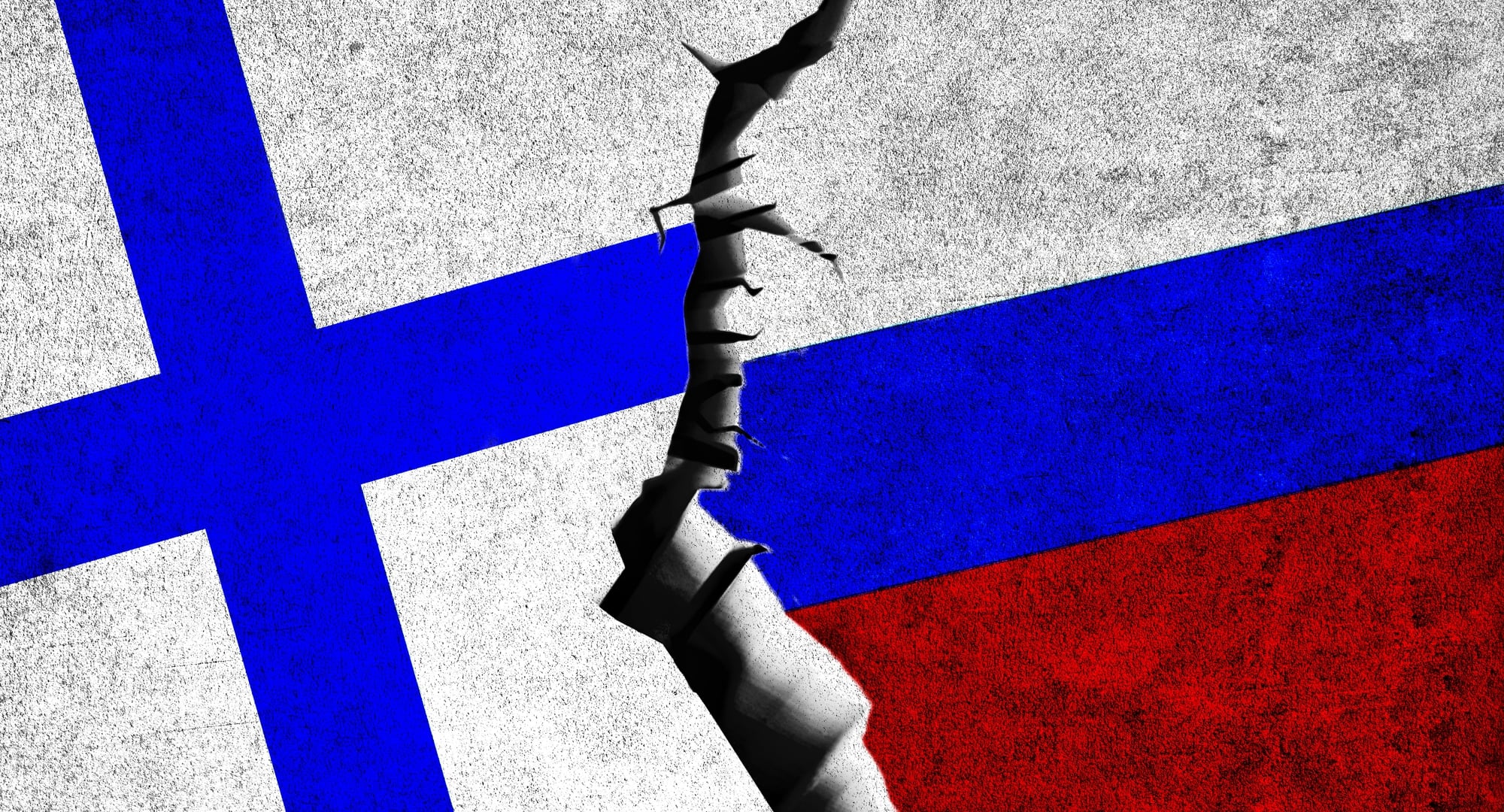
What would you do if a neighbor 40 times your size decided to invade? In 1939, tiny Finland faced exactly this nightmare when Stalin’s Soviet Union attacked with over 1 million troops, thousands of tanks, and complete air superiority.
Finland had barely 300,000 soldiers and outdated equipment. But they had something the Soviets didn’t expect: intimate knowledge of their frozen homeland and unbreakable will.
Using guerrilla tactics, superior marksmanship, and the brutal winter as their ally, Finnish forces inflicted devastating casualties on the Red Army. The world watched in amazement as this ‘Winter War’ became the Soviet Union’s most embarrassing defeat of World War II.
Japan vs. Russian Empire
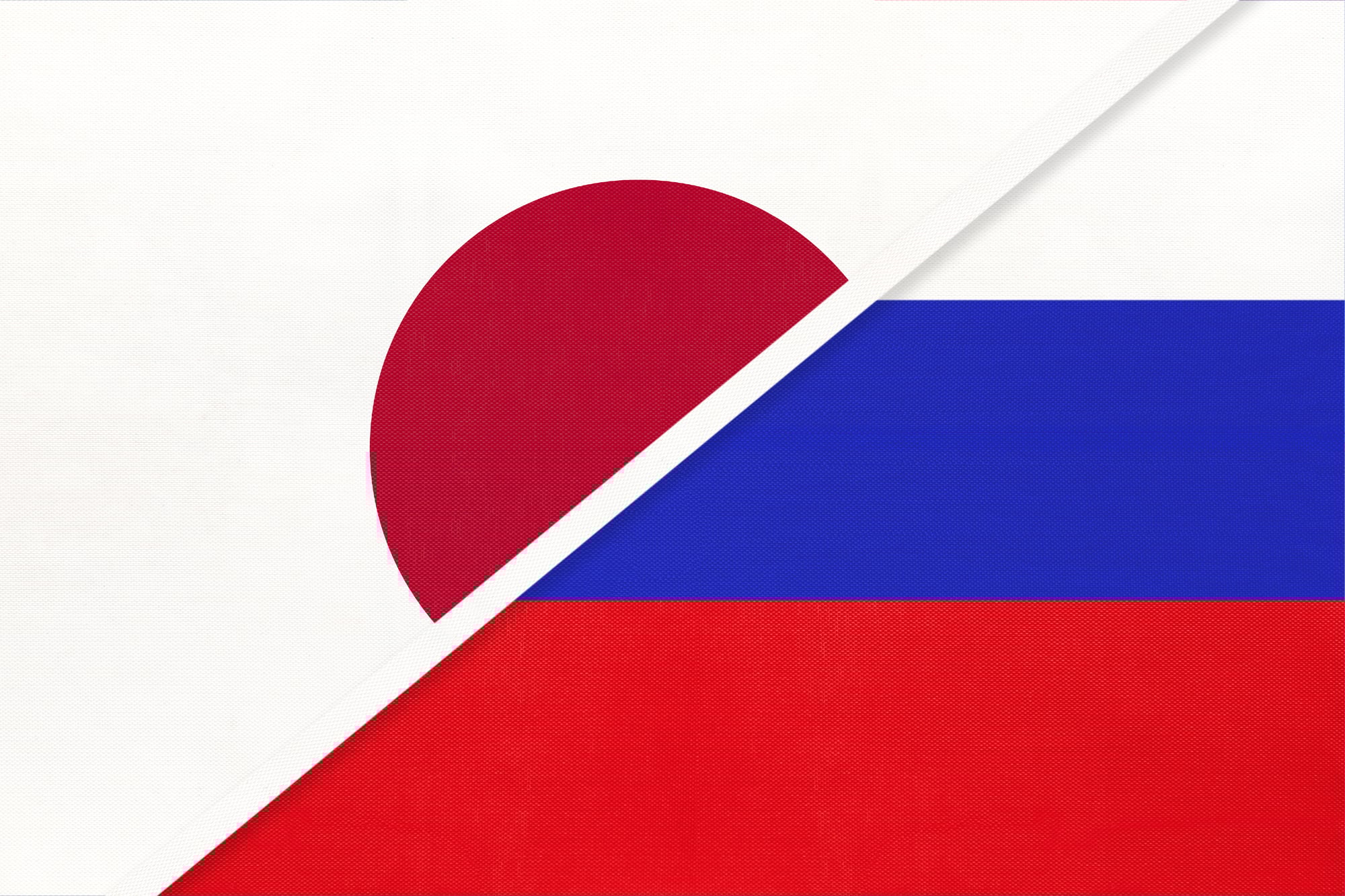
Imagine being told you could never beat the biggest kid on the playground—then doing exactly that. In 1904, Japan shocked the world by defeating the mighty Russian Empire in the Russo-Japanese War.
Russia’s army was enormous, possibly the largest in the world, while Japan was seen as a small island nation just emerging from centuries of isolation. But Japan’s modern tactics, superior naval strategy, and incredible determination led to stunning victories at Port Arthur and Tsushima.
This was the first time in modern history that a non-European nation defeated a major European power. The victory didn’t just win Japan territory—it inspired colonized peoples worldwide that European dominance wasn’t inevitable.
Greece vs. Italy
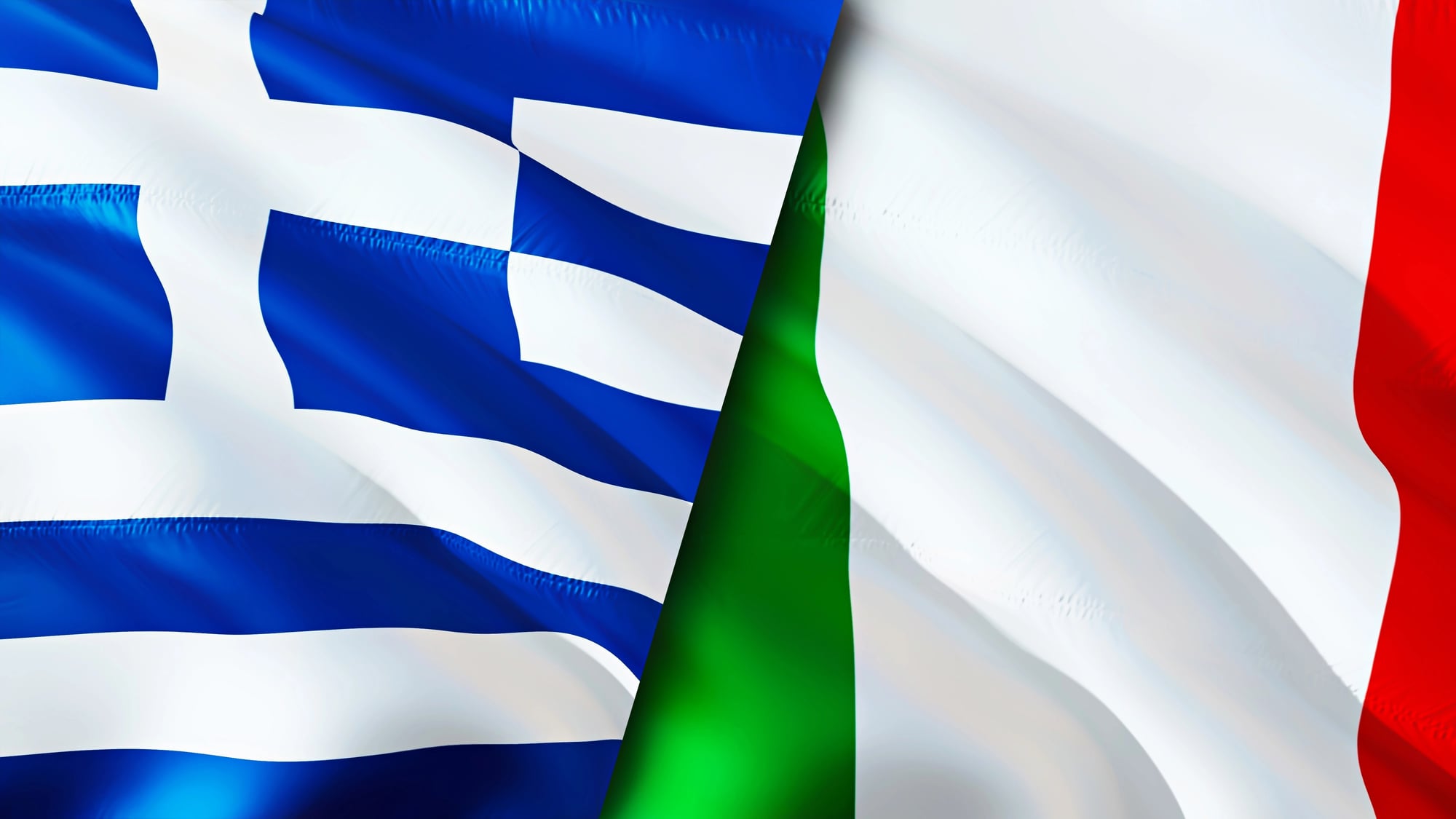
Sometimes your enemy makes assumptions that become their downfall. In 1940, Mussolini’s Italy invaded Greece, expecting an easy victory that would boost fascist morale.
The Italian force swelled to over 500,000 troops supported by armor and aircraft, while Greece could muster less than 200,000 defenders. But the Greeks had mountains, motivation, and months of preparation.
Not only did they stop the Italian advance cold, but they actually pushed the invaders back into Albania! After five months of fighting, the humiliated Italians withdrew completely.
This victory gave the Allies their first major success against Axis forces and showed that fascist armies weren’t invincible.
Vietnam vs. United States

How do you fight the world’s most powerful military? North Vietnam and the Viet Cong didn’t win through head-on battles, but through persistence, guerrilla warfare, and making the war too costly for the U.S. to continue.
Facing American forces with overwhelming technological superiority—advanced aircraft, massive firepower, and seemingly unlimited resources—the Vietnamese developed innovative tunnel systems and mastered hit-and-run warfare. Most importantly, they were fighting for their homeland while American forces were fighting a war thousands of miles from home.
The result became one of history’s most famous examples of how making a conflict too expensive can force even the mightiest powers to withdraw.
Afghanistan vs. Soviet Union
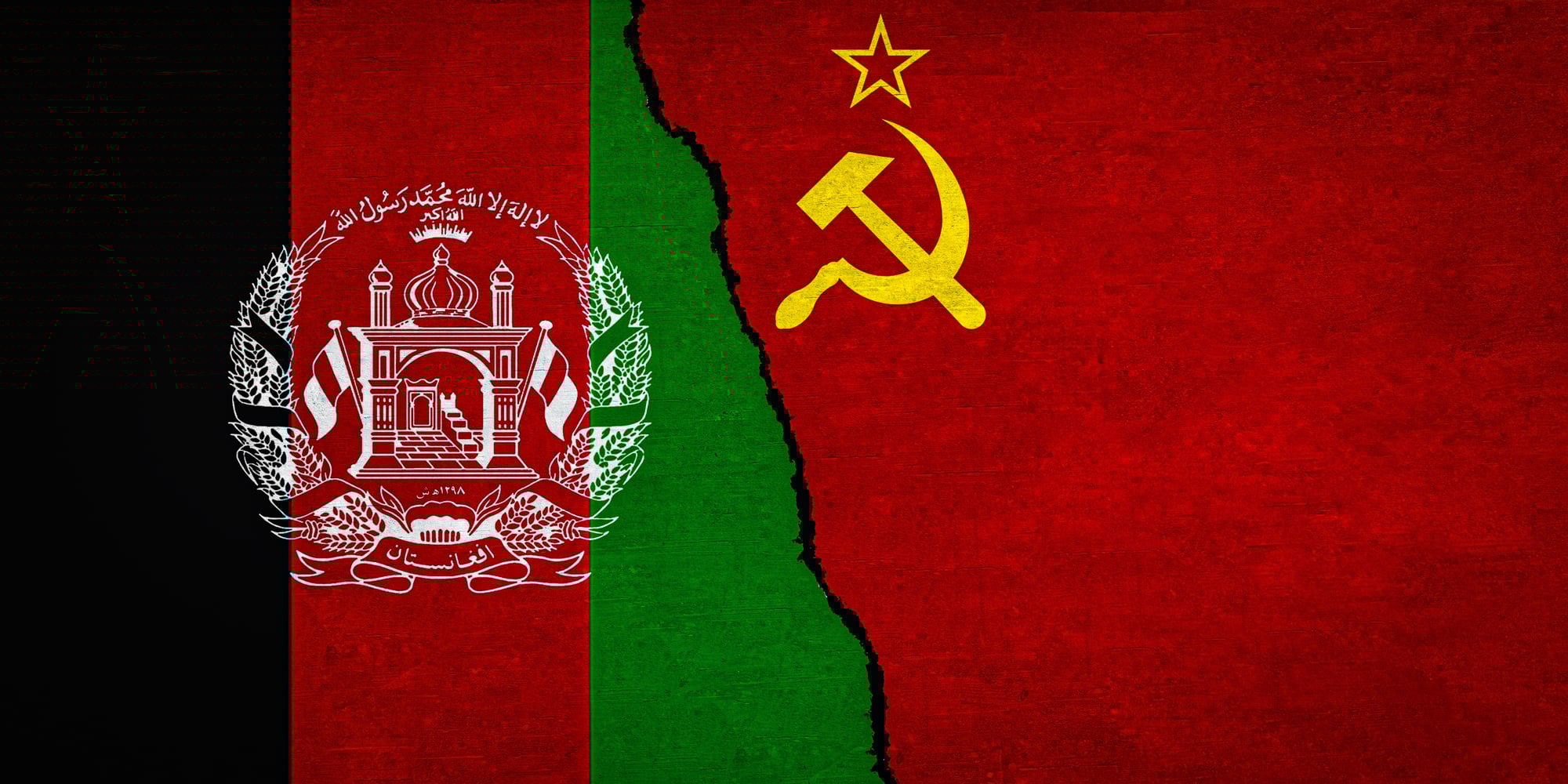
The ‘Graveyard of Empires’ earned its nickname again in 1979 when the Soviet Union invaded Afghanistan. The Soviets deployed modern tanks, helicopter gunships, and over 100,000 troops against Afghan mujahideen fighters armed mainly with rifles and rocket-propelled grenades.
But the Afghans had something more powerful: knowledge of their mountainous terrain and generations of warrior traditions. Using hit-and-run tactics, they turned every valley into a potential ambush site.
After nearly a decade of bloody fighting, the mighty Soviet military machine withdrew in defeat. This conflict helped accelerate the collapse of the Soviet Union itself.
Israel in Six-Day War

What happens when you’re surrounded by enemies on all sides? In 1967, Israel faced exactly this situation when Egypt, Syria, Jordan, and other Arab states prepared for a coordinated attack.
The combined Arab forces vastly outnumbered Israel’s military, but Israel had one crucial advantage: they struck first. Through brilliant pre-emptive air strikes, superior pilot training, and lightning-fast tank warfare, Israel completely transformed the military balance of the Middle East in just six days.
This victory showed how speed, preparation, and tactical innovation could overcome numerical disadvantage.
Korean Forces vs. Mongol Invasions
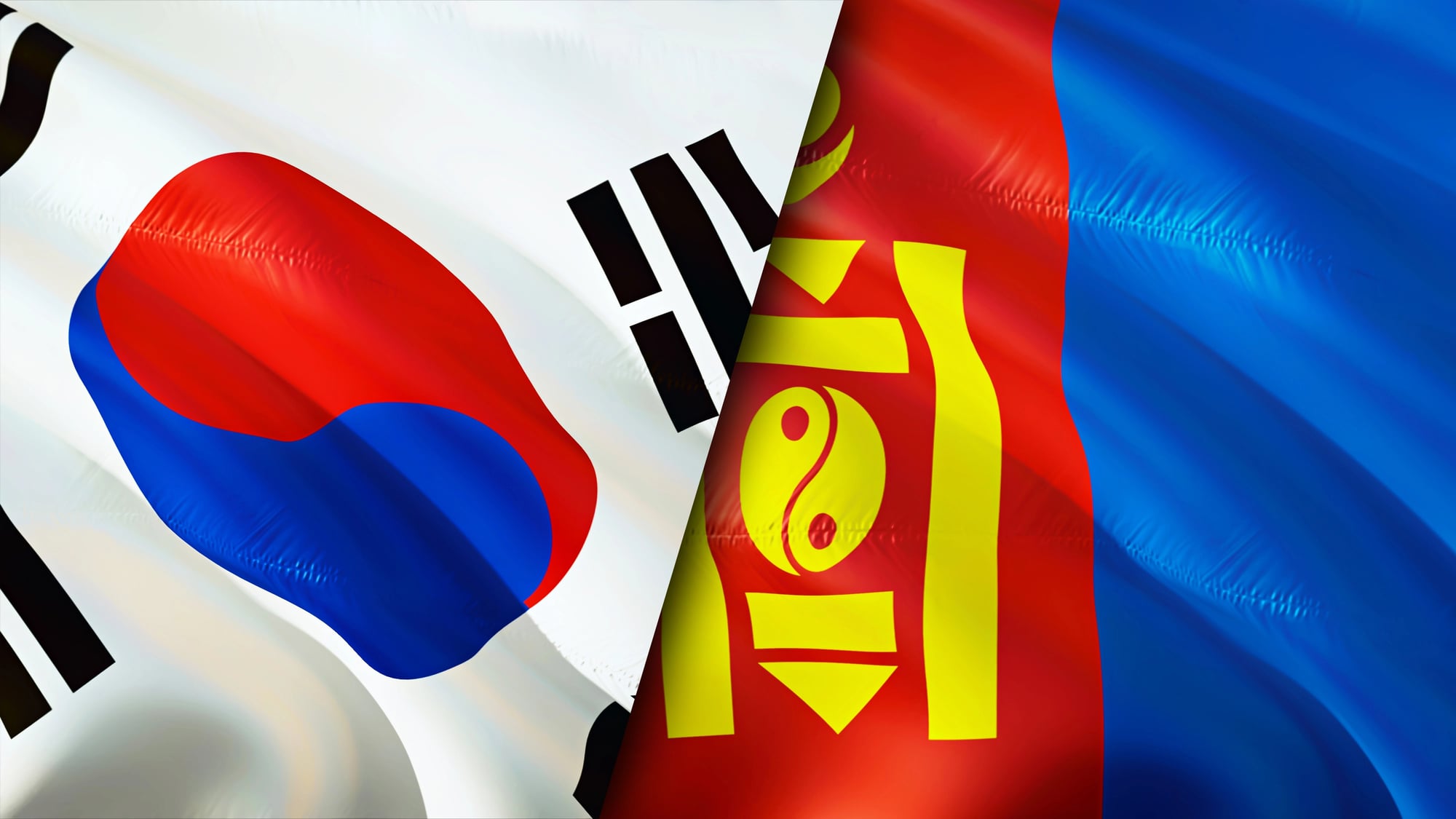
Sometimes the victory isn’t in winning outright—it’s in surviving when everyone expects you to disappear completely. When the mighty Mongol Empire invaded Korea in the 13th century, most of Asia had already fallen to their seemingly unstoppable forces.
Korea resisted multiple Mongol invasions for decades, using mountainous terrain, coastal fortifications, and fierce determination. Though Goryeo eventually became a tributary, Korean culture and autonomy survived, making it one of the few nations to endure Mongol assaults without total conquest.
Most dramatically, massive storms destroyed Mongol invasion fleets twice—events Koreans called ‘divine wind.’
Ethiopian Forces vs. Italian Empire
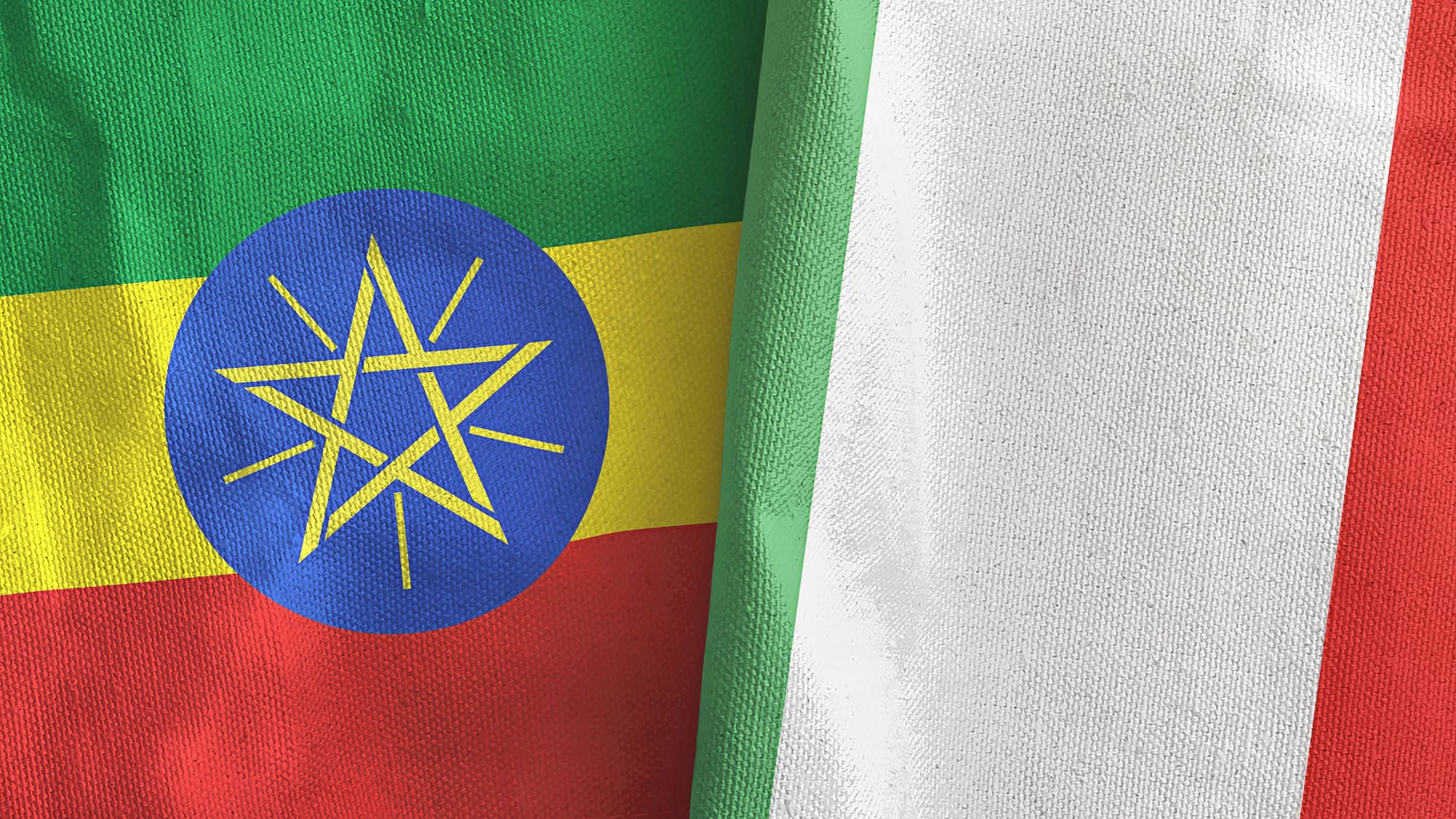
What if an African nation never fell to European colonialism? Ethiopia made this dream reality at the Battle of Adwa in 1896.
When Italy invaded with modern rifles and artillery, Emperor Menelik II assembled 100,000 Ethiopian warriors—many armed with traditional weapons but fighting for their homeland. Through superior knowledge of local terrain, better logistics, and fierce nationalism, the Ethiopians completely routed the Italian army.
This victory made Ethiopia the only African nation to successfully resist European colonization and inspired anti-colonial movements across Africa.
Vietminh vs. French Empire
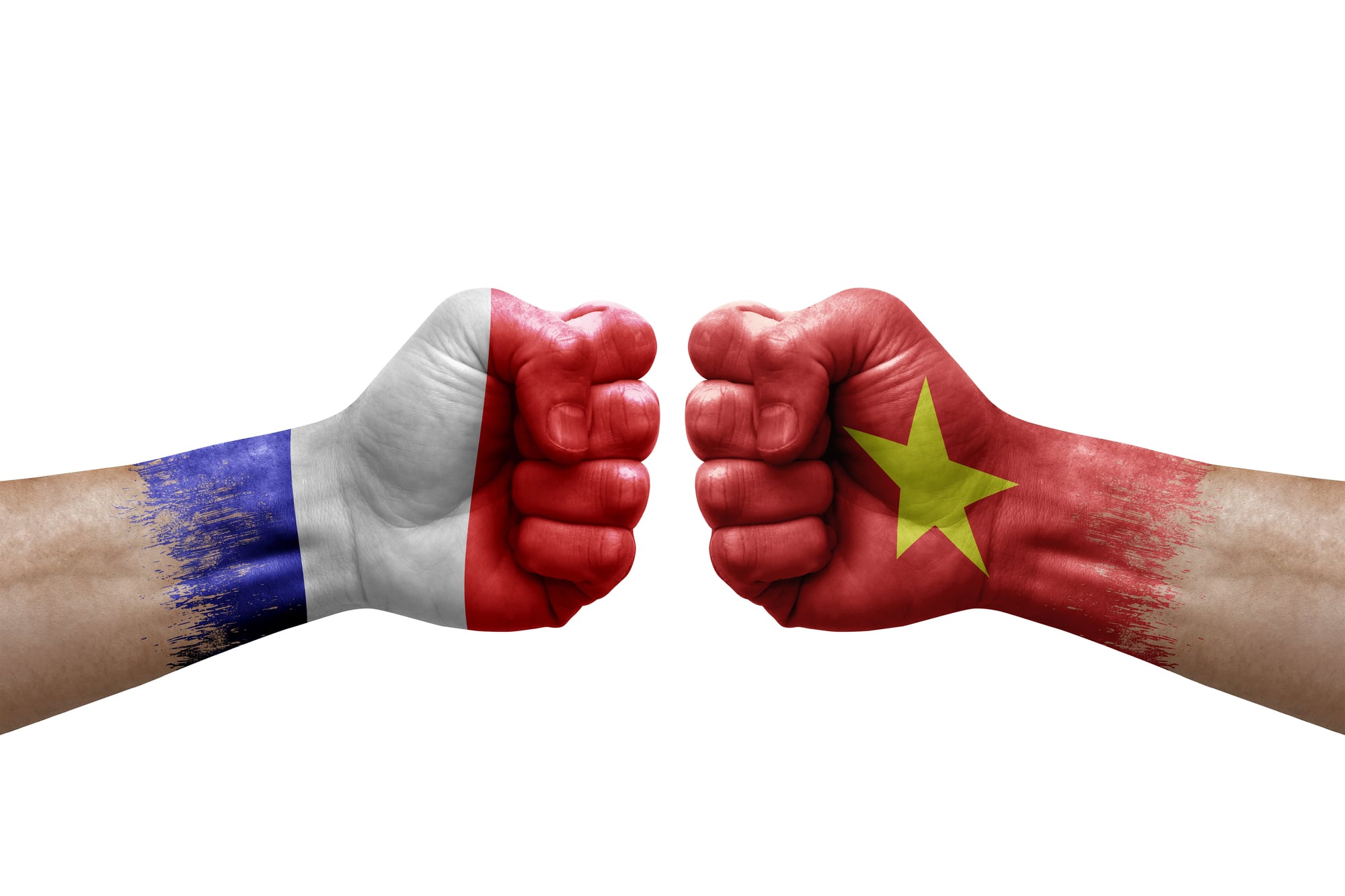
Before fighting America, Vietnam first had to defeat France. At Dien Bien Phu in 1954, General Vo Nguyen Giap accomplished the impossible: defeating a modern European army using guerrilla tactics and captured artillery.
The French had built what they thought was an impregnable fortress, but Giap’s forces carried heavy guns piece by piece through jungle mountains to surround the base. After 56 days of siege, the French garrison surrendered, ending French rule in Indochina.
This victory proved that colonial empires were vulnerable to determined independence movements.
Never Count Out the Underdog

You know, these stories kind of slap you in the face with a simple truth—just because you’ve got a monster army doesn’t mean you’re automatically walking away with the trophy. Sometimes it’s clever tricks, knowing the home turf like the back of your hand, or just raw stubbornness.
Those little countries that nobody gave a shot ended up flipping the script—total David vs. Goliath vibes. It wasn’t about who had the most stuff or the biggest pile of gold.
What actually mattered? Belief. Scrappiness. Just making it work with what you’ve got, instead of whining about what you don’t.
And honestly? There’s more to it than war stories; it’s a smackdown reminder for life in general. Doesn’t matter how big the odds are—sometimes, just refusing to say “I quit” makes all the difference.
More from Go2Tutors!

- The Romanov Crown Jewels and Their Tragic Fate
- 13 Historical Mysteries That Science Still Can’t Solve
- Famous Hoaxes That Fooled the World for Years
- 15 Child Stars with Tragic Adult Lives
- 16 Famous Jewelry Pieces in History
Like Go2Tutors’s content? Follow us on MSN.



