Photos of Historical Landmarks Like You Probably Haven’t Seen
Most people know the Eiffel Tower from postcards and the Great Wall from documentaries. But every famous landmark has angles, moments, and perspectives that never make it into the guidebooks.
These are the shots that reveal something unexpected — construction scaffolding that changes everything, natural disasters that rewrote history, or simply the view from a window that tourists never think to look through.
The Eiffel Tower Under Construction
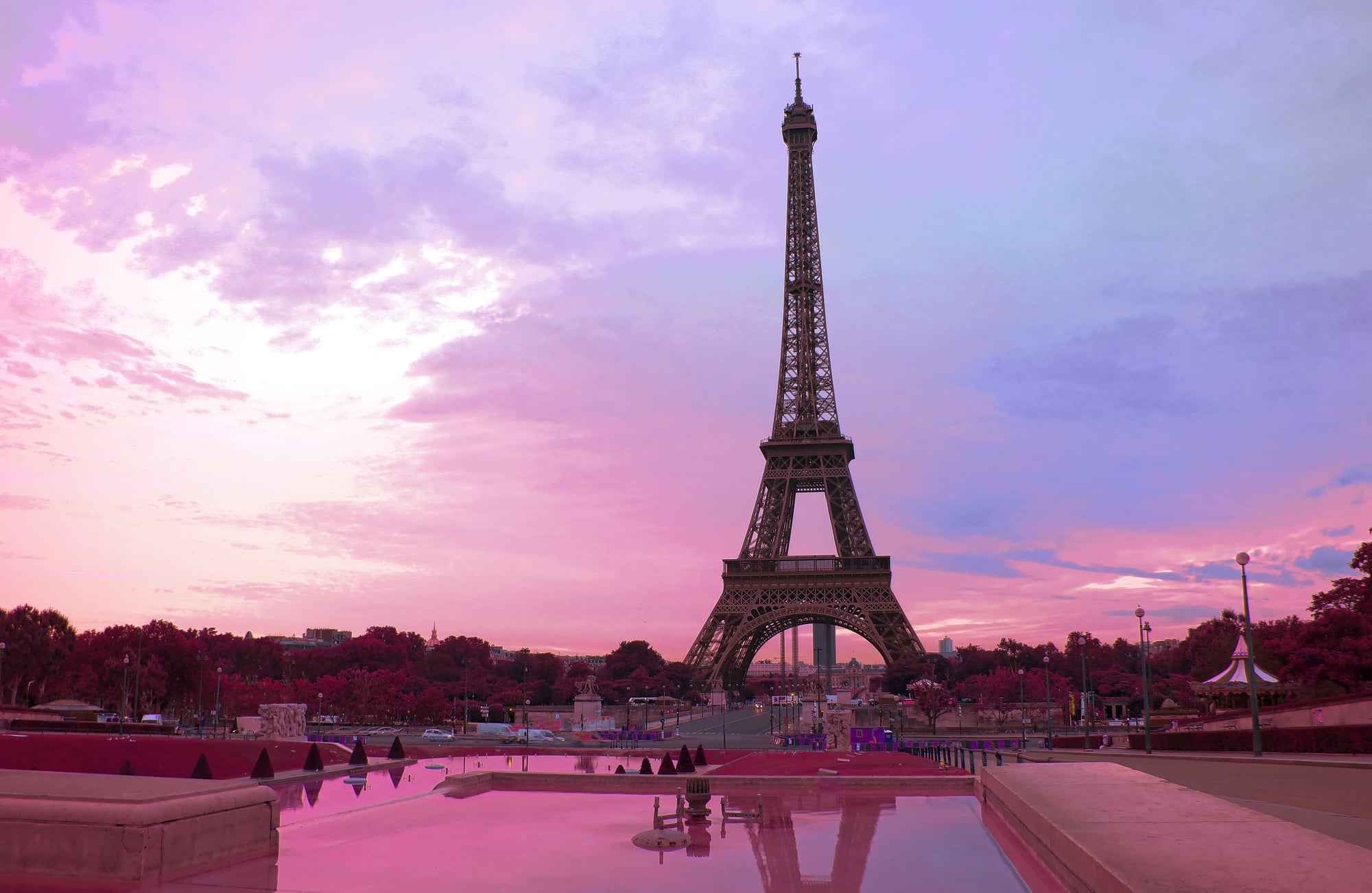
The iron skeleton rising piece by piece in 1888 looks nothing like the romantic symbol it would become. Workers crawl across exposed beams like ants on a metal web.
No lights, no crowds, no romance — just raw engineering and the kind of industrial ambition that defined an era. Parisians hated it then.
They called it an eyesore.
Statue of Liberty’s Face in a Crate
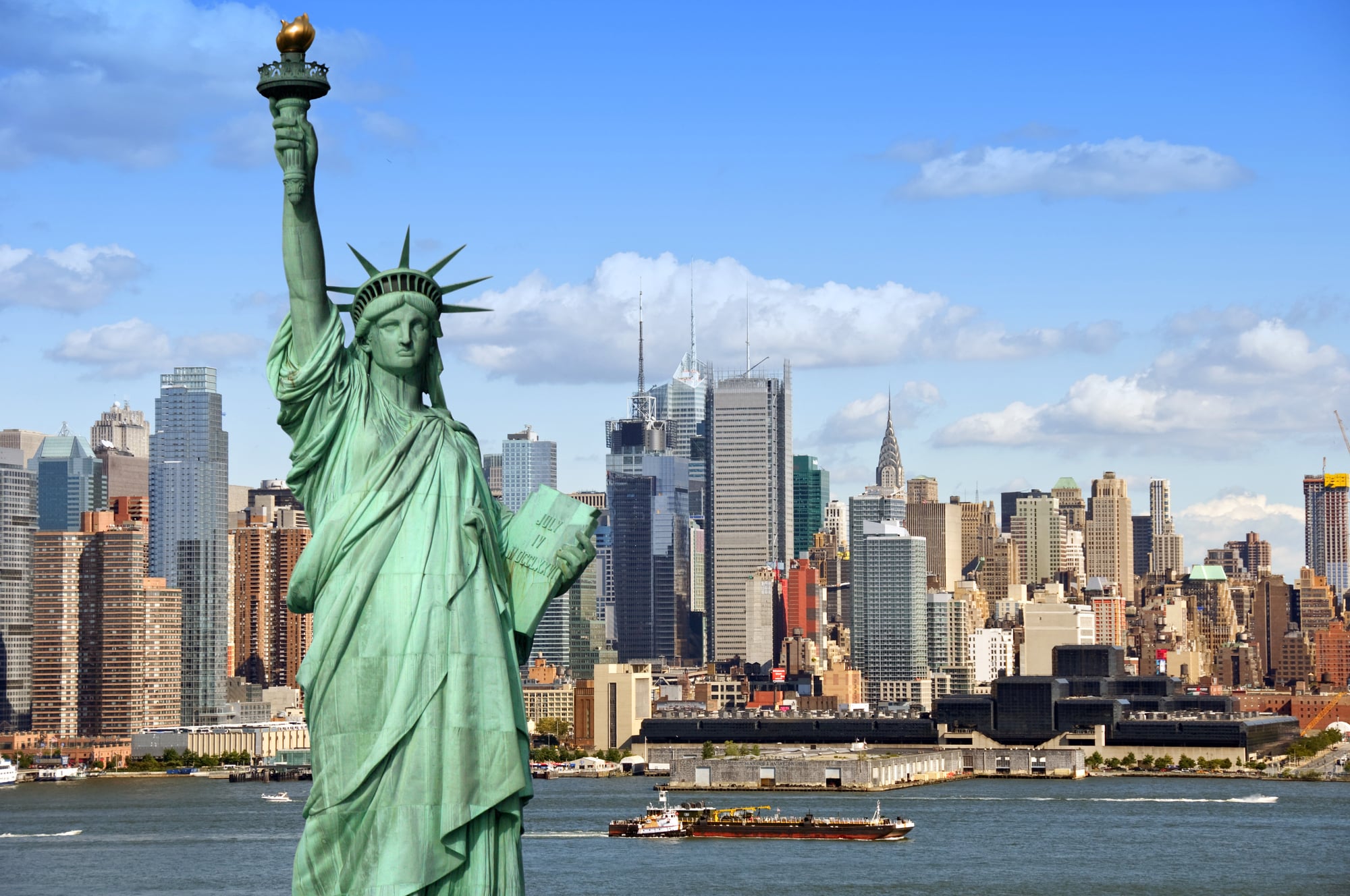
Before she stood in New York Harbor, Lady Liberty’s face sat in a wooden shipping crate in Paris, waiting for the rest of her body to catch up. The copper features look smaller somehow (which is odd, given that each eye is three feet wide), more human than monument.
You can see the hammering marks where French craftsmen shaped each piece by hand, working from plaster molds that Bartholdi had refined obsessively for years.
The Great Wall Buried in Sand
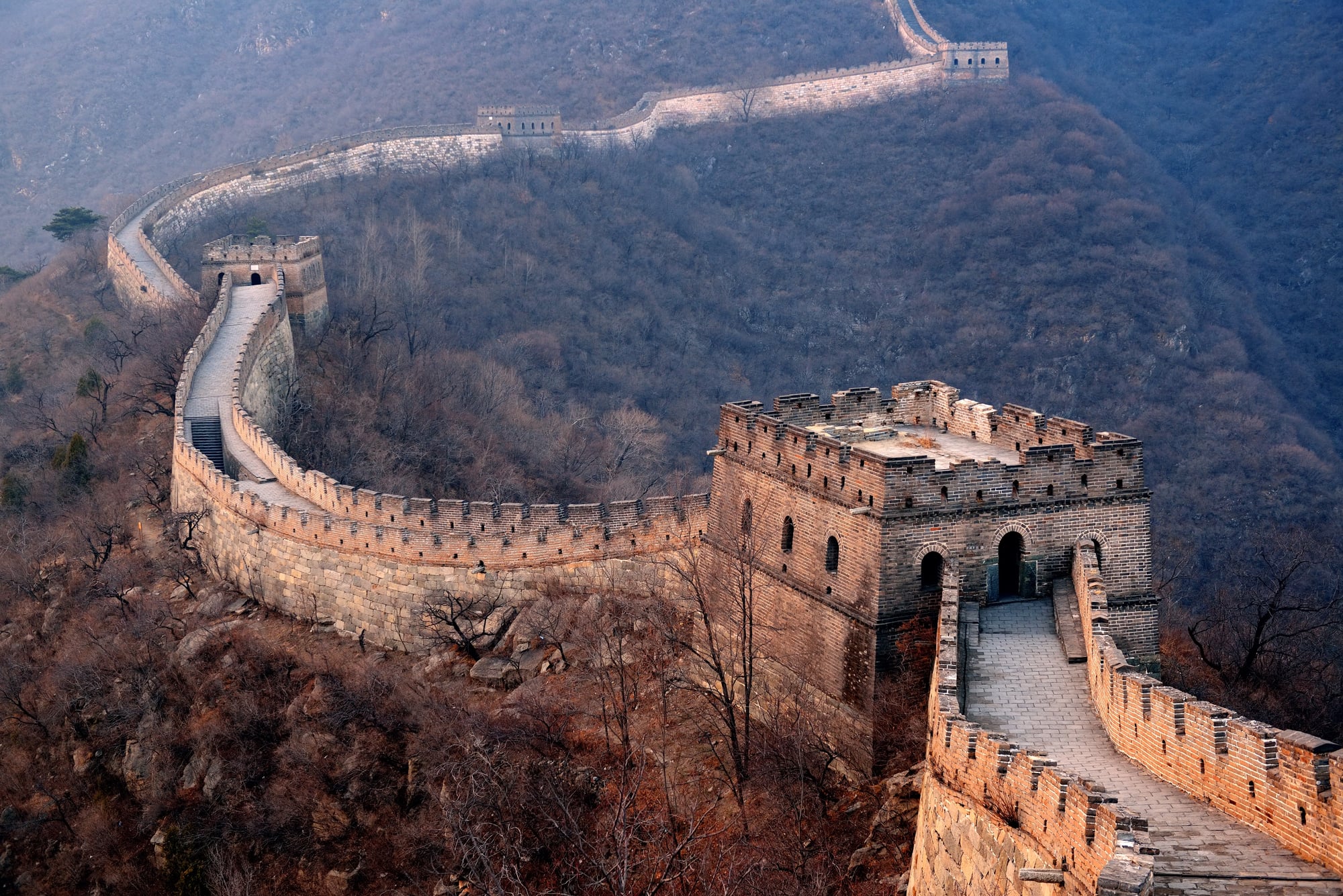
The western sections of the Great Wall disappear under Gobi Desert sand dunes that shift with every season — so much sand, in fact, that archaeologists have spent decades just figuring out where the wall actually runs underneath it all (turns out, not always where the maps said it did). And here’s what’s strange about seeing it this way: the wall looks defeated, which is something you never expect from what’s supposed to be China’s most enduring symbol.
But time and weather don’t care about symbolism.
Mount Rushmore’s Secret Room
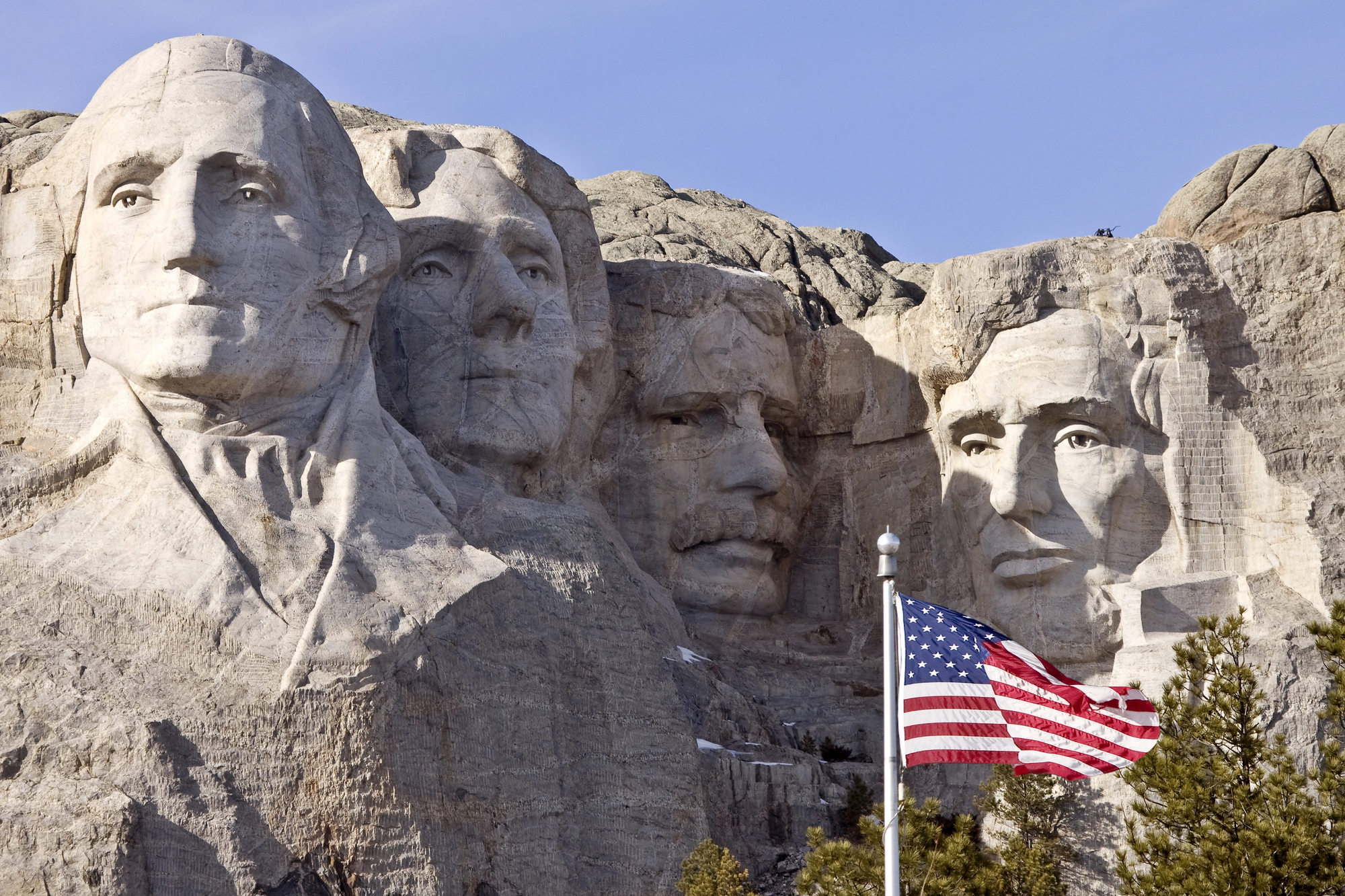
There’s a chamber carved into the rock behind Lincoln’s head that most visitors never hear about. It was supposed to hold America’s most important documents — the Constitution, the Declaration of Independence, the story of how the monument came to be.
But funding ran out, politics shifted, and the room sat empty for decades. So you have this hollow space behind the presidents’ heads, accessible only to park rangers and the occasional historian with proper clearance, containing nothing but darkness and the echo of unfulfilled ambition.
Stonehenge as a Restoration Project
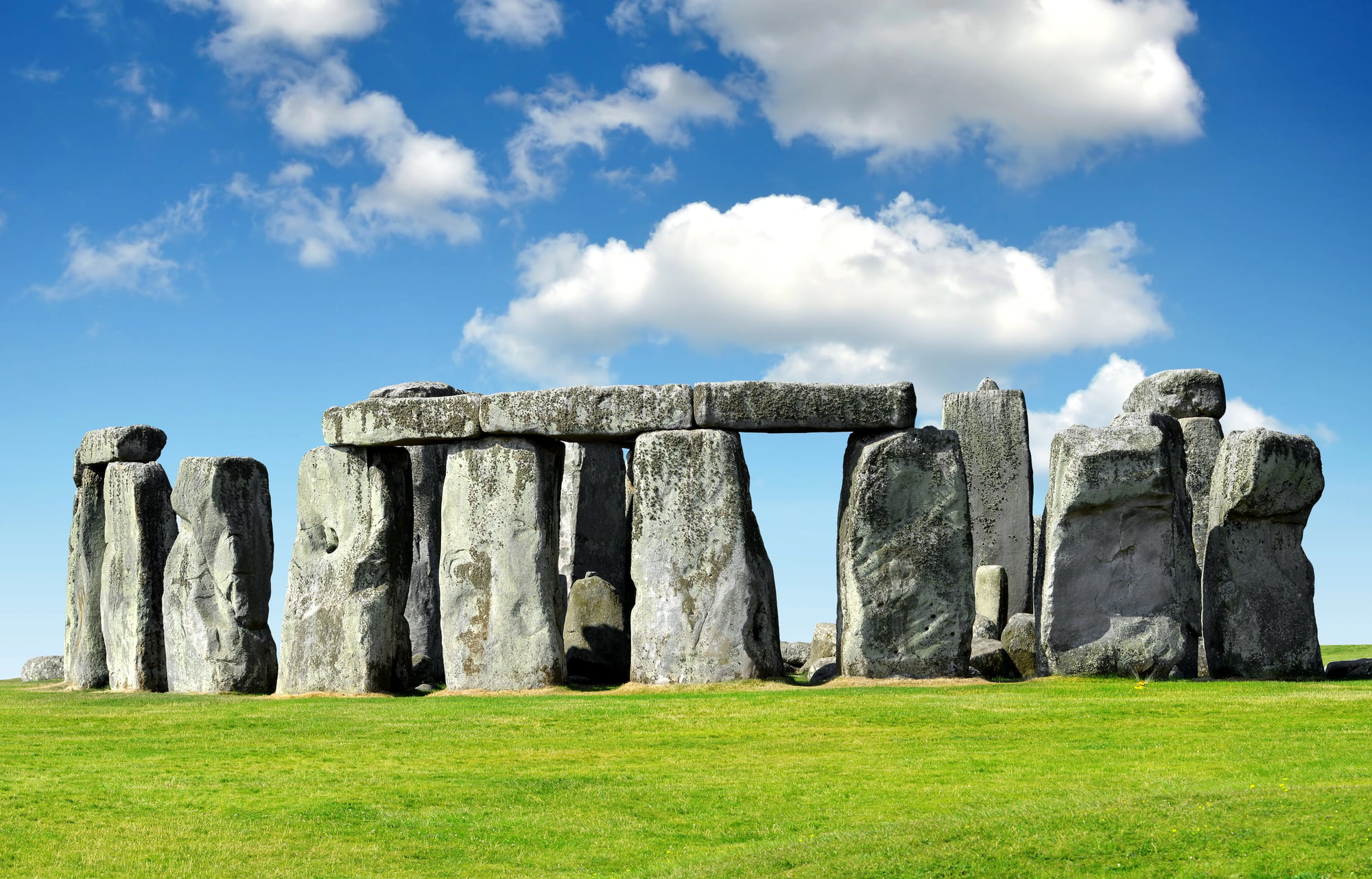
The stones standing today aren’t exactly where they fell. Throughout the 20th century, crews with cranes and concrete restored Stonehenge piece by piece, repositioning fallen trilithons and stabilizing the circle with modern engineering techniques that would make ancient Druids scratch their heads in confusion.
Photographs from the 1950s show the monument half-dismantled, stones lying on their sides like discarded building blocks while workers in hard hats debate the proper angle of reconstruction. The mystical aura disappears when you realize how much guesswork went into putting it back together.
The Leaning Tower of Pisa Surrounded by Scaffolding
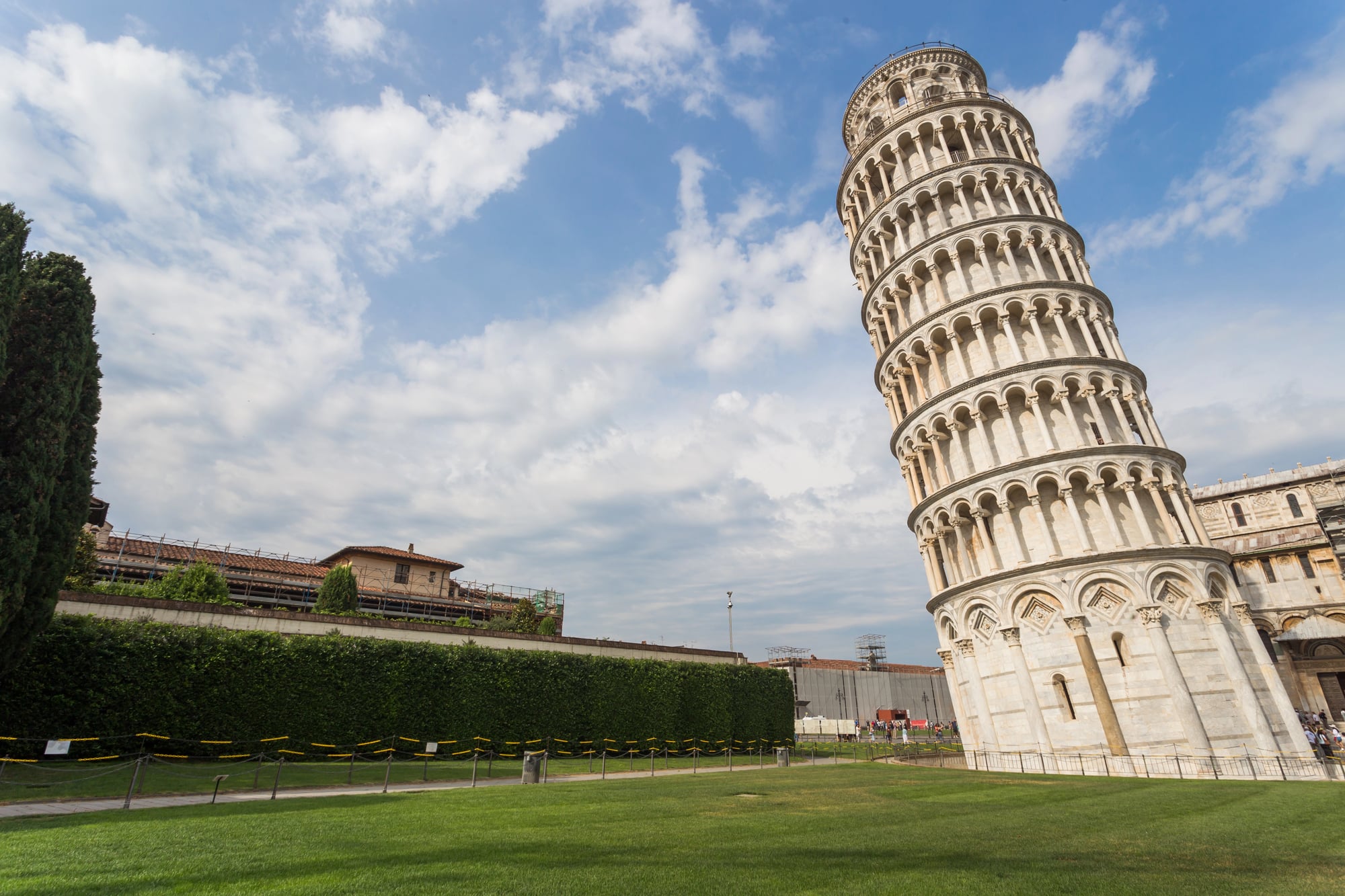
Between 1990 and 2001, the tower vanished behind a maze of steel supports and protective barriers while engineers slowly, carefully reduced its lean from 5.5 degrees to 3.97 degrees. The famous tilt that draws millions of visitors annually had become an engineering emergency — the tower was months away from collapse when the restoration began.
Photographs from this period show something almost comically unremarkable: a construction site that could have been anywhere, working to save a landmark by making it slightly less of what made it famous in the first place.
The Taj Mahal Covered in Scaffolding
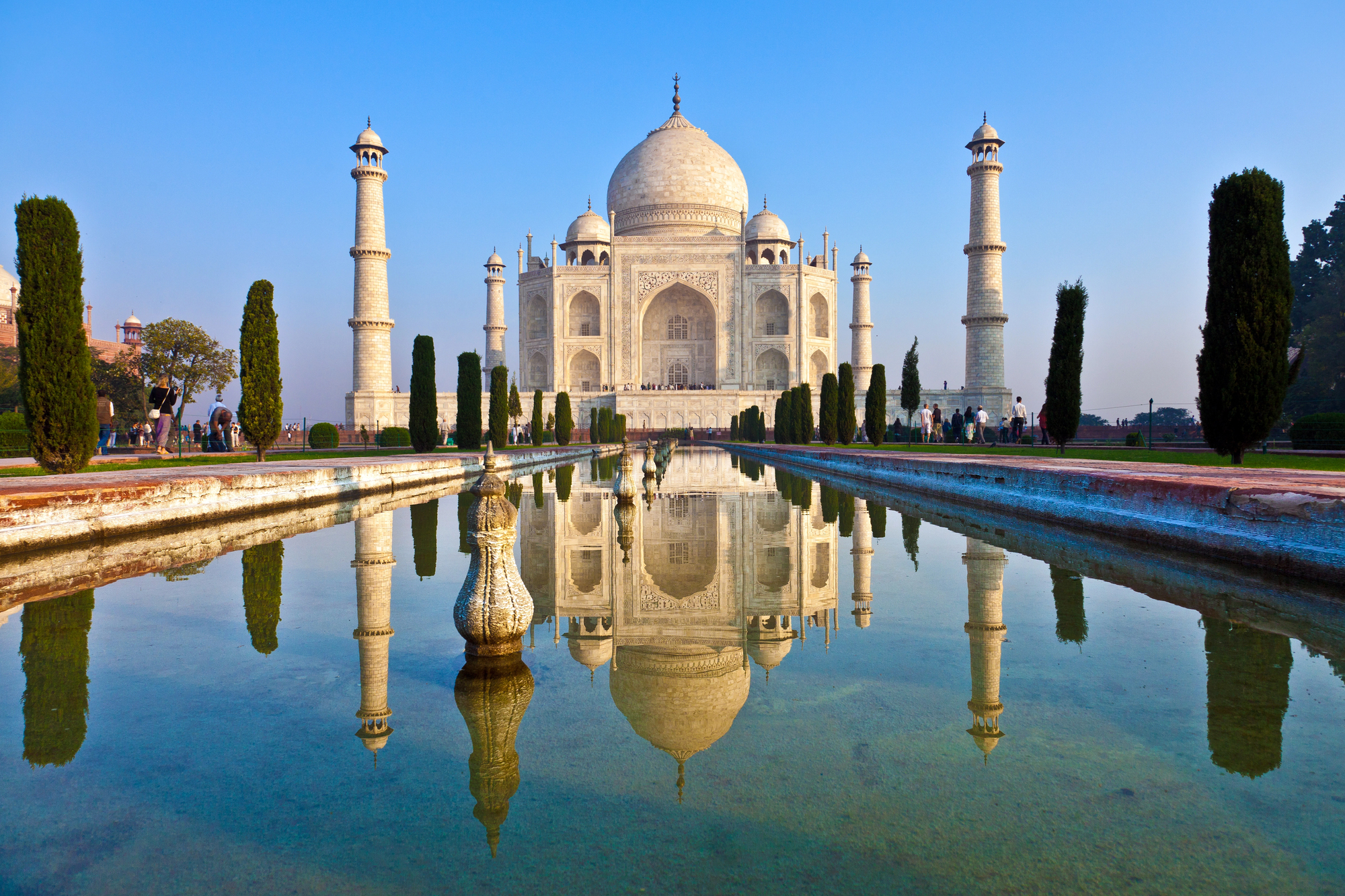
The marble dome periodically disappears under bamboo scaffolding as crews clean away decades of pollution and grime. The process takes months, sometimes years, and during that time the monument looks more like an elaborate art restoration project than a symbol of eternal love.
What strikes you about these images isn’t the scaffolding itself but how small the workers look against the scale of Shah Jahan’s ambition — tiny figures with brushes and cloths, cleaning a building designed to outlast empires.
Easter Island Statues with Bodies
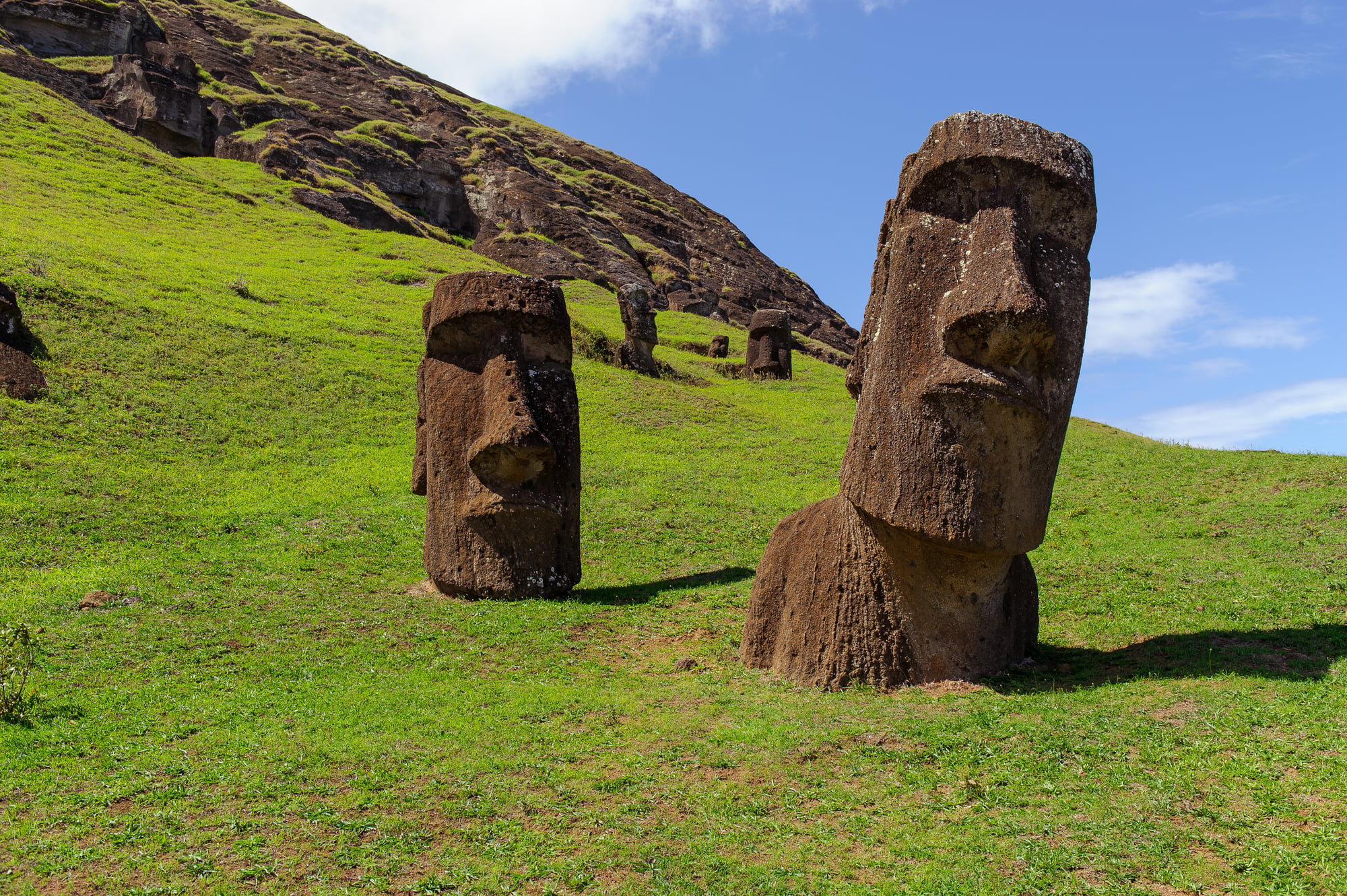
Most people think of the moai as giant heads, but archaeological digs have revealed that many of the statues have bodies buried underground — some extending 30 feet below the surface. The excavation photos show these massive torsos emerging from the earth like ancient giants waking up, complete with carved hands and detailed petroglyphs that nobody had seen for centuries.
The heads that seemed so mysterious suddenly become less otherworldly and more human-scale, though no less impressive.
The Golden Gate Bridge in Primer Gray
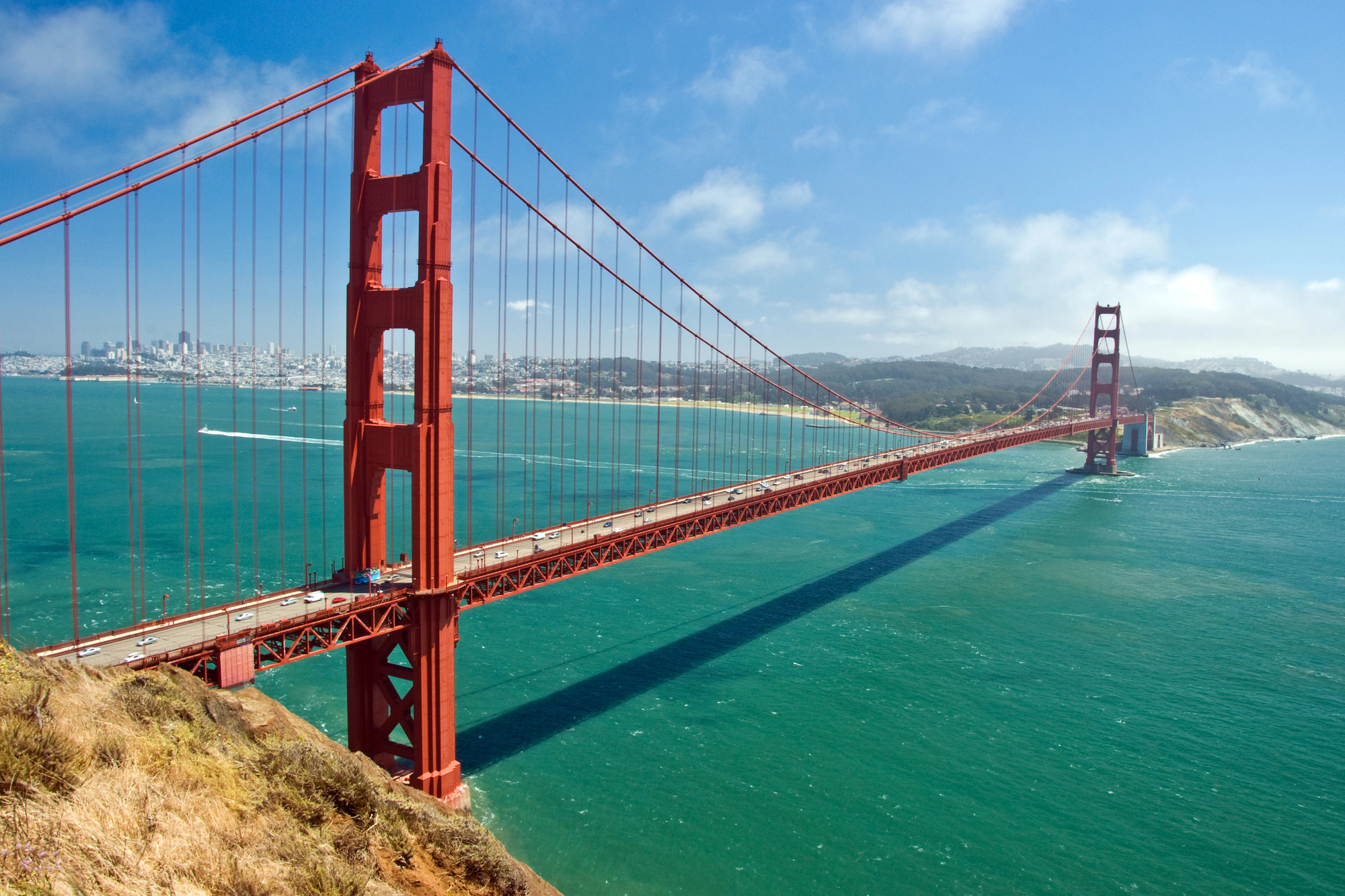
Before it became International Orange, the Golden Gate Bridge was gray. Primer gray, to be specific — the color of naval ships and serious engineering projects that prioritize function over beauty.
Photographs from the painting process show the bridge half-transformed, one tower gleaming orange while the other remains stubbornly gray, as if the landmark couldn’t decide what kind of monument it wanted to become. The gray version looks competent but forgettable, which explains why the orange won.
Big Ben Without Its Clock Faces
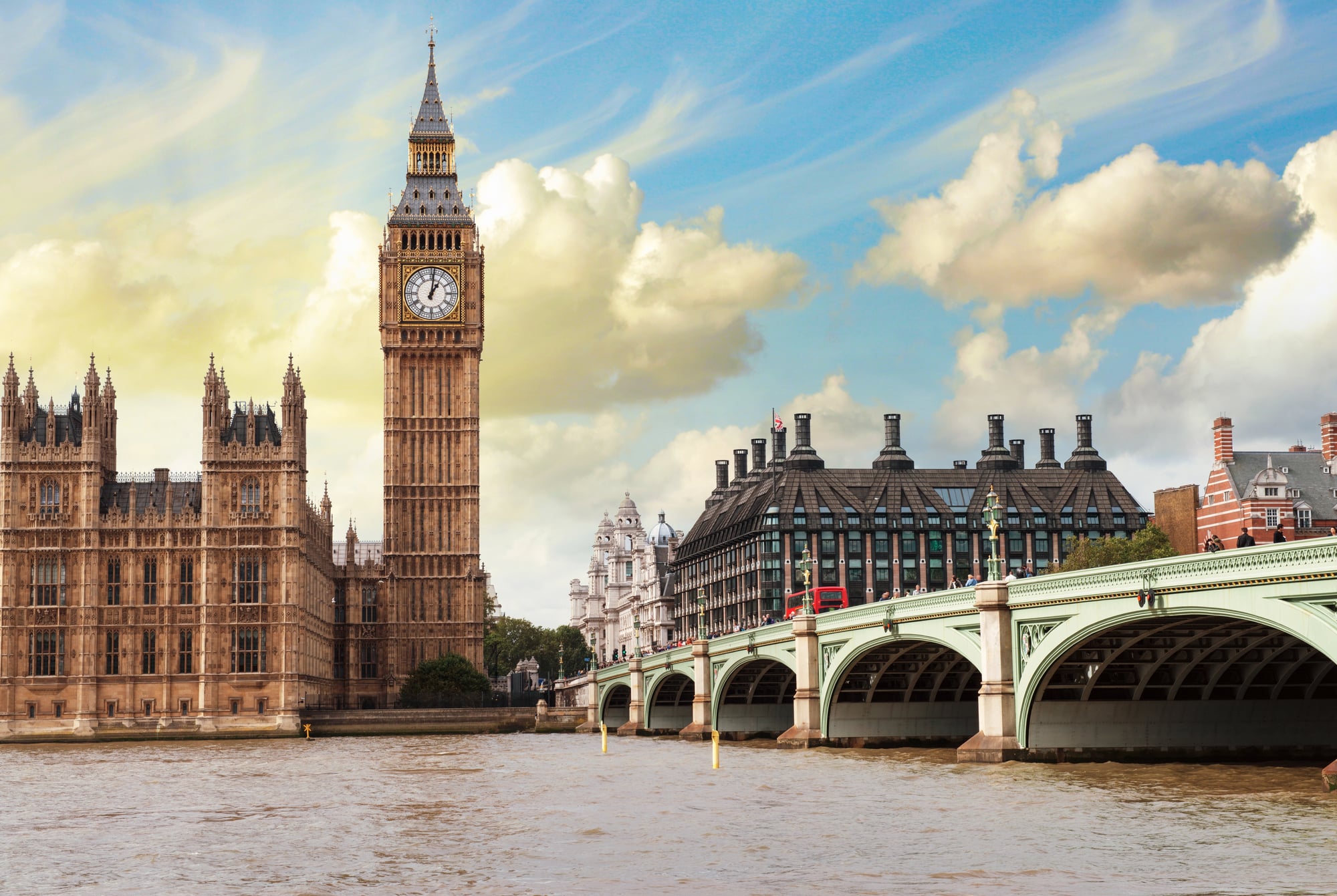
During restoration work, the clock faces come off, revealing the iron skeleton underneath — gears and counterweights and mechanical precision that’s been keeping time since 1859. Without the familiar white faces, the tower looks oddly unclothed, like a person without their glasses.
Workers climb through the internal clockwork like they’re navigating the inside of a pocket watch scaled up to architectural proportions, adjusting mechanisms that were designed when precision timekeeping was still more art than science.
The White House Under Renovation

Between 1948 and 1952, the White House interior was completely gutted and rebuilt, leaving only the external walls standing. Photographs show the president’s residence as a hollow shell with exposed beams and construction debris, looking more like an abandoned mansion than the center of American power.
The Truman family lived across the street at Blair House while workers essentially built a new White House inside the old one, installing modern plumbing and air conditioning in a building that had been held together by tradition and wishful thinking.
Christ the Redeemer Getting Struck by Lightning
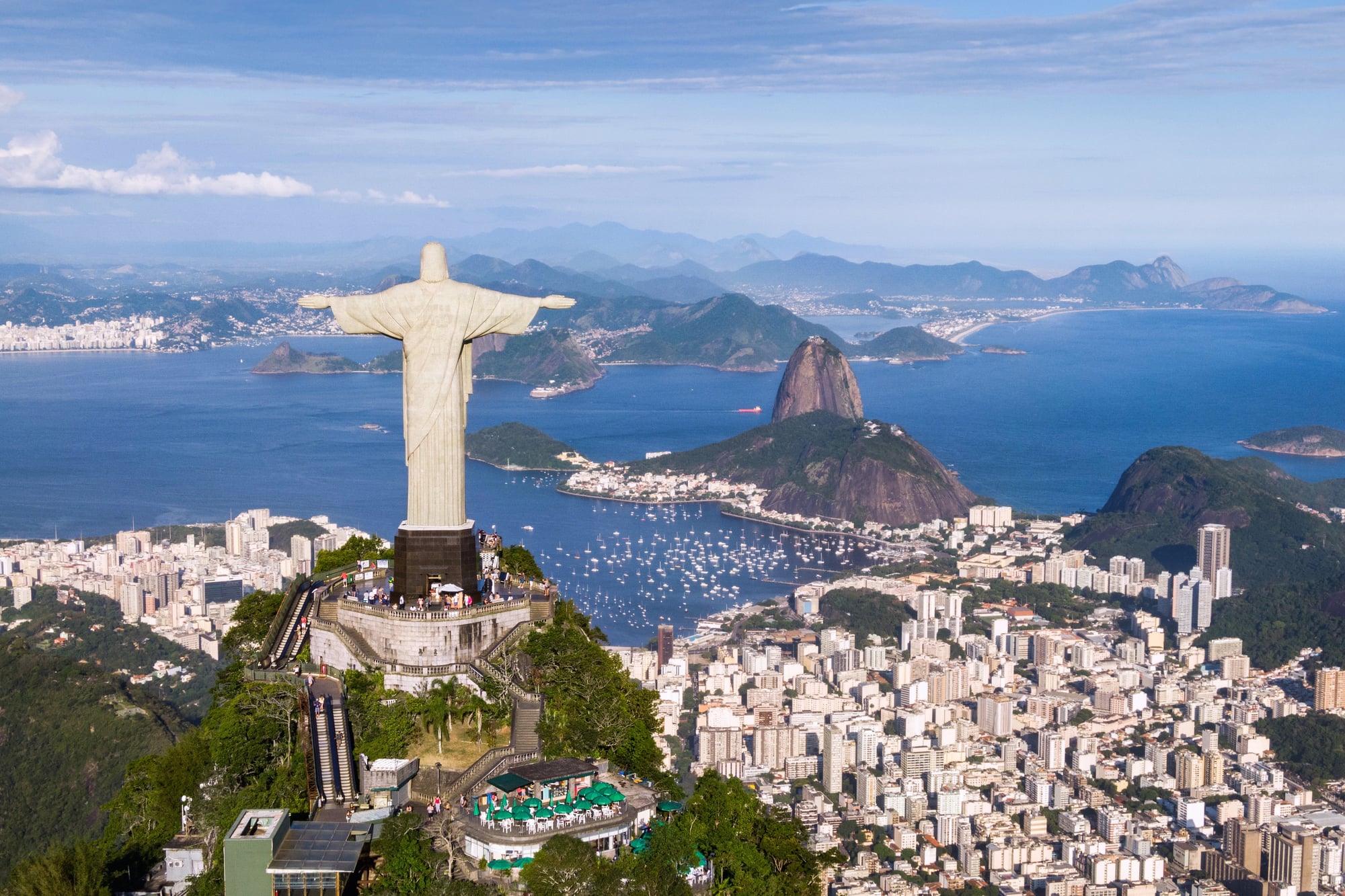
Rio de Janeiro’s Christ the Redeemer statue gets hit by lightning several times each year, and photographers have captured the moment when electricity courses through the outstretched arms of the 98-foot figure. The statue was designed with lightning rods, so the strikes rarely cause serious damage, but the images are startling — divine figure meets raw natural force in a way that feels both biblical and oddly mundane.
The lightning doesn’t add reverence to the monument; it makes it look vulnerable.
The Sydney Opera House as Construction Chaos
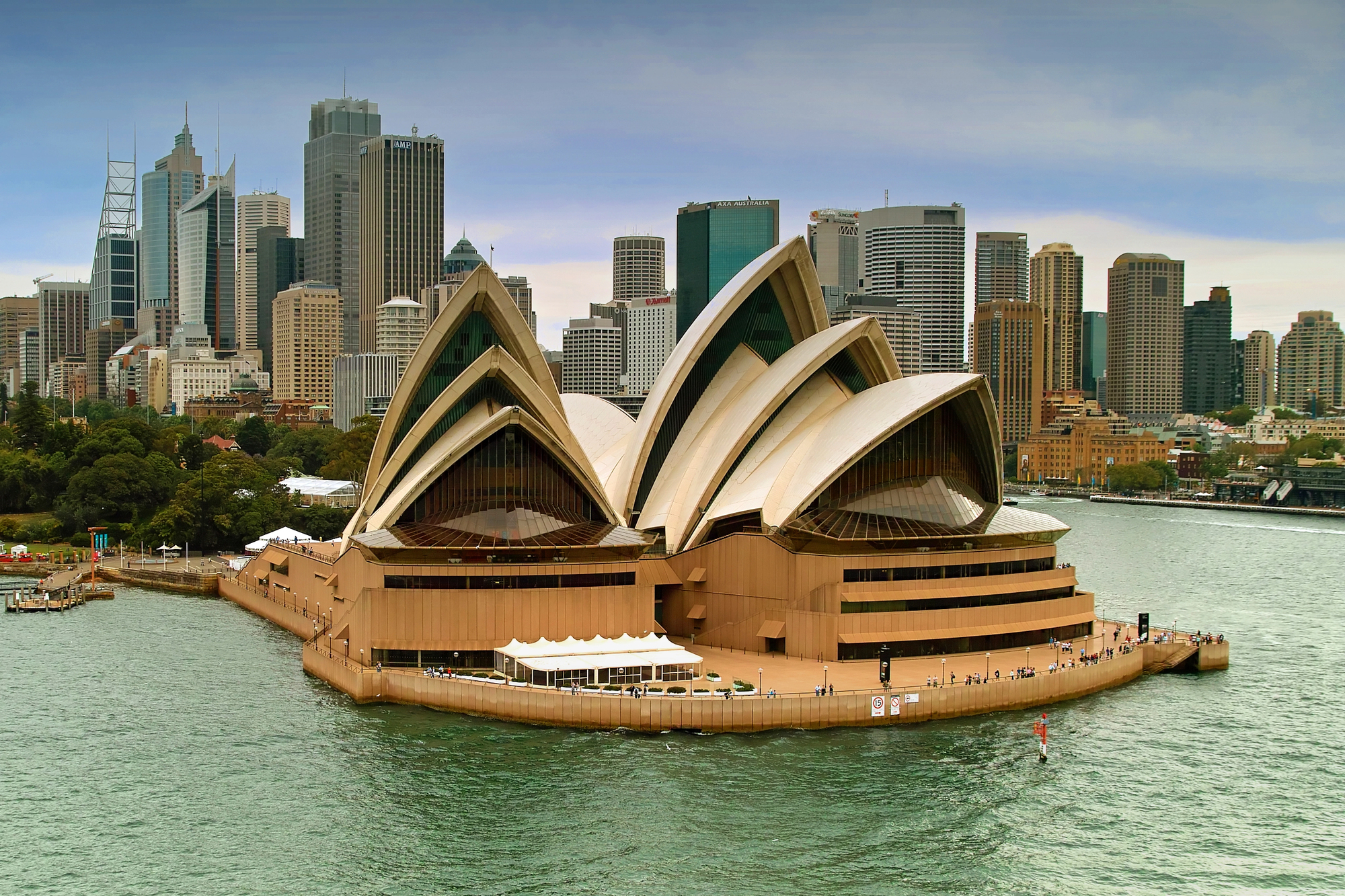
The Opera House’s distinctive shells were an engineering nightmare that took 14 years to complete and drove the original architect into exile. Construction photos show the building site as a chaos of experimental concrete work, with shell segments that don’t quite fit together and cost overruns that scandalized the Australian government.
The elegant curves that define Sydney’s skyline today emerged from what looked like the world’s most expensive construction mistake, which makes the final result feel more like a miracle than an inevitability.
London Bridge in Arizona
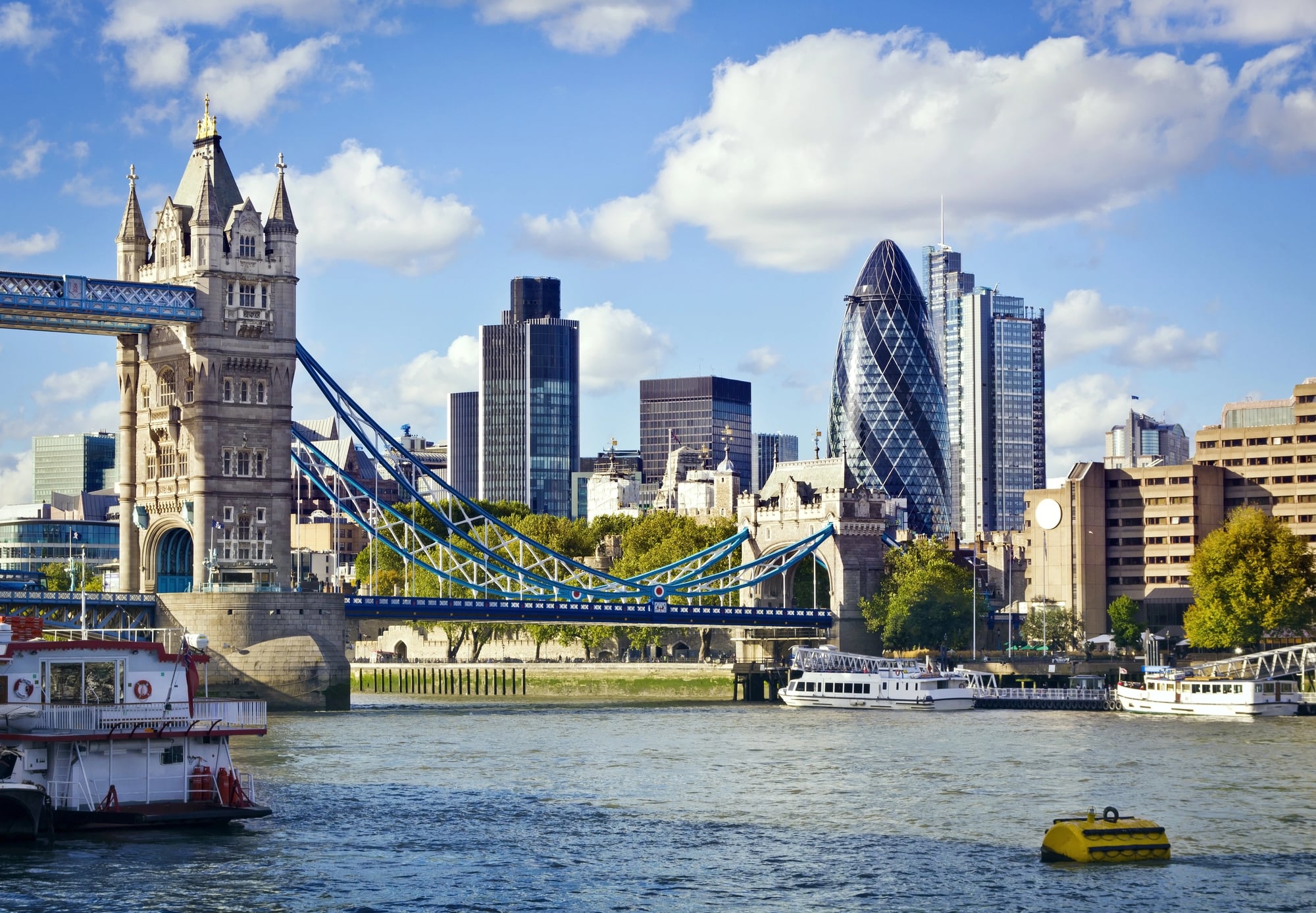
The actual London Bridge — the one that was “falling down” — didn’t fall down at all. It was sold to an American businessman and rebuilt, stone by stone, in the Arizona desert as a tourist attraction.
Photographs of the reconstruction show British stonework rising incongruously from desert sand, complete with the original lamp posts and architectural details, creating a monument to both historical preservation and American entrepreneurial absurdity. The bridge now spans a man-made lake in Lake Havasu City, where it serves as a reminder that even the most permanent-seeming landmarks can be disassembled, shipped, and reassembled wherever someone’s willing to pay for them.
When Monuments Reveal Their Secrets
These behind-the-scenes glimpses strip away the mythology that surrounds famous places, but they don’t diminish them. Instead, they reveal the human ambition, the engineering challenges, and the simple passage of time that shapes every landmark.
The scaffolding comes down, the restoration finishes, and the monuments return to their role as symbols. But somewhere in the archives, these unguarded moments wait to remind you that even the most permanent things are constantly being rebuilt, one careful piece at a time.
More from Go2Tutors!

- The Romanov Crown Jewels and Their Tragic Fate
- 13 Historical Mysteries That Science Still Can’t Solve
- Famous Hoaxes That Fooled the World for Years
- 15 Child Stars with Tragic Adult Lives
- 16 Famous Jewelry Pieces in History
Like Go2Tutors’s content? Follow us on MSN.