30 Laws Once Normal That Sound Absurd Today
Legal codes reflect the era they’re written in. Laws now repealed reveal how dramatically social values have shifted.
Some were genuine attempts at public order (though misguided); others reflected prejudices we now recognize as inexcusable. Reading archaic laws provides insight into how normal discrimination felt to previous generations—how laws that seem obviously unjust were once simply law.
These statutes didn’t vanish because society suddenly realized their injustice; they disappeared because society’s values fundamentally transformed. Understanding these repealed laws humbles us about the assumptions embedded in our current legal codes that future generations will inevitably find barbaric.
Marital Immunity from Rape
In the United States, England, and most Western nations, “marital correction” and spousal assault were legally permissible until the 1970s and 1980s. Spousal rape was not treated as a crime; it was treated as a domestic matter beyond legal purview, with husbands granted authority over their wives’ bodies.
Miscegenation Laws

Until 1967, numerous US states legally prohibited interracial marriage, with violators facing criminal charges and imprisonment. Loving v. Virginia forced repeal of these statutes, yet they represented legal doctrine for generations.
Women’s Property Restrictions

Until the 20th century, married women could not legally own property—all assets legally belonged to husbands. The Married Women’s Property Acts gradually changed this legal reality, though opposition was fierce.
Child Labor Legality

Children as young as five were legally permitted to work in mines, factories, and mills with minimal restrictions until progressive legislation began limiting child labor in the early 1900s.
Racial Segregation Laws

Jim Crow statutes legally mandated racial separation in schools, transportation, restaurants, and public facilities until the Civil Rights Act of 1964 made them federal crimes.
Sodomy Laws

Homosexual acts were criminalized in many US states, with some carrying sentences as severe as life imprisonment. Lawrence v. Texas (2003) finally invalidated all remaining sodomy laws.
Prohibition-Era Alcohol Bans

From 1920-1933, the Volstead Act made production, sale, and transportation of alcohol a federal crime, creating widespread criminal enterprises and corrupt enforcement.
Forced Sterilization

Between 1907 and 1981, over 60,000 Americans were forcibly sterilized under eugenics laws deemed constitutional. North Carolina didn’t formally apologize until 2013, over 30 years after the program ended.
Anti-Immigrant Exclusion Laws

The Chinese Exclusion Act (1882) and similar statutes legally prohibited immigration from entire regions, representing explicit racial discrimination enshrined in federal law.
Women’s Voting Restrictions

Universal female suffrage didn’t occur until 1920 in the US, with many nations denying women the vote far longer. Previously, voting was a right explicitly restricted to male property owners.
Debtor’s Prisons

Until abolished in the 19th century, people could be imprisoned for unpaid debts, creating cycles of poverty and incarceration for economic inability rather than crime.
Witch Trial Laws
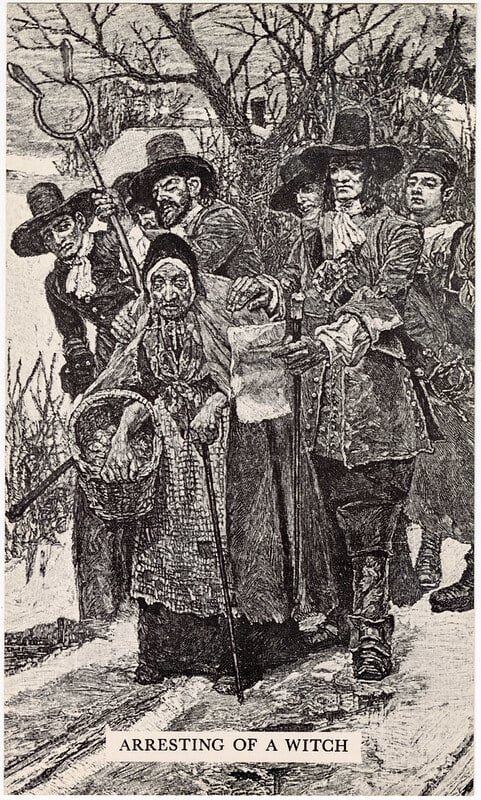
Colonial and European statutes made witchcraft a capital crime, resulting in execution of thousands based on supernatural accusations and coerced confessions.
Sedition Laws

Laws criminalizing criticism of government remained on US books long into the 20th century, with prosecutions for anti-war speech, political dissent, and labor organizing.
Anti-Abortion Bans (Pre-Roe v. Wade)

Before 1973, abortions were illegal in most US states with no exceptions, criminalizing women and physicians for terminating pregnancies regardless of circumstances.
Slavery Statutes
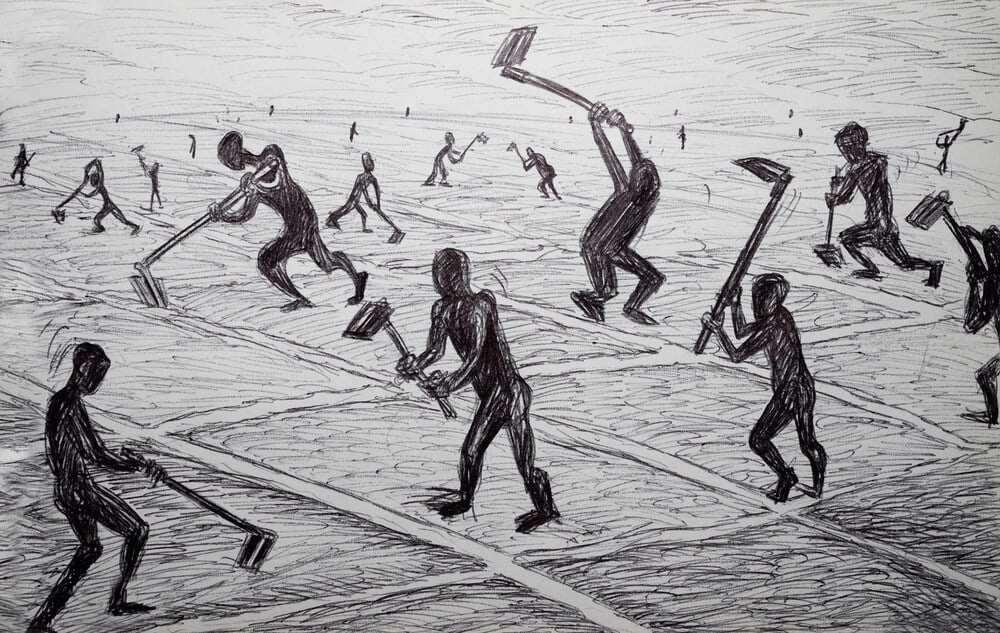
The legal institution of slavery persisted for centuries with statutes defining slaves as property rather than persons, legally denying rights to millions.
Convict Leasing Laws

After slavery’s abolition, Southern states imprisoned freed people through vagrancy laws and rented them to employers—creating slavery’s functional equivalent.
Sodomy-Related Murder Defenses

Some states permitted “homosexual panic” legal defenses where murder charges were reduced if the victim was gay, treating homophobic murder as partially justified.
Lack of Consent Laws

Rape laws previously required proof of physical resistance, making it legal to ignore explicit verbal refusals if no physical force was used.
Paternity Denial Laws

Numerous jurisdictions had statutes allowing men to deny paternity without legal consequences, creating inheritance and financial chaos for children.
Laws Against Women Working Certain Jobs

Women were legally barred from practicing law, medicine, and numerous professions, with statutes explicitly restricting employment based on gender.
Anti-Miscegenation Housing Laws

Covenants in deeds legally prohibited selling to racial minorities, enforced by courts for decades despite being morally abhorrent.
Religious Test Laws

Some states legally required religious belief for voting or holding office, with atheists explicitly barred from civic participation.
Laws Against Contraception

Connecticut and other states criminalized contraception possession and use until Griswold v. Connecticut (1965) protected access.
Breach of Promise Laws
Women could sue men for breaking engagement promises, with courts awarding damages. These laws were premised on women as property whose value was diminished by broken engagements.
Loyalty Oath Requirements
McCarthyism-era laws required citizens to sign loyalty oaths to the government, criminalizing dissent and political opposition as treasonous.
Laws Against Dueling

Dueling was legal for centuries before being criminalized, though enforcement against wealthy duelists remained spotty compared to enforcement against poor men.
Adultery Criminalization
While rarely enforced recently, adultery remained a crime in some US jurisdictions until recently, with statutes permitting imprisonment for infidelity.
Laws Against Sending Obscene Material

Statutes banned “obscene” materials through mail, with enforcement used to suppress political speech and birth control information.
Compulsory Sterilization Through Immigration Policy

US immigration laws historically forced immigrants and indigenous peoples to undergo sterilization as condition of entry or continued residency.
Laws Permitting Corporal Punishment

Teachers and parents were legally entitled to use corporal punishment on children with minimal restrictions until recent decades.
The Echoes of Injustice
These thirty laws remind us that legal systems enshrine the prejudices of their eras. Each statute we find barbaric represented legal normalcy when enacted—courts upheld them, legislatures wrote them, and enforcement mechanisms compelled compliance.
The fact that future generations will likely find many of our current laws equally barbaric should humble us. The statutes criminalizing homelessness, drug possession, and traffic offenses; the laws permitting wealth-based bail systems; the statutes disproportionately affecting minorities—these represent our era’s injustices enshrined in law.
As our predecessors viewed their laws as rational responses to social problems, so too do we view ours. History teaches us this confidence is likely misplaced.
The legal codes we’ve repealed represent not enlightenment but moral evolution—society’s belated recognition that laws we thought were just were actually unjust. Understanding this should make us skeptical of our own legal certainties.
More from Go2Tutors!

- The Romanov Crown Jewels and Their Tragic Fate
- 13 Historical Mysteries That Science Still Can’t Solve
- Famous Hoaxes That Fooled the World for Years
- 15 Child Stars with Tragic Adult Lives
- 16 Famous Jewelry Pieces in History
Like Go2Tutors’s content? Follow us on MSN.