15 Beauty Standards That Were Considered Ideal During the Renaissance
The Renaissance wasn’t just about artistic masterpieces and scientific breakthroughs. It was also an era that defined beauty in ways that would seem utterly foreign to modern eyes.
While today’s standards revolve around filtered selfies and surgical enhancements, Renaissance ideals were rooted in symbolism, social status, and beliefs about health that now feel almost absurd. What’s fascinating is how specific these standards were — down to the exact shade of blonde hair or the precise curve of a forehead.
These weren’t casual preferences but rigid codes that determined social standing and marriage prospects. Understanding them reveals not just vanity, but the complex web of politics, religion, and economics that shaped how people saw themselves and each other.
High Foreheads
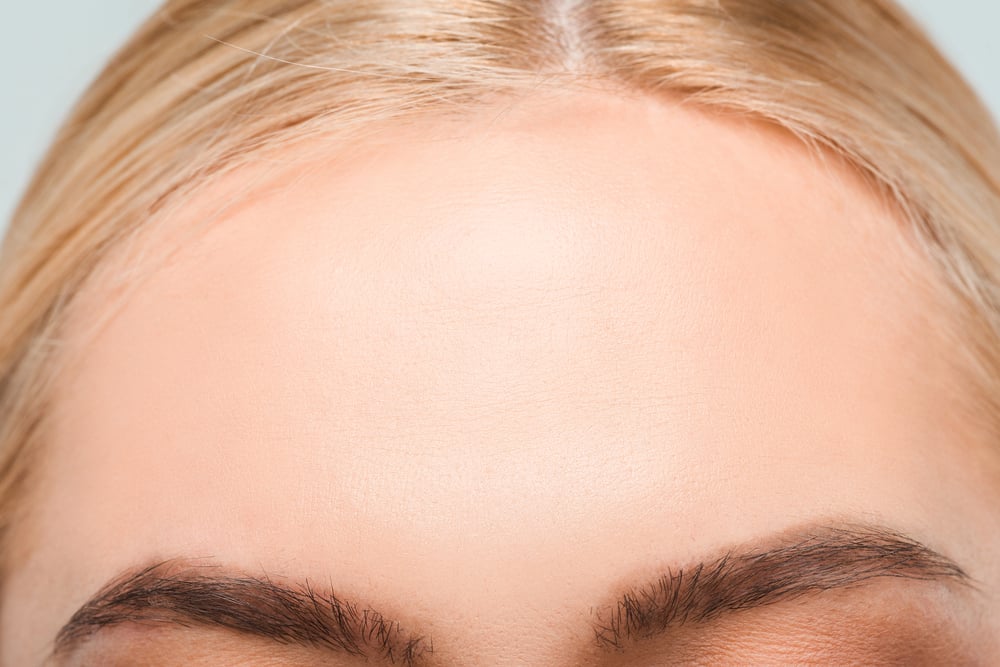
Renaissance women plucked their hairlines back to create unnaturally high foreheads. The bigger the forehead, the more beautiful you were considered.
This wasn’t some random fashion trend — it was rooted in the belief that a large forehead indicated intelligence and nobility. Women would spend hours painfully removing hair, sometimes extending their hairline back by several inches.
The process was so extreme that some women developed permanent baldness from the constant plucking and the toxic substances they used to prevent regrowth.
Pale Skin
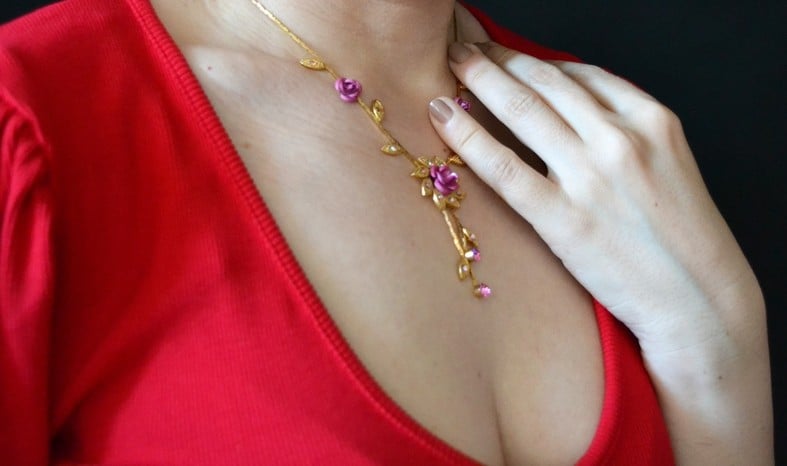
Porcelain-white skin was the ultimate status symbol. Any hint of color meant you worked outdoors like a common laborer.
Wealthy women went to extraordinary lengths to maintain their pallor, using lead-based cosmetics that slowly poisoned them. They’d apply ceruse, a mixture of white lead and vinegar, which gave them the ghostly appearance they desired but also caused hair loss, tooth decay, and eventually death.
The irony is palpable: the very thing that made them beautiful was literally killing them, but the social pressure was so intense that many considered it worth the risk.
Golden Hair

Think of Renaissance hair like sunlight caught in amber — not the brassy yellow of modern bleach jobs, but something that seemed to glow from within. Women spent entire days on rooftops, their hair spread across specially designed crownless hats, letting the sun work its slow transformation while they protected their precious pale faces.
The process was as much ritual as beauty treatment. Venetian women perfected a technique using urine, sulfur, and saffron that could take months to achieve the desired shade.
And yet there was something almost meditative about it — this patient cultivation of beauty, this willingness to wait for light itself to do the work. The golden hair that resulted wasn’t just about appearance; it was proof of dedication, of having the luxury of time, of understanding that true beauty couldn’t be rushed.
Small Breasts
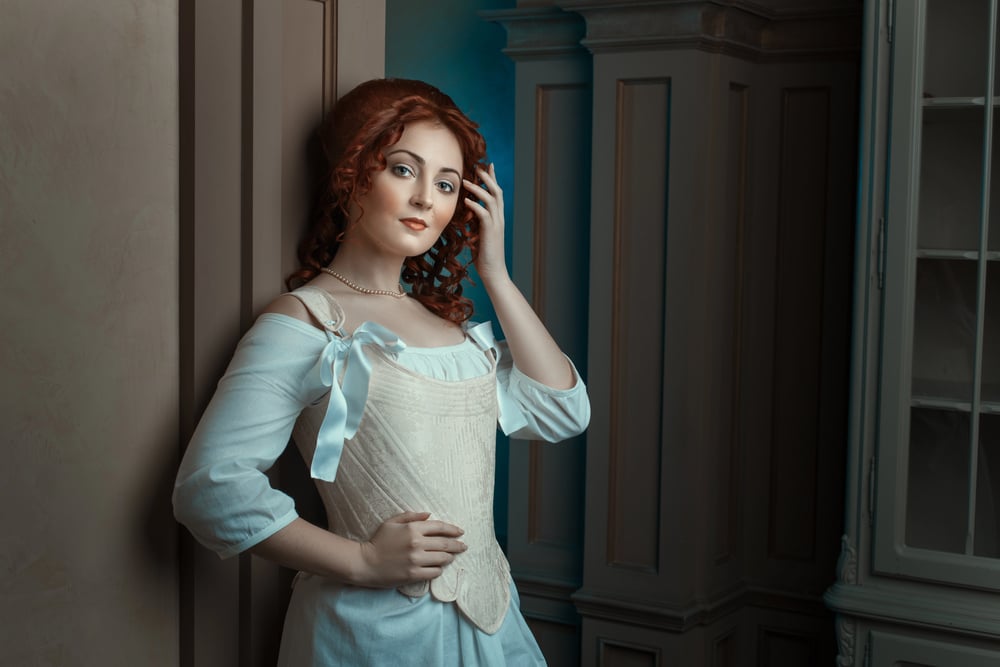
Renaissance beauty standards celebrated modesty in all its forms. Large breasts were considered vulgar and peasant-like.
Upper-class women bound their chests to achieve the desired flat silhouette. Fashion of the era featured high necklines and structured bodices that compressed rather than enhanced.
The ideal female form was almost childlike in its proportions — narrow hips, small breasts, delicate features. This wasn’t about sensuality but about projecting refinement and spiritual purity.
Women who naturally had larger busts often suffered physical discomfort from the restrictive undergarments designed to minimize their figures.
Plucked Eyebrows

Eyebrows were meant to be barely visible whispers of hair. The unibrow was particularly offensive to Renaissance sensibilities.
Women would pluck their eyebrows into thin, arched lines or remove them entirely (and this happened centuries before Instagram trends made it controversial again). The process was agonizing and often led to infections, but a smooth, uninterrupted forehead was considered the height of sophistication.
Some women used walnut oil or other substances to prevent regrowth. The result was faces that looked almost alien by today’s standards — smooth, blank canvases where eyebrows should have been.
Full Lips
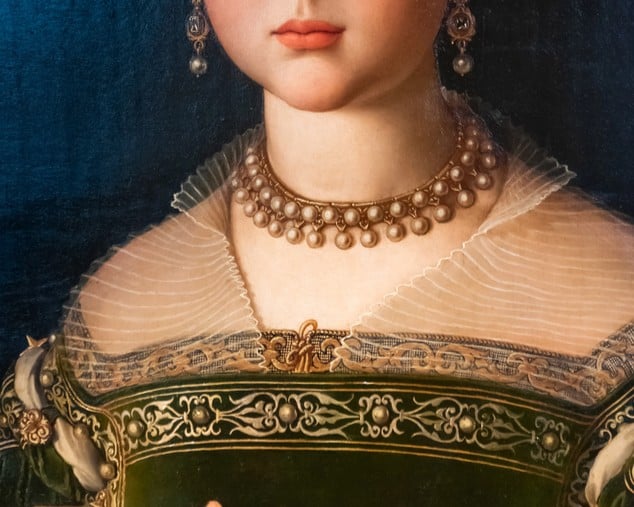
But not the kind of full lips that require injections and surgical enhancement — Renaissance beauty favored naturally plump, rosebud mouths that suggested youth and fertility, though the expression of that fertility needed to remain demurely contained within the bounds of social propriety (because heaven forbid a woman actually acknowledge her own desires). The ideal mouth was small enough to suggest restraint but full enough to hint at sensuality.
Women achieved this look through careful application of rouge made from crushed berries or cochineal insects. The color had to be subtle — too much rouge marked you as a courtesan rather than a lady.
And so they walked this impossible line between allure and propriety, painting their mouths just enough to catch light and attention while maintaining the fiction of natural, effortless beauty.
Long, Elegant Necks
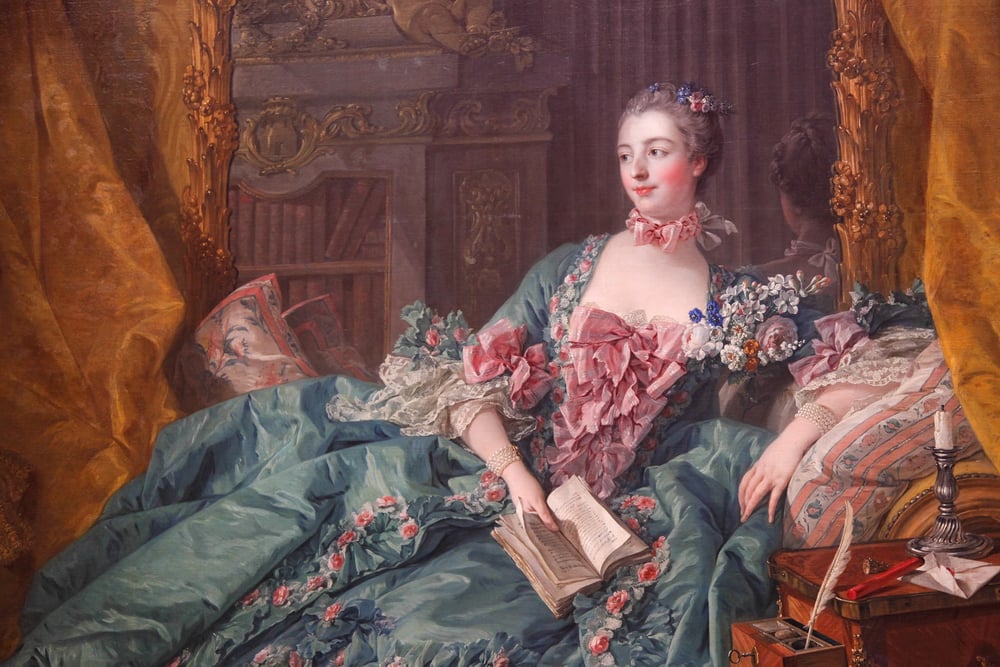
— Photo by jorisvo
The Renaissance neck was a canvas for displaying wealth and grace. Women cultivated swan-like proportions that allowed them to showcase elaborate jewelry and ruffs.
This beauty standard influenced fashion in profound ways. High collars, intricate ruffs, and cascading necklaces all served to elongate and emphasize the neck. Women would practice posture and carriage to achieve the desired effect.
Portraits from the era show women with impossibly elongated necks — part artistic license, part actual physical cultivation. The neck became a symbol of breeding and refinement, separating the nobility from the common masses who couldn’t afford to hold themselves with such calculated elegance.
Small Hands and Feet
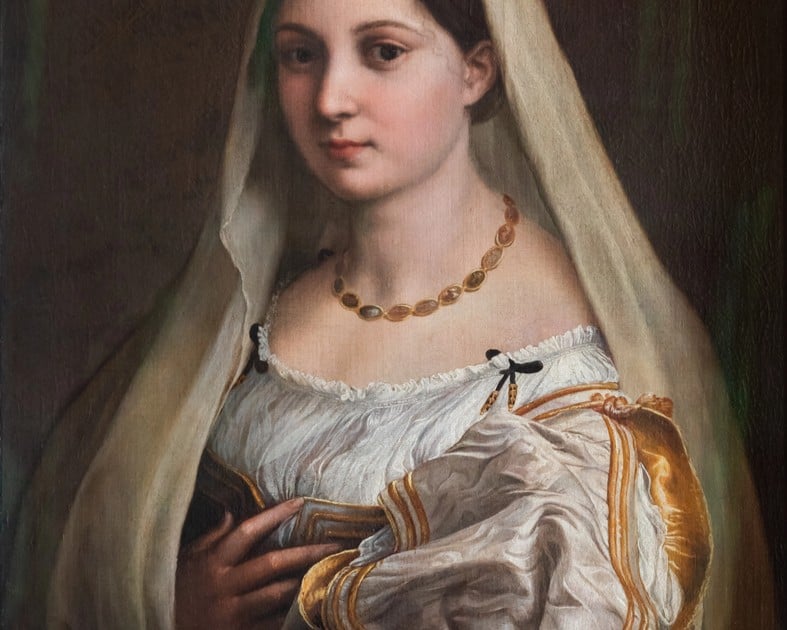
Delicate extremities were proof that you’d never done manual labor. Tiny hands and feet became markers of aristocratic breeding.
Women wore tight gloves to keep their hands small and pale, and fashioned tight, narrow shoes to minimize the appearance of their feet. The ideal hand was white, soft, and so delicate it looked almost translucent.
The ideal hand was white, soft, and so delicate it looked almost translucent. Long, tapered fingers were prized, and women would often keep their pinky nails extremely long as further proof they performed no manual work.
These impractical beauty standards served a clear social function: they made it physically impossible to perform labor, thus advertising your family’s wealth and status.
Rounded Bellies
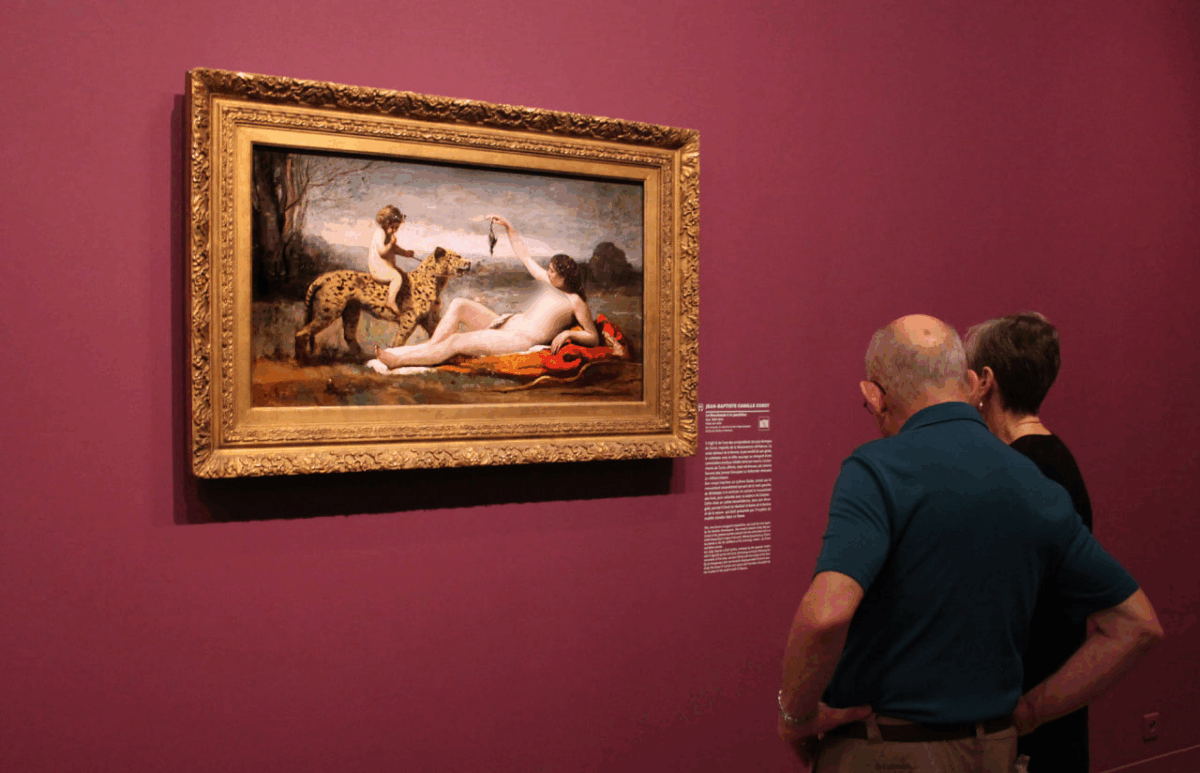
Here’s where Renaissance beauty standards reveal something almost tender about human perception: they celebrated the soft curve of a woman’s belly, seeing in it not excess but abundance, not weakness but the promise of life itself. Paintings from the era show women with pronounced, rounded stomachs that would send modern Instagram influencers into therapy.
The aesthetic wasn’t about pregnancy specifically but about the fertile potential that the belly represented. Think of Botticelli’s Venus or the countless Madonna paintings where even the Virgin Mary sports a gently protruding stomach.
There was something profound about this acceptance of the female form in its natural state — before centuries of corsetry and diet culture taught women to hold their breath and tuck in their stomachs as if their very organs were sources of shame.
Dimpled Chins
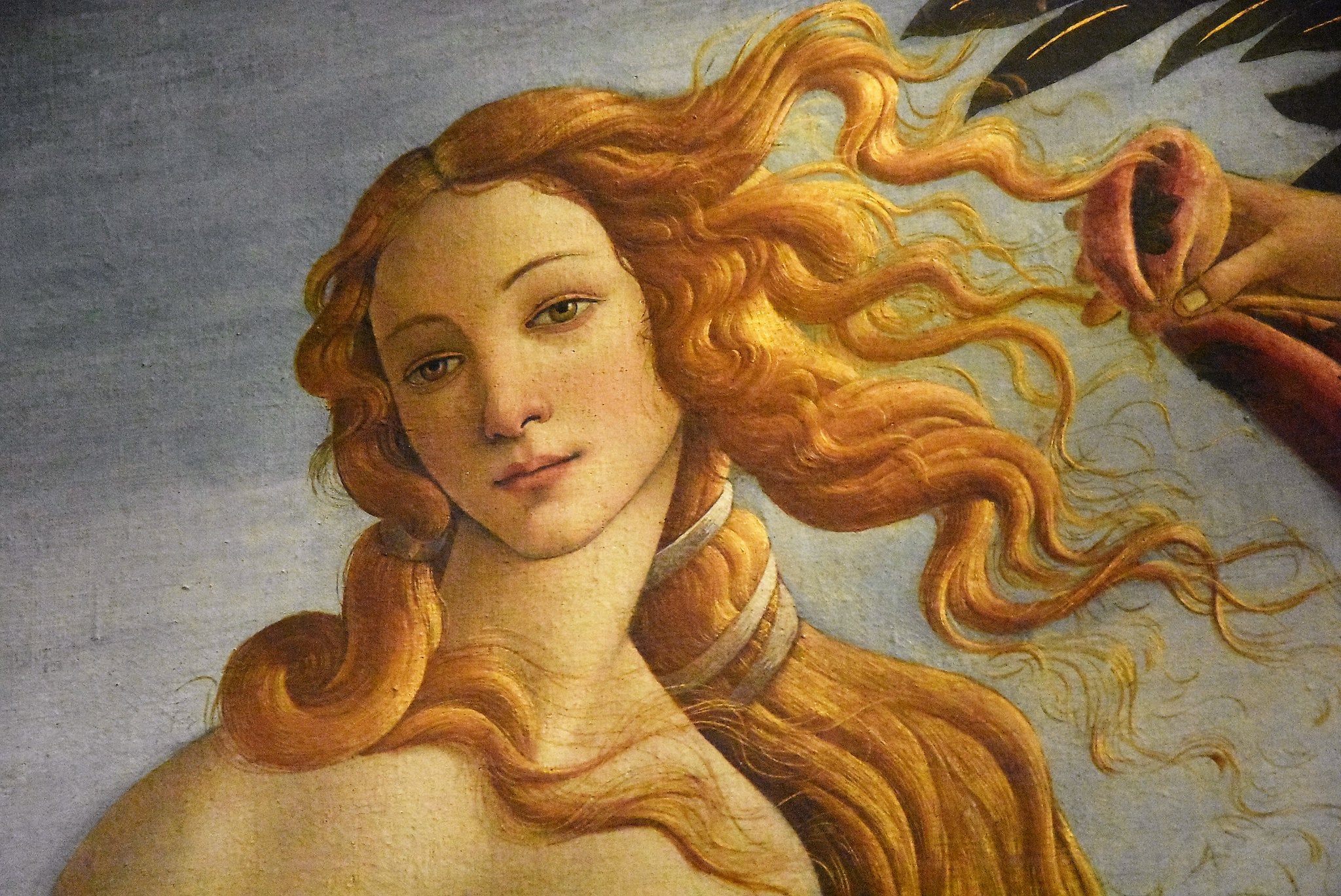
A small cleft or dimple in the chin was considered irresistibly charming. It suggested both strength of character and feminine delicacy.
Artists would often add dimples to their subjects even when they didn’t naturally possess them. The feature was associated with determination and willpower — qualities that were attractive in women as long as they remained properly channeled toward domestic and spiritual pursuits.
Dimpled chins appeared in countless portraits of the era, from nobility to religious figures. Some women would even use makeup techniques to create the appearance of a dimple, pressing their finger into their chin repeatedly to create a temporary indentation.
Smooth, Unmarked Skin
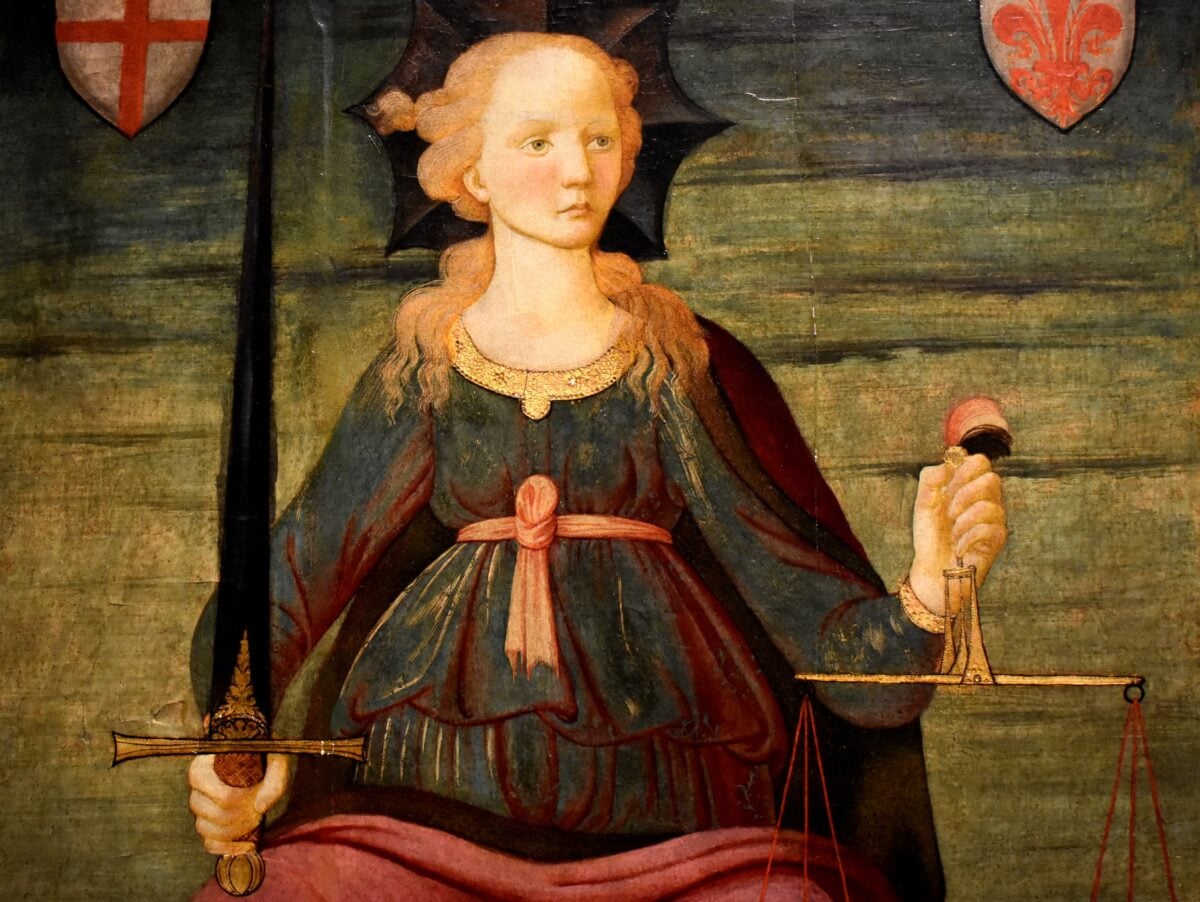
Renaissance skin had to tell a very specific story: that you’d lived a life so sheltered and privileged that nothing — not sun, not wind, not physical labor, not even worry — had left its mark on you. This went beyond simple cleanliness into the realm of supernatural preservation.
Women used everything from mercury-based creams to crushed pearls in their pursuit of flawless skin. They’d sleep in masks made of raw veal or apply mixtures containing arsenic, lead, and sulfur.
The irony cuts deep: in their quest for unmarked perfection, they often marked themselves permanently with the very substances they hoped would preserve them. Yet the social pressure was relentless.
A single pockmark or freckle could ruin marriage prospects and social standing.
Rounded Arms
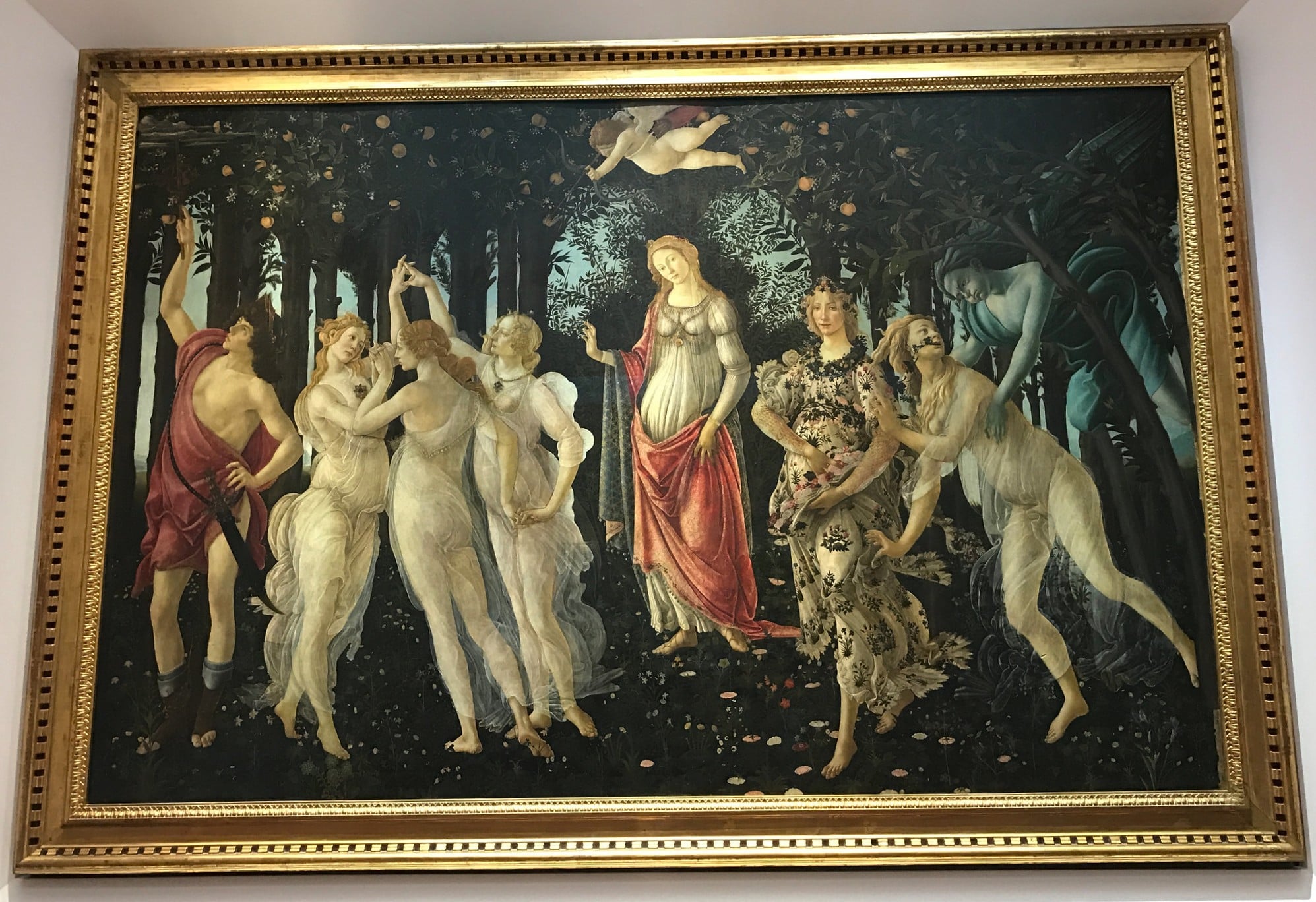
The Renaissance arm was soft and curved, suggesting both prosperity and femininity. Angular, muscled arms were associated with manual labor and considered deeply unattractive.
Women would actually eat specific diets designed to maintain soft, rounded limbs. The ideal arm had no visible muscle definition and enough padding to create smooth, curved lines from shoulder to wrist.
Sleeves were designed to enhance this effect, often with padding or structured elements that created even more pronounced curves. The aesthetic celebrated abundance over athleticism — the opposite of today’s toned, defined ideals.
Women who naturally had slender or muscular arms would use padding and strategic clothing to achieve the desired softness.
Large, Luminous Eyes
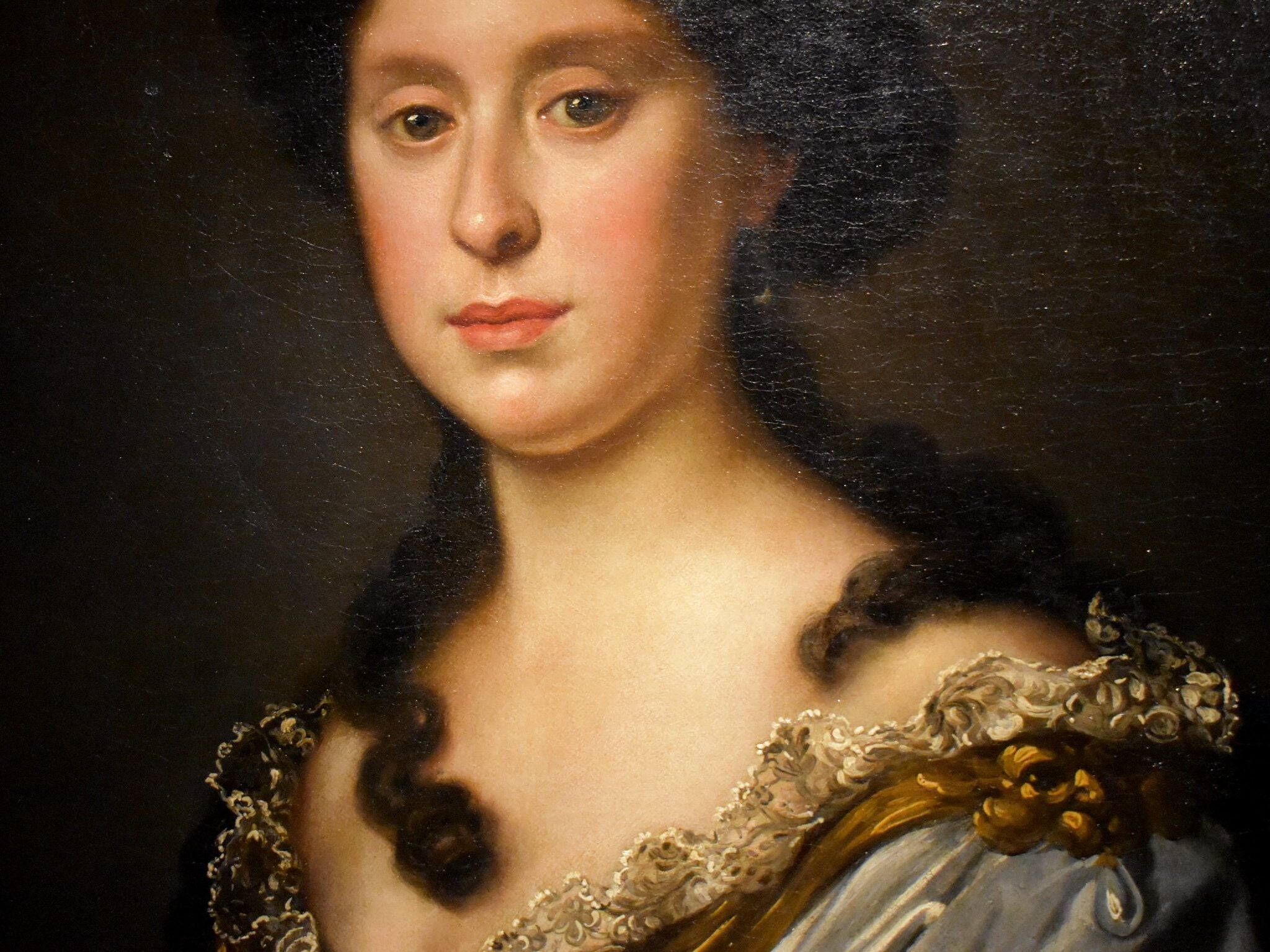
But not large in the modern sense of dramatic makeup and false lashes — Renaissance eyes needed to appear naturally wide and bright, windows to a pure soul that had never been clouded by improper thoughts or excessive worldly knowledge (though of course the knowledge part was mainly about women needing to appear intellectually curious but not threatening). The ideal eye was clear, bright, and expressive without being calculating.
Women would use belladonna drops to dilate their pupils and create that luminous, slightly otherworldly appearance. The practice was dangerous — belladonna is literally deadly nightshade — but the resulting wide-eyed, innocent look was considered irresistible.
Artists of the era painted eyes that seem to follow viewers around the room, capturing that quality of luminous attention that was so prized. The eyes had to be alert and intelligent but never shrewd or cunning.
Elegant Posture
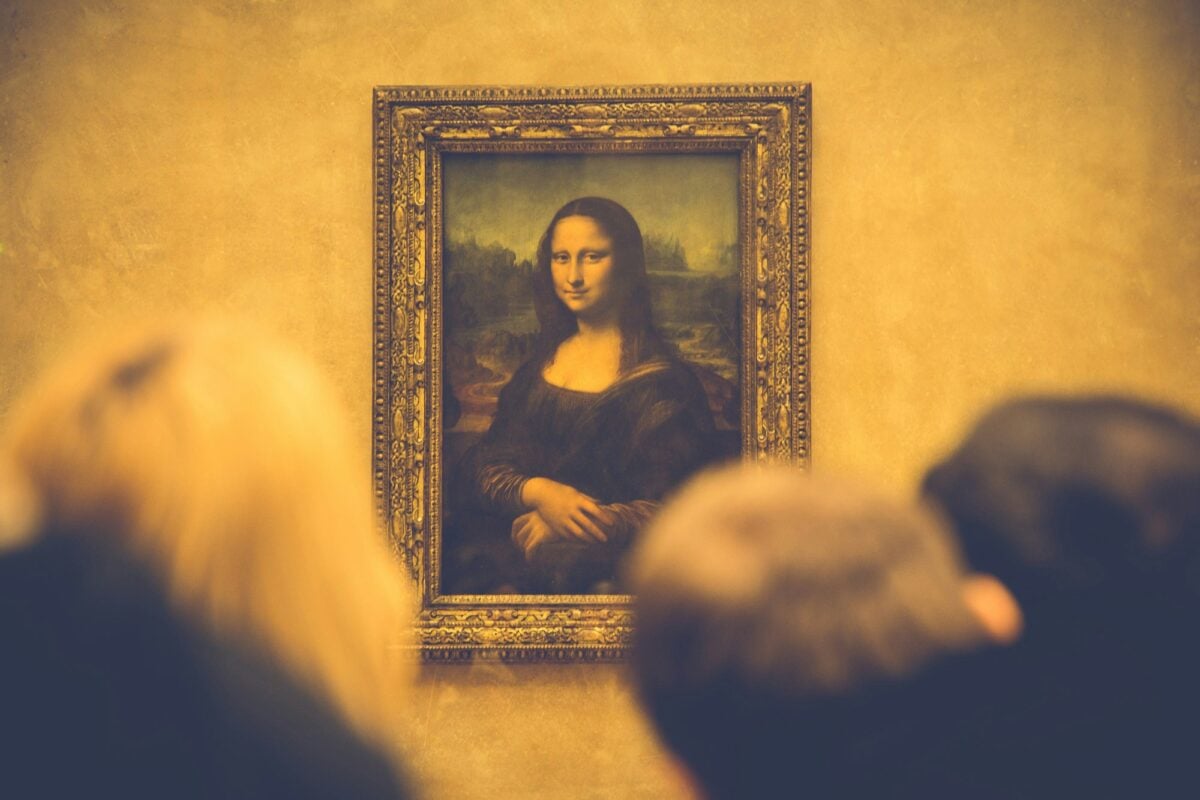
Perfect posture wasn’t just about looking good — it was about embodying the grace and discipline that separated the upper classes from everyone else. Women trained from childhood to hold themselves with studied elegance.
They practiced walking with books on their heads, sitting without ever touching the back of a chair, and holding their hands in graceful positions even while performing simple tasks. The posture had to appear effortless while actually requiring tremendous conscious control.
Every gesture was choreographed, every movement calculated to display breeding and refinement. This physical discipline extended to facial expressions, voice modulation, and even the rhythm of breathing.
Small, Straight Noses
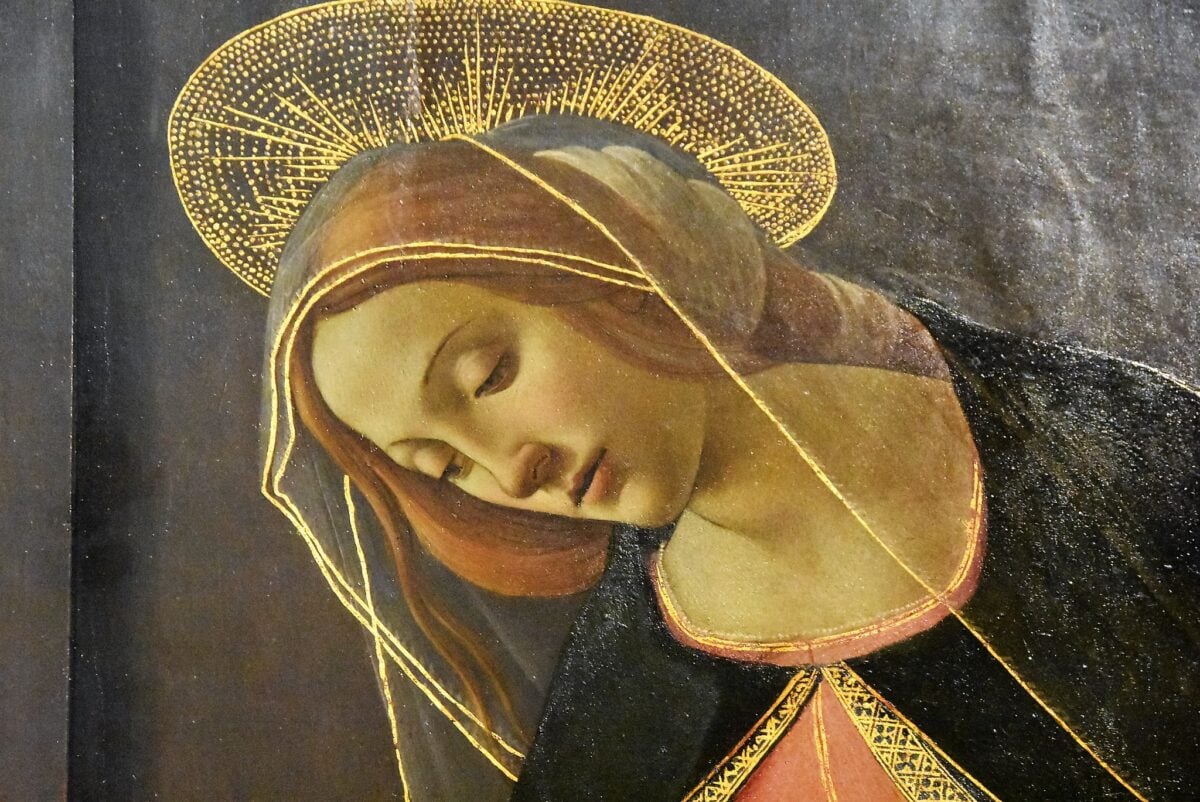
The Renaissance nose was a delicate thing — small, straight, and refined. Any hint of broadness or pronounced curves was considered coarse and common.
This standard appears consistently across portraits of the era, sometimes to comical effect as artists “corrected” their subjects’ natural features to match idealized proportions. The nose had to balance the face without dominating it, serving as a subtle accent rather than a defining feature.
Women would use makeup techniques to narrow and straighten their noses, applying light colors down the bridge and darker tones along the sides. Some even resorted to painful devices designed to reshape the nose over time, though these were rarely effective and often dangerous.
Beauty’s Long Shadow

These Renaissance standards weren’t just fashion — they were a complete system of social control wrapped in the language of aesthetics. Every plucked hairline and lead-painted face reinforced ideas about class, virtue, and a woman’s place in society that would echo through centuries.
What strikes you most isn’t how different these ideals were from today’s, but how familiar the underlying pressure feels. The methods have changed, but the impossible pursuit of physical perfection remains.
The Renaissance woman risking lead poisoning for pale skin isn’t so different from modern cosmetic procedures that promise beauty through controlled damage. Both eras demanded that women transform their natural selves into something society deemed acceptable, regardless of the cost.
More from Go2Tutors!

- The Romanov Crown Jewels and Their Tragic Fate
- 13 Historical Mysteries That Science Still Can’t Solve
- Famous Hoaxes That Fooled the World for Years
- 15 Child Stars with Tragic Adult Lives
- 16 Famous Jewelry Pieces in History
Like Go2Tutors’s content? Follow us on MSN.



