31 Family Car Trips Kids Took Before Screens Existed
A long drive used to mean hours of nothing but a window, a sibling, and whatever game someone in the front seat could invent on the spot. The rituals that filled that time were remarkably consistent across the country, built around the same handful of roadside stops and backseat games no matter where a family was headed.
The Alphabet Game
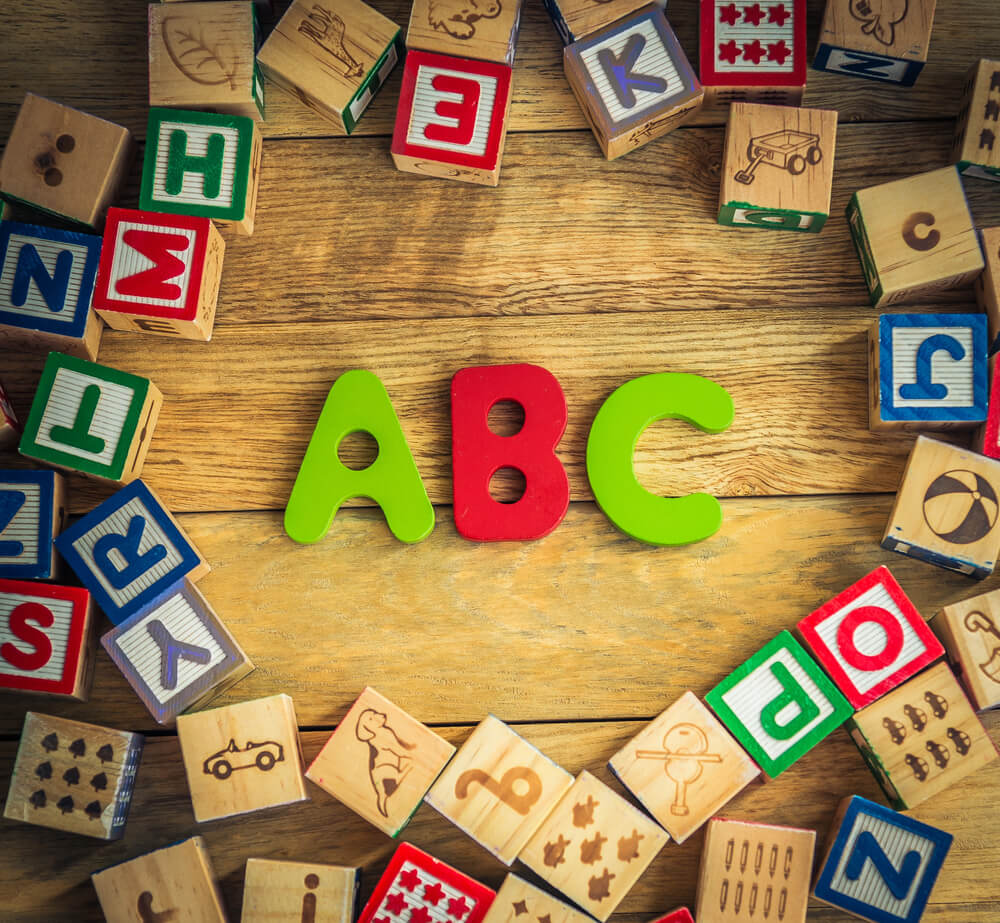
Kids scanned billboards, license plates, and business signs for the letters of the alphabet in order, racing to find a Z before running out of highway. The game required nothing but a working set of eyes and worked equally well on a two-hour trip or a two-day one.
It survives today mostly as a printed activity sheet, stripped of the original improvisation that made it last so long.
Punch Buggy
Spotting a Volkswagen Beetle earned a player the right to punch a sibling’s arm and call out the car’s color, a game that dates back at least to the 1960s alongside the Beetle’s peak American popularity. Regional variations added extra points for a Beetle with a sunroof or a rare color.
The game largely faded as the original Beetle went out of production in the United States in the late 1970s, though the newer Beetle briefly revived it in the 2000s.
Counting Cows and Horses
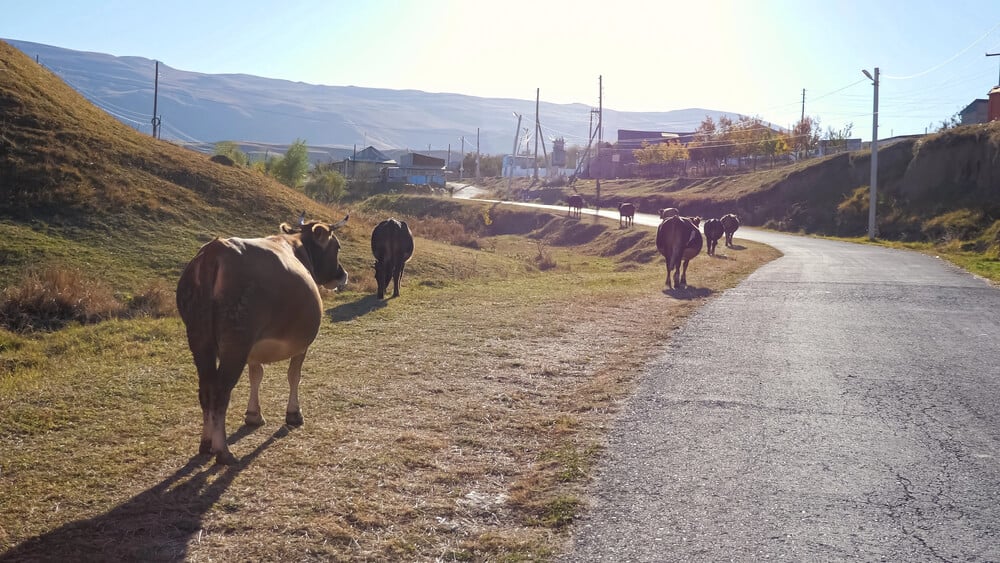
On rural highways, kids kept a running tally of livestock spotted on their side of the car, with a graveyard or a cemetery wiping out one team’s count entirely under the game’s informal rules. The scoring varied wildly by family, but the basic shape of the game, watch your side and lose everything at a graveyard, held remarkably steady across regions.
Twenty Questions
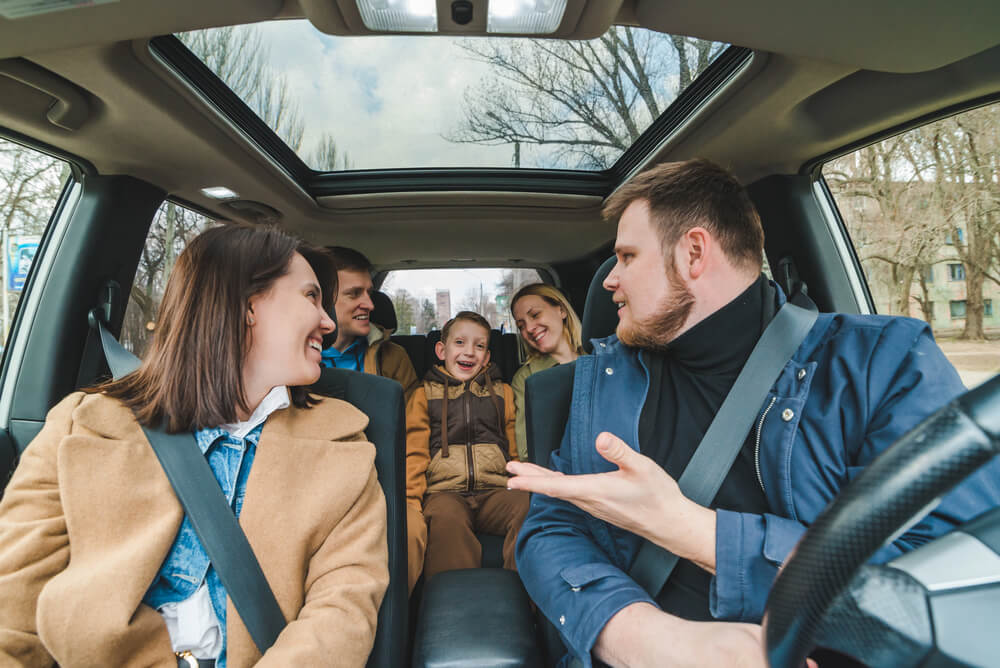
One passenger picked a person, place, or thing, and the rest of the car took turns asking yes-or-no questions to narrow it down within twenty tries. It required no equipment and scaled from two players to a full station wagon, which made it a default choice once other games ran out of steam.
It remains one of the few road-trip games that never fully disappeared, since it needs nothing but conversation.
I Spy
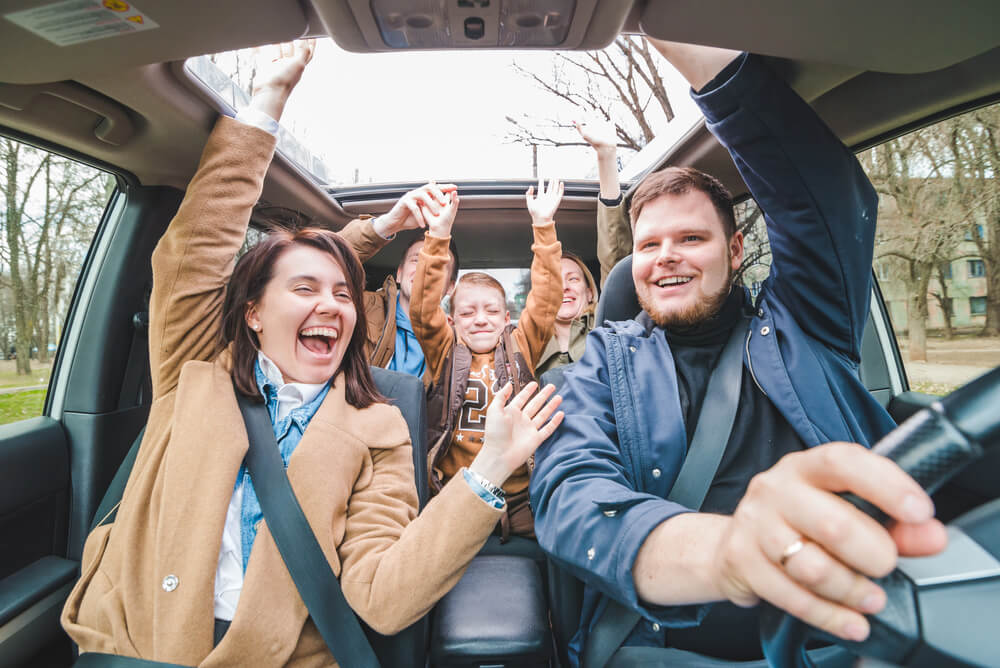
A player selected a visible object and offered only its color as a clue, sending everyone else guessing until someone landed on the right answer. Because it depended entirely on what was actually visible from inside a moving car, no two rounds played out the same way.
Later spelled-out spinoffs and printed versions eventually turned the same idea into a boxed product.
License Plate Bingo

Printed cards listing all fifty states, sold at gas stations and rest stops from the 1950s onward, turned plate-spotting into a formal competition with a grid to fill in. Families kept a single card running for the length of a vacation, sometimes taping it to the inside of a window for easy access.
The format barely changed for decades and is still sold today, one of the few paper road-trip games that never needed an upgrade.
Car Campfire Songs
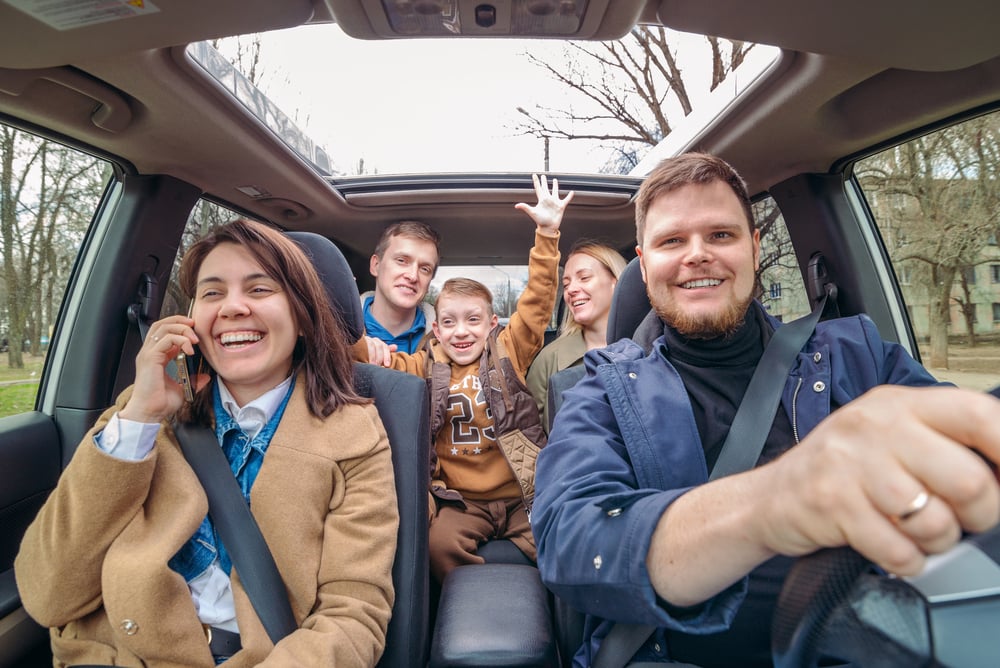
Long stretches of highway got filled with call-and-response songs like “The Wheels on the Bus” or the descending countdown of “Ninety-Nine Bottles of Beer on the Wall,” sung until someone in the front seat called a truce. The songs required no materials and traveled by memory from one family generation to the next rather than from any printed source.
Their disappearance tracks closely with the arrival of in-car entertainment that didn’t need anyone to sing.
Paper Road Atlas Navigation
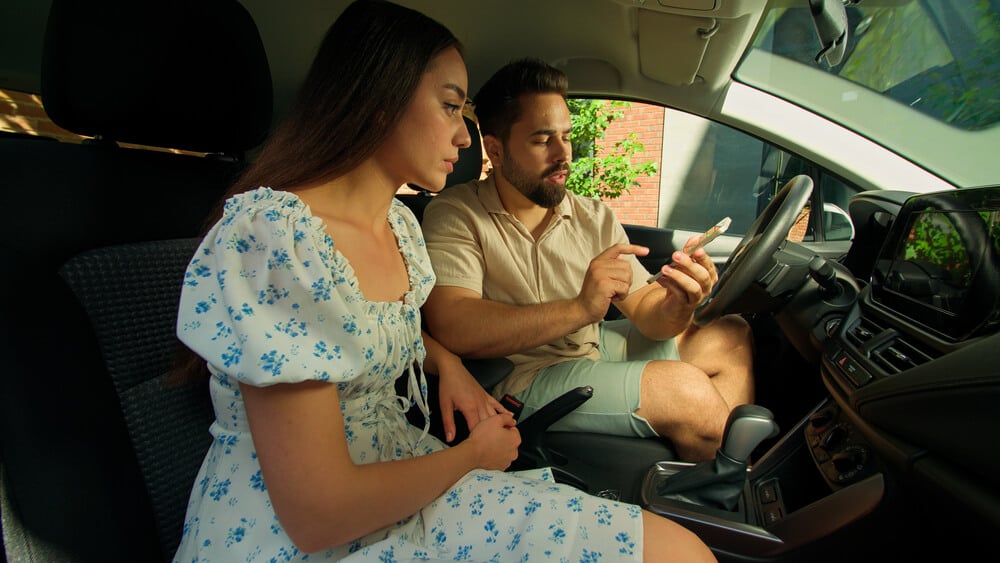
Before turn-by-turn directions existed, a designated navigator, often the oldest kid in the back seat, tracked the family’s progress across a spiral-bound road atlas, calling out upcoming exits from a page held open on their lap. Rand McNally’s atlas, first published in 1924, became the standard reference for generations of these trips.
The job carried real responsibility, since a missed page turn could send a family miles past their turn before anyone noticed.
AAA TripTik Maps
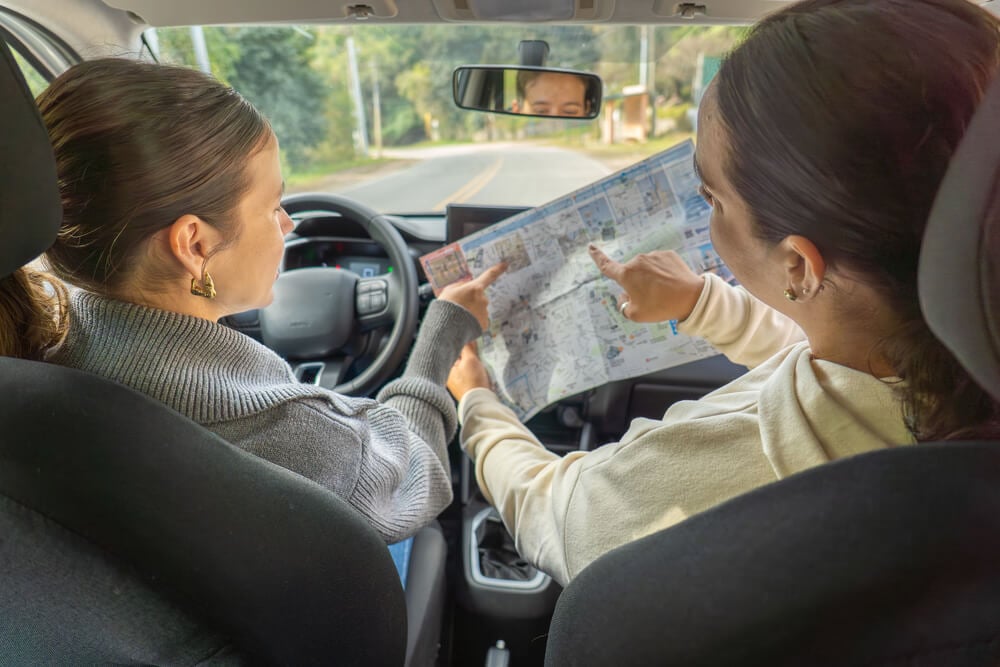
Members of the American Automobile Association could request a custom strip map before a trip, spiral-bound into a flip book with the planned route highlighted and annotated stop by stop. A staff member at a local AAA office assembled each one by hand, and flipping to the next page became its own small road-trip milestone.
The service quietly wound down through the 2000s as GPS navigation replaced the need for a preplanned paper route.
Wall Drug
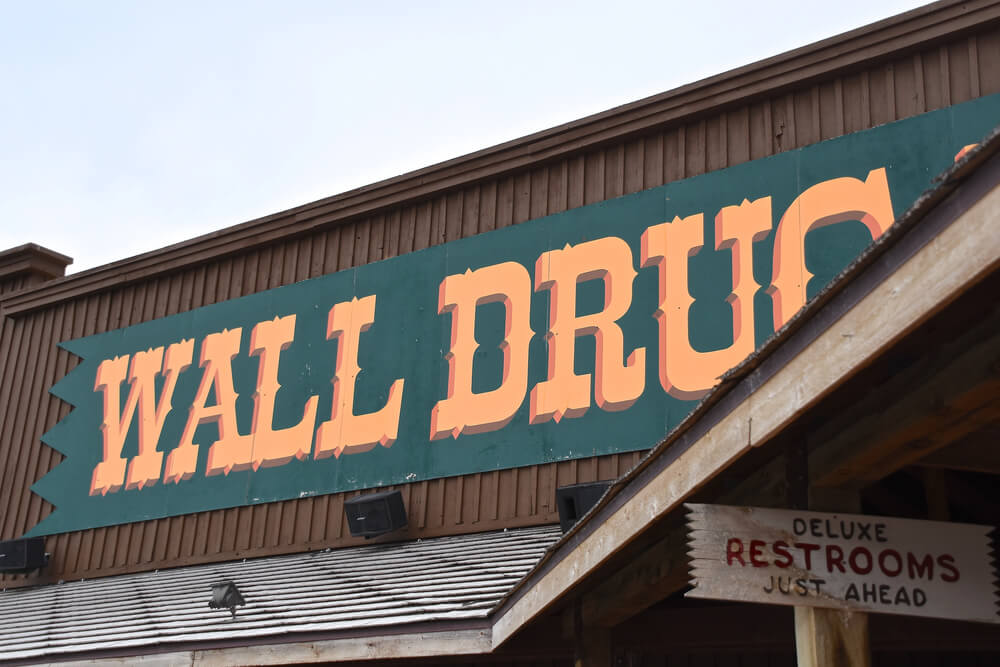
A South Dakota drugstore began offering free ice water to travelers in 1936 to draw customers off the highway, then built a decades-long billboard campaign advertising the offer for hundreds of miles in every direction. Kids grew up counting down the mile markers on those signs long before the store itself came into view.
The billboards became such a fixture of prairie road trips that spotting the first one was often treated as its own game.
South of the Border
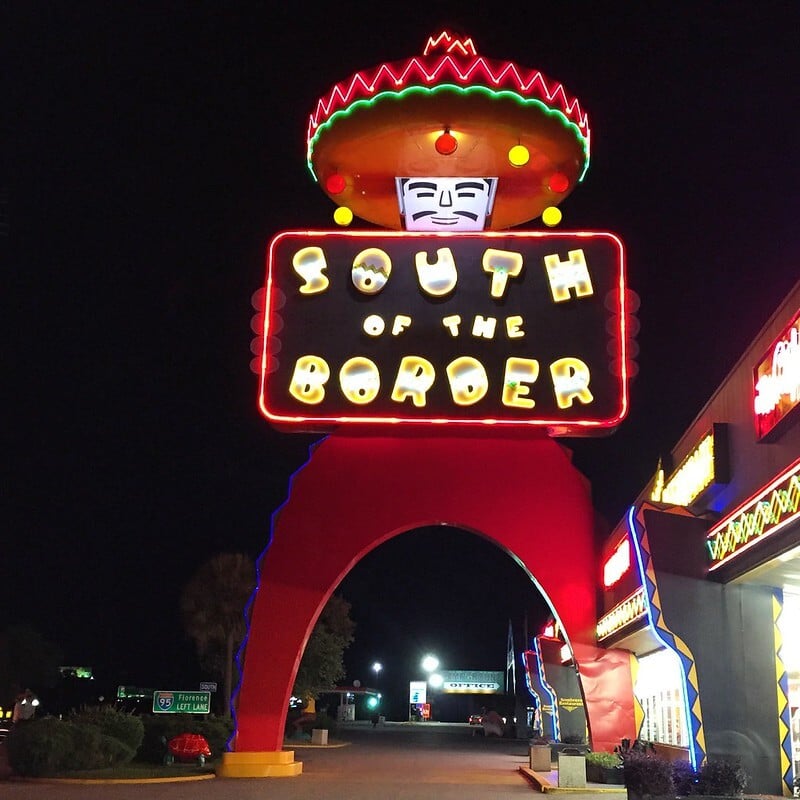
This roadside complex on the border of North and South Carolina, built around a sombrero-shaped tower, opened in the 1950s and grew into a sprawling stop of gift shops, a small amusement park, and fireworks stands. Its billboards, similarly relentless to Wall Drug’s, stretched for miles along Interstate 95 and became a running joke for families who drove that corridor repeatedly.
It remains open today, though a shadow of its peak-era traffic.
Stuckey’s Pecan Log Rolls
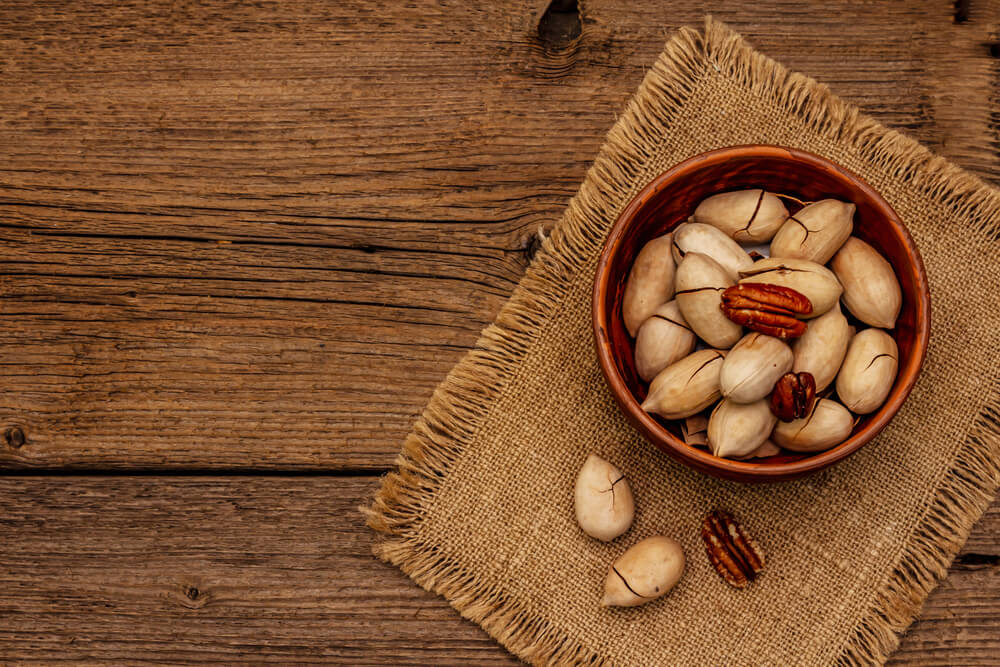
This roadside chain, founded in Georgia in 1931, built its reputation on a specific candy, a log of nougat and caramel rolled in pecans, sold at gas-station-adjacent stores across the South. The bright teal roofs became a recognizable signal from the highway that a stop was coming up.
The chain shrank dramatically after changing hands multiple times, though the pecan log itself is still made and sold today.
Drive-In Movie Theaters
Families packed into a car with pillows and blankets to watch a double feature projected onto a massive outdoor screen, tuning the car radio or a hung speaker to catch the audio. The format peaked in the late 1950s with more than four thousand drive-ins operating across the country, then declined sharply as land values rose and indoor multiplexes took over.
Fewer than three hundred drive-ins remain open in the United States today, mostly as deliberate nostalgia destinations rather than a routine family outing.
Motor Lodge Pools
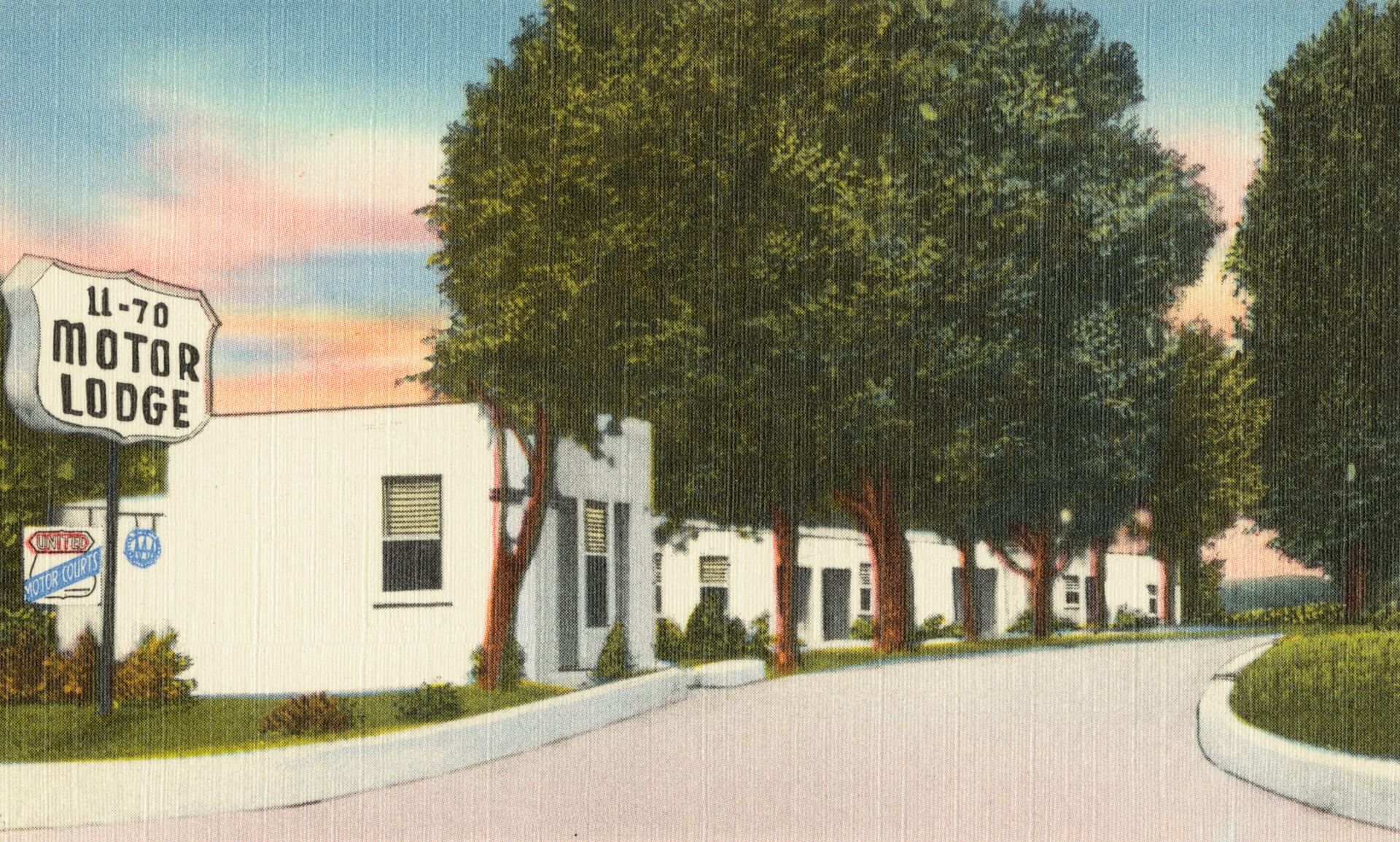
Roadside motels built through the 1950s and 1960s competed for highway traffic with neon signs advertising a pool as prominently as a vacancy, turning an overnight stop into its own small event for kids stuck in a car all day. The specific look, a kidney-shaped pool visible from the parking lot, became shorthand for a successful travel day.
Chain hotels with interior corridors and indoor pools gradually replaced the exterior motor-lodge layout by the 1980s.
National Park Passport Stamps
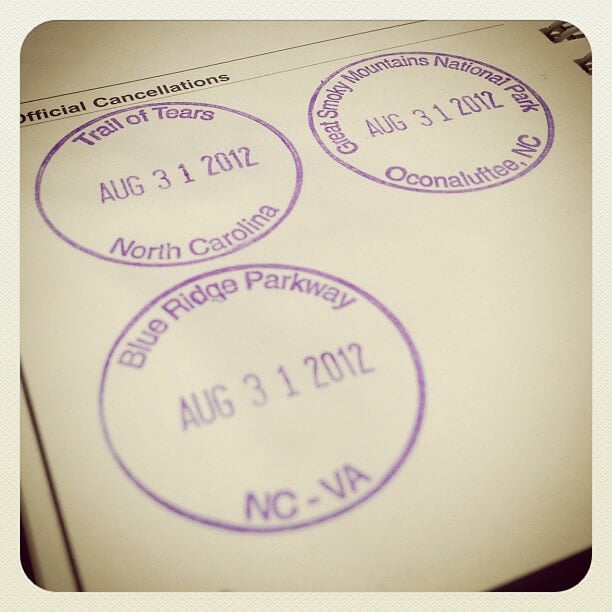
The National Park Service began selling a passport-style booklet in 1986, letting visitors collect a unique ink stamp from a station inside each park they visited. Kids treated filling pages as a long-running project across multiple trips rather than a single vacation’s activity.
The program is still active today, one of the rare pieces of this list that never actually stopped.
Mount Rushmore
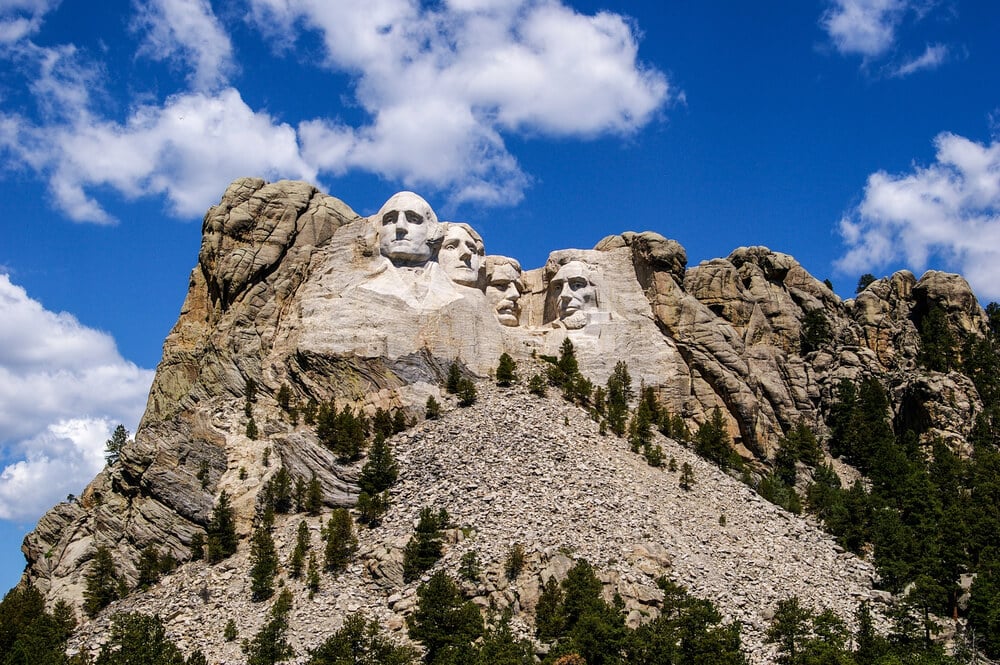
Sculptor Gutzon Borglum began carving this South Dakota monument in 1927, and it became a fixture of the classic cross-country family road trip once construction finished in 1941. For many kids raised on the interstate system, it was the single destination that justified an otherwise uneventful multi-day drive through the plains.
It remains one of the most visited monuments in the country, though the surrounding drive is no longer anyone’s only source of entertainment.
Cadillac Ranch
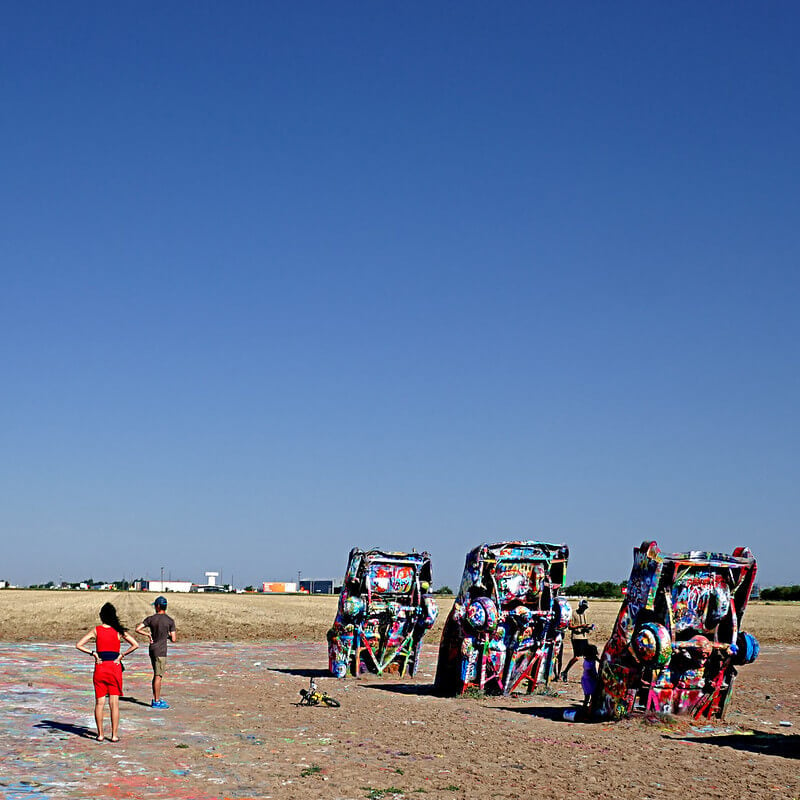
Artist group Ant Farm buried ten Cadillac automobiles nose-down in a Texas field along old Route 66 in 1974, creating a public art installation that travelers were encouraged to spray-paint. It became a mandatory stop for families driving the Texas panhandle, precisely because visitors were allowed, even invited, to leave their own mark on it.
The installation is still open to the public and still gets repainted constantly by new visitors.
Cabazon Dinosaurs
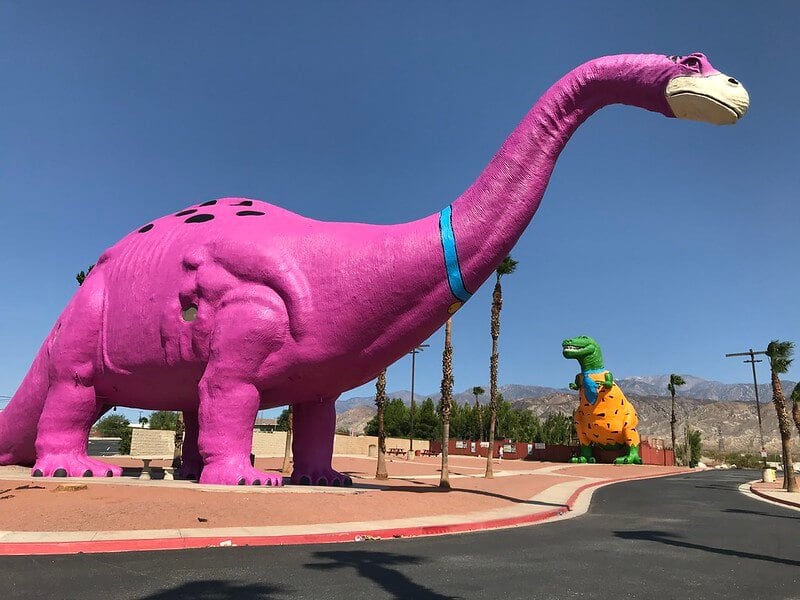
Sculptor Claude Bell built two massive concrete dinosaurs beside Interstate 10 in Southern California beginning in the 1960s, intending them as a way to draw customers into his roadside restaurant. The figures later appeared in the film Pee-wee’s Big Adventure, cementing their status as a recognizable stop rather than just a local curiosity.
Both dinosaurs are still standing today and now house a small gift shop and museum inside them.
World’s Largest Ketchup Bottle
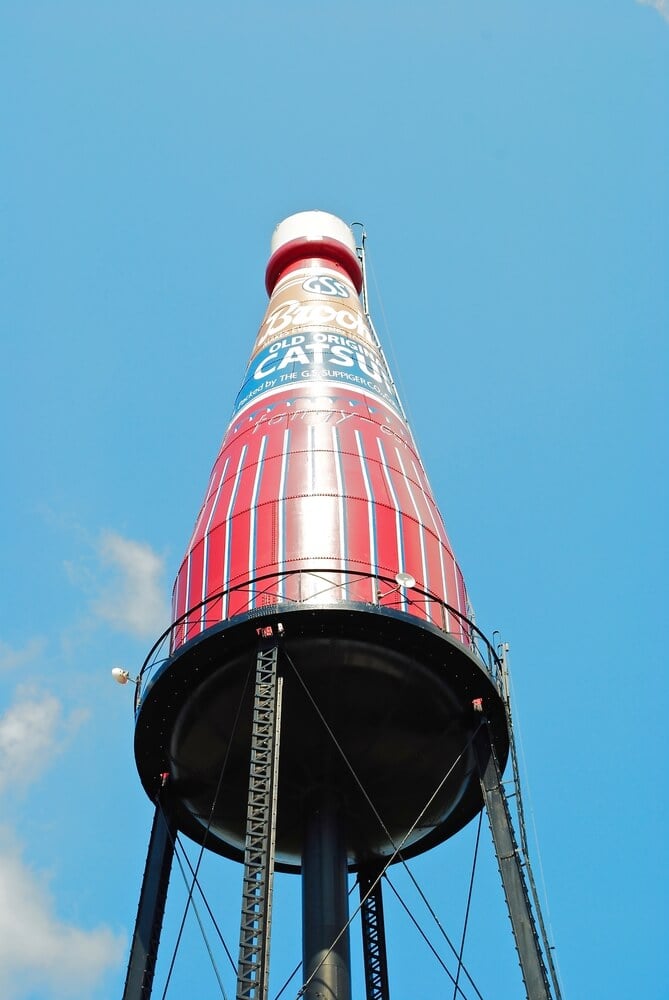
A water tower shaped like a giant condiment bottle has stood beside a former Brooks ketchup factory in Collinsville, Illinois since 1949, visible from the highway for miles in either direction. Families driving through the Midwest treated a photo beside it as a required stop on the way to somewhere else entirely.
It was restored and relisted on the National Register of Historic Places in the 2000s after a local preservation campaign kept it from being torn down.
World’s Largest Rocking Chair
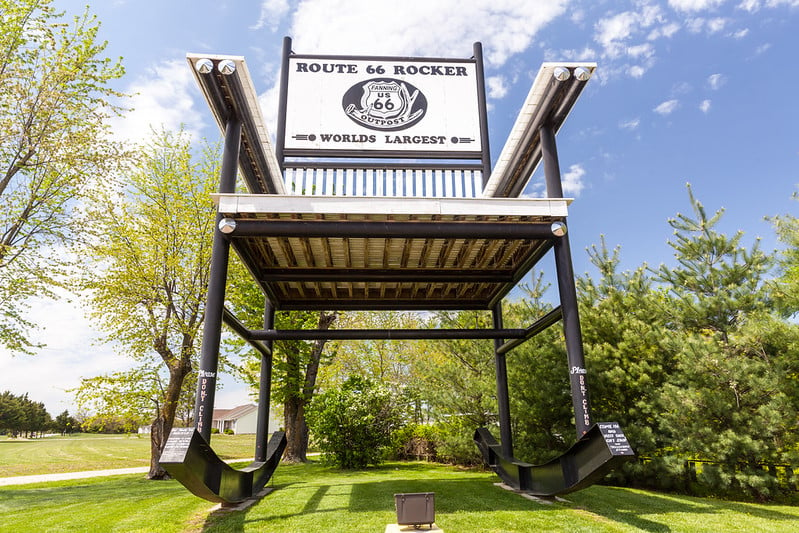
The small town of Casey, Illinois built a fifty-six-foot rocking chair in 2010 as part of a wider project to install oversized roadside objects throughout the town. It became a specific detour destination rather than a highway-adjacent sight, pulling families off the interstate to see something built purely to be photographed.
The town has since added several more oversized objects nearby, turning the original chair into the anchor of a small circuit.
Route 66 Roadside Attractions
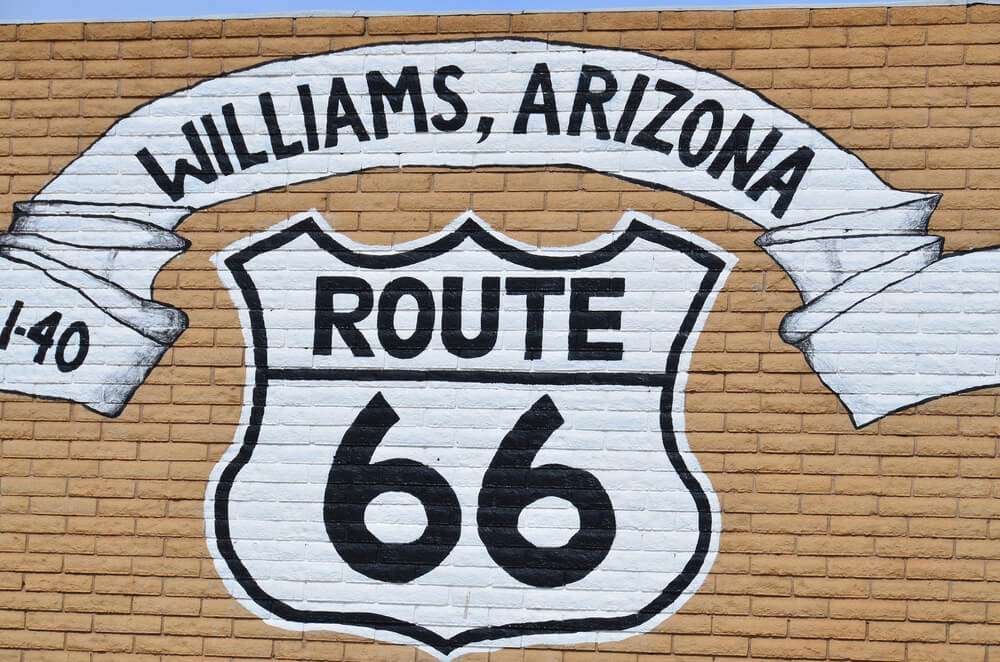
The original highway, decommissioned in 1985 in favor of the interstate system, still carries a scattered string of independently owned attractions built during its mid-century peak, including teepee-shaped motels and giant fiberglass figures known as Muffler Men. Families who drove surviving stretches of the route treated it less as a single destination and more as a slow-motion scavenger hunt for whatever oddity came next.
Many of these stops survive today only through preservation grants rather than regular highway traffic.
Howard Johnson’s Restaurants
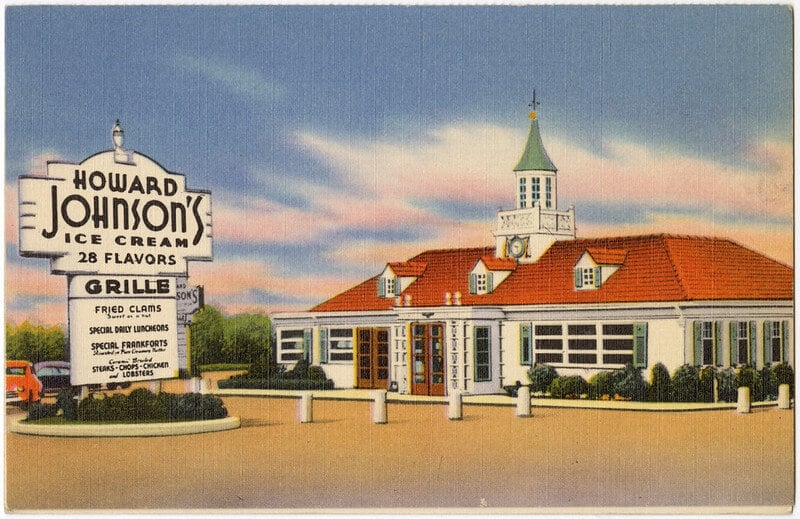
This orange-roofed restaurant chain grew to more than a thousand locations by the 1960s, largely by positioning itself directly along major highway corridors as a reliable, consistent stop for a traveling family. Its twenty-eight ice cream flavors became a specific point of anticipation for kids who had been counting down the miles to the next one.
The chain collapsed through the 1980s and 1990s, and the last Howard Johnson’s restaurant closed in 2022.
Truck Stop Souvenir Shopping
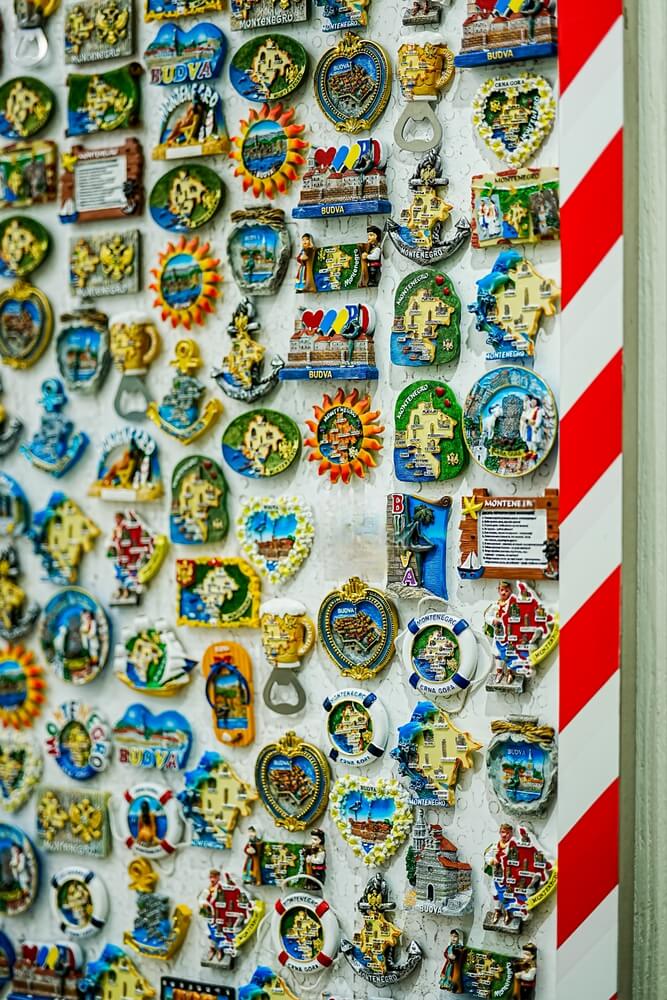
Large highway truck stops stocked a specific genre of souvenir, keychains stamped with state names, rubber tomahawks, and joke postcards, aimed squarely at kids with a few dollars of their own to spend. The stop doubled as a bathroom break and a shopping trip in one, and the specific inventory varied little from one chain location to the next across state lines.
That predictability was part of the appeal, since kids knew roughly what they’d find before the car even stopped.
Roadside Fruit and Produce Stands
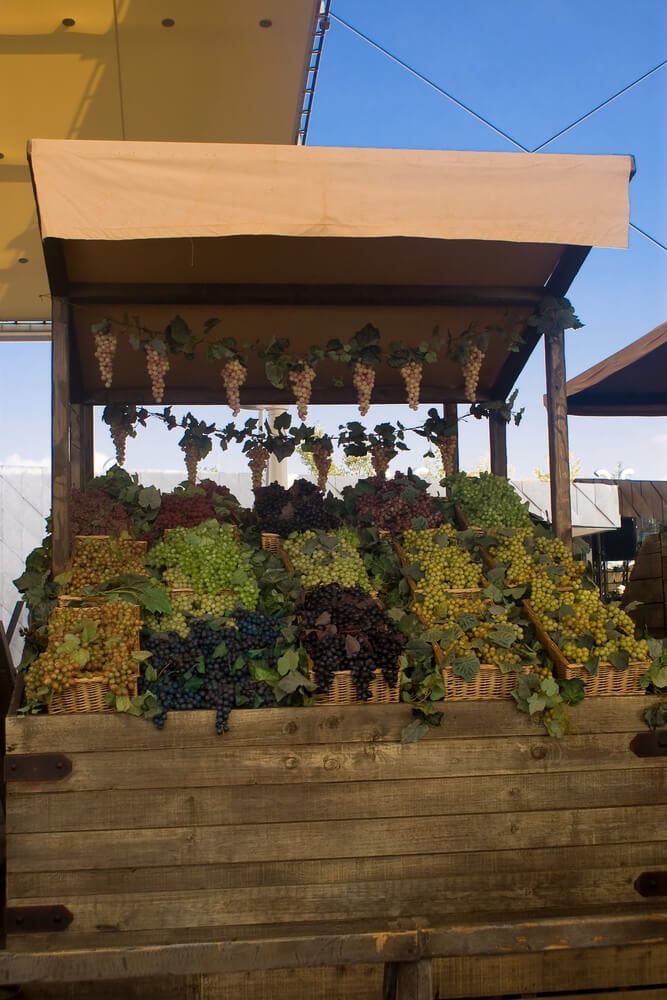
Family-run stands selling local produce, often citrus in the South or apples in the Northeast, lined stretches of two-lane highway long before interstate rest stops replaced the need to leave the main road for supplies. Stopping meant a break from the car and often a free sample handed over by whoever was working the stand.
Many of these stands still operate today, though interstate bypasses have pulled most highway traffic away from the routes where they cluster.
Roadside Reptile Farms
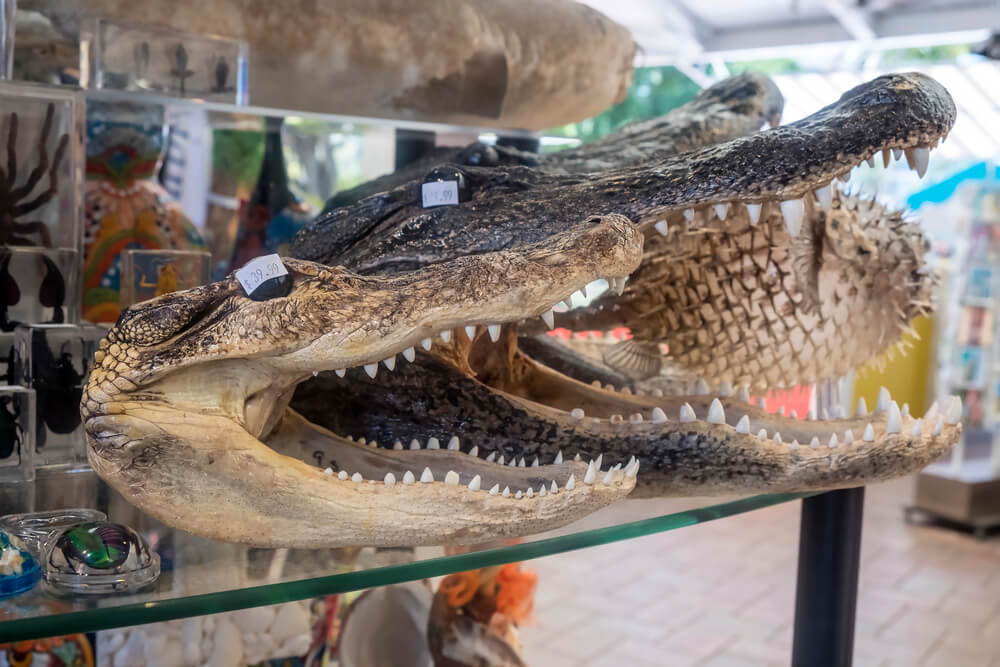
Small privately owned attractions advertising live alligators or rattlesnakes dotted highways through the South and Southwest for decades, often announced by hand-painted signs for a hundred miles in advance. A stop typically meant a walk past a series of outdoor enclosures followed by a gift shop selling items made from the same animals on display.
Most of these closed as roadside-attraction tourism declined through the late twentieth century, though a handful survive as licensed wildlife parks.
Covered Bridge Detours
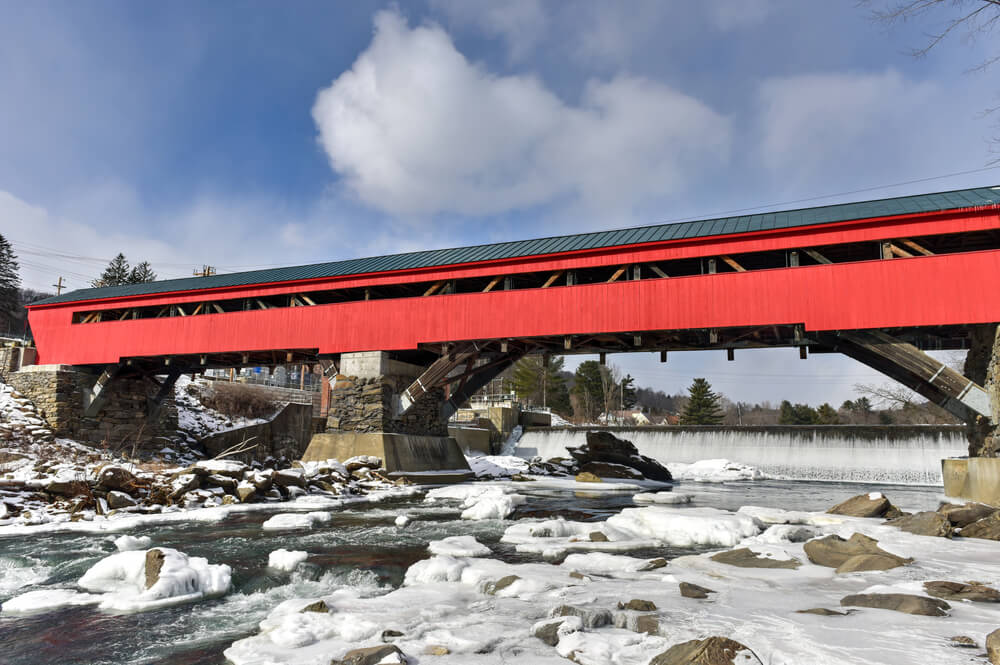
Families driving through New England or parts of the Midwest sometimes went out of their way specifically to drive through a historic covered bridge, treating the brief darkness and echo of tires on wooden planks as a small thrill in an otherwise uneventful stretch of road. Vermont alone still maintains more than a hundred of these structures, many dating to the nineteenth century.
The detour rarely added more than a few minutes to a trip, which made it an easy addition to any route.
State Welcome Center Brochure Racks
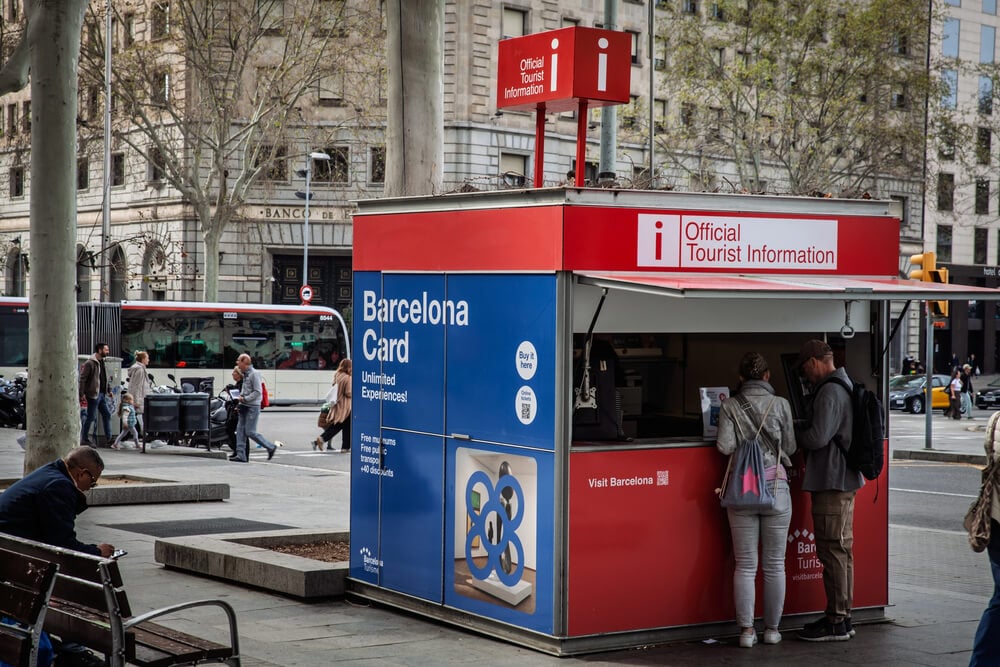
Every state maintains at least one welcome center near its highway border, stocked with racks of free brochures advertising local attractions, restaurants, and lodging. Kids often treated grabbing a handful of brightly colored pamphlets as its own small souvenir, regardless of whether the family ever visited any of the places advertised.
The centers themselves have changed little in format since most states built them during the interstate highway expansion of the 1950s and 1960s.
Bumper Sticker Collecting
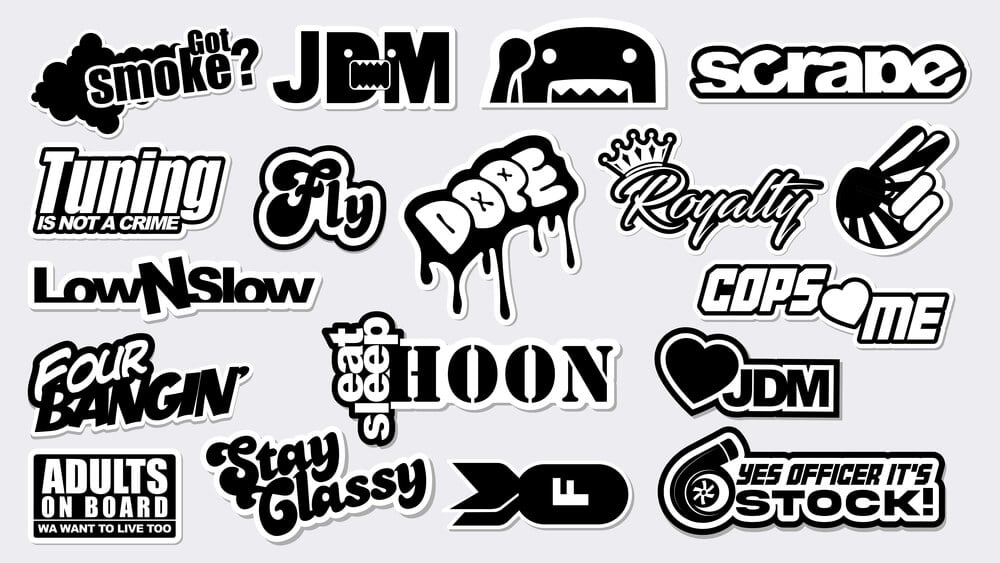
Families picked up a small bumper sticker at nearly every state park, roadside attraction, or welcome center they visited, gradually building a visible travel history across the back of the car. A station wagon covered edge to edge in stickers functioned as a kind of rolling scrapbook, readable by anyone who pulled up behind it at a stoplight.
The practice faded as magnetic and removable decals replaced the permanent adhesive kind, making the collection less of a lasting record.
Postcard Collecting From Every State
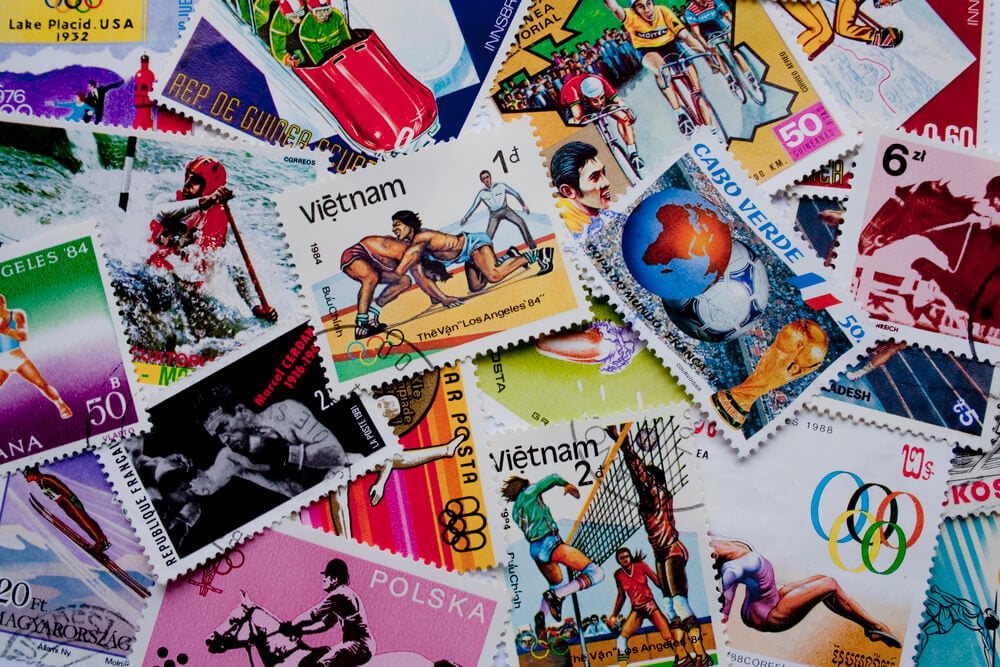
Kids picked up a postcard at each stop along a route, less often to mail and more often to keep as proof of where the family had actually been. A shoebox of these cards became its own kind of travel journal, organized loosely by trip rather than by date.
The habit declined alongside the broader decline of postcard racks themselves, which thinned out considerably once digital photography made a physical souvenir feel less necessary.
Paper Fortune Tellers

During the slow middle hours of a long drive, kids folded a single sheet of paper into the pocketed, hand-operated fortune-telling toy sometimes called a cootie catcher, writing in their own predictions before putting it to use on a sibling. It required nothing but paper and a pen, both of which were standard backseat inventory long before any electronic device was.
The toy itself predates the road trip entirely, but it found a natural second life as a way to pass highway time.
Collecting All Fifty License Plates
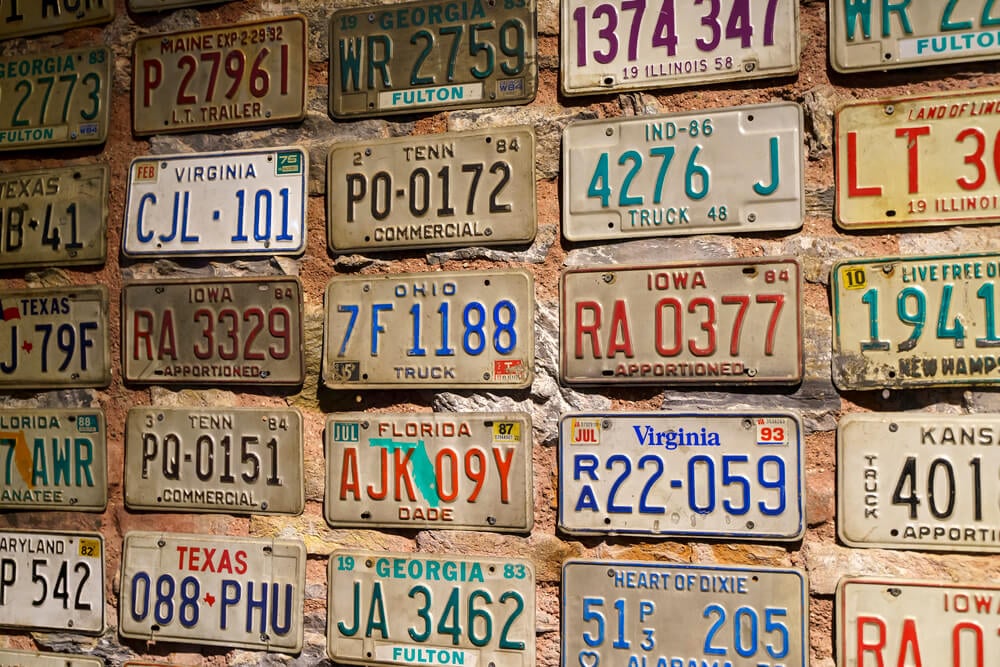
Unlike the single-trip bingo card, this version ran across a family’s entire travel history, with kids keeping a running mental or written list of every state plate they had ever spotted, sometimes over several years of trips. Reaching all fifty became a genuine long-term goal, occasionally requiring a specific detour just to catch a rare plate like Hawaii or Alaska passing through on a rental car.
The project had no natural end point until the last state was finally checked off.
What the Boredom Was For
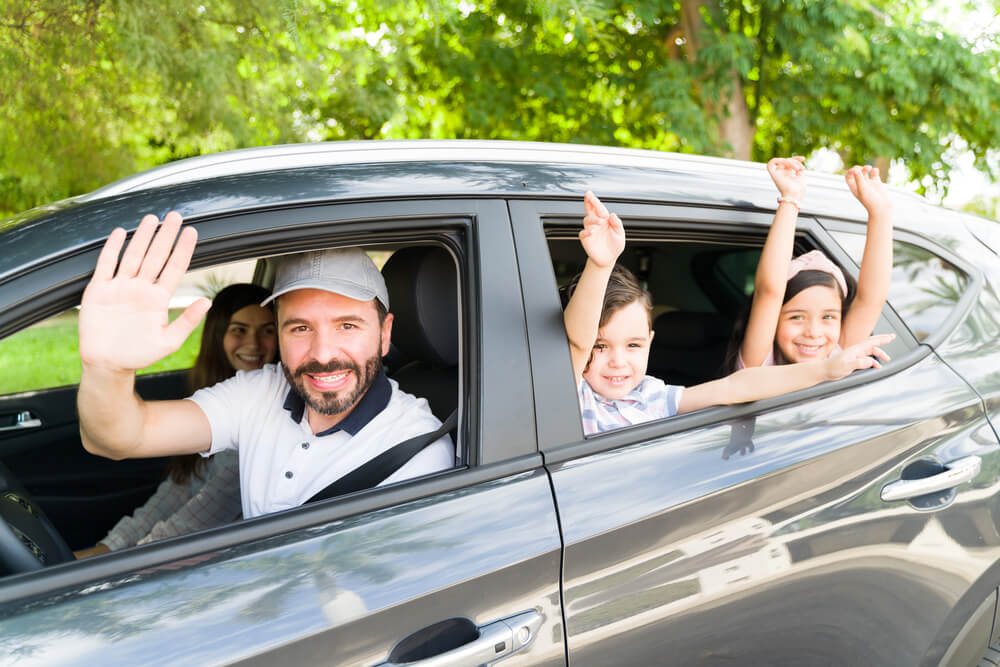
None of these games or stops required much more than a working imagination and a willingness to argue about the rules, which is exactly why they survived as long as they did. The boredom of a long drive wasn’t a problem to be solved so much as the raw material every single one of these traditions was built out of.
What has actually changed is not the length of the drive but the tolerance for empty time inside it. A car full of kids staring out the window wasn’t a failure of entertainment; it was the entire format working exactly as intended.
More from Go2Tutors!

- The Romanov Crown Jewels and Their Tragic Fate
- 13 Historical Mysteries That Science Still Can’t Solve
- Famous Hoaxes That Fooled the World for Years
- 15 Child Stars with Tragic Adult Lives
- 16 Famous Jewelry Pieces in History
Like Go2Tutors’s content? Follow us on MSN.